
Meet Mary and Lilly: Two Passionate Gardeners
As a passionate gardener, I’ve come to realize that winter is both a challenge and an opportunity. While the cold weather can be harsh, it’s also time to prepare and ensure your garden remains healthy and ready for the blooming season ahead. Over the years, I had a lot of bad experiences with the techniques and tools I used. I learned from my mistakes and I am ready to share the essential tools list with you.
My daughter Lilly, shares this passion, and together, we’ve discovered the joy of winter gardening. We’ve spent countless cold mornings bundled up in warm clothes, working side by side to ensure our garden not only survives but thrives during the colder months.
Our journey into winter gardening began a few years ago when we decided to keep our garden alive and vibrant even in the worst weather. It wasn’t just about keeping our plants healthy, it was also about spending quality time together and learning from each other.
Lilly, with her innovative ideas, often inspires me to try new techniques and tools. Through trial and error, we’ve built a collection of essential winter gardening tools that have become our trusted allies.
The tools made a significant difference in our winter gardening efforts. So, no matter if you are a professional gardener or just starting, these tools will equip you to face the challenges of winter gardening with joy.

10 Essential Gardening Tools
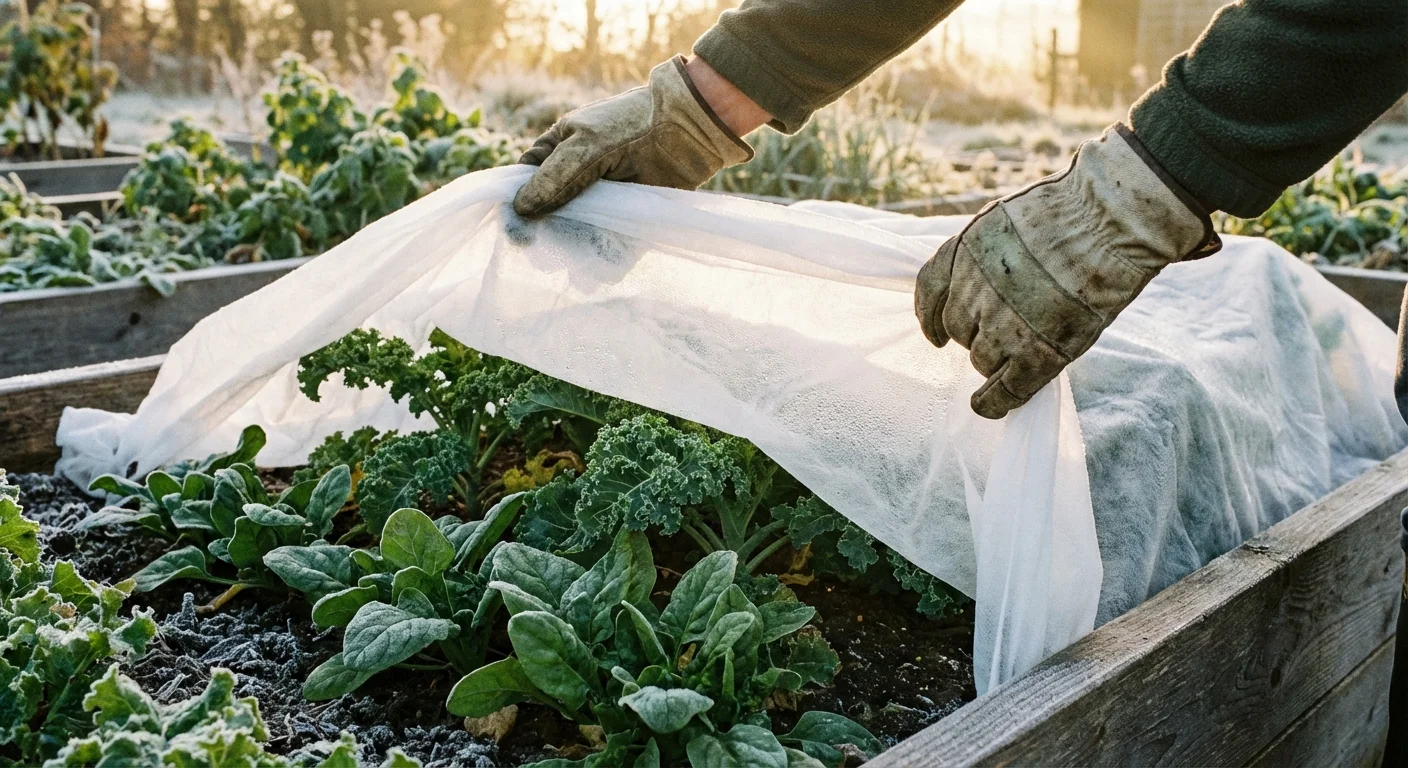
1. Plant covers
As a mother and daughter team, we’ve found that plant covers are a lifesaver in our garden. Our first encounter with plant covers came during an early spring frost. I just planted my beloved tomato seedings and the weather report predicted an unexpected cold snap. We rushed to cover the plants with these protective blankets and it worked like magic. The covers protected our plants from frost damage, allowing them to thrive. Now, plant covers are a stamp in our gardening routine, and are super easy to use, providing protection from pests, and harsh weather, and even keeping the soil warmer during cooler nights.
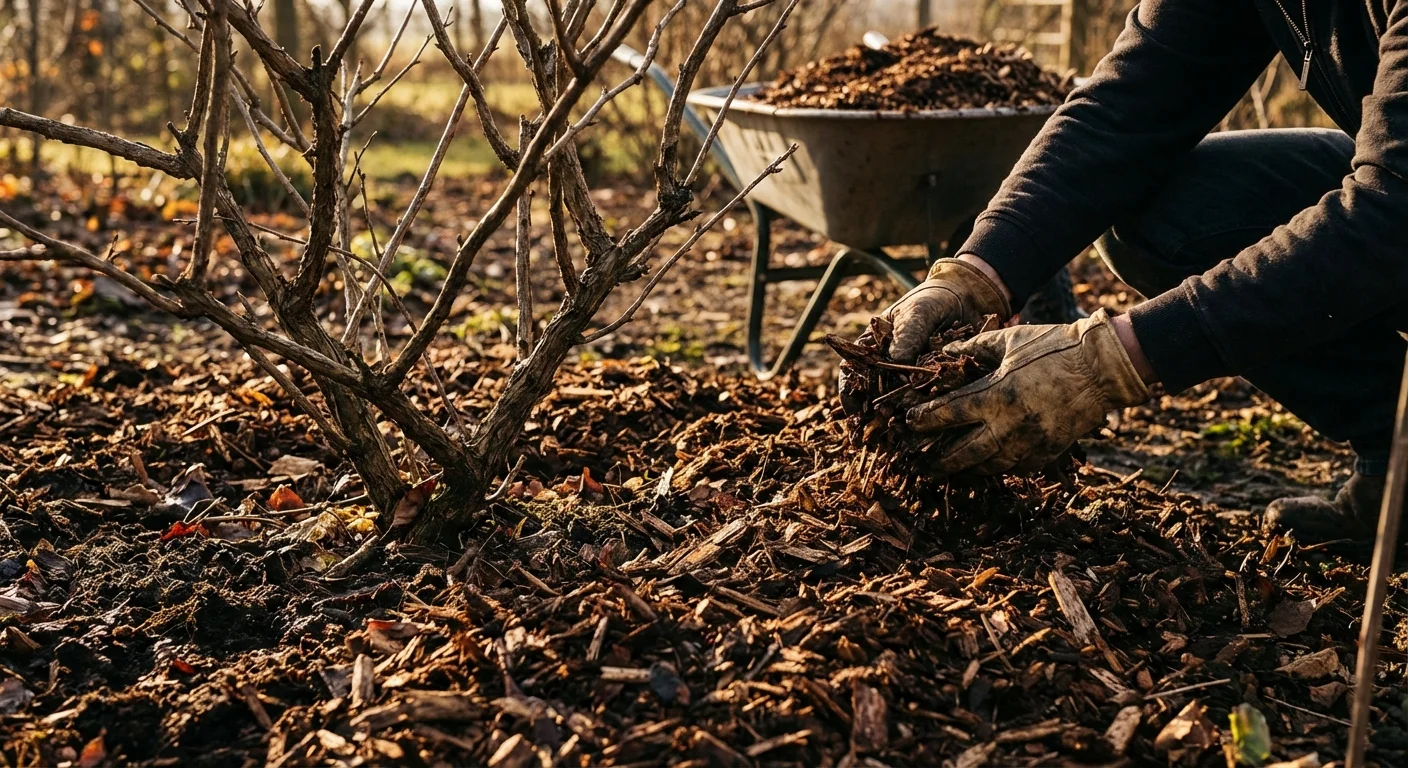
2. Mulching material
Mulching has really transformed our gardening experience. We discovered its benefits when our vegetable patch was overrun with weeds. A gardening friend recommended mulching, and it changed everything. All you have to do is basically spread a thick layer of organic mulch around your plants and the results will surprise you. The mulch will retain moisture and improve soil health. It also adds a polished look to garden beds. Every season, we make sure to gather leaves, grass clippings, and wood chips to create our own mulch, making gardening more efficient and enjoyable.
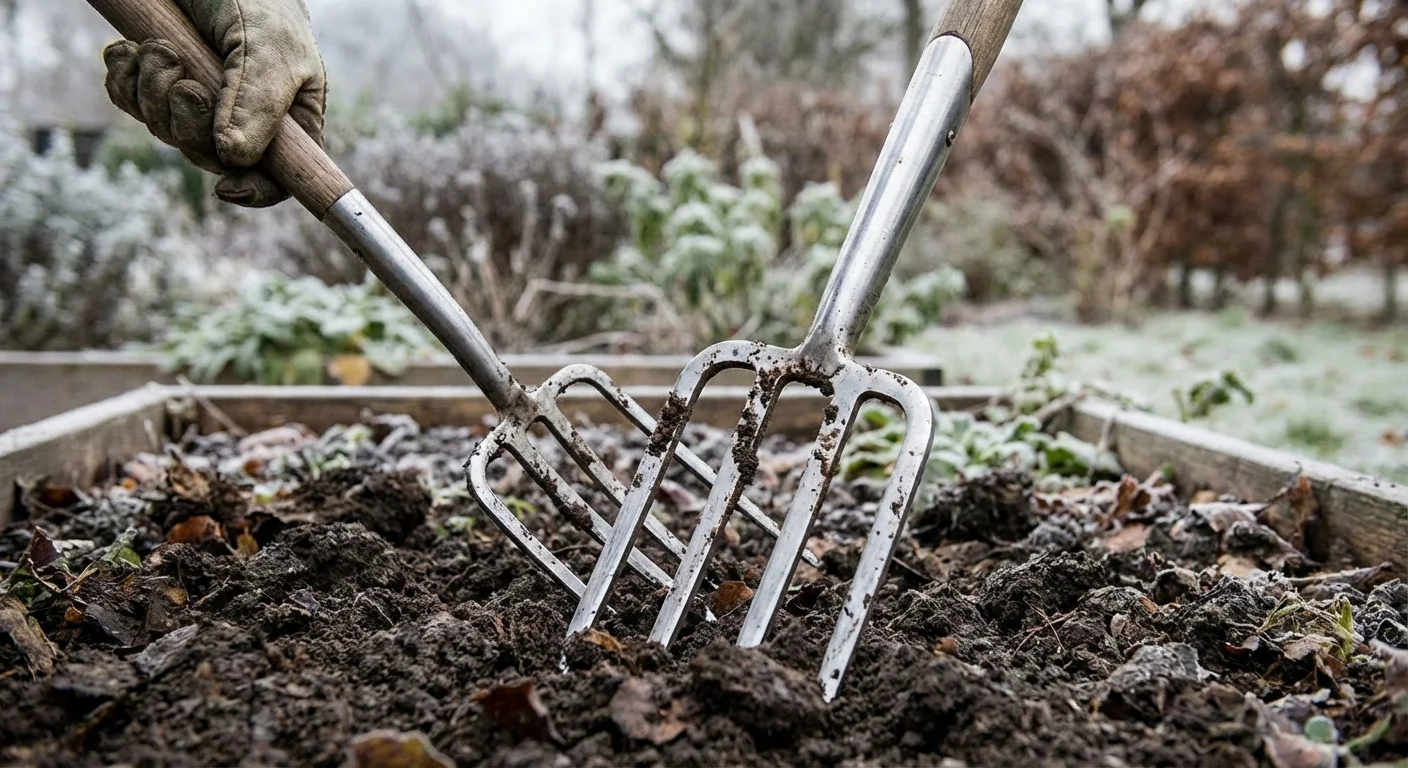
3. Garden fork
The garden fork is one of our favorite tools. We initially bought it to help with digging up potatoes but soon realized its versatility. It’s great to aerate the soil and break up clumps. It became an indispensable tool in our garden. Last summer, we even used it to turn our compost pile. It allowed us to mix in air and speed up the decomposition process. It’s sturdy, reliable, and perfect for a wide range of tasks, making gardening more enjoyable.
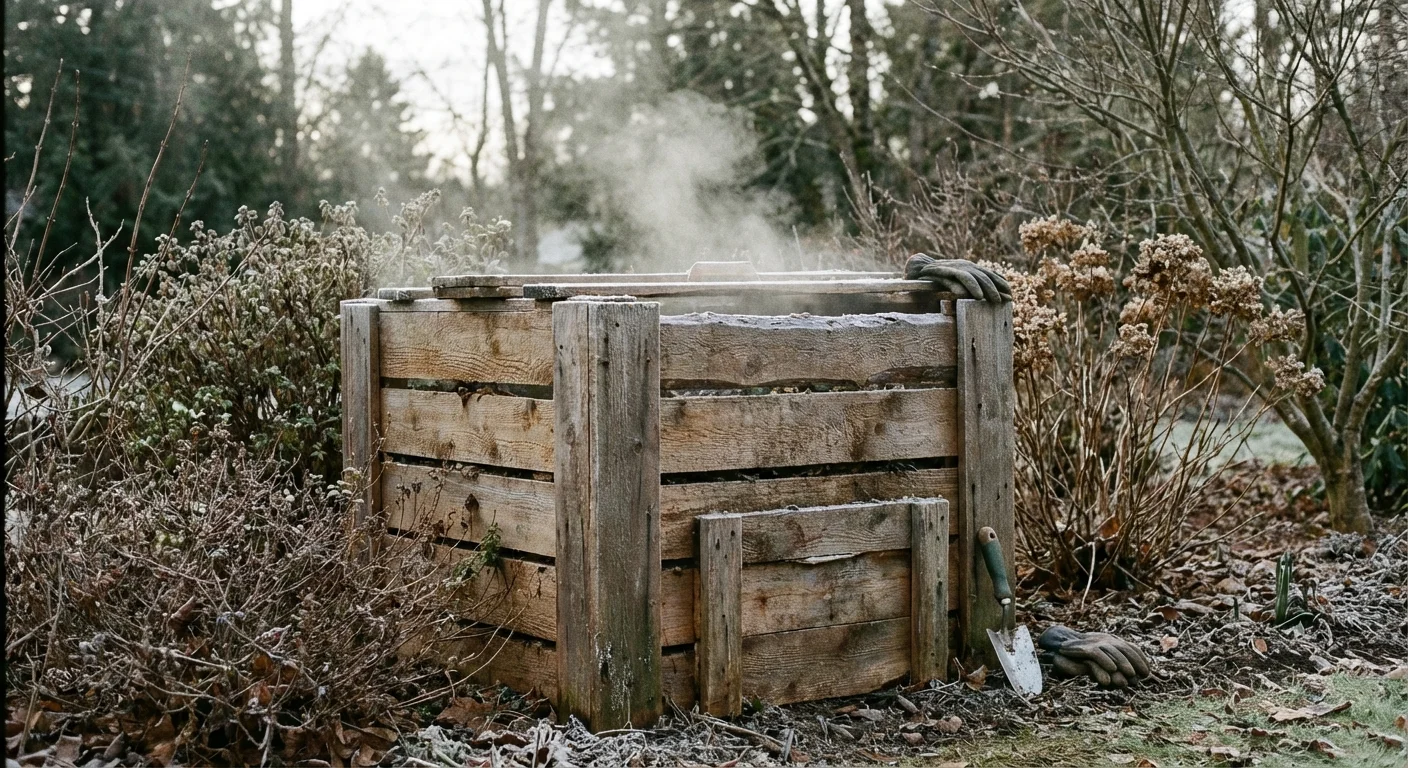
4. Compost bin
Our compost bin represents our commitment to sustainable gardening. I always compose kitchen scraps and I encourage my daughter to do the same at her home. Considering that we live nearby, we have the opportunity to share this beautiful passion. We collect vegetable peels, coffee grounds, and garden waste, turning it into rich, organic compost. The bin keeps the compost manageable, reducing waste. The first time we spread our homemade compost, the plants responded with vigorous growth.
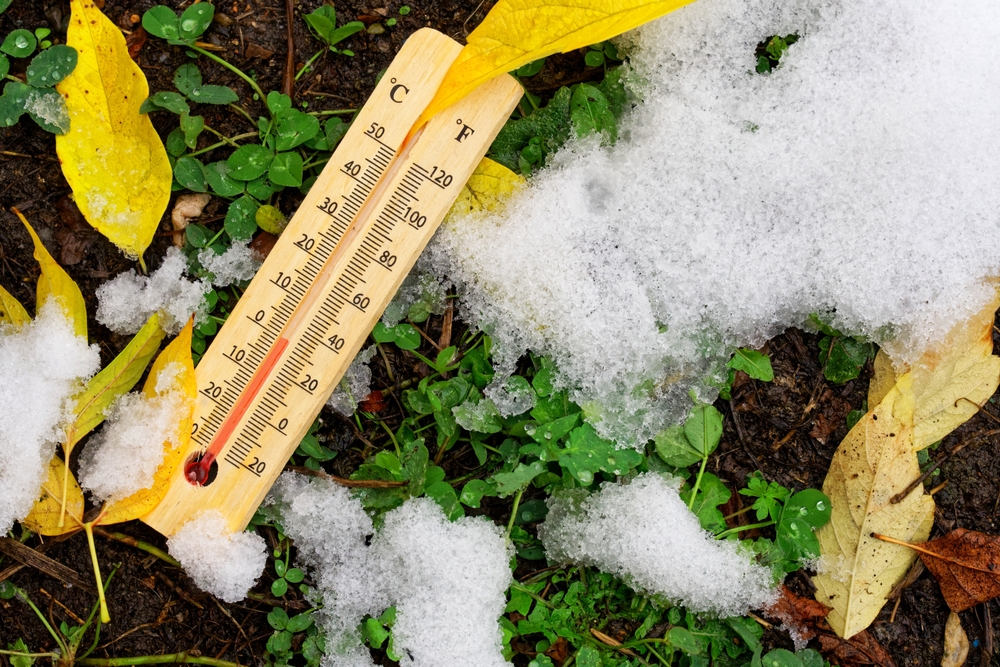
5. Gardener thermometer
The gardener thermometer is a game-changer and if you don’t have one, you should fix the problem immediately! We understood its importance when we struggled to germinate seeds one cold spring. A friend suggested checking the soil temperature. It allows you to monitor the perfect conditions for planting after the cold season is gone. But don’t get me wrong! It’s an essential tool, no matter the season. Monitoring temperature helps us plan and adjust, making our garden more resilient and productive.
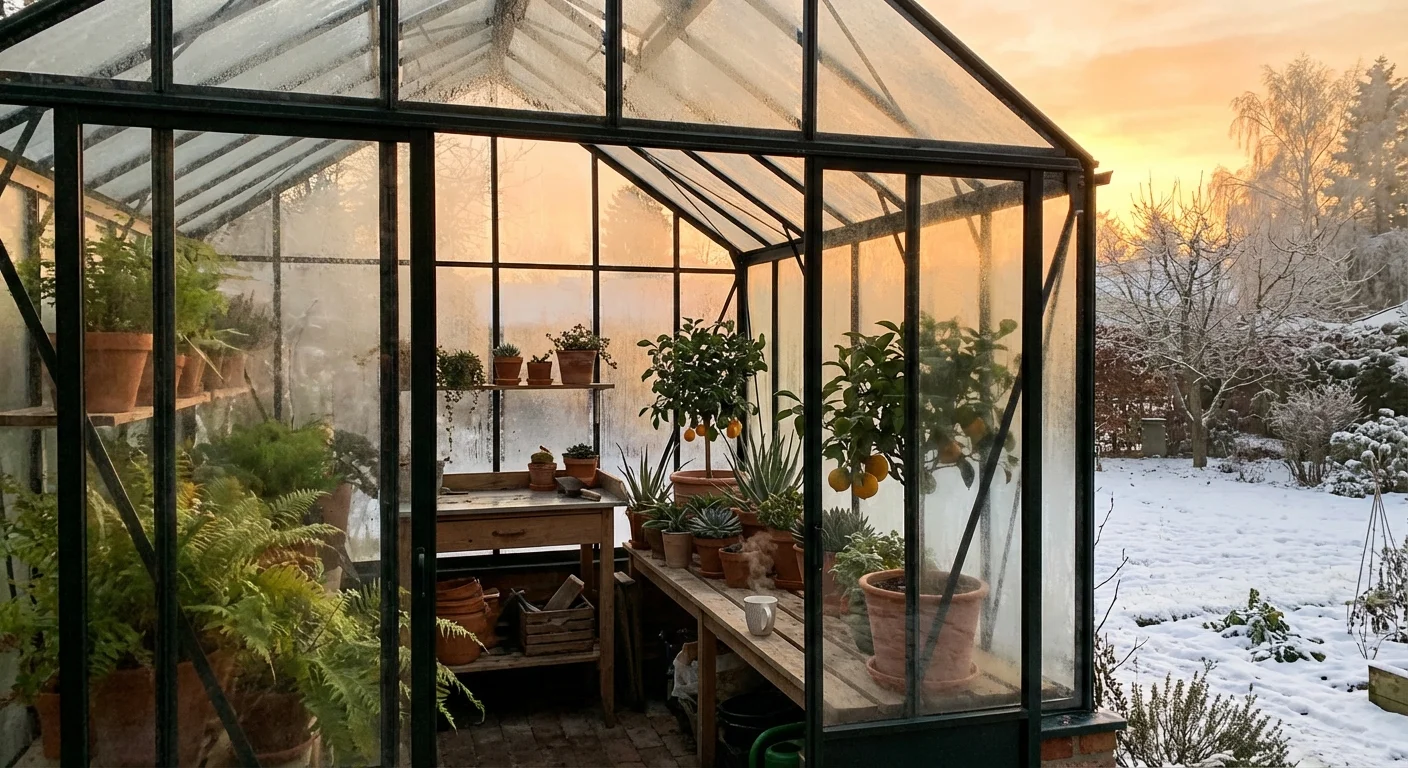
6. Greenhouse
Our greenhouse is a cherished asset during the winter months. It allows us to extend our growing season and experiment with different plants. The controlled environment of the greenhouse protects our plants from extreme cold and snow, creating a warm haven. We grow winter vegetables like kale, spinach, and lettuce, enjoying fresh produce even in the dead of winter. A greenhouse is a constant source of inspiration and joy, making gardening possible, no matter the weather. Great, isn’t it?
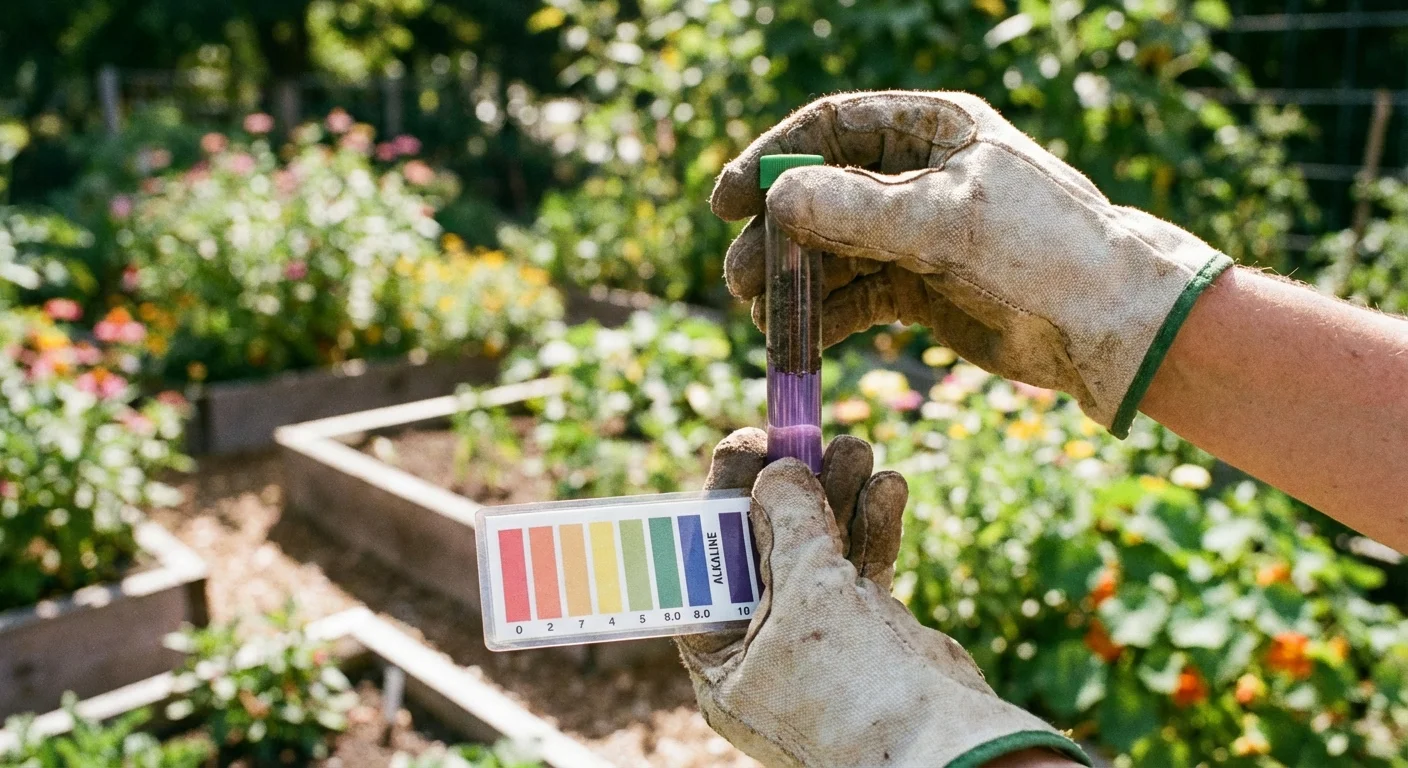
7. Soil testing kit
Winter is a great time to test and amend our soil in preparation for spring. We use our soil testing kit to check pH and nutrient levels, addressing any deficiency that could affect our winter crops. Understanding our soil’s health helps us decide which amendments to add before the ground freezes. By adjusting our soil based on the results, we ensure a fertile environment for our plants.
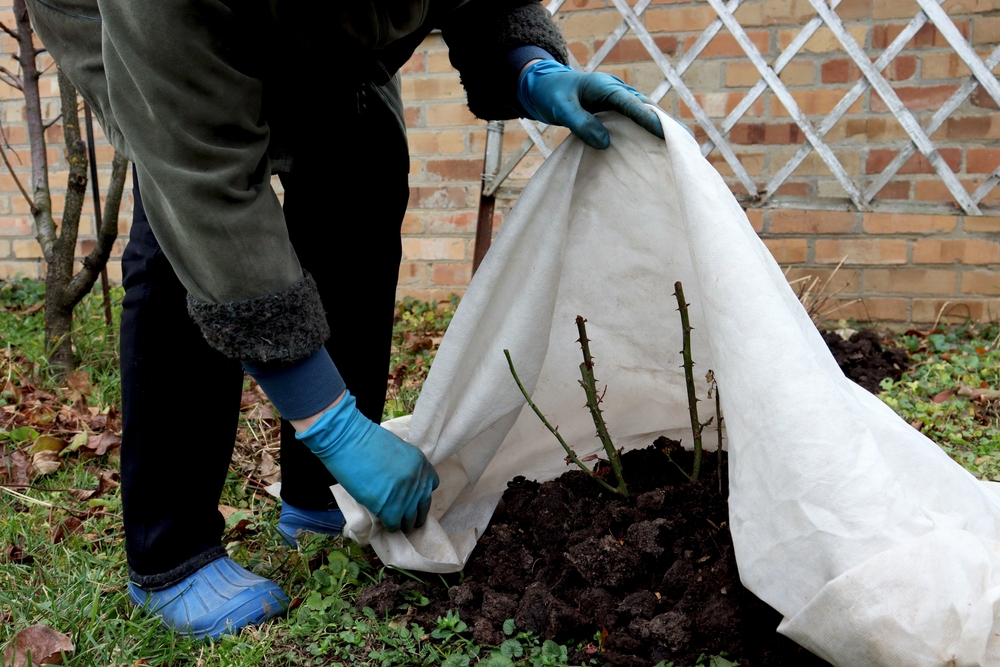
8. Gloves and hand warmers
Winter gardening can be really tough on hands, but good gloves and hand warmers make it manageable. We invested in insulated gloves to protect our hands from the cold, and they’ve made a significant difference. The hand warmers tucked inside our gloves keep us comfortable, allowing us to work longer without freezing our fingers. These simple tools make winter gardening a pleasure, even in harsh weather. They’re essential for comfort and safety, ensuring our hands stay warm and protected, which is crucial for maintaining our garden throughout the winter season.
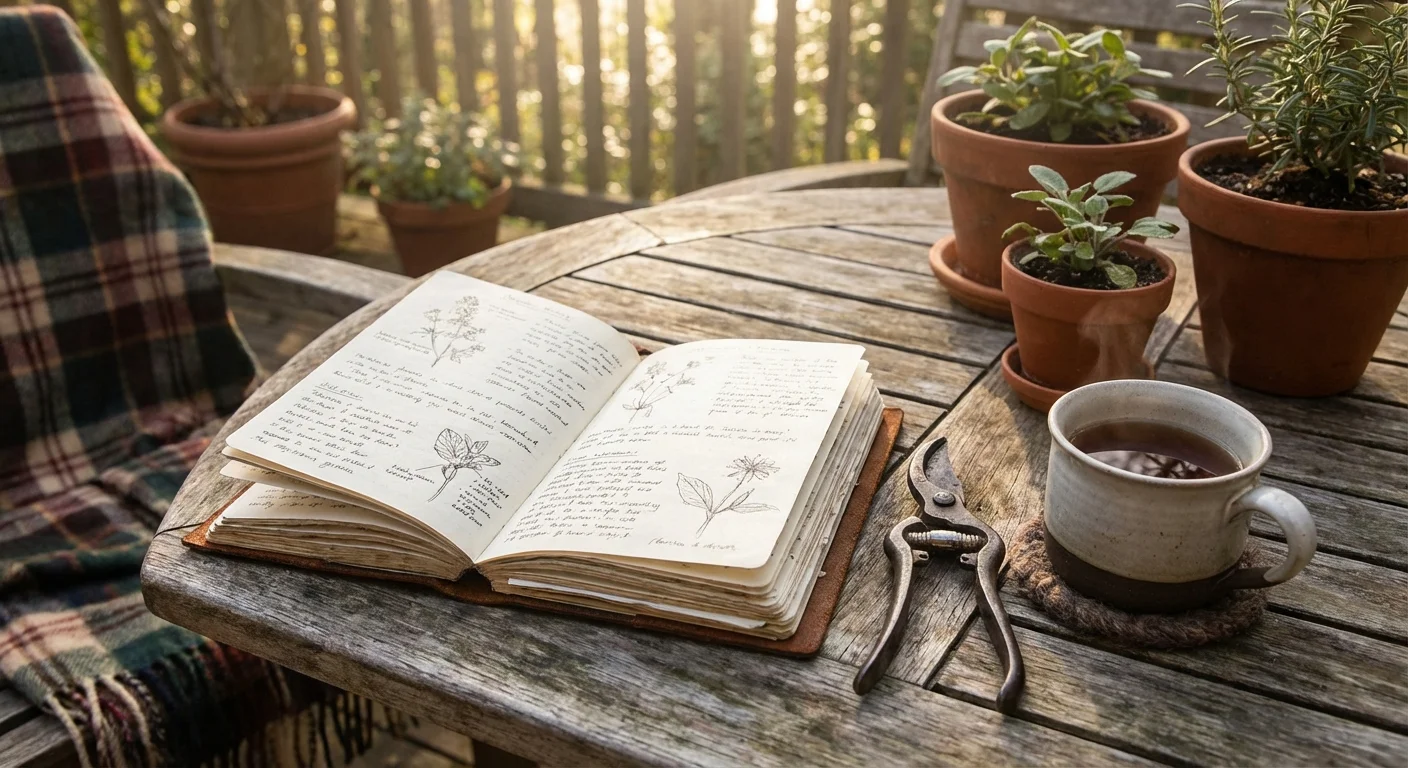
9. Garden journal
Have you thought about keeping a garden journal? During winter I find it very useful to document and plan our activities. We record planting dates, weather patterns, and observations about our winter crops. This journal becomes an invaluable resource for planning our next steps, even the future seasons. Most importantly, it helps us avoid mistakes and remember what worked well. It’s also a lovely way to reflect on our gardening journey and see how much we’ve grown as gardeners.
Try to create your own journal and we guarantee that you won’t regret it! It’s totally worth it and it will make you feel very proud of yourself, especially at the end of the year, when you can go through all of your achievements.
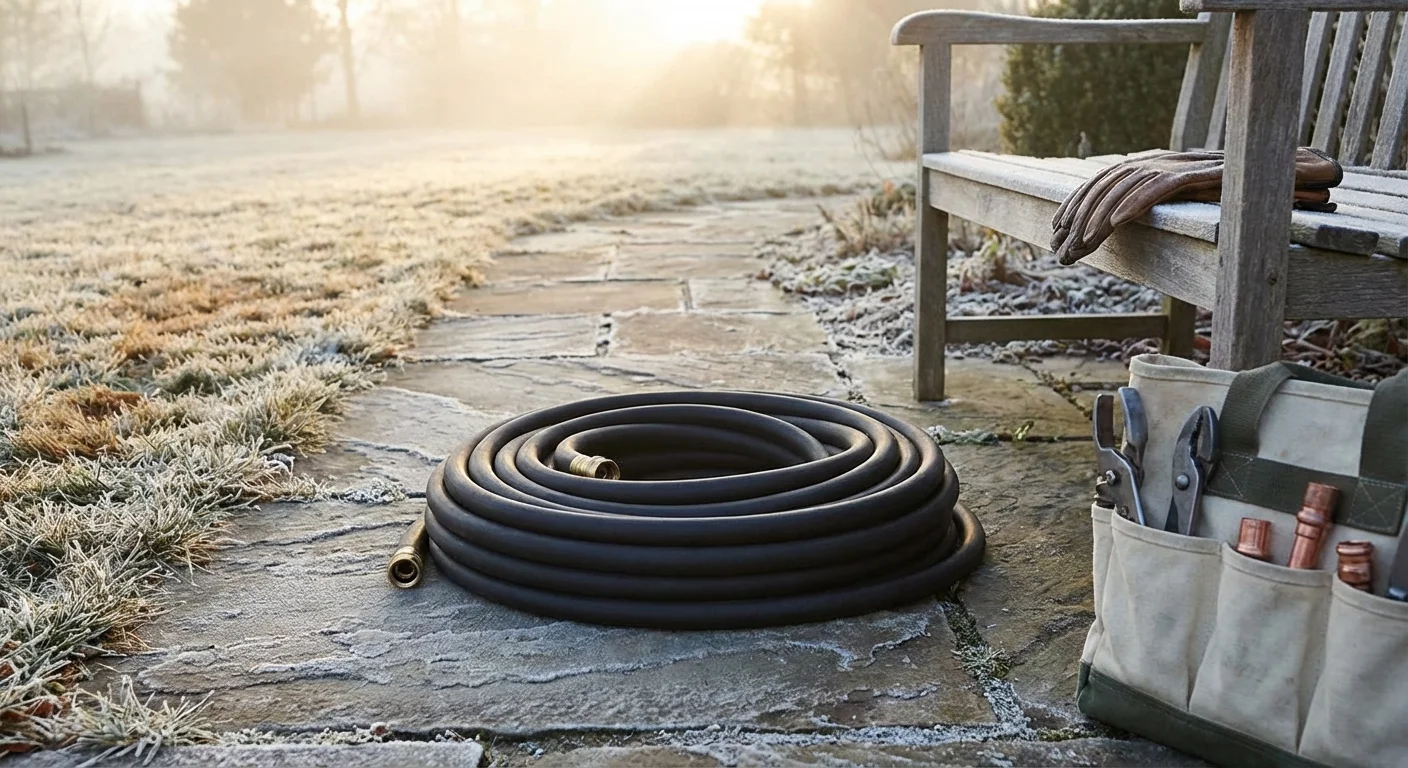
10. Insulating watering hose
The insulating gardening house is essential for winter gardening. We built it to protect our plants during harsh winter and it has exceeded our expectations. It maintains the temperature stable, creating an ideal atmosphere for growing sensitive plants year-round. The first winter, we used it to house our citrus trees and were thrilled with their health and productivity.
Are you a beginner or a professional gardener? Let us know which are the must-have gardening tools, according to you. You can leave us a comment in the comment section found below and inspire all the brave new gardeners who are just discovering their passion.
Are you interested in learning more about winter gardening? We have a great recommendation for you, check out this article and improve the atmosphere in your garden: 9 Winter Lighting Ideas for a Warm and Welcoming Garden.