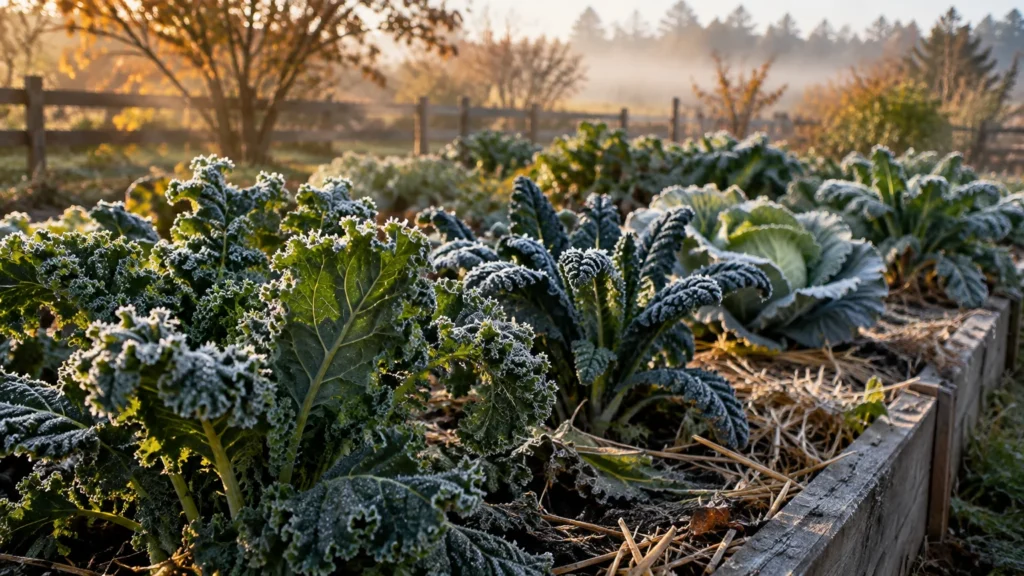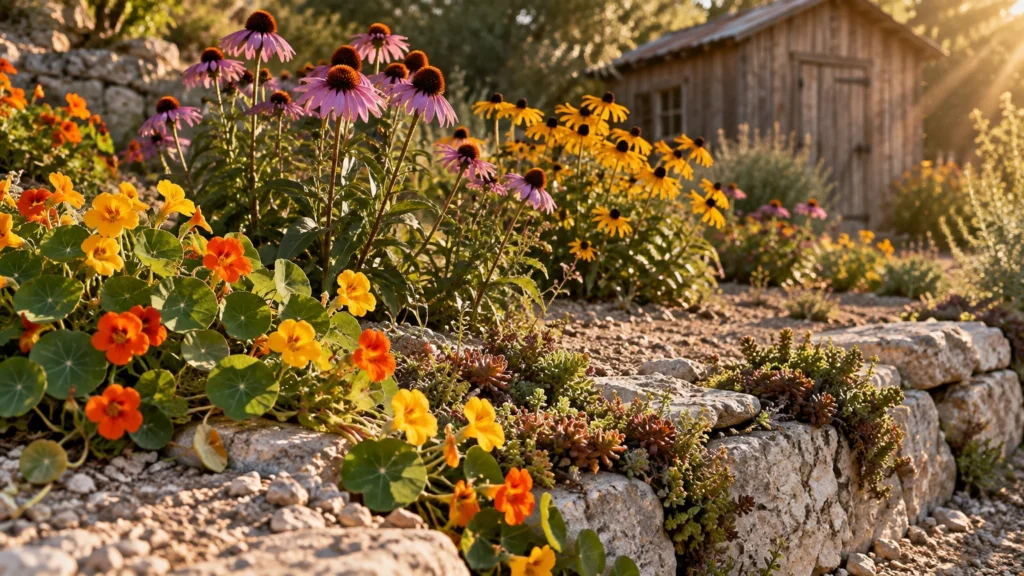
You can protect your vibrant landscape from hungry deer by choosing garden flowers deer won’t eat due to natural chemical deterrents, unpleasant textures, and pungent aromatic oils. Instead of constantly replacing chewed stems and devastated buds, strategic plant selection allows you to enjoy a lush season-long display without relying on smelly sprays or expensive fencing. Deer rely heavily on scent and taste to select palatable forage, so selecting plants with bitter alkaloids, milky sap, or tough, fuzzy foliage creates an effective defense mechanism for your yard. These eight proven flower varieties offer exceptional visual appeal while consistently turning away browsing herds, ensuring your flowerbeds thrive uninterrupted.
Tip #1: Plant Daffodils for Bulletproof Spring Color
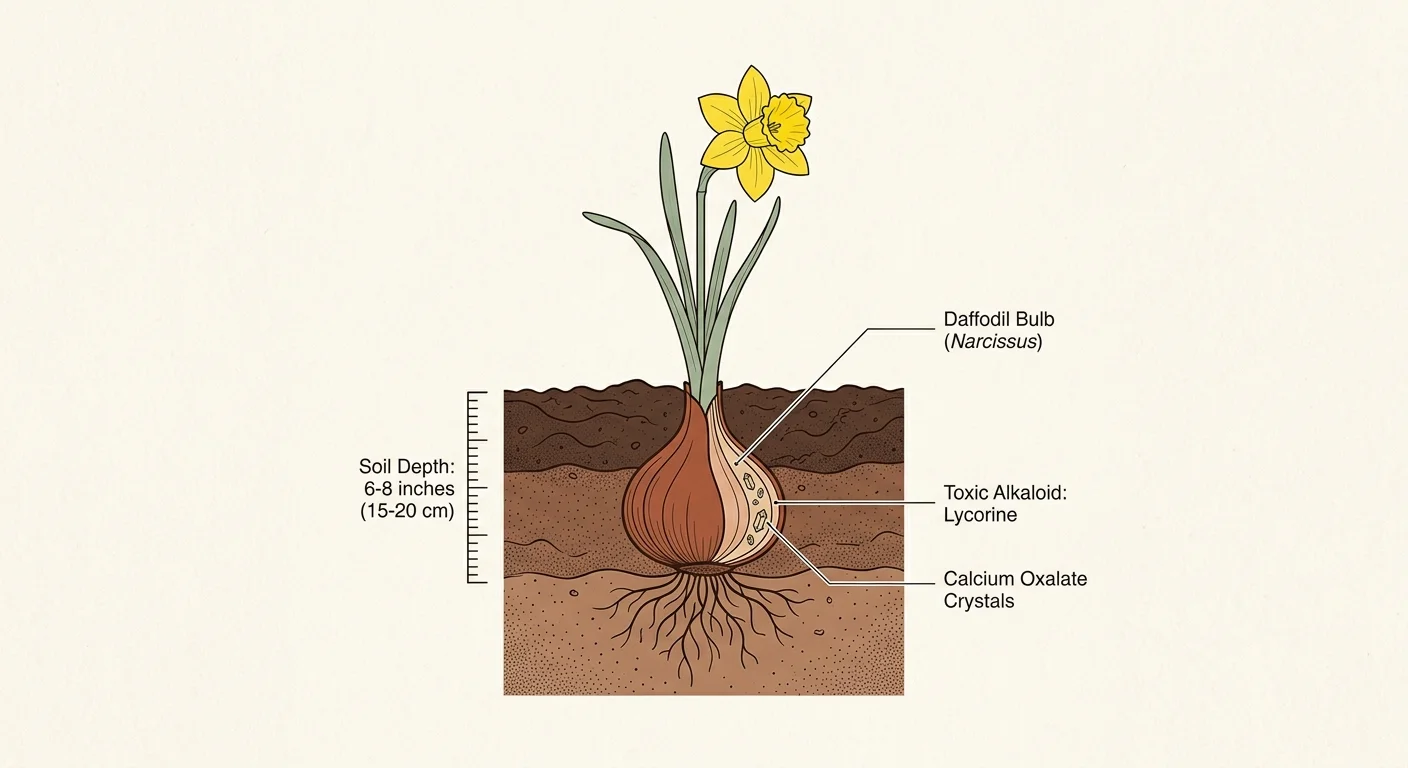
Daffodils (Narcissus spp.) stand as the gold standard when you want beautiful spring blooms that browsing wildlife ignore. Every part of the daffodil contains a toxic alkaloid called lycorine, alongside microscopic, needle-like calcium oxalate crystals. When a deer attempts to bite a stem or bulb, these crystals irritate the animal’s mouth; the bitter taste and subsequent stomach distress teach the herd to look elsewhere. Because of this powerful chemical defense, daffodils remain among the most reliable flowers deer avoid eating, even during severe winter food shortages.
To establish a thriving daffodil display, plant your bulbs in autumn before the ground freezes. Choose a location receiving full sun to partial shade with well-draining soil, as wet roots cause bulb rot. Dig holes six to eight inches deep—roughly three times the bulb’s height—and place them root-side down. Space bulbs three to six inches apart for natural spreading. Classic yellow varieties like ‘King Alfred’ deliver early-season drama, while trumpet types such as ‘Thalia’ offer fragrant white blooms. After flowering, leave the foliage intact for six weeks so the bulb absorbs energy for next spring.
Tip #2: Cultivate Fragrant English and French Lavender
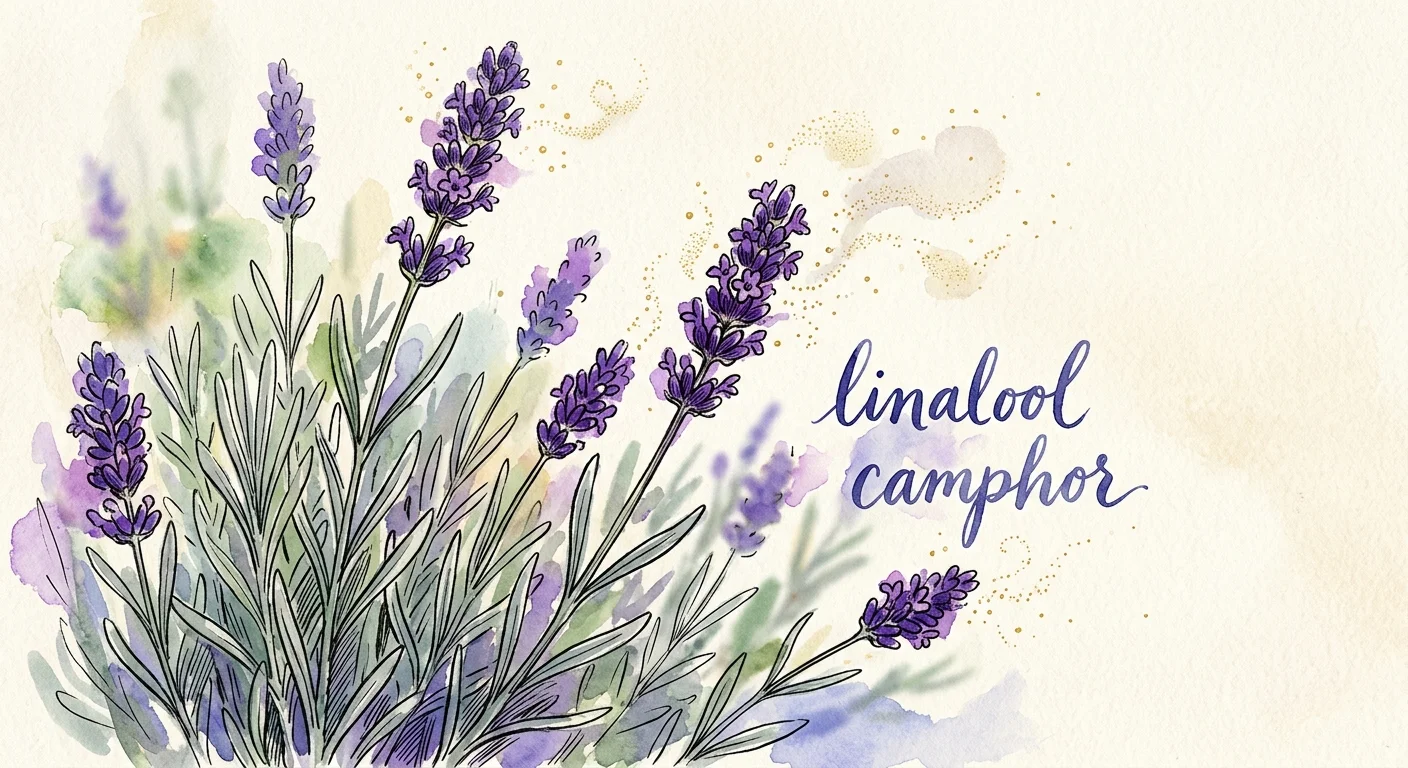
Lavender (Lavandula spp.) provides a sensory masterpiece for human gardeners while serving as a natural repellent against white-tailed deer. The woody stems and grey foliage possess tiny glands loaded with intense essential oils, including linalool and camphor. While humans find this herbal scent relaxing, deer possess a keen sense of smell that renders these concentrated oils overwhelming. Integrating lavender into your landscape establishes an olfactory buffer that protects neighboring plants, making it one of the most versatile deer resistant flower varieties available.
Thriving lavender requires conditions that mirror its native Mediterranean habitat. Choose a spot receiving six to eight hours of direct daily sunlight. Lean, gravelly soil with a neutral to slightly alkaline pH (6.5 to 7.5) yields the highest oil concentrations; avoid heavily fertilized soils that produce weak, floppy stems. Ensure rapid drainage by mixing coarse sand into heavy clay beds. English lavender (Lavandula angustifolia) cultivars such as ‘Hidecote’ perform down to USDA zone 5, while French lavender (Lavandula stoechas) thrives in warmer regions. Prune plants back by one-third after blooming to promote compact growth.
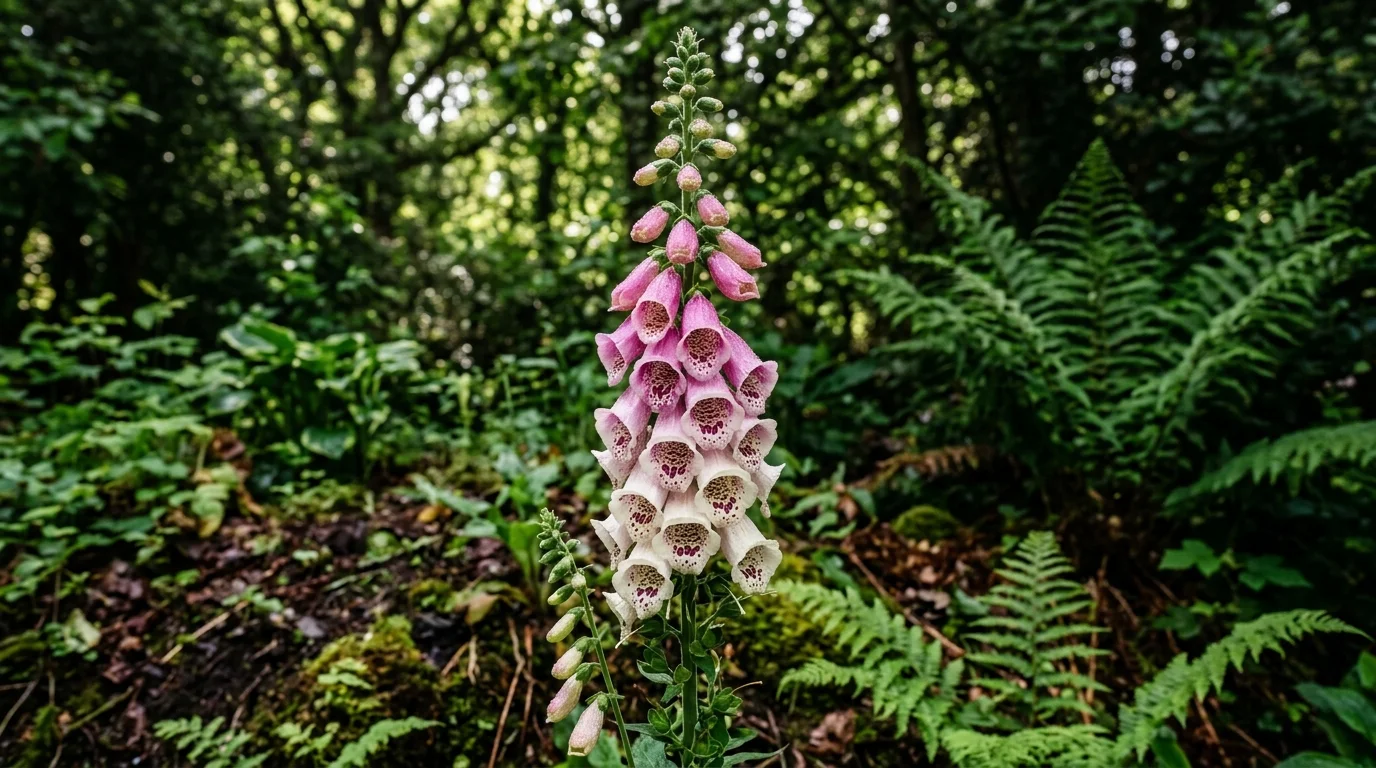
Tip #3: Tower Over Pests with Toxic Foxgloves
Foxglove (Digitalis purpurea) brings commanding height and color to shady garden borders without attracting destructive browsers. Rising up to five feet tall with tubular, speckled blossoms, this classic plant protects itself using powerful cardiac glycosides, primarily digitoxin and digoxin. These organic compounds cause severe gastrointestinal and cardiovascular distress if ingested. Grazing deer possess strong instincts warning them away from foxglove tissue, ensuring these flower spikes remain untouched throughout their bloom cycle.
You can grow foxgloves as biennials or short-lived perennials in USDA zones 4 through 10. They prefer dappled sunlight or afternoon shade paired with rich, humusy soil that stays consistently moist. Sow seeds directly on the soil surface in late spring, as they require light to germinate, or install nursery starts in autumn. Options like the ‘Camelot’ series produce erect flower spikes in cream, rose, and purple during early summer. Because all parts are toxic, wear sturdy gardening gloves when pruning foliage. Allow flower stalks to drop seeds naturally for a continuous population of deer proof flowering plants year after year.
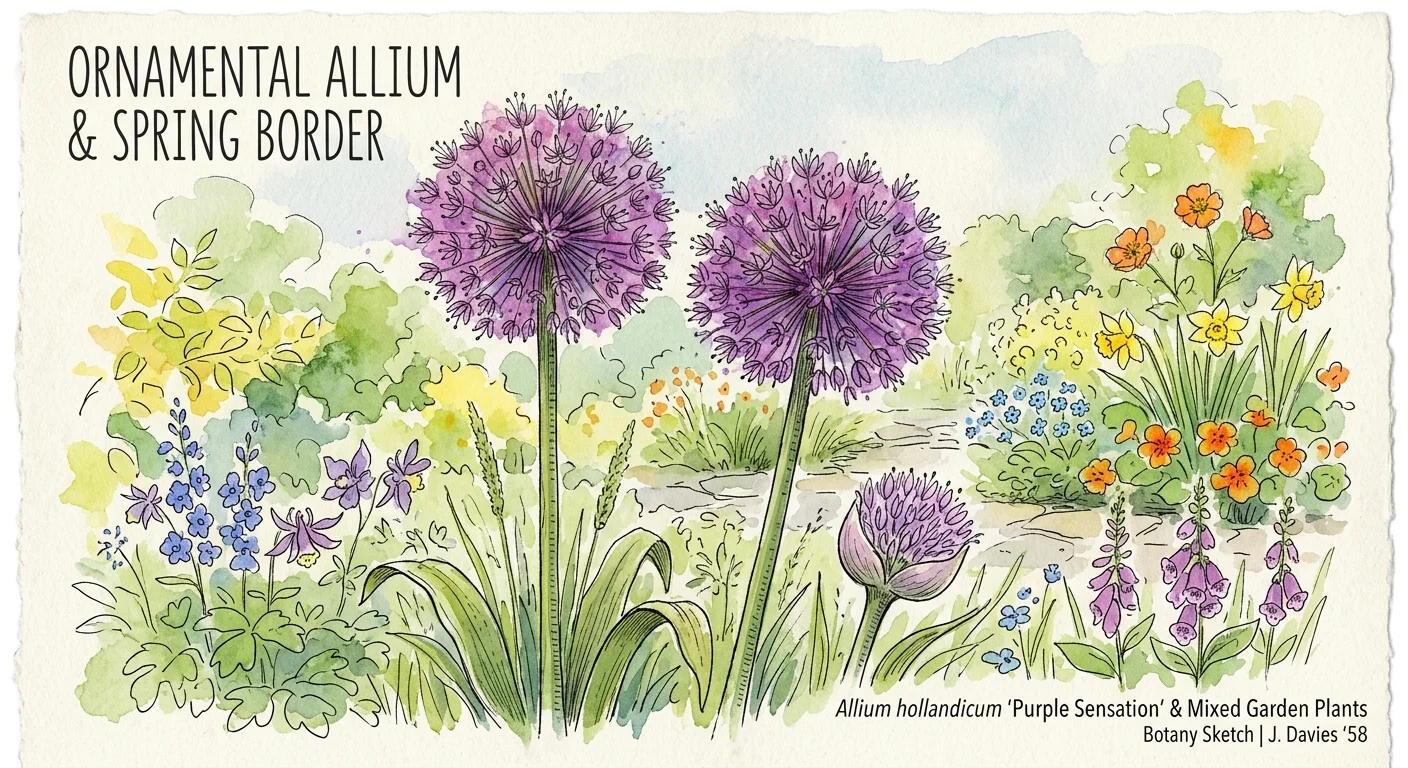
Tip #4: Deploy Pungent Ornamental Alliums
Ornamental alliums (Allium spp.) add architectural flair to summer borders using striking spherical flower heads on sturdy stems. As members of the amaryllis family closely related to garlic and onions, alliums produce high concentrations of sulfur compounds. When a deer bites or brushes against the stems, these compounds break down into pungent, sulfurous odors. The strong onion scent deters mammals, making alliums exceptional garden flowers deer won’t eat under virtually any growing conditions.
Plant allium bulbs during autumn alongside spring-blooming bulbs. Select a site with full sun exposure and sharp drainage, as standing winter water damages the bulbs. Plant larger varieties, such as ‘Globemaster’ or ‘Purple Sensation’, six to eight inches deep, while smaller types like ‘Drumstick’ require a depth of three to four inches. Cluster alliums in groups of five or seven among vulnerable perennials like hostas. The foliage of alliums often yellows as the blooms open in late spring, so companion plants with dense leaves help conceal the fading foliage.
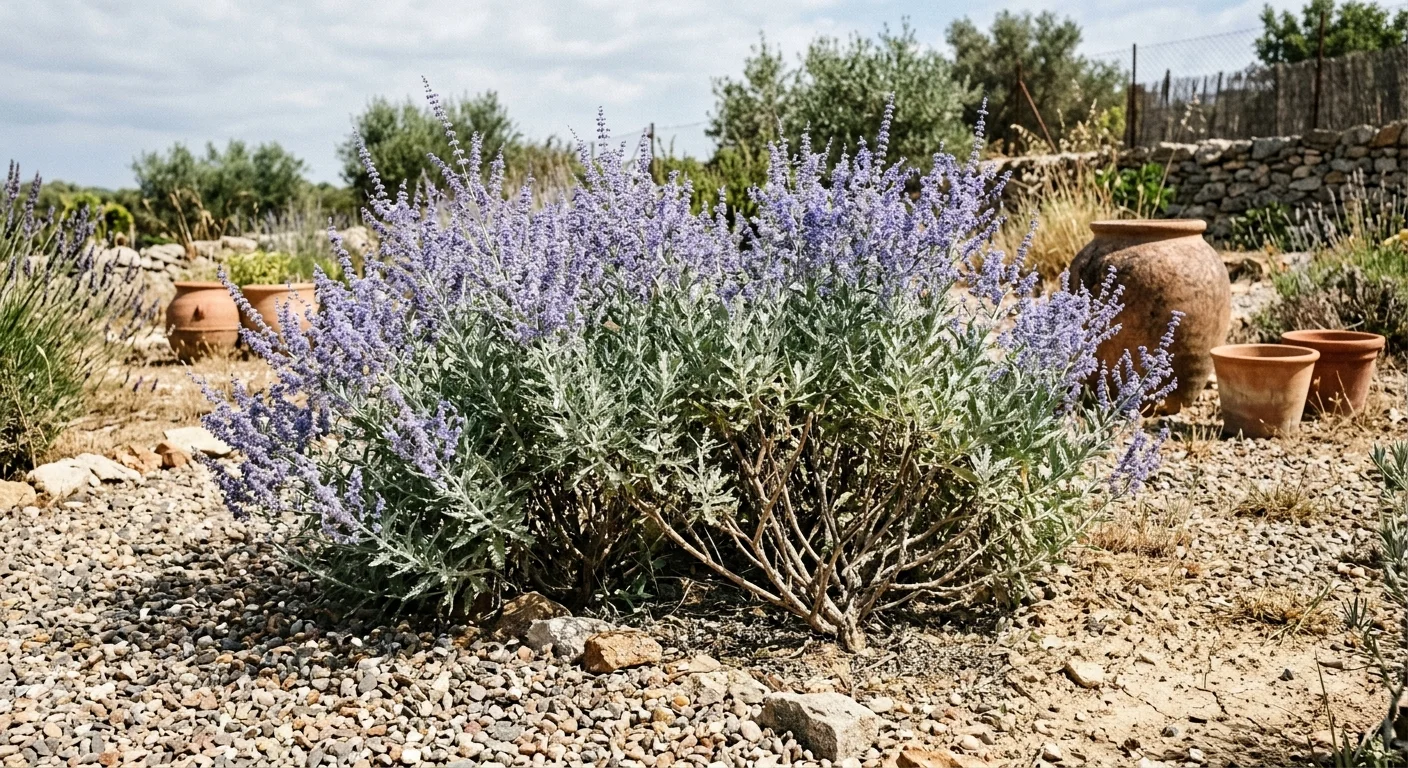
Tip #5: Install Drought-Tolerant Russian Sage
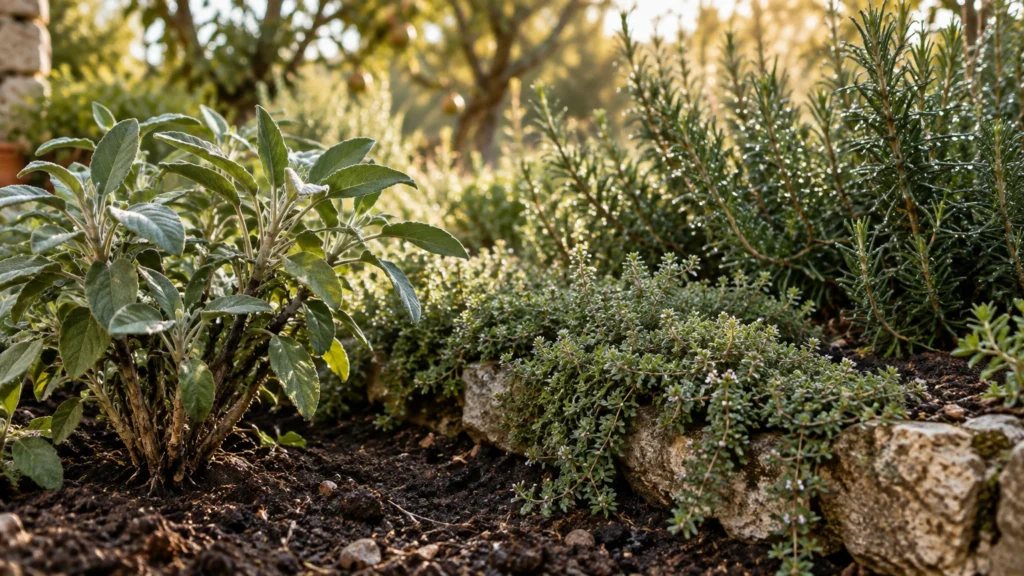
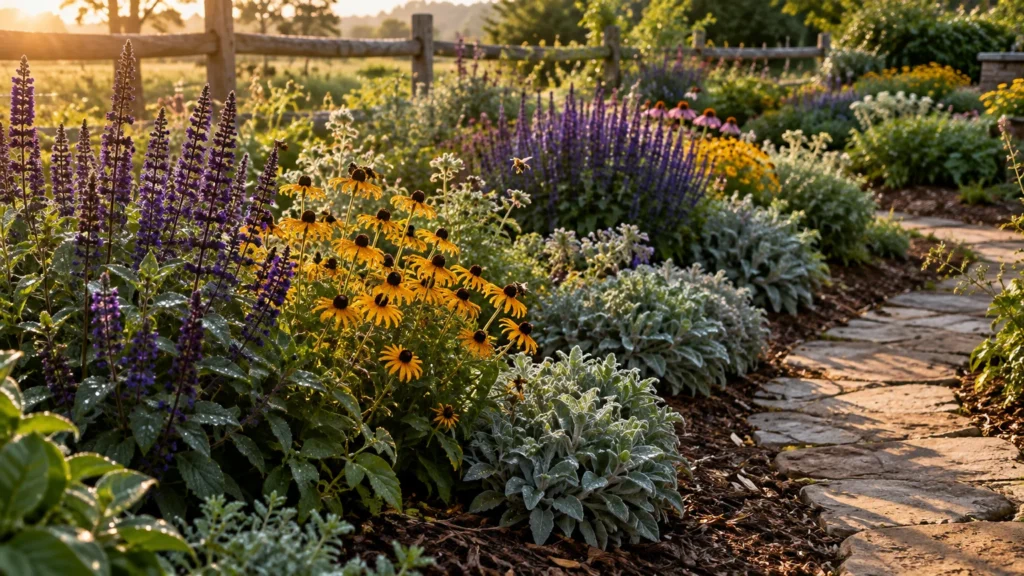
Russian sage (Salvia yangii) delivers months of airy lavender-blue flowers and silvery foliage without drawing attention from deer herds. This rugged perennial features semi-woody stems covered in tiny hairs and resinous glands that emit a pungent, camphor-like aroma when crushed. The mixture of fibrous leaf tissue and medicinal odor makes Russian sage thoroughly unappetizing to deer, rabbits, and other garden pests throughout the season.
This resilient plant thrives in full sun and excels in challenging locations where other perennials struggle. Plant Russian sage in well-draining, average to poor soil; excessive moisture or overly rich soil leads to weak stems. Once established in USDA zones 4 through 9, Russian sage displays remarkable drought resistance and requires minimal watering. Compact cultivars like ‘Little Spire’ reach two feet tall, while standard species reach four feet high. Cut plants back to four inches above the ground in late winter to encourage sturdy stems that bloom from mid-summer into late autumn.
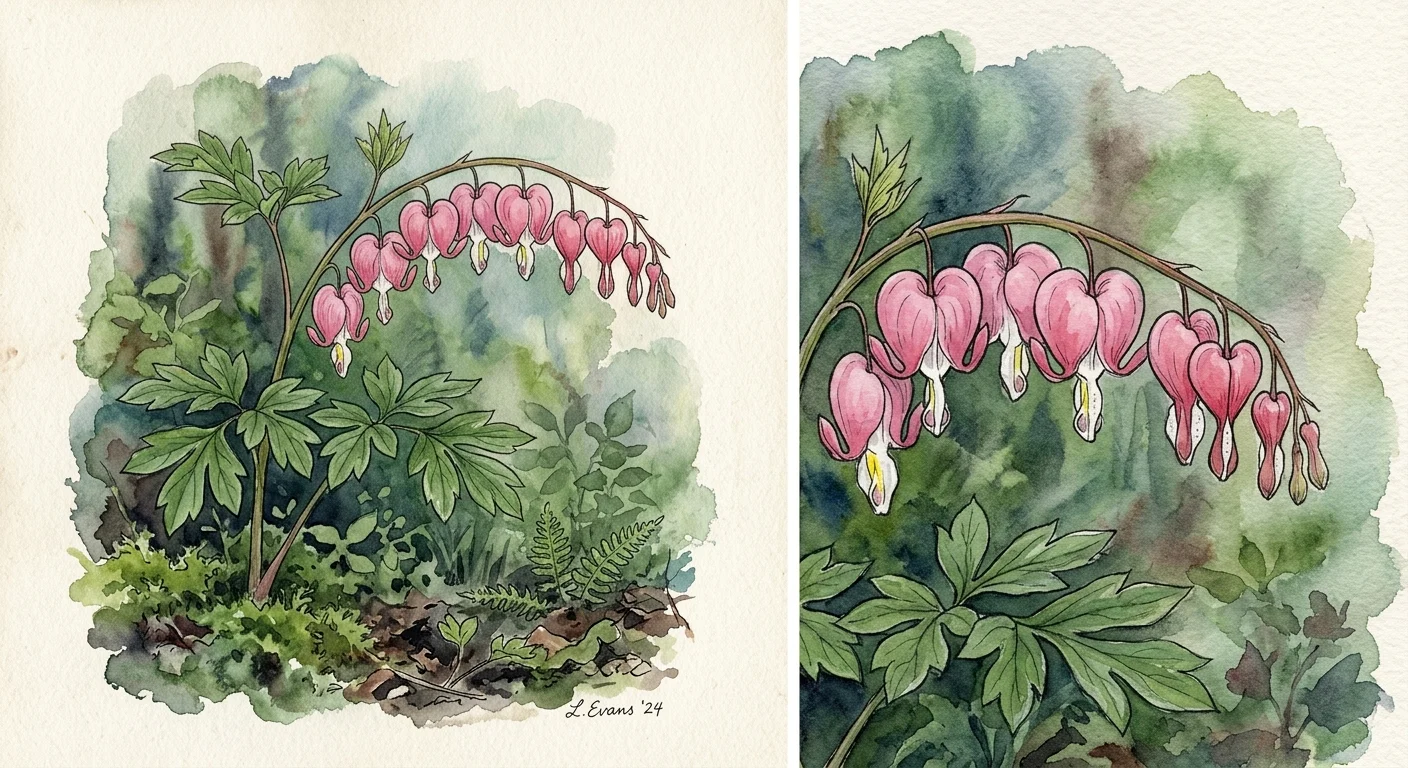
Tip #6: Brighten Shade Gardens with Bleeding Hearts
Bleeding heart (Lamprocapnos spectabilis) brings arching sprays of heart-shaped flowers to shade gardens. Despite its delicate pink or white blossoms, bleeding heart contains potent isoquinoline alkaloids, including protopine. These chemical compounds render the plant extremely bitter to mammals, causing immediate mouth discomfort if chewed. Consequently, browsing deer pass right over these elegant plants in favor of less defended vegetation.
Position bleeding heart in rich, moist soil in partial shade to full shade. In spring, fern-like foliage emerges rapidly, followed by nodding flowers that remain attractive for several weeks. Add a two-inch layer of organic leaf mold around the root zone each spring to retain moisture. In warmer regions, bleeding heart naturally goes dormant during summer heat, dying back to the ground until next spring. Interplant bleeding heart with deer-resistant ferns or hellebores to fill the space during late summer.
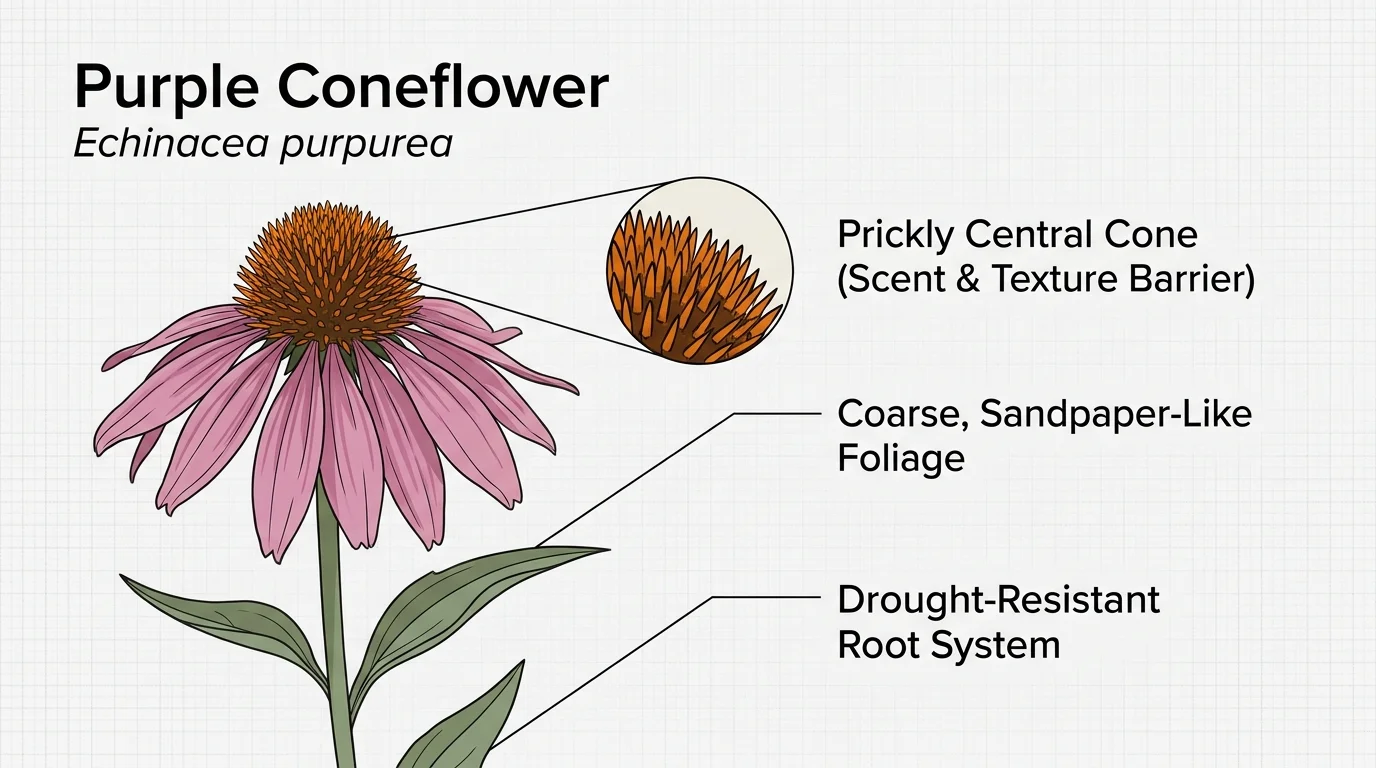
Tip #7: Anchor Sunny Borders with Prickly Coneflowers
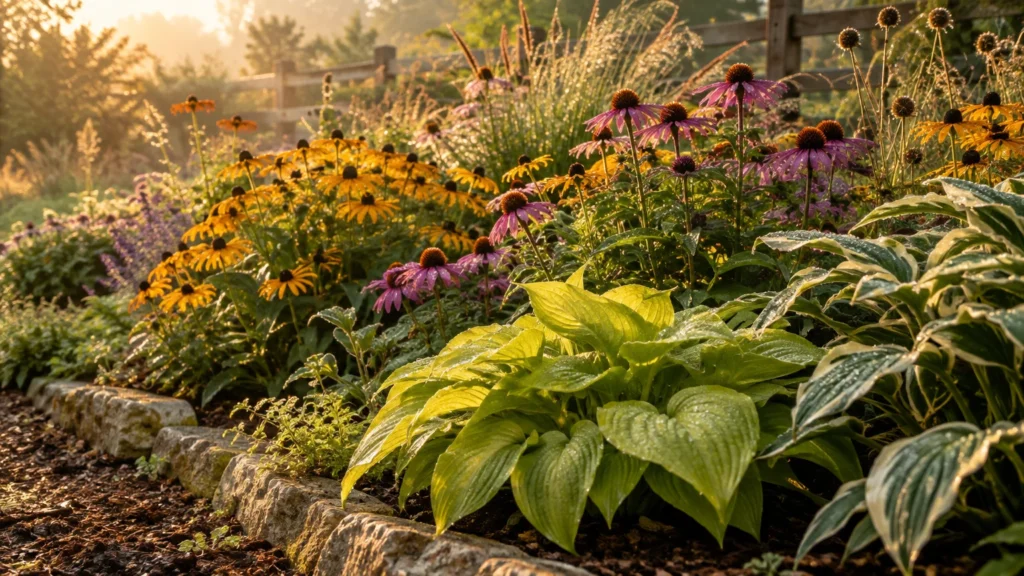
Purple coneflower (Echinacea purpurea) is a native perennial that brings robust beauty to sun-drenched gardens while keeping browsers at bay. The success of coneflowers relies on structural leaf characteristics rather than volatile chemicals. The leaves feature a rough texture caused by stiff epidermal hairs, while the central cone consists of spiny orange-brown disk florets. Deer prefer smooth, tender foliage, making the abrasive texture of coneflowers one of the best deer resistant garden flowers for sunny beds.
Cultivating coneflowers is straightforward across USDA hardiness zones 3 through 9. Place young plants in full sun and well-draining soil; mature coneflowers tolerate heat and drought effortlessly. Cultivars such as ‘Magnus’ offer magenta petals with spiky centers, while the ‘Cheyenne Spirit’ series presents a mix of red, orange, and yellow tones. Avoid high-nitrogen fertilizers, which encourage soft growth that reduces natural leaf scratchiness. Leave seed heads standing into winter to provide food for native birds while maintaining visual structure.
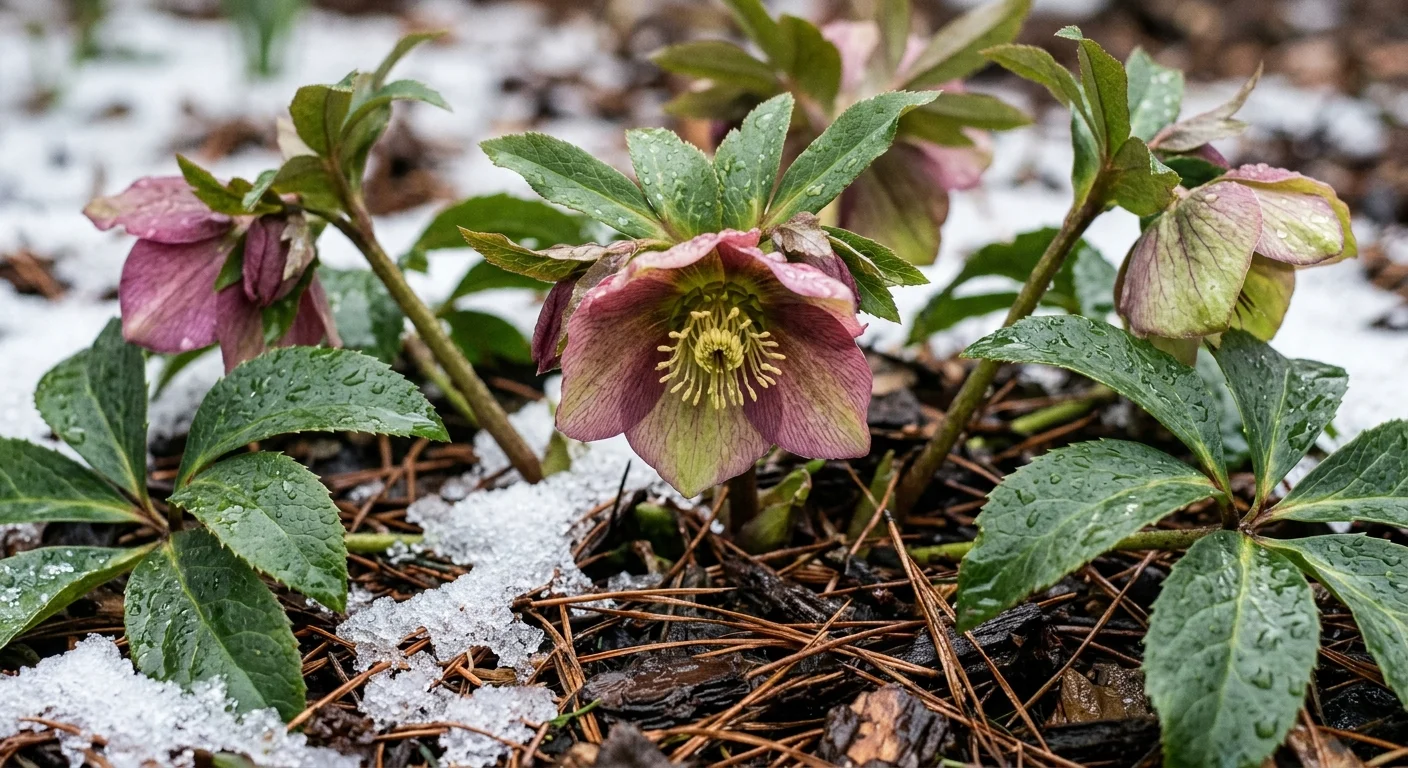
Tip #8: Rely on Evergreen Hellebores for Early Blooms
Lenten rose (Helleborus x hybridus) provides vital color in late winter and early spring when most garden plants remain dormant. Hellebores produce thick, leathery foliage containing ranunculin, a compound that converts to toxic protoanemonin when damaged. This substance creates a burning sensation in the mouth of any browsing mammal. Because deer face food scarcity during late winter, hellebores serve as a critical defense, providing blooms that herds leave entirely alone.
Hellebores flourish in shaded borders and beneath trees across USDA zones 4 through 9. Plant them in fertile, well-draining soil enriched with compost, taking care not to bury the central crown too deeply. These long-lived perennials tolerate dry shade once established and produce flowers in shades of plum, white, rose, and green. Cut away tattered foliage from the previous year in late winter as new flower buds emerge; this task highlights blooms and removes leaf spot fungal spores before new foliage develops.
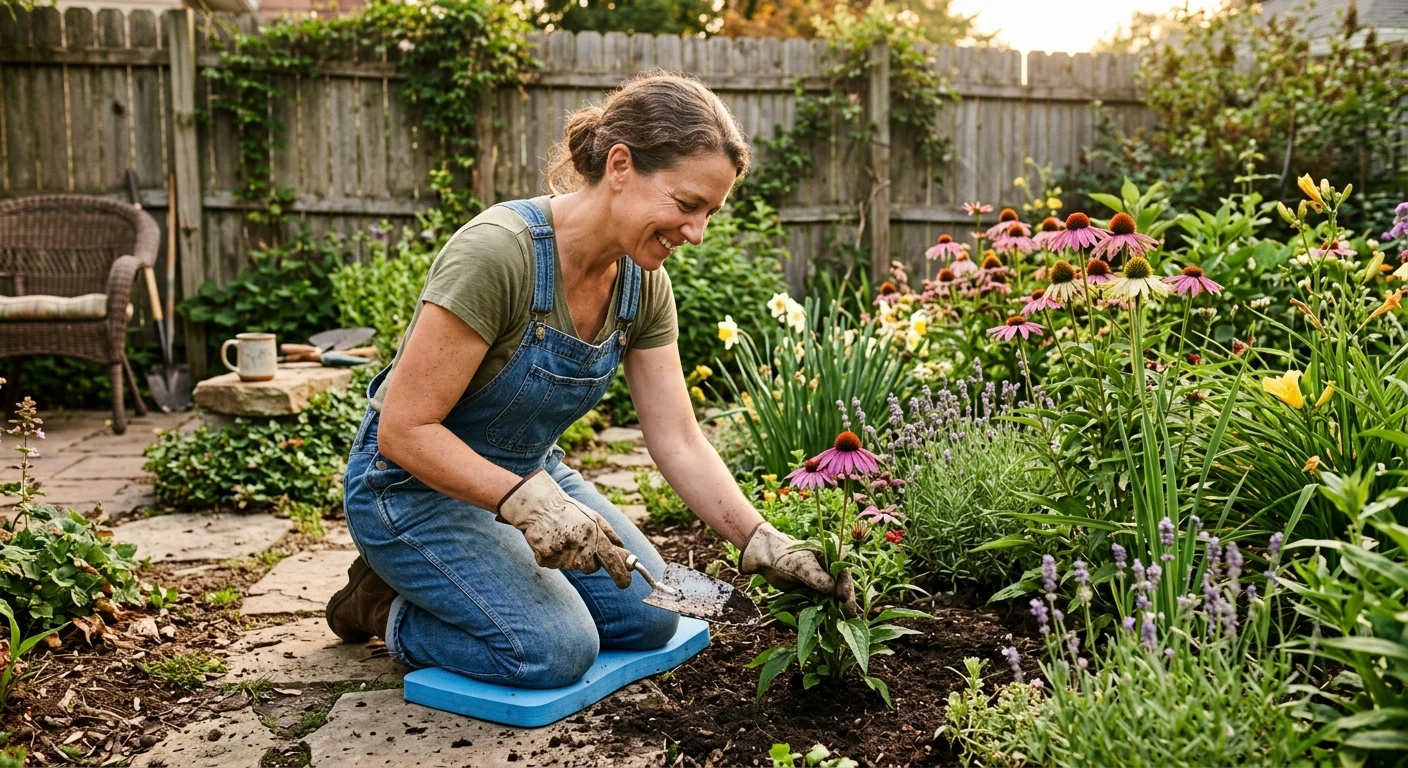
Putting It All Together: Enjoy Your Beautiful Garden
Designing a landscape that resists deer browsing does not require you to sacrifice vibrant colors or aromatic blooms. By understanding the natural defense mechanisms of plants—such as toxic alkaloids in daffodils and foxgloves, essential oils in lavender and alliums, or coarse textures in coneflowers—you can make informed plant choices that protect your investment naturally. Grouping these resilient varieties together creates a multi-layered barrier that protects your yard throughout spring, summer, and autumn.
To maximize success, assess the light, soil, and moisture conditions of your garden beds before planting. Combine early-blooming hellebores and daffodils with mid-summer alliums, lavender, and coneflowers to maintain continuous color. Over time, deer learn to bypass your property in search of easier forage elsewhere. Enjoy the peace of mind that comes with a lush, thriving garden built on nature’s finest defensive strategies.
For region-specific advice, consult your local University Extension program (find yours via the USDA directory). For plant databases and inspiration, visit the Missouri Botanical Garden or the Royal Horticultural Society.
Disclaimer: This article provides general gardening advice. Always consider your specific climate, soil conditions, and local pests. Follow safety guidelines when using gardening tools and products.
Frequently Asked Questions
Do deer-resistant flowers ever get eaten when food is scarce?
Under extreme conditions like severe droughts or harsh winter snowpacks, starving deer may taste plants they normally avoid. However, plants containing toxic alkaloids like daffodils and hellebores remain untouched even during severe shortages because consuming them causes physiological illness.
How can I use deer-resistant flowers to protect vulnerable plants?
Create an olfactory border by planting high-odor or prickly varieties, such as alliums, lavender, and coneflowers, along the outer perimeter of your garden beds. Position more vulnerable species like hostas toward the center, where surrounding scents disrupt deer foraging instincts.
Are deer-resistant plants safe for domestic pets?
Not all deer-resistant plants are safe for pets. While lavender and coneflowers are non-toxic to dogs and cats, toxic deer-proof plants like foxglove, daffodils, and hellebores cause illness if ingested. Always verify pet safety before installing new species near pet spaces.
Does fertilizing change how deer react to these plants?
Over-fertilizing with high-nitrogen products causes plants to produce rapid, tender foliage that dilutes natural bitter compounds and reduces leaf toughness. Feed plants with organic compost or slow-release fertilizers that encourage sturdy, naturally resistant growth.