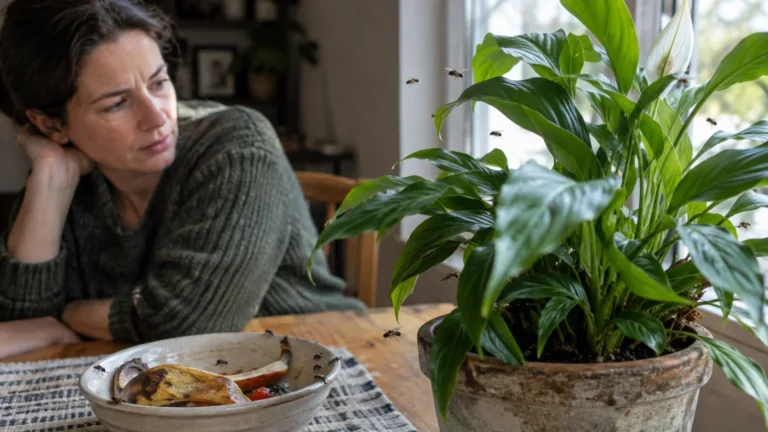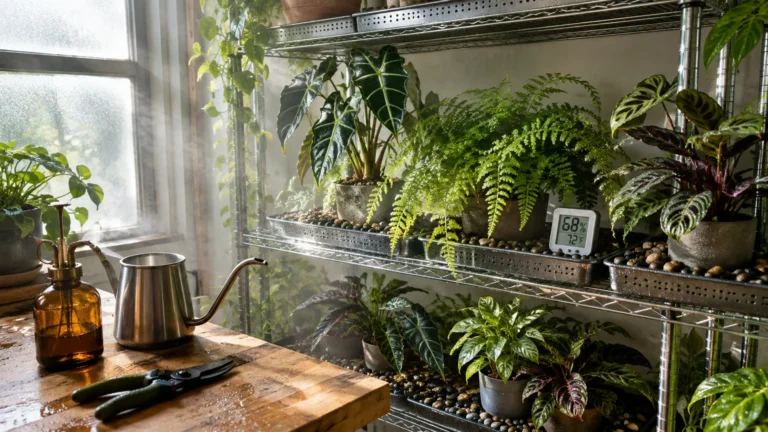
If you have ever struggled with soggy potting mix or parched soil, you are far from alone. A September 2026 survey of 1,000 U.S. houseplant owners found that 71% accidentally killed a plant, mostly from forgetting to water or overwatering.
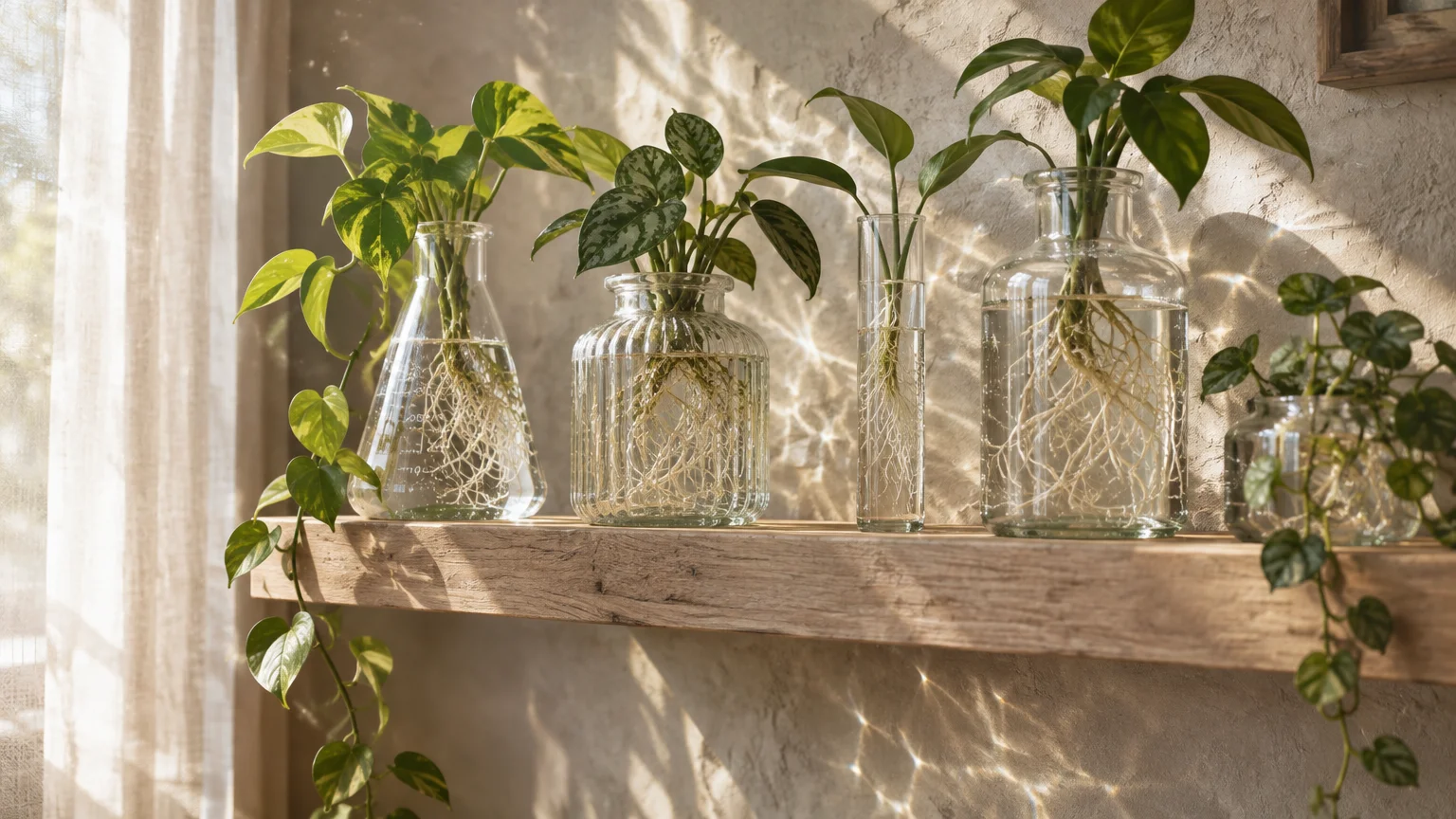
Moving your favorite easy indoor plants into clear vessels removes all the guesswork. You watch every silvery root unfurl and read hydration levels at a single glance.
These 18 plants that grow in water bring clean, living sculpture to your shelves and windowsills. Pair the right species with bright, indirect light and fresh water to build a thriving soil-free jungle.
Houseplant Secret #1: Golden Pothos (Epipremnum aureum)
Few water plants indoors reward beginners faster than golden pothos. Trailing vines marbled with chartreuse and emerald spill effortlessly from glass apothecary jars and wall-mounted propagation tubes.
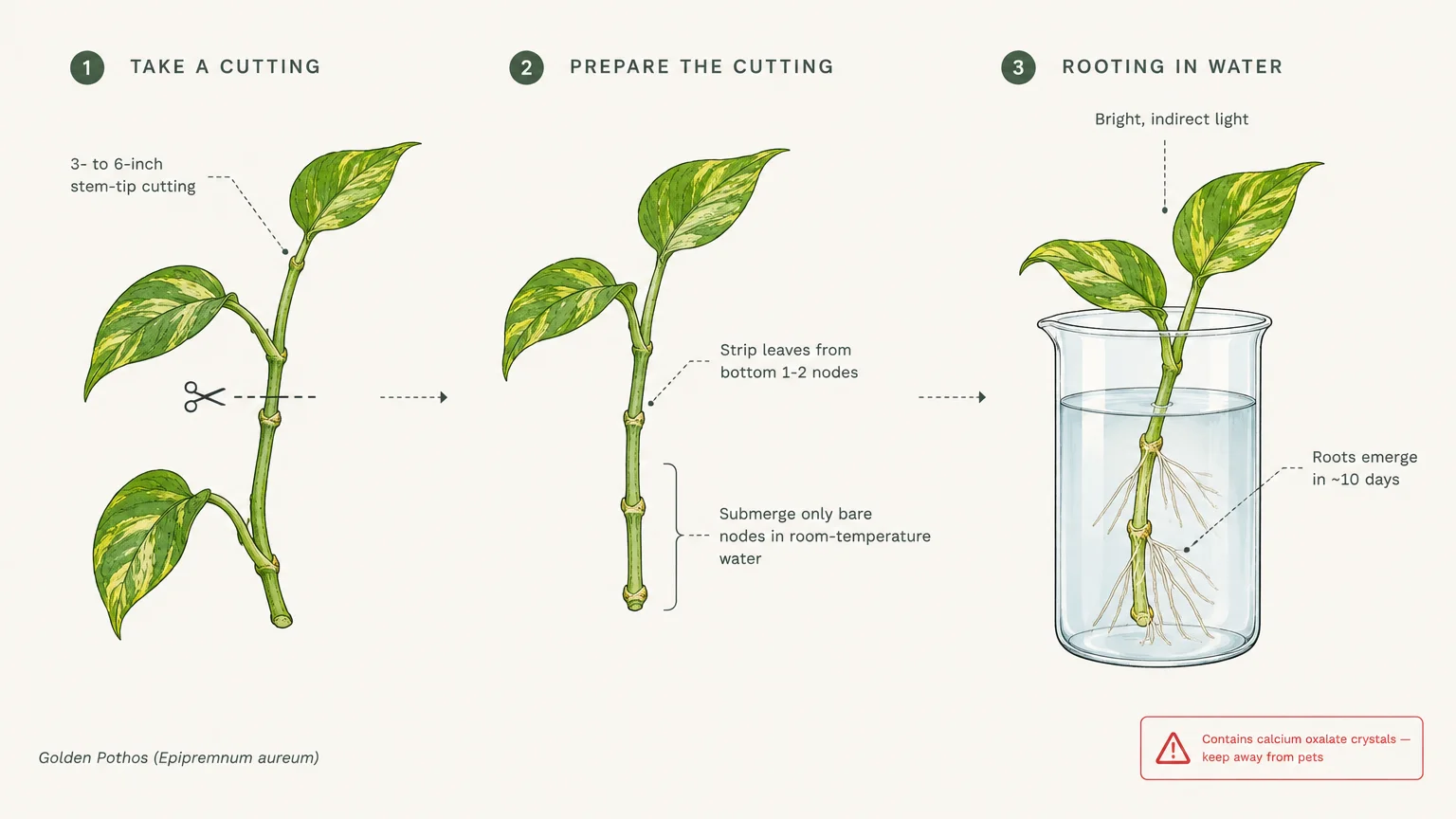
University of Nevada, Reno Extension notes that fast-rooting plants like pothos begin pushing out roots within 10 days. Take a 3- to 6-inch stem-tip cutting with several nodes, and strip leaves from the bottom one or two nodes.
Submerge only those bare nodes in room-temperature water under bright, indirect light. Keep pothos out of reach of curious cats and dogs, since its calcium oxalate crystals irritate mouths and stomachs.
Houseplant Secret #2: Chinese Evergreen (Aglaonema)
Chinese evergreen brings painterly silver, cream, and deep green foliage to dimmer corners of your home. University of Missouri Extension confirms that this resilient tropical may be rooted or grown directly in water.
Unlike fussy sun-lovers, Chinese evergreen keeps its crisp pattern in medium to low indirect light. Choose a sturdy 3- to 6-inch stem cutting and ensure no submerged leaf petioles rot beneath the waterline.
Warm indoor temperatures keep growth steady through every season. Set your vase away from chilly window drafts so the thick leaves stay unblemished.
Houseplant Secret #3: Arrowhead Plant (Syngonium podophyllum)
Young arrowhead plants delight collectors with crisp, arrow-shaped leaves flushed in sage, blush, or frosted white. University of Missouri Extension highlights arrowhead plant as an effortless species for propagating plants in water.
Snip just below a raised node on a mature stem and drop it into a narrow-necked bottle. Within weeks, crisp white roots tangle gracefully inside the glass while fresh leaves unfurl above.
Bright, indirect light preserves pink and silvery variegation on prized cultivars. Place vessels on high shelves in pet households because arrowhead sap contains irritating calcium oxalate crystals.
Houseplant Secret #4: Spider Plant (Chlorophytum comosum)
Spider plants send out cascading stems tipped with miniature spiderettes that beg for a glass vase. University of Wisconsin Extension confirms that these offshoots root smoothly in water once tiny aerial root nubs appear.
Fill their jars with distilled water or rainwater instead of tap water. University of Wisconsin Extension warns that fluoride and chlorine cause permanent brown leaf tips on spider plants, and sitting tap water out overnight will not remove fluoride.
Keep spider plants cozy between 59°F and 75°F, and never let temperatures drop below 50°F. Even better, the ASPCA lists spider plants as non-toxic to cats and dogs.
Houseplant Secret #5: Heartleaf Philodendron (Philodendron hederaceum)
Velvety, heart-shaped leaves give heartleaf philodendron an unmistakable romantic drape. University of Nevada, Reno Extension names philodendrons among the top houseplants that thrive when rooted in water.
Look for the tiny brown root bumps tucked opposite each leaf along the vine. Submerge one or two bare nodes in room-temperature water, and watch pale roots anchor your trailing curtain.
Medium to bright, indirect light keeps internodes tight and foliage rich. Hang your glass planters high above curious pets, as philodendrons also carry calcium oxalate crystals.
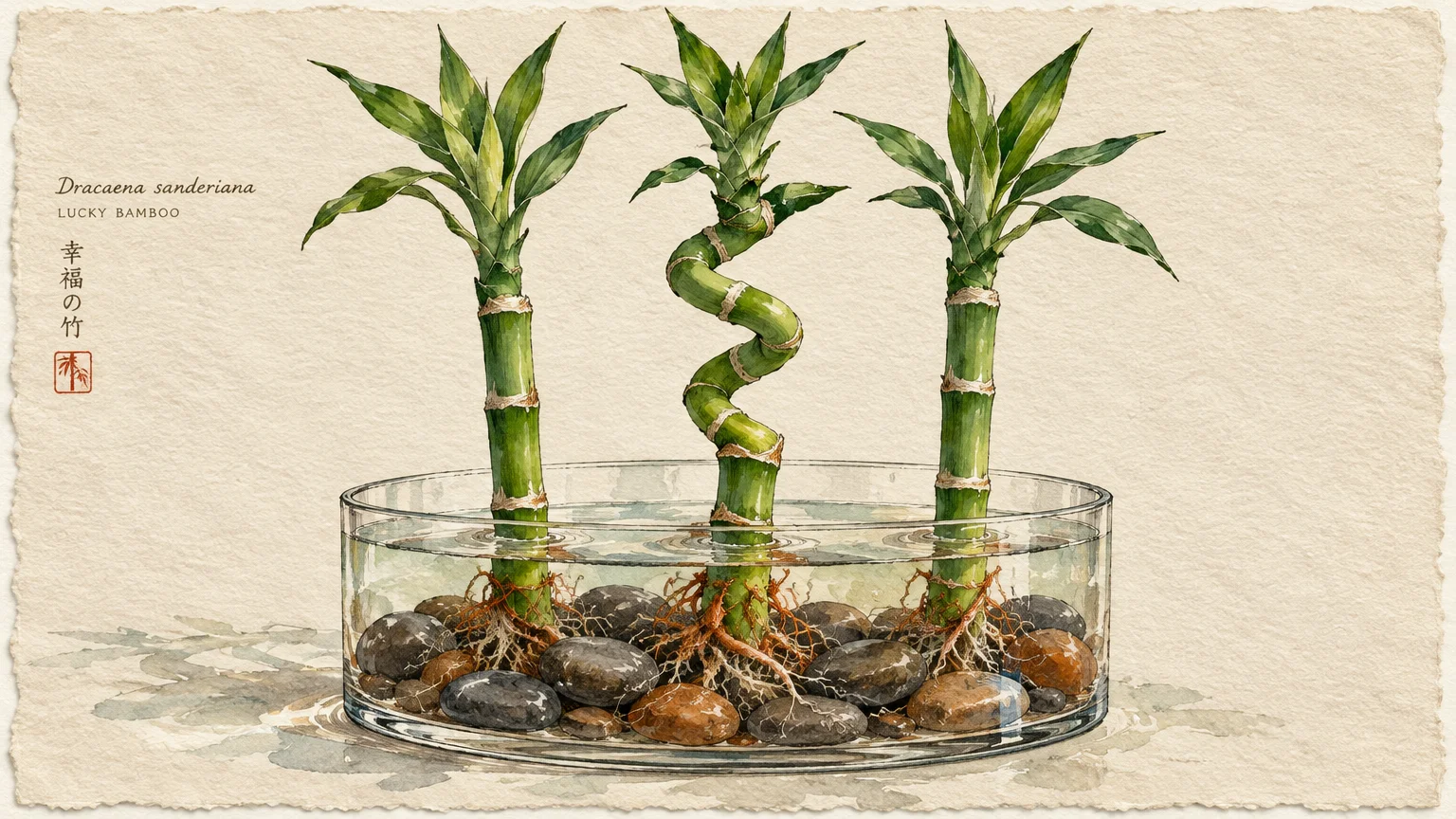
Houseplant Secret #6: Lucky Bamboo (Dracaena sanderiana)
Despite its common name, lucky bamboo belongs to the dracaena family rather than true bamboo. Smooth, segmented canes topped with bright green leaf tufts thrive permanently in shallow water anchored by clean river pebbles.
This tropical favorite enjoys warm rooms between 65°F and 90°F and soft, filtered sunlight. Because dracaenas dislike fluoride, pour distilled or rainwater to prevent scorched leaf margins.
Scrub the inside of the container weekly to keep algae and mosquito eggs at bay. Keep lucky bamboo away from pets, since saponins in dracaenas trigger vomiting and drooling in cats and dogs.
Houseplant Secret #7: Swiss Cheese Plant (Monstera deliciosa)
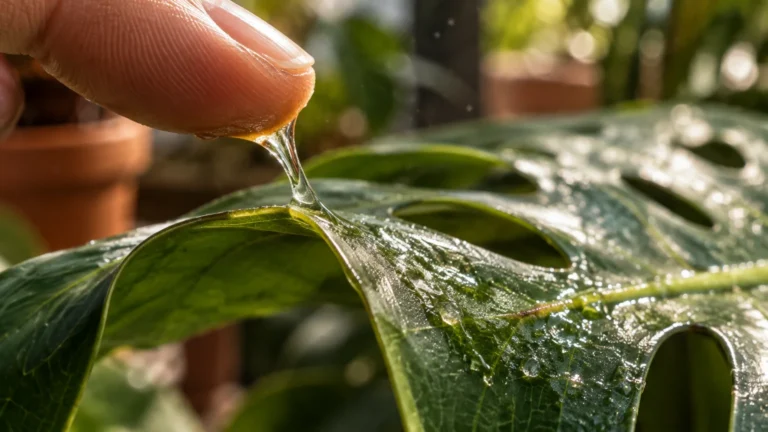
A single fenestrated Swiss cheese plant leaf standing in a tall cylinder looks like modern gallery art. Heavy aerial roots adapt readily to hydroponic houseplants displays when given clean water and ample space.
Cut a thick stem segment that includes a healthy node and an existing aerial root if possible. Bright, indirect light encourages new split leaves, though water-grown specimens expand more slowly than potted giants.
Change the water whenever it turns cloudy, and support top-heavy stems with weighted glass vases. Remember that monstera contains calcium oxalate crystals and belongs far from nibbling pets.
Houseplant Secret #8: Swiss Cheese Vine (Monstera adansonii)
If full-size monstera feels too bold for your desk, try its lacy cousin, the Swiss cheese vine. Perforated emerald leaves climb or trail gracefully from amber glass flasks without demanding heavy floor space.
Clip a 3- to 6-inch vine tip with one or two bare nodes and place it in room-temperature water. Bright, indirect light fuels steady new foliage without scorching delicate leaf tissue.
Top off evaporated water every few days and rinse away any slimy biofilm during weekly refreshes. Like larger monsteras, this vine is toxic to cats and dogs if chewed.
Houseplant Secret #9: Peace Lily (Spathiphyllum)
Few water plants indoors offer lush foliage alongside crisp white blooms like the peace lily. Suspended above a wide glass carafe, its thick white roots drink continuously without risking root rot from heavy potting soil.
Gently rinse all soil off an established division before setting just the lower roots into distilled or rainwater. Peace lilies react poorly to fluoride, so purified water keeps their pointed leaf tips pristine.
Bright, indirect light encourages periodic white spathes above glossy dark leaves. Although not a true lily, peace lilies contain calcium oxalate crystals and must stay out of reach of pets.
Houseplant Secret #10: Inch Plant (Tradescantia zebrina)
Shimmering silver stripes and deep violet undersides make the inch plant an instant showstopper in sunlit rooms. University of Vermont Extension lists inch plant among the easiest indoor vines for propagating plants in water.
Pinch off a 3- to 6-inch trailing stem, strip the lowest one or two leaves, and stand it in a clear tumbler. Tiny white roots emerge in days, letting you build a lush bouquet from a single parent plant.
Give this beauty bright, indirect light so its metallic purple sheen stays vivid instead of fading green. Remove any flowers or buds from fresh cuttings so energy goes straight into root growth.
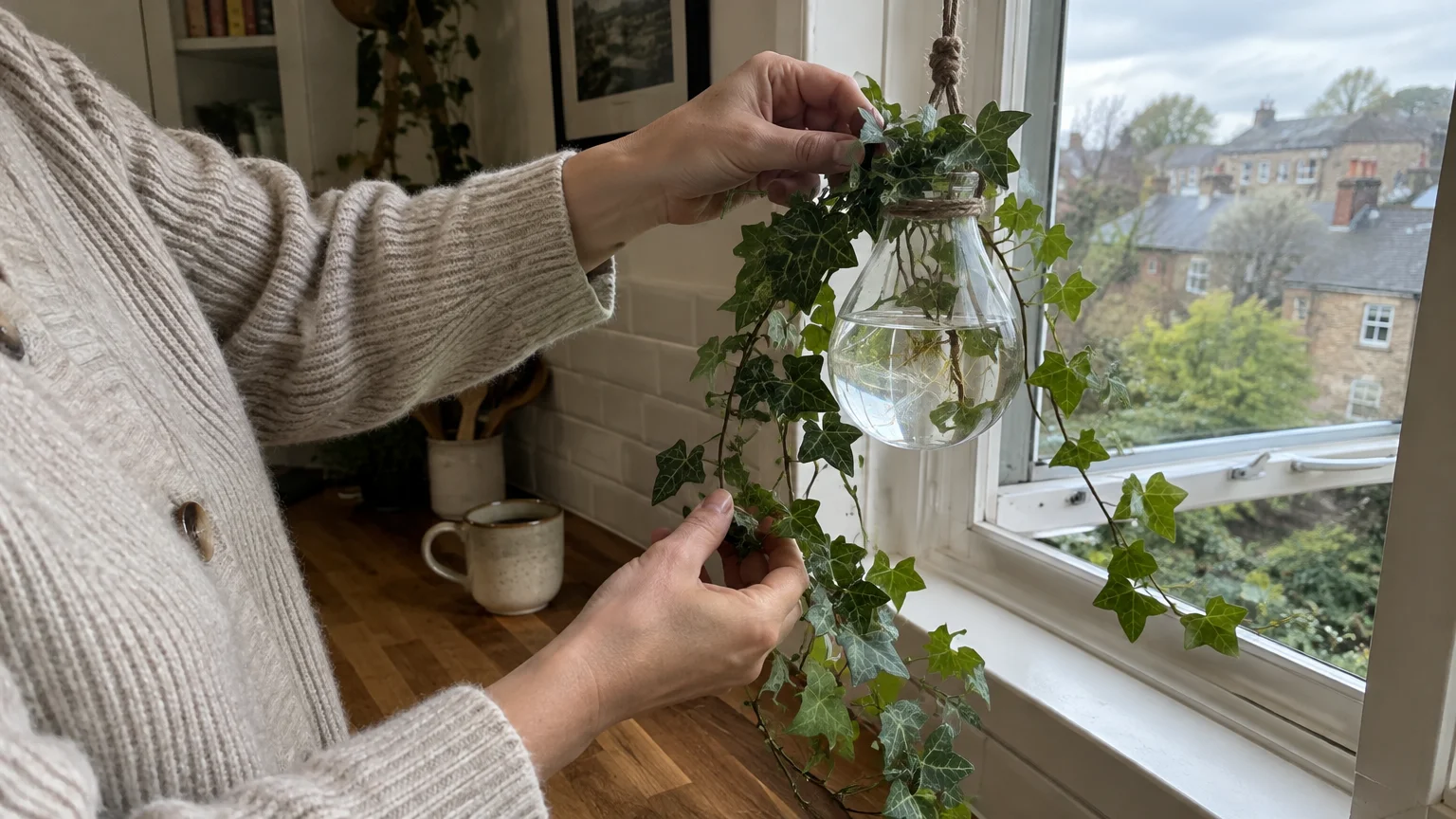
Houseplant Secret #11: English Ivy (Hedera helix)
Crisp, lobed leaves give English ivy timeless cottage charm on mantels and high bookshelves. University of Vermont Extension confirms that English ivy roots easily in plain room-temperature water.
Select pliable green 3- to 6-inch stems rather than stiff woody runners for the fastest rooting response. Bright, indirect light and moderate household humidity help fend off dry air stress.
Wear gardening gloves when snipping stems, because English ivy contains falcarinol and falcarindiol, compounds that trigger contact dermatitis in sensitive skin. It is also toxic to pets, so display trailing jars safely overhead.
Houseplant Secret #12: Coleus (Plectranthus scutellarioides)
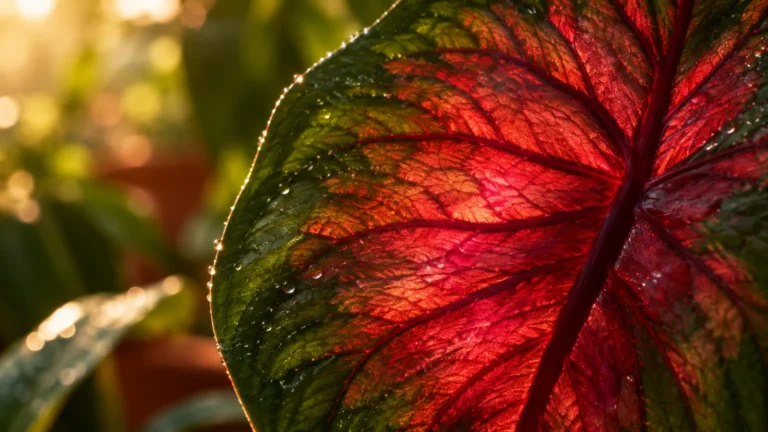
Coleus bursts with crimson, chartreuse, magenta, and velvety burgundy patterns that rival any flower bouquet. University of Missouri Extension calls coleus the easiest of all plants to root in water.
Snip 3- to 6-inch stem tips, strip the lower leaves, and pinch away any blooming spikes right away. University of Arizona Cooperative Extension notes that removing flowers redirects stored carbohydrates straight into new roots.
Place your colorful cuttings in bright, indirect light near an east or south window. Refresh the water every few days so soft stems stay firm and vibrant.
Houseplant Secret #13: Snake Plant (Dracaena trifasciata)
Architectural, sword-like leaves make snake plants sculptural anchors for minimalist interiors. While slower to root than trailing vines, upright leaves and small rhizome offsets grow cleanly in shallow water.
After cutting a healthy leaf into sections, let the cut ends dry briefly before setting just the base in water. Remember which end faced down, because upside-down leaf cuttings fail to root.
Bright, indirect light speeds up root formation over several weeks or months. Keep snake plants away from cats and dogs, since Clemson HGIC notes their saponins cause digestive distress.
Houseplant Secret #14: ZZ Plant (Zamioculcas zamiifolia)
Glossy, wax-coated leaflets give the ZZ plant a sleek look that suits busy schedules and dim hallways. Patience pays off when growing this tough beauty in clear water, as thick roots form slowly over months.
Start with a sturdy stem cutting submerged just at its base in bright, indirect light. Shallow water prevents soft stem rot while sturdy roots slowly begin to form.
Wait until roots stretch beyond 2 to 3 inches before deciding whether to leave it hydroponic or pot it up. Keep ZZ plants high away from pets due to toxic calcium oxalate crystals.
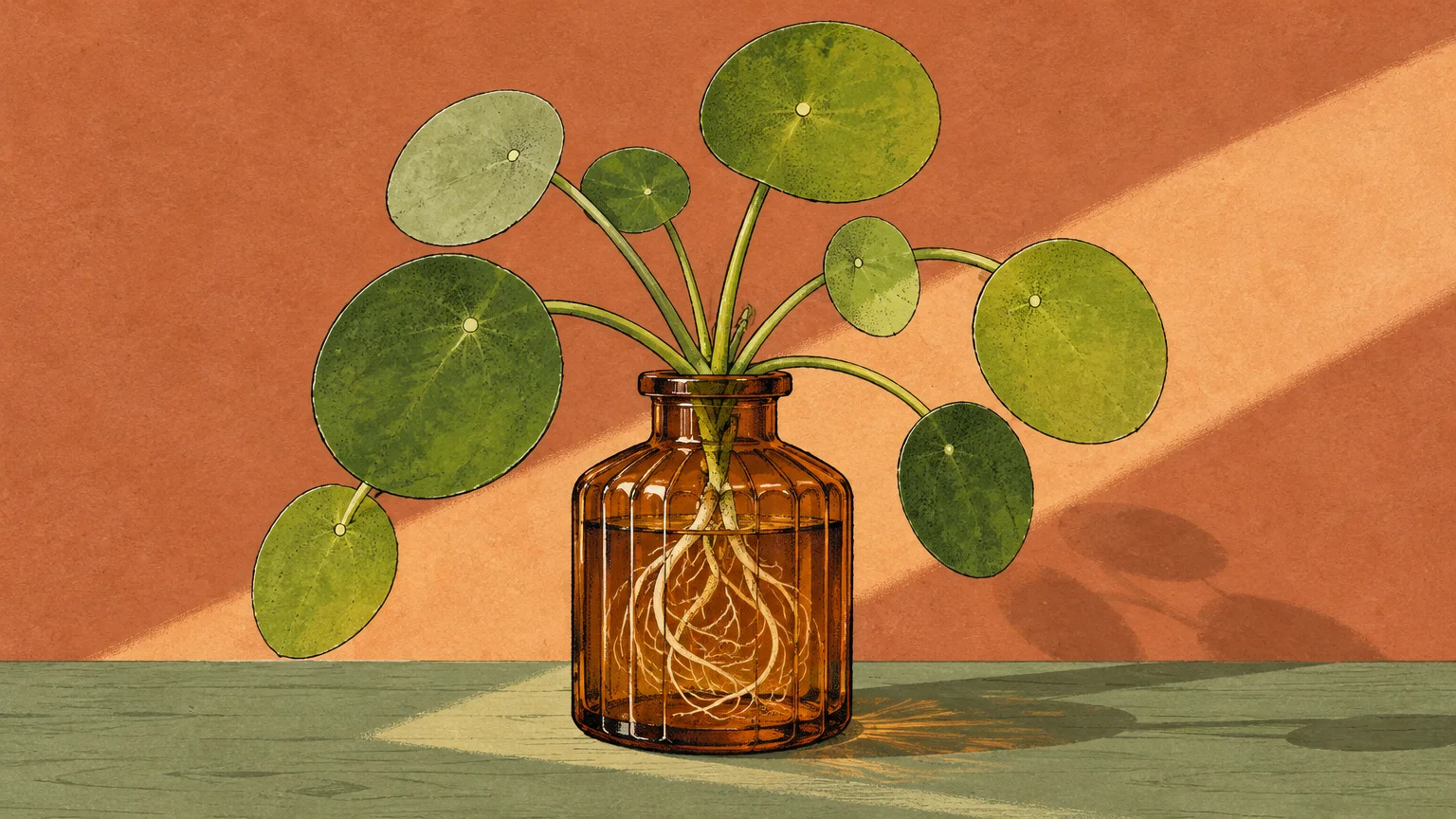
Houseplant Secret #15: Chinese Money Plant (Pilea peperomioides)
Playful, coin-shaped leaves perched on slender stems make the Chinese money plant a favorite on desks and sunny kitchen sills. Offsets that sprout beside a mother plant transition smoothly into small propagation vases.
Cut a baby pup cleanly with a sterilized blade, then suspend its base in room-temperature water. Bright, indirect light keeps stems upright and prevents lopsided reaching toward the window.
Rotate the vessel every few days for an even canopy of circular leaves. Best of all, the ASPCA classifies Chinese money plant as non-toxic to both cats and dogs.
Houseplant Secret #16: Wax Plant (Hoya carnosa)
Thick, succulent-like leaves and trailing stems give the wax plant enduring charm on bright shelves. Stem cuttings with a pair of healthy nodes root steadily in clear water without fussy domes or soil mixes.
Use an alcohol-wiped blade to take a 3- to 6-inch cutting, and submerge one bare node in room-temperature water. Bright, indirect light keeps thick leaves firm and encourages strong root branching.
Change the water promptly if cloudiness appears so oxygen levels stay high around developing roots. Pet parents can breathe easy too, because the ASPCA lists wax plants as non-toxic.
Houseplant Secret #17: Baby Rubber Plant (Peperomia obtusifolia)
Compact, spoon-shaped leaves with rich emerald or marbled cream edges make baby rubber plant ideal for small apartments. Stem cuttings root effortlessly in narrow glass vials without sprawling across your workspace.
Strip the bottom pair of leaves and set the bare node in clean water under bright, indirect light. Keep rooms warm and avoid cold drafts that bruise thick, moisture-rich foliage.
Peperomia adapts nicely to long-term water culture once you add tiny doses of diluted liquid nutrients. The ASPCA confirms peperomia species are non-toxic to cats and dogs.
Houseplant Secret #18: Prayer Plant (Maranta leuconeura)
Feather-patterned leaves painted in crimson veins and emerald chevrons fold upright each evening as if in prayer. Taking stem cuttings just below a swollen node lets you enjoy these living color wheels in clear glass.
Submerge one bare node in distilled or rainwater, because sensitive tropical foliage appreciates low-mineral hydration. Place your prayer plant in bright, indirect light and boost ambient humidity with nearby pebble trays.
Avoid harsh noon sun that bleaches intricate leaf markings and warms glass water too fast. You can display this lively charmer near curious pets, as the ASPCA classifies prayer plants as non-toxic.
Choosing the Right Plant for Your Space
U.S. indoor foliage plant sales reached $931.6 million in 2024, reflecting how deeply people love bringing nature inside. Choosing plants matched to your exact room conditions prevents frustration from day one.
Start by auditing your light honestly across every shelf and corner. Penn State Extension recommends bright, indirect light paired with 75°F to 80°F temperatures for optimal houseplant rooting.
If your apartment stays dim or cool, lean on adaptable choices like Chinese evergreen, pothos, or heartleaf philodendron. Reserve bright windowsills for coleus, Chinese money plant, and vibrant inch plants.
Check your local water quality before filling your first vase. Roughly 25% of North American municipalities treat tap water with chloramine, which does not evaporate overnight or through boiling like chlorine does.
Never pour sodium-softened water into any plant vessel, as sodium salts damage delicate roots. Use distilled water, rainwater, or reverse-osmosis water for fluoride-sensitive plants like spider plants, lucky bamboo, and peace lilies.
Clean source water also prevents mineral crust from clouding your glassware. Oklahoma State University Extension sets hydroponic source limits below 50 ppm sodium, 150 ppm calcium, 50 ppm magnesium bicarbonate, 140 ppm chloride, and 100 ppm sulfate.
Consider your household companions before picking up shears. Over 700 plant species are toxic to cats or dogs, so stick to non-toxic picks like spider plants, peperomia, wax plants, and Chinese money plants near curious pets.
Match your patience level to your plant’s natural rooting speed. Pothos, coleus, and inch plant deliver quick roots within days or weeks, whereas snake plants and ZZ plants require months of calm observation.
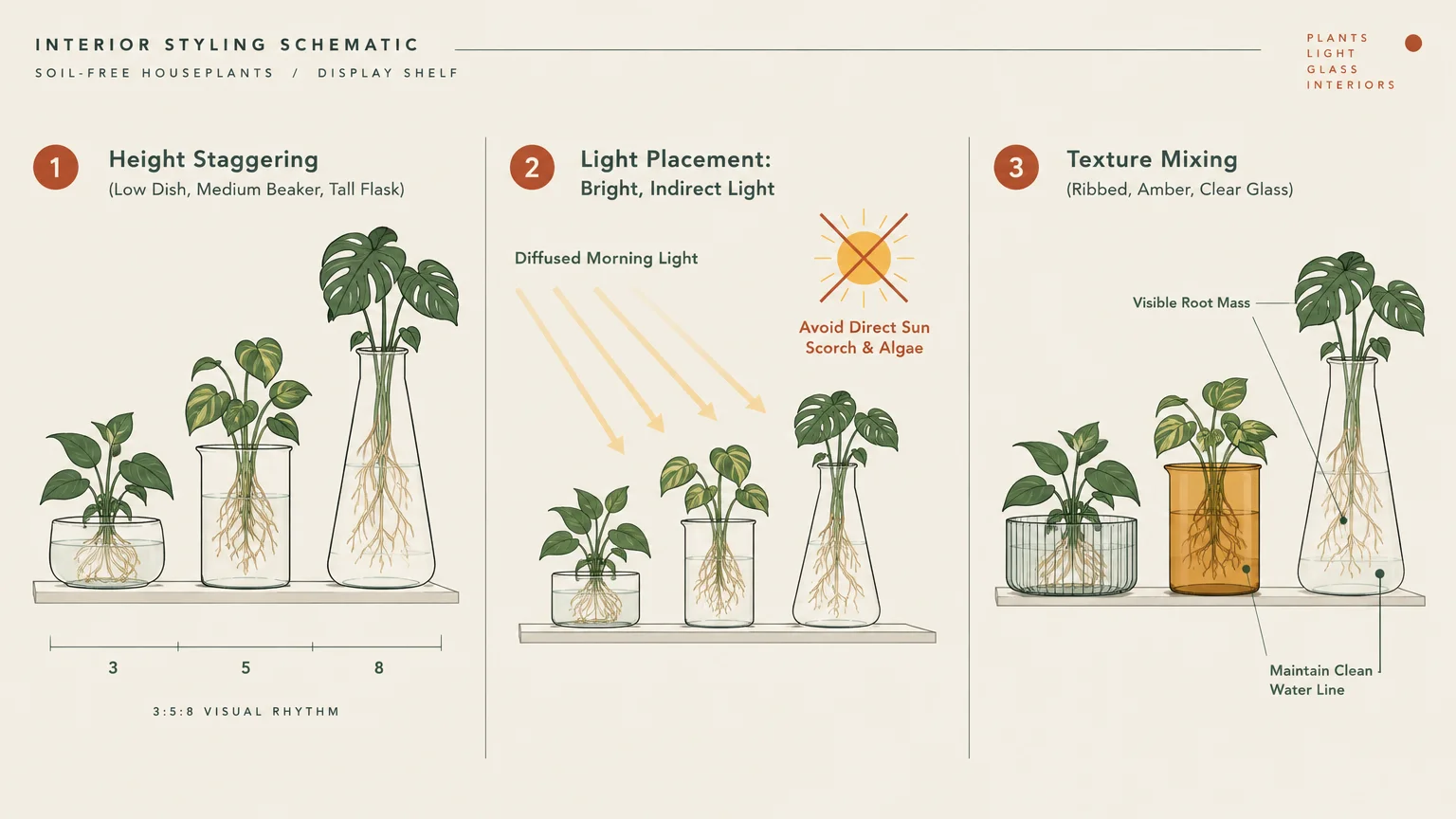
Aesthetic Tips for Styling Your Indoor Plants
Clear glass vessels turn tangled white and amber root systems into half the visual spectacle. Thrifting mismatched bud vases, vintage milk bottles, and sleek laboratory flasks creates effortless texture across mantels and bookshelves.
Protect fresh roots from intense afternoon glare by using tinted amber, sage, or cobalt glass. Darker glass filters harsh light, slows green algae growth, and adds jewel-toned warmth against pale walls.
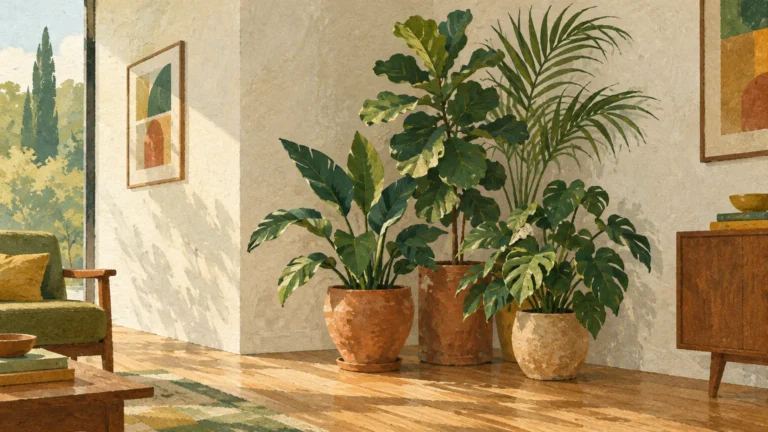
Group water plants indoors in odd-numbered clusters with staggered heights and contrasting leaf silhouettes. Pair tall, upright snake plant leaves beside cascading heartleaf philodendron vines and wide Swiss cheese plant stems.
Set narrow propagation tubes inside ceramic outer cachepots when you want a grounded, architectural look. Swapping the hidden glass liner makes weekly water changes fast and drip-free.
Drop a piece of horticultural charcoal into propagation vases to keep water fresher between changes, as suggested by University of Nevada, Reno Extension. Smooth river pebbles also anchor top-heavy lucky bamboo and peace lilies neatly.
Keep every display sparkling clean with a strict weekly vessel reset. The CDC recommends checking indoor vases once a week, emptying standing water, and scrubbing inside walls where mosquito eggs cling.
Vector control specialists warn that mosquitoes can lay eggs in a bottle cap of water and mature in as little as five days inside warm homes. Weekly vase scrubbing protects both your family and your plant roots.
Always sterilize shears and glass jars between cuttings to stop fungal rot before it starts. Nebraska Extension recommends a 10% bleach solution—one part bleach to nine parts water—dried thoroughly, or swish blades in rubbing alcohol between cuts.
Frequently Asked Questions
Do houseplants growing in water need fertilizer?
Wait before feeding newly snipped stems, because unrooted cuttings already hold stored energy for initial root growth. Early fertilizer clouds water, encourages algae blooms, and stresses tender new root tips.
Once healthy roots exceed 1 inch, add just 1 to 2 drops of diluted liquid nutrients to small propagation vases. Plants grown permanently in water expand more slowly than soil-grown plants, so light feeding works best.
Oklahoma State University Extension targets a nutrient solution pH between 5.0 and 6.0 for hydroponic houseplants. Meanwhile, Penn State Extension advises keeping pH at 6.5 or lower for strong root development on cuttings.
When mixing two-part A+B hydroponic nutrients at 2 to 4 mL per liter, dilute each part separately into water rather than mixing concentrates together. Also avoid ammonium-heavy fertilizers in winter or low light, since ammonium buildup can yellow and kill growing points.
Can I move water-rooted plants into potting soil later?
Yes, though timing matters enormously for a smooth transition. University of Vermont Extension recommends waiting until water roots grow longer than 2 to 3 inches before potting cuttings into moist, airy mix.
Illinois Extension cautions that water-grown roots are weaker and adapt less easily to soil than cuttings rooted directly in solid media. Keep newly potted soil evenly moist without letting it turn soggy while sturdier soil roots take hold.
Why is the water in my propagation vase turning cloudy?
Cloudy water signals bacterial growth from rotting submerged foliage or stagnant oxygen. University of Vermont Extension advises replacing cloudy water immediately to save developing roots.
Trim away any mushy stem tips with alcohol-wiped blades, scrub the jar walls clean, and strip leaves cleanly above the waterline. Fresh room-temperature water restores clarity and oxygen within seconds.
How do I keep my soil-free houseplants safe around curious pets?
Place toxic species like pothos, monstera, philodendron, peace lily, arrowhead plant, snake plant, and lucky bamboo on high wall shelves or hanging planters far out of reach. Even non-toxic plants can cause mild stomach upset if pets chew large amounts of foliage.
For information on plant toxicity to pets, consult the ASPCA’s plant list. Find inspiration at major conservatories like the U.S. Botanic Garden.
Disclaimer: This article provides general advice for houseplants. Every home environment is different, so observe your plants carefully and adjust care as needed.