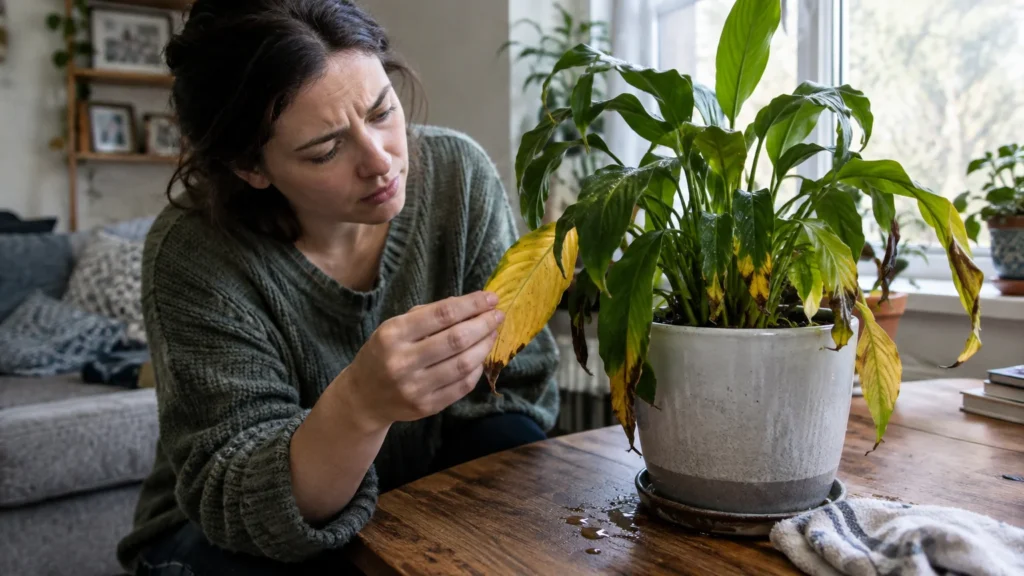
You touch a lush monstera leaf and pull back fingers coated in an unexpected, syrupy glaze. Sticky foliage indicates an immediate imbalance within your plant’s living environment that demands your attention.
Sap-sucking garden pests or natural physiological moisture shifts generate this sweet liquid overnight. Without swift intervention, that sugary film invites disfiguring black sooty mold and suffocates delicate plant tissue.
You can easily restore your indoor jungle to pristine health using targeted botanical care routines. Discover what triggers this sticky residue on plants and how to eliminate it permanently.
Houseplant Secret #1: Unmasking Armored and Soft Scale
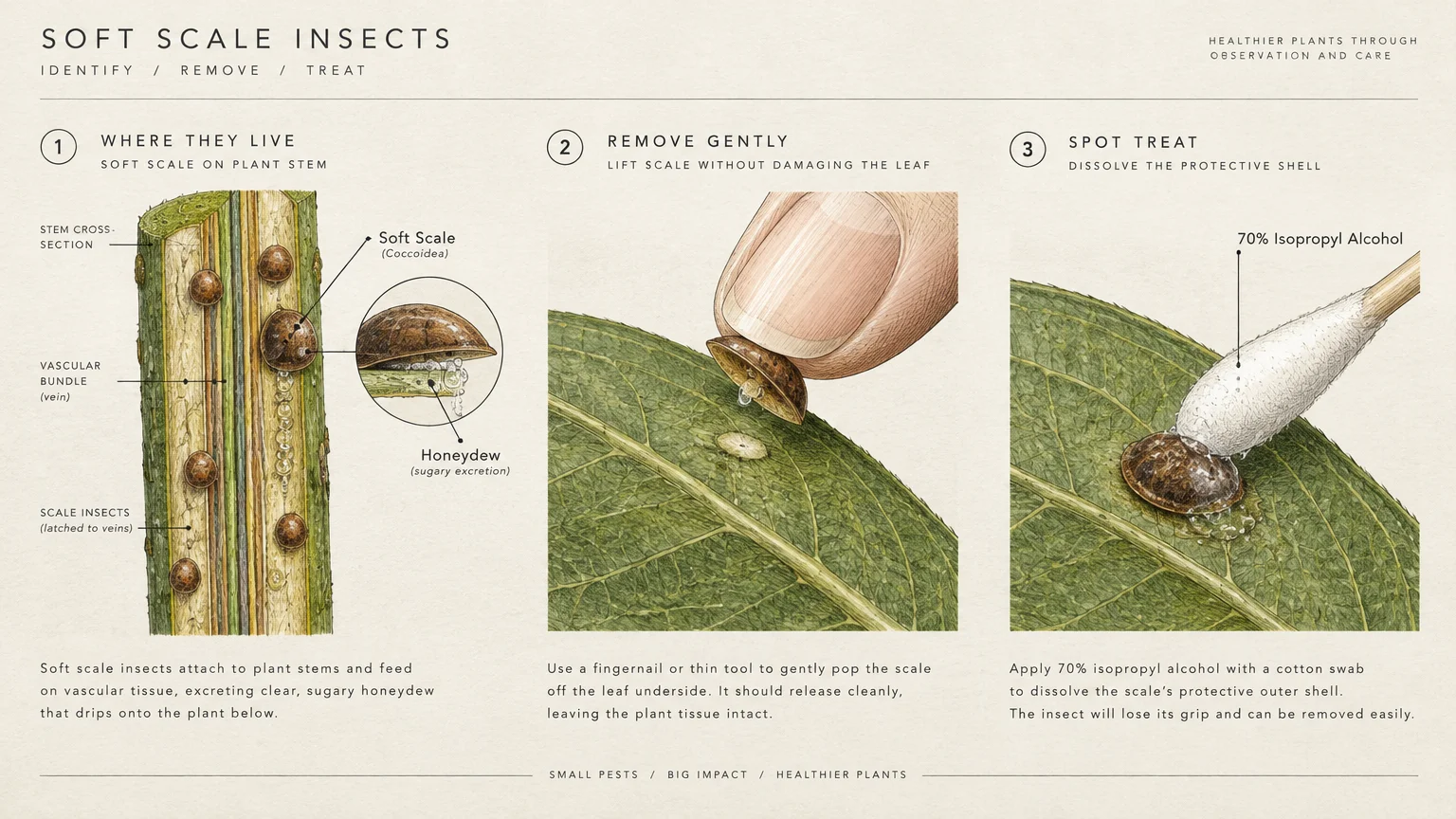
Scale insects rank among the most common culprits behind sticky leaves houseplants develop indoors. These immobile pests latch onto stems and leaf veins, greedily draining nutrient-dense sap.
As scale bugs ingest plant juices, they excrete excess liquid carbohydrates called honeydew. This sugary liquid drips onto lower leaves and nearby tables, creating a persistent, tacky sheen.
You can identify them by searching for small, brown, dome-shaped bumps along leaf undersides. Unlike natural plant nodes, these raised bumps scrape off cleanly with a gentle fingernail push.
Soft scale species excrete far more honeydew than armored varieties, quickly coating your beloved foliage. If you notice sticky drops falling from a weeping fig, scale is usually responsible.
Treat small infestations by saturating a cotton swab in seventy percent isopropyl alcohol. Touch the swab directly to each insect to dissolve its protective shell on contact.
Follow spot treatments by wiping the entire plant down with clean, lukewarm water. Keep your plant in gentle, indirect light while it repairs damaged vascular pathways.
Monitor treated stems weekly to ensure emerging scale crawlers do not establish new colonies. Consistent vigilance prevents a minor nuisance from evolving into an overwhelming infestation.
Houseplant Secret #2: Eradicating Deceptive Mealybug Clusters
Mealybugs disguise themselves as tiny tufts of white cotton tucked inside tight leaf crevices. Despite their soft appearance, these destructive insects feast aggressively on fresh phloem sap.
Their constant feeding produces copious amounts of honeydew that coats leaves and shelf surfaces. This sticky residue on plants quickly becomes a magnet for dust and airborne grime.
Succulents like jade plants and thin-leaved tropicals suffer heavily from mealybug attacks. Check the hidden joints where leaf stems meet main branches for telltale cottony nests.
Warm, dry home interiors accelerate the mealybug life cycle, causing populations to explode unnoticed. Female mealybugs lay hundreds of eggs within protective waxy filaments over several weeks.
Isolate any affected plant immediately to safeguard the rest of your green collection. Mobile nymphs crawl between closely grouped pots, spreading the sticky problem across multiple shelves.
Dab alcohol-soaked cotton pads across every white cluster to dissolve the insects and eggs. Inspect tricky crevices around petioles where hidden crawlers congregate out of plain sight.
Cleanse the foliage with a damp cloth afterward to wash away remaining sugars. Consistent manual removal breaks their reproductive rhythm before they weaken your plant’s structural vitality.
Houseplant Secret #3: Banishing Sap-Sucking Aphids and Whiteflies
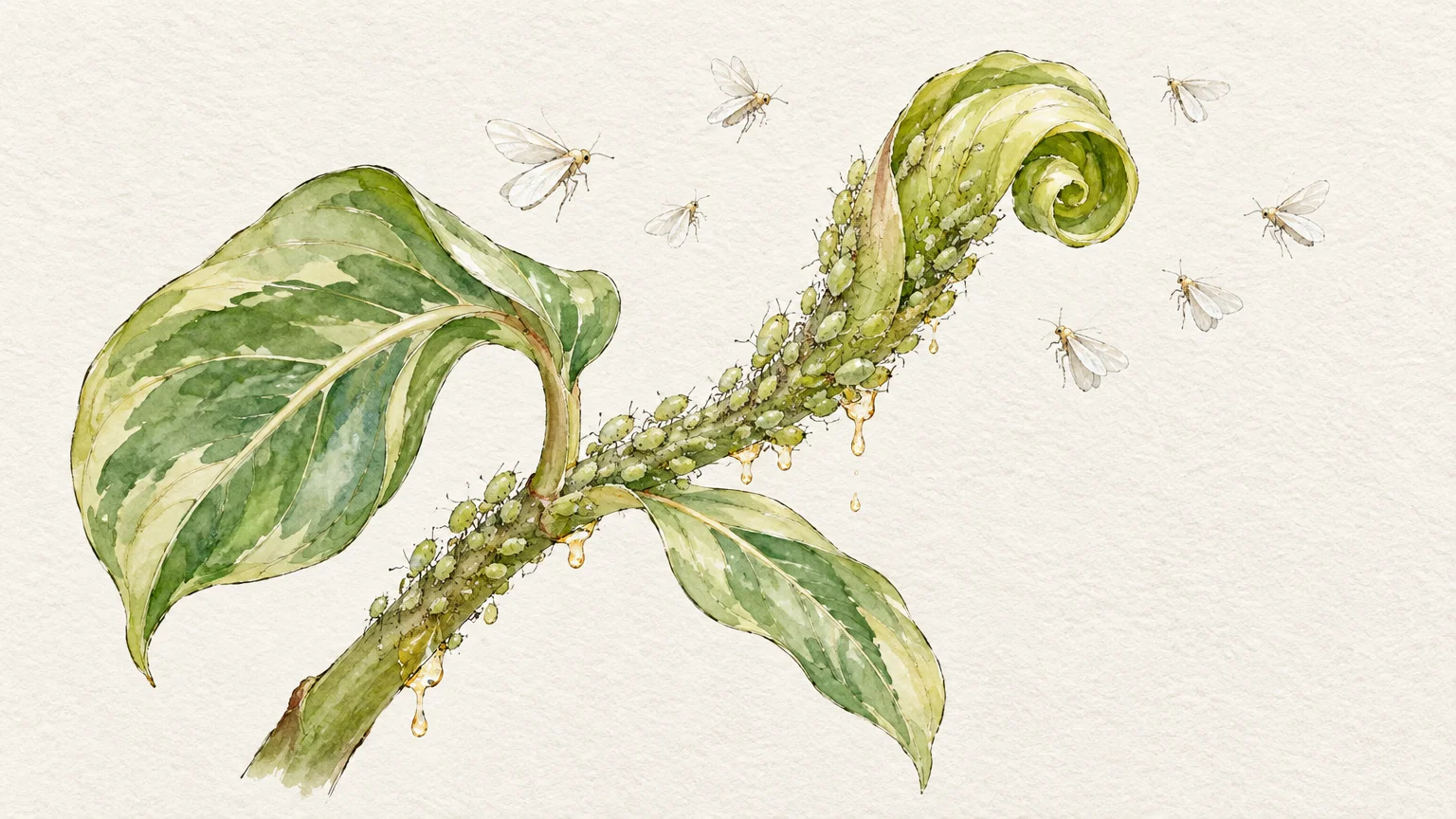
Aphids target tender new growth, clustering tightly along succulent stems and unfurling leaves. Their piercing mouthparts extract sap, releasing sticky honeydew that cascades over lower foliage.
Indoor conditions lack beneficial predators like ladybugs, allowing aphid colonies to surge rapidly. Infested houseplants show deformed new leaves, stunted growth, and a thick glaze of sap.
Whiteflies introduce an equally frustrating pest dynamic into your indoor plant care routine. These powdery, moth-like insects flutter into energetic clouds whenever you disturb the plant’s foliage.
Both adult whiteflies and their translucent nymphs suck plant juices from leaf undersides. They continuously release honeydew droplets, setting the stage for dark, unsightly sooty mold blooms.
Take infested plants outdoors or into the shower for a forceful, tepid rinse. The water pressure dislodges fragile aphids and whitefly nymphs without damaging sensitive botanical tissue.
Hang bright yellow sticky cards just above your plant canopy to trap adults. These visual monitors intercept fluttering insects and reveal pest activity before populations spike drastically.
Inspect surrounding houseplants carefully, as flying pests navigate room breezes with minimal effort. Early detection remains your most potent weapon against recurring indoor pest problems.
Houseplant Secret #4: Distinguishing Natural Guttation from Honeydew
Not every instance of sticky foliage points to an aggressive invasion of houseplant pests. Plants frequently release sugary moisture through entirely natural physiological events like guttation and extrafloral nectar.
Guttation occurs when internal root pressure forces excess water outward through specialized leaf pores. You will notice clear, shimmering water droplets perched along leaf margins after deep watering.
Large tropical aroids like monsteras, pothos, and philodendrons exhibit active guttation during humid periods. When indoor air evaporates the water, a subtle sugar residue remains behind on leaves.
Extrafloral nectaries are specialized glands found on species like Philodendron squamiferum and certain ficus varieties. In nature, these botanical glands excrete sweet nectar to attract beneficial insects for defense.
You can distinguish natural secretions from pest honeydew by evaluating droplet location and pattern. Nectary droplets appear predictably at specific leaf joints, whereas pest honeydew spatters randomly everywhere.
Plants exhibiting guttation maintain radiant green color, firm stems, and active unfurling leaves. In contrast, pest-damaged foliage turns yellow, curls inward, and displays visible insect bodies upon inspection.
If your plant shows healthy growth and lacks pests, simply embrace its natural rhythm. Wipe the leaves periodically with a soft cloth to maintain a pristine, dust-free appearance.
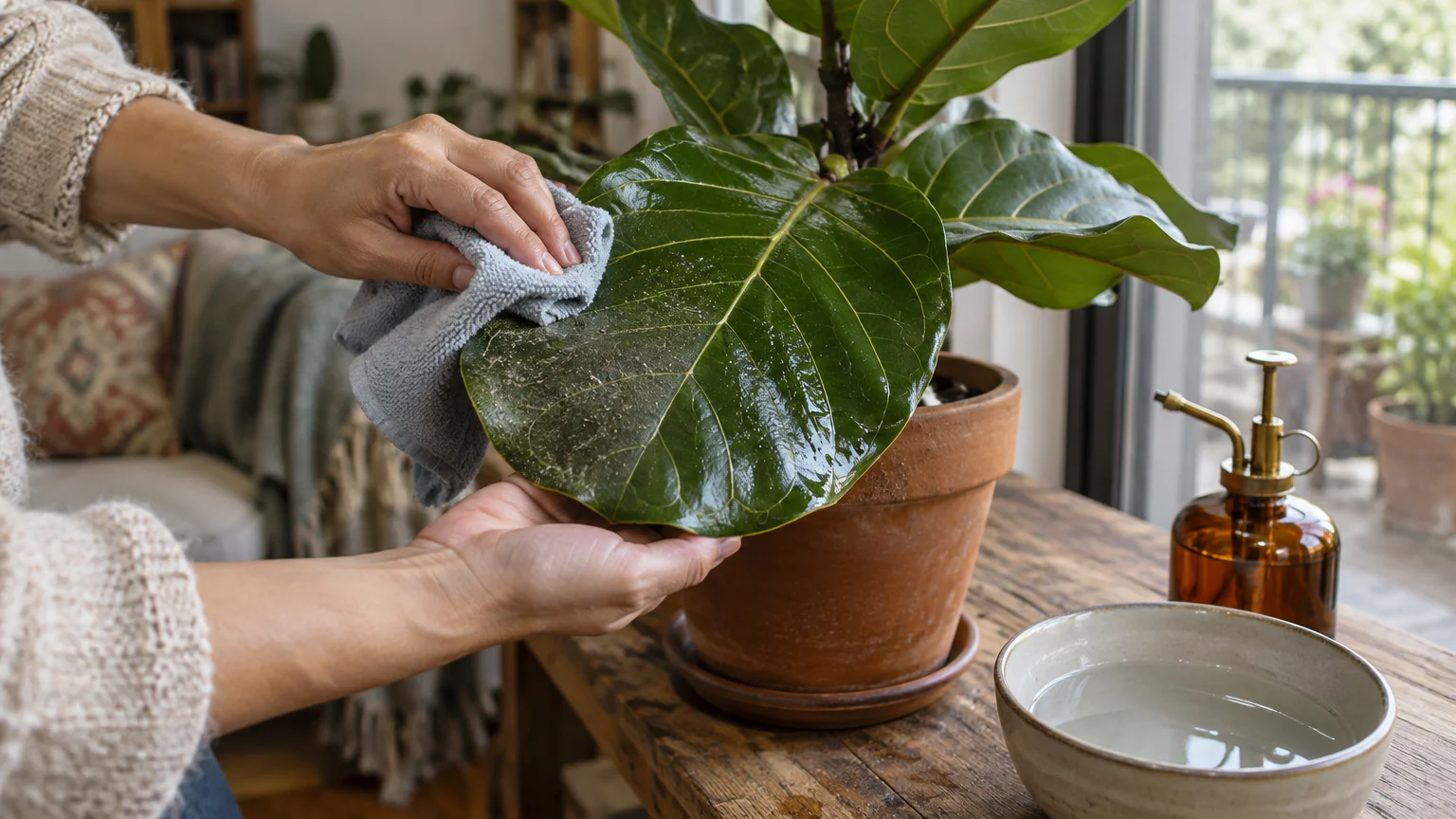
Houseplant Secret #5: Mastering Gentle Foliar Cleansing Routines
Removing honeydew swiftly prevents black sooty mold from capitalizing on the accumulated sugar film. While sooty mold does not attack plant cells directly, it blocks sunlight and stifles photosynthesis.
Carry your plant to the shower and secure plastic wrap over the potting mix. Rinse foliage with a gentle spray of tepid water to wash away loose residue.
Prepare a soothing wash using lukewarm water and a few drops of unscented castile soap. Pure castile soap emulsifies sticky sap efficiently without stripping away the protective botanical cuticle.
Dip a plush microfiber cloth into the suds and support each leaf from behind. Gently wipe from stem to tip, lifting away trapped grime, dust, and sticky honeydew.
Remember to wash the outer pot, decorative saucer, and nearby windowsill thoroughly as well. Wandering pest crawlers often hide along smooth container rims and window frames between meals.
Allow leaves to dry in a bright spot with plenty of ambient air movement. Avoid placing wet foliage in harsh direct sunlight, which can burn delicate leaf cells.
Repeat this gentle cleansing every two weeks to keep foliage breathing and absorbing photons. Clean leaves naturally deter pests while accentuating your plant’s vibrant green hues and glossy texture.
Houseplant Secret #6: Applying Organic Insecticidal Soaps and Oils
When manual wiping fails to resolve stubborn infestations, deploy targeted plant pest control products. Organic treatments neutralize sap-sucking insects effectively while preserving indoor air quality and home safety.
Commercial insecticidal soaps break down the outer waxy coatings of soft-bodied garden pests quickly. They work purely upon physical contact, dehydrating aphids, whiteflies, and young mealybugs within hours.
Cold-pressed neem oil provides an exceptional dual-action defense for persistent indoor plant dilemmas. It smothers crawling insects on contact and interferes with their hormonal feeding and breeding systems.
Emulsify neem oil with warm water and mild liquid soap before spraying thoroughly. Coat every stem, leaf underside, and soil surface where sneaky nymphs might seek refuge.
Always apply oil-based sprays in the evening or away from intense artificial grow lights. Intense lighting reacting with fresh plant oils can cause immediate, unsightly chemical foliage scorching.
Treat your plants every seven days for three consecutive weeks to interrupt overlapping lifecycles. This precise timing eliminates newly hatched crawlers before they reach reproductive maturity and lay eggs.
Test any new spray on a single lower leaf twenty-four hours before full application. Some delicate ferns and succulents react sensitively to concentrated horticultural soaps and essential oils.
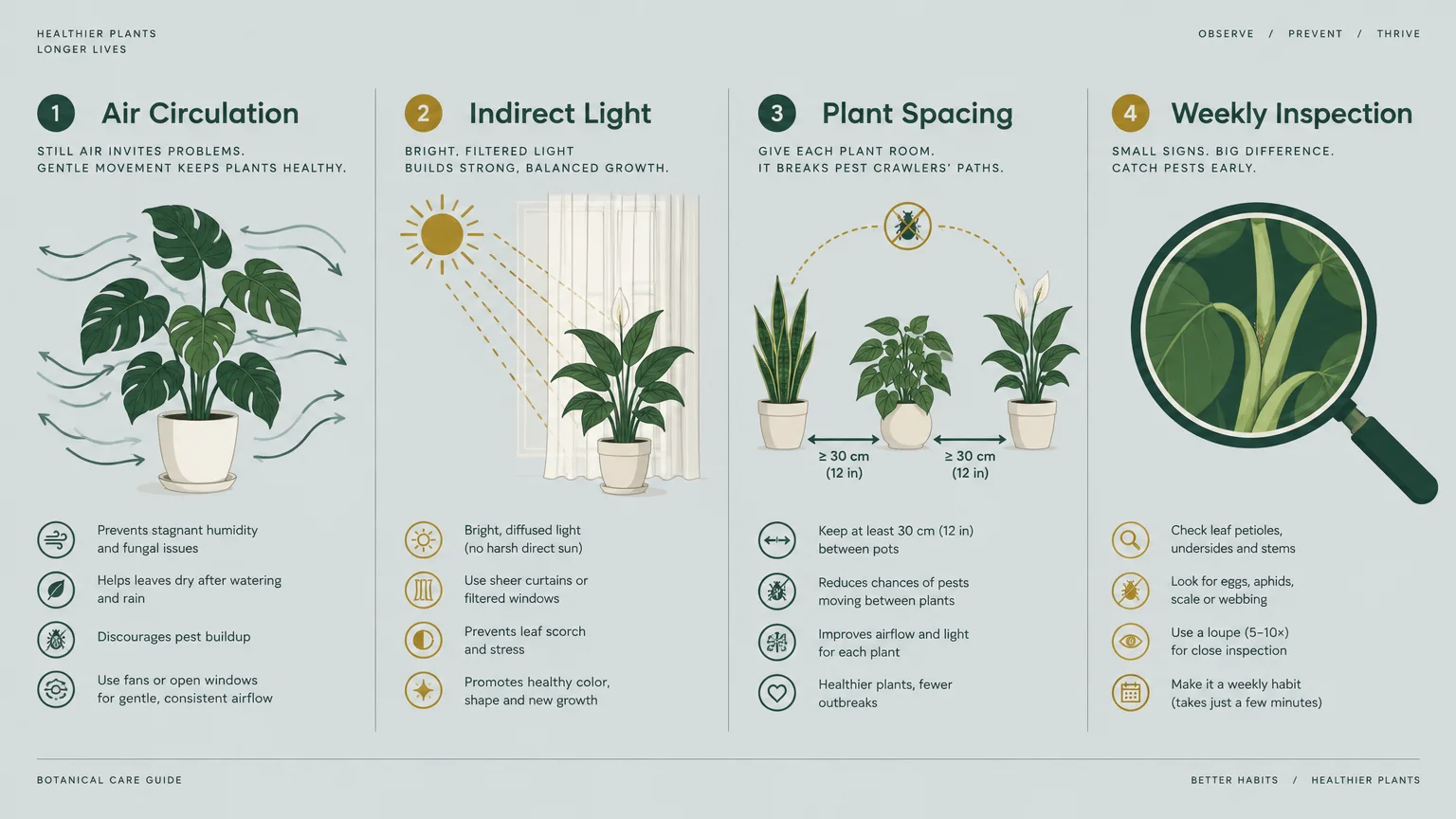
Houseplant Secret #7: Building Long-Term Resistance Through Environment
Stressed indoor plants emit chemical distress signals that actively attract foraging insect pests. Providing optimal environmental conditions builds thick, resilient cellular walls that naturally deter sap-sucking bugs.
Dry home heating depletes ambient moisture, creating an ideal breeding ground for microscopic pests. Run an ultrasonic room humidifier to maintain indoor humidity between fifty and sixty percent.
Increase gentle indoor air movement by positioning a quiet oscillating fan across your collection. Active airflow prevents stagnant microclimates, dries excess foliar moisture, and strengthens delicate botanical stems.
Fine-tune your watering routine to match seasonal light availability and root absorption rates. Saturated, oxygen-starved potting soil weakens root systems, compromising your plant’s ability to resist pest invasions.
Place every newly acquired houseplant into strict quarantine for two to three weeks. This crucial buffer period allows undetected pests to surface before invading your prized interior jungle.
Clean nearby window glass regularly to maximize the indirect light reaching your foliage canopy. Plentiful light fuels vigorous photosynthesis, generating the natural chemical defenses plants need to thrive.
Conduct thorough weekly inspections during watering sessions, checking leaf backs and new shoots carefully. Catching early pest incursions prevents widespread sticky residue and preserves the elegance of your greenery.
Choosing the Right Plant for Your Space
Matching houseplants to your specific indoor conditions minimizes stress and prevents debilitating pest problems. A plant situated in its ideal microclimate maintains vigorous growth and naturally resists infestations.
Assess your available light accurately throughout the day before bringing home a new botanical treasure. Direct southern windows deliver intense heat, while northern windows offer calm, uniform, low-intensity light.
Sun-drenched rooms suit resilient rubber trees, structural bird-of-paradise plants, and sun-loving desert succulents. These sun lovers develop thick, leathery leaves that pests find extremely difficult to penetrate.
For darker rooms or low-light corners, rely on cast iron plants, ZZ plants, or snake plants. These sculptural varieties adapt gracefully to dim conditions without stretching or losing their structural integrity.
If you want cascading foliage with minimal fuss, embrace adaptable heartleaf philodendrons and pothos. They tolerate missed waterings and fluctuating humidity, making them ideal companions for beginner indoor plant lovers.
Moisture-rich spaces like well-lit bathrooms provide sanctuary for delicate calatheas, ferns, and weeping figs. The abundant steam keeps foliage hydrated, preventing the crispy leaf edges typical of dry interiors.
Always select planters with functional drainage holes to allow excess irrigation water to escape. Proper drainage preserves root aeration, protecting root health and sustaining your plant’s natural pest defenses.
Consider unglazed terracotta for moisture-sensitive varieties, as porous clay walls allow soil to dry evenly. Glazed ceramic or plastic planters suit moisture-loving plants that prefer consistently damp growing medium.
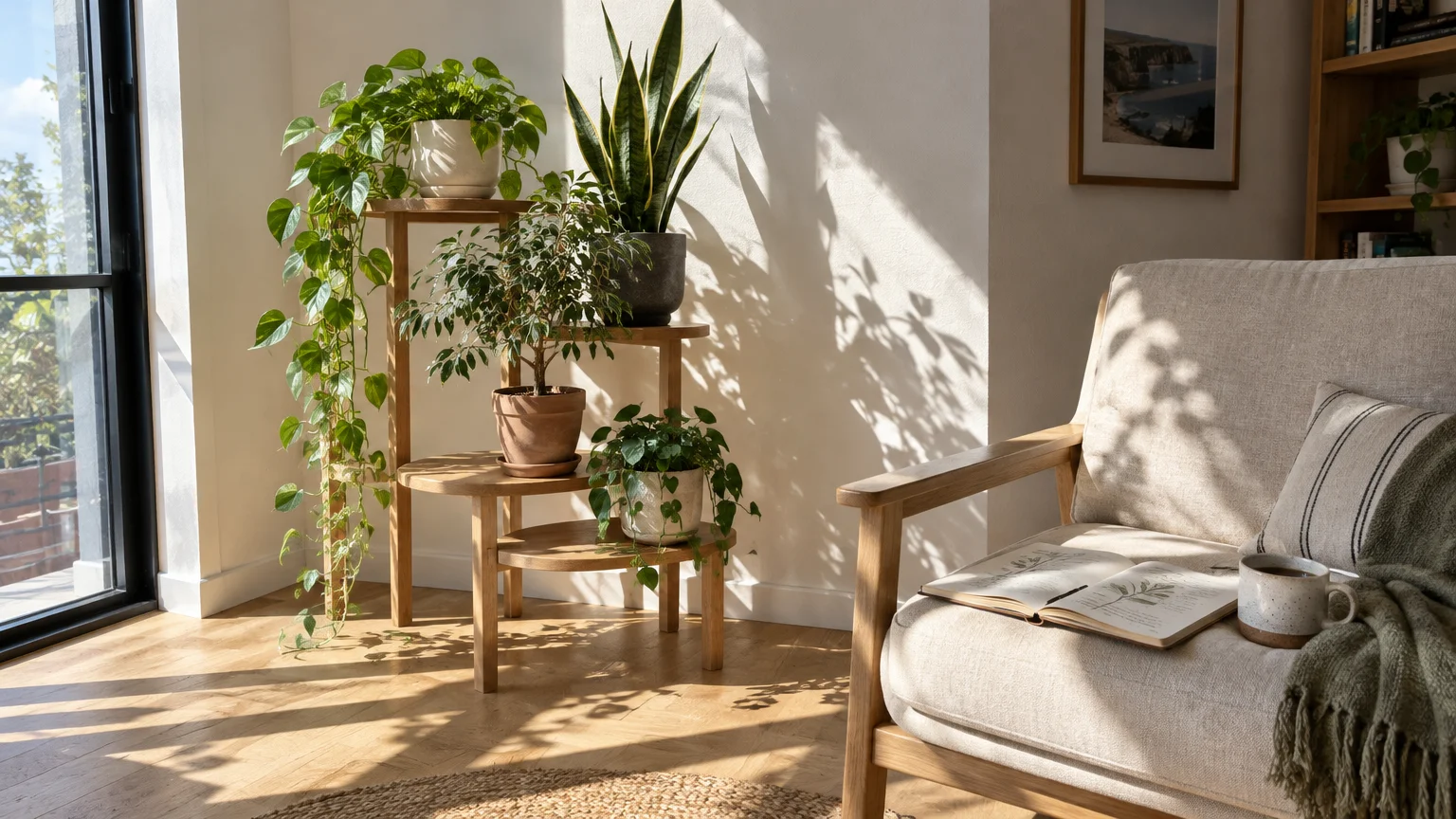
Aesthetic Tips for Styling Your Indoor Plants
Designing an indoor plant display transforms your living space into an invigorating, tranquil botanical retreat. Thoughtful styling pairs stunning leaf patterns with attractive containers to showcase your unique interior personality.
Combine varied leaf textures to generate rich visual interest across your shelves and tabletops. Set smooth, perforated monstera leaves beside ruffled bird’s nest ferns and velvety calathea foliage.
Group plants with similar light and humidity requirements together to create lush visual islands. This grouping technique raises localized ambient humidity while simplifying your weekly watering and maintenance schedule.
Play with different heights by introducing floating shelves, tiered plant stands, and hanging macramé holders. Elevating trailing vines like satin pothos draws the eye upward, celebrating vertical architectural space.
Choose complementary decorative planters that harmonize with your existing interior decor and architectural style. Minimalist matte ceramic pots in neutral shades allow vibrant foliage colors to command center stage.
Rotate your styled planters a quarter turn every two weeks toward the sun. Regular rotation ensures balanced, upright growth, keeping your botanical arrangements looking symmetrical and gracefully proportioned.
Use sculptural plants as intentional focal points in living rooms, entryways, or home office spaces. A dramatic fiddle-leaf fig or architectural dracaena instantly anchors a room with organic warmth.
Frequently Asked Questions
Can sticky residue on plants damage furniture and floors?
Yes, dripping honeydew can ruin wood varnishes, smudge glass surfaces, and stain porous rug fibers. The concentrated sugars also collect airborne dust, creating a dark, sticky film over your home furnishings.
Relocate leaking plants immediately and cleanse affected furniture using warm water and mild dish soap. Place protective mats underneath your plant saucers until you successfully eradicate the pest issue.
Is honeydew residue toxic to household pets?
Pure honeydew consists of water and plant sugars, making it non-toxic to dogs and cats. However, ingesting treated leaves or the underlying toxic plant tissue can cause significant pet distress.
Always verify your plant species before bringing them into a home shared with curious animals. Keep pets away from treated greenery until all organic sprays dry completely on leaf surfaces.
How can I tell if sticky residue is from pests or natural sap?
Examine the droplet distribution across the upper and lower surfaces of your affected houseplant. Random, irregular stickiness splashed over leaves and floorboards points directly to an active insect infestation.
Natural sap from guttation or extrafloral nectaries appears in orderly, symmetrical beads at specific nodes. Furthermore, plants producing natural sap retain deep green color and show no leaf curling or yellowing.
How often should I clean houseplant leaves to prevent pests?
Wipe your houseplant foliage with a damp cloth every two to four weeks for maintenance. Regular cleaning removes accumulated dust, allowing leaves to absorb light efficiently while deterring insect colonization.
If you are treating an active pest problem, clean leaves weekly alongside targeted spray treatments. Consistent cleaning removes honeydew, interrupts reproductive cycles, and prevents black sooty mold from gaining ground.
For information on plant toxicity to pets, consult the ASPCA’s plant list. Find inspiration at major conservatories like the U.S. Botanic Garden.
Disclaimer: This article provides general advice for houseplants. Every home environment is different, so observe your plants carefully and adjust care as needed.