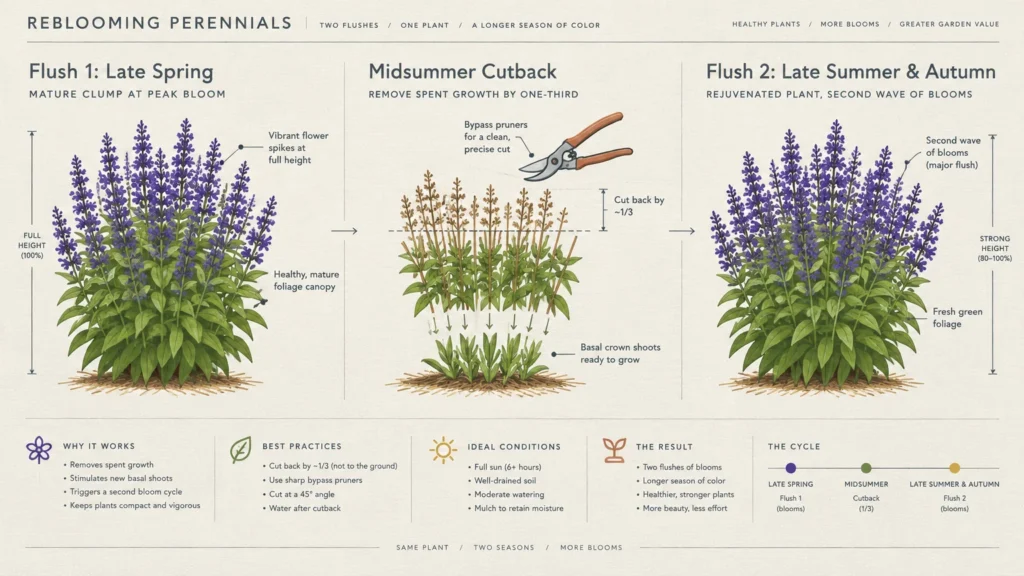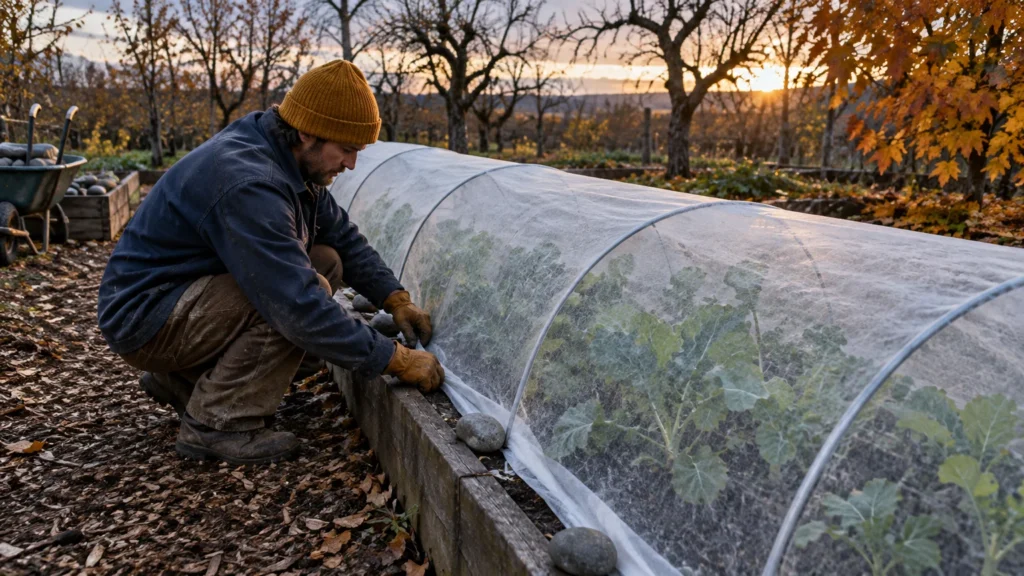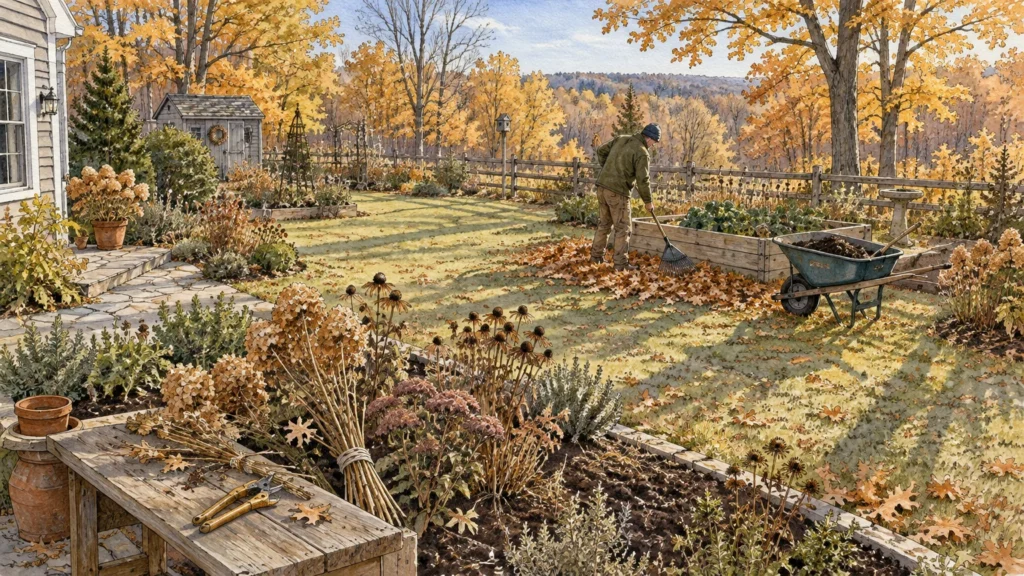
Vibrant flowers often steal the spotlight, yet colorful foliage plants deliver breathtaking color from spring through autumn without dropping petals. You can transform dull beds and dim corners into dazzling focal points using patterned leaves.
Foliage garden plants create reliable structure that never fades when blossoms wilt. Integrating dramatic houseplants and outdoor leaf varieties gives your living space constant visual energy throughout every season.
Whether you cultivate containers on a balcony or design deep landscape borders, colorful leaves provide nonstop contrast. Explore these exceptional selections to elevate your planting designs with intense hues and striking textures.
Tip #1: Coleus (Plectranthus scutellarioides)
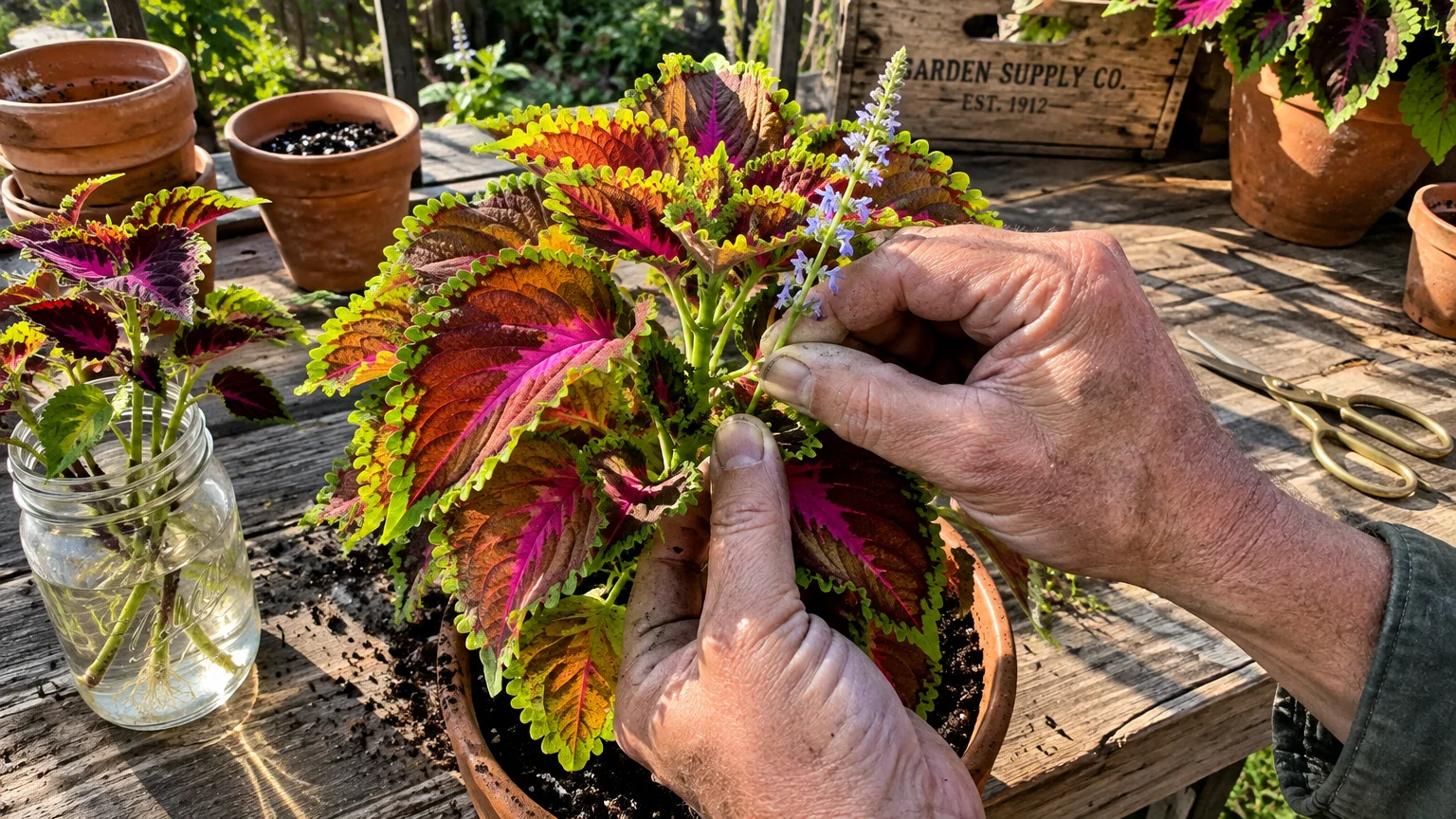
Few colorful foliage plants match the sheer versatility of coleus. Its velvety leaves feature dazzling combinations of electric chartreuse, deep burgundy, hot pink, and fiery copper.
Modern cultivars tolerate full sunlight, while classic varieties thrive in dappled shade. You can plant them in patio containers or line garden walkways for immediate chromatic impact.
Provide morning sunlight and dappled afternoon shade to maximize the richness of their leaf patterns. Harsh afternoon sun can scorch the foliage of delicate pastel cultivars.
Keep your soil consistently moist, but ensure containers drain freely to prevent root decay. Never let the root ball dry out completely, as thirsty plants quickly drop their lower foliage.
Pinch off developing flower spikes immediately to channel energy into dense, bushy leaf growth. Take stem cuttings in late summer to root them in water for free winter houseplants.
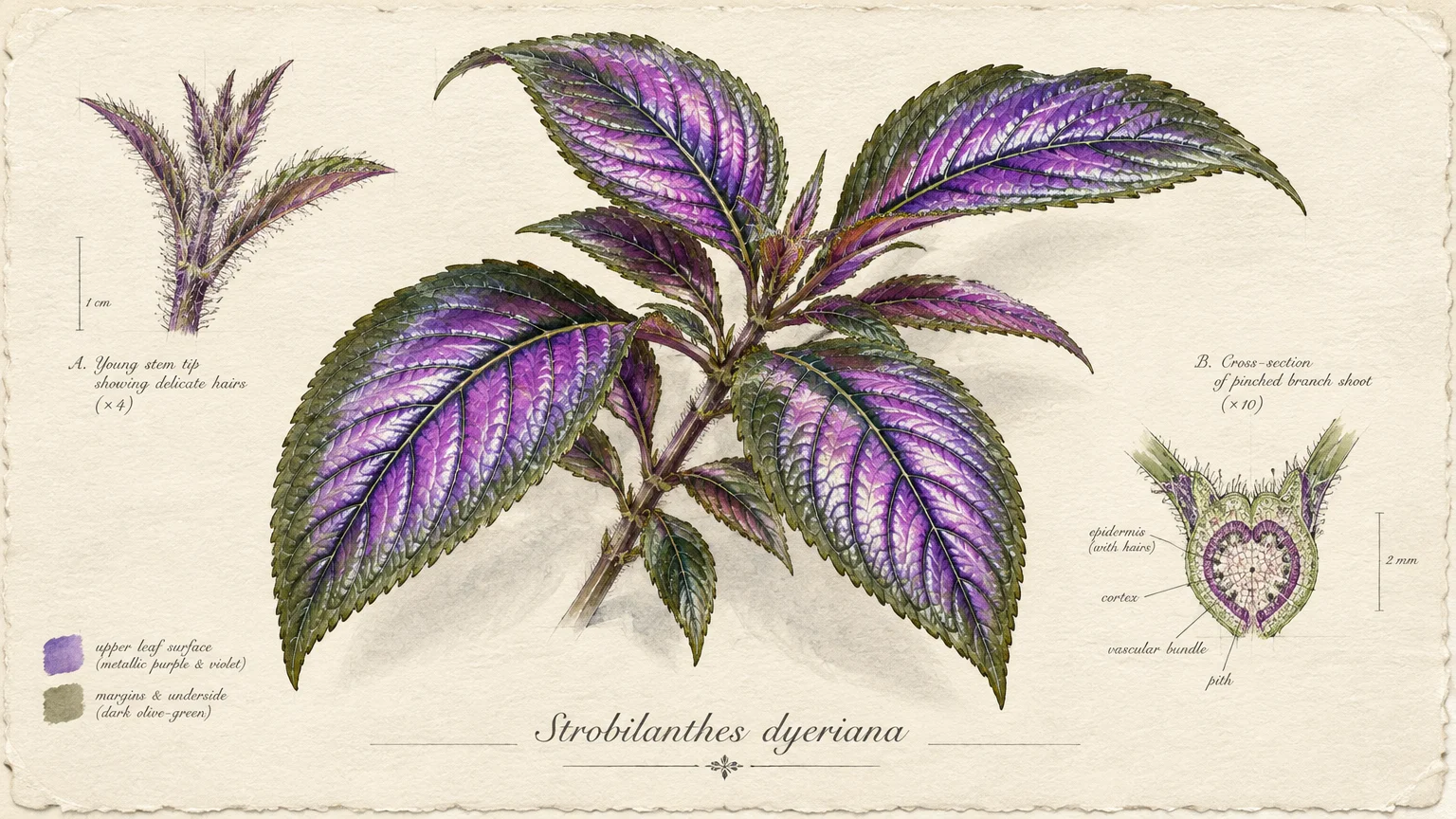
Tip #2: Persian Shield (Strobilanthes dyeriana)
Persian shield commands attention with iridescent purple leaves that shimmer like metallic armor. Deep green veins crisscross each lance-shaped leaf, creating an opulent, royal tapestry in any setting.
This tropical perennial thrives in warm, humid conditions and reaches up to four feet tall outdoors. It performs brilliantly in summer beds and serves as one of your most dramatic houseplants indoors.
Provide partial shade outdoors, because intense midday sun bleaches the brilliant purple sheen. Indoors, place it near an east-facing window where it receives gentle, filtered morning sunbeams.
Water the plant whenever the top inch of soil feels dry to the touch. Maintain high humidity by grouping it with other plants or resting the pot on a wet pebble tray.
Pinch the growing tips twice during early summer to promote dense, multi-branched growth. Feed monthly with a balanced liquid fertilizer diluted to half strength throughout the active growing season.
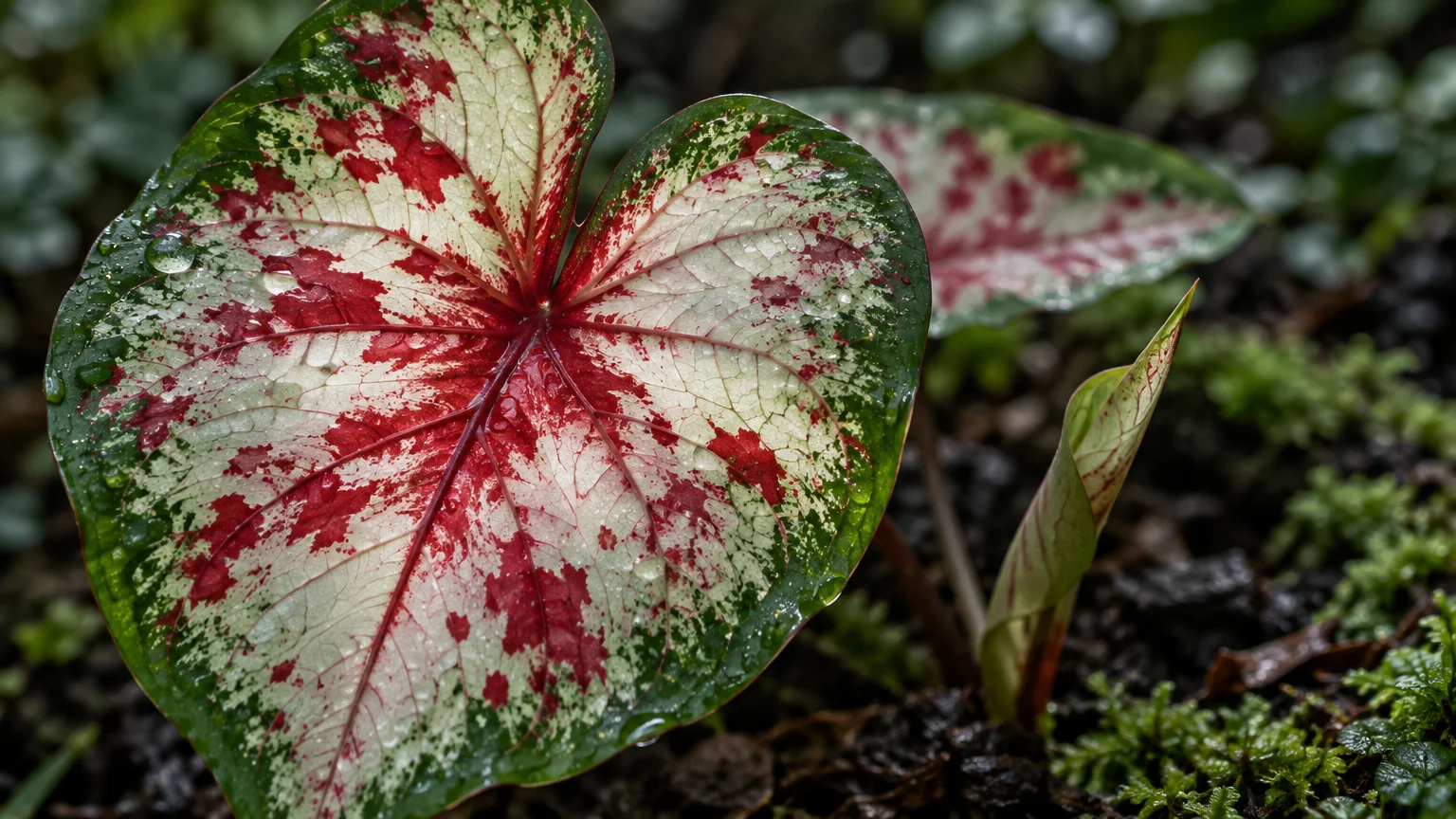
Tip #3: Caladium (Caladium bicolor)
Caladiums bring luminous elegance to shadowy spots with heart-shaped, paper-thin leaves. Their translucent patterns blend creamy white centers, crimson splashes, and delicate emerald borders.
These shade lovers flourish in warm, organic soil where standard flowering annuals struggle. Plant the tubers outdoors in late spring once soil temperatures consistently exceed sixty-five degrees Fahrenheit.
Place your caladiums in bright, dappled shade beneath a leafy tree canopy or on a covered porch. Direct afternoon sun quickly scorches their delicate leaves, causing unsightly brown holes.
Group several tubers together in decorative containers to build a lush, multi-layered canopy. Water regularly to keep the root zone damp, but ensure the potting mix never becomes waterlogged.
Dig the tubers before the first autumn frost if you live in a cool climate. Store them in dry peat moss inside a warm closet until spring replanting.
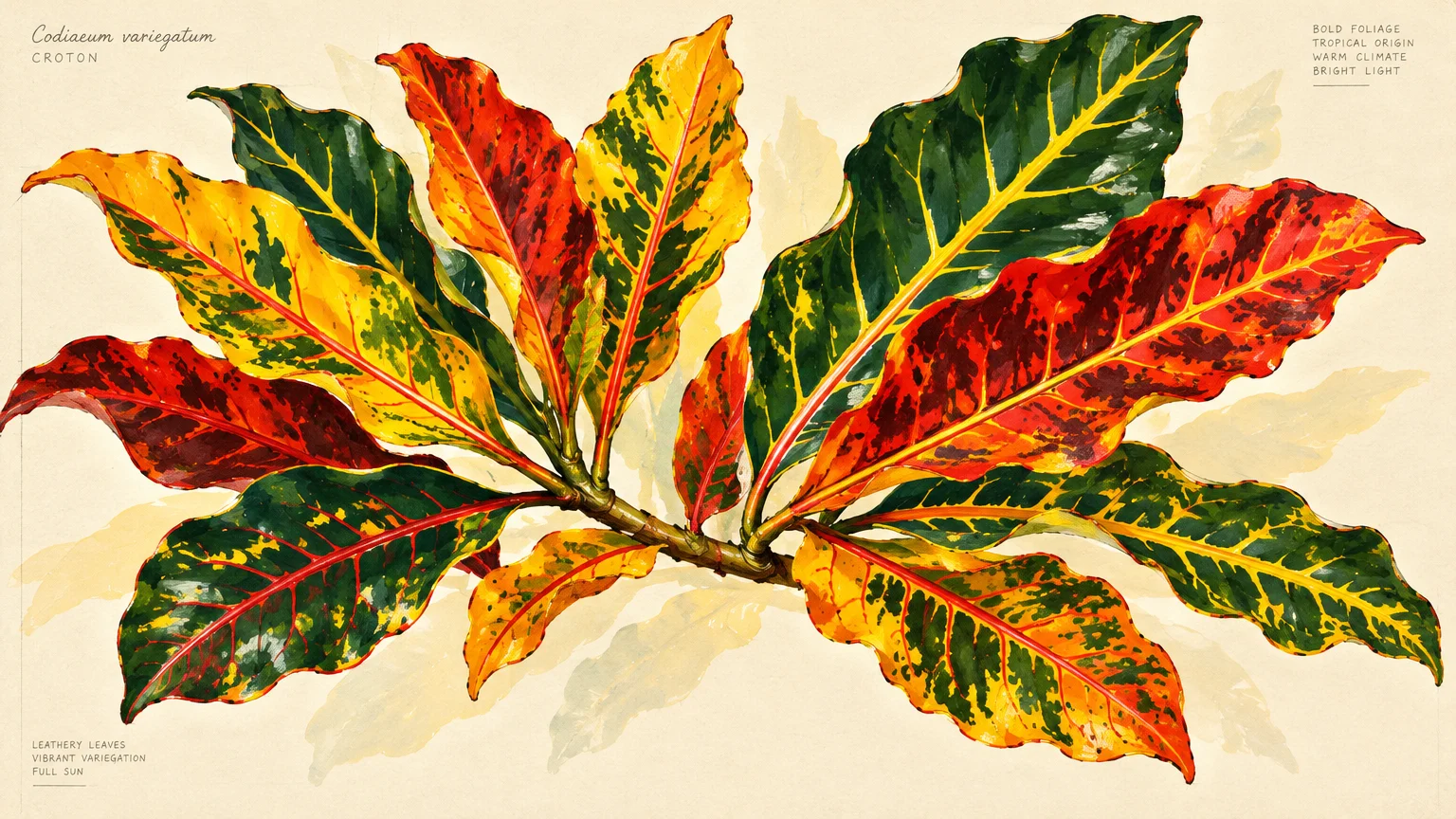
Tip #4: Croton (Codiaeum variegatum)
Crotons produce thick, leathery leaves drenched in fiery sunset tones. Bright yellow, intense scarlet, and deep amber veins slash across glossy forest-green foliage.
They shine in outdoor landscapes across frost-free zones and serve as bold statement houseplants everywhere else. Their stiff, upright habit adds strong architectural structure to sunny patios and living rooms.
Provide abundant direct sunlight to sustain their neon coloration. When a croton receives inadequate light, new leaves emerge dull green and lose their signature fiery patterns.
Water thoroughly when the top two inches of soil feel dry, then empty any collected drainage water. Never allow the roots to sit in stagnant water, as root rot sets in rapidly.
Shield the plant from chilly drafts, air conditioners, or sudden temperature shifts to prevent leaf drop. Wipe dust off the broad foliage monthly with a damp cloth to encourage efficient photosynthesis.
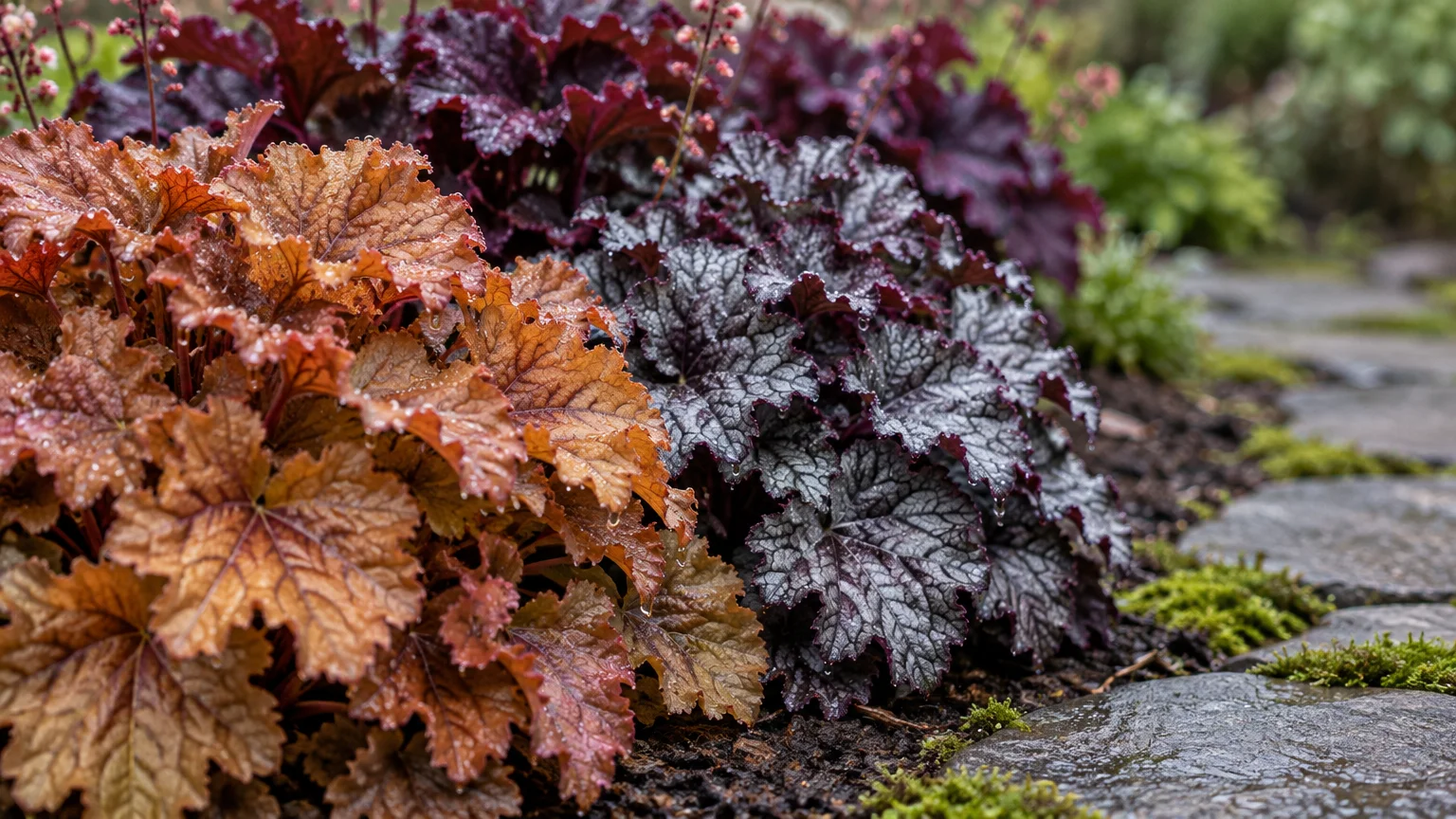
Tip #5: Coral Bells (Heuchera)
Coral bells rank among the most dependable, cold-hardy foliage garden plants available today. Breeders have transformed this woodland native into a kaleidoscope of plum, amber, lime, and rich obsidian.
Rounded, ruffled leaves form tidy mounded clumps that stay vibrant from early spring through hard winter freezes. They excel as semi-evergreen groundcovers, rock garden accents, and dynamic container companions.
Position them in well-drained soil with morning sun and dappled afternoon shade. Morning sun intensifies the purple and bronze foliage colors without burning delicate leaf margins.
Water new transplants regularly until they establish deep, resilient root systems. Mature plants tolerate moderate summer drought, but they appreciate consistent moisture during prolonged heatwaves.
Apply a two-inch layer of organic mulch around the root zone, keeping it clear of the central crown. Divide crowded clumps every three to four years in early spring to rejuvenate vigor.
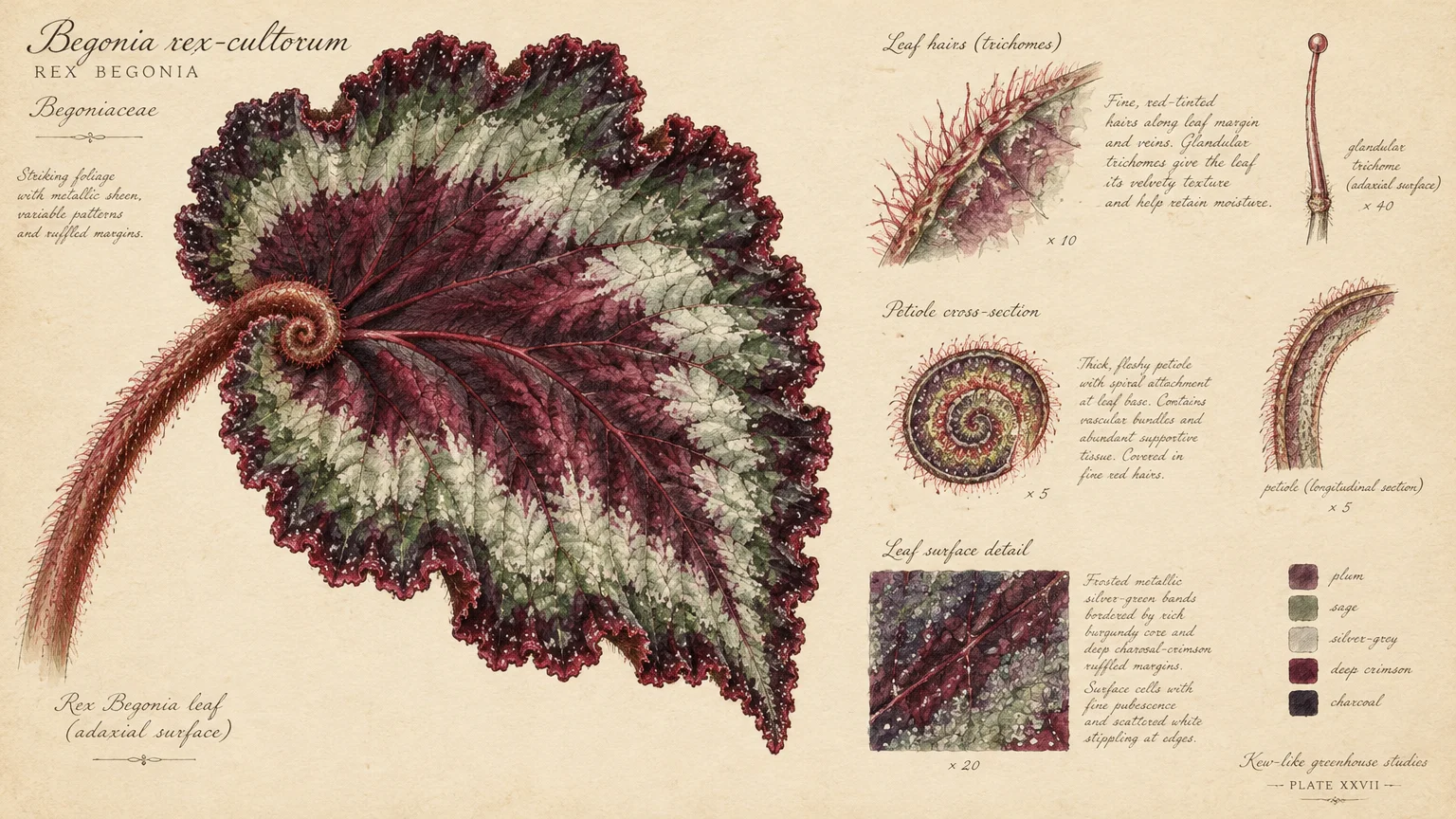
Tip #6: Rex Begonia (Begonia rex-cultorum)
Rex begonias showcase artistic foliage adorned with swirls, spirals, and frosted metallic margins. Silvery bands, deep ruby centers, and textured burgundy edges turn every leaf into an intricate living canvas.
These compact wonders prefer living indoors or tucked into sheltered, shaded outdoor patio containers. Their asymmetric leaves offer unmatched visual complexity compared to ordinary green houseplants.
Position your rex begonia in bright, indirect light away from harsh direct sunbeams. Direct sun easily bleaches the subtle silver swirls and scorches tender leaf tissue.
Pot them in a porous, peat-based potting mix that drains rapidly. Water only when the top inch of soil feels dry, taking special care never to wet the delicate leaves.
High ambient humidity keeps the leaf margins crisp and healthy without causing fungal spotting. Set your potted begonia on a pebble tray filled with water to elevate local humidity naturally.
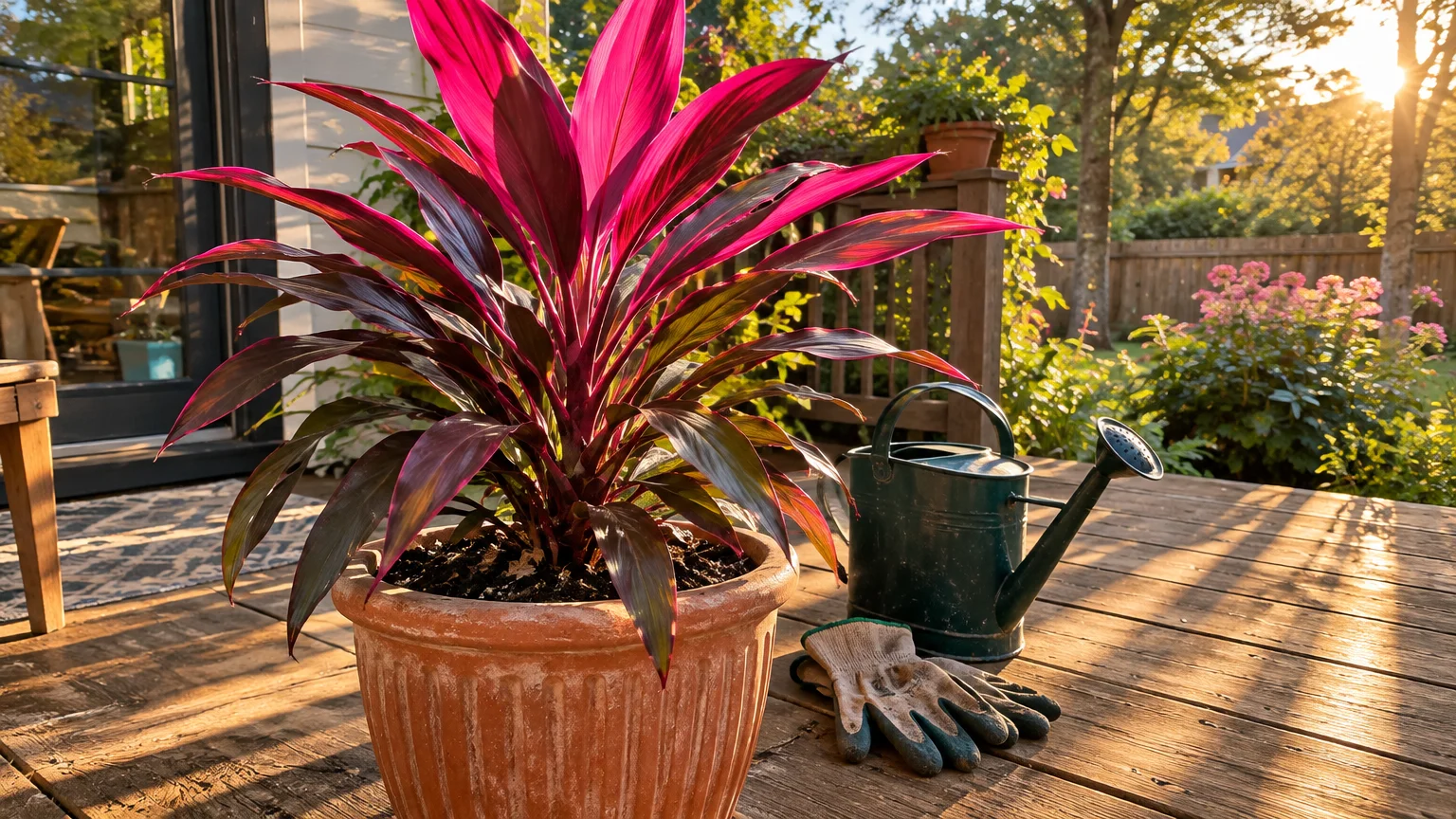
Tip #7: Ti Plant (Cordyline fruticosa)
Ti plants inject pure tropical energy into gardens and sunrooms with their fountain-like strap leaves. Vibrant cultivars display screaming magenta margins, hot pink stripes, and deep chocolate undertones.
They grow upright on sturdy cane stems, making them superb vertical accents in mixed decorative planters. In tropical zones, landscape designers rely on them for bold, year-round privacy screens.
Place your ti plant in bright, filtered light to encourage intense leaf pigmentation. Harsh midday sun can scorch leaf tips, while deep shade causes the luminous pink tones to fade away.
Keep the potting mix evenly moist throughout spring and summer, reducing water slightly during winter months. Ensure the container has drainage holes so surplus water flows out freely.
Use filtered or distilled water if your municipal tap water contains added fluoride. Mist the foliage regularly and trim older bottom leaves to showcase the attractive bamboo-like stems.
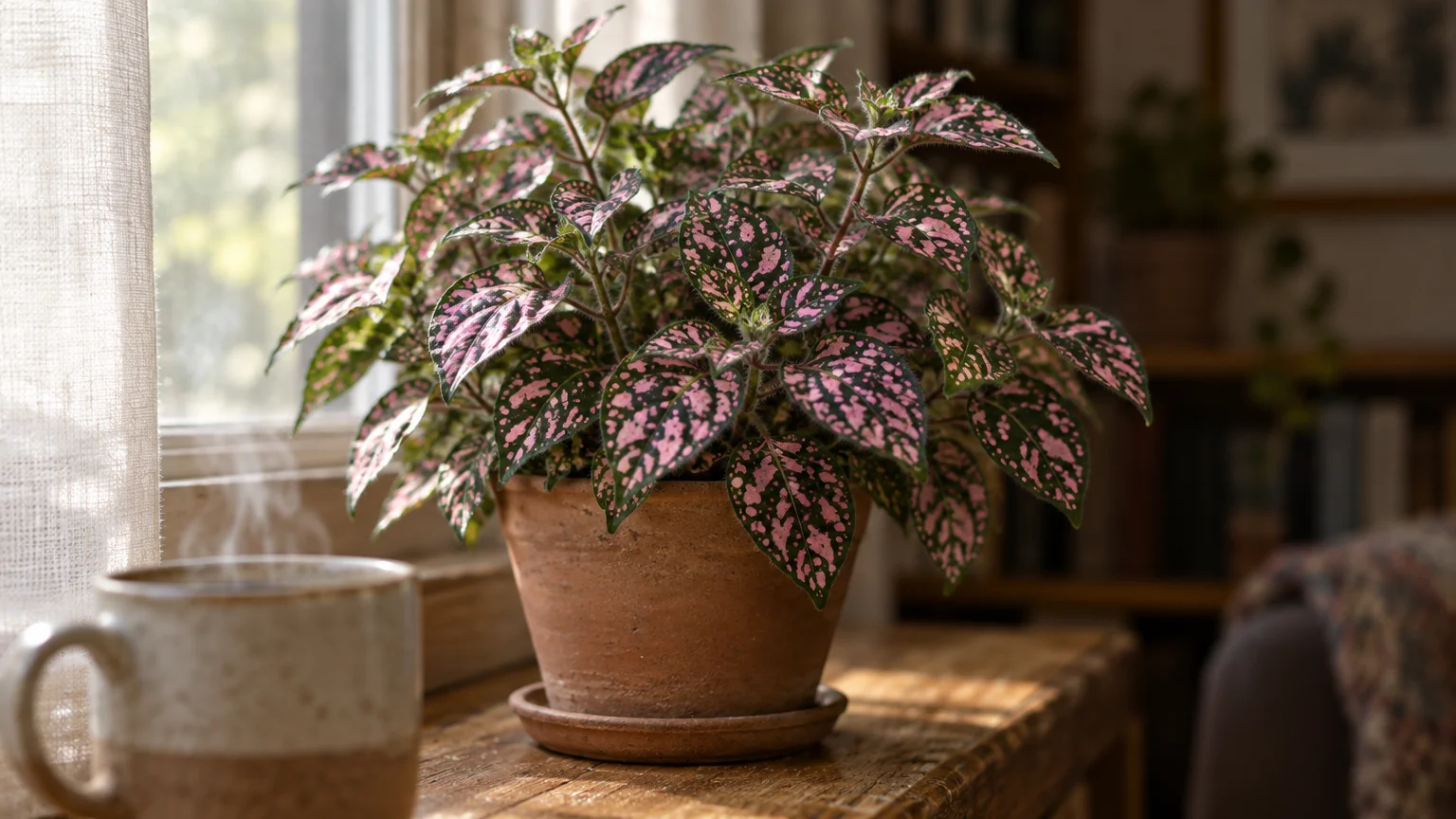
Tip #8: Polka Dot Plant (Hypoestes phyllostachya)
Polka dot plants supply cheerful charm with petite leaves heavily splashed in bright pigments. Speckles of rose, bubblegum pink, pure white, or vibrant red scatter across a dark olive base.
They stay compact, rarely exceeding twelve inches tall, which makes them ideal for terrariums and sunny windowsills. Outside, they weave easily into mixed summer container recipes alongside taller foliage companions.
Give them bright, indirect sunlight to keep their mottled leaf patterns vivid and distinct. In dim conditions, the stems stretch aggressively and the striking speckles disappear into solid green foliage.
Keep the potting medium evenly moist, watering immediately when the top surface begins to dry out. Drooping leaves signal immediate thirst, but they bounce back quickly after a thorough drink.
Pinch back the top pairs of leaves every few weeks to prevent leggy growth. This regular pruning encourages a compact, bushy mound covered in fresh, brightly dotted leaves.
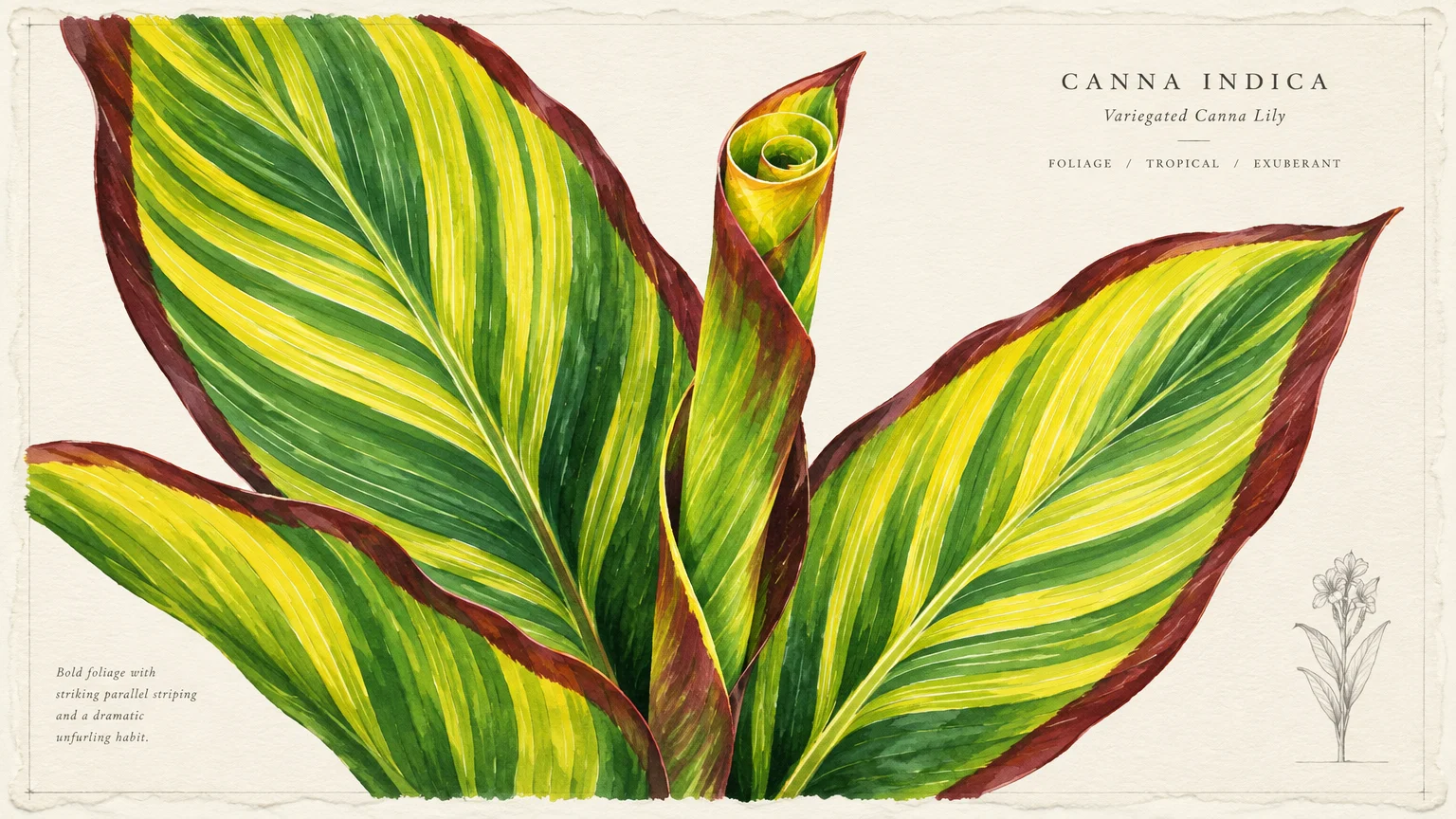
Tip #9: Canna Lily (Canna indica)
Variegated canna lilies make massive architectural statements with broad, paddle-shaped foliage. Varieties like ‘Tropicanna’ feature bold bands of orange, yellow, pink, and burgundy running across enormous leaves.
These vigorous growers quickly shoot up to six feet tall during warm summer months. They create instant tropical privacy around swimming pools and anchor sunny landscape borders with remarkable flair.
Plant canna rhizomes in rich, moisture-retentive soil under full, radiant sunshine. Full sun develops the richest, most contrasting stripes across their giant, paddle-like blades.
Water heavily during the peak heat of summer, as cannas thrive in consistently damp ground. They drink copiously and welcome wet conditions better than almost any other dramatic ornamental specimen.
Feed them bi-weekly with a balanced liquid fertilizer to fuel rapid vegetative development. In cold zones, lift the bulky rhizomes after frost blackens the stems and store them indoors until spring.
Tip #10: Sweet Potato Vine (Ipomoea batatas)
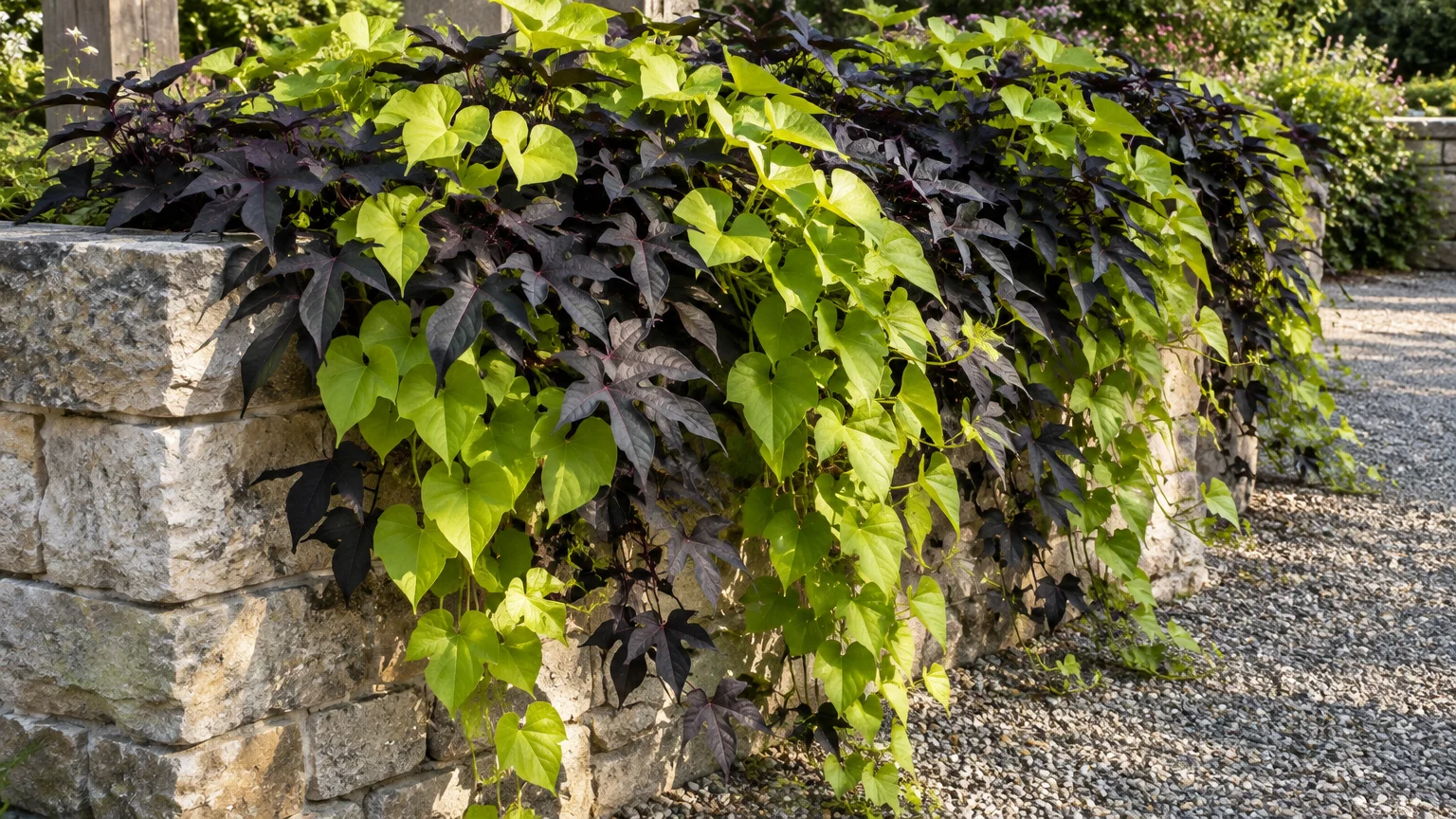
Ornamental sweet potato vines provide unmatched cascading color for hanging baskets and tall urns. Their deeply lobed or heart-shaped leaves come in electric chartreuse, bronze, and midnight purple.
They trail gracefully over container edges, spreading several feet across in a single growing season. Gardeners also use them as vigorous annual groundcovers to suppress weeds and cool the soil.
Position sweet potato vines in full sun to partial shade for the richest color saturation. Sunny exposures intensify the dark plum tones and turn chartreuse varieties delightfully luminous.
Water thoroughly whenever the top two inches of container soil feel dry to the touch. These thirsty growers require frequent watering during hot summer stretches to prevent heat wilt.
Trim rampant vines aggressively throughout midsummer to keep them from overwhelming neighboring plants. You can easily root the pruned stem tips in moist soil to multiply your collection.
Tip #11: Chinese Evergreen (Aglaonema commutatum)
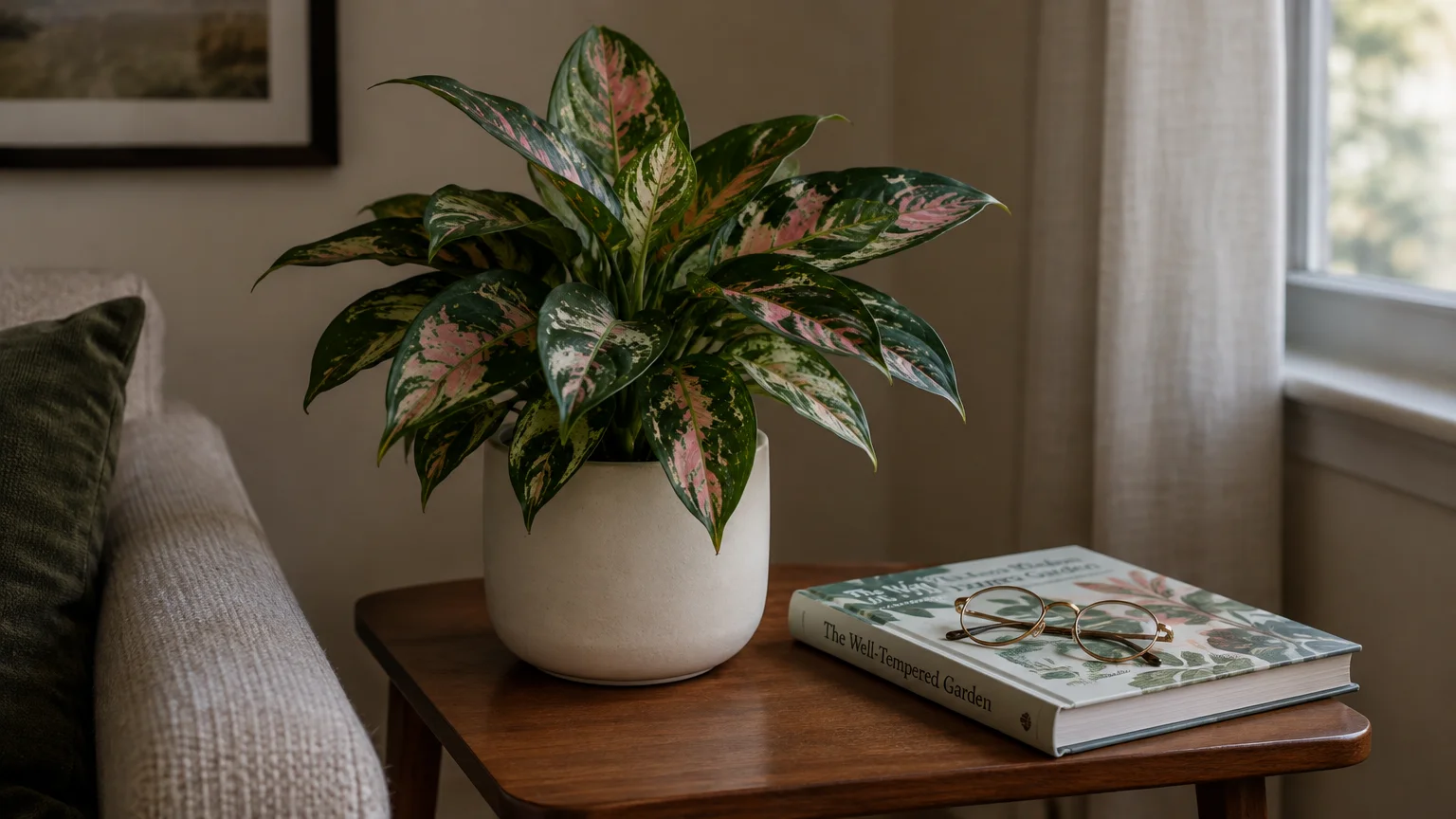
Modern Chinese evergreens are resilient plants with colorful leaves painted in spectacular patterns. Contemporary hybrids boast broad foliage splashed with blush pink, cherry red, and icy silver.
These forgiving plants tolerate irregular watering schedules and thrive in dim interior spaces. They allow you to bring striking foliage color into windowless offices and shaded interior rooms.
Situate your Aglaonema in low to moderate indirect light for steady, dependable growth. Avoid direct sunbeams, which quickly burn the colorful foliage and leave unsightly bleached scars.
Allow the potting soil to dry halfway down the pot before giving it a thorough watering. Overwatering remains the primary killer of these durable plants, so always err on the dry side.
Wipe the leaves periodically with a damp cloth to remove household dust and deter spider mites. Repot every two to three years using a peat-based potting soil to refresh nutrients.
Tip #12: Japanese Forest Grass (Hakonechloa macra)
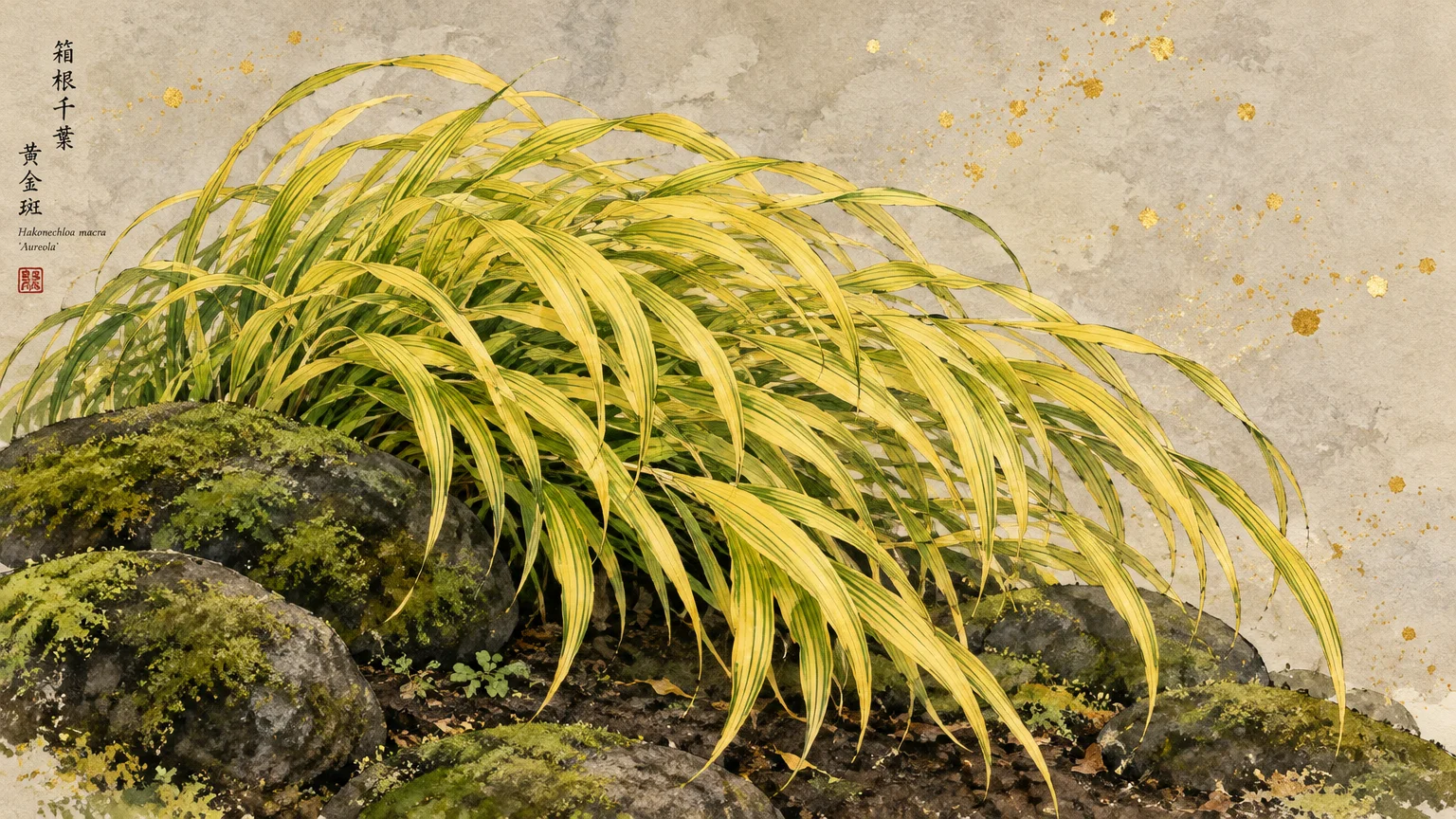
Japanese forest grass brings graceful, flowing texture and brilliant illumination to shady garden areas. Slender, cascading blades of golden-yellow striped with lime green ripple like flowing water in gentle breezes.
This slow-spreading perennial softens hard stone edges along woodland paths and garden stairways. In autumn, the bright chartreuse foliage takes on copper and rosy orange tones before going dormant.
Grow this ornamental grass in moist, humus-rich soil that receives partial or dappled woodland shade. Hot afternoon sun will scorch the delicate golden ribbons, especially in regions with scorching summers.
Maintain consistent soil moisture by watering regularly during dry spells. Mulch the surrounding soil with shredded leaves or compost to keep the shallow roots cool and damp.
Cut dead foliage back to the ground in late winter before fresh spring shoots emerge. Divide mature clumps in early spring just as new green shoots begin to poke through the soil.
Putting It All Together: Enjoy Your Beautiful Garden
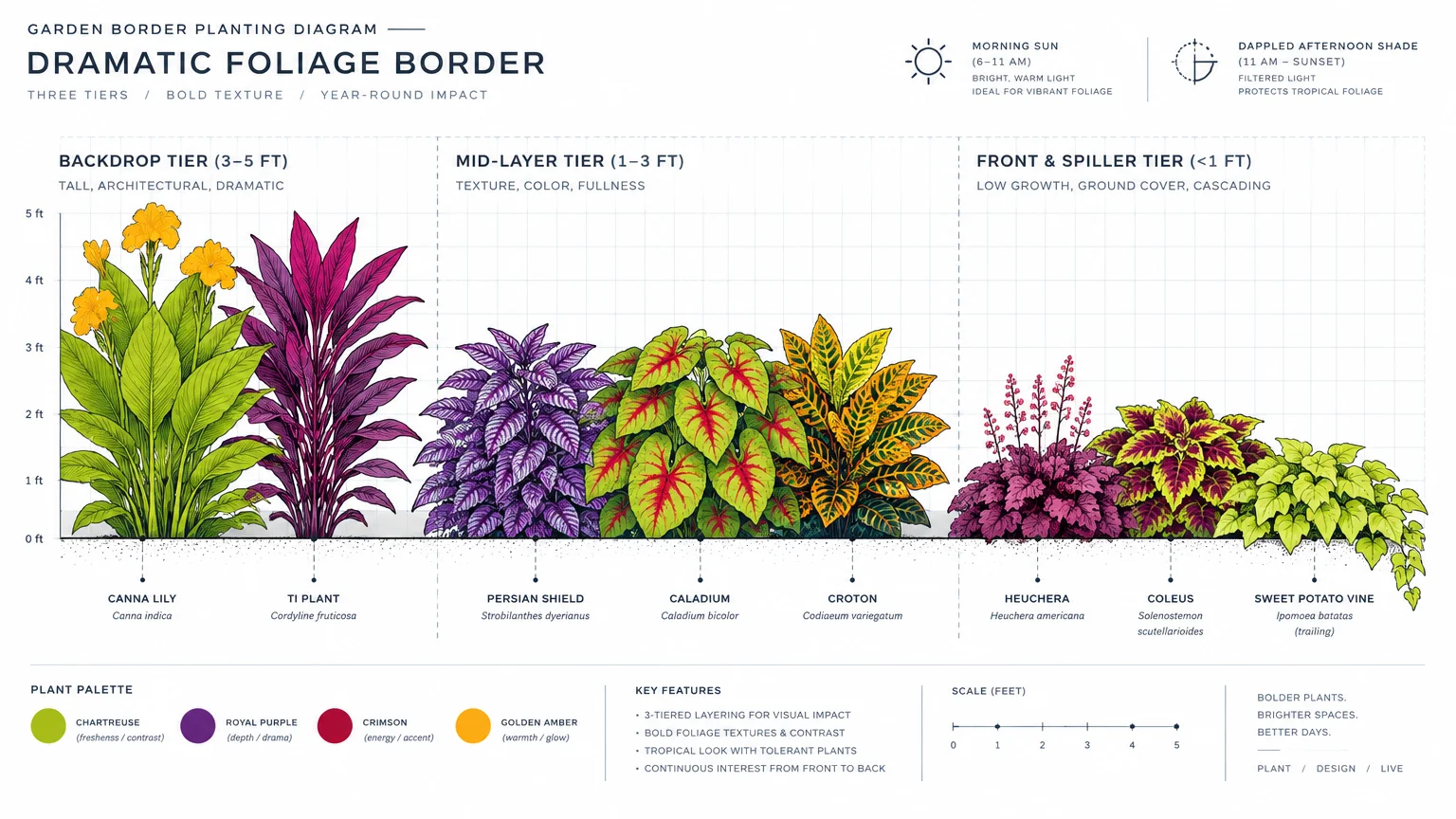
Designing with dramatic foliage frees you from the fleeting blooming cycles of conventional flowerbeds. By layering contrasting leaf colors, varied textures, and diverse heights, you create dynamic displays that command attention all season long.
Pair chartreuse sweet potato vine with dark purple coleus to produce electric color contrast in patio containers. In shaded beds, combine ruffled heuchera with broad-leaved caladiums to build lush architectural interest.
Match your plant selections carefully to the specific lighting conditions and moisture levels of your space. With these twelve vibrant varieties, you can turn any garden plot or indoor nook into a breathtaking living masterpiece.
For region-specific advice, consult your local University Extension program (find yours via the USDA directory). For plant databases and inspiration, visit the Missouri Botanical Garden or the Royal Horticultural Society.
Disclaimer: This article provides general gardening advice. Always consider your specific climate, soil conditions, and local pests while following safety guidelines for gardening tools and products.
Frequently Asked Questions
Why are my colorful foliage plants turning green?
Insufficient light is the primary reason colorful foliage plants revert to solid green. Plants produce extra chlorophyll to capture available energy when growing in dim environments.
Move your plant to a brighter location with indirect sunlight to restore its vibrant pigments. Avoid scorching direct sun unless the specific variety thrives in full exposure.
How often should I fertilize plants with colorful leaves?
Feed actively growing foliage plants once every four to six weeks during spring and summer. Use a balanced, water-soluble houseplant or garden fertilizer diluted to half strength.
Avoid over-fertilizing with high-nitrogen formulas, which can cause colorful foliage to turn dull green. Cease fertilization entirely during autumn and winter when plant growth slows down naturally.
Can I grow tropical foliage plants outdoors in cold climates?
You can enjoy tropical foliage plants outdoors as warm-season annuals once all frost danger passes. Wait until night temperatures stay consistently above fifty-five degrees Fahrenheit before moving them outside.
Bring container-grown specimens back indoors before the first autumn freeze arrives. Alternatively, take stem cuttings or dig tender tubers to preserve your favorite varieties over the winter months.
Do foliage garden plants require deadheading?
While foliage plants do not produce showy flowers, pinching out emerging bloom stalks keeps leaves lush and vibrant. Plants like coleus divert critical energy toward seed production once flowers develop.
Snip off flower buds as soon as they appear using clean shears or your fingertips. This simple maintenance practice forces the plant to produce fuller, denser foliage all season.