Gardening in sub-zero winters can feel intimidating, but freezing temperatures do not mean you must settle for a bare yard. Choosing proven winter hardy plants allows you to cultivate a lush, vibrant landscape that returns stronger every spring.
Cold hardy perennials develop deep root systems that withstand frozen soil and brutal winter winds. With proper selection, your garden will erupt with rich colors and textures from early spring through late autumn.
Discover the ten most reliable perennials for northern gardens to transform your cold-climate landscape into an enduring, low-maintenance haven.
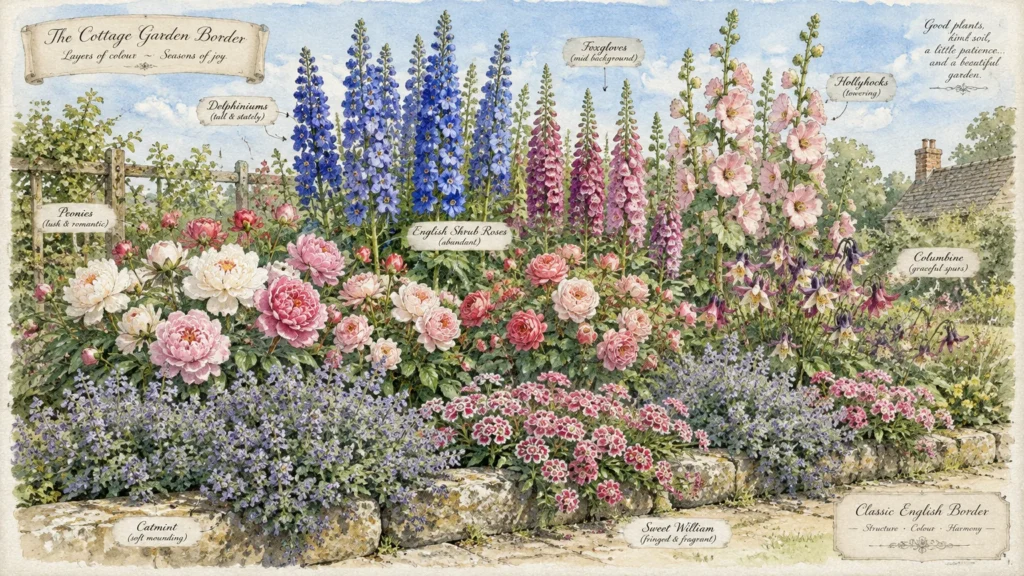
Tip #1: Peonies (Paeonia lactiflora)
Peonies are legendary cold-hardy queens that produce enormous, fragrant blossoms in late spring. These regal staples thrive effortlessly across northern regions and stand as premier perennials for zone 3.
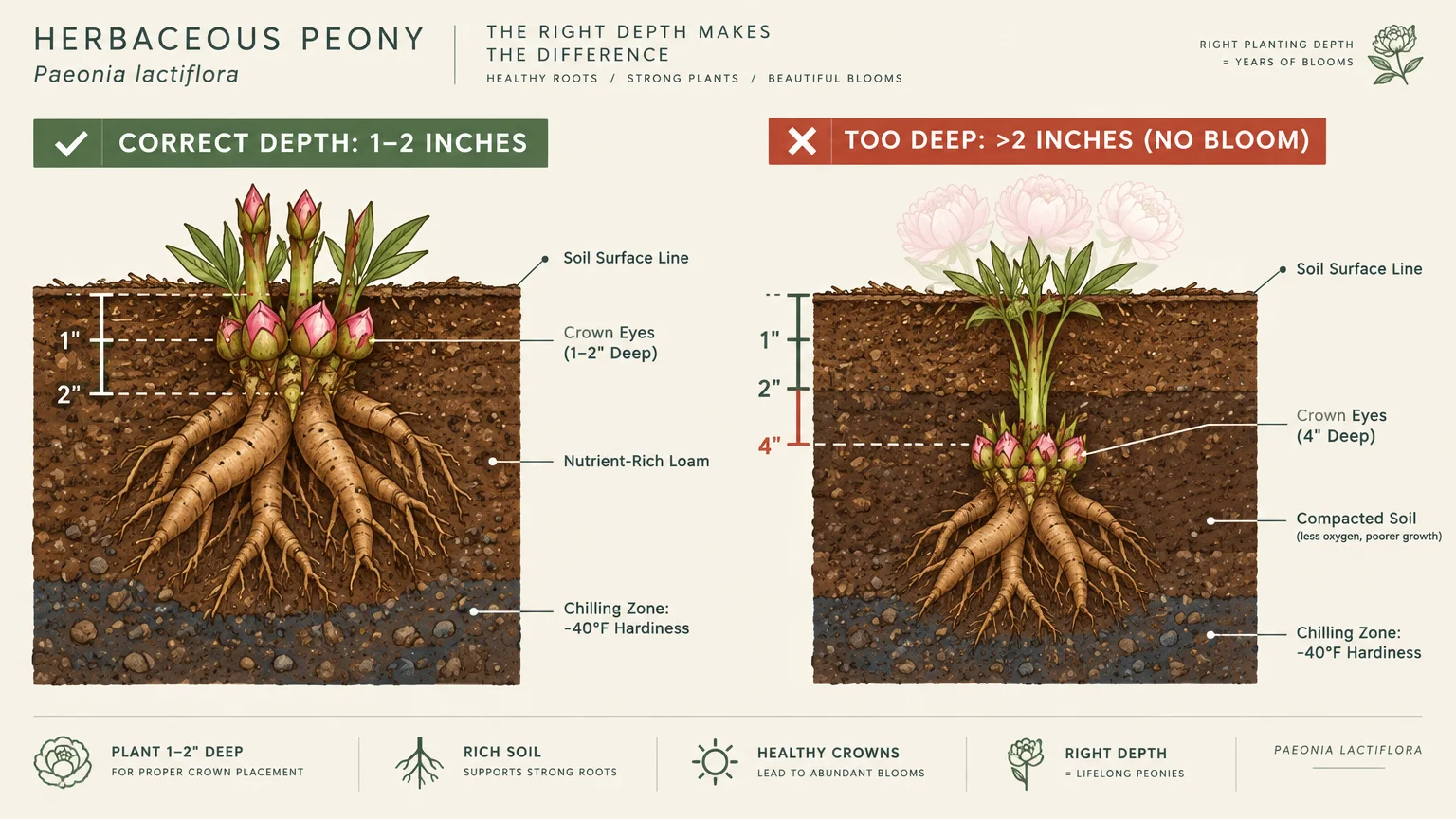
Unlike tender perennials that languish during deep freezes, peonies demand prolonged winter chilling to initiate spring flower buds. Standard cultivars easily survive sustained ground temperatures down to -40°F.
Plant your peony crowns in a location that receives at least six hours of direct sunlight daily. Ensure the surrounding soil is fertile, nutrient-rich, and free from standing water.
Pay close attention to planting depth; setting the eyes deeper than two inches below the soil line prevents flowering. Place the pink eyes precisely one to two inches beneath the surface for optimal blooming.
Cut down the foliage to ground level in late autumn after the first hard freeze blackens the stems. This clean-up removes fungal spores and shields the crown from foliar diseases over winter.
Pair your peonies with Siberian iris or alliums to create breathtaking color transitions in early summer borders. Their glossy green foliage serves as a handsome backdrop all season long.
Tip #2: Siberian Iris (Iris sibirica)
Siberian iris brings slender, architectural foliage and delicate, jewel-toned blossoms to rugged northern gardens. Rated for cold northern zones, this hardy perennial withstands unpredictable freeze-and-thaw cycles without skipping a beat.
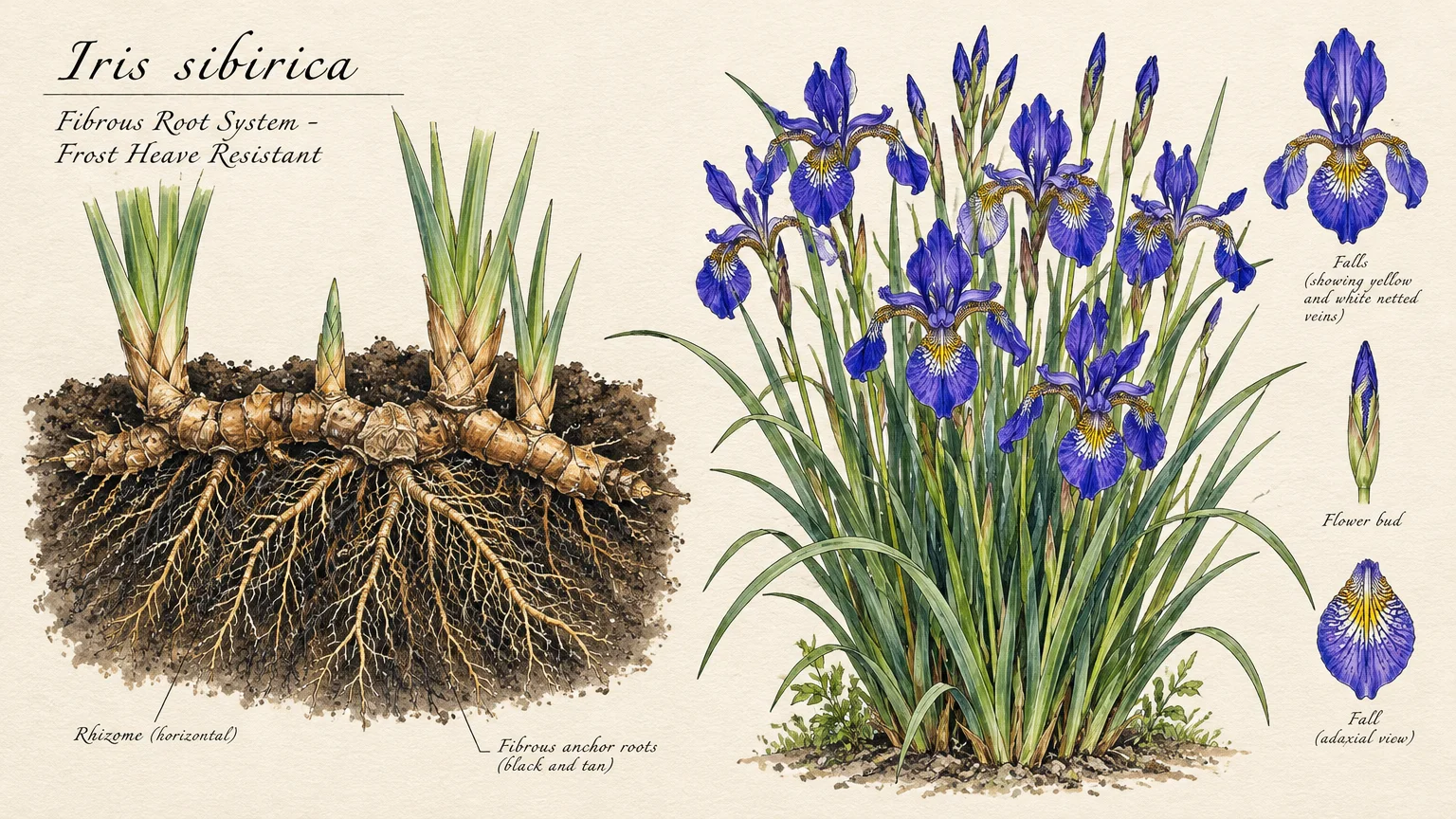
Tough fibrous root systems allow these plants to anchor firmly into icy ground. They resist frost heave better than bearded iris varieties because their compact rhizomes remain protected underground.
Select an area with full sun to partial shade where the soil remains consistently moist. While adaptable, Siberian irises perform best in slightly acidic soil enriched with well-rotted compost.
Plant the rhizomes roughly one inch below the surface and water them thoroughly during their first growing season. Once established, they form dense, weed-suppressing clumps that require virtually no intervention.
Apply a three-inch layer of shredded bark mulch each autumn to stabilize soil temperatures. In early spring, sheer back the dried foliage before fresh green spears emerge from the soil.
Combine Siberian iris with moisture-loving hostas along pond margins or low-lying garden beds. Their upright, grass-like leaves provide stunning structural contrast against broad-leaved companions.
Tip #3: Hostas (Hosta)
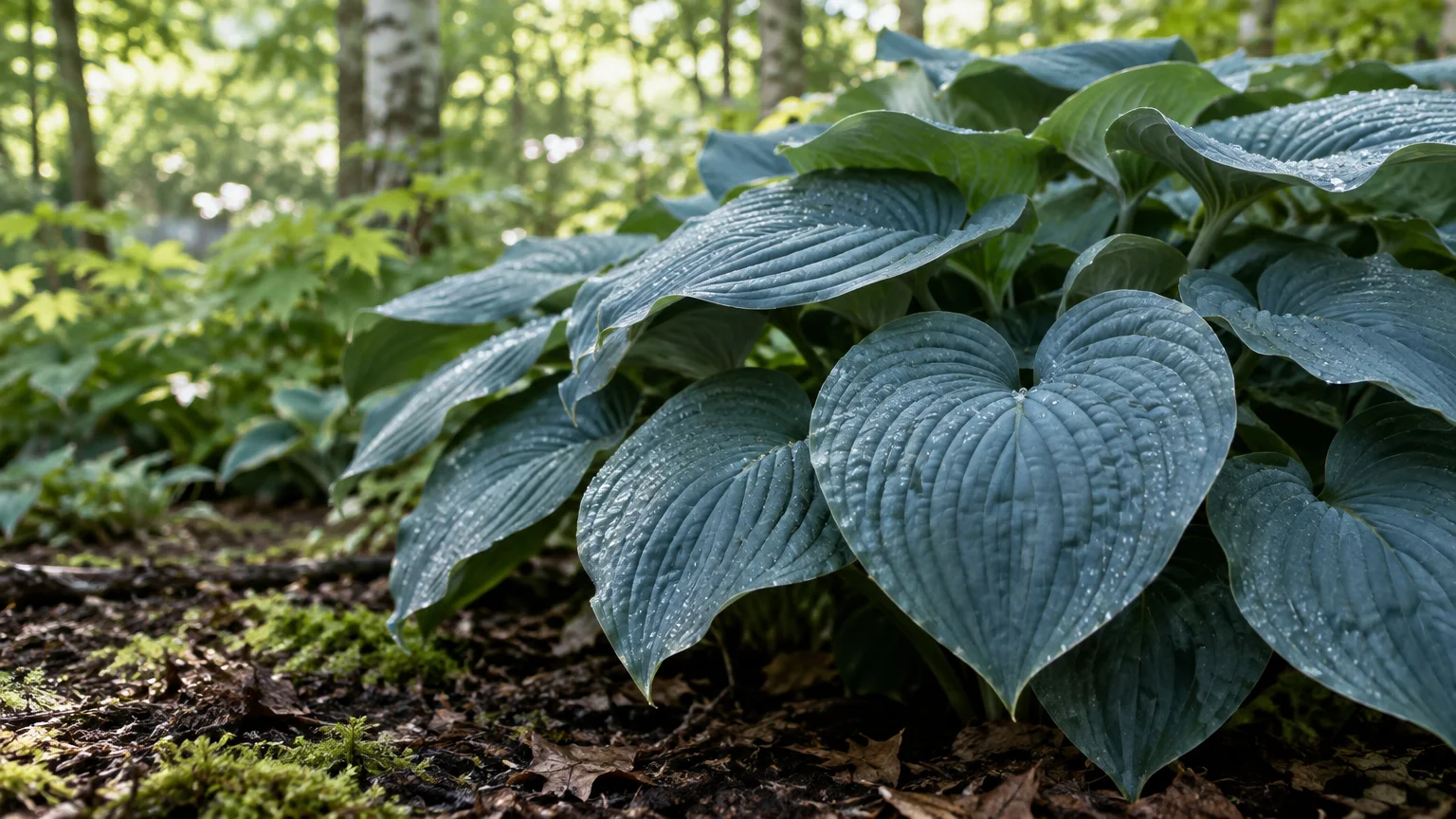
Hostas are the undisputed champions of shade, providing dramatic foliage ranging from vibrant chartreuse to cool, dusty blue. These rugged cold hardy perennials endure long, dark northern winters with remarkable ease.
Hostas require a period of cold dormancy below 40°F to reset their biological clock. When freezing temperatures arrive, the foliage naturally collapses into the earth, shielding the underground crown from thermal shocks.
Position your hostas in dappled shade where harsh afternoon sun cannot scorch their broad leaves. Blue-tinted varieties especially need deeper shade to maintain their waxy, powdery protective coating.
Work plenty of organic matter into your planting bed to create a loose, moisture-retentive medium. Hostas develop vast root networks that absorb moisture during dry midsummer spells.
Wait until several hard frosts kill off the foliage before cleaning up the mushy debris. Removing collapsed leaves prevents overwintering slugs from establishing nests near the base of your plants.
Interplant hostas with spring-blooming bulbs like daffodils or Siberian squill. As bulb foliage fades in late spring, the hosta leaves unfurl rapidly to conceal the dying leaves.
Tip #4: Bleeding Heart (Lamprocapnos spectabilis)
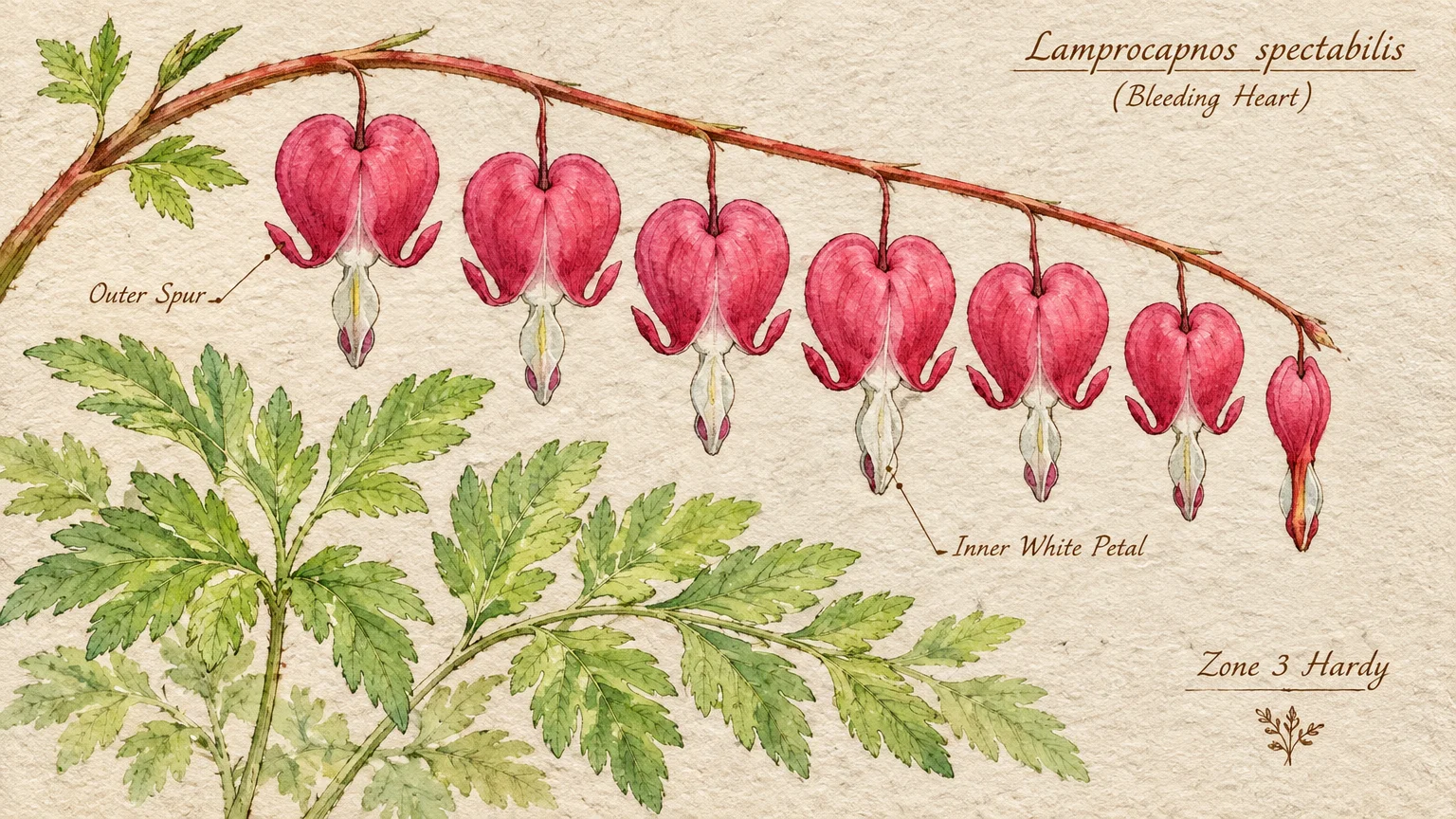
Bleeding heart brings romantic charm to cold northern landscapes with arching stems draped in delicate, heart-shaped blossoms. This timeless cottage favorite thrives happily in northern gardens facing brutal sub-zero weather.
Because it sprouts early in spring, bleeding heart has evolved remarkable resistance to late snowfalls and sub-zero frost snaps. The plant stores abundant starch in fleshy root systems to power vigorous early growth.
Grow bleeding heart in partial to full shade where it receives shelter from gusty drying winds. Keep the surrounding soil evenly moist, humus-rich, and properly drained to protect its brittle roots.
Dig your planting hole twice as wide as the root ball and amend heavy soils with aged leaf mold. Handle the brittle roots gently during installation to avoid snapping vital growth points.
Expect the foliage to turn yellow and go dormant during the heat of midsummer; this natural process protects the plant. Spread compost over the crown in autumn to replenish nutrients for the following year.
Place bleeding heart alongside late-emerging perennials like ferns and astilbes. These leafy companions gracefully fill the open garden space once the bleeding heart retreats into its summer dormancy.
Tip #5: Yarrow (Achillea millefolium)
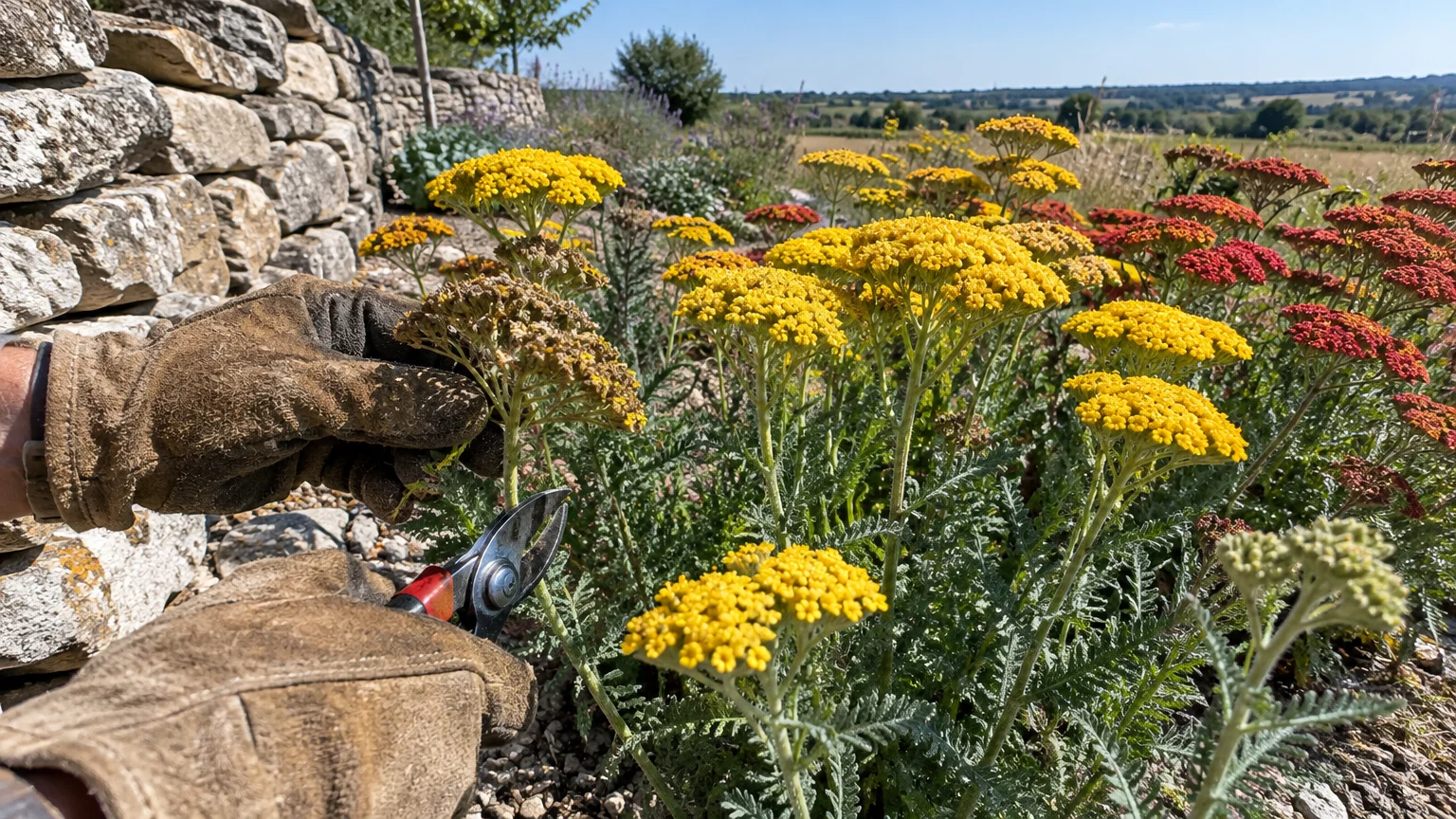
Yarrow is a fierce, prairie-tested survivor that produces flat-topped floral clusters in shades of crimson, gold, and pink. Rated among the toughest winter hardy plants, this resilient pollinator magnet laughs off brutal winters.
A deep network of spreading underground rhizomes enables yarrow to survive severe ground freezes down to -40°F. Even when top growth completely withers, the roots remain fully insulated beneath heavy snowdrifts.
Situate yarrow in full sun and well-draining soil; it actively thrives in lean, dry, or sandy conditions. Avoid over-fertilizing your beds, as rich soils make the flower stems weak and floppy.
Space individual plants twelve to eighteen inches apart to ensure ample air circulation around the feathery foliage. Water sparingly once established, as yarrow handles prolonged drought with remarkable ease.
Leave the sturdy flower heads intact throughout the winter to add striking architectural interest against pristine snow. Cut the dead stems back to ground level in late winter before new rosettes sprout.
Plant yarrow next to coneflowers or ornamental grasses for an authentic, low-maintenance prairie aesthetic. The flat flower heads provide visual balance beside tall, spiky floral neighbors.
Tip #6: Autumn Joy Sedum (Hylotelephium spectabile)
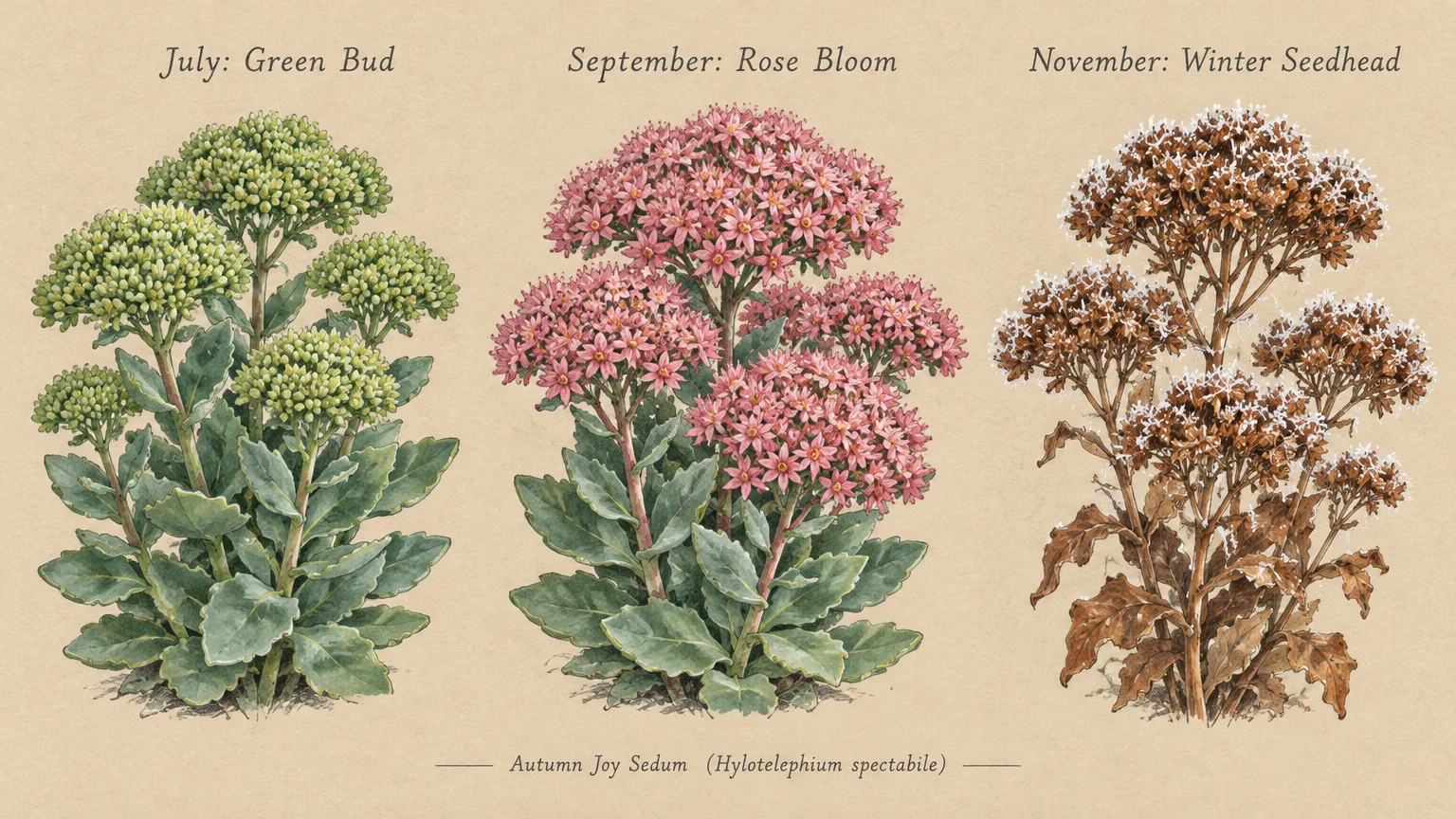
Autumn Joy sedum is an indispensable perennial that provides dense succulent foliage and vibrant, broccoli-like flower heads. Flourishing in northern regions, this rugged beauty delivers four full seasons of garden interest.
Thick, fleshy leaves store substantial water reserves, while tough root crowns easily survive deep soil freezes. As winter temperatures plummet, the plant redirects all moisture into its dormant root core.
Give your sedum full sun and sharply drained soil; gravelly or sandy conditions suit it best. Heavy, waterlogged soils will rot the crown, especially during winter freezes and spring thaws.
Dig a planting hole equal to the container depth and backfill without adding rich compost or manure. Sedum prefers nutrient-poor soil that encourages compact, sturdy stems rather than leggy, fragile branches.
Resist cutting the flower heads back in autumn; they dry into rich coppery-brown silhouettes that catch snow beautifully. Trim the old stems flush to the ground in early spring as new green florets appear.
Pair Autumn Joy sedum with Russian sage and blue fescue for a captivating tapestry of autumnal colors. The dusty rose blooms complement silvery foliage and golden fall grasses brilliantly.
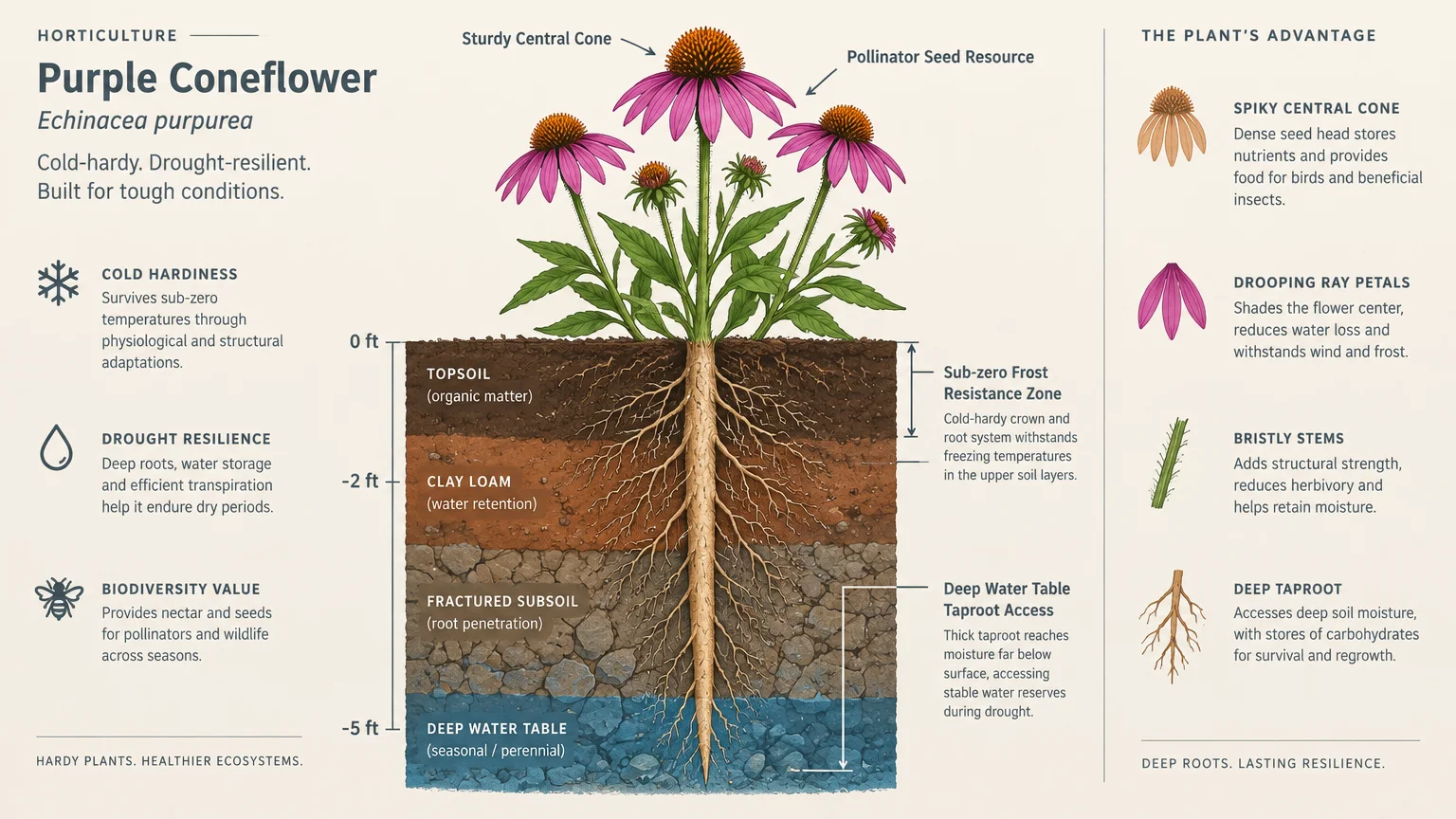
Tip #7: Purple Coneflower (Echinacea purpurea)
Purple coneflower is a North American native celebrated for its prominent central cones and vibrant daisy-like petals. As one of the most reliable hardy perennials cold climates can host, it excels in challenging conditions.
Coneflowers develop an extensive, thick taproot that drills deep below the seasonal frost line. This deep anchor protects the plant from shifting frozen soils and provides reliable drought tolerance in summer.
Plant coneflowers in full sun where they can bask in six to eight hours of direct light daily. They tolerate poor, rocky soils admirably, provided the ground drains excess moisture freely.
Set the plant so that the crown rests level with the surrounding soil, firming the earth gently. Water regularly during the first month to encourage the taproot to establish deeply.
Skip deadheading your final flush of late-summer blooms; the seed heads provide valuable winter food for songbirds like goldfinches. Clear away the spent stalks in early spring right before fresh basal growth emerges.
Surround coneflowers with black-eyed Susans and coreopsis to build a cheerful, wildlife-friendly cottage border. The combination yields non-stop color from midsummer until the first hard frost of autumn.
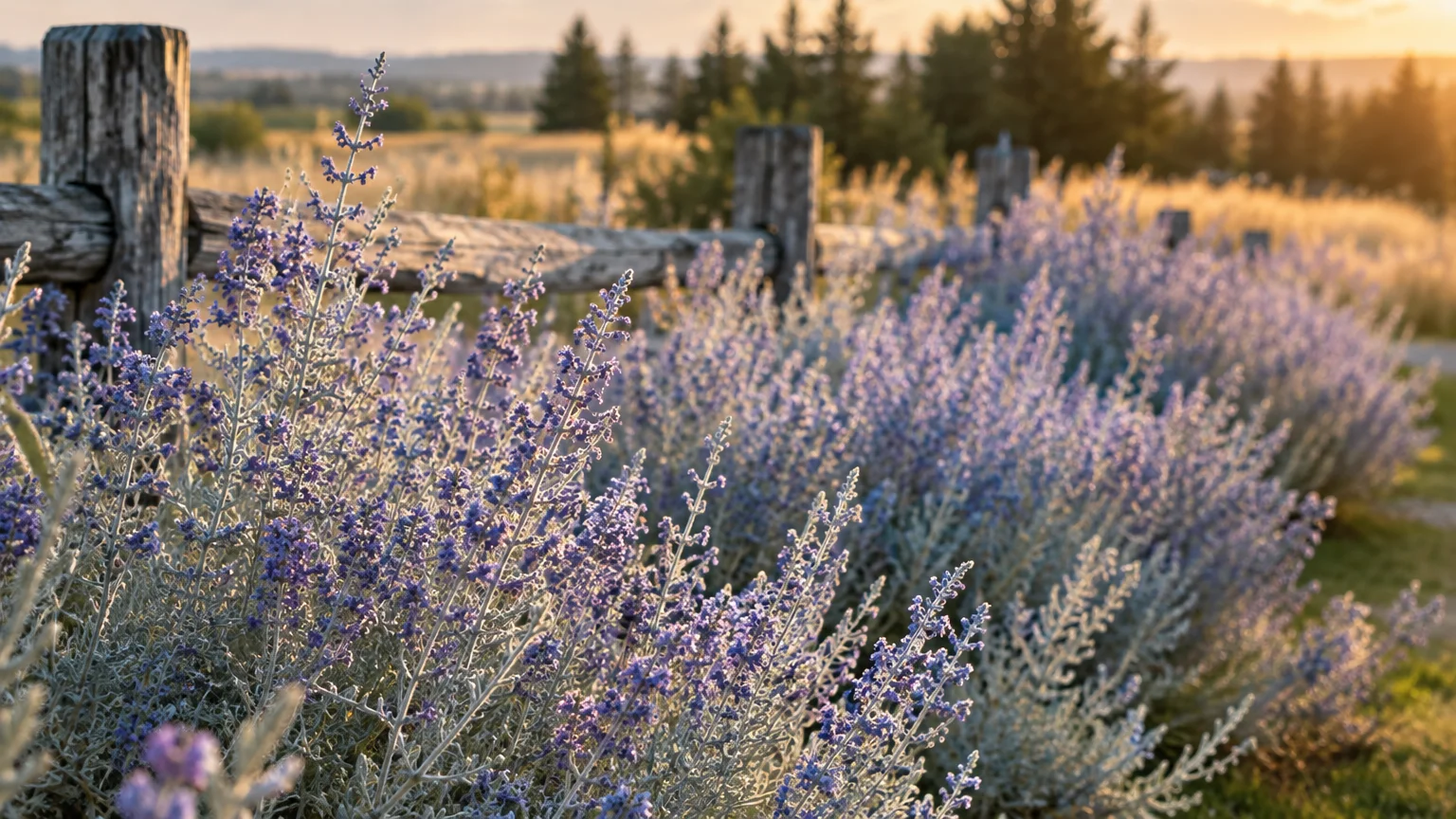
Tip #8: Russian Sage (Salvia yangii)
Russian sage creates hazy clouds of lavender-blue flowers above aromatic, silvery-gray foliage from midsummer into autumn. This exceptional shrubby perennial thrives across northern zones and handles freezing winds with grit.
Woody crowns and drought-hardy root systems allow Russian sage to withstand bitterly cold, windy winters without damage. The plant sheds tender green leaves in autumn to minimize moisture loss during freezes.
Select the sunniest spot in your garden with dry to medium, alkaline or neutral soil. Russian sage refuses to tolerate wet roots, so sharp drainage is essential for winter survival.
Plant root balls level with the ground and space them roughly three feet apart to accommodate mature growth. Avoid high-nitrogen fertilizers, which cause the woody stems to sprawl uncontrollably.
Do not prune Russian sage in late autumn, as the hollow stems can funnel freezing water into the crown. Instead, prune the woody stems back to six inches above the ground in mid-spring.
Contrast the airy purple sprays of Russian sage against bright yellow daylilies or dark-leaved coral bells. The aromatic leaves also naturally deter foraging deer and hungry rabbits all season.
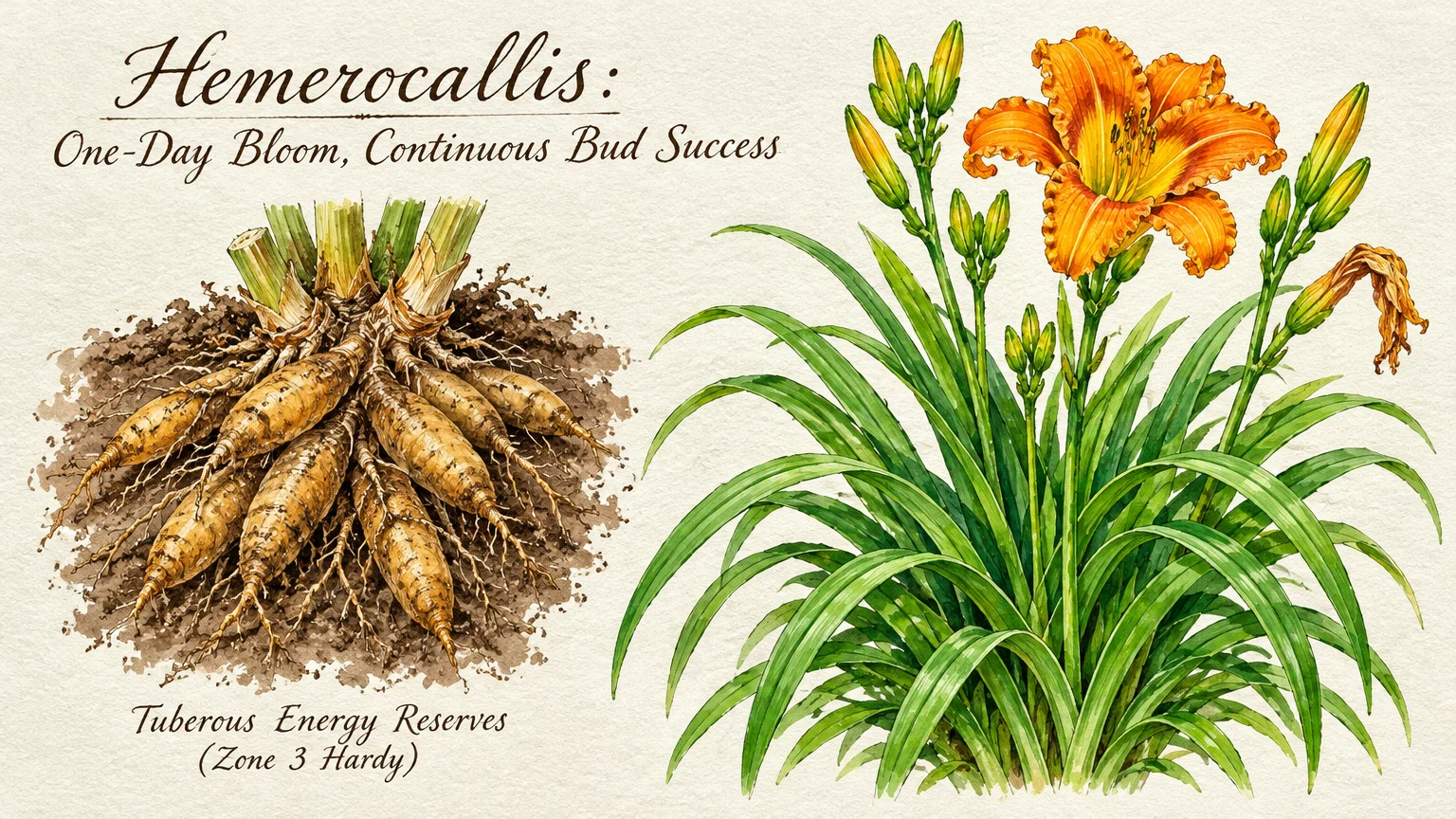
Tip #9: Daylilies (Hemerocallis)
Daylilies are virtually indestructible perennials that brighten northern landscapes with an explosion of colorful trumpet-shaped blooms. Thriving across freezing northern zones, these dependable workhorses survive even the harshest winters.
Fleshy, tuberous root systems store tremendous energy and moisture, keeping the crown alive during deep sub-zero freezes. In spring, these nutrient reserves fuel rapid foliage development long before other perennials wake up.
Daylilies grow enthusiastically in full sun or light shade, though abundant sunlight yields the highest blossom count. They adapt comfortably to almost any soil profile, including clay, sand, and poor urban dirt.
Plant daylily crowns one inch below soil level and spread the tuberous roots outward in all directions. Water thoroughly upon planting to settle soil particles and eliminate lingering air pockets.
Mulch newly planted daylilies with shredded leaves to prevent frost heaving during their initial northern winter. Divide dense clumps every four to five years in late summer to rejuvenate flower production.
Line garden walkways or sloped banks with daylilies to create erosion-controlling borders that smother aggressive weeds. Their arching foliage forms a lush green carpet that stays neat all summer long.
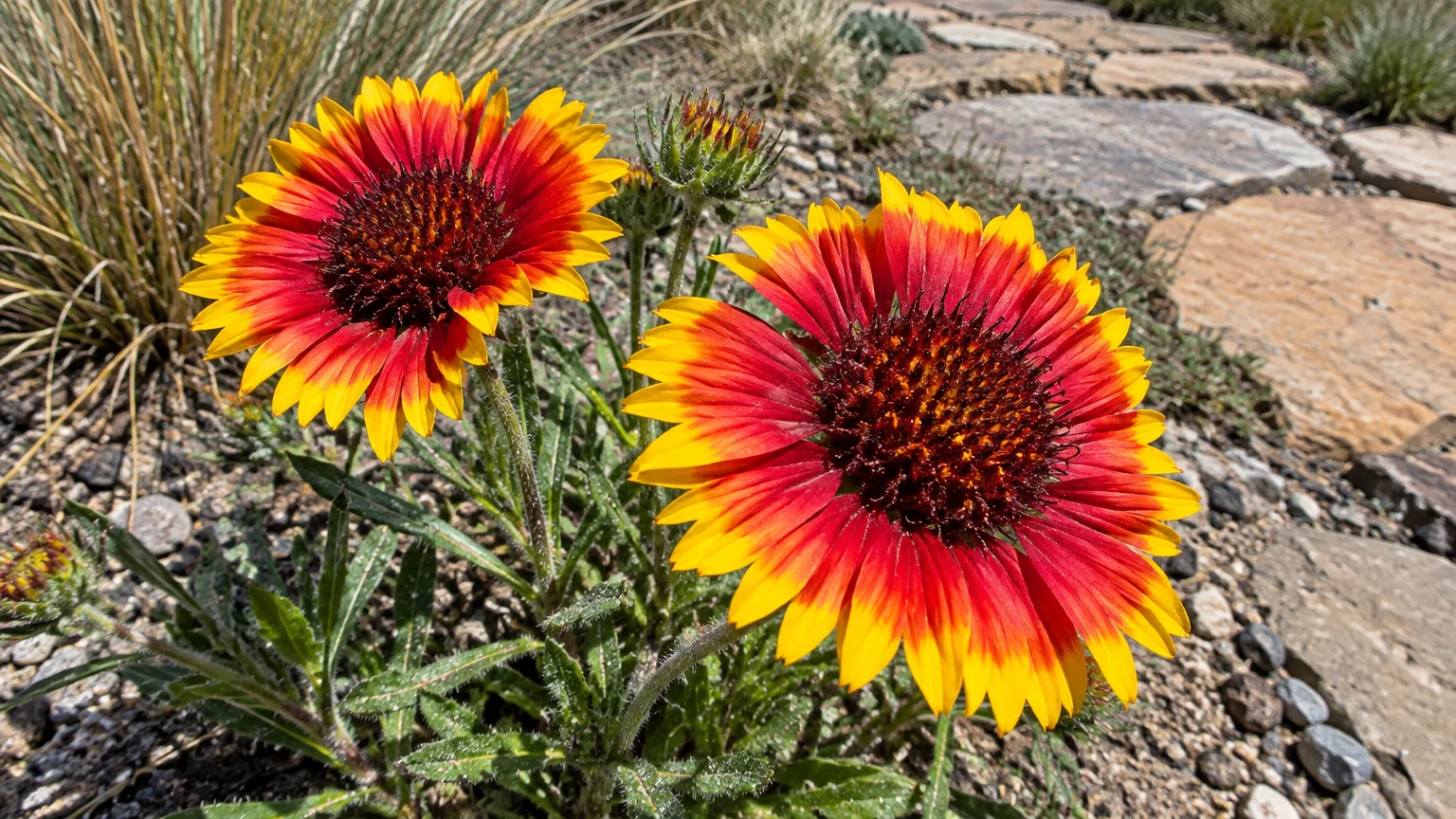
Tip #10: Blanket Flower (Gaillardia aristata)
Blanket flower radiates warmth in cold-climate gardens with cheerful, two-toned petals in blazing shades of orange, yellow, and red. This hardy native perennial thrives across freezing zones with minimal care.
Originating in windswept prairies, blanket flower naturally evolved to endure freezing winters and scorching summers. Its fibrous roots survive sub-zero soil temperatures as long as the ground remains free of stagnant water.
Provide blanket flower with full sunlight and loose, lean soil with impeccable drainage. Nutrient-dense soils can shorten the plant’s lifespan, so avoid adding heavy doses of compost or commercial fertilizer.
Space individual plants twelve inches apart, keeping the base of the stem flush with the soil line. Water new transplants sparingly; overwatering causes crown rot faster than extreme cold ever will.
Deadhead spent blossoms throughout summer to encourage continuous bloom production until late autumn freezes arrive. Apply a light dusting of pine needles in late autumn for winter crown protection.
Mix blanket flower with blue salvia and coreopsis to create a vivid, pollinator-friendly cottage display. Honeybees, native bumblebees, and butterflies will flock to the fiery landing pads all season.
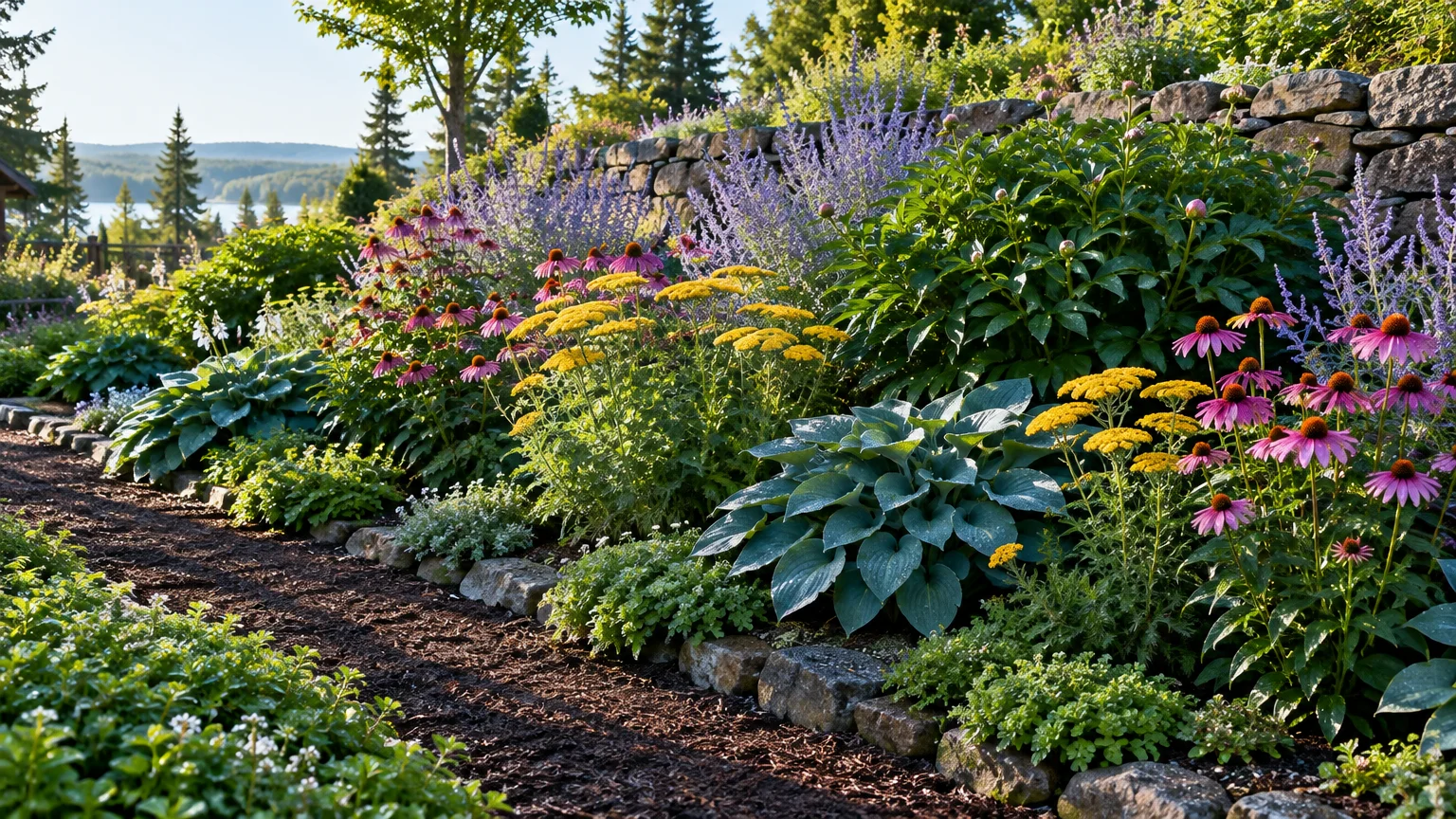
Putting It All Together: Enjoy Your Beautiful Garden
Designing a resilient cold-climate garden begins with selecting proven species that naturally endure harsh winter freezes. Blending structural foliage, early spring bloomers, and late-season flowers cultivates year-round visual excitement in your yard.
Prioritize sharp soil drainage, proper planting depth, and protective winter mulching across your garden beds. These simple cultural practices give your perennials the physical foundation needed to emerge healthy every spring.
Step outside this season and plan your dynamic cold-hardy garden with confidence and creative enthusiasm. Your perennial borders will reward your efforts with breathtaking resilience and vibrant color for decades to come.
For region-specific advice, consult your local University Extension program (find yours via the USDA directory). For plant databases and inspiration, visit the Missouri Botanical Garden or the Royal Horticultural Society.
Disclaimer: This article provides general gardening advice; always consider your specific climate, soil conditions, and local pests. Follow safety guidelines when using gardening tools and products.
Frequently Asked Questions
What is the best time to plant cold hardy perennials?
Early autumn is the premier planting window for cold-hardy perennials in northern climates. The warm soil encourages deep root establishment before the ground freezes solid in early winter.
You can also plant in early spring as soon as the soil becomes workable. Spring plantings require consistent irrigation throughout their first summer to build heat and drought tolerance.
How do I protect perennials from winter frost heave?
Frost heaving happens when repeated freezing and thawing cycles push plant crowns out of the frozen ground. This exposes delicate root tissues to drying winter winds and fatal sub-zero temperatures.
Apply a three-inch layer of organic mulch like shredded leaves or straw after the ground freezes completely. Mulching keeps the soil frozen consistently, preventing premature thaws during temporary winter warm spells.
Do perennials for cold climates need extra fertilizer?
Most cold-hardy perennials prefer modest nutrition and suffer when exposed to excessive synthetic fertilizers. Heavy feeding stimulates tender, sappy growth that easily dies back during early autumn freezes.
Instead, top-dress your garden beds with an inch of finished compost every spring. Compost releases balanced nutrients slowly while improving moisture retention and soil structure naturally.
Why is snow cover beneficial for northern gardens?
Fluffy snow serves as nature’s best winter blanket, trapping air and insulating dormant perennial roots. Thick snow cover maintains ground temperatures near 32°F, even when air temperatures plunge to -30°F.
Avoid shoveling snow off your garden beds; let it accumulate naturally throughout the winter season. The melting snowpack in early spring also provides essential moisture as roots resume active growth.