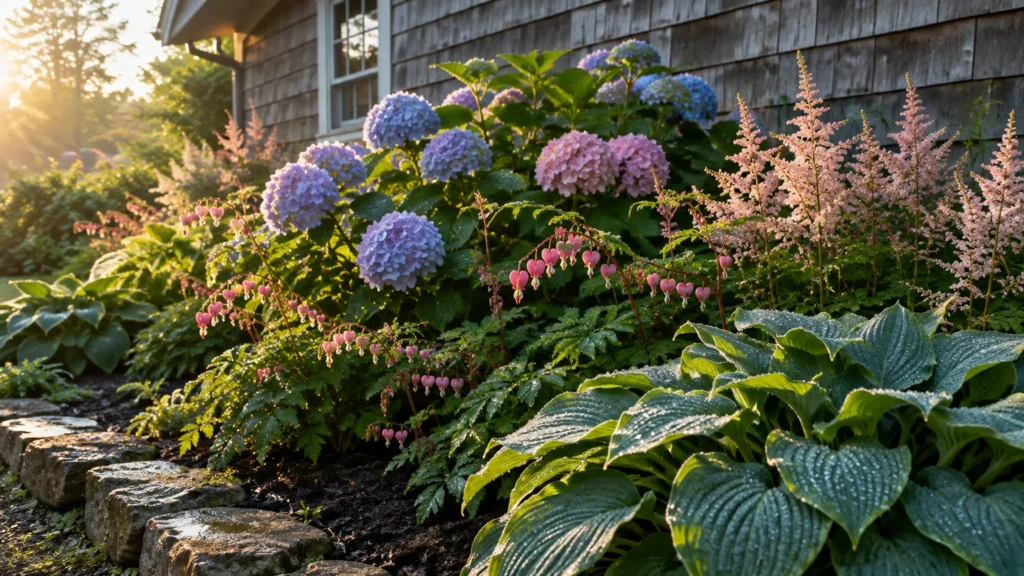
Strong gusts snap tender stems, dry out soil, and tear delicate foliage across exposed yards. Planting wind tolerant plants protects your landscape and creates a thriving, resilient outdoor sanctuary.
By choosing species with flexible branches, deep root systems, and aerodynamic foliage, you turn blustery zones into lush showcases. These hardy plants also shield vulnerable neighboring beds from continuous gale-force drafts.
You can easily design a dynamic, breeze-resistant paradise that handles fierce microclimates without constant maintenance. Discover ten outstanding varieties that thrive when the pressure rises.
Tip #1: Japanese Black Pine
Japanese Black Pine delivers rugged beauty and exceptional structural resilience to open properties. This evergreen conifer showcases dark green needles and artistic, sweeping branches.
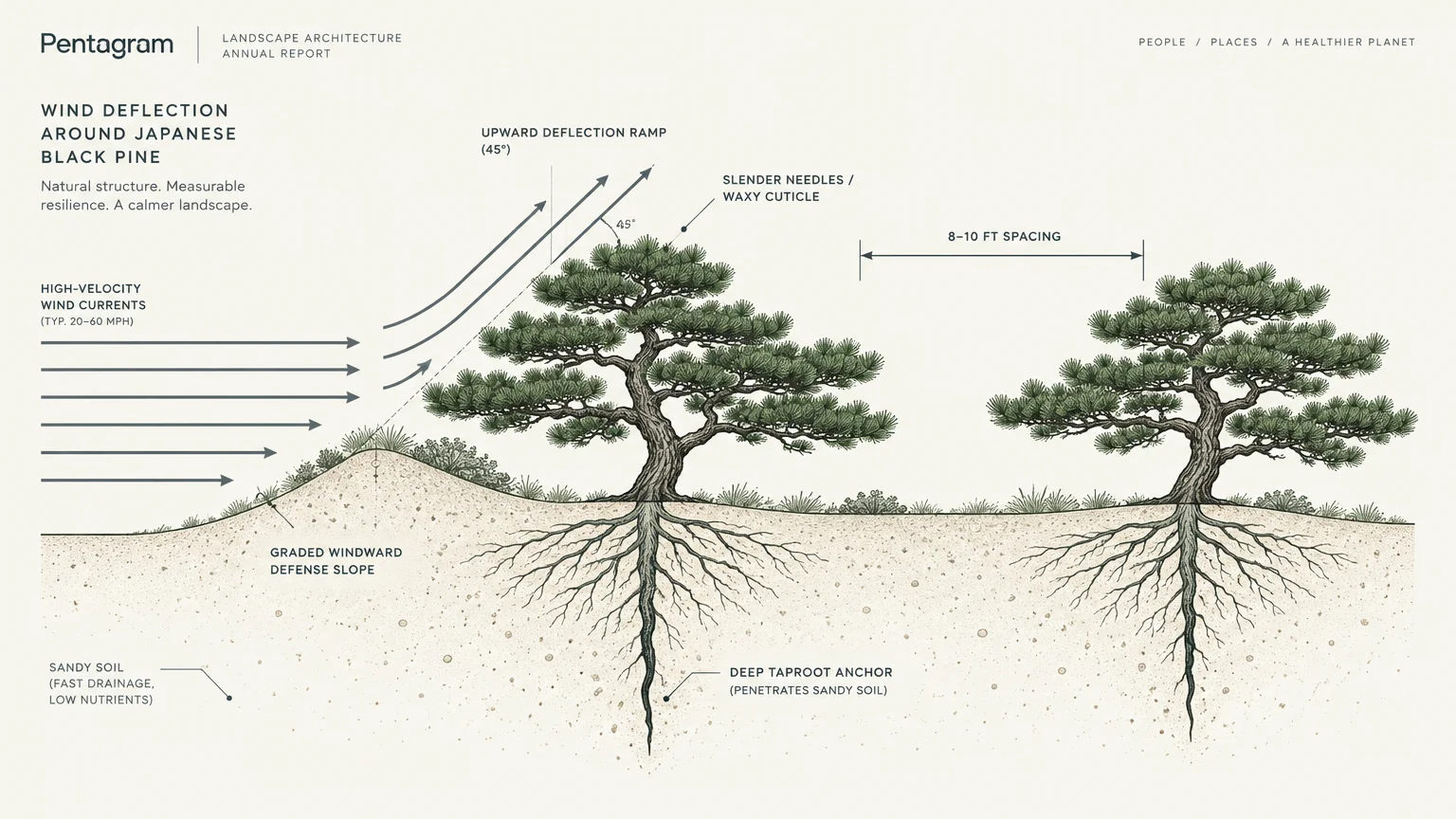
The slender needles allow high-speed airflow to slip through the canopy without resistance. Thick waxy cuticles coat each needle, effectively sealing in critical moisture against desiccating winds.
You can rely on this tree as one of the premier windbreak plants for coastal properties. It absorbs heavy storm surges and deflects ferocious coastal gales away from inland gardens.
Plant your pine in full sun and well-draining, sandy soil. Space multiple trees eight to ten feet apart if you want to establish an effective windbreak.
Provide deep, weekly watering throughout the first two growing seasons to anchor the taproot. Once established, this tree withstands prolonged drought and high-velocity gales without flinching.
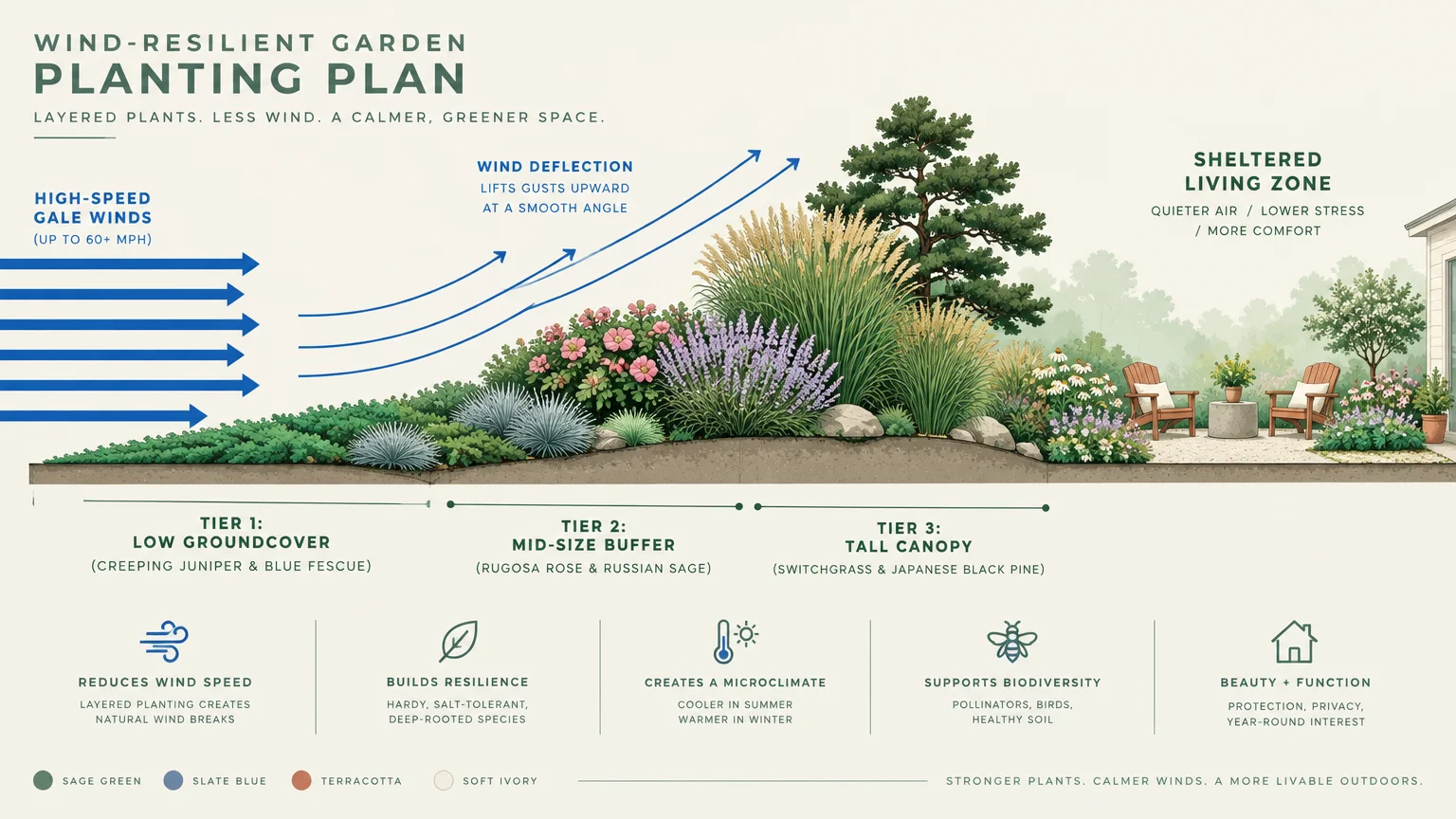
Pair your pine with lower evergreen shrubs on the windward side. This layered design creates a sloped ramp that lifts oncoming gusts up and away.
Tip #2: Switchgrass
Switchgrass introduces graceful motion and dramatic vertical height to wide-open landscapes. This North American prairie grass produces airy flower panicles above lush foliage in midsummer.
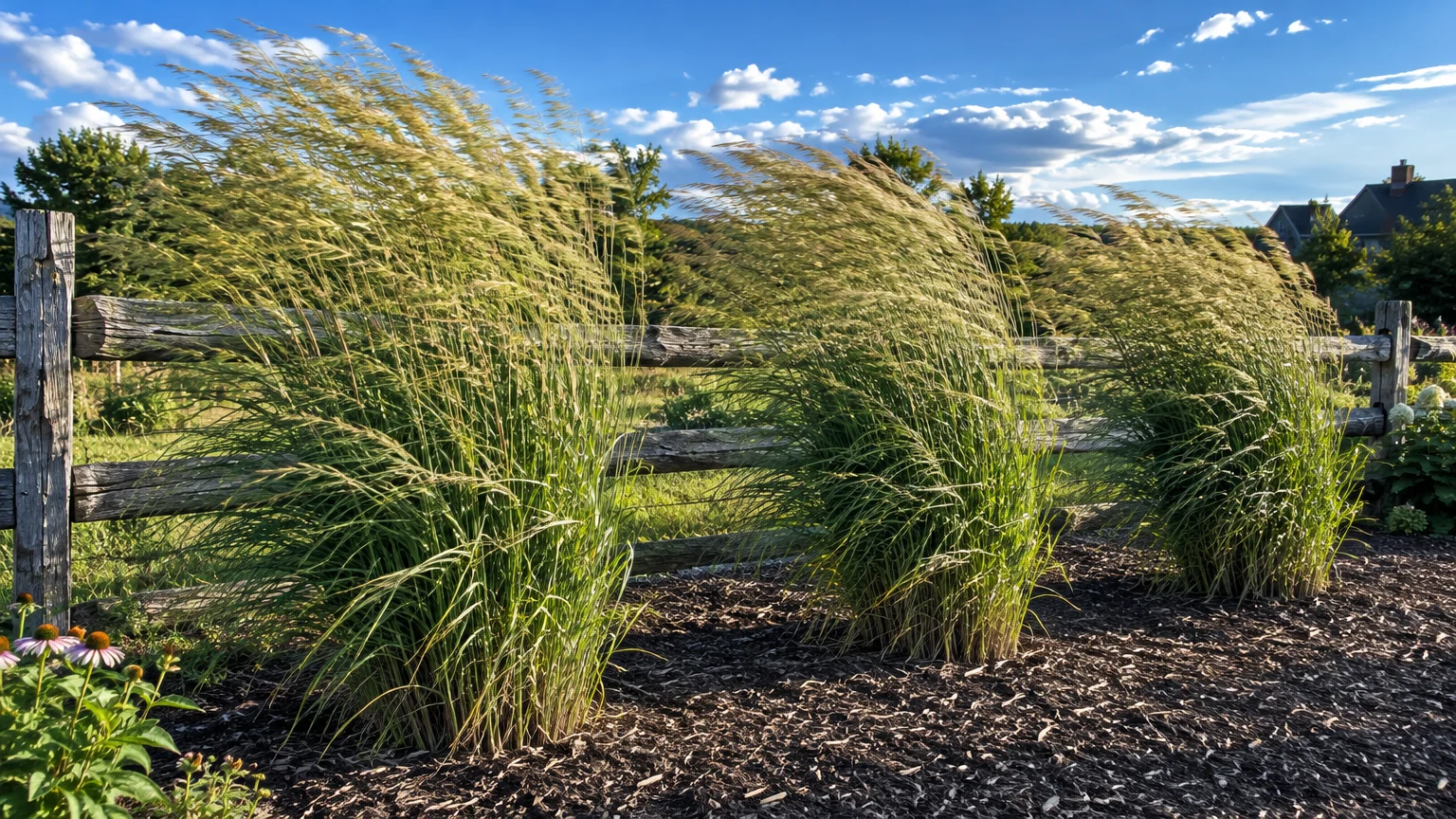
The upright stems possess remarkable tensile flexibility, allowing them to bend under extreme force without breaking. Instead of snapping, the whole clump sways fluidly with every incoming gust.
Dense, fibrous root systems plunge up to ten feet deep into the subsoil. These extensive roots anchor the plant firmly while preventing surrounding topsoil from eroding in high winds.
Situate switchgrass in full sun across a wide range of soil types, including heavy clay. Give each clump three feet of room so air circulates cleanly around the base.
Water young plants regularly during their first summer to encourage rapid root expansion. Once roots establish, the grass requires almost no supplemental irrigation or structural staking.
Plant switchgrass in sweeping mass drifts along fence lines. This arrangement filters oncoming drafts and creates an acoustic buffer that softens howling wind sounds.
Tip #3: Rugosa Rose
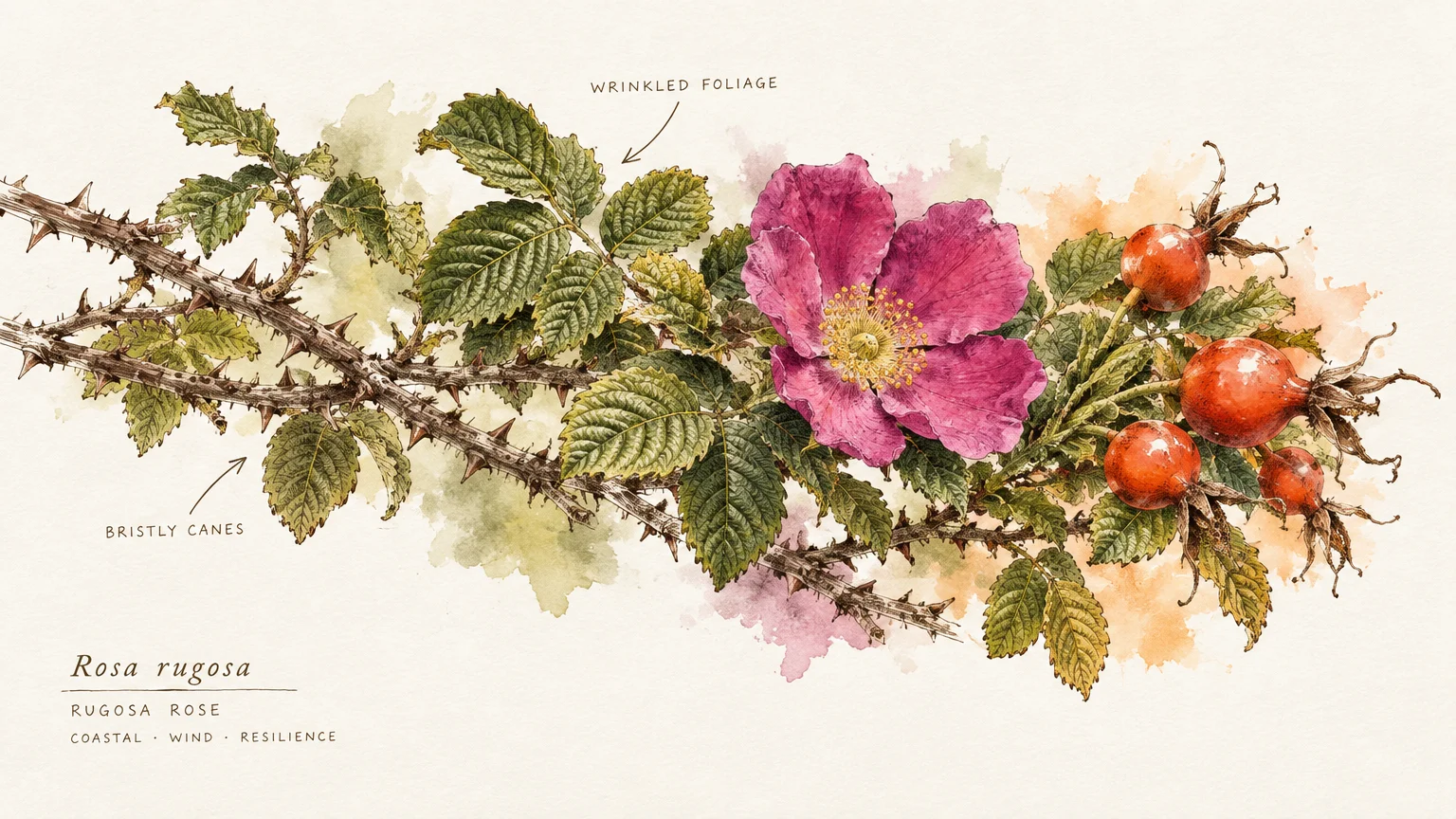
Rugosa Rose combines classic cottage charm with unmatched physical toughness in turbulent outdoor environments. This vigorous shrub bears sweetly perfumed flowers followed by ornamental, edible orange hips.
Thick, heavily wrinkled leaves prevent moisture loss when dry winds scour your garden beds. Dense thickets of bristly, thorny canes baffle incoming air currents and absorb mechanical shock.
Gardeners celebrate this species as one of the finest coastal garden plants available. It thrives in seaside environments where relentless salt spray and fierce gales ruin delicate hybrid tea roses.
Position this tough rose in full sun with well-drained, sandy or loamy soil. Dig a generous planting hole and amend heavy soils with coarse grit to ensure proper drainage.
Topdress the surrounding soil with a three-inch layer of organic mulch to conserve moisture. Water deeply every week until new canes push forth with vigorous growth.
Position these roses on your property border as a defensive perimeter hedge. They will shelter tender perennial beds behind their dense, bristling canopy.

Tip #4: Russian Sage
Russian Sage paints exposed borders with lavender-blue blooms and shimmering silver-gray foliage throughout late summer. This airy perennial subshrub brings vibrant color to challenging microclimates.
Its wiry, whiplike stems yield freely to turbulent airflow rather than resisting it stiffly. Fine silver hairs blanket the foliage, trapping a boundary layer of moisture against arid winds.
The woody base keeps the crown securely anchored even during relentless autumn gales. It ranks high among plants for windy areas because gusts never ruin its loose, billowy form.
Select an open site that receives full sun and offers lean, sharply drained soil. Avoid overly rich or wet soils, which cause the stems to grow floppy and weak.
Water sparingly once your plants settle in, allowing the topsoil to dry out between waterings. Cut the previous year’s stems back to six inches each spring to stimulate stout growth.
Group Russian sage in open courtyard corners or along exposed driveways. Its aromatic oils release a refreshing herbal fragrance whenever sudden breezes sweep through the landscape.
Tip #5: Creeping Juniper
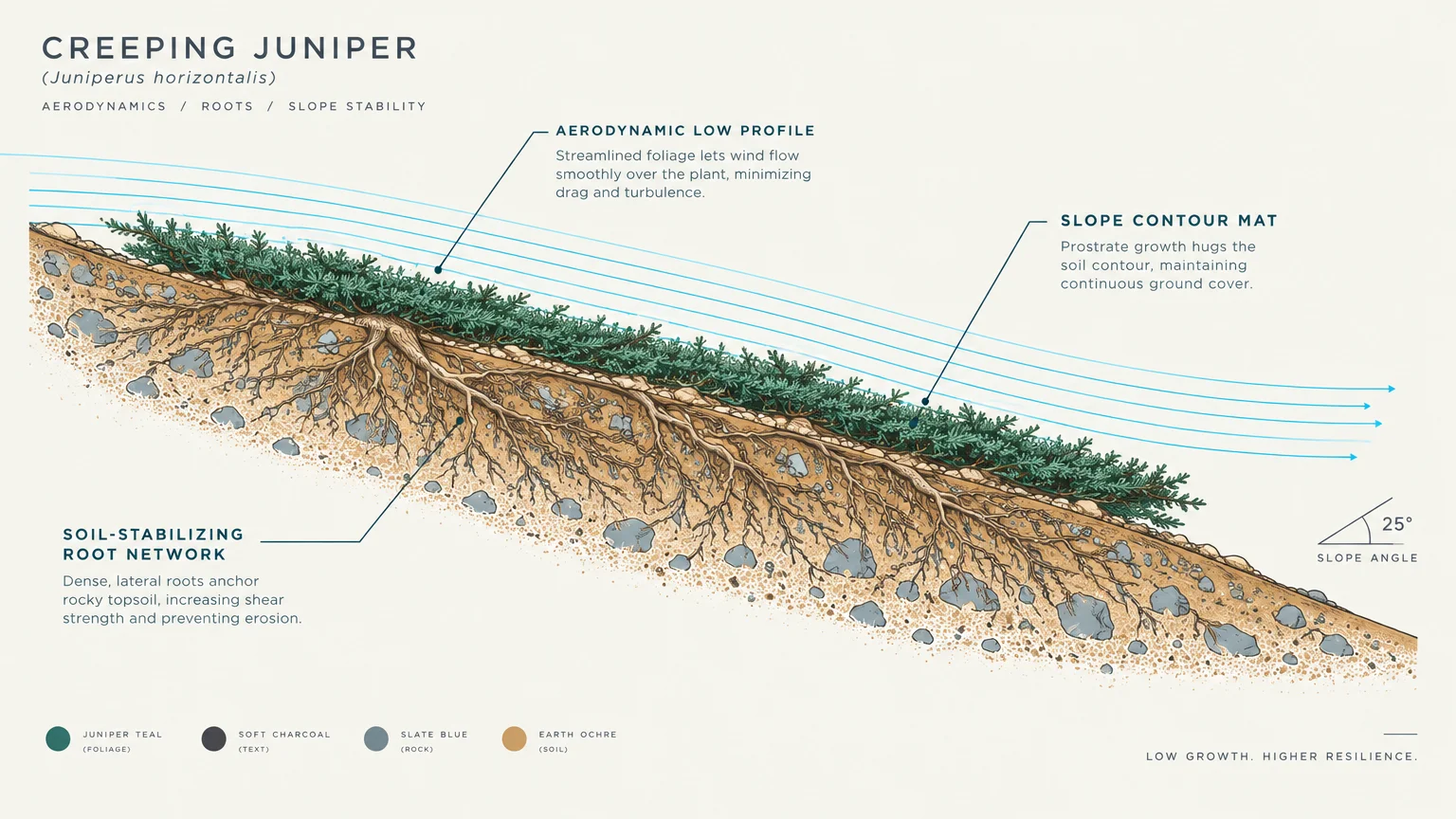
Creeping Juniper provides an evergreen carpet that hugs the earth across barren, windblown ground. Its prostrate branches produce dense mats of aromatic, blue-green needle-like foliage.
Because this groundcover stays under twelve inches tall, high winds pass harmlessly over it. It avoids the intense mechanical drag that often snaps taller, upright shrubs.
The spreading branches root into the ground as they travel across the terrain. This natural layering binds loose topsoil securely, stopping wind and surface water from stripping your slopes.
Plant creeping juniper on sunny hillsides, rockeries, or border edges with gritty soil. Space individual plants four to five feet apart to allow seamless ground coverage over time.
Moisten the soil thoroughly after planting and apply a light gravel mulch around each root ball. Once settled, these hardy plants tolerate extreme heat, freezing winter drafts, and thin soils.
Use creeping juniper as a living anchor around the windward base of taller shelter belts. This low groundcover prevents gusts from tunneling underneath taller shrubs and drying the soil.
Tip #6: English Lavender
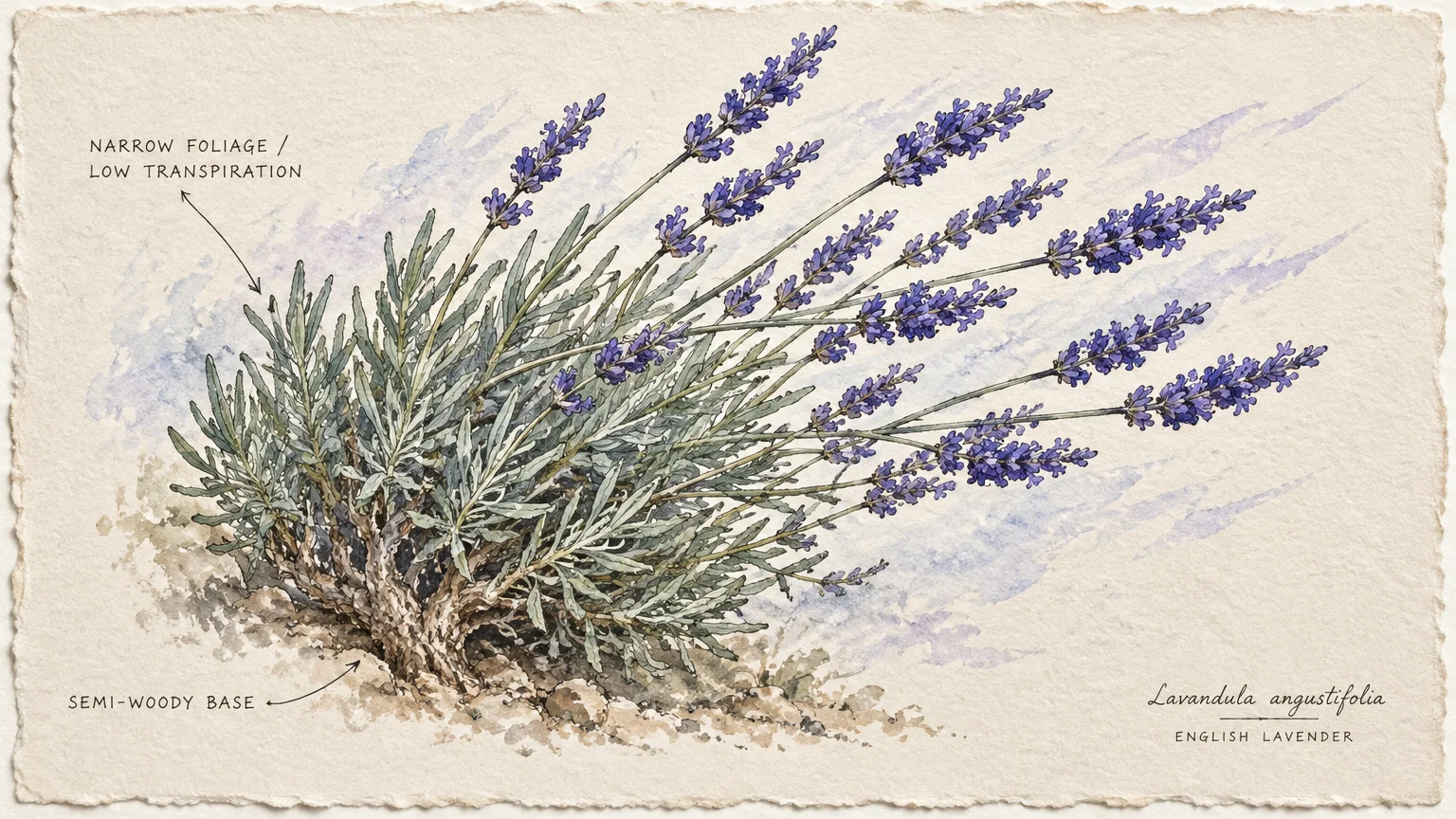
English Lavender brings classic beauty, pollinator appeal, and soothing perfume to open garden spaces. Its compact mounds feature silver foliage topped by spikes of purple summer blossoms.
Narrow, needle-shaped leaves minimize exposed surface area to suppress evaporative water loss. The tough, semi-woody stems bend without cracking under constant air movement.
Frequent breezes actually benefit lavender by maintaining dry air around its foliage. This steady airflow prevents fungal leaf diseases that often plague Mediterranean herbs in stagnant environments.
Plant lavender in full sun and fast-draining, gravelly soil with a neutral to alkaline pH. Elevate the root crown slightly above grade so water drains away from the stem base.
Provide moderate water during the initial month, then reduce irrigation to let soil dry between cycles. Shear spent flower stems back by one-third after blooming to maintain a tight, aerodynamic mound.
Line sunny terraces or exposed stone walkways with tight lavender rows. The low, dense hummocks deflect ground-level gusts while greeting you with sweet fragrance.

Tip #7: Sea Thrift
Sea Thrift is a miniature perennial marvel that evolved on rugged ocean cliffs and windswept dunes. It produces dense cushions of grass-like foliage topped by spherical pink flower heads.
The tight, mounding habit offers virtually zero wind resistance against forceful drafts. Air currents glide effortlessly over the rounded foliage cushions without disturbing the underlying crown.
As one of nature’s premier coastal garden plants, sea thrift tolerates saline ocean spray and gritty winds. It survives where delicate border perennials dry out and scorch within days.
Tuck sea thrift into sunny rock gardens, gravel beds, or stone wall crevices. Ensure the soil drains rapidly, as stagnant water causes root rot in compact cushions.
Keep the soil lightly damp until roots take hold in their new planting pocket. Remove faded blossoms periodically to encourage fresh flower flushes throughout the summer months.
Edge your breeziest walkways and patio planters with tight clusters of sea thrift. These tough mounds soften hard stonework while holding their ground through fierce storms.
Tip #8: Wax Myrtle
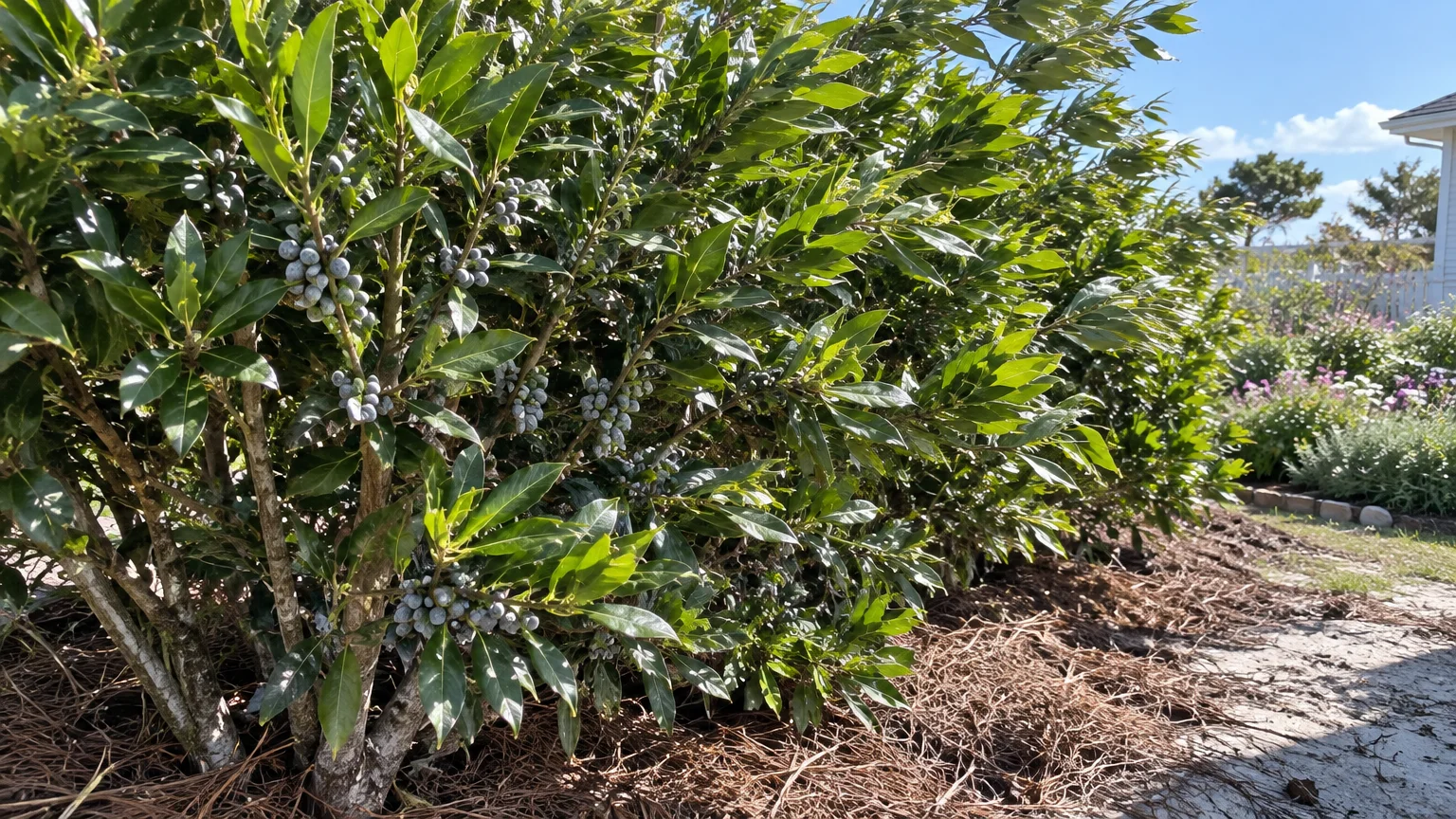
Wax Myrtle is a rapid-growing broadleaf evergreen shrub valued for its dense foliage and adaptability. Its glossy leaves emit a clean, spicy bayberry aroma when crushed or brushed by breezes.
Unlike brittle ornamental hardwoods, the branches flex with ease during high-velocity windstorms. This remarkable pliability allows the shrub to withstand gale-force winds without snapping major limbs.
A natural waxy layer coats every leaf surface, locking in moisture during drying summer drafts. This protective barrier makes wax myrtle exceptional among windbreak plants for exposed coastlines and plains.
Install wax myrtle in full sun or partial shade in sandy, loamy, or damp soils. Space plants six feet apart to form an unbroken, resilient living hedge.
Water young plants thoroughly once each week during their first growing season. Prune branches lightly each spring to encourage dense growth throughout the interior canopy.
Plant a row of wax myrtles along your outer property line facing prevailing storm tracks. This evergreen wall filters oncoming drafts, slowing wind speeds down before they reach delicate garden beds.

Tip #9: Purple Coneflower
Purple Coneflower is a dependable prairie native that brings striking color and wildlife support to breezy landscapes. Its large, daisy-like blossoms feature swept-back purple petals around a spiky orange cone.
Thick, fibrous stems provide exceptional structural support against strong, sudden gusts. Instead of flopping over in summer thunderstorms, coneflowers stand tall without stakes or artificial cages.
Deep taproots anchor each plant firmly into the earth while seeking deep subsoil moisture reserves. This subterranean anchor keeps the crown secure when strong winds tug at the foliage.
Plant coneflowers in full sun and well-drained loam, giving them eighteen inches of space. Avoid adding high-nitrogen fertilizers, which create weak, sap-filled stems that topple easily.
Water newly planted crowns deeply twice a week until fresh green growth appears. Mature plants rely on their deep taproots to sail through extended dry spells and windy weather.
Interplant purple coneflowers with native grasses like switchgrass in open garden zones. The companion grasses buffer wind impacts while the flowers add vivid contrast and vertical interest.

Tip #10: Blue Fescue
Blue Fescue adds sculptural charm and striking cool tones to exposed garden beds and containers. This compact ornamental grass forms neat, spherical tussocks of vivid, needle-fine blue foliage.
The cylindrical, needle-like blades offer minimal surface area to passing wind currents. Air streams straight through the fine tufts without causing mechanical tear or excessive moisture evaporation.
Its hemispherical growth habit sheds gusts from any direction with equal ease. It stands out among hardy plants for maintaining its tidy architectural shape without wind damage.
Position blue fescue in full sun and lean, sharply drained soil to preserve its bright color. Space tufts ten inches apart to highlight their individual pincushion silhouettes.
Water lightly until root systems establish, avoiding heavy moisture around the crown base. In early spring, comb out dead brown blades with your fingers rather than cutting the mound back.
Scatter blue fescue across exposed gravel paths, slopes, or breezy balcony containers. These tough tufts deliver year-round structure without requiring shelter from turbulent drafts.
Putting It All Together: Enjoy Your Beautiful Garden
Designing an outdoor sanctuary in a blustery location requires working with nature rather than against it. When you select plants for windy areas, you turn an environmental challenge into a vibrant asset.
Rather than building solid fences that generate violent air eddies, create layered plant barriers. Porous living windbreaks absorb kinetic energy, gently slowing air currents without creating harsh backdrafts.
Position tall trees on the outer edge, step down to resilient shrubs, and finish with groundcovers. This stepped canopy lifts rushing air up and over your sheltered interior planting beds.
Take time to monitor the primary wind directions across your yard throughout the four seasons. Understanding your local microclimates helps you place each resilient variety exactly where it helps most.
Your blustery landscape can become a dynamic, rustling haven filled with texture, fragrance, and enduring color. Step outside today and start planting your wind-resistant paradise with confidence.
For region-specific advice, consult your local University Extension program (find yours via the USDA directory). For plant databases and inspiration, visit the Missouri Botanical Garden or the Royal Horticultural Society.
Disclaimer: This article provides general gardening advice; always consider your specific climate, soil conditions, and local pests. Follow safety guidelines when using gardening tools and products.
Frequently Asked Questions
Why do solid walls perform worse than windbreak plants?
Solid walls force oncoming air up and over in a concentrated, high-velocity vortex that slams down behind the wall. This turbulence often snaps stems and damages foliage in the supposed shelter zone.
In contrast, windbreak plants filter air through branches and foliage, reducing wind velocity by up to sixty percent. This porous barrier prevents aggressive wind eddies from forming on the leeward side.
How does continuous wind impact soil moisture and plant health?
Persistent air currents strip the protective boundary layer of humid air away from plant leaves. This causes rapid transpiration, pulling water out of the foliage faster than roots can replace it.
Wind also speeds up surface evaporation from bare soil, leaving the root zone parched. Applying a three-inch mulch layer and selecting wind tolerant plants solves this double moisture threat.
Should you stake new trees and shrubs in windy locations?
Stake young trees only if severe gusts threaten to uproot the newly planted root ball completely. Fasten ties loosely with flexible tree straps to allow natural trunk movement in the breeze.
Allowing slight trunk swaying stimulates the plant to produce reaction wood and strengthen its base. Rigid staking prevents this natural strengthening process, leaving the plant vulnerable when supports are removed.
What foliage traits indicate high wind tolerance?
Look for species with narrow, needle-like foliage or divided leaves that reduce surface drag in gales. These aerodynamic leaf shapes allow air to rush through without tearing tender plant tissue.
Waxy leaf coatings and silvery foliage hairs also protect plants by trapping moisture against drying winds. Plants bearing these physical adaptations thrive in exposed beds without suffering windburn or desiccation.