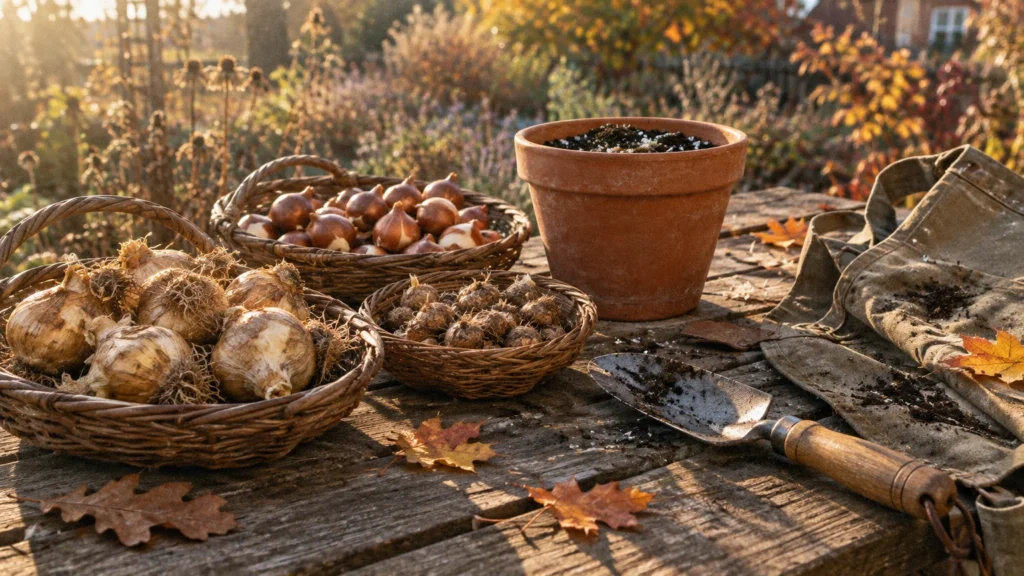
You can enjoy pungent, garden-fresh flavors in your kitchen even when frost blankets the soil. Freezing temperatures concentrate essential oils in many plants, turning late-season pickings into culinary gold.
A thriving winter herb garden rewards you with rich aromas and resilient foliage throughout the coldest months. You do not need a heated greenhouse to gather fresh sprigs for hearty soups and roasts.
By learning which cold hardy herbs endure freezing temperatures, you can pick vibrant greens straight from your backyard all winter long. Grab your pruning shears and discover the resilient plants waiting in your beds.
Tip #1: English Thyme (Thymus vulgaris)
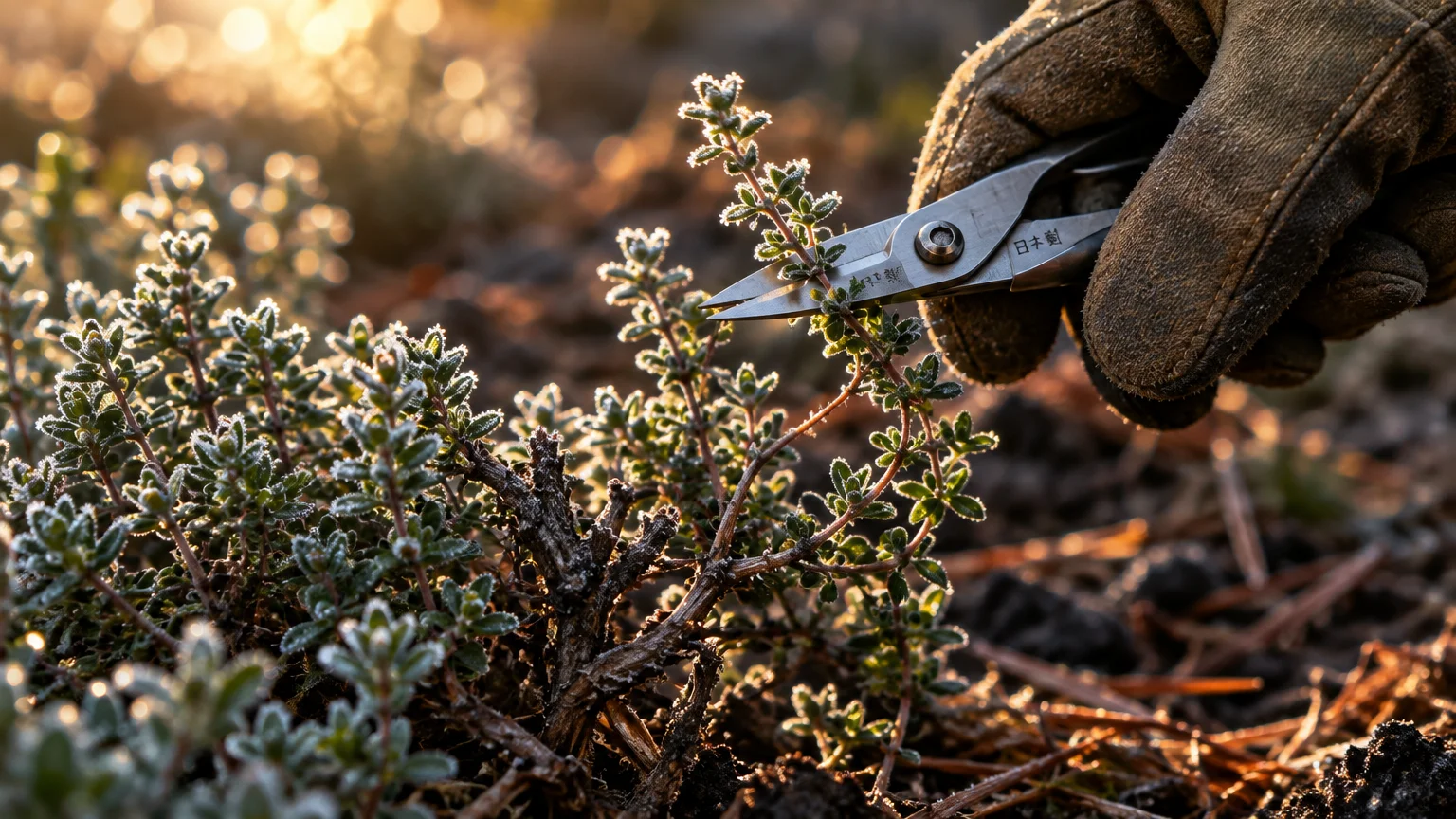
English thyme stands as an anchor among frost tolerant herbs, braving sub-zero temperatures with remarkable vigor. Its woody stems and tiny, resin-packed leaves easily survive down to USDA Zone 5.
Cooler weather slows the plant’s respiration while preserving volatile oils; this process gives winter harvests an exceptionally concentrated flavor. You will notice that cold-weather thyme delivers a deeper, woodier aroma than tender summer growth.
Harvest individual sprigs from the outer edges of the bush using sharp kitchen shears on dry afternoons. Avoid cutting into older, woody base stems, as those mature branches shield the plant’s crown from freeze damage.
If severe blizzards threaten your region, spread a four-inch blanket of evergreen boughs or pine straw over your thyme patch. This light cover insulates the foliage while allowing moisture and air to circulate freely.
Strip the leaves directly into slow-simmered beef stews, roasted root vegetables, and warm poultry gravies. Thyme leaves maintain their structural integrity even after multiple hard overnight freezes.
Tip #2: Garden Sage (Salvia officinalis)
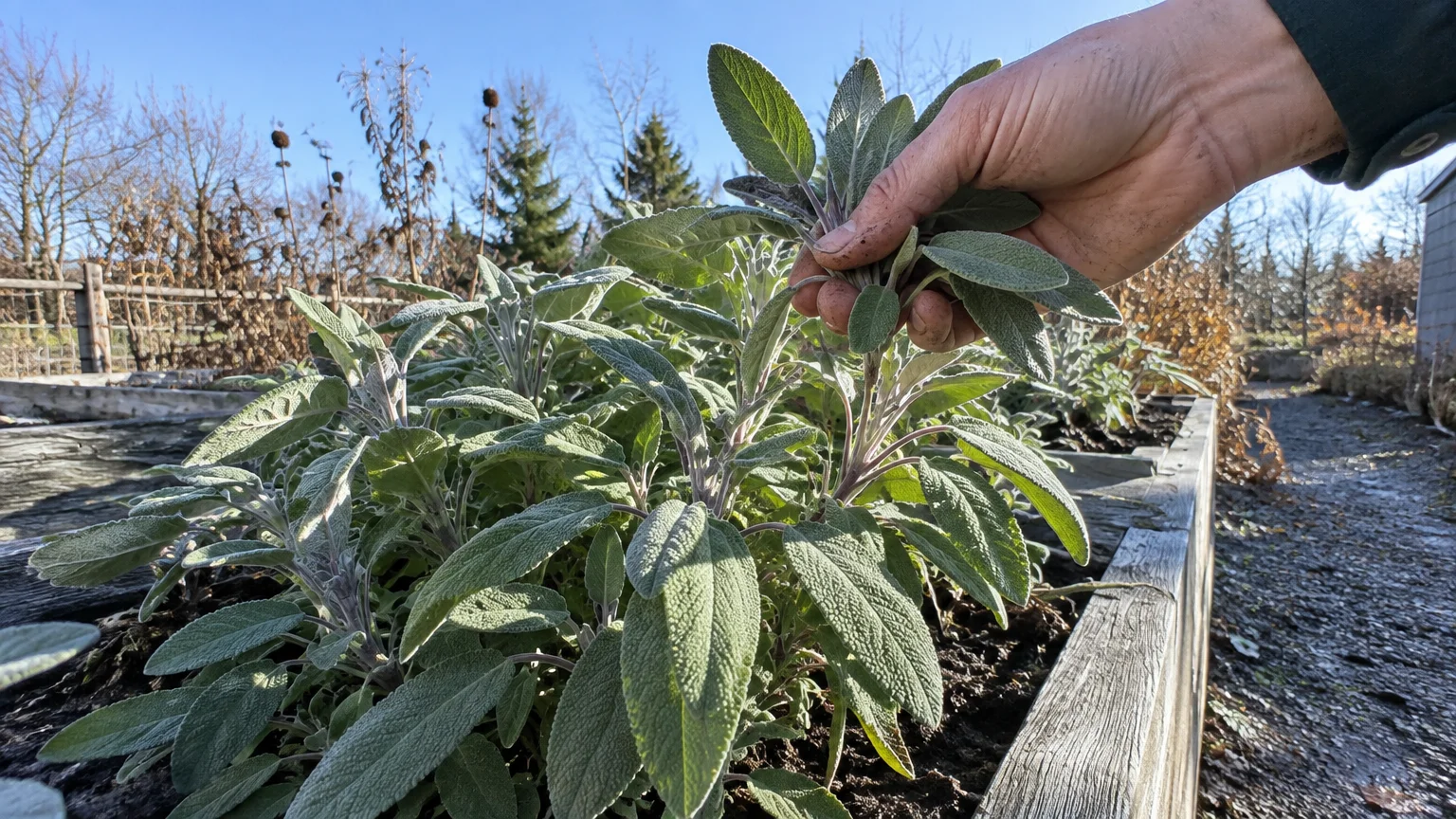
Garden sage is a tough perennial that keeps its pebbled, silver-green foliage intact through bitter winter chills. Rated hardy to USDA Zone 4, this Mediterranean native tolerates frost without dropping its leaves.
The velvety texture of sage foliage acts as a natural barrier against freezing winds and ice accumulation. In fact, a light frost tenderizes the leaf tissue while heightening its pungent, savory fragrance.
Clip whole leaf clusters from the upper stems when you need fresh seasoning for cool-weather culinary dishes. Always harvest sage during the warmest part of midday when any morning frost has completely melted away.
Take no more than one-third of the plant’s total foliage at once during the dormant winter season. Leaving ample foliage intact protects the central root zone from deep, penetrating ground freezes.
Tuck whole leaves beneath poultry skin or fry them crisp in melted butter for butternut squash ravioli. Sage pairs effortlessly with rustic winter meals, providing unmatched warmth and earthy depth.
Tip #3: Rosemary (Rosmarinus officinalis)
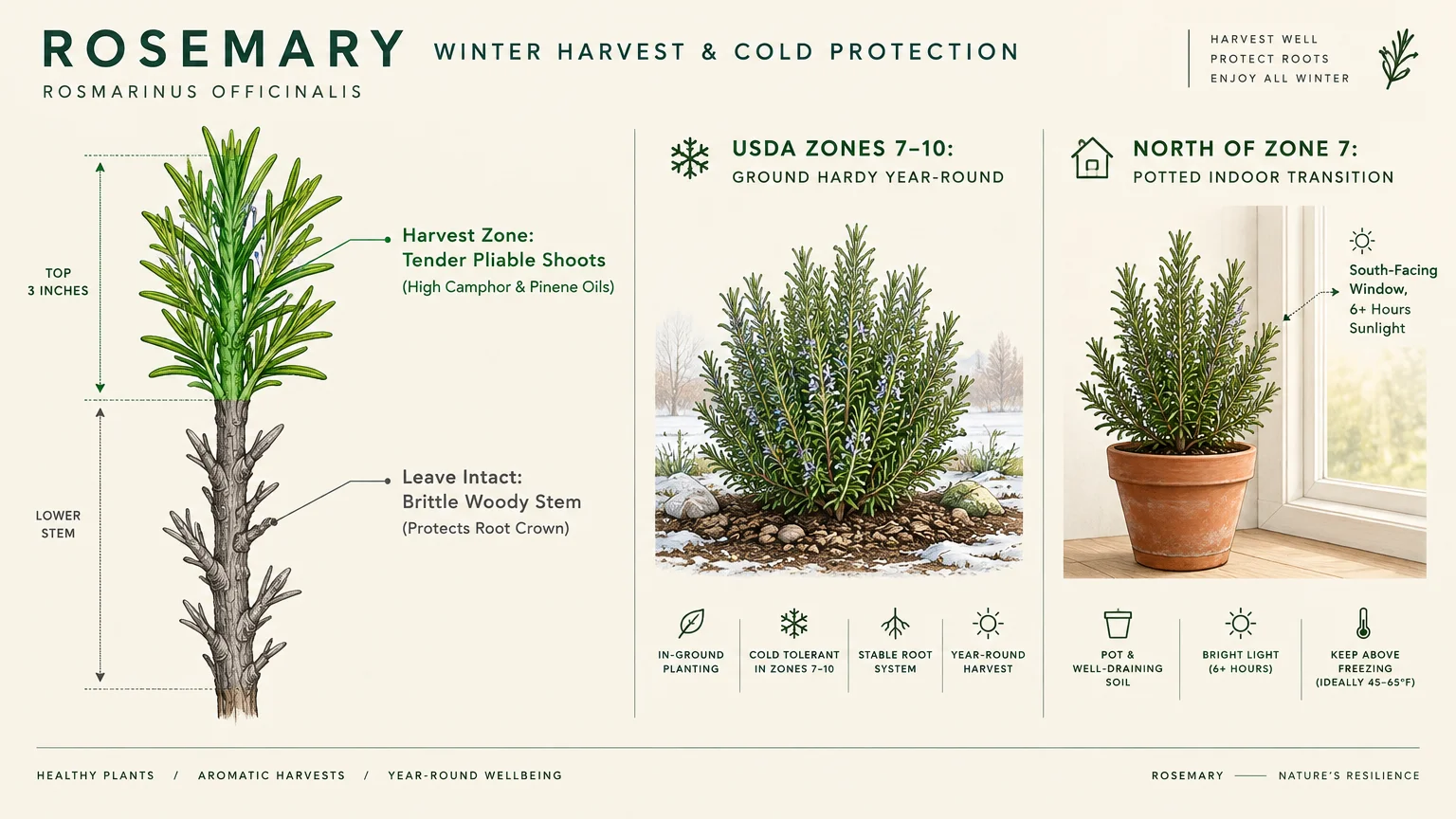
Rosemary provides bold needle-like foliage that perfumes your garden even in the dead of winter. Gardeners in USDA Zones 7 through 10 can gather fresh rosemary branches straight from the soil year-round.
Cold temperatures cause the plant to produce dense concentrations of camphor and pinene oils to protect its cell walls. These aromatic compounds create an intoxicating pine scent that elevates hearty holiday fare.
Snip green, pliable stem tips rather than brittle woody branches when harvesting herbs in fall and winter. These tender terminal shoots chop smoothly and release intense oils without leaving tough splinters in your food.
If you live north of Zone 7, pot your rosemary in well-draining soil and move it indoors before freezing weather sets in. Place the container near a south-facing window where it receives at least six hours of bright sunlight.
Strip fresh needles over roasted potatoes, knead them into rustic focaccia, or infuse them into warm olive oil. Rosemary’s invigorating presence cuts through rich, savory winter meats with vibrant clarity.
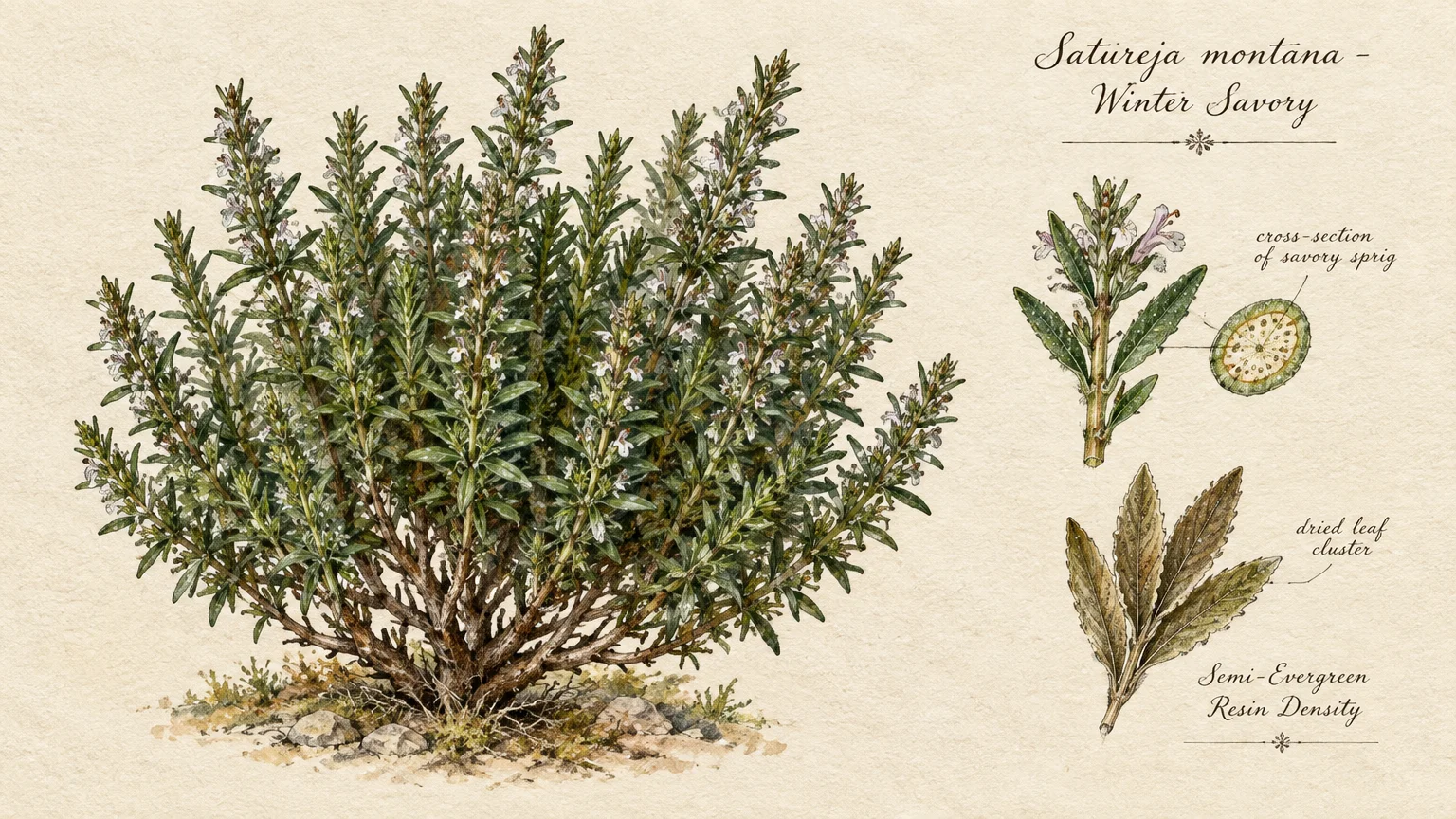
Tip #4: Winter Savory (Satureja montana)
Winter savory is the rugged, perennial cousin of delicate summer savory, built specifically to resist sub-freezing temperatures. Hardy down to USDA Zone 6, it holds semi-evergreen foliage across freezing winters with ease.
The leaves develop a sharp, peppery bite that intensifies as ambient temperatures plunge toward freezing. This robust flavor profile makes winter savory a premier candidate for your winter herb garden.
Gather small stem cuttings in the morning after frost has cleared from the glossy foliage. Snip just above leaf nodes to encourage fresh branching once spring warmth returns.
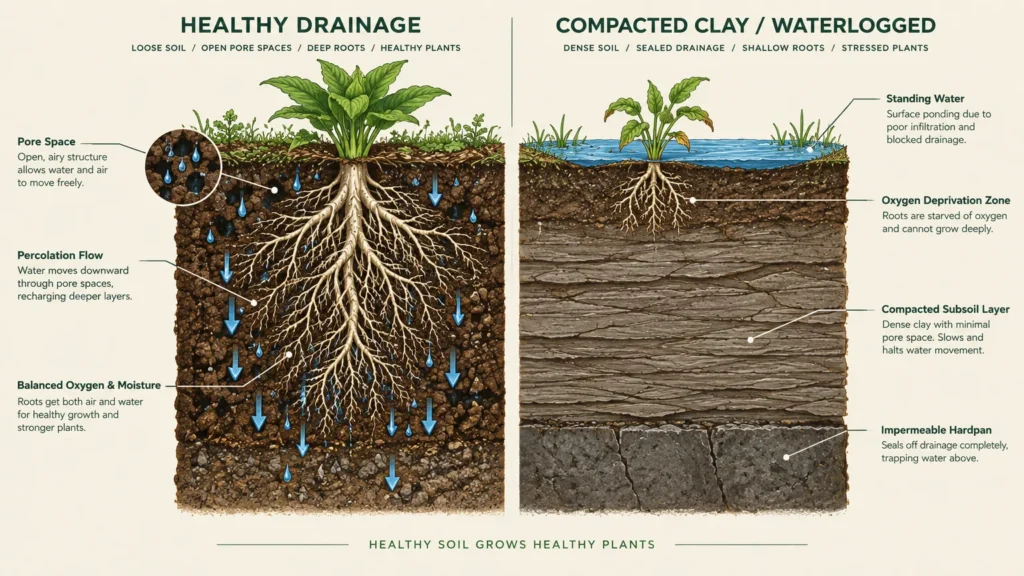
Ensure your savory sits in sharply draining soil, because winter moisture harms Mediterranean roots far faster than cold air. Mound gravel or coarse sand around the base to keep foliage elevated away from wet mud.
Crush the fresh leaves into hearty lentil broths, bean casseroles, and braised cabbage dishes. Its bold, peppery taste effortlessly replaces black pepper and thyme in traditional slow-cooked comfort foods.
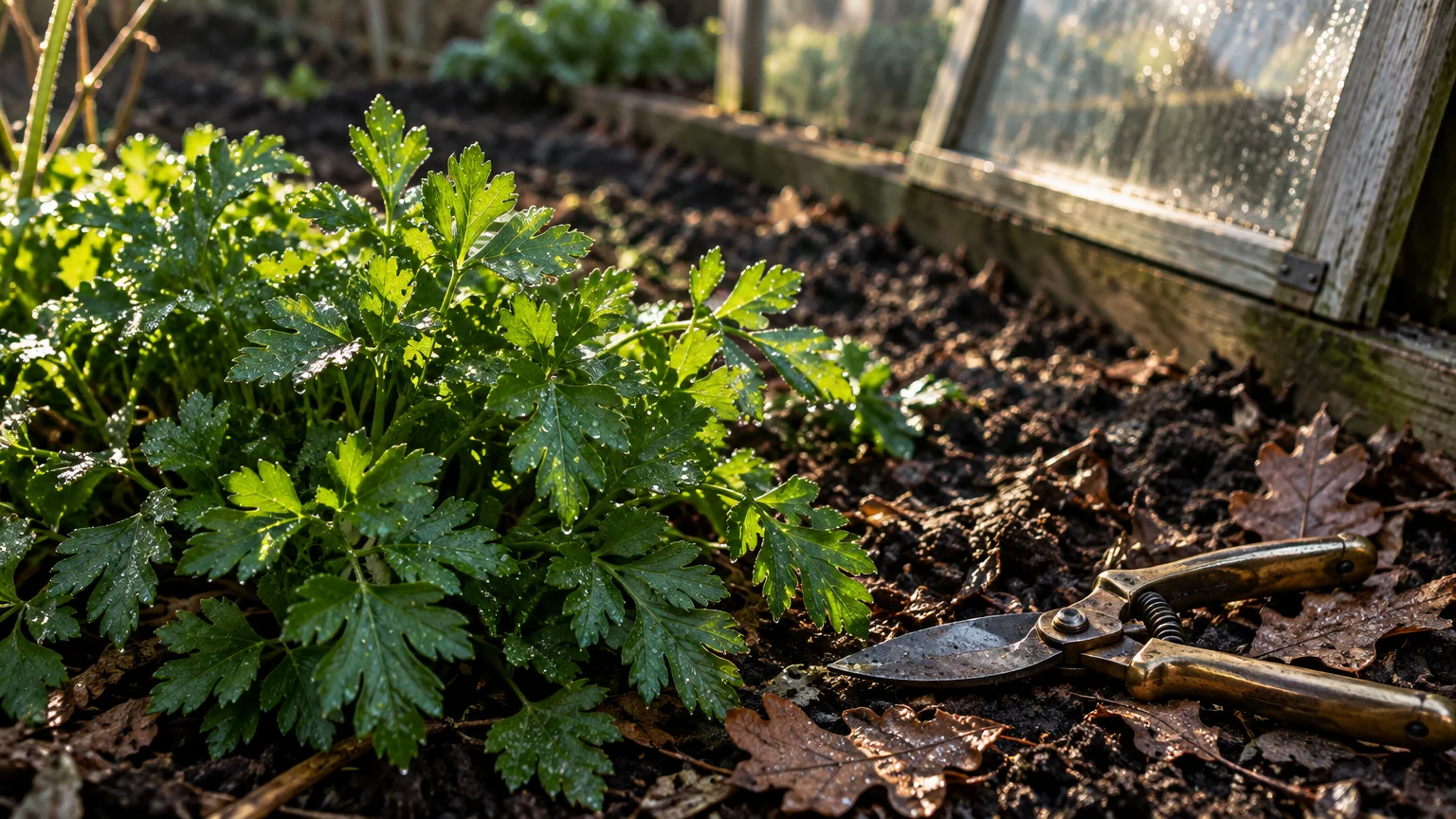
Tip #5: Flat-Leaf Parsley (Petroselinum crispum)
Flat-leaf parsley shows breathtaking resilience when icy weather overtakes your autumn vegetable beds. This hardy biennial continues producing vibrant green leaves down into the low 20s Fahrenheit.
Snowfall often acts as an insulating blanket, keeping the low-growing foliage crisp and green beneath white drifts. Even after a hard overnight freeze wilts the stems, midday sunlight quickly restores their upright vigor.
Snip outermost stems cleanly at the soil line, which allows younger central crowns to continue unfurling slowly. Never harvest from the center core of the plant, as those nascent stems preserve the parsley’s life.
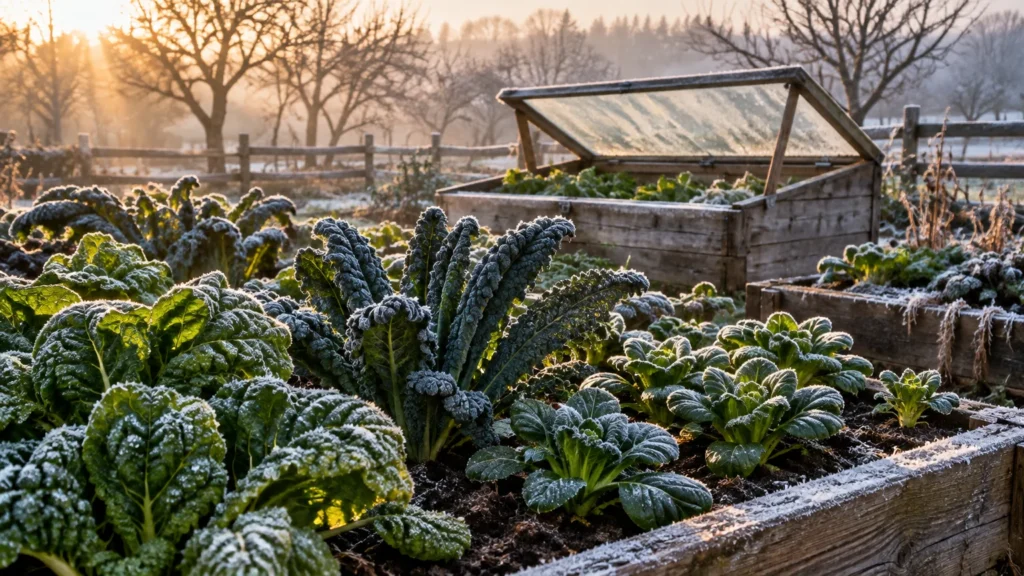
Cover your parsley patch with an inexpensive row cover or clear plastic cloche to extend harvesting through midwinter. This simple shelter prevents physical leaf bruising caused by heavy sleet and freezing rain.
Toss finely chopped parsley into hot chicken noodle soup, creamy potato chowder, or zesty winter chimichurri sauce. Its crisp, mineral-rich bite cuts through heavy winter comfort foods with remarkable freshness.
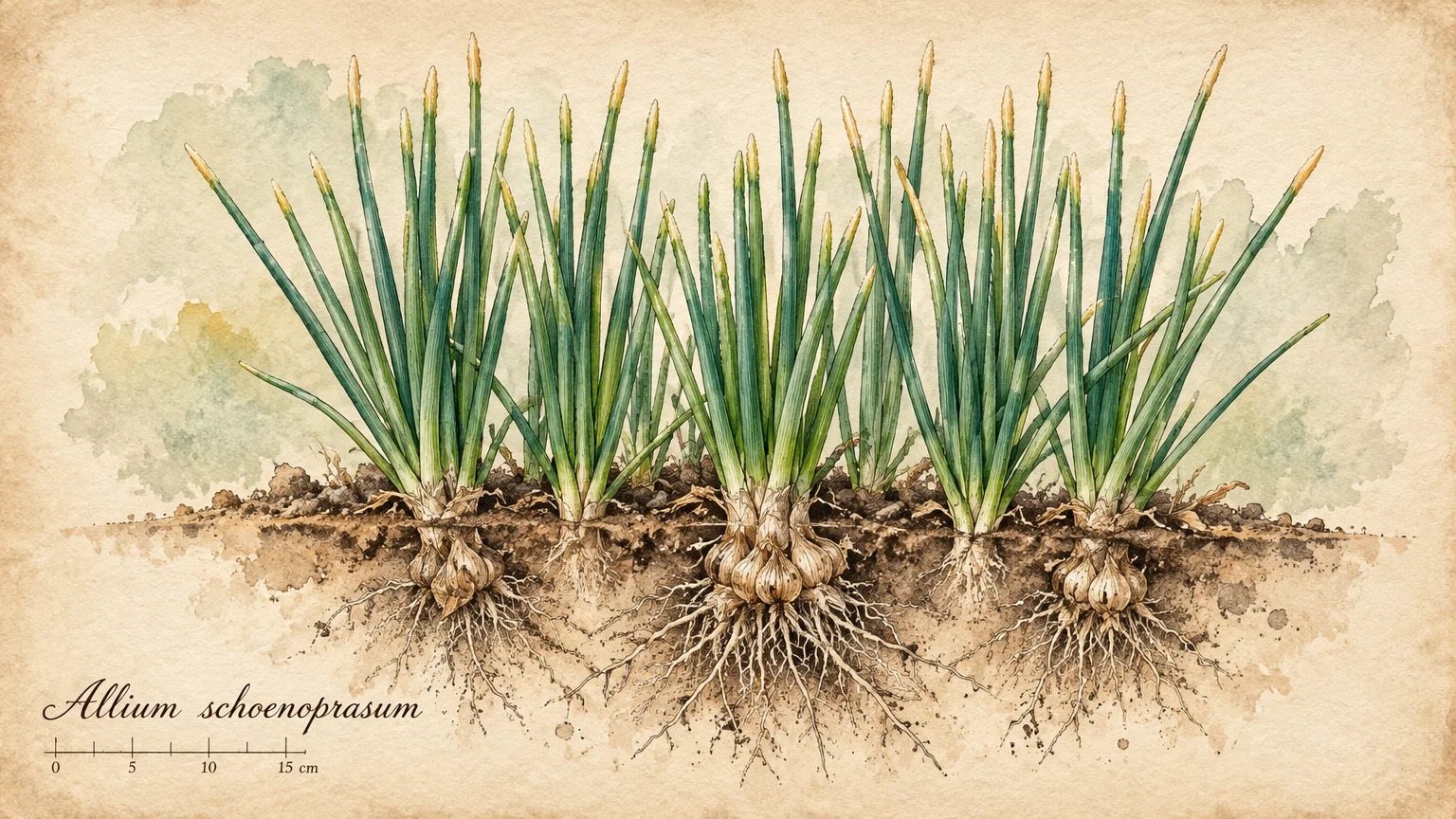
Tip #6: Chives (Allium schoenoprasum)
Chives rank among the most tenacious cold hardy herbs available to temperate backyard gardeners. Their subterranean bulbs survive arctic winters down to USDA Zone 3 without sustaining any root damage.
While extreme freezes eventually cause the hollow green spears to die back, mild winters permit sustained harvesting. You can harvest sweet, onion-scented blades well into late November and December in many growing regions.
Cut spears roughly one inch above the soil surface using sharp scissors to avoid dislodging the small root clumps. Cutting cleanly ensures the bulbs store adequate energy to burst into vigorous growth early next spring.
Dig up a small clump of chive bulbs in late autumn, pot them, and place them on a sunny windowsill. The indoor warmth tricks the dormant bulbs into sprouting fresh, slender chives throughout midwinter.
Snip these delicate green stems over baked potatoes, creamy leek soups, and fluffy morning omelets. Their mild allium brightness enlivens heavy meals without overwhelming subtle ingredients.
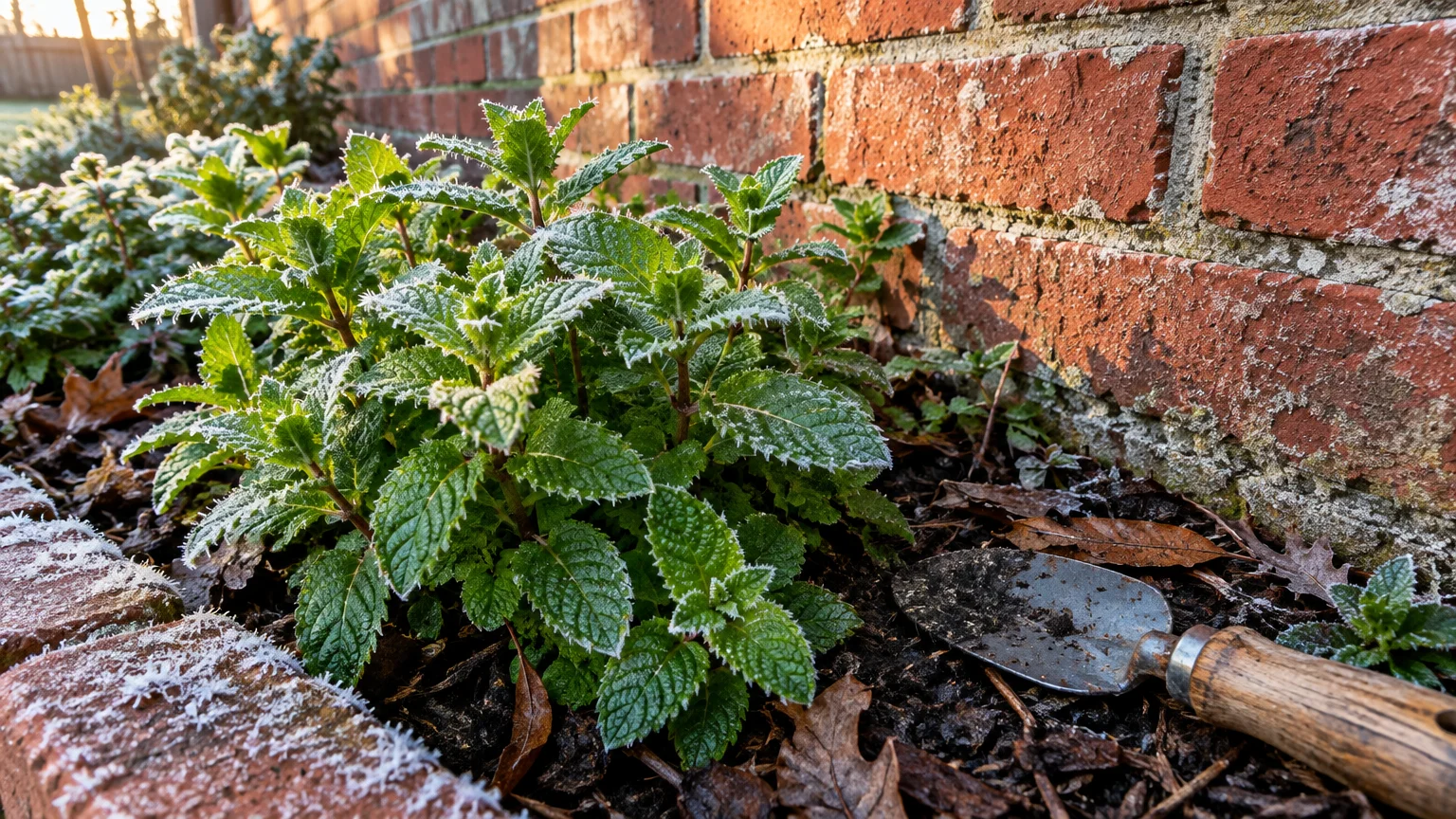
Tip #7: Spearmint and Peppermint (Mentha spp.)
Mint species boast legendary cold tolerance, surviving frozen northern soils across USDA Zones 3 through 9. Although upper foliage browns after repeated frosts, low-growing basal runners remain green and flavorful beneath fallen leaves.
Freezing temperatures concentrate menthol oils within the cellular structure of surviving leaves. A single winter sprig delivers a potent, cooling burst of flavor that surpasses soft summer growth.
Rake away top mulch and inspect the ground surface to find compact clusters of miniature green leaves. Snip these micro-shoots carefully with shears, leaving the underground spreading rhizomes undisturbed.
Grow your winter mint in heavy terra cotta pots sunk into garden soil to prevent invasive root spread. This sunken-pot method shields the roots from freezing winds while curbing mint’s aggressive territorial tendencies.
Muddle harvested winter mint leaves into hot herbal teas, spiced apple ciders, or rich chocolate desserts. The invigorating burst of menthol offers welcome warmth and comfort during chilly evenings indoors.
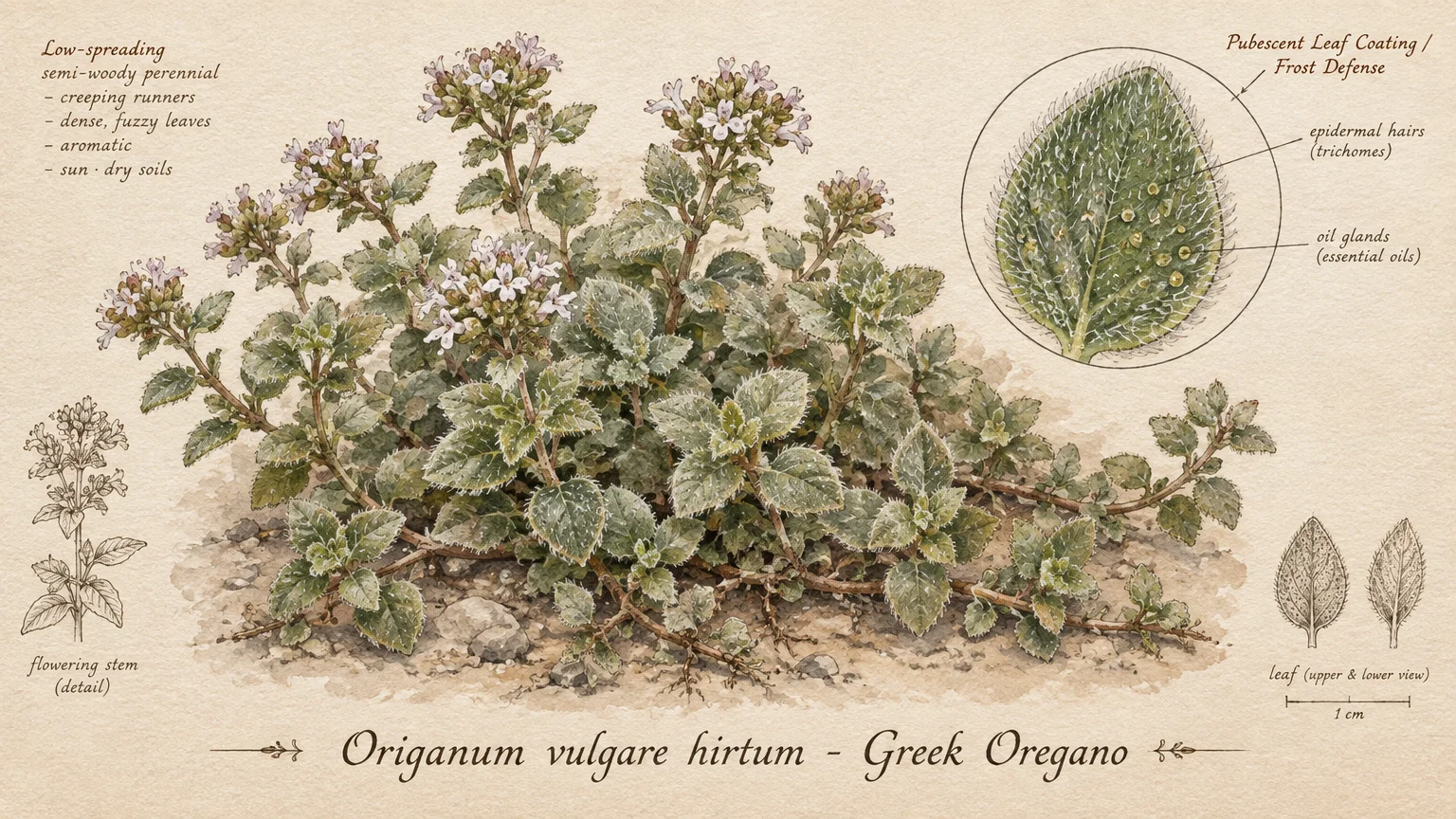
Tip #8: Greek Oregano (Origanum vulgare hirtum)
Greek oregano is a steadfast Mediterranean survivor that hugs the ground tightly during cold weather months. Hardy down to USDA Zone 4, this perennial herb forms compact, frost-resistant rosettes when temperatures drop.
Winter conditions cause oregano to draw moisture out of its foliage, effectively preventing cellular rupture during deep freezes. This natural defense mechanism results in dense, oil-packed leaves bursting with peppery carvacrol.
Clip low-growing sprigs using small snips, taking care not to pull roots from damp, chilly soil. Focus your harvest on stems that show firm green leaves rather than older brown foliage.
Keep oregano crowns clean by pruning away dead summer flower stalks before the first heavy frost arrives. Excellent air circulation prevents fungal decay from settling into the low crown during prolonged rainy periods.
Scatter fresh oregano leaves across bubbling pizzas, marinara pasta dishes, and roasted Mediterranean lamb chops. Its sharp, pungent kick brings fiery rustic charm to cold-weather dinner tables.
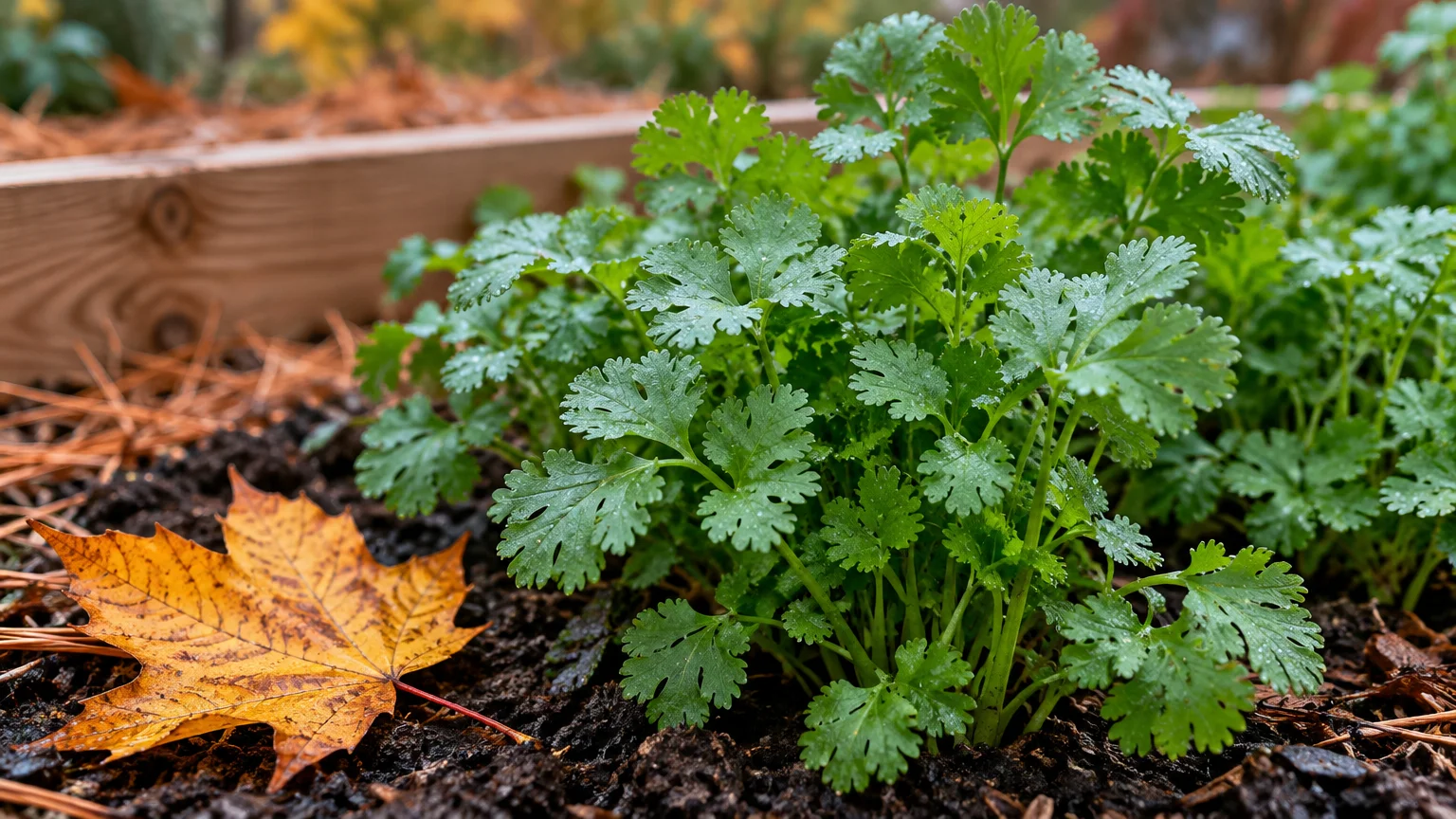
Tip #9: Cilantro (Coriandrum sativum)
Many home gardeners consider cilantro a finicky summer plant, but it actually flourishes in crisp autumn and early winter weather. Cilantro hates summer heat and quickly bolts, whereas cool temperatures produce lush, tender foliage.
This frost-tolerant annual easily withstands light freezes down to approximately 25°F without wilting. Cold autumn soil keeps the root system tranquil, encouraging continuous leaf development without the threat of bolting.
Harvest outer stems when leaves reach three to four inches in height, preserving the plant’s central growing point. Regular picking stimulates fresh shoots to form right up until the ground freezes solid.
Sow fresh cilantro seeds in late summer and early autumn directly into garden beds or cold frames. Staggering your plantings every three weeks guarantees a steady supply of pristine greens through early winter.
Chop fresh cold-weather cilantro into spicy chili bowls, black bean stews, and homemade tortilla soups. The clean, citrusy brightness balances savory cold-weather comfort food perfectly.
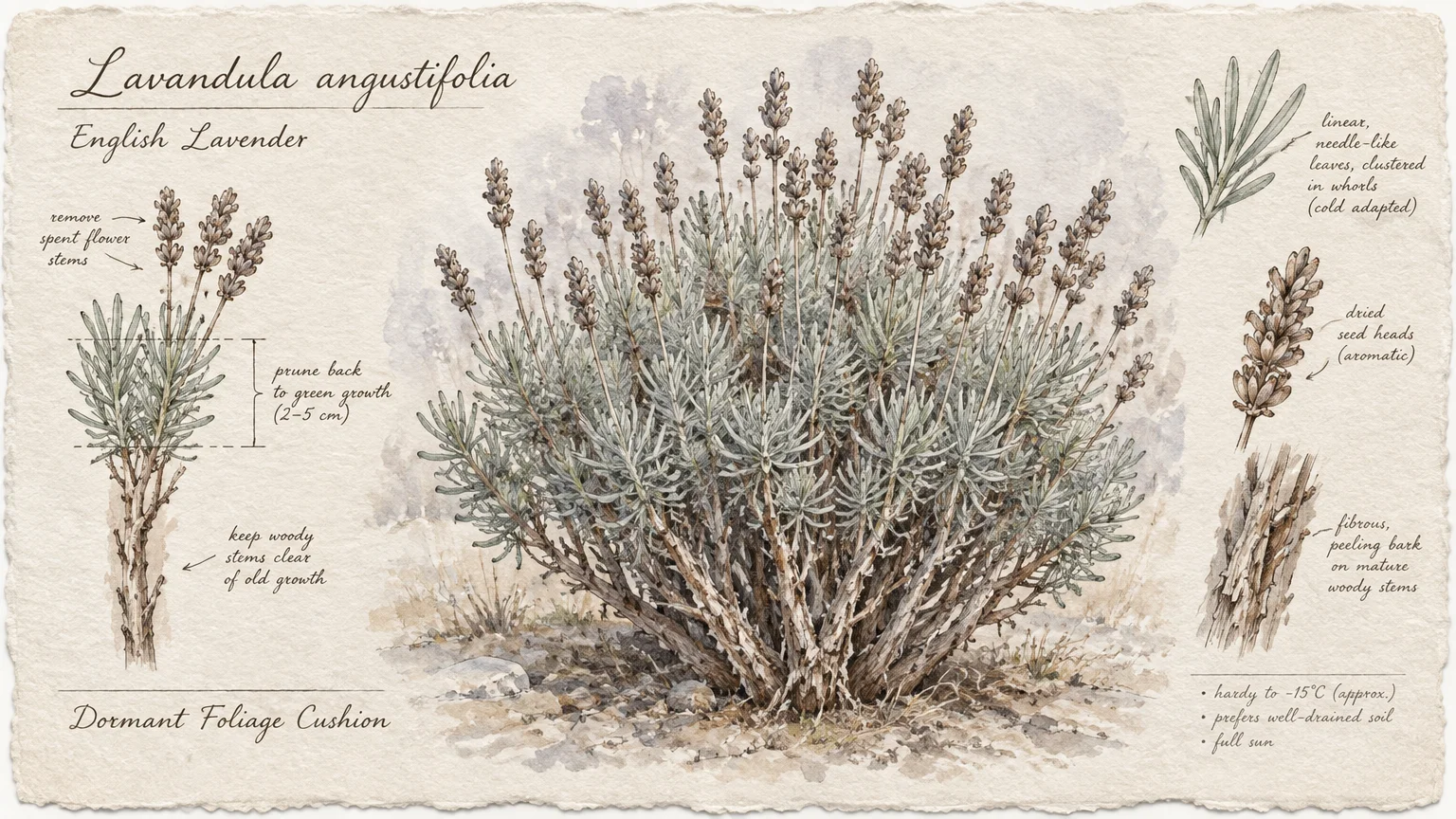
Tip #10: English Lavender (Lavandula angustifolia)
English lavender is widely celebrated for summer blossoms, yet its aromatic, needle-like foliage remains evergreen all winter. Rated hardy to USDA Zone 5, this semi-shrub withstands freezing temperatures and snowy conditions.
The narrow foliage contains a high concentration of aromatic resins that resist dehydration from freezing winter winds. These essential oils provide a delightful floral-pine fragrance whenever brushed by falling snowflakes.
Gently snip small leafy branch tips from non-woody growth to harvest culinary foliage throughout winter. Never cut back into old, bare wood during cold months, as old stems will not regenerate until spring.
Plant English lavender in raised gravel beds or containers with ample drainage holes to prevent soggy winter roots. Wet roots in cold soil will kill lavender much faster than sub-zero temperatures ever could.
Infuse snipped winter lavender foliage into warm honey, shortbread cookies, or calming evening herbal teas. Its gentle floral perfume brings a touch of summer nostalgia into cozy winter kitchens.
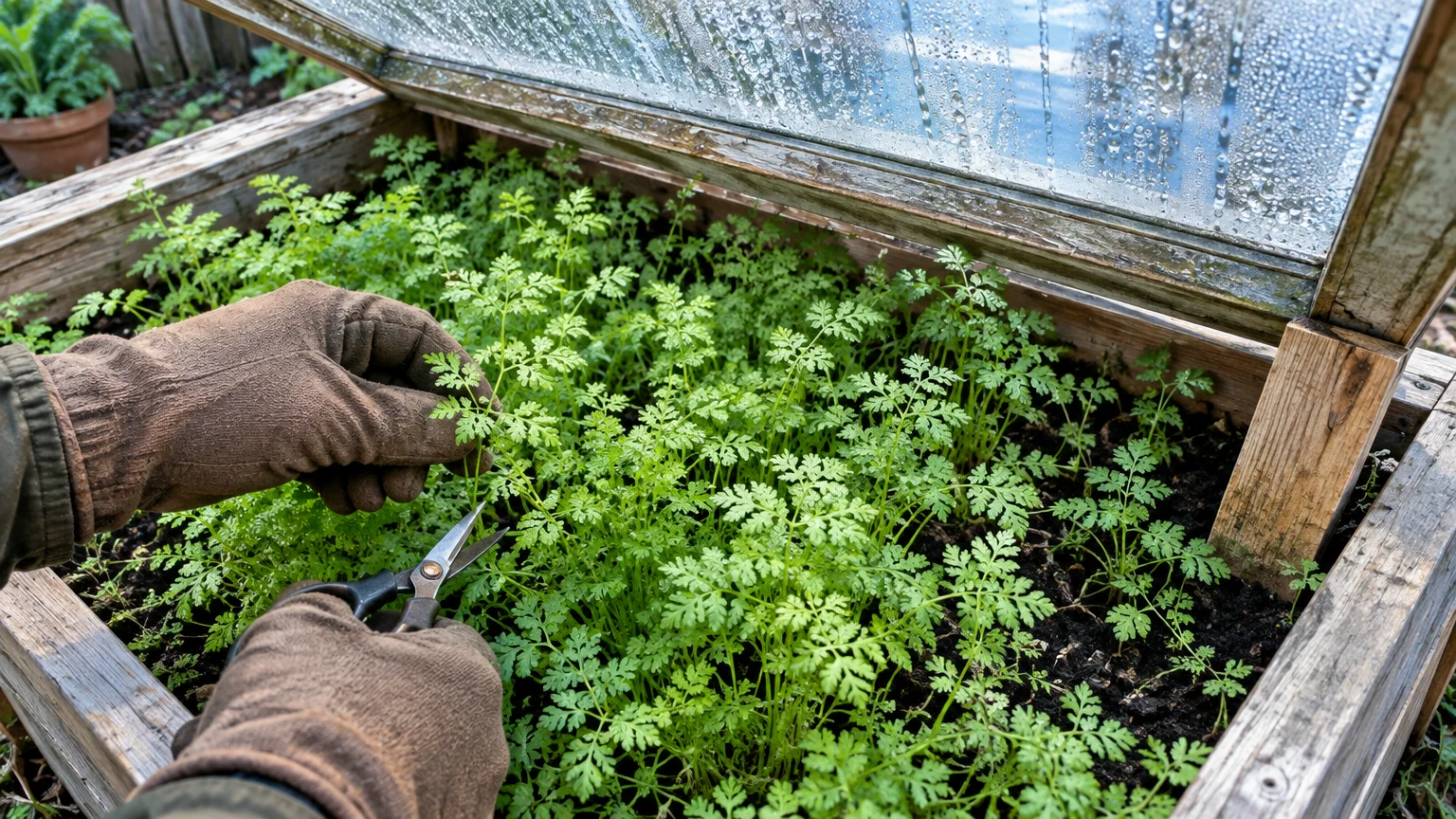
Tip #11: Chervil (Anthriscus cerefolium)
Chervil, often called French parsley, is a delicate-looking herb that possesses astonishing tolerance for freezing temperatures. It is one of the premier herbs that grow in winter, thriving when most other plants surrender to frost.
Summer heat causes chervil to turn bitter and seed immediately, but icy temperatures keep its frilly foliage sweet. Its mild anise and licorice notes shine with crystalline clarity during chilly months.
Snip delicate outer fronds just above the crown whenever you need a touch of gourmet seasoning. Because chervil leaves are delicate, pick them gently and wash them in cold water immediately before cooking.
Grow chervil beneath the canopy of deciduous trees or in sheltered cold frames during late autumn. The filtered sunlight and protection from heavy wind allow this cool-season gem to thrive without interruption.
Stir chopped chervil into creamy potato leek soups, classic French omelets, and delicate holiday sauces at the very end of cooking. Excessive heat destroys its nuanced flavors, so add it just before serving.
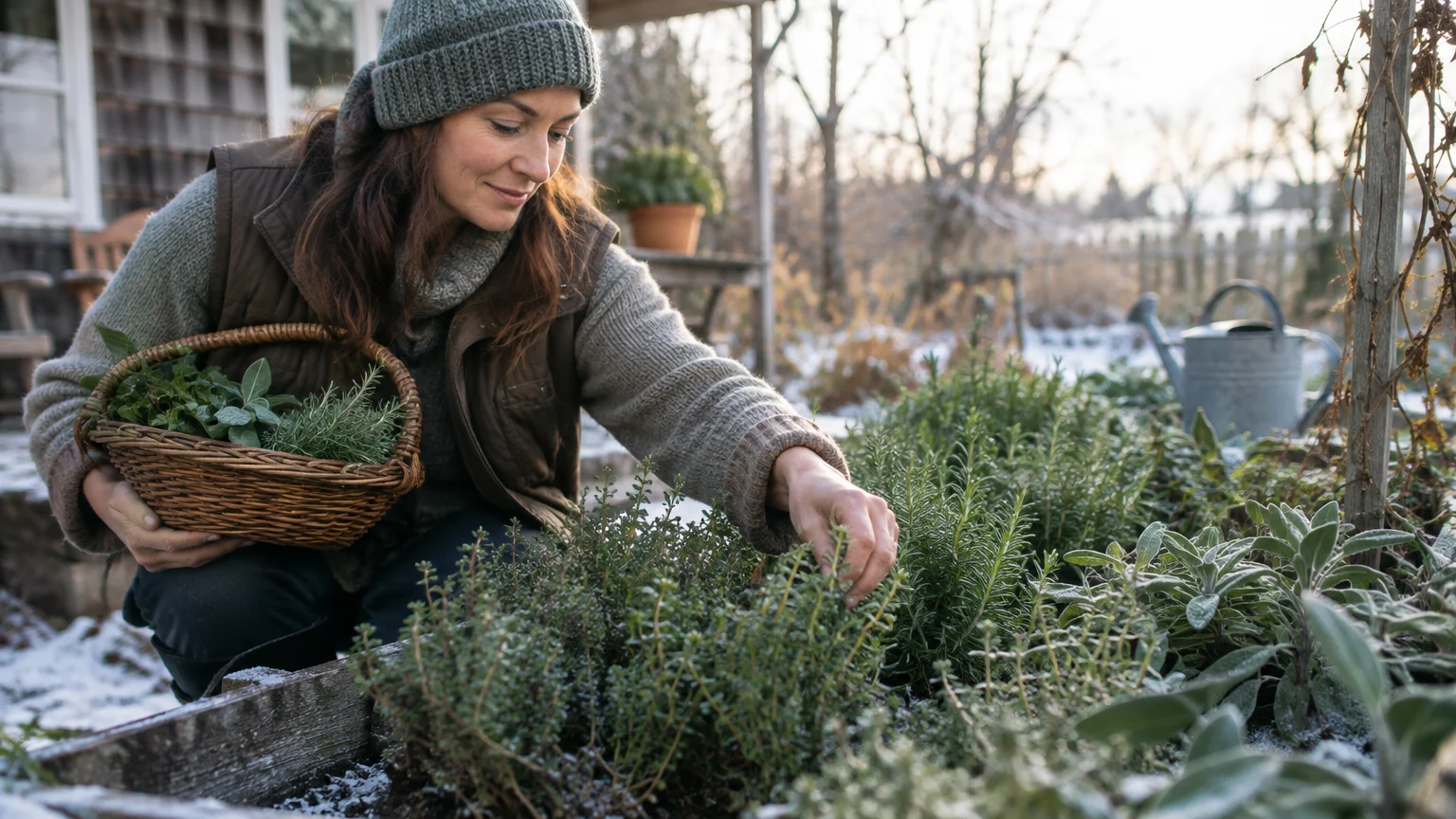
Putting It All Together: Enjoy Your Beautiful Garden
A freezing forecast does not mean you must abandon fresh garden flavors until the arrival of spring. By cultivating resilient herbs, you turn bleak winter landscapes into an abundant, fragrant outdoor pantry.
Remember to harvest during sunny mid-afternoons when frost has completely melted from delicate leaves and stems. Always harvest moderately, taking only the outer growth so parent plants survive cold spells intact.
Pair these herbs with protective measures like mulch, cold frames, and gravel mulch to maximize their cold hardiness. A little shelter helps even tender varieties produce fragrant greens deep into the coldest months.
Step outside with your kitchen shears, embrace the crisp winter air, and gather fresh foliage for dinner tonight. Your cold-weather harvests will transform ordinary comfort dishes into vibrant culinary masterpieces.
Frequently Asked Questions
Can herbs survive being completely covered by snow?
Yes, many perennial herbs tolerate deep snow cover because snow acts as an insulating blanket against freezing winds. The snow keeps the soil temperature stable near 32°F, shielding root crowns from sub-zero air.
Wait for snow to melt naturally, or gently brush away top layers before harvesting foliage from buried plants. Avoid hacking into frozen snow, which can snap brittle stems underneath.
Does freezing weather change the flavor of garden herbs?
Cold weather actually concentrates volatile oils in hardy herbs like thyme, sage, and rosemary, making their flavors deeper. Lower water content in the leaves intensifies their aromatic compounds significantly.
However, avoid harvesting herbs while foliage remains frozen solid on the stem, as frozen cells bruise easily. Allow the afternoon sun to thaw the leaves before clipping them for culinary use.
Should I fertilize herbs during the winter months?
No, you should never fertilize cold-weather herbs during late autumn or winter months. Fertilizer stimulates soft, tender vegetative growth that will quickly die when exposed to hard freezes.
Allow your herbs to rest naturally in their semi-dormant state throughout the cold season. Resume light feeding in early spring when warm weather triggers active new growth.
What is the easiest way to protect winter herbs from severe freezes?
A light mulch of pine needles, straw, or evergreen branches provides superb insulation without suffocating foliage. You can also place clear storage bins or frost blankets over beds during record cold snaps.
Remove heavy covers promptly once temperatures rebound to allow fresh air and sunlight to reach the crowns. Good ventilation prevents fungal mold from developing in damp, sheltered microclimates.
For region-specific advice, consult your local University Extension program (find yours via the USDA directory). For plant databases and inspiration, visit the Missouri Botanical Garden or the Royal Horticultural Society.
Disclaimer: This article provides general gardening advice. Always consider your specific climate, soil conditions, and local pests. Follow safety guidelines when using gardening tools and products.