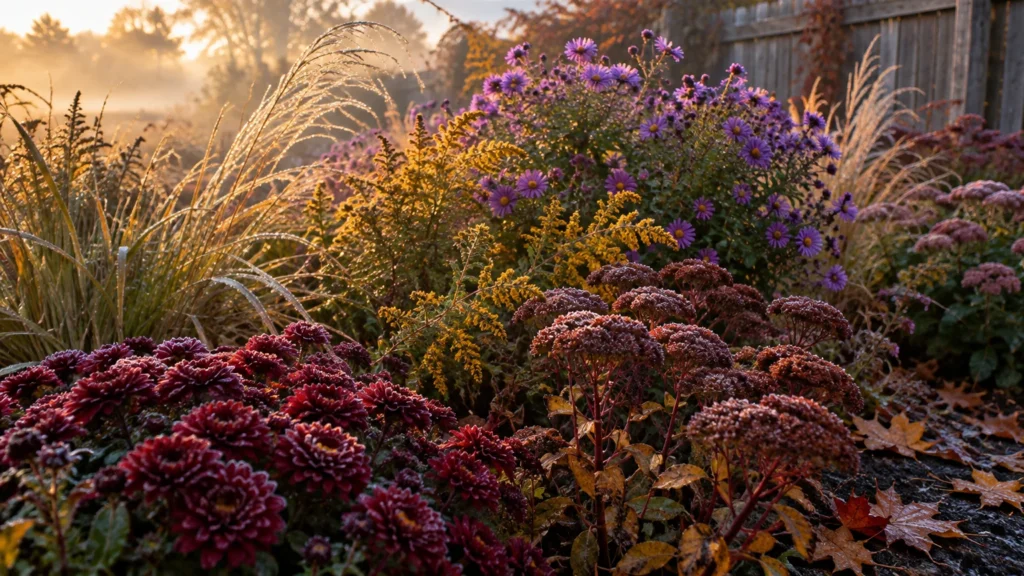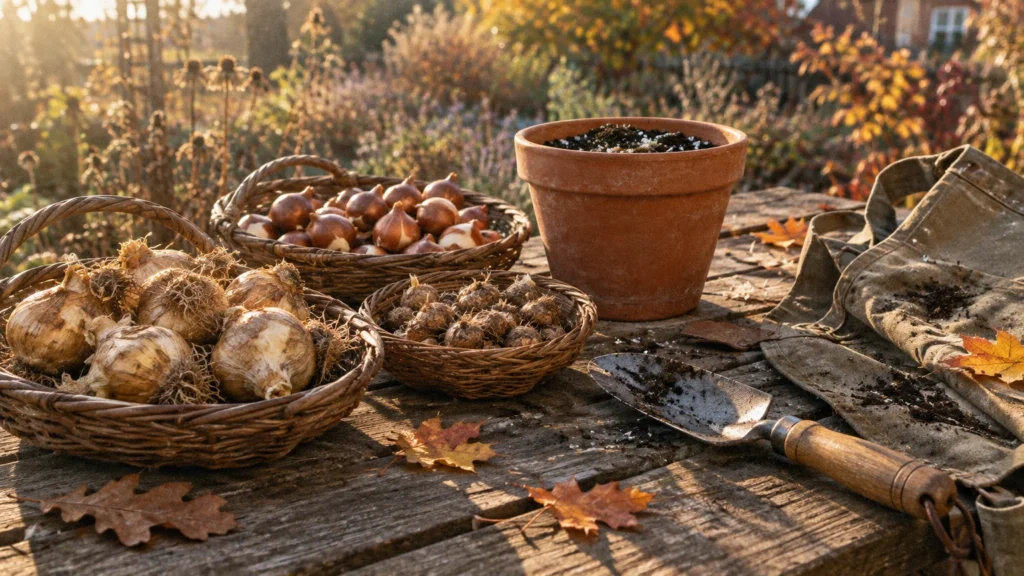
You can transform your yard into a private autumn retreat with the right canopy choices. Planting trees with best fall color creates an unforgettable display of blazing reds, luminous golds, and deep bronzes every year.
Selecting the perfect species requires matching your soil, yard size, and updated climate realities. The right choice turns ordinary landscape borders into stunning seasonal focal points with minimal long-term fuss.
Autumn also offers the optimal planting window for deciduous saplings before winter dormancy. Explore these premier specimens to discover the ultimate trees to plant for autumn color in your home garden.
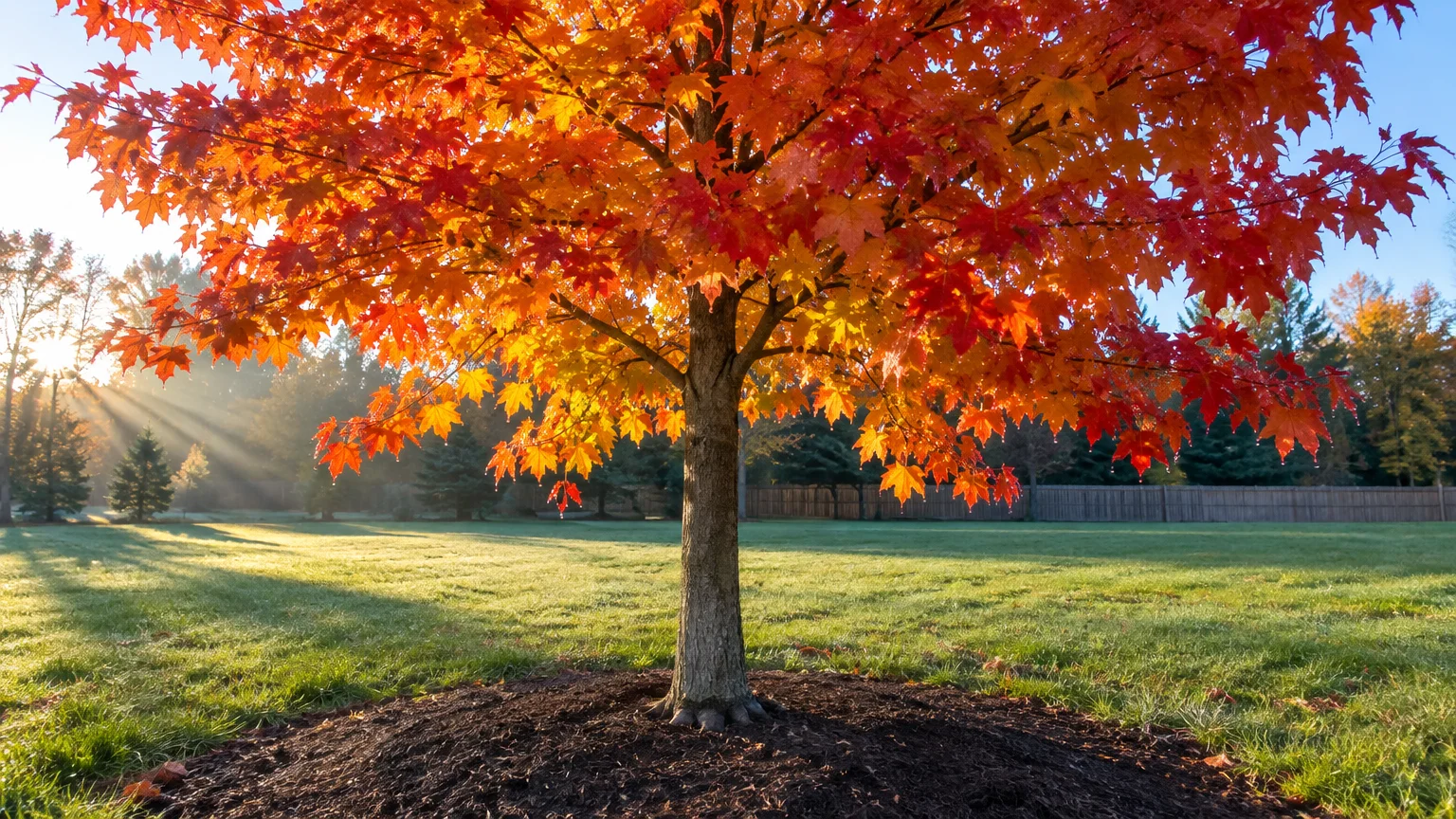
Tip #1: Sugar Maple (Acer saccharum)
Sugar maples deliver the gold standard of autumn foliage across temperate regions. Their dense crowns produce an astonishing blend of glowing amber, fiery orange, and intense scarlet.
These long-lived hardwoods thrive best in USDA Zones 3 through 8, based on the updated 2023 USDA Plant Hardiness Zone Map. They require rich, well-draining soil with plenty of room to expand their vast 60-foot canopies.
Give this species full morning sun to maximize anthocyanin pigment development as daylight wanes. Consistent summer watering keeps the leaves vibrant and prevents leaf scorch before October arrives.
You can buy bare-root whips for $30 to $50, while container specimens cost $100 to $200 at local nurseries. Dig a planting hole twice as wide as the root mass to accelerate early root establishment.
Avoid planting sugar maples right along heavily salted roadways. Road salt damages their shallow feeder roots and dulls their brilliant autumn show.
Tip #2: Red Maple (Acer rubrum)
Red maple trees stand out as some of the most versatile fall foliage trees available today. Cultivars like ‘Autumn Blaze’ and ‘October Glory’ illuminate residential streets with deep ruby and crimson leaves.
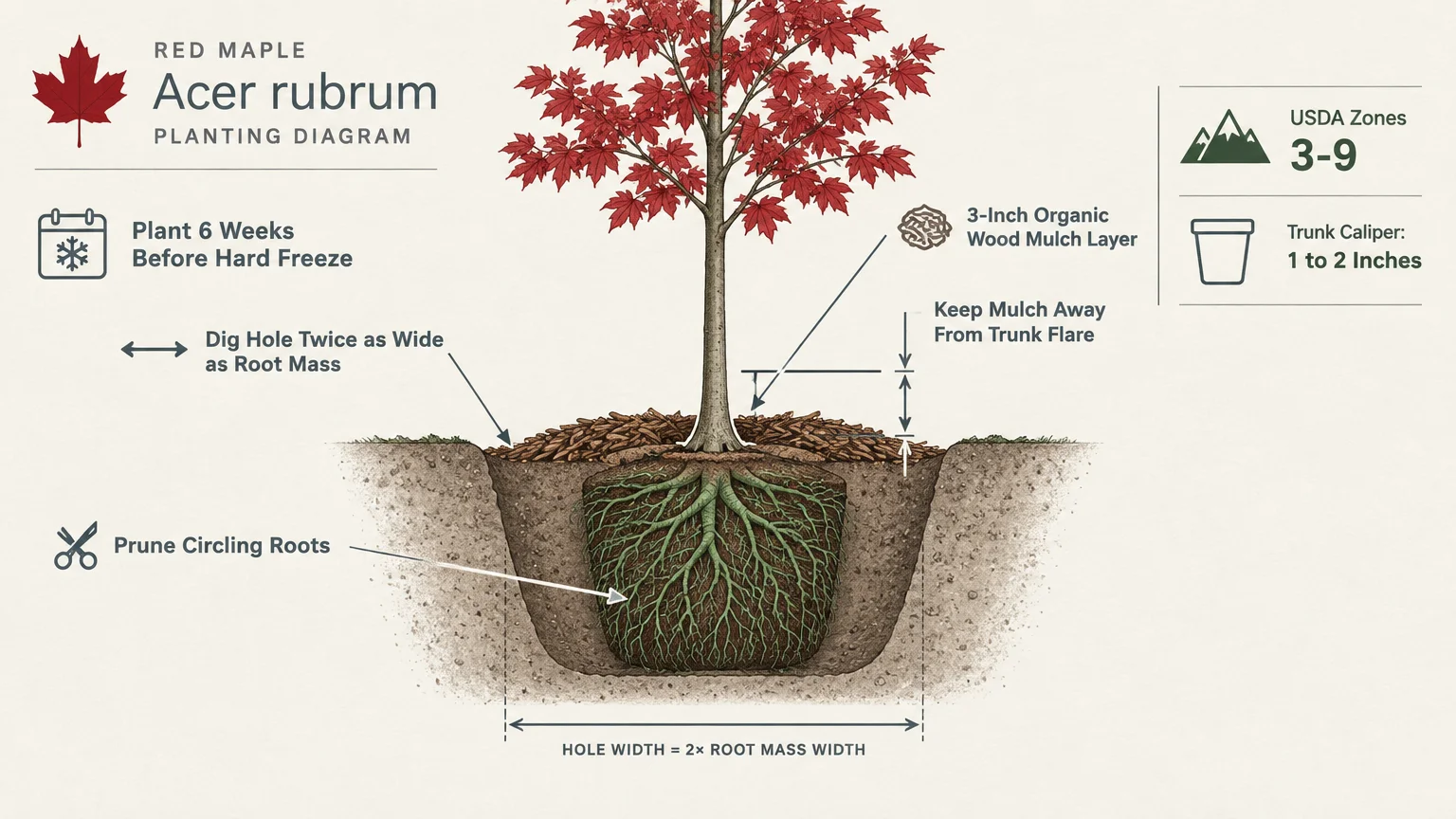
These fast-growing native trees adapt readily to diverse conditions across USDA Zones 3 through 9. They tolerate wet soils where other ornamental trees struggle, making them ideal for rain gardens.
Standard container-grown red maples measuring one to two inches in trunk caliper retail between $90 and $150. Inspect the root ball before planting to prune away any circling roots that could choke the trunk.
Ensure you plant red maples at least six weeks before your region experiences hard soil freezing. This fall window allows strong root development without the stress of summer heat.
Apply a three-inch layer of organic wood mulch over the root zone, keeping it away from the trunk flare. This simple step conserves soil moisture and insulates tender roots through cold snaps.
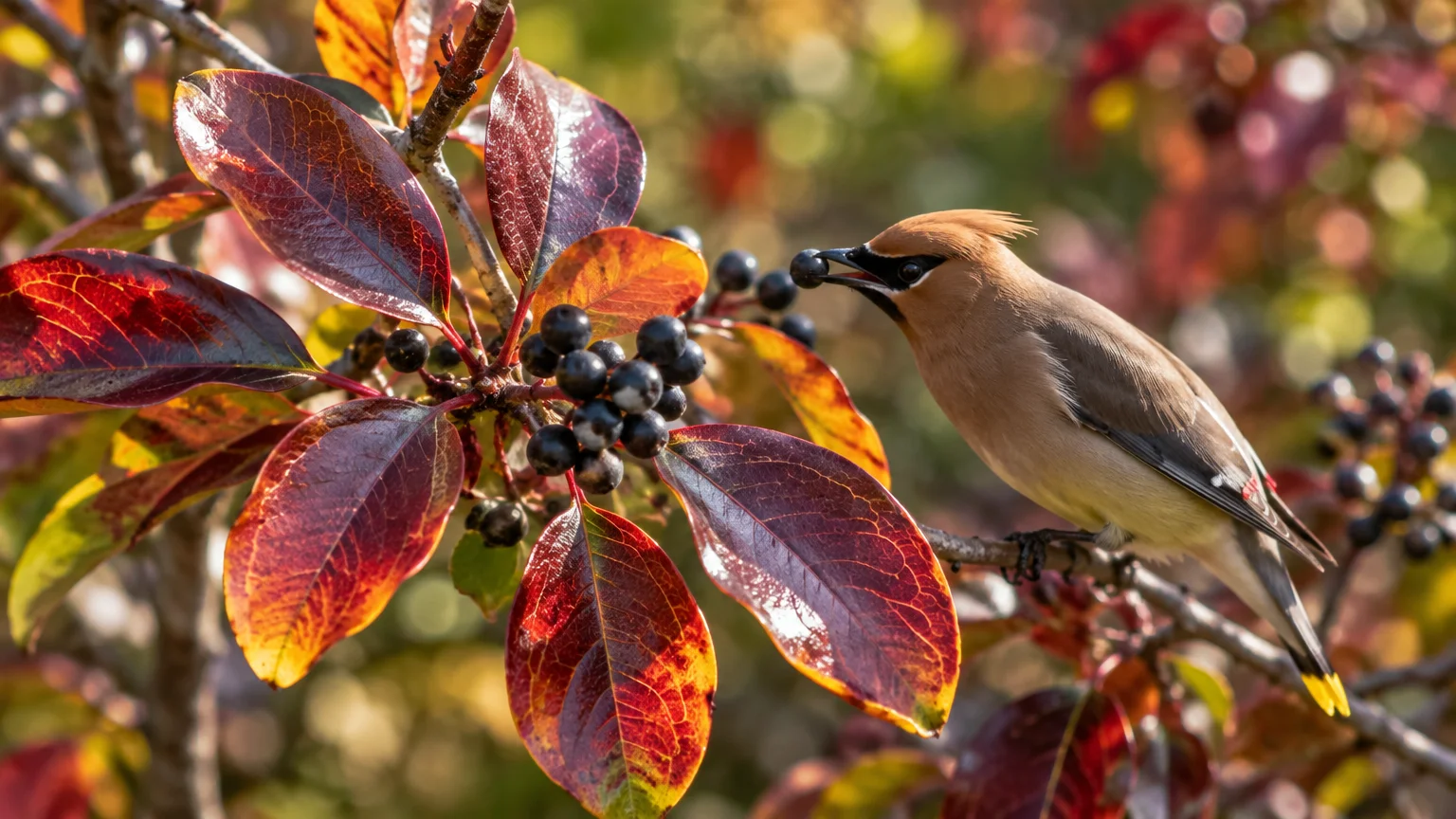
Tip #3: Black Gum (Nyssa sylvatica)
Black gum, also called black tupelo, produces an electric autumn spectacle of glossy crimson, purple, and yellow. Its leaves change color earlier than most neighboring trees, lighting up your landscape by late September.
This hardy native species makes an exceptional eco-friendly alternative to the invasive Callery pear tree. With multiple states banning Callery pear sales, black gum fills the gap with superior beauty and ecological value.
It flourishes across USDA Zones 4 through 9 in moist, acidic soils and full sunlight. Cultivars like ‘Wildfire’ emerge with reddish spring foliage before delivering their trademark crimson fall finale.
Expect to pay $100 to $180 for five-gallon container specimens from regional native plant nurseries. Because of its deep taproot, you should plant black gum young and leave it in place permanently.
Black gum also produces small dark berries that sustain migrating songbirds throughout the autumn months. You gain dynamic visual drama while simultaneously providing crucial sustenance for local wildlife.
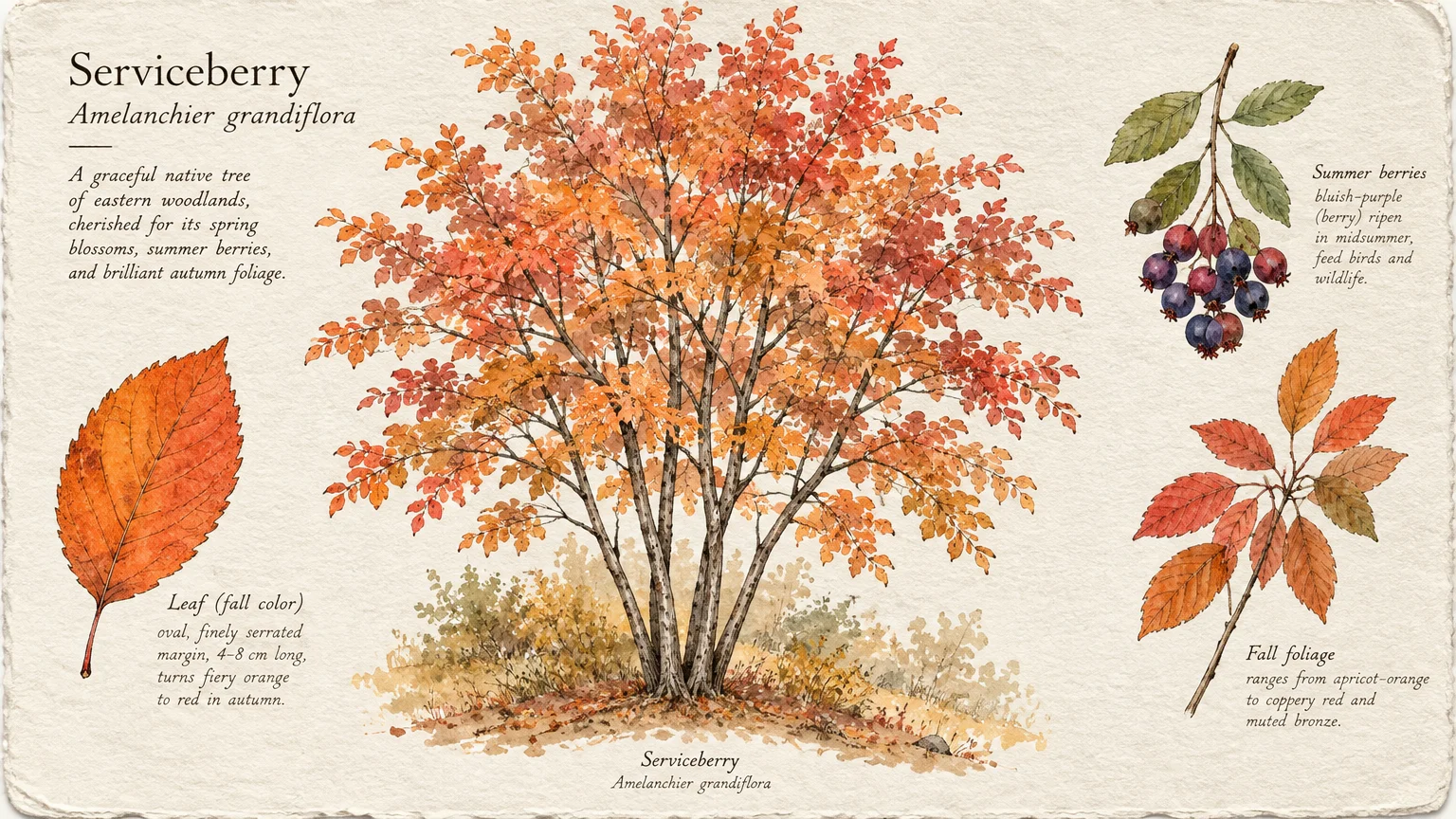
Tip #4: Serviceberry (Amelanchier grandiflora)
Serviceberry ranks among the finest ornamental trees fall gardens can feature, especially in smaller suburban spaces. Its delicate leaves transition from soft green into glowing apricot, copper, and radiant red.
Growing only 15 to 25 feet tall, this graceful tree suits tight property lines and patio borders. It provides a multi-season replacement for invasive burning bush shrubs, which several northeastern states have rightfully banned.
Plant serviceberry in USDA Zones 4 through 9 in partial shade or full sun. It handles moist, loamy soil with ease, producing sweet edible berries in June before its autumn foliage display.
You can acquire multi-stemmed or single-stem specimens at garden centers for approximately $80 to $160. Incorporate generous amounts of organic compost into the surrounding soil during installation to encourage healthy growth.
Prune lightly in late winter to remove crossing branches and maintain an open canopy architecture. This allows sunlight to penetrate deep into the canopy, intensifying every fall color shade.
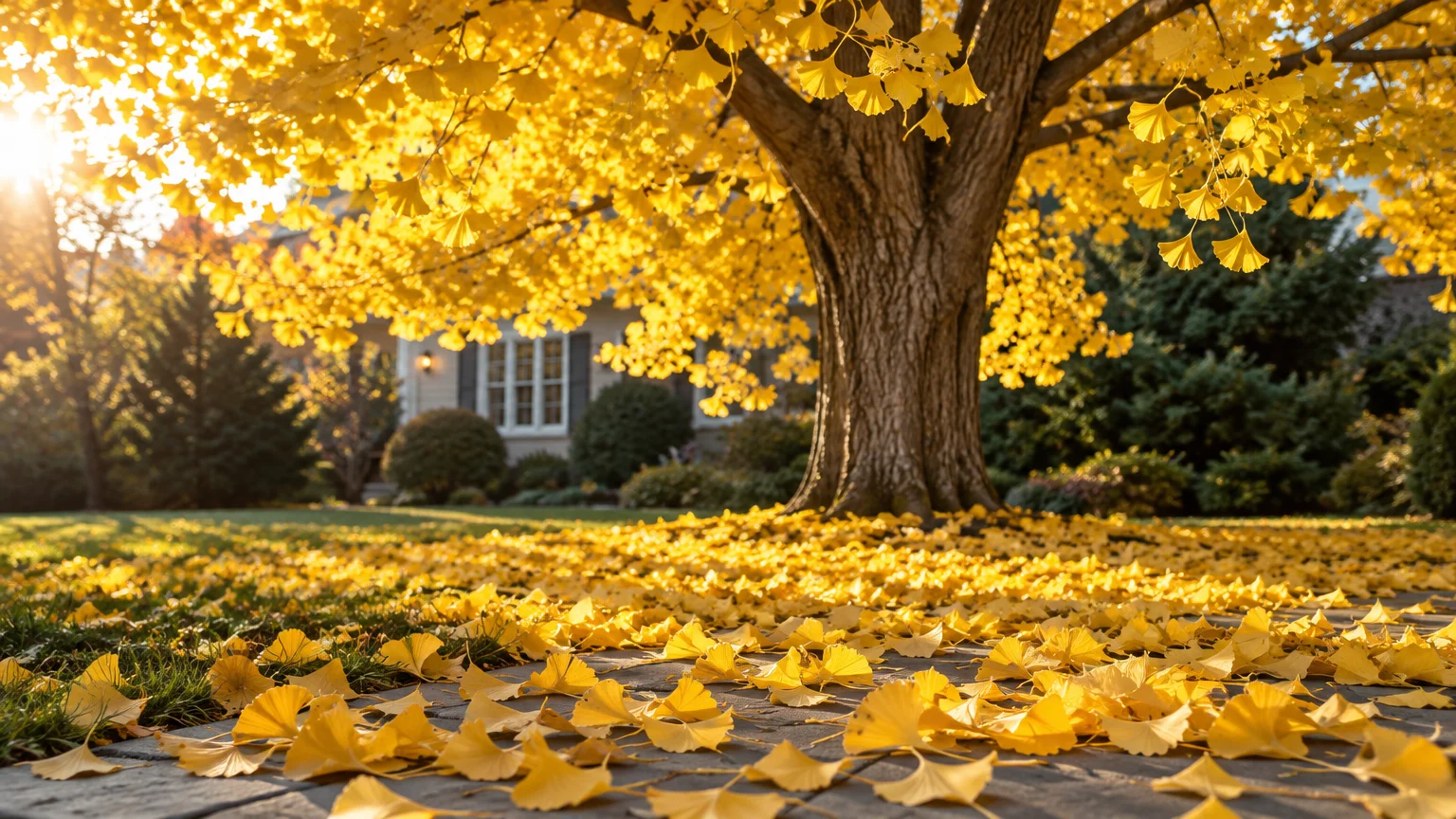
Tip #5: Ginkgo (Ginkgo biloba)
Ginkgo trees deliver an unmatched, uniform display of pure saffron and luminous golden foliage. Their distinctive fan-shaped leaves flutter dramatically in autumn breezes before dropping all at once to carpet your lawn.
This prehistoric living fossil tolerates extreme urban stresses, compacted dirt, and winter de-icing salts. It performs reliably across USDA Zones 4 through 9 under full sunlight conditions.
Always purchase certified male cultivars such as ‘Autumn Gold’ or ‘Princeton Sentry’ for your home landscape. Female trees produce fleshy fruit in late autumn that emits a notoriously foul, pungent odor.
Containerized male ginkgos cost between $120 and $240 depending on their size and nursery availability. While ginkgos grow slowly in their youth, their longevity and pest resistance span centuries.
Water deeply during the first two growing seasons to help the tree build an extensive root system. Once established, ginkgos exhibit outstanding drought tolerance even through blazing summer heat waves.
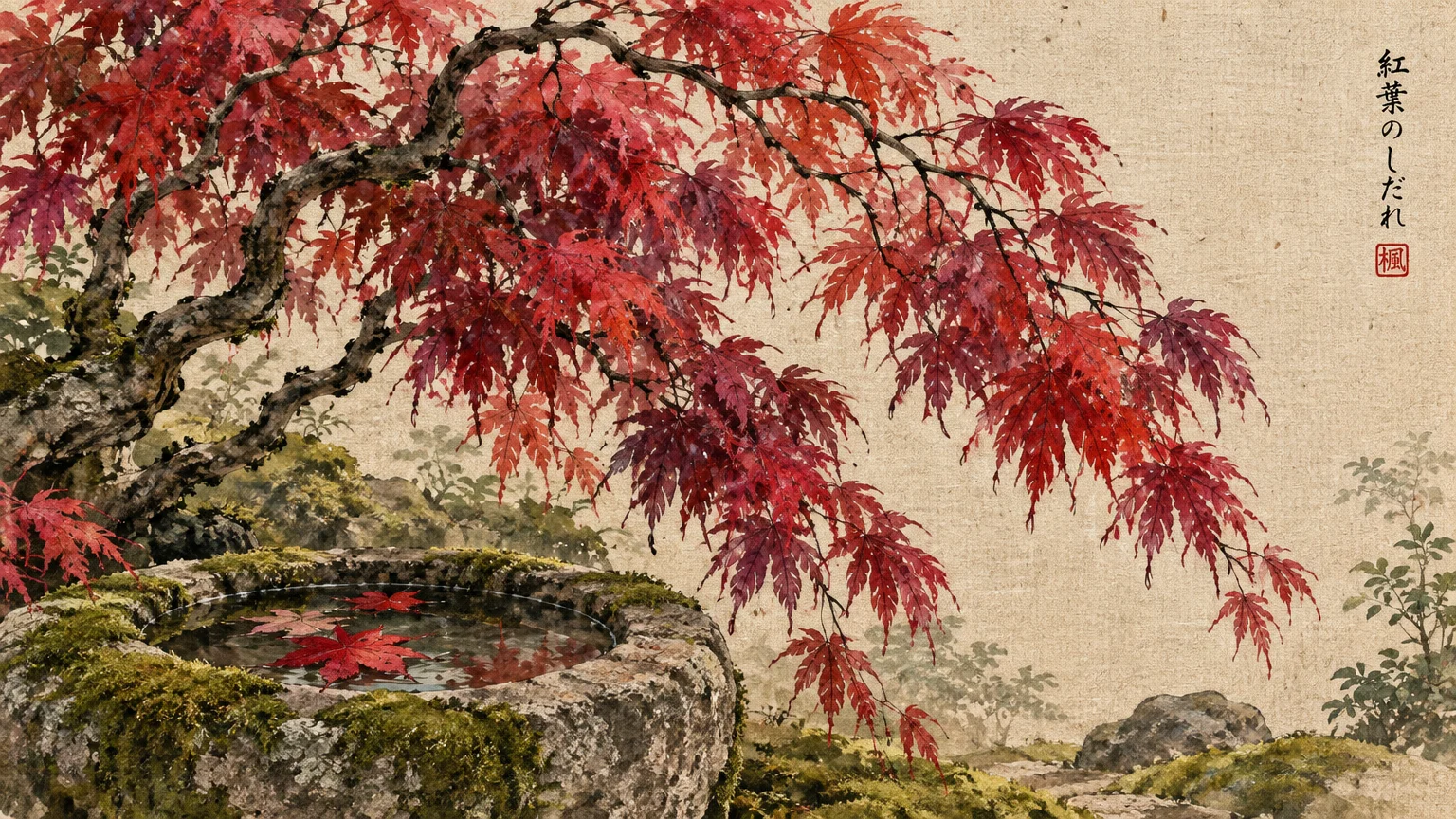
Tip #6: Japanese Maple (Acer palmatum)
Japanese maples bring refined architectural grace and dazzling scarlet, plum, and fiery orange shades to compact spaces. Their sculptural branches turn shaded garden corners into dramatic living art installations every single autumn.
These magnificent specimens thrive in USDA Zones 5 through 9, benefiting from morning sun and dappled afternoon shade. Strong afternoon winds can scorch their delicate foliage, so choose a sheltered courtyard or nook.
Specimen Japanese maples command higher investments; quality container plants often range from $180 to upwards of $350. Popular cultivars like ‘Bloodgood’ and ‘Sango-kaku’ justify the cost through spectacular, year-round multi-season interest.
Plant them in humus-rich, well-draining soil that holds moisture without staying soggy around the roots. Top-dress the base with shredded bark mulch to protect their shallow root networks from temperature swings.
Minimal pruning preserves their natural, cascading form and enhances light filtering through the colorful leaves. Only prune dead or broken twigs during late summer to prevent excessive sap bleeding.
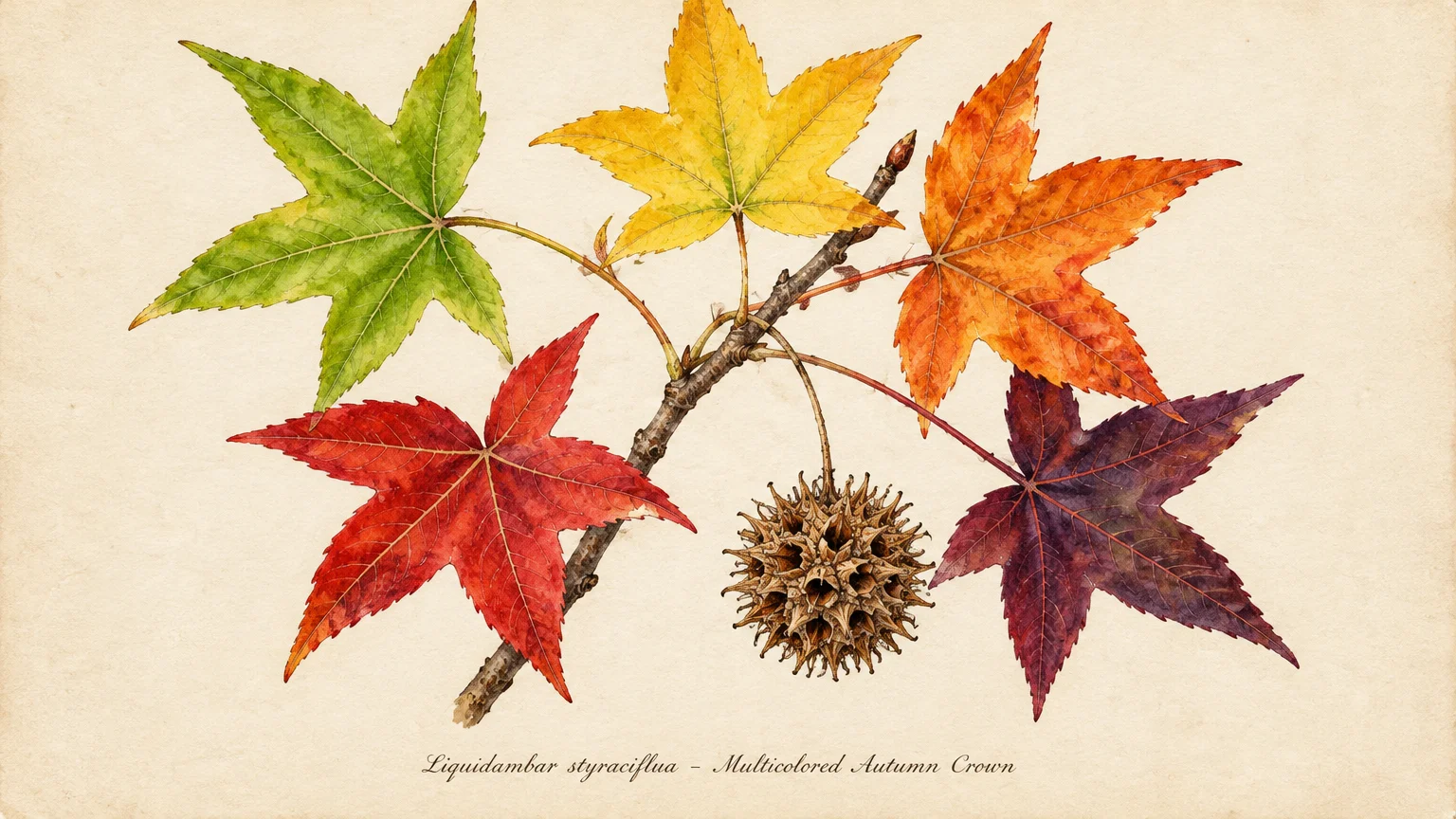
Tip #7: American Sweetgum (Liquidambar styraciflua)
American sweetgum produces one of the most complex, multicolored foliage displays found anywhere in the plant kingdom. A single tree can showcase yellow, orange, deep scarlet, and royal purple leaves simultaneously.
Its star-shaped leaves capture low autumn light, creating a stained-glass effect across the entire canopy. Modern cultivars like ‘Rotundiloba’ offer these brilliant colors without producing the prickly seed balls that frustrate homeowners.
Sweetgum thrives throughout USDA Zones 5 through 9, preferring deep, moist, slightly acidic soil profiles. It grows rapidly into a pyramidal shape, reaching heights of 60 to 75 feet at maturity.
Budget around $75 to $140 for a healthy container-grown sapling from a trusted regional nursery. Plant sweetgum early in the autumn season to allow root anchoring before the soil freezes completely.
Avoid planting this vigorous tree too close to concrete driveways or delicate underground plumbing lines. Its strong root system needs expansive open lawn space to stretch safely without disrupting hardscapes.
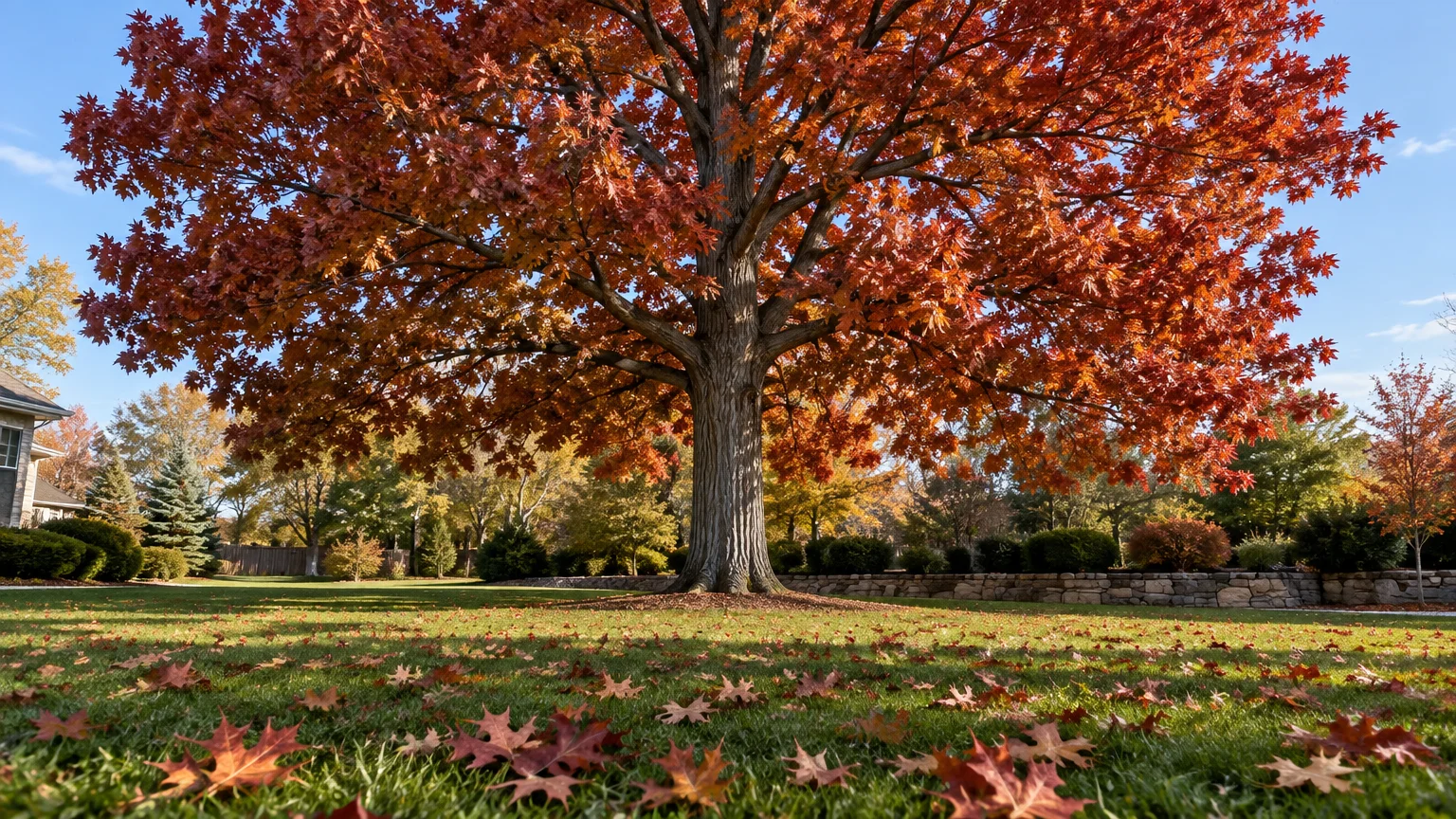
Tip #8: Northern Red Oak (Quercus rubra)
Northern red oak crowns the autumn landscape with rich russet, burgundy, and brilliant copper-red foliage. This majestic native shade tree supports hundreds of beneficial pollinator and caterpillar species throughout its lifespan.
Hardy across USDA Zones 3 through 8, the red oak grows significantly faster than most other oak species. It develops a spreading canopy that shades expansive lawns and withstands fierce seasonal wind storms.
You can purchase bare-root whips for $25 to $45, while larger balled-and-burlapped oaks cost $150 or more. Position your oak in full sunlight and well-draining soil to ensure maximum annual pigment intensity.
Protect your red oak by timing all pruning exclusively during dormant winter months from November through March. Pruning between April and July attracts sap beetles that transmit the devastating, fatal Oak Wilt fungus.
Never trim your oak during spring leaf-out or early summer when beetle populations actively forage for wounds. Adhering to this dormant pruning window guarantees your majestic shade tree thrives for generations.
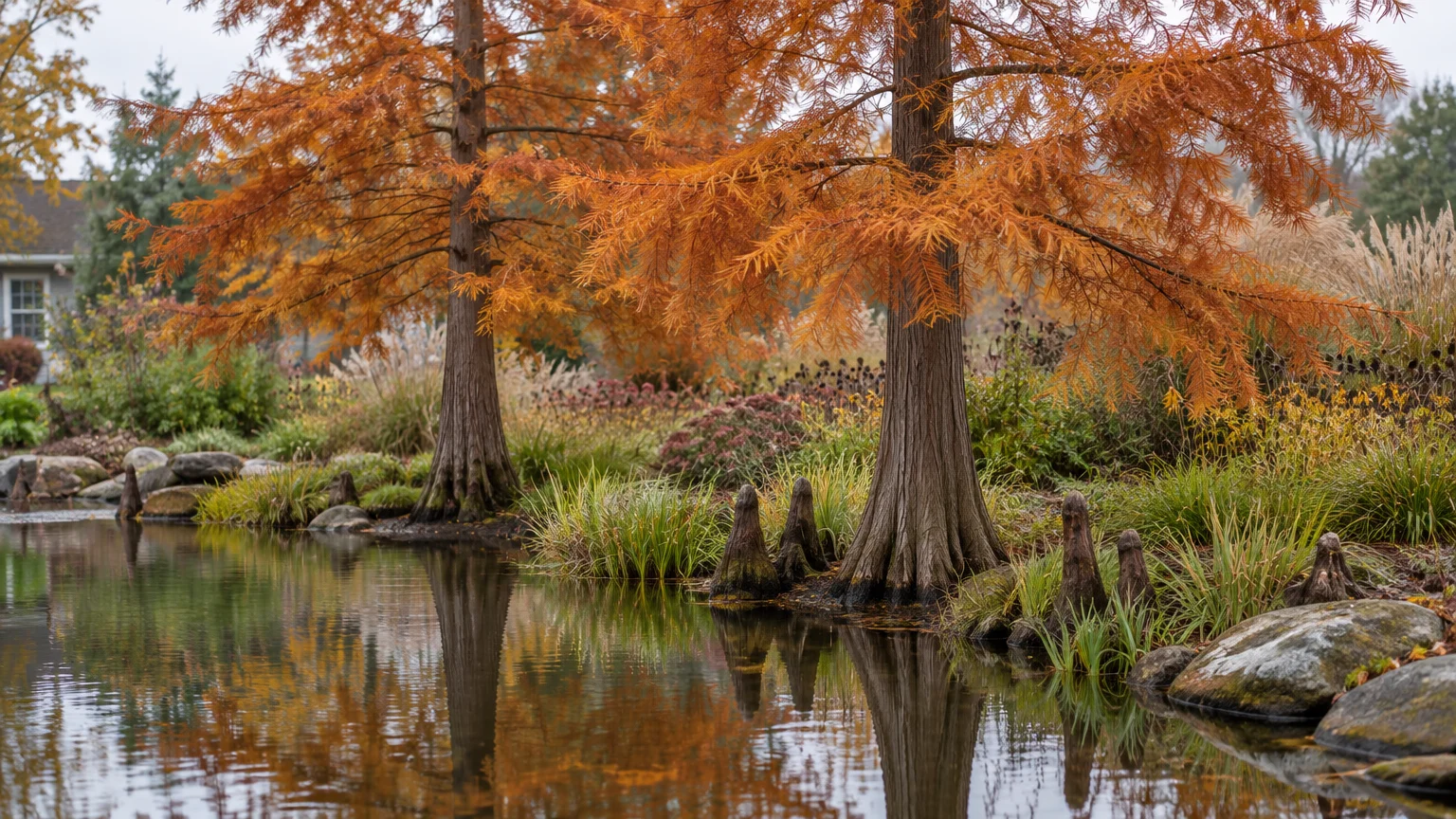
Tip #9: Bald Cypress (Taxodium distichum)
Bald cypress provides unexpected autumn glamour as one of the few deciduous conifers that drops its needles. In late fall, its feathery green foliage turns into an arresting shade of warm cinnamon and copper-bronze.
Rated for USDA Zones 4 through 10, this rugged tree performs exceptionally well in dry urban soils. While native to swampy lowlands, it readily adapts to standard backyard soils with regular watering.
Expect to spend $80 to $160 for a healthy container-grown tree at your local nursery center. Its slender, pyramidal growth habit makes it an elegant architectural specimen for medium and large properties.
The soft, shedding needles decompose rapidly on your lawn, creating nutrient-rich, weed-suppressing organic mulch without heavy raking. This self-mulching habit saves you hours of exhausting autumn yard maintenance each year.
Plant bald cypress at least six weeks before the first hard frost to promote rapid root establishment. Once settled, its wind-firm wood structure resists storm damage far better than most soft-wooded shade trees.
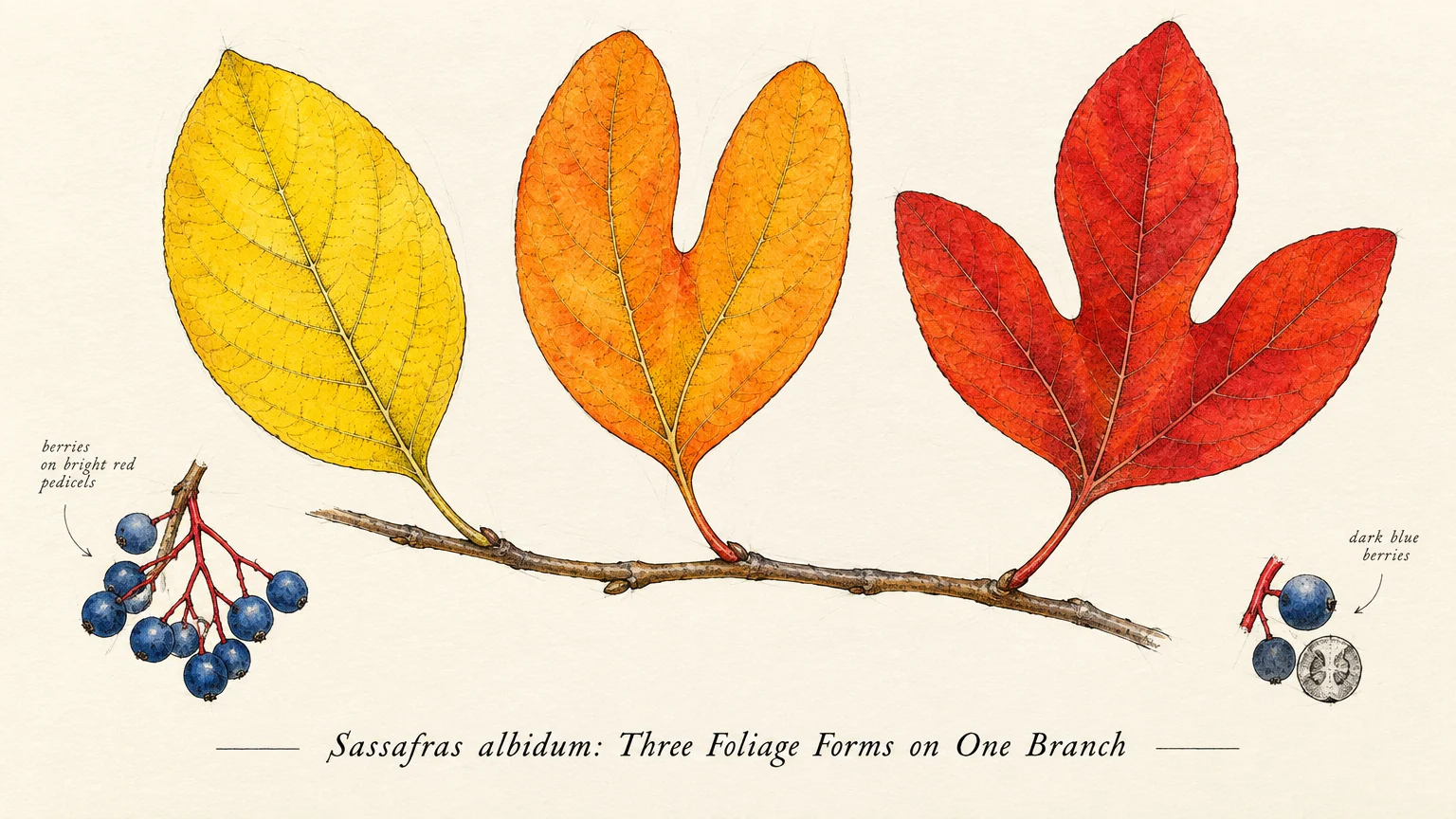
Tip #10: Sassafras (Sassafras albidum)
Sassafras delivers a vibrant autumn palette, displaying bright canary yellow, luminous orange, and deep crimson simultaneously. Its unique leaf shapes—oval, mitten-shaped, and three-lobed—add distinct visual interest to any garden setting.
This versatile native small-to-medium tree thrives across USDA Zones 4 through 9 in full sun or partial shade. It tolerates poor, dry soils where many non-native ornamental trees fail to establish properly.
You can purchase bare-root or container-grown sassafras saplings for $40 to $90 from native plant nurseries. Sassafras tends to form charming natural colonies unless you prune away the suckers at the trunk base.
In addition to spectacular leaf color, sassafras bark and crushed leaves release a delightful spicy citrus fragrance. Female trees also produce dark blue fruits on bright red stalks that songbirds quickly devour.
Incorporate sassafras into woodland borders or naturalized garden areas for effortless autumn drama without heavy maintenance. Its tough native constitution requires little supplemental fertilizing once its root system takes hold.
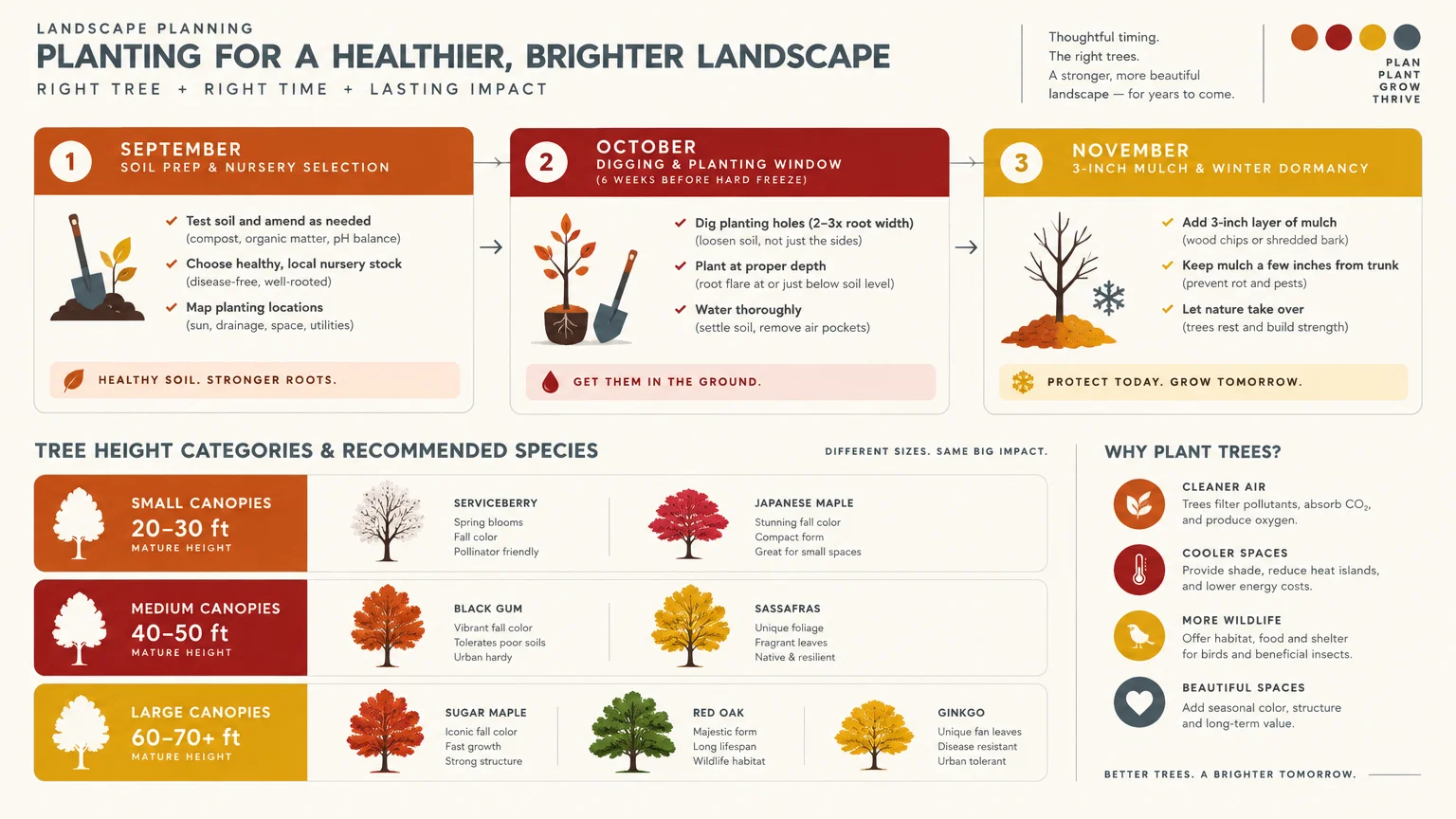
Putting It All Together: Enjoy Your Beautiful Garden
Selecting the right trees to plant for autumn color transforms your outdoor space into an annual masterpiece. Vibrant foliage enriches your landscape, elevates curb appeal, and provides vital ecological shelter for wildlife.
Always match your chosen species to the soil drainage, sunlight exposure, and space dimensions of your yard. Review the 2023 USDA Plant Hardiness Zone Map to verify cold hardiness before purchasing any sapling.
Time your planting efforts for the early autumn window to grant root systems sufficient recovery time. Planting at least six weeks before freezing weather ensures your trees wake up vigorous next spring.
Avoid invasive selections like Callery pear or burning bush by choosing resilient native alternatives instead. Native specimens like black gum, red oak, and serviceberry deliver superior visual rewards while protecting regional biodiversity.
Water your young trees thoroughly throughout their first autumn and insulate their roots with wood mulch. With thoughtful placement and proper early care, your autumn landscape will inspire admiration for decades ahead.
Take time this weekend to evaluate your property’s sunlight patterns and available yard dimensions. Choosing and planting the right autumn centerpiece today creates an enduring natural legacy you will cherish every single year.
Frequently Asked Questions
What triggers vibrant fall leaf color in shade trees?
Autumn leaf transformations depend on shortened daylight hours and cooler night temperatures above freezing. As sunlight diminishes, chlorophyll breaks down, unveiling underlying yellow and orange carotenoid pigments.
Sunny autumn afternoons combined with crisp, non-freezing nights stimulate extra sugar production in leaves. These trapped sugars produce intense anthocyanins, which generate the brilliant red and purple hues you admire.
Severe summer drought or sudden early freezes can interrupt this delicate biochemical process prematurely. Adequate soil moisture throughout late summer helps preserve leaf tissue for a longer, richer autumn display.
When is the best time of year to plant fall foliage trees?
Early autumn represents the ideal planting season for most deciduous shade and ornamental trees. Cooling air temperatures reduce canopy moisture stress while warm soil encourages rapid, uninterrupted root growth.
Aim to install container-grown or balled-and-burlapped trees at least six weeks before your first ground freeze. In most temperate hardiness zones, this planting window spans from early September through late October.
This schedule establishes strong roots before winter dormancy, giving your tree a powerful head start next spring.
Why should I avoid planting Callery pears or burning bush?
Callery pear and burning bush have escaped cultivation, invading natural forests and outcompeting vital native plant communities. Their aggressive spreading diminishes local biodiversity and damages wildlife habitats across dozens of states.
Many states, including Ohio, Pennsylvania, and Massachusetts, have enacted strict commercial sales bans against these invasives. Choosing native alternatives like black gum or serviceberry delivers superior color without harming your local ecosystem.
State agricultural agencies maintain comprehensive noxious weed registries to help gardeners choose non-invasive options. Replacing invasive specimens with native trees preserves regional woodland health while maintaining breathtaking property aesthetics.
How can I make my tree’s fall foliage more intense?
Site your fall foliage trees in full sunlight, as direct light fuels the production of red anthocyanin pigments. Trees planted in deep shade often turn dull brown or yellow instead of bright scarlet.
Avoid applying nitrogen-heavy fertilizers in late summer, which forces soft vegetative growth instead of autumn hardening. Provide consistent irrigation during summer dry spells to prevent premature leaf drop before peak season arrives.
Maintain a three-inch layer of organic mulch around the base to preserve optimal root temperature and moisture.
Test your soil pH periodically to confirm essential micronutrients remain readily bioavailable to the roots. Proper soil chemistry allows your deciduous trees to absorb nutrients efficiently and display their brightest potential colors.
For region-specific advice, consult your local University Extension program (find yours via the USDA directory). For plant databases and inspiration, visit the Missouri Botanical Garden or the Royal Horticultural Society.
Disclaimer: This article provides general gardening advice; always consider your specific climate, soil conditions, and local pests. Follow safety guidelines when using gardening tools and products.