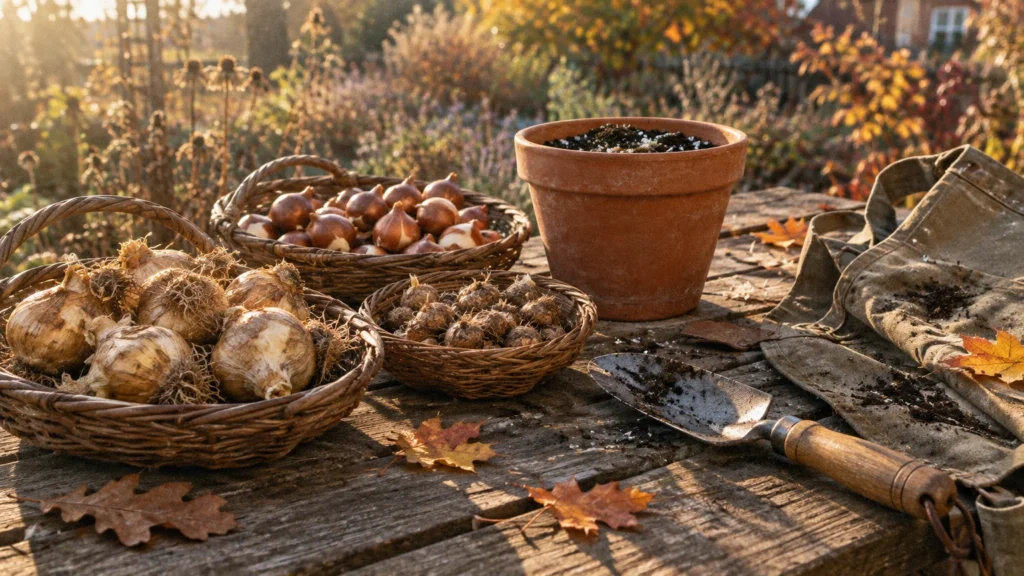
Planting spring-blooming bulbs during the crisp days of autumn unlocks an effortless burst of early season color. You bury dormant treasures now, and your landscape transforms into a vivid showcase after winter fades.
This practical fall planting guide simplifies your seasonal prep with proven varieties and clear soil depth rules. You will discover exactly which species thrive best and how to cultivate brilliant blooms with minimal effort.
A small investment of time before the first hard frost pays tremendous dividends across your flower beds. Grab your trowel and get ready to design an unforgettable spring landscape.
Tip #1: Daffodils
Daffodils are undeniably among the best spring flowering bulbs for reliable, cheerful blooms year after year. Their sunny yellow, cream, and apricot trumpets signal that warmer days have arrived.
Hungry deer and pesky rodents completely avoid daffodils because their tissues contain bitter lycorine. This natural pest resistance makes them virtually foolproof in vulnerable woodland borders.
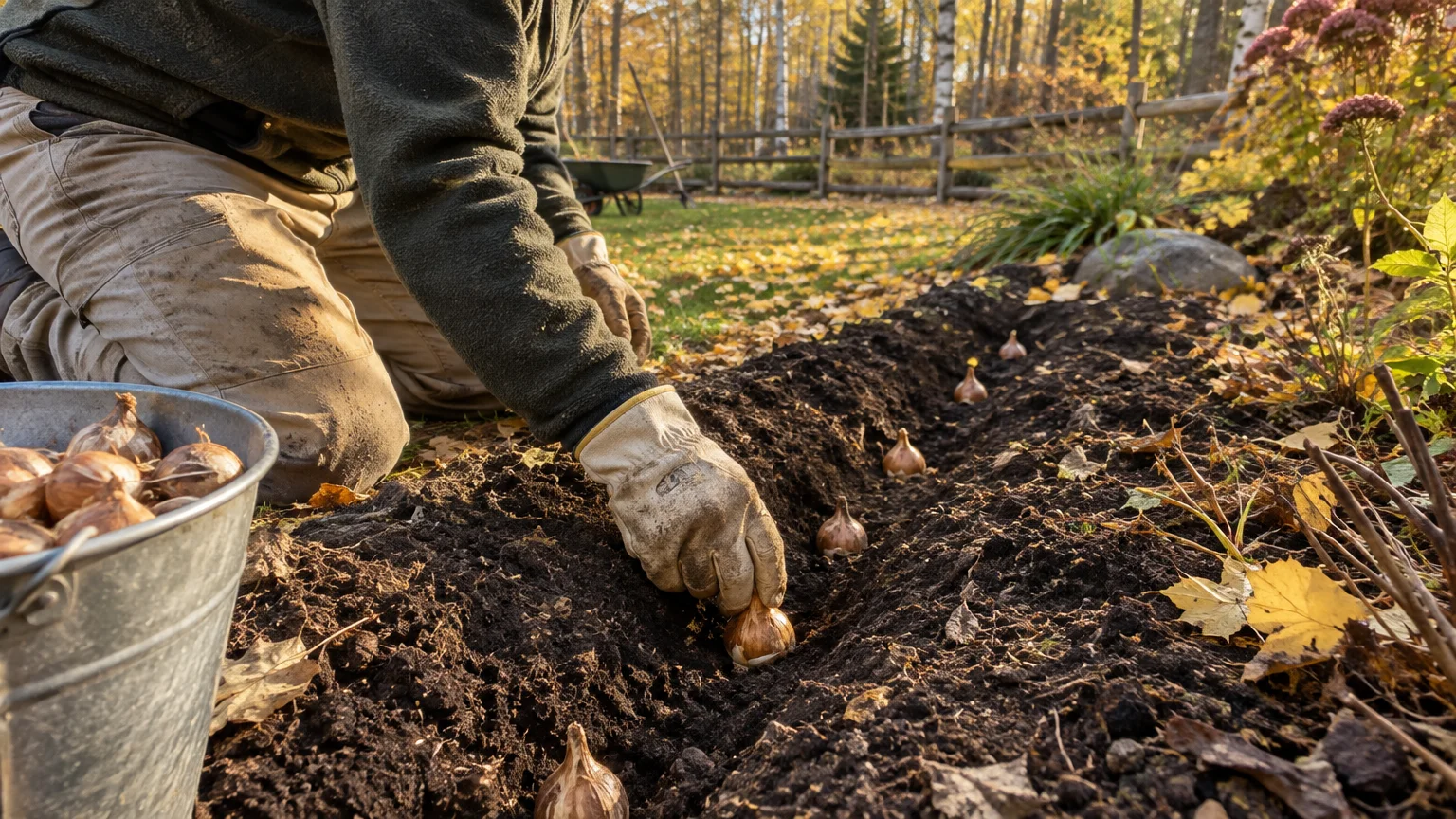
Plant these resilient bulbs pointed-end up at a depth of six to eight inches in well-draining soil. Space them four to six inches apart in full sun to partial shade for dense, vibrant clusters.
Allow the foliage to die back completely after flowering in late spring. This vital step lets the underground bulbs recharge their energy reserves for next season’s display.
Combine early-blooming varieties like Tete-a-Tete with late-flowering poeticus daffodils. This simple strategy delivers continuous yellow blossoms across six full weeks of spring.
Tip #2: Tulips
Tulips deliver dramatic spring garden color through an astonishing spectrum of saturated tones, from deep plum to fiery coral. Their elegant cup-shaped blossoms create breathtaking focal points in formal beds and patio containers.
Many gardeners wonder when to plant tulip bulbs to achieve peak performance. Wait until soil temperatures consistently drop below 55°F, usually six weeks before the ground freezes in late autumn.
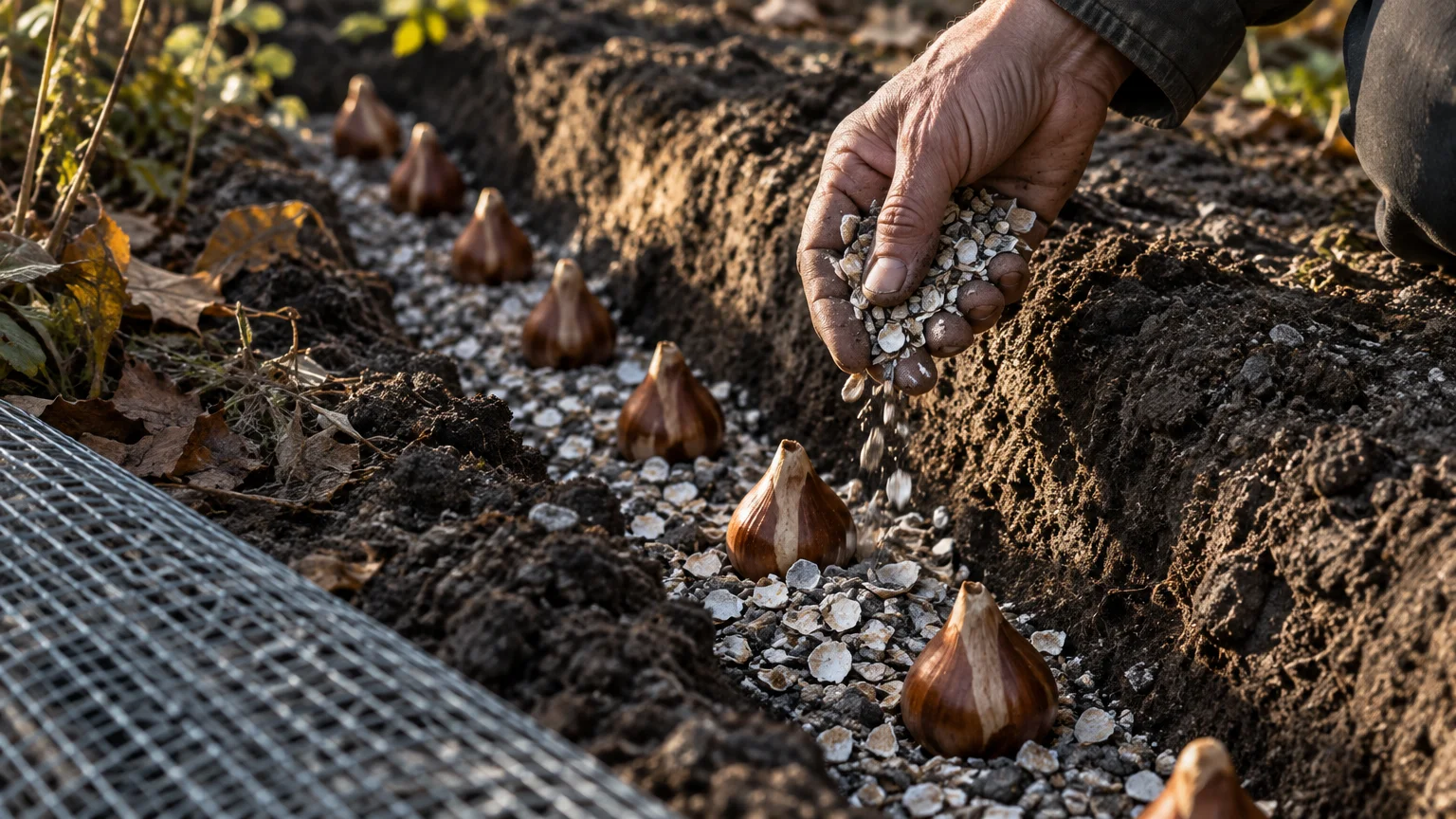
Dig your planting trench six to eight inches deep in a sunny spot with excellent drainage. Tulips demand loose soil because excess moisture causes the bulbs to rot rapidly during winter dormancy.
Treat standard hybrid tulips as annuals for maximum floral size, or choose botanical species tulips for dependable perennial returns. Species tulips return reliably every year with minimal intervention.
Dust the surrounding soil with crushed oyster shells or sharp gravel to deter curious digging squirrels. You can also place heavy wire mesh over the planting trench for foolproof rodent defense.
Tip #3: Crocus
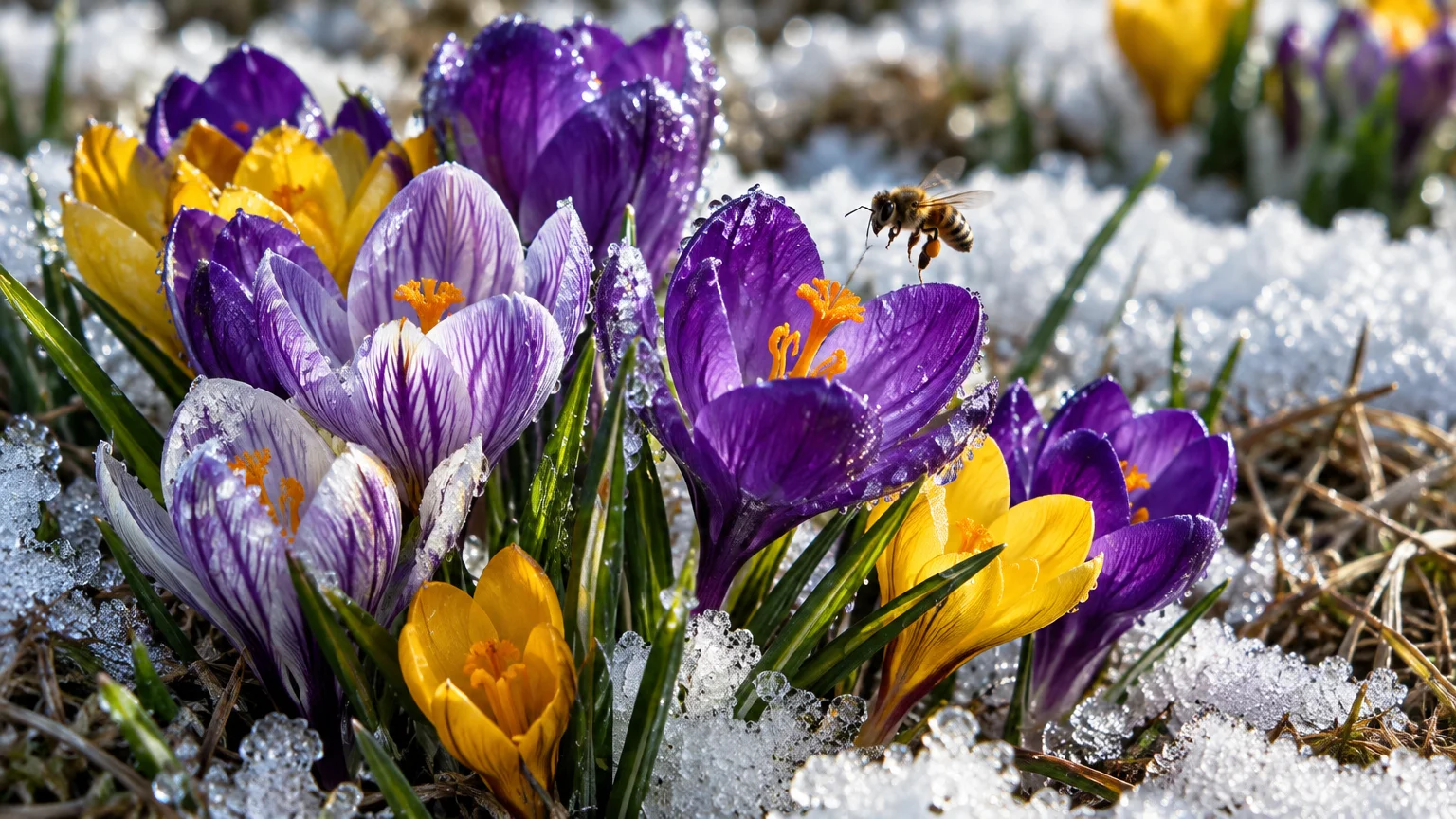
Crocus blossoms provide some of the earliest nectar for waking honeybees when snow still covers the landscape. Their delicate purple, white, and golden chalices open wide on bright, sunny afternoons.
These petite gems multiply vigorously over time, forming expansive floral carpets across garden beds. They are essential fall bulbs to plant if you dream of naturalizing your front lawn.
Plant the small corms three inches deep and three inches apart in late autumn. If you tuck them under turfgrass, simply slice open small sod flaps and slide the corms underneath.
Crocus foliage fades quickly before your lawn requires its first spring mowing. Ensure they receive ample sunlight before nearby deciduous trees produce their dense canopy of leaves.
Snow crocuses bloom two weeks ahead of giant Dutch varieties. Plant both species together to extend your early carpet of jewel-toned blossoms.
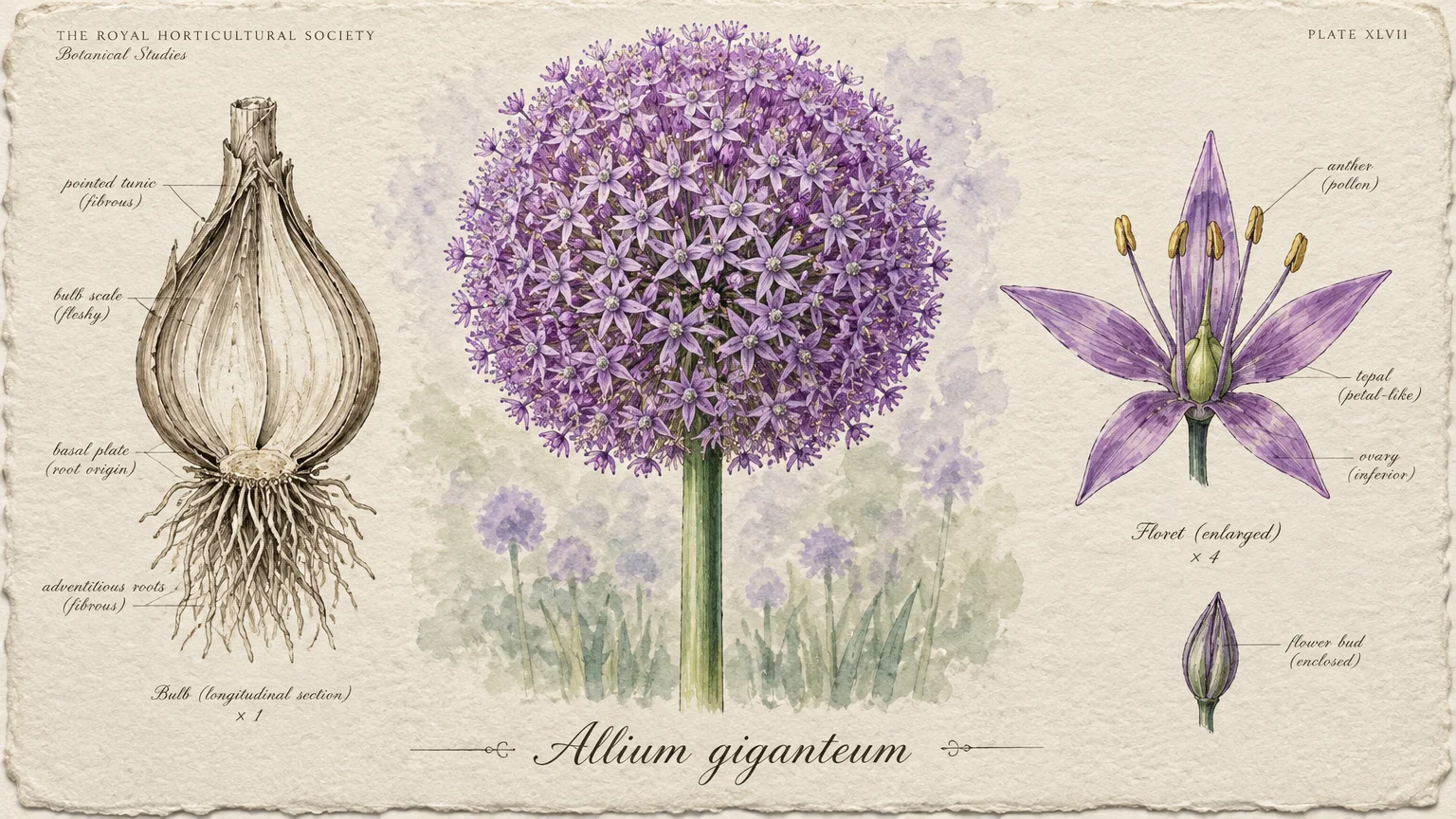
Tip #4: Giant Alliums
Giant alliums bring unmatched architectural grandeur to late spring borders with their spherical, lilac-purple flower heads. These towering globes sit atop sturdy, leafless stems that sway gracefully in seasonal breezes.
Because alliums belong to the onion family, deer, rabbits, and voles strictly steer clear of them. Their distinctive scent acts as an invisible shield against grazing wildlife.
Bury these large bulbs eight inches deep in warm, gritty soil that receives all-day sunlight. Position them toward the middle or back of mixed perennial borders where surrounding plants conceal their fading leaves.
Excellent soil drainage prevents these bulbs from deteriorating during damp winter spells. Add a handful of sharp horticultural sand beneath each bulb if your garden has heavy clay.
Leave the dried seed heads standing long after the blooms fade. They add captivating sculptural texture to your garden through late summer and autumn.
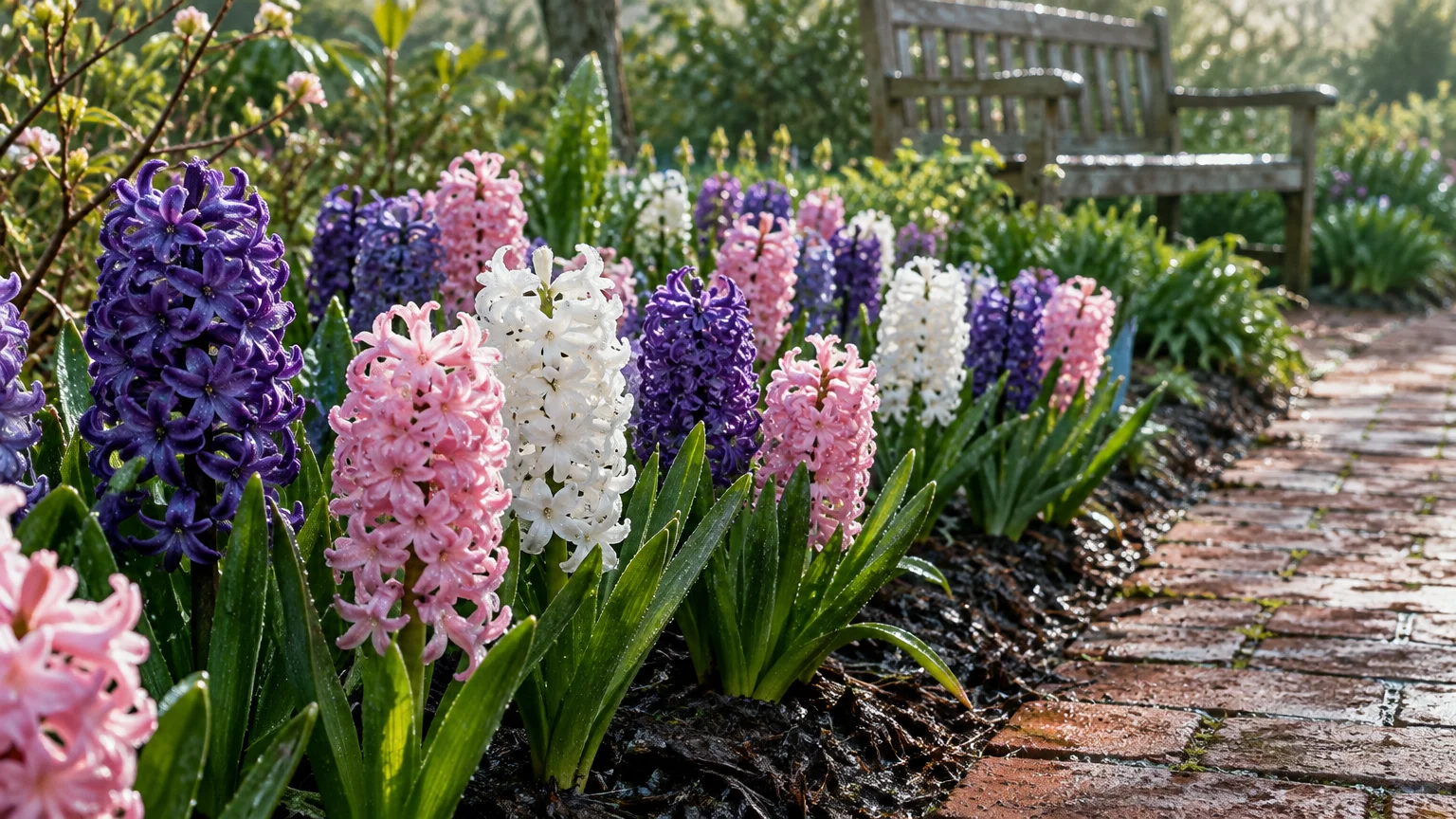
Tip #5: Hyacinths
Hyacinths are celebrated for their intensely sweet fragrance and densely packed spires of starry florets. They arrive in an exquisite palette of royal blue, blush pink, rich violet, and pristine white.
Plant hyacinth bulbs near walkways, doorways, and patio seating areas where you can savor their intoxicating perfume. Their neat, upright posture also makes them top contenders for decorative spring window boxes.
Position the bulbs four to six inches deep with their pointed noses aimed toward the sky. Space them roughly five inches apart in fertile, moisture-retentive yet free-draining garden soil.
Wear gardening gloves when handling hyacinth bulbs to prevent skin irritation caused by microscopic calcium oxalate crystals. Always provide full morning sun to prevent the heavy flower stalks from leaning.
Stake tall flower spikes in windy locations to keep them standing tall through spring storms. Alternatively, cut the heavy blooms early to perfume your indoor living spaces.
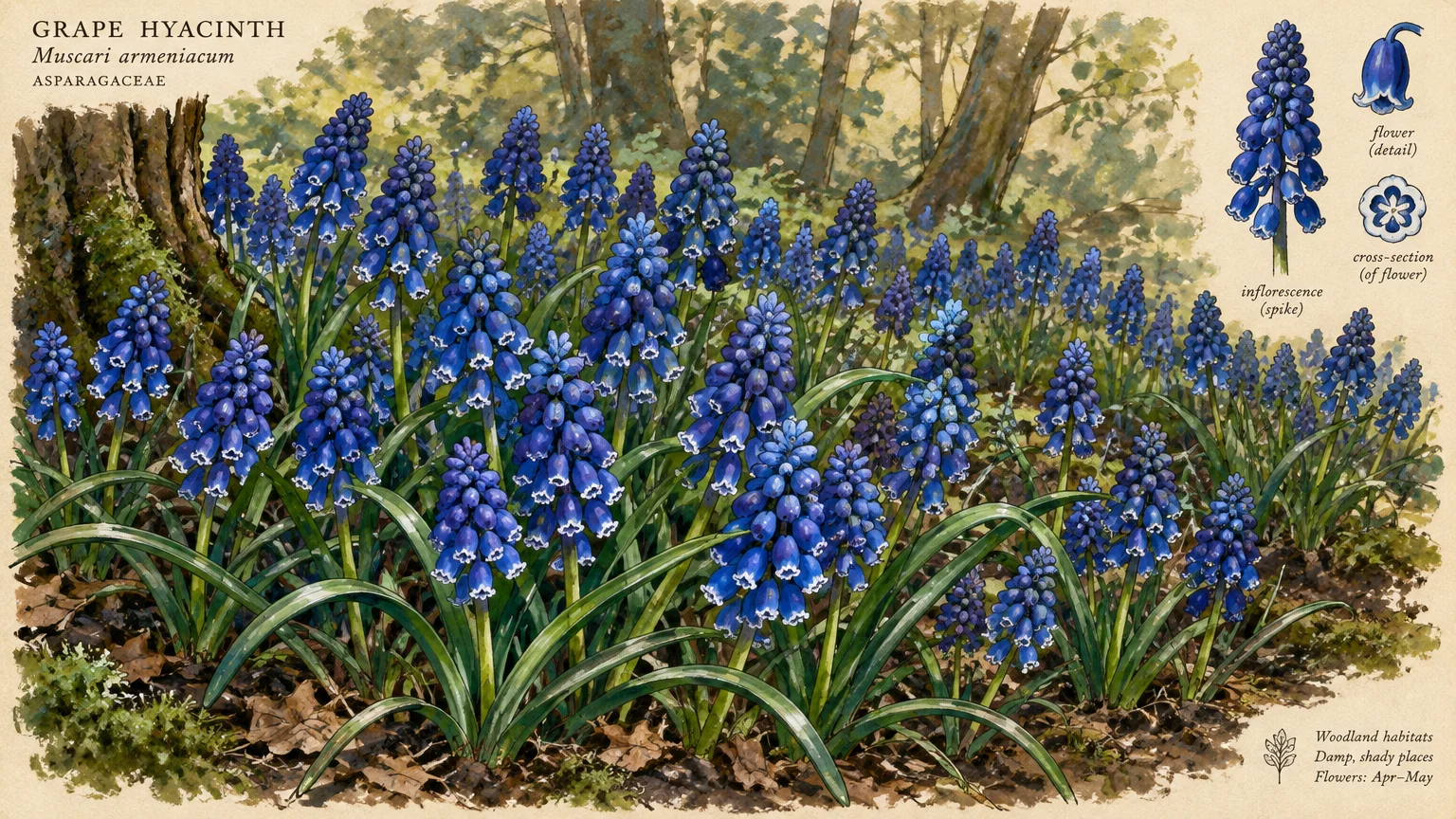
Tip #6: Grape Hyacinths
Grape hyacinths produce tight clusters of tiny, bell-shaped flowers that resemble inverted bunches of grapes. Their cobalt and indigo hues create sensational river-like ribbons weaving through taller spring plantings.
These vigorous perennial bulbs reproduce rapidly by offsets and seeds, establishing dense colonies within a few seasons. They serve as an ideal underplanting beneath golden daffodils or blossoming fruit trees.
Plant the miniature bulbs three to four inches deep and three inches apart during mid-fall. They settle quickly in almost any soil type as long as standing water does not linger.
Do not panic if grape hyacinths send up clumps of thin foliage in early autumn. This leafy growth is completely normal and protects the underground bulbs through harsh winter freezes.
Edge your garden paths with these petite perennials to create an enchanting blue border. Their vivid color intensifies year after year as the colonies expand naturally.
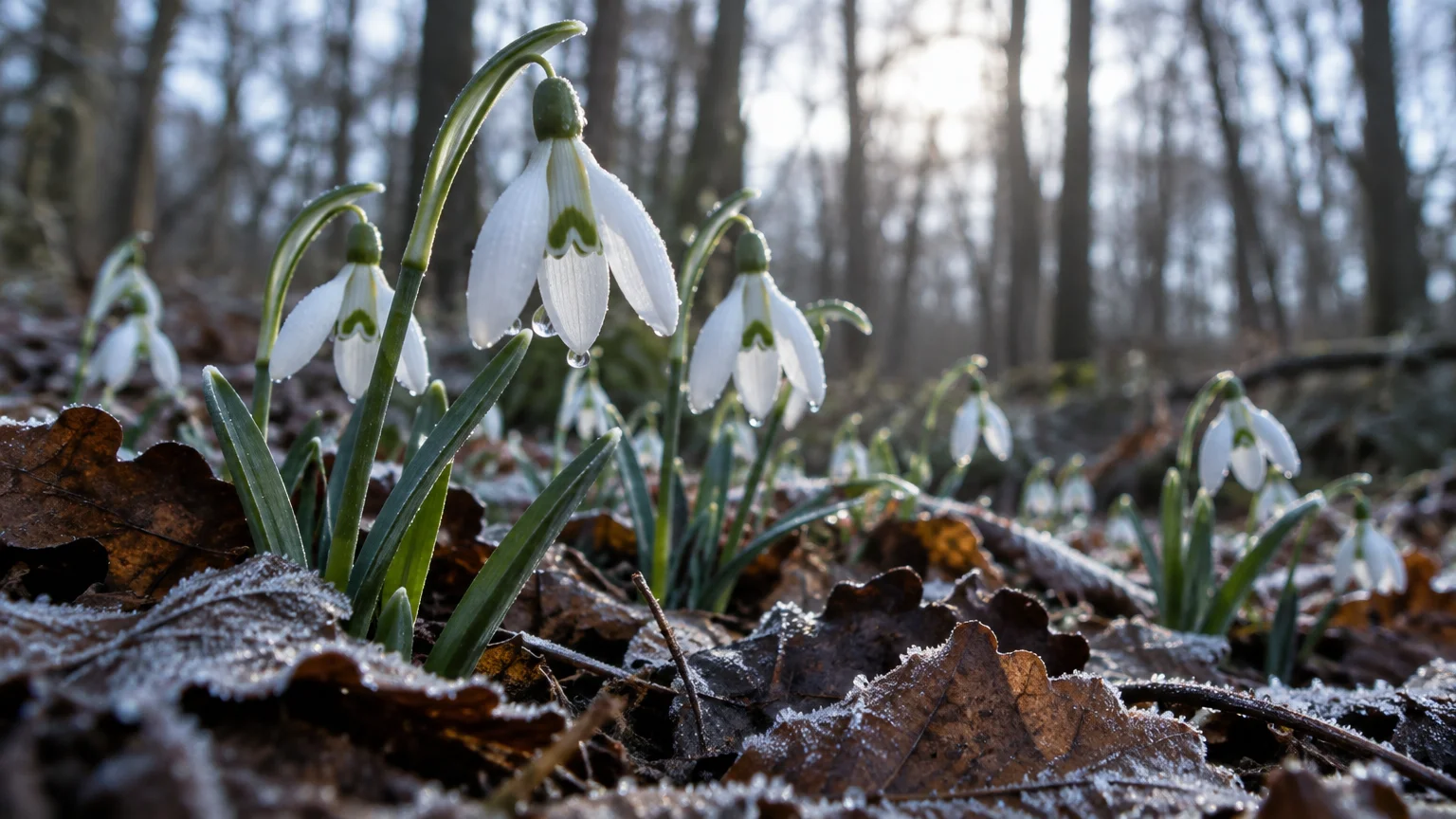
Tip #7: Snowdrops
Snowdrops are brave harbingers of the new gardening season, frequently pushing their emerald shoots through frozen crusts. Their nodding white blossoms feature charming emerald markings on the inner petals.
These dainty woodland natives naturalize effortlessly in moist, dappled shade under deciduous shrubs. They offer welcome reassurance that the depths of winter have finally surrendered to spring.
Plant snowdrop bulbs three inches deep and two to three inches apart in humus-rich, organic soil. They prefer environments that remain cool and slightly damp during their dormant summer rest.
Purchase and plant them promptly in early fall because their small bulbs dry out faster than larger varieties. Planting in sweeping drifts yields the most natural and dramatic visual impact.
Divide dense snowdrop clumps in early spring right after flowering while the leaves remain green. This technique, called planting in the green, ensures swift establishment in new garden beds.
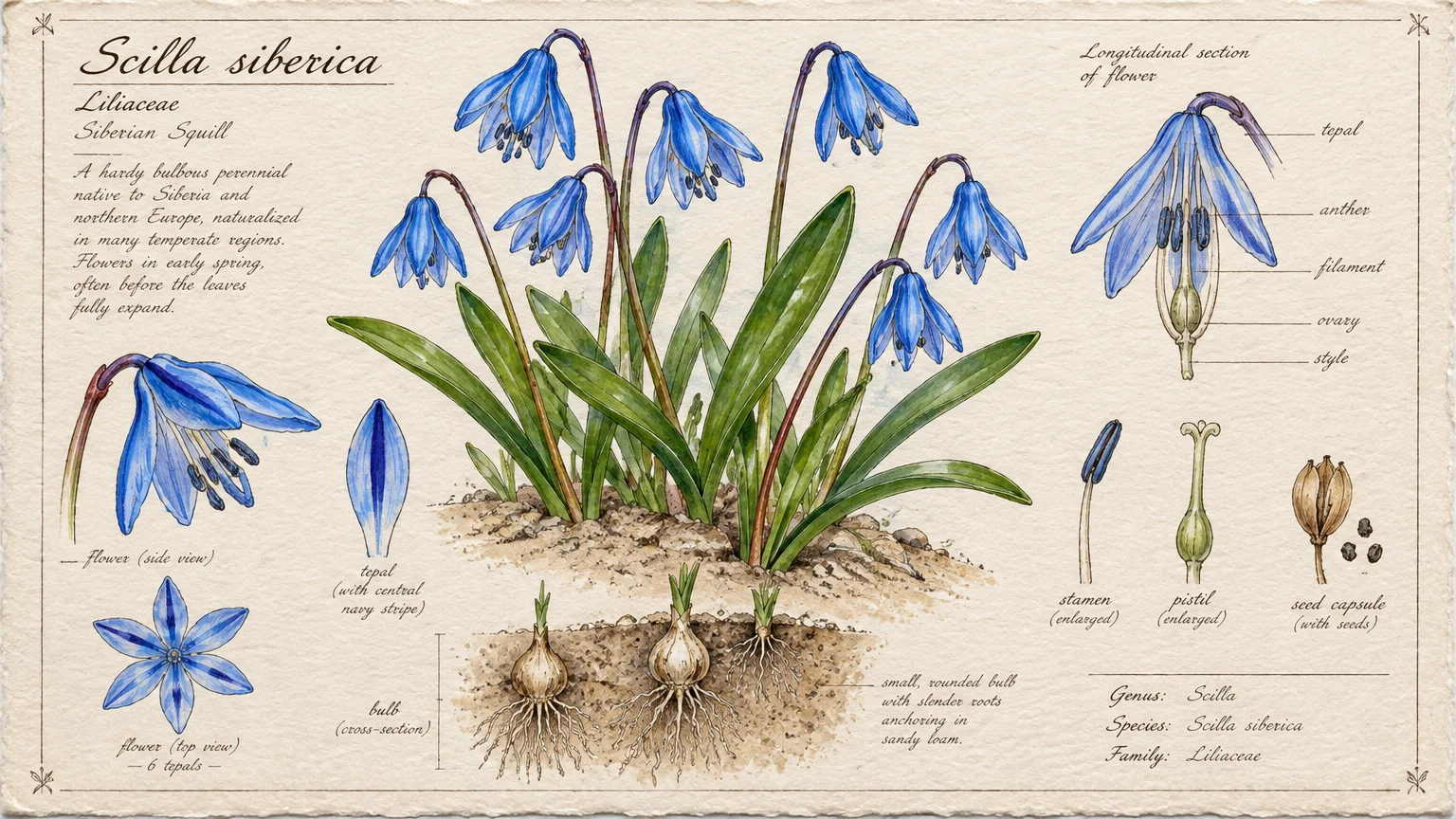
Tip #8: Siberian Squill
Siberian squill transforms garden beds into mesmerizing seas of vivid sky blue as winter recedes. Each slender stem bears several nodding, bell-shaped flowers that catch early season light beautifully.
This rugged plant ranks among the cold-hardiest bulbs known to horticulturists, easily enduring sub-zero temperatures. It spreads persistently to create ground-covering tapestries beneath mature shade trees.
Tuck the diminutive bulbs three inches into the earth, spacing them roughly two to three inches apart. They thrive in ordinary garden soil across full sun, semi-shade, and woodland settings.
Pair squill with early yellow crocuses or miniature narcissus for a striking complementary color contrast. The foliage dissolves cleanly by late spring without cluttering your emerging summer perennials.
Broadcast bulbs randomly over woodland borders rather than arranging them in rigid rows. This planting method produces an effortless, naturally dispersed forest carpet when spring arrives.
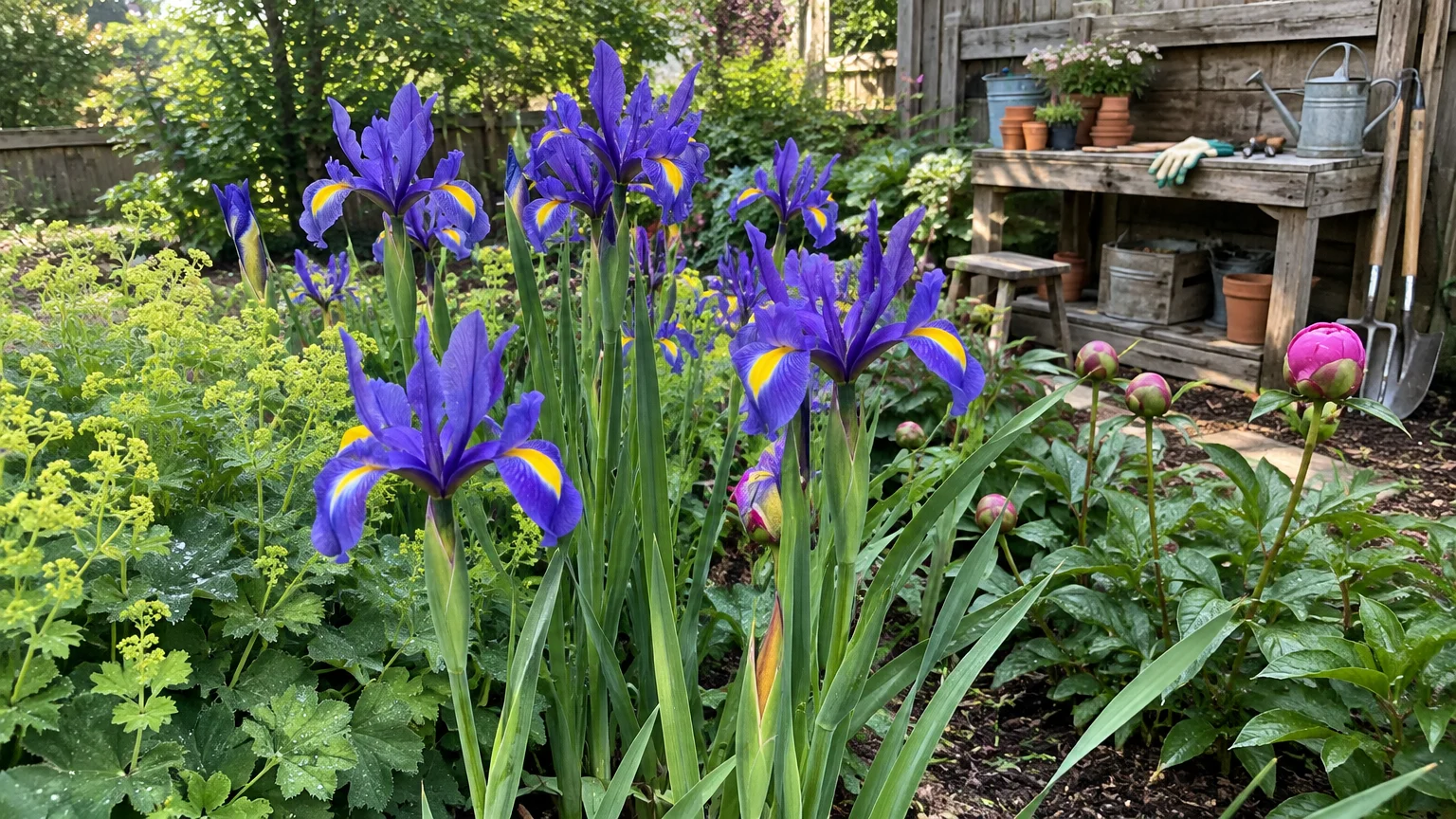
Tip #9: Dutch Iris
Dutch irises showcase exquisite, orchid-like flowers with delicate upright standards and sweeping, painterly falls. Their elegant blue, purple, bronze, and yellow blossoms bring refined sophistication to mid-spring borders.
Florists covet these statuesque bloomers because their straight, sturdy stems last over a week in floral arrangements. Growing them in your cutting garden guarantees endless fresh bouquets for your home.
Install Dutch iris bulbs four inches deep and four inches apart in full sun. Ensure your soil drains quickly; wet winter ground causes their fleshy root systems to decline rapidly.
Group them in tight clusters of ten to fifteen bulbs rather than straight single rows. This clustering technique produces a dense, stunning splash of color that anchors your spring beds.
Feed emerging shoots with dilute organic liquid fertilizer when flower buds first become visible. This gentle feeding promotes richer petal colors and extends bloom longevity significantly.
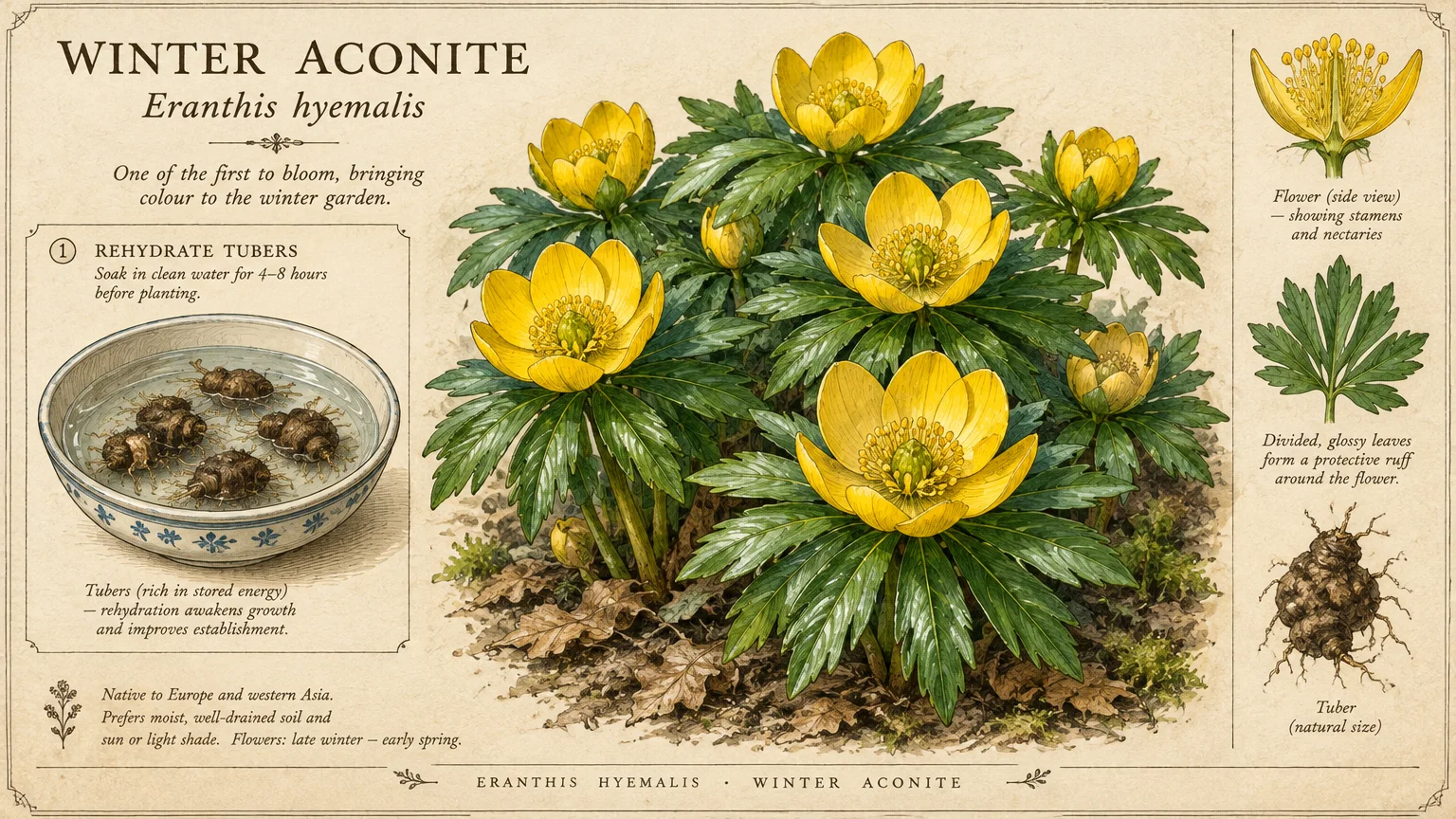
Tip #10: Winter Aconite
Winter aconite brightens the bleak late-winter garden with cup-shaped, buttercup-like flowers surrounded by green ruffled collars. These sunny blooms frequently appear alongside early snowdrops while frost still coats the soil.
These resilient woodland plants form spreading groundcovers that thrive in the rich soil beneath deciduous trees. They provide critical early foraging opportunities for newly emerged beneficial insects.
Soak the shriveled, pebble-like tubers in lukewarm water for several hours before planting them. This essential rehydration step encourages rapid root development and ensures strong spring emergence.
Plant them two to three inches deep in moist, well-composted soil that drains freely. Allow them to self-seed undisturbed across shady slopes and woodland groves for maximum naturalized beauty.
Mark your planting locations carefully with bamboo stakes so you do not accidentally disturb dormant tubers during summer weeding. They slumber safely below ground until winter returns.
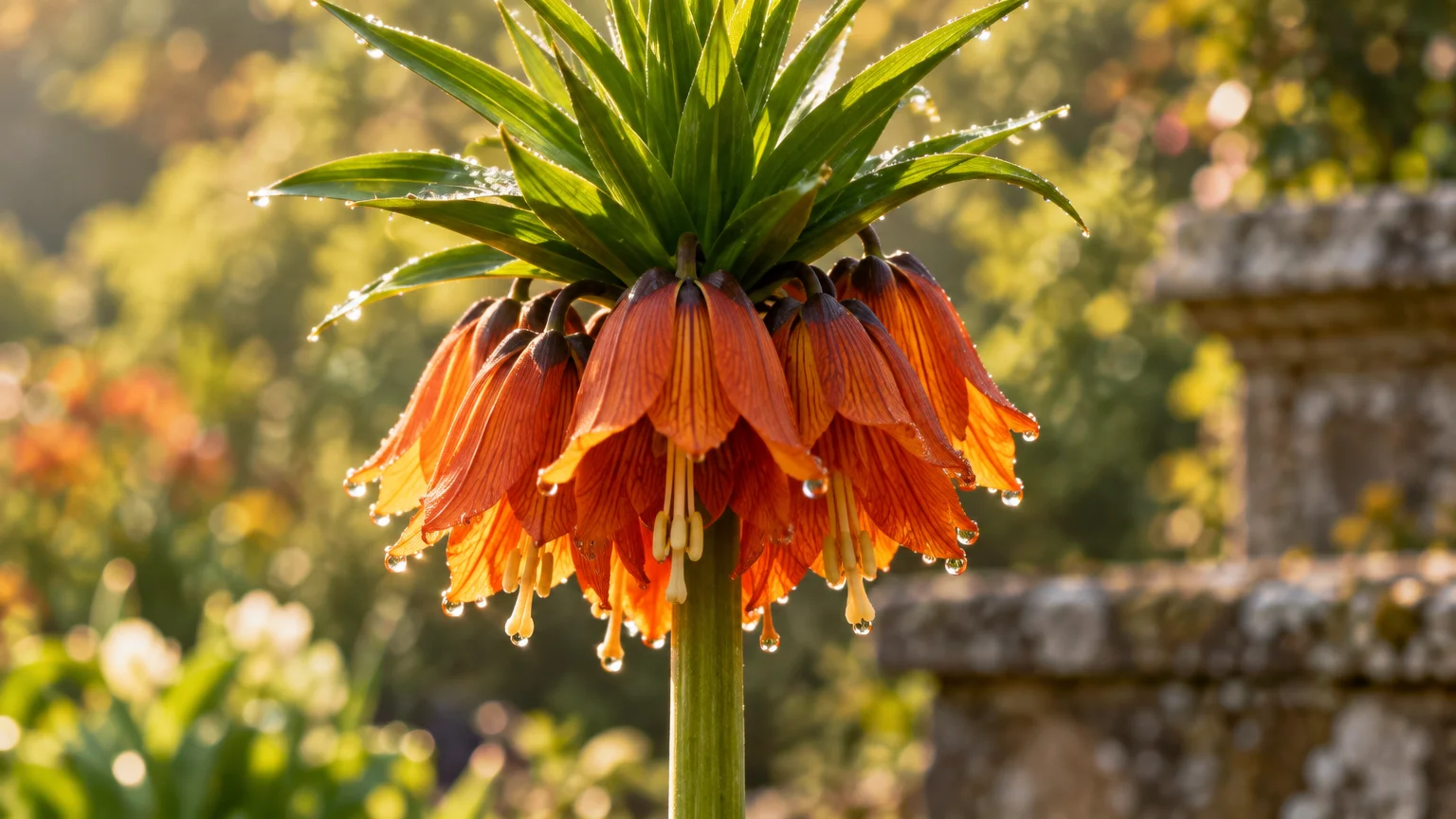
Tip #11: Crown Imperial
Crown imperial commands attention with its majestic, two-to-three-foot stalks topped by a crown of glossy bracts. Beneath this leafy crest hangs a circle of pendulous, bell-shaped orange or yellow flowers.
The entire plant emits a pungent, musky aroma that acts as a powerful natural repellent against subterranean rodents. Placing a few bulbs near prized plantings keeps hungry voles and moles away.
Bury these substantial bulbs six to eight inches deep in loose, fertile soil under full sun. Tilt each bulb slightly on its side when planting so water cannot collect in its hollow center.
Excellent drainage is vital because standing moisture quickly damages dormant fritillaria crowns. Mix generous handfuls of coarse horticultural grit into heavy soils to protect their roots.
Provide sheltered positioning away from fierce winds that might topple these tall, exotic flower spikes. Their dramatic appearance creates an unforgettable focal point in early May borders.
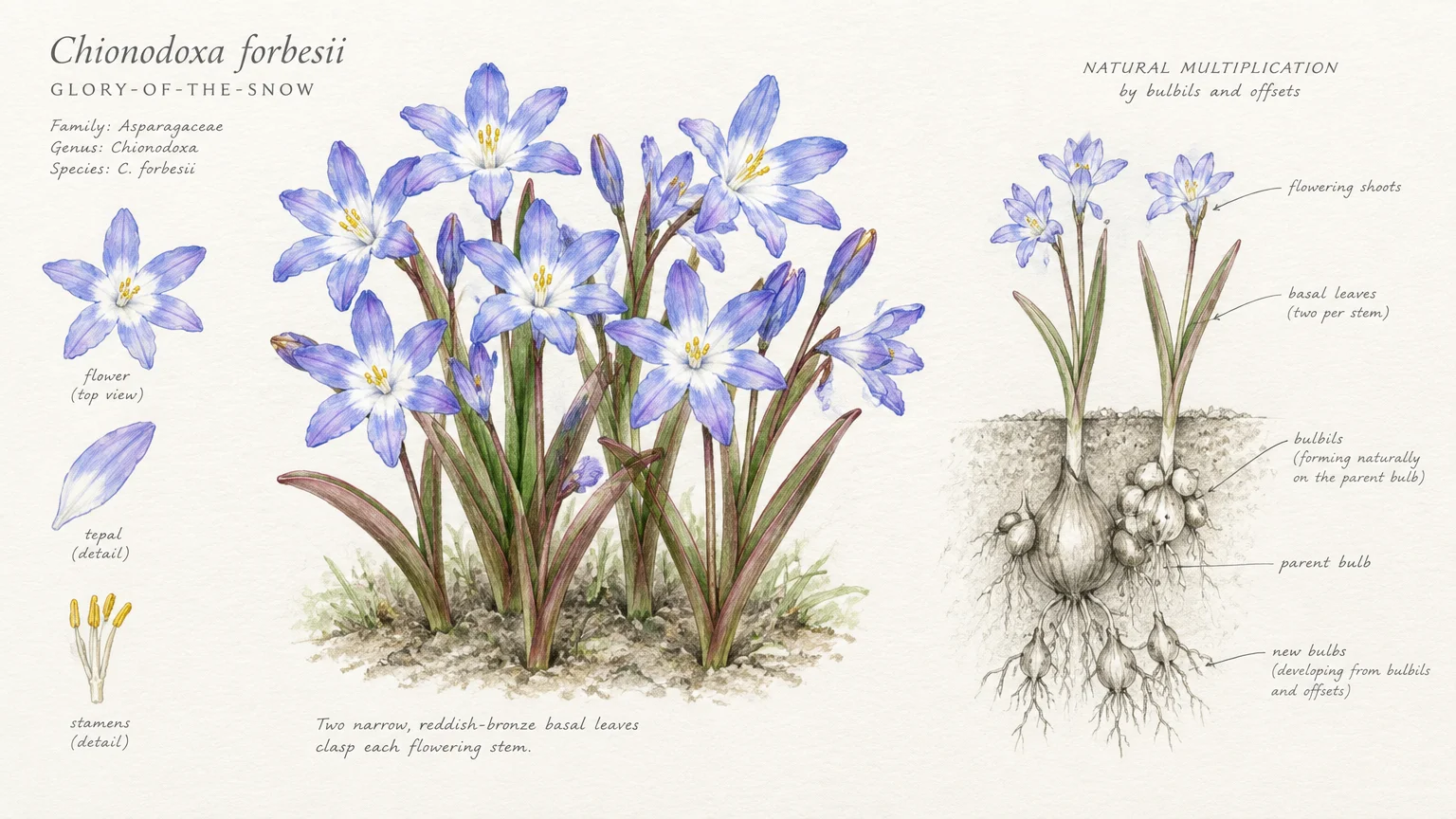
Tip #12: Glory-of-the-Snow
Glory-of-the-snow produces upward-facing, star-shaped blossoms in lovely shades of violet-blue with clean white centers. As their name suggests, these resilient beauties often flower while late snow dusts the garden.
They multiply freely without becoming invasive, creating broad, sparkling ribbons through rockeries and along borders. They adapt seamlessly to varied garden styles, from rustic cottage beds to manicured paths.
Set the small bulbs three inches deep and two to three inches apart in autumn. They flourish in full sunlight or light partial shade beneath dormant shrubs and open tree canopies.
Combine glory-of-the-snow with early daffodils to create a classic blue-and-gold spring display. After flowering, their thin foliage dies back unobtrusively, requiring zero maintenance from you.
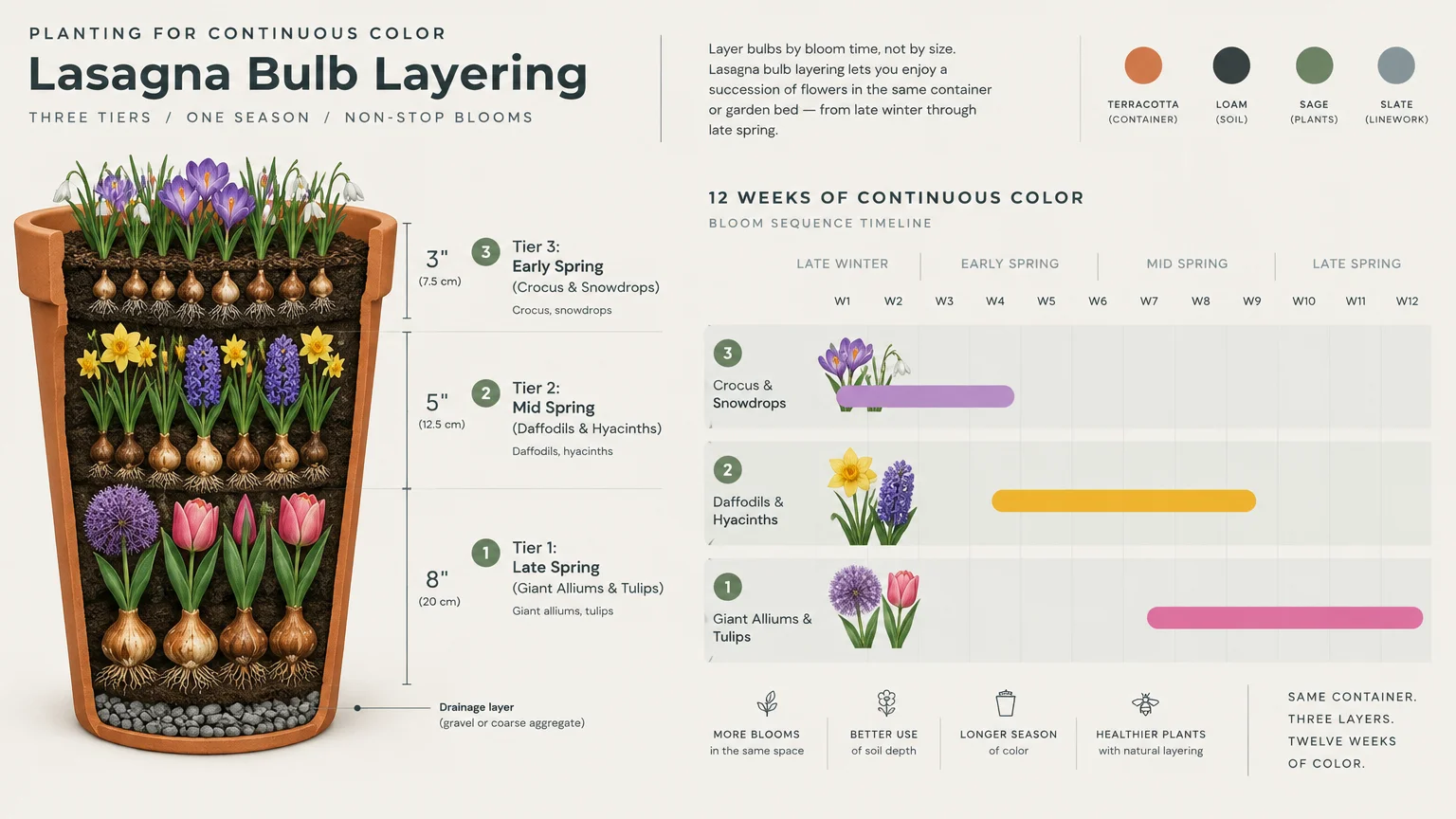
Plant them generously in terracotta pots layered above deeper-planted tulips. This clever container-stacking method gives you continuous waves of overlapping spring color in compact patio spaces.
Putting It All Together: Enjoy Your Beautiful Garden
Designing an unforgettable spring landscape begins by layering different bulb varieties to extend your bloom succession. Plant early snowdrops and crocuses alongside mid-season daffodils and late-blooming alliums.
Dig your planting holes to a depth roughly two to three times the bulb’s physical height. Always place the pointed stem end facing upward and the root plate resting firmly on the soil base.
Water your newly planted bulbs thoroughly right after planting to settle the soil and eliminate air pockets. This moisture jumpstarts underground root formation before the winter freeze settles in.
Add a two-inch layer of shredded bark mulch over your beds to regulate temperature swings. This protective blanket keeps soil cool and prevents premature sprouting during unseasonable winter thaws.
Document where you bury your bulbs by taking quick photos of your beds before mulching. These visual records prevent you from digging into established bulbs when planting summer annuals later.
With careful planning and straightforward autumn planting, your garden will burst into life with vibrant energy. You will celebrate the changing seasons with an inspiring, colorful display right outside your window.
For region-specific advice, consult your local University Extension program (find yours via the USDA directory). For plant databases and inspiration, visit the Missouri Botanical Garden or the Royal Horticultural Society.
Frequently Asked Questions
How late in the fall can you plant spring bulbs?
You can plant spring bulbs as long as the ground remains workable and is not completely frozen solid. Even late December plantings succeed if you can dig down to the proper planting depth.
Bulbs require twelve to sixteen weeks of chilling temperatures between 35°F and 45°F to initiate flower buds. Planting before the soil hardens ensures they receive adequate root development time.
Do spring bulbs need fertilizer at planting time?
Dormant spring bulbs already contain all the stored food and energy necessary to produce their first season’s flowers. Adding fertilizer directly into the planting hole is generally unnecessary and may burn tender young roots.
Mix compost or a balanced, slow-release bulb fertilizer into the topsoil as shoots emerge in spring. This targeted nourishment replenishes the bulb for subsequent years of vigorous flowering.
How do you protect newly planted bulbs from squirrels and mice?
Lay chicken wire or hardware cloth over your planted beds and secure the edges with landscape staples. You can cover the wire with two inches of mulch to keep your garden looking tidy.
Alternatively, plant naturally unpalatable bulbs like daffodils, alliums, and crown imperials around your vulnerable tulips. Rodents dislike their bitter taste and strong odor, leaving the surrounding plantings alone.
Should you water bulbs during the winter months?
Provide a deep, thorough watering immediately after planting to activate root growth. Autumn rains and winter snowmelt typically provide all the moisture dormant bulbs require through the colder months.
Only irrigate your beds during extended, unseasonably dry autumns if the top four inches of soil become parched. Excess moisture during cold weather increases the risk of fungal rot and bulb loss.
Disclaimer: This article provides general gardening advice. Always consider your specific climate, soil conditions, and local pests. Follow safety guidelines when using gardening tools and products.