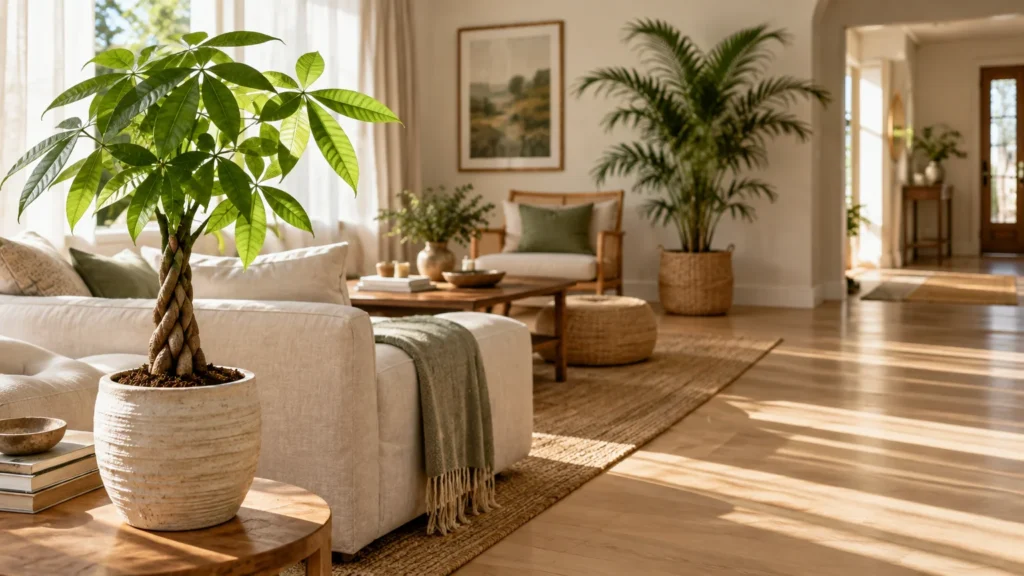
Planting herbs directly into your garden beds unlocks robust root systems, explosive seasonal growth, and richer culinary flavors. Ground soil buffers intense summer heat and retains steady moisture far better than cramped plastic containers.
An in-ground herb garden also cuts your daily watering chores in half while anchoring resilient perennial herbs across changing seasons. Your native earth provides vital trace minerals that synthetic potting mixes quickly lose after repeated waterings.
These twelve dependable herbs will transform your outdoor herb gardening space into a thriving, fragrant pantry right outside your kitchen door.
Tip #1: Rosemary
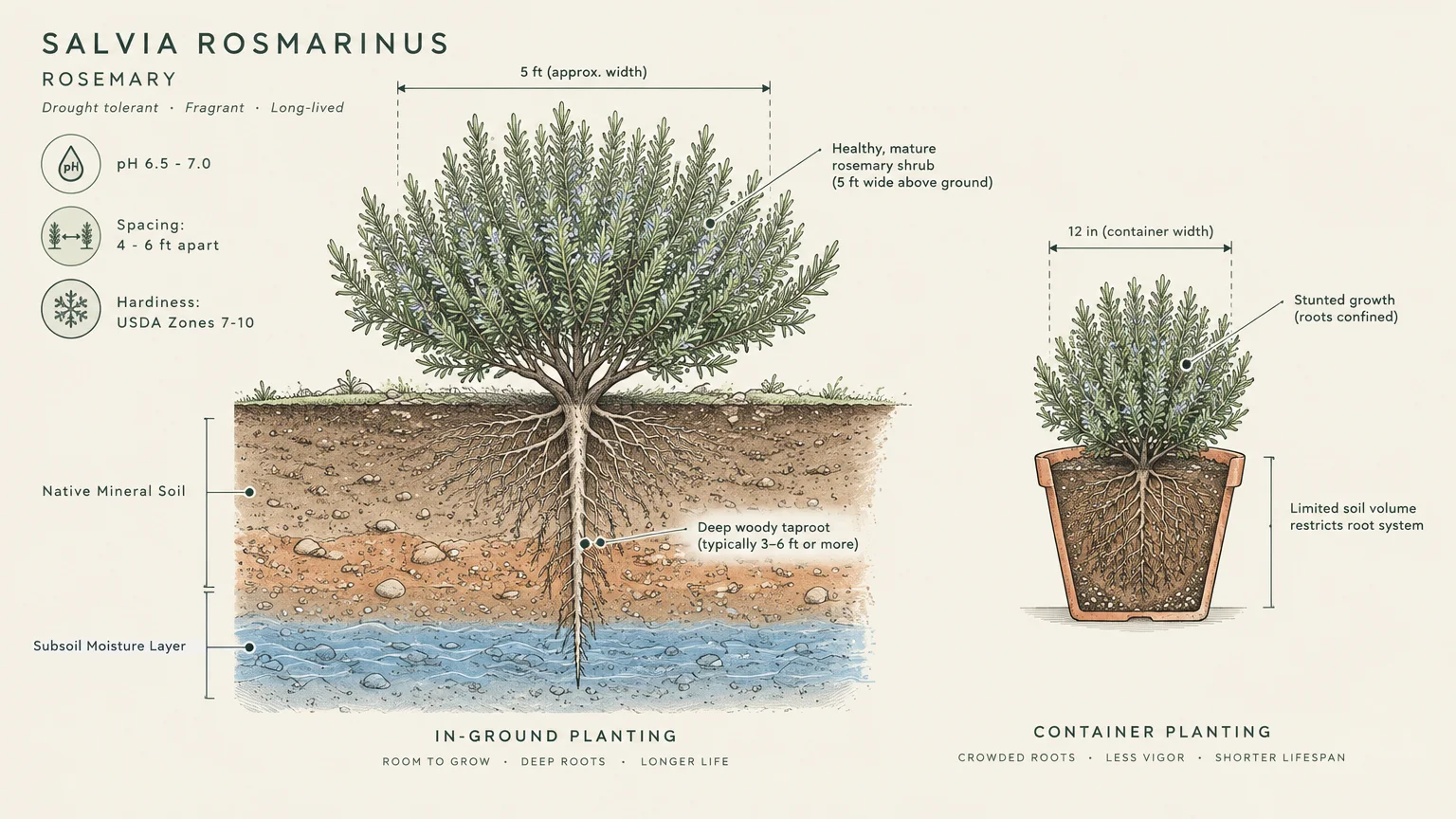
Rosemary (Salvia rosmarinus) develops deep, anchoring taproots that suffer when restricted inside shallow pots. In garden soil, this Mediterranean evergreen matures into a sturdy shrub reaching up to five feet across.
Plant rosemary in full sunlight where soil drains rapidly and maintains a neutral pH between 6.5 and 7.0. Native mineral soil helps the plant establish a woody frame capable of surviving harsh weather.
In USDA hardiness zones 7 through 10, rosemary thrives as one of the most reliable perennial herbs to plant in the ground. The expansive soil mass insulates root crowns during freezing winter nights.
Water newly transplanted rosemary weekly during its first month in the ground. Once established, deep roots draw residual ground moisture naturally, requiring supplemental water only during prolonged summer droughts.
Space your plants four to six feet apart to encourage generous airflow around the needle-like foliage. Proper air circulation prevents powdery mildew and keeps the fragrant branches harvest-ready all year.
Tip #2: Garden Thyme
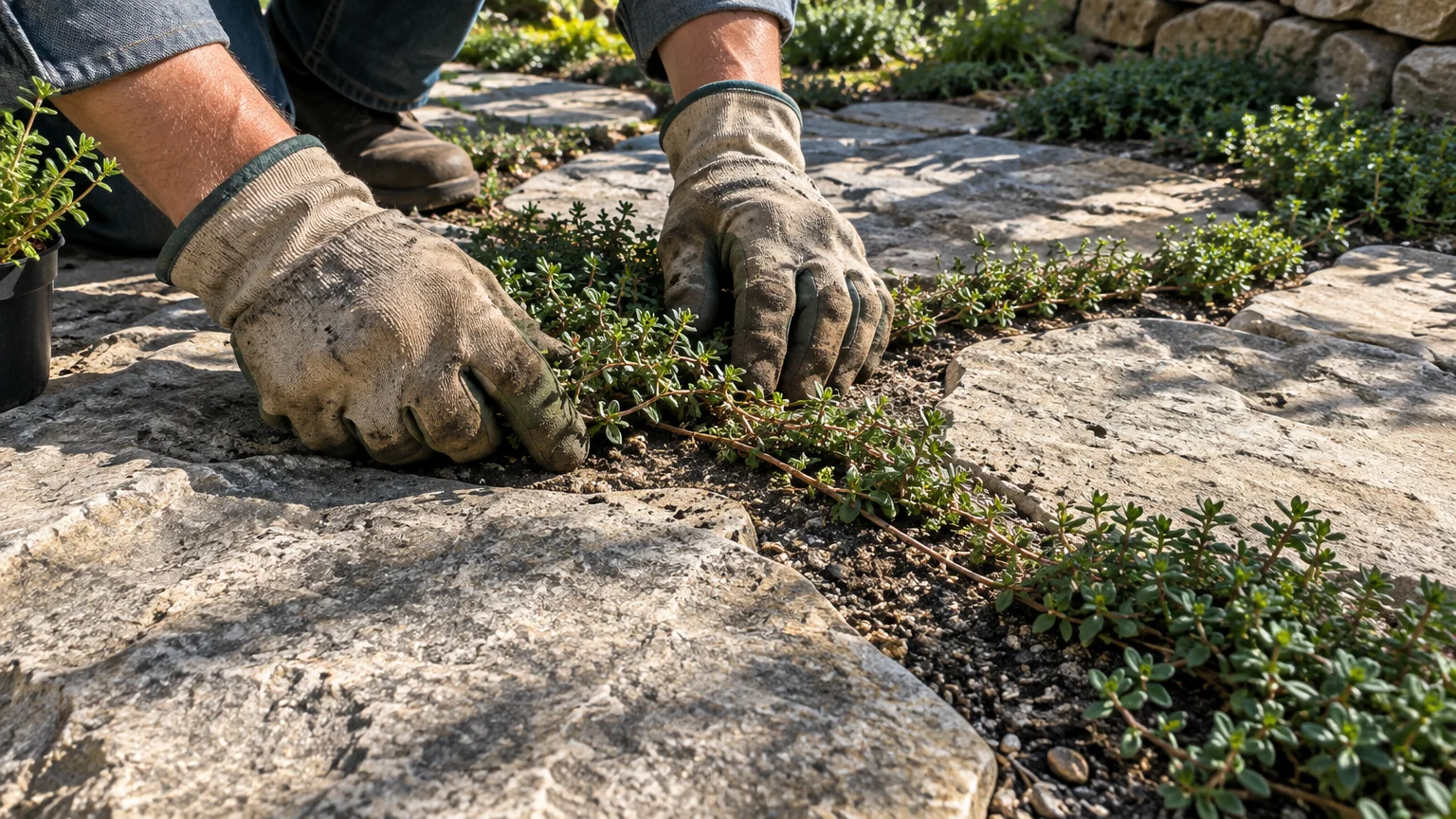
Garden thyme (Thymus vulgaris) thrives as an evergreen, aromatic groundcover when you nestle it into open garden dirt. Its creeping root branches weave through surrounding soil, knitting an attractive living mulch.
Unlike container specimens that dry out rapidly in afternoon heat, in-ground thyme draws steady moisture from subsoil layers. This root stability produces dense clusters of tiny leaves packed with concentrated, savory oils.
Thyme requires full sun exposure and gritty, lean soil with excellent drainage. Heavy clay suffocates its shallow fibrous root system, so integrate coarse grit or compost before planting.
This cold-hardy perennial survives winter chills down to USDA zone 5 with ease. Snow cover acts as a natural insulating blanket over the resting ground foliage until spring arrives.
Space individual plants twelve inches apart along border edges or flagstone walkways. Light foot traffic releases crushed aromatic oils while encouraging the plant to send down fresh ground roots.
Tip #3: Greek Oregano
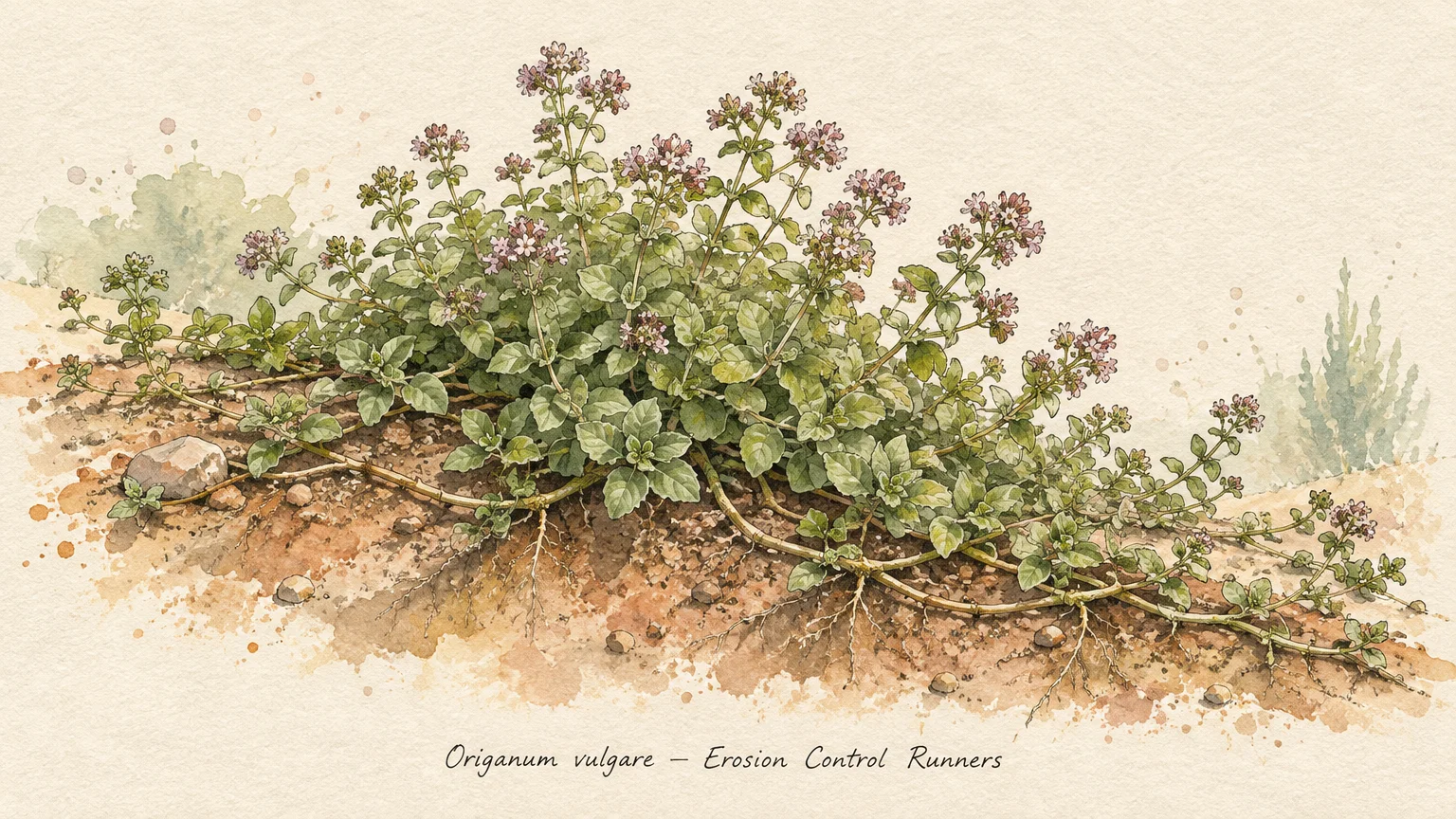
Greek oregano (Origanum vulgare) transforms native garden beds into vigorous, sprawling mounds of culinary gold. It flourishes in ordinary, unamended dirt where high-nitrogen potting soils would dilute its robust, peppery flavor.
Plant oregano along sunny garden slopes where natural runoff guarantees dry root zones. The extensive subterranean runner roots quickly stabilize loose garden soil against heavy rainfall and erosion.
Hardy across USDA zones 4 through 9, this resilient perennial returns vigorously every spring. Ground soil preserves dormant root buds through bitter freezes that often kill potted specimens.
Give each plant eighteen inches of space to accommodate its two-foot sprawling habit. Regular pruning prevents woody center stems and spurs tender new shoots rich in savory thymol.
Water sparingly once the root system establishes after the third week. Overwatering weakens the stems, whereas mild summer dryness intensifies the culinary oils within the leaves.
Tip #4: Culinary Sage
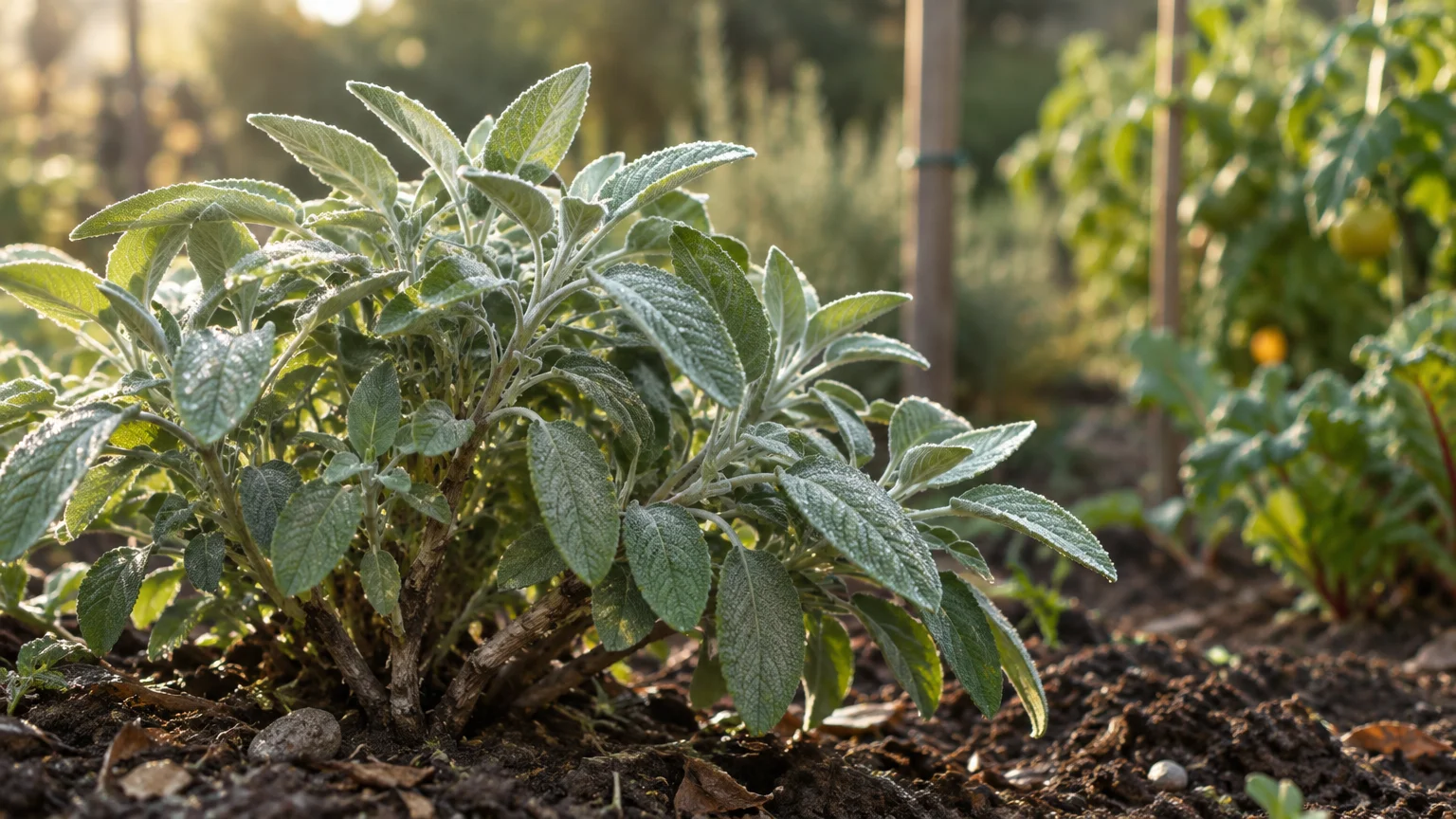
Culinary sage (Salvia officinalis) grows into a magnificent semi-shrub when granted unconfined root space in your garden. Its velvety, pebble-textured leaves yield far higher essential oil concentrations in natural mineral earth.
Sage detests sitting in soggy potting mix, which frequently causes fatal fungal root rot. Planting directly in slightly alkaline ground soil allows roots to self-regulate moisture intake through natural soil capillary action.
Position sage in an area receiving at least six to eight hours of direct sunlight daily. USDA zones 4 through 8 provide the exact seasonal chilling hours sage needs to stimulate lush springtime growth.
Space plants two to three feet apart to support their substantial mature spread. Mulch lightly with pea gravel rather than wood chips to keep moisture away from woody bottom stems.
Prune the top third of the plant each spring after new growth appears. This annual pruning prevents leggy development and stimulates dozens of tender, harvestable velvet leaves.
Tip #5: English Lavender
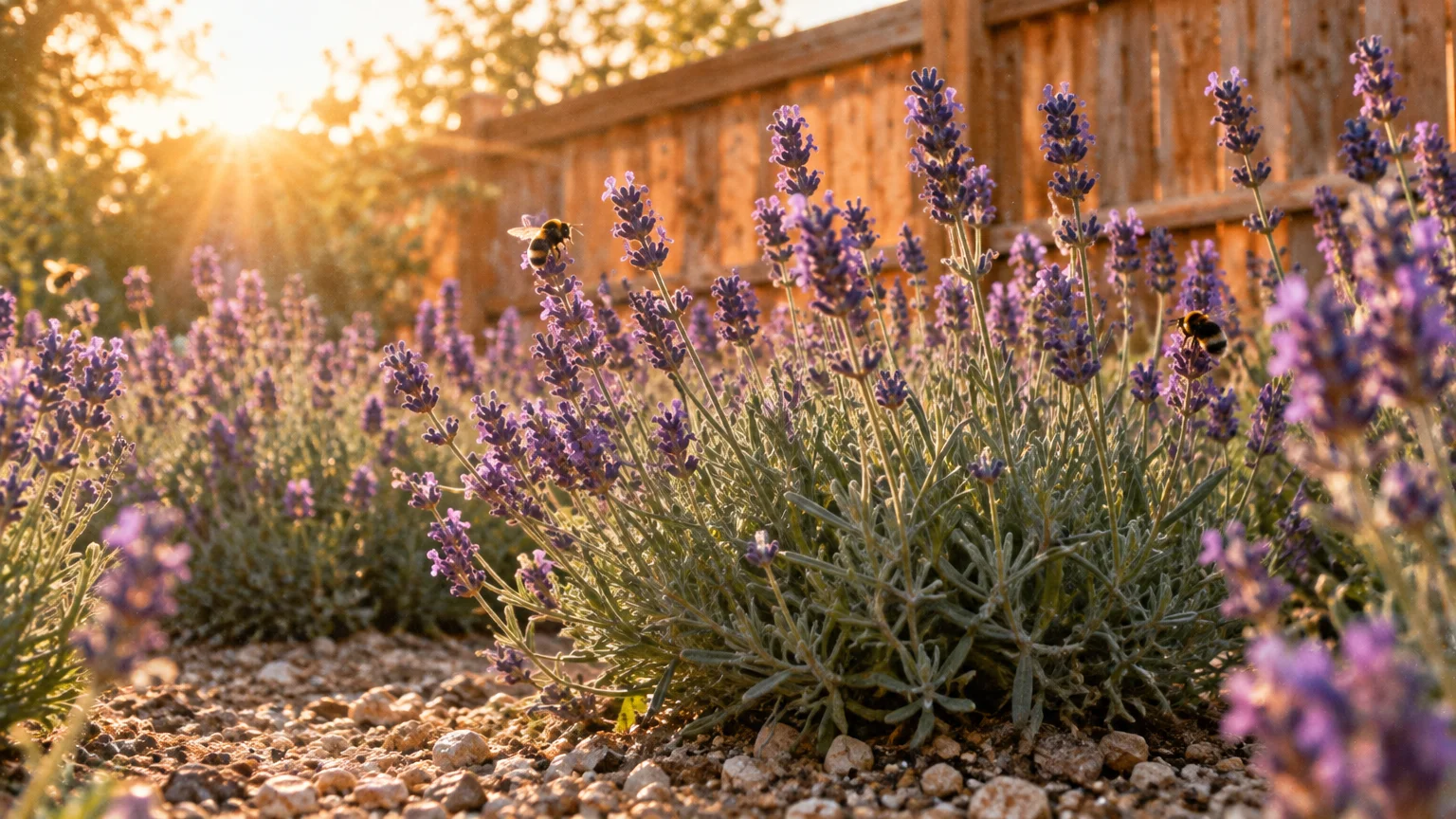
English lavender (Lavandula angustifolia) reaches its full ornamental and aromatic potential when rooted deeply into the earth. Potted lavender often struggles with root constriction and rapid thermal fluctuations that stress the plant.
Deep garden soil keeps root zones cool during scorching July afternoons while fostering long taproots. These extensive roots anchor the shrub firmly against driving winds and support hundreds of purple flower spikes.
Choose a sunny garden spot with a soil pH between 6.7 and 7.3. Poor, gravelly soil produces the most fragrant blooms, making heavy fertilizer entirely unnecessary in natural earth.
Lavender thrives reliably in USDA hardiness zones 5 through 9 without special winter storage. The surrounding earth insulates crown roots against catastrophic winter freeze-thaw cycles.
Space plants three feet apart in raised garden berms if you garden in regions with frequent rain. Good drainage ensures your lavender thrives for fifteen years or longer in the ground.
Tip #6: Chives
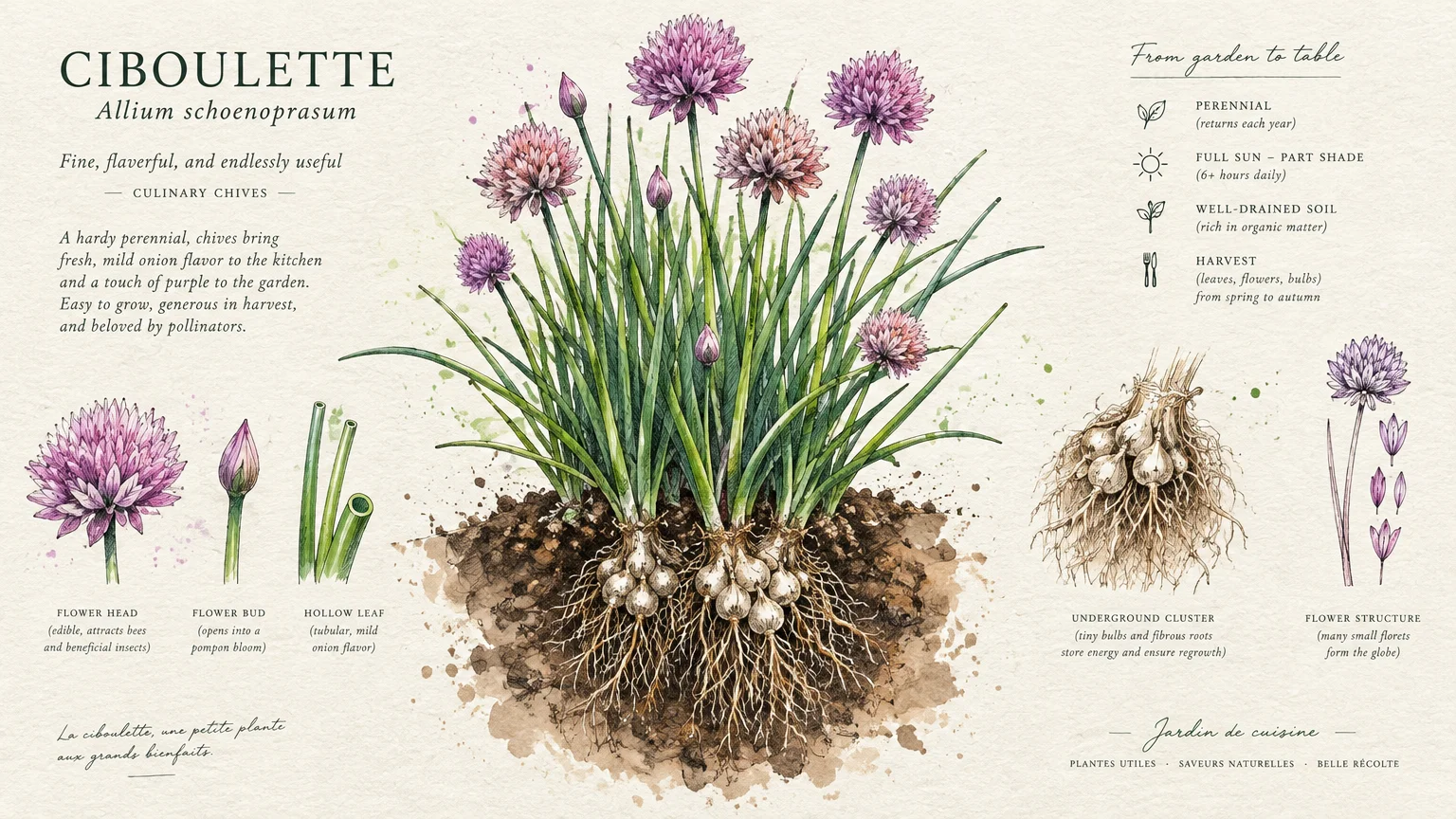
Chives (Allium schoenoprasum) represent one of the absolute easiest herbs to grow outside directly in native soil. Their compact bulb clusters multiply generously beneath the earth, forming thick, productive clumps within two seasons.
Unlike potted alliums that dry out and brown at the tips, in-ground chives stay verdant and crisp. The surrounding soil retains the balanced moisture that these shallow-rooted culinary favorites crave throughout summer.
Thriving in USDA zones 3 through 9, chives endure subzero winter temperatures without missing a beat. They emerge as one of the very first edible greens poking through frozen garden soil in early spring.
Space divisions ten to twelve inches apart in rich, loamy soil receiving full to partial sunlight. Their showy purple pompom flowers attract beneficial pollinators while naturally deterring common garden pests like aphids.
Harvest chives by cutting hollow green leaves two inches above the ground level. New leaves regrow within days, providing an endless supply of mild onion flavor from April through November.
Tip #7: French Tarragon
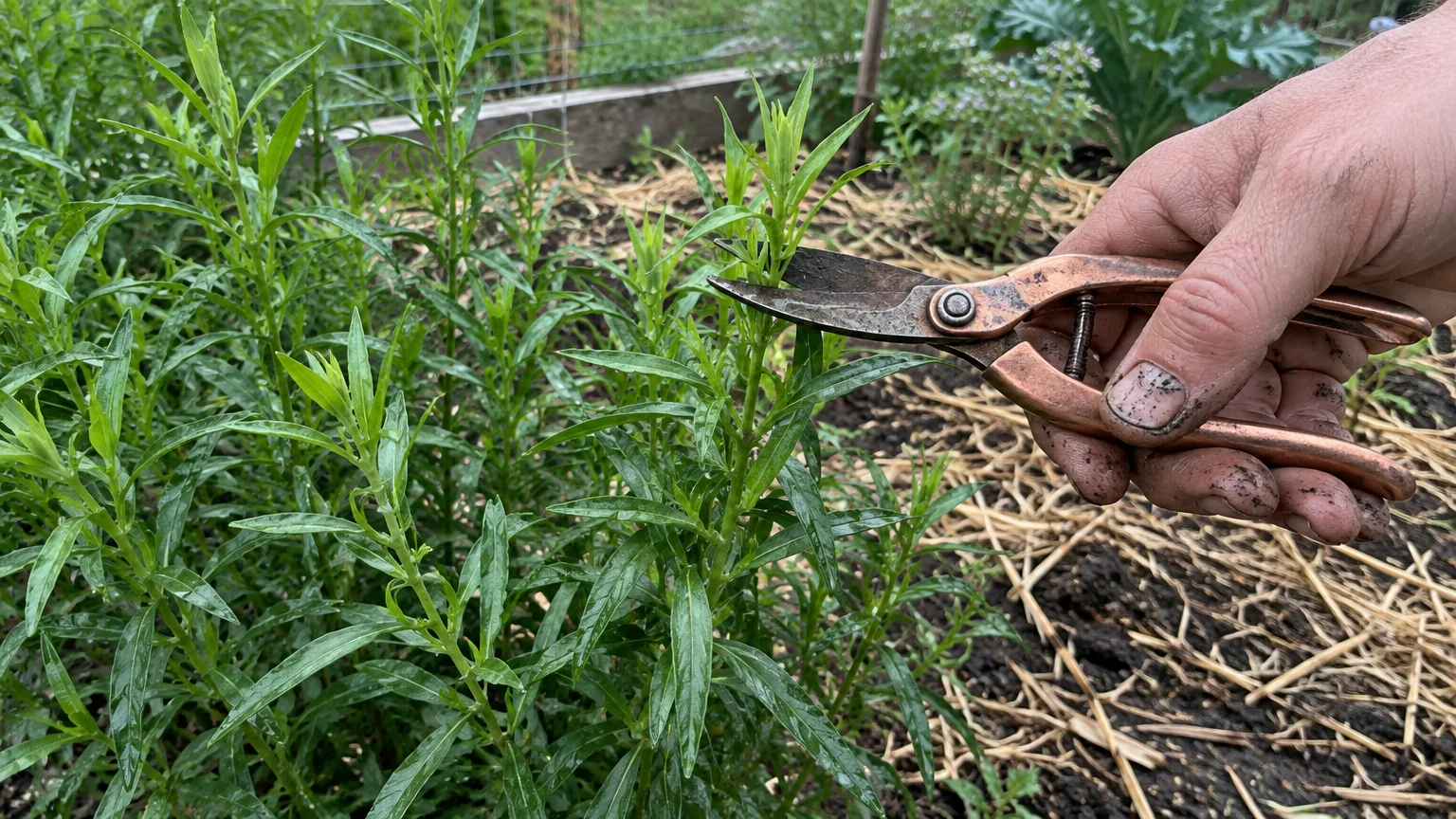
True French tarragon (Artemisia dracunculus) demands deep, well-draining garden soil to develop its delicate anise flavor. Because you cannot grow true tarragon from seed, protecting established root crowns in the ground is vital.
In-ground planting shields tarragon’s fragile rhizomes from extreme summer baking and winter frost heaving. Confined container pots often overheat, killing the sensitive root network within a single hot afternoon.
Position French tarragon in morning sunlight with light afternoon shade across USDA zones 4 through 8. Incorporate organic compost into the native soil to achieve the fluffy, well-aerated texture tarragon roots love.
Set transplants twenty-four inches apart to provide ample room for spreading underground stems. Water consistently during dry spells, but always allow the top two inches of dirt to dry between waterings.
Divide your in-ground tarragon clumps every three to four years to rejuvenate declining vigor. This simple maintenance chore keeps your kitchen stocked with exquisite, gourmet French seasoning indefinitely.
Tip #8: Winter Savory
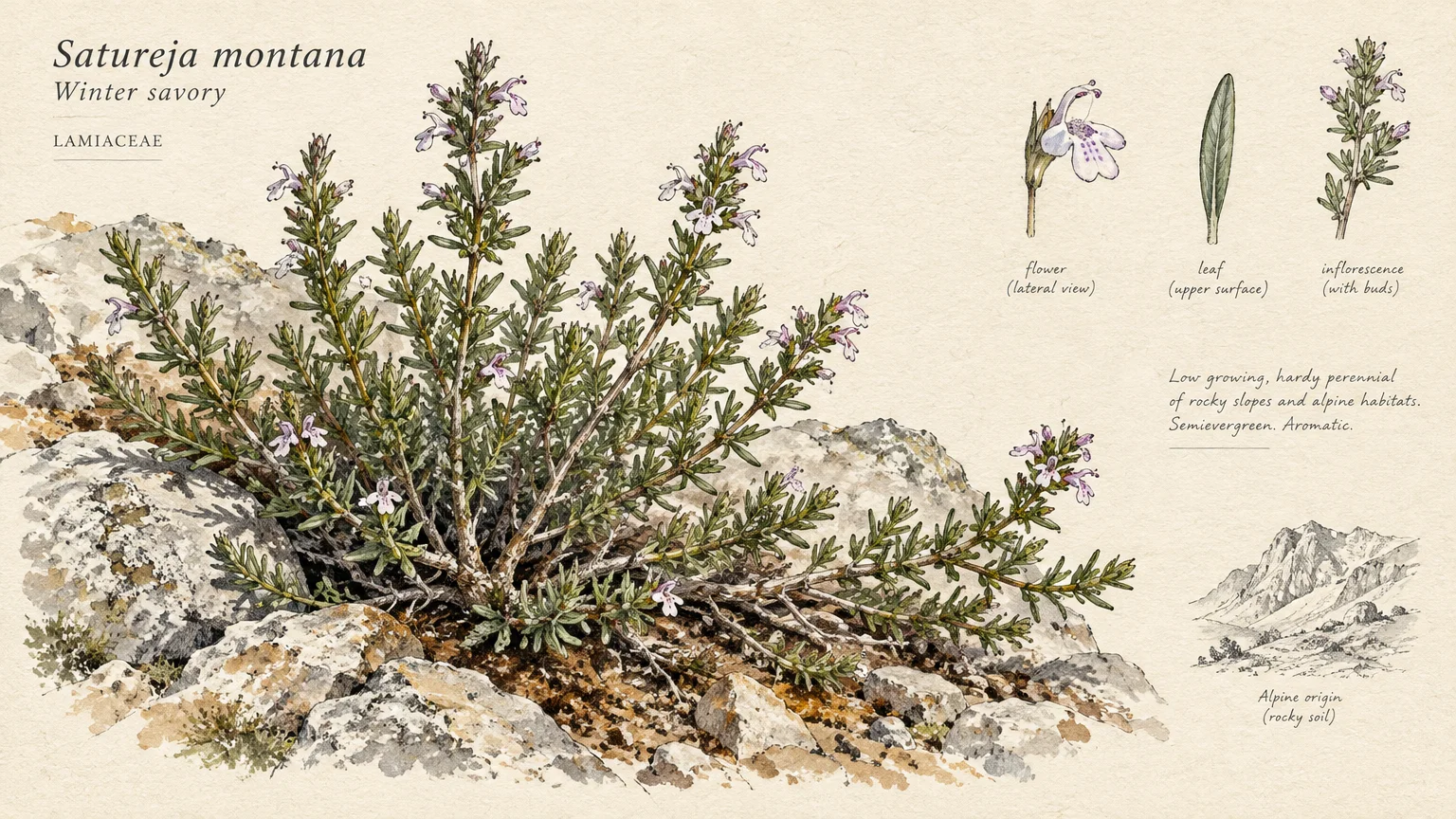
Winter savory (Satureja montana) is a rugged, woody perennial that thrives in poor, rocky ground soil. It handles baking sun, high winds, and neglect far better in garden beds than in restrictive patio containers.
The deep root system taps mineral reserves deep underground, fueling pungent leaves rich in carvacrol and thymol. These essential oils give the herb its bold, peppery punch that pairs beautifully with rich stews and beans.
Hardy in USDA zones 6 through 9, winter savory retains its deep green foliage through light winter freezes. Cold garden soil provides natural vernalization, triggering compact growth and hundreds of delicate white blooms in late summer.
Space plants twelve to fifteen inches apart in lean, sharply drained earth under blazing direct sunlight. Avoid adding heavy manure or rich fertilizers, which cause loose, floppy growth and dull the distinct spicy flavor.
Shear the top growth back by half in early spring to encourage dense, bushy new branches. This simple pruning routine maintains a tidy border hedge and prevents inner branches from becoming hollow and brittle.
Tip #9: Dill
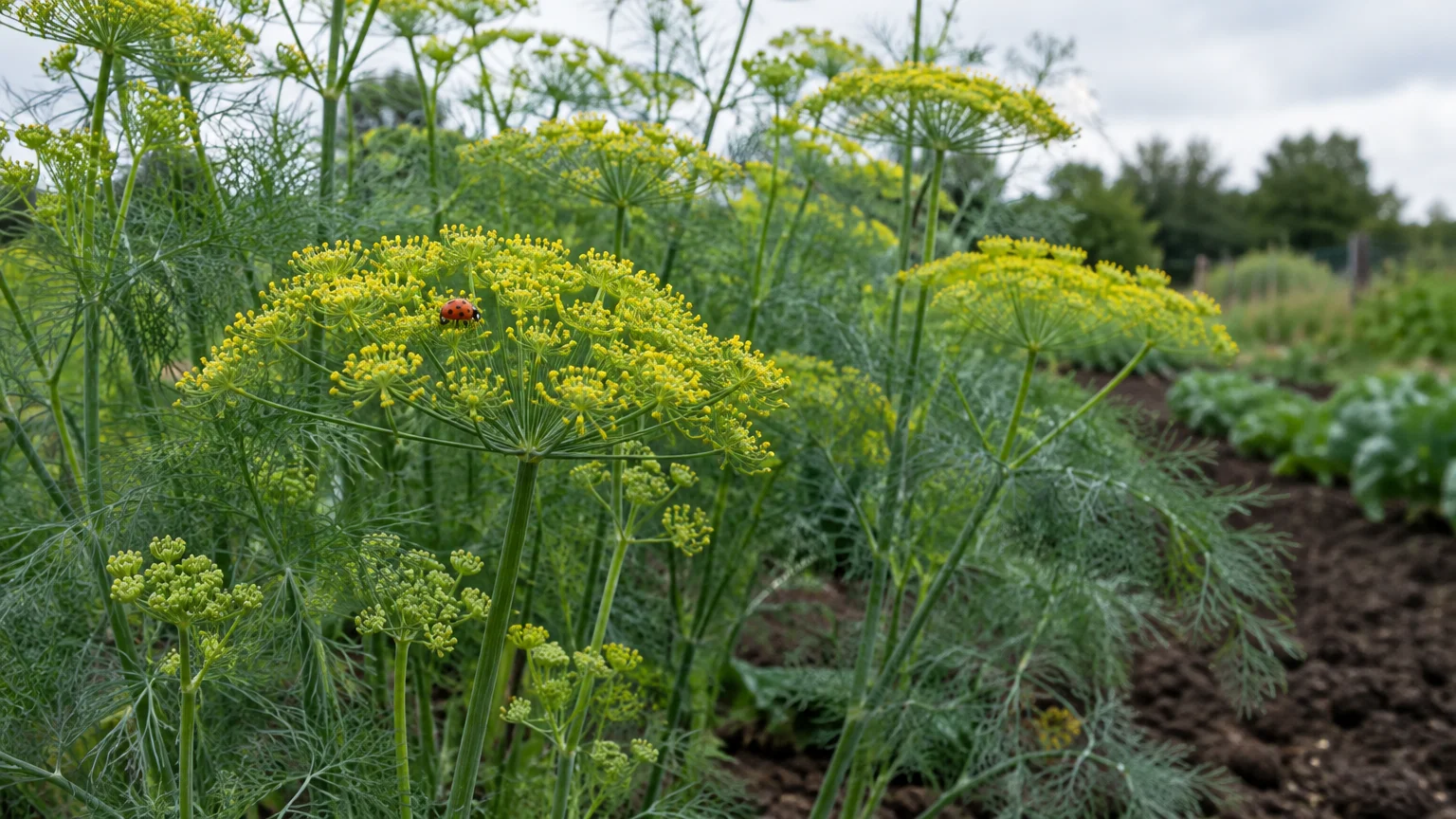
Dill (Anethum graveolens) produces a sensitive, singular taproot that resents root disturbance and container confinement. Sowing dill seeds directly into your garden beds guarantees tall, sturdy stems topped with majestic yellow umbels.
In-ground taproots penetrate deep into native garden soil to anchor the hollow, wind-susceptible stalks. Direct-sown dill easily reaches four to five feet in height, dwarfing stunted container specimens.
Plant dill seeds directly outdoors in early spring after the threat of hard frost passes. Choose an open, sunny plot with loose, fertile soil that allows the taproot to descend without obstruction.
Sow seeds a quarter-inch deep in rows spaced twelve to eighteen inches apart. Thin emerging seedlings to nine inches apart so neighboring plants do not compete for underground moisture and nutrients.
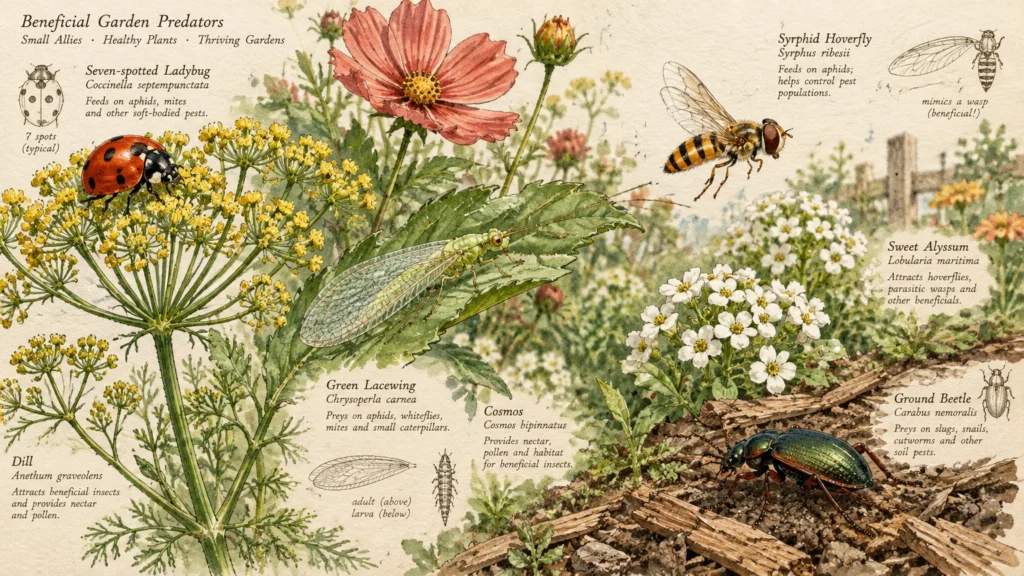
Dill self-seeds readily when grown directly in your garden rows, establishing a self-sustaining patch year after year. The blossoming flower heads also attract swallowtail butterfly caterpillars and beneficial parasitic wasps to your garden.
Tip #10: Sweet Fennel
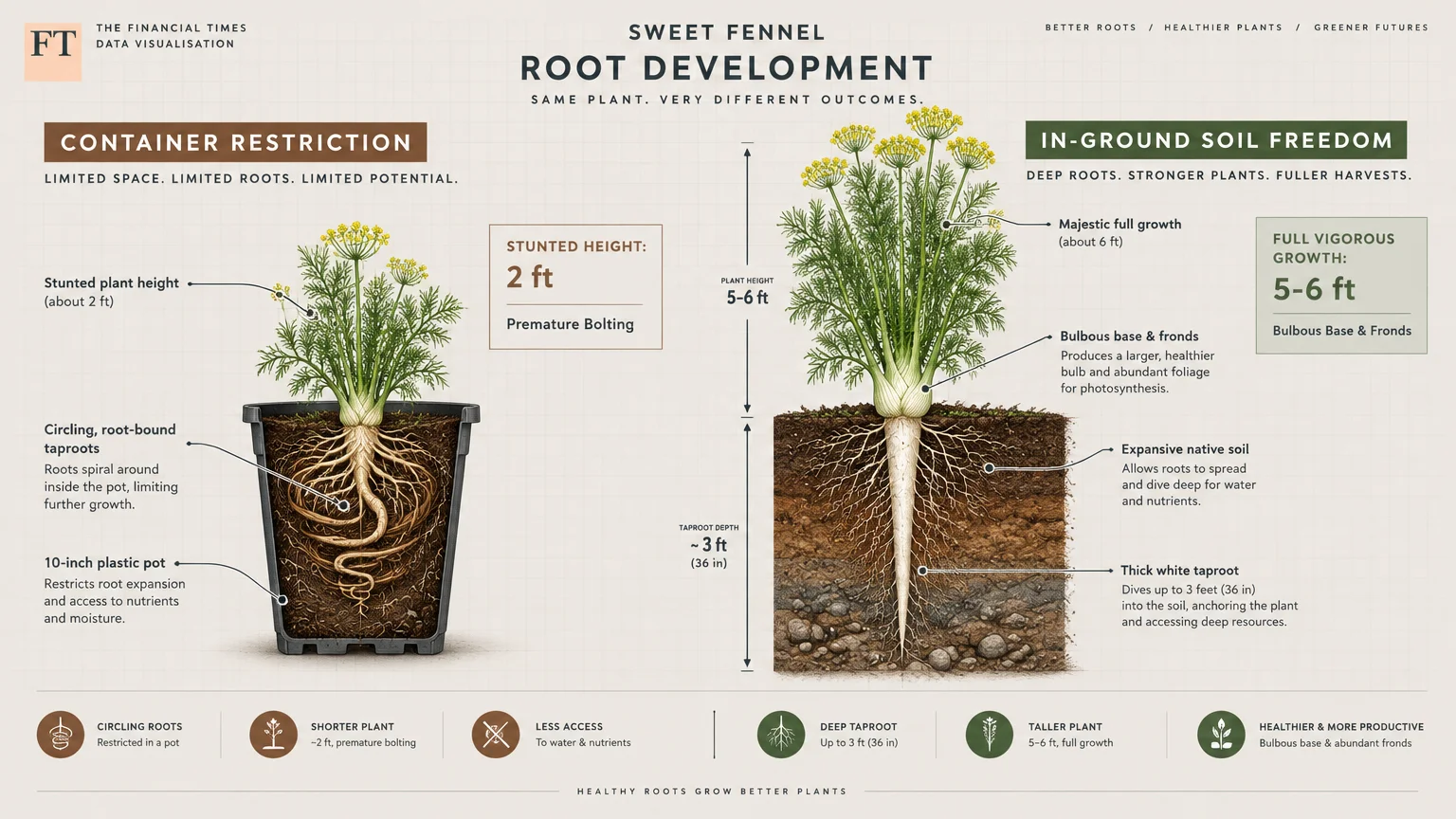
Sweet fennel (Foeniculum vulgare) commands substantial underground and aerial space that cramped pots simply cannot accommodate. When planted in open ground, this striking perennial grows into a feathery bronze or green monument six feet tall.
Fennel develops a massive, deep-diving taproot designed to mine subsoil moisture and nutrients during hot weather. This profound root depth makes established garden fennel remarkably drought-tolerant throughout scorching summer months.
Grow sweet fennel in full sun within USDA zones 4 through 9 in well-drained, moderately fertile soil. Keep fennel isolated from dill and coriander in your garden beds to prevent undesirable cross-pollination.
Space plants two to three feet apart to give their wide root crowns room to expand beneath the earth. The sturdy hollow stalks withstand summer storms without staking when rooted deeply in undisturbed ground.
Harvest the feathery fronds continuously for fresh salads and fish dishes throughout the entire growing season. Collect the ripe seed clusters in early autumn for baking and herbal teas.
Tip #11: Flat-Leaf Parsley
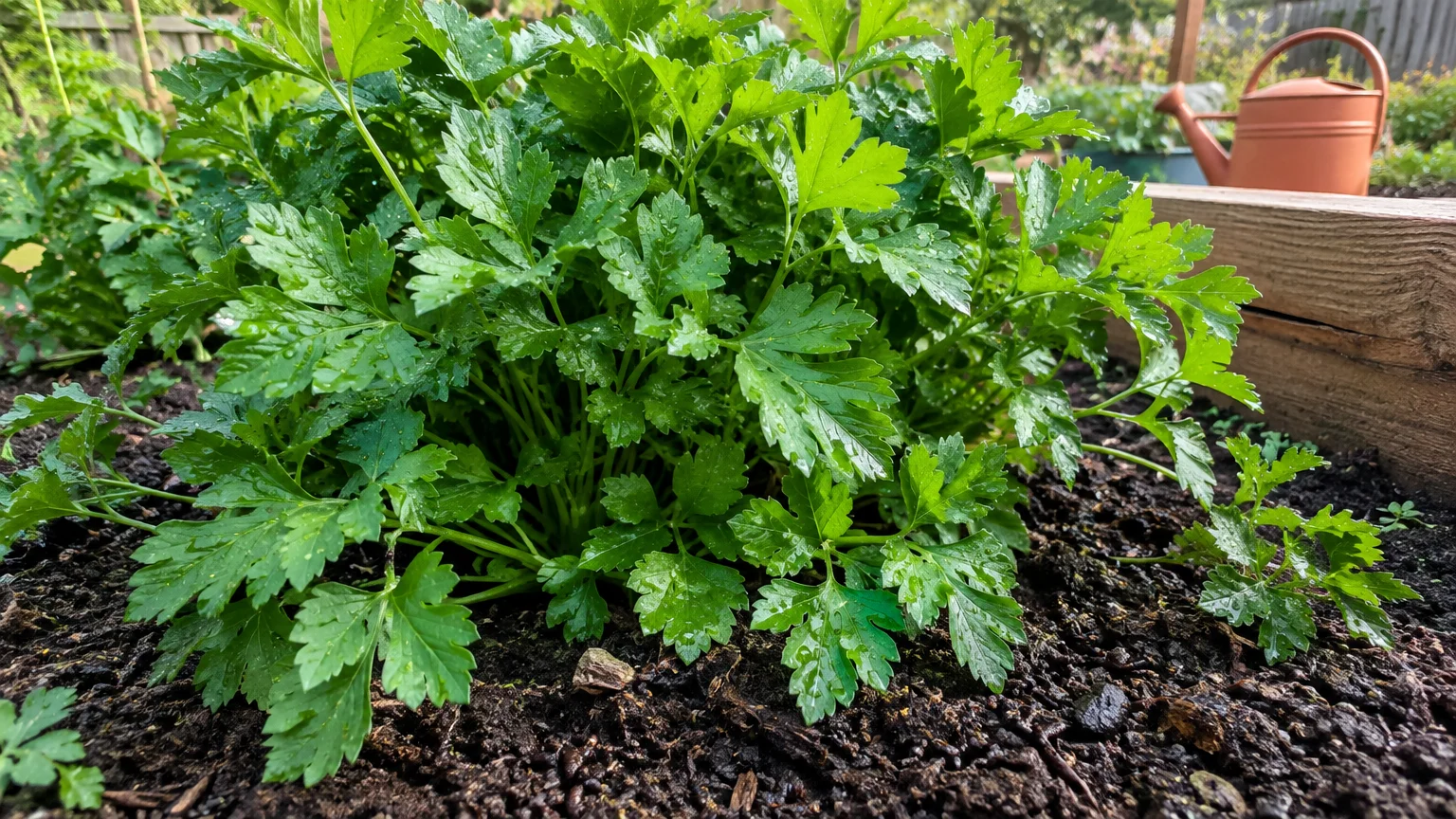
Flat-leaf parsley (Petroselinum crispum) produces a thick, fleshy taproot that thrives in cool, moisture-retentive garden soil. While container parsley quickly wilts under strong sun, in-ground parsley stays lush and deep emerald green.
Garden soil buffers root temperatures, preventing the premature bolting that frequently ruins container-grown plants during early summer heatwaves. This stability allows you to harvest massive bunches of vitamin-rich leaves for two consecutive seasons.
Plant parsley seedlings or seeds in rich, compost-amended dirt in full sun to partial afternoon shade. Parsley thrives across USDA zones 5 through 9, frequently staying evergreen through moderate winter conditions.
Space plants ten to twelve inches apart to allow the vigorous outer leaf stems to arch freely. Mulch the surrounding soil with clean straw to retain even moisture and prevent soil splattering on clean leaves during storms.
Cut outer stems at ground level to encourage the central crown to send up fresh foliage continually. In its second year, allow the parsley to bloom to feed early-season beneficial insects and pollinators.
Tip #12: Borage
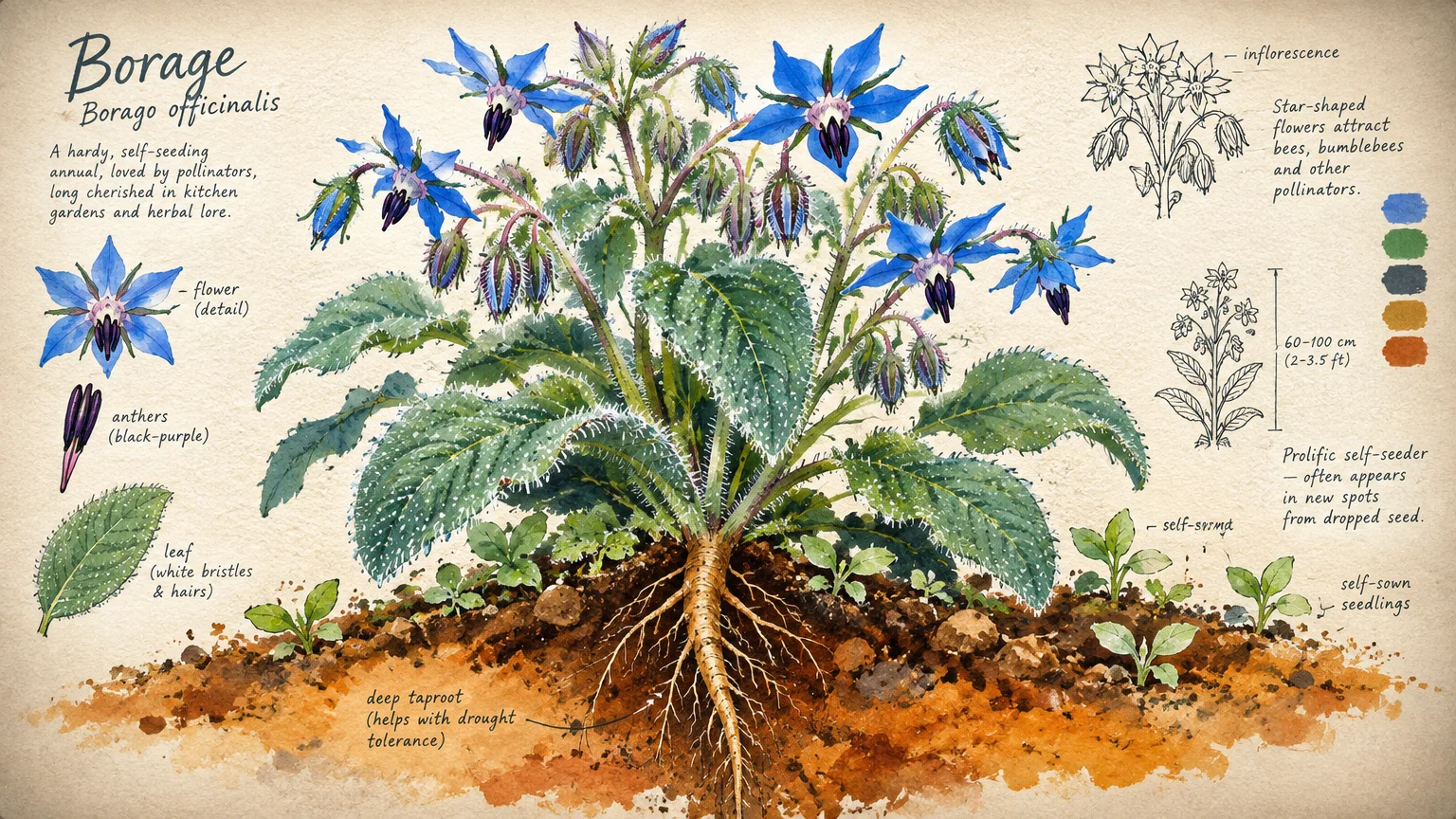
Borage (Borago officinalis) develops an extensive, thick taproot that quickly becomes stunted inside standard nursery pots. Direct seeding into open earth produces stout, bristly stems and dozens of edible, star-shaped sky-blue blossoms.
In garden beds, borage functions as an exceptional dynamic accumulator, drawing deep subsoil minerals up toward the garden surface. When the foliage decomposes each winter, it deposits rich potassium and trace minerals into your topsoil.
Sow borage seeds directly into garden dirt after the last expected spring frost in full to partial sun. Borage tolerates poor, dry soils easily, thriving where fussier culinary herbs often fail.
Space seedlings eighteen to twenty-four inches apart to accommodate their heavy, spreading lateral branches. The mature plant easily reaches three feet in width, creating a lush ground canopy that suppresses opportunistic weeds.
Harvest the crisp, cucumber-flavored flowers and young tender leaves to brighten fresh summer salads and chilled beverages. Fallen seeds will germinate readily the following spring, offering free garden color and pollinator support forever.
Putting It All Together: Enjoy Your Beautiful Garden
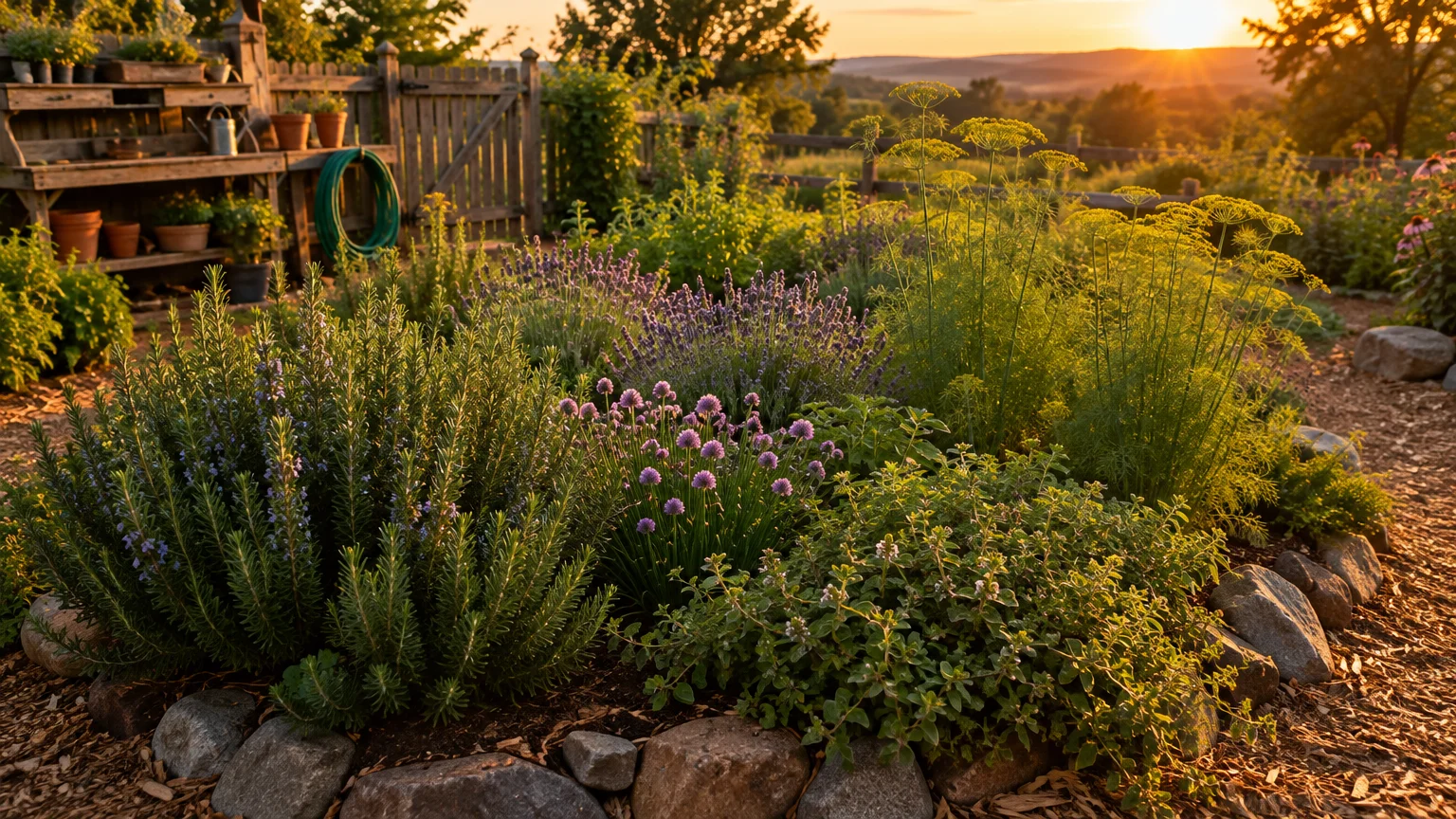
Planting herbs directly into native garden soil creates a durable, low-maintenance culinary landscape that outlasts potted plantings. In-ground herb gardening harnesses natural microbial networks, balanced soil hydration, and deep thermal insulation to sustain healthy plant life.
Your garden beds provide the unconfined physical space that taproots and sprawling rhizomes require to reach peak culinary potency. By choosing hardy perennial herbs tailored to your regional climate, you ensure reliable, fragrant harvests year after year.
Start by preparing well-drained planting beds enriched with a modest layer of aged compost. Group herbs with similar moisture and sunlight needs together to maximize efficiency and promote harmonious companion growth.
Take time to walk your garden rows daily, brushing the foliage and harvesting fresh sprigs for your table. Outdoor herb gardening connects you directly to the seasonal rhythms of the earth while elevating your everyday home cooking.
Frequently Asked Questions
How do I improve heavy clay soil for an in-ground herb garden?
Amend heavy clay soil by incorporating coarse horticultural grit and well-rotted organic compost to improve aeration and drainage.
Alternatively, construct raised garden berms eight to ten inches above ground level to keep herb roots out of stagnant water.
Which herbs should you avoid planting directly into open soil?
Aggressive spreaders like spearmint and peppermint should generally remain confined to containers because their underground runners quickly invade garden beds.
If you plant mint directly in the ground, install deep physical root barriers twelve inches deep to restrict unwanted spread.
How often should you water herbs planted directly in the ground?
Water newly planted herbs twice weekly for their first month until their root systems anchor into the native soil.
Established perennial herbs typically require watering only once every ten to fourteen days during hot, dry stretches without rain.
When is the best time of year to transplant herbs into garden beds?
Early spring after the last hard frost provides optimal soil moisture and moderate temperatures for root establishment.
Early autumn also works exceptionally well in mild climates, giving perennial roots several months to settle before winter dormancy.
For region-specific advice, consult your local University Extension program (find yours via the USDA directory). For plant databases and inspiration, visit the Missouri Botanical Garden or the Royal Horticultural Society.
Disclaimer: This article provides general gardening advice. Always consider your specific climate, soil conditions, and local pests. Follow safety guidelines when using gardening tools and products.