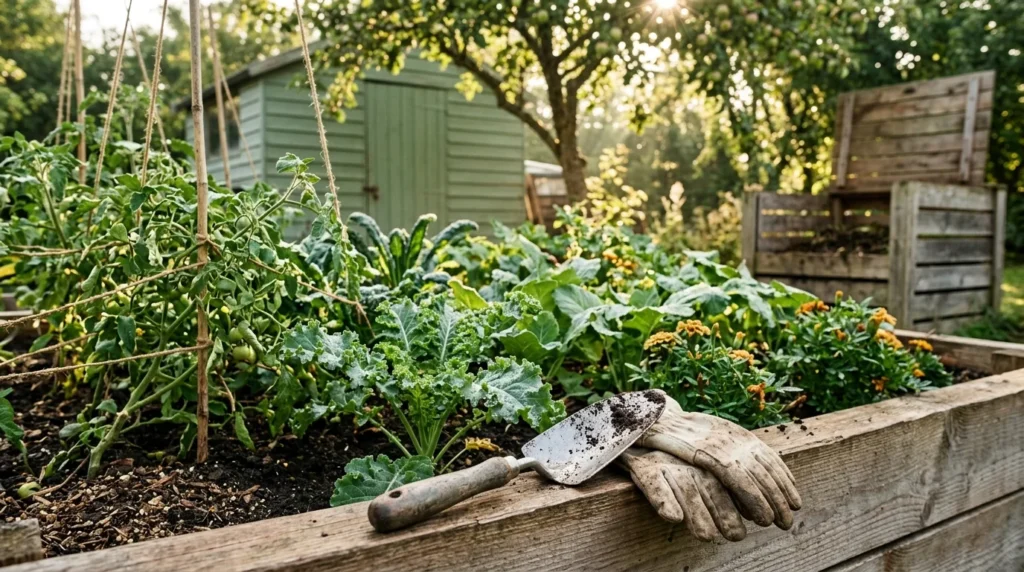
You can restore your garden’s vibrant green growth the moment you learn to decode your foliage. Spotting early signs of nutrient deficiency in plants prevents permanent stunting and keeps your harvest abundant.
Leaves communicate specific mineral shortages through subtle changes in pigmentation, texture, and growth patterns. Accurate plant health diagnosis helps you apply targeted organic amendments instead of guessing with broad synthetic fertilizers.
By understanding how essential elements move through plant tissues, you will quickly resolve stubborn plant nutrient deficiency symptoms. Let us explore eight reliable diagnostic methods to keep your beds flourishing all season long.
Tip #1: Check Older Leaves for Nitrogen Deficits
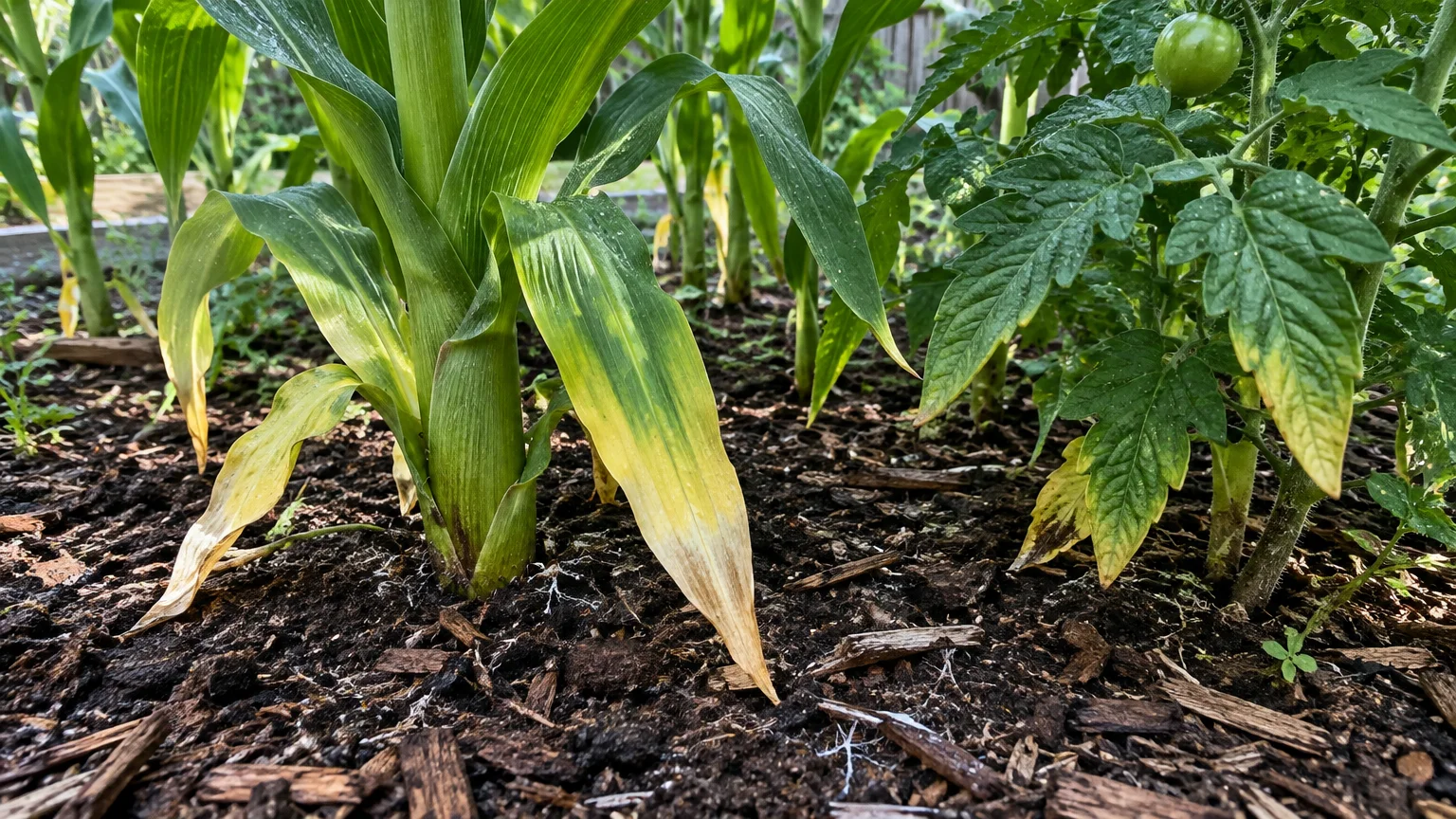
When plants face nitrogen starvation, they pull existing reserves directly from mature lower foliage to support fresh growth. This internal reallocation causes the oldest leaves at the base of the stem to turn pale green first.
If you notice uniform yellowing starting at the leaf tips and traveling backward along the midrib, nitrogen is missing. The veins and tissue fade simultaneously, leaving no dark green contrast behind.
Plants rely on nitrogen to build proteins, nucleic acids, and chlorophyll molecules. Without an adequate supply, overall vigor collapses, stems become woody, and vegetative development grinds to an abrupt halt.
Identifying plant nutrient problems like this early allows you to intervene before flowering stalls completely. Fast-growing leafy greens, sweet corn, and heavy-feeding tomatoes frequently display this mobile deficiency during peak growth spurts.
To fix a nitrogen shortage rapidly, brew an aerated compost tea or apply diluted organic fish emulsion. These liquid amendments deliver bioavailable nitrates without scorching tender root systems.
Top-dressing your garden beds with well-rotted manure, blood meal, or feather meal provides sustained fertility for coming weeks. Keep soil moisture steady so root hairs can absorb these dissolved nitrogen compounds efficiently.
Tip #2: Watch for Purpling Stems and Leaves from Phosphorus Shortages
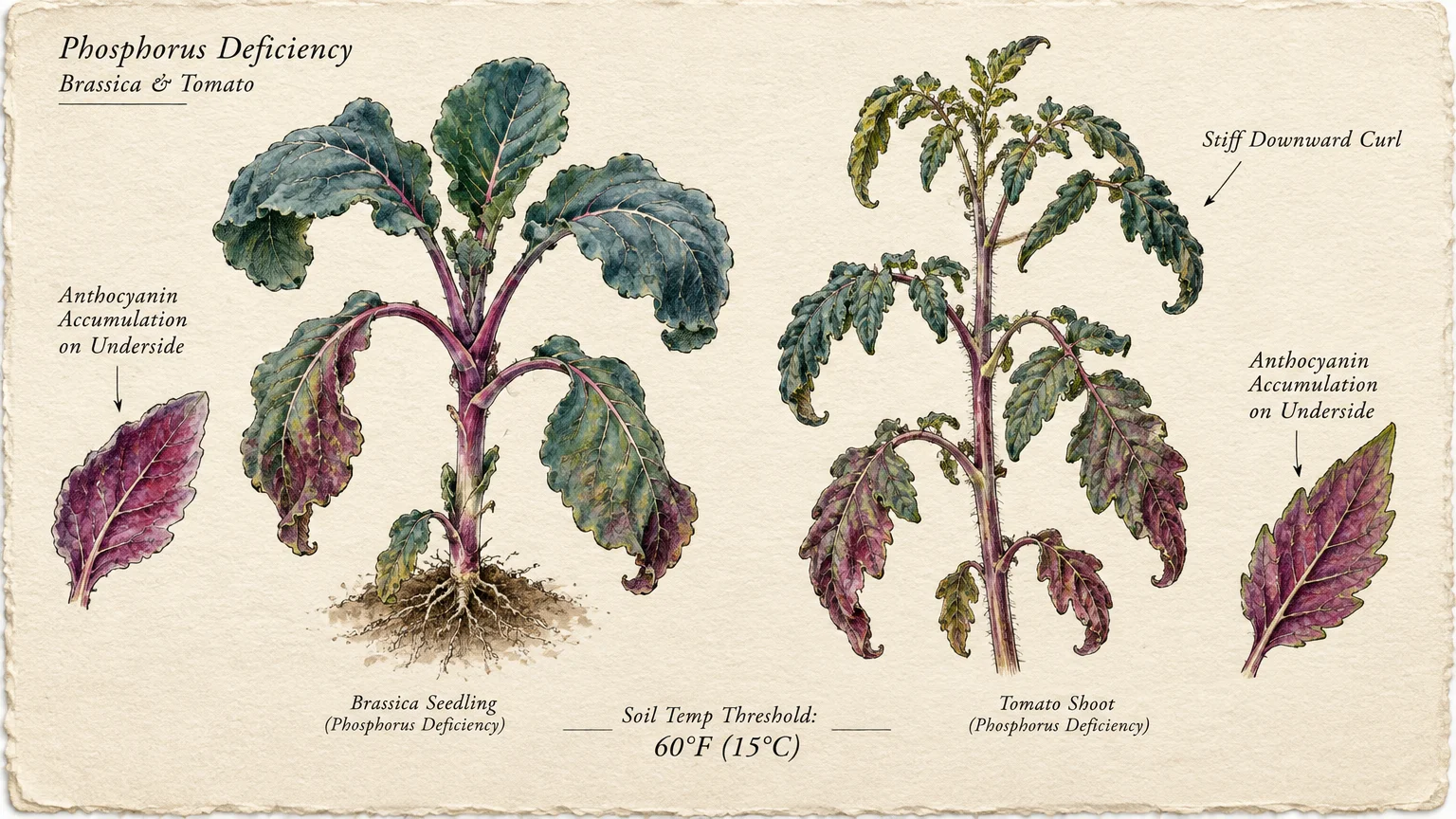
Phosphorus plays an indispensable role in early root development, blossom formation, and cellular energy transfer via ATP molecules. When crops cannot access sufficient phosphorus, their foliage turns an unusually dull, dark blue-green hue.
As the deficit intensifies, purple and reddish pigments accumulate along lower leaf undersides and main stems. The foliage often adopts a stiff, leathery texture and curls downward toward the ground.
Cold spring soils frequently restrict phosphorus uptake, even when the element is abundant in your soil profile. Chilled roots struggle to absorb phosphate ions until ambient soil temperatures rise above 60°F (15°C).
If purple discoloration persists in warm summer weather, suspect a genuine soil deficit rather than a temporary temperature response. Tomato seedlings and young brassicas serve as excellent bio-indicators for this specific stress.
Correct phosphorus starvation by scratching steamed bone meal or colloidal rock phosphate into the top two inches of soil. For immediate absorption in active fruiting crops, apply a gentle liquid kelp foliar spray.
Applying rich organic mulch protects soil microflora; beneficial mycorrhizal fungi extend microscopic hyphae that mine immobile phosphorus for your plants. This symbiotic partnership ensures long-term nutrient resilience in your garden beds.
Tip #3: Inspect Leaf Margins for Potassium Scorching
Potassium governs cellular hydration, stomatal opening, and enzyme activation across every plant tissue. Without adequate potassium, plants cannot regulate internal water pressures or synthesize protective starches.
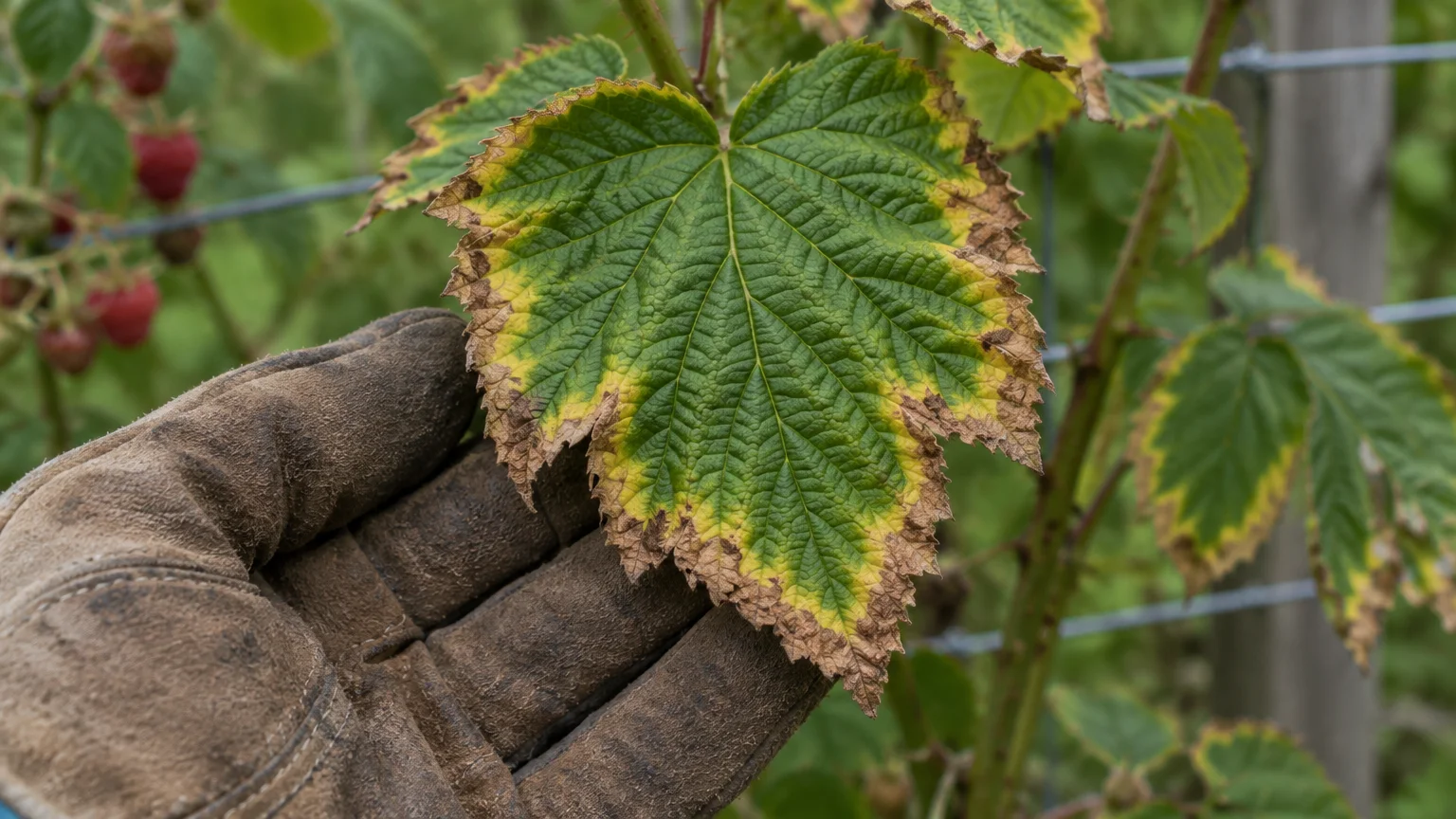
The earliest symptom emerges as marginal chlorosis—a distinct yellow band running strictly along the outer borders of mature leaves. If left untreated, these yellow boundaries quickly turn brown, dry, and brittle, creating a scorched appearance.
Unlike common fungal blights, potassium burn develops symmetrically along the outer edges before progressing inward toward the central vein. Affected foliage often curls upward, crinkling like parchment paper in dry afternoon heat.
Common plant deficiencies involving potassium also leave stems noticeably weak, causing fruiting branches to snap easily under moderate wind. Fruiting vegetables produce unevenly ripened fruit with bland flavor and tough internal cores.
Restore balanced potassium levels by incorporating organic greensand, sulfate of potash, or screened hardwood ashes into the root zone. Use wood ash sparingly; it raises soil pH rapidly if applied in excessive amounts.
Mulching with chopped comfrey leaves or adding potassium-rich compost extracts creates a steady trickle of bioavailable potassium. This continuous supply supports heavy fruit development right through the late autumn harvest.
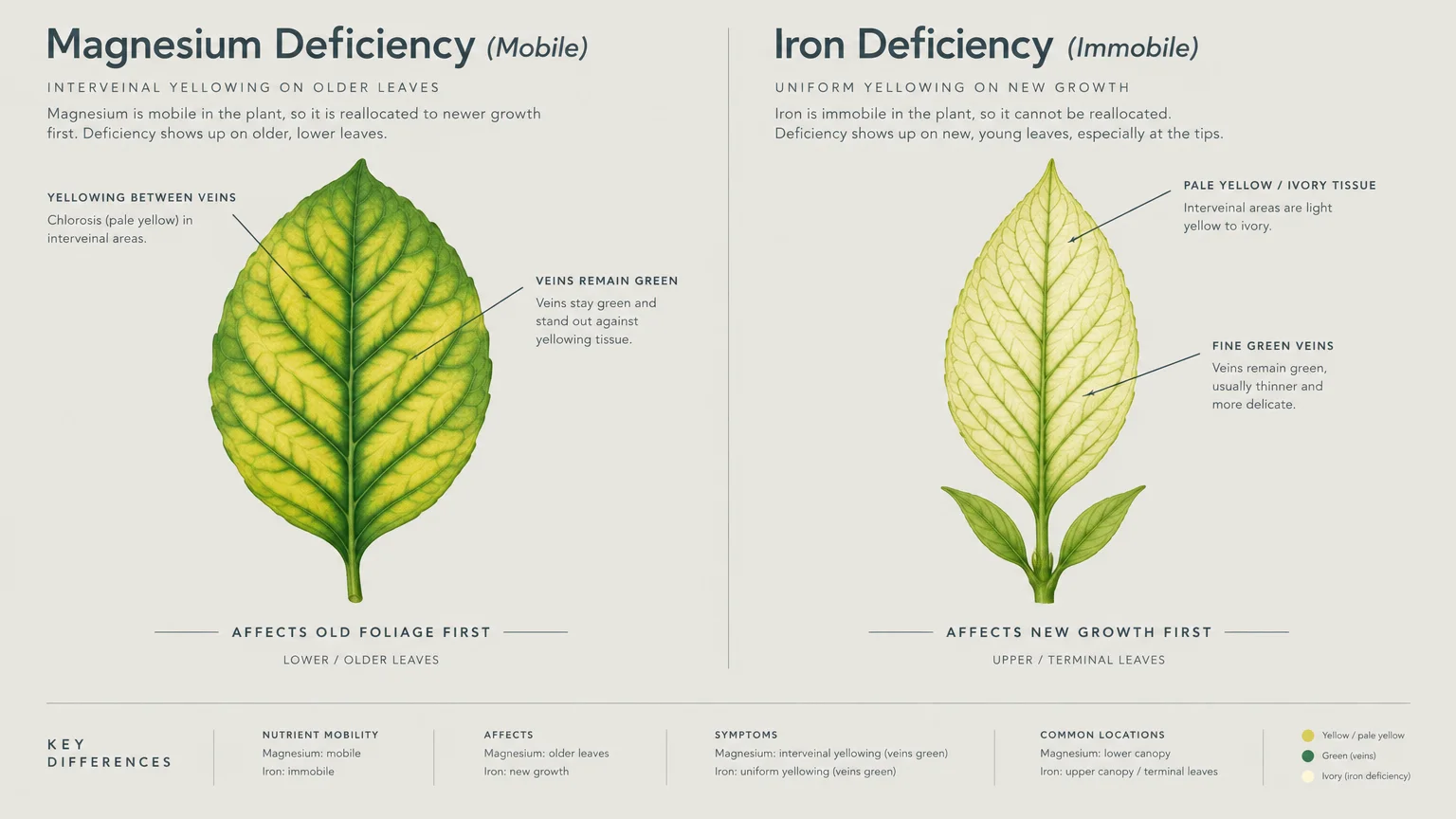
Tip #4: Differentiate Interveinal Chlorosis Between Magnesium and Iron
Interveinal chlorosis occurs when leaf veins remain dark green while the intervening leaf tissue turns bright yellow or white. Accurately locating which leaves show this pattern first is the cornerstone of plant health diagnosis.
If interveinal chlorosis appears on the oldest leaves at the bottom of the plant, you are dealing with a magnesium shortage. Because magnesium is mobile, the plant robs older foliage to nourish emergent crowns.
Advanced magnesium deficiency turns the yellowed areas into mottled reddish-purple patches, especially on nightshades and brassicas. In severe cases, the entire leaf drops prematurely, weakening overall photosynthetic capacity.
When interveinal chlorosis strikes the youngest, topmost leaves instead, the culprit is immobile iron. Young foliage emerges completely bleached or creamy yellow, though the intricate vascular veins remain razor-sharp green.
You can instantly relieve magnesium deficits by dissolving two tablespoons of Epsom salt into one gallon of warm water for a foliar spray. Apply this mist during cloudy mornings to prevent intense sunlight from burning wet foliage.
Iron shortages rarely stem from actual soil scarcity; high soil alkalinity usually binds iron into insoluble forms. Chelated iron sprays provide an immediate leaf rescue while you work to acidify the surrounding soil.
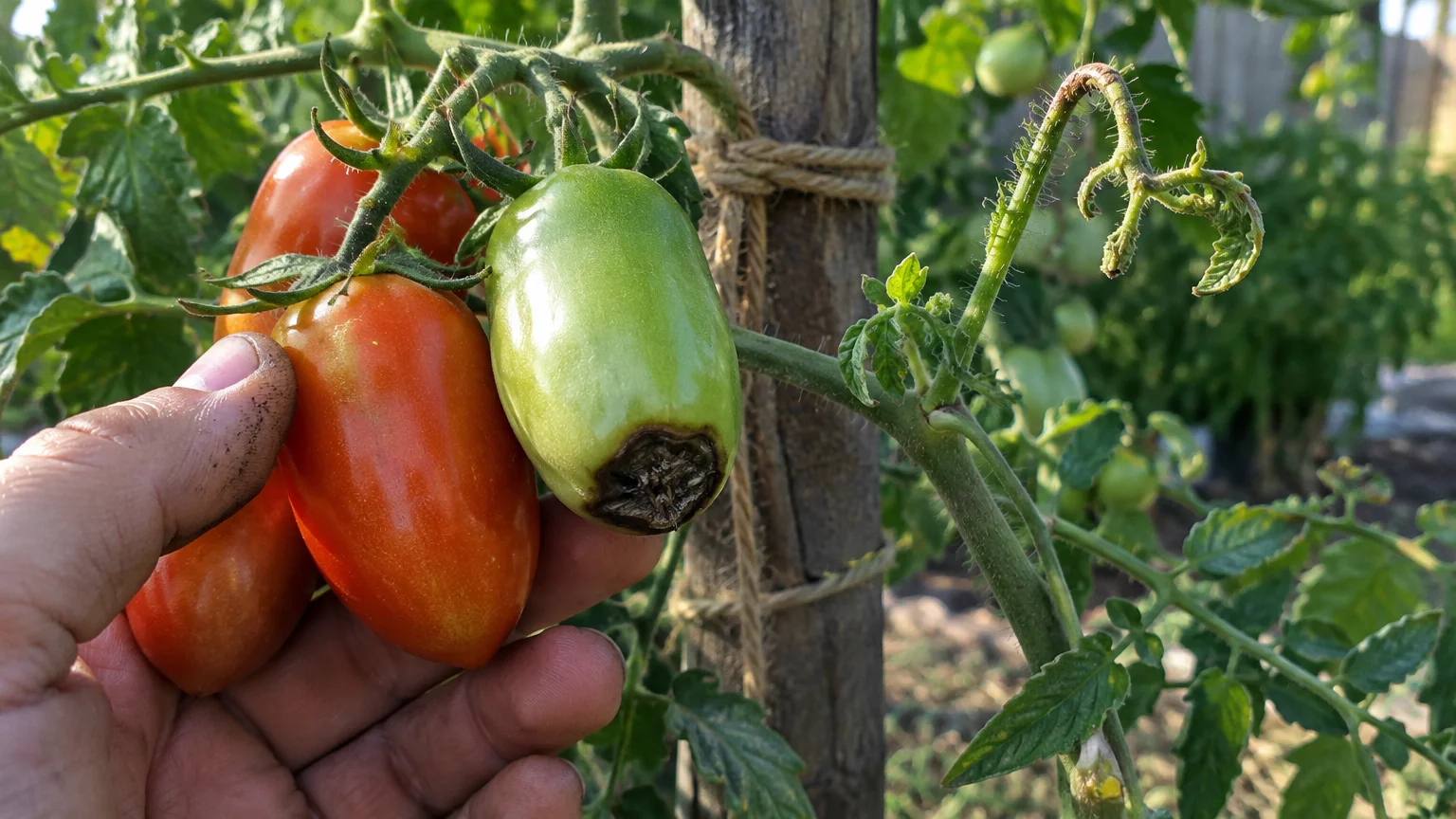
Tip #5: Spot Calcium Starvation in Stunted Shoots and Fruit Rots
Calcium forms the structural glue within plant cell walls; because it is completely immobile, plants cannot relocate it once deposited. New growth therefore suffers the earliest, most dramatic devastation during periods of calcium scarcity.
Emerging leaf tips may appear hooked, crinkled, or glued together in distorted, cupped formations. The delicate growing tips of vines and young roots often die back entirely, halting upward growth.
In fruiting crops like tomatoes, peppers, and summer squash, calcium deficiency triggers blossom end rot. Sunken, water-soaked black lesions develop on the bottom end of fruits as developing cell membranes collapse.
Blossom end rot usually stems from irregular watering rather than an outright absence of calcium in the ground. Plants transport calcium exclusively through transpiration streams; erratic soil moisture stops that upward movement instantly.
Maintain even soil hydration with drip irrigation lines and a three-inch blanket of clean straw or shredded leaves. Consistent moisture keeps the transpiration stream flowing smoothly from root tips to expanding fruits.
If your soil test confirms true calcium depletion, top-dress with gypsum, which supplies calcium without altering soil pH. Ground agricultural limestone works wonderfully if your soil requires both calcium and a pH boost.
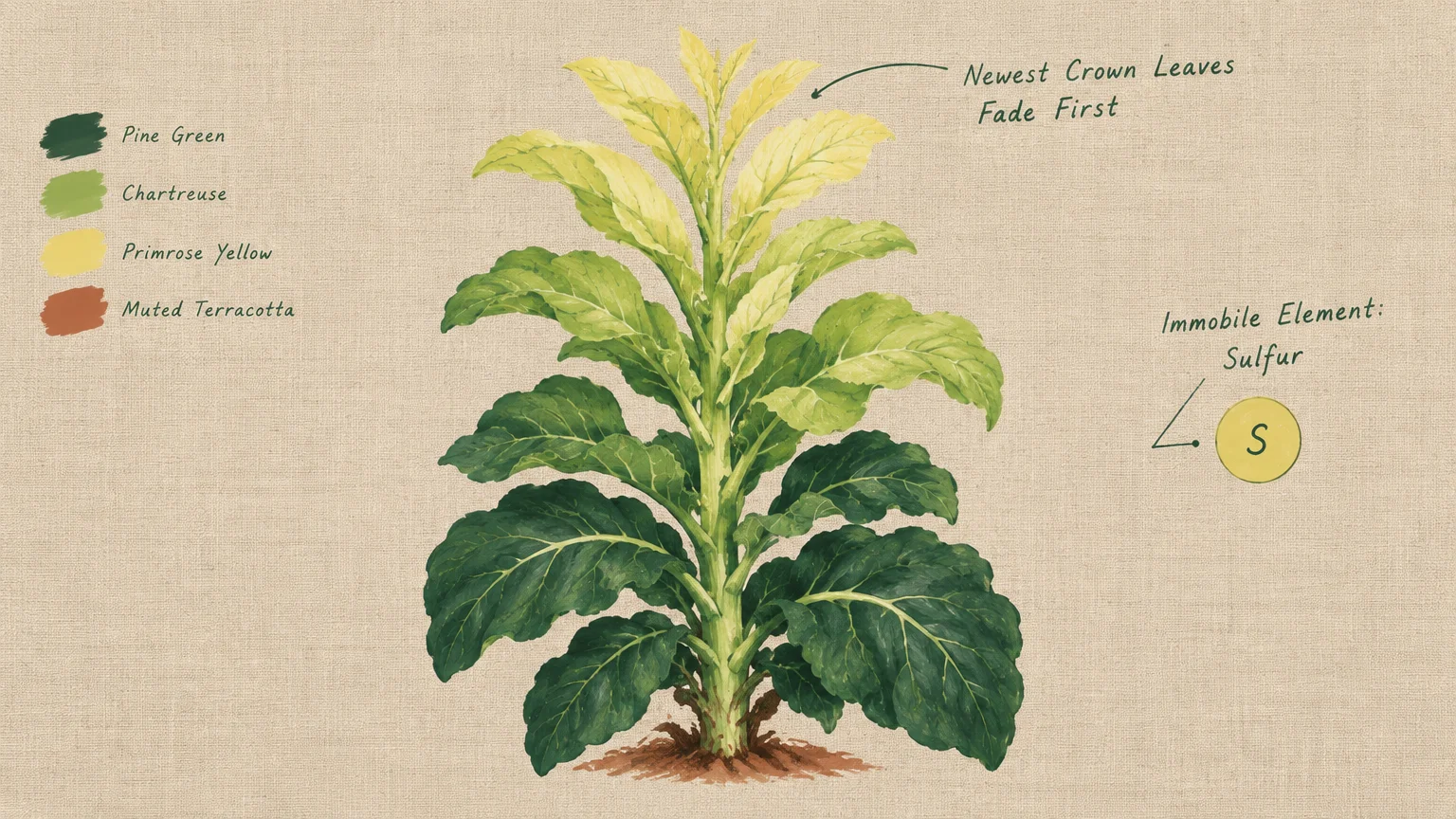
Tip #6: Watch Upper Foliage Yellowing for Sulfur Deficiencies
Gardeners frequently confuse sulfur deficiency with nitrogen shortages because both create widespread, uniform foliage chlorosis. The critical diagnostic difference lies entirely in where the yellowing begins on the plant.
While nitrogen starvation starts on older, lower foliage, sulfur is largely immobile and affects the youngest upper leaves first. Tender new leaves emerge pale yellow-green, while the lower foundation leaves remain healthy and deep green.
Sulfur drives essential amino acid synthesis, nodulation in nitrogen-fixing legumes, and the formation of pungent oils in alliums and brassicas. Stems on sulfur-starved plants grow unnaturally thin, woody, and erect.
Modern rainfall contains significantly less atmospheric sulfur than in past decades due to effective air quality regulations. As a result, home vegetable gardens encounter sulfur deficiencies far more frequently today.
You can replenish sulfur reserves rapidly by incorporating elemental sulfur or organic compost rich in decomposed residues. Gypsum also delivers an excellent dose of sulfate that roots absorb immediately without delay.
Adding regular compost dressings builds a resilient biological sponge that stores sulfur in stable organic fractions. This ensures your brassicas and alliums develop bold flavors and exceptional disease resistance throughout the season.
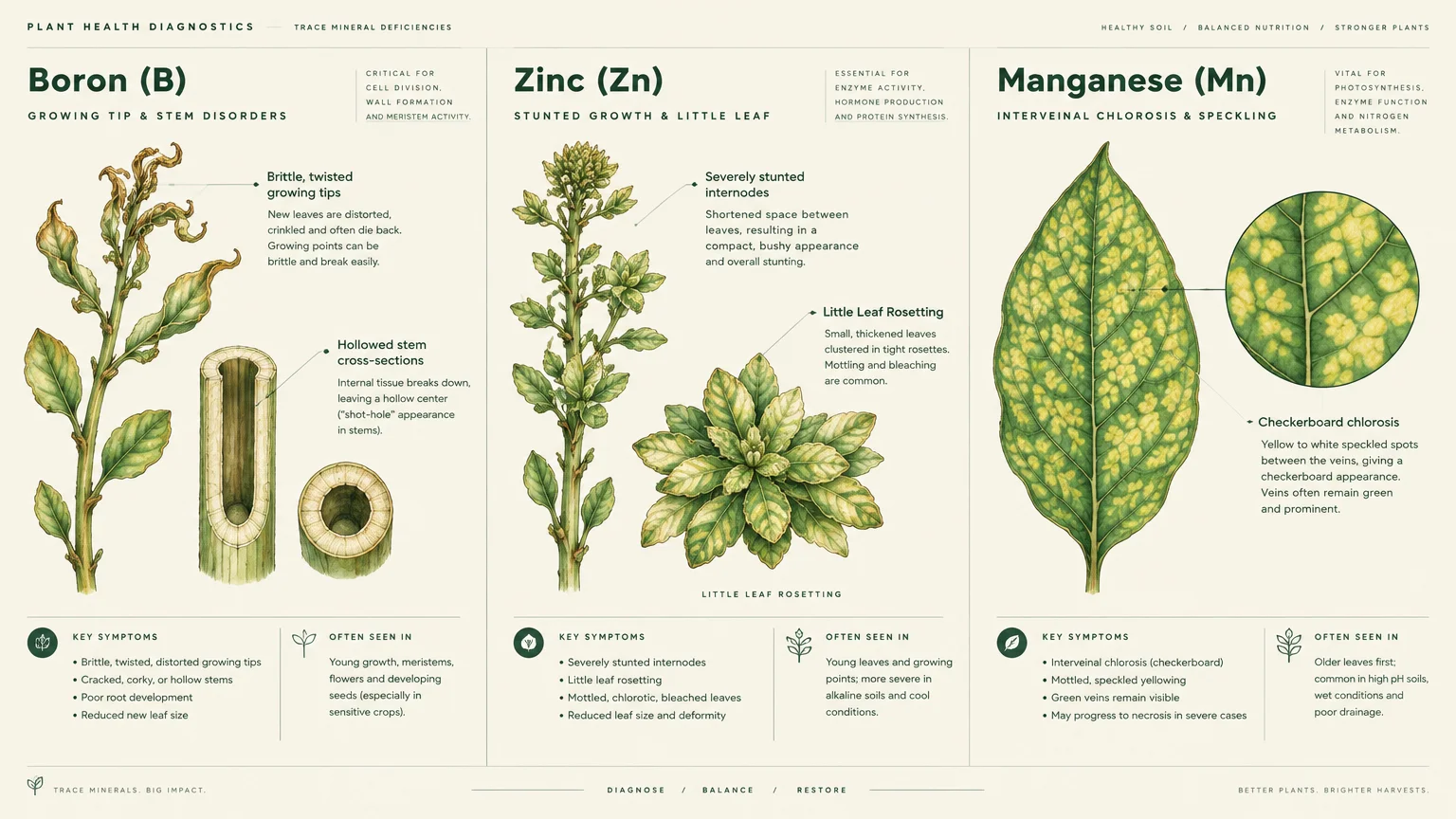
Tip #7: Detect Micronutrient Imbalances from Boron, Zinc, and Manganese
Although plants consume micronutrients in minuscule amounts, these trace catalysts trigger vital metabolic, enzymatic, and hormonal reactions. Overlooking trace elements can ruin an otherwise healthy garden bed.
Boron deficiency manifests as brittle, hollow stems, cracked petioles, and aborted floral buds. Root crops, such as beets and radishes, develop unsightly brown, corky heart rot under acute boron stress.
Zinc shortages cause characteristic “little leaf” and rosette patterns, where internodes fail to elongate between emerging leaf nodes. Leaves develop bleached white bands along the midrib, a condition often seen in young sweet corn.
Manganese deficiency creates fine, speckled interveinal chlorosis on young foliage, along with tiny, sunken brown necrotic spots. Unlike iron chlorosis, manganese symptoms create a checkered, mosaic look across the leaf surface.
Identifying plant nutrient problems involving trace minerals requires patience, as excess application can quickly induce toxic plant shock. Always confirm suspected micronutrient shortfalls with a professional laboratory soil test before adding concentrated amendments.
Broad-spectrum kelp meal, volcanic rock dust, and mature leaf mold naturally replenish the full spectrum of trace minerals safely. These holistic inputs release micronutrients steadily without risking root burn or chemical imbalances.
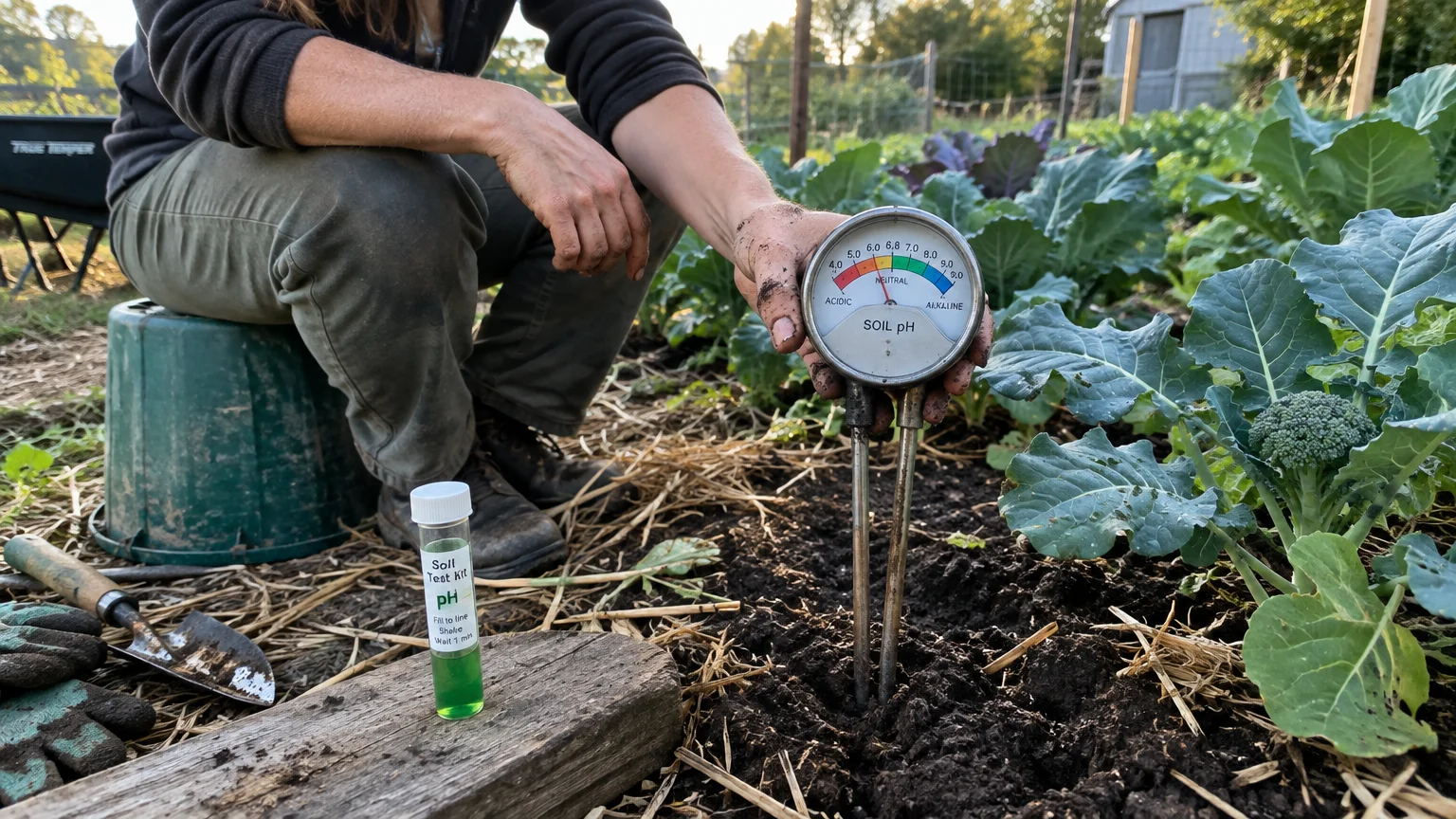
Tip #8: Test Soil pH to Unlock Bound Nutrients
You can apply premium fertilizers all season, but your plants will starve if soil pH locks those nutrients away. Soil pH dictates the chemical solubility and biological availability of every essential mineral in your soil.
Most garden vegetables and ornamentals thrive within a slightly acidic to neutral range of 6.0 to 7.0. Within this sweet spot, primary macronutrients and trace minerals dissolve freely in soil water for easy root absorption.
When soil pH climbs above 7.5, phosphorus, iron, manganese, and zinc precipitate into insoluble compounds that roots cannot absorb. Leaves might starve while the soil around them remains packed with unusable minerals.
Conversely, acidic soils dropping below 5.5 bind calcium, magnesium, and phosphorus while releasing toxic levels of aluminum and manganese. Plants display multiple, confusing plant nutrient deficiency symptoms simultaneously under severe acidity.
Test your soil pH every two years using a calibrated digital meter or a cooperative extension soil test kit. Incorporate agricultural limestone to elevate acidic ground, or apply elemental sulfur to gently lower alkaline soils over several months.
Amending with rich, biologically active compost acts as a natural buffer, moderating extreme pH swings and enhancing cation exchange capacity. Healthy organic matter keeps nutrients accessible even through weather fluctuations.

Putting It All Together: Enjoy Your Beautiful Garden
Successful plant health diagnosis is an observational skill that sharpens with every garden season. When you view leaf discoloration as informative communication rather than failure, troubleshooting becomes immensely rewarding.
Remember to systematically evaluate whether symptoms appear on older growth or fresh shoots before reaching for a fertilizer bag. That simple distinction immediately eliminates half of all potential mineral suspects.
Always address cultural foundations—such as watering consistency, soil drainage, and root warmth—before introducing concentrated amendments. Often, unlocking locked-up nutrients simply requires evening out your watering schedule.
Observing leaf vein contrast and margin health narrows your diagnostic focus with exceptional precision. Taking photographic notes in a garden journal helps you track recovery timelines across weeks.
By feeding your soil ecosystem with organic matter, compost, and thoughtful amendments, you build long-term botanical resilience. Your garden will reward your attentive stewardship with lush foliage, vibrant blossoms, and deeply nourishing harvests.
Cultivating vibrant plants is an ongoing partnership between observant eyes and healthy soil biology. Enjoy the process of learning what your plants need to thrive under your dedicated care.
For region-specific advice, consult your local University Extension program (find yours via the USDA directory). For plant databases and inspiration, visit the Missouri Botanical Garden or the Royal Horticultural Society.
Disclaimer: This article provides general gardening advice. Always consider your specific climate, soil conditions, and local pests; follow safety guidelines when using gardening tools and products.
Frequently Asked Questions
How fast do plants recover after correcting a nutrient deficiency?
Foliar sprays can produce visible improvements in leaf color within forty-eight to seventy-two hours. Soil-applied amendments generally require one to two weeks to demonstrate new, vigorous vegetative growth.
Severely damaged, necrotic leaf tissue will never turn green again, so focus on evaluating the health of emerging leaves. New growth provides the truest indicator of nutritional recovery.
Can overwatering cause signs of nutrient deficiency in plants?
Yes, waterlogged soil drowns fine root hairs by displacing the vital oxygen pockets required for cellular respiration. Without oxygen, roots cannot actively absorb minerals, causing foliage to turn yellow even in nutrient-rich soil.
Allow the top two inches of soil to dry out between waterings before adding extra fertilizer to yellowing plants. Improving soil aeration often resolves apparent deficiencies without adding chemical inputs.
What is the difference between mobile and immobile plant nutrients?
Mobile nutrients, such as nitrogen and potassium, can travel freely inside vascular systems from older tissues to newer shoots. Immobile nutrients, like calcium and iron, stay permanently locked within the cells where they first arrive.
Consequently, mobile nutrient deficiencies show on bottom leaves first, while immobile shortages appear exclusively on the newest growth. Keeping this simple biological rule in mind simplifies every diagnosis.
How can I prevent common plant deficiencies organically?
The most effective preventative strategy involves dressing your garden beds annually with two inches of finished organic compost. Compost supplies a balanced spectrum of macro and micronutrients while boosting soil microbial activity.
Rotating crop families each year also prevents heavy feeders from depleting specific mineral reserves in targeted soil zones. Pairing rotation with winter cover crops protects topsoil fertility for years to come.