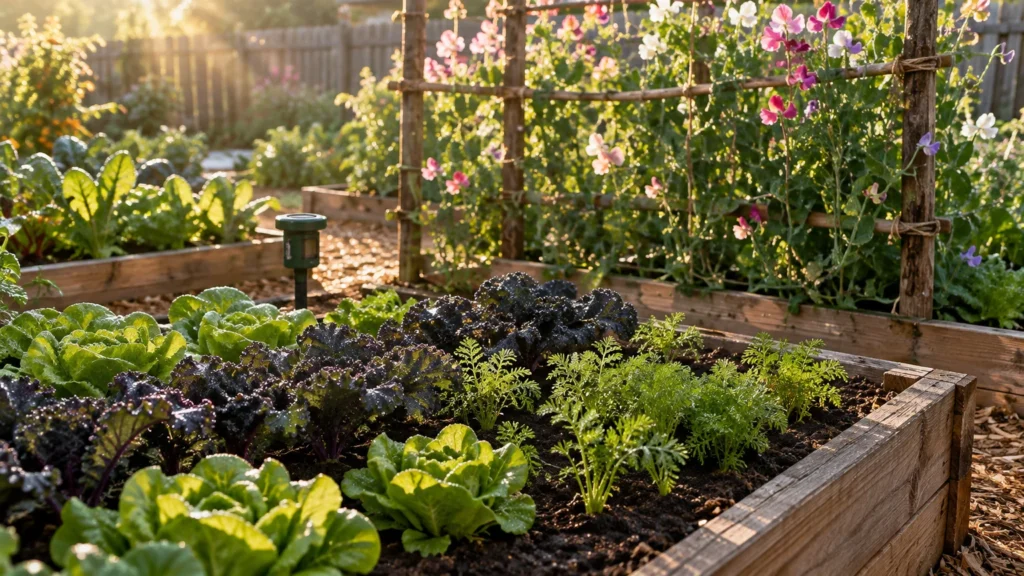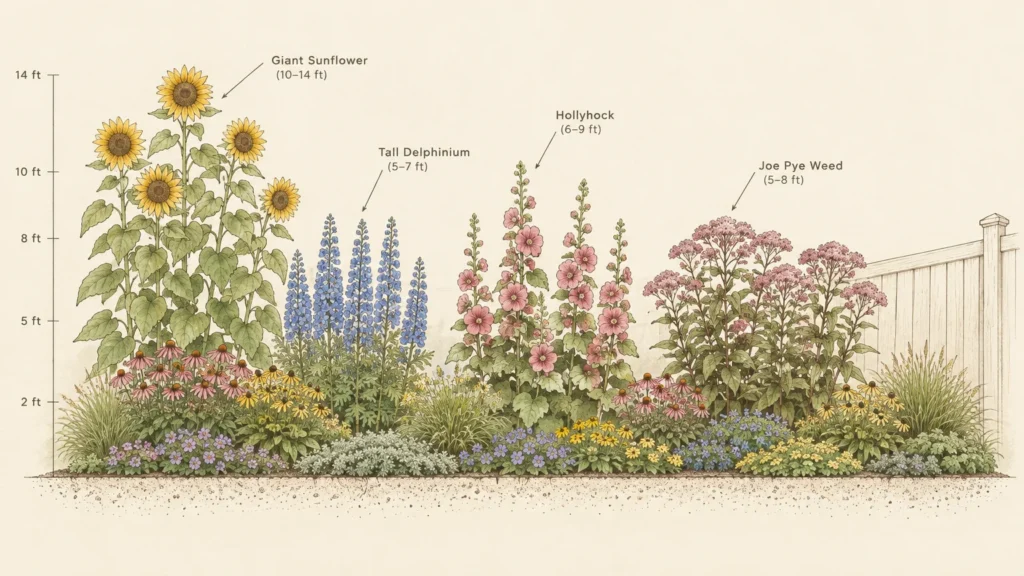
You can transform dim corners into breathtaking sanctuaries by choosing shade plants with colorful foliage. Vivid leaves brighten dark areas all season long without relying on short-lived flowers.
Foliage plants for shade provide reliable color, dramatic architectural form, and rich textures from spring through the first hard frost. These dependable performers thrive beneath tree canopies and beside shadowed walls.
Explore these ten exceptional shade garden plants to create a lush, glowing outdoor retreat. Your low light garden ideas will quickly turn into an enviable, multi-dimensional reality.
Tip #1: Hostas (Hosta spp.)
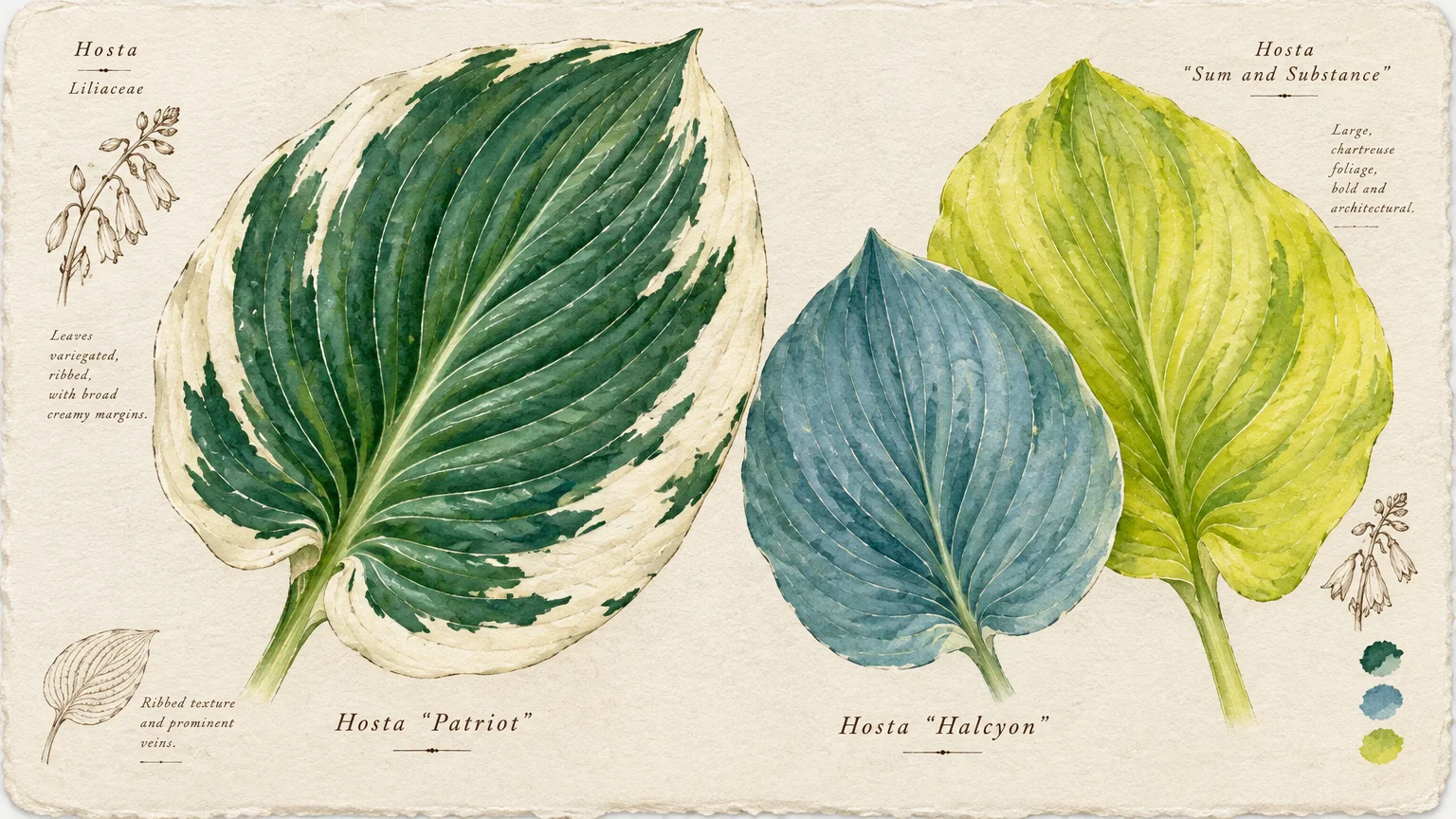
Hostas anchor shadowy borders with substantial presence and unmatched leaf diversity. You can choose from colossal two-foot leaves down to charming miniature varieties.
Varieties like ‘Sum and Substance’ boast luminous chartreuse pads that reflect subtle daylight. Meanwhile, ‘Halcyon’ coats your garden beds in soothing, powdery blue tones.
Plant your hostas in rich, moisture-retentive soil amended with organic compost. They flourish under dappled tree canopies where direct afternoon rays cannot scorch their leaves.
Maintain steady soil hydration, delivering about one inch of water per week. Consistent moisture keeps their broad leaf expanses crisp and vibrant throughout summer.
Discourage visiting slugs by spreading crushed eggshells or organic iron phosphate granules around the crowns. Pair them beside fine-textured ferns to create immediate visual contrast.
Divide mature crowns every three to four years during early spring. This easy maintenance chore rejuvenates older plants while providing free divisions for bare garden spots.
Experiment with variegated forms like ‘Patriot’ to introduce bright white margins into dim corners. These contrasting borders illuminate low-light garden beds with minimal ongoing effort.
Tip #2: Coral Bells (Heuchera spp.)
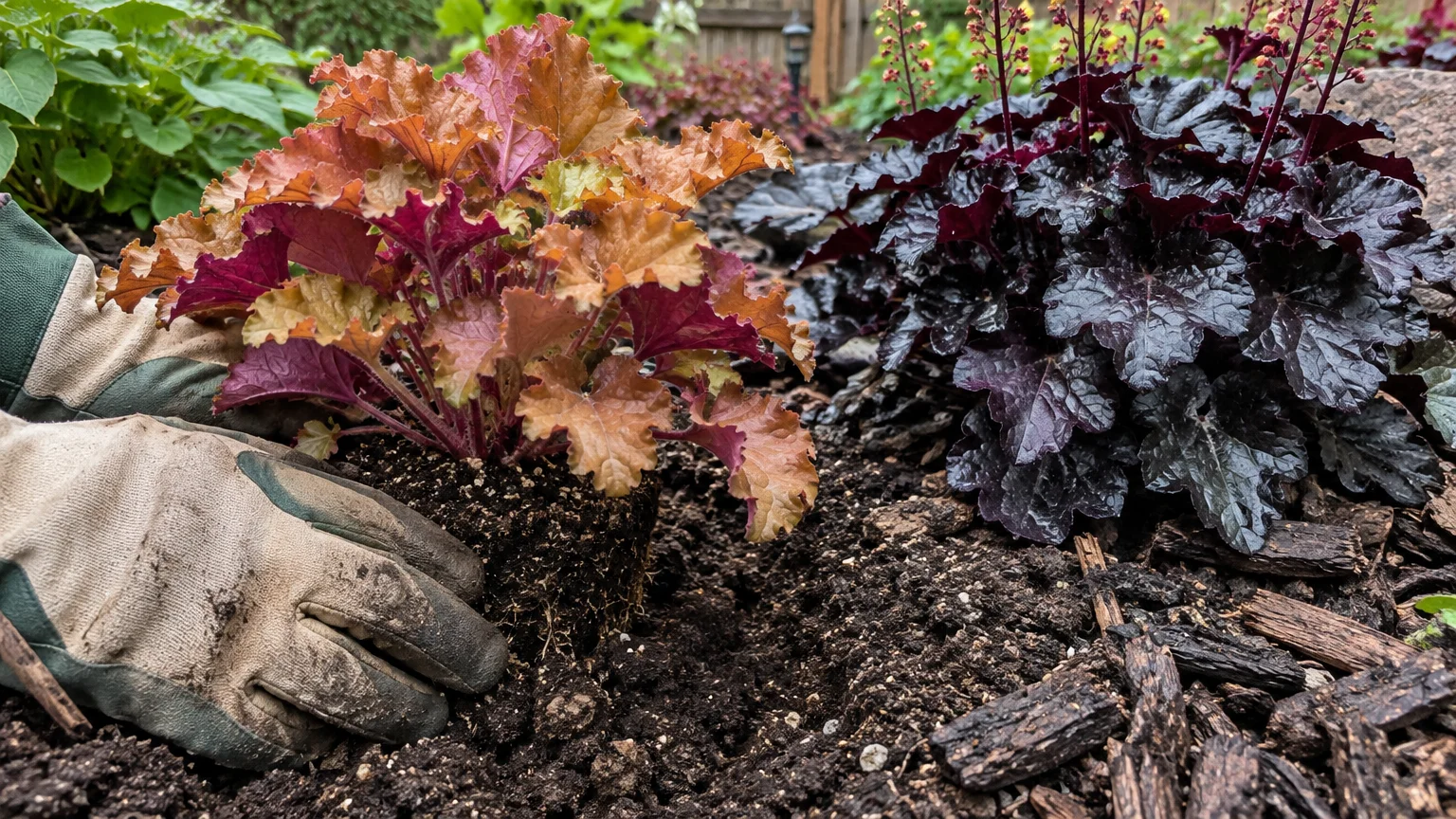
Coral bells provide some of the richest color palettes found anywhere in temperate horticulture. Breeders continue to introduce stunning cultivars in amber, burgundy, plum, and shimmering rose.
Varieties like ‘Caramel’ offer warm apricot leaves with raspberry undersides. In contrast, ‘Obsidian’ produces glossy, jet-black mounds that hold their dark saturation through heat.
Position hostas and heucheras together to generate striking contrasts in leaf texture and scale. Heuchera foliage typically stays compact, reaching eight to twelve inches tall.
Ensure your planting location drains excess moisture quickly, especially during dormant winter months. Wet, waterlogged soils invite root rot and weaken crown stability.
Mulch lightly around the base each autumn to prevent winter frost heaving. Lightly trim faded, ragged foliage in early spring to stimulate vigorous, colorful new growth.
Feed them with a balanced organic granular fertilizer once growth emerges. This moderate boost sustains vibrant leaf pigmentation right into late autumn.
Tuck coral bells into containers or rock crevices where their ruffled edges command attention. Their semi-evergreen habit ensures attractive structure even during mild winter spells.
Tip #3: Caladiums (Caladium bicolor)
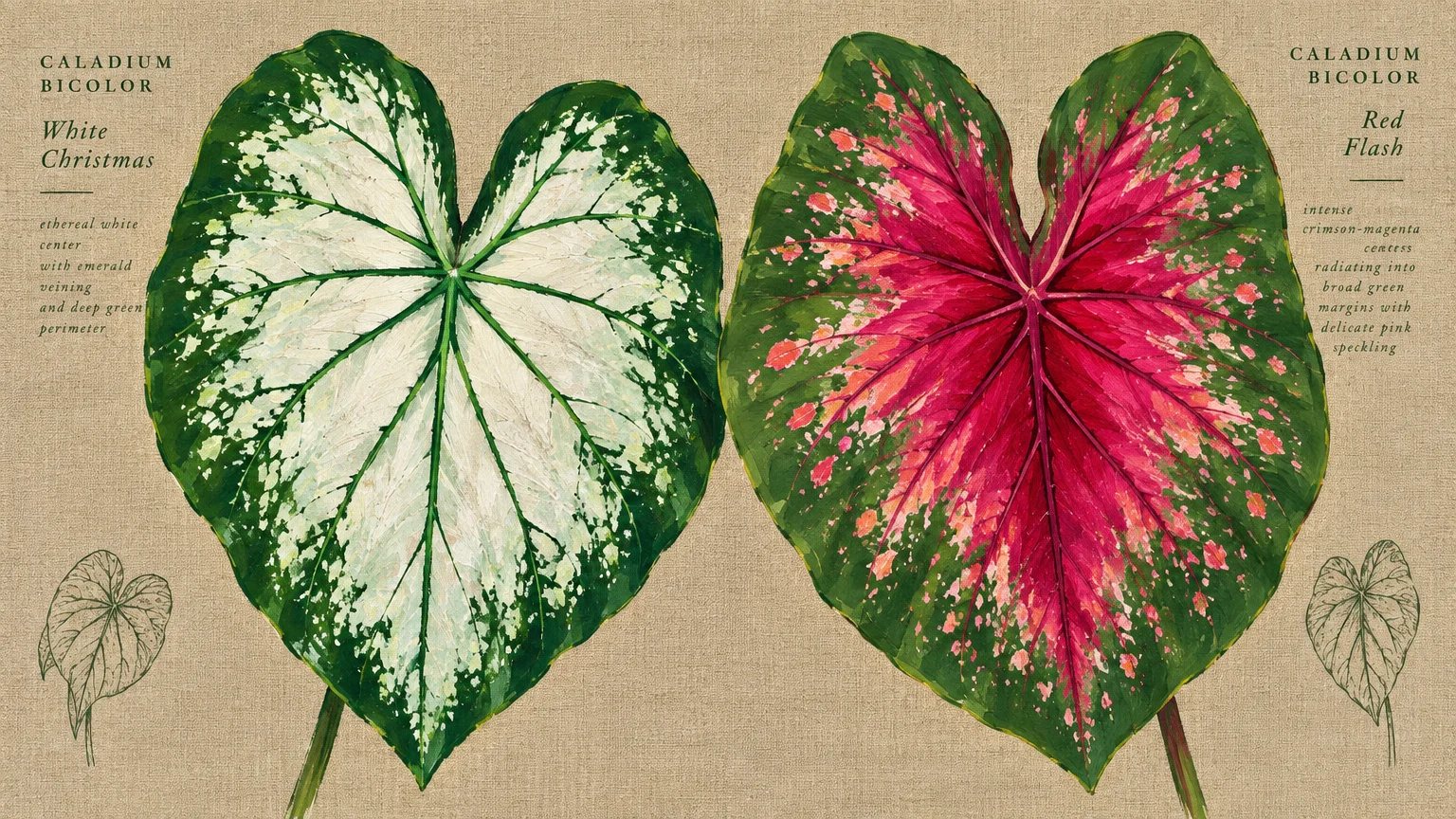
Caladiums bring dramatic tropical energy into quiet, shaded landscape beds. Their paper-thin, heart-shaped leaves display dazzling combinations of hot pink, white, emerald, and crimson.
Popular cultivars like ‘White Christmas’ feature brilliant white centers bordered by dark veins. Cultivars such as ‘Red Flash’ deliver dramatic scarlet splashes across deep green surfaces.
Plant caladium tubers in late spring after your soil reaches a steady seventy degrees Fahrenheit. Cold ground stalls tuber development and can cause fungal rotting.
Provide fertile, humus-heavy soil that retains gentle moisture without sitting soggy. A light layer of shredded bark mulch preserves essential root zone humidity.
Grow these beauties in shaded containers or mass them along garden borders. Their translucent leaves glow like stained glass when early morning rays filter through them.
Dig up the tubers before the first frost arrives if you live north of USDA Zone 9. Store them indoors in dry peat moss until warm spring weather returns.
Water container-grown caladiums regularly, as potted potting mix dries out quicker than garden soil. Consistent dampness prevents droopy leaves and maintains crisp edges.
Tip #4: Japanese Forest Grass (Hakonechloa macra)
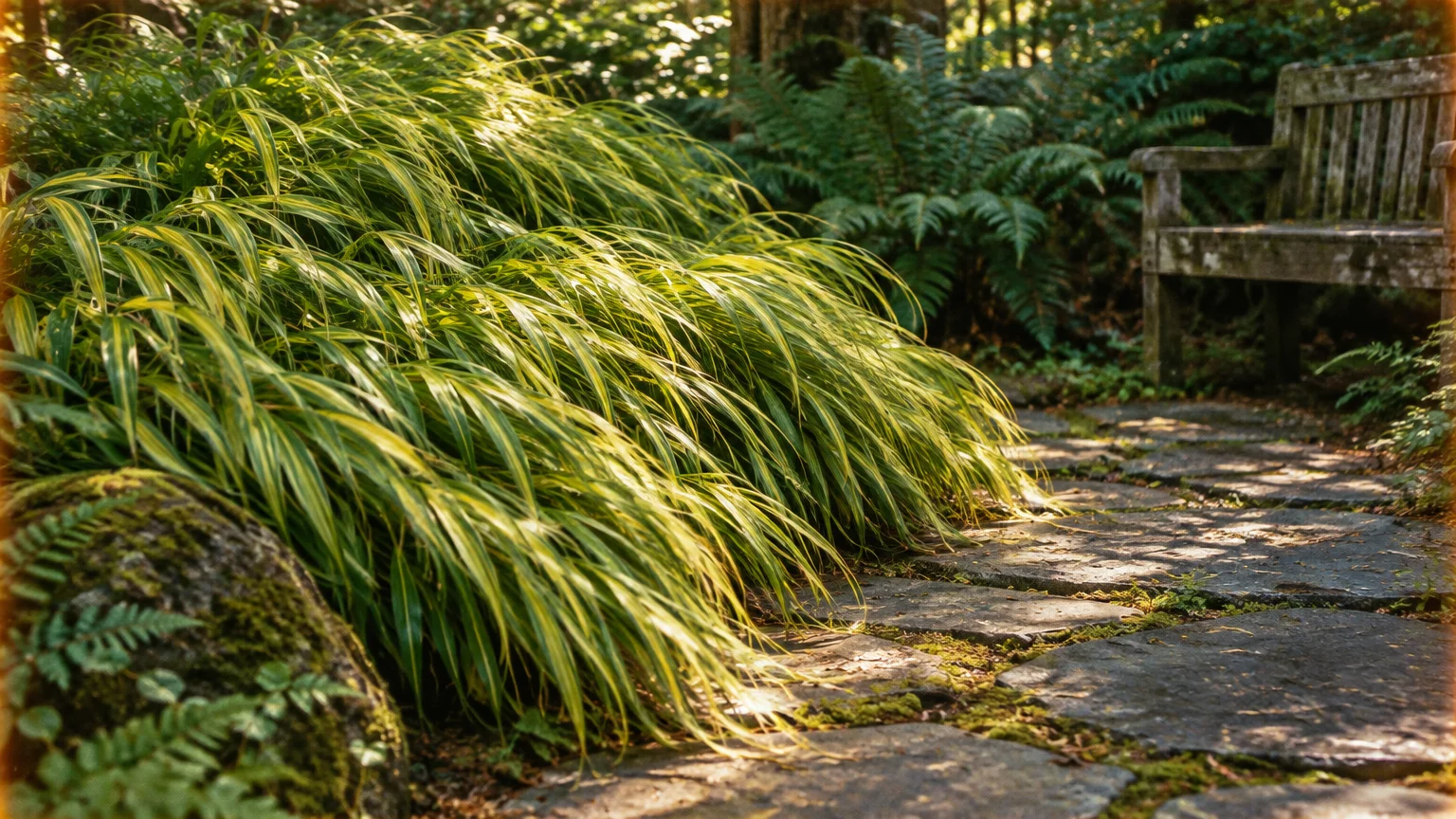
Japanese forest grass creates sweeping graceful ribbons of color in shaded ground beds. Unlike stiff ornamental grasses, this species cascades downward like a bubbling golden fountain.
Cultivar ‘Aureola’ shines with bright yellow blades striped in slender green lines. As autumn temperatures drop, these luminous ribbons shift to warm copper and rosy orange.
Plant this slow-spreading grass along sloped shade beds, rock walls, or path edges. The cascading stems soften rigid stone edges and introduce gentle physical movement.
Supply moist, well-aerated soil rich in leaf mold or well-rotted compost. The roots require consistent dampness; dry soil causes unsightly brown tips on the leaves.
Cut back the dead winter foliage in late winter before fresh emerald shoots emerge. A two-inch organic mulch collar helps preserve critical moisture levels through hot summer stretches.
Space new clumps eighteen inches apart to allow their graceful arches to interlock naturally. Over time, they weave an elegant weed-suppressing groundcover beneath tall shade trees.
Complement this grass with broad-leaved perennials to highlight its fine, linear foliage. The visual interplay creates a dynamic contrast rarely seen in low-light spaces.
Tip #5: Coleus (Plectranthus scutellarioides)
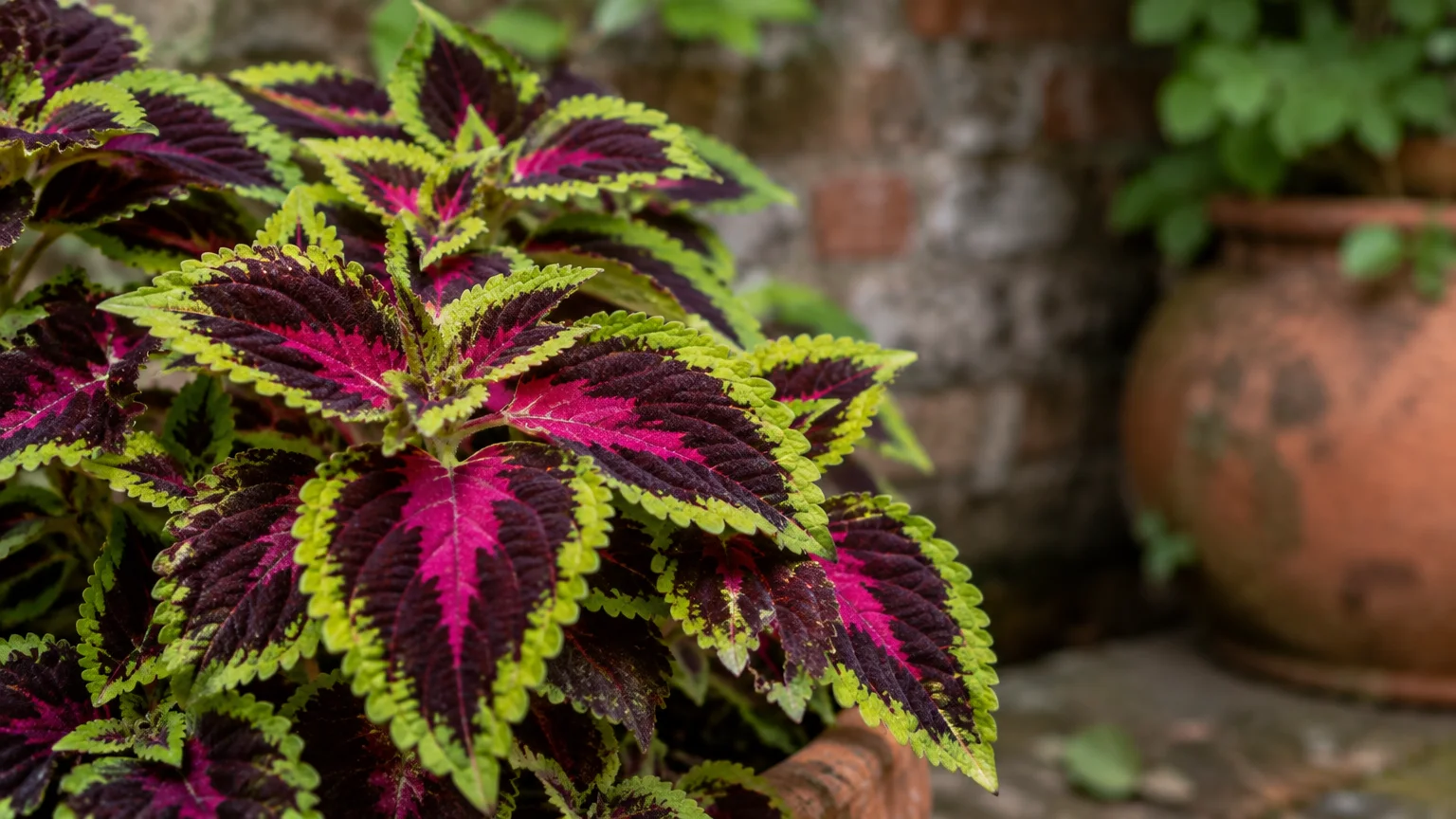
Coleus provides instant saturated color for gardeners craving rapid visual impact. Its velvety leaves exhibit kaleidoscopic patterns involving magenta, lime, copper, and dark velvet maroon.
Choose shade-tolerant varieties like ‘Kong Green’ for enormous patterned leaves. Alternatively, select trailing series to spill velvety, colorful frills over container rims and hanging baskets.
Pinch off emerging flower spikes as soon as you notice them forming. Removing these buds forces the plant to direct its energy into dense, colorful foliage.
Maintain moist soil conditions and feed your coleus monthly with balanced liquid fertilizer. Consistent nutrition keeps the foliage radiant and prevents lower stem defoliation.
Propagate your favorite coleus stems easily by rooting simple four-inch cuttings in plain water. Within two weeks, sturdy white roots form, giving you vigorous new plants for free.
Pair coleus beside silver and dark green perennials to make its psychedelic foliage pop. This flexible annual delivers non-stop brilliance from planting until autumn frost.
Position your containers where they receive gentle morning light but escape scorching midday heat. Morning sun intensifies foliage coloration while preserving delicate leaf tissues.
Tip #6: Japanese Painted Fern (Athyrium niponicum)
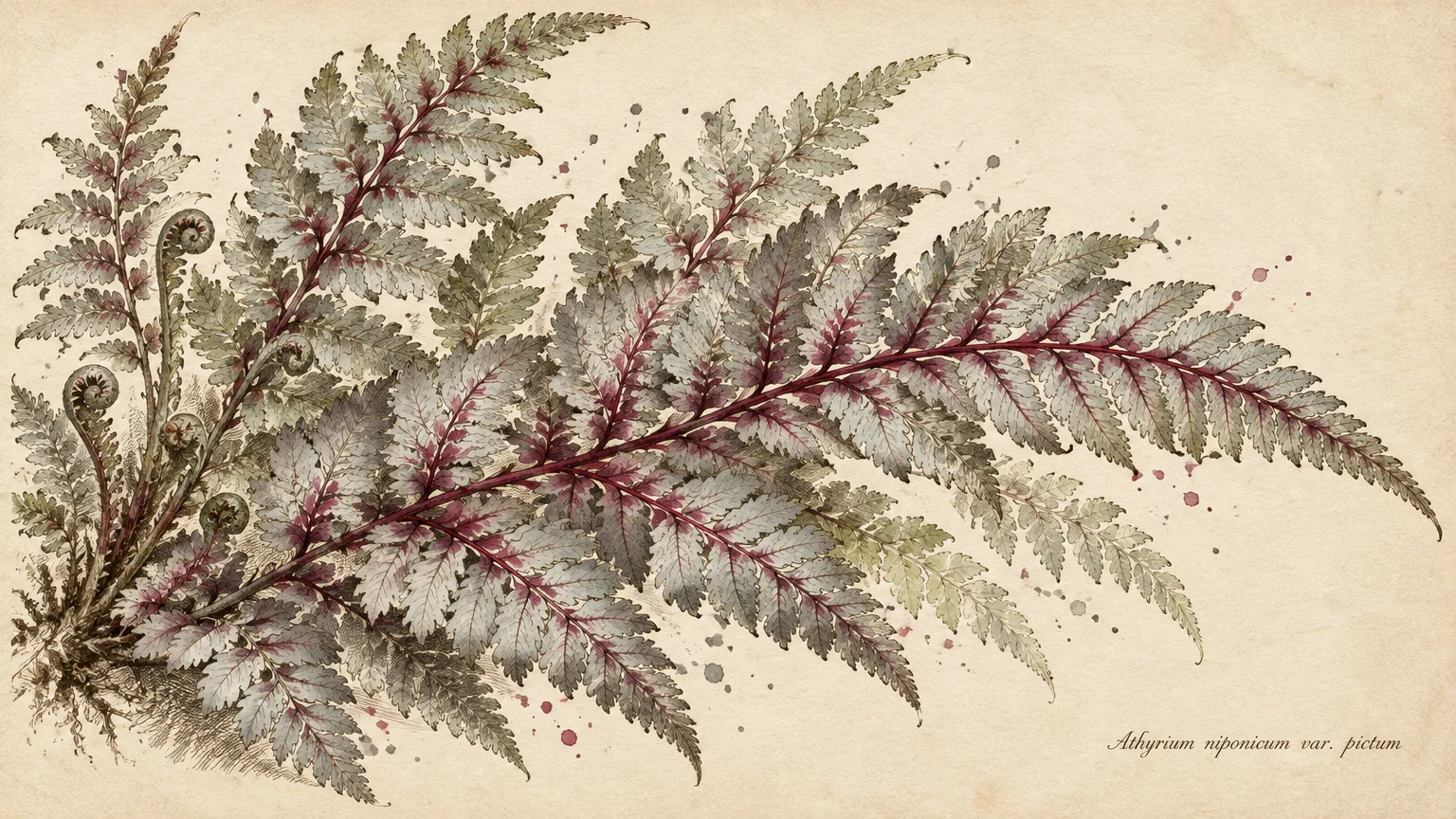
Japanese painted ferns introduce sophisticated metallic artistry into woodland garden beds. Their delicate fronds combine muted pewter, soft mint, and rich burgundy midribs.
The celebrated cultivar ‘Pictum’ highlights these frosty tones with dramatic reddish-purple stems. It grows approximately eighteen inches tall, forming tidy, non-invasive spreading colonies.
Plant painted ferns in sheltered pockets where gusty winds cannot snap their brittle stems. They prefer acidic, organic soils that mimic the rich loam of undisturbed forest floors.
Keep the soil consistently cool and damp by applying shredded leaf mulch. Drought stresses the delicate fronds, causing their beautiful metallic coloration to fade prematurely.
Group painted ferns alongside broad-leaved shade plants with colorful foliage like hostas. The juxtaposition between delicate, silvery fronds and bold, solid leaves creates breathtaking visual depth.
Allow the faded fronds to remain over winter to insulate the dormant crowns. Gently trim away the dead growth in early spring as new fiddleheads begin unfurling.
Divide mature colonies every three to four years during mid-spring. Spreading these divisions around your woodland paths produces a harmonious, cohesive design rhythm.
Tip #7: Siberian Bugloss (Brunnera macrophylla)
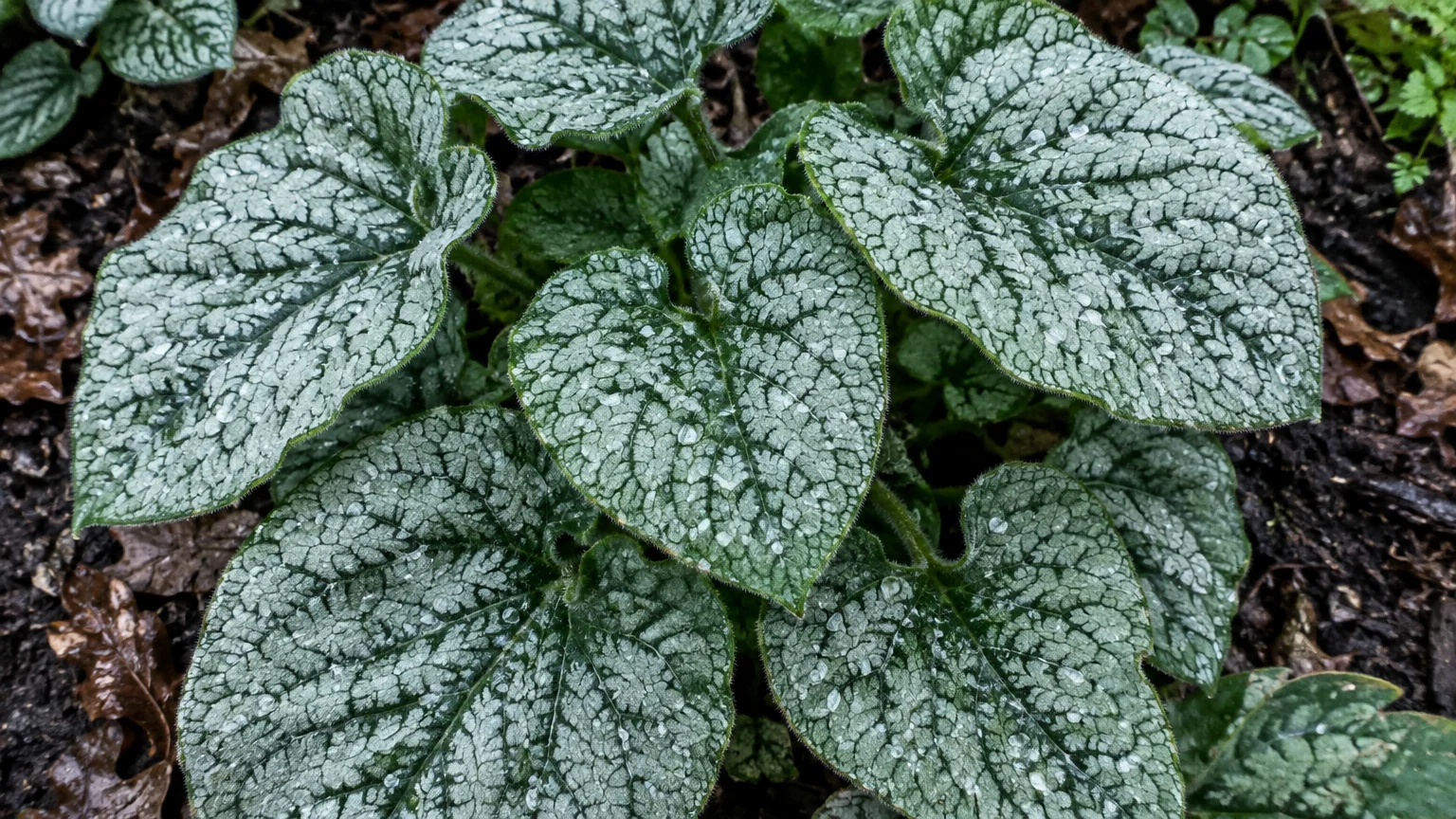
Siberian bugloss illuminates deep woodland shade with magnificent shimmering silver foliage. While it produces sky-blue spring blossoms, its spectacular leaves remain the primary garden attraction.
Cultivars such as ‘Jack Frost’ feature silvery, heart-shaped leaves etched with crisp green veins. Another standout, ‘Alexander’s Great’, develops massive leaves measuring nearly a foot across.
Situate your plants in partial to full shade with moist, organically rich soil. Harsh afternoon sun can scorch the silver variegation, turning delicate leaf margins crisp and brown.
Apply a three-inch layer of organic compost around the plants each spring. This organic topdressing conserves soil moisture while steadily nourishing developing roots.
Deer and rabbits routinely ignore the foliage due to its coarse, slightly bristly texture. This natural pest resistance makes Siberian bugloss a dependable woodland choice.
Remove battered older leaves in midsummer if they become tattered or weathered. Healthy fresh crowns will rapidly generate clean, pristine foliage to refresh the display.
Interplant bugloss with deep green ferns to emphasize the radiant silver glow. The reflective surface brightens even the dimmest understory plantings effortlessly.
Tip #8: Foamflower (Tiarella cordifolia)
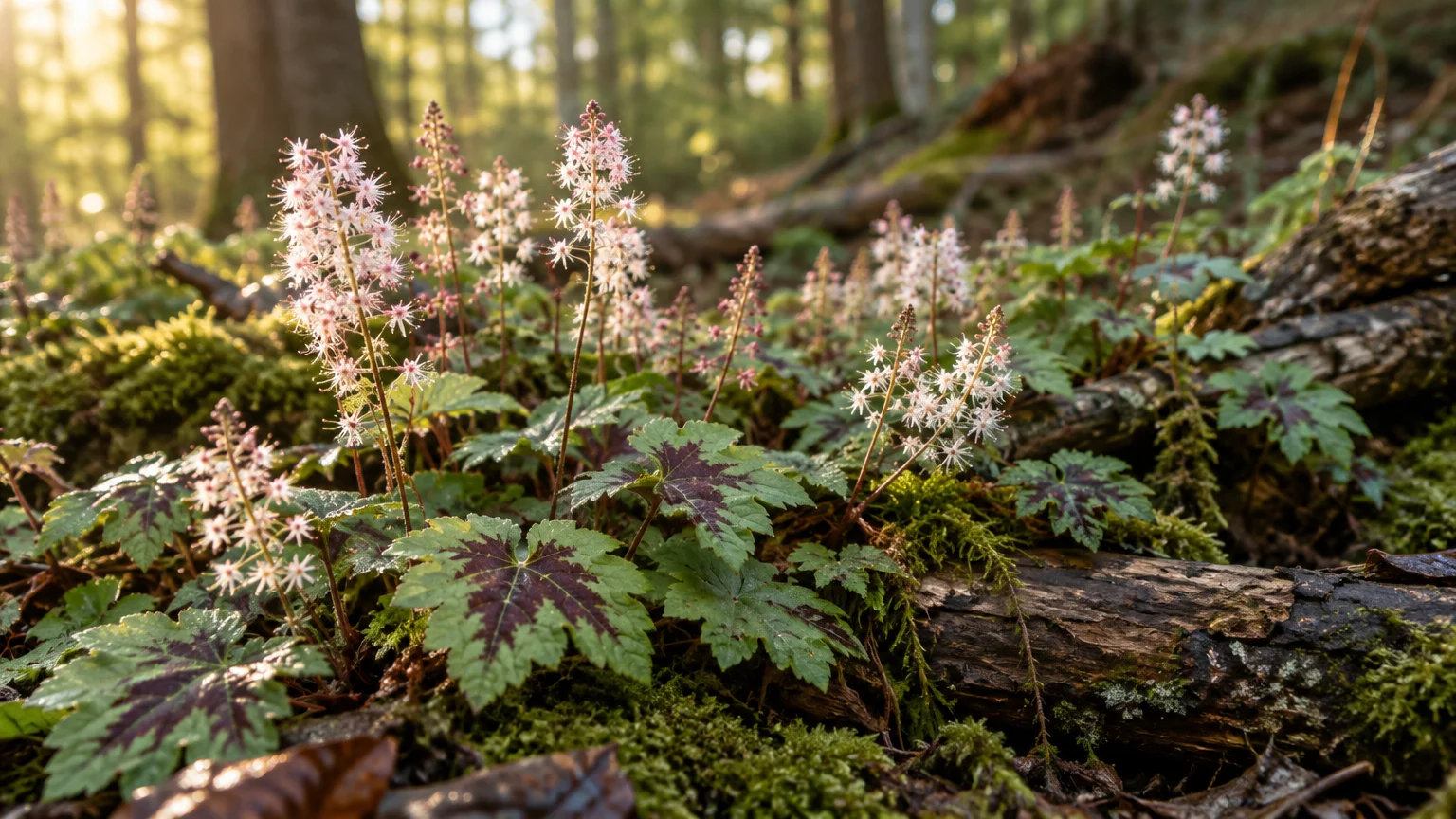
Foamflower is an exceptional North American native that brightens damp woodland settings. Its deeply lobed, maple-like leaves feature prominent dark purple or burgundy central markings.
Selections like ‘Brandywine’ and ‘Spring Symphony’ offer deeply etched centers and compact growth habits. In autumn, the foliage transforms into rich shades of bronze and crimson.
Foamflowers thrive as groundcovers beneath deciduous trees, spreading via polite, non-aggressive runners. They protect woodland soils from erosion while choking out invasive spring weeds.
Provide damp, humic soil with a slightly acidic pH between 5.5 and 6.5. Blend leaf mulch into your native soil before planting to replicate natural woodland environments.
Pair foamflowers with early spring bulbs like daffodils and woodland phlox. As bulb foliage dies down, foamflower spreads outward to hide the fading leaves.
Water your plants deeply during dry summer spells to sustain leaf vigor. This hardy perennial tolerates cold climates exceptionally well, returning faithfully year after year.
Grow foamflowers alongside coral bells to compare their closely related leaf forms. Their combined colors create a dynamic tapestry across low light garden ideas.
Tip #9: Red Dragon Fleeceflower (Persicaria microcephala)
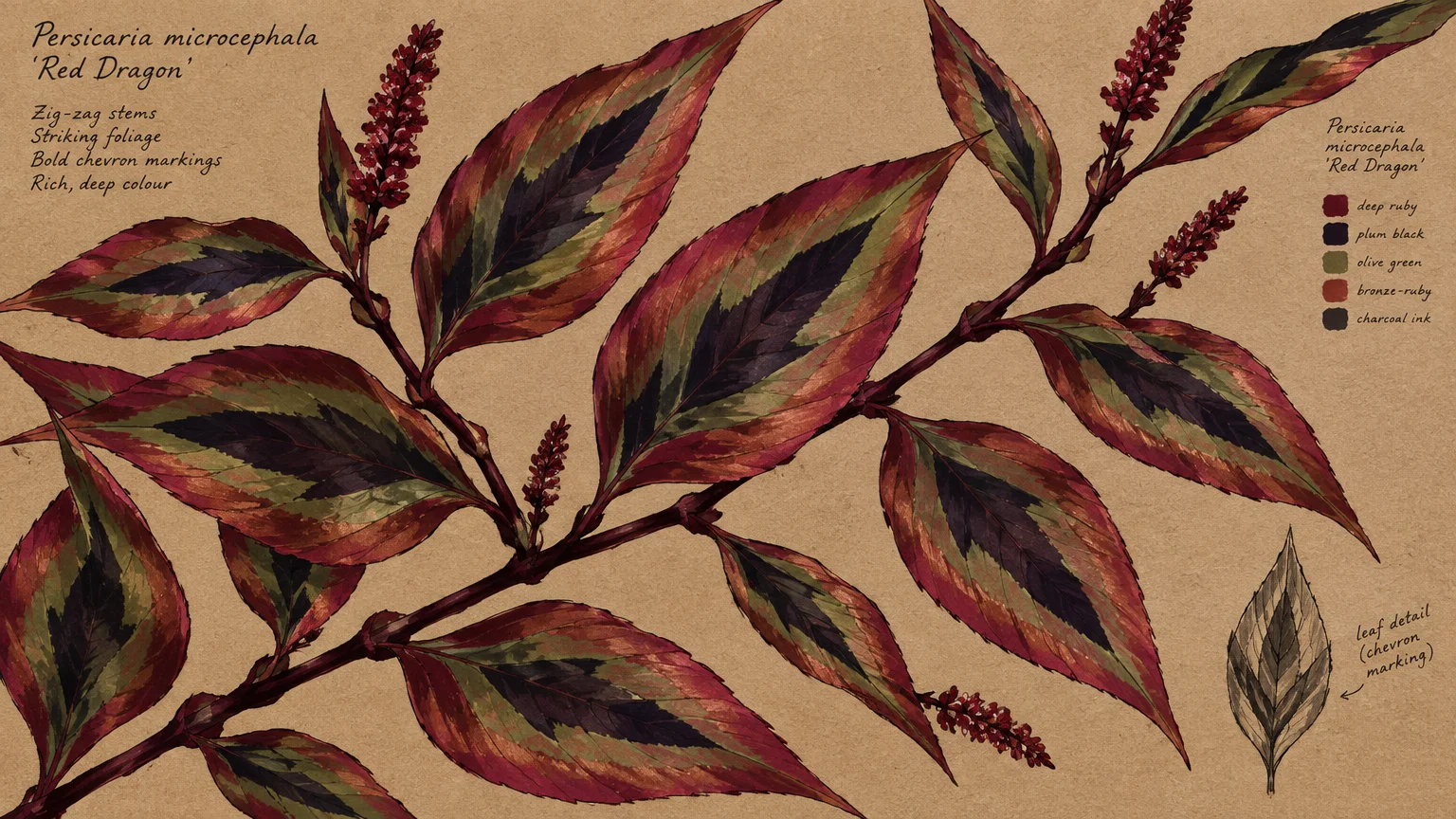
Red Dragon fleeceflower introduces electric burgundy foliage and sharp geometric patterns into shady areas. Each pointed leaf displays a distinctive chevron marking of plum, silver, and mint green.
This vigorous perennial rapidly forms a dense, bushy mound up to thirty inches tall. Its rich plum stems hold the leaves upright, creating excellent vertical structure.
Plant this selection in moist, average garden soil exposed to partial or dappled shade. It tolerates varying soil types as long as you provide regular seasonal moisture.
Prune the stems back by half in early summer if growth becomes unruly. This strategic trimming promotes dense branching and prompts a burst of brightly colored new foliage.
Combine this bold plant with lime-colored Japanese forest grass or golden hostas. The stark contrast between deep plum and glowing chartreuse energizes dull garden corners.
Fleeceflower dies back completely after hard autumn frosts hit your garden. Clear away spent stems in winter, and watch vibrant shoots emerge enthusiastically in spring.
Establish fleeceflower in border mid-sections where its substantial height provides a colorful backdrop. It fills open voids quickly without displaying invasive tendencies.
Tip #10: Lungwort (Pulmonaria spp.)
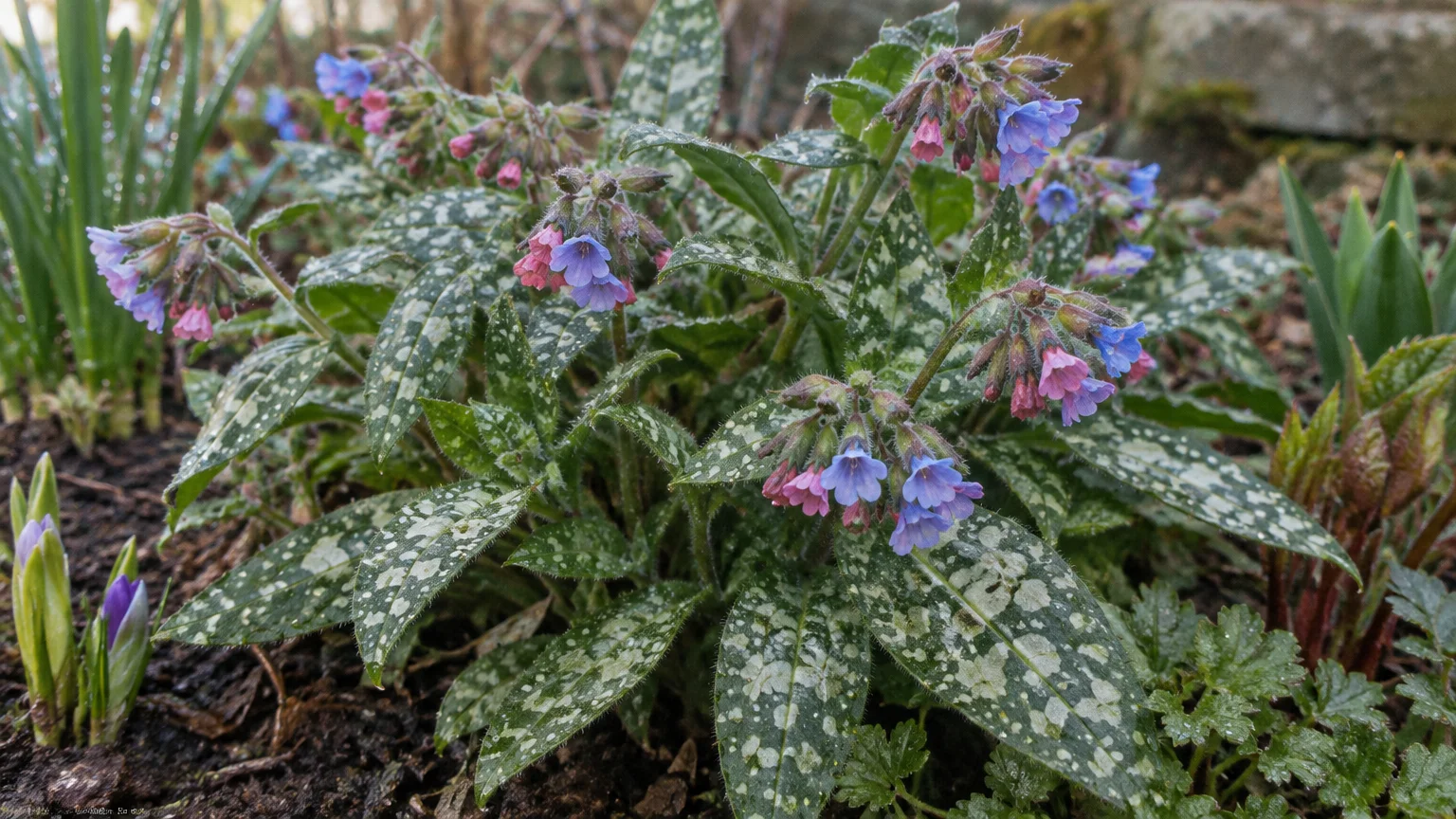
Lungwort offers rugged durability alongside striking, silver-splashed foliage that brightens dim ground layers. Its lance-shaped leaves feature celestial spots, frosted washes, or solid pewter surfaces.
Cultivars like ‘Silver Bouquet’ produce nearly solid metallic leaves edged with slender green borders. ‘Trevi Fountain’ features bright silver speckles across lush, dark green backgrounds.
Grow lungwort in cool, moist, organic soil located beneath trees or along foundations. It establishes quickly, forming neat semi-evergreen clusters that slowly expand into dense groundcover.
Keep the soil consistently damp during peak summer heat to prevent powdery mildew. Water the base of the plant directly to avoid wetting the hairy leaves.
Cut the foliage back to the ground after spring flowering finishes. Fresh, immaculate leaves will emerge within weeks, remaining attractive straight through early winter.
Combine lungwort with spring ephemerals and delicate ferns for layered depth. Slugs and deer consistently avoid lungwort, ensuring undisturbed beauty all season.
Space new plants twelve inches apart to let crowns expand into full clumps. Their persistent foliage anchors shaded beds long after early perennials fade away.
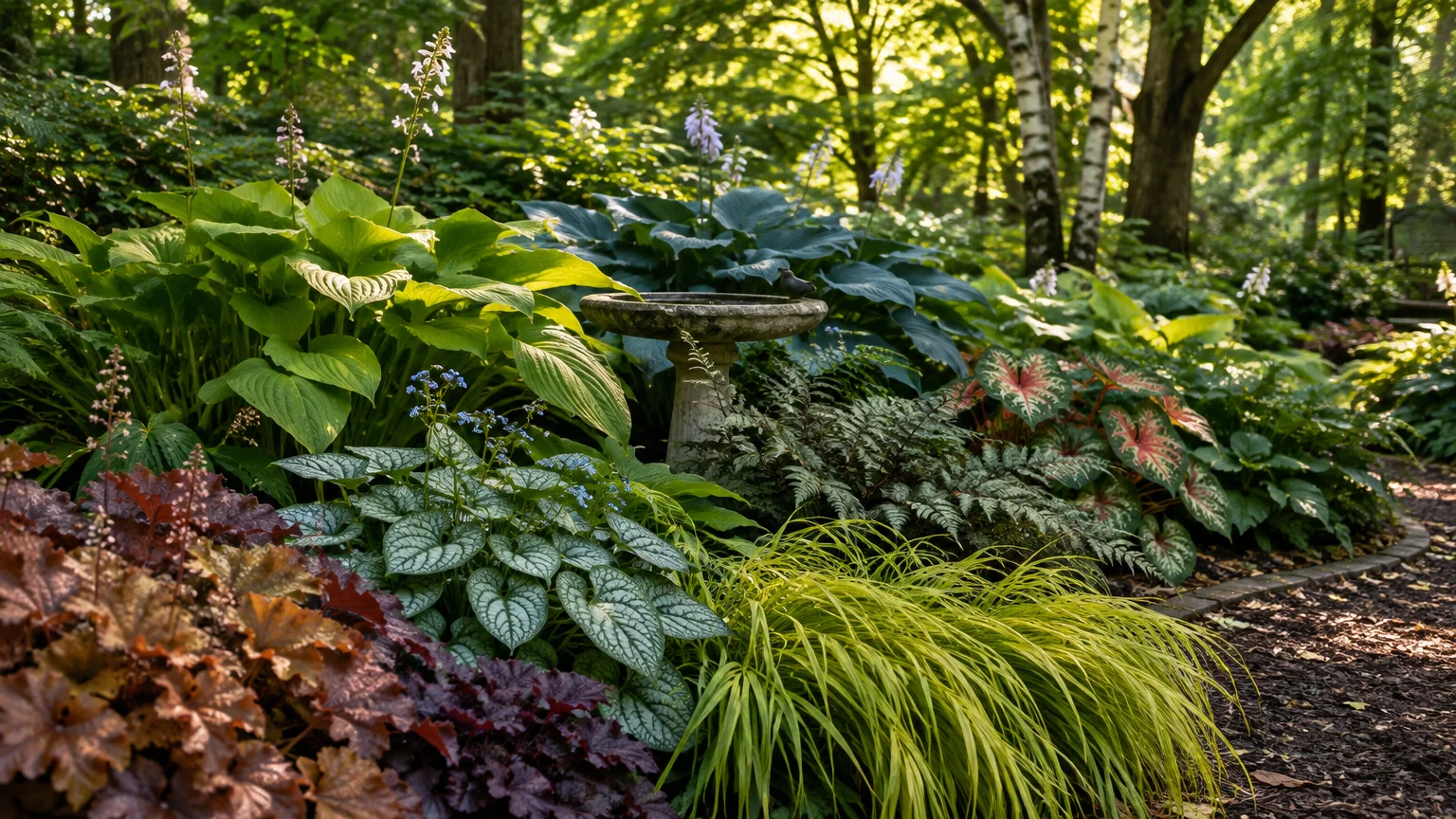
Putting It All Together: Enjoy Your Beautiful Garden
Designing an inspiring shade garden starts with shifting your attention from fleeting blossoms to dynamic leaf colors. Foliage delivers structural reliability, multi-season texture, and rich visual interest.
Layer tall plants like fleeceflower behind rounded hostas and cascading Japanese forest grass. This tiered arrangement produces continuous depth and guides the eye through shadowed spaces.
Mix contrasting leaf textures by combining broad, smooth foliage with delicate, feathery fronds. Highlighting fine details against broad expanses prevents low-light borders from feeling monotonous.
Enrich your native soil with plenty of organic matter before setting your plants into place. Healthy soil feeds robust root systems and ensures long-term foliage vibrancy.
Step outside and observe how natural light travels across your garden throughout the day. Tailoring your plant placements to these light patterns guarantees thriving, colorful specimens.
Frequently Asked Questions
Can shade plants with colorful foliage tolerate any direct sunlight?
Most colorful foliage plants welcome gentle morning sun, which often enhances their leaf pigmentation. However, harsh afternoon sun will scorch delicate leaves and wash out vibrant colors.
How often should you water shade garden plants?
Water your shade garden deeply once or twice a week, aiming for one inch of water. Adjust frequency during heatwaves or if thirsty tree roots compete for soil moisture.
Which foliage plants for shade resist deer and rabbits best?
Lungwort, Siberian bugloss, and Japanese painted ferns naturally repel browsing deer and rabbits. Their textured, hairy, or fibrous leaves make them unpalatable to common garden wildlife.
How do you brighten deep, heavy shade without direct sun?
Integrate plants with silver, chartreuse, and white variegation, such as ‘Jack Frost’ bugloss or variegated hostas. These reflective leaf surfaces bounce ambient light and illuminate dim landscape corners.
For region-specific advice, consult your local University Extension program (find yours via the USDA directory). For plant databases and inspiration, visit the Missouri Botanical Garden or the Royal Horticultural Society.
Disclaimer: This article provides general gardening advice; always consider your specific climate, soil conditions, and local pests. Follow safety guidelines when using gardening tools and products.