You can quickly pinpoint whether chipmunks or squirrels are raiding your flowerbeds by learning their distinct feeding and digging habits. Identifying the correct culprit lets you protect your harvest before precious plants suffer irreversible damage.
Both rodents move swiftly through yards; however, each leaves behind unique clues like specific hole dimensions and distinct fruit gnaw marks. Accurate garden pest identification saves your prized vegetables and restores your peace of mind.
Review these unmistakable signs to determine which critter visits your property and discover effective strategies to safeguard your landscape. You will reclaim your outdoor sanctuary with ease.
Tip #1: Neat, Two-Inch Burrows Without Dirt Mounds
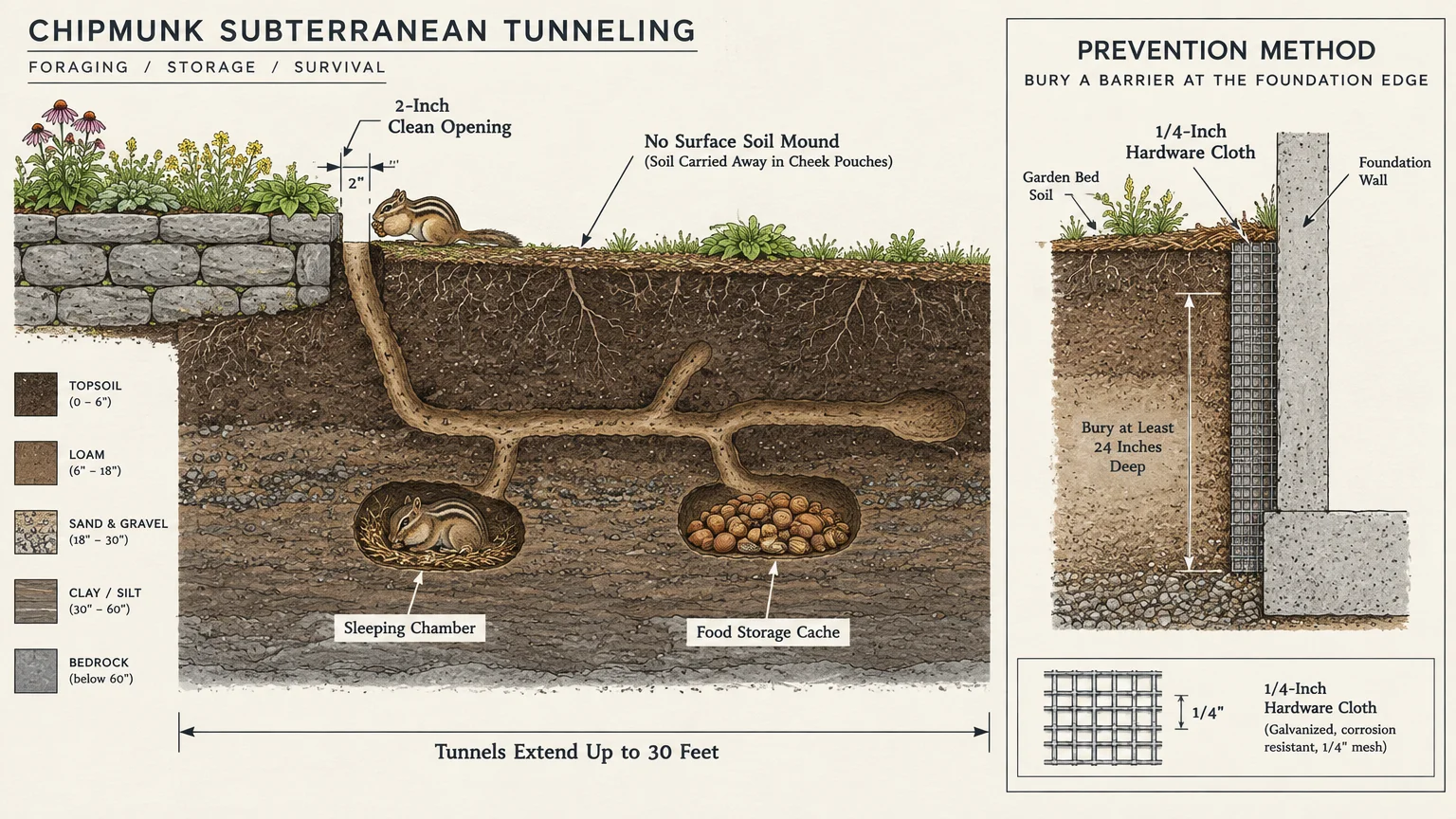
Chipmunks construct neat entry holes about two inches in diameter across your lawn and garden beds. Unlike moles or gophers, chipmunks haul excavated soil away in their cheek pouches to hide their entrances.
You will typically find these clean openings near foundations, stone walls, fallen logs, or beneath dense shrubbery. These subterranean networks can extend up to thirty feet in length and contain separate sleeping and food storage chambers.
Identifying chipmunk holes in yard areas prevents structural issues under pathways and patio stones. To deter excavation, bury quarter-inch hardware cloth vertically around garden borders to stop them from tunneling inward.
You can also pack gravel into abandoned tunnels to discourage them from returning. These sturdy physical barriers offer reliable long-term security without harming your surrounding plantings.
Planting strong-scented alliums or daffodils around foundation edges creates a fragrant living shield against persistent diggers. Rodents avoid these aromatic root zones and relocate their digging activities elsewhere.
Tip #2: Shallow Digging and Pitted Lawn Divots
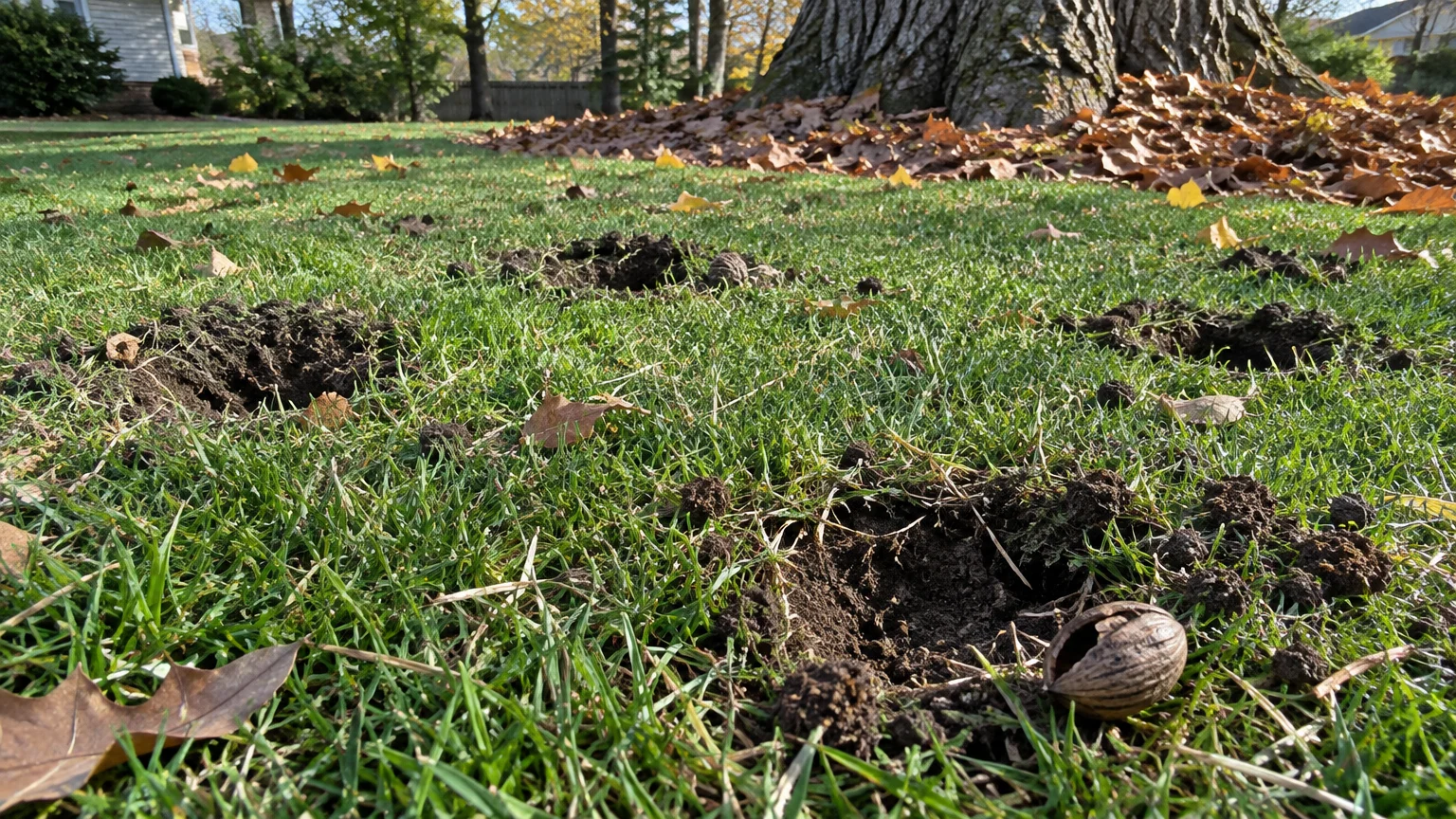
Gray and fox squirrels constantly bury nuts and seeds for winter sustenance. They dig small, golf-ball-sized pits across manicured turf and soft garden soil to cache their treasures.
You will often discover tiny scattered piles of loose topsoil right next to these shallow depressions. Unlike burrowing rodents, squirrels do not live underground; they simply use your soil as a pantry.
This habitual scratching causes noticeable squirrel garden damage that ruins freshly seeded lawns. Squirrels rely on their keen sense of smell to relocate these buried food stashes throughout autumn and winter.
Laying chicken wire flat over planting beds stops this destructive habit immediately. The wire prevents digging while allowing delicate green shoots to emerge unhindered.
You can also spread coarse mulch or prickly pinecones over exposed topsoil across your flower beds. The sharp textures discourage sensitive paws and persuade squirrels to find smoother foraging terrain.
Tip #3: Unearthed Flower Bulbs and Missing Corms
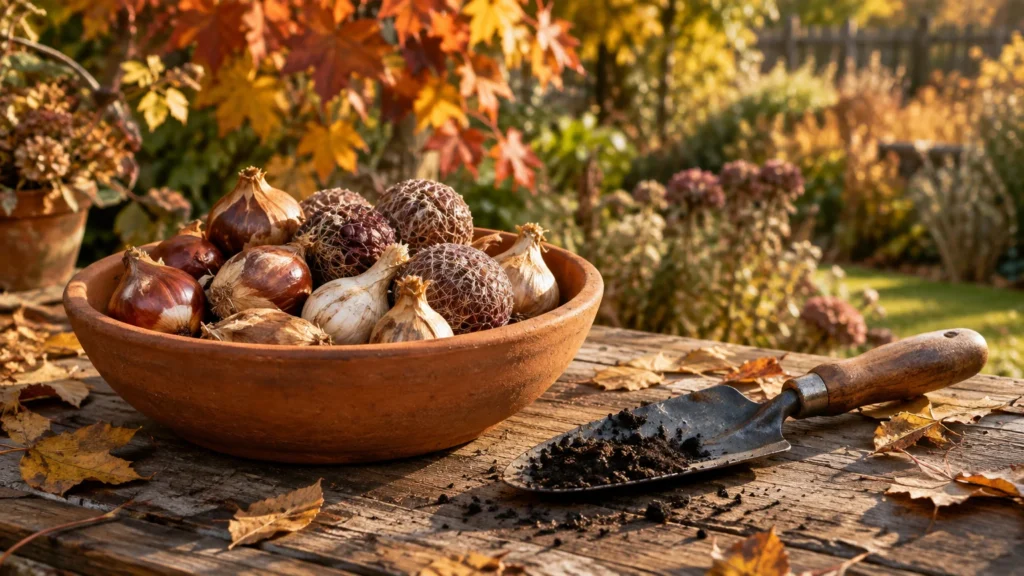
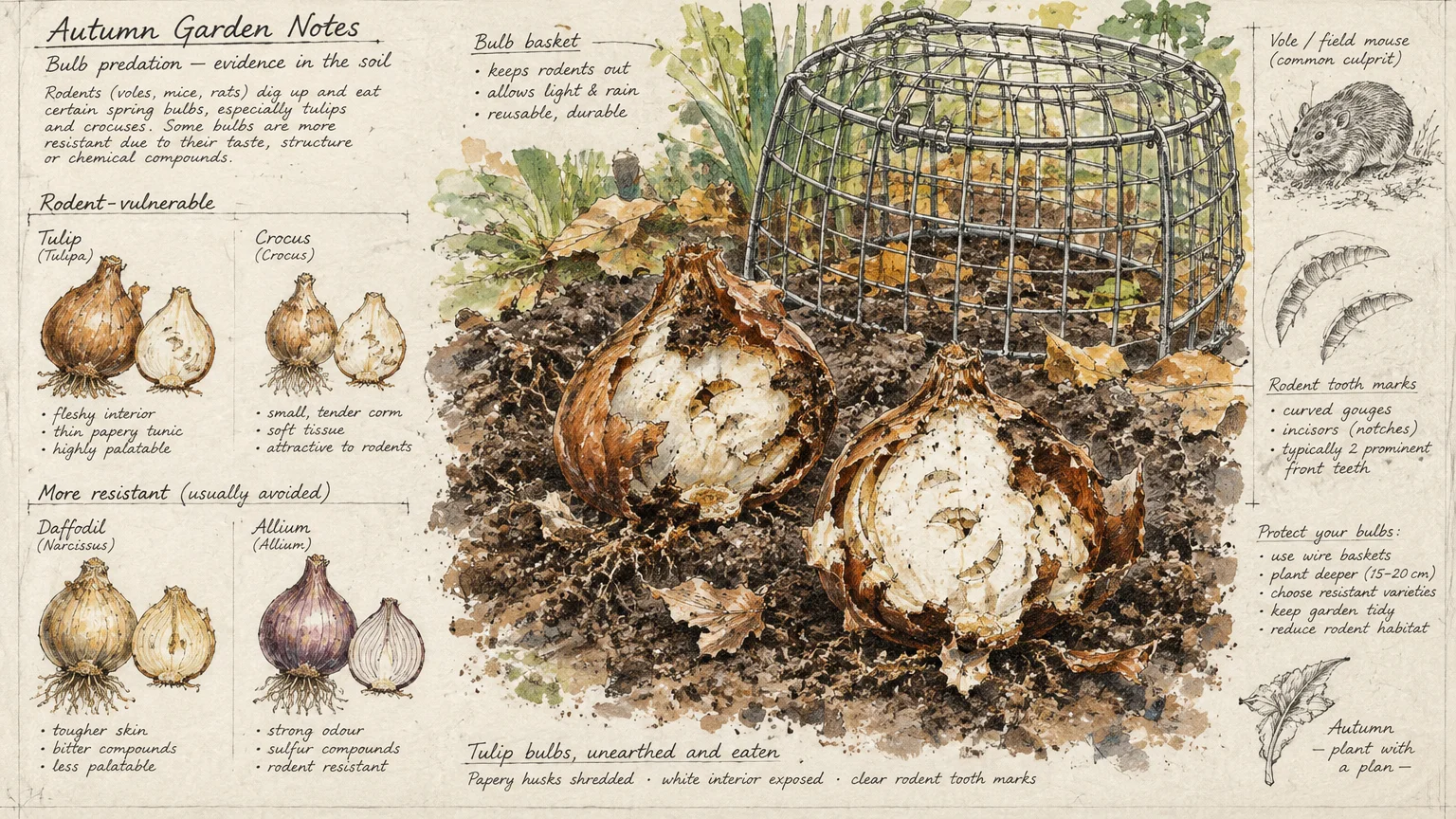
Autumn bulb planting often attracts hungry rodents looking for easy carbohydrates before winter arrives. Squirrels and chipmunks regularly dig up freshly set tulip, crocus, and gladiolus corms within hours of planting.
You may discover bitten, papery bulb husks scattered haphazardly across the mulched surface. These frustrating losses represent classic signs of chipmunks in garden borders where loose earth makes excavation effortless.
Safeguard your spring display by planting rodent-resistant varieties like daffodils, alliums, and grape hyacinths. Pests avoid these species because they contain bitter, natural alkaloids that taste unpleasant.
If you adore tulips, encase bulb clusters inside subterranean wire mesh cages before backfilling the hole. This physical barrier ensures your spring display blooms vibrant and undisturbed.
Dusting planted bulbs with bone meal can inadvertently attract foraging critters through scent. Instead, feed emerging root systems with balanced synthetic or mineral fertilizers that lack animal odors.
Tip #4: Half-Eaten Tomatoes and Missing Berries
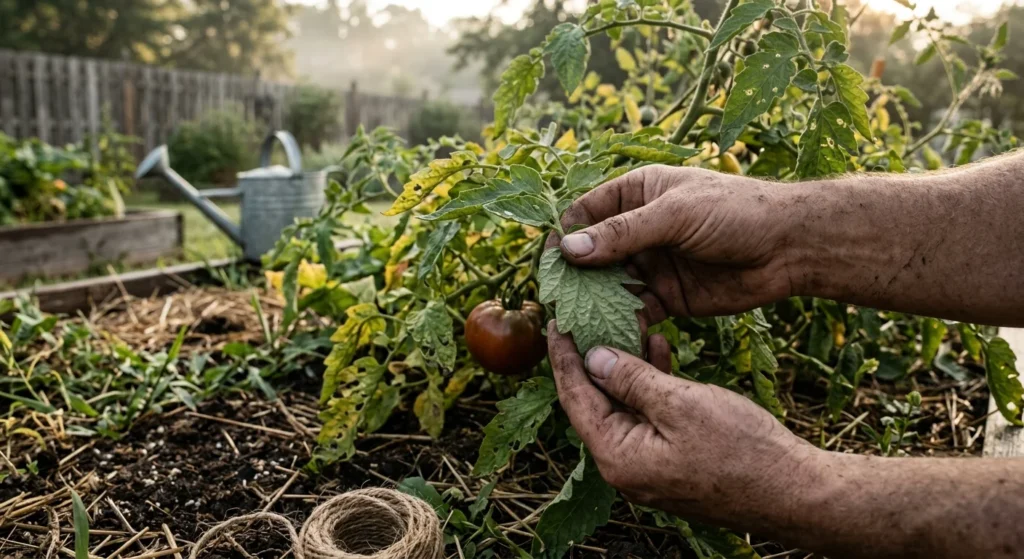
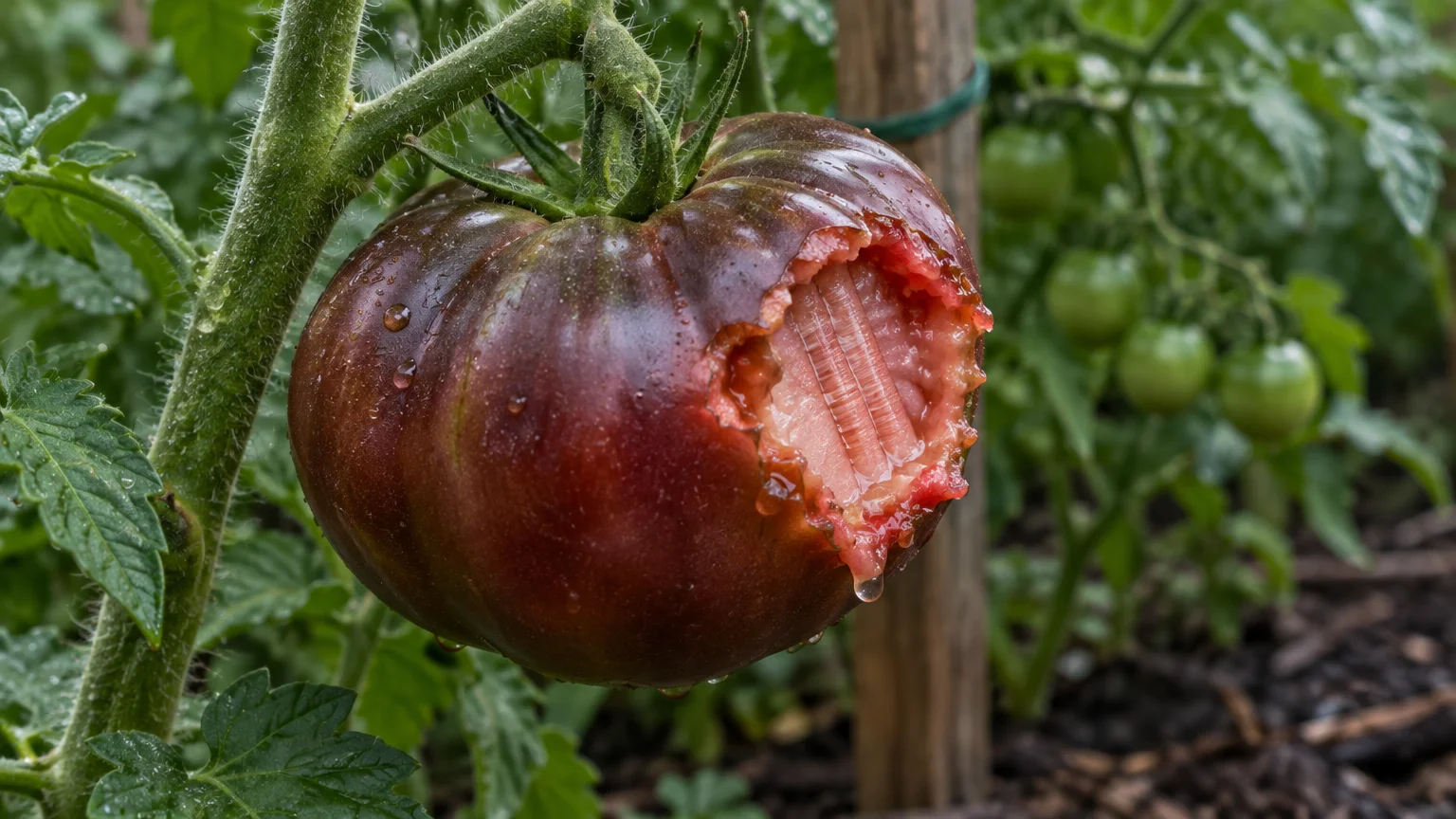
Nothing frustrates a gardener more than discovering prized heirloom tomatoes chewed and discarded on the ground. Squirrels and chipmunks rarely consume an entire fruit; they take a few hydrating bites before abandoning the rest.
During hot summer dry spells, rodents target succulent tomatoes and ripe berries primarily for moisture. You will see distinct pairs of parallel incisor marks gouged into the skin of damaged produce.
Knowing how to keep squirrels out of garden fruit patches requires restricting access and offering alternative hydration. Place shallow birdbaths well away from vegetable plots to satisfy their thirst naturally.
Protect vulnerable crops by wrapping fruit cages in bird netting or lightweight metal screening. Secure the mesh tightly at the base so determined foragers cannot slip underneath.
Harvest blushing tomatoes early and allow them to finish ripening safely on your indoor windowsill. This proactive timing removes temptation before outdoor foragers detect the ripening sweetness.
Tip #5: Clipped Flower Blossoms and Damaged Buds
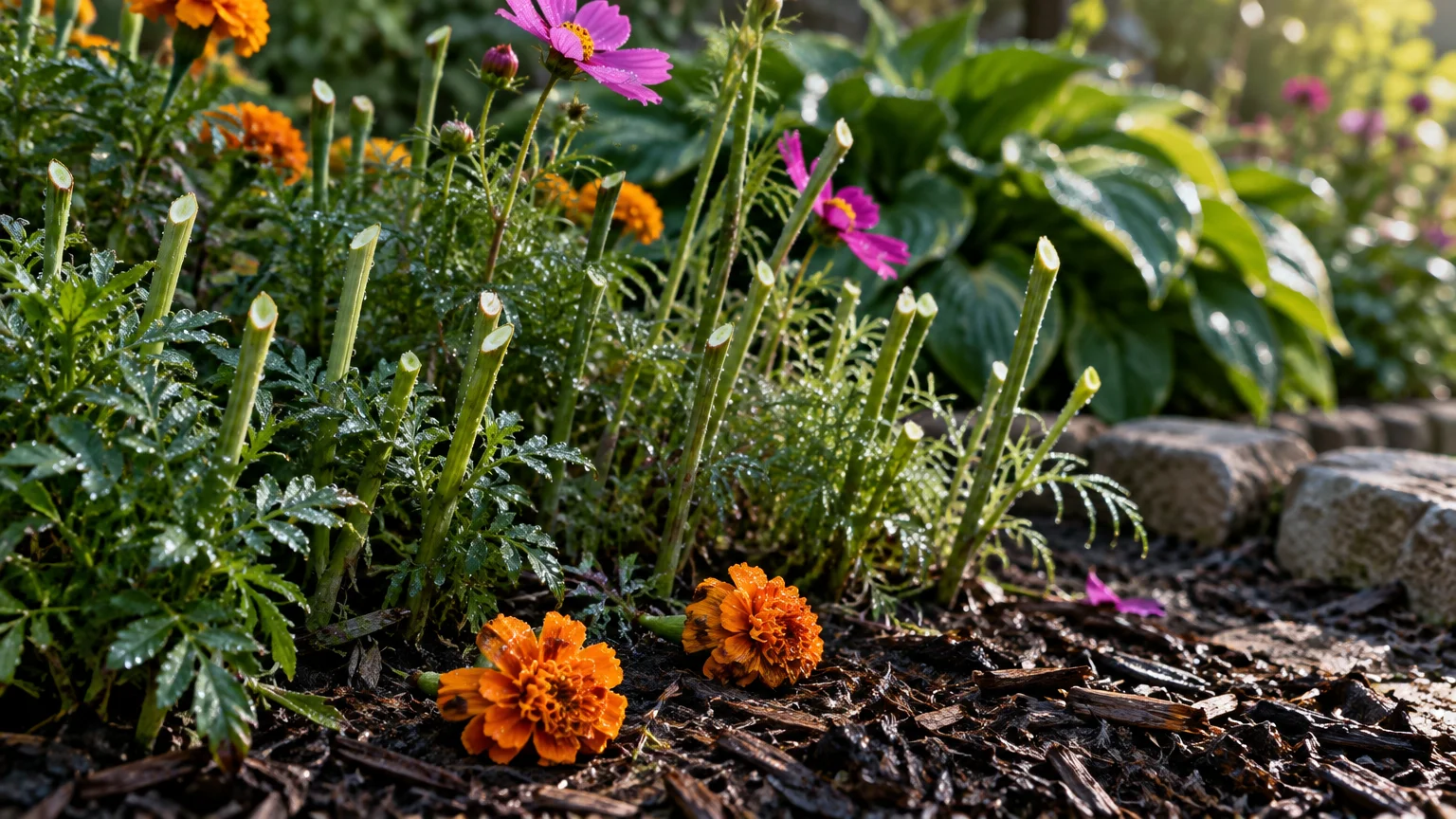
Morning inspections may reveal severed blossoms lying abandoned beneath your prized flowering shrubs. Squirrels frequently snip succulent buds, rose petals, and hibiscus blooms to consume nutrient-dense nectar and reproductive organs.
Chipmunks also climb low branches to harvest flower blossoms, leaving clean, angled cuts along the stems. Their sharp teeth snip delicate shoots cleanly, resembling cuts from handheld garden shears.
This clipping stunts future flowering and robs your landscape of its brilliant seasonal color. Spraying blossoms with organic capsaicin or garlic repellents creates an intolerable taste for foraging pests.
Reapply these taste deterrents every two weeks or immediately following heavy rainstorms. Consistent applications train foraging rodents to bypass your flowerbeds completely.
Interplanting aromatic herbs such as rosemary, lavender, and mint masks tempting floral fragrances. The pungent essential oils confuse foraging senses and protect tender ornamental buds.
Tip #6: Raided Bird Feeders and Scattered Seed Hulls
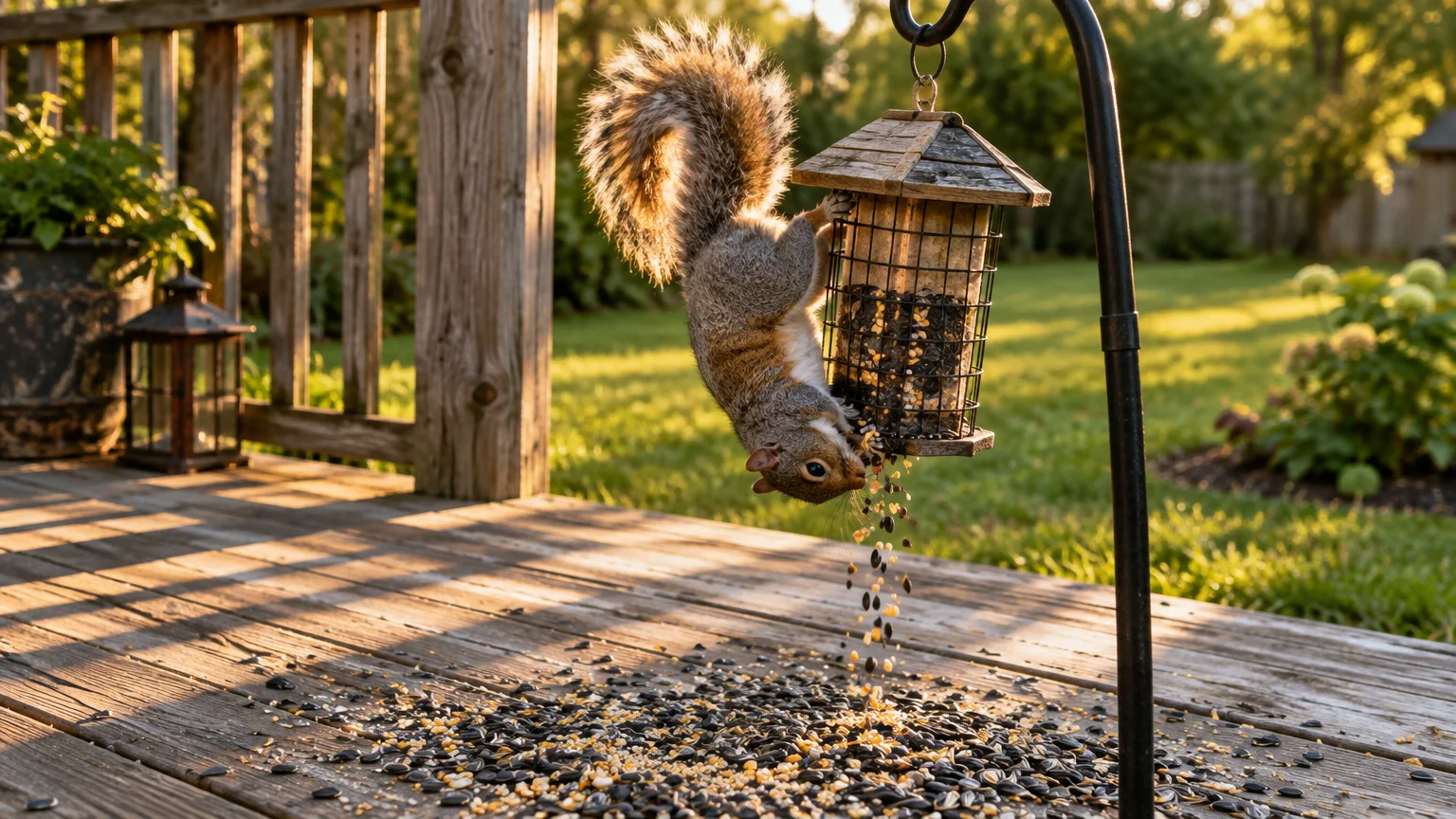
Overflowing bird feeders serve as primary beacons that lure tree squirrels and chipmunks into residential yards. When feeders empty rapidly and piles of discarded sunflower hulls coat the lawn, rodents are feasting.
Masterful garden pest identification begins by observing how visitors approach your feeding stations. Squirrels perform astonishing acrobatic leaps from nearby branches, while chipmunks vacuum fallen seeds from the turf below.
Install wide, dome-shaped squirrel baffles above hanging feeders or below pole-mounted units to block physical access. Position feeders at least ten feet away from jumping perches like trees or roof eaves.
Alternatively, switch to spicy birdseed blends treated with hot pepper oils. Birds lack mammalian capsaicin receptors and eat happily, whereas squirrels flee from the fiery seasoning.
Attach seed-catching trays beneath feeding stations to prevent hulls and millet from accumulating on the ground. Raking fallen debris daily removes an easy food supply that sustains local rodent colonies.
Tip #7: Chewed Bark and Stripped Tree Branches
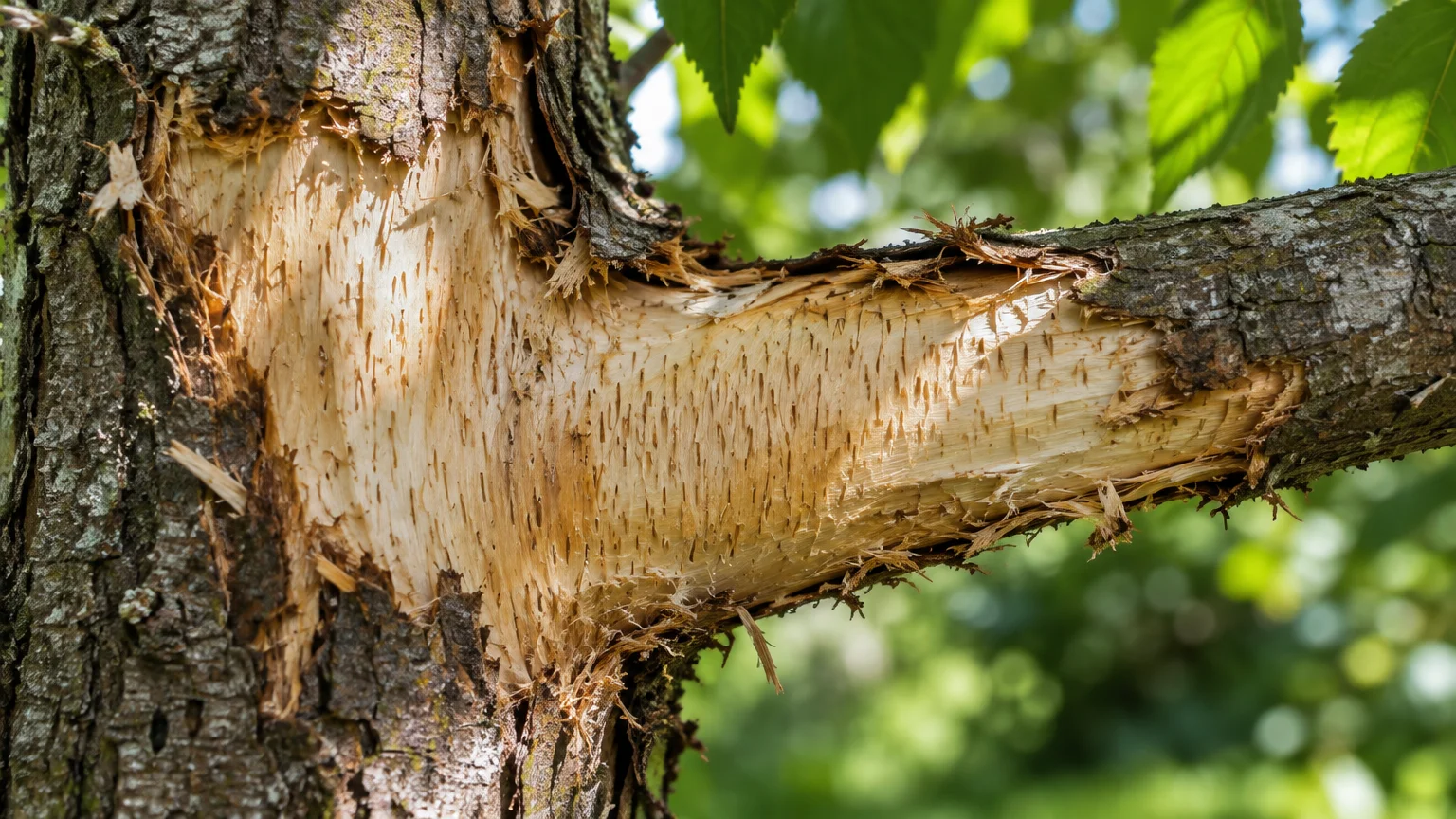
Rodent incisors grow continuously throughout their lives, requiring constant gnawing to file down tooth length. Squirrels frequently strip bark from maple, dogwood, and fruit trees during late winter and early spring.
You will observe jagged, vertical bark patches stripped away to expose the tender, sap-rich cambium underneath. Squirrels also clip branch tips with fresh green needles to construct insulated winter nests called dreys.
Extensive bark stripping weakens branch vigor and introduces fungal pathogens into vulnerable plant tissues. Wrap smooth sheet metal collars around lower tree trunks to prevent squirrels from climbing up.
Prune overhead limbs that hang within eight feet of your structures or valued fruit trees. Restricting aerial pathways forces rodents to stay on the ground where predators deter them.
Apply tree wound sealer or natural pruning pastes over fresh gnaw wounds on exposed wood. Sealing raw wood shields damaged sapwood from opportunistic decay organisms while natural bark heals.
Tip #8: Disturbed Potted Plants and Dug-Up Containers
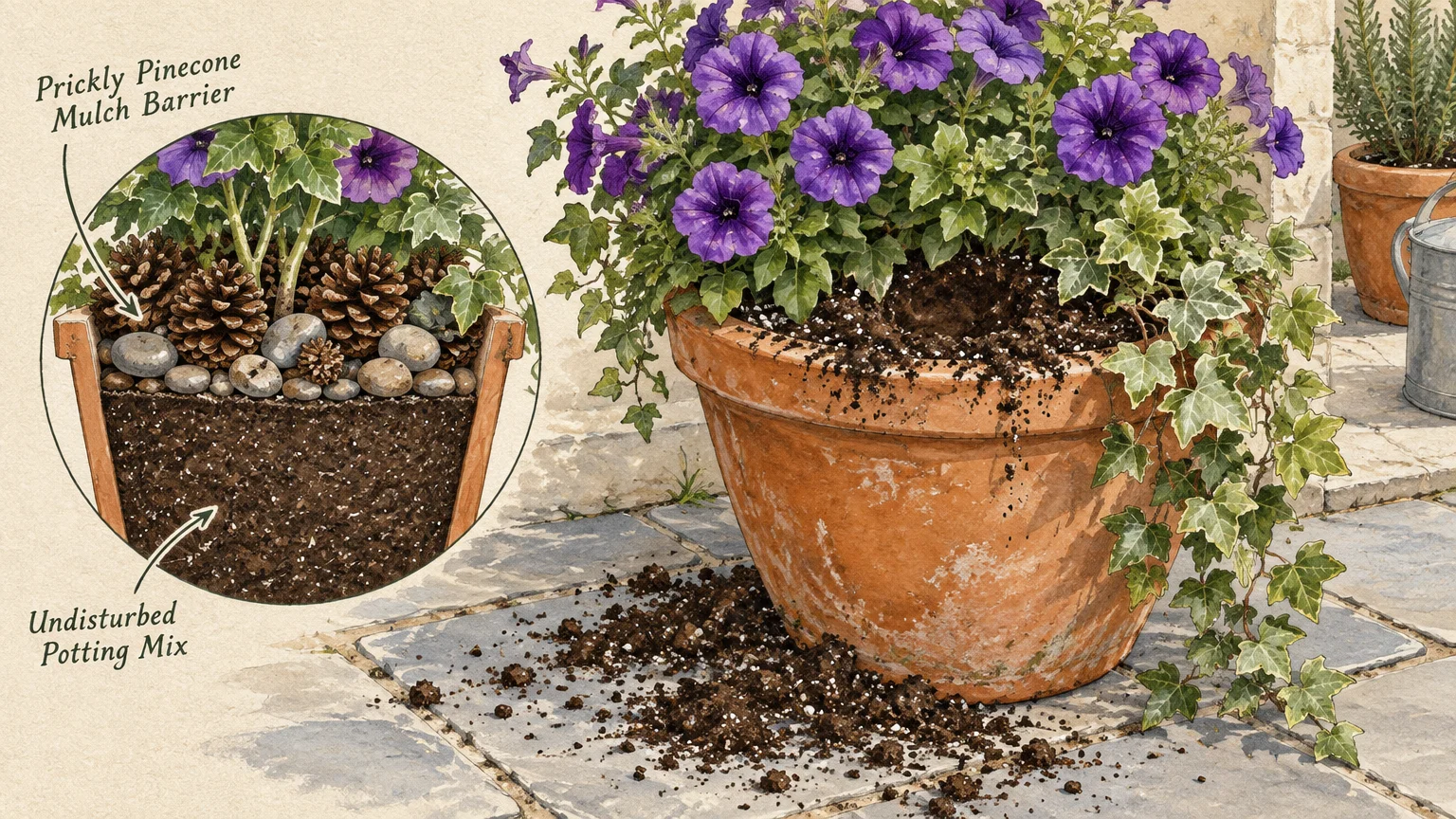
Container gardens offer light, fluffy potting mix that presents irresistible digging opportunities for small rodents. You might step onto your patio and find uprooted ferns, spilled potting soil, and exposed root balls.
Squirrels treat container planters as convenient savings banks to bury winter walnuts and acorns. Chipmunks often hollow out the center of containers to rest in the cool, shaded soil beneath foliage.
Protect decorative containers by covering exposed soil surfaces with smooth river stones or coarse decorative gravel. These heavy stone mulches prevent digging while adding an attractive, polished aesthetic to your patio displays.
Alternatively, cut circular pieces of wire hardware cloth to fit precisely inside each container rim. Cover the mesh with an inch of soil to hide the wire completely from sight.
Positioning containers away from low railings limits jumping access for nimble tree squirrels. Elevating pots onto freestanding pedestals adds drama to your space while reducing pest traffic.
Tip #9: Trampled Seedling Beds and Missing Sprouts
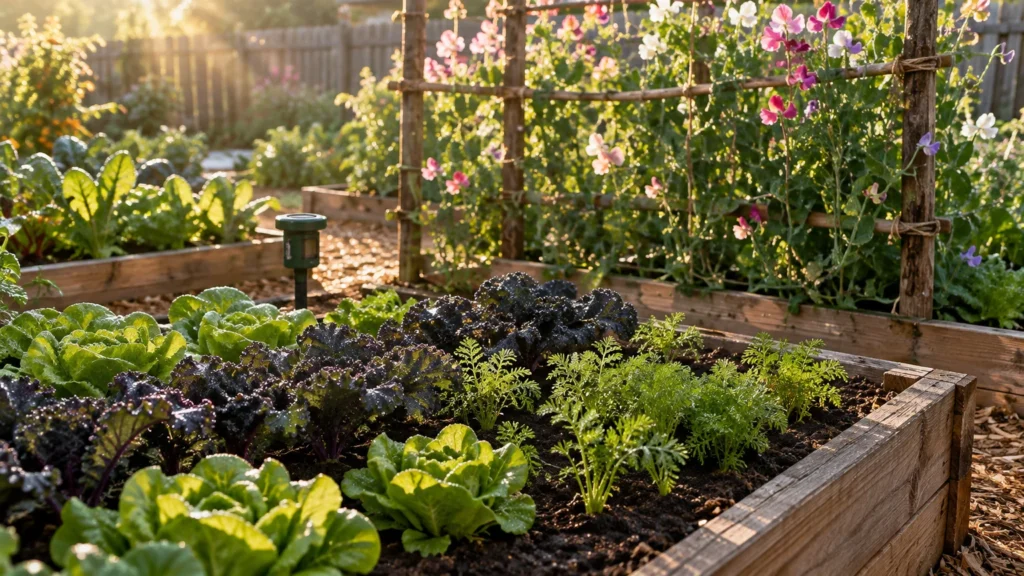
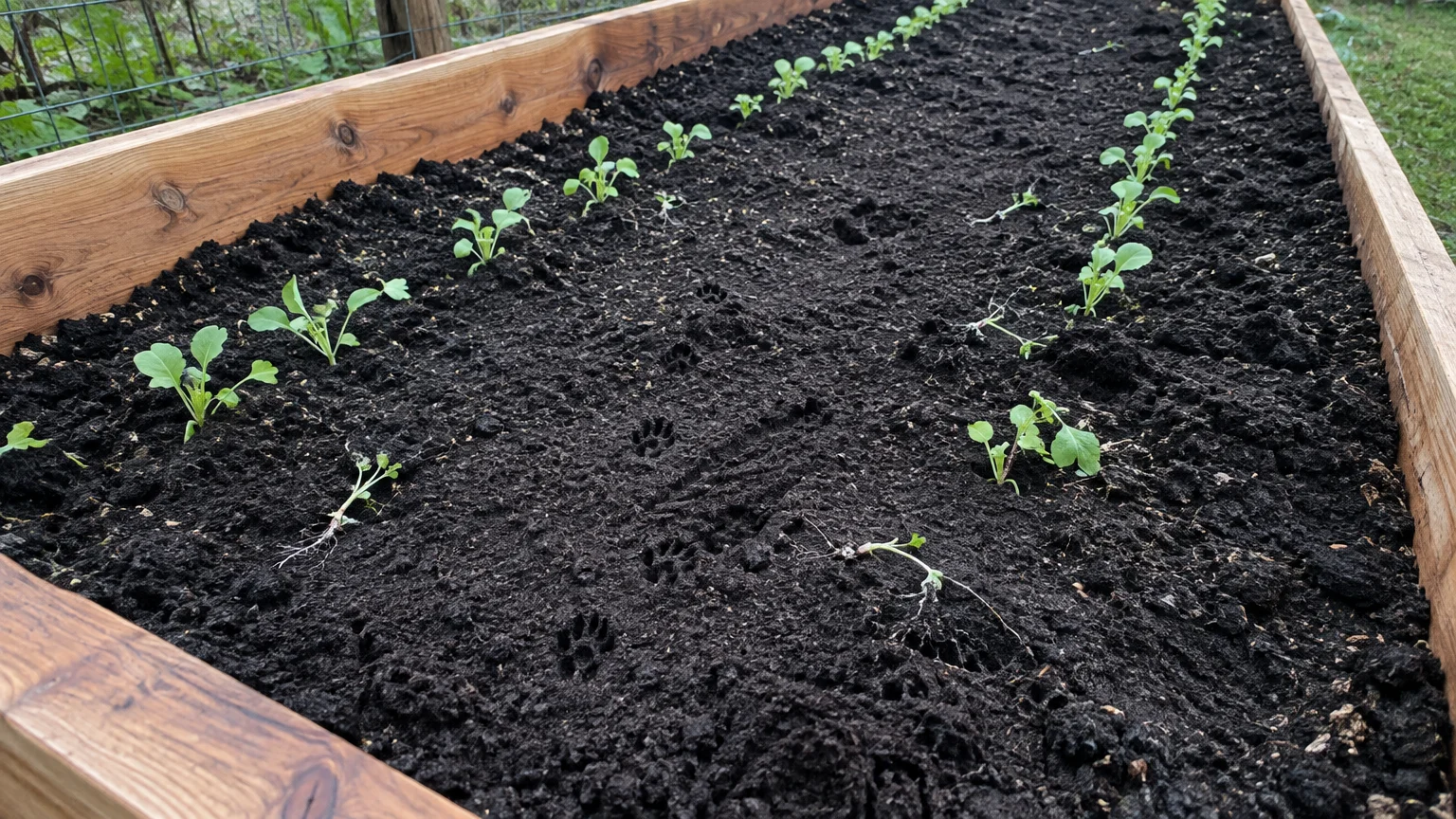
Tender spring seedlings vanish overnight when curious chipmunks and squirrels forage through newly tilled beds. These creatures pluck fragile germinating bean, corn, and pea seeds directly from the ground for quick nourishment.
You may find decapitated stems or small, muddy footprints pressed into the damp soil along planting rows. The damage often follows the exact straight line where you carefully sowed your vegetable seeds.
Install rigid row covers or wire mesh tunnels over vulnerable seedbeds immediately after planting. Keep these protective enclosures secured until young plants develop mature leaves and sturdy, fibrous stems.
You can also start delicate seeds indoors inside protected trays before transplanting robust seedlings outside. Older plants tolerate incidental wildlife inspection far better than tender emerging cotyledons.
Dusting damp seedbed soil with diatomaceous earth creates an unpleasant textural barrier for creeping foragers. This naturally occurring silica powder discourages foraging without introducing harmful chemicals into your soil.
Tip #10: Gnawed Plastic Drip Tubing and Wooden Planters
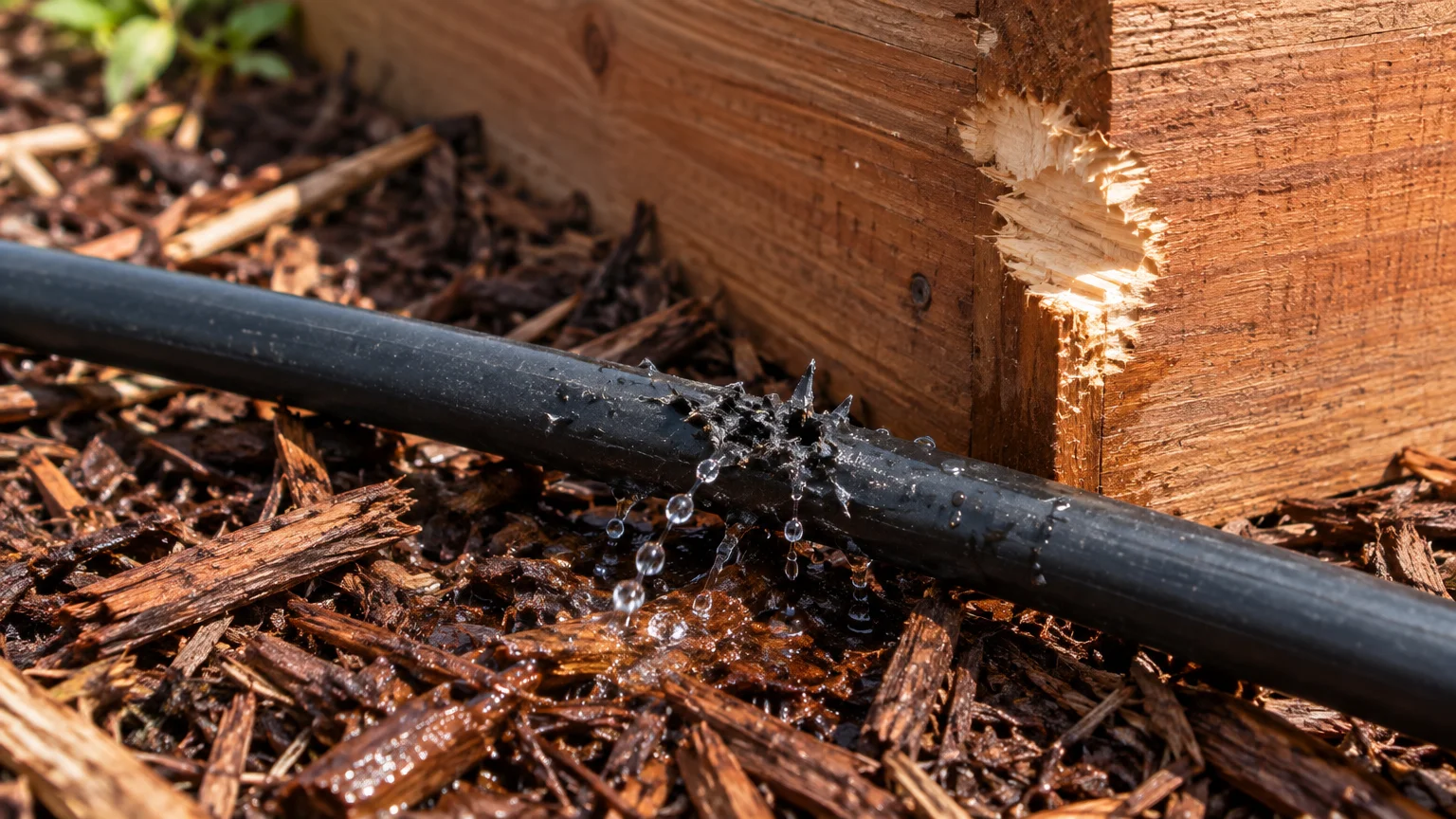
Sharp rodent teeth leave unmistakable gouges on plastic drip irrigation lines, hose fittings, and cedar planter boxes. In dry summer months, squirrels chew through soft irrigation lines to access cool flowing water inside.
You might discover sudden puddles or unexpected water pressure drops caused by tiny punctured pinholes along tubing. Look closely at the punctured edges to spot characteristic double incisor scratches along the plastic.
Bury drip lines under a two-inch layer of coarse wood mulch to hide them from view. Alternatively, run delicate tubing through protective PVC conduit sleeves where rodents frequent.
Provide clean, accessible water dishes in shaded border areas away from your main irrigation infrastructure. Rodents generally ignore tough plastic hoses when easy water sources remain available nearby.
Inspect wooden raised beds for corner gnawing and cap vulnerable timber edges with lightweight aluminum flashing. Metal edging blunts chewing attempts and extends the working lifespan of your garden woodwork.
Tip #11: High-Pitched Vocal Chirps and Rapid Scurrying
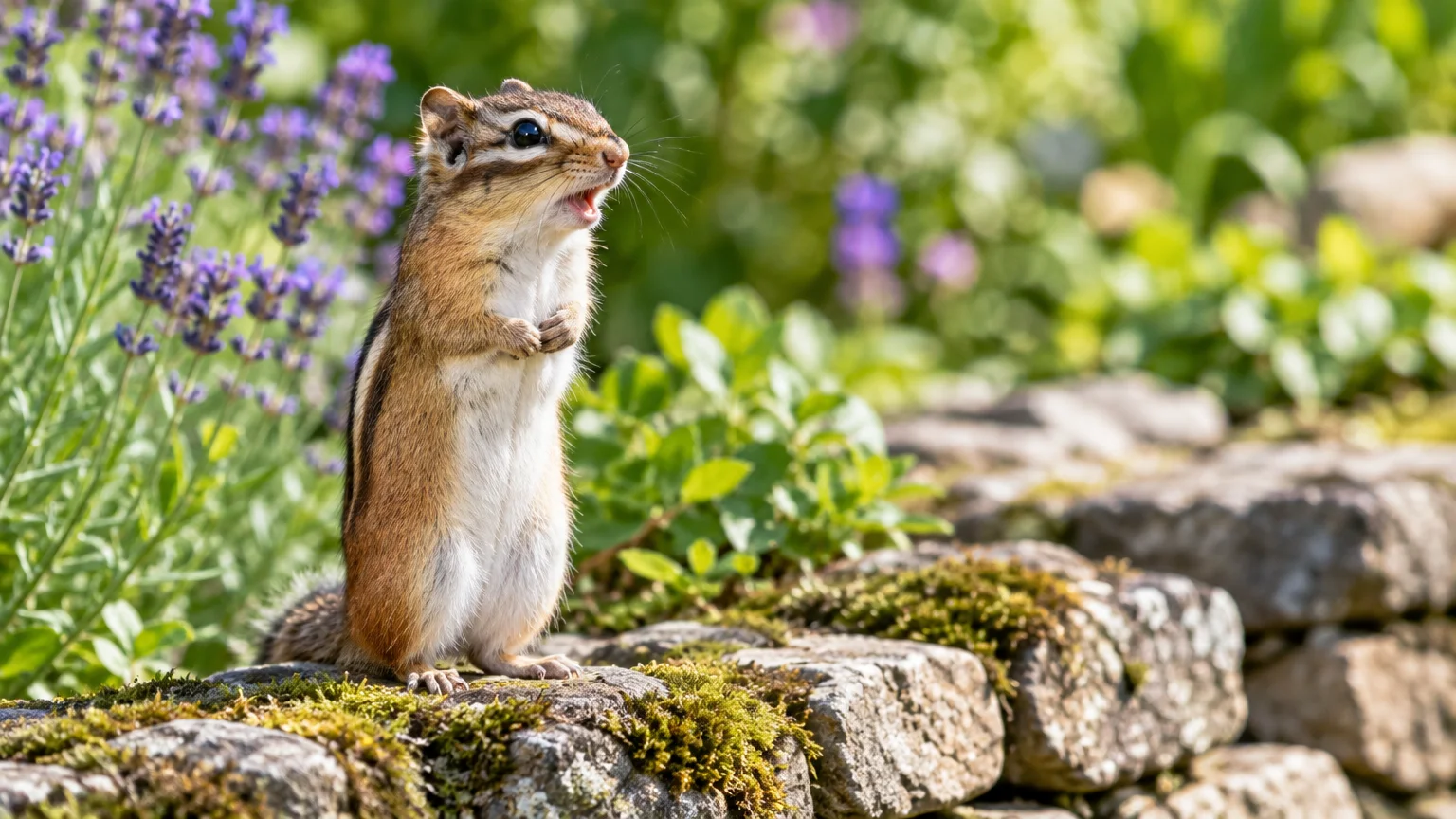
Auditory cues provide some of the clearest evidence of an active rodent population residing nearby. Chipmunks produce sharp, bird-like chirping sounds and repetitive “chuck” alarms when defending territories or warning of danger.
Squirrels vocalize with raspy barks, rapid tail flicks, and scolding chatter when intruders approach their feeding zones. If your yard echoes with these territorial calls, multiple individuals have established home ranges nearby.
Watch perimeter fences, stone walls, and high tree branches during early morning hours when activity peaks. Tracking their movement corridors helps you identify which specific landscape zones require protective barriers.
Introducing motion-activated sprinklers along these transit routes quickly startles rodents without causing physical harm. Consistent unexpected water bursts encourage them to seek quieter foraging grounds elsewhere.
Eliminating brush piles and trimming overgrown foundation shrubs removes protective cover that rodents use to hide. Clean landscape lines increase exposure to predatory hawks and owls, naturally discouraging long visits.
Putting It All Together: Enjoy Your Beautiful Garden
Gardening alongside wildlife requires patience, keen observation, and proactive barrier installation. Understanding animal behavior transforms your relationship with nature from constant frustration to rewarding cohabitation.
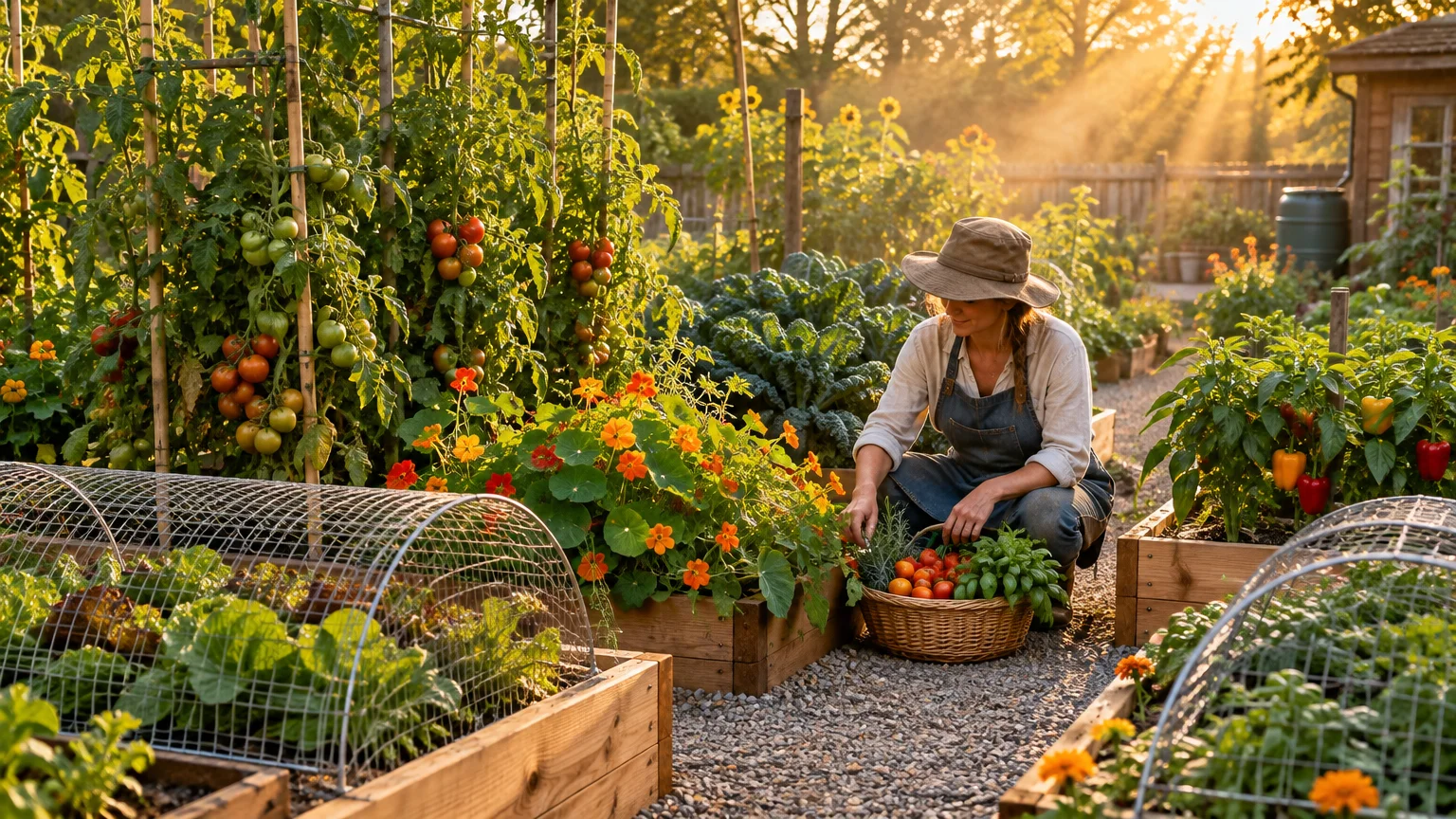
Implementing physical shields like hardware cloth and wire mesh preserves your colorful plantings throughout every season. These humane physical solutions defend tender crops without introducing harmful synthetic poisons into your soil.
Combining exclusion tactics with natural taste repellents creates a comprehensive defense strategy for your backyard haven. Rotating your deterrents prevents intelligent rodents from becoming accustomed to a single sensory cue.
Maintain tidy garden perimeters by sweeping spilled seed and trimming overgrown groundcovers regularly. Well-maintained landscapes present fewer hiding spots and naturally persuade foraging wildlife to look elsewhere.
Take immense pride in your resilient flower beds and flourishing harvest as your garden thrives. Your thoughtful efforts ensure a balanced, bountiful outdoor space you can enjoy all year long.
For region-specific advice, consult your local University Extension program (find yours via the USDA directory). For plant databases and inspiration, visit the Missouri Botanical Garden or the Royal Horticultural Society.
Disclaimer: This article provides general gardening advice. Always consider your specific climate, soil conditions, and local pests. Follow safety guidelines when using gardening tools and products.
Frequently Asked Questions
How do you tell the difference between chipmunk and squirrel holes?
Chipmunks dig distinct, round entry holes measuring about two inches wide that plunge straight down into subterranean tunnel complexes. They carry loose excavation dirt away in their cheeks, leaving clean holes with no surrounding mounds.
Squirrels do not dig underground tunnels; they only scratch shallow, golf-ball-sized craters to bury or retrieve food stashes. These shallow pits feature visible dirt pushed aside and never lead to deep underground chambers.
What smells deter chipmunks and squirrels from garden beds?
Both rodents possess sensitive olfactory senses that recoil from potent, pungent odors. Commercial repellents containing capsaicin, concentrated garlic oil, peppermint extract, or predator urine effectively drive them away from treated areas.
You must reapply liquid and granular scent deterrents frequently to maintain an effective olfactory barrier. Rain and direct sunlight break down volatile aromatic oils over time, reducing their protective potency.
Will coffee grounds keep squirrels out of vegetable gardens?
Sprinkling used coffee grounds across garden soil offers a mild, short-term deterrent against curious squirrels. The bitter aroma and gritty texture underfoot irritate rodent senses while adding organic matter to your soil.
However, hungry rodents quickly grow accustomed to coffee aromas unless you combine them with physical netting. Treat coffee grounds as a helpful supplementary mulch rather than a standalone defense system.
Can sonic repellers successfully stop rodents from digging?
Solar ultrasonic stakes emit high-frequency pulses through soil and air to annoy burrowing critters. While these devices can startle chipmunks initially, rodents often habituate to repetitive sounds within several weeks.
You will achieve far greater long-term success by relying on buried hardware cloth and sturdy wire cloches. Physical barriers provide permanent exclusion that rodents cannot ignore or tolerate over time.