Refreshing your living space with the best feng shui plants invites vibrant vitality and balance into everyday life. Cultivating living greenery transforms stagnant corners into active hubs of calm growth.
In traditional feng shui, indoor plants channel vital wood energy—a force representing fresh starts, upward expansion, and restorative healing. The right foliage works continuously to balance your room’s natural atmosphere.
Choosing thoughtful feng shui plants for home environments helps optimize harmony while purifying your ambient indoor air. Explore these fifteen proven varieties to elevate your interior sanctuary today.
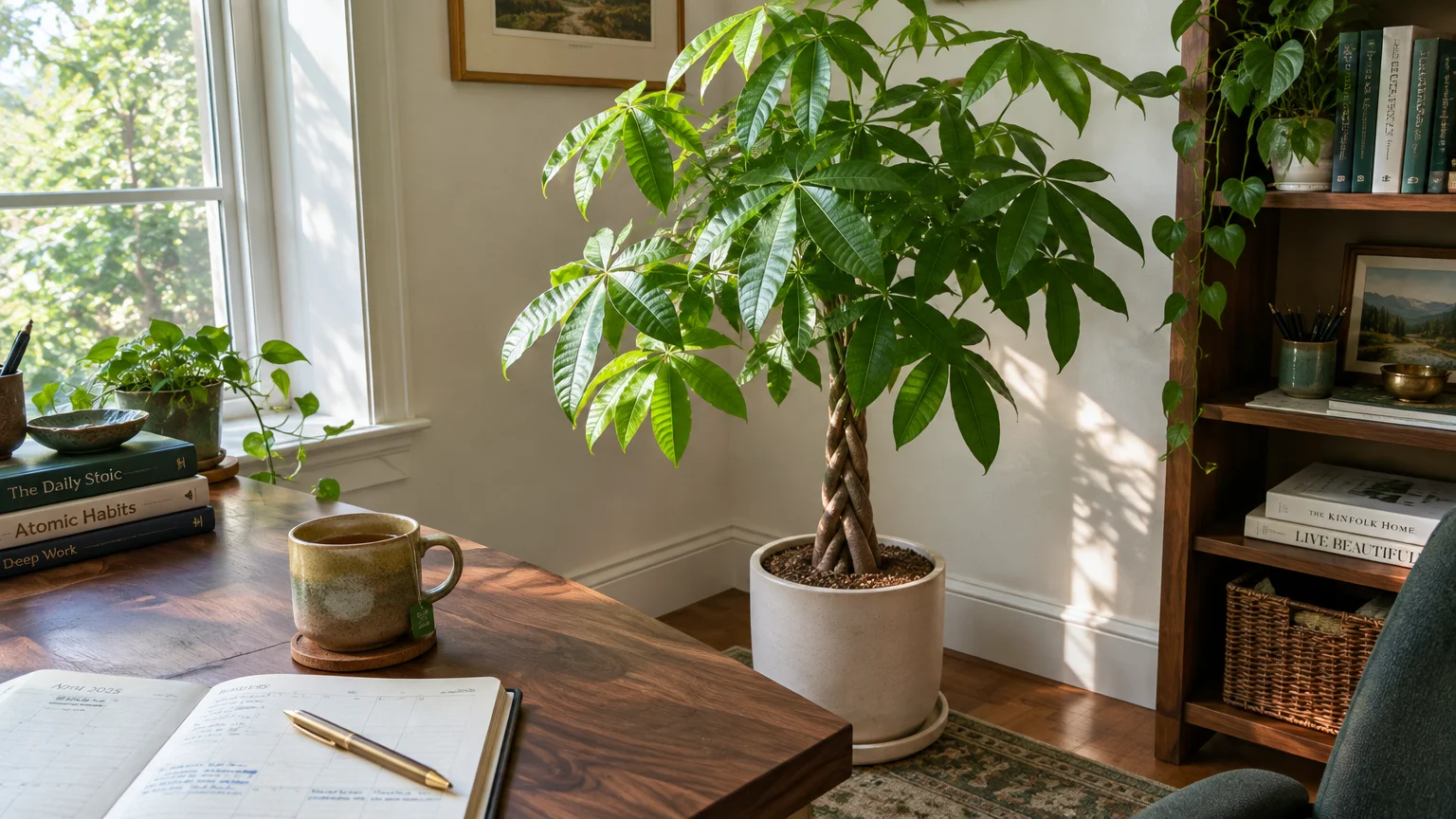
Tip #1: Money Tree (Pachira Aquatica)
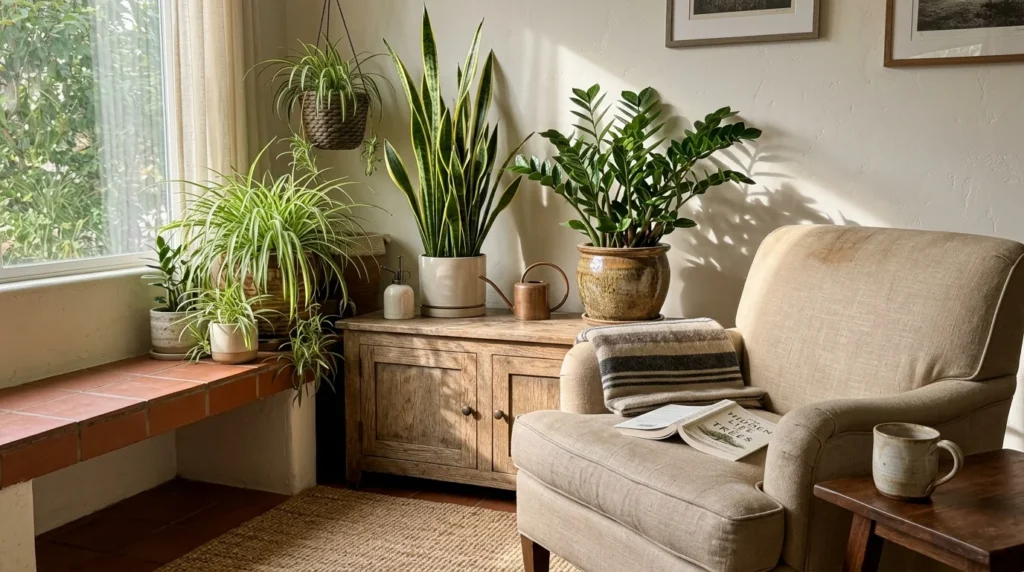
The money tree represents enduring prosperity, financial wellness, and vibrant chi. Its signature braided trunk locks in good fortune while five-leaf stems symbolize the fundamental elements.
Position your money tree in the southeast sector of your home or near your home office desk. This placement actively energizes abundance while grounding the mental focus required for daily projects.
Water your money tree thoroughly once the top two inches of potting soil dry out completely; avoid letting the roots sit in stagnant drainage. Provide bright, indirect sunlight to sustain lush, emerald foliage.
Maintain steady ambient temperatures between 65 and 75 degrees Fahrenheit to prevent sudden leaf drop. This resilient specimen rewards your attentive care with continuous, upward-reaching growth throughout the seasons.
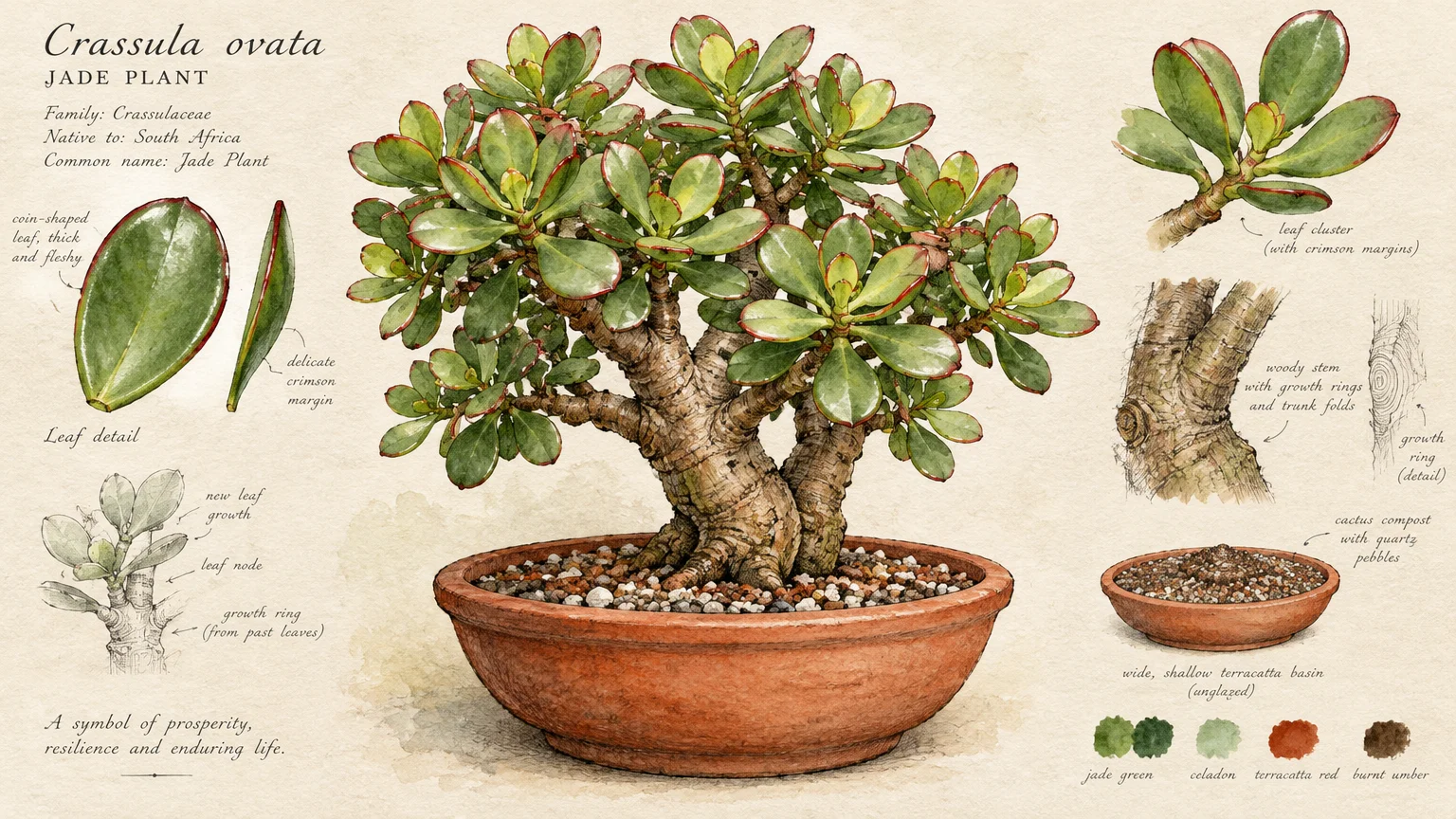
Tip #2: Jade Plant (Crassula Ovata)
Jade plants, widely celebrated as classic succulent symbols of wealth, feature plump, coin-shaped leaves that retain hydration and positive vitality. Their rounded structure softens sharp architectural angles across modern rooms.
Set your jade plant near the primary entryway of your residence to greet approaching financial opportunities. Placing it beside cash registers or office workspaces also activates productive commercial endeavors.
Give this resilient succulent at least four to six hours of bright, direct sunlight daily to maintain deep leaf coloration. Plant it in gritty, well-draining cactus compost to safeguard the sensitive root system.
Drench the soil only after the entire container dries out; overwatering remains the primary threat to succulent vitality. When tended properly, your jade plant can flourish for decades alongside your household.
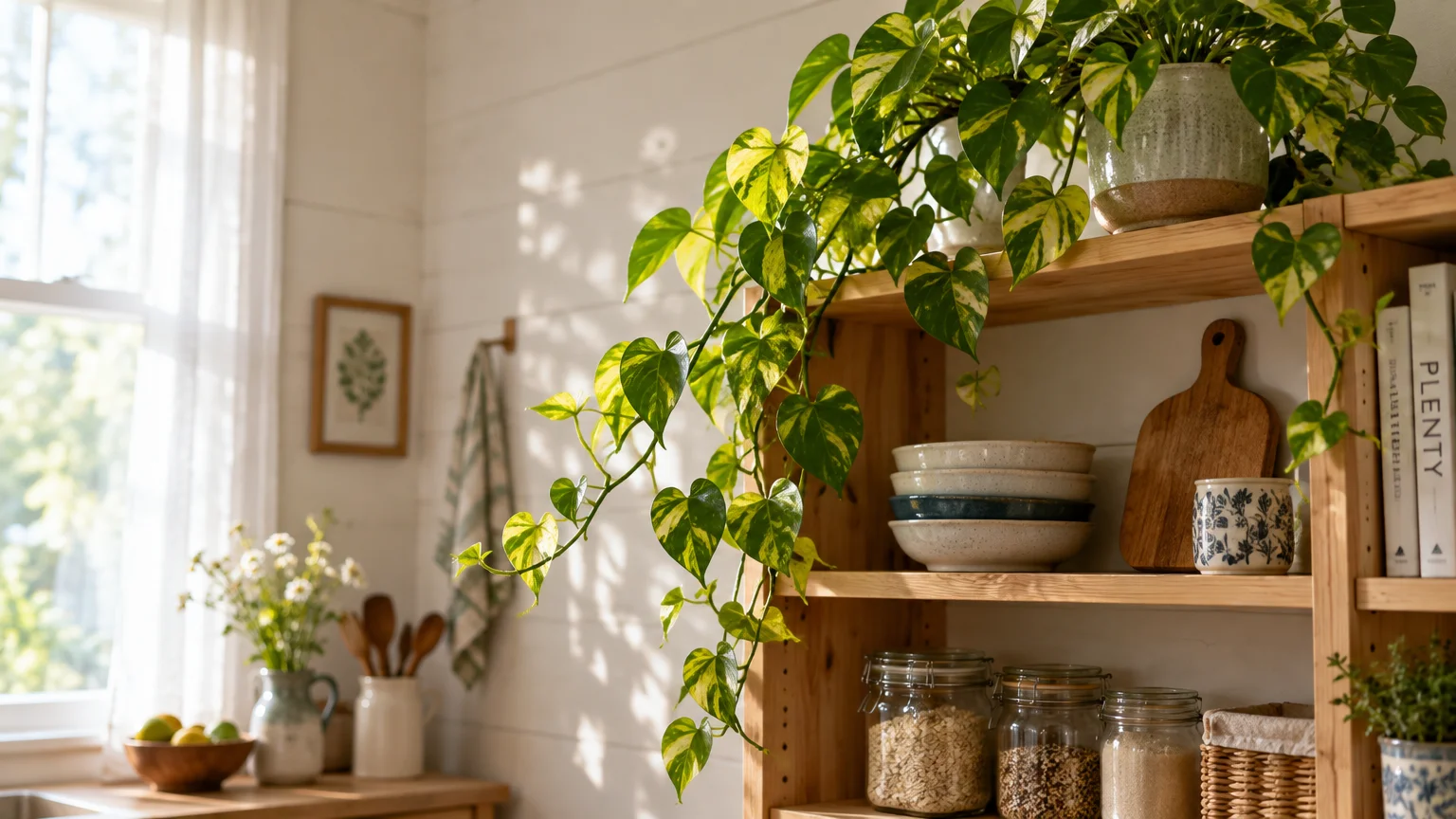
Tip #3: Golden Pothos (Epipremnum Aureum)
Golden pothos radiates effortless vitality through cascades of heart-shaped, variegated leaves. Feng shui practitioners use this vigorous vine to disperse stagnant, dormant energy accumulating in forgotten room corners.
Hang your pothos above overhead kitchen cabinets or place it on high library shelving to encourage energetic circulation. Its downward draping stems cleanse heavy energy zones without requiring complicated daily maintenance.
Pothos thrives in low-to-medium filtered light and forgives occasional missed waterings without dramatic foliage loss. Water only when the top half of the soil feels dry to the touch.
Trim long trailing vines periodically to encourage bushier root crowns and denser stem foliage. You can quickly root trimmed cuttings in clean water to spread balanced vitality into other bedrooms.
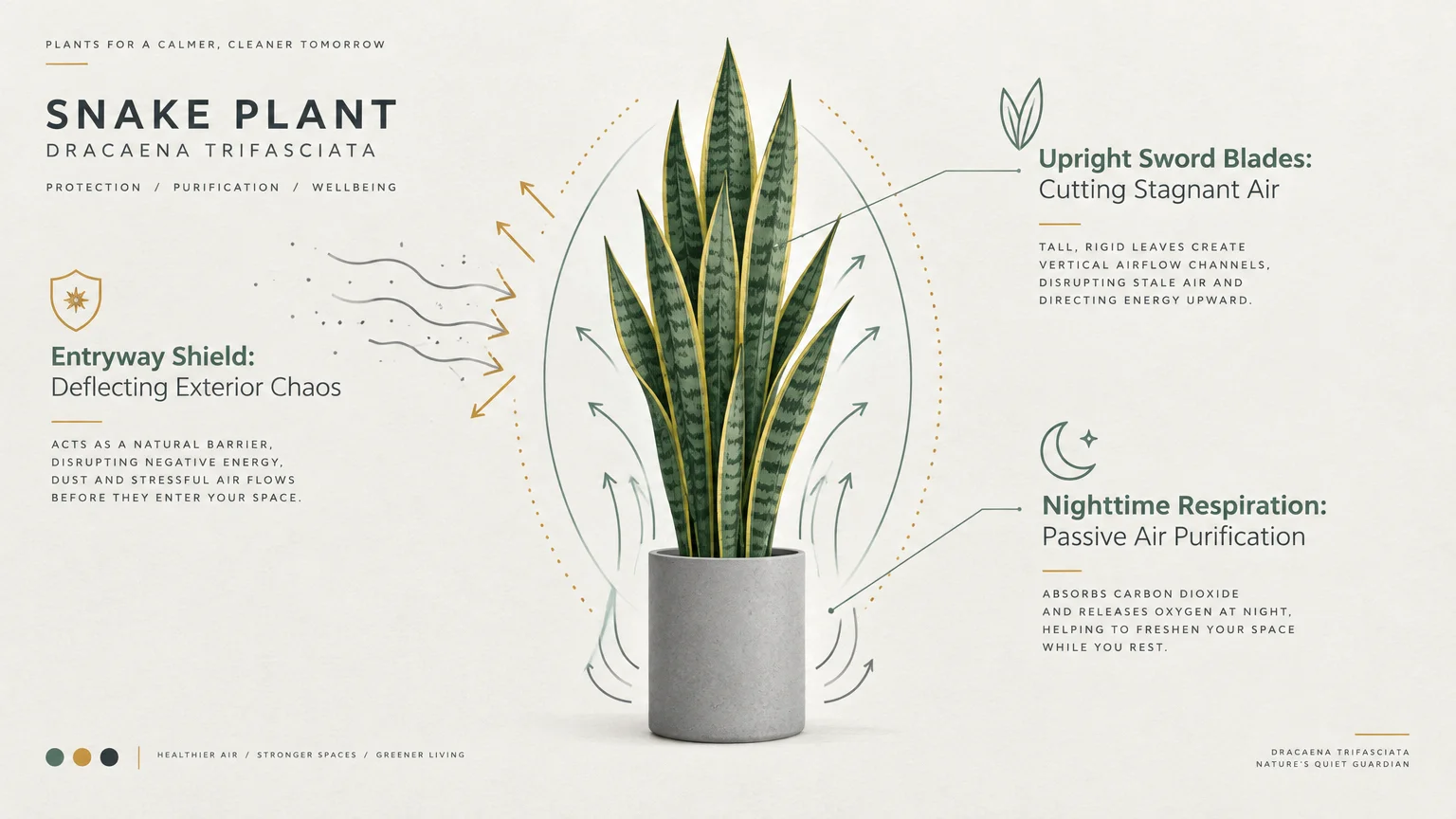
Tip #4: Snake Plant (Dracaena Trifasciata)
The snake plant delivers strong protective energy through its sharp, upright, sword-like blades. Its vertical silhouette cuts through heavy atmospheric stagnant zones, generating an impenetrable shield of domestic security.
Position this guardian plant by the front door or large patio windows to filter external chaotic forces. Avoid keeping it directly inside sleeping spaces if its dynamic energy feels overly intense.
This hardy survivor handles dry indoor air, prolonged neglect, and shaded hallway conditions with ease. Water your container sparingly every two to three weeks, ensuring excess water drains away freely.
Wipe the broad, banded leaves monthly with a damp cloth to maximize photosynthesis and air purification. Clean leaves process ambient airborne toxins far more efficiently throughout changing seasons.
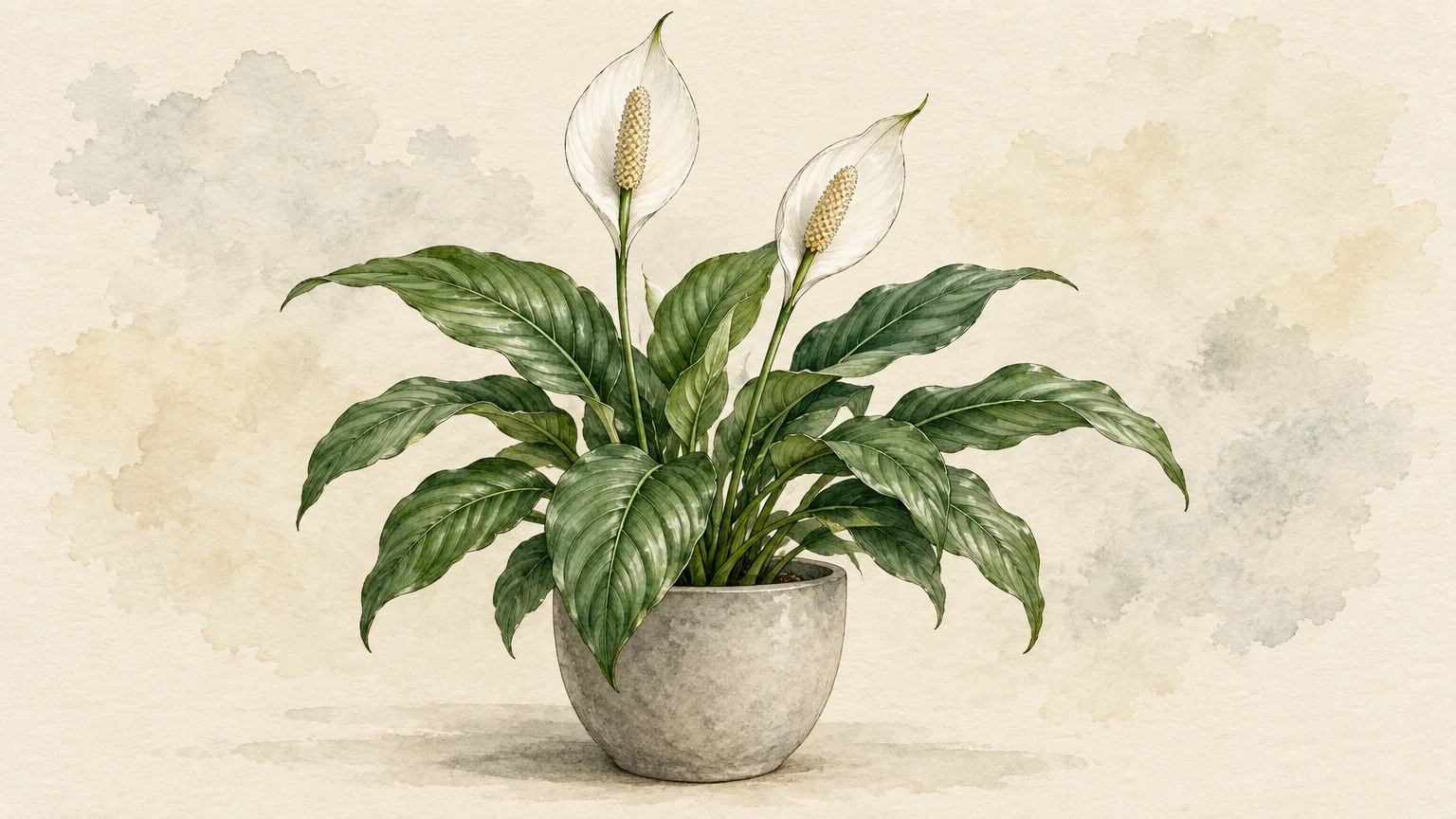
Tip #5: Peace Lily (Spathiphyllum)
Peace lilies bring gentle, harmonious energy into household environments through deep green foliage and elegant white blooms. Their soothing presence dissolves lingering interpersonal conflict while restoring calm emotional equilibrium.
Place your peace lily in bathrooms, primary suites, or quiet meditation spaces to enhance calm mindfulness. These indoor feng shui plants also filter volatile organic compounds, supporting clean domestic air.
Keep the potting substrate consistently damp without waterlogging the container base. Peace lilies communicate their hydration needs clearly by drooping slightly when their root system thirsts for fresh water.
Shield your plant from harsh afternoon sunbeams to protect the tender foliage from scorch marks. Moderate, dappled light encourages continuous white spathe production and rich, glossy leaf texture.
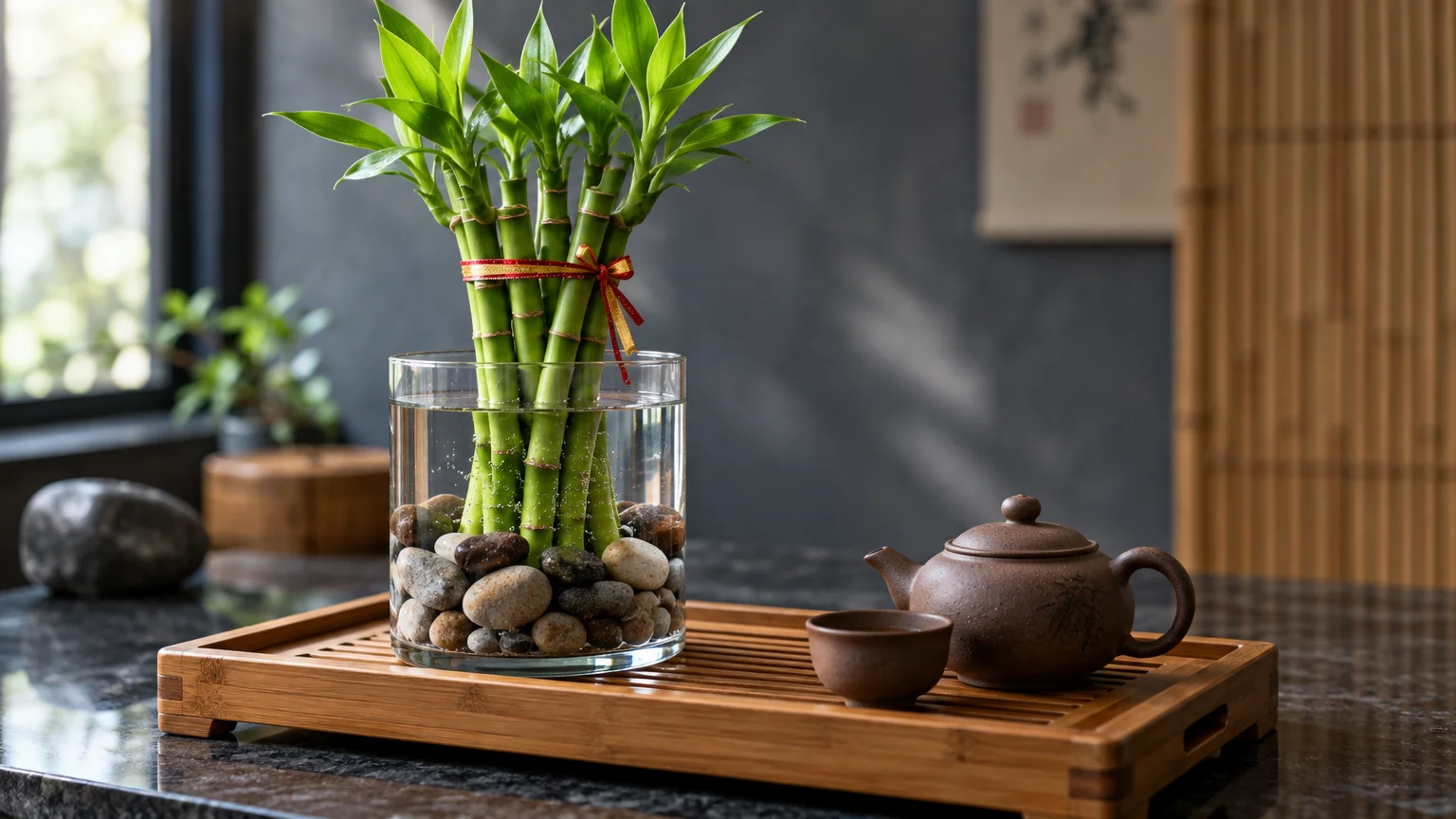
Tip #6: Lucky Bamboo (Dracaena Sanderiana)
Lucky bamboo represents ultimate resilience and flexible growth, bending gracefully beneath life’s pressures without snapping. It embodies balance by uniting water, wood, earth, and metal in a single artistic vessel.
Arrange three stalks to attract happiness, five stalks to welcome wealth, or six stalks for smooth success. Position your lucky bamboo arrangement on a dining table or central mantlepiece.
Grow the stalks in a glass vase filled with clean, distilled water and decorative polished pebbles. Change the standing water every two weeks to prevent algae formation and bacterial buildup.
Shield the delicate stems from direct southern sunlight, which quickly bleaches bright green canes into sickly yellow. Mild ambient room lighting keeps the leaves vibrant and perpetually active.
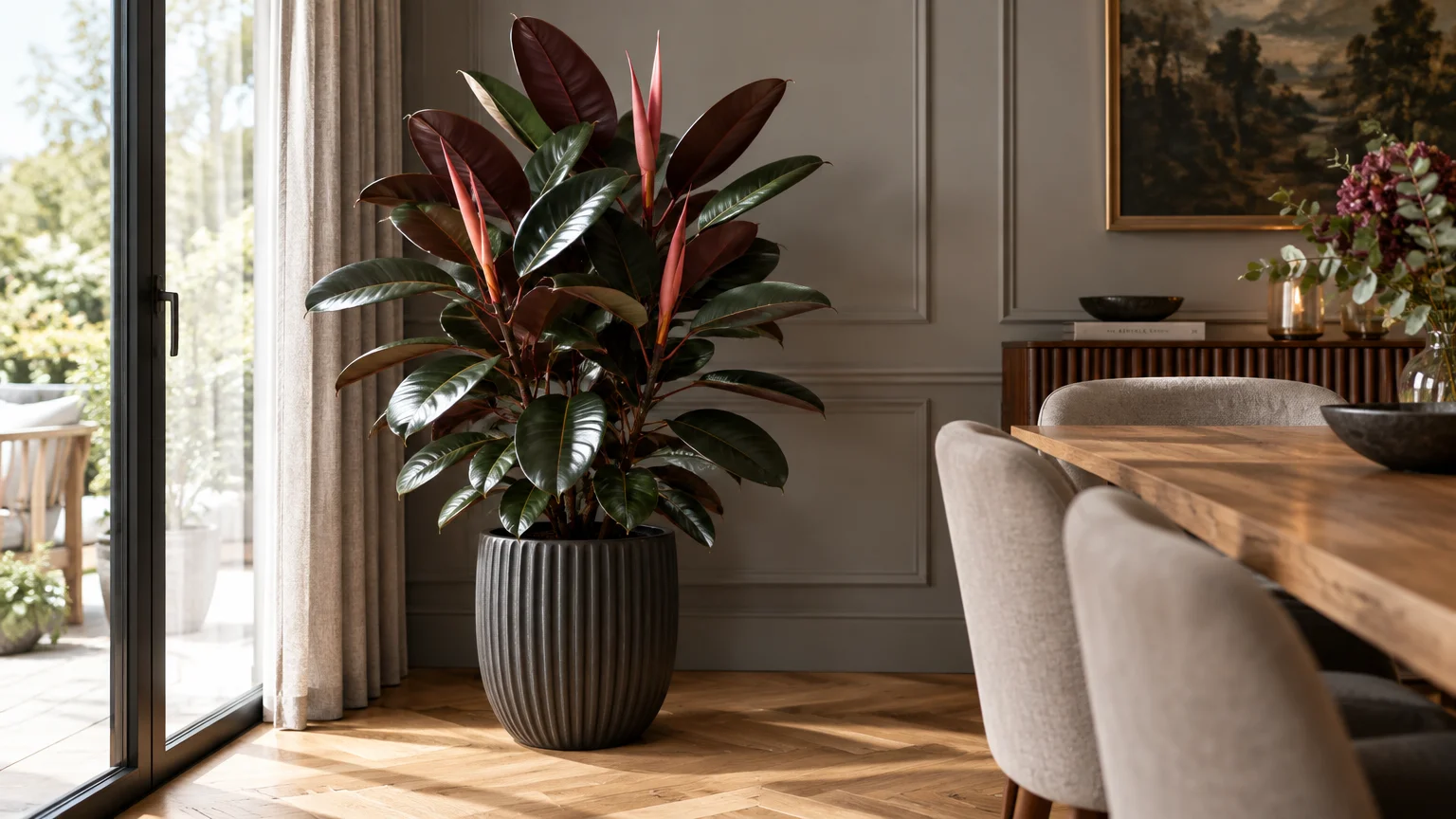
Tip #7: Rubber Plant (Ficus Elastica)
The rubber plant features broad, oval leaves with a natural gloss that symbolizes flowing wealth and gentle, welcoming chi. Its thick foliage softens sterile architectural lines, nurturing steady financial growth.
Station your rubber tree in the wealth corner of your primary living room or near a home office entrance. Its rounded foliage acts as a natural magnet for grounded, prosperous energy.
Supply bright, indirect illumination to keep the leathery leaves sturdy and vibrant. Water moderately after the upper few inches of soil dry, cutting back hydration during colder winter months.
Dust the substantial foliage with a soft microfiber cloth every fortnight to keep pores clear. Clean foliage absorbs light readily, powering consistent new leaf production throughout springtime.
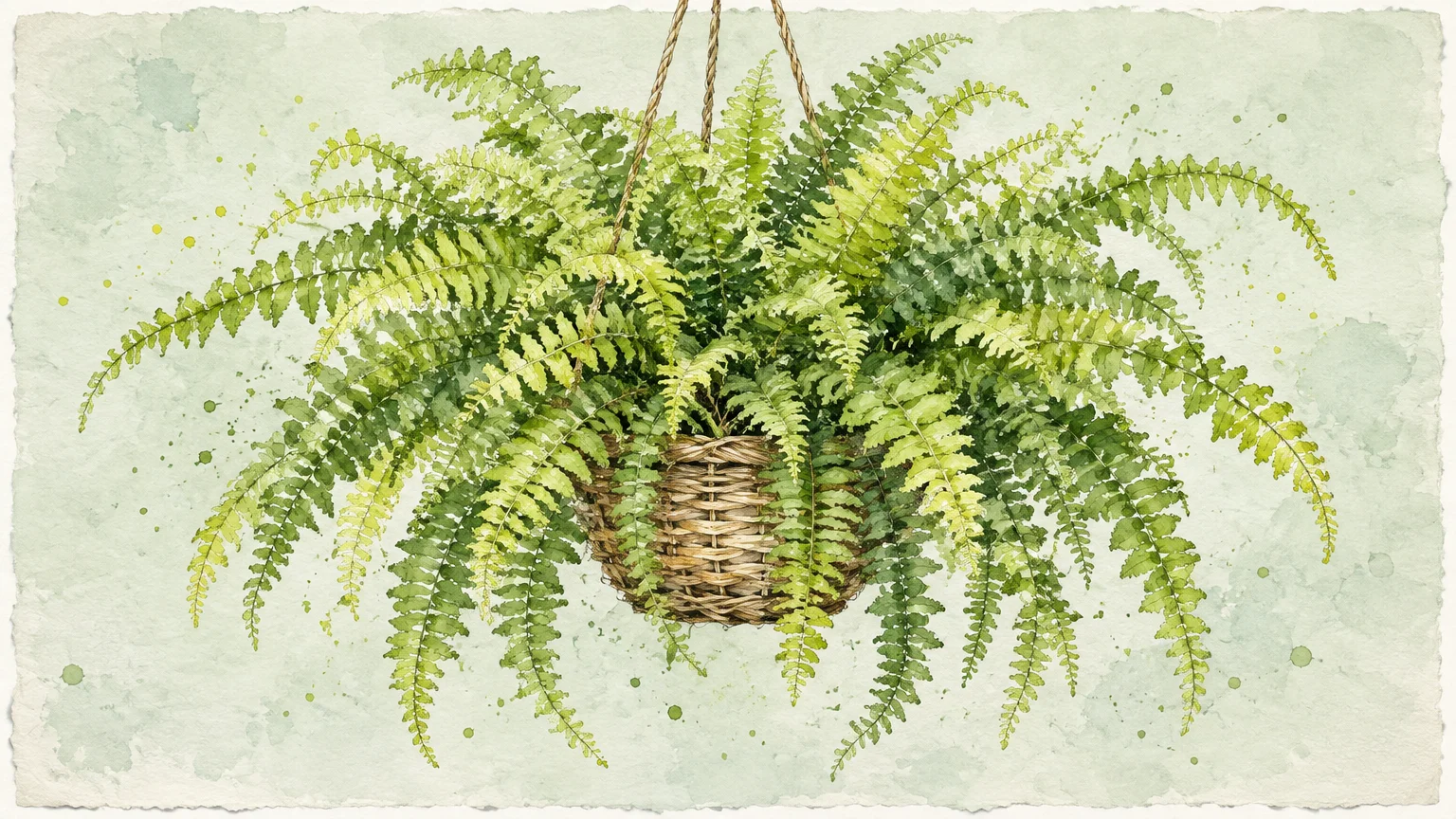
Tip #8: Boston Fern (Nephrolepis Exaltata)
Boston ferns unfurl feathery, arching fronds that soften harsh living spaces with joyful, upward vitality. Their graceful weeping habit dispels sharp energy and boosts ambient moisture in dry indoor rooms.
Suspend your fern from hanging baskets in high-traffic hallways or tuck it into bright bathroom corners. These lush specimens transform drab vertical space into soothing curtains of woodland green.
Keep the soil consistently moist while providing elevated ambient humidity to prevent brittle, browning frond tips. Mist your plant regularly or place it near an electric room humidifier during dry winter months.
Provide generous, filtered light while avoiding scorching direct sunbeams. With adequate moisture and gentle warmth, your fern creates an inviting oasis of calm chi.
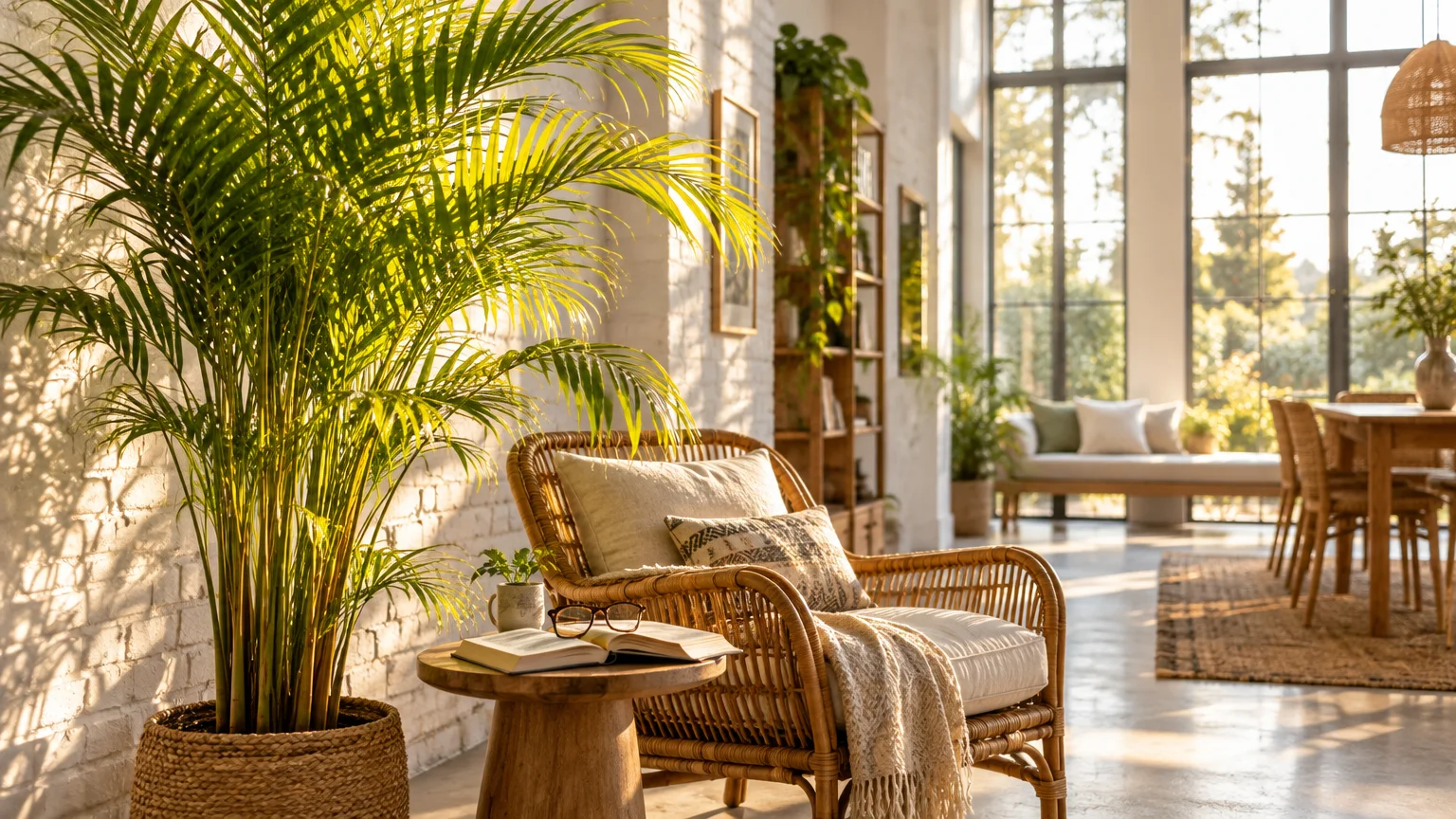
Tip #9: Areca Palm (Dypsis Lutescens)
The areca palm introduces breezy grace and restorative wood energy with its arching, feather-like palm fronds. It softens dense room architecture while functioning as an effective natural indoor air humidifier.
Set this striking palm in spacious living areas or open office foyers where energy stagnates. Its outward-spreading canopy activates circulating breezes, revitalizing low-energy gathering rooms effortlessly.
Water your palm when the top layer of soil dries, using containers equipped with ample drainage holes. Areca palms resent wet roots, so empty drainage saucers promptly after every watering session.
Provide abundant indirect sunlight from east-facing or west-facing windows. Keep the palm protected from cold window drafts to preserve bright, lime-green fronds year-round.
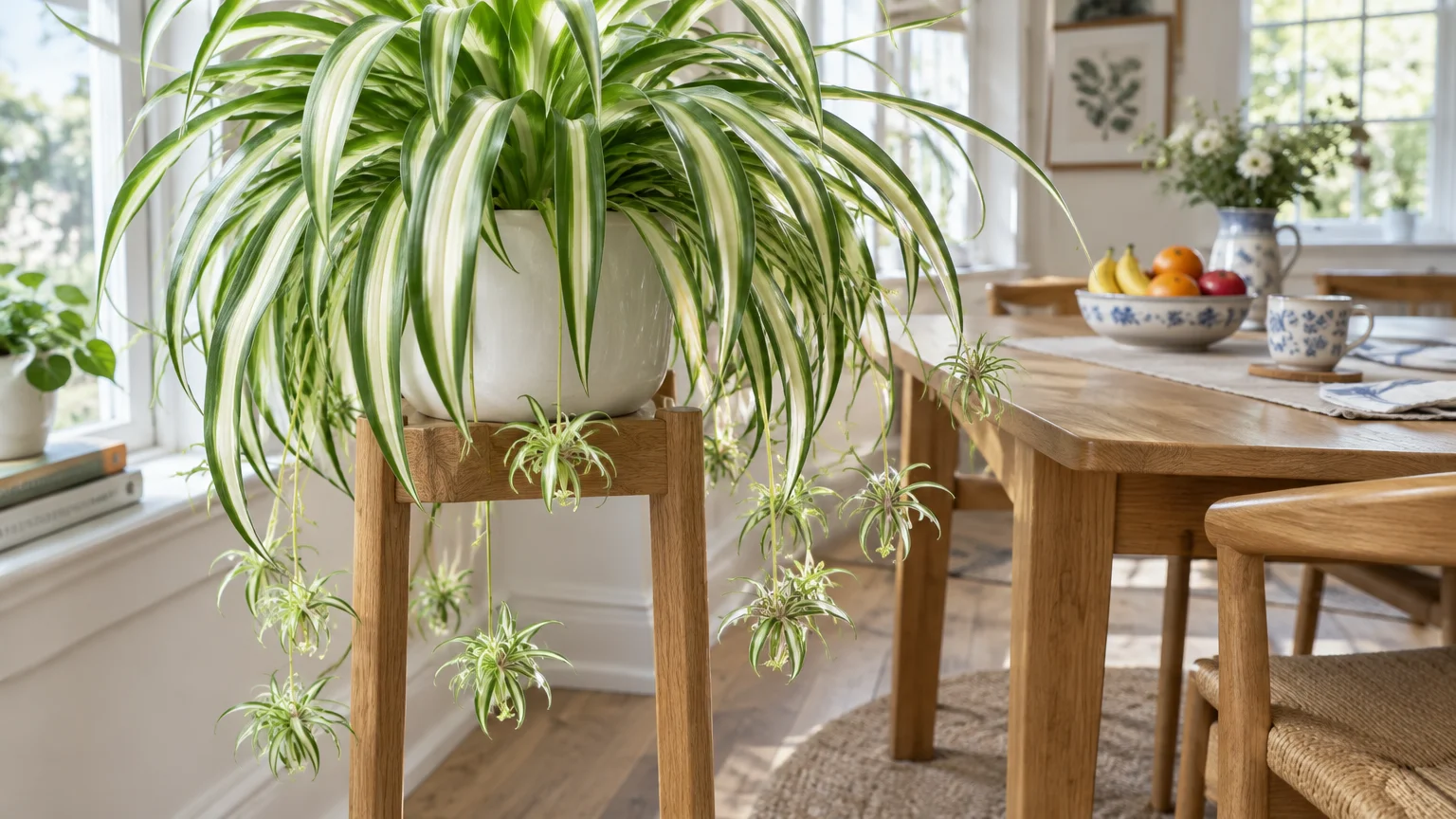
Tip #10: Spider Plant (Chlorophytum Comosum)
Spider plants radiate dynamic, friendly chi with slender leaves arching gracefully in cascading fountains of foliage. They continuously produce tiny miniature plantlets, symbolizing natural abundance, renewal, and endless family vitality.
Hang your spider plant in a kitchen or family room where loved ones gather regularly. Its vibrant, cascading silhouette stimulates cheerful conversation and lifts heavy household emotional environments.
These adaptable plants flourish in moderate to bright indirect sunlight and tolerate short dry spells. Water thoroughly when the upper soil layer feels dry, allowing excess moisture to escape.
Snipping off miniature offsets allows you to root new plants quickly in water or soil. Gifting these young plants shares goodwill and supportive wood energy with cherished friends.
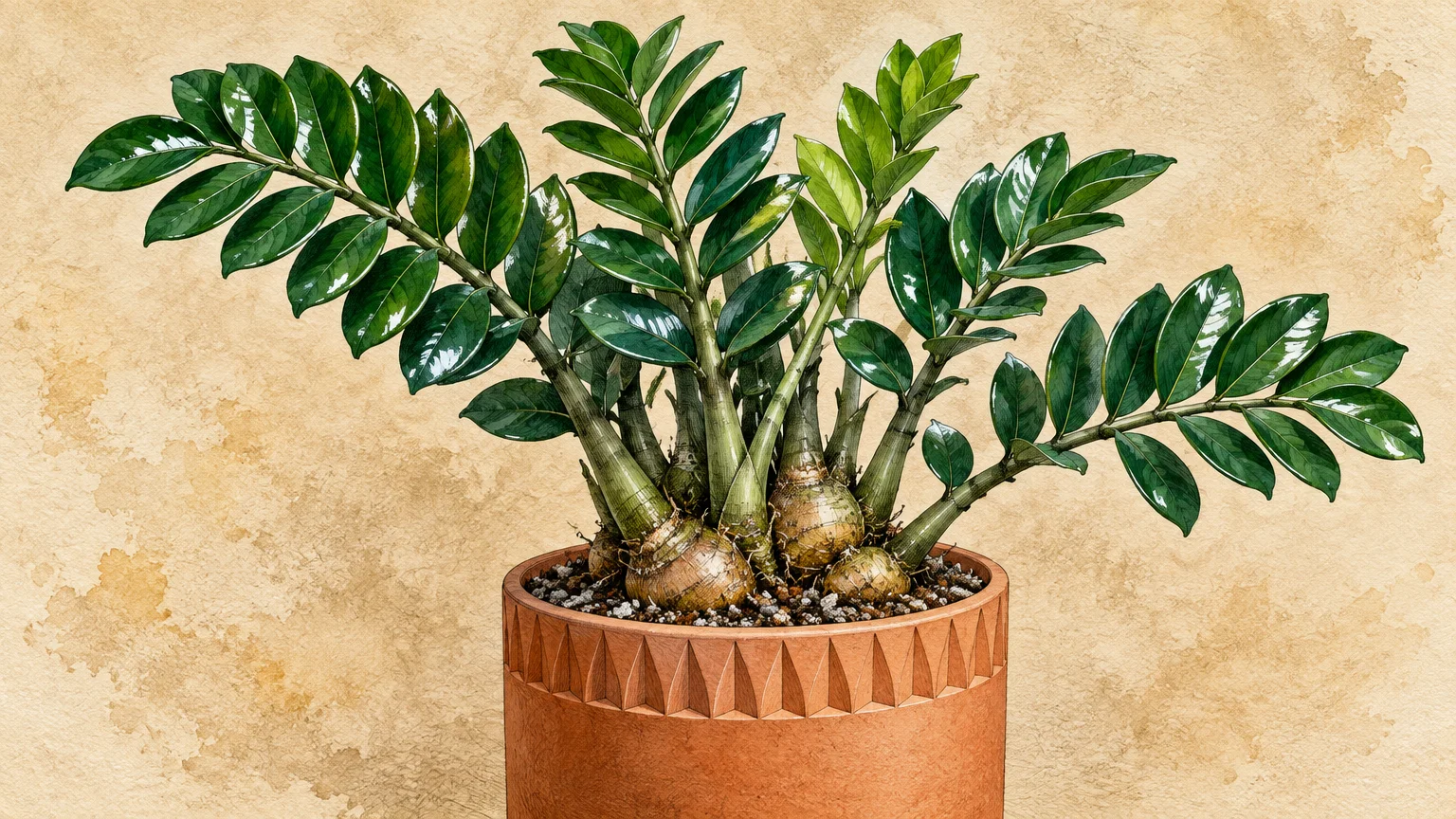
Tip #11: ZZ Plant (Zamioculcas Zamiifolia)
The ZZ plant embodies profound steadfastness and resilience, showcasing glossy, mirror-like leaves along structural, upright stems. Its deep emerald tones symbolize unyielding strength, enduring stability, and quiet wealth accumulation.
Place your ZZ plant in low-light corridors, basements, or shaded office corners that lack sunny windows. It brings vital living energy into obscure areas where other delicate houseplants typically struggle.
Water sparingly only after the entire container soil dries out; its subterranean rhizomes store extensive hydration reserves. Overwatering causes yellow foliage, so maintain a conservative moisture routine.
Wipe dust from the shiny leaflets every few weeks to keep them gleaming naturally. This low-demand specimen remains one of the best feng shui plants for busy lifestyles.
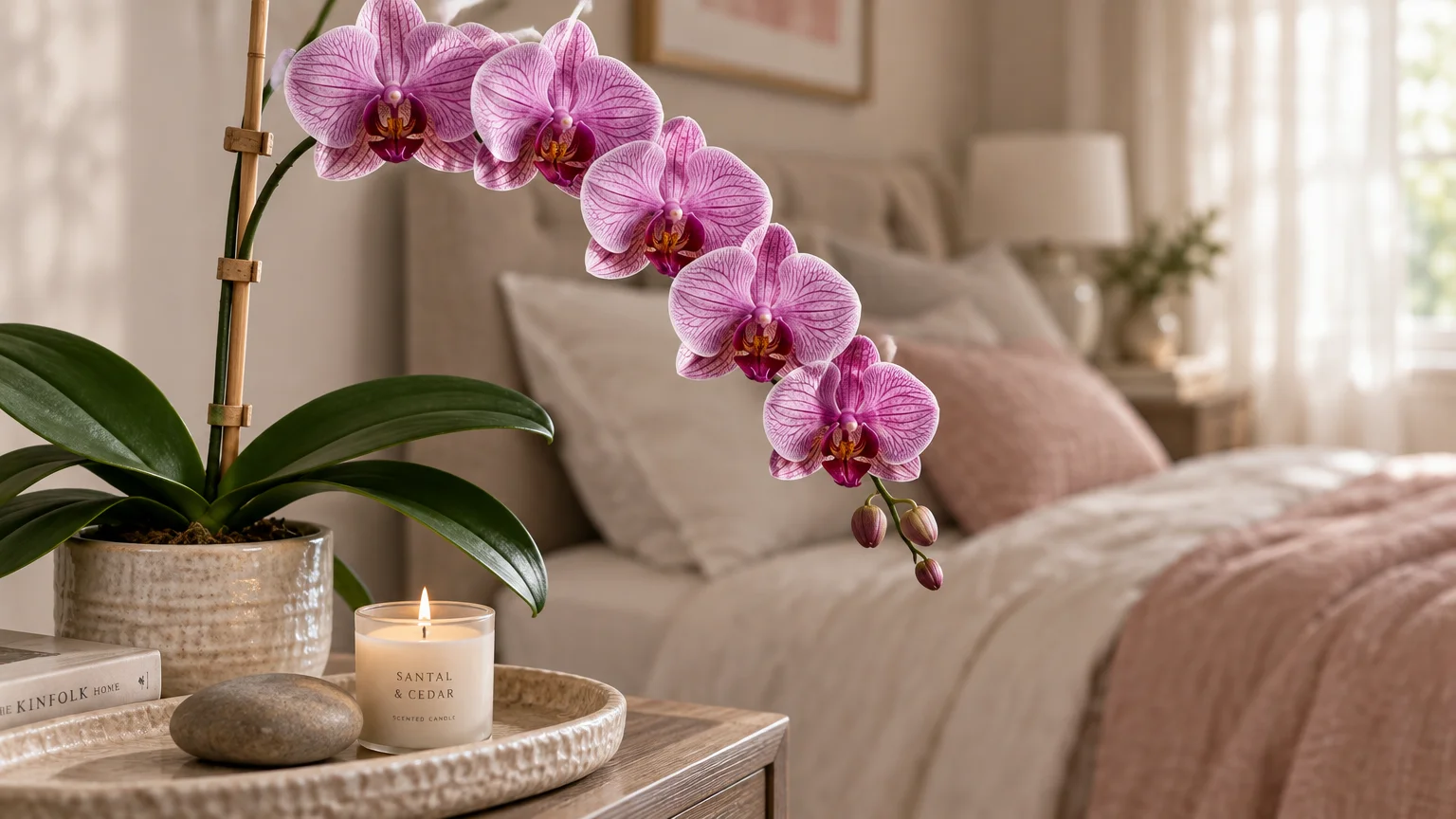
Tip #12: Phalaenopsis Orchid (Orchidaceae)
Elegant phalaenopsis orchids invite romantic balance, pure intentions, and refined creative inspiration into domestic settings. Their sculptural, symmetry-rich flowers cultivate calm reflection while drawing loving relationships into personal living spaces.
Position an orchid in your bedroom or creative studio to encourage restful partnership harmony and clarity. Pink blossoms nurture romantic partnerships, whereas white varieties invite peace and pure intention.
Water your orchid weekly by running tepid water through its bark potting medium until saturated. Ensure all excess liquid drains out completely from the vessel to protect sensitive aerial roots.
Place your orchid on a windowsill receiving bright, filtered morning light. Gentle indirect sun ensures extended flowering periods that sustain positive decorative chi for several consecutive months.
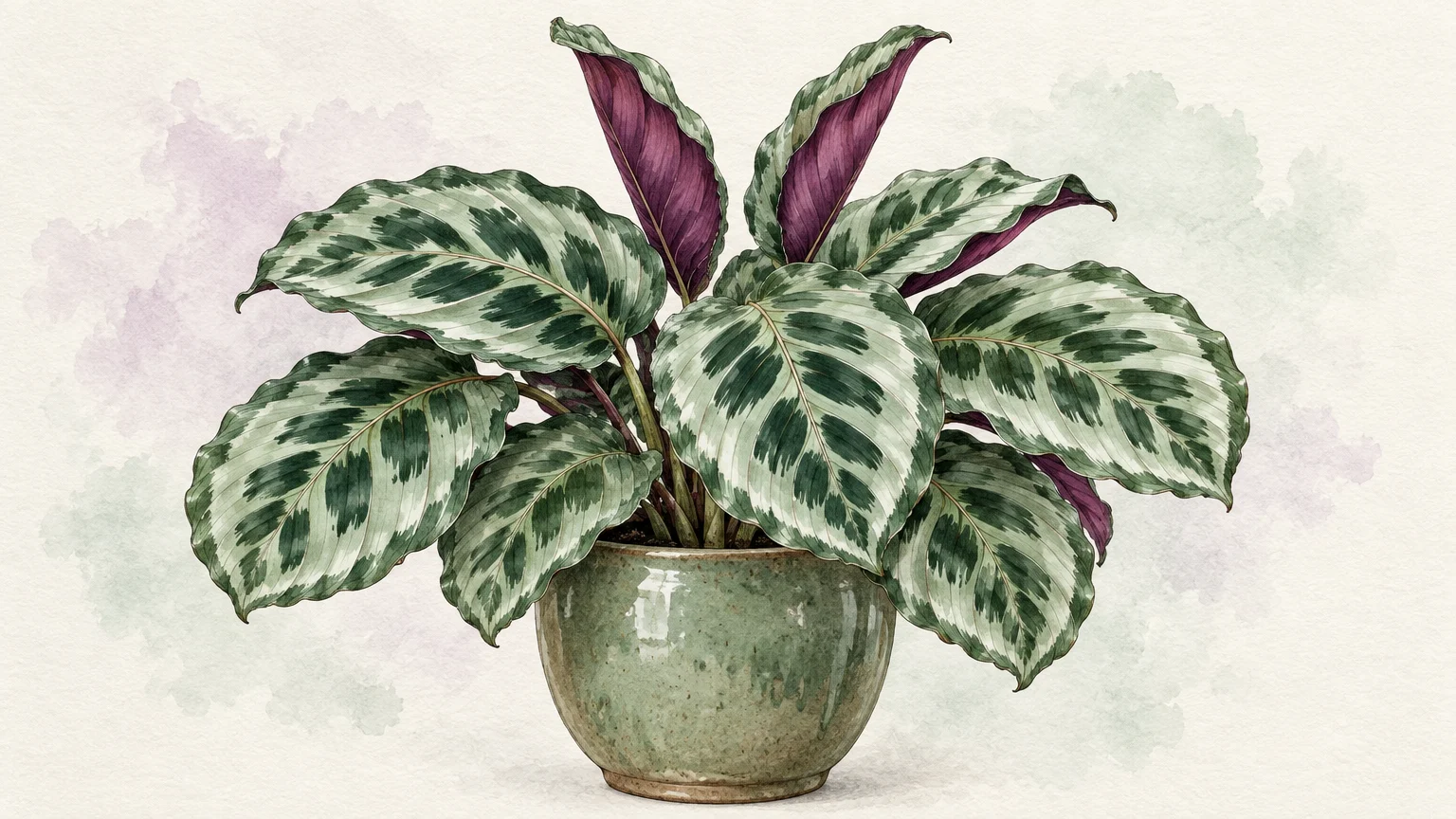
Tip #13: Calathea (Goeppertia)
Calatheas display fascinating foliage patterns that actively fold upward at nightfall, mirroring natural diurnal rhythms. This daily movement symbolizes mindful gratitude, daily renewal, and attuned connection to universal rhythms.
Feature your calathea in quiet bedrooms, reading nooks, or yoga spaces to celebrate restful transformation. Its ornate leaves introduce artistic color, softening cold interior aesthetics with vibrant botanical textures.
Maintain consistently damp soil conditions using filtered or distilled water to avoid chemical leaf tip burn. Calatheas react poorly to chlorine and fluoridated tap water, preferring pure, tepid hydration.
Keep the plant in medium, indirect illumination; intense direct rays fade the intricate painted leaf designs. High ambient humidity helps this tropical beauty thrive with vibrant vigor.
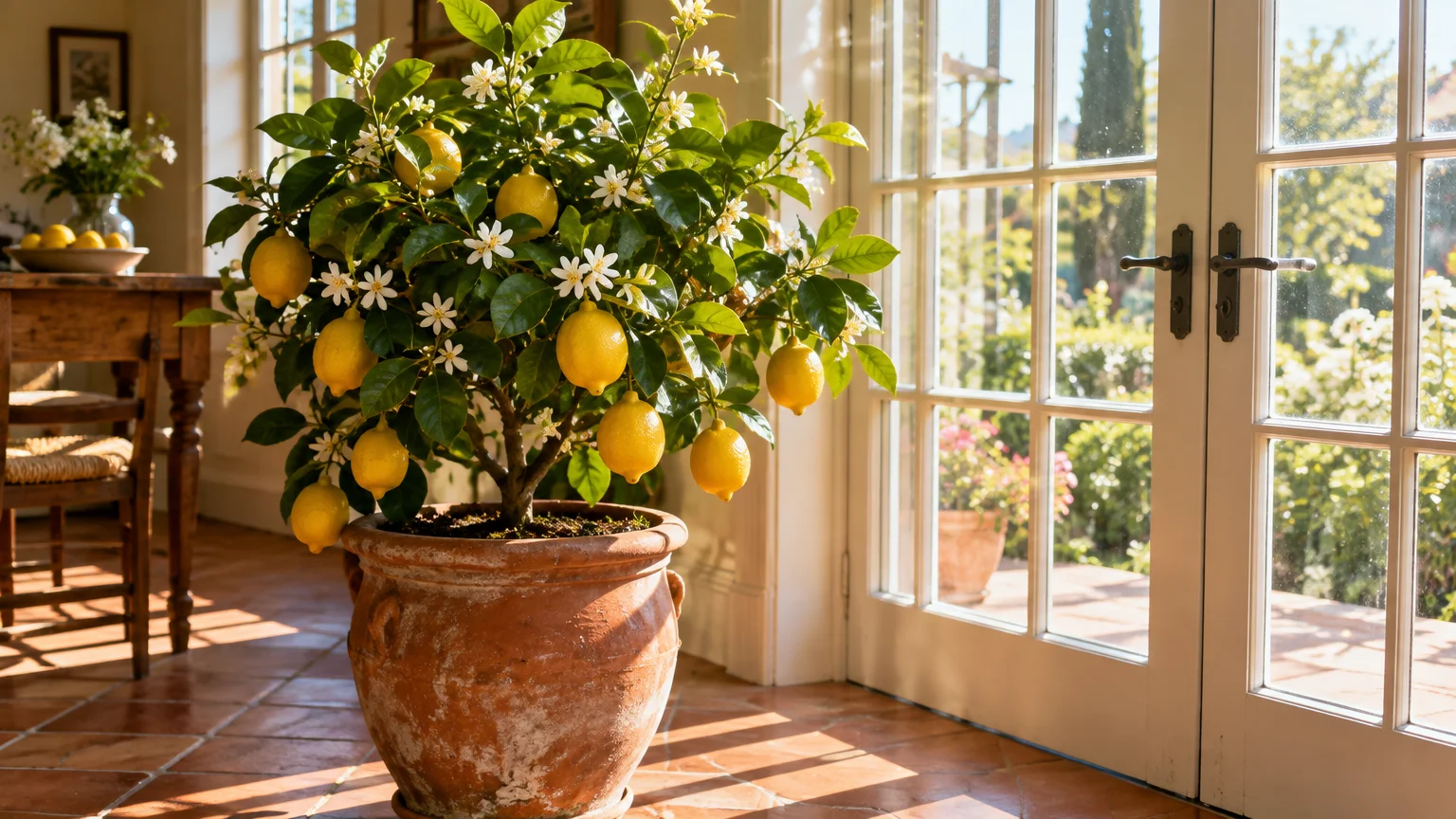
Tip #14: Dwarf Citrus Tree (Citrus x Meyeri)
A dwarf indoor citrus tree welcomes invigorating optimism, good fortune, and prolific prosperity into household spaces. Its radiant golden fruits and sweet, fragrant blossoms energize sluggish indoor environments immediately.
Position your citrus plant near south-facing patio doors or in brightly illuminated kitchen dining spaces. In traditional feng shui, fruiting trees symbolize bountiful harvests and fruitful financial endeavors.
Provide six to eight hours of direct daily sunlight or support growth with high-output supplemental grow lights. Water deeply once the top three inches of soil dry, avoiding waterlogged container roots.
Feed your citrus tree regularly with an organic balanced fertilizer formulated specifically for indoor fruiting plants. Healthy nutrition encourages year-round glossy foliage and delightful aromatic flowering.
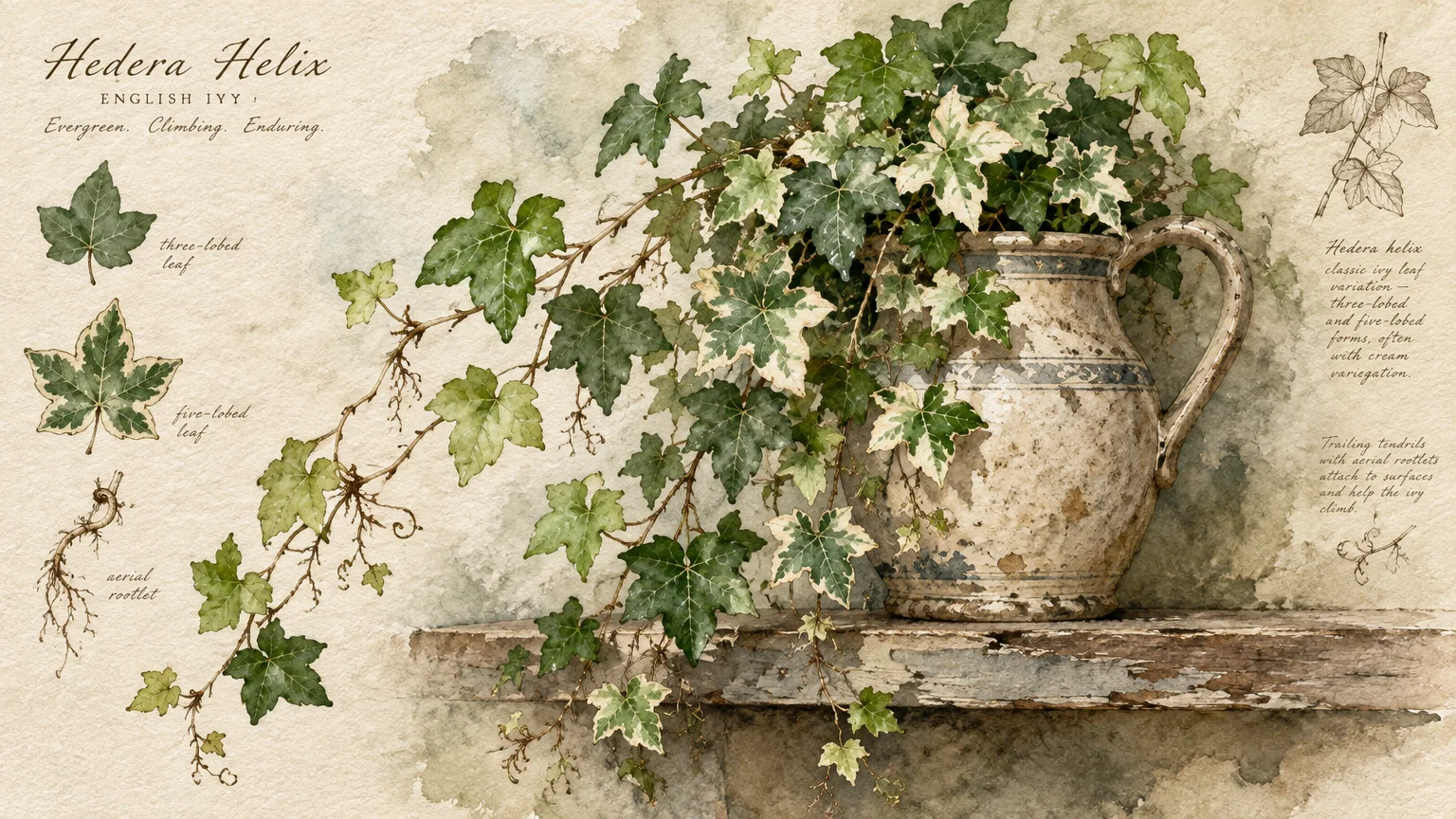
Tip #15: English Ivy (Hedera Helix)
English ivy offers soothing, softening energy that smooths sharp interior corners known in feng shui as poison arrows. Its trailing, evergreen stems encourage peaceful transitions and long-lasting domestic friendship.
Place English ivy on high bookshelves, mantels, or plant stands where sharp edges create harsh lines. Its downward cascading foliage rounds off structural room geometry, diffusing tense visual pathways.
Grow your ivy in bright, indirect light while keeping the soil evenly moist between watering sessions. It performs best in cooler room temperatures away from direct heating registers and radiator units.
Rinse the vines under cool running water occasionally to wash away dust and ward off spider mites. This simple care keeps the plant resilient, lush, and energetically vibrant.
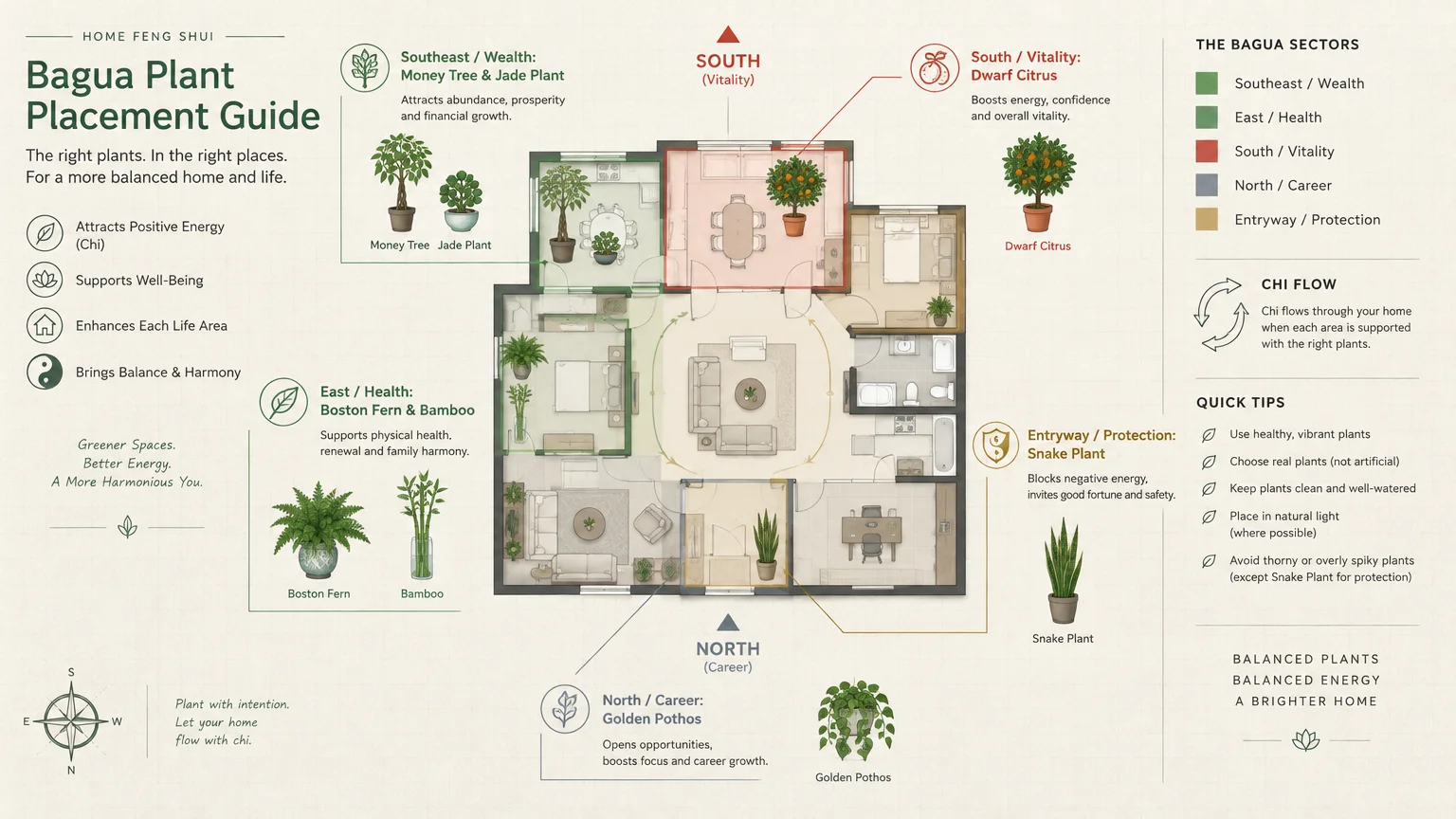
Putting It All Together: Enjoy Your Beautiful Garden
Designing a vibrant sanctuary with indoor feng shui plants connects your home to nature’s harmonizing energy. Mindful plant placement balances practical living zones while supporting daily emotional health and vitality.
Start your styling journey with two or three specimens that align with your lighting and lifestyle constraints. When your plants thrive with healthy green leaves, your entire living space benefits from their uplifting vitality.
Observe how fresh growth uplifts your spirits each morning as you care for your living collection. Your home will soon reflect the grounded abundance, serenity, and beauty you intentionally cultivate.
Frequently Asked Questions
Where should I place plants for good energy in my home?
Place plants for good energy in the east, southeast, and south sectors of your living space. These compass areas represent family harmony, financial abundance, and creative reputation in traditional bagua maps.
Can I use fake plants for feng shui home decor tips?
While live specimens offer the highest living chi, high-quality silk plants provide acceptable decorative harmony when kept pristine. Clean them regularly to prevent dusty, stagnant energy from dampening your room’s atmosphere.
Which plants are considered bad luck in feng shui?
Spiky cacti and dying foliage are generally avoided because they generate sharp, uninviting energy. Remove dead leaves promptly and position spiky varieties outdoors to safeguard soft interior domestic flow.
How many feng shui plants should I place in a single room?
Balance is essential in feng shui, so avoid overcrowding your rooms with dense clusters of foliage. Choose three to five well-placed specimens that allow physical pathways and chi to circulate freely.
For region-specific advice, consult your local University Extension program (find yours via the USDA directory). For plant databases and inspiration, visit the Missouri Botanical Garden or the Royal Horticultural Society.
Disclaimer: This article provides general gardening advice; always consider your specific climate, soil conditions, and local pests. Follow safety guidelines when using gardening tools and products.