You can create a breathtaking landscape without replanting your flower beds each spring. Choosing the best perennial flowers ensures your garden returns with thicker foliage and more vibrant blooms every year.
These resilient perennial garden plants establish deep root networks during their first season. Once settled, they expand steadily—crowding out weeds while filling your borders with minimal effort on your part.
Investing in perennials that return every year saves you time and nursery expenses. Discover eight exceptional varieties that transform from modest starter pots into magnificent, self-sustaining garden centerpieces.
Tip #1: Herbaceous Peonies
Herbaceous peonies (Paeonia lactiflora) represent the ultimate investment in long-term garden beauty. These legendary low maintenance perennials often thrive in the exact same garden spot for over fifty years without declining.
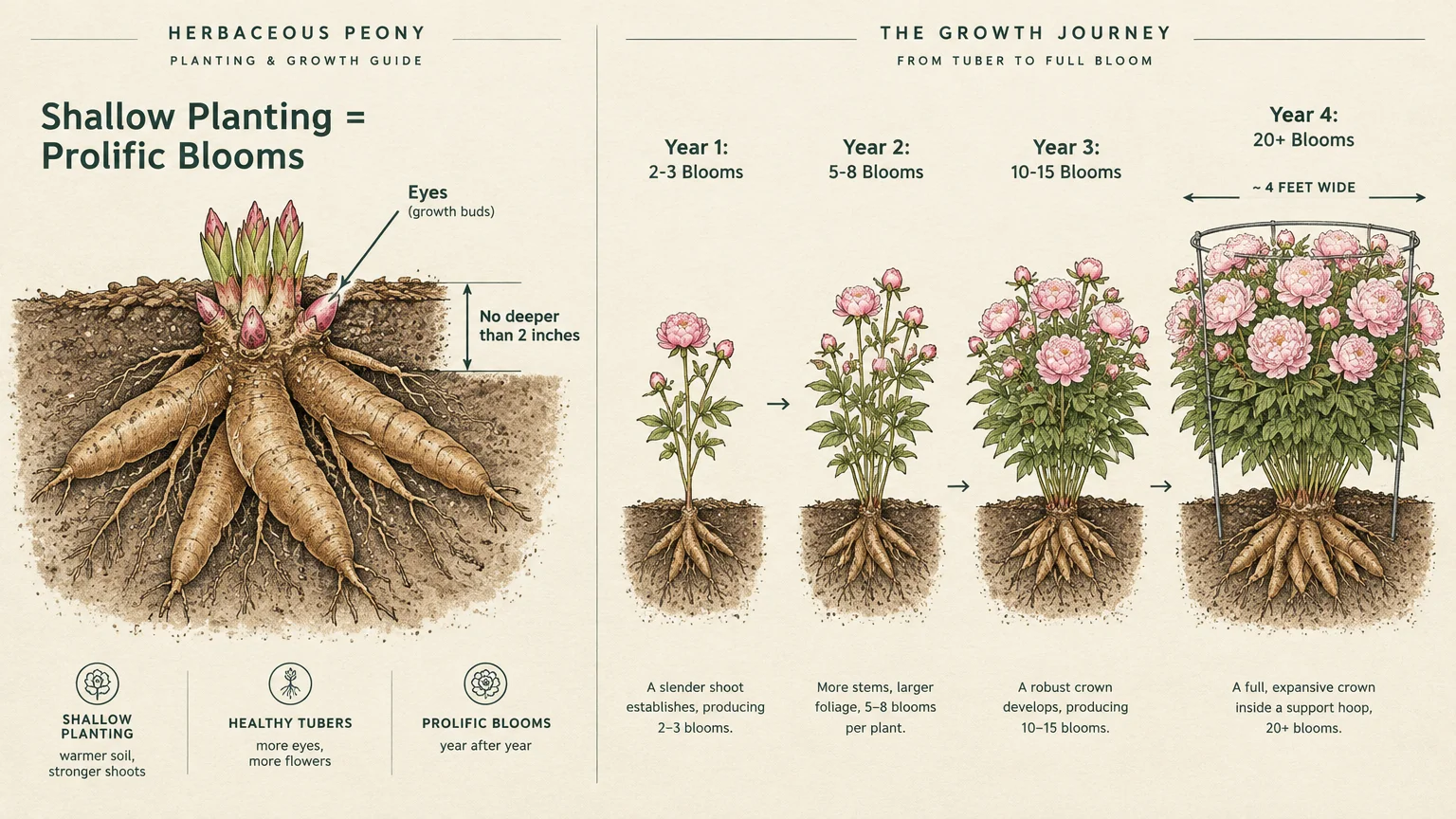
Their underground storage tubers expand steadily beneath the soil each summer. Each autumn, the crown sets fresh pink growth buds—known as eyes—which become next spring’s flowering stems.
A young bare-root peony may only yield two or three blossoms during its inaugural season. By year four, that same crown routinely sends up twenty or more massive, fragrant flower stems.
Plant your peonies in fertile, well-draining soil where they receive at least six hours of full sun daily. Always position the underground eyes no deeper than two inches below the soil surface.
Planting tubers too deeply remains the primary reason peonies fail to flower; shallow planting triggers prolific blooming. Add a generous handful of bone meal around the perimeter of the root zone each spring.
Support the swelling buds by placing a wide metal peony hoop over the clump in early spring. This simple barrier keeps the heavy double blossoms upright when sudden May rainstorms arrive.
Cut the foliage back to ground level after the first hard autumn frost to prevent fungal diseases. With this minimal care, your peony clump will broaden into a four-foot-wide floral masterpiece.
Tip #2: Hostas
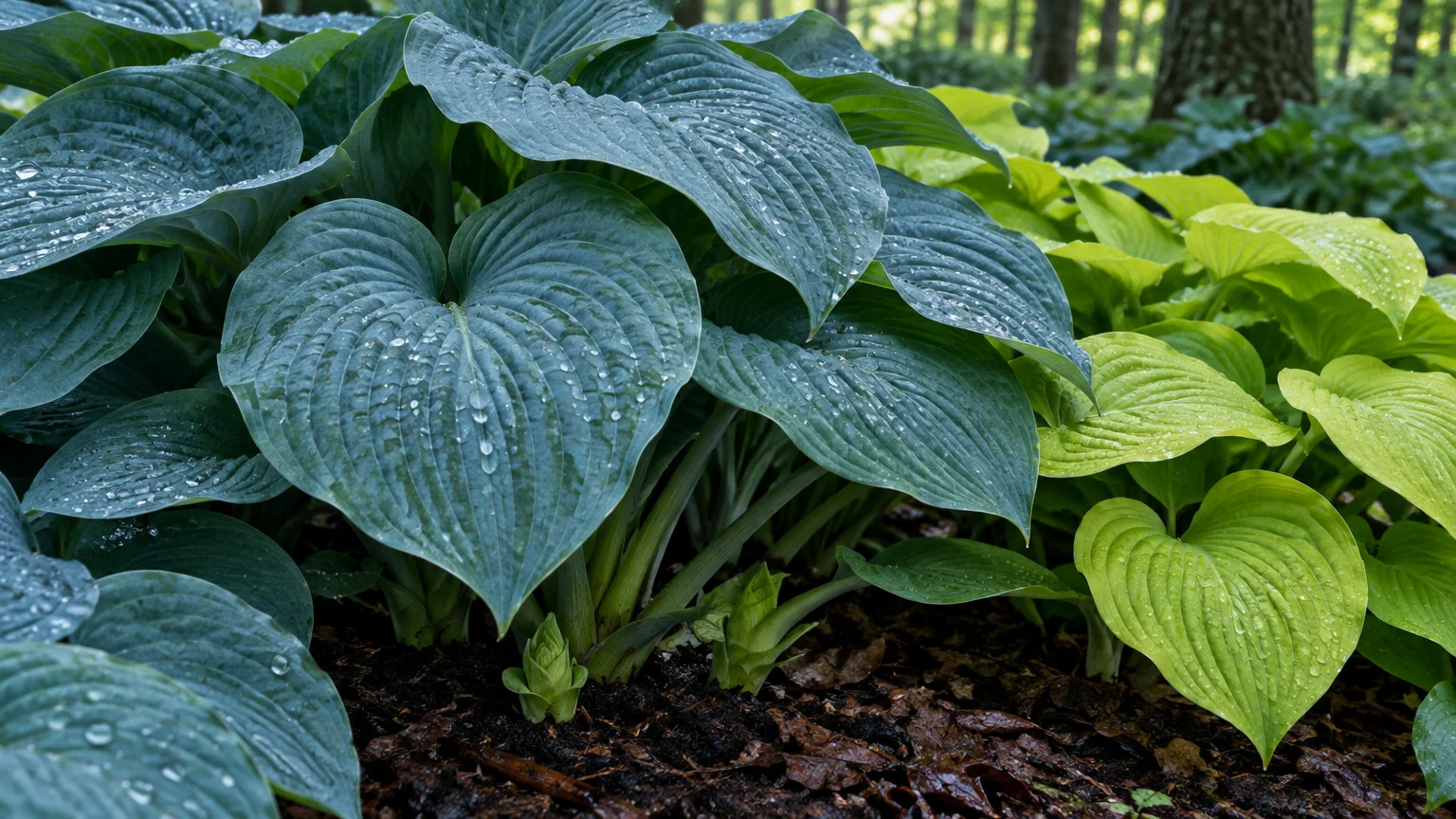
Hostas reign supreme for introducing sculptural foliage, rich color, and lush texture to shaded garden areas. They rank among the easiest easy perennial flowers to establish in woodland borders or shaded foundation beds.
A single division expands outward each spring by producing concentric rings of underground growth points. Mature clumps produce broader, thicker leaves that showcase richer variegation and more pronounced ribbing than juvenile foliage.
Giant varieties like ‘Empress Wu’ can eventually span six feet across and four feet tall from a tiny container. Even standard selections broaden by four to six inches in diameter every growing season.
Provide your hostas with moisture-retentive soil rich in organic matter, such as compost or leaf mold. Blue-leaved cultivars maintain their waxy powdered coating best in full shade, whereas chartreuse varieties tolerate gentle morning sun.
Water newly planted divisions deeply once a week throughout their first two summers. Once their root crowns mature, hostas demonstrate surprising drought resistance beneath the canopy of large deciduous trees.
Protect emerging spring shoots from hungry slugs by scattering organic iron phosphate granules around the base. Shielding the initial leaf flush ensures maximum surface area for photosynthesis, which directly fuels the expanding root crown.
In late summer, elegant spikes of lavender or white bell-shaped flowers emerge, drawing hummingbirds directly into your shady retreat.
Tip #3: Purple Coneflowers
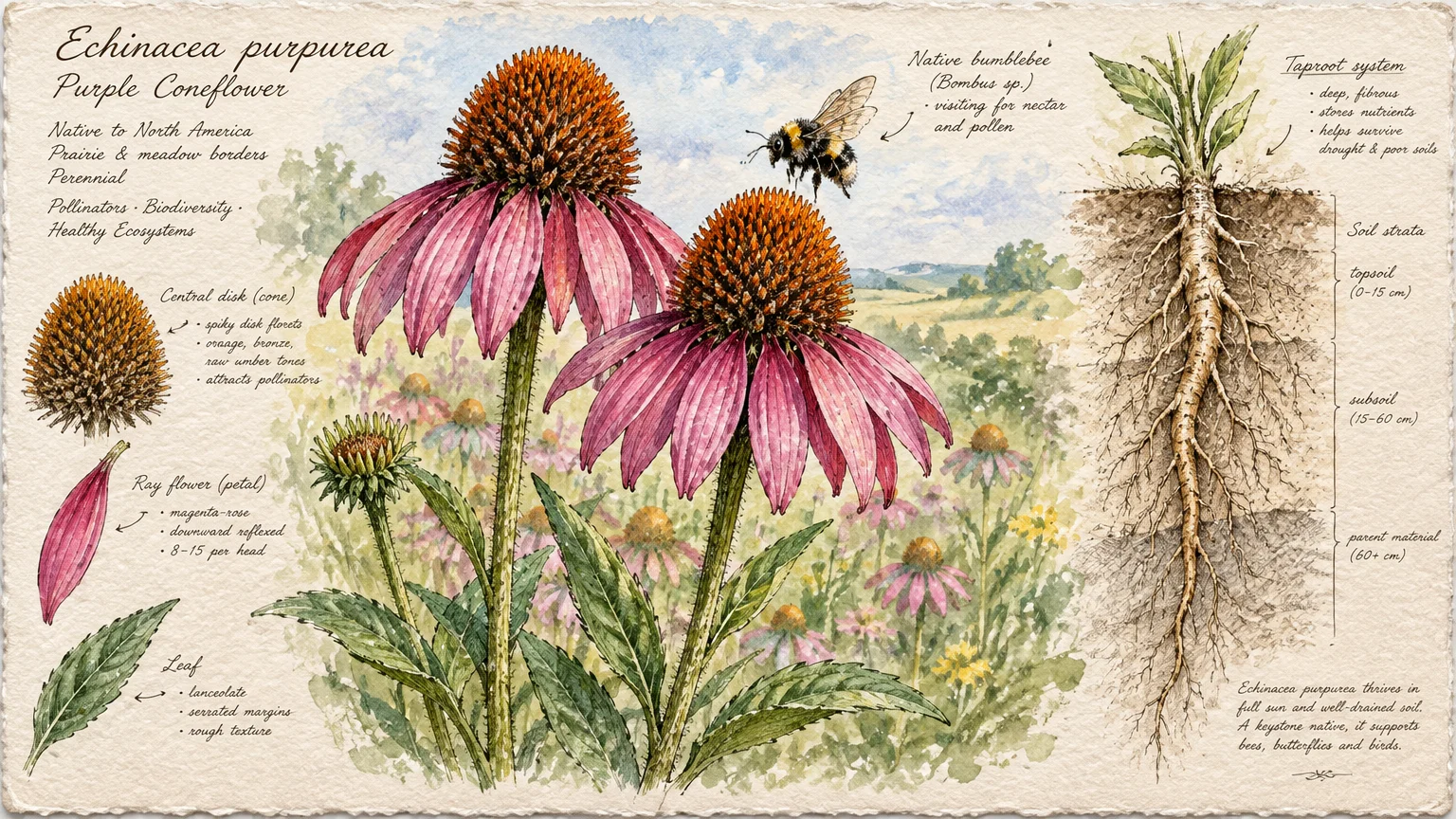
Purple coneflowers (Echinacea purpurea) are dependable North American native perennials that return every year with exceptional vigor. Their daisy-like petals radiate outward from prickly, coppery-orange cones that local bees and butterflies find irresistible.
First-year coneflowers typically produce a modest handful of flowering stems while focusing their energy downward. By their second and third seasons, their fibrous root systems thicken, supporting dense bouquets of thirty or more blooms.
Site your coneflowers in a location that enjoys six to eight hours of direct sunlight every day. They adapt effortlessly to poor or rocky soils, requiring very little supplemental feeding throughout their long lives.
Avoid heavy applications of nitrogen-rich fertilizer, which encourage weak, floppy stems and sparse flowering. A simple top-dressing of organic compost in early spring supplies all the nutrients these native workhorses require.
Their deep taproots provide remarkable drought resistance once established in your garden beds. You can comfortably skip watering during routine dry spells without sacrificing blossom production or plant health.
Leave the dried seed cones intact through late autumn and winter rather than pruning them away. Flocks of goldfinches will visit your yard to feast on the seeds during frosty winter mornings.
Any dropped seeds often sprout into healthy young seedlings, naturally expanding your colorful patch at zero financial cost.
Tip #4: Black-Eyed Susans
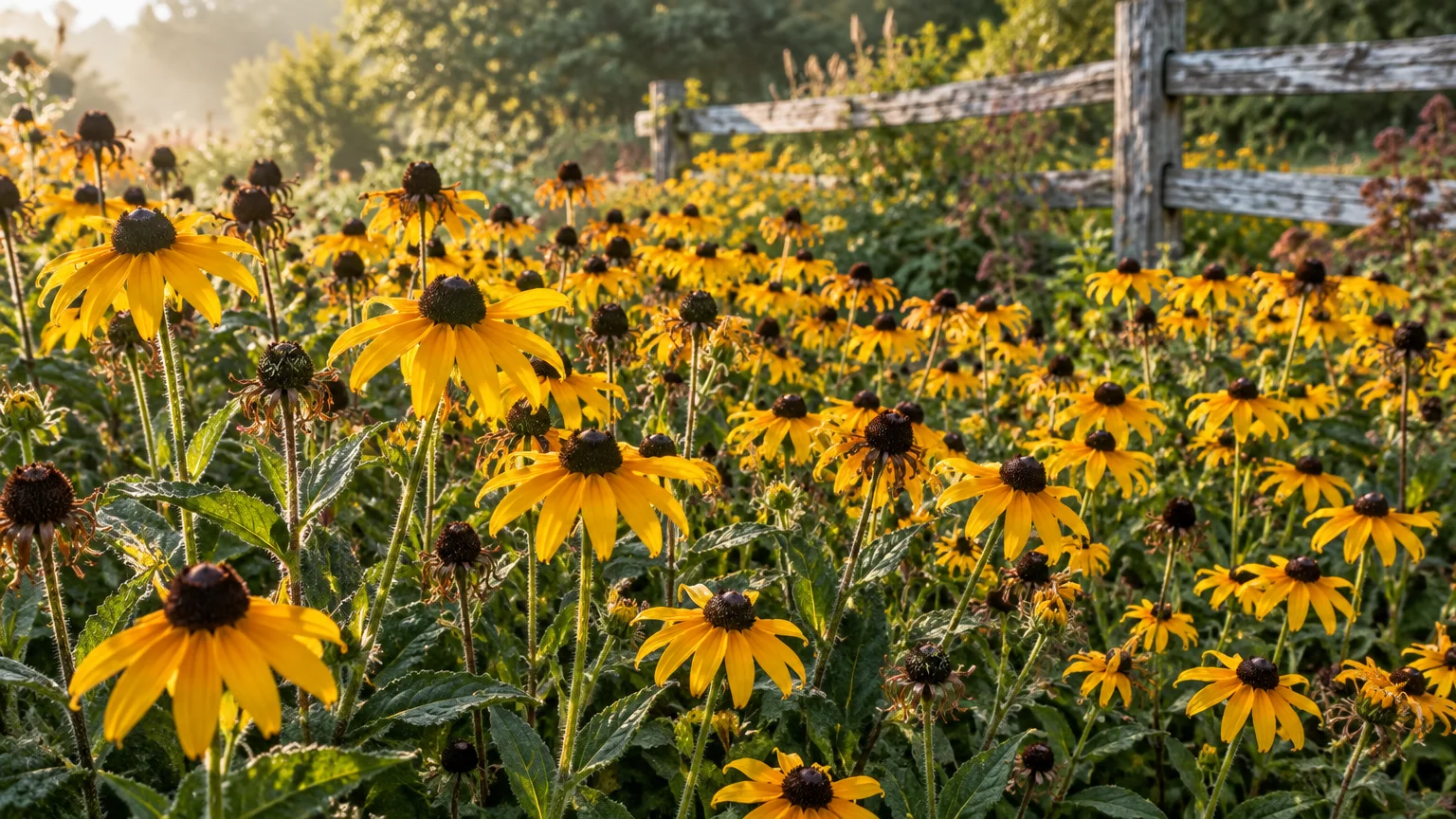
Black-eyed Susans deliver saturated golden-yellow color from midsummer straight through the first autumn frosts. Cultivars like ‘Goldsturm’ are celebrated perennial garden plants that form dense, luminous colonies across sunny borders.
These cheerful plants expand through spreading basal crowns and shallow underground rhizomes. A single starter plant easily doubles its footprint within two seasons, creating a tight mass that effectively smothers competing weeds.
Install your plants in well-drained soil bathed in full sunlight or light afternoon shade. Space new plantings eighteen inches apart to give each crown sufficient elbow room to broaden over time.
Snip off spent flowers during midsummer to channel plant energy into fresh bud formation and root expansion. However, feel free to leave late-season blooms on the stems to feed overwintering songbirds.
Black-eyed Susans resist common garden pests, including browsing deer and rabbits that tend to avoid their coarse, hairy leaves. This natural defense allows your expanding clumps to thrive entirely undisturbed season after season.
Divide overcrowded clumps every four years in early spring before fresh basal leaves unfurl. Replanting these vigorous divisions throughout your yard yields dozens of free, high-performing floral accents.
Their sunny golden petals paired with dark chocolate centers brighten any landscape border with reliable cheer.
Tip #5: Daylilies
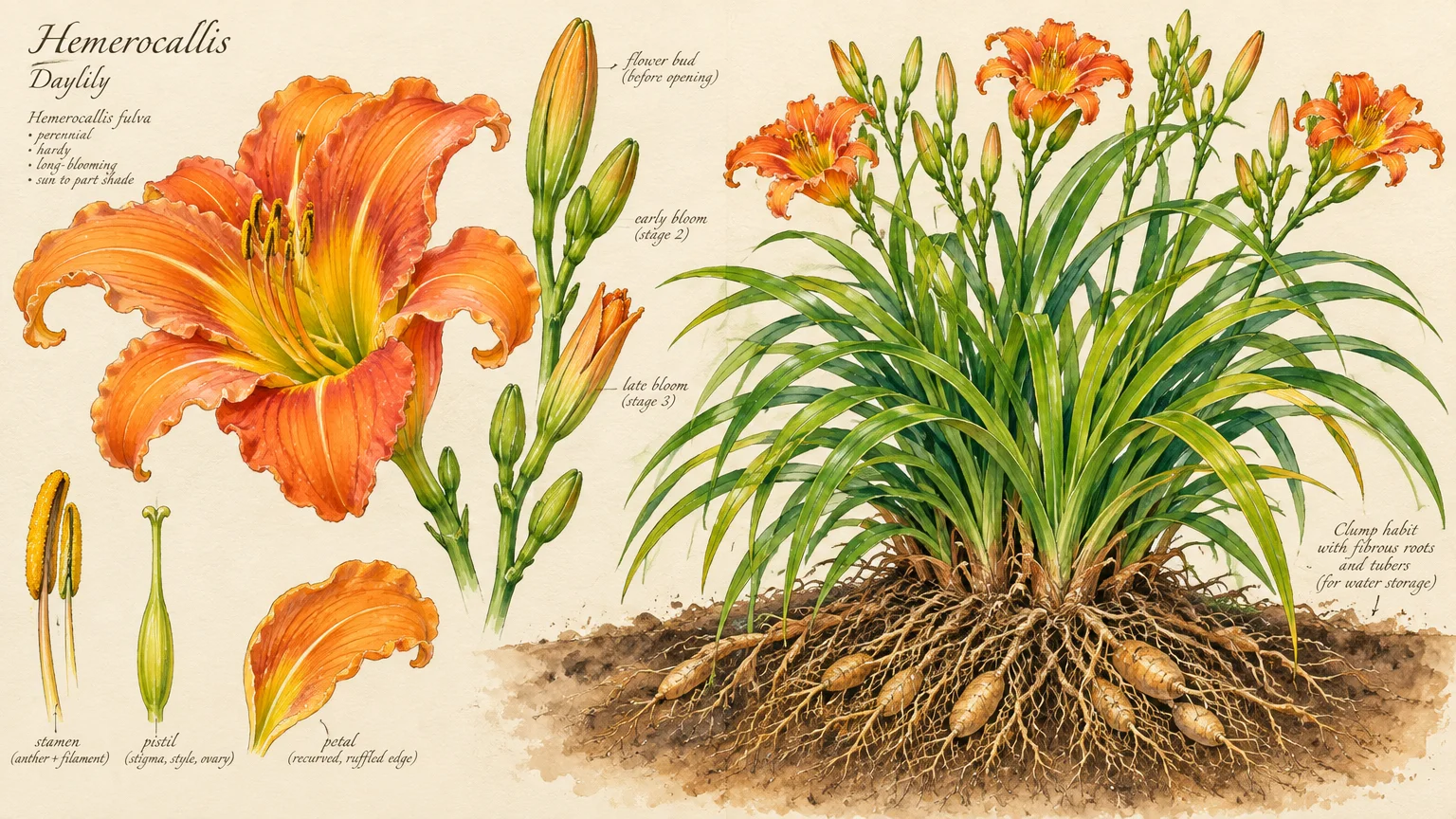
Daylilies (Hemerocallis) are widely considered the ultimate workhorses among easy perennial flowers. They tolerate harsh urban pollution, poor clay soil, road salt, and blazing heat without missing a beat.
While each individual blossom lasts only a single day, mature clumps generate dozens of branched flower scapes. A well-established patch can yield hundreds of buds that open consecutively over a four-to-six-week period.
Daylilies multiply by producing new foliage fans from dense, tuberous root clusters just below the surface. A single two-fan division commonly expands into an impressive six-to-eight-fan clump by its second year in the ground.
Plant daylilies in full sun to encourage the highest concentration of flower buds. If you garden in the south, give dark purple and red cultivars partial afternoon shade to prevent petal bleaching.
Work a shovelful of compost into the soil at planting time to encourage rapid root growth. Water deeply once a week during their first summer, after which they will handle hot summer droughts independently.
Cut spent flower scapes right down to the ground once all buds have finished blooming. This neat pruning step prevents seed production, allowing the plant to store surplus carbohydrates directly in its expanding roots.
Their arching foliage forms an attractive, weed-choking ground cover from April until hard frost arrives in late autumn.
Tip #6: Russian Sage
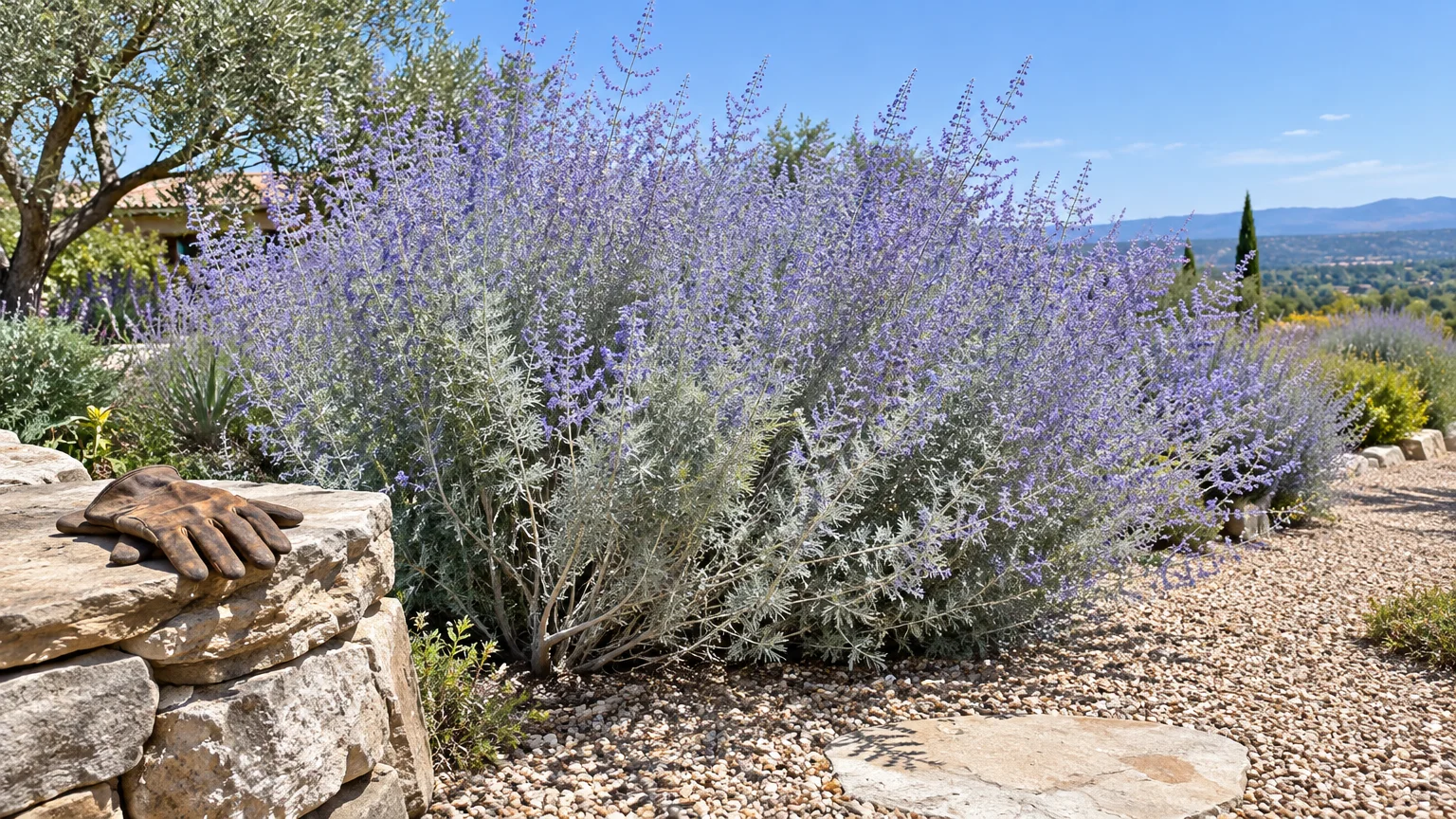
Russian sage (Salvia yangii) injects airy, lavender-blue clouds of color and fragrant silvery foliage into sunny borders. It behaves like a sub-shrub, developing a sturdy, woody base that widens dramatically with each passing season.
During its first summer, Russian sage often looks modest and open as it establishes deep vertical roots. By its second and third years, the woody crown thickens, sending up dozens of tall, upright blooming stems.
Mature specimens routinely reach four feet tall and nearly four feet wide in open, sunny locations. They rank high among low maintenance perennials because they flourish in dry, alkaline soils that challenge other plants.
Plant Russian sage where it receives unfiltered sun all day long and enjoys fast-draining, gritty soil. Damp, soggy soil causes root rot and leads to weak, flopping stems that require unsightly staking.
Prune the entire plant back hard in early spring, cutting stems down to four to six inches above ground. This severe pruning stimulates vigorous new basal shoots, resulting in a denser, far more floriferous floral display.
The aromatic oils inside the gray-green foliage deter deer, rabbits, and harmful insects naturally without chemical repellents. Meanwhile, the nectar-rich purple spikes attract hundreds of native bees and pollinating butterflies throughout late summer.
Tip #7: Siberian Iris
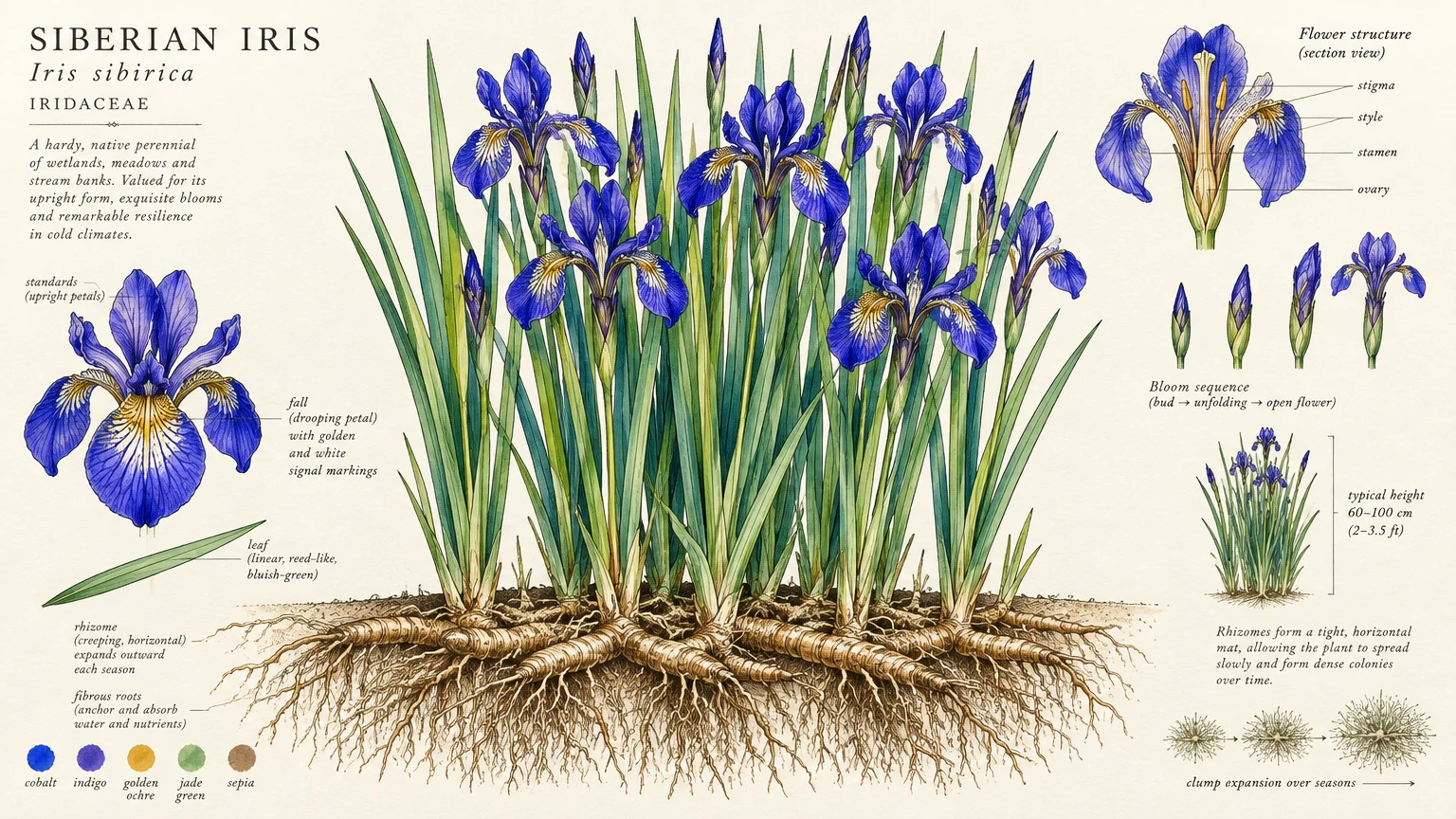
Siberian irises (Iris sibirica) bring refined grace and architectural structure to mid-spring borders and moisture-rich garden areas. Unlike bearded irises, their delicate, jewel-toned blossoms stand atop upright, grass-like foliage that stays pristine all summer.
Their dense, fibrous root systems form an expanding mass just beneath the surface of the soil. Each spring, the clump widens by several inches, sending up an ever-greater quantity of elegant flowering stems.
A two-year-old Siberian iris clump often produces five times as many blossoms as a newly planted division. The tall, fountain-like leaves remain emerald green throughout the hottest summer months, acting as a striking structural backdrop.
Position your irises in full sun or partial shade within soil that is rich, slightly acidic, and consistently moist. They thrive along pond margins, rain gardens, and standard flower borders that receive regular moisture.
Mulch around the base with shredded bark to keep the shallow root systems cool and conserve soil moisture. Apply a light dusting of balanced organic fertilizer in early spring as new green spears break through dormancy.
Because their root systems form thick mats, established Siberian irises effectively prevent aggressive weeds from penetrating your beds. They represent some of the best perennial flowers for gardeners seeking reliable elegance with virtually zero maintenance.
Tip #8: Autumn Joy Stonecrop
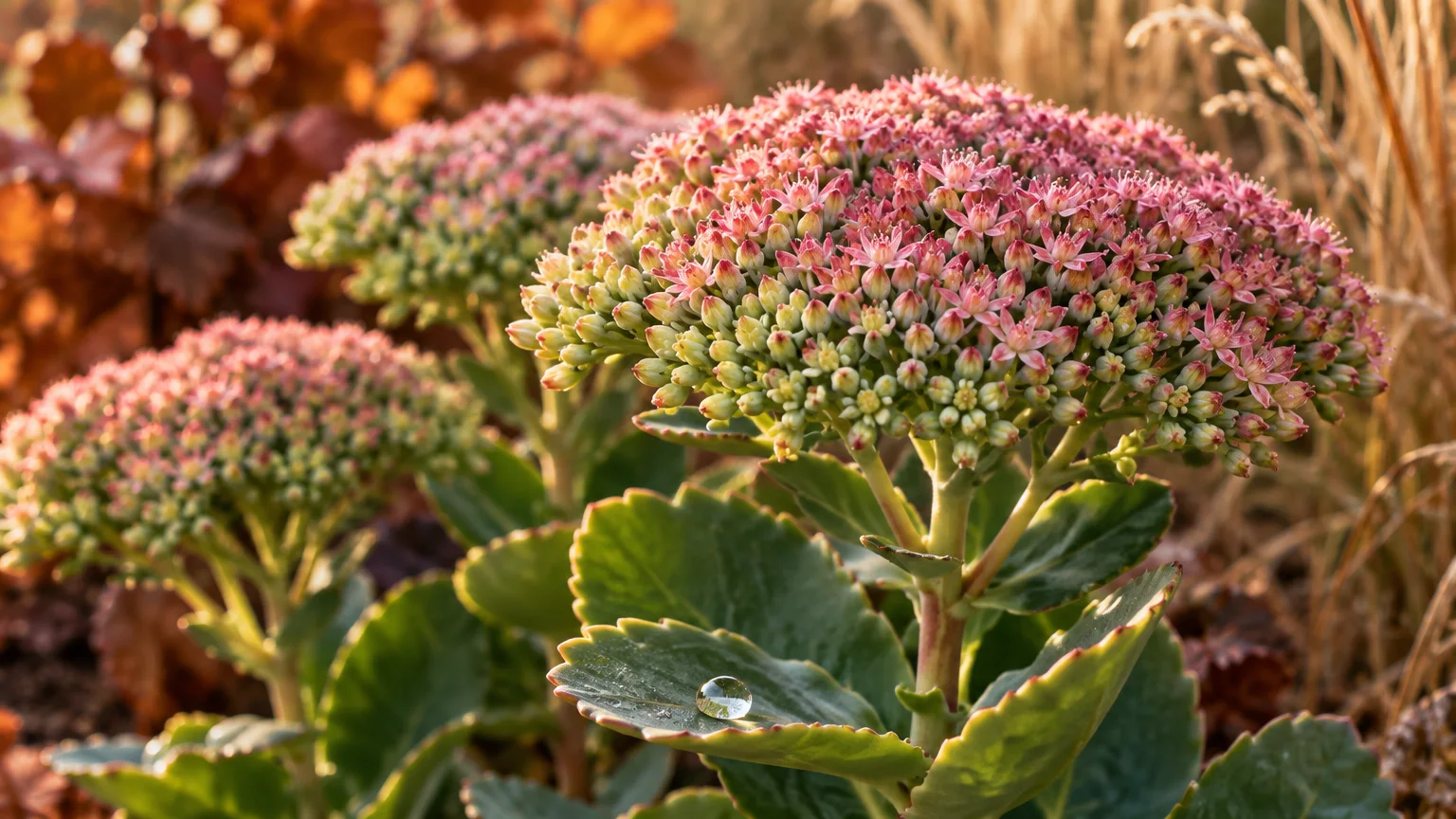
Autumn Joy stonecrop provides steady four-season interest while requiring practically zero attention from busy gardeners. Its succulent, jade-green leaves form a tight, rounded dome in spring that looks neat and purposeful for months.
By late summer, large broccoli-like flower heads open to soft pink, gradually deepening to rich magenta and rusty copper. The basal crown adds dozens of fresh growth points each winter, noticeably expanding the plant’s overall diameter annually.
A three-year-old stonecrop specimen forms a dense, semi-woody mound measuring up to two feet tall and three feet wide. This impressive growth occurs without any supplemental chemical fertilizer or frequent watering.
Plant stonecrop in full sun and porous, well-draining soil to keep the fleshy stems compact and sturdy. Excessive shade or overly rich soil causes the heavy flower heads to flop open and split in midsummer.
Leave the dried copper flower heads standing all winter to capture snowfall and add sculptural beauty to bare beds. The sturdy seed heads also offer valuable shelter and sustenance to foraging winter birds.
In early spring, simply prune last year’s dried stalks back to ground level with clean hand shears. You will instantly reveal a tight cluster of plump, pale-green rosettes ready to launch another year of vigorous growth.
Putting It All Together: Enjoy Your Beautiful Garden
Designing an expanding perennial garden allows you to build lasting value across your landscape beds without annual replanting. By choosing varieties that return bigger and better, you turn time into your greatest gardening ally.
Focus on soil health before putting plants into the ground; rich, compost-amended soil fuels rapid root establishment. Providing deep, regular hydration during your plants’ first full summer pays enormous dividends in subsequent years.
Give each young perennial adequate space to spread according to its mature measurements. You can easily fill intermediate spaces with temporary annuals or fresh organic mulch while your permanent plants expand.
Group varieties with similar sunlight and moisture requirements together to streamline your seasonal maintenance chores. This thoughtful grouping creates mutually beneficial microclimates that help all your plants thrive with minimal oversight.
Watch your landscape evolve as your perennial plants return each spring with thicker crowns and abundant blooms. You will enjoy a lush, self-sustaining sanctuary that requires less manual labor and delivers greater beauty every season.
For region-specific advice, consult your local University Extension program (find yours via the USDA directory). For plant databases and inspiration, visit the Missouri Botanical Garden or the Royal Horticultural Society.
Disclaimer: This article provides general gardening advice; always consider your specific climate, soil conditions, and local pests. Follow safety guidelines when using gardening tools and products.
Frequently Asked Questions
How long does it take for perennial garden plants to reach their full size?
Most perennials follow the traditional gardening proverb: the first year they sleep, the second year they creep, and the third year they leap. They dedicate their initial season to establishing root structures, reaching their peak mature size by year three.
Providing consistent moisture during that first year speeds up establishment, helping plants reach peak size even sooner.
What is the ideal season to plant perennials that return every year?
Early autumn is the premier window for planting perennials because warm soil temperatures encourage active root development while cool air prevents moisture stress. The plants settle in comfortably before entering winter dormancy.
Early spring is another great window, provided you water regularly as summer warmth arrives.
Do low maintenance perennials require annual fertilizer to expand?
Most hardy perennials do not need aggressive synthetic fertilizers to increase their size and flower count each season. In fact, excessive nitrogen often promotes weak, floppy stems and invites insect infestations.
A simple one-inch layer of organic compost applied in early spring provides all the slow-release nutrients needed for vigorous crown expansion.
How often should I divide my expanding perennial flowers?
Most vigorous perennials benefit from division every three to five years to prevent overcrowding and maintain flower quality. Signs that division is needed include a dying center in the clump or noticeably smaller blooms.
Dividing in early spring or early autumn rejuvenates the mother plant while providing free divisions for other garden areas.