Transforming your backyard into a lush sanctuary requires knowing how certain botanical choices influence insect behavior before pest populations surge. While many blooms bring dazzling color and sweet fragrance, several common varieties quietly serve as primary feeding stations and nesting hubs that invite an unwanted ant infestation garden wide.
Identifying specific plants that attract ants allows you to manage moisture, deter aphid colonies, and protect your landscape without sacrificing gorgeous aesthetics. Understanding these botanical relationships helps you apply natural ant control garden techniques effectively while keeping your flowerbeds vibrant, balanced, and thriving throughout the entire growing season.
Tip #1: Peonies
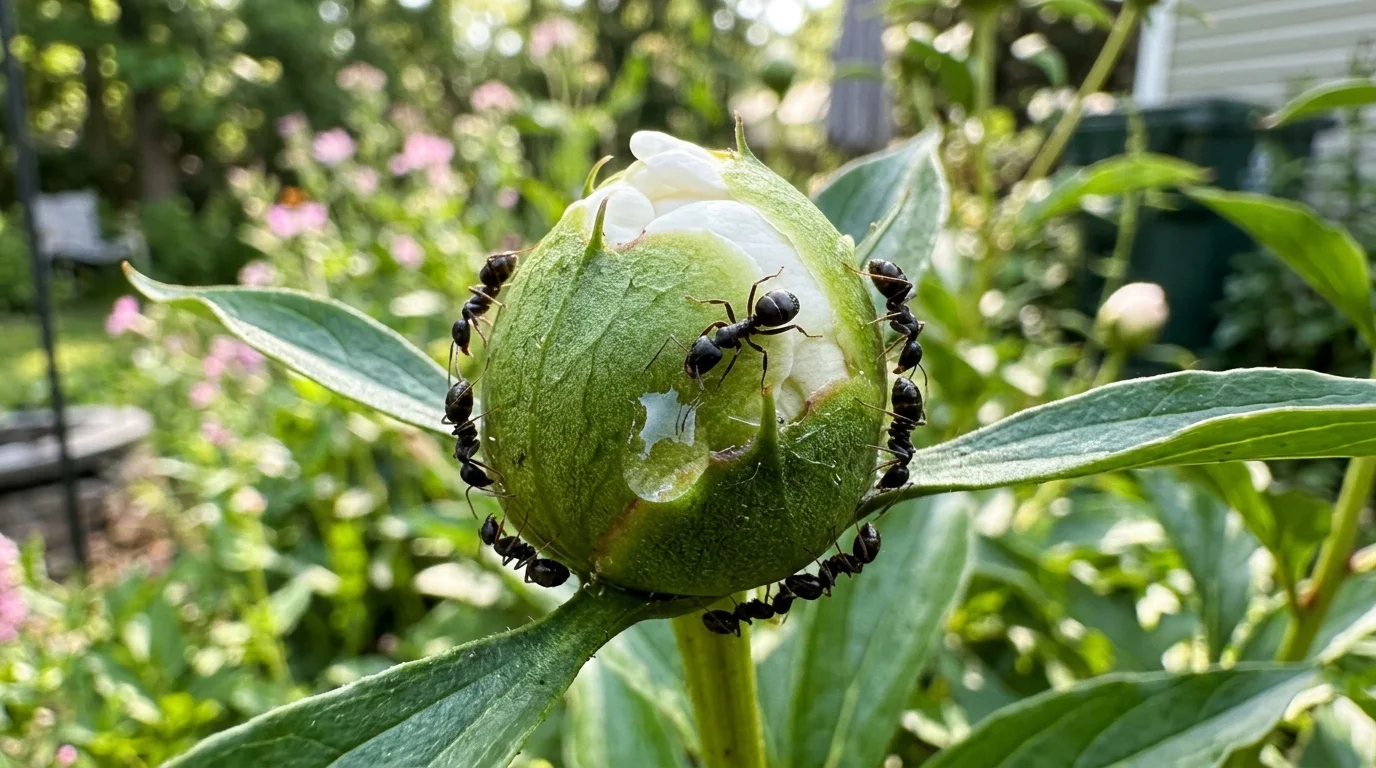
Peonies are legendary for their massive, fragrant blossoms in late spring; however, they are also famous for being prime plants ants love. If you look closely at tight peony buds right before they open, you will often find dozens of ants swarming across the sepals. Peonies possess specialized structures called extrafloral nectaries, which secrete a rich, sugary liquid consisting of sucrose, fructose, and amino acids directly onto the outside of the flower bud.
A persistent gardening myth claims that peonies require ants to pry open their tightly bound petals. Botanical research has disproven this belief—peonies open perfectly well on their own—yet the evolutionary relationship remains strong. In exchange for the sweet nectar feast, foraging ants protect the developing buds from destructive pests such as bud-eating thrips and caterpillars.
While this relationship rarely harms your peony shrubs, it can easily create a nuisance when you cut fresh stems for indoor floral arrangements. To enjoy your blooms indoors without inviting ants into your kitchen, cut the stems in the cool morning while the buds are still soft like marshmallows. Invert the cut stems and gently swish the flower heads in a bucket of cool, clean water for thirty seconds before bringing them inside.
Tip #2: Hybrid Tea and Shrub Roses
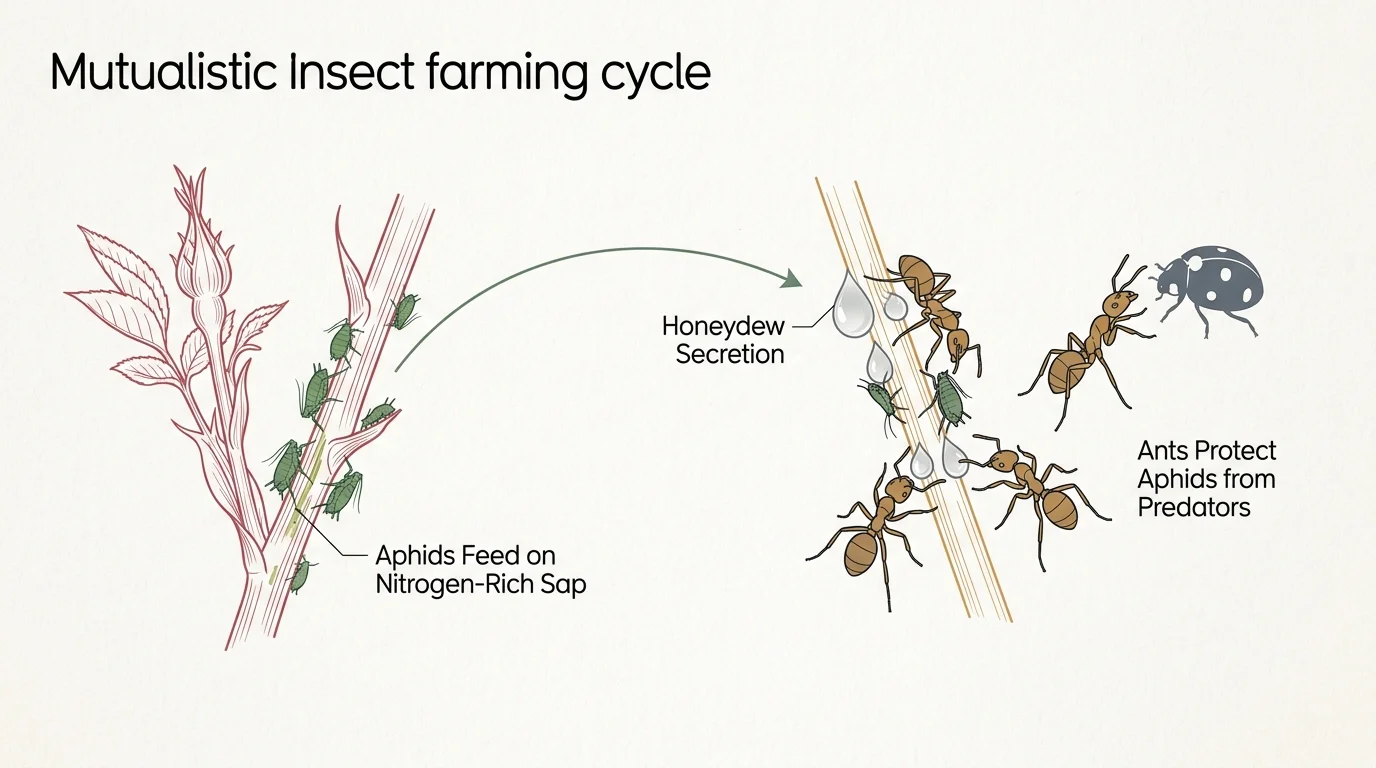
Roses grace landscapes with unmatched elegance, but their tender spring shoots and delicate flower buds frequently trigger a severe garden ant problem. Unlike peonies, rose bushes do not produce copious extrafloral nectar on their buds; instead, they serve as the premier host for sap-sucking garden pests, especially rose aphids. Soft rose shoots offer high nitrogen content that aphids crave, and where aphids flourish, ants inevitably follow in massive numbers.
Ants and aphids share a fascinating mutualistic bond known as insect farming. Aphids ingest plant sap and excrete a sticky, sweet waste product called honeydew. Worker ants consume this sugary honeydew as a primary food source and vigorously defend aphid colonies from natural predators like ladybugs, lacewing larvae, and hoverflies. In some cases, ants even carry wingless aphids to fresh, tender rose canes to expand their farming territory.
Break this cycle by scouting your rose bushes twice a week during the peak growing season. Knock aphid colonies off stems with a sharp, concentrated blast of water from your garden hose. For persistent populations, apply organic insecticidal soap or diluted neem oil directly to the undersides of leaves and along tender stem tips in the late afternoon to safeguard both your roses and beneficial pollinators.
Tip #3: Sunflowers
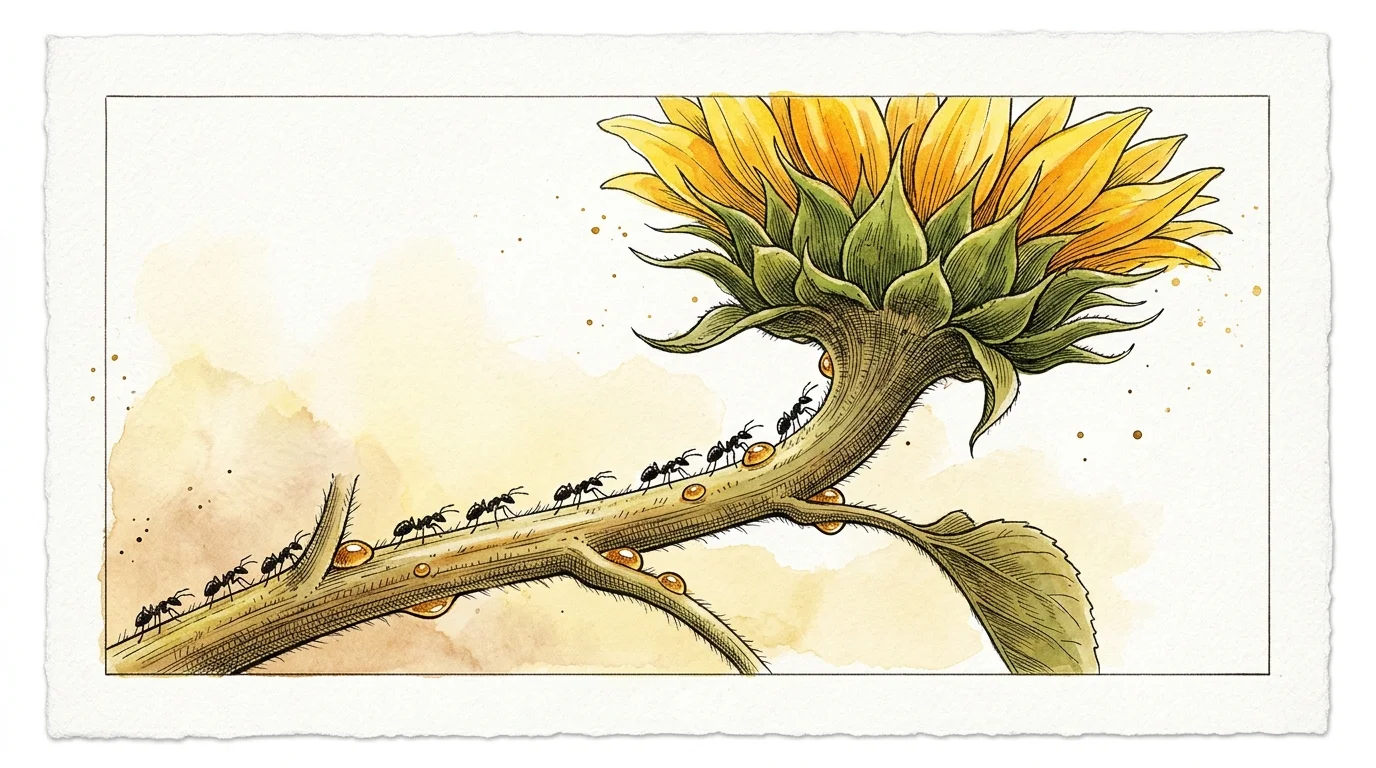
Sunflowers bring cheerful height and radiant color to sunny borders, but their robust anatomy makes them irresistible to foraging ants. Towering sunflower varieties produce substantial extrafloral nectaries located along their leaf petioles, stem nodes, and the outer green bracts surrounding the blossom head. These glands release sugary droplets throughout the hottest parts of summer, turning the thick stalks into vertical superhighways for ant traffic.
In addition to seeking natural nectaries, ants frequently herd dense colonies of black bean aphids and green peach aphids on the broad, sheltered undersides of sunflower foliage. Because sunflower leaves are expansive, they create a protected microhabitat shielded from rain and harsh wind, allowing sap-sucking pests and their ant guardians to multiply unchecked.
Manage ant activity on sunflowers by applying a band of horticultural sticky barrier around the lower third of the stalk over a protective layer of masking tape or tree wrap. This prevents ants from climbing the main stem without damaging the plant’s fibrous bark. Interplanting sunflowers with aromatic companion herbs like sweet basil, lavender, or peppermint also creates scent confusion that discourages ants from setting up permanent trails.
Tip #4: Fruit Trees
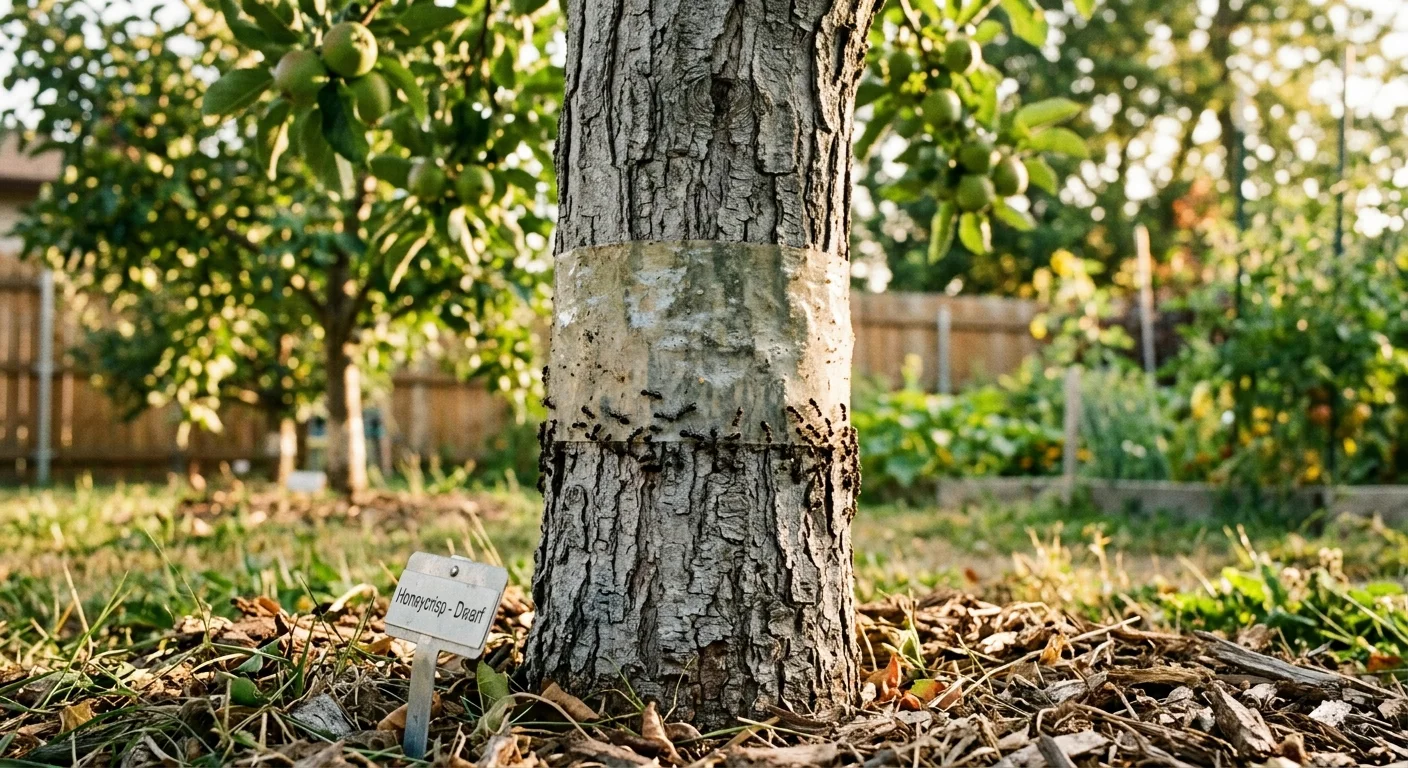
From dwarf citrus to mature apple, cherry, and peach trees, home orchard plantings are undeniable magnets for ant colonies. Fruit trees supply multiple resources that ants prize: early spring blossom nectar, sap seeping from pruning cuts or bark splits, and a bounty of fallen, overripe fruit in late summer. Soft scale insects, mealybugs, and woolly aphids also thrive in the dense canopies of fruit trees, providing ants with an uninterrupted supply of rich honeydew.
When worker ants establish highways up tree trunks, they protect destructive scale and aphid colonies from beneficial parasitic wasps. As tree fruit ripens, any tiny bird peck or weather crack allows ants to swarm the flesh, accelerating rot and ruining your harvest. In tropical and subtropical regions, citrus trees often suffer severe foliage curling when ants aggressively farm citrus aphids on tender new growth flushes.
Protect your home orchard by practicing rigorous orchard sanitation. Collect dropped windfall fruit daily before it ferments on the soil surface. Wrap the lower trunk of each fruit tree with waterproof paper wrap and apply a thick ring of sticky barrier paste. Prune lower canopy branches so that no leaves touch the ground, fences, or nearby structures, cutting off alternative aerial bridges that foraging ants use to bypass trunk barriers.
Tip #5: Clematis Vines
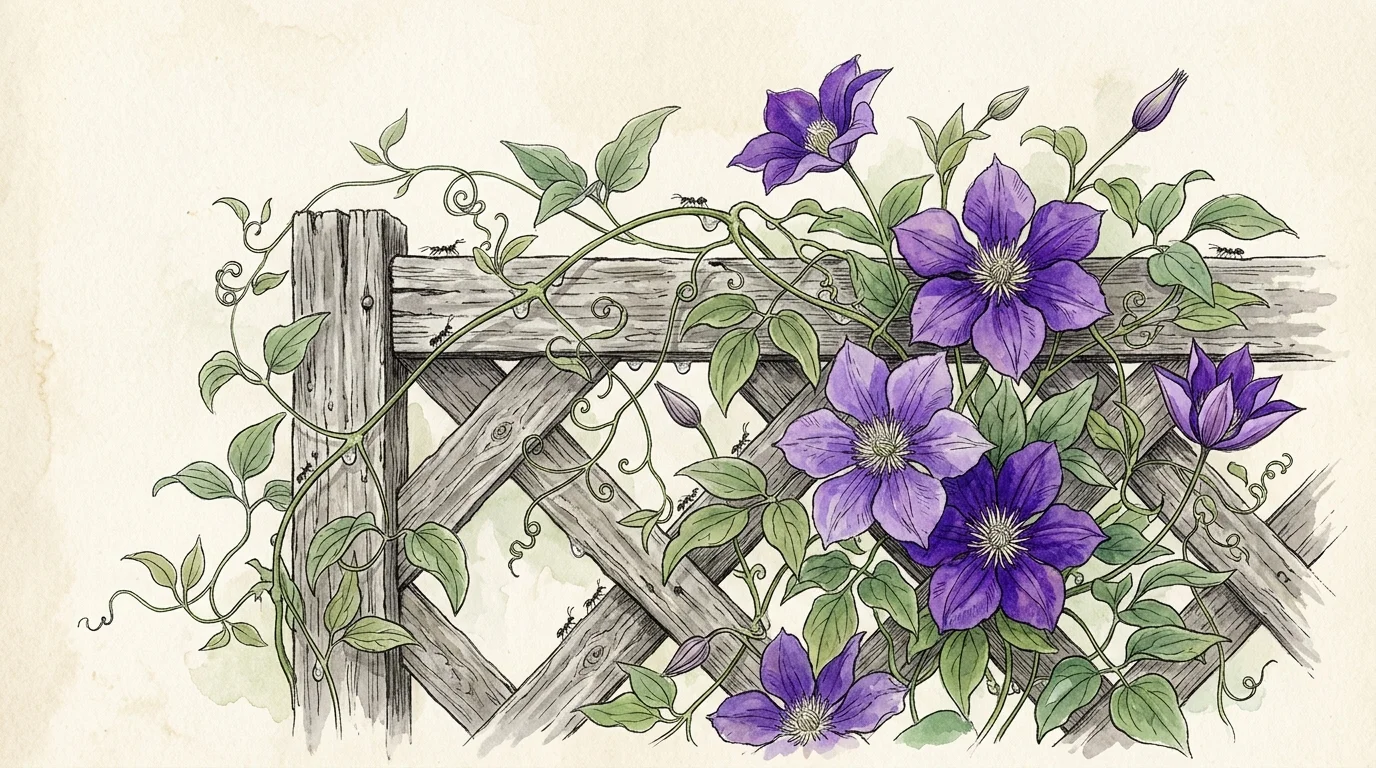
Clematis vines produce breathtaking displays of colorful blooms, but their growth habit and microclimate requirements create an ideal sanctuary for ants. Clematis thrives under the classic gardening rule: “heads in the sun, roots in the shade.” Gardeners typically apply thick organic mulch or plant dense groundcovers around the base of clematis to keep the delicate root zone cool and consistently moist—conditions that double as prime real estate for subterranean ant nesting.
As clematis vines surge upward in spring, the tender, succulent green shoot tips attract dense clusters of sap-sucking aphids. Ants quickly climb the intricate trellises to harvest honeydew, simultaneously shielding the aphids from predatory garden insects. The intertwined structure of clematis makes manual aphid removal challenging once an infestation gains momentum, leading to leaf curling, stunted vine growth, and blackened foliage from sooty mold.
Maintain healthy clematis vines by pulling mulch back three to four inches from the primary woody stems to reduce soil moisture accumulation directly against the crown. Inspect the vine tips every few days in early spring and wash away aphids with a targeted water spray. Drenching the surrounding soil with beneficial nematodes in early spring helps eliminate underground ant nests naturally before workers begin ascending your climbing trellises.
Tip #6: Passionflower
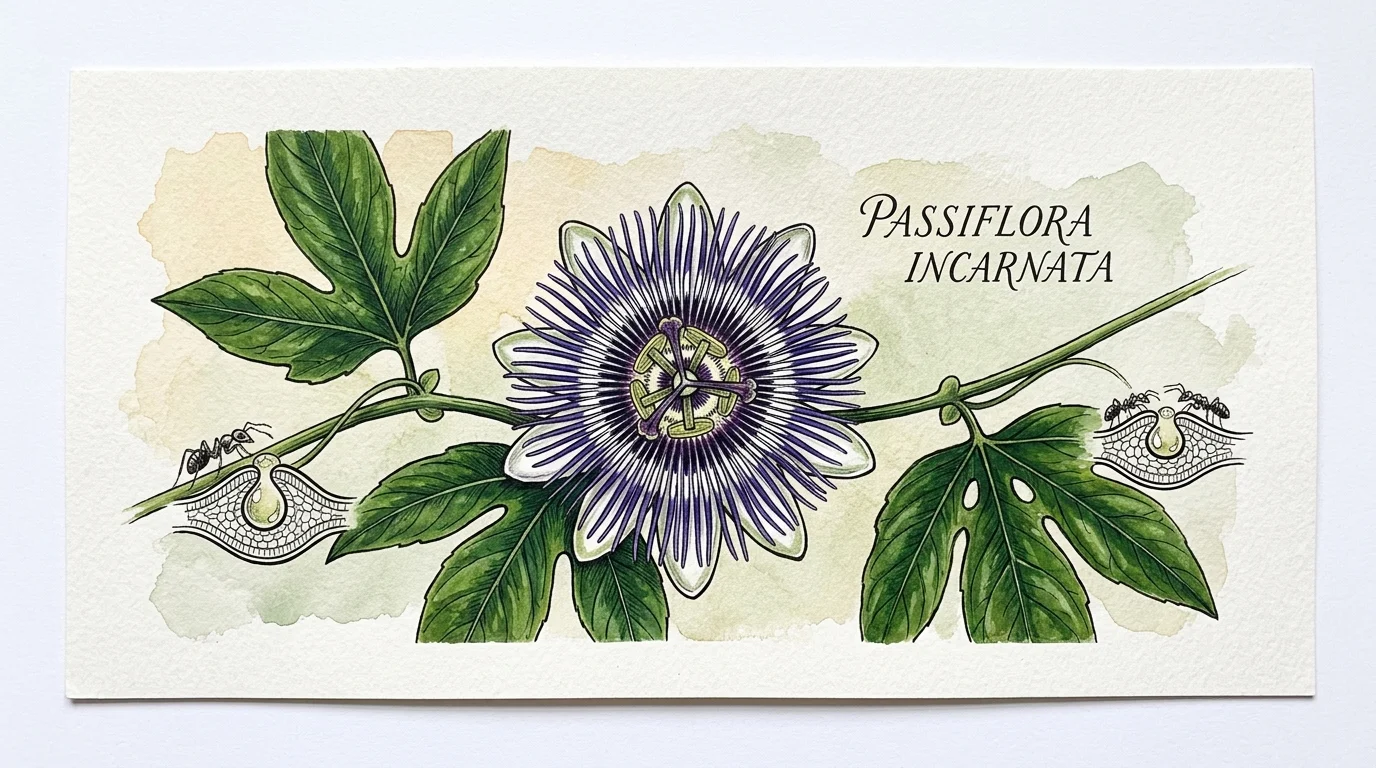
Passionflower vines are celebrated for their exotic, intricate flowers and vigorous growth, yet they are among the most deliberate plants that attract ants in the botanical world. Passionflower species have evolved prominent extrafloral nectaries located on the petioles and leaf undersides that actively secrete sweet nectar to summon aggressive ant species. In wild ecosystems, these recruited ants serve as bodyguards against hungry caterpillars, such as the larvae of the gulf fritillary butterfly.
While this biological defense mechanism is a marvel of nature, growing passionflower vines against home foundations, patio railings, or deck posts often creates an intense ant infestation garden setting right next to outdoor living spaces. The constant availability of nectar fuels rapid ant colony expansion, and foraging workers will quickly explore nearby doorways, window frames, and outdoor dining areas in search of additional food sources.
If you love passionflower, position your trellis on a freestanding arbor or decorative garden obelisk located several feet away from your home or patio. Monitor the vine regularly to balance the presence of beneficial pollinators with your tolerance for ant traffic. If ant numbers become overwhelming, prune back excess vine growth in late summer and spray the main stem base with diluted citrus peel extract to repel foraging columns.
Tip #7: Hibiscus
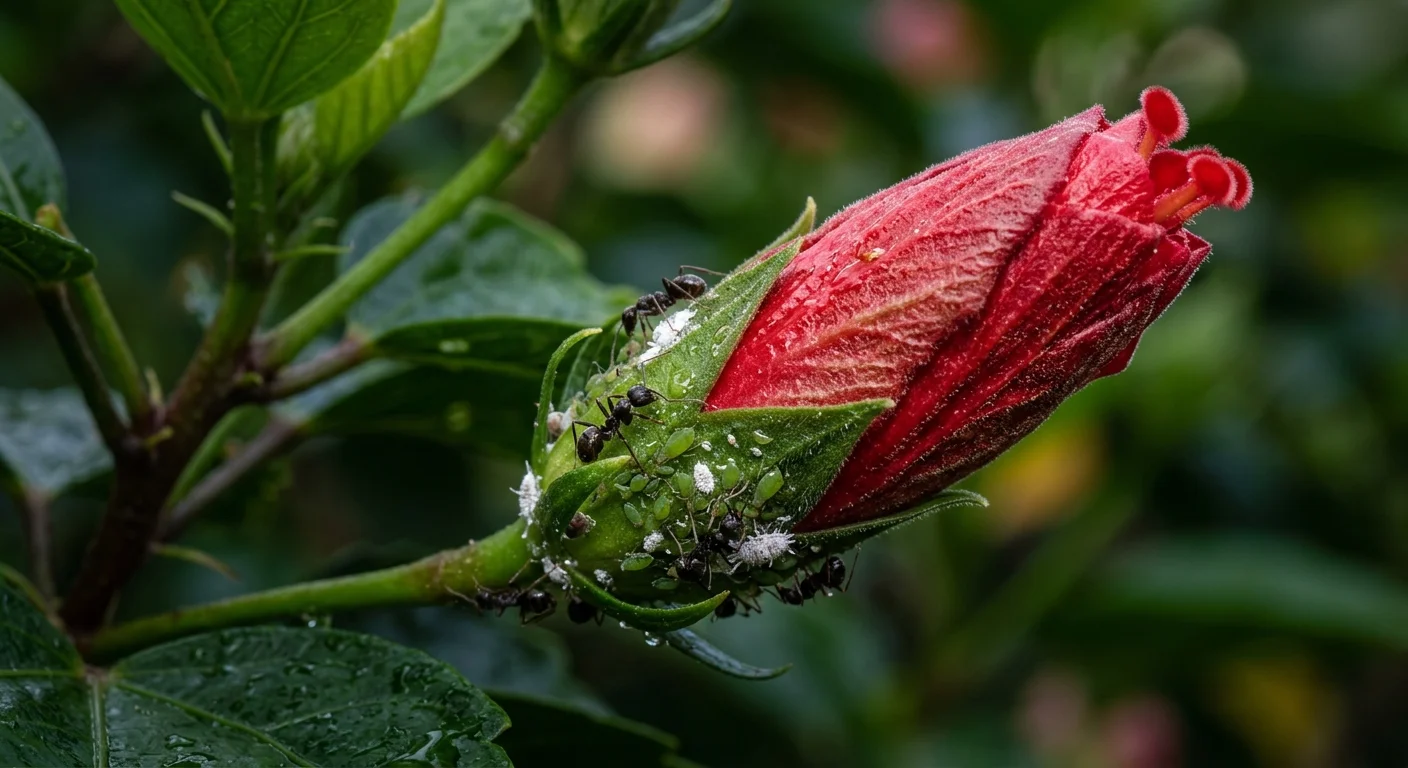
Both tropical hibiscus and hardy perennial hibiscus bring vivid color to gardens, but their lush buds and rich foliage make them major contributors to a garden ant problem. Hibiscus plants produce sweet sap at the base of their floral calyxes, which draws foraging worker ants directly to opening blooms. More significantly, hibiscus foliage is highly susceptible to three of an ant’s favorite honeydew-producing partners: whiteflies, mealybugs, and aphids.
When mealybugs or whiteflies colonize the undersides of hibiscus leaves and the crevices of flower buds, they secrete generous amounts of sticky honeydew. Ants defend these pests with great hostility, driving away predatory beetles and lacewings that would otherwise keep the pest population in check. Over time, the unharvested honeydew coats the broad hibiscus leaves, providing a breeding ground for black sooty mold fungus that blocks sunlight and diminishes the plant’s vigor.
Keep your hibiscus pristine by regularly spraying the foliage with an organic insecticidal soap or a diluted horticultural oil mixture, making sure to coat the leaf undersides thoroughly. Applying these treatments in early morning prevents foliar burn from intense midday sun. Dusting food-grade diatomaceous earth around the perimeter of the hibiscus root zone creates a physical barrier that deters crawling ants without introducing synthetic chemicals into your soil.
Tip #8: Okra
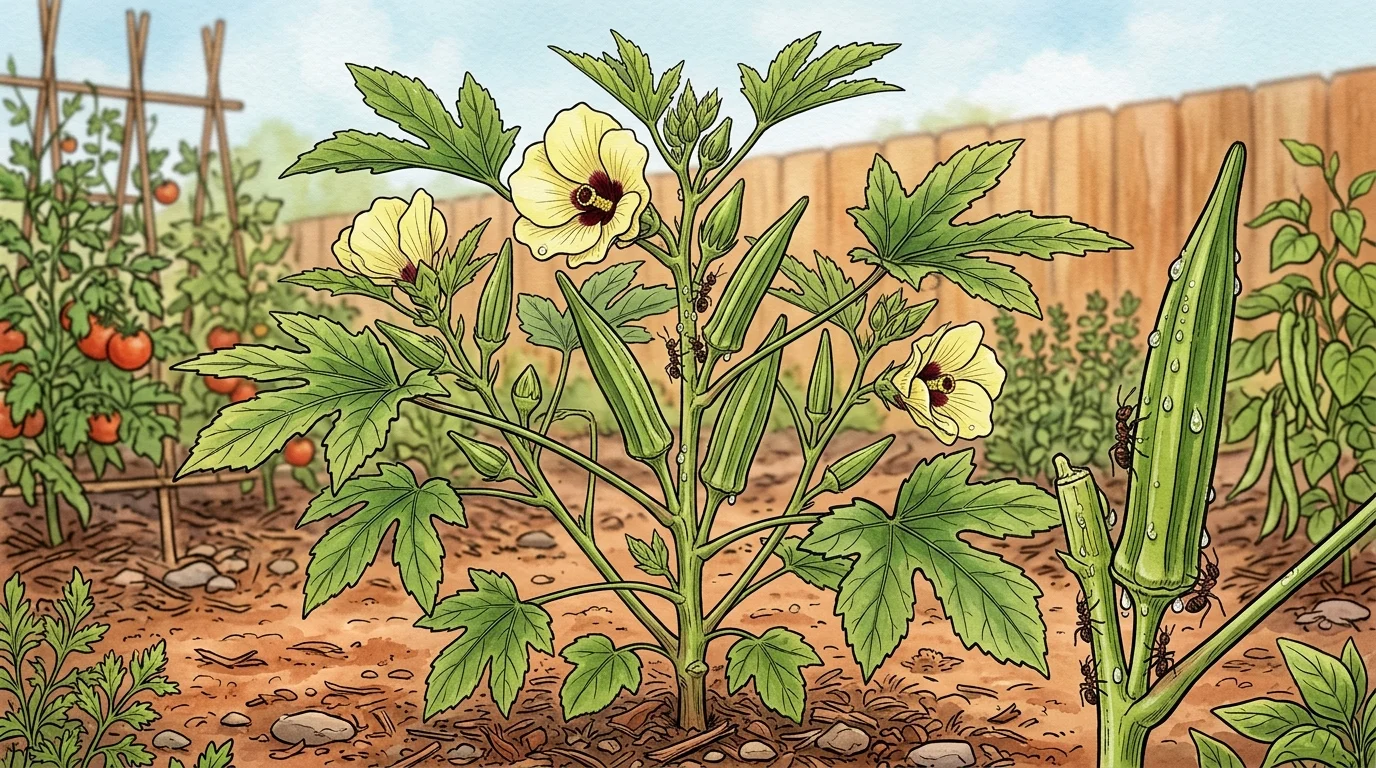
Okra is a rewarding vegetable garden staple, but members of the mallow family naturally feature micro-glands that exude beads of clear, sweet nectar along their stems, leaf petioles, and flower bracts. As okra plants mature under the hot summer sun, these glistening sugar droplets act like a beacon, drawing ant colonies from across the entire vegetable patch straight into your garden beds.
Ants swarming over okra pods do not usually damage the edible pods directly, but their presence complicates harvest routines. Brushing against an ant-covered okra plant while picking pods can lead to uncomfortable bites and stings, particularly if fire ants or aggressive field ants are working the plants. Furthermore, ants frequently introduce melon aphids to the tender growing tips of okra, stunting plant growth and curling young leaves during peak fruit production.
Manage okra plantings by maintaining weed-free rows and keeping the soil surface dry around the base of the stalks between deep soakings. Sprinkle a ring of food-grade diatomaceous earth around each okra stem during dry spells to disrupt ant pathways. If aphids appear on young pods, wipe the stems clean with a damp cloth or spray them with a gentle soap solution to eliminate the honeydew source.
Tip #9: Dahlias
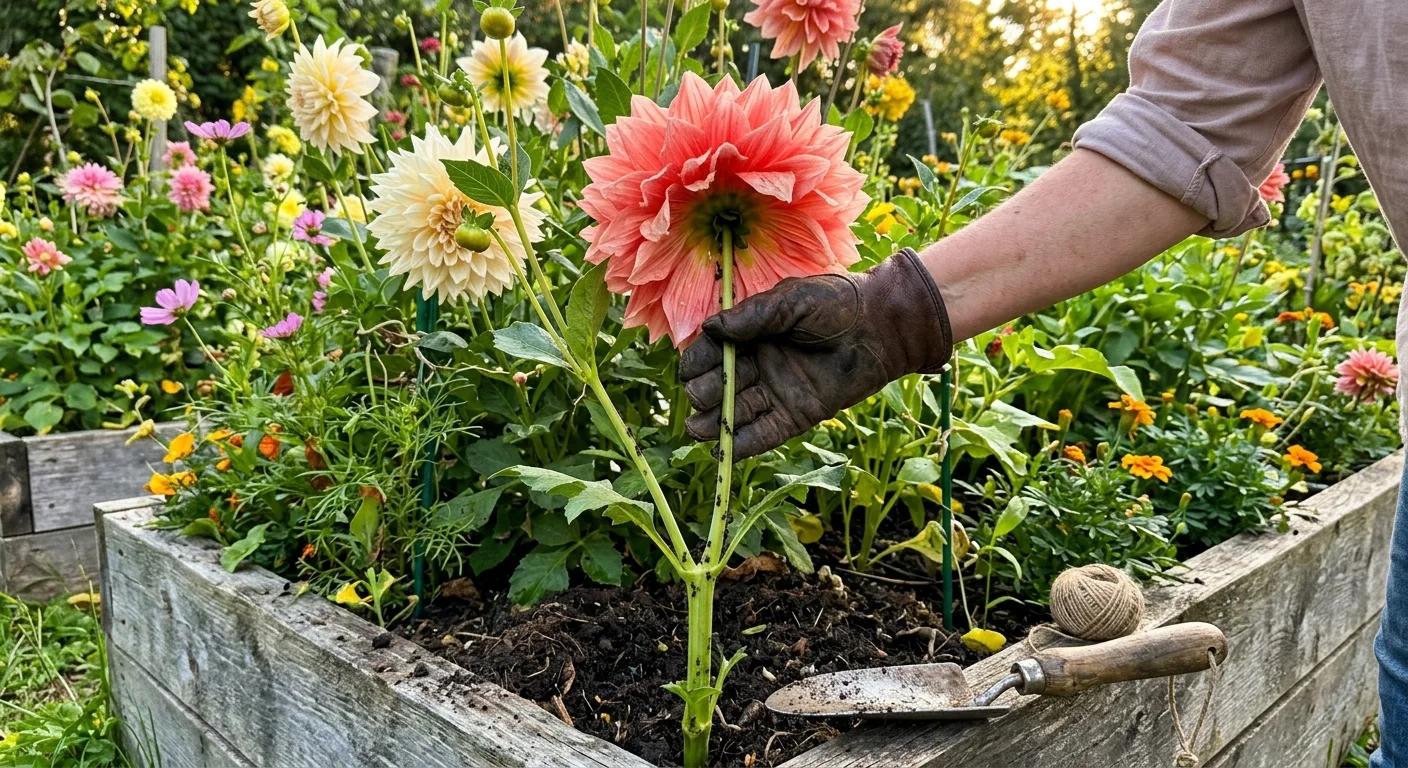
Dahlias produce some of the most stunning floral displays in the late-summer garden, but their hollow stems, succulent green foliage, and tightly layered petals provide shelter and sustenance that ants adore. Dahlia plants frequently fall victim to heavy infestations of black bean aphids and broad mites. Ants tirelessly patrol dahlia stems to harvest honeydew from these pests, defending them against beneficial predatory insects.
Beyond farming aphids on the upper stems, ants often construct extensive nesting chambers in the loose, well-drained soil directly surrounding dahlia tuber clumps. Extensive ant tunneling around dahlia roots introduces excess air pockets, which dries out fragile feeder roots and undermines the plant’s ability to take up water and nutrients during the heat of late summer. In damp conditions, these disturbed root zones become entry points for soil-borne fungal pathogens.
Support your dahlias by staking stems early to prevent sprawling foliage from creating ground bridges for insects. Inspect the undersides of broad lower leaves weekly, hosing off early pest arrivals before colonies expand. Mulch around dahlias with aromatic cedar wood chips, which contain natural aromatic oils that ants naturally avoid, helping you maintain a vibrant, pest-free cutting garden.
Tip #10: Hostas
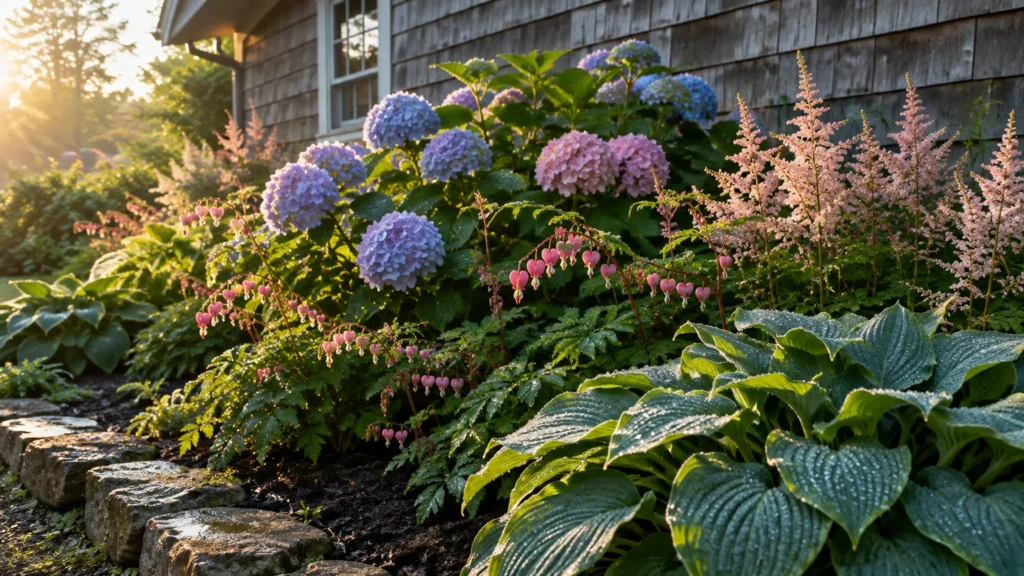
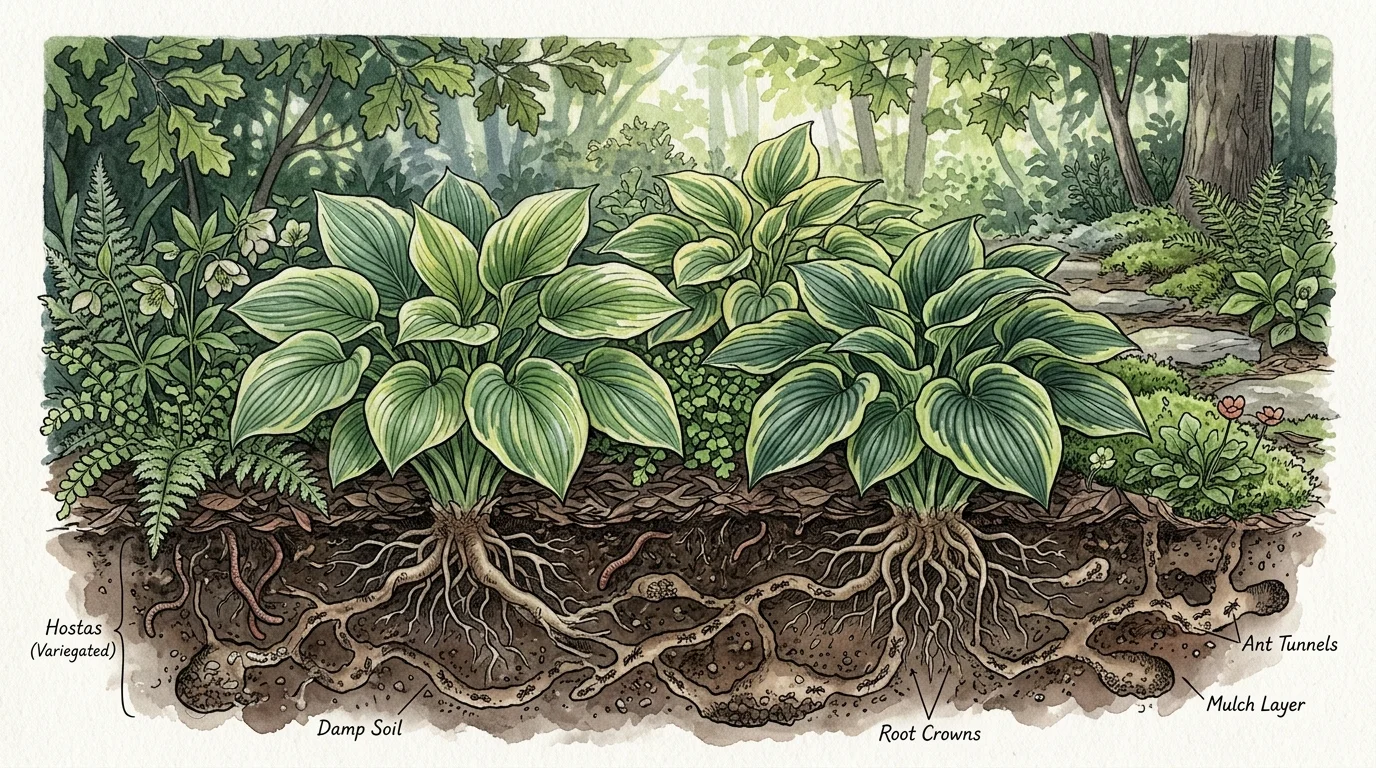
Hostas are the backbone of shaded landscape borders, loved for their textured leaves and low-maintenance nature. However, their broad, cascading foliage creates a cool, dark, and continuously humid microclimate directly above the soil—the exact conditions ant colonies seek when building sprawling nests. In midsummer, hostas send up tall floral scapes with bell-shaped blooms that drip sugary nectar down the stems, providing an abundant food supply directly above their nesting sites.
When ants build extensive underground nests within a hosta’s dense root mass, their tunneling activity displaces soil and separates fine roots from vital moisture. Affected hostas often display mysterious leaf yellowing, wilting during warm afternoons despite moist soil, and stunted overall growth. Potted hostas are especially vulnerable, as ants frequently colonize container potting mix, filling the drainage holes with excavated soil and choking root systems.
Keep hostas healthy by parting the foliage periodically to inspect the central crown for signs of fresh soil mounds. Drench active ant nests with a natural mixture of water, mild liquid Castile soap, and a few drops of peppermint essential oil to encourage the colony to relocate. Ensure container-grown hostas sit on raised pot feet to prevent ants from easily crawling through bottom drainage holes to nest in the root ball.
Putting It All Together: Enjoy Your Beautiful Garden
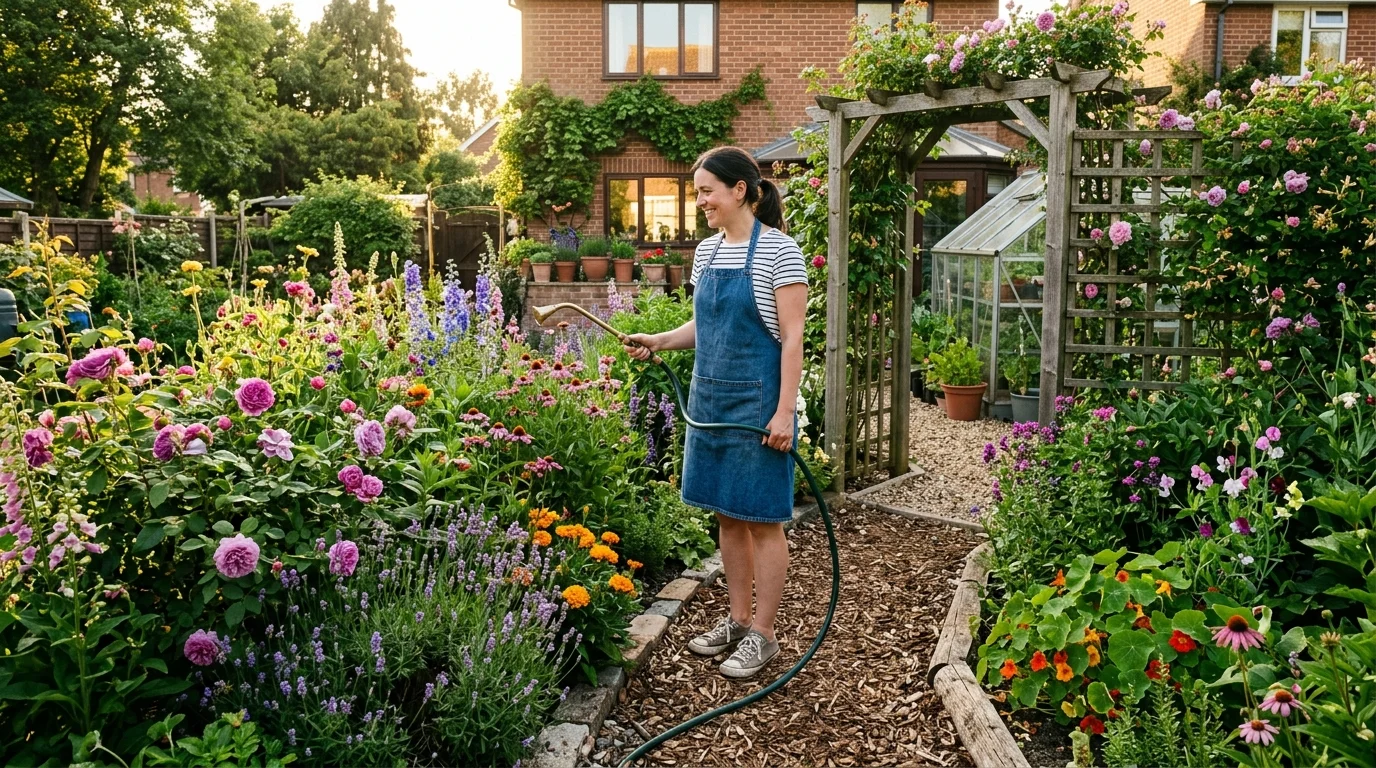
Cultivating a flourishing landscape does not mean you must banish these ten gorgeous species from your flowerbeds. Instead, understanding why certain varieties attract ants empowers you to practice proactive, balanced plant management. By recognizing the difference between direct nectar attraction—such as extrafloral nectaries on peonies and passionflowers—and indirect attraction caused by aphid farming on roses and hibiscus, you can address the root cause of insect activity with precision.
Incorporate integrated pest management strategies across your landscape to maintain harmony. Regular visual inspections, high-pressure water rinses, physical barriers like sticky tree wraps, and targeted organic treatments allow you to curb ant populations before they expand into domestic nuisances. When you foster an environment rich in beneficial predatory insects while limiting honeydew sources, your garden will thrive with vibrant color and ecological vitality all season long.
For region-specific advice, consult your local University Extension program (find yours via the USDA directory). For plant databases and inspiration, visit the Missouri Botanical Garden or the Royal Horticultural Society.
Disclaimer: This article provides general gardening advice. Always consider your specific climate, soil conditions, and local pests. Follow safety guidelines when using gardening tools and products.
Frequently Asked Questions
Do ants directly kill or eat my garden plants?
Most common garden ant species do not eat living plant foliage or healthy stems directly. Instead, they cause indirect damage by farming destructive sap-sucking pests like aphids, scale, and mealybugs, protecting these pests from natural predators. Additionally, extensive ant tunneling around root systems can displace soil, dry out delicate feeder roots, and introduce fungal pathogens into stressed plants.
How can I safely wash cut peonies and roses before bringing them into my home?
To remove ants from cut flowers without damaging delicate petals, harvest your stems in the early morning when blooms are in the soft “marshmallow” stage. Turn the cut flowers upside down and submerge the flower heads into a bucket of room-temperature water for twenty to thirty seconds. Gently swirl the stems to dislodge any lingering worker ants, then shake off excess water before arranging them in a vase.
What is the most effective natural ant control garden method that protects pollinators?
The most effective approach combines mechanical controls and targeted organic deterrents. Knocking sap-sucking pests off stems with a sharp jet of plain water eliminates the honeydew that ants feed upon. Applying food-grade diatomaceous earth around the base of stems during dry weather creates a physical barrier against crawling insects, while sticky trunk bands prevent ants from climbing woody plants without exposing flying pollinators to sprays.
Will spraying vinegar kill ants without damaging my plant foliage?
Vinegar disrupts ant scent trails effectively, but spraying concentrated vinegar directly onto plant foliage will burn leaves and damage plant tissue due to its high acidity. Use diluted vinegar solutions exclusively on hardscaping, stone pathways, patio edges, and foundation perimeters where ants travel, keeping the spray away from garden soil and tender plant foliage.