Transforming your outdoor space into a year-round haven requires looking beyond spring blooms and summer greening. When cold autumn winds sweep through your beds, low maintenance ornamental grasses step into the spotlight, maintaining structural integrity, architectural drama, and shimmering golden hues throughout the frost-bitten months. Leaving cured foliage standing transforms dormant landscapes into glowing architectural wonderlands that capture low winter light and provide crucial wildlife habitat. These nine dried grass garden design choices retain their striking silhouettes, feathery plumes, and rustling soundscapes well into early spring. By selecting tough ornamental grasses for winter interest, you create a dynamic winter garden that looks intentionally designed even during deep freezes.
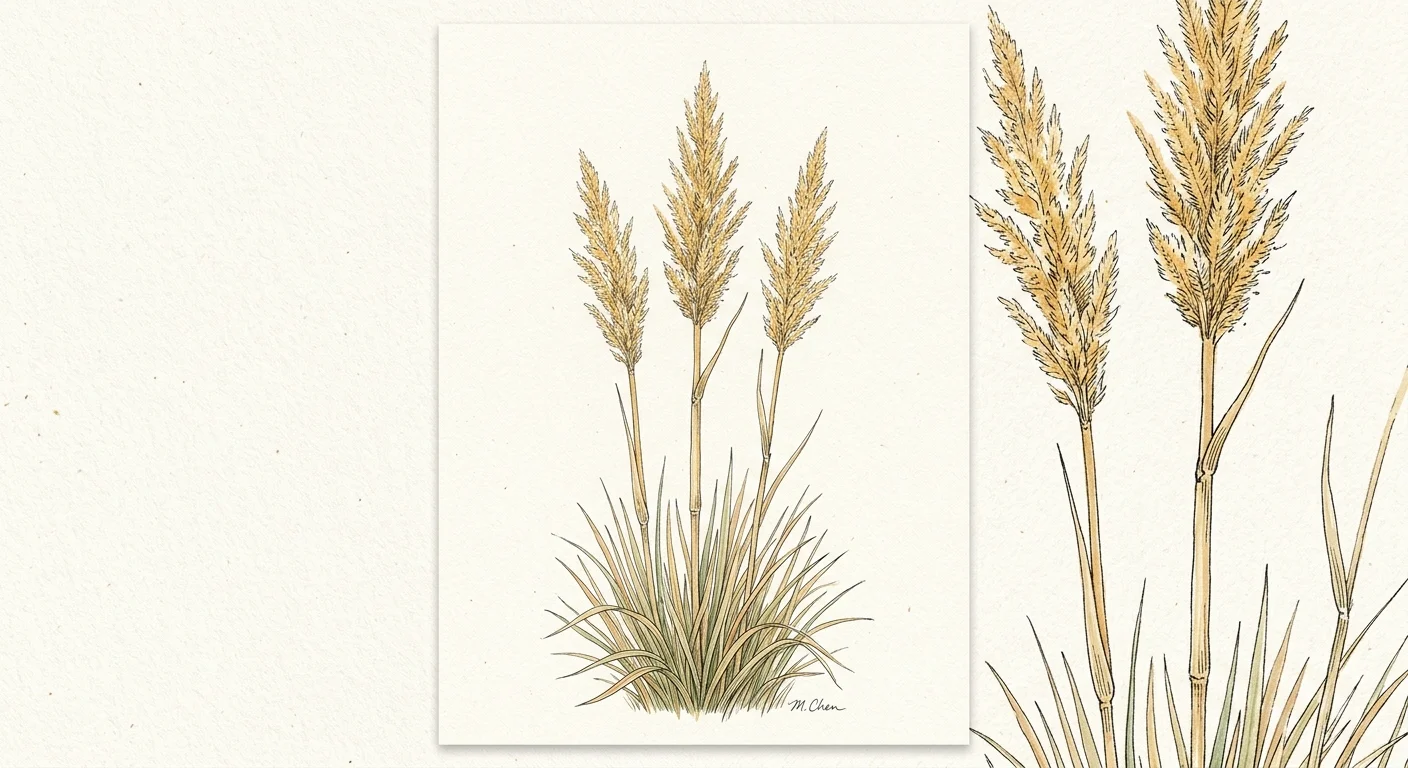
Tip #1: Karl Foerster Feather Reed Grass (Calamagrostis x acutiflora)
Karl Foerster feather reed grass stands as the undisputed king of winter structure in modern landscapes. Named the 2001 Perennial Plant of the Year, this cool-season cultivar grows in tight, erect clumps that reach three to five feet in foliage height, with flower spikes extending up to six feet tall. During summer, these feathery plumes open with reddish-purple tints before ripening into golden-wheat shafts by late summer. As winter sets in across USDA Hardiness Zones 4 through 9, the stems cure into stiff, straw-colored sentinels that refuse to collapse under light to moderate snowfalls.
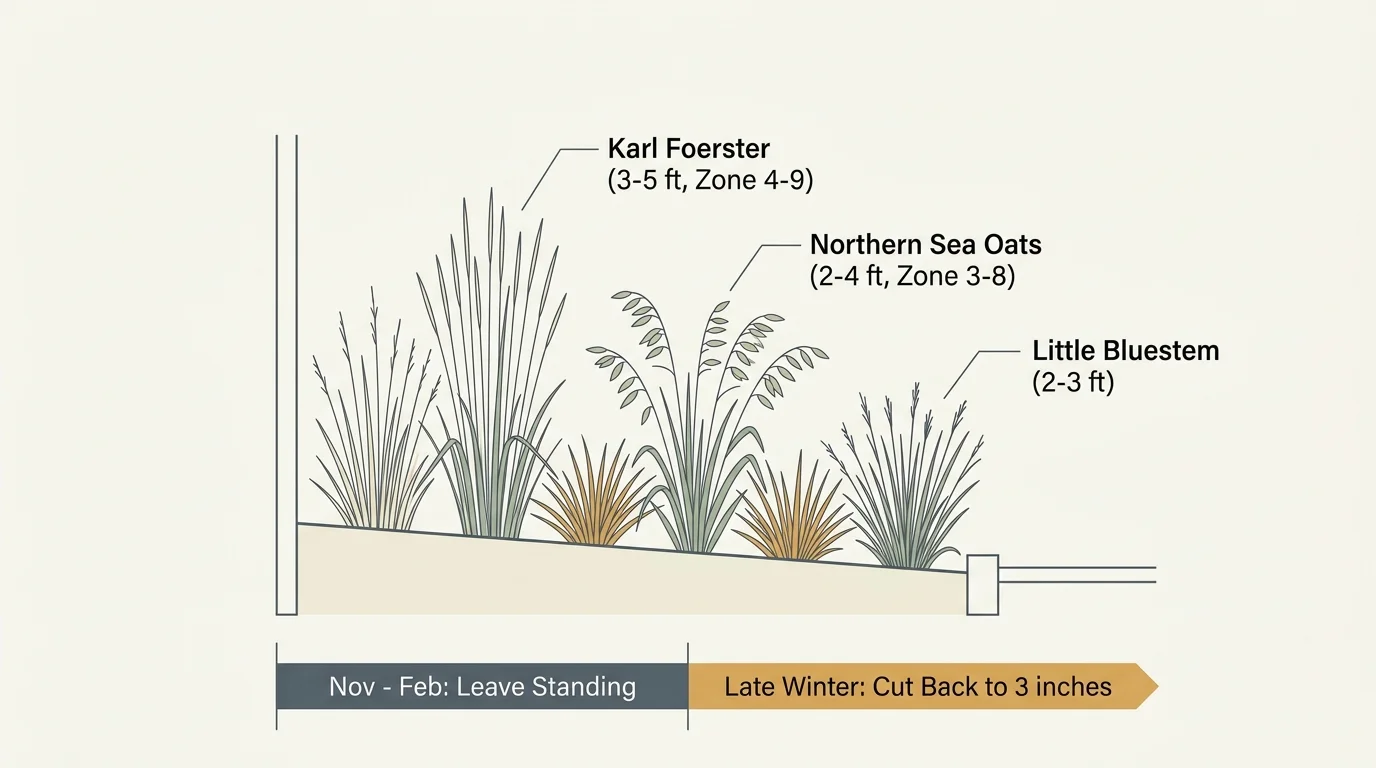
To maximize its visual impact, plant Karl Foerster in full sun and rich, moist, well-drained soil, although it tolerates heavy clay remarkably well. Space individual plants 24 to 36 inches apart to create a dense, rustling privacy screen or architectural backdrop. The vertical habit creates striking geometric contrast when paired with mounding evergreen shrubs or dried seedheads of purple coneflowers. You will appreciate its exceptionally low-maintenance nature; simply leave the golden stalks untouched from November through February. Wait until late winter or very early spring—just before new green growth emerges from the crown—to cut the entire clump back to three inches above ground level using sharp hedge shears.
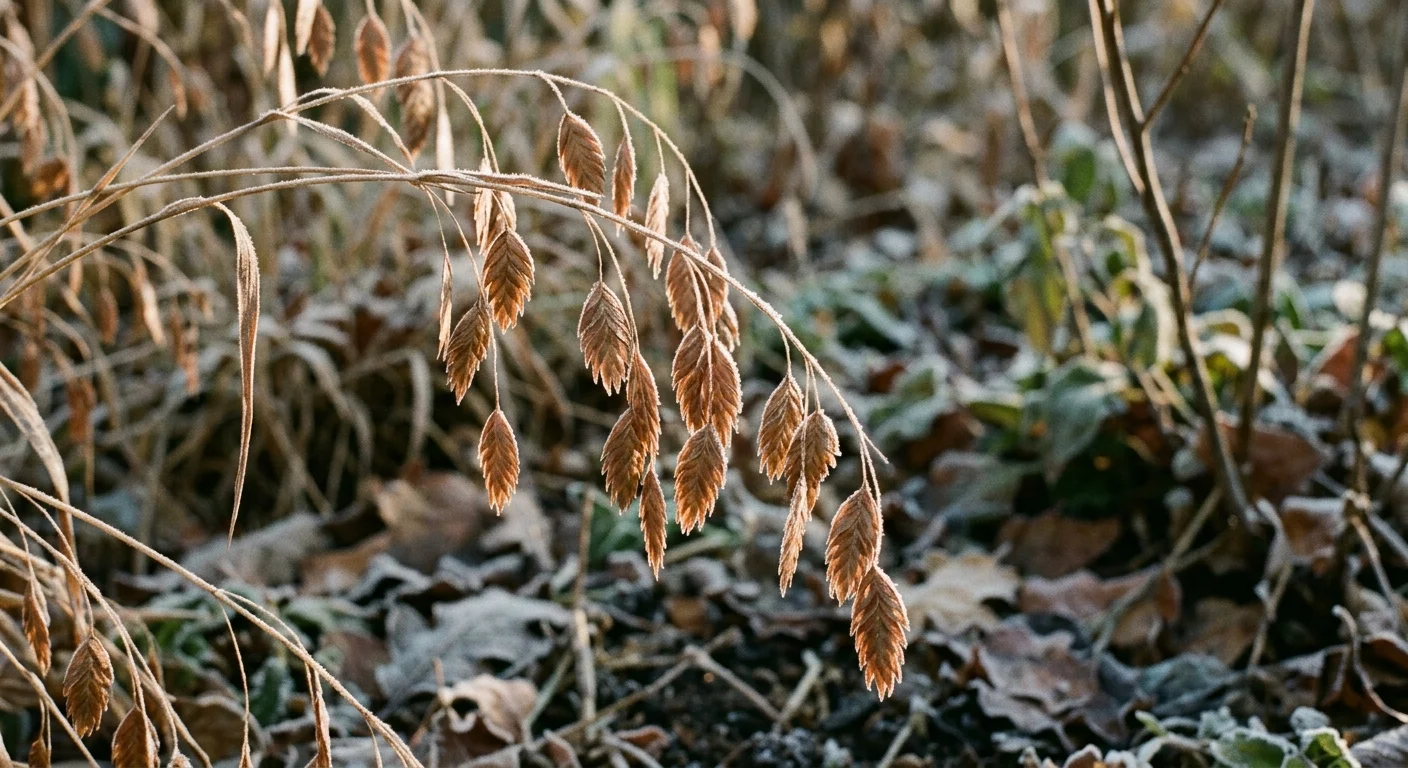
Tip #2: Northern Sea Oats (Chasmanthium latifolium)
Northern Sea Oats introduces distinct textural rhythm and dangling geometry that few other grasses that look good dead can match. Native to eastern North America, this woodlander thrives in USDA Zones 3 through 8, offering rare versatility by flourishing in partial shade where many other ornamental species struggle. Rising two to four feet tall, it features bamboo-like bright green foliage during spring and summer. By autumn, flat, purse-shaped seed spikelets dangle suspended on arching, delicate pedicels, swaying rhythmically with every cold breeze.
When winter arrives, the entire plant transforms into a rich golden-copper tone that catches low-angled winter sunlight. Frost crystals cling dramatically to the flattened seedheads, creating a shimmering, jewel-encrusted effect across your shade borders. Plant Northern Sea Oats in moist, organic-rich soil, spacing them 18 to 24 inches apart. Beyond its visual charm, the dried seedheads provide valuable winter forage for native songbirds like juncos and sparrows. If you wish to prevent self-seeding, rake up fallen seeds, but leave the structural foliage standing until late winter to enjoy months of subtle movement and rich warm tones.
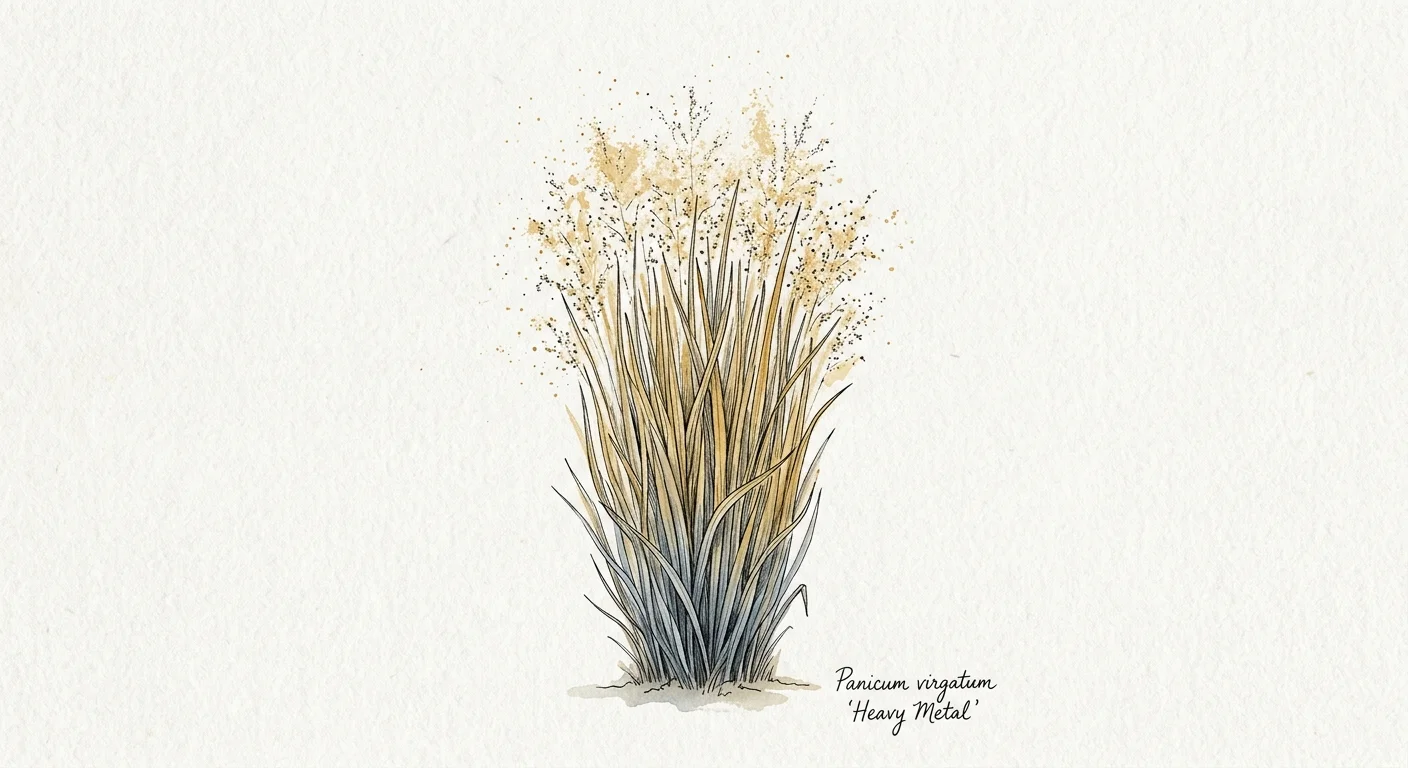
Tip #3: Heavy Metal Switchgrass (Panicum virgatum ‘Heavy Metal’)
For uncompromising vertical stability and refined metallic color, Heavy Metal switchgrass excels as an anchor in dried grass garden design. This native warm-season cultivar forms tight, strictly column-shaped clumps four to five feet tall and two to three feet wide. In spring and summer, its stiff leaves showcase a striking glaucous powder-blue hue. By late summer, airy, delicate flower panicles hover above the foliage like a soft cloud. As autumn fades, the metallic blue turns a brilliant golden-yellow before bleaching into a dignified warm tan that lasts right through freezing temperatures.
Heavy Metal switchgrass boasts extraordinary stem strength, enabling it to withstand heavy ice storms and six inches of accumulated snowfall without sprawling over neighboring perennials. It thrives in full sun across USDA Zones 3 through 9 and adapts to a wide range of soil conditions, from dry sandy soils to wet clay. Plant it in bold drifts spaced 30 inches apart to form structural windbreaks or dramatic border accents. The airy seed panicles catch hoarfrost brilliantly, transforming simple garden paths into winter art installations. Leave the foliage undisturbed until March, providing winter protection for the crown and essential cover for local wildlife.
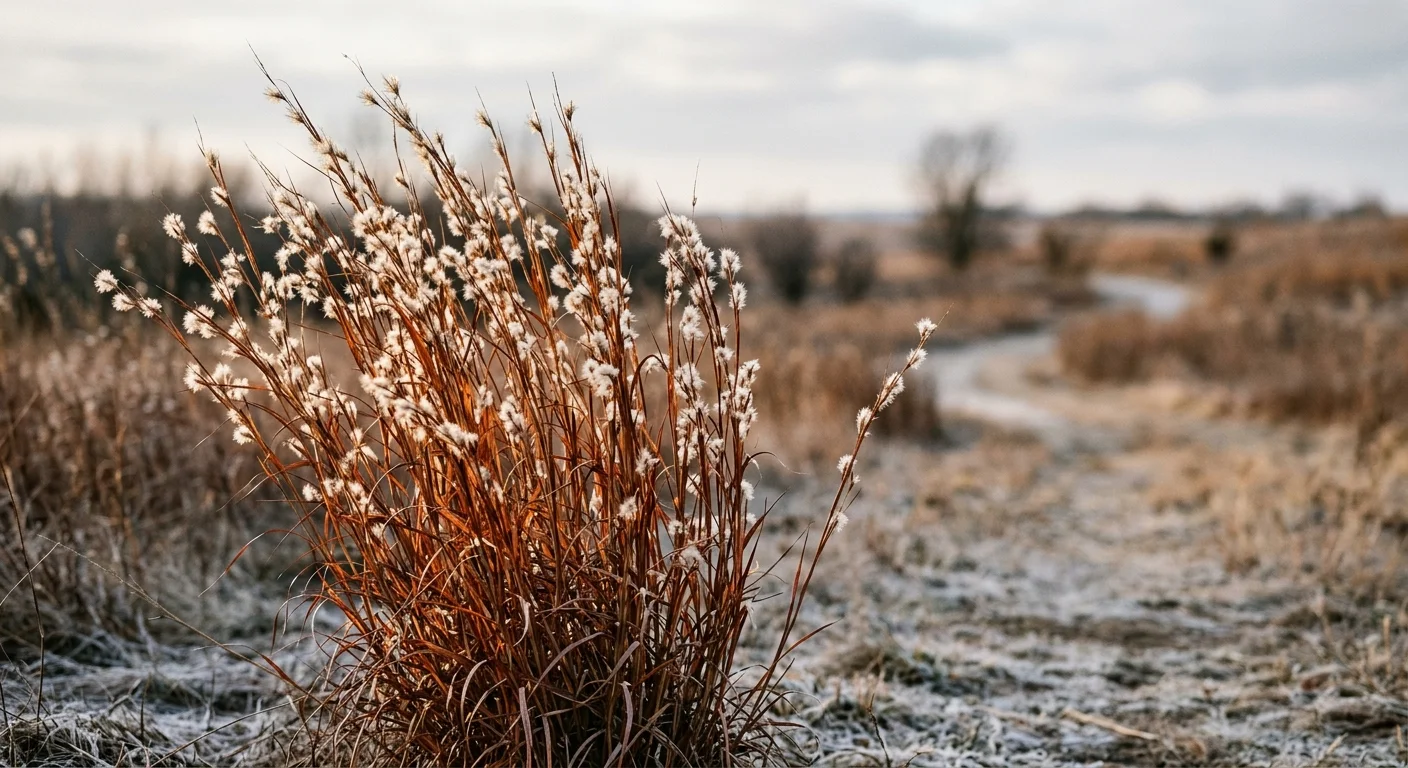
Tip #4: Little Bluestem (Schizachyrium scoparium)
Little Bluestem delivers some of the most dynamic color transitions found among low maintenance ornamental grasses. This native prairie perennial forms dense tufts two to four feet tall and 1.5 to two feet wide, perfect for mid-border placements and meadow plantings across USDA Zones 3 through 9. During summer, its slender leaves display soft blue-green tones with subtle purple stem bases. As autumn crispness arrives, the plant puts on a spectacular display, turning brilliant shades of mahogany, coppery-red, and warm burnt orange.
Even after winter temperatures drop below freezing, Little Bluestem retains its rich reddish-tan coloring long after other plants have faded to dull beige. Fluffy, silvery-white seedheads line the upper stalks, illuminating like tiny glowing filaments when backlit by the winter sun. This drought-tolerant native demands full sun and well-drained, lean soils; overly rich soil causes the stems to flop. Pair it with dark evergreens or limestone boulders for maximum color contrast. Cut the stems back to two inches in early spring once winter winds subside.
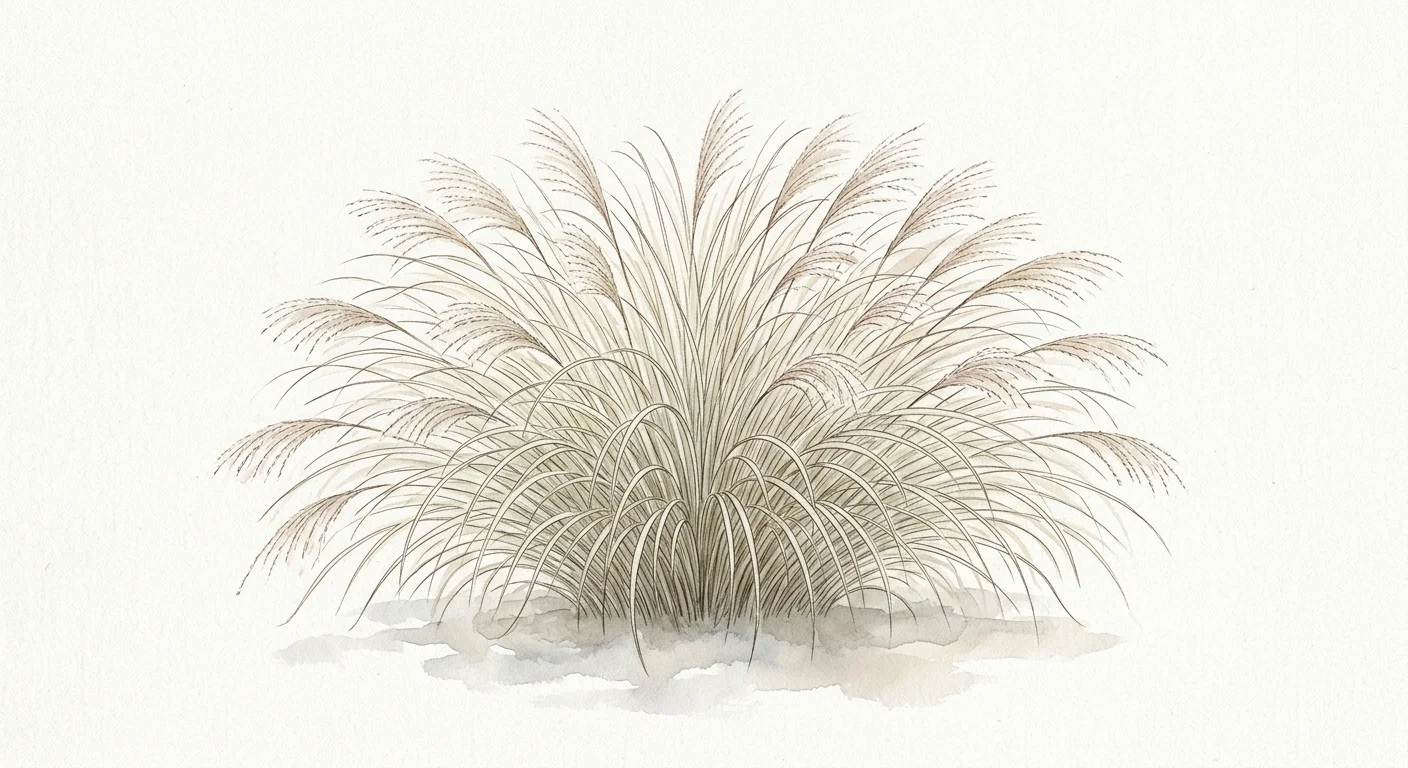
Tip #5: Morning Light Maiden Grass (Miscanthus sinensis ‘Morning Light’)
Morning Light maiden grass represents the height of elegance in winter garden grasses, offering soft textures and refined movement. Growing four to six feet tall and three to four feet wide, this Japanese silver grass cultivar features ultra-fine, narrow leaves with delicate white margins that give the plant a silvery, shimmering appearance throughout the summer. In late autumn, tiny feathery reddish-bronze tassels emerge above the foliage, gradually drying into fluffy, buff-colored plumes that persist deep into winter.
Hardy in USDA Zones 5 through 9, Morning Light holds its vase-shaped silhouette exceptionally well against winter gale-force winds and snow drifts. The fine-textured leaves arch gracefully outward, capturing light snowfalls like powdered sugar on delicate filigree. Plant it in full sun with moist, well-draining soil, giving it at least four feet of clearance from pathways to accommodate its mature arching breadth. Because its seed plumes remain intact for months, they serve as outstanding structural elements in the winter landscape while offering nesting shelter for beneficial overwintering insects.
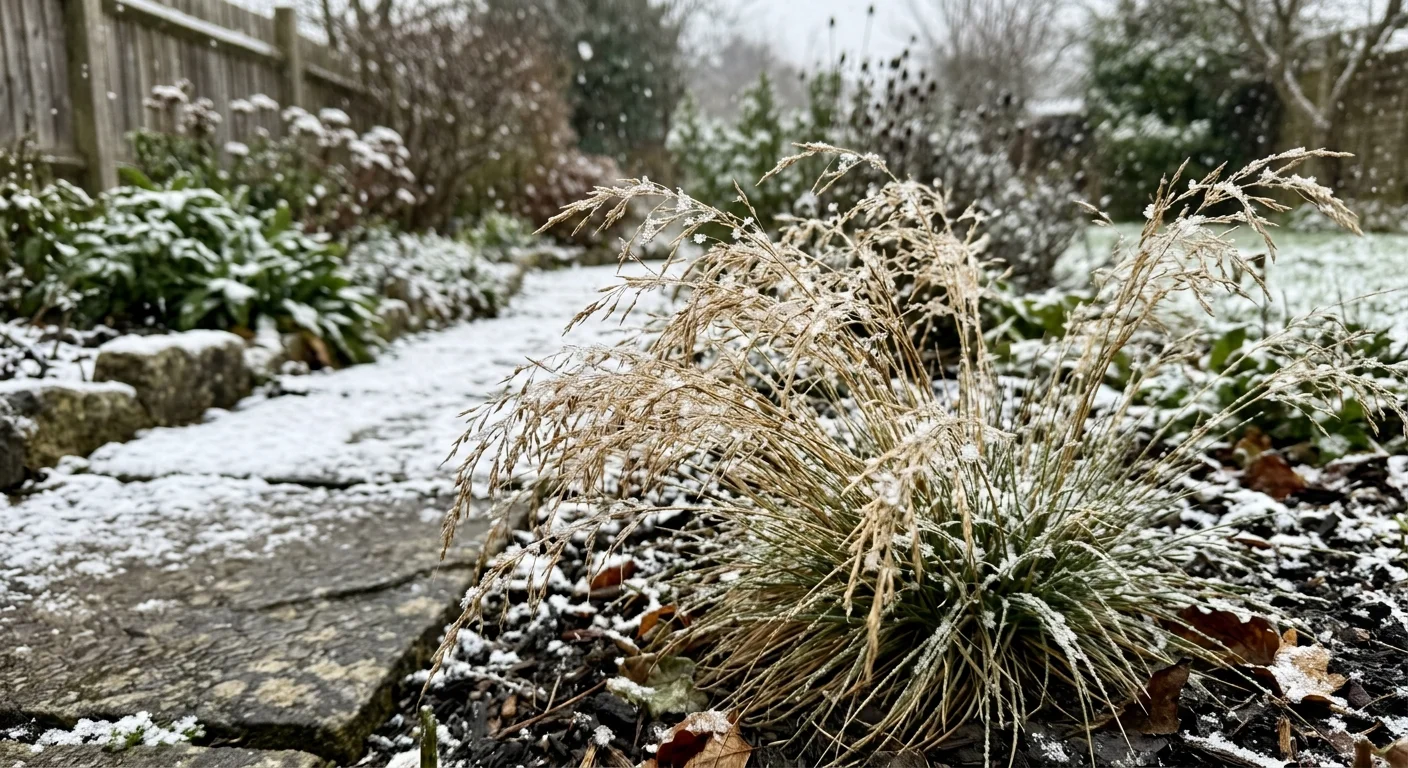
Tip #6: Tufted Hairgrass (Deschampsia cespitosa)
If you have damp garden beds or partially shaded areas needing winter interest, tufted hairgrass provides a delicate, cloud-like aesthetic. Native to moist meadows across North America and Eurasia, this cool-season clump-former features dark green, fine-bladed foliage mounds rising one to two feet high. In early summer, airy, delicate flower panicles shoot up three to four feet tall, creating an ethereal misty halo above the basal leaves. By autumn, these flower clouds dry into a shimmering golden-bronze haze that remains intact through winter frost.
Tufted hairgrass is exceptionally cold-hardy, thriving in USDA Zones 4 through 9. Unlike warm-season grasses that dry out completely, the basal foliage of tufted hairgrass often remains semi-evergreen in milder climates, providing a dark green anchor below the floating golden seed cloud. Plant it in partial shade to full sun in rich, consistently moist soil, spaced two feet apart. The delicate dried panicles collect morning frost and dew drops, turning cold winter mornings into luminous visual treats for home gardeners.
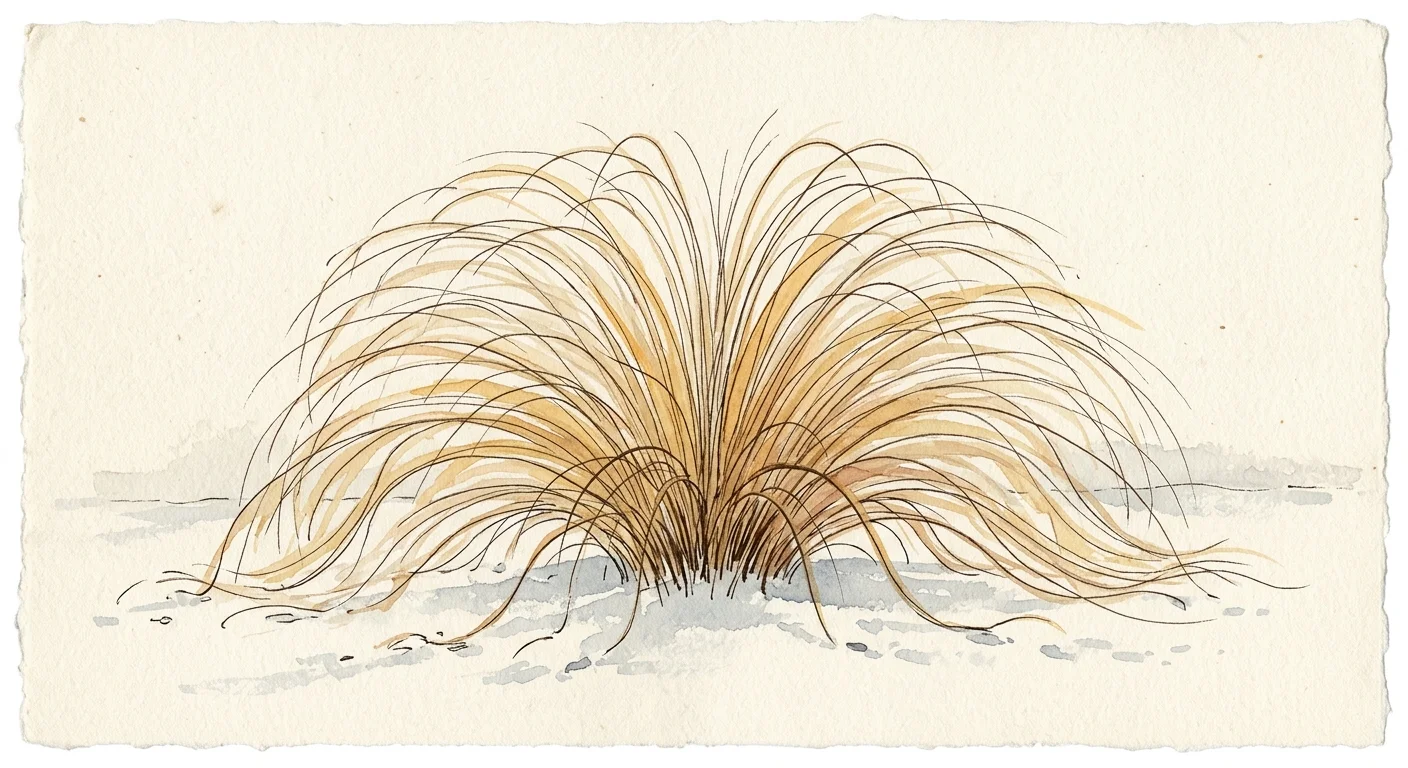
Tip #7: Prairie Dropseed (Sporobolus heterolepis)
Prairie Dropseed offers refined, weeping elegance with a rich golden-copper winter coat that softens harsh cold-weather landscapes. Growing in neat, fountain-like mounds 1.5 to two feet tall and up to three feet wide, this long-lived native prairie grass produces fine, thread-like emerald leaves. In late summer, delicate, scented flower spikes emerge, emitting a distinct fragrance reminiscent of buttered popcorn or coriander. When autumn arrives, the entire mound transitions to a luminous golden-orange color before aging into a warm, persistent copper hue throughout winter.
Hardy in USDA Zones 3 through 9, Prairie Dropseed forms an extremely dense tussock that resists flattening even under heavy snowfall. Its arching stems create rounded, snow-draped domes that add soft visual rhythm along walkways, garden borders, and mass plantings. This grass requires full sun and well-drained soil, thriving in rocky or clay-heavy soils once established. Seeds that drop in late autumn attract native seed-eating winter birds like finches and juncos to your yard. Cut back the dense clumps to three inches in late February before green shoots emerge.
Tip #8: Sapphire Blue Oat Grass (Helictotrichon sempervirens)
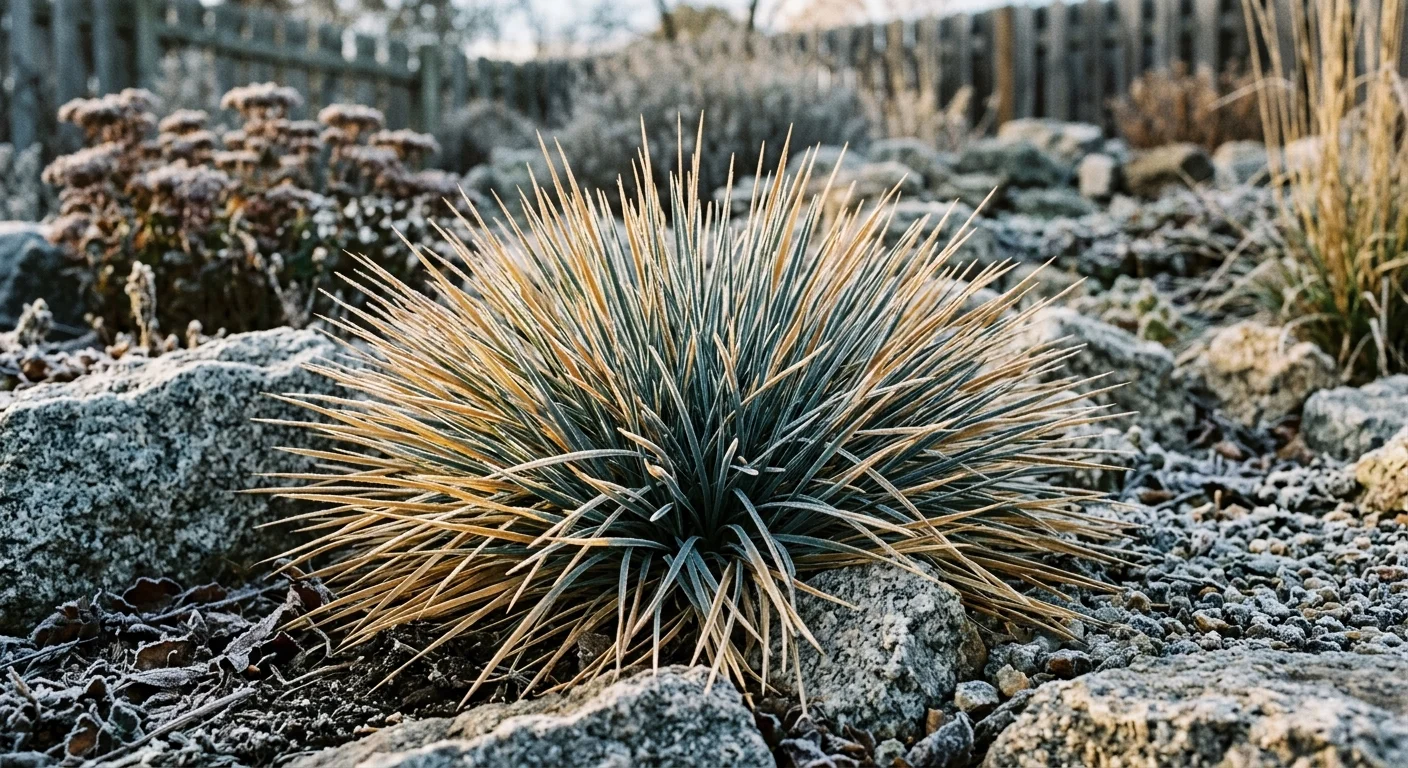
Sapphire Blue Oat Grass provides a breathtaking color contrast in winter by combining semi-evergreen steel-blue foliage with dried golden flower stalks. Native to the dry hillsides of the Mediterranean and Alps, this cool-season grass forms neat, spiky globes two feet tall and two feet wide. In early summer, tall oat-like flower stems rise three feet high above the blue cushion. As winter arrives, these flower stalks dry into stiff, straw-gold spires that stand upright above the intensely blue basal foliage below.
Thriving in USDA Zones 4 through 8, Sapphire Blue Oat Grass brings much-needed cool tones to mixed winter borders and rock gardens. The contrast between the rigid, glaucous blue foliage and the delicate, light tan seed stalks creates an eye-catching display against white winter snow. Plant it in full sun and exceptionally well-drained, gritty soil; poor drainage during wet winter months can cause crown rot. Space individual plants 24 inches apart to showcase their distinct spherical form. In early spring, comb out dead foliage with gloved fingers and trim away old flower stalks.
Tip #9: Indian Grass (Sorghastrum nutans)
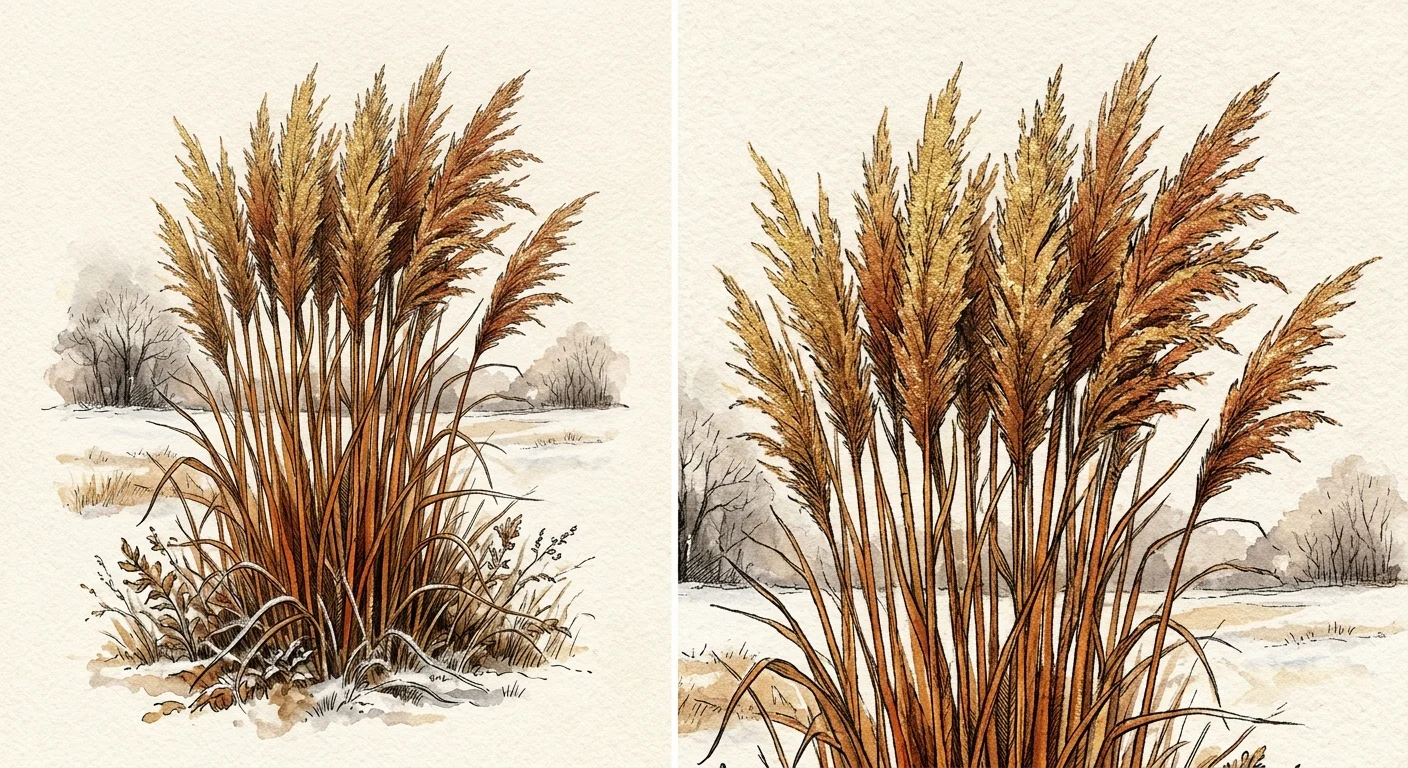
Indian Grass serves as a towering, golden-bronze masterpiece that adds dramatic height and habitat value to large winter gardens. As a classic native monarch of the North American tallgrass prairie, it reaches impressive heights of five to seven feet with a narrow, upright spread of two to three feet. Its blue-green summer foliage turns a rich metallic gold and deep amber following autumn frosts, holding its bold coloration through winter snowstorms across USDA Zones 4 through 9.
The standout feature of Indian Grass is its large, plumy, copper-yellow seedheads that measure up to 12 inches long. These feathery panicles remain tightly clustered and structurally sound, resisting heavy wind and weather while glowing like golden torches in late afternoon winter sunlight. Plant Indian Grass in full sun and adaptable soils, including dry sand or heavy clay. It works exceptionally well as an informal privacy screen, meadow anchor, or backdrop for lower-growing dried perennials. Leave the stems standing throughout winter to provide vital shelter for overwintering beneficial insects and nutritious seeds for winter birds.
Putting It All Together: Enjoy Your Beautiful Garden
Incorporating ornamental grasses for winter interest transforms how you experience your outdoor landscape during the coldest months of the year. Rather than viewing winter as a bleak, dormant offseason, thoughtful plant selection lets you enjoy rich copper tones, architectural silhouettes, rustling acoustic beauty, and shimmering frost effects. By grouping species with contrasting heights and textures—such as combining erect Karl Foerster feather reed grass with weeping prairie dropseed—you create depth, movement, and visual structure that thrives under snow and ice.
To keep your low maintenance ornamental grasses looking their best, avoid cutting them down in autumn. Leave the dried stems and seedheads standing through November, December, January, and February to protect plant crowns from extreme frost damage while supplying vital food and shelter for native songbirds and overwintering pollinators. In late winter or early spring—typically late February to early March—use sharp shears to prune warm-season grasses down to two to four inches above the ground before fresh green shoots break through.
For region-specific advice, consult your local University Extension program (find yours via the USDA directory). For plant databases and inspiration, visit the Missouri Botanical Garden or the Royal Horticultural Society.
Disclaimer: This article provides general gardening advice. Always consider your specific climate, soil conditions, and local pests. Follow safety guidelines when using gardening tools and products.
Frequently Asked Questions
When should I cut down dried ornamental grasses?
Cut down your dried ornamental grasses in late winter or early spring (late February to mid-March), just before new green growth begins emerging from the crown. Pruning at this time ensures you enjoy winter structure as long as possible while avoiding accidental damage to new foliage shoots.
Do grasses that look good dead require special winter care?
No, these hardy perennials require minimal winter care once established. Simply leave the foliage uncut throughout the winter months. Avoid heavy fertilizing or overwatering in late autumn, as tender late growth can weaken stems and make them prone to flopping under heavy winter snow.
How do I prevent tall winter garden grasses from flopping over in snow?
Prevent flopping by selecting stiff, upright varieties like ‘Karl Foerster’ or ‘Heavy Metal’ switchgrass, and plant them in full sun with lean, well-draining soil. Overly rich soil or excess shade leads to weak, leggy stems that collapse easily under snowfall.
Can I harvest dried grass seedheads for indoor floral arrangements?
Yes, dried seedheads and plumes make excellent additions to long-lasting indoor floral arrangements. Harvest the stems in mid-to-late autumn when seedheads have fully opened but before heavy winter winds disperse the seeds. Spray them lightly with clear hairspray to reduce shedding indoors.