Selecting the right magnolia tree or shrub transforms your garden with breathtaking spring blooms, glossy foliage, and sweet fragrance year after year. Whether you manage a compact suburban backyard or a sprawling rural landscape, choosing species tailored to your hardiness zone, soil pH, and space limits guarantees long-term success. From massive evergreen canopy trees like the Southern Magnolia to dwarf shrub varieties perfect for foundation plantings, these versatile plants offer options for every light level and soil type. Understanding each variety’s specific growth habits, height ranges, and light requirements allows you to plant with confidence and create an eye-catching focal point that thrives for decades.
Tip #1: Southern Magnolia (Magnolia grandiflora)
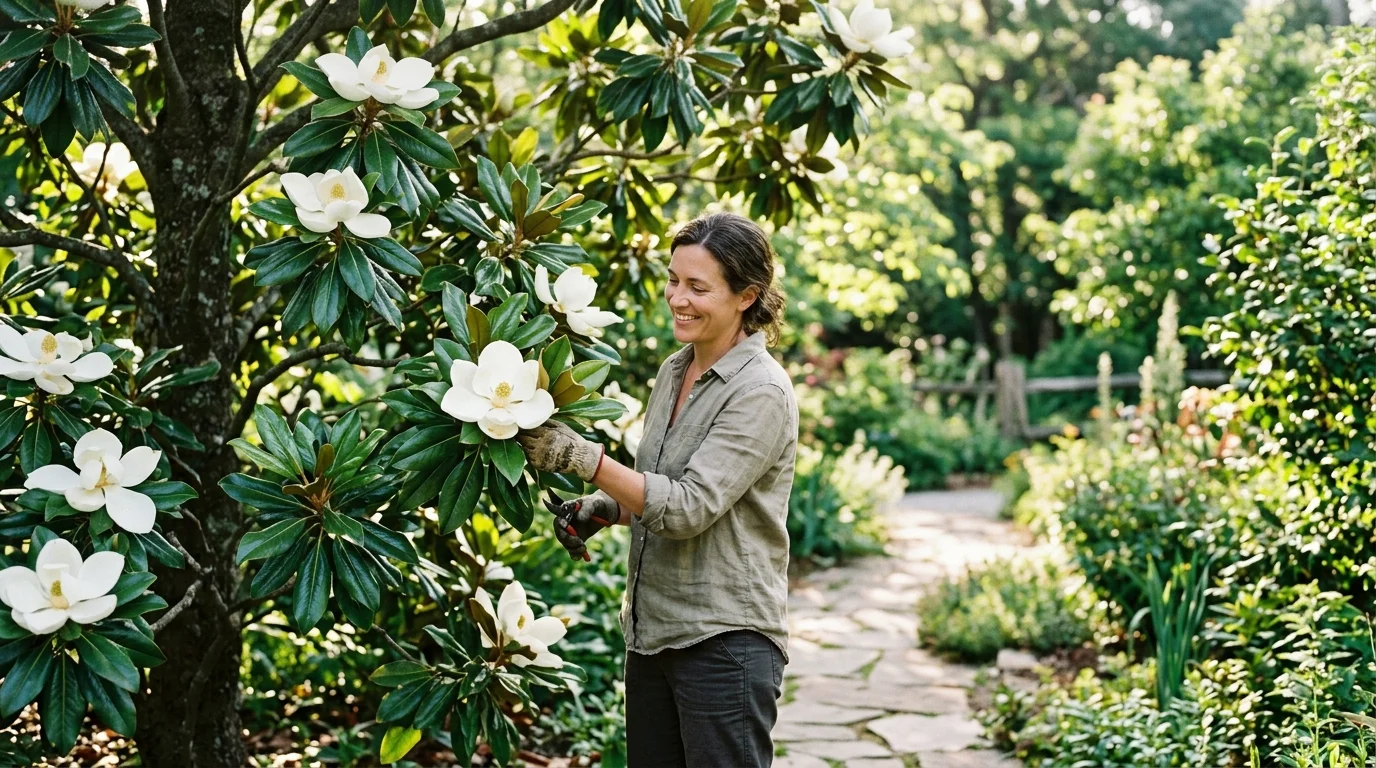
The Southern Magnolia stands as an iconic evergreen canopy tree, renowned across USDA hardiness zones 6 through 10 for its broad, leathery foliage and giant, creamy-white blossoms. Growing up to 60 to 80 feet tall with a spread of 30 to 50 feet, this grand tree requires ample space in your landscape. Its cup-shaped flowers span 8 to 12 inches wide and release a rich, lemon-like fragrance from late spring into summer. Leaves feature a glossy, dark green surface above and a soft, rusty-brown velvet coating underneath, offering striking year-round texture. Plant your Southern Magnolia in full sun to partial shade with acidic, well-draining soil carrying a pH of 5.0 to 6.5. Because its shallow, wide-spreading root system can disturb pavement, plant it at least 20 feet away from foundations and driveways. Maintain a 3-inch layer of organic mulch over the root zone to conserve moisture and suppress weeds naturally.
Tip #2: Star Magnolia (Magnolia stellata)
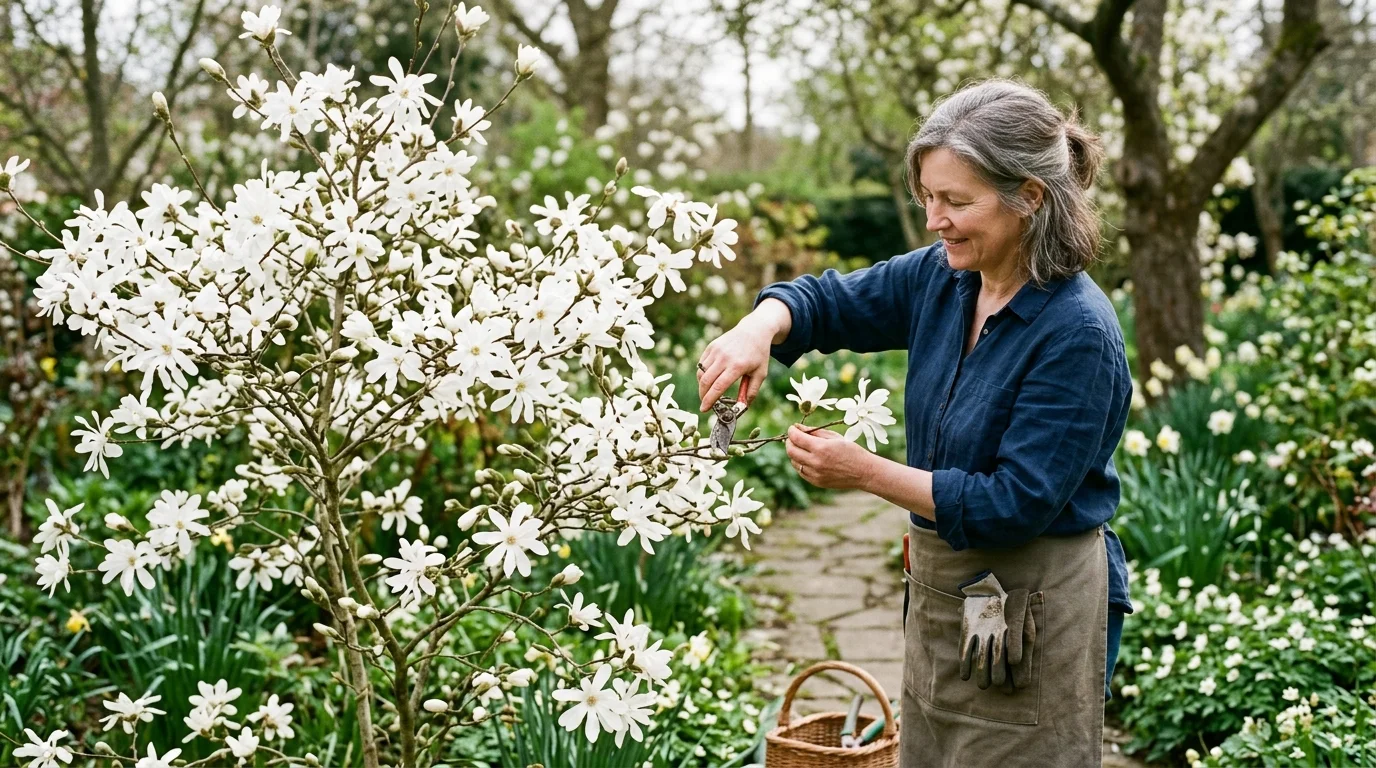
If you garden in a smaller suburban plot, Star Magnolia delivers breathtaking spring color without overpowering your yard. Hardy in USDA zones 4 through 8, this slow-growing deciduous shrub or small tree reaches a mature height of 10 to 20 feet with a spread of 8 to 15 feet. Long before its leaves emerge in early spring, dozens of delicate, ribbon-like white or pinkish petals unfurl from silvery buds, creating a starry display. Success with this variety hinges on sun exposure and soil structure. Position your plant in full sun to maximize flowering, or select partial shade if you live in warmer southern zones where late frosts or intense early sun might scorch open petals. Provide rich, moist, organic soil with neutral to slightly acidic pH. Prune lightly right after spring blooming finishes to shape the canopy and preserve next year’s buds.
Tip #3: Saucer Magnolia (Magnolia × soulangeana)
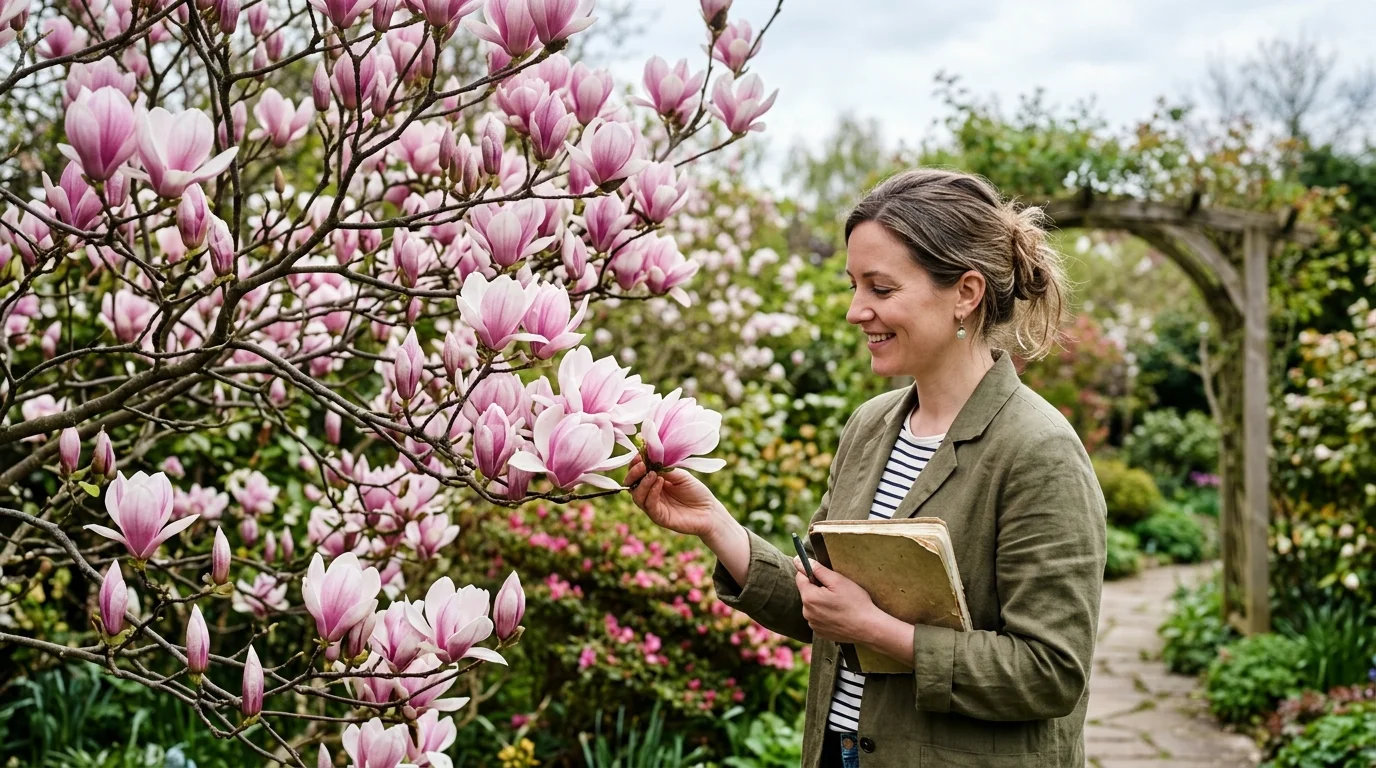
Saucer Magnolia remains one of the most beloved landscape trees in North America due to its dramatic early-season floral show. Thriving across USDA zones 4 through 9, this deciduous hybrid forms a multi-stemmed tree or large shrub reaching 20 to 25 feet tall and wide. In early spring, broad, goblet-shaped blossoms up to 10 inches across cover the bare branches in shades of deep pink, purple, and white. Because it blooms before foliage appears, plant it in a sheltered location protected from strong northern winds and frost pockets, which can turn tender open flowers brown overnight. Saucer Magnolias demand moist, well-drained, organic-rich soil with an acidic pH between 5.5 and 6.5. Apply a generous layer of wood mulch around the drip line to keep roots cool and moist during hot summer stretches.
Tip #4: Sweetbay Magnolia (Magnolia virginiana)
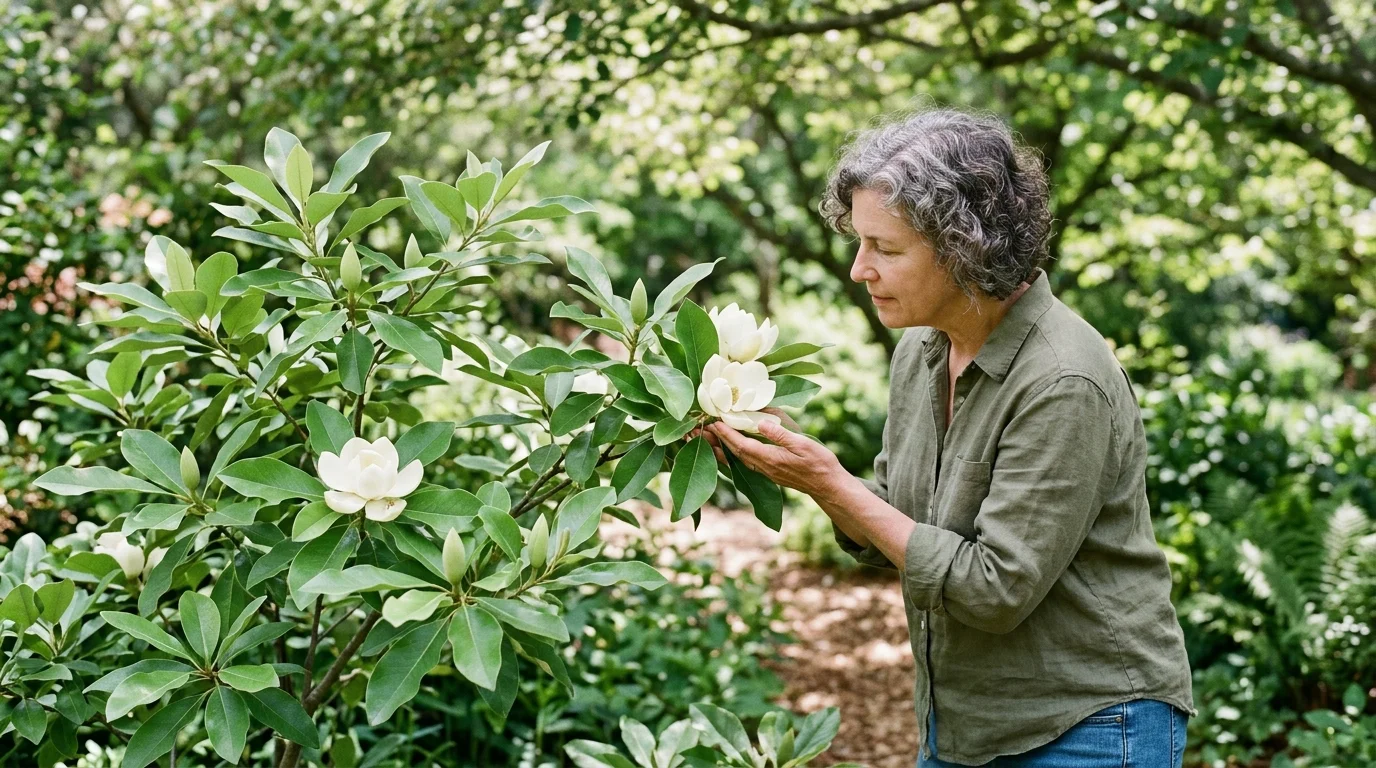
For gardens with soggy soil, low-lying wet spots, or rain garden features, Sweetbay Magnolia provides an outstanding native solution. Suitable for USDA zones 5 through 10, this flexible plant grows as an evergreen tree up to 35 feet tall in warm southern regions, or as a multi-stemmed semi-evergreen shrub reaching 10 to 20 feet in northern climates. From late spring through mid-summer, creamy white 2-to-3-inch flowers open to release a sweet, vanilla-like fragrance. Its dark green leaves feature bright silvery-white undersides that flash elegantly whenever a breeze moves through your garden. Sweetbay Magnolia handles heavy clay, periodic flooding, and acidic soils with pH values down to 5.0. Position it in full sun to partial shade, ensuring the soil remains consistently moist to encourage steady growth and rich summer blooms.
Tip #5: Loebner Magnolia (Magnolia × loebneri)
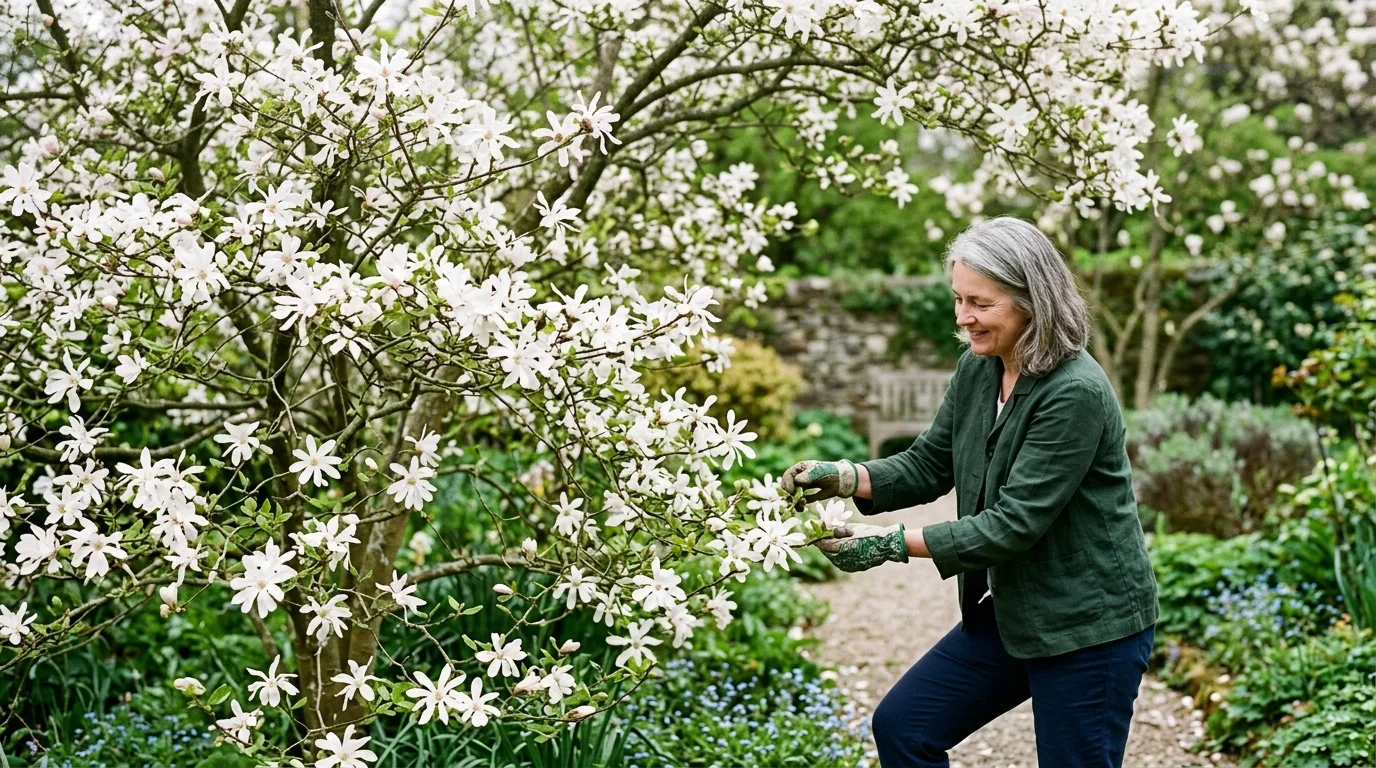
Engineered as a durable hybrid between Star Magnolia and Kobus Magnolia, the Loebner Magnolia combines delicate beauty with rugged winter hardiness. Thriving in USDA zones 5 through 9, this multi-trunked tree reaches 20 to 30 feet tall with a rounded 20-to-25-foot crown. In mid-spring, star-shaped fragrant flowers with 10 to 15 strap-like petals burst into bloom, covering bare branches in brilliant white or light blush-pink. Loebner cultivars—such as Leonard Messel and Merrill—demonstrate greater wind resistance and vigorous growth compared to pure Star Magnolias. Plant this hybrid in full sun to partial shade using moist, well-draining soil enriched with compost. Its reliable cold hardiness makes it a top choice for northern growers who want dependable spring flowers despite unpredictable seasonal frost patterns.
Tip #6: Jane Magnolia (Magnolia ‘Jane’)
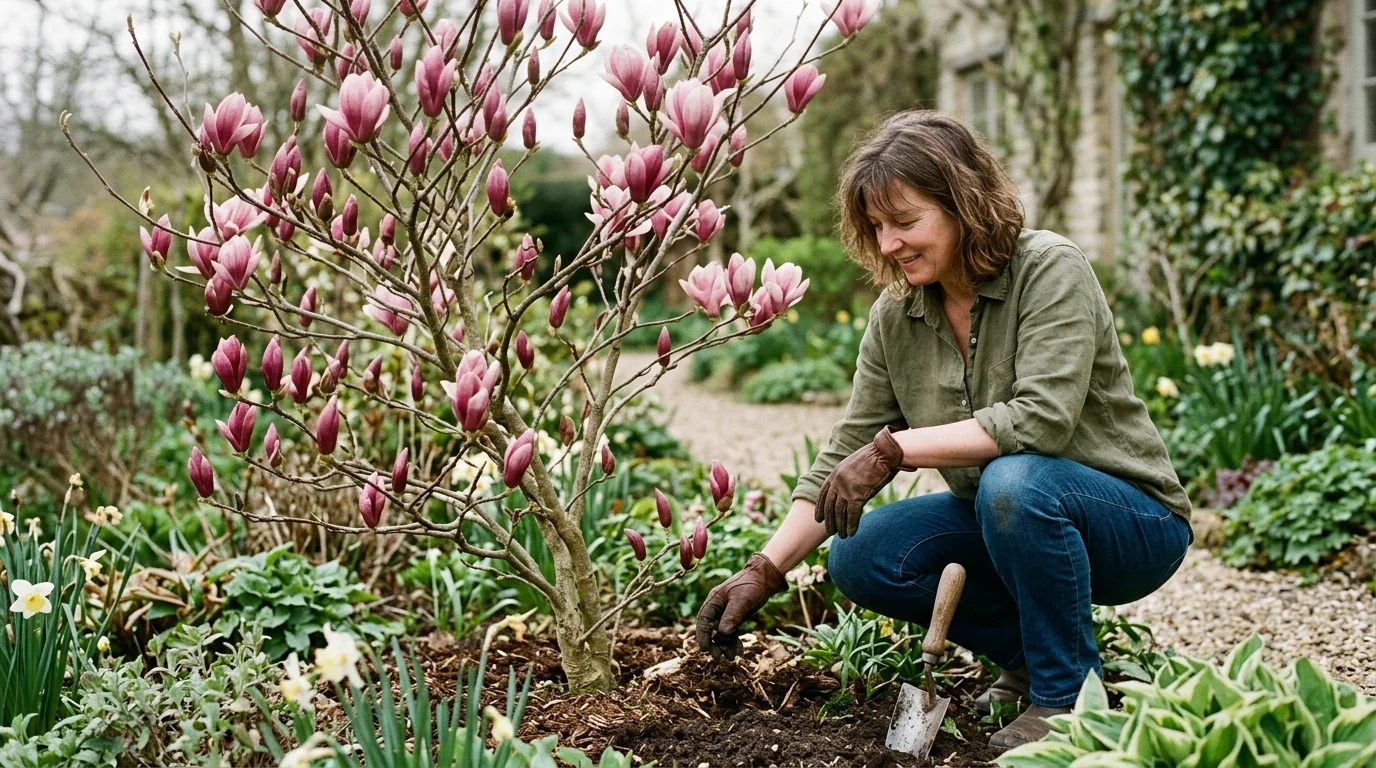
As a distinguished member of the ‘Little Girl’ hybrid series developed by the U.S. National Arboretum, Jane Magnolia solves the common problem of late spring frost damage. Growing in USDA zones 4 through 8, this compact, shrub-like tree reaches 10 to 15 feet in height and 8 to 12 feet in width. It flowers 2 to 4 weeks later than Saucer Magnolia, protecting its deep tulip-shaped blooms from lingering freezing spells. The blossoms feature rich reddish-purple exteriors and clean white interiors, creating an eye-catching color contrast. Jane Magnolia fits effortlessly into small yards, foundation plantings, or living privacy borders. Give this variety full sun to partial shade and acidic to neutral soil. Water deeply during dry summer months to support flower bud formation for the following year.
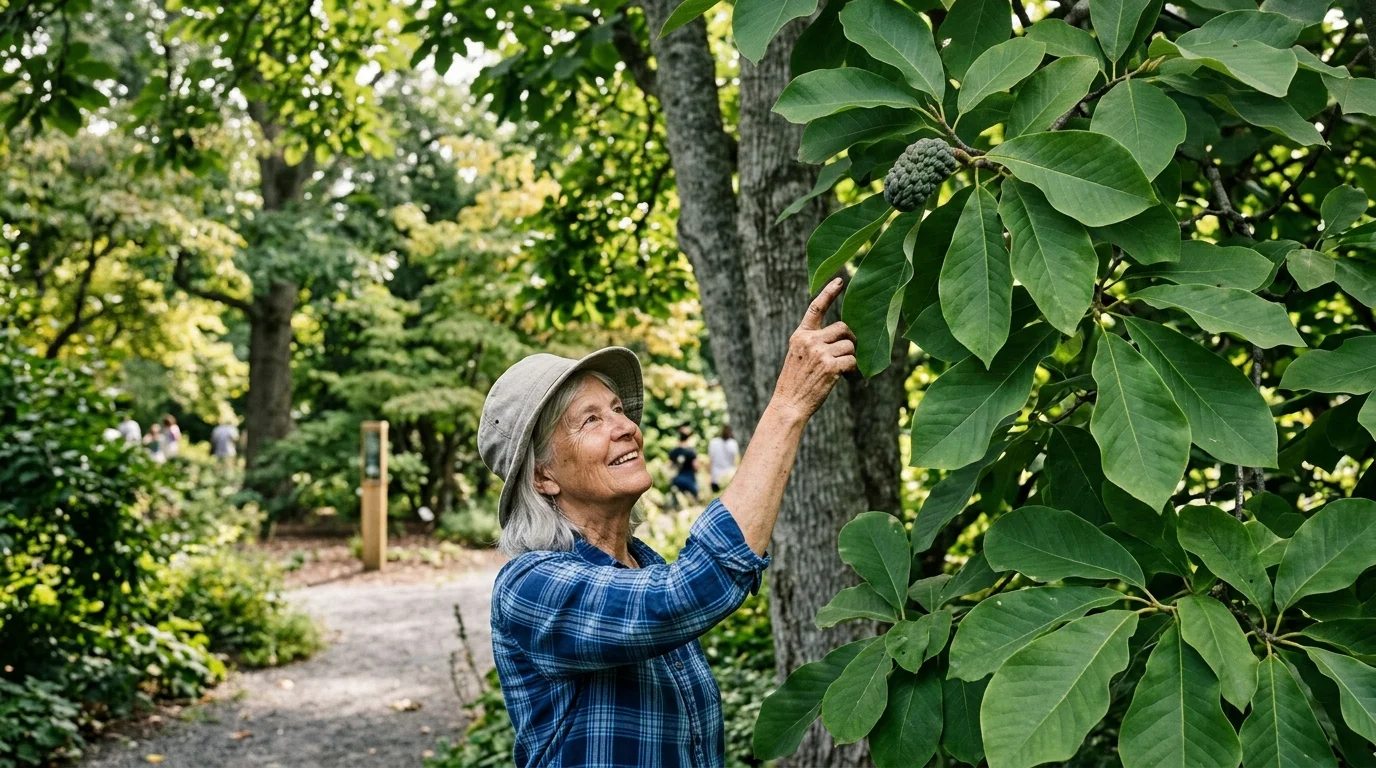
Tip #7: Cucumbertree Magnolia (Magnolia acuminata)
If you wish to establish a magnificent native canopy tree with superior cold tolerance, the Cucumbertree Magnolia stands above the rest. Rated for USDA hardiness zones 3 through 8, this massive deciduous native stretches 50 to 70 feet tall with a wide 30-to-45-foot shade canopy. Accurate magnolia tree identification relies on observing its distinct unripened fruit pods, which resemble small green cucumbers before maturing into bright red seed cones in autumn. Tulip-like greenish-yellow flowers bloom high in the canopy after leaves fully expand in late spring. Because of its large mature size, plant Cucumbertree Magnolia in spacious lawns or park-like landscapes. Give it deep, moist, rich, well-draining soil in full sun or partial shade, and allow its expansive root structure room to spread without compaction.
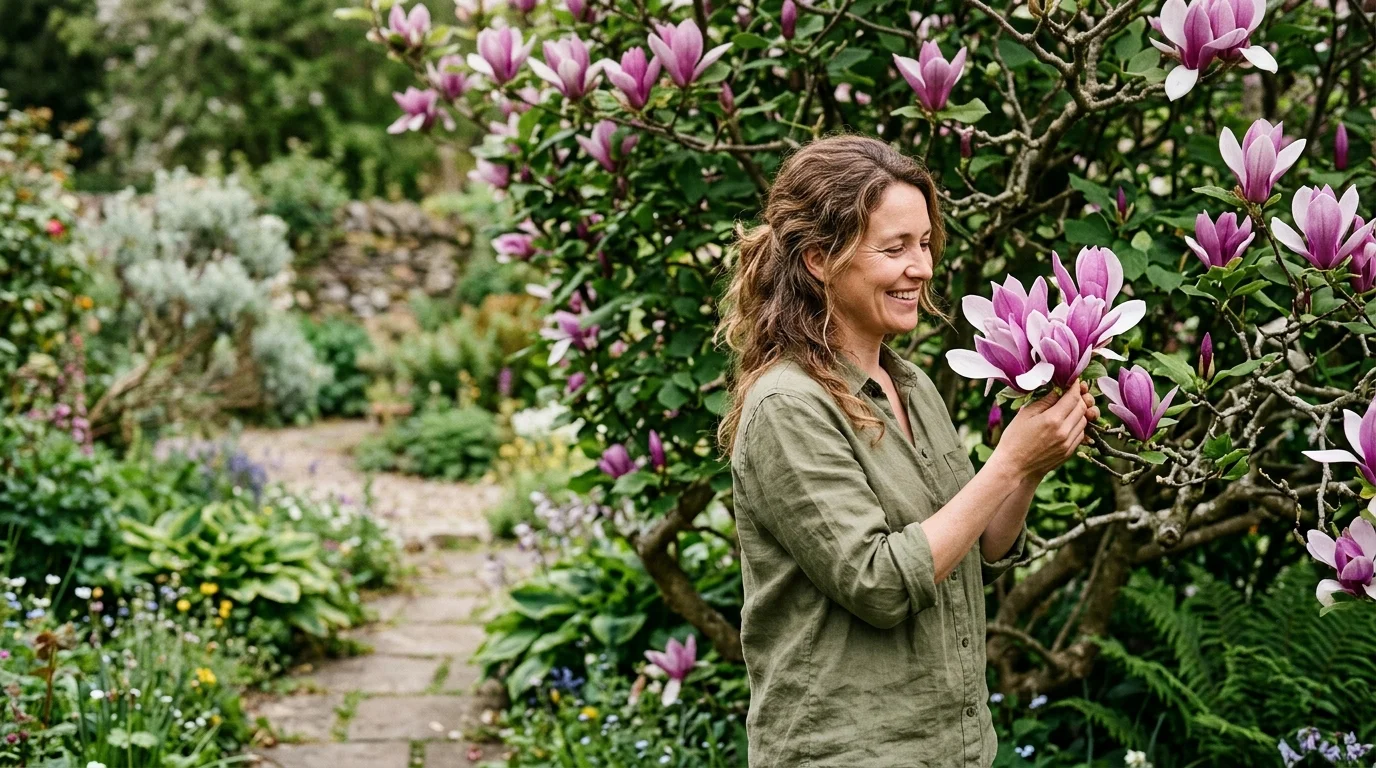
Tip #8: Lily Magnolia (Magnolia liliiflora)
Homeowners seeking dwarf magnolia shrub varieties will appreciate the compact elegance of Lily Magnolia. Hardy across USDA zones 5 through 8, this slow-growing deciduous shrub reaches a manageable height of 8 to 12 feet and a width of 8 to 10 feet. In mid-to-late spring, upright, urn-shaped blossoms resembling dark purple or bright pink lilies open along the stems, often reblooming sporadically throughout summer. Cultivars like Nigra showcase intense purple flowers that add depth to informal hedge lines and sunny border beds. Lily Magnolia performs best in full sun to light shade with moist, acidic, humus-rich soil. Its compact stature makes it an ideal plant for container gardening on large patios or small urban courtyard gardens where space remains limited.
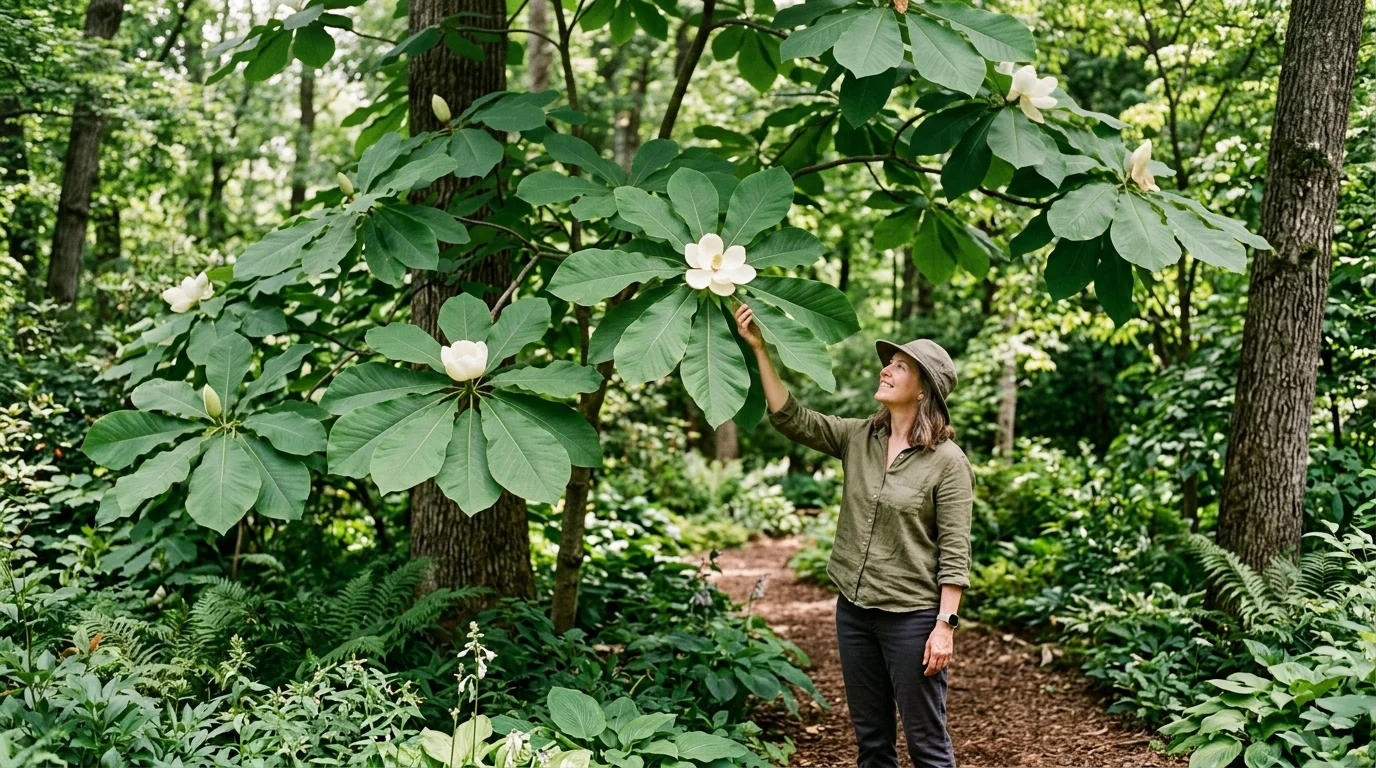
Tip #9: Umbrella Magnolia (Magnolia tripetala)
For a bold, tropical feel in temperate garden regions, the Umbrella Magnolia provides dramatic architectural foliage. Native to the eastern United States and hardy in USDA zones 5 through 8, this multi-stemmed understory tree grows 15 to 30 feet high with a spread of 15 to 20 feet. It earns its name from immense leaves—measuring up to 20 inches long—that cluster at the tips of branches like open umbrella ribs. In late spring, creamy white flowers up to 10 inches wide bloom at the centers of leaf clusters. Plant Umbrella Magnolia in partial to full shade where rich, moist, organic soil mimics its natural forest habitat. Select a location sheltered from high winds to prevent its massive leaves from shredding during summer storms.
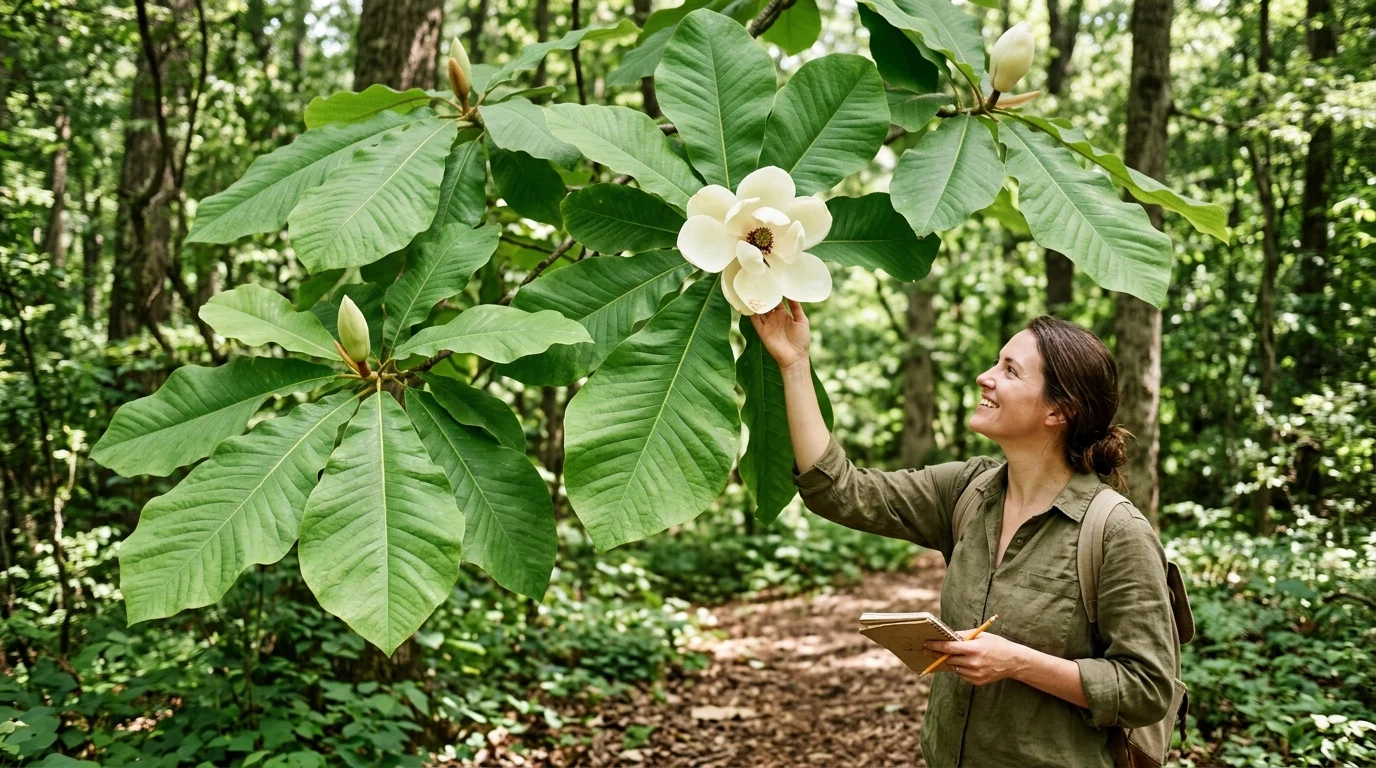
Tip #10: Bigleaf Magnolia (Magnolia macrophylla)
Bigleaf Magnolia holds the record for producing the largest single leaves and blossoms of any native North American tree. Thriving in USDA zones 5 through 8, this deciduous understory species reaches 30 to 40 feet in height with a spread of 25 to 30 feet. Its massive, paddle-shaped leaves grow up to 32 inches long, while its bowl-shaped ivory blooms span 12 inches across, featuring distinct purple bases inside each petal. Because of its sensational proportions, Bigleaf Magnolia serves as a remarkable specimen tree in spacious suburban landscapes or botanical plantings. It demands dappled shade, rich, organic, moist soil with a pH of 5.5 to 6.5, and strong protection from wind gusts that can easily tear its giant leaves.
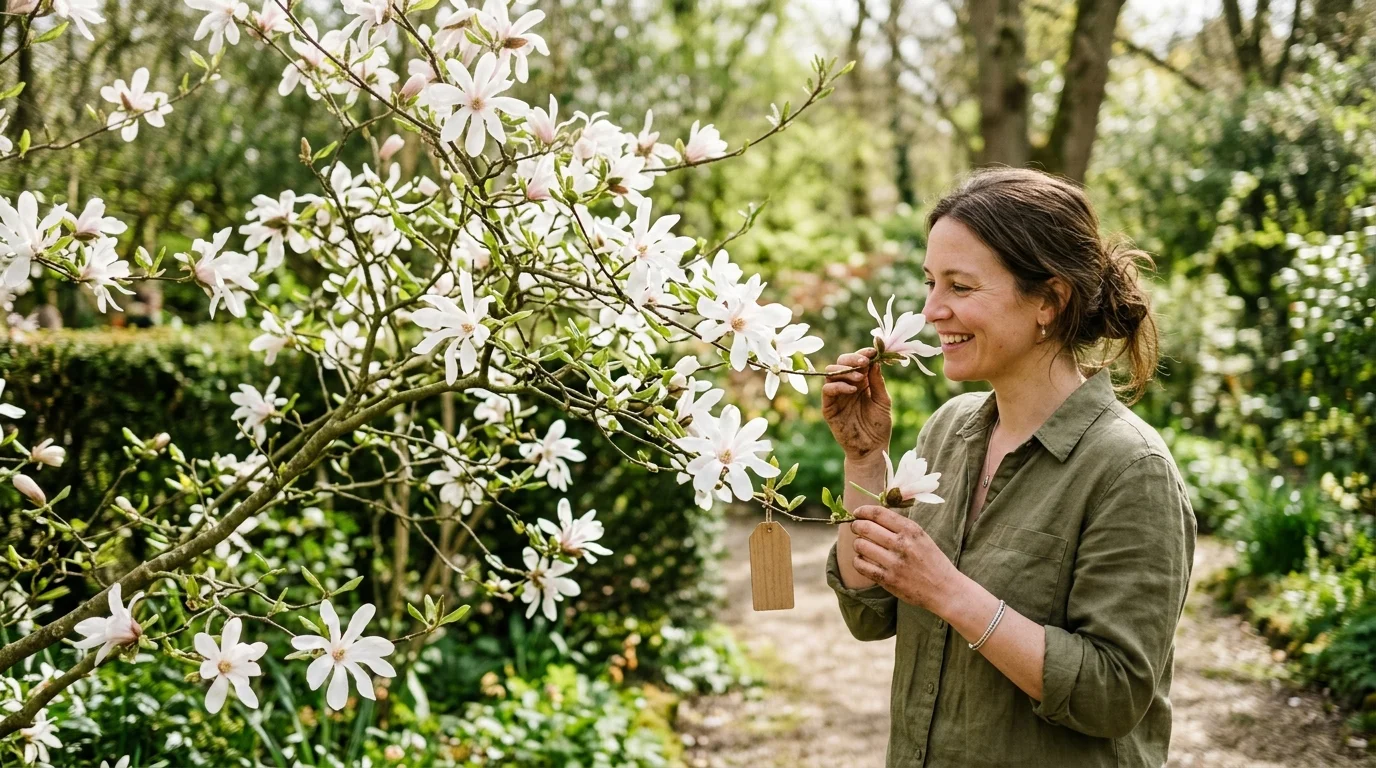
Tip #11: Anise Magnolia (Magnolia salicifolia)
Anise Magnolia introduces charming aromatic foliage and graceful, willow-like habit to home gardens. Suitable for USDA zones 5 through 8, this slender, pyramidal deciduous tree grows 20 to 30 feet tall and 10 to 15 feet wide. Crushing or scraping its narrow green leaves releases a sweet, distinct anise or licorice fragrance that perfumes the surrounding air. In early spring, six-petaled white flowers bloom profusely across bare branches, creating a snow-like canopy before summer leaves unfurl. Anise Magnolia performs best in full sun to light shade in moist, well-draining, acidic soil. Prune lightly immediately after spring flowering finishes to maintain its naturally narrow, pyramidal structure and remove dead wood without sacrificing next spring’s flower display.
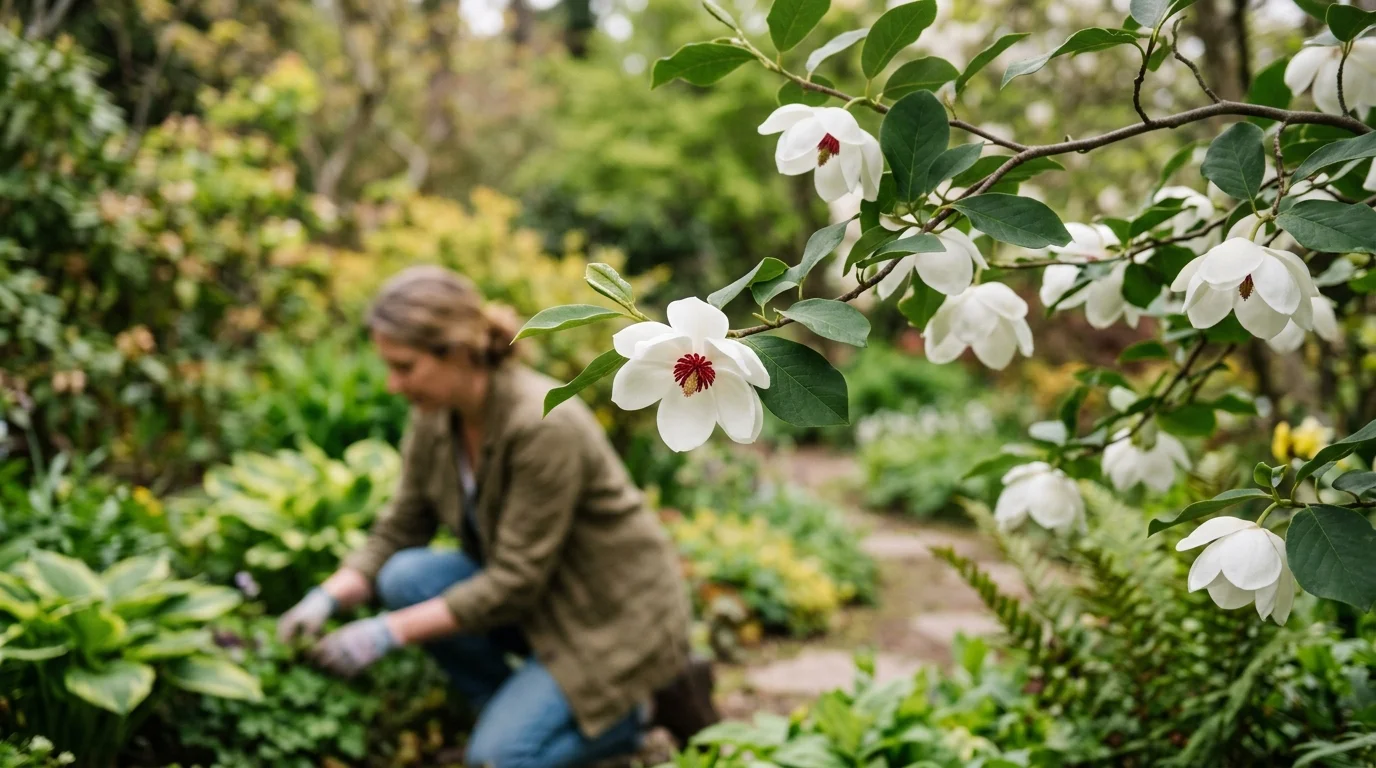
Tip #12: Oyama Magnolia (Magnolia sieboldii)
If you desire summer blooms rather than early spring flowers, Oyama Magnolia offers an elegant, late-blooming alternative. Hardy in USDA zones 6 through 8, this native East Asian shrub or small tree reaches 10 to 15 feet tall and wide. From late spring into mid-summer, nodding, fragrant, cup-shaped white flowers open gracefully against dark green foliage. Each bloom features a striking ring of crimson-red stamens at its center, creating an exquisite visual focal point. Because it flowers after leaves appear, Oyama Magnolia avoids spring frost damage entirely. Plant this variety in cool, dappled shade or eastern morning light with rich, acidic, organic-rich soil. Keep the soil consistently moist and apply organic mulch to protect delicate surface roots from heat.
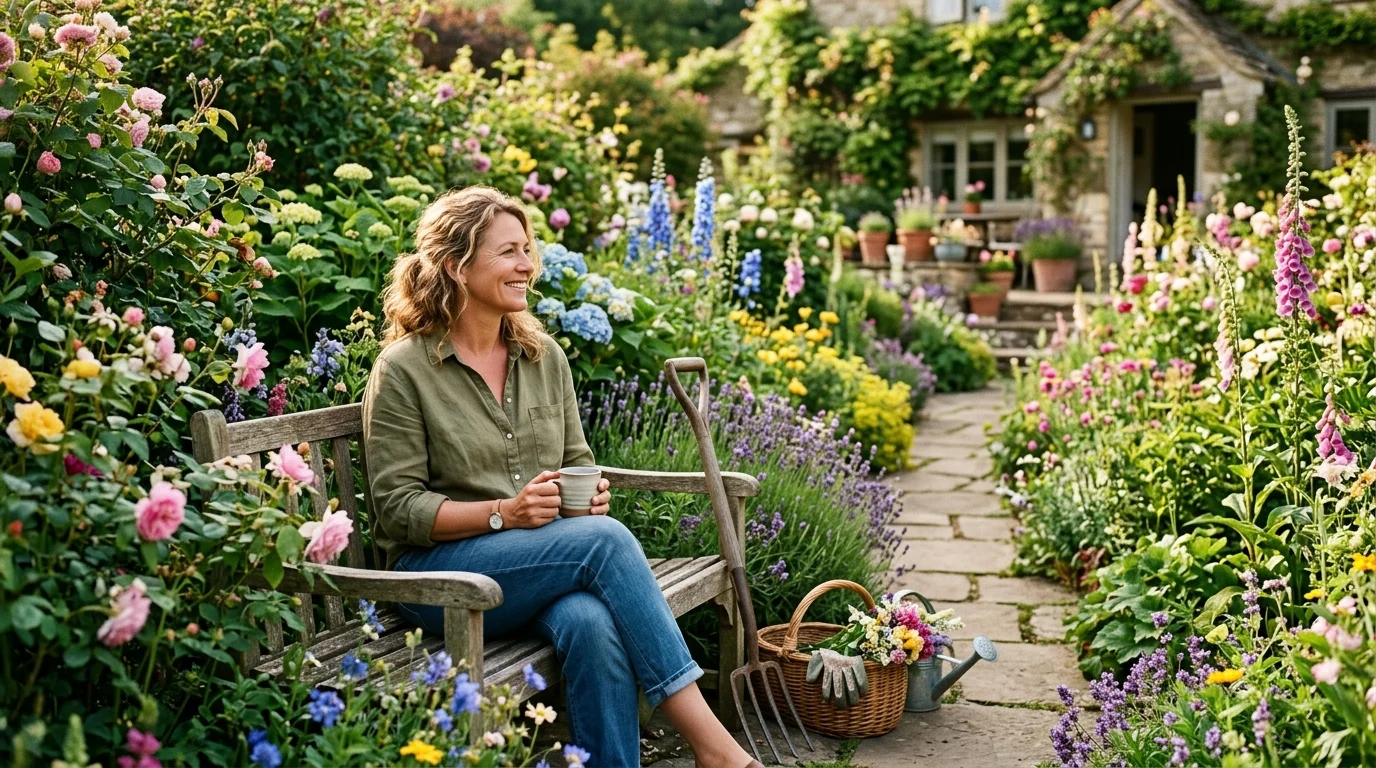
Putting It All Together: Enjoy Your Beautiful Garden
Selecting among the best magnolia varieties comes down to evaluating your site conditions, climate zone, and garden goals. For expansive, sunny yards in warmer climates, evergreen giants like Southern Magnolia offer majestic year-round presence. If late spring frosts frequently hit your area, late-blooming cultivars such as Jane Magnolia or late-summer bloomers like Oyama Magnolia protect your seasonal flower investment. Small suburban plots benefit immensely from dwarf magnolia shrub varieties like Star Magnolia or Lily Magnolia, which deliver grand blooms on compact frames.
When planting any of these types of magnolia trees, proper site preparation pays dividends for years. Test your soil pH to ensure it falls within the preferred 5.0 to 6.5 acidic range, and mix organic compost into poor soils to improve drainage and moisture retention. Maintain a generous 3-inch layer of organic mulch around the drip line, taking care not to pile mulch directly against the trunk. With thoughtful species selection, consistent watering during establishment, and minimal pruning, your chosen magnolias will reward you with vibrant blooms, lush foliage, and sweet fragrances for generations.
For region-specific advice, consult your local University Extension program (find yours via the USDA directory). For plant databases and inspiration, visit the Missouri Botanical Garden or the Royal Horticultural Society.
Disclaimer: This article provides general gardening advice. Always consider your specific climate, soil conditions, and local pests. Follow safety guidelines when using gardening tools and products.
Frequently Asked Questions
How do I choose the right magnolia tree types for gardens of different sizes?
Start by measuring your available yard space and checking your USDA hardiness zone. For small urban gardens or foundation borders, select compact magnolia shrub varieties such as Star Magnolia, Jane Magnolia, or Lily Magnolia, which stay under 15 feet. For medium-sized suburban lawns, Saucer Magnolia and Loebner Magnolia offer balanced canopy spreads of 20 to 30 feet. Large properties, parks, or rural acres can easily accommodate massive canopy trees like Southern Magnolia or Cucumbertree Magnolia, which grow up to 80 feet tall.
What soil pH and sunlight conditions do most magnolias need?
Most magnolia species thrive in slightly acidic to neutral soil with a pH between 5.5 and 6.5. They require moist, well-draining soil rich in organic matter; poor drainage often leads to root rot. Regarding light, most spring-blooming magnolias perform best in full sun to partial shade, requiring at least 4 to 6 hours of direct sunlight daily for maximum flower production. Shade-tolerant understory varieties like Bigleaf, Umbrella, and Oyama Magnolias prefer dappled shade to protect broad foliage from midday sun.
When and how should I prune magnolia trees and shrubs?
Prune your magnolia tree or shrub immediately after it finishes flowering in spring or early summer. Because magnolias set their next year’s flower buds during mid-to-late summer, pruning late in the season cuts off future spring blossoms. Limit pruning to removing dead, diseased, or crossing branches and shaping young shoots. Avoid heavy canopy pruning, as magnolias heal slowly from large cuts and can suffer branch dieback or fungal infections.
Why are my magnolia leaves turning yellow or dropping prematurely?
Yellow leaves, also known as chlorosis, often indicate nutrient deficiencies caused by alkaline soil (pH above 7.0), which prevents roots from absorbing iron or magnesium. Testing and amending your soil with elemental sulfur or iron chelates resolves this issue. Premature leaf drop can also stem from severe drought, poor soil drainage leading to root rot, or natural seasonal leaf shedding—such as evergreen Southern Magnolias dropping older interior leaves during late spring.