Transforming your outdoor living space into an aromatic sanctuary requires selecting the right fragrant flowers for patio containers and garden borders. Placing sweet-smelling blossoms within arm’s reach elevates your morning coffee routine and evening gatherings with natural, lingering perfume. By pairing specific bloom times, light requirements, and scent profiles, you create a continuous sensory experience from early spring through autumn frost. Whether you cultivate compact pots on a small balcony or expansive raised beds along a deck, strategic placement amplifies these essential garden fragrances. Explore the best smelling flowers that deliver exceptional fragrance, robust growth, and stunning visual appeal to revitalize your patio flower garden ideas this season.
Tip #1: Gardenia (Gardenia jasminoides)
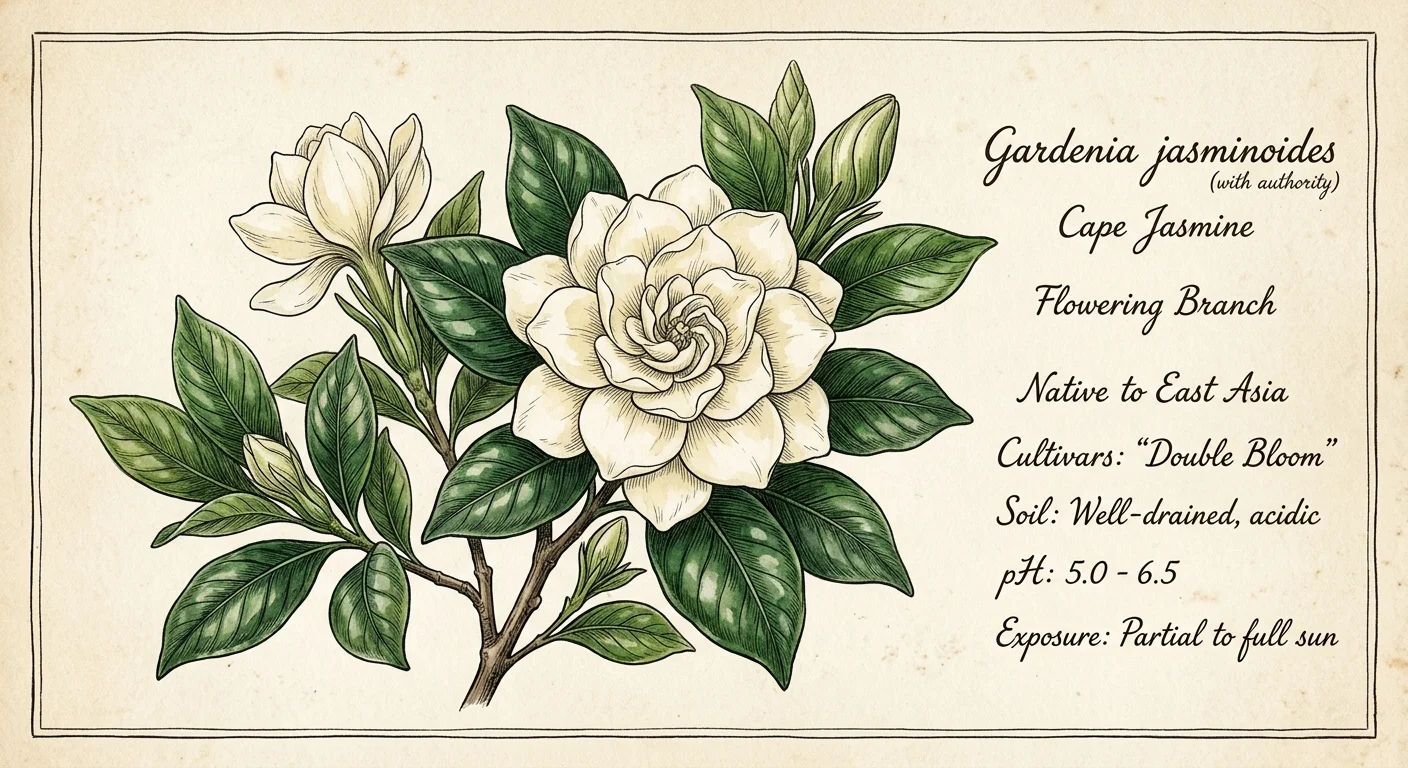
Gardenias stand out as the undisputed crown jewels of fragrant garden plants; their creamy white blossoms release an intoxicating, velvety perfume that fills an entire outdoor living space. These classic evergreen shrubs thrive in USDA Hardiness Zones 8 through 11, though gardeners in cooler climates easily grow them in large patio containers brought indoors over winter. To maximize flower production, position your gardenia where it receives at least six hours of bright, morning sunlight paired with light afternoon shade to shield delicate foliage from scorch.
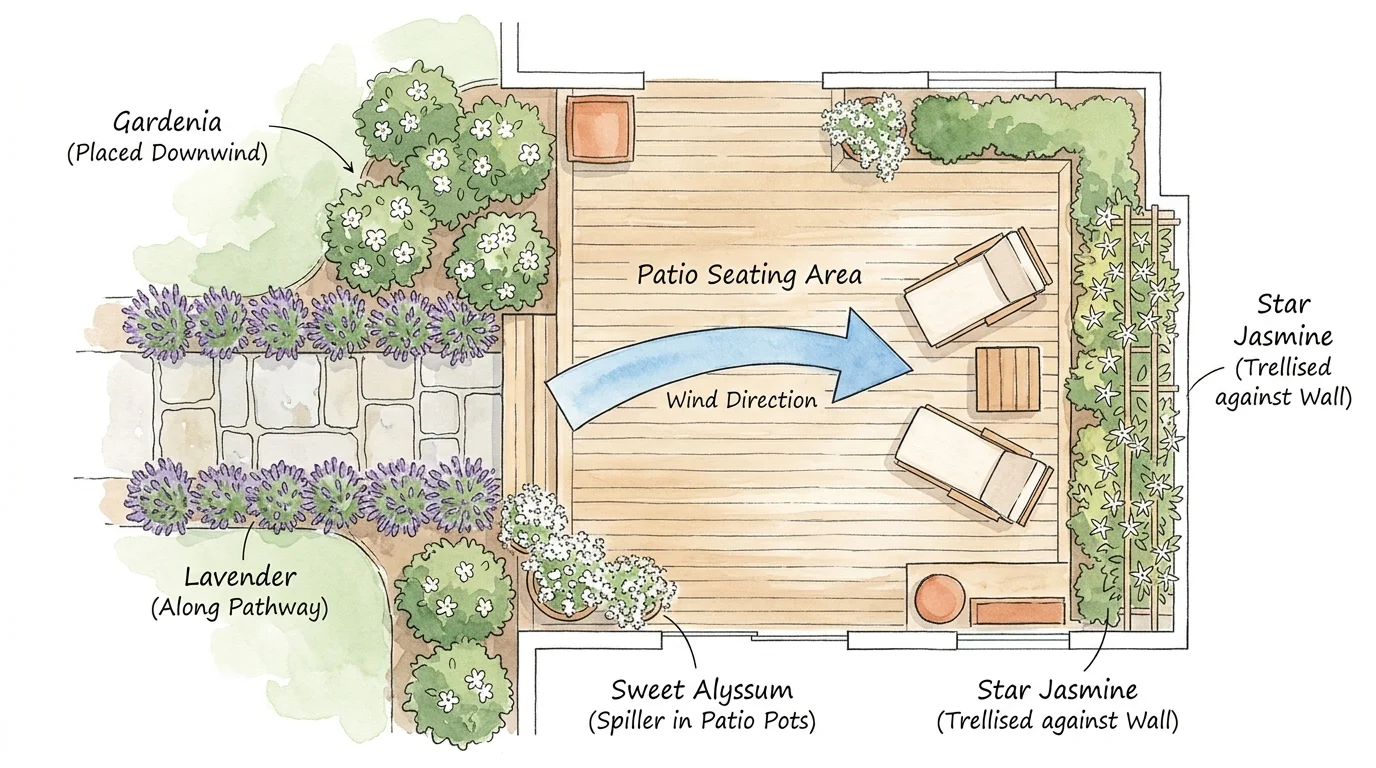
Success with gardenias depends heavily on soil chemistry and moisture consistency. Acidify your soil to maintain a pH between 5.0 and 6.5, utilizing high-quality potting mix enriched with peat moss or pine bark. Maintain consistently moist soil without waterlogging the roots, as fluctuating moisture levels trigger flower bud drop before opening. Feed your plant every three weeks during active spring and summer growth using an acid-formulating fertilizer containing iron and chelates. Positioning a mature gardenia pot downwind from your primary outdoor seating area ensures that warm afternoon breezes carry its heavenly tropical scent directly toward your patio lounge chairs.
Tip #2: Sweet Alyssum (Lobularia maritima)
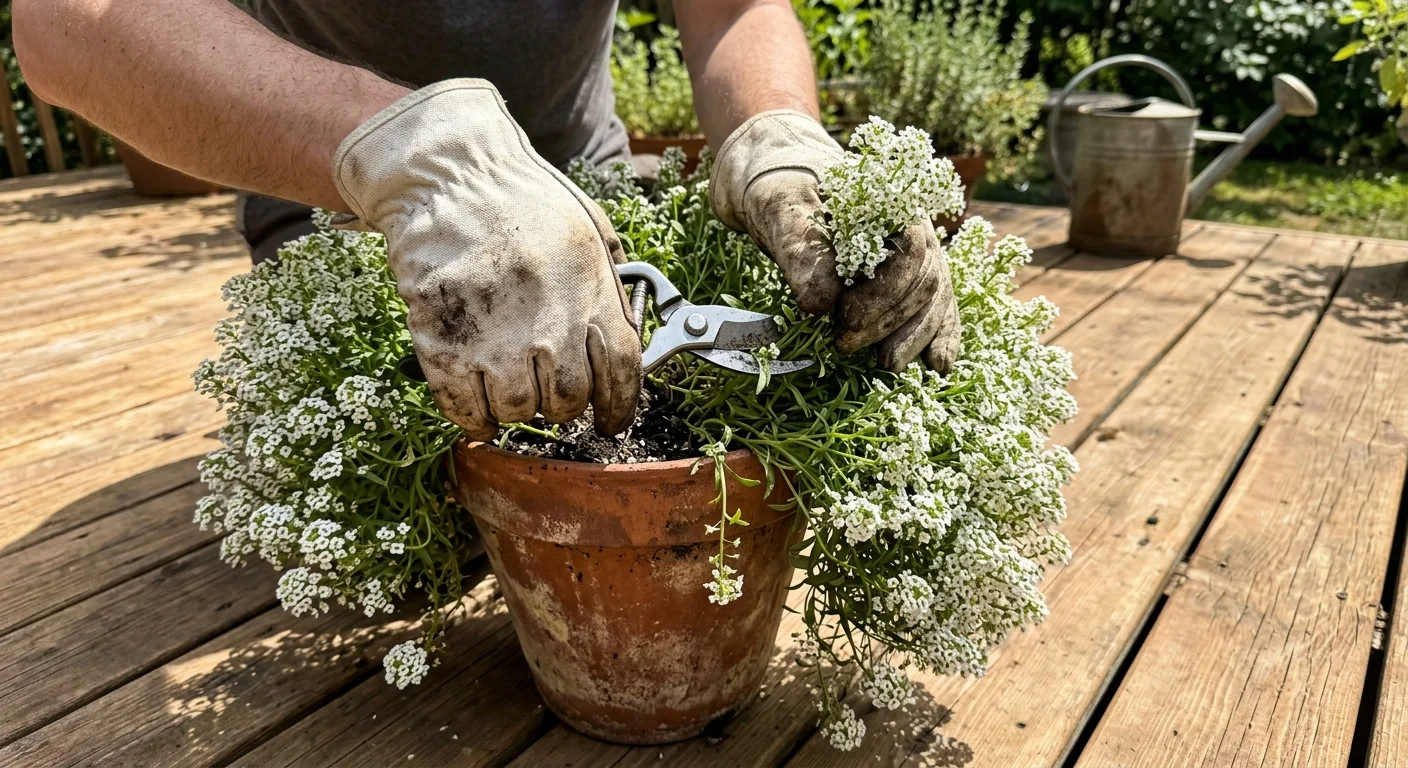
If you want continuous, honey-scented carpet coverage around your patio container rims and walkway edges, sweet alyssum delivers unbeatable performance. This hardy annual produces dense mounds of tiny, four-petaled flowers in shades of pure white, lavender, and deep purple from early spring until the first heavy frost. Because it rarely exceeds four to eight inches in height, sweet alyssum serves as an ideal “spiller” plant in mixed decorative containers, cascading gracefully over clay pots and stone retainers.
Plant sweet alyssum in full sun to partial shade, ensuring the soil drains quickly to prevent root rot. This resilient plant tolerates cool temperatures exceptionally well and often continues blooming long after other summer annuals fade. When summer heat causes blossom production to slow in mid-July, sheer back the entire plant by one-third using clean garden scissors. Water thoroughly and apply a balanced liquid fertilizer; your alyssum will bounce back within ten to fourteen days with a fresh flush of honey-fragrant flowers that attract beneficial pollinators to your patio flower garden ideas.
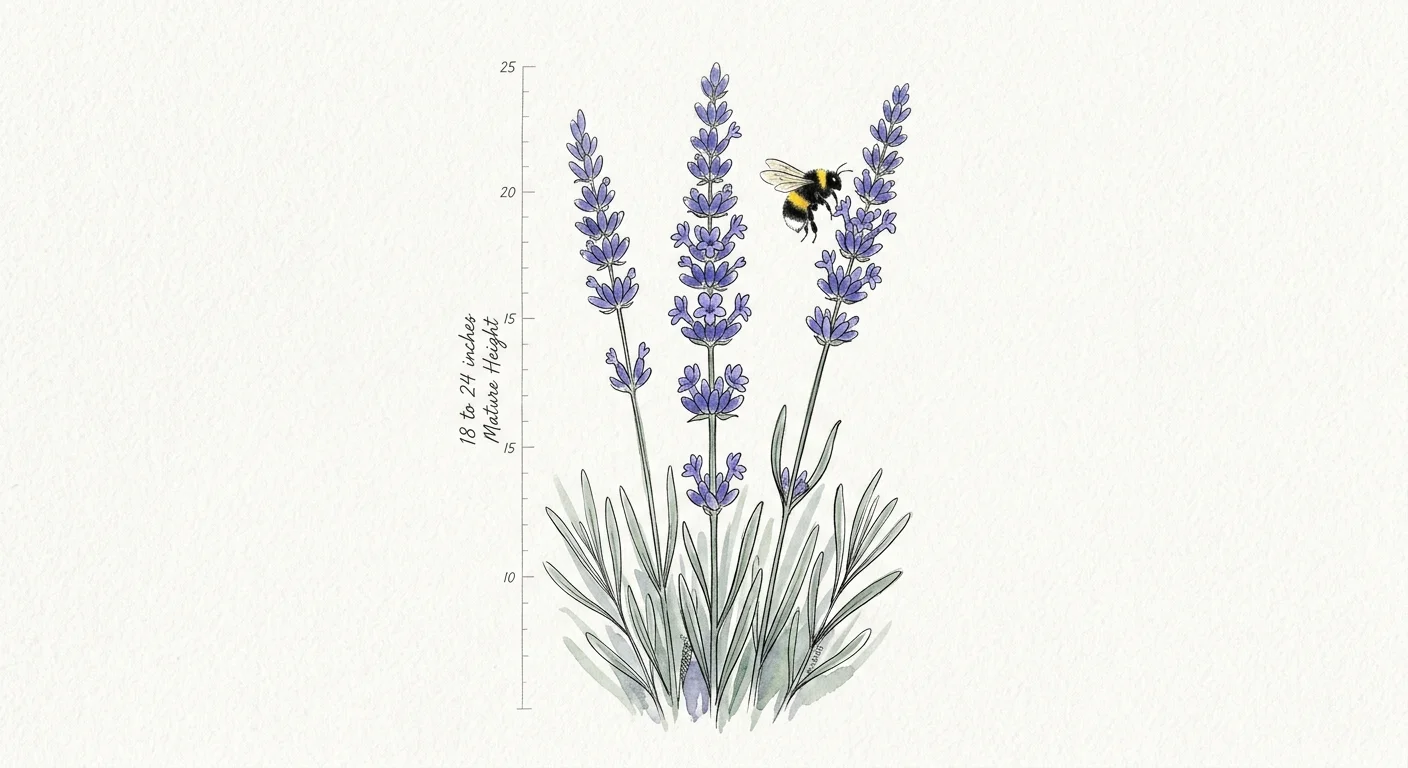
Tip #3: English Lavender (Lavandula angustifolia)
English lavender offers an iconic, herbal fragrance known worldwide for its relaxing and therapeutic qualities. Rich in natural essential oils like linalool, the blue-violet flower spikes and gray-green foliage emit a clean, refreshing aroma whenever brushed against or warmed by the afternoon sun. Hardy in USDA Zones 5 through 9, English lavender forms compact, woody perennials that reach 18 to 24 inches tall, making them perfect candidates for lining patio borders, pathways, or sunny terra-cotta pots.
To cultivate healthy lavender near your seating area, supply at least six to eight hours of direct sunlight daily and exceptional soil drainage. Lavender roots decay rapidly in dense, soggy clay soils; mix equal parts potting soil, coarse builder’s sand, and small pumice gravel into your planters to replicate its native Mediterranean habitat. Keep the soil pH neutral to slightly alkaline, between 6.5 and 7.5. Avoid heavy organic fertilizers, as lean soil actually concentrates essential oil production, yielding far stronger fragrance from fewer flowers.
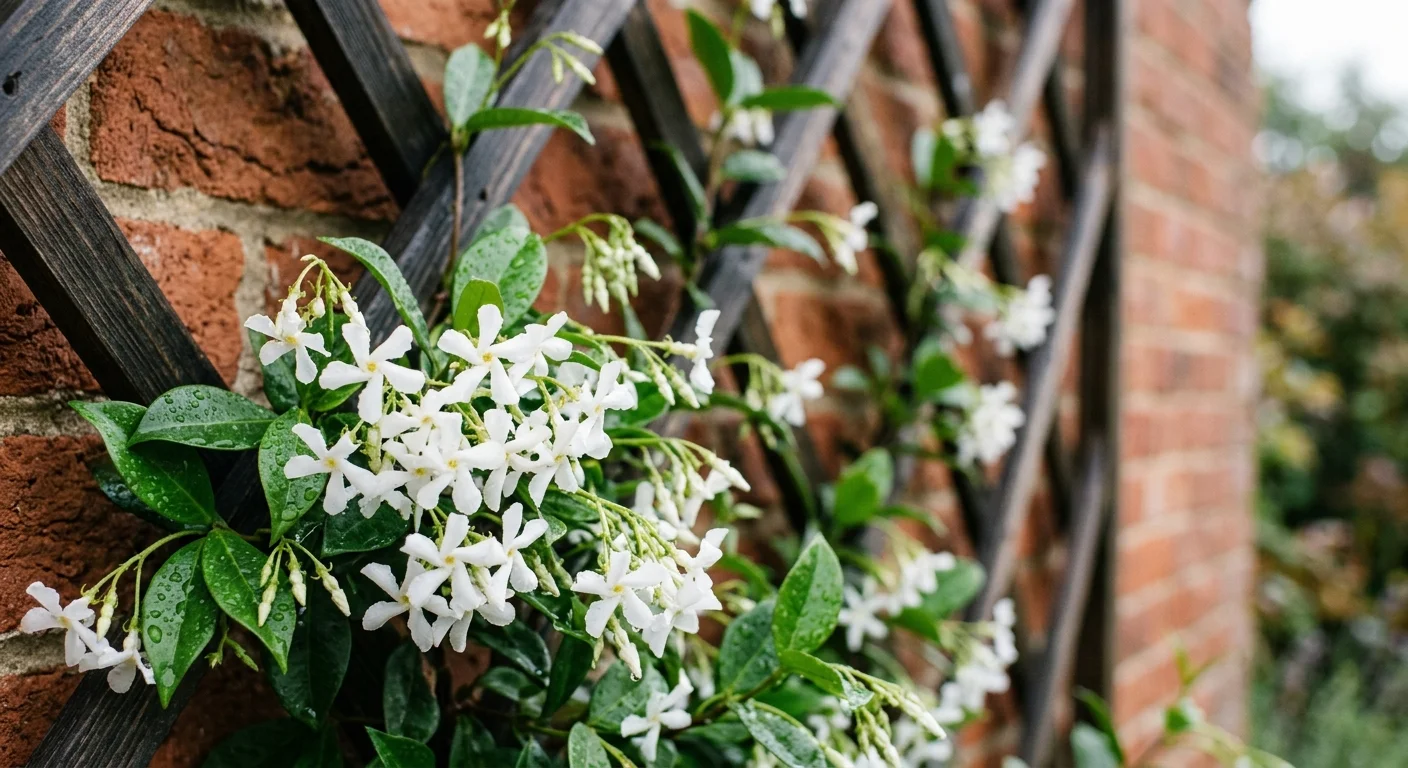
Tip #4: Star Jasmine (Trachelospermum jasminoides)
Star jasmine transforms plain patio walls, wooden trellises, and deck posts into cascading sheets of star-shaped, white blossoms during late spring and early summer. Despite its common name, this woody evergreen vine is not a true jasmine, yet its rich, sweet, vanilla-tinged perfume easily rivals any tropical species. Hardy in USDA Zones 8 through 10, star jasmine climbs vigorously up to 20 feet when provided with sturdy vertical support, creation a living, scented privacy screen for your outdoor space.
Install star jasmine in well-draining soil where it absorbs full morning sun or dappled afternoon shade. In hotter southern regions, afternoon shade prevents foliage scorch and extends individual bloom longevity. Water deeply once a week during dry summer spells, allowing the top two inches of soil to dry out between applications. Prune stems lightly immediately following its primary spring bloom cycle to maintain shape, control size, and encourage fresh growth for subsequent seasons. Position star jasmine near western patio walls, where radiant heat stored in the masonry amplifies oil evaporation from the blossoms during warm summer evenings.
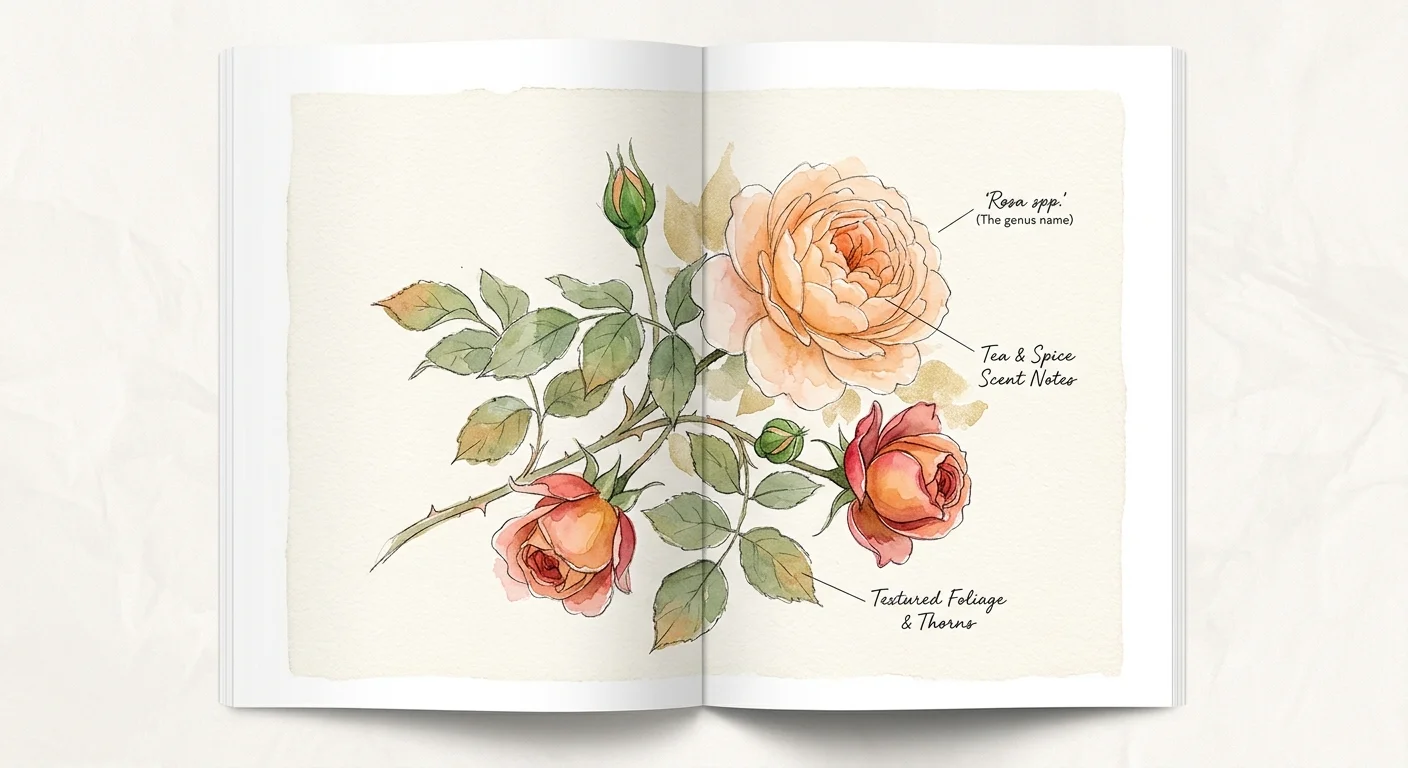
Tip #5: Fragrant Roses (Rosa spp.)
No list of flowers for outdoor patio spaces feels complete without including fragrant rose cultivars. Modern breeding has reintroduced rich Damask, citrus, and clove scent profiles into disease-resistant rose varieties ideal for patio containers and nearby garden beds. Compact Floribunda and Hybrid Tea options—such as ‘Double Delight’, ‘Gertrude Jekyll’, or ‘Mister Lincoln’—deliver concentrated perfume alongside striking color displays from early spring straight through late autumn.
Plant roses in large containers measuring at least 18 inches wide and deep, using a nutrient-dense compost mixture that drains freely. Roses require a minimum of six hours of full sun daily to develop robust stems and abundant buds. Apply a two-inch layer of organic bark mulch over the soil surface to conserve moisture, regulate root temperature, and prevent weed competition. Feed your roses monthly with an organic, high-potassium rose food during the growing season; promptly deadhead spent blossoms just above a five-leaflet stem node to stimulate continuous, fragrant floral flushes.
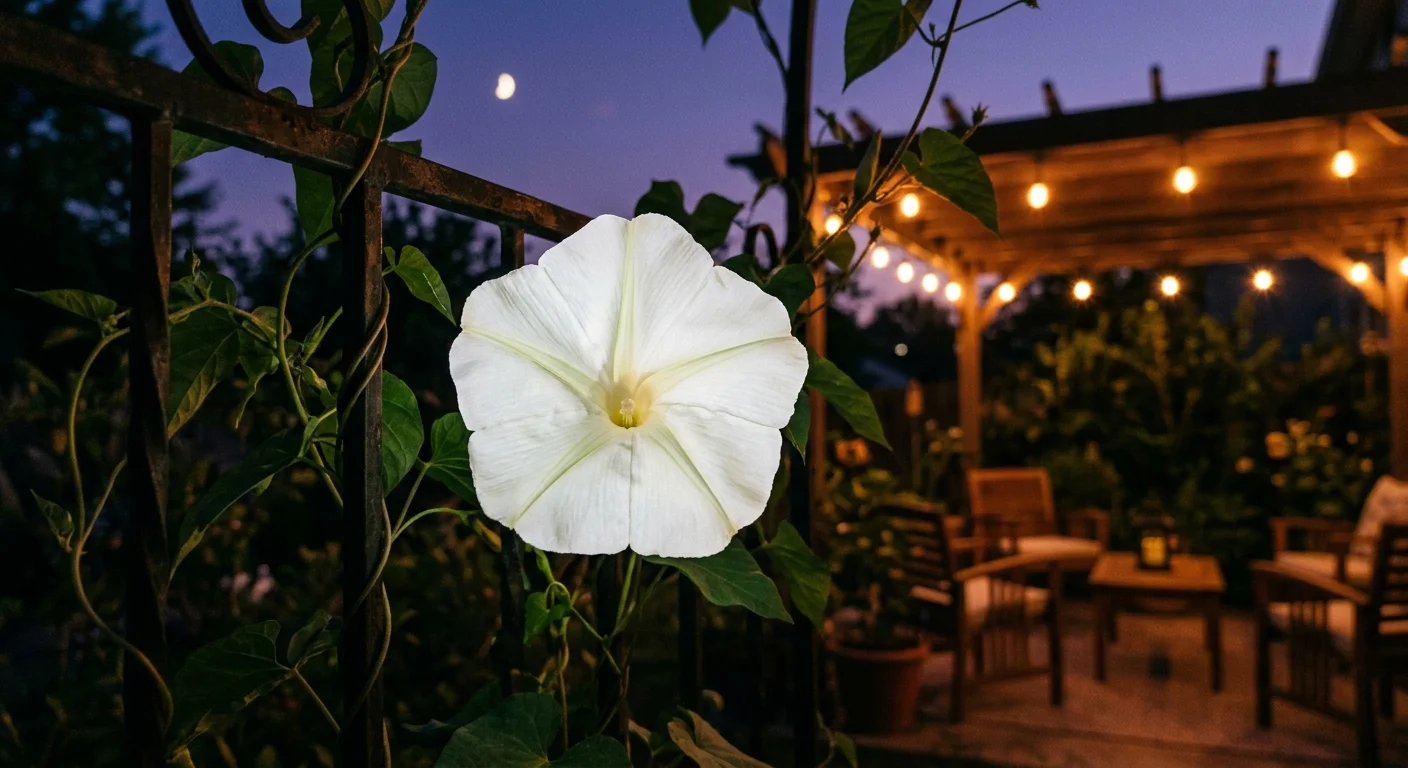
Tip #6: Moonflower (Ipomoea alba)
While many best smelling flowers celebrate the daylight, moonflower reserves its magic specifically for night-time outdoor relaxation. This fast-growing annual night-bloomer produces massive, pure-white trumpet blossoms measuring five to six inches across that unfurl within minutes as dusk settles over your garden. As night falls, the open flowers release a powerful, clove-like, sweet fragrance designed by nature to attract nocturnal sphinx moths.
Train moonflowers up patio pergolas, deck railings, or tall bamboo teepees positioned right next to your evening seating area. Moonflowers demand warm soil, full sun during daylight hours, and moderate moisture to thrive. Speed up seed germination by nicking the hard seed coats with a file and soaking them in warm water overnight before planting in late spring. Because moonflower vines can easily stretch 10 to 15 feet in a single season, provide sturdy string or netting support so the high-climbing blossoms reach eye and nose level while you entertain guests outdoors after dark.
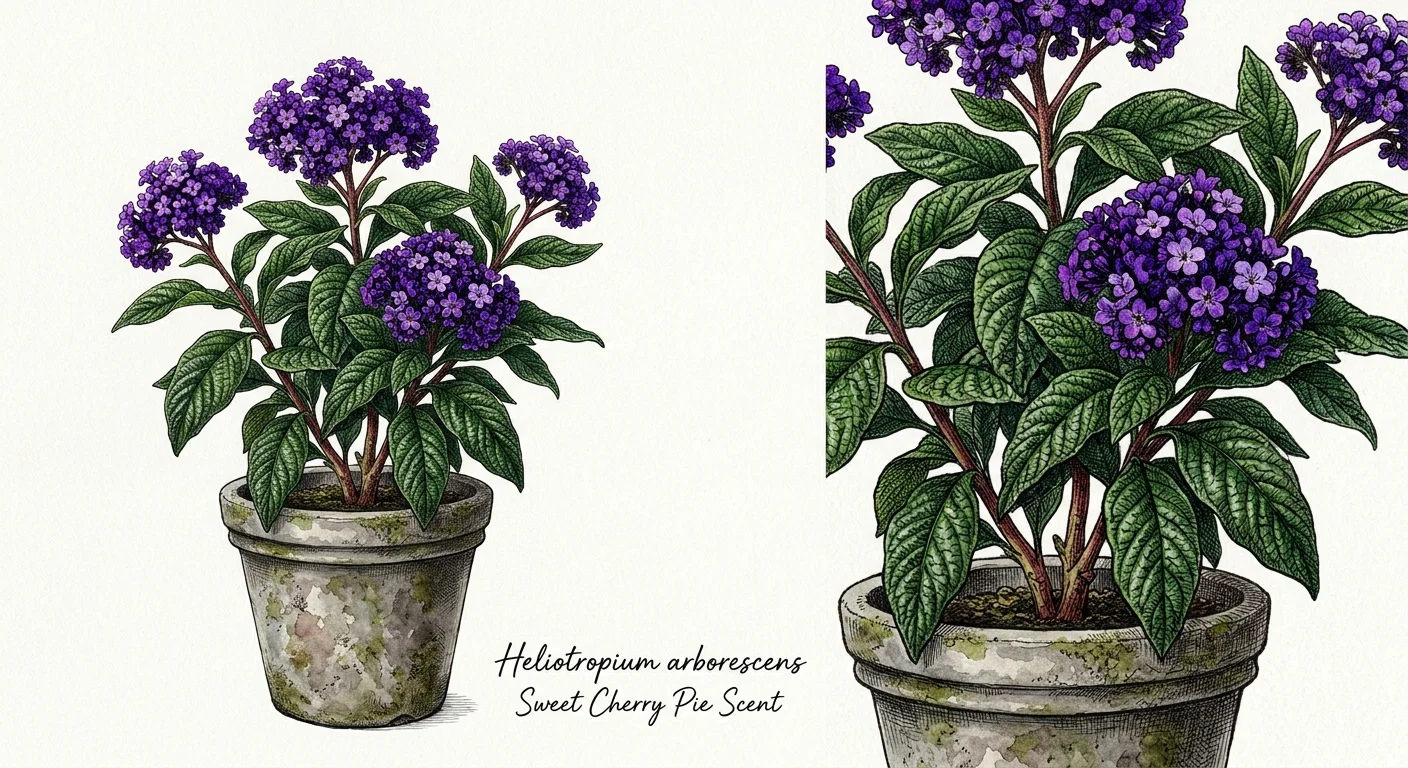
Tip #7: Heliotrope (Heliotropium arborescens)
Heliotrope delights home gardeners with an uncanny, nostalgic fragrance reminiscent of warm cherry pie, vanilla extract, and crushed almonds. Featuring deep purple, violet, or lavender flower clusters set against dark green, textured foliage, this vintage garden favorite excels in patio containers, hanging baskets, and raised garden beds. Hardy as a perennial in USDA Zones 9 through 11, heliotrope operates as a tender annual in cooler northern climates, reaching heights of 12 to 24 inches.
Place heliotrope in locations receiving full morning sun paired with filtered afternoon shade, as intense midday heat in southern zones can scorch delicate floral clusters. Maintain evenly moist soil without submerging the roots; heliotrope foliage wilt rapidly and drop lower leaves if allowed to dry out completely. Group three or four plants together in a 14-inch terracotta pot placed directly alongside outdoor dining tables, where diners can appreciate the distinct, sweet fragrance throughout afternoon and evening meals.
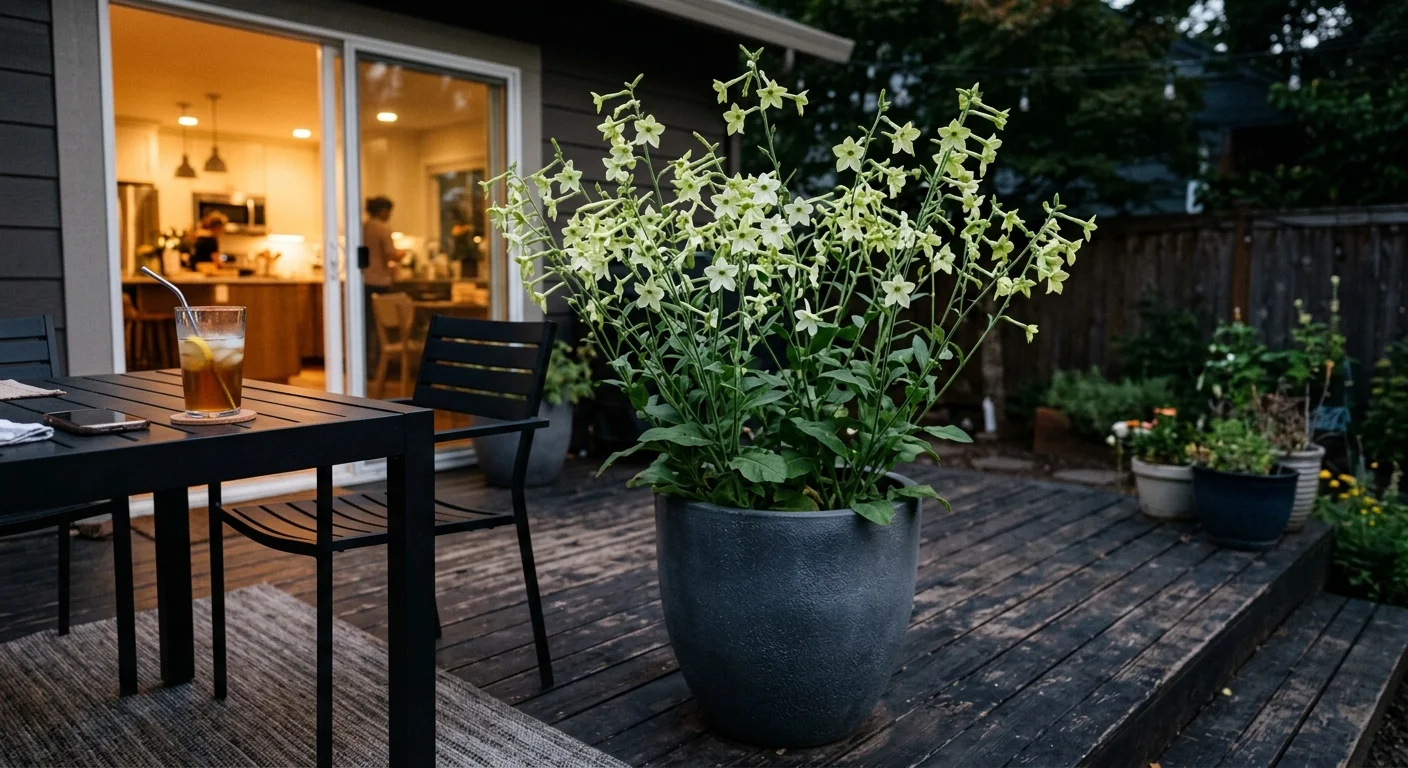
Tip #8: Flowering Tobacco (Nicotiana alata)
Flowering tobacco brings both dramatic vertical architecture and rich nocturnal perfume to your patio garden space. Featuring star-shaped, tubular blooms in white, pink, lime green, and crimson, night-scented varieties like Nicotiana alata ‘Grandiflora’ open fully in the late afternoon, filling cool evening breezes with an intense, jasmine-like aroma. Growing anywhere from two to four feet tall, flowering tobacco provides excellent mid-border height or back-of-container interest.
Sow seed or set out transplants in fertile, moisture-retentive, well-draining soil exposed to full sun or partial shade. White-flowered cultivars typically possess the strongest scent profiles, as light-colored petals naturally reflect moonlight to guide nocturnal pollinators. Keep soil consistently moist and apply a balanced liquid flower fertilizer every two weeks to sustain heavy flowering from June through October. Deadhead faded stems weekly to encourage new side shoots, ensuring your patio remains filled with aromatic fragrance all season long.
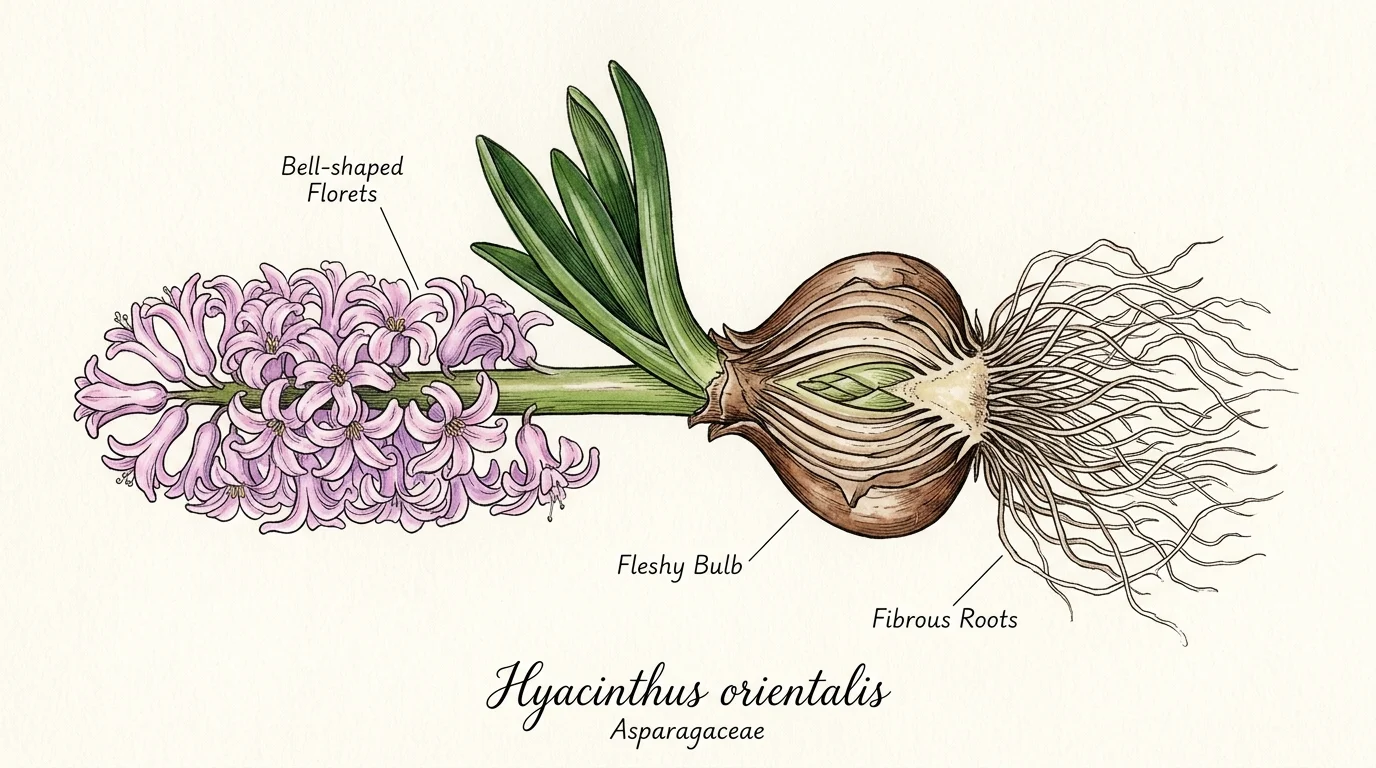
Tip #9: Hyacinth (Hyacinthus orientalis)
Hyacinths offer the earliest powerful floral perfume of the garden year, signaling the arrival of spring with dense, spiked clusters of star-shaped blossoms. Available in vibrant shades of deep purple, pink, white, soft yellow, and sky blue, these spring-flowering bulbs emit a sweet, heavy scent that carries across significant distances outdoors. Hardy in USDA Zones 4 through 8, hyacinths grow six to ten inches tall, making them ideal candidates for decorative tabletop pots placed directly on outdoor patio surfaces.
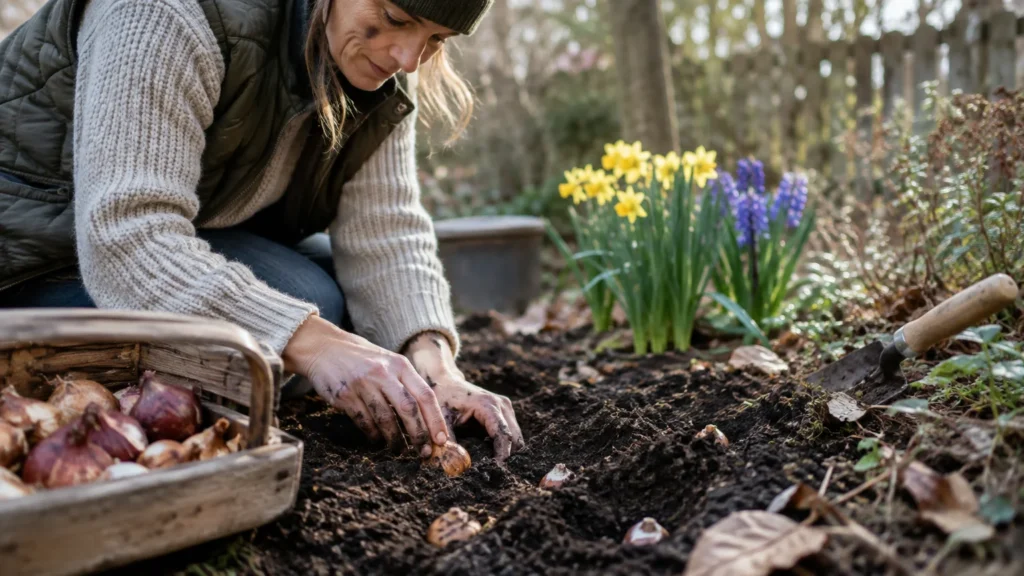
Plant hyacinth bulbs in autumn, setting them four to six inches deep in sandy, well-draining potting soil with the pointed tips facing upward. Hyacinth bulbs require 12 to 14 weeks of winter temperatures below 45°F to properly set flower buds for spring. Place potted hyacinths on patio steps, side tables, or outdoor window boxes where cold winter chills can process naturally. As green shoots emerge in early spring, move pots to sunny patio spots; their concentrated scent will welcome you outdoors long before summer annuals begin blooming.
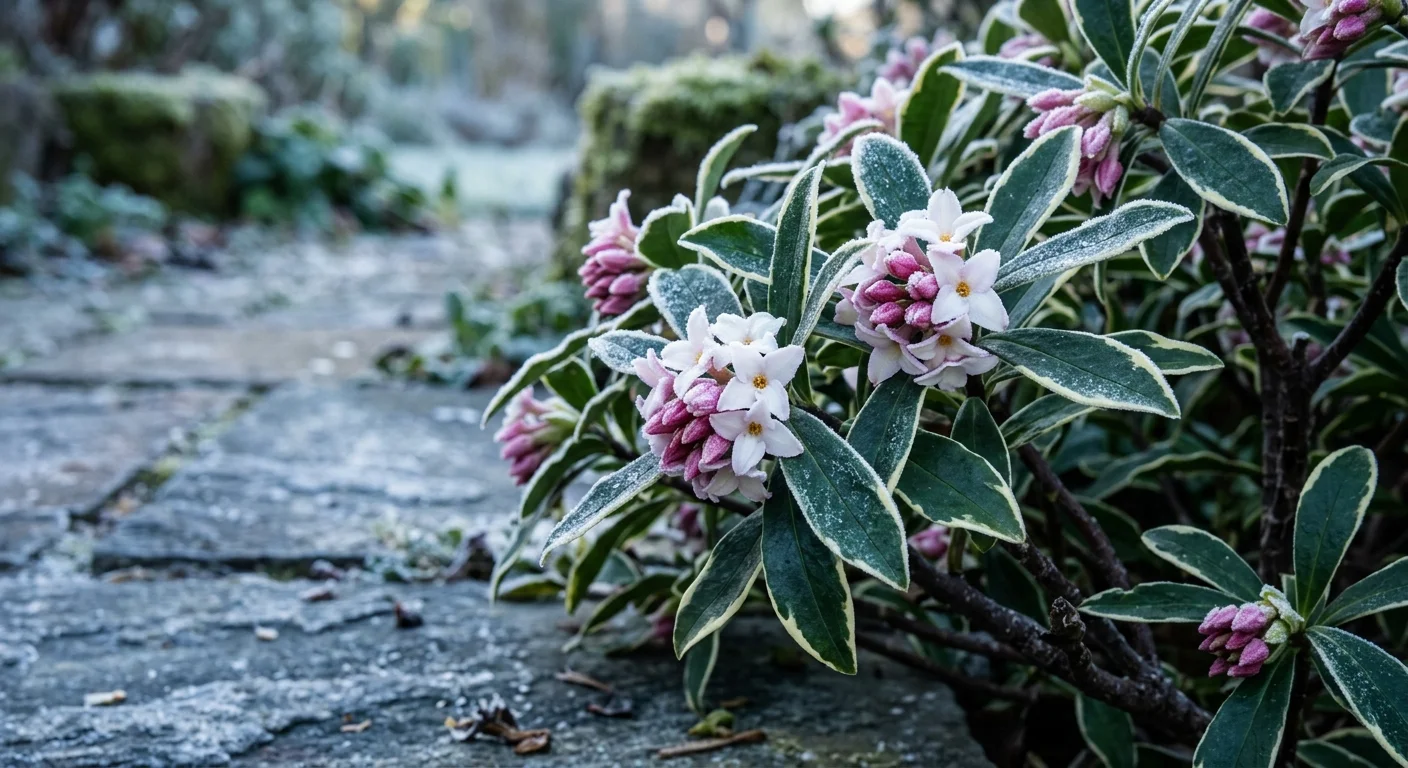
Tip #10: Winter Daphne (Daphne odora)
Winter daphne solves the challenge of winter garden dormancy by releasing incredible sweet-citrus fragrance when most other plants lie completely cold and lifeless. This slow-growing, broadleaf evergreen shrub features glossy green foliage (often edged in creamy yellow) and clusters of tiny, pale pink to white blossoms from mid-winter into early spring. Hardy in USDA Zones 7 through 9, winter daphne grows three to four feet tall and wide, serving as a premium permanent accent plant alongside patio entryways.
Cultivate winter daphne in partial shade, shielded from harsh afternoon sun and dry, chilling winds. Soil drainage must remain flawless; plant daphne in raised patio beds or large, elevated containers filled with coarse organic matter and bark shavings to prevent water accumulation around the crown. Daphne plants resent root disturbance deeply, so select a permanent, well-considered pot location from the day you plant. A single blooming winter daphne shrub near your sliding patio door fills both outdoor patio areas and adjoining indoor rooms with fresh citrus-vanilla aroma every time the door opens.
Putting It All Together: Enjoy Your Beautiful Garden
Designing a scent-filled outdoor sanctuary involves thoughtful placement, strategic plant selections, and attention to environmental conditions. Mix early-spring bloomers like hyacinths with mid-summer performers such as roses and star jasmine, topping off the season with evening powerhouses like moonflower and flowering tobacco. This layered approach ensures your patio flower garden ideas supply continuous aromatic beauty from early spring frost straight through autumn.
Consider prevailing wind patterns across your property when arranging your containers and planted borders. Position taller climbing vines like star jasmine against windbreak walls to capture floating essential oils, while surrounding low seating areas with sweet alyssum spillers and lavender borders. By matching each plant’s sunlight, soil, and moisture needs, you transform an ordinary concrete slab or wooden deck into an extraordinary sensory retreat where you can unwind every day.
For region-specific advice, consult your local University Extension program (find yours via the USDA directory). For plant databases and inspiration, visit the Missouri Botanical Garden or the Royal Horticultural Society.
Frequently Asked Questions
What are the best fragrant flowers for partial shade near a patio?
Winter daphne, star jasmine, heliotrope, and flowering tobacco thrive in partially shaded conditions near patio overhangs or under tall trees. These plants produce rich blooms and strong perfume even when receiving only morning sun or filtered afternoon light, ensuring shaded outdoor seating areas remain delightfully aromatic.
How do I maximize scent around my outdoor seating area?
Group containers closely together around lounge chairs and outdoor dining tables to concentrate scent clouds. Combine day-blooming species with night-fragrant plants like moonflower and nicotiana. Additionally, place plants downwind from prevailing breezes so natural air currents push fragrant essential oils toward your seating area rather than blowing them away.
Can I grow fragrant patio flowers in small pots?
Yes, several top-tier fragrant garden plants excel in smaller pots. Sweet alyssum, hyacinth bulbs, and compact lavenders fit comfortably in 6- to 10-inch containers placed on patio side tables, steps, or hanging railings. Ensure all small pots contain functional drainage holes to prevent soggy soil conditions.
How do weather conditions affect flower fragrance?
Warm temperatures, high humidity, and calm winds significantly enhance floral scent delivery. Heat evaporates essential oils from flower petals rapidly, releasing fragrance into the surrounding air. High humidity traps these volatile oil compounds near ground level, intensifying the sensory experience around your patio during warm summer evenings.
Disclaimer: This article provides general gardening advice. Always consider your specific climate, soil conditions, and local pests. Follow safety guidelines when using gardening tools and products.