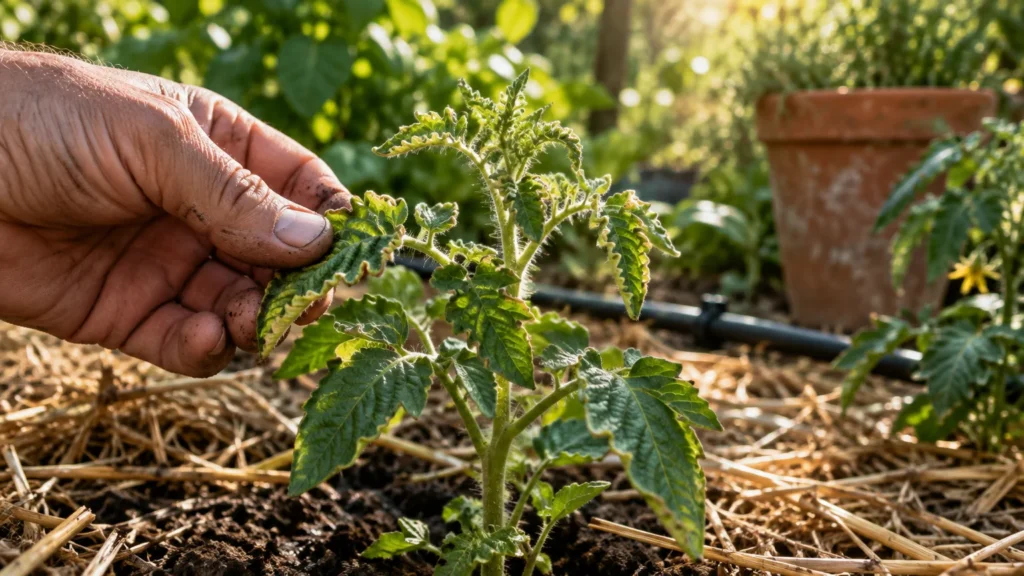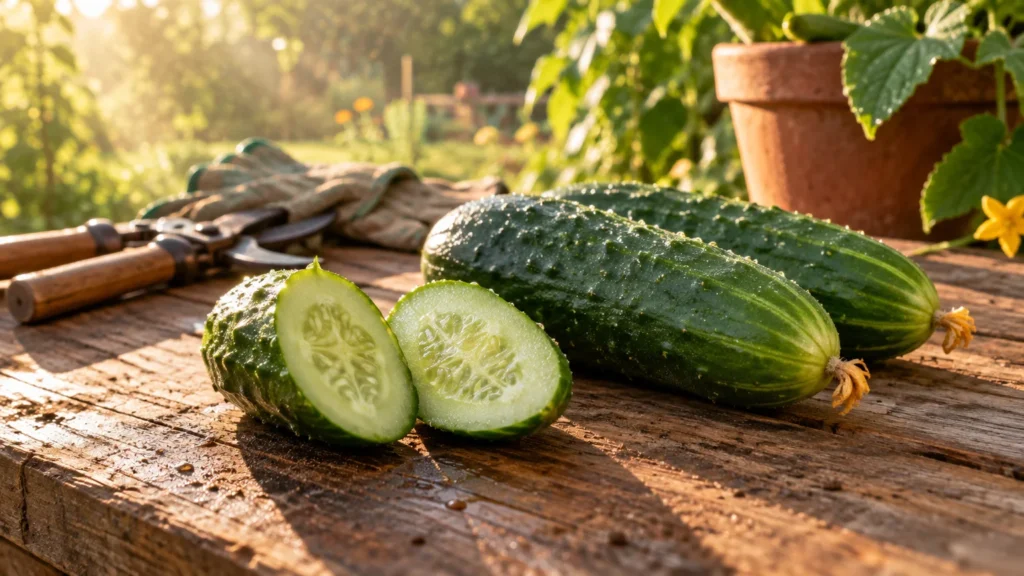
Transforming your yard into a vibrant tapestry of color starts with simple seed packets that cost just a few dollars. Direct sowing low maintenance flowers eliminates the delicate step of indoor transplanting, delivering robust blooms in as few as fifty days. When you choose reliable varieties, you guarantee quick germination, heat tolerance, and relentless summer displays without complex maintenance schedules. Starting beginner gardening flowers builds instant confidence whether you cultivate expansive beds, elevated garden boxes, or tight patio containers. With minimal soil preparation and basic watering, these resilient varieties reward your effort with abundant blossoms that attract essential pollinators and fill your home with fresh cut flowers all season long.
Tip #1: Sunflowers (Helianthus annuus)
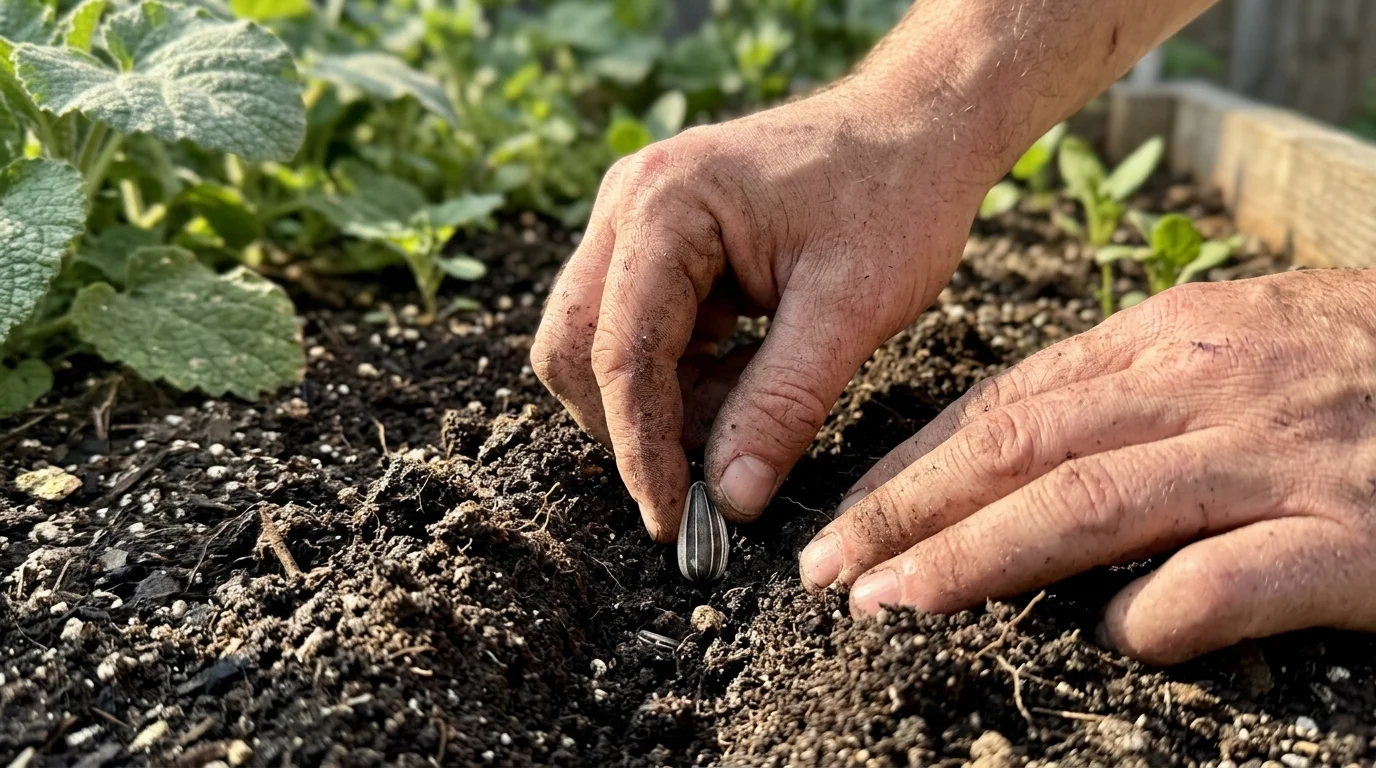
Sunflowers top every list of the easiest flowers to grow because their large, sturdy seeds make handling effortless for gardeners of any age or experience level. You can skip delicate indoor seed trays altogether; sow sunflower seeds directly into your garden beds after all danger of spring frost passes. Select a spot that receives six to eight hours of direct sunlight daily with loose, well-draining soil. Plant the seeds one inch deep into warm soil, spacing dwarf varieties six inches apart and towering giant varieties up to eighteen inches apart. Maintain consistent soil moisture; you will see sprouts push through the surface in seven to ten days.
These fast-growing annuals establish thick, deep taproots that tolerate dry midsummer heat remarkably well. Within 70 to 90 days, sunflowers reward your efforts with dramatic blossoms ranging from classic golden yellows to rich velvet reds and pale cream shades. Dwarf varieties like Teddy Bear reach just two feet tall, making them perfect for patio containers, while Branching Autumn Beauty varieties produce dozens of four-inch flowers on six-foot stems. Mature sunflower heads provide essential nectar for bees and butterflies before turning into rich seed heads that feed resident songbirds throughout late autumn.
Tip #2: Zinnias (Zinnia elegans)
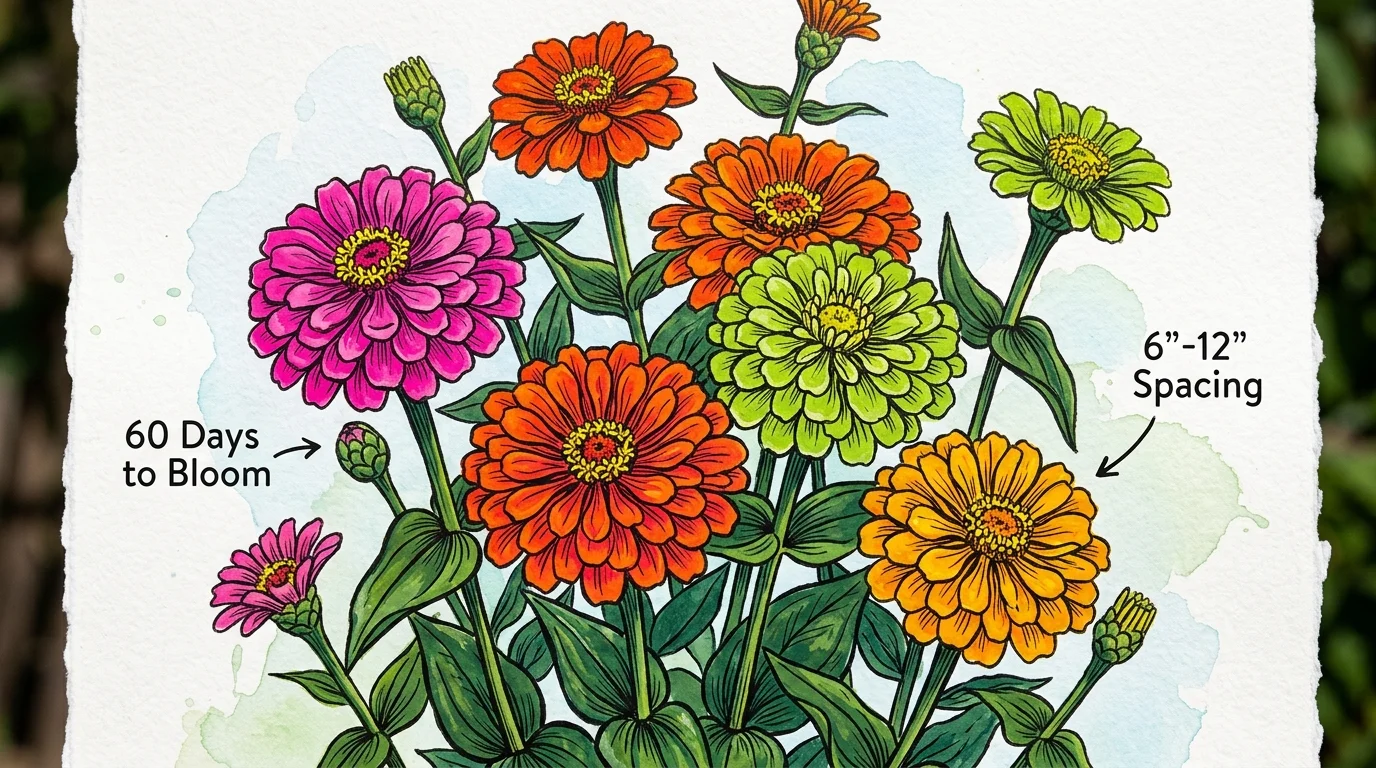
If you crave vibrant color that lasts from early summer straight until the first autumn freeze, zinnias represent the gold standard for flower seeds for beginners. These heat-loving annuals burst forth in almost every color imaginable, including neon pink, fiery orange, lime green, and crisp white. Sow zinnia seeds a quarter-inch deep outdoors after your local soil temperature warms to at least 60°F (15°C). Space your seeds six to twelve inches apart depending on the variety—proper spacing promotes vital airflow around mature plants, which prevents common fungal issues like powdery mildew during humid weather.
Zinnias germinate in four to seven days and produce their first glorious blooms within 60 days of planting. They thrive under intense full sun and adapt easily to average or lean garden soils without demanding extra fertilizer. Zinnias exhibit a cut-and-come-again blooming habit; whenever you snip stems for indoor bouquets, the plant doubles its branching, producing even more buds. Water your zinnias directly at the soil line during early morning hours to keep foliage dry and preserve optimal plant health all season long.
Tip #3: Marigolds (Tagetes)
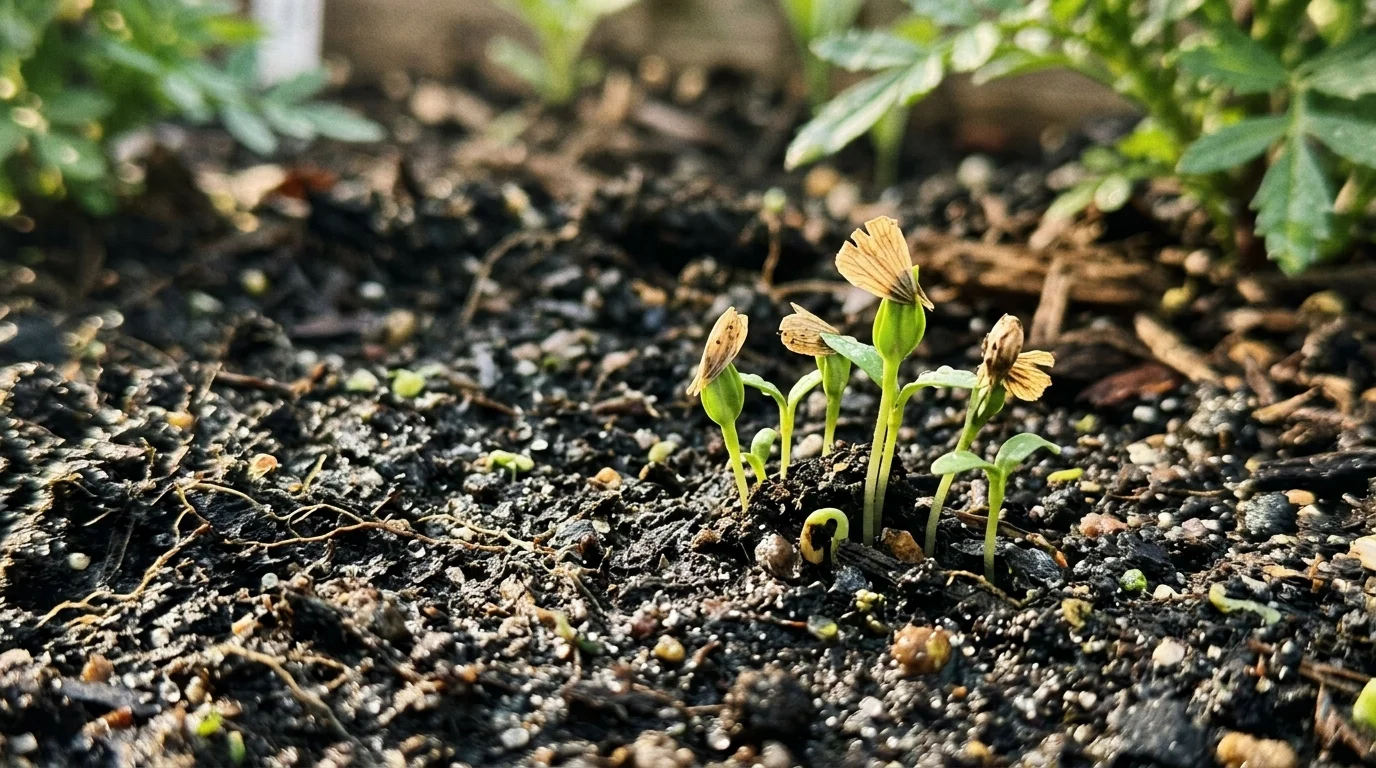
Marigolds rank among the most dependable, low maintenance flowers you can introduce to your garden landscape. Their distinctive fan-shaped seeds sprout rapidly, yielding compact plants adorned with bold orange, bright yellow, and deep mahogany blossoms. Scatter marigold seeds outdoors after spring’s final frost, pressing them lightly under a quarter-inch of loose soil. Keep the seedbed damp, and tiny green shoots will appear in three to five days—a fast turnaround that provides instant encouragement for new growers.
Beyond their cheerful appearance, marigolds serve as powerful natural allies in organic vegetable gardens. Their roots exude natural chemical compounds—including alpha-terthienyl—that suppress harmful root-knot nematodes in the soil, while their aromatic foliage deters destructive insect pests from companion crops like tomatoes and squash. French marigolds reach 8 to 12 inches tall and work brilliantly as border edging, while African marigolds grow up to three feet tall with large pom-pom blooms. Pinch off faded flower heads regularly to stimulate continuous blossom production right up until winter sets in.
Tip #4: Nasturtiums (Tropaeolum majus)
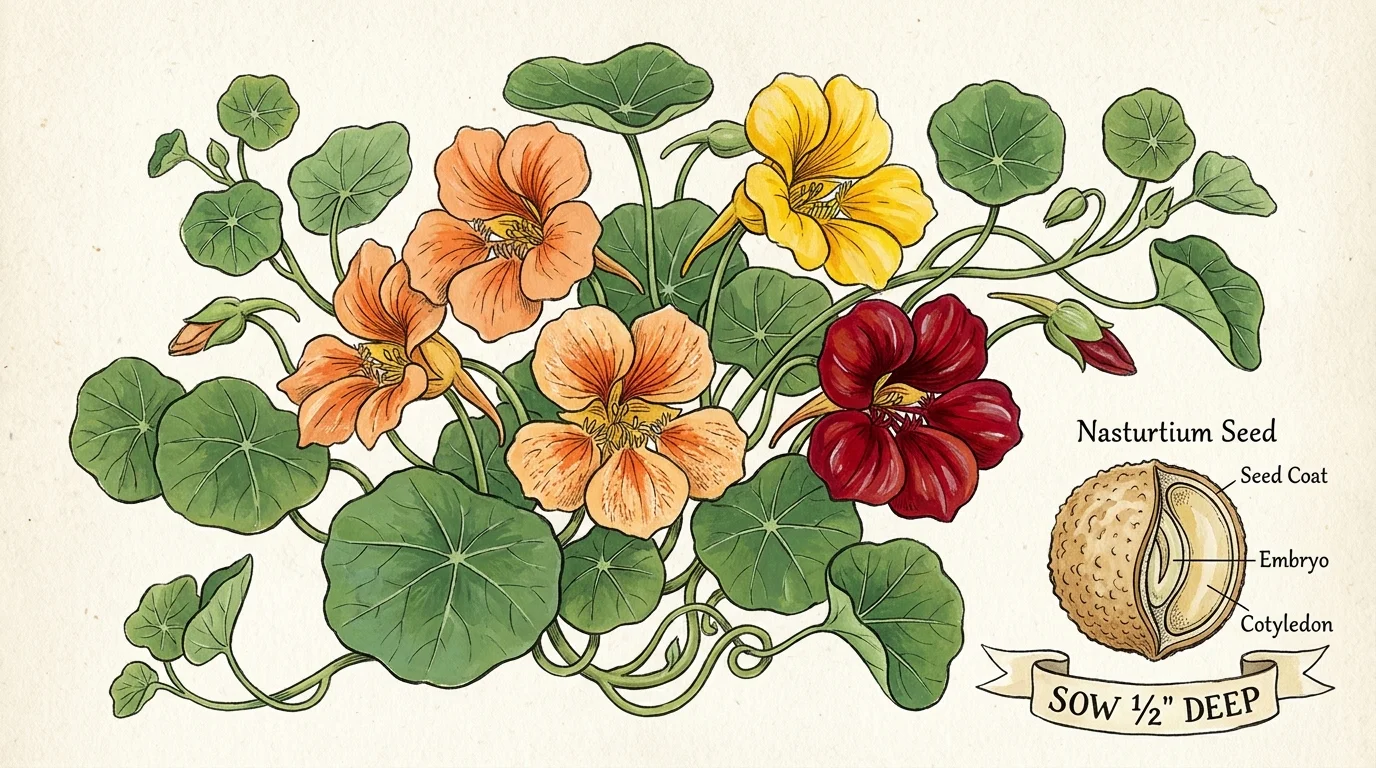
Nasturtiums combine extraordinary beauty, rapid growth, and culinary utility, making them essential beginner gardening flowers. Their plump, wrinkled seeds resemble dried peas, making them extraordinarily easy to handle and space individually by hand. Plant nasturtium seeds half an inch deep directly into outdoor beds, window boxes, or hanging baskets in late spring. Nasturtiums actually prefer nutrient-poor soil; excess nitrogen in rich soil causes the plant to produce lush green leaves while suppressing its brilliant jewel-toned flowers.
Expect seedlings to emerge within 10 to 14 days, quickly forming trailing vines or neat mound formations covered in rounded, lily-pad foliage. The edible flowers and foliage deliver a delightfully peppery flavor—similar to watercress—that elevates summer salads, fresh garnishes, and herbal vinegars. Nasturtiums also act as effective trap crops, drawing garden aphids away from delicate companion vegetables like cucumbers and cabbage. Their natural drought tolerance and ability to thrive in full sun or light shade solidify their place as ideal low maintenance annuals.
Tip #5: Cosmos (Cosmos bipinnatus)
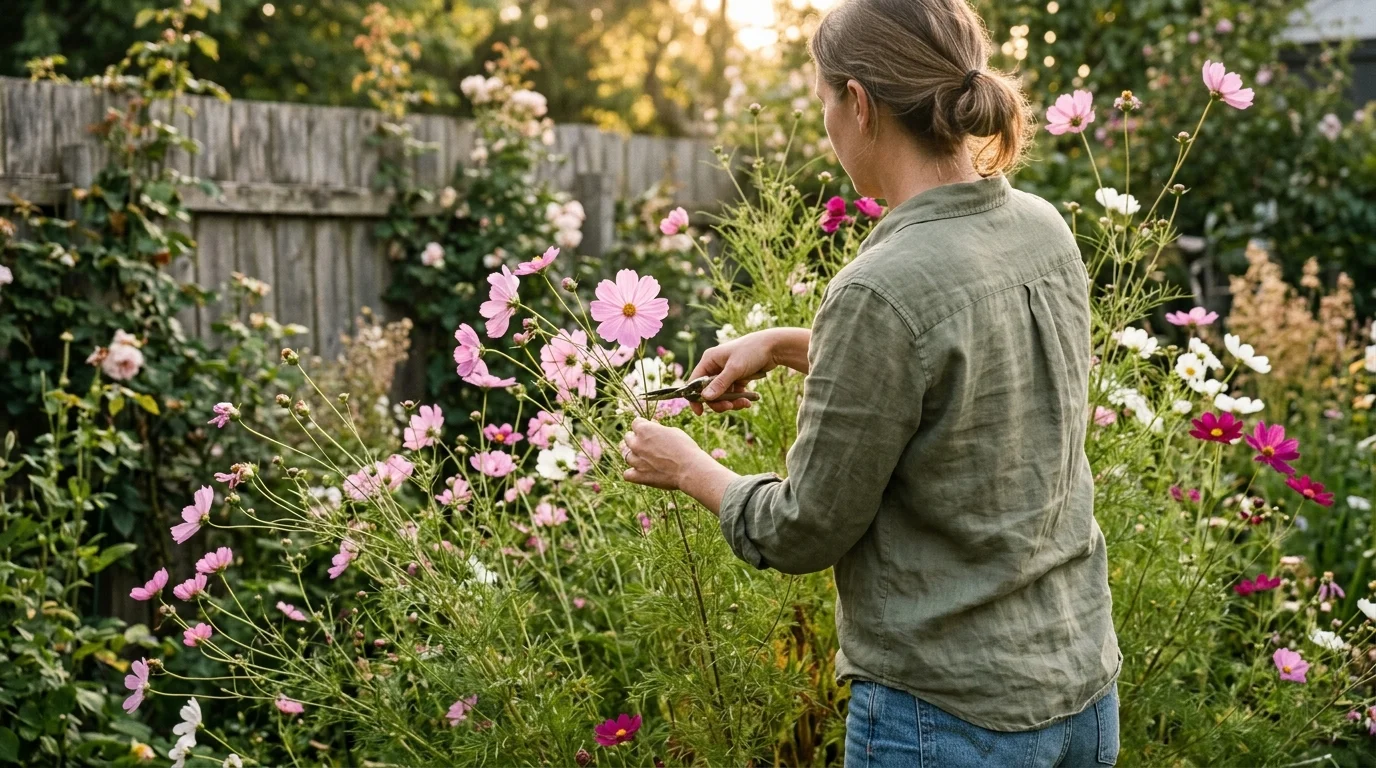
Cosmos bring effortless elegance to sunny garden borders with their delicate, feathery foliage and daisy-like blooms sitting atop slender stems. These tough annuals excel in nutrient-poor, dry soil conditions where other traditional garden flowers wither. Sow cosmos seeds a quarter-inch deep in late spring, or simply scatter them across cleared soil and firm them gently into place with your hands. Space plants 12 to 18 inches apart to accommodate their bushy growth habit, which easily reaches three to five feet in height.
Seeds sprout within 7 to 14 days and bloom continuously from midsummer through late fall. Cosmos excel at attracting beneficial predatory insects, native bees, and hummingbirds into your yard. Avoid overwatering or applying high-nitrogen fertilizers; overly rich conditions create floppy stems and reduce flower counts. Simply clip mature stems for long-lasting indoor floral arrangements—every cut encourages fresh lateral branching and relentless blossom production until the first hard frost arrives.
Tip #6: Sweet Alyssum (Lobularia maritima)
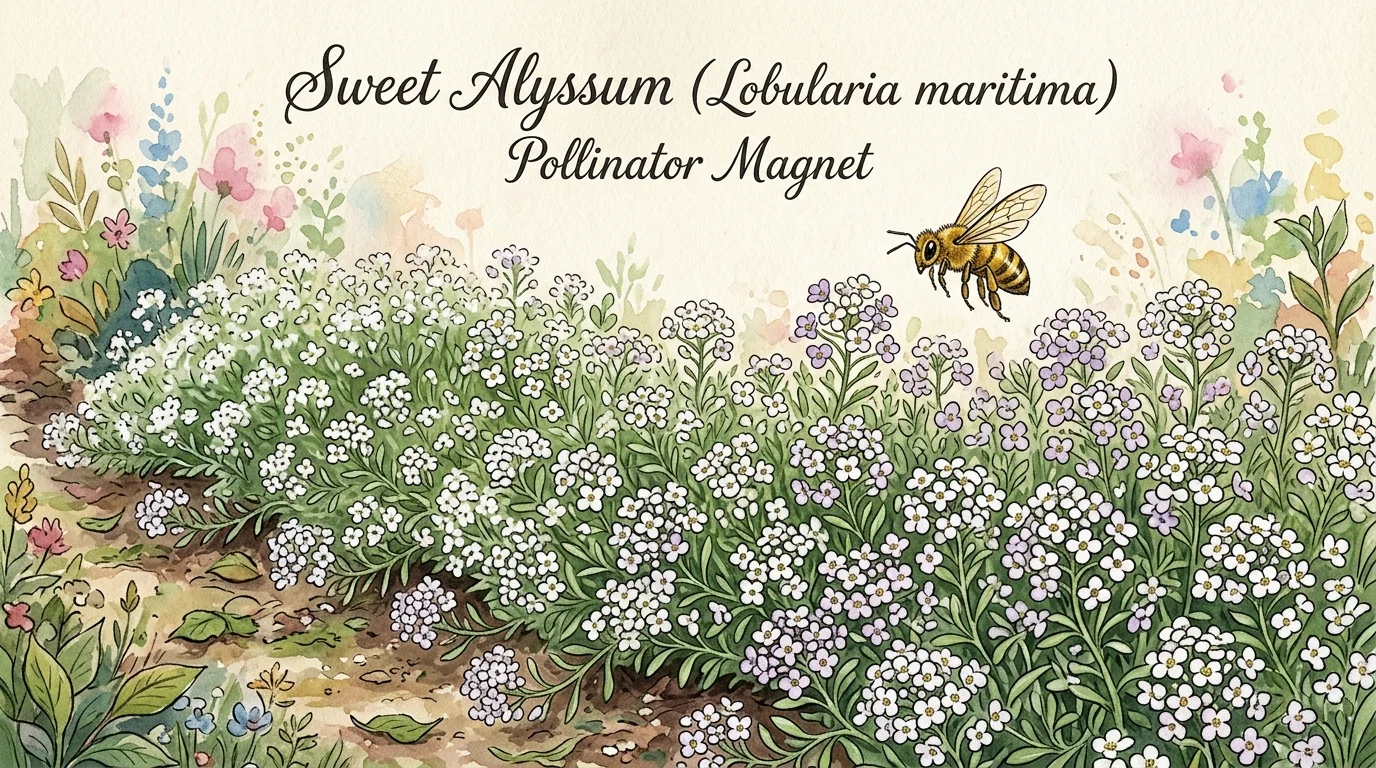
Sweet alyssum creates a fragrant carpet of delicate tiny blossoms that spill gracefully over garden edges, rockeries, and container margins. Unlike seeds that require deep burial, sweet alyssum seeds require light to trigger germination. Scatter the tiny seeds across damp, prepared soil and press them gently into the surface without covering them with dirt. Maintain consistent surface moisture using a fine water mist until sprouts appear, which typically occurs within 5 to 10 days.
This resilient cool-weather favorite blooms within six weeks of sowing, producing dense clusters of white, lavender, or deep purple flowers that emit a honey scent. Sweet alyssum tolerates light spring frosts and continues blooming late into autumn. The abundant flowers attract hoverflies and parasitic wasps, which act as natural pest controllers by consuming soft-bodied garden aphids. If intense summer heat slows blossom production, trim the plants back by one-third with shears; they will flush back with fresh growth as autumn temperatures cool down.
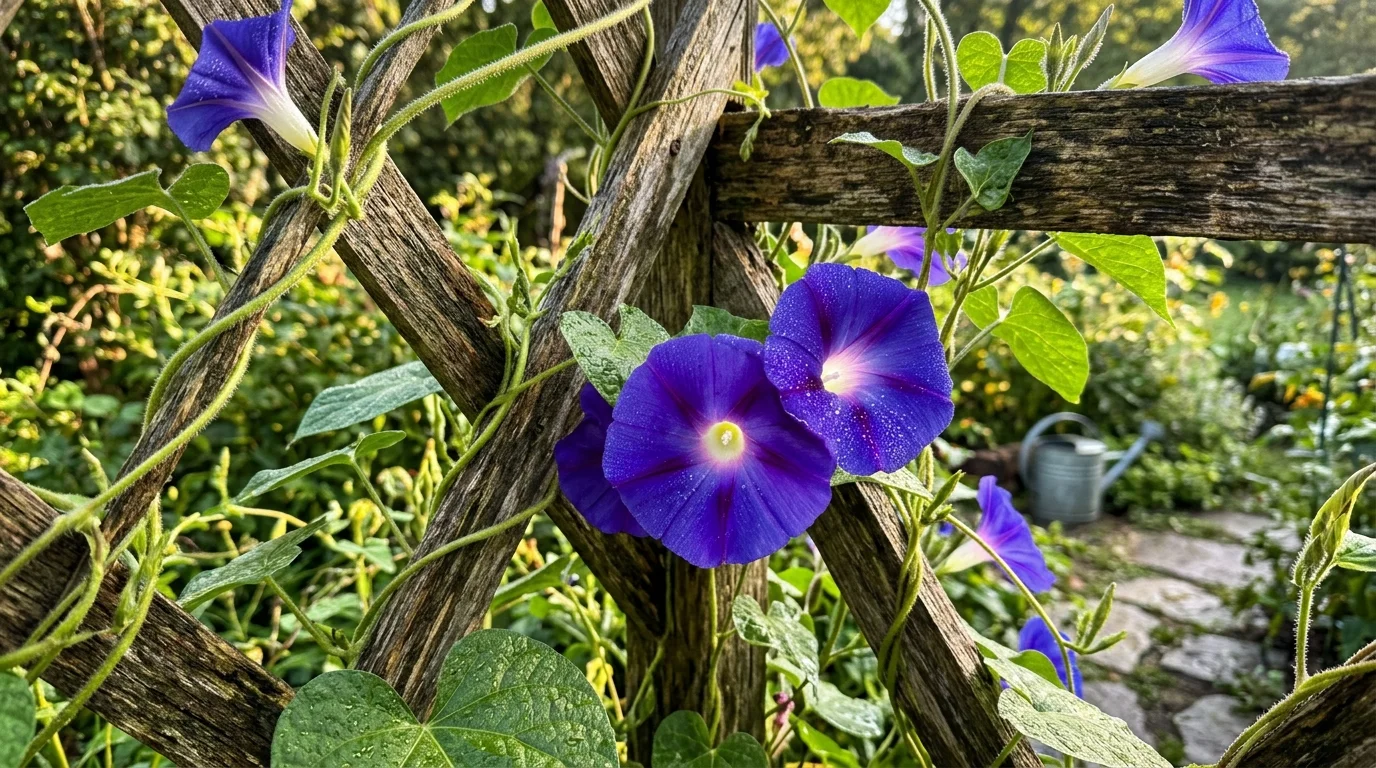
Tip #7: Morning Glories (Ipomoea purpurea)
Morning glories provide rapid vertical coverage, quickly clothing trellises, fences, and garden arches in heart-shaped foliage and vivid trumpet-shaped flowers. Their hard seed coats benefit from a simple pretreatment step: nick the seed coat lightly with a nail file or soak seeds in warm water for 12 to 24 hours before planting. Plant the plumped seeds half an inch deep near a sturdy support structure after all spring frost risks pass and soil temperatures warm up.
Sprouts break through the soil in 7 to 10 days, quickly sending out slender tendrils that climb upwards without requiring complex training or tying. Morning glories thrive in full sun and tolerate dry, lean soils with remarkable ease. Each individual blossom opens wide in early morning light and closes by afternoon, with new flowers opening faithfully every day from midsummer to autumn. Their dramatic climbing habit makes them one of the easiest flowers to grow for quick privacy screens and colorful vertical accents.
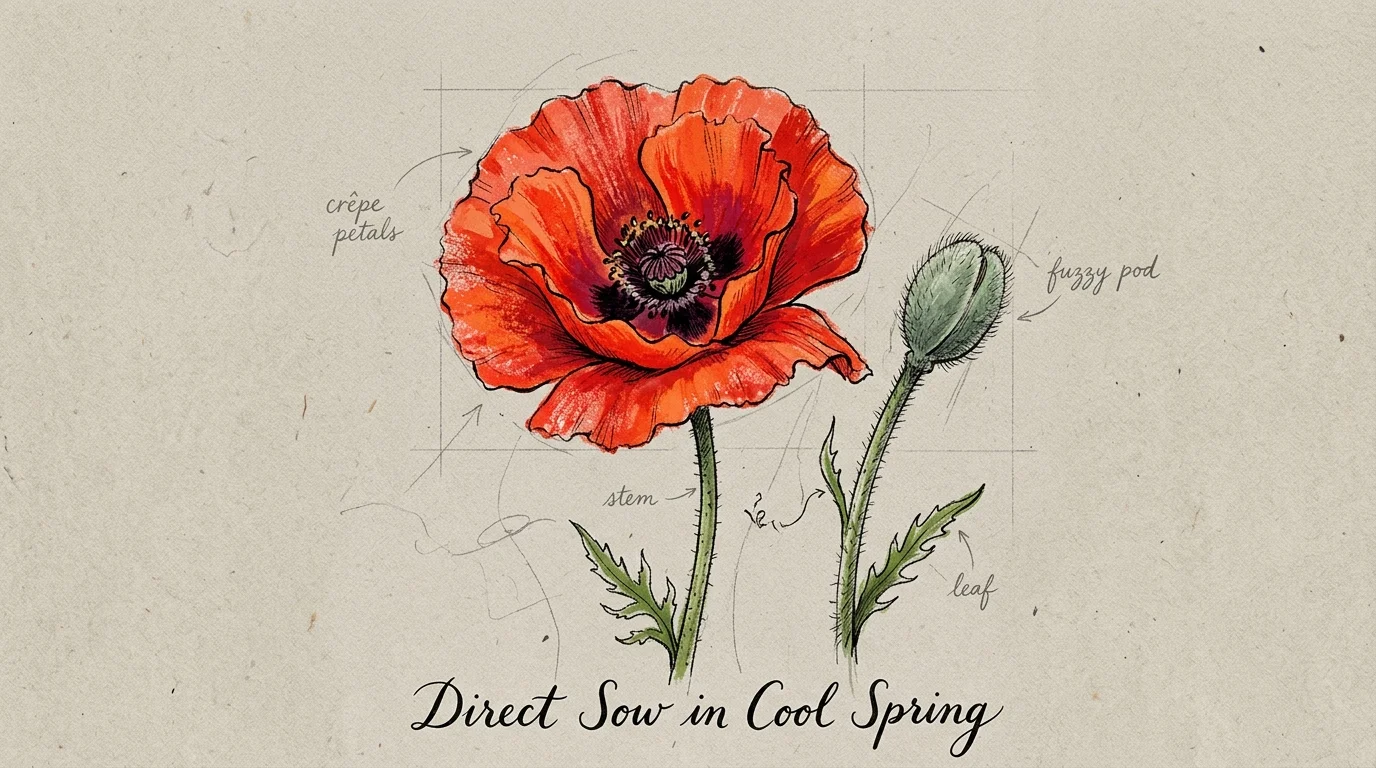
Tip #8: Poppies (Papaver)
Poppies offer breathtaking, crepe-paper petals in fiery reds, soft pinks, oranges, and deep purples that sway gracefully in spring breezes. Because poppies develop sensitive taproots, they resent indoor transplanting; direct sowing in early spring or late winter yields the healthiest plants. Scatter the fine seeds lightly across cool garden soil without covering them, as poppy seeds need exposure to natural sunlight to germinate successfully.
Poppy seeds germinate in 10 to 21 days during cool spring weather. Once established, they require minimal care beyond thinning the seedlings to 6 to 10 inches apart to encourage strong central stems. After blooming finishes in early summer, poppies form decorative seed pods that add architectural texture to dried arrangements or self-sow naturally across the garden bed for next year’s display. Their cold-hardiness and self-sufficient nature make poppies outstanding flower seeds for beginners seeking early season color.
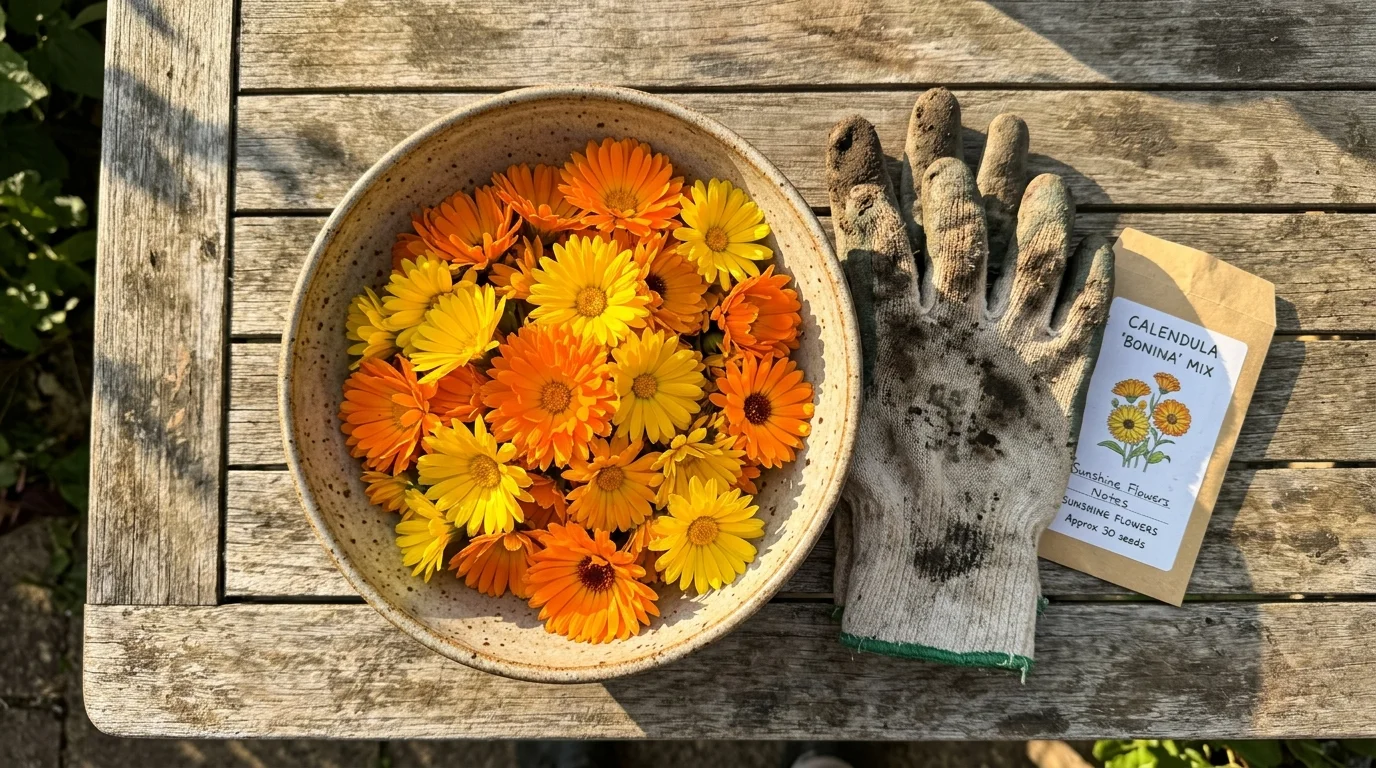
Tip #9: Calendula (Calendula officinalis)
Calendula, commonly known as pot marigold, produces bright yellow and warm amber petals that light up spring and autumn garden beds. Their unique, crescent-shaped seeds resemble tiny curved caterpillars, making them easy to identify and handle. Sow calendula seeds a quarter-inch deep in early spring as soon as you can work your garden soil. These cold-hardy annuals thrive in cool weather and easily withstand light frosts that kill tender summer annuals.
Germination takes just 7 to 14 days, and plants begin producing edible blossoms within 50 to 60 days. You can snip calendula’s sticky resinous petals to infuse homemade herbal salves or scatter fresh petals over salads and rice dishes for a saffron-like golden hue. Calendula grows exceptionally well in containers or garden beds receiving full sun to partial shade. Deadheading spent blooms keeps the plants producing fresh flowers until heavy freezing winter weather finally sets in.
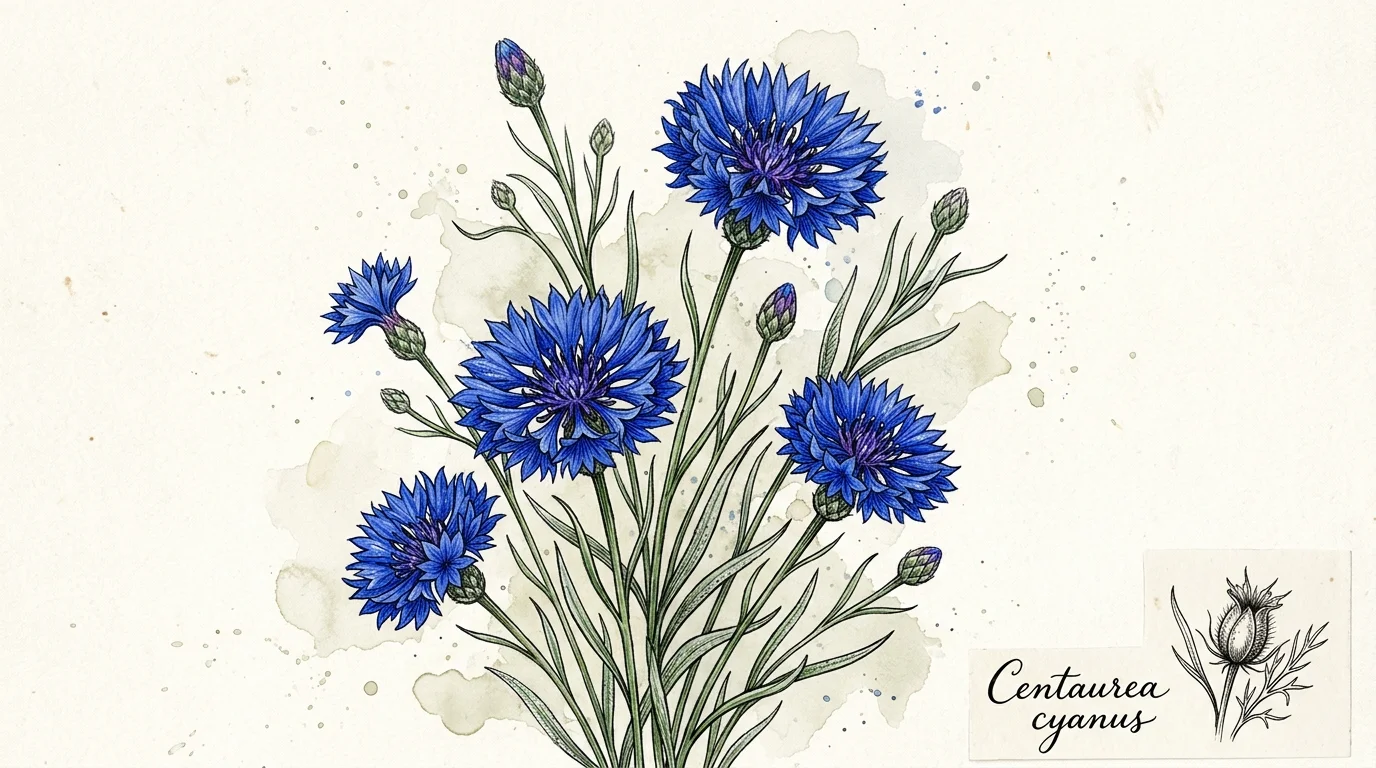
Tip #10: Bachelor’s Buttons (Centaurea cyanus)
Bachelor’s buttons, or cornflowers, bring brilliant sapphire blue hues to garden landscapes—a rare and prized color in the plant world. These ultra-tough annuals feature interesting brush-like seeds that germinate reliably in cool soil. Direct sow seeds a quarter-inch deep in autumn for early spring blooms in mild climates, or sow in early spring as soon as ground thaws in colder regions.
Expect seedlings within 7 to 10 days, followed by abundant electric-blue, purple, or pink flowers in roughly 50 to 60 days. Bachelor’s buttons reach 12 to 36 inches in height, supporting long stems perfect for cutting and drying. They thrive in full sun and average, well-draining soil without requiring frequent watering or heavy feeding. Once established, bachelor’s buttons readily drop seeds, establishing self-sustaining annual patches that return reliably year after year without extra work on your part.
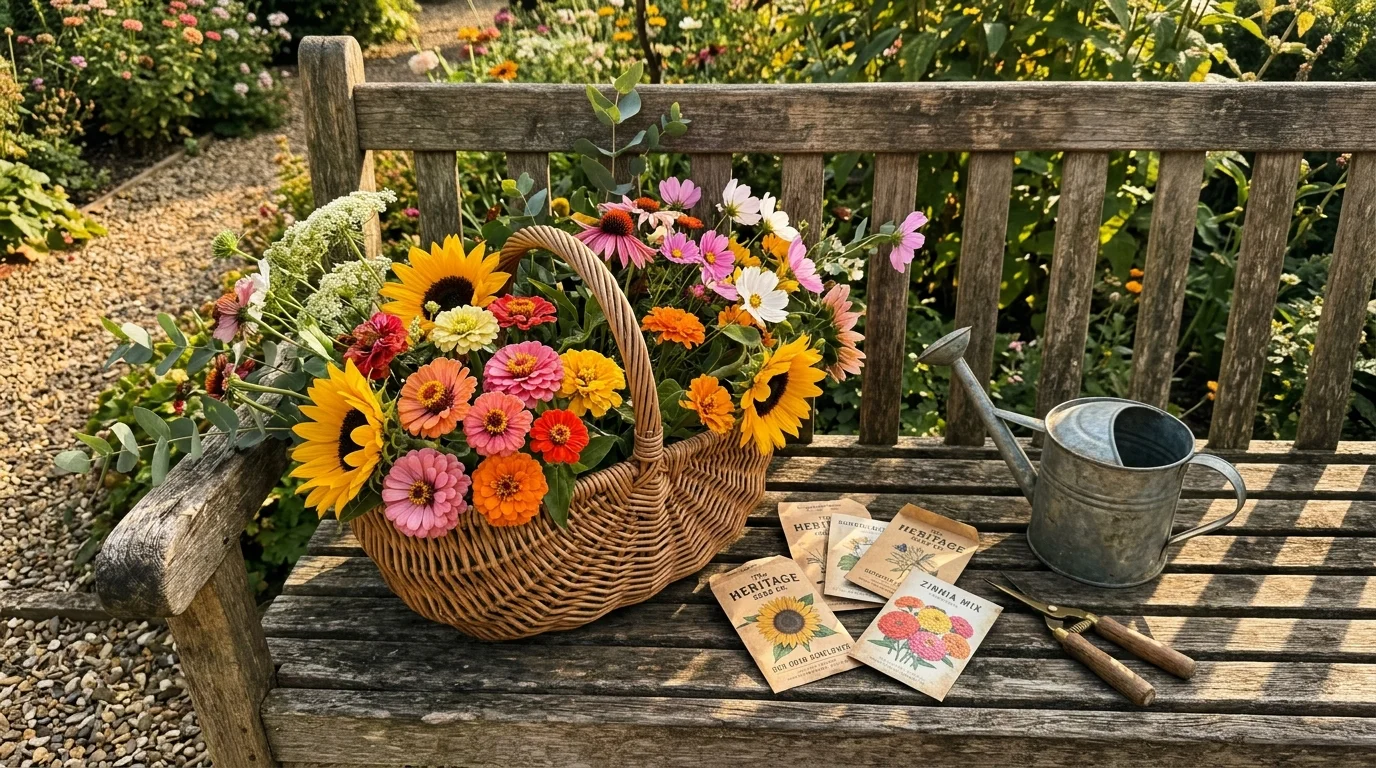
Putting It All Together: Enjoy Your Beautiful Garden
Growing flowers from seed offers a satisfying, cost-effective way to fill your outdoor spaces with beauty, ecological diversity, and fragrance. Success boils down to a few fundamental habits: selecting direct-sow annuals suited to your light conditions, planting at the correct seed depth, and maintaining moist soil until germination occurs. By choosing low maintenance flowers like zinnias, cosmos, and sunflowers, you eliminate the stress of complex care routines while enjoying spectacular garden displays all season long.
Take time to experiment with different flower color combinations and height arrangements in your garden beds and containers. Regular deadheading and harvesting cut flowers encourages your plants to produce continuous blooms until autumn frost arrives. As you gain hands-on experience, your garden will blossom into a thriving sanctuary for both you and local pollinators.
For region-specific advice, consult your local University Extension program (find yours via the USDA directory). For plant databases and inspiration, visit the Missouri Botanical Garden or the Royal Horticultural Society.
Disclaimer: This article provides general gardening advice. Always consider your specific climate, soil conditions, and local pests. Follow safety guidelines when using gardening tools and products.
Frequently Asked Questions
When is the best time to start growing flowers from seed outdoors?
The best time depends on the specific plant species and your local frost dates. Heat-loving annuals like zinnias, sunflowers, and nasturtiums require warm soil temperatures above 60°F and should be sown after all danger of spring frost has passed. Cool-season annuals like poppies, sweet alyssum, and calendula can be direct sown in early spring as soon as soil can be worked, or even in late autumn in mild winter climates.
Do I need expensive soil or fertilizers for low maintenance flowers?
No, most easy-to-grow annuals thrive in ordinary, well-draining garden soil. In fact, flowers like cosmos and nasturtiums perform best in nutrient-poor soils, as excess nitrogen promotes lush green foliage while suppressing flower production. Mixing a small amount of finished compost into your soil before sowing usually provides all the organic nutrients your flowers need for the entire growing season.
What is the difference between direct sowing and starting seeds indoors?
Direct sowing involves planting seeds straight into outdoor garden beds or containers where they will grow permanently. Indoor seed starting involves planting seeds in seed-tray modules under grow lights weeks before spring arrives, requiring later hardening off and delicate transplanting. Direct sowing saves time, avoids transplant shock, and works exceptionally well for fast-germinating annuals with deep taproots.
How often should I water my newly sown flower seeds?
Keep the top inch of soil consistently moist—but not waterlogged—until seeds germinate and emerge. Once seedlings establish strong root systems, transition to deep, less frequent watering schedules (about one inch of water per week). Water your garden early in the morning at soil level to keep foliage dry, which reduces evaporation loss and prevents fungal diseases like powdery mildew.