
Creating a vibrant summer garden that bursts with color from June through September requires strategic plant selection. While delicate spring ephemerals fade quickly and autumn bloomers wait in the wings, certain tireless performers deliver continuous visual interest during the hottest months of the year.
By incorporating long blooming flowers into your landscape, you eliminate awkward transitional gaps and maintain a lush, inviting outdoor space. Whether you fill your patio containers with cheerful annuals or anchor your garden beds with robust perennial flowers, choosing the right varieties guarantees a magnificent display.
You can easily transform your yard into a lively haven for pollinators and neighborhood admirers alike. Let us explore the most reliable flowers that bloom all summer, thrive under the scorching sun, and keep your landscape looking spectacular all season long.
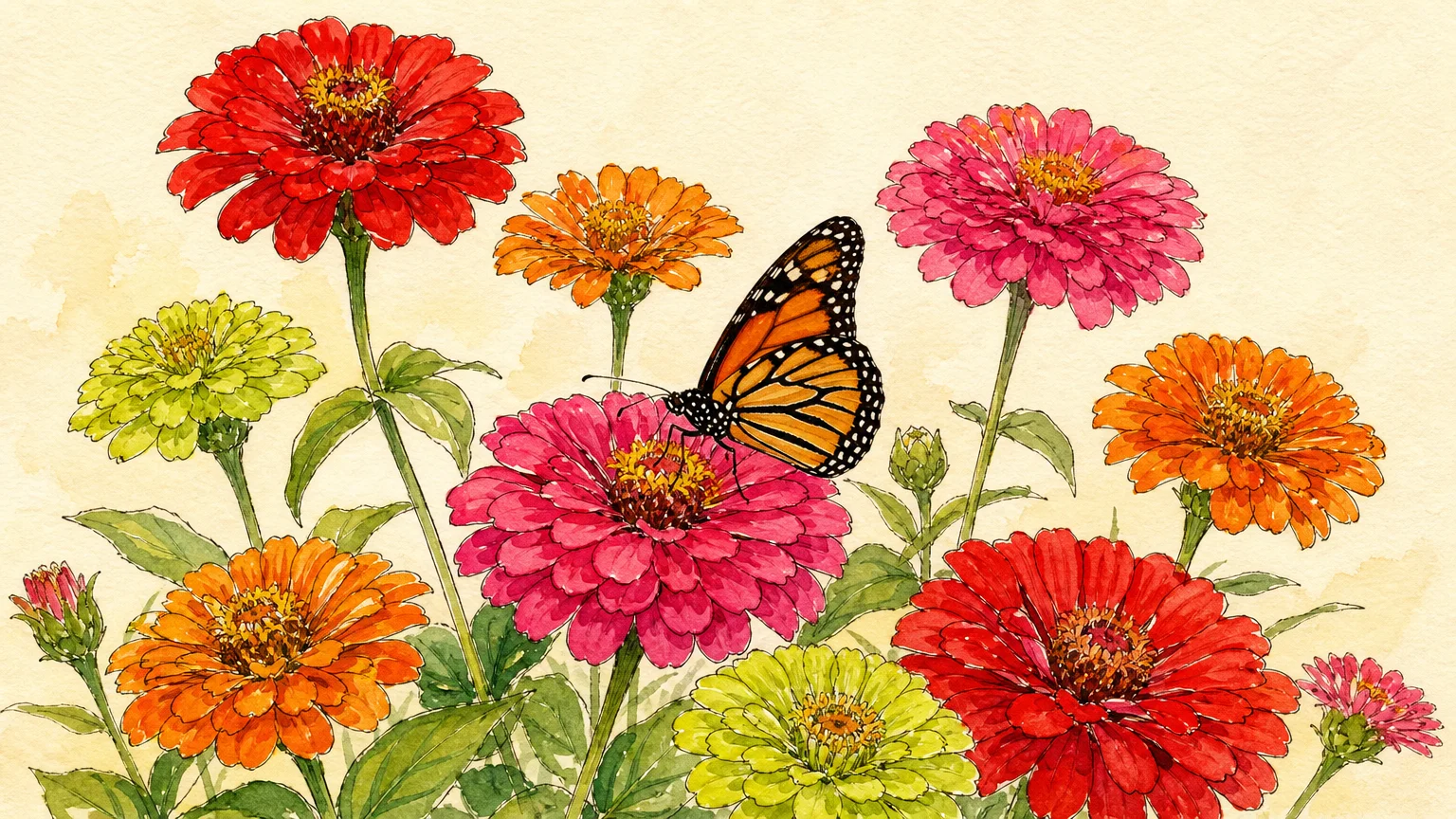
Tip #1: Zinnias
Zinnias rank among the hardest working annuals in the summer garden. You can grow these vibrant beauties directly from seed, and they will reward you with spectacular color in just sixty days. Because they thrive in extreme heat, zinnias stand tall and look fresh when other plants wilt under the brutal July sun. You can find them in nearly every color of the rainbow—except true blue—making them incredibly versatile for any landscape design.
Plant your zinnias in well-draining soil and ensure they receive at least six to eight hours of direct sunlight each day. You will quickly notice an influx of pollinators; butterflies and bees flock to their bright, daisy-like blooms. To keep your zinnias producing fresh flowers all season long, practice regular deadheading. Take your pruning shears and cut the faded bloom back to the next set of leaves. This simple action signals the plant to redirect its energy into generating new buds rather than developing seeds.
If you live in an area with high humidity, space your plants generously to promote air circulation and prevent powdery mildew. Varieties like the Profusion and Zahara series offer remarkable disease resistance and create neat, continuous mounds of color right up until the first frost.
13 Responses
Great information on flowers that bloom all summer.
Thank you,
Darlene
Where’s the article. All I get is ads for edging
It’s located on the first page. There’s the pic of flowers and a gold link that sez “See Flowers”. Tap on that and your first of 12 flowers is zinneas. At the end of that part, click on the green 2 so be taken to the next flower info. Continue until you have seen all 12 flowers.
Thank you very much for that explanation. With all of the ads and clickbait, I never would have gotten past Zinnas.
Thanks for the wonderful tips. I’m running a little behind schedule in extending my summer garden but will definitely incorporate these ideas.
I would like info on where can I buy the seeds or plant of LANTANA and MARIGOLD please
I’ve got Lantana growing along my driveway and front yard. I would live to send you some.
If you have plenty could yiu send me some as well? I am trying to get my yard and house looking good, after years of neglect from the previous owners. Thank you in advance. My address is 2104 NE 101 Andrews, Tx 79714.
vinca, all summer until frost, and withstand hot sun, and pretty good when it dry
I can only see two flowers. What am I doing wrong?
AT the bottom of each flower info there are numbers in a horizontal column from 1 thru 12. Just click on the next number and the next flower will show up. Repeat the process until you have finished reviewing all of the flowers.
What is the best fertilizer in liquid form that is good for flowers?
This isn’t for Zone 10. Even the people in Phoenix are starting to wilt.