Cultivating a dynamic landscape means selecting species that offer a continuous visual evolution from the first spring thaw to the depths of winter snow. You can create a captivating outdoor space that never feels stagnant by introducing plants that completely change depending on the season. Instead of staring at the same static greenery, you will watch fresh spring blooms transform into lush summer foliage, transition into fiery autumn colors, and finally reveal striking winter bark or persistent berries. These remarkable garden transformations rely on carefully chosen year round plants that adapt gracefully to temperature shifts. By planting these eight unique plants, you ensure your yard remains vibrant, unpredictable, and endlessly fascinating throughout all four distinct seasons.
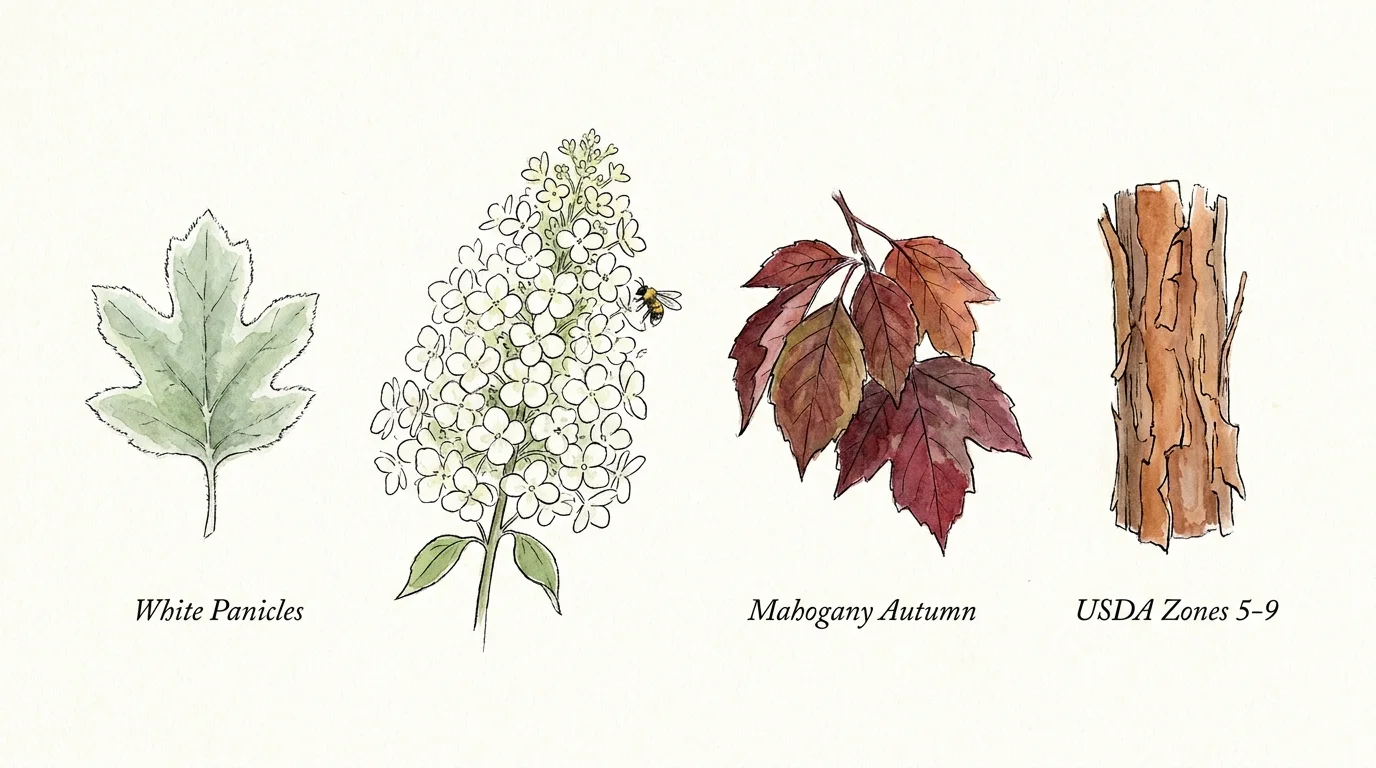
Tip #1: Oakleaf Hydrangea (Hydrangea quercifolia)
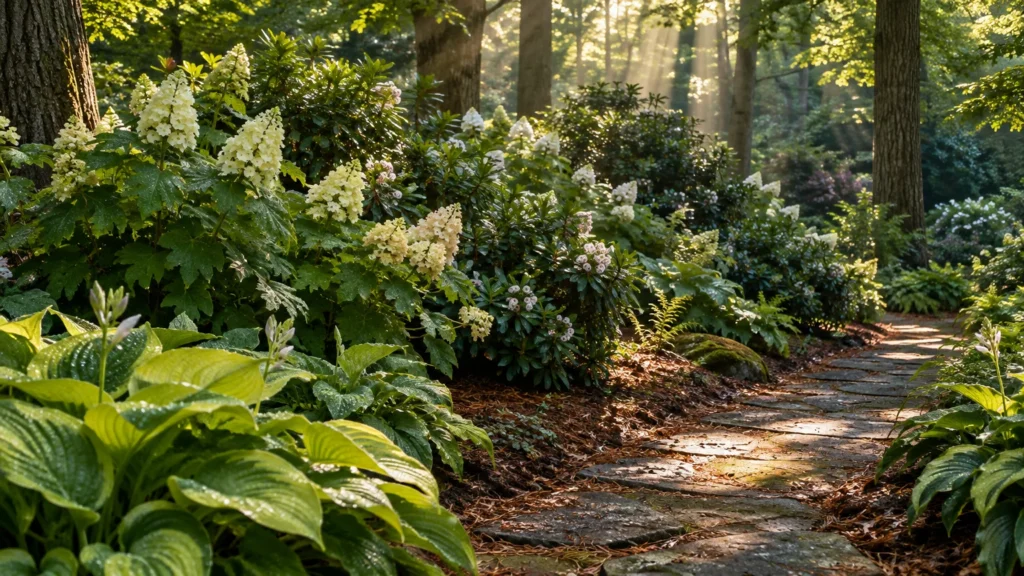
You might think of hydrangeas as summer-only spectacles, but the Oakleaf Hydrangea proves that assumption wrong. This robust shrub offers four distinct acts of garden theater. In mid-spring, deeply lobed leaves emerge in soft, fuzzy shades of pale green. By early summer, massive, cone-shaped panicles of white flowers appear, weighing down the branches and attracting countless pollinators. As summer heat builds, these pristine white blooms gracefully transition to a dusty, antique pink and eventually to a rich, papery brown that beautifully holds its shape.
When autumn arrives, the foliage completely steals the show. The large leaves ignite into brilliant shades of mahogany, crimson, and deep burgundy—often holding their rich color well past the first frost. Finally, winter reveals the plant’s mature stems, which feature distinctive exfoliating bark that peels away to expose rich cinnamon and clove-colored underlayers. To achieve the best leaf color and bloom production, plant your Oakleaf Hydrangea in USDA Hardiness Zones 5 through 9. Provide a location with morning sun and afternoon shade, particularly in hotter climates. You must resist the urge to prune this species in the spring. Because they bloom on old wood, early pruning will inadvertently remove all the spectacular summer flowers. Limit pruning to removing dead wood immediately after the flowers fade in mid-summer.
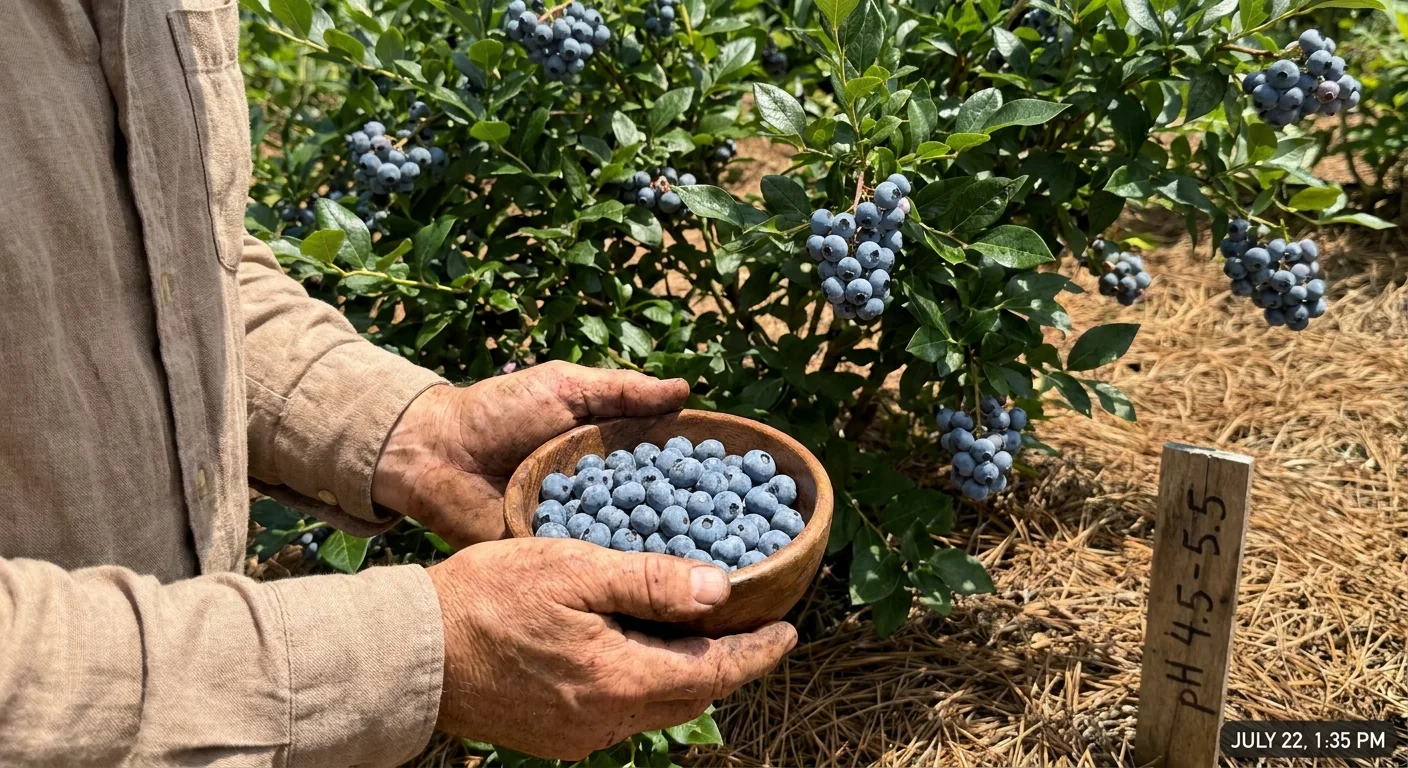
Tip #2: Highbush Blueberry (Vaccinium corymbosum)
Gardeners often plant fruit bushes exclusively for the harvest, completely overlooking their ornamental value. The Highbush Blueberry serves as a premier example of functional landscaping, delivering a stunning visual performance across all four seasons. During early spring, delicate, urn-shaped white or pale pink blossoms dangle from the stems, drawing early bees and butterflies to your yard. As summer approaches, these flowers give way to clusters of tart, sweet blue berries set against a solid backdrop of deep, glossy green foliage.
Once temperatures drop, the Highbush Blueberry transforms into one of the most vibrant structural shrubs in the autumn garden. Its leaves turn blazing shades of scarlet, orange, and yellow, rivaling any dedicated ornamental shrub in pure visual intensity. When the foliage finally drops, the bare branches turn brilliant shades of yellow and red when exposed to cold winter weather. You must provide highly acidic soil with a pH between 4.5 and 5.5 to successfully cultivate blueberries. Plant them in full sun to maximize both fruit production and the brilliance of their autumn foliage. Applying a three-inch layer of pine needle mulch around the base of the plant helps retain essential soil moisture while naturally reinforcing the acidic soil conditions the shrub requires.
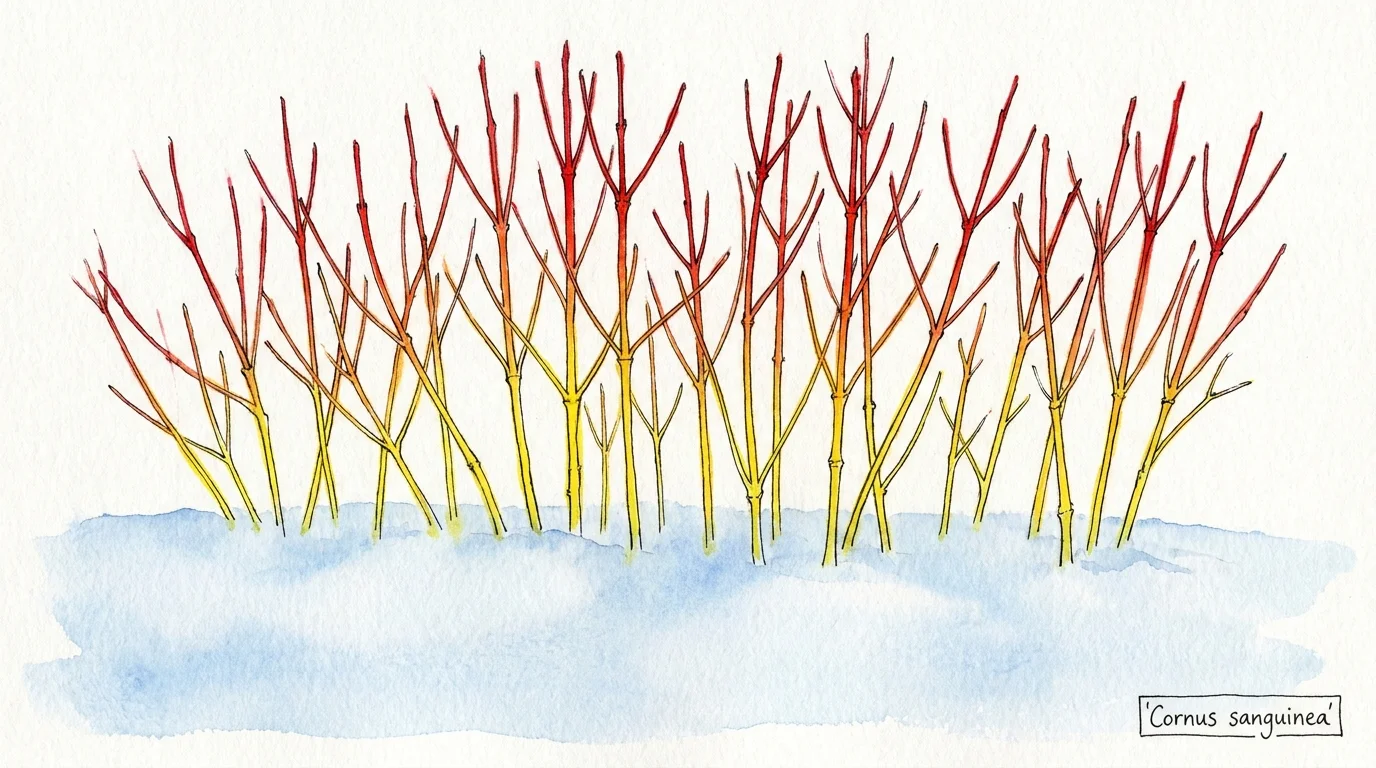
Tip #3: Bloodtwig Dogwood (Cornus sanguinea)
Winter gardens often suffer from a severe lack of color, becoming a monotonous sea of grays and browns. The Bloodtwig Dogwood shatters this bleakness, offering a masterclass in seasonal transformation. Spring awakens this deciduous shrub with fresh, ovate green leaves and flat-topped clusters of creamy white flowers. In summer, the flowers mature into dark berries that songbirds eagerly devour, while the dense green canopy provides an excellent privacy screen.
The autumn season shifts the leaves to gentle shades of golden yellow, bronze, and crimson before they naturally fall to the ground. Once the plant stands bare, the true spectacle begins. The stems glow with a fiery, neon-like intensity against the winter snow. Varieties like ‘Midwinter Fire’ display a stunning gradient of color on a single branch, starting with bright yellow at the base, blending into vibrant orange, and finishing with deep crimson at the tips. To keep this winter display as bright as possible, you must engage in regular pruning. The newest stems produce the most brilliant colors. Cut back one-third of the oldest stems to the ground every early spring before new growth appears. This practice encourages vigorous, brightly colored shoots that will illuminate your yard during the darkest months.
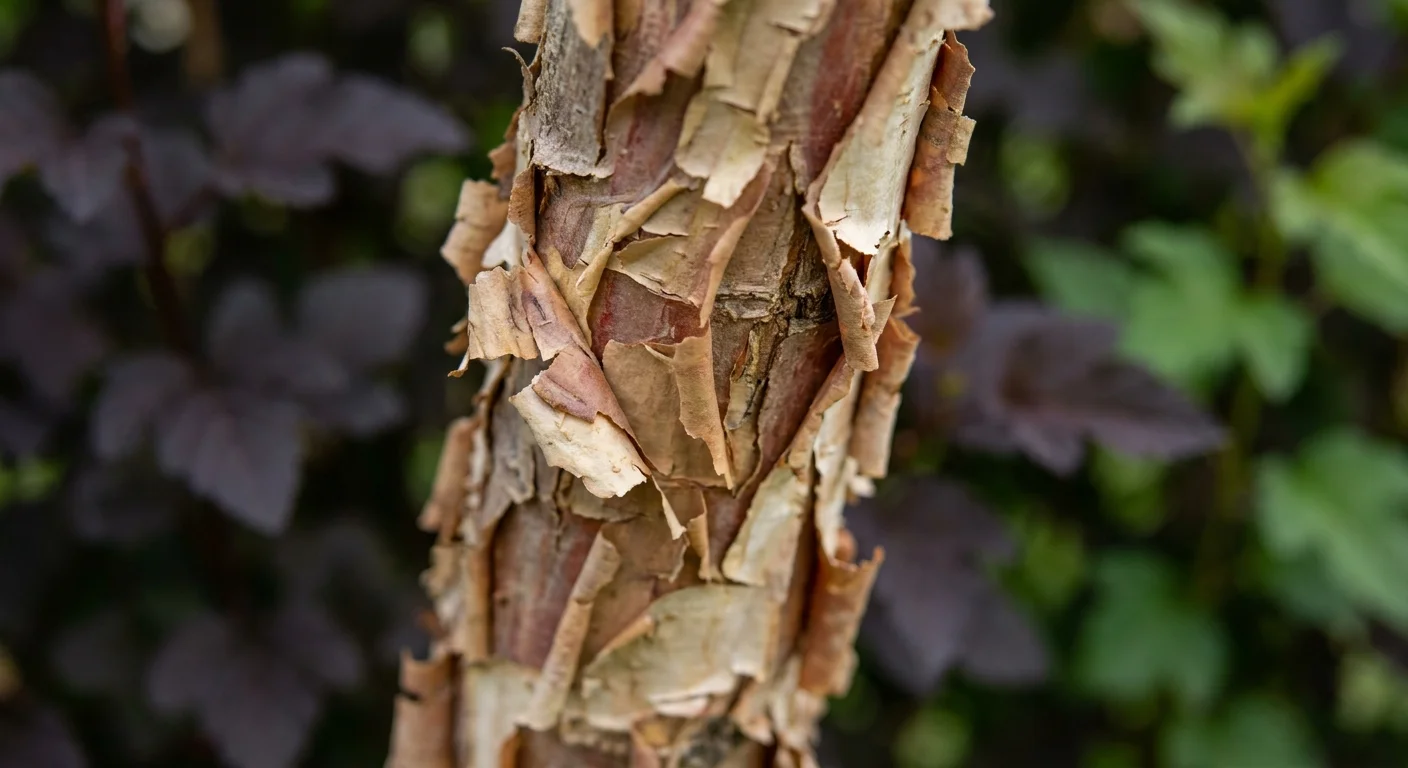
Tip #4: Ninebark (Physocarpus opulifolius)
When you need a reliable, fast-growing shrub that refuses to fade into the background, Ninebark answers the call. This resilient powerhouse thrives on dramatic changes. In the spring, Ninebark erupts with vibrant foliage that emerges as electric chartreuse or deep, moody burgundy, depending on the specific cultivar you choose. Shortly after the leaves unfurl, dense clusters of white or soft pink flowers bloom, creating a striking contrast against the dark or bright leaves.
As summer progresses, the flowers drop their petals and develop into attractive, drooping red seed capsules that mimic a second flowering cycle. The autumn transition deepens the foliage color even further; the dark purple varieties take on rich bronze tones, while the yellow varieties shift to a warm, glowing gold. As the plant matures, the bark on its arching branches begins to peel and flake away in thin, papery strips. This exfoliating habit reveals multiple underlying layers of reddish-brown and tan wood, bringing incredible texture and architectural interest to the dormant winter garden. Ninebark effortlessly shrugs off poor drainage, heavy clay soils, and extreme cold, surviving comfortably down to USDA Zone 2. Plant it in full sun to ensure the most vibrant leaf colors and the densest flower clusters.
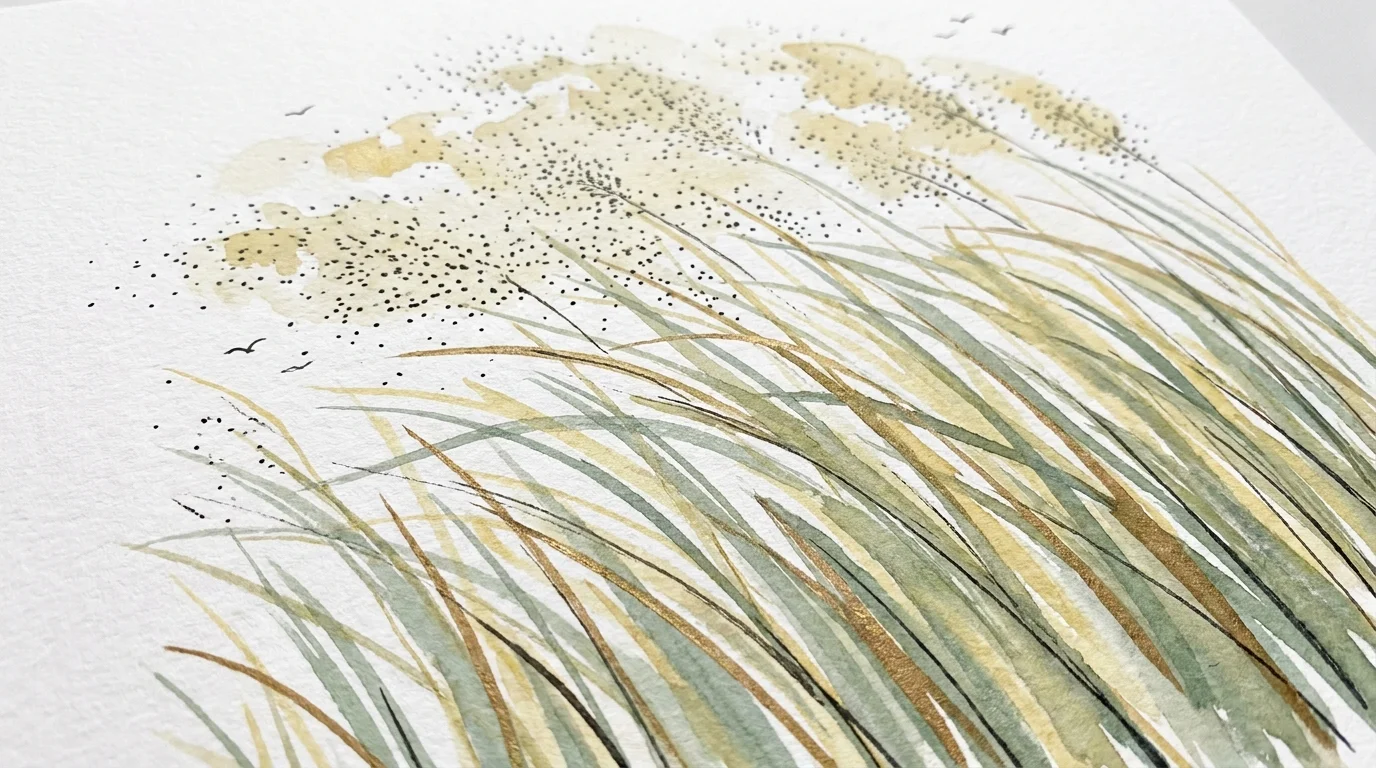
Tip #5: Switchgrass (Panicum virgatum)
Switchgrass commands attention by physically changing its shape, color, and texture as the year advances. Spring begins with tight, upright shoots emerging from the soil in striking shades of metallic blue or olive green. As the summer heat intensifies, the grass rapidly accelerates its growth, forming dense, structural clumps that rustle beautifully in the wind. Late summer brings the emergence of tall, airy flower panicles that hover above the foliage like soft, pinkish or silvery clouds. These delicate seed heads catch the morning dew and the afternoon sunlight, adding an element of dynamic movement to your landscape.
Autumn acts as the catalyst for a total color overhaul. The green and blue blades transition into brilliant shades of golden yellow, rusty orange, or deep burgundy. When winter arrives, the entire plant gracefully fades to a sophisticated buff or tan. Instead of cutting it back, you should leave the stiff stems standing. They provide essential vertical structure above the snow, create sheltered habitats for beneficial insects, and offer a natural food source for overwintering birds. Wait until late winter or early spring—just before the new green shoots appear—to cut the dead stalks back to a few inches above the ground. Because it possesses incredibly deep root systems, Switchgrass remains highly drought-tolerant once established.
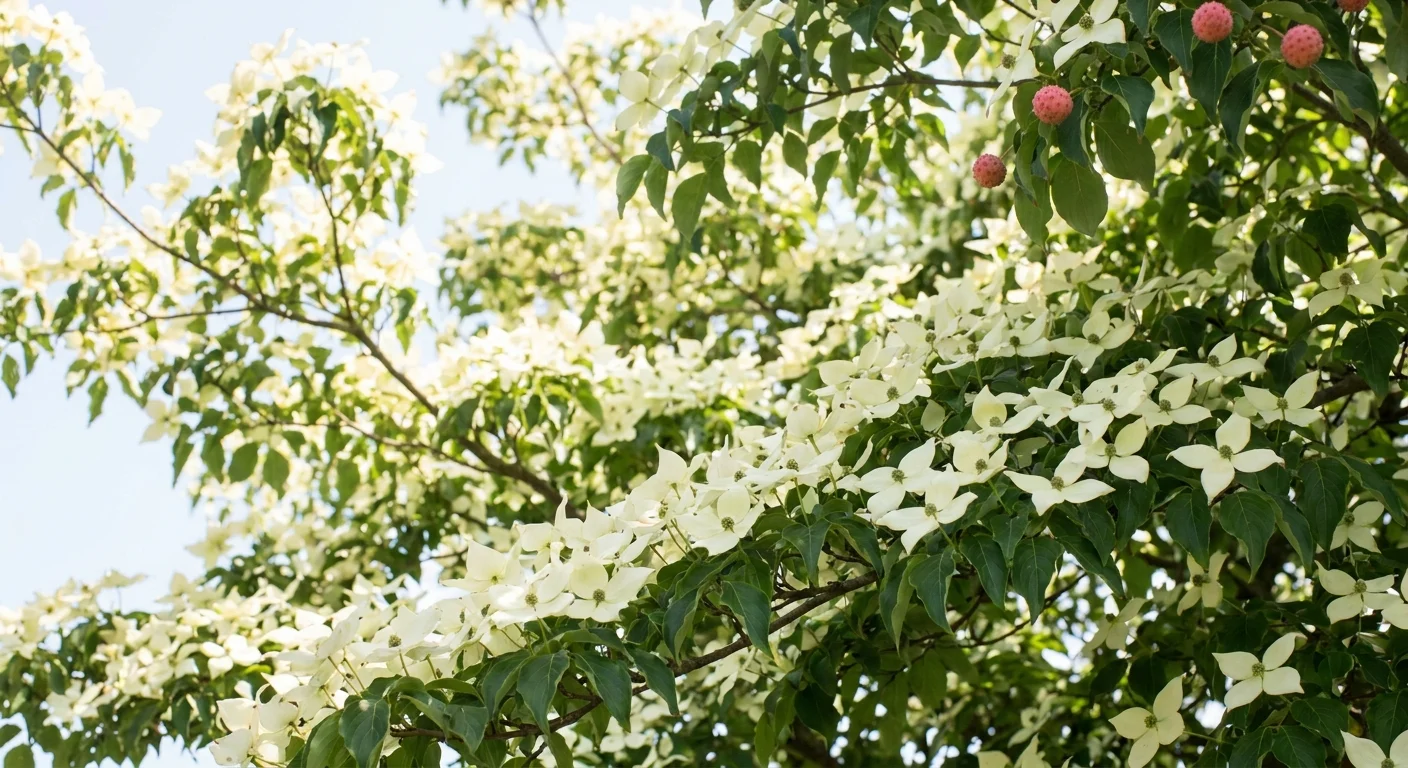
Tip #6: Kousa Dogwood (Cornus kousa)
If you want a specimen tree that acts as a seasonal calendar, the Kousa Dogwood fits perfectly. Unlike the native flowering dogwood that blooms before its leaves emerge, the Kousa Dogwood waits until late spring. It covers its fully leafed branches with stunning, star-shaped bracts in pure white or soft pink. These pointed bracts hover elegantly over the deep green foliage, creating a tiered, horizontal effect that visually mimics snow resting on the branches. Summer brings a unique harvest; the tree produces fascinating, round fruits that look like oversized raspberries hanging from long stalks.
Fall transforms the Kousa Dogwood into a spectacular beacon of autumn fire. The leaves turn incredibly saturated shades of scarlet, crimson, and deep purple, holding their vibrant color for several weeks. Once the colorful leaves drop, the winter garden reveals the tree’s striking, mottled bark that naturally exfoliates in geometric patches of tan, gray, and brown. While mature trees possess moderate drought tolerance, young trees require consistent, deep watering to establish a resilient root system. Apply water slowly at the base of the trunk to encourage the roots to grow deeply. Keep pruning to an absolute minimum, removing only crossing branches to maintain the tree’s natural, elegant architecture.
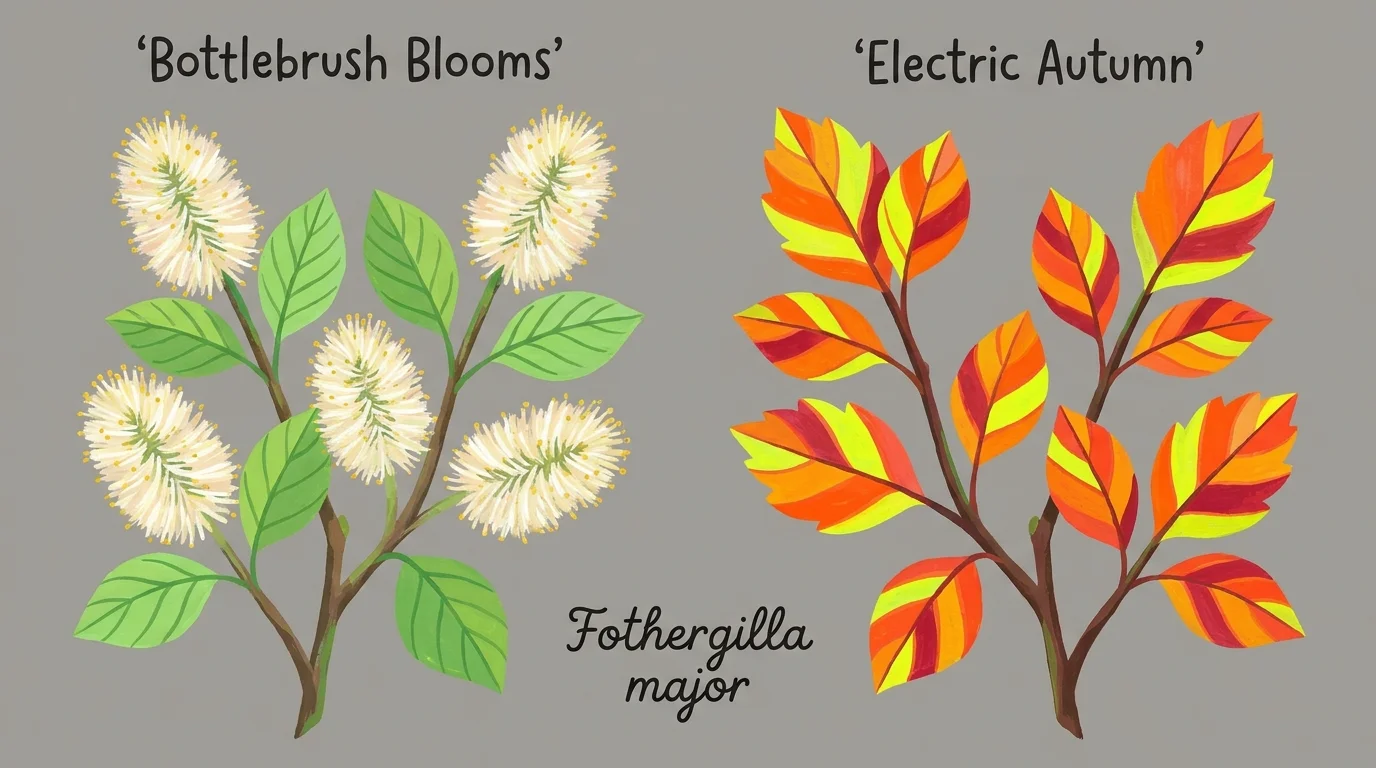
Tip #7: Fothergilla (Fothergilla major)
While many plants reserve their best performance for a single month, Fothergilla demands an audience across all four seasons. This underexploited native shrub begins its display in early spring, producing distinctive, bottlebrush-like flowers before a single leaf unfurls. These fuzzy white blooms emit a rich, honey-like fragrance that perfumes the chilly spring air and provides essential early nectar for emerging bees. By summer, the plant covers itself in handsome, leathery, blue-green leaves with prominent veining. This dense canopy serves as an excellent foundational backdrop for brightly colored summer perennials.
Autumn unlocks Fothergilla’s most spectacular attribute. The foliage ignites into a riotous blend of bright yellow, vivid orange, and deep scarlet. You will often see all three colors painted onto a single leaf, creating a kaleidoscopic effect that few other shrubs can match. When the dazzling leaves finally fall, they reveal a unique, zig-zagging branch structure that casts fascinating shadows across the winter snow. To successfully integrate Fothergilla into your garden, you must provide acidic, organically rich soil. While it tolerates partial shade, planting your Fothergilla in full sun will dramatically intensify its spectacular autumn coloration. Because it grows relatively slowly, it rarely requires structural pruning, making it an ideal choice for low-maintenance landscapes.
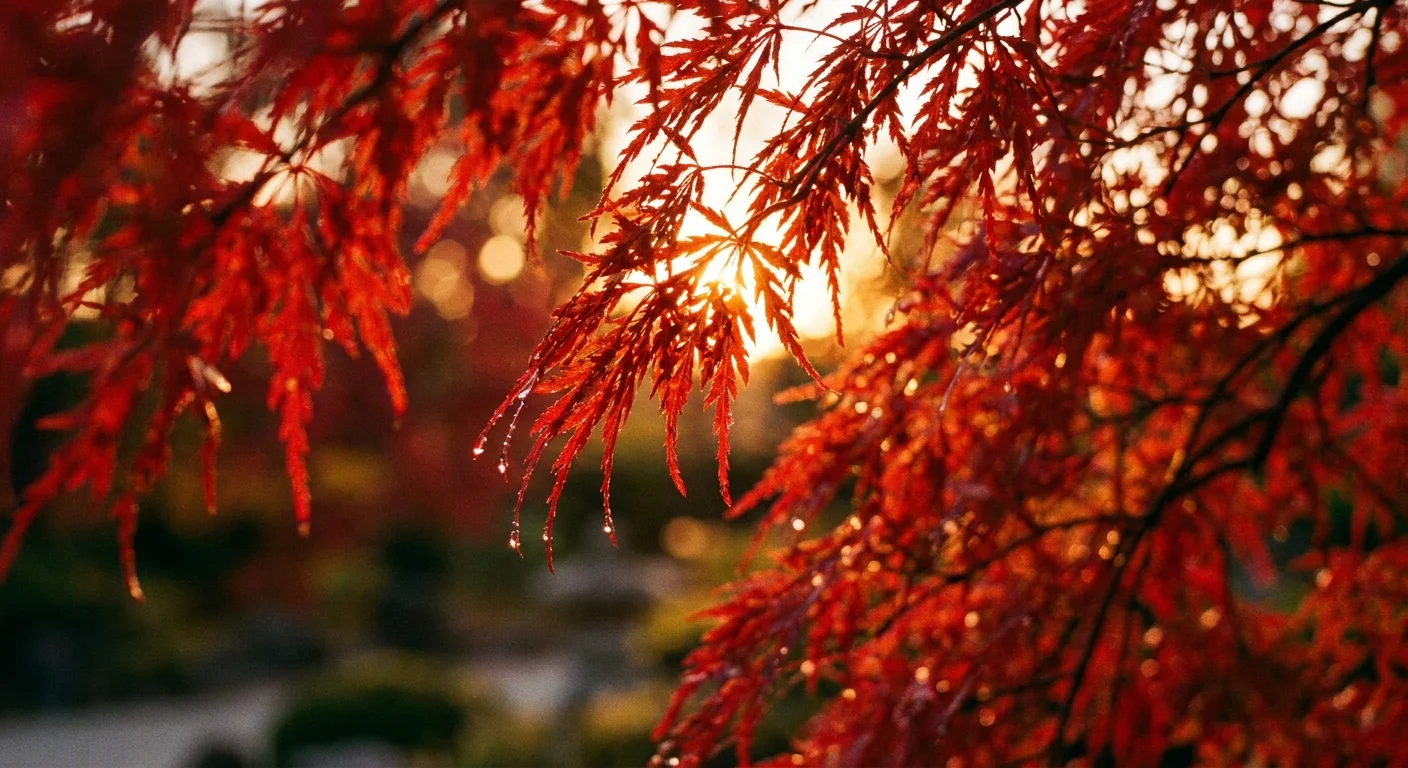
Tip #8: Japanese Maple (Acer palmatum)
No discussion about garden transformations is complete without mentioning the undisputed royalty of the changing seasons: the Japanese Maple. Spring begins dramatically as new leaves unfurl in intensely bright colors. Depending on the variety, spring foliage emerges in shockingly bright reds, electric oranges, or delicate, lime-greens. As summer establishes itself, these vibrant colors typically deepen; reds transition into rich, dark purples or bronzes, while spring greens mature into lush, cooling emeralds. The delicate, lacy texture of the leaves creates soft, dappled shade underneath the tree’s canopy.
Autumn marks the ultimate climax of the Japanese Maple’s seasonal journey. The foliage undergoes a final, explosive transformation, blazing into neon shades of gold, fiery orange, and brilliant crimson. The vividness of this autumn display remains entirely unmatched in the ornamental tree category. After the leaves drop, the tree’s beautiful, twisting architectural branches are fully exposed. The smooth, green or red bark stands out sharply against the stark winter landscape, providing sculptural elegance during the dormant months. You must carefully consider placement when planting a Japanese Maple. They thrive in dappled sunlight and require protection from harsh afternoon heat, which can easily scorch their delicate leaf tips. Provide highly organic, well-drained soil, and apply a thick layer of mulch to maintain consistent soil moisture throughout the hottest parts of the summer.
Putting It All Together: Enjoy Your Beautiful Garden
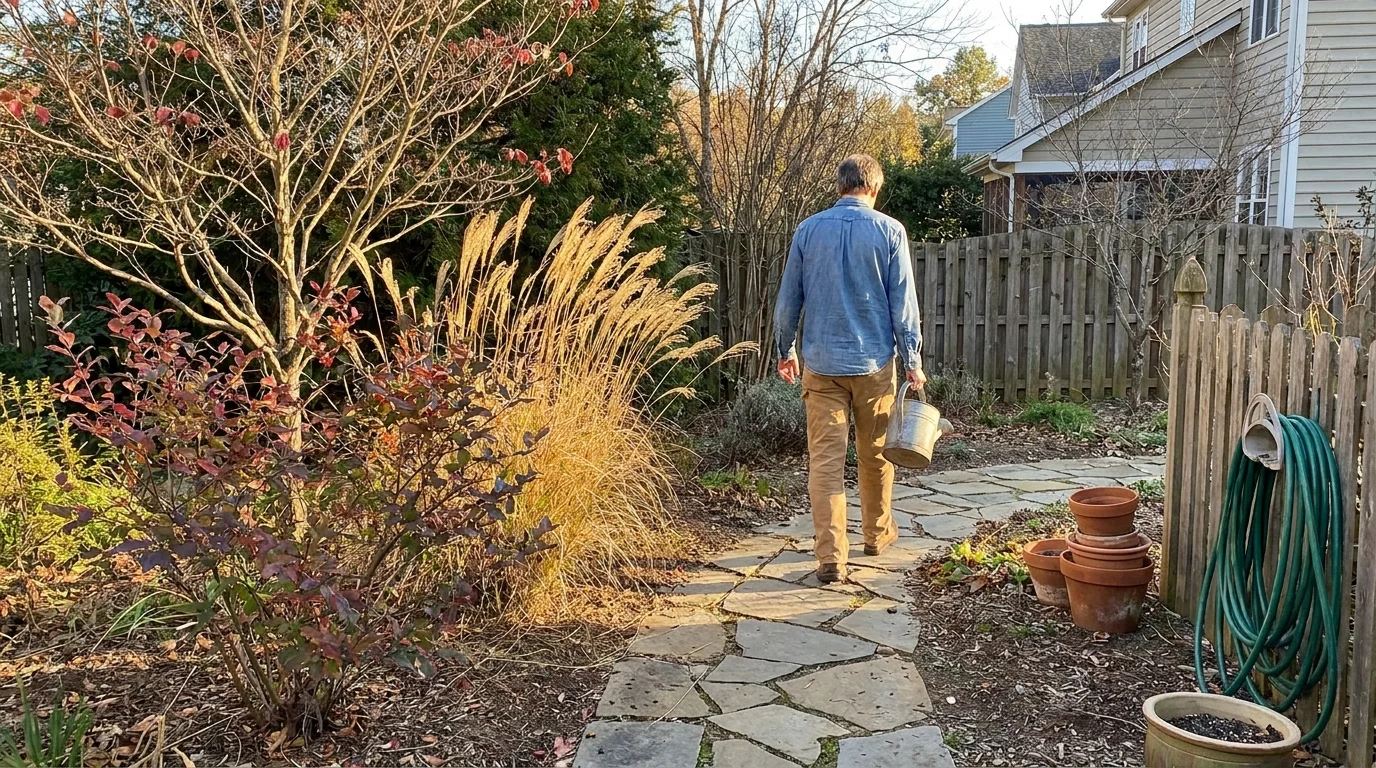
Cultivating a garden that continuously evolves demands strategic planning, but the visual rewards easily justify the effort. When you incorporate these highly adaptable seasonal plants into your landscape, you successfully eliminate the visually flat, dormant periods that plague ordinary yards. To maximize the impact of your garden transformations, you should deliberately layer these plants together. Picture the airy, fading winter stalks of Switchgrass serving as a muted, textured backdrop for the neon-bright stems of the Bloodtwig Dogwood. Imagine the heavy, peeling branches of an Oakleaf Hydrangea positioned perfectly beneath the delicate, sweeping canopy of a Japanese Maple.
By mapping out your yard’s visual timeline, you can guarantee that as one plant’s primary feature fades, another plant’s grand finale immediately begins. Start small by introducing two or three of these dynamic species into highly visible areas, such as near your front walkway or outside a frequently used window. As you witness their remarkable visual shifts from fresh spring blooms to structural winter bark, you will gain the confidence to weave even more seasonal variety throughout your entire property.
Frequently Asked Questions
How do I plan a garden for year-round interest?
You achieve continuous visual interest by focusing on plants that offer multiple seasons of appeal, rather than relying solely on summer-blooming flowers. Analyze your garden’s current timeline and identify the visual gaps, which usually occur in late autumn and late winter. Fill those empty windows with shrubs and trees that showcase unique exfoliating bark, persistent winter berries, or vibrant fall foliage.
Will these seasonal plants grow in containers?
Many plants that change color and form will thrive in large containers, making them perfect for patios and balconies. Dwarf varieties of Japanese Maples and mid-sized ornamental grasses like Switchgrass perform exceptionally well in pots. You must remember that container-grown plants experience colder root temperatures than those planted directly in the ground. Choose pots made of weather-resistant materials and select plant varieties rated at least one USDA hardiness zone colder than your actual location to ensure winter survival.
Why did my plant’s fall color look dull this year?
Garden transformations rely heavily on specific environmental cues. Brilliant autumn colors occur when plants experience a succession of warm, sunny days followed immediately by crisp, cool nights without freezing. If your region experiences early severe frosts, prolonged droughts, or extended periods of heavy rain and cloudy skies during the seasonal transition, the chemical processes that produce red and purple pigments will slow down, resulting in muted or muddy fall colors.
Do these plants require special fertilizer to change colors?
No, you do not need specialty color-enhancing fertilizers. Natural shifts in temperature and daylight trigger the physiological changes in these unique plants. However, ensuring your soil pH is correct—such as providing highly acidic soil for blueberries and Fothergilla—keeps the plants healthy enough to organically produce their most vibrant pigments. Focus on building healthy soil with organic compost rather than applying synthetic chemical fertilizers.
For region-specific advice, consult your local University Extension program (find yours via the USDA directory). For plant databases and inspiration, visit the Missouri Botanical Garden or the Royal Horticultural Society.
Disclaimer: This article provides general gardening advice. Always consider your specific climate, soil conditions, and local pests. Follow safety guidelines when using gardening tools and products.