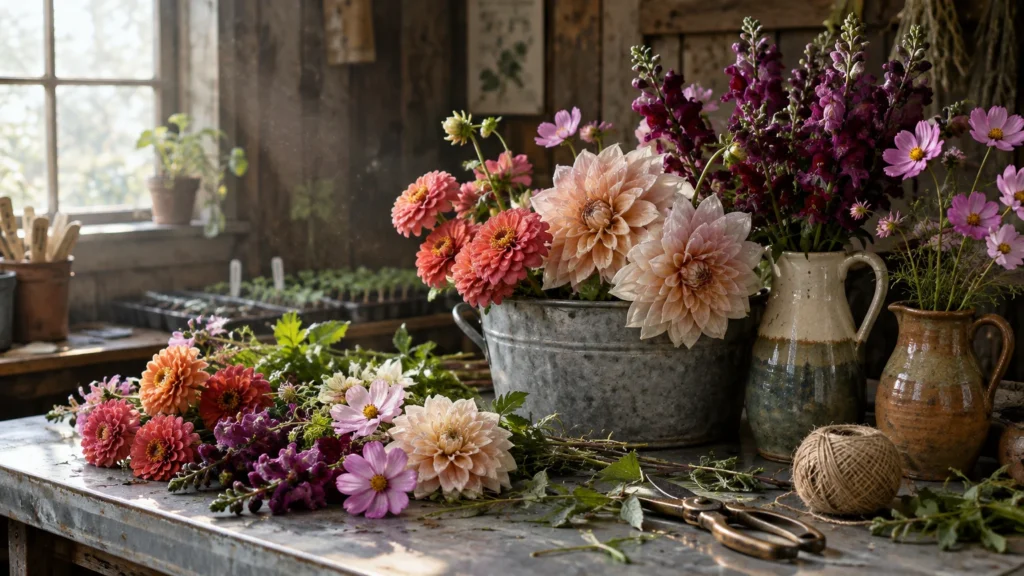
Replacing bare soil with ground cover plants gives you a lush, living mulch that suppresses unwanted seeds before they ever sprout. A dense canopy of low-growing foliage blocks the sunlight weed seeds need to germinate, dramatically reducing your weekend weeding chores. When you establish a solid mat of weed control plants, you lock in soil moisture and protect against erosion while adding gorgeous texture to your landscape. The right ground cover plants transform bare, frustrating patches of dirt into a low maintenance garden that thrives year after year. Whether you need an option for deep shade or scorching sun, selecting the perfect creeping perennials will keep your yard looking immaculate with minimal ongoing effort.
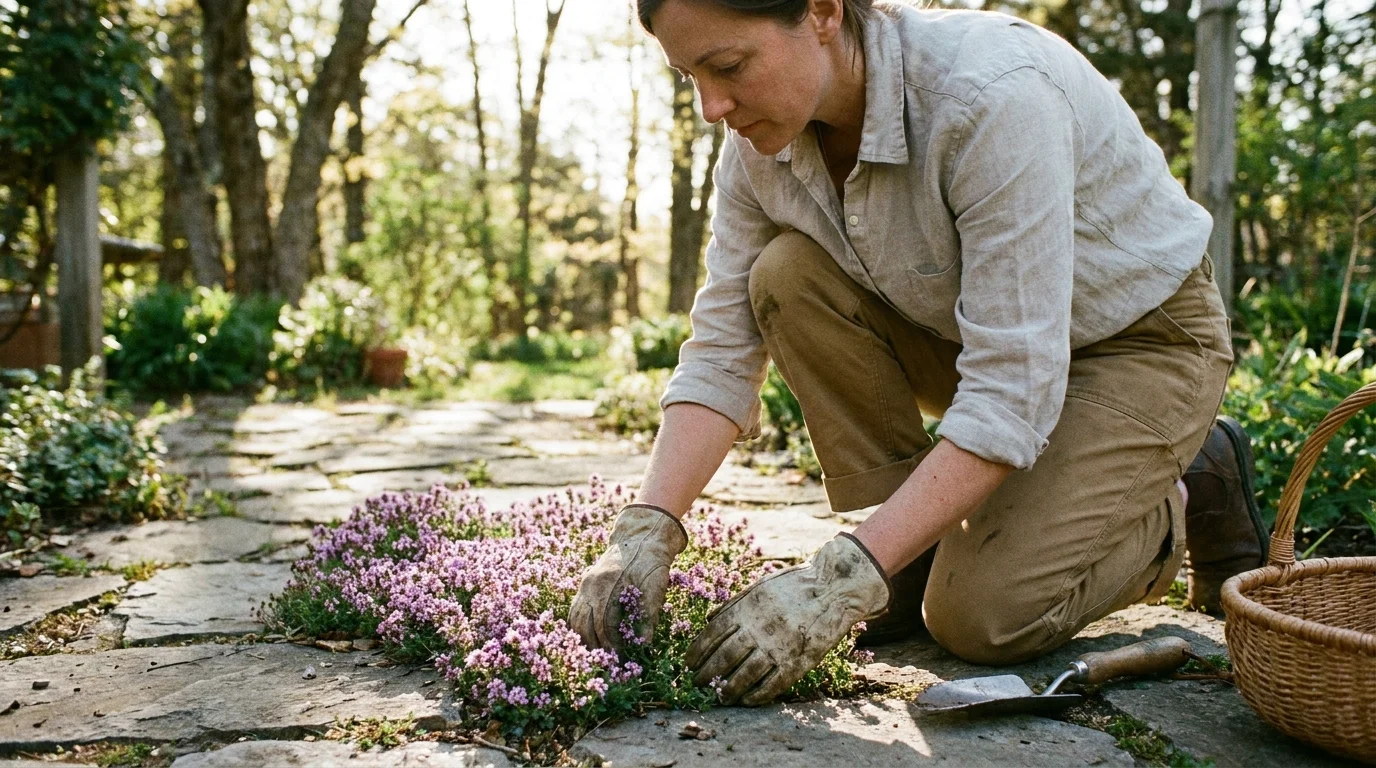
Tip #1: Creeping Thyme (Thymus serpyllum)
Creeping thyme stands out as a premier choice for sunny spaces where you want to choke out weeds completely. This resilient herb forms a dense, low-growing mat—typically reaching just two to four inches tall—that aggressively blocks sunlight from reaching the soil beneath it. Because creeping thyme establishes a thick network of shallow roots, weed seeds find it nearly impossible to gain a foothold. To achieve the best results, plant creeping thyme in full sun and well-draining soil. Space the initial transplants about 12 inches apart. Within a single growing season, they will spread up to 18 inches across, merging into a seamless, vibrant carpet that thrives even in poor soil conditions.
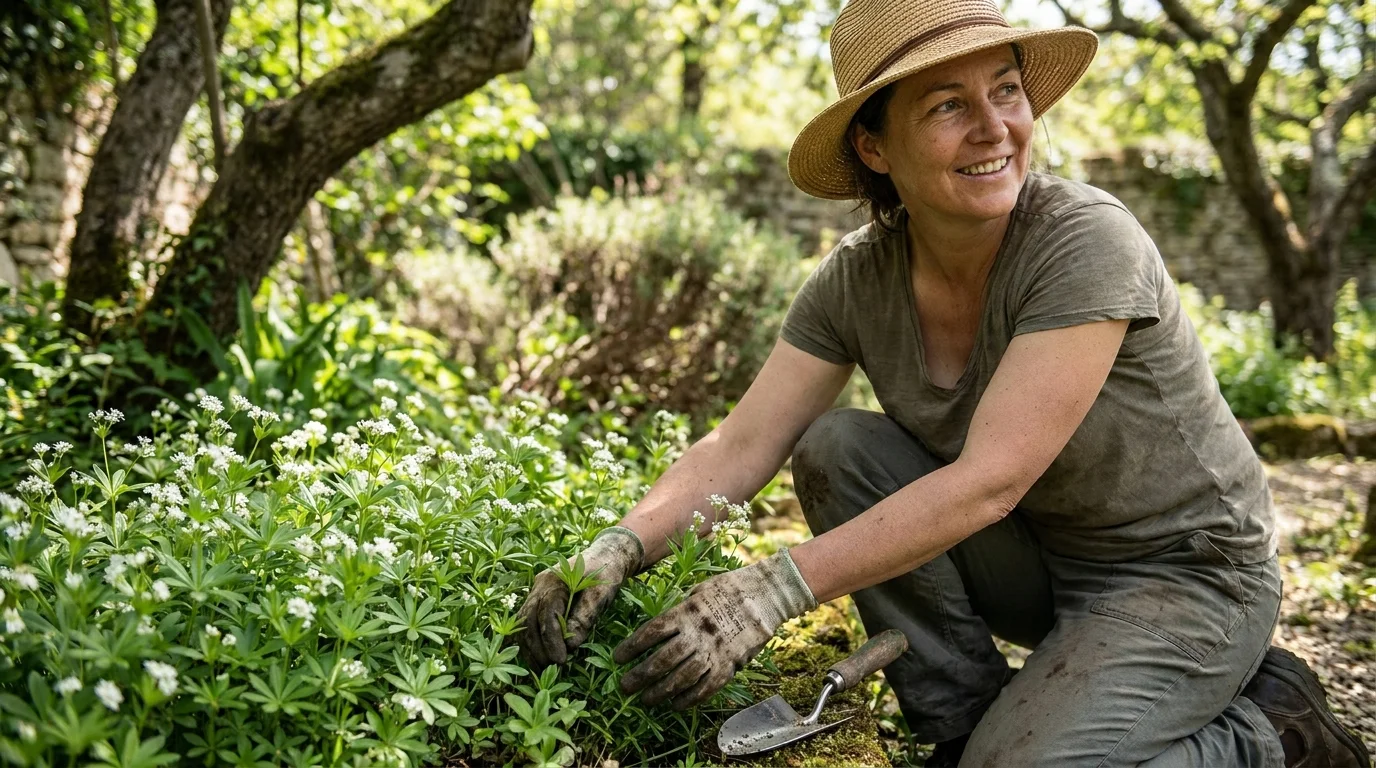
Tip #2: Sweet Woodruff (Galium odoratum)
If you struggle with barren, shaded patches under mature trees, sweet woodruff offers an elegant solution for your low maintenance garden. This vigorous perennial features whorls of star-shaped leaves and bursts into clusters of tiny white flowers each spring. Sweet woodruff spreads via creeping rhizomes to create a thick carpet that smothers weed competition in damp or dry shade. Plant sweet woodruff in slightly acidic, loamy soil, spacing them roughly 10 inches apart. Provide moderate water during their first year; once established, this reliable garden ground cover handles dry shade remarkably well. You will appreciate the subtle scent of fresh-cut hay that the leaves emit when crushed or dried.
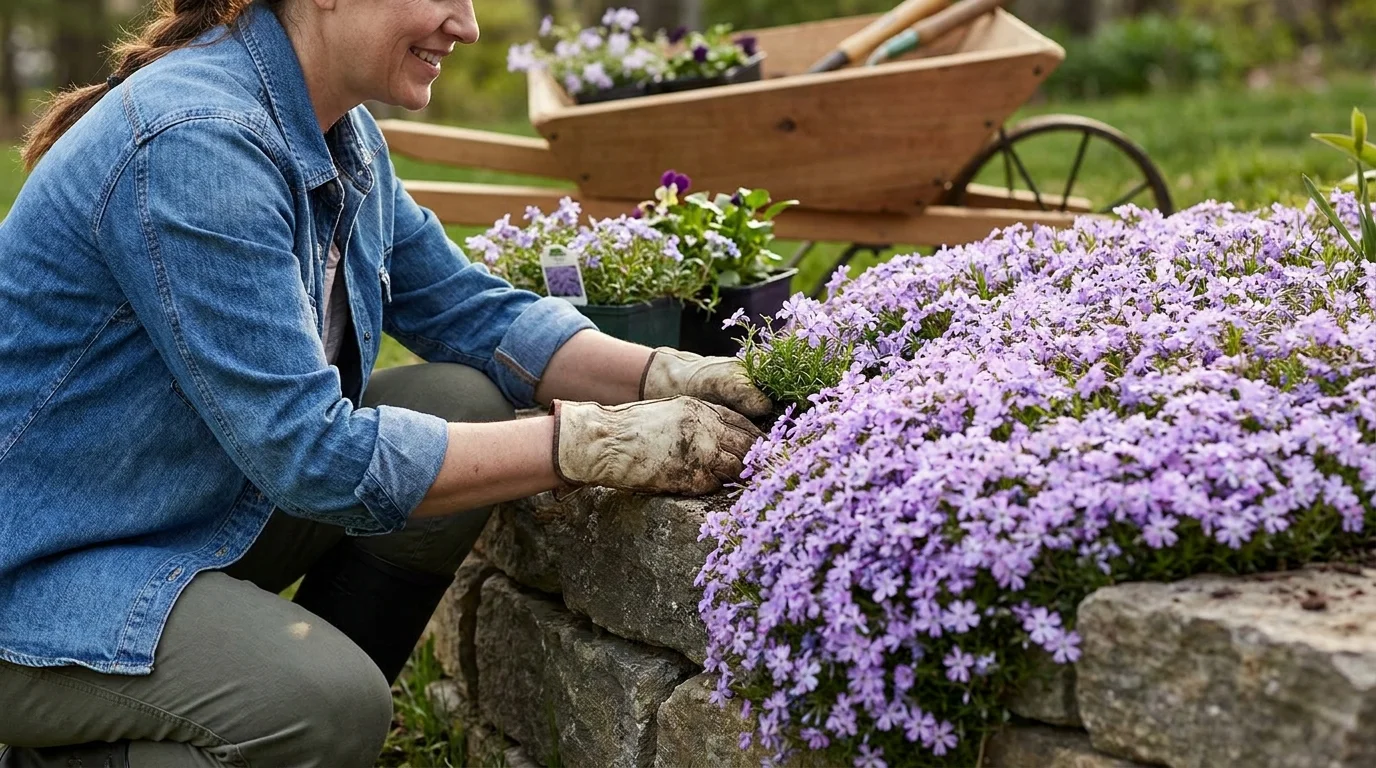
Tip #3: Creeping Phlox (Phlox subulata)
Creeping phlox transforms difficult slopes and rocky borders into spectacular displays of spring color while serving as an exceptional weed barrier. The needle-like evergreen foliage knits tightly together, creating a dense mat that persists year-round to choke out weeds effectively. When mid-spring arrives, the plant covers itself entirely in vibrant shades of pink, purple, white, or blue. Plant your creeping phlox in full sun and ensure the soil drains quickly; wet feet will rot the roots. Space new plants 15 to 18 inches apart. As they stretch out over the soil, their vigorous growth habit easily outcompetes any weed trying to push through the vibrant canopy.
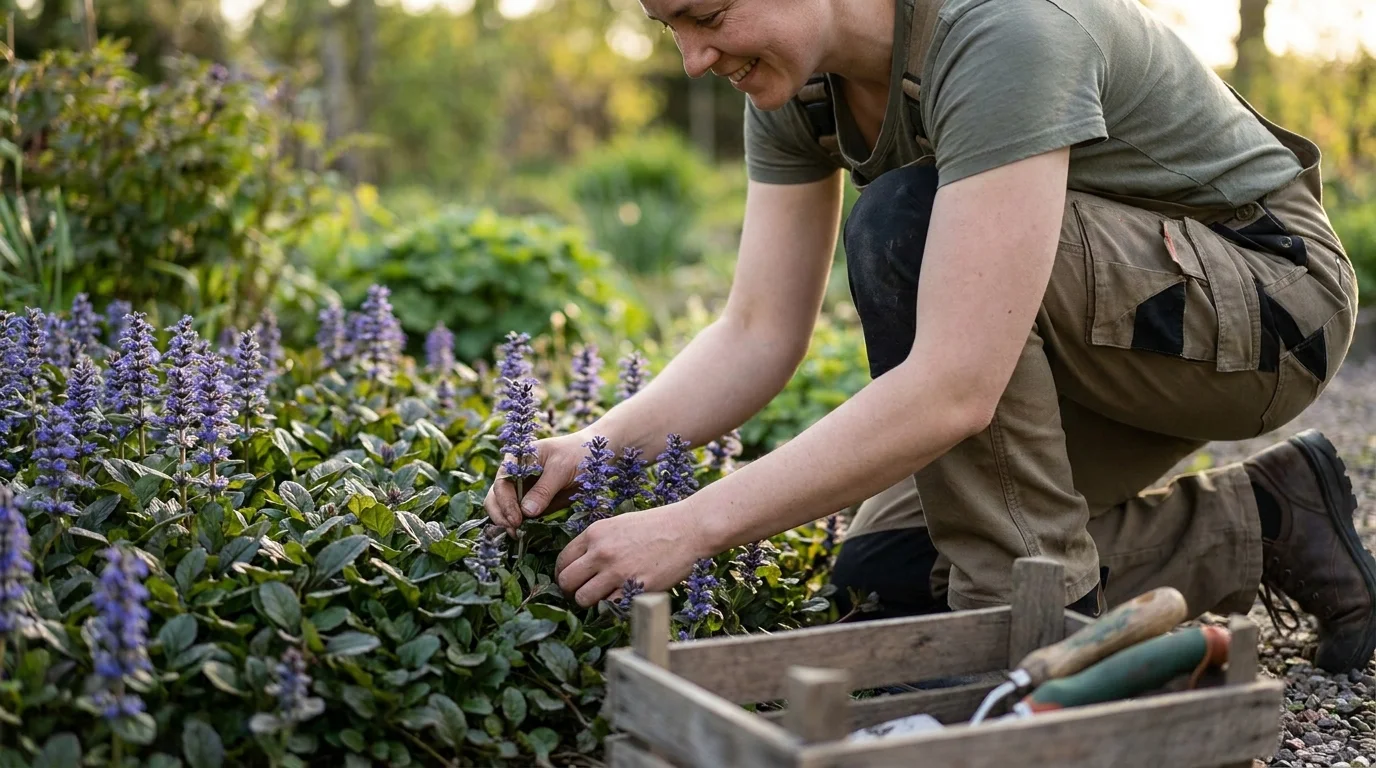
Tip #4: Bugleweed (Ajuga reptans)
Bugleweed is an aggressive, fast-spreading perennial that easily dominates the soil surface, making it one of the most reliable weed control plants for challenging shade. The broad, glossy leaves overlap tightly like shingles on a roof, creating an impenetrable barrier against sunlight. In late spring, bugleweed produces upright spikes of vivid blue flowers that attract early pollinators. To utilize this plant effectively, establish it in partial to full shade where grass refuses to grow. Plant them 12 inches apart in moist soil. Because bugleweed spreads rapidly via surface runners, you can quickly cover large, weed-prone areas, turning a frustrating garden chore into a visually stunning, low maintenance garden asset.

Tip #5: Creeping Sedum (Sedum spurium)
For areas of your yard battered by harsh sunlight and dry conditions, creeping sedum provides an incredibly tough, drought-tolerant defense against weeds. This succulent ground cover features fleshy leaves that store water, allowing the plant to thrive in poor, rocky soils where thirsty weeds wither and die. As the stems trail along the ground, they drop roots wherever a leaf node touches the soil, forming an interlocking matrix that prevents weed emergence. You only need to plant creeping sedum in full sun with excellent drainage to ensure success. Because the stems propagate so easily, you can simply break off pieces and press them into bare spots to expand your weed-choking carpet without spending extra money.
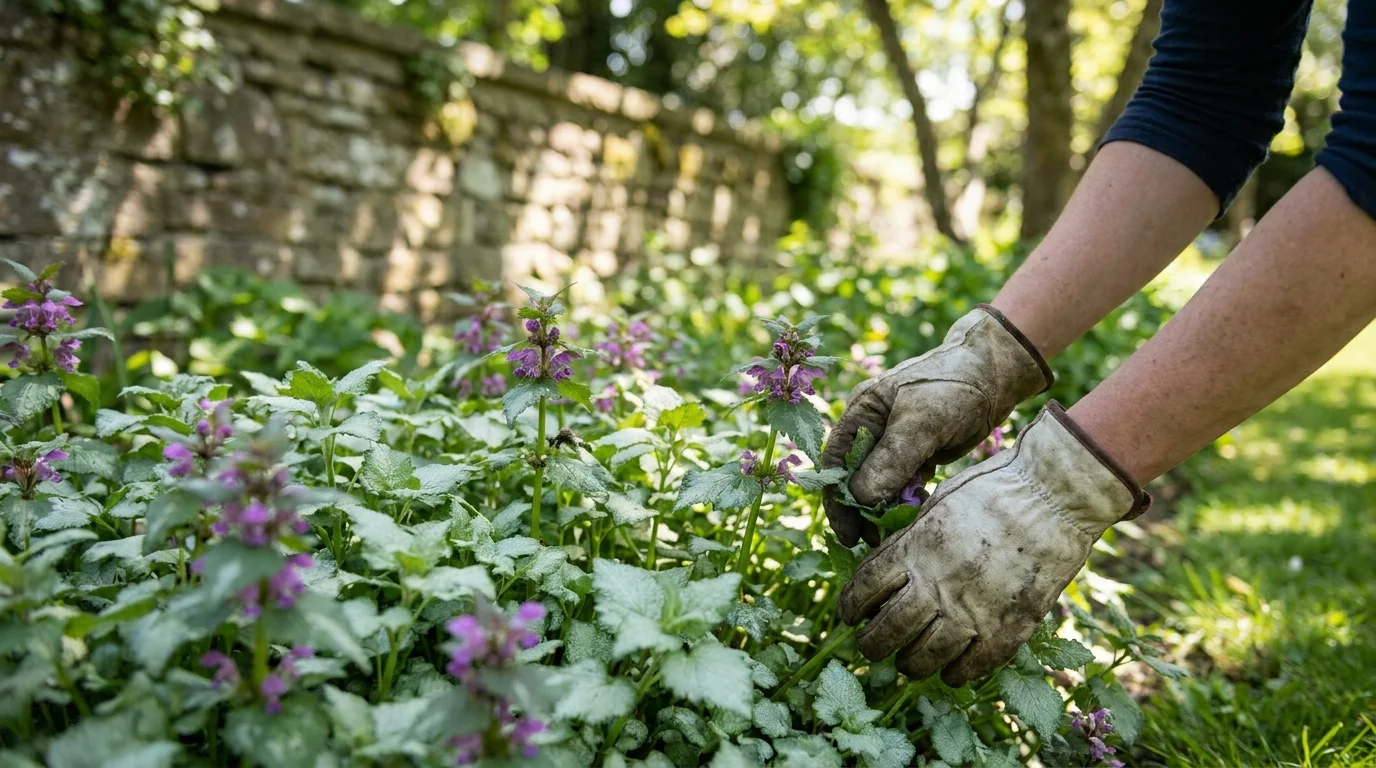
Tip #6: Spotted Deadnettle (Lamium maculatum)
Brighten up the darkest corners of your landscape while suppressing undesirable growth with spotted deadnettle. This shade-loving perennial features heart-shaped, silver-splashed leaves that reflect ambient light, creating a glowing effect under tree canopies. The dense, sprawling foliage grows about six to eight inches tall, casting deep shade on the soil surface to choke out weeds effortlessly. Spotted deadnettle thrives in rich, moist, well-draining soil, though it tolerates dry shade once fully established. Space your transplants 12 to 15 inches apart. As the trailing stems spread and root themselves, they form a highly decorative garden ground cover that drastically reduces the hours you spend pulling invasive sprouts in your woodland garden.
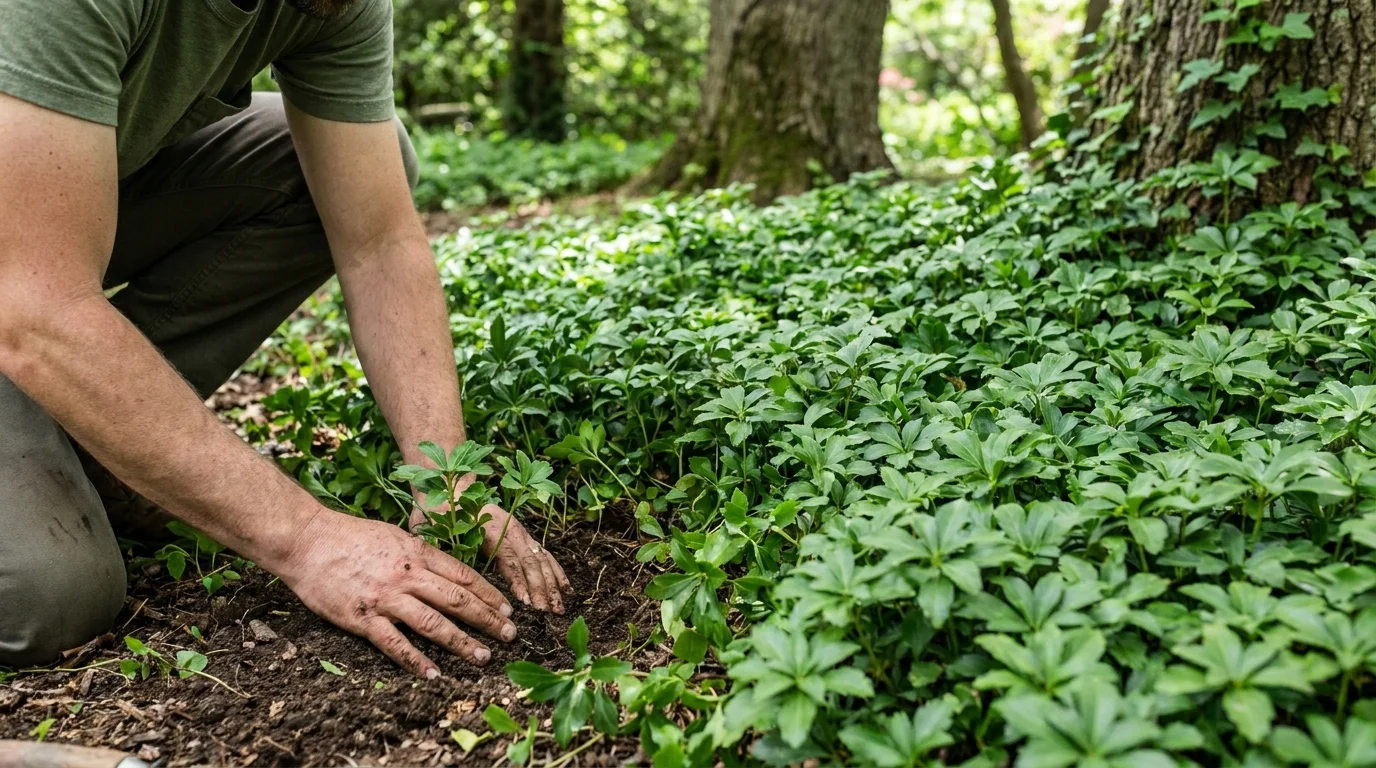
Tip #7: Japanese Pachysandra (Pachysandra terminalis)
When you need a pristine, uniform aesthetic for a low maintenance garden, Japanese pachysandra stands as a classic, highly effective choice. This evergreen subshrub spreads via underground rhizomes to create a thick, continuous carpet of leathery, dark green leaves. Growing around eight to ten inches tall, pachysandra excels at outcompeting weeds in areas heavily shaded by mature oaks or maples. The dense root system monopolizes soil resources, leaving nothing behind for weed seeds to exploit. Plant pachysandra six to twelve inches apart in slightly acidic, organically rich soil. Once this resilient ground cover establishes its territory, it requires almost zero maintenance and provides year-round structural beauty.
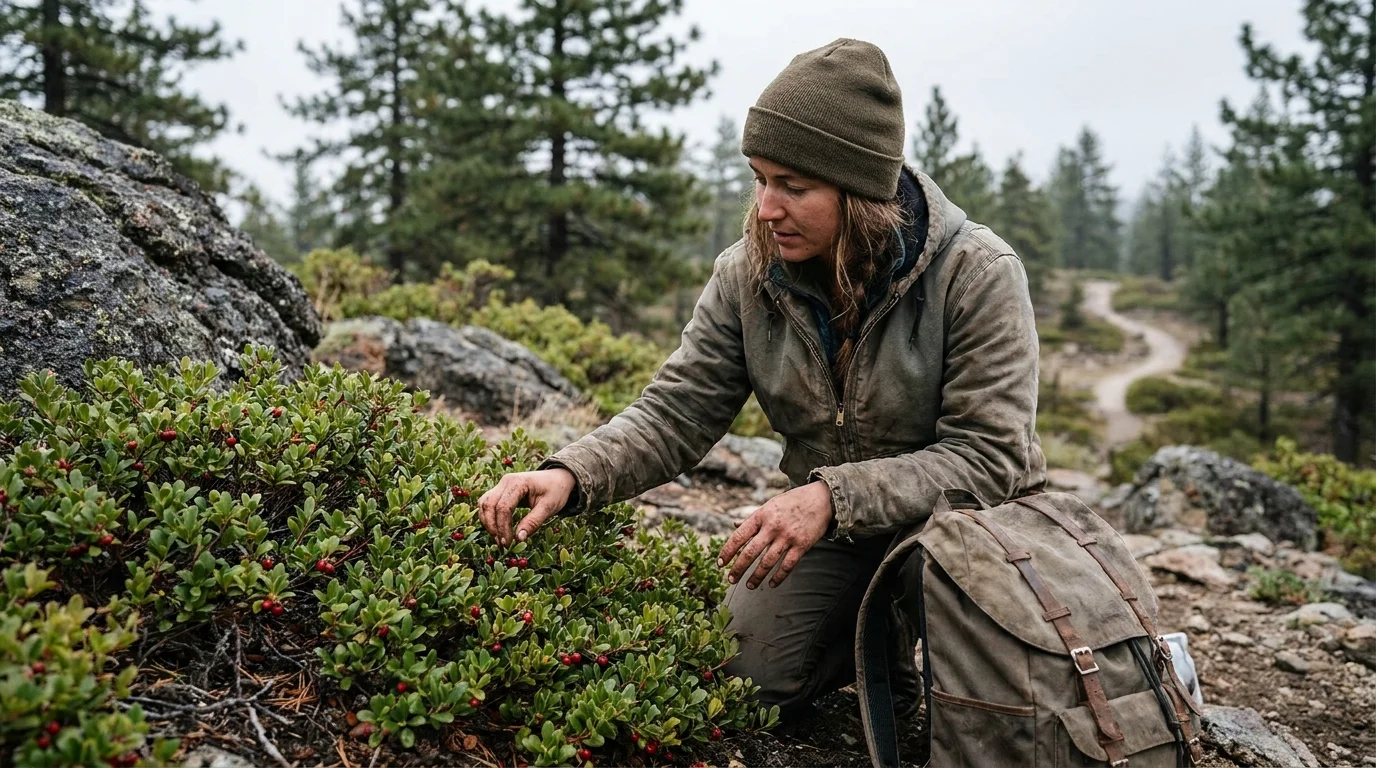
Tip #8: Bearberry (Arctostaphylos uva-ursi)
Bearberry offers a rugged, native solution for gardeners dealing with poor, sandy, or highly acidic soils. This slow-growing evergreen trailing shrub forms a tough, woody mat that smothers weeds while preventing soil erosion on steep, exposed banks. The small, glossy green leaves turn a spectacular bronze-red in the winter, and the plant produces delicate bell-shaped pink flowers in the spring, followed by bright red berries. Because bearberry thrives in harsh environments where other plants struggle, it acts as the perfect ground cover plants to choke out weeds in challenging coastal or mountainous regions. Give bearberry full sun and excellent drainage for optimal growth. Avoid adding rich compost or heavy fertilizers; this hardy survivor performs best when you leave the soil lean.
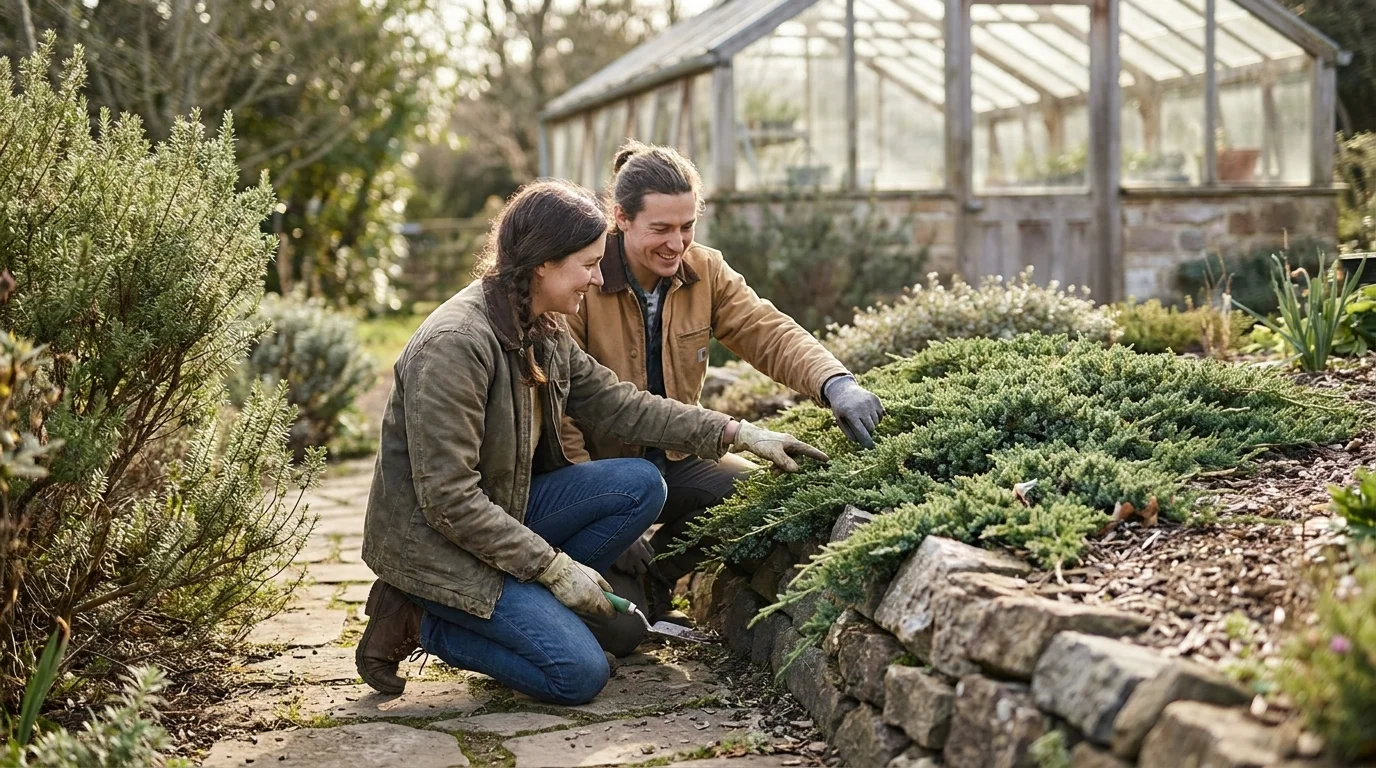
Tip #9: Creeping Juniper (Juniperus horizontalis)
If you have a massive expanse of open ground to cover, creeping juniper provides unparalleled weed-blocking coverage. A single plant of this low-growing evergreen conifer can spread up to eight feet wide, sending out rigid branches that cast a permanent shadow over the soil beneath. The prickly, textured foliage acts as a physical barrier that discourages both weed growth and animal foot traffic. Available in shades ranging from silvery-blue to deep green, creeping juniper adds magnificent architectural structure to a low maintenance garden. Plant these sprawling conifers in full sun, spacing them five to six feet apart to give them room to stretch. Once rooted, creeping juniper survives extreme heat and drought while keeping your large slopes entirely weed-free.
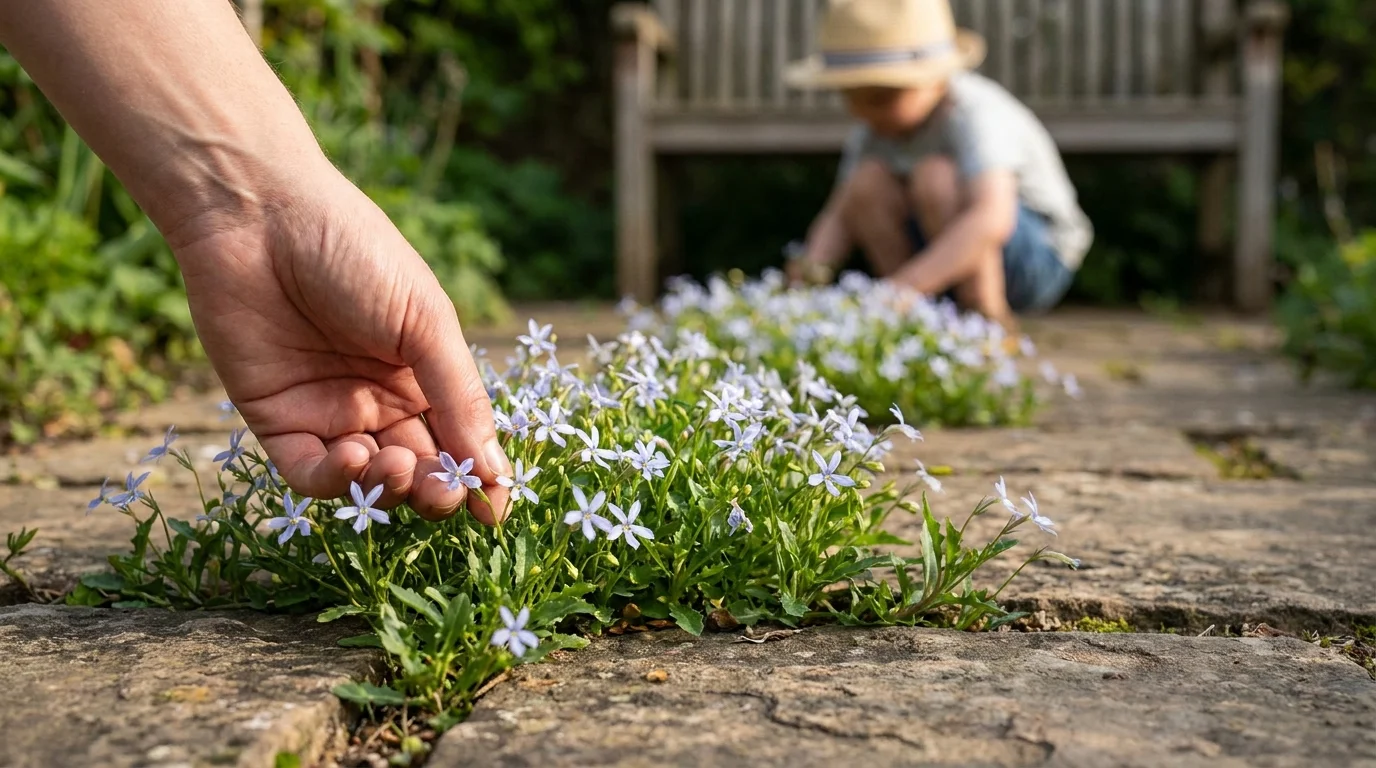
Tip #10: Blue Star Creeper (Isotoma fluviatilis)
For pathways, stepping stone borders, and patio edges, blue star creeper delivers an incredibly dense mat that chokes out weeds while tolerating heavy foot traffic. The tiny, vibrant green leaves knit together so tightly that weed seeds simply cannot reach the dirt. From late spring through early autumn, the foliage is dotted with hundreds of pale, star-shaped blue flowers, giving the illusion of a miniature, blooming meadow. Blue star creeper stays almost entirely flat against the ground, rarely exceeding two inches in height. To cultivate this resilient garden ground cover, choose a site with full sun to partial shade and keep the soil consistently moist. As it creeps aggressively to fill crevices, you will drastically reduce tedious weeding tasks.
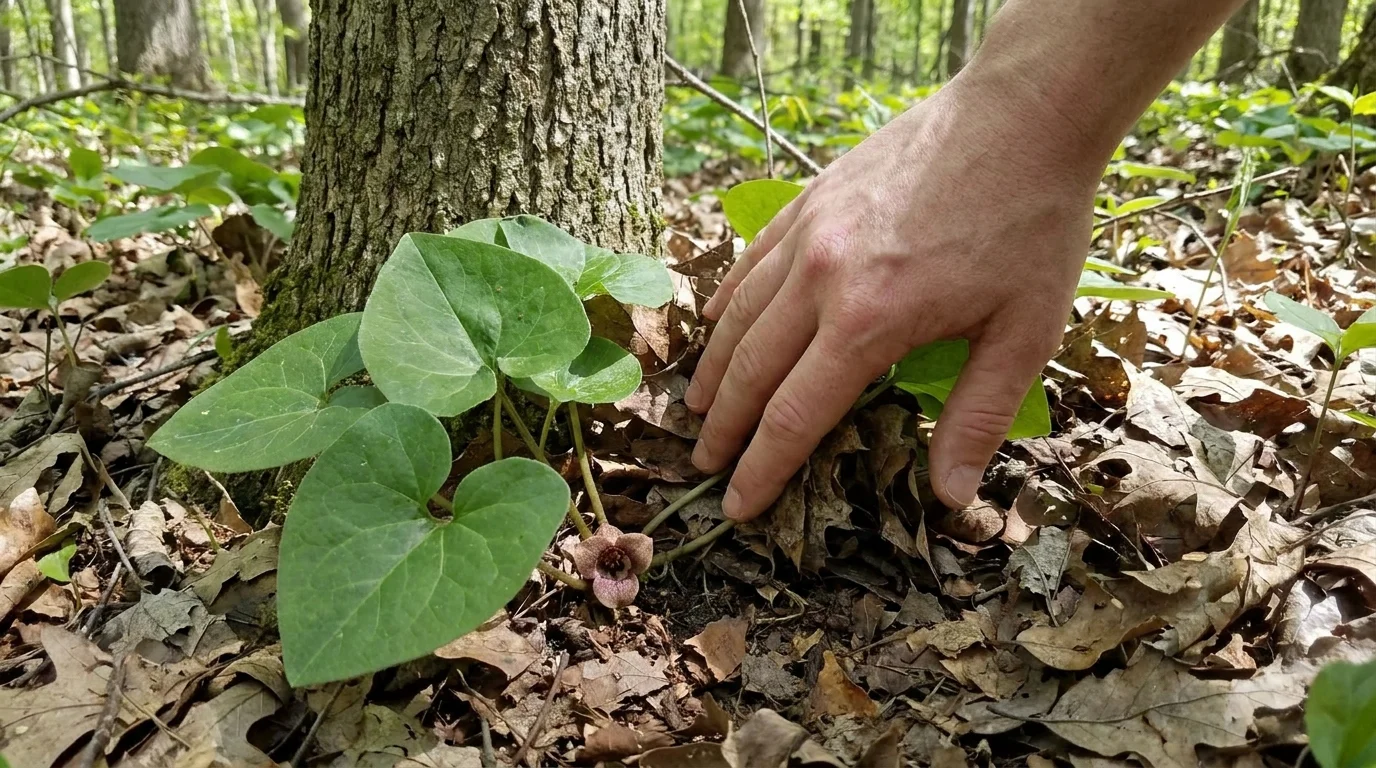
Tip #11: Wild Ginger (Asarum canadense)
Wild ginger relies on the sheer size of its overlapping foliage to conquer weeds in heavily shaded environments. This native woodland perennial pushes up large, heart-shaped, velvety green leaves that grow up to six inches across. These broad leaves act like parasols, completely shading the earth below and depriving weed seeds of the solar energy required for germination. Cultivate this exceptional weed control plant in rich, moist soil heavily amended with organic leaf mold. Because it spreads at a deliberate, manageable pace via shallow rhizomes, it behaves politely next to delicate woodland ferns and hostas. You will cherish the neat, textured appearance it brings to shady borders while systematically keeping unwanted intruders out of the soil.
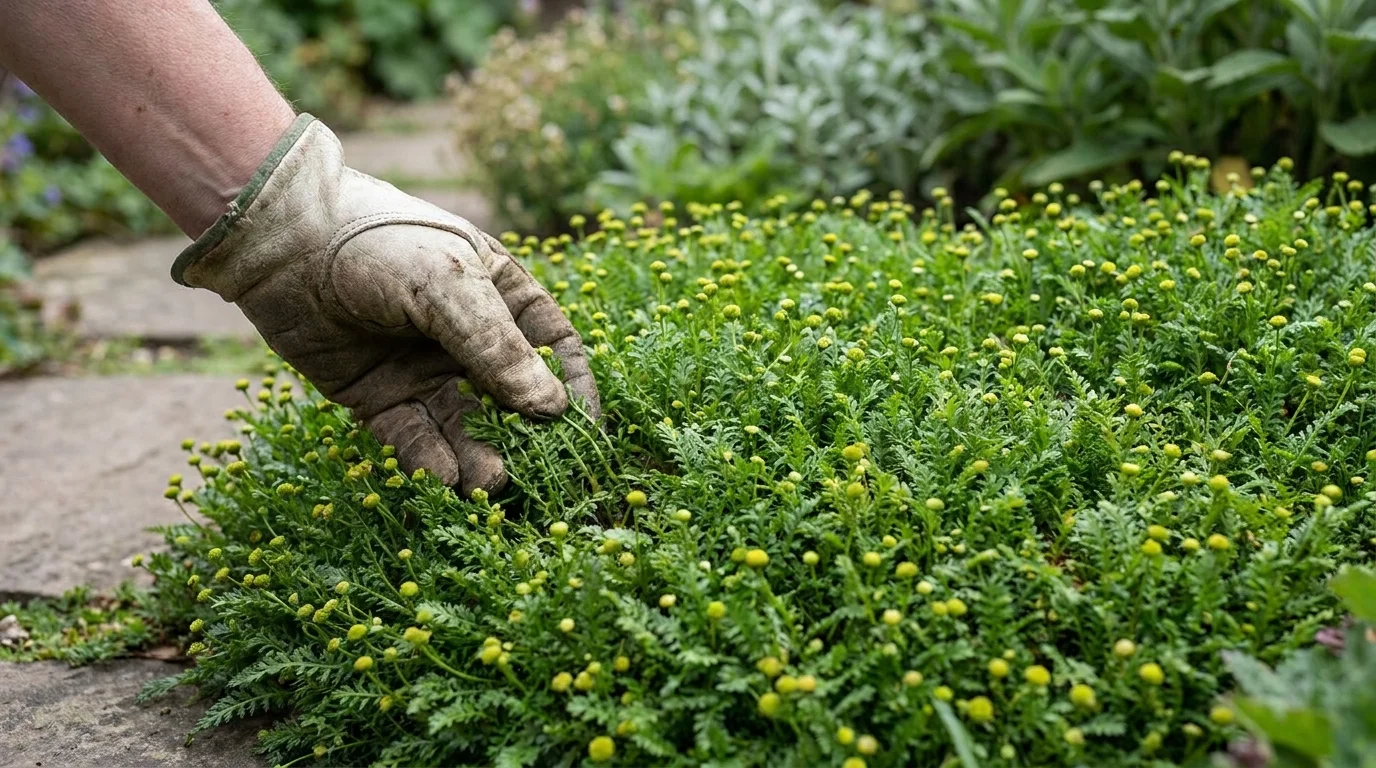
Tip #12: Brass Buttons (Leptinella squalida)
Brass buttons offer a highly unique textural element for gardeners seeking a delicate-looking yet fiercely competitive ground cover. The feathery, fern-like foliage creates a spongy, incredibly dense carpet that easily chokes out weeds in damp areas. In early summer, tiny yellow flowers resembling miniature brass buttons pop up just above the leaves, adding a whimsical touch to your landscape. To ensure success, plant brass buttons in slightly acidic soil that retains moisture but drains well. It thrives in partial shade, especially in climates with intensely hot afternoons. By forming a tight, interlocking root system, this vigorous spreader transforms muddy, weed-infested patches into a tidy, highly manicured surface for your low maintenance garden.
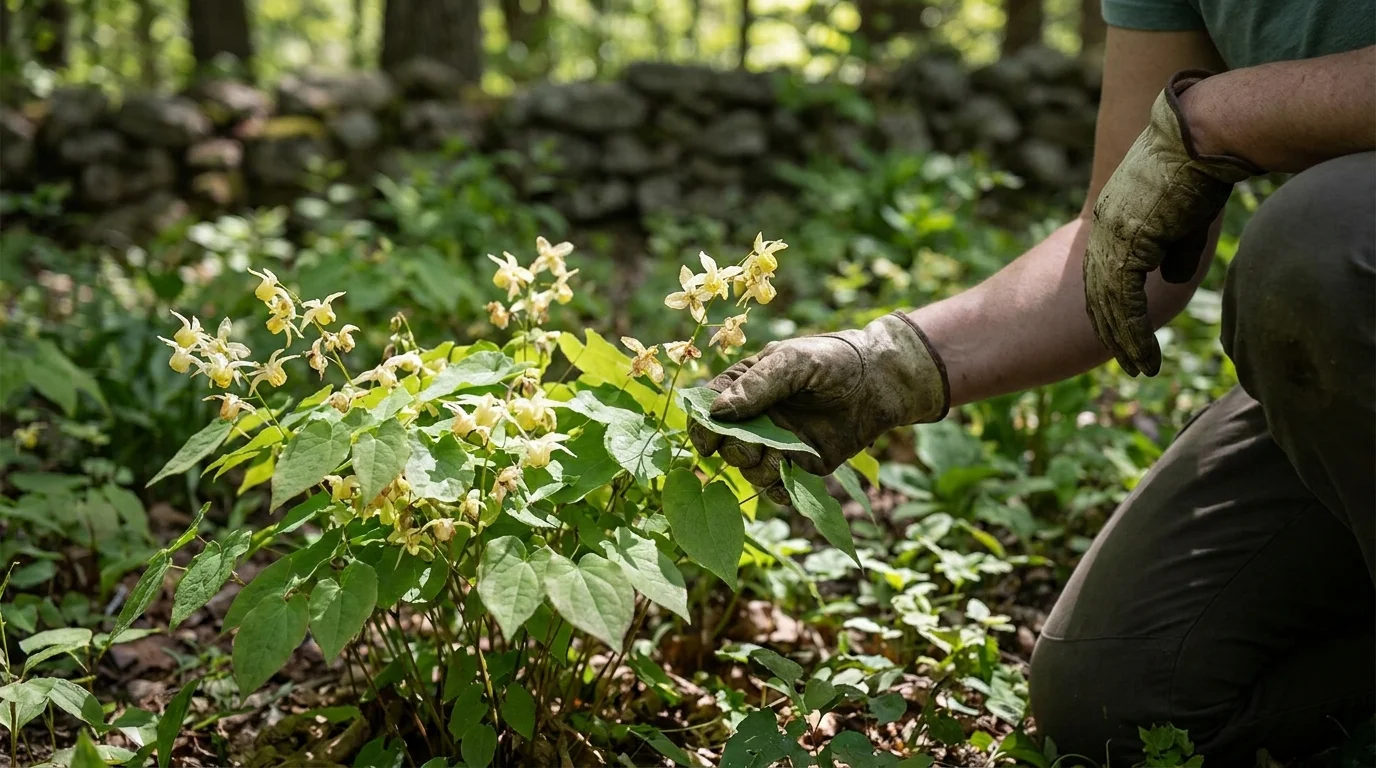
Tip #13: Barrenwort (Epimedium)
Barrenwort, often called fairy wings, thrives in the notoriously difficult dry shade beneath shallow-rooted trees like maples. This durable perennial develops a tough, woody rhizome system that successfully competes for moisture and nutrients, starving out any weed attempting to grow nearby. The heart-shaped leaves emerge with reddish tinges in the spring, mature to a solid green, and hold their color late into the fall. Delicate, spider-like flowers in yellow, pink, or white hover above the foliage in early spring. To establish barrenwort as a weed-blocking garden ground cover, plant it in organically rich soil and water it deeply during its first year. For the tidiest appearance, use shears to cut the old foliage to the ground in late winter before new growth begins.
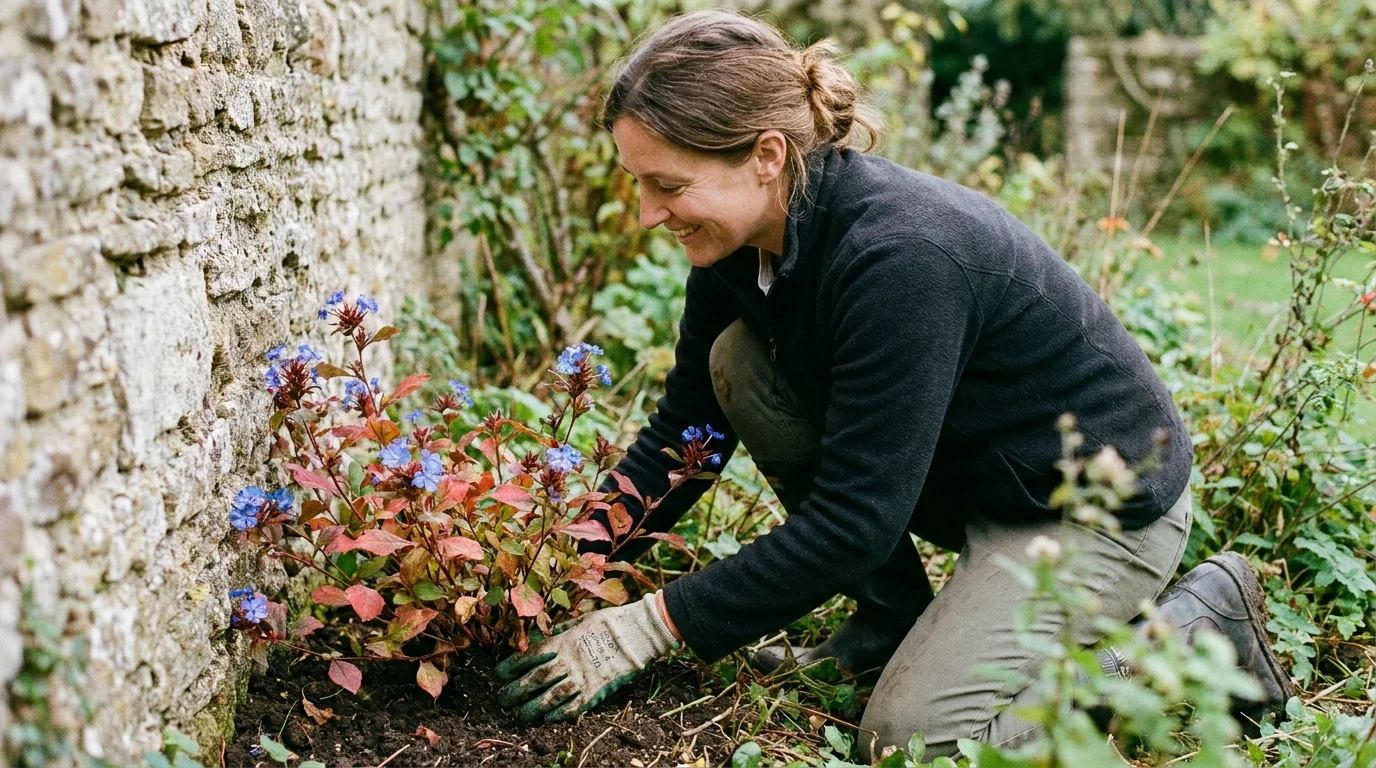
Tip #14: Plumbago (Ceratostigma plumbaginoides)
Also known as leadwort, plumbago serves as a late-season powerhouse that aggressively fills bare patches to choke out weeds. While many ground covers fade by late summer, plumbago bursts into bloom with brilliant, electric blue flowers that last until the first frost. As autumn approaches, the glossy green foliage transitions to a breathtaking mahogany red, offering spectacular late-season interest for your low maintenance garden. The plant spreads via underground stems to form a thick, weed-smothering patch about ten inches tall. Plant plumbago in well-draining soil in full sun or partial shade. It emerges relatively late in the spring, so you might interplant it with early spring bulbs. Cut the dead stems back to the soil line in early spring.
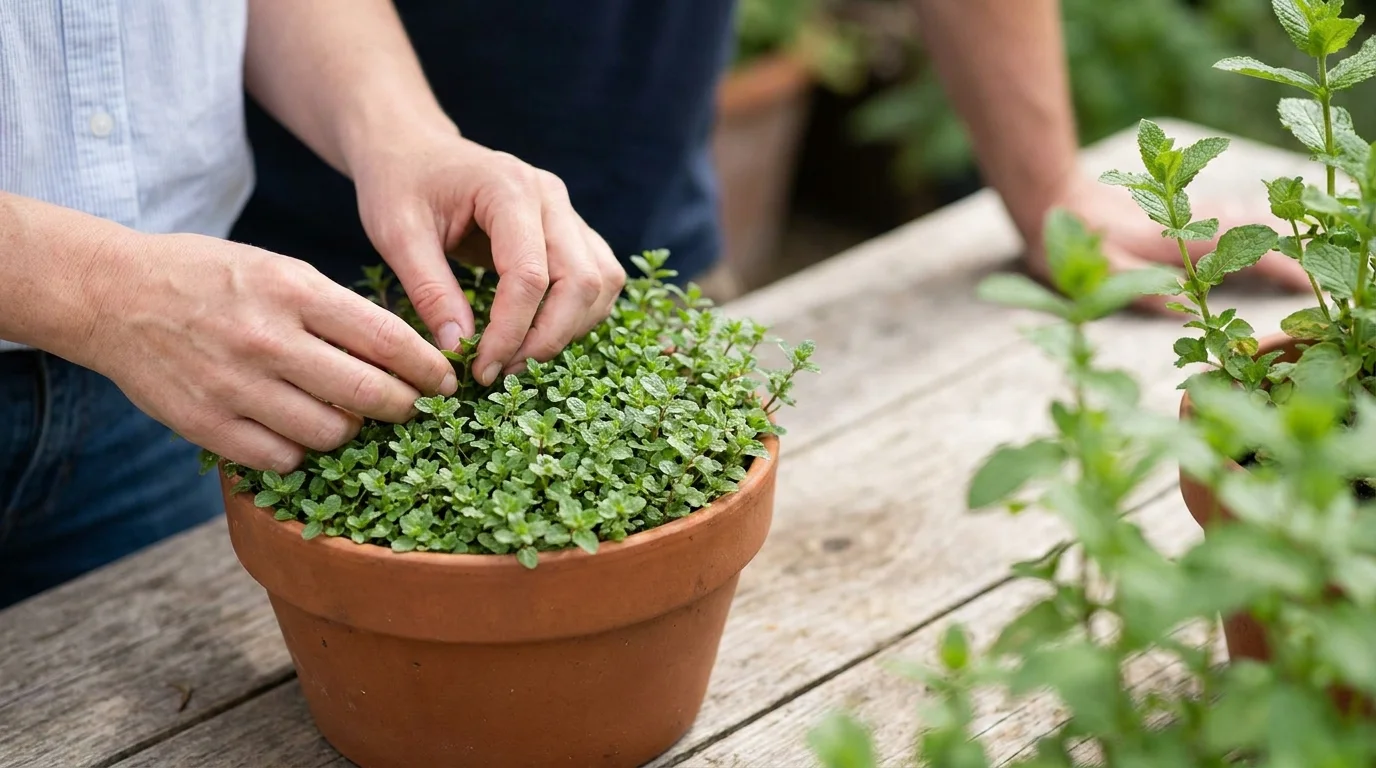
Tip #15: Corsican Mint (Mentha requienii)
For a sensory delight that leaves absolutely no room for weeds, Corsican mint creates an ultra-low, bright green mat hugging the soil surface. This miniature mint variety features tiny, aromatic leaves that release a powerful, refreshing peppermint scent whenever brushed or stepped upon. The plant creeps along the ground, rooting at every node to weave an impenetrable barrier against weed seeds. Corsican mint thrives in partial shade and demands consistently moist soil; it will suffer if allowed to dry out completely. Space small plugs about six inches apart, and watch them merge rapidly into a uniform carpet. While it provides exceptional weed control, keep in mind that its aggressive nature means you should restrict its boundaries using paving stones or landscape edging.
Putting It All Together: Enjoy Your Beautiful Garden
Transforming your landscape with ground cover plants that choke out weeds is one of the smartest investments you can make in your outdoor living space. By selecting the right varieties for your specific sun and soil conditions, you establish a living, breathing mulch that actively fights off invasive seeds. As these resilient plants spread, their roots knit together and their foliage creates a dense canopy, systematically eliminating the space, light, and nutrients that weeds require to survive.
The transition from bare dirt to a lush, low maintenance garden takes a little patience during the first growing season, but the long-term payoff is immense. You will spend far fewer weekends hunched over pulling weeds and far more time relaxing and enjoying the vibrant colors and textures of your landscape. Remember to water your new ground cover plants consistently until they establish a strong root system, and apply a light layer of mulch between new transplants to suppress weeds while they fill in. Embrace the power of these vigorous spreaders, and let nature do the hard work of keeping your garden pristine and beautifully weed-free.
Frequently Asked Questions
How long does it take for ground cover plants to completely choke out weeds?
Most fast-spreading ground cover plants take one to two full growing seasons to form a mat dense enough to suppress weeds entirely. You must actively pull weeds and apply mulch between the plants during the first few months to give your new garden ground cover a competitive advantage while its roots establish.
Do I need to put down landscape fabric before planting weed control plants?
You should avoid using landscape fabric beneath ground cover plants. Fabric prevents trailing plants from dropping new roots into the soil, severely limiting their ability to spread and form a dense mat. Instead, use a natural wood mulch around the base of new transplants to control weeds temporarily while the plants expand.
Can I walk on these ground cover plants?
Some varieties handle foot traffic beautifully, while others will snap and die back. Creeping thyme, blue star creeper, and brass buttons are excellent choices for areas where you frequently walk or between stepping stones. Plants with taller or more brittle stems, like spotted deadnettle or pachysandra, belong in garden beds where you will not step on them.
Will ground cover plants climb my trees or walls?
The creeping perennials listed here are horizontal spreaders and lack the tendrils or aerial roots required to climb vertical surfaces. While they will blanket the soil right up to the base of your trees and walls, they will not climb up the bark or masonry like ivy does, keeping your low maintenance garden neat and contained.
For region-specific advice, consult your local University Extension program (find yours via the USDA directory). For plant databases and inspiration, visit the Missouri Botanical Garden or the Royal Horticultural Society.
Disclaimer: This article provides general gardening advice. Always consider your specific climate, soil conditions, and local pests. Follow safety guidelines when using gardening tools and products.