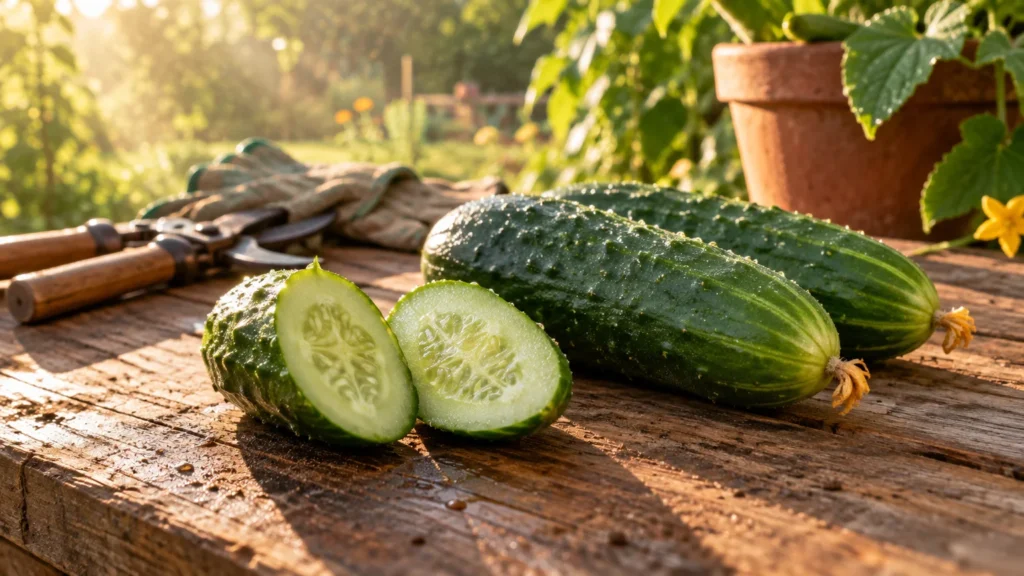
Transforming your outdoor space into a thriving apothecary offers a powerful way to naturally combat joint pain and chronic swelling. When you cultivate specific medicinal backyard plants, you gain immediate access to fresh, potent compounds that actively lower inflammatory markers in the body. You do not need a massive plot of land or a degree in botany to grow your own medicine; these hardy, low-maintenance selections thrive with minimal intervention. These seven robust perennials and self-seeding wonders practically manage themselves once established in the soil or a sunny container. You will save money at the market while creating a fragrant, pollinator-friendly sanctuary that deeply supports your long-term health and daily wellness routine.
Tip #1: Rosemary
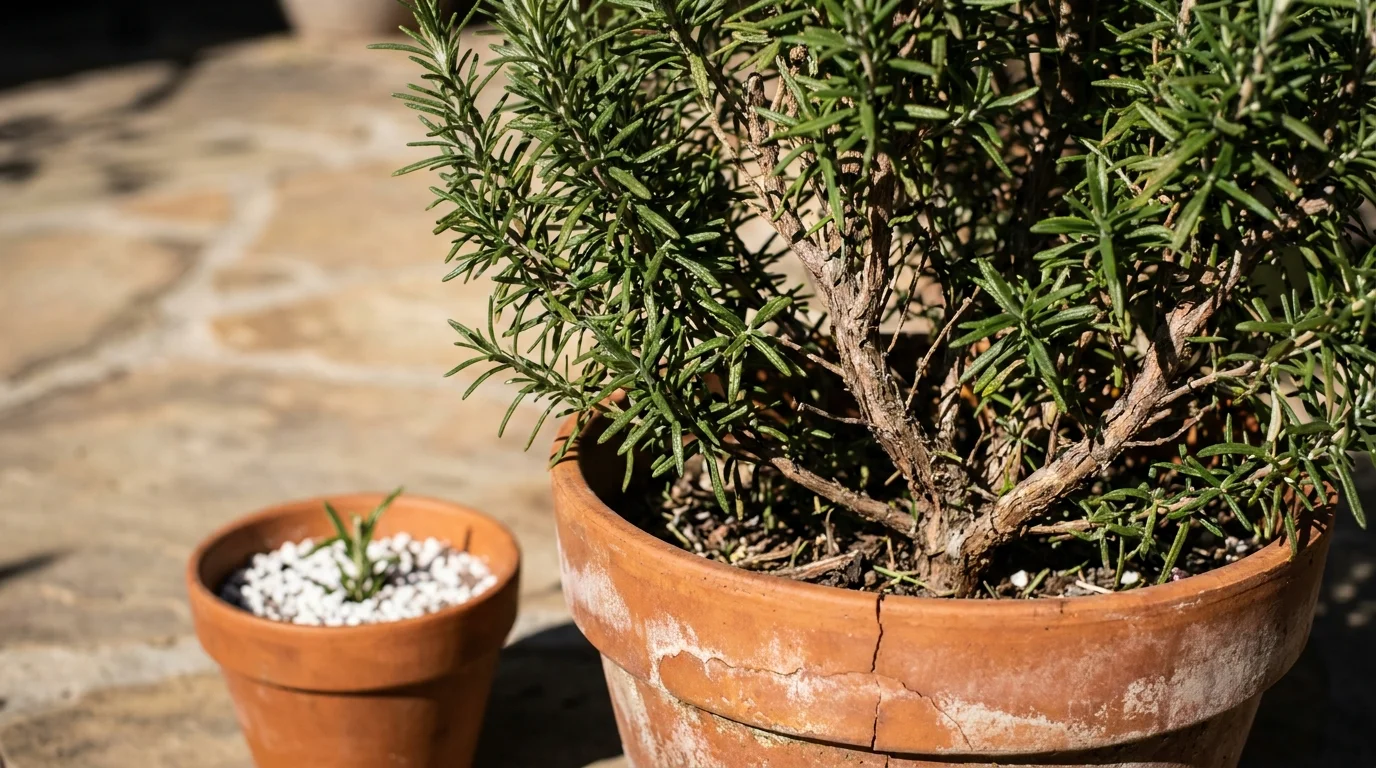
When you brush against a mature rosemary bush, the robust, pine-like fragrance immediately invigorates your senses. This sturdy evergreen shrub stands as a heavy hitter when it comes to combating cellular stress, making it an essential cornerstone for your anti inflammatory herbs garden.
The Science of Rosemary: Researchers have identified exceptionally high concentrations of rosmarinic acid and carnosic acid within rosemary leaves. These potent polyphenols aggressively neutralize free radicals—unstable molecules that damage healthy cells and trigger chronic swelling. Studies demonstrate that regular consumption of these compounds lowers systemic inflammatory markers, offering natural, ongoing support for individuals managing arthritis and persistent joint stiffness.
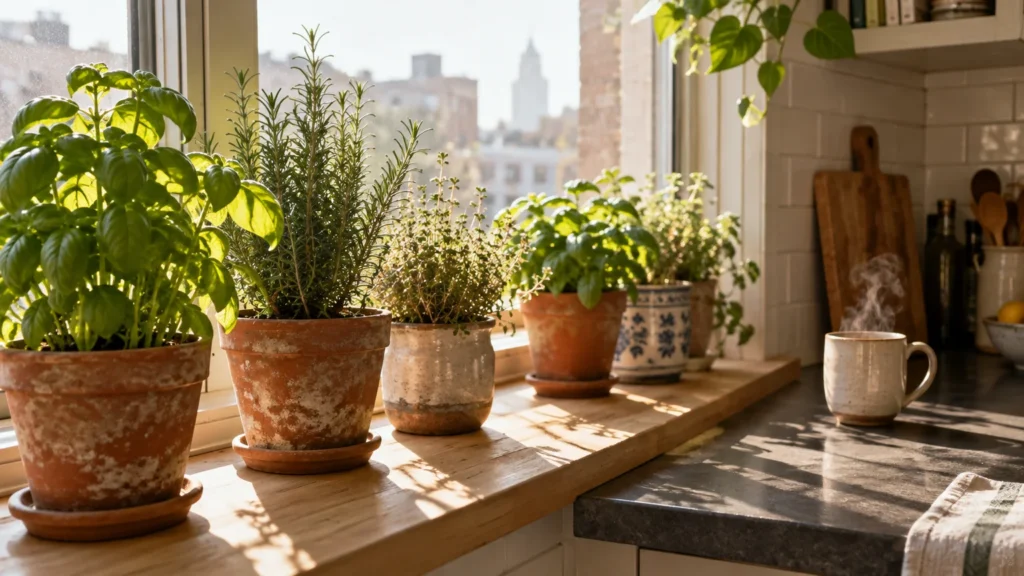
How to Grow Rosemary: Rosemary thrives on neglect, earning its well-deserved reputation as one of the best easy growing herbs seniors and busy gardeners can cultivate. It demands well-draining soil and full, baking sunlight. You must consciously avoid overwatering; always let the soil dry completely between soakings to prevent root rot. If you live in a colder climate where winter temperatures plummet, plant your rosemary in a large terra cotta pot. You can effortlessly move it indoors to a bright, south-facing window before the first hard frost arrives. If you wish to multiply your plants, rosemary propagates easily from stem cuttings taken in late spring. Simply dip a four-inch clipping into rooting hormone and press it into a pot of moist perlite.
How to Use Rosemary: Harvest the tender, bright green tips of the branches to capture the highest concentration of essential oils. You can infuse these fresh sprigs into high-quality, cold-pressed olive oil for a joint-soothing topical rub. Alternatively, steep them in hot water with a slice of fresh lemon for a deeply warming, circulation-boosting tea.

Tip #2: Thyme
Do not let the delicate, tiny leaves of the thyme plant fool you; this low-growing perennial packs an extraordinary punch against systemic inflammation. With its creeping habit and prolific summer blooms, thyme effortlessly doubles as a beautiful landscaping ground cover and a potent natural remedy right outside your back door.
The Science of Thyme: The primary volatile oil synthesized in this herb is thymol. Laboratory studies reveal that thymol actively inhibits the COX-2 enzyme in the human body. This is the exact same biological pathway targeted by common over-the-counter medications like ibuprofen. By suppressing this specific enzyme, thyme significantly reduces swelling and pain, acting particularly fast on respiratory and digestive tract inflammation.
How to Grow Thyme: Thyme mimics its rugged Mediterranean origins by demanding sandy, rocky soil with exceptional drainage. It absolutely detests sitting in water and will quickly succumb to fungal diseases if left in soggy conditions. Plant it along walkway edges, nestled between hot stepping stones, or in a shallow, wide patio container. You can select from dozens of varieties, including lemon thyme which adds a bright citrus note to its medicinal profile, or creeping thyme which creates a walkable, fragrant carpet over bare soil. Once its root system establishes, it requires almost zero supplemental watering, making it an incredibly resilient addition to your yard.
How to Use Thyme: Run your fingers firmly down the woody stems to strip the small leaves into a bowl. Thyme retains its medicinal potency exceptionally well when dried. Brew a strong thyme tea and carefully inhale the steam to soothe inflamed sinus passages, or add generous pinches of fresh leaves to roasted root vegetables to effortlessly incorporate its protective compounds into your daily meals.
Tip #3: Oregano
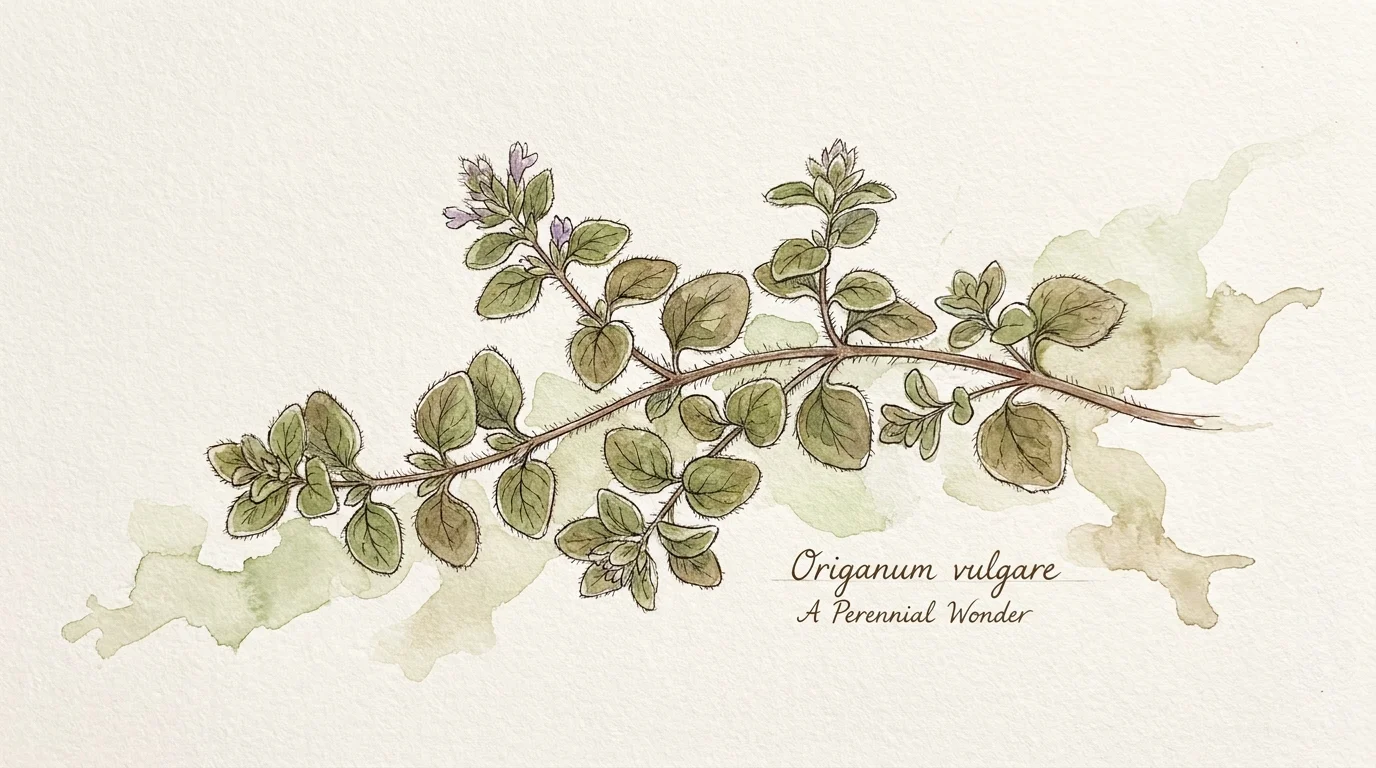
Oregano bursts from the soil with vigorous enthusiasm, offering an abundance of fuzzy, aromatic leaves from early spring straight through late autumn. While most people associate it strictly with pizza and rich pasta sauces, oregano truly shines as one of the most powerful medicinal backyard plants you can cultivate for physical longevity.
The Science of Oregano: The secret behind oregano’s profound healing power lies in a compound called carvacrol. This aggressive antioxidant goes straight to work at the cellular level to halt the production of inflammatory cytokines. Clinical observations show that isolated carvacrol drastically reduces joint swelling and tissue inflammation. Furthermore, oregano boasts incredible antibacterial properties, actively helping your immune system fight off the low-grade, lingering infections that frequently trigger systemic body inflammation.
How to Grow Oregano: This robust herb operates as a vigorous spreader. It sends out ambitious runners beneath the soil surface to colonize adjacent garden space. To keep it neatly contained, you might prefer planting it in a designated raised bed or a large, dedicated container. It thrives in full sun and handles poor, rocky soil beautifully. It actually prefers slightly alkaline conditions, so if your garden runs highly acidic, consider sprinkling a handful of garden lime into the planting hole. Refrain from applying heavy nitrogen fertilizers; overly rich soil actually dilutes the potent essential oils that give oregano its medicinal strength. Cut the plant back by half in mid-summer to encourage a dense, bushy flush of fresh foliage.
How to Use Oregano: Harvest oregano just before the tiny flower buds open, as this is the exact moment when the essential oils peak. Hang small bundles upside down in a dark, well-ventilated room. Once completely dry, crumble the brittle leaves into an airtight glass jar. Sprinkle this potent herb over fresh salads, blend it into savory marinades, or brew it into a pungent, healing tea when you feel body aches coming on.
Tip #4: Peppermint
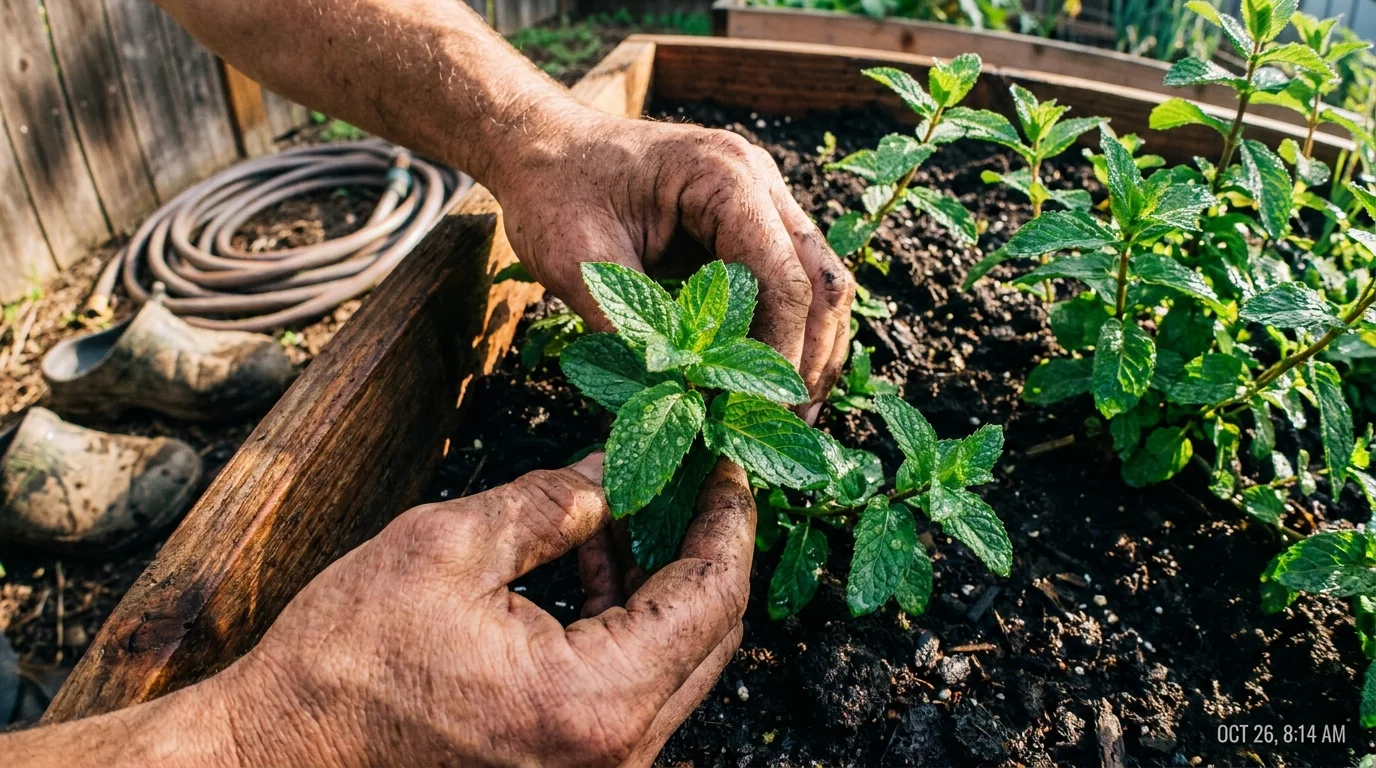
Few scents are as universally recognized and immediately refreshing as freshly crushed peppermint leaves. This bright green, moisture-loving plant grows so enthusiastically that your primary gardening task will simply be trying to keep up with the abundant harvest it provides.
The Science of Peppermint: Peppermint contains extraordinary levels of menthol, a natural compound highly renowned for its cooling, antispasmodic properties. When applied topically, menthol desensitizes irritated nerve endings and rapidly reduces localized heat and swelling in sore, overworked muscles. Internally, peppermint aggressively targets inflammation in the digestive tract. It acts directly to relax the smooth muscles of the intestines, making it an extensively researched and proven botanical remedy for irritable bowel syndrome and severe gastrointestinal distress.
How to Grow Peppermint: Peppermint requires a strict, non-negotiable warning: never plant it directly into your open garden beds unless you want a yard composed entirely of mint. It utilizes aggressive, fast-moving underground rhizomes to conquer space rapidly. Always plant peppermint in a sturdy, thick-walled container. Unlike its drought-tolerant Mediterranean cousins, it prefers rich, loamy soil and deeply appreciates consistent moisture. It flourishes in partial shade, making it the perfect candidate for that tricky, less-sunny corner of your patio or balcony. Harvest your peppermint vigorously throughout the growing season; the more frequently you pinch back the growing tips, the thicker and more robust the plant becomes.
How to Use Peppermint: Snip the square stems right above a leaf node to encourage continuous lateral branching. Bruise a handful of fresh leaves in a heavy mug and pour boiling water over them, covering the mug immediately with a saucer to trap the healing, volatile essential oils. Drink this soothing infusion after heavy meals to quell digestive inflammation, or soak a clean cotton cloth in chilled peppermint tea to use as a cooling compress on inflamed, aching joints.
Tip #5: Sage
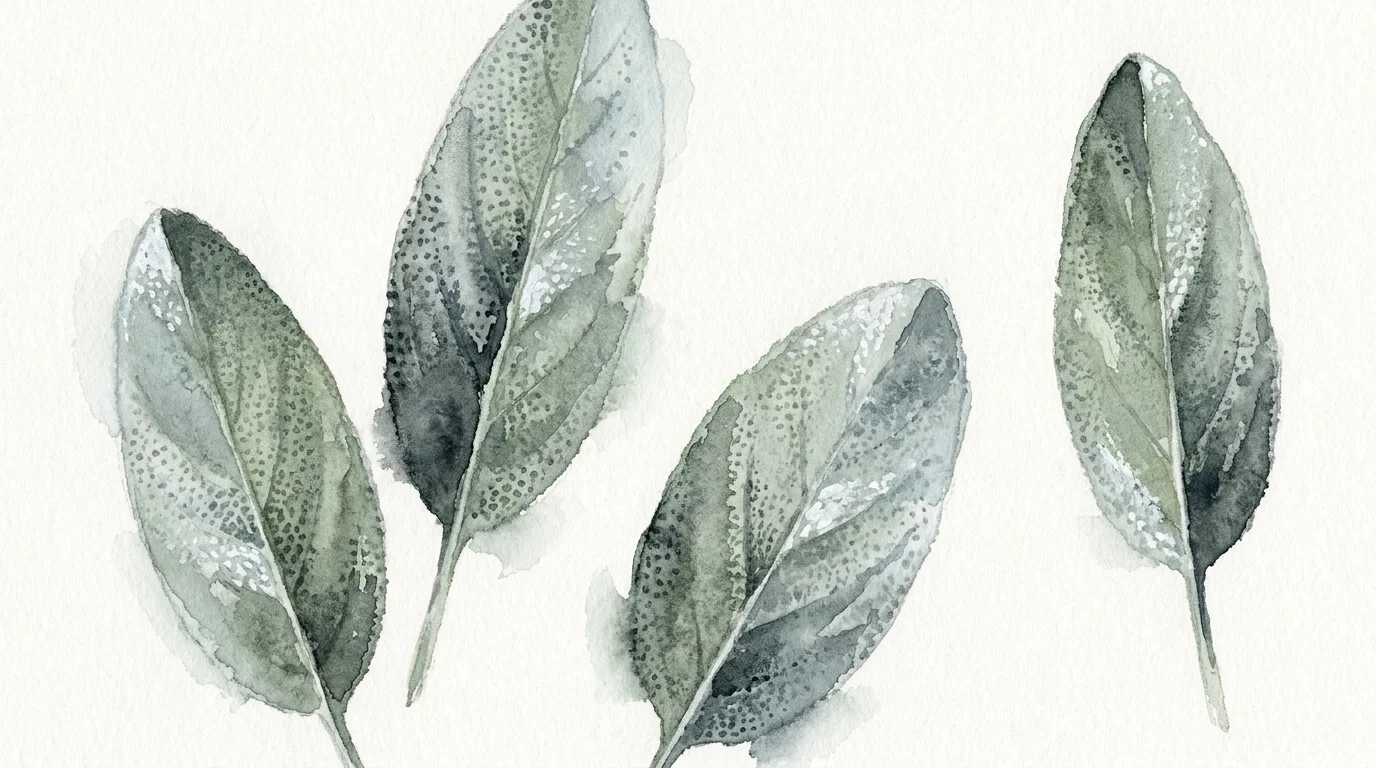
With its striking, velvety silver-green leaves and stunning upright stalks of purple flowers, sage brings exceptional ornamental value to any landscape design. Beyond its sheer visual beauty, this deeply resilient perennial offers an earthy flavor profile and a rich, documented history as an inflammation-fighting powerhouse.
The Science of Sage: The botanical name for sage, Salvia, derives directly from the Latin word “salvere,” meaning “to heal.” Modern scientific analysis backs up this ancient reputation by identifying high levels of carnosol and ursolic acid within the fuzzy leaves. These specific compounds alter the body’s inflammatory response by disrupting the chemical signaling pathways that cause tissue swelling. Sage also contains specialized, blood-brain barrier-crossing flavonoids that protect brain cells from oxidative stress and neuroinflammation, deeply supporting long-term cognitive health.
How to Grow Sage: Sage requires plenty of ambient air circulation and bright, direct sunlight to truly thrive. Plant it in moderately fertile soil mixed heavily with coarse builder’s sand or perlite to guarantee swift, reliable drainage. In humid climates, you must space your sage plants generously to prevent powdery mildew from forming on the moisture-trapping leaves. Sage serves as an excellent companion plant in the vegetable garden, naturally repelling cabbage moths while simultaneously drawing beneficial native pollinators to its striking blooms. Prune the older, woody stems out in early spring to stimulate vigorous, tender new growth from the base.
How to Use Sage: Gather sage leaves in the mid-morning, right after the heavy dew dries but before the intense midday sun hits the foliage. You can craft a highly effective, anti-inflammatory throat gargle by steeping fresh sage leaves in boiling water with a generous pinch of high-quality sea salt. Alternatively, crisp whole sage leaves in a cast-iron pan with a small amount of olive oil for a savory, antioxidant-rich garnish for creamy soups and roasted winter squashes.
Tip #6: Lemon Balm
Lemon balm offers an incredibly cheerful, uplifting presence in the garden, releasing a bright, sweet citrus perfume whenever the wind rustles its vibrant green leaves. This gentle, easygoing plant proves once and for all that powerful, effective medicine does not have to taste bitter or require intense, complicated cultivation.
The Science of Lemon Balm: While many herbs specifically target physical joint pain, lemon balm excels remarkably at addressing stress-induced systemic inflammation. Chronic anxiety chronically elevates cortisol levels, which in turn spikes damaging inflammation throughout the entire body. Lemon balm contains eugenol and rosmarinic acid, which work synergistically to soothe and regulate the central nervous system. By naturally lowering perceived stress and promoting deep, restorative sleep, lemon balm actively helps your body turn off its internal inflammatory alarms and enter a dedicated state of cellular repair.
How to Grow Lemon Balm: As a milder, slightly less aggressive cousin to peppermint, lemon balm grows vigorously and readily self-seeds if allowed to mature and flower. To maintain a tidy, compact clump, simply trim the top third of the plant with garden shears whenever you notice small white flower buds beginning to form. It heavily tolerates poor soil and flourishes beautifully in both full sun and dappled woodland shade. In colder climates, lemon balm will die back completely to the ground after the first hard freeze. Do not panic; its hardy roots survive well below freezing, and vibrant green shoots will emerge rapidly at the first sign of spring warmth.
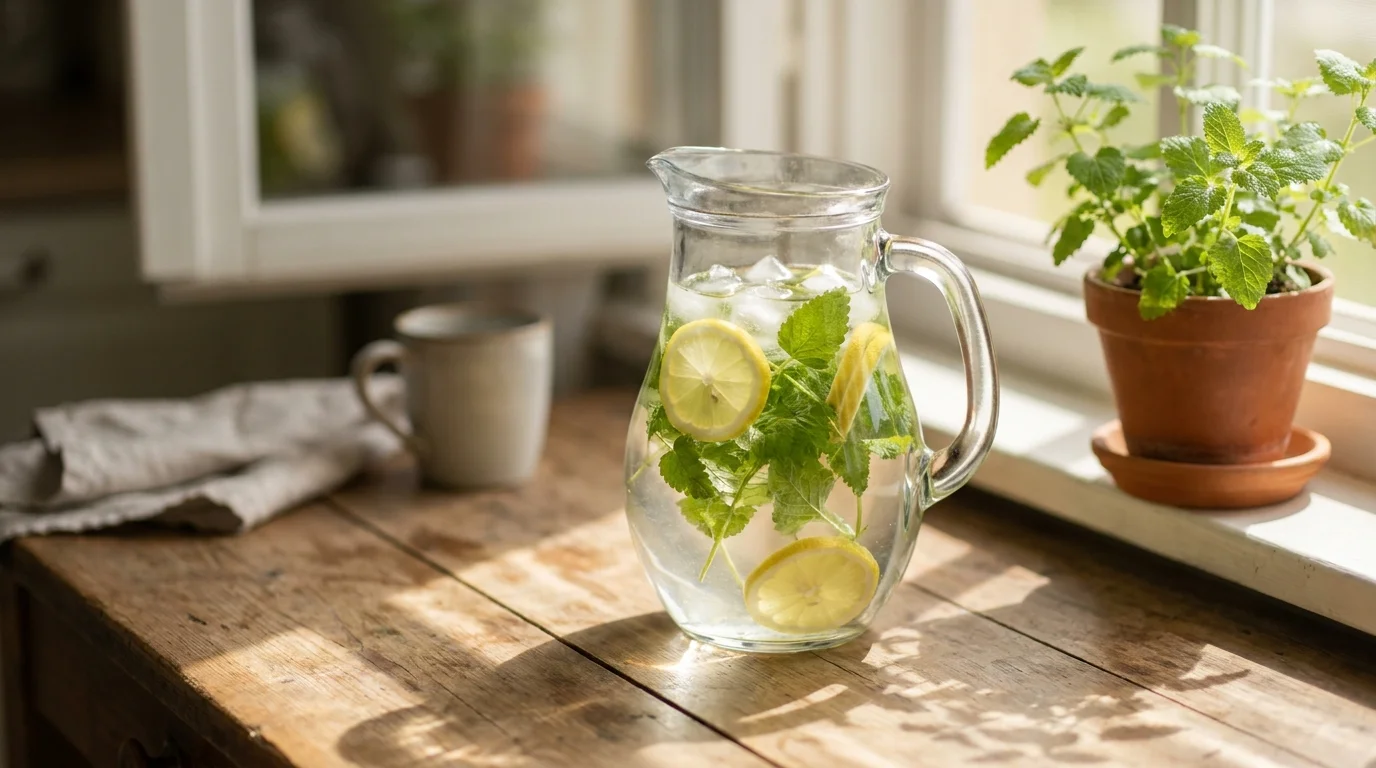
How to Use Lemon Balm: High heat quickly destroys the delicate, mood-lifting volatile oils found in lemon balm. To capture its full medicinal benefits, you should create a slow, cold infusion. Pack a large glass mason jar full of fresh, roughly chopped lemon balm leaves, fill it to the brim with filtered cold water, and let it steep undisturbed in the refrigerator overnight. Strain the vibrant liquid the next morning for a refreshing, anti-inflammatory beverage that instantly calms the nerves and cools the body.
Tip #7: Chamomile
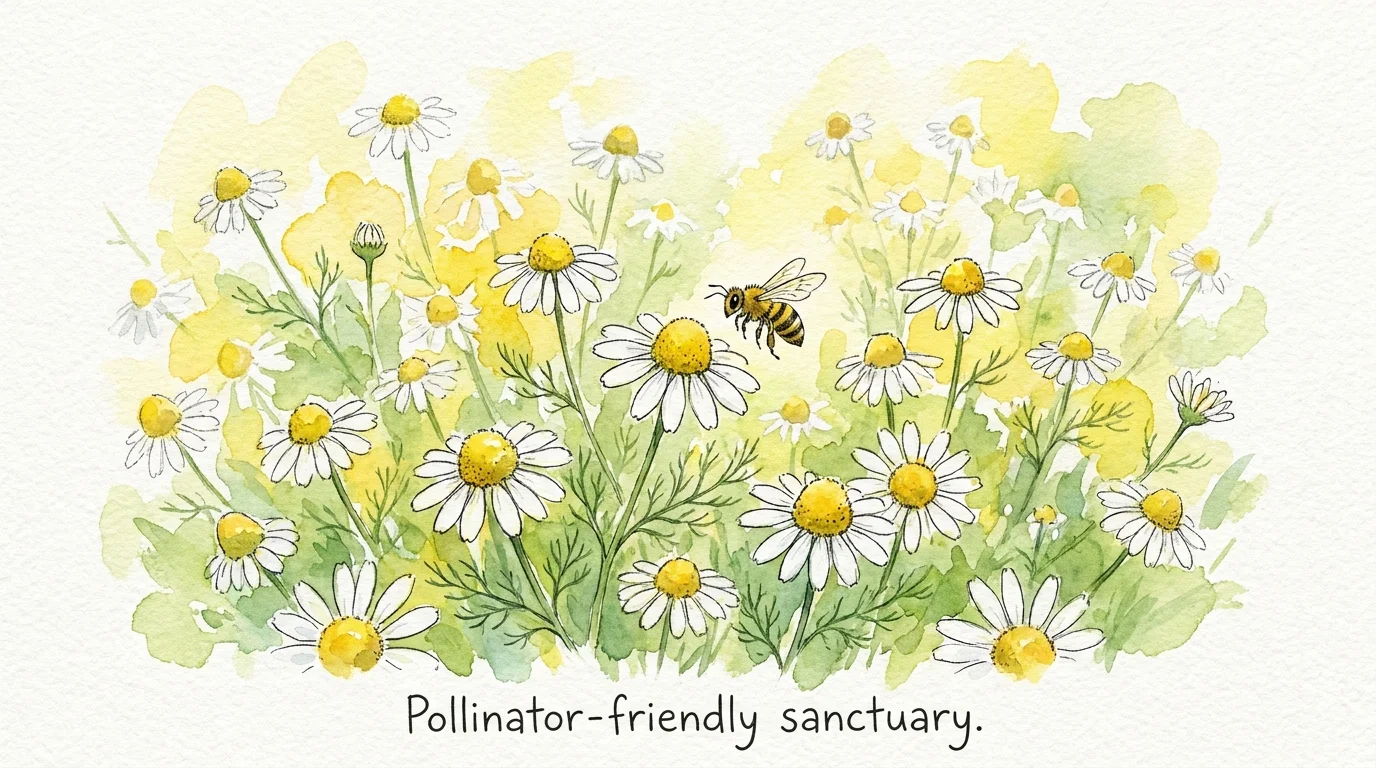
Rounding out your healing backyard landscape is chamomile, a visually delicate plant featuring feathery, fern-like foliage and cheerful, apple-scented, daisy-like blossoms. While it may look fragile to the naked eye, chamomile operates as a resilient, prolific self-seeder that aggressively battles physical inflammation on multiple fronts.
The Science of Chamomile: The prominent golden center of the chamomile flower houses a highly active flavonoid called apigenin. This powerful antioxidant effectively binds to specific receptors in the brain to initiate deep sleep, but it also circulates broadly through the bloodstream, actively neutralizing inflammatory proteins. Clinical dermatological applications show that pure chamomile extract significantly reduces surface skin inflammation, accelerates minor wound healing, and rapidly calms irritated mucous membranes throughout the entire digestive tract.
How to Grow Chamomile: When purchasing seeds, you will typically choose between two main varieties: Roman chamomile, which acts as a low-growing perennial, and German chamomile, which grows as a taller, upright annual. For the absolute highest medicinal yield, always opt for the German variety. Scatter the tiny seeds directly onto the surface of bare, weeded soil in early spring; they require direct sunlight to germinate, so you must not bury them under dirt. While chamomile handles brief dry spells, it prefers moderately moist soil during its active flowering phase. Providing consistent water ensures a steady, uninterrupted production of medicinal blossoms. Once established, the plants will naturally drop their own seeds at the end of the season, practically ensuring a permanent, self-renewing patch in your garden year after year.
How to Use Chamomile: Gently pluck the flower heads when the white outer petals are fully reflexed, meaning they are pointing slightly downward away from the yellow center. Dry them in a single layer on a mesh screen placed entirely out of direct sunlight. A strong, hot cup of chamomile tea serves as a classic, incredibly gentle remedy for a stressed, inflamed stomach lining. You can also brew a strong, concentrated batch, let it cool completely, and use it as a highly soothing skin wash for sudden rashes, stubborn eczema flare-ups, or minor summer sunburns.
Putting It All Together: Enjoy Your Beautiful Garden
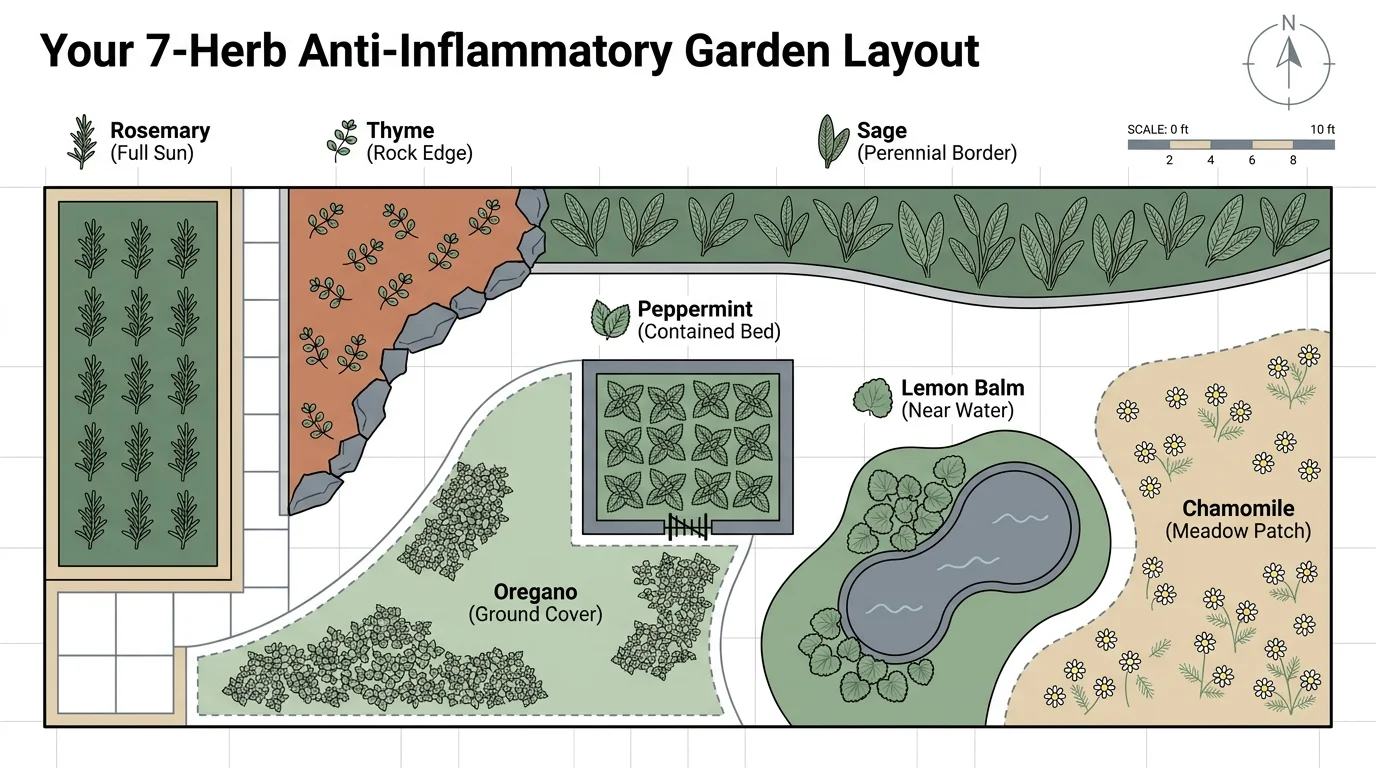
Cultivating a living apothecary right outside your back door offers profoundly rewarding returns for both your physical health and your daily mental well-being. When these backyard herbs fight inflammation, they do so gently and sustainably, working in perfect harmony with your body’s natural healing processes rather than artificially overpowering them. By dedicating just a small, sunny corner of your yard or a modest collection of patio pots to these seven incredible plants, you seize definitive control over your personal wellness routine.
You will undoubtedly find deep, quiet satisfaction in stepping outside with a simple pair of clippers to harvest exactly what your body needs, exactly when you need it. The act of gardening itself serves as a deeply therapeutic, grounding physical activity that actively lowers stress hormones and gets you moving intentionally in the fresh air. Start small by choosing just two or three of the specific herbs that resonate most closely with your current physical health goals. As you steadily build gardening confidence and joyfully watch these resilient plants thrive under your care, you can effortlessly expand your botanical collection. Embrace the vibrant, fresh flavors, the intoxicating, natural fragrances, and the profound medicinal benefits waiting patiently to be unlocked in your very own soil.
Frequently Asked Questions
Do I need a massive yard to grow an effective medicinal herb garden?
Absolutely not; you can successfully and vigorously cultivate every single plant featured on this list strictly in containers. A sunny apartment balcony, a sturdy wooden window box, or a small collection of medium-sized terra cotta pots placed on a paved patio provides more than enough growing space. Container gardening actually offers distinct, practical advantages, allowing you to control the soil drainage precisely and physically move the plants throughout the year to catch the absolute best seasonal sunlight.
Can I use dried herbs instead of fresh ones to fight inflammation?
Yes, properly dried herbs remain highly effective and often pack a much more concentrated medicinal punch by volume than fresh leaves. The natural air-drying process gently removes the water content from the plant tissue, leaving the potent essential oils and active volatile compounds completely intact behind. To maximize their shelf life and ensure ultimate medicinal efficacy, always store your fully dried herbs in airtight glass jars, and keep them tucked away safely in a cool, dark kitchen cupboard to prevent ambient sunlight from degrading their active chemical constituents.
Are these natural herbal remedies safe to consume every single day?
Integrating standard culinary amounts of these flavorful herbs into your daily home-cooked meals is incredibly safe and highly beneficial for your cellular health. However, when you deliberately start brewing deeply concentrated, therapeutic teas or creating potent daily tinctures, you must exercise common sense and caution. Herbs function as real, active medicine in the body. Always consult your primary healthcare professional or a certified clinical herbalist before adopting a heavy, daily medicinal regimen, especially if you are currently taking pharmaceutical prescription medications, as certain potent herbs can drastically alter how those drugs metabolize in your liver.
What is the best technique for harvesting herbs without harming the parent plant?
To ensure your plants remain vigorous, always practice the standard “one-third rule.” You should never remove more than one-third of the plant’s total green foliage during a single harvesting session. When you make your precise cuts, use clean, sharp bypass pruners or specialized gardening shears to avoid crushing the stems. Snip the main stem just a quarter-inch above a leaf node—this is the exact point where a smaller leaf joins the main vertical stem. Executing this specific, targeted cut naturally stimulates the plant’s internal growth hormones, prompting it to push out two brand new lateral branches, which ultimately results in a much bushier, healthier, and more productive plant.
For region-specific advice, consult your local University Extension program (find yours via the USDA directory). For plant databases and inspiration, visit the Missouri Botanical Garden or the Royal Horticultural Society.
Disclaimer: This article provides general gardening advice. Always consider your specific climate, soil conditions, and local pests. Follow safety guidelines when using gardening tools and products.