Understanding exactly why you continually find moles in yard areas empowers you to reclaim your turf and stop extensive lawn damage at its source. These subterranean mammals follow specific environmental cues—primarily abundant food and ideal soil moisture—that turn your carefully maintained landscape into their perfect hunting ground. While sudden ridges and volcano-like dirt mounds disrupt your grass, they actually indicate a thriving underground ecosystem rich with earthworms and grubs. By identifying the exact elements that attract moles to your property, you can immediately implement targeted mole control strategies that yield permanent results. Adjusting your irrigation habits, managing these hungry yard pests’ food supply, and modifying soil structure will naturally encourage them to forage elsewhere.
Tip #1: An Overabundance of Earthworms
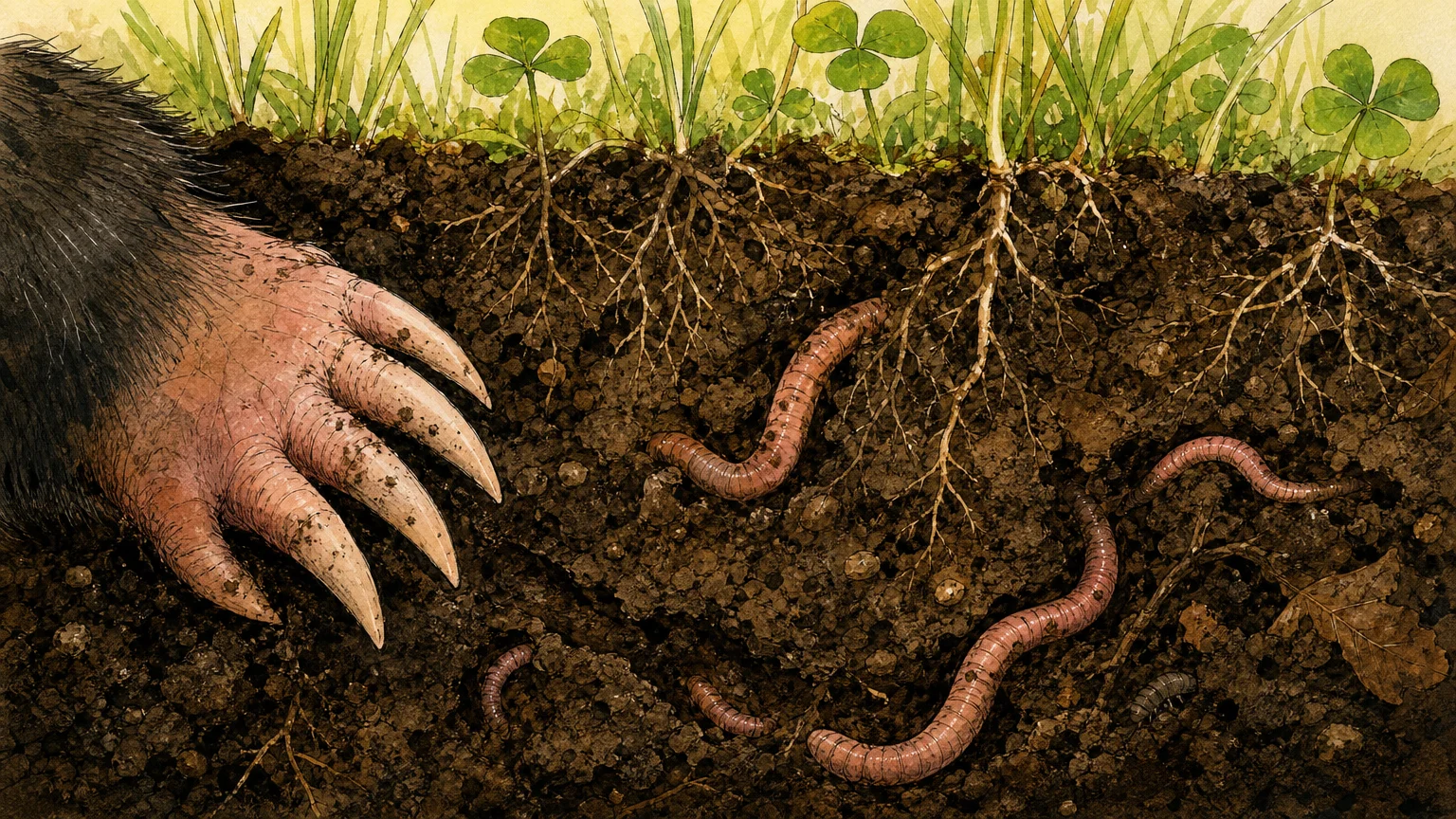
Moles are insectivores, not rodents; they completely ignore plant roots, seeds, and bulbs. Their primary diet consists almost entirely of earthworms. A single mole can consume 70 to 100 percent of its own body weight in earthworms every single day to fuel its exceptionally high metabolism. If your soil supports a massive, healthy earthworm population, your lawn essentially acts as an endless underground buffet.
Earthworms provide immense benefits to your soil structure and organic matter breakdown, so you absolutely do not want to eliminate them. Instead, you must systematically manage the mole’s access to this critical food source. You can apply castor oil-based repellents evenly across your lawn. Castor oil coats the earthworms and soil particles, creating an unpleasant taste and odor that drives moles away without harming your beneficial worm population. This natural oil simply biodegrades over time, leaving no toxic residue in your soil.
Apply the repellent strategically, starting near your home’s foundation and working outward toward the property lines. This directional application effectively herds the pests out of your yard. Recognizing this dietary preference shifts your perspective on mole activity; the presence of these tunneling mammals confirms that you possess incredibly healthy, biologically active soil.
Tip #2: High White Grub Populations
Second only to earthworms, white grubs serve as a prime delicacy for moles. These fat, C-shaped larvae eventually mature into destructive scarab beetles, such as Japanese beetles, European chafers, and June bugs. If you notice an intense spike in mole activity during the late summer and early fall, grubs are likely congregating near the root zone of your turfgrass.
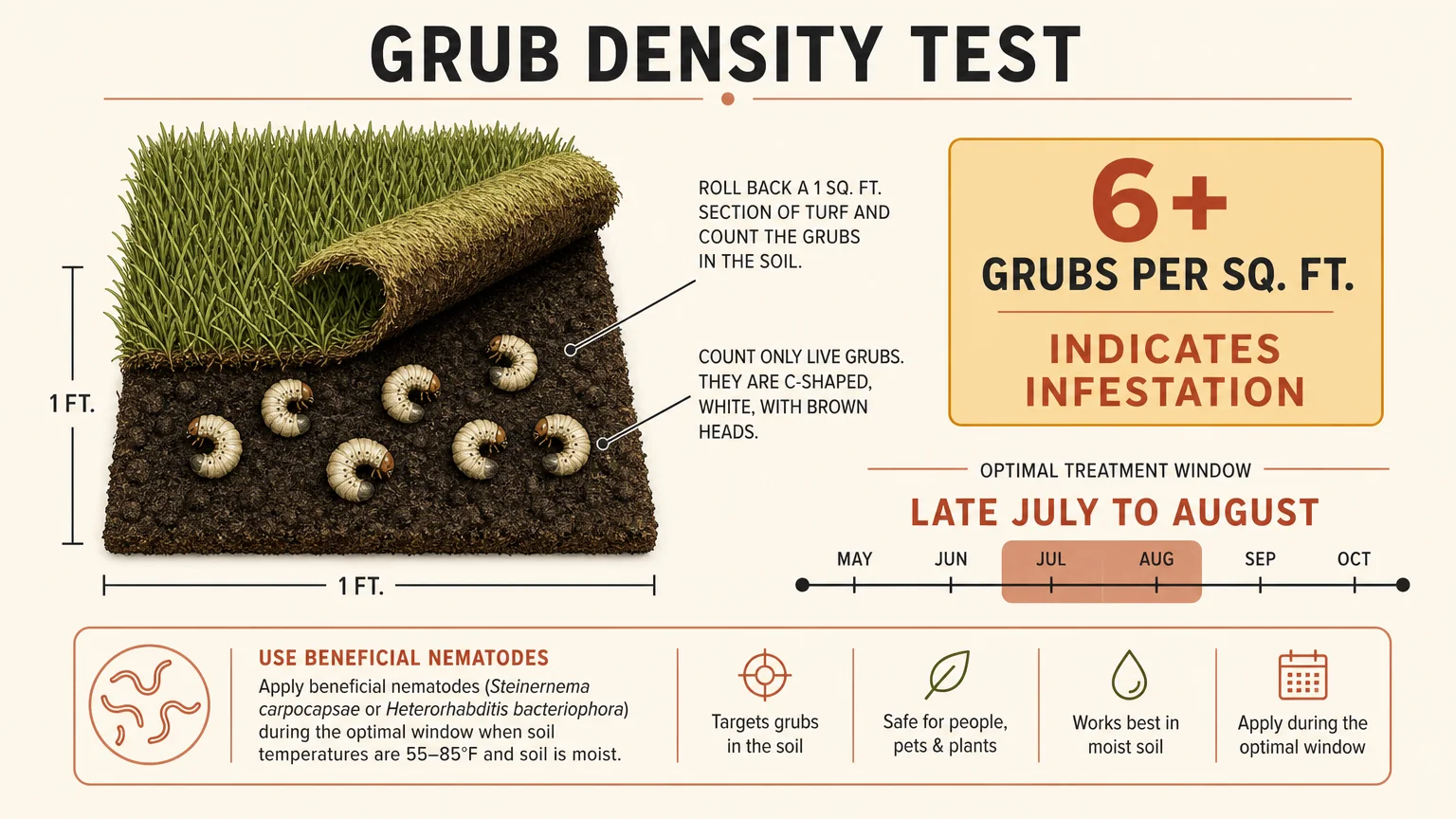
You can verify a grub infestation by cutting a one-foot square section of your turf and rolling it back like a carpet. If you count more than six grubs in that small section, you have a population dense enough to attract moles and severely damage your grass roots. Treating the grub problem eliminates a massive secondary food source, forcing moles to search for sustenance elsewhere in neighboring areas.
Apply beneficial nematodes or Bacillus thuringiensis galleriae to your lawn during the late summer. Timing is critical; apply these treatments in late July or August when the newly hatched larvae feed aggressively just below the soil surface. These biological controls specifically target the grubs without harming beneficial insects, pets, or humans. By eradicating the grubs, you solve two problems simultaneously: you remove the food source drawing the moles, and you prevent the grubs themselves from destroying your lawn.
Tip #3: Consistently Damp and Overwatered Soil
Moles possess specialized, paddle-like front claws perfectly designed for swimming through the earth. However, they always seek the path of least resistance to conserve calories. Dry, heavily compacted dirt requires enormous energy to excavate. Conversely, damp, soft soil yields easily, allowing moles to dig surface feeding tunnels at impressive speeds of up to 18 feet per hour.
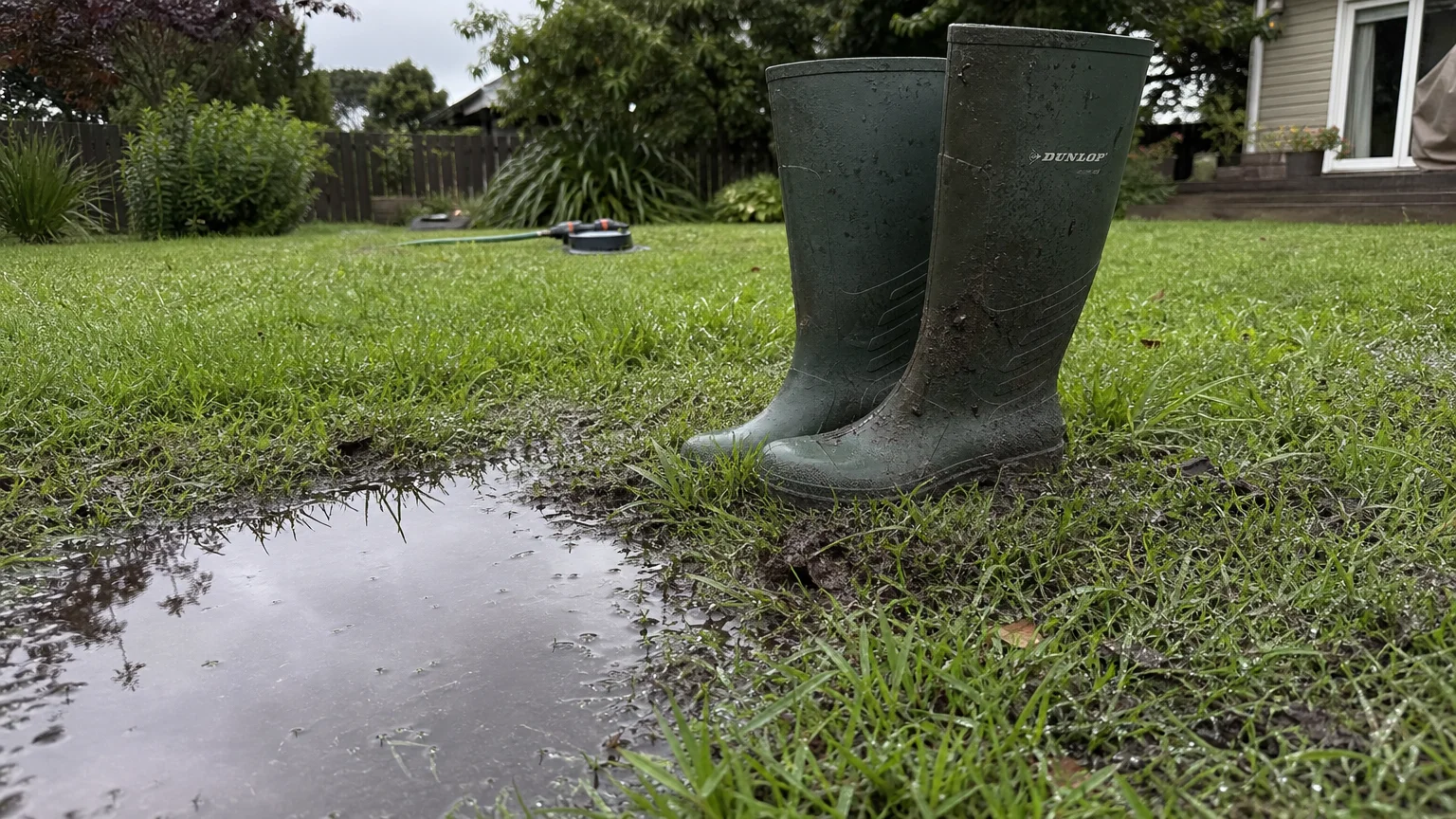
Frequent, shallow watering keeps the top few inches of your soil perpetually saturated. This excessive moisture not only softens the ground for easy digging but also drives earthworms and grubs closer to the surface. Moles quickly follow their food upward, resulting in those highly visible, raised ridges wandering erratically across your pristine lawn.
Adjust your irrigation schedule to deliver deep, infrequent watering. Provide your lawn with about one inch of water per week, delivered in a single session or two deep sessions, depending on your soil drainage capacity. Allowing the top few inches of soil to dry out between watering cycles forces earthworms deeper into the ground and makes the surface crust much harder for moles to navigate. Deep watering also encourages your turfgrass to develop deeper, more resilient root systems that easily survive short periods of drought.
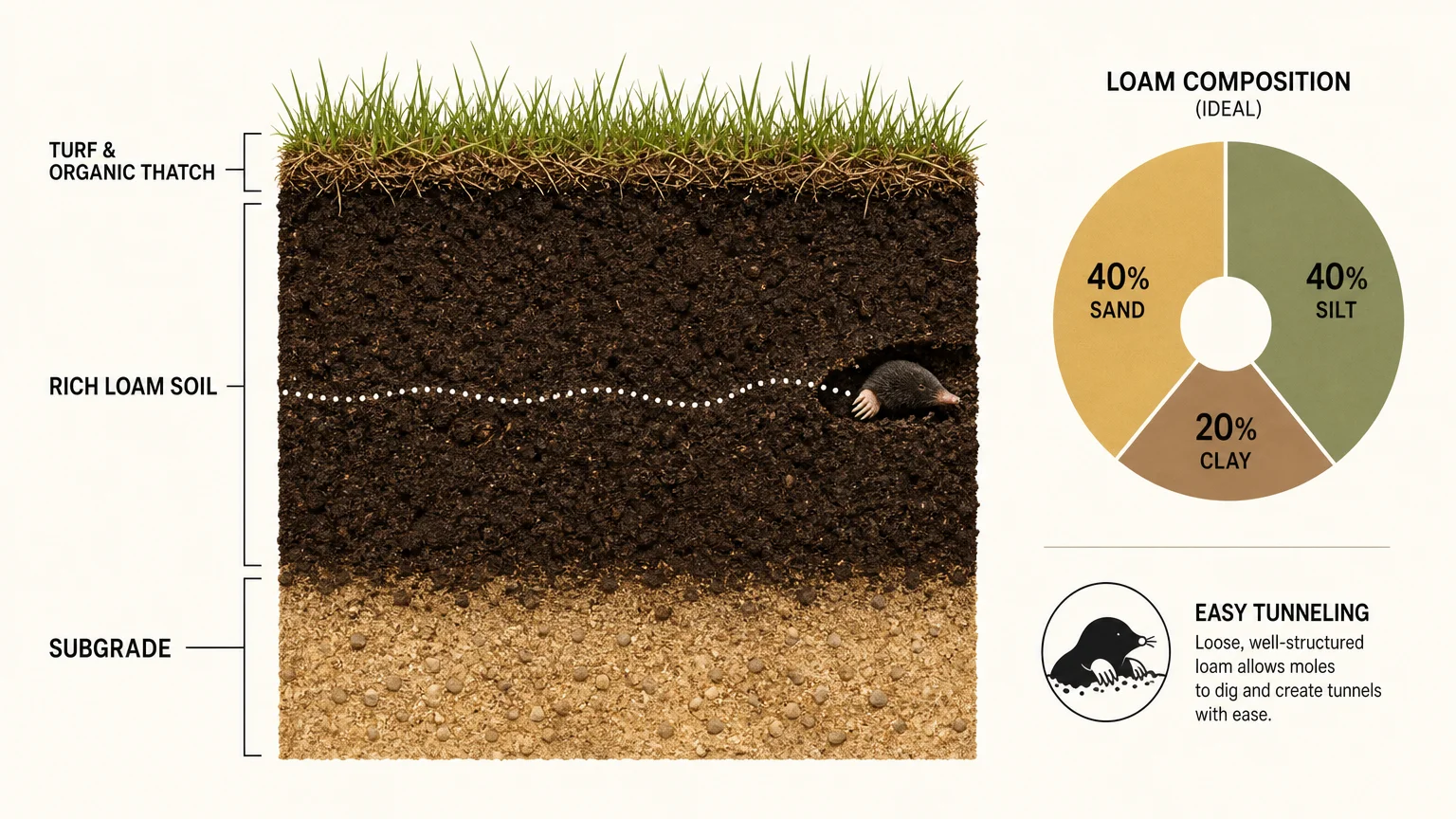
Tip #4: Rich, Loamy Soil Structure
The ideal soil conditions every dedicated gardener works tirelessly to achieve—loose, loamy, well-aerated earth—are precisely the physical conditions that attract moles. Heavy clay soils naturally deter these mammals because the dense particulate matter stifles their tunneling efforts and severely reduces underground oxygen exchange. Sandy soils frequently collapse, making permanent nesting tunnels difficult to maintain.
Since degrading your soil quality is completely counterproductive to gardening, you must employ physical exclusion tactics in your highly amended areas. Raised vegetable beds filled with premium compost are prime targets. Line the bottom and interior sides of your raised beds with a quarter-inch galvanized hardware cloth before adding your soil mixture. Some gardeners even line the absolute bottom of their deepest ground-level beds with crushed stone as a secondary deterrent.
For high-value specimen plants or newly planted fruit tree saplings, dig a trench around the root ball and install a vertical barrier of hardware cloth. Bury the protective mesh at least 24 inches deep and leave a few inches protruding above the soil line. This proactive, physical measure ensures moles cannot inadvertently disrupt the vital root systems of your most prized landscape additions while they forage.
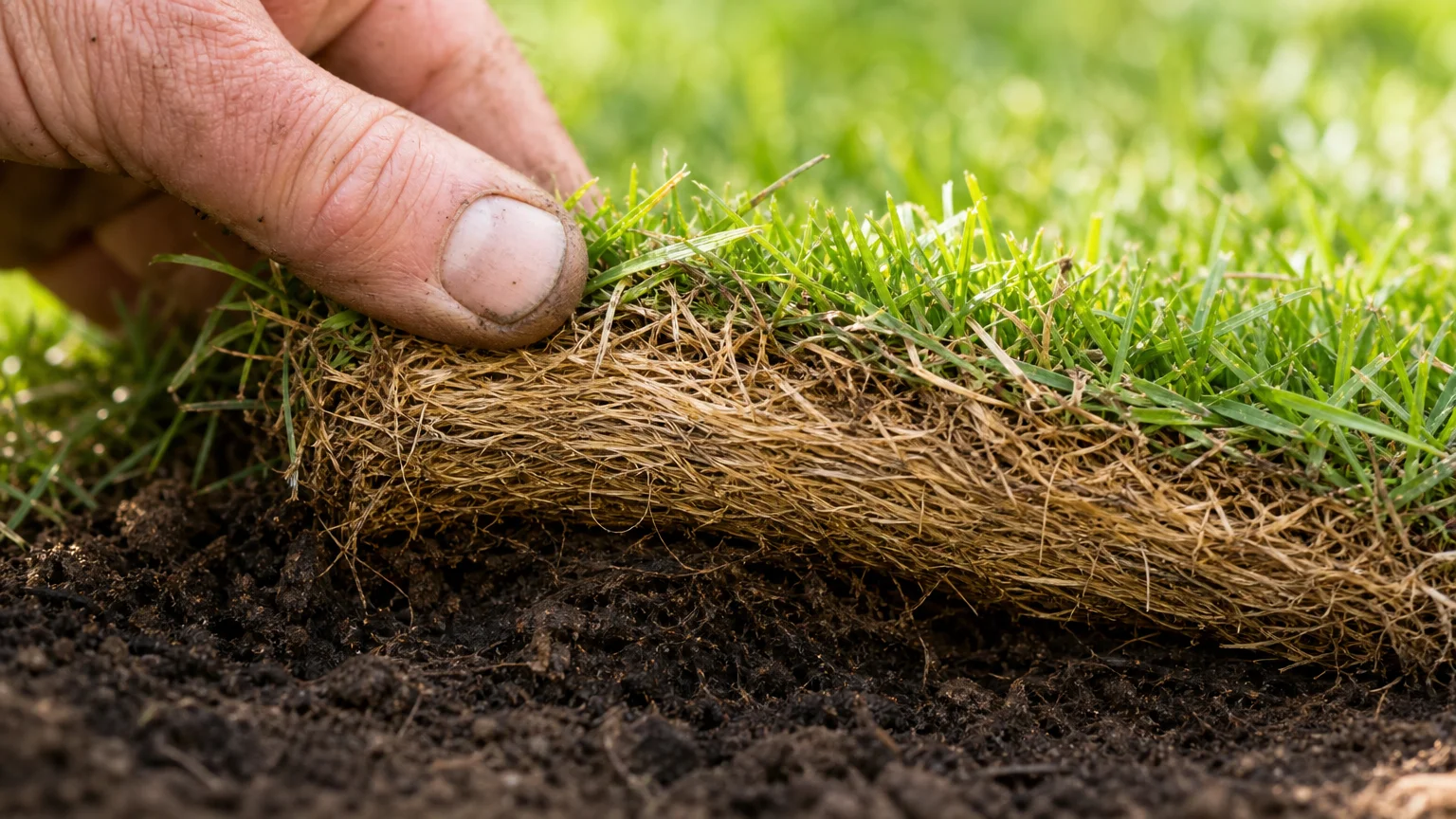
Tip #5: Heavy Thatch Buildup in Your Turf
Thatch consists of a tightly interwoven layer of living and dead grass tissue that continuously accumulates between the soil surface and the green grass blades. When thatch exceeds a half-inch in thickness, it creates a highly problematic environment. A thick thatch layer acts exactly like a dense sponge, retaining excessive moisture at the soil line and creating a humid, dark microclimate.
This moist, protected zone serves as an ideal habitat for countless insects, spiders, and larvae. Moles actively seek out heavily thatched lawns because they instinctively know a smorgasbord of surface insects awaits them right at the grass root level. The heavy thatch also provides excellent thermal insulation, allowing moles to forage comfortably just beneath the surface even during sudden temperature fluctuations.
Rent a core aerator or use a dethatching rake in the early spring or early fall to break up this dense organic layer. Core aeration pulls small plugs of soil and thatch out of the ground, drastically improving oxygen exchange and water penetration. Avoid excessive nitrogen applications, which spur rapid foliage growth and contribute to aggressive thatch buildup. Reducing the thatch layer destroys the insect habitat and creates a much less hospitable environment for surface-tunneling pests.
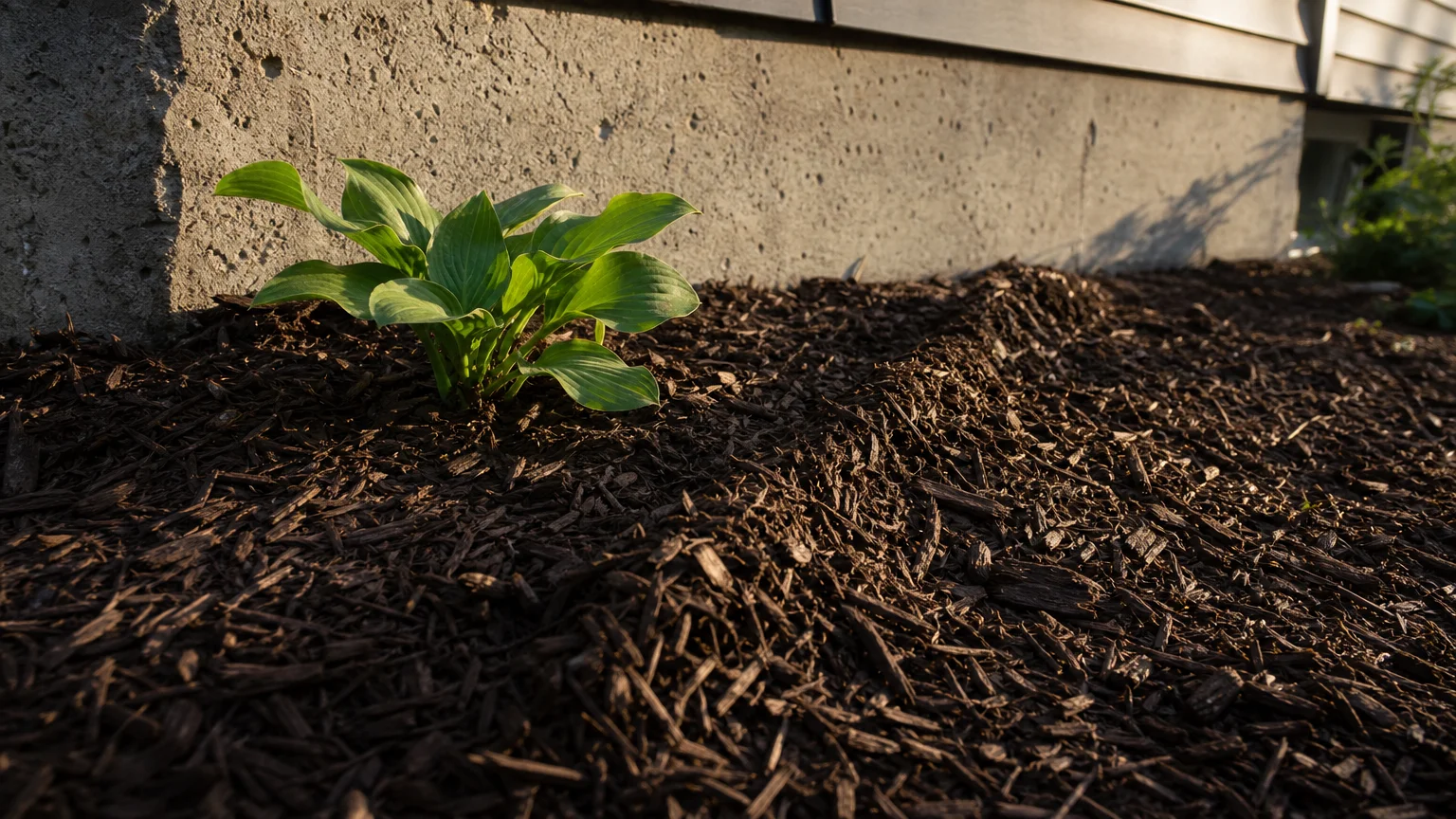
Tip #6: Extensive Mulch Applications Around Foundations
A thick layer of organic mulch successfully suppresses weeds, conserves moisture, and vastly improves soil aesthetics. Unfortunately, it also creates a premium habitat for tunneling mammals. Mulch completely insulates the ground beneath it, keeping the soil damp and cool during scorching summer afternoons and remarkably warm during freezing winter nights.
This natural temperature regulation allows moles to actively forage year-round in your premium garden beds. They absolutely love tunneling directly beneath heavy hardwood or pine bark mulch, as the loose material provides zero physical resistance and completely hides their activity from overhead predators like owls and hawks. Even highly aromatic mulches like cedar, while resistant to some insects, will not deter a hungry mole from enjoying the soft digging conditions.
Limit your mulch depth to a strict maximum of two inches. Pull all organic mulch at least six to twelve inches away from your home’s foundation. Consider replacing organic wood mulch with a solid border of crushed gravel or decorative river rock around the immediate perimeter of your house. Moles heavily despise digging through heavy, abrasive rock, making it an excellent passive deterrent.
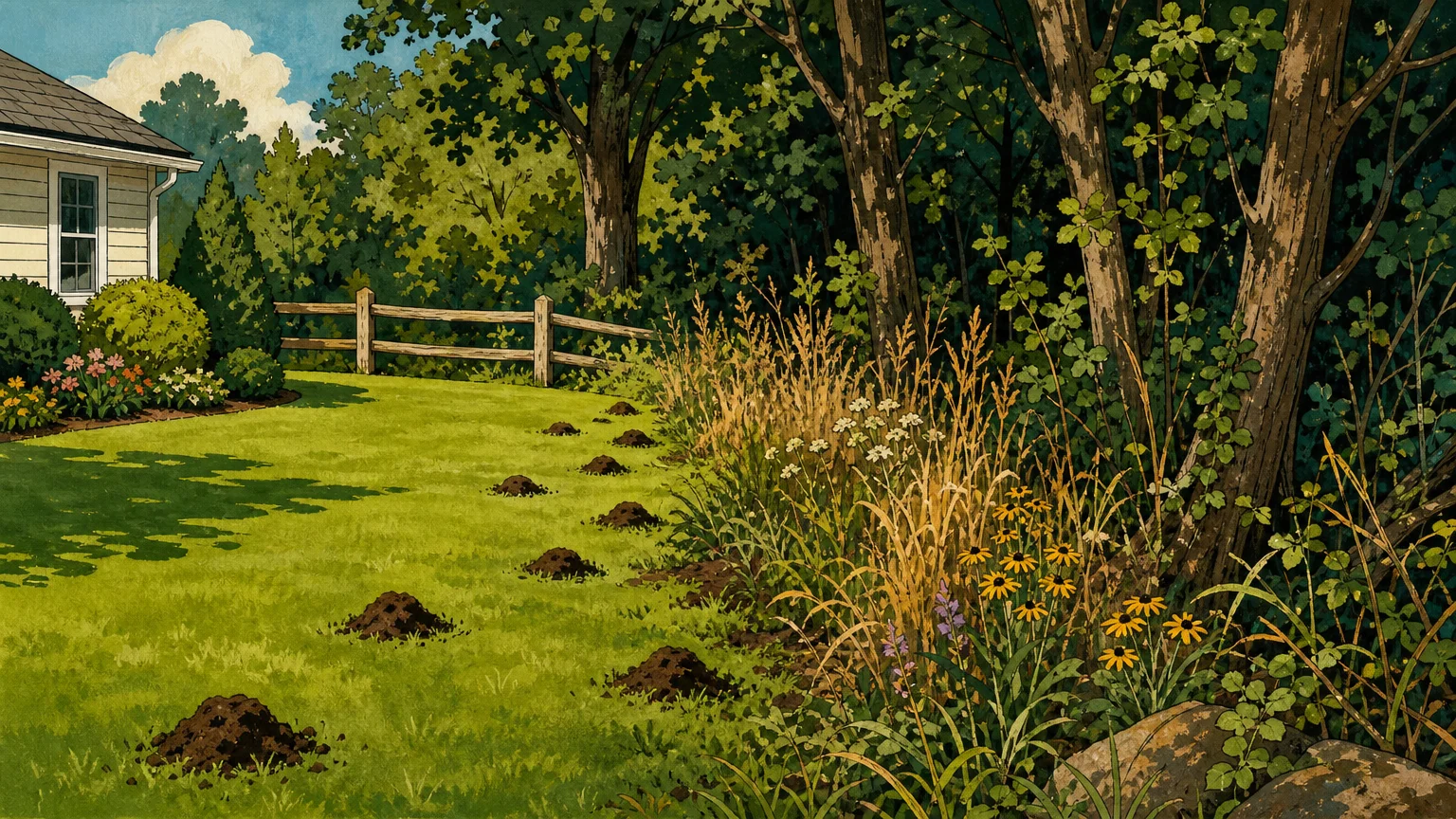
Tip #7: Proximity to Woodlands and Unmanaged Fields
Your property’s geographic location plays a massive, often unavoidable role in local pest pressure. Properties directly bordering natural woodlands, public golf courses, community parks, or unmanaged meadows experience significantly higher mole traffic. These expansive, undisturbed adjacent areas serve as permanent, wild breeding grounds for subterranean mammals.
As juvenile moles mature in the spring and early summer, they must leave their mother’s burrow to establish entirely new hunting territories. They inevitably follow the path of least resistance, migrating straight out of the dense woods and into your well-watered, highly manicured residential lawn. You cannot control the wild lands next door, but you can build a formidable defensive perimeter.
Dig a narrow trench along the specific property line bordering the wild area. Fill this trench with crushed gravel or install a vertical barrier of hardware cloth down to a depth of two feet. Monitor the perimeter for the first signs of surface ridges and immediately tamp them down to track ongoing activity. Alternatively, deploy sonic spike repellents spaced evenly along the property edge; these devices emit low-frequency vibrations that mimic the sound of digging predators, encouraging migrating juveniles to turn around.

Tip #8: Overuse of Rich Organic Fertilizers
Top-dressing your lawn with pure compost, fish emulsion, or rich cow manure injects incredible, life-giving nutrients into your landscape. These organic amendments feed the soil microbiome and produce brilliant, vibrant green growth. However, this sudden influx of rich organic matter causes an immediate explosion in soil macro-organisms, particularly earthworms.
When you aggressively fertilize with heavy organic materials, you rapidly increase the biological carrying capacity of your soil. The earthworm population multiplies exponentially to process and break down the manure and compost. Within weeks, moles sense this massive surge in their primary food source and instinctively tunnel directly toward the bounty.
To mitigate this intense attraction, carefully balance your soil amendment strategy. Opt for slow-release granular formulations that deliver a steady supply of nutrition without dramatically altering the subterranean ecosystem overnight. Apply liquid compost teas instead of heavy layers of solid manure; teas deliver the necessary microbial benefits without creating a thick organic layer that worms must surface to consume. If you must use solid organic fertilizers, spread them very thinly and water them in thoroughly.

Putting It All Together: Enjoy Your Beautiful Garden
Managing an active mole issue requires deep patience, keen observation, and a deliberate shift in how you maintain your outdoor spaces. By understanding the specific biological needs and environmental factors that attract these mammals, you can easily implement sustainable, practical solutions that protect your turf without destroying your delicate soil ecosystem. Remember that a holistic, multi-step approach always yields the absolute best long-term results.
Adjust your daily watering schedules to keep the surface soil firm and dry, vigorously control your grub populations with beneficial biological treatments, and use sturdy physical barriers like galvanized hardware cloth to protect your most valuable raised garden beds.
For region-specific advice, consult your local University Extension program (find yours via the USDA directory). For plant databases and inspiration, visit the Missouri Botanical Garden or the Royal Horticultural Society.
As you consistently apply these actionable strategies, you will slowly transform your yard from a heavily targeted feeding ground into an incredibly unappealing environment for tunneling pests. Keep refining your turf management practices, stay extremely vigilant during the active spring and fall breeding seasons, and you will soon enjoy a smooth, healthy, and entirely undisturbed landscape.
Frequently Asked Questions
Do moles eat the roots of my plants and vegetables?
No, moles are entirely carnivorous insectivores. They do not eat roots, plant bulbs, or seeds. If you consistently notice your garden plants being eaten from the roots up, you are likely dealing with a vole infestation. Voles frequently use abandoned, pre-dug mole tunnels to access your garden plants safely, which unfortunately causes many gardeners to blame the wrong yard pest.
Are sonic spikes actually effective for mole control?
Sonic spikes provide varying degrees of success depending heavily on your specific soil density. In dense, heavy clay soils, the low-frequency vibrations travel far and can effectively deter moles from establishing new territories. In loose, sandy soils, the sound waves dissipate entirely too quickly to be highly effective. They work best as a perimeter defense rather than a permanent solution for an active, established infestation.
Will a cat or dog solve my yard pest problem?
While certain terrier breeds and athletic outdoor cats naturally hunt small mammals, relying entirely on domestic pets for complete pest eradication rarely works. Pets often cause significantly more surface damage by aggressively digging after the moles than the moles themselves cause. Furthermore, moles spend the vast majority of their lives safely underground, well out of reach of your domestic predators.
How long do moles live, and do they breed quickly?
Moles typically live for about three years in the wild. They are highly solitary creatures that aggressively defend their territories and only come together to mate in late winter or early spring. A female produces only one single litter per year, usually consisting of three to five pups. Because they do not reproduce rapidly like mice, successfully driving away a single resident mole often solves the entire problem for the current growing season.
Disclaimer: This article provides general gardening advice. Always consider your specific climate, soil conditions, and local pests. Follow safety guidelines when using gardening tools and products.