Planting a garden requires time, money, and physical effort, making it incredibly frustrating when highly anticipated additions fail to thrive. You pour your energy into cultivating a lush landscape, only to watch certain difficult garden plants struggle with disease, refuse to bloom, or completely overrun your yard. Recognizing which species demand excessive garden maintenance or possess hidden flaws empowers you to make smarter nursery choices. By substituting low performing plants with reliable alternatives, you avoid wasted resources and predictable heartbreak. Let us explore eight notoriously demanding varieties that frequently look spectacular on the seed packet but ultimately cause more headaches than happiness in the average home landscape.
Tip #1: Bigleaf Hydrangea (Hydrangea macrophylla)
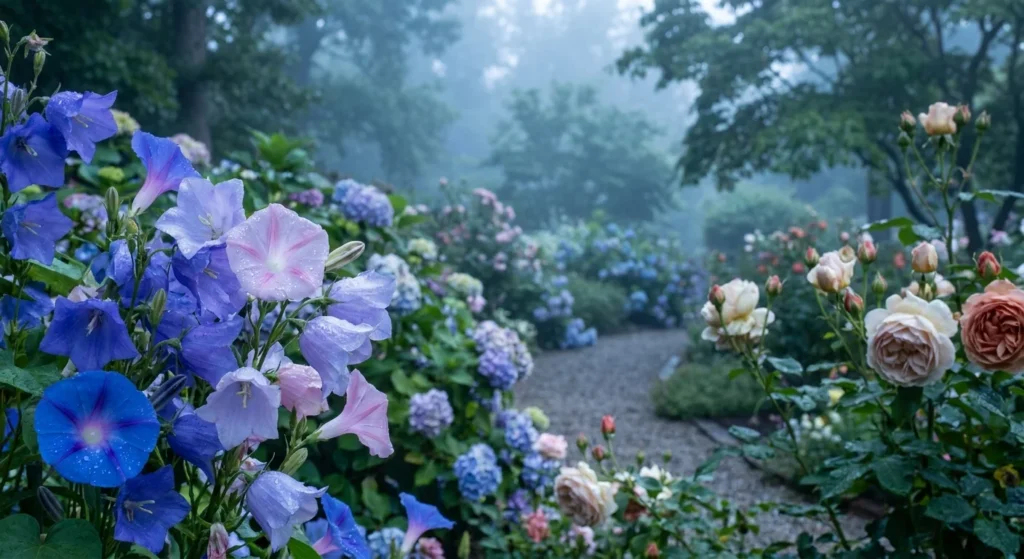
Bigleaf hydrangeas captivate shoppers with their massive, globe-shaped blooms in stunning shades of blue, pink, and purple. You likely buy them envisioning a cottage garden bursting with vibrant summer color. Unfortunately, these striking shrubs frequently rank high among plants to avoid for gardeners living in colder regions, specifically USDA Hardiness Zones 5 and 6.
The primary reason for this disappointment lies in how the plant sets its flowers. Traditional Bigleaf hydrangeas bloom on old wood, meaning they form their flower buds in the late summer and fall of the previous year. When a harsh winter or a late spring frost sweeps through your area, those delicate, overwintering buds die off. The shrub itself survives and pushes out beautiful, lush green foliage the following spring, but you will spend the entire summer waiting for flowers that never arrive.
Furthermore, achieving that coveted vibrant blue color requires specific soil chemistry. The soil must be highly acidic—with a pH between 5.2 and 5.5—to allow the plant to absorb aluminum. If your soil is alkaline, your hydrangeas will stubbornly bloom pink, regardless of the picture on the nursery tag. If you love the hydrangea look but despise the unreliability, shift your focus to smooth hydrangeas (Hydrangea arborescens) or panicle hydrangeas (Hydrangea paniculata). These varieties bloom on new wood, ensuring a spectacular floral display every single year, regardless of late frosts.
Tip #2: Chinese and Japanese Wisteria (Wisteria sinensis and Wisteria floribunda)
Walking underneath a pergola draped in the cascading, fragrant purple blooms of wisteria feels magical. It is easy to see why so many ambitious homeowners plant these vines near their patios and porches. However, planting non-native Asian wisteria species frequently leads to severe structural damage and overwhelming garden maintenance.
These vigorous vines grow aggressively, often shooting out 10 to 15 feet of new growth in a single season. Their twining trunks become incredibly thick and heavy over time. Without extreme, heavy-duty support structures, wisteria easily crushes wooden trellises, pulls down aluminum gutters, and works its way under roof shingles. Adding to the frustration, wisteria grown from seed can take anywhere from seven to fifteen years to produce its first flowers. You might spend a decade fighting a rampant, house-destroying vine that refuses to offer a single bloom.
To capture the romance of cascading flowers without the destructive tendencies, consider planting native American wisteria (Wisteria frutescens). This variety grows less aggressively, blooms earlier in its life cycle, and generally produces flowers later in the spring, protecting its buds from unexpected late frosts. It delivers the aesthetic payoff you desire while keeping your home’s architecture intact.
Tip #3: Delphinium
With their towering spikes of rich, true-blue flowers, delphiniums command attention in the perennial border. They provide dramatic vertical height and a color rarely found in nature. Yet, these striking plants harbor several vulnerabilities that routinely break a gardener’s heart.
Delphiniums demand perfect growing conditions: rich, consistently moist, well-draining soil and a cool summer climate. If you live in a region with hot, humid summers, delphiniums will quickly decline, acting more like short-lived temperamental annuals than reliable perennials. Even in ideal climates, their hollow, towering stems present a significant physical liability. A single heavy summer rainstorm or a gust of wind can snap an established delphinium cleanly in half. You must diligently stake and tie each individual stem early in the season to prevent this devastation.
Additionally, delphiniums serve as an all-you-can-eat buffet for garden pests and diseases. Slugs and snails will decimate young delphinium shoots overnight. In damp conditions, their foliage easily falls prey to powdery mildew, leaving the plant covered in a dusty white film that ruins its appearance. For a similar vertical impact with far less effort, try planting false indigo (Baptisia australis) or tall salvias; both offer beautiful blue spikes on sturdy, self-supporting, pest-resistant frames.
Tip #4: Hybrid Tea Roses
For generations, the hybrid tea rose has been the ultimate symbol of gardening prestige. These plants produce the classic, long-stemmed, perfectly spiraled blooms you find in florist bouquets. Because of their legendary beauty, beginners often fill their garden beds with hybrid teas, completely unaware of the relentless labor required to keep them alive.
Decades of breeding hybrid tea roses focused exclusively on flower form and color, entirely neglecting disease resistance. Consequently, these plants are highly susceptible to black spot, powdery mildew, and rose rust. The moment humidity rises, their leaves break out in spots, turn yellow, and drop off, leaving you with bare, thorny canes topped by a solitary flower. To prevent this, you must commit to a rigorous and exhausting chemical spraying schedule.
Beyond disease management, hybrid teas are heavy feeders that require precise, scheduled fertilization and complex dormant pruning techniques. If you want the romance of roses without dedicating your weekends to extreme garden maintenance, modern shrub roses provide the perfect solution. Varieties like the Knock Out family or disease-resistant David Austin English roses deliver magnificent flushes of continuous blooms, require minimal pruning, and naturally shrug off the fungal diseases that decimate their hybrid tea cousins.
Tip #5: Butterfly Bush (Buddleja davidii)
The butterfly bush markets itself beautifully. It grows rapidly, tolerates poor soil, and produces long, cone-shaped panicles of vibrant purple, pink, or white flowers that genuinely draw swarms of pollinators. Because it seems so robust, gardeners eagerly plant it, expecting an easy, wildlife-friendly anchor for their landscape.
The reality sets in during the plant’s second or third year. Without aggressive annual pruning—cutting the shrub down to about 12 inches from the ground every late winter—a butterfly bush transforms into a sprawling, woody, unkempt mess with sparse blooms isolated at the very top of gangly branches. More alarmingly, the traditional Buddleja davidii spreads prolifically via airborne seeds. These seeds take root in pavement cracks, neighbors’ yards, and natural woodlands. Because of this aggressive spread, the plant is officially classified as an invasive species in many states, outcompeting vital native plants.
Furthermore, while the adult butterfly feeds on the nectar, the bush provides absolutely no food for caterpillars, failing to support the complete lifecycle of the insects it attracts. A much wiser, ecologically sound choice involves planting native species like Joe-Pye weed (Eutrochium) or swamp milkweed (Asclepias incarnata). If you absolutely must have a butterfly bush, seek out sterile cultivars—such as the ‘Miss’ series or the ‘Pugster’ series—which do not produce viable seeds and maintain a much tidier growth habit.
Tip #6: Pampas Grass (Cortaderia selloana)
Pampas grass exploded in popularity due to its architectural size and those famous, feathery white plumes that wave elegantly in the autumn breeze. It looks stunning in expansive, multi-acre landscapes or modern commercial developments. However, introducing this giant to an average-sized suburban backyard frequently leads to deep regret.
First and foremost, the foliage is downright dangerous. The edges of pampas grass blades feature microscopic, razor-sharp teeth. Brushing against the plant while weeding, or attempting to prune it back in the spring, routinely results in painful cuts and severe skin irritation. You must wear heavy leather gloves, long sleeves, and safety glasses just to perform basic maintenance.
Pampas grass also grows much larger than people anticipate, easily reaching 10 feet tall and 8 feet wide, swallowing up pathways and crowding out neighboring plants. Over time, the center of the grass clump dies off, leaving an unsightly, rotting brown core that is incredibly difficult to dig out due to the massive root system. As an alternative, look toward switchgrass (Panicum virgatum) or pink muhly grass (Muhlenbergia capillaris). These native ornamental grasses offer beautiful texture, manageable sizing, and soft foliage that will never draw blood.
Tip #7: Leyland Cypress (Cuprocyparis leylandii)
When homeowners want immediate privacy from their neighbors, they almost universally reach for the Leyland cypress. Nurseries push these evergreens because they grow incredibly fast—often shooting up three to four feet in a single year. At the garden center, a neat row of three-foot saplings looks like the perfect solution for a living fence.
The trouble begins when you realize these trees do not stop growing. A mature Leyland cypress easily reaches 60 feet tall and 20 feet wide. Gardeners making common gardening mistakes plant them merely three or four feet apart to create an instant screen. Within a few years, the trees severely overcrowd each other, blocking out essential sunlight and air circulation. This overcrowding leads directly to dead, brown lower branches that never regenerate.
Leyland cypresses also feature remarkably shallow root systems. Once they reach towering heights, they become highly unstable and routinely blow over during heavy thunderstorms or winter gales. Furthermore, they suffer heavily from Seiridium canker and bagworm infestations, which can wipe out an entire hedge in a matter of months. For a durable, long-lasting privacy screen, you achieve much better results planting ‘Green Giant’ arborvitae or native evergreen hollies. While they might take a little longer to fill in, they will stand strong for decades without succumbing to disease or windthrow.
Tip #8: Rhododendrons
Rhododendrons produce some of the most spectacular spring displays in the plant kingdom. Their massive, leathery evergreen leaves serve as the perfect backdrop for giant trusses of pink, purple, and white blossoms. Because they look so magnificent in woodland settings, gardeners eagerly transplant them into their foundation beds.
However, rhododendrons hold rigid environmental demands. They require highly acidic soil, specifically a pH between 4.5 and 5.5. If planted in neutral or alkaline soil, the plant cannot absorb iron, leading to severe chlorosis—a condition where the leaves turn sickly yellow while the veins remain green. Furthermore, their fibrous, shallow root systems demand loose, well-draining soil rich in organic matter. If you plant a rhododendron in heavy, compacted clay, the roots suffocate, and the plant quickly falls victim to Phytophthora root rot, a fatal fungal disease.
Planting them in the wrong location also invites pests; too much direct sunlight stresses the shrub, making it a magnet for lace bugs, which drain the sap and turn the foliage a stippled, silvery-gray. If your soil heavily leans alkaline or consists of dense clay, fighting nature to keep a rhododendron alive is rarely worth the effort. You will find much more success selecting adaptable, clay-tolerant flowering shrubs like ninebark (Physocarpus opulifolius) or durable viburnum varieties.
Putting It All Together: Enjoy Your Beautiful Garden
Creating a vibrant, flourishing landscape should bring you peace and satisfaction, not constant stress and physical exhaustion. While it is tempting to purchase the flashiest flower at the garden center, taking a moment to research the long-term habits and specific needs of a plant saves you immense frustration. The secret to an incredible yard lies in the simple philosophy of “right plant, right place.”
By actively avoiding historically difficult garden plants and opting for robust, disease-resistant, and region-appropriate alternatives, you eliminate the hardest parts of gardening. You spend less time spraying chemicals, staking broken stems, and wrestling with aggressive vines. Instead, you get to sit back, observe the pollinators, and actually enjoy the beautiful outdoor sanctuary you worked so hard to create. Evaluate your current beds, do not hesitate to dig up the chronic underperformers, and give yourself permission to plant something easier.
Frequently Asked Questions
How can I save a difficult plant I already put in the ground?
Start by evaluating the plant’s current environment. Conduct a soil test to check the pH and nutrient levels, ensuring they match the plant’s specific needs. If the plant struggles with disease, thin out the interior branches to improve airflow. Sometimes, simply transplanting a struggling shrub to a different microclimate in your yard—such as moving a shade-loving plant out of the afternoon sun—completely turns its health around.
Are native plants always better than exotic ornamentals?
While native plants are deeply adapted to your local climate and provide superior support for local wildlife, they are not the only option. Many well-behaved exotic ornamentals thrive beautifully without becoming invasive. However, native plants generally demand far less water, fertilizer, and pest control, making them excellent substitutes for fussy exotic species.
What is the most common reason garden plants fail to bloom?
Improper sunlight exposure stands as the leading cause of bloom failure. A sun-loving plant placed in deep shade will produce foliage but lack the energy to create flowers. Additionally, incorrect pruning—such as cutting off old wood on spring-blooming shrubs—removes the buds before they ever have a chance to open. Always research your plant’s specific light and pruning requirements.
How do I responsibly dispose of invasive plants?
Never place invasive plants or their seed heads into your home compost bin, as domestic piles rarely reach temperatures high enough to kill the seeds or roots. Instead, cut off and securely bag any seed heads or flowers before digging up the plant. Place the bagged remains in your municipal trash, and check with your local waste management authority for specific guidelines on disposing of invasive biomass.
For region-specific advice, consult your local University Extension program (find yours via the USDA directory). For plant databases and inspiration, visit the Missouri Botanical Garden or the Royal Horticultural Society.
Disclaimer: This article provides general gardening advice. Always consider your specific climate, soil conditions, and local pests. Follow safety guidelines when using gardening tools and products.