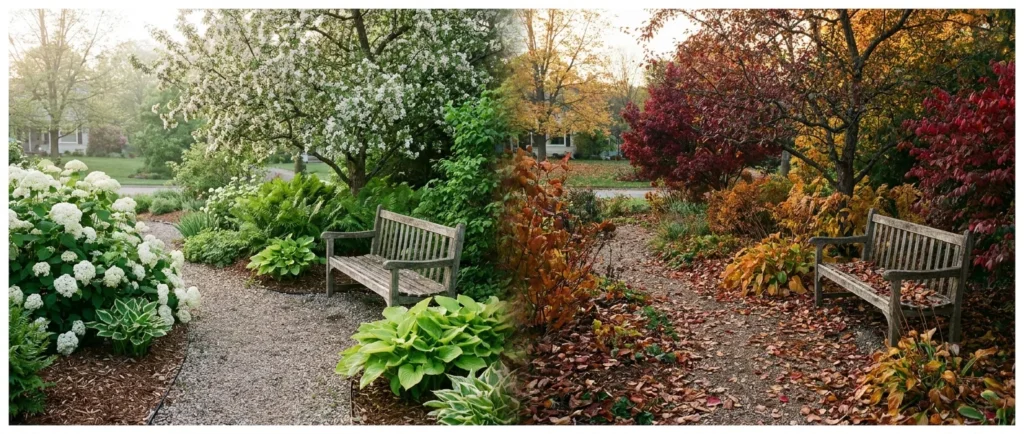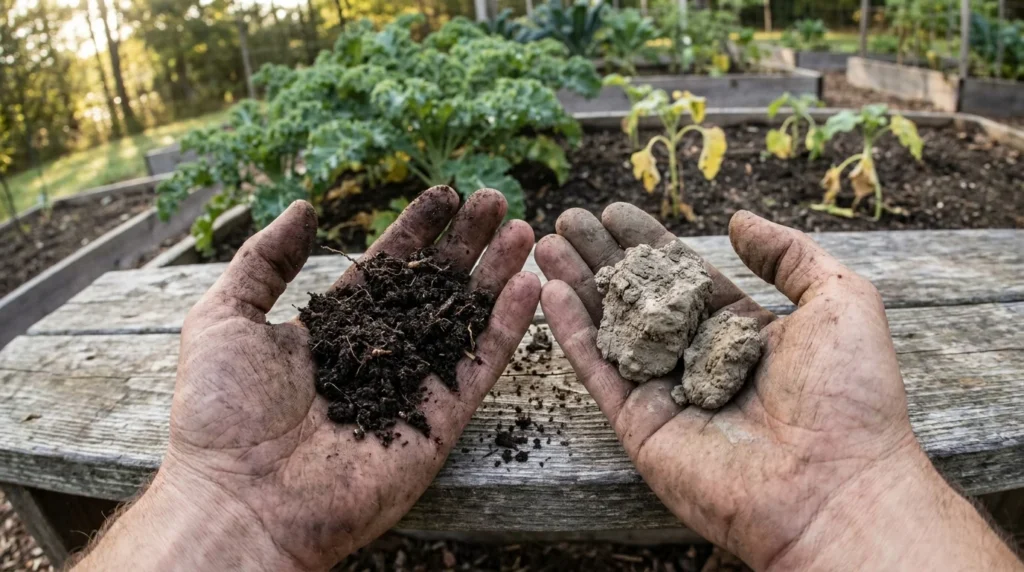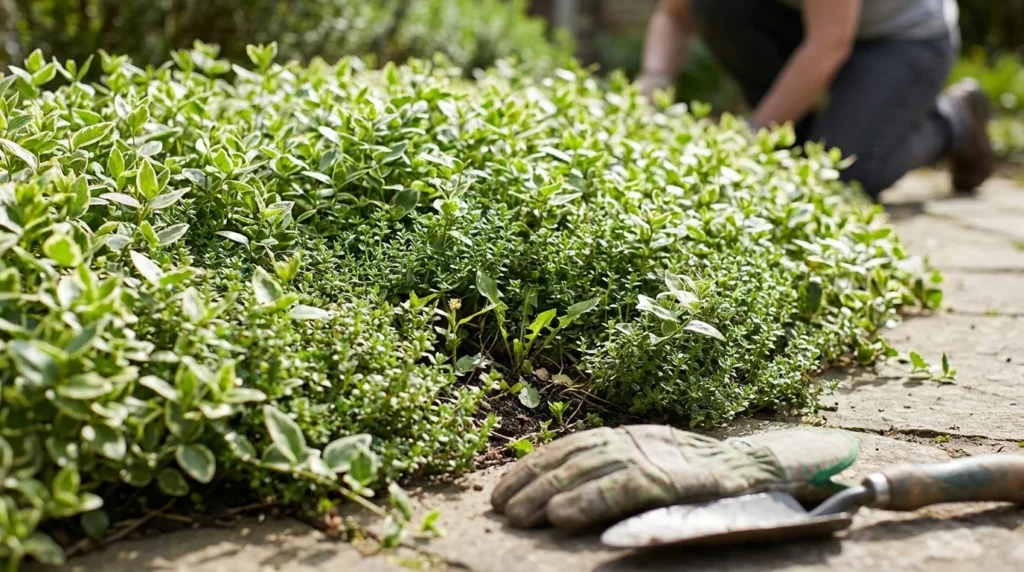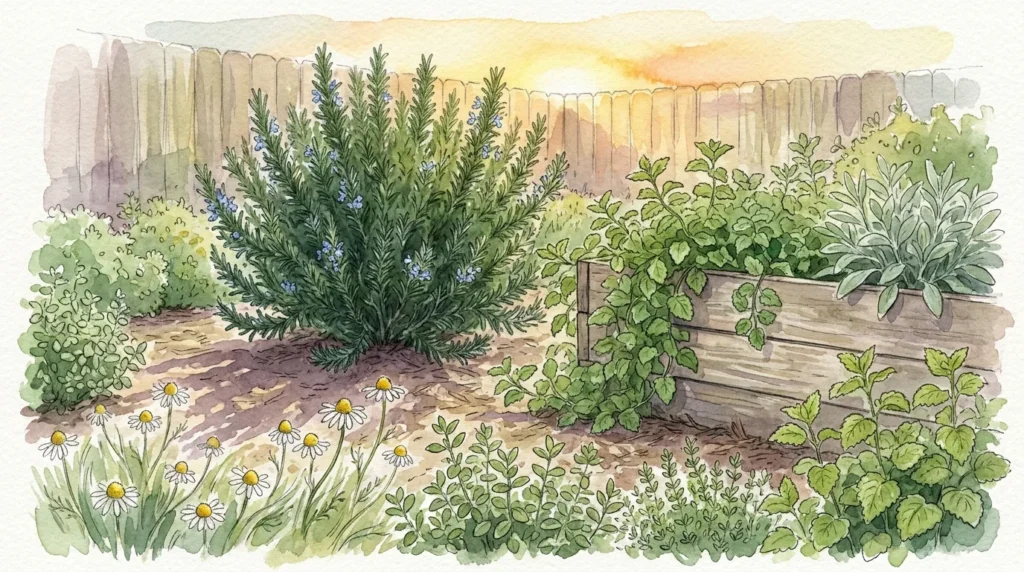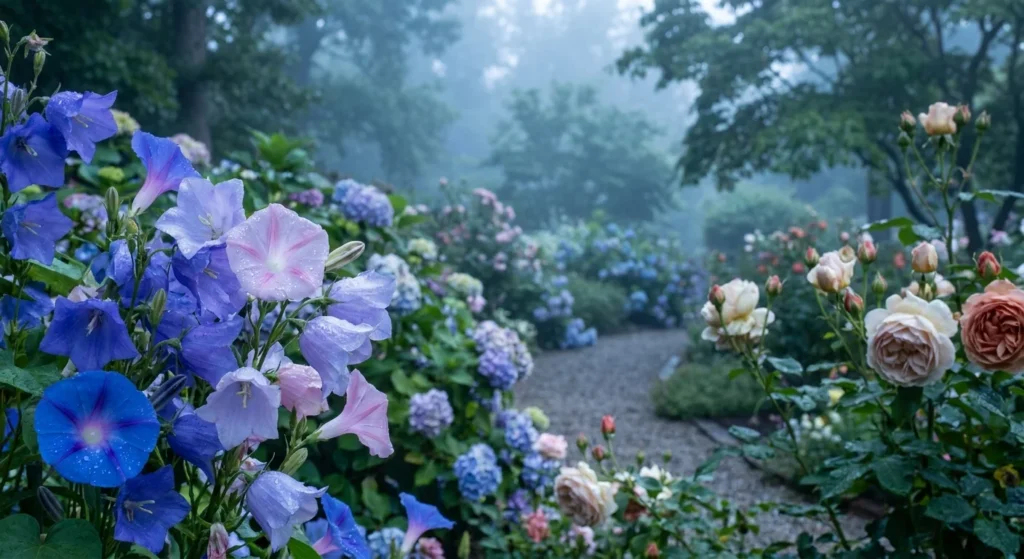
Choosing the right plants for foundations anchors your house to the surrounding landscape while boosting curb appeal and protecting structural integrity. A well-designed border masks exposed concrete and softens the transition between your lawn and your living space. To achieve a stunning, cohesive look, you need resilient selections with non-invasive root systems and manageable mature sizes. Front yard landscaping thrives when you prioritize low maintenance shrubs and perennials that provide year-round visual interest without overwhelming your walkways. The following twelve selections offer a perfect balance of vibrant color, engaging texture, and dependable growth habits, ensuring your home looks effortlessly polished through every season.
Tip #1: Boxwood (Buxus)
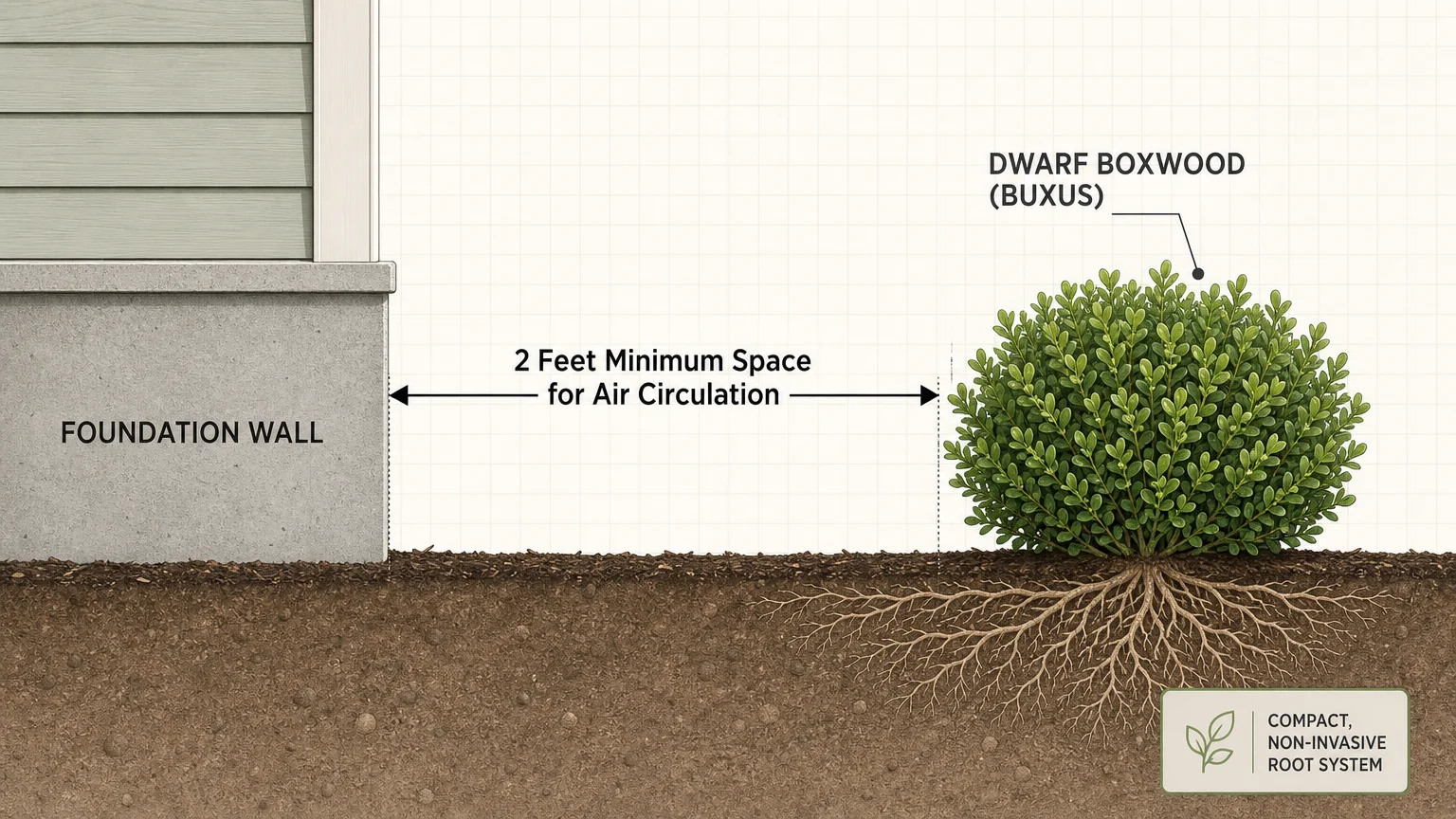
Boxwoods provide timeless structure and year-round greenery, making them quintessential foundation plants. Their dense, evergreen foliage creates a polished, formal look that anchors the corners of your house or frames an entryway with elegant symmetry. Because they tolerate heavy pruning, you can easily maintain their size and shape to prevent them from blocking windows or encroaching on siding. Dwarf varieties, such as ‘Green Velvet’ or ‘Winter Gem’, rarely exceed three to four feet in height and spread, ensuring their root systems remain compact and safe for your home’s perimeter. Plant boxwoods in well-draining soil and space them at least two feet from the foundation wall to allow for proper air circulation; this simple step prevents fungal diseases and keeps the foliage vibrant. By integrating these low maintenance shrubs into your front yard landscaping, you establish a classic backbone that highlights the seasonal colors of surrounding perennials.
Tip #2: Hydrangea (Hydrangea macrophylla and paniculata)
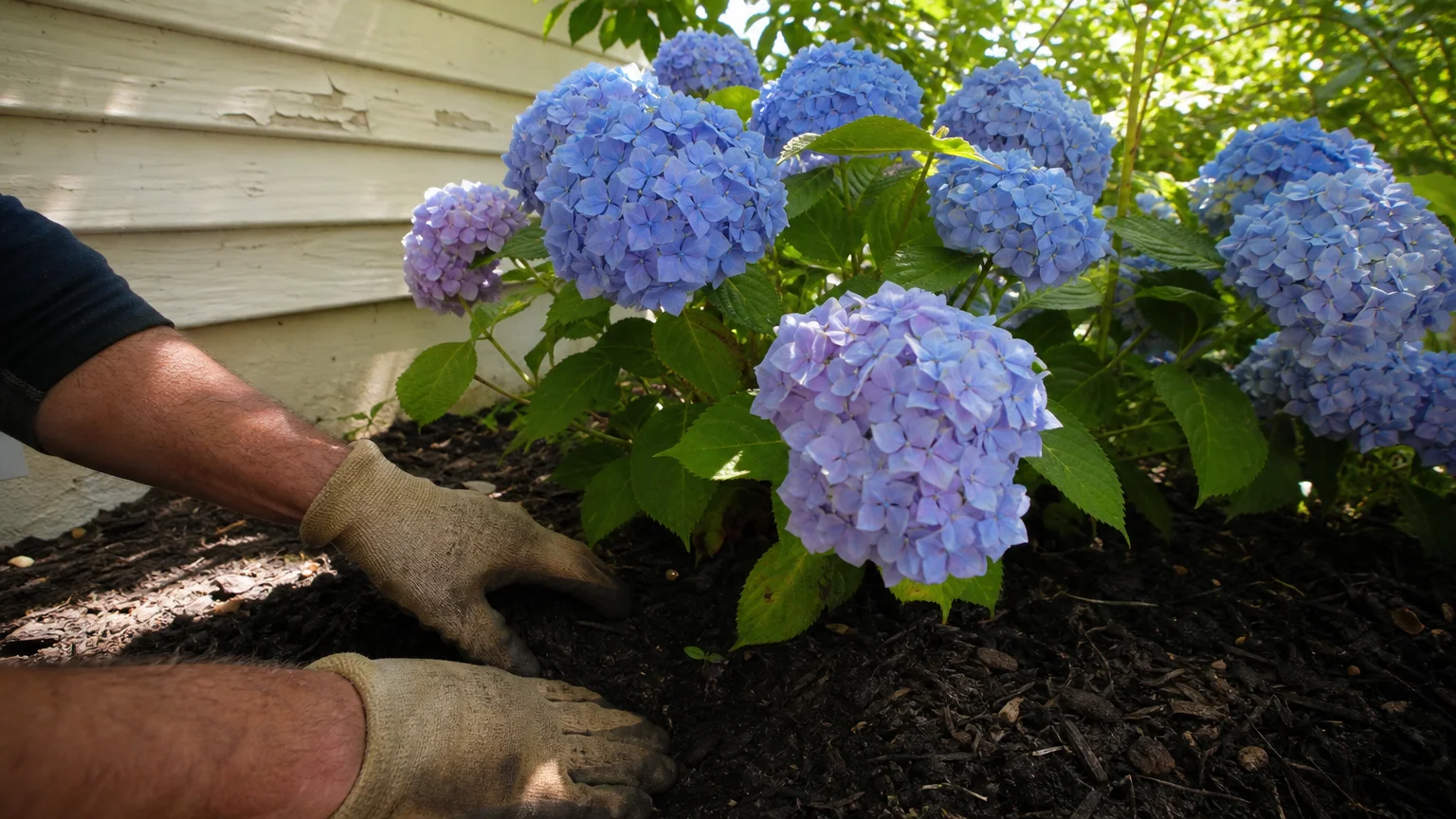
Hydrangeas inject breathtaking volume and vibrant color into any landscape, instantly softening the hard architectural lines of brick or siding. These deciduous shrubs produce massive, long-lasting blooms in shades of blue, pink, white, and lime green—often shifting hues based on your soil’s acidity. For foundation plantings, select compact cultivars like the ‘Bobo’ panicle hydrangea or the ‘Endless Summer’ bigleaf hydrangea; these varieties stay relatively small and will not overwhelm your walkways. Hydrangeas thrive with morning sun and afternoon shade, particularly in warmer climates where the intense midday heat can scorch their delicate leaves. Provide them with consistently moist, rich soil, and leave a minimum of three feet between the plant and your house to facilitate healthy airflow. Their lush foliage and spectacular summer flowers create a stunning focal point, elevating your landscaping ideas from simple to sensational without demanding excessive maintenance.
Tip #3: Hostas
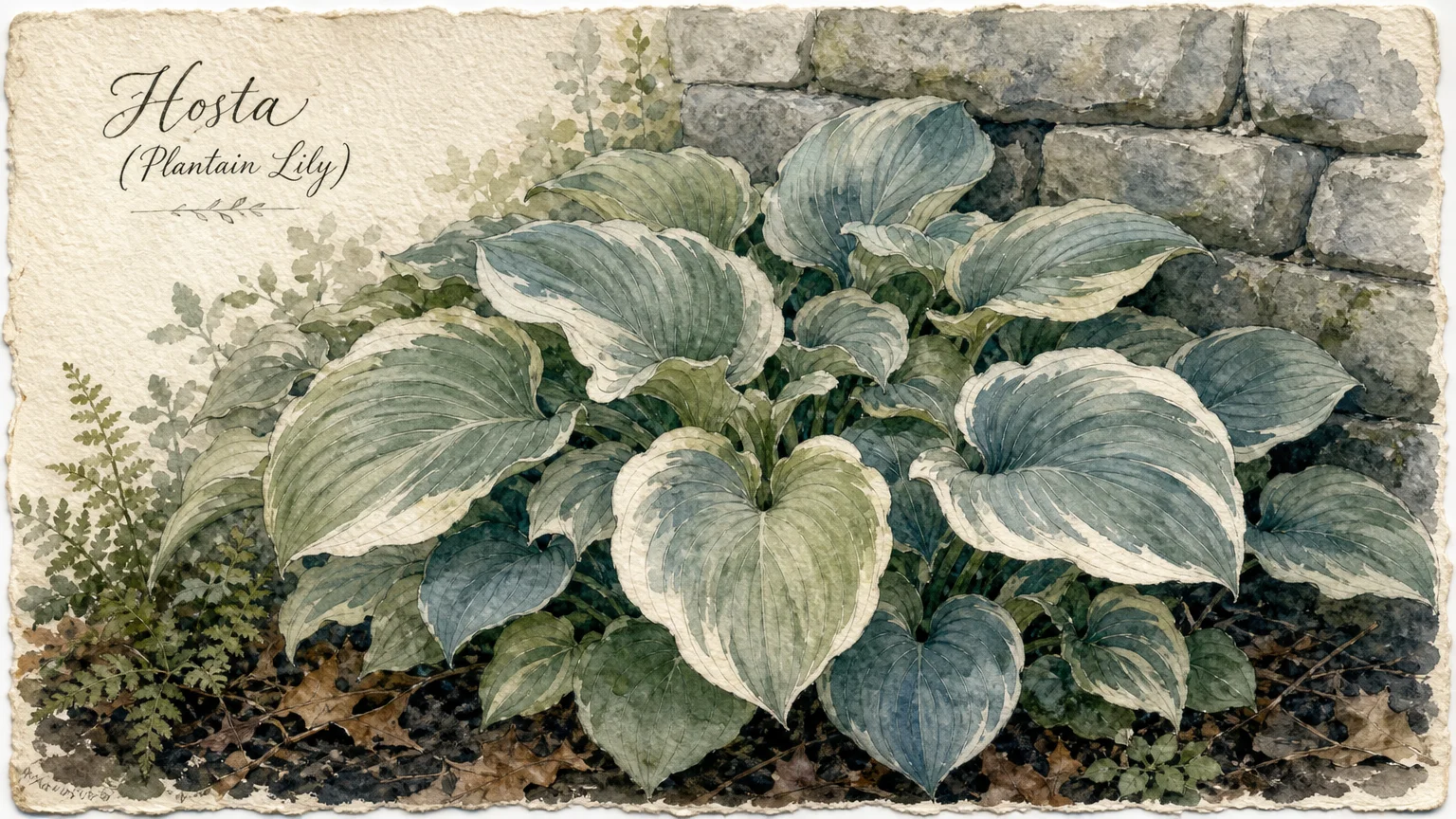
When dealing with a heavily shaded northern or eastern exposure, hostas offer an unbeatable solution for lush, ground-level coverage. These resilient perennials are celebrated for their spectacular, broad leaves—available in a mesmerizing array of solid greens, steely blues, and striking variegated patterns. Hostas effectively suppress weeds and fill in the bare spaces beneath taller foundation plants, creating a deeply textured and layered garden bed. Because they naturally hug the ground, they never block low windows or interfere with utility meters. Plant hostas in soil amended with organic compost to retain moisture, and position them approximately eighteen inches from the foundation to accommodate their mature spread. While slugs occasionally pose a challenge, surrounding the base with crushed eggshells or applying organic bait easily controls the issue. Their dependable return each spring makes them a brilliant, low-effort addition to any shaded perimeter.
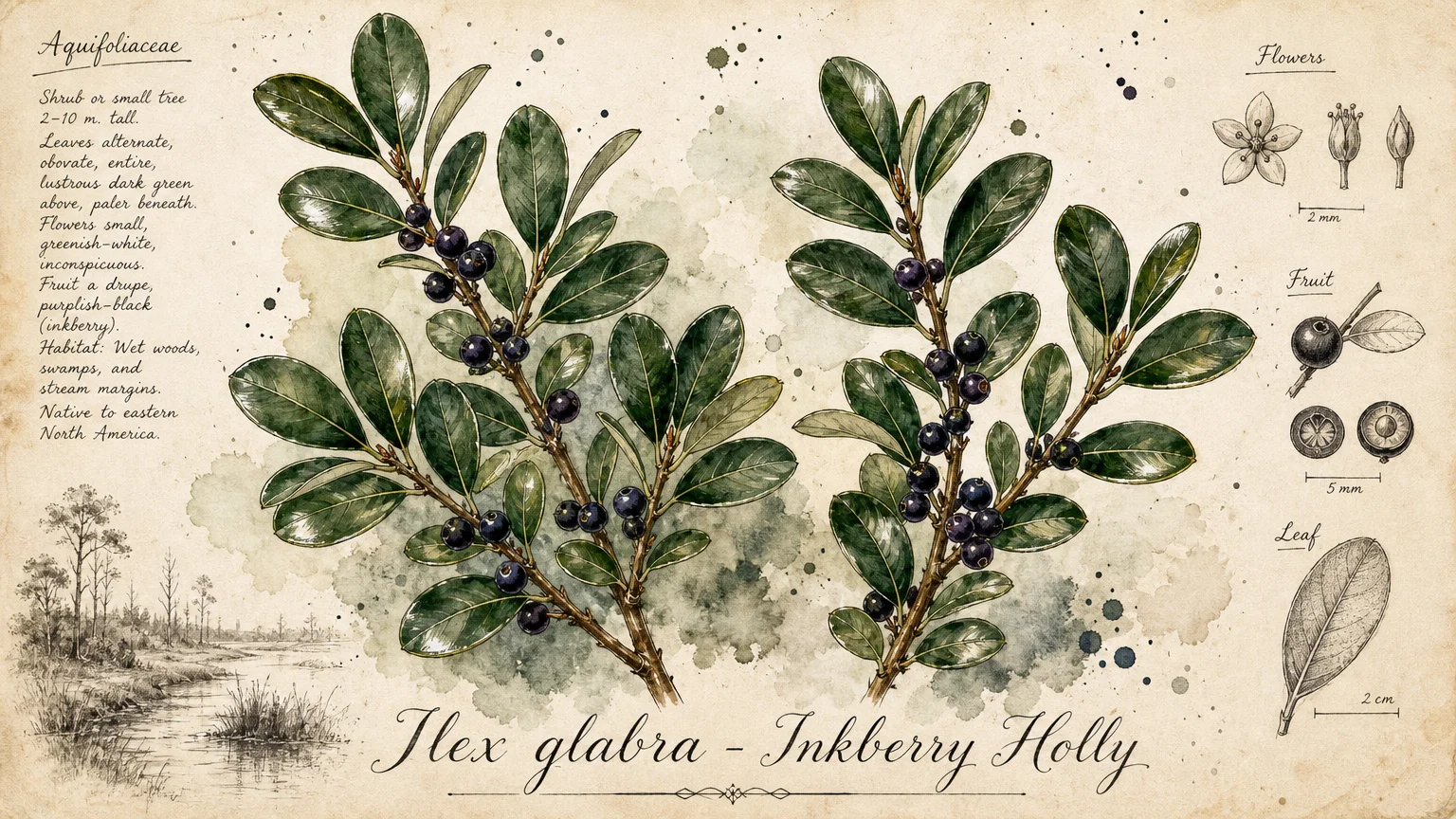
Tip #4: Inkberry Holly (Ilex glabra)
If you love the structured look of boxwoods but prefer a native alternative, inkberry holly delivers exceptional performance and tangible ecological benefits. This versatile evergreen shrub features dark, glossy leaves and a naturally rounded growth habit that requires very little pruning to maintain its shape. Female plants produce subtle white flowers in the spring followed by striking black berries in the fall—a valuable food source for local bird populations. To keep your inkberry dense and avoid the sparse look common in older specimens, lightly shear the outer foliage in early spring. These plants for foundations thrive in full sun to partial shade and prefer slightly acidic, consistently moist soils. Varieties such as ‘Shamrock’ or ‘Strongbox’ stay delightfully compact, typically topping out at around three feet tall. By choosing inkberry holly, you secure year-round greenery while supporting local wildlife and reducing your overall garden chores.
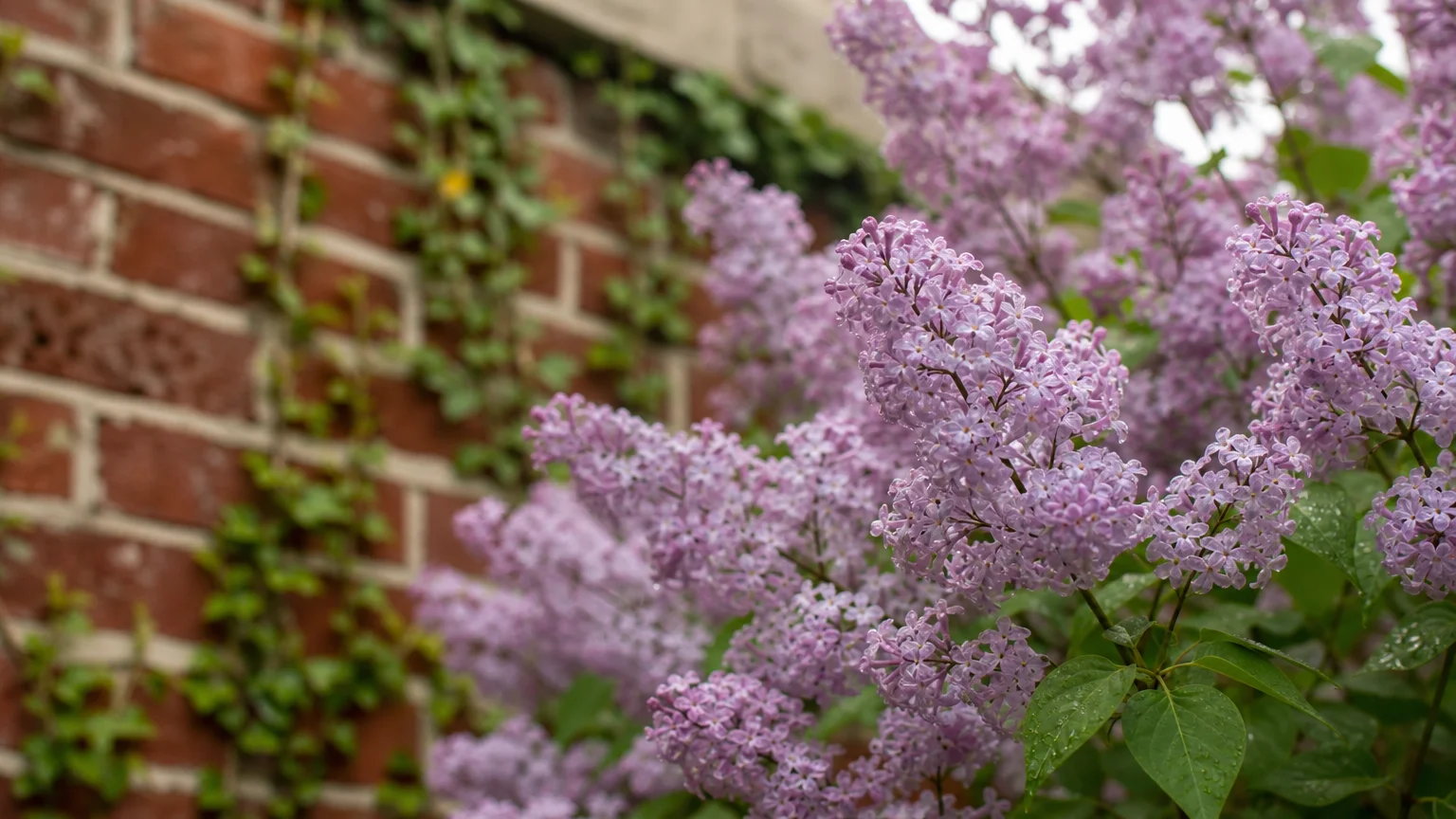
Tip #5: Dwarf Lilac (Syringa meyeri)
Nothing announces the arrival of spring quite like the intoxicating fragrance of blooming lilacs, and dwarf varieties allow you to bring that sensory experience right to your doorstep. Traditional lilacs easily grow too massive for foundation beds, but cultivars like ‘Bloomerang’ and the Meyer lilac top out at a manageable four to five feet. These compact shrubs erupt in clusters of pale purple or pink blossoms, drawing butterflies and early pollinators directly to your yard. Because dwarf lilacs feature deep, non-invasive root systems, they pose no threat to your home’s structural integrity. They perform best in full sun and well-drained, neutral soil; avoiding overly wet feet prevents root rot and ensures a robust bloom cycle year after year. Prune them immediately after their spring flowering fades to shape the shrub and encourage vigorous growth for the following season.
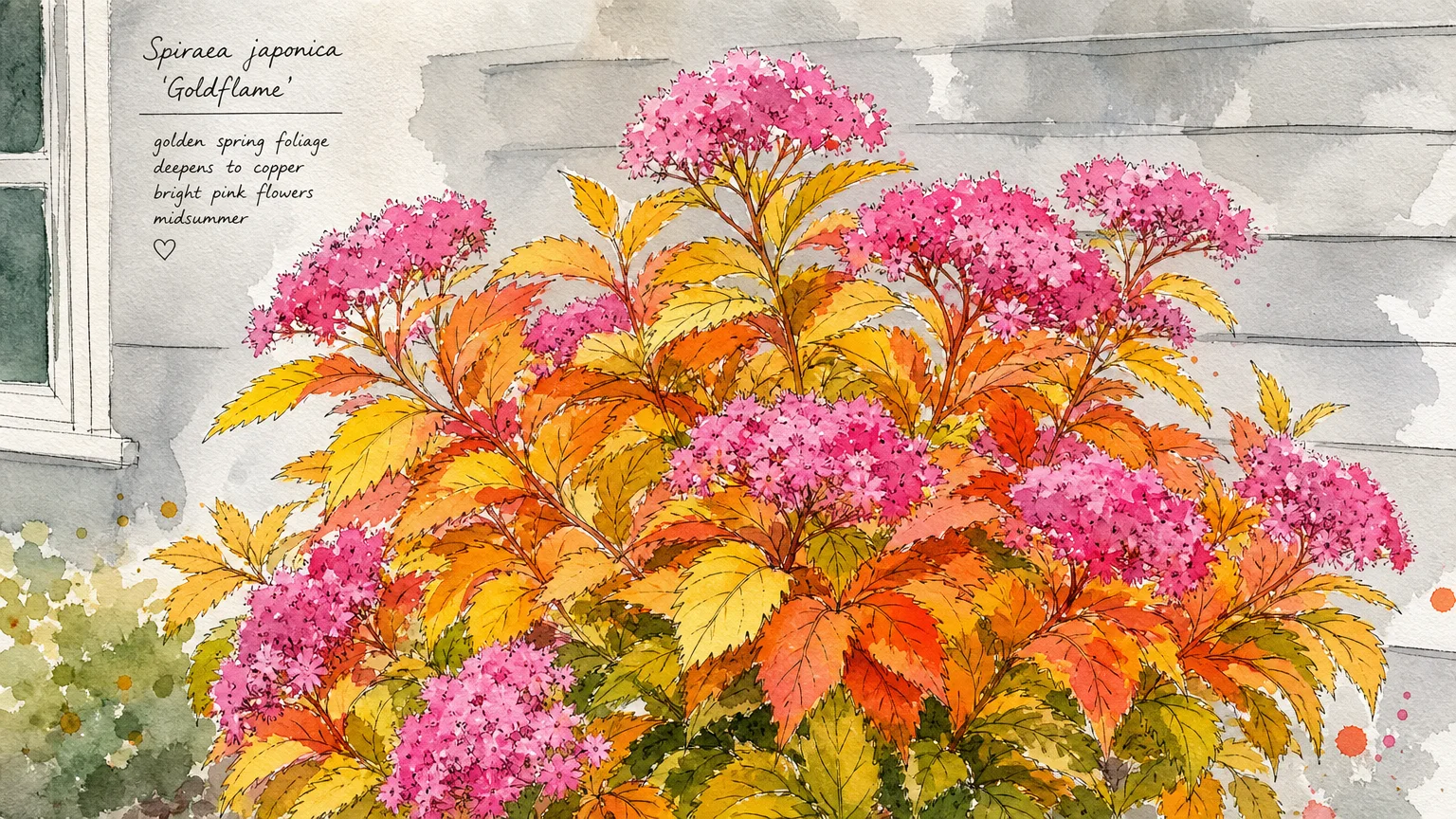
Tip #6: Spirea (Spiraea japonica)
Spirea stands out as a remarkably tough and brilliantly colored shrub, perfect for filling the middle layer of your foundation borders. Known for its cascading branches and clusters of delicate spring or summer flowers, spirea injects graceful movement into rigid architectural spaces. Varieties such as ‘Goldflame’ or ‘Magic Carpet’ offer dual appeal—their vibrant chartreuse or bronze foliage looks spectacular even when the plant is not actively blooming. These low maintenance shrubs resist deer, tolerate drought once established, and adapt to a wide range of challenging soil conditions. For the best floral display and brightest foliage color, plant spirea in full sun and give the plants a hard prune in late winter or early spring. Maintaining a two-foot gap between the spirea and your home’s exterior protects your siding from trapped moisture while allowing the plant to develop its natural, mounding form.

Tip #7: Coral Bells (Heuchera)
To add an energetic splash of color to the lowest tier of your foundation plantings, rely on the remarkable versatility of coral bells. While these perennials do produce delicate, bell-shaped flowers on tall stalks, gardeners prize them primarily for their breathtaking foliage. You can find coral bells in nearly every color of the spectrum—from deep plum and fiery peach to vivid lime green and silver-veined bronze. They thrive in partial shade, making them excellent companions for larger shrubs like hydrangeas and yews. Their shallow root systems naturally adapt to the often-dry soil found directly beneath roof eaves, provided you mulch the area to conserve moisture. Plant them in sweeping clusters of three or five to create a bold, modern edge along your walkways. This strategic pop of color instantly modernizes traditional front yard landscaping with minimal seasonal effort.
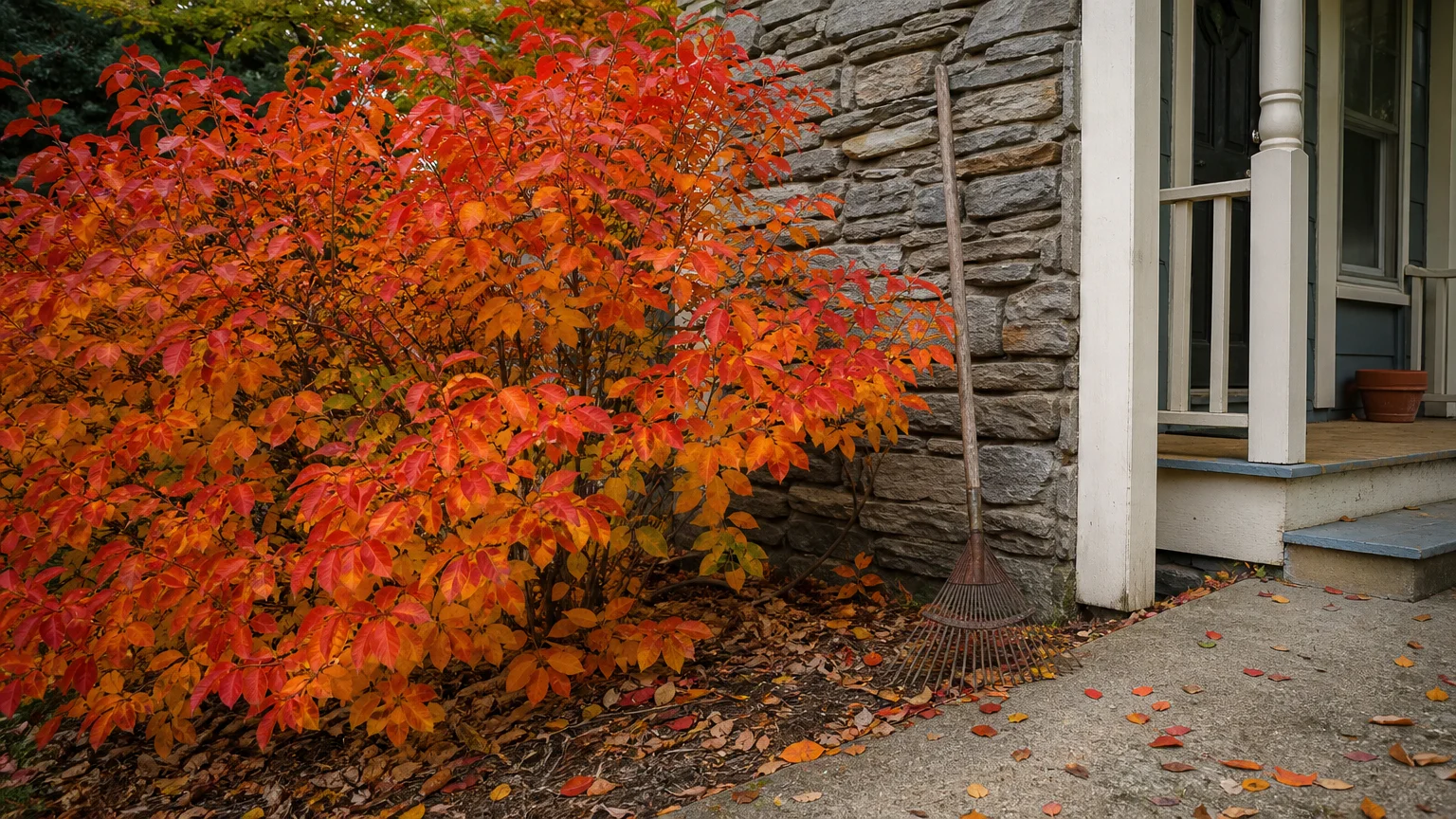
Tip #8: Dwarf Fothergilla (Fothergilla gardenii)
Dwarf fothergilla remains one of the best-kept secrets in landscape design, offering spectacular multi-season interest without demanding constant attention. In early spring, before its leaves even unfurl, this North American native shrub produces highly fragrant, bottlebrush-like white flowers that perfume the surrounding air. Throughout the summer, its deeply quilted, blue-green leaves provide excellent textural contrast against smoother foliage plants. However, autumn is when fothergilla truly shines; the foliage transitions into a blazing display of yellow, orange, and fiery red—often all on the same plant simultaneously. Reaching only three to four feet tall, it perfectly scales to foundation beds beneath low-set windows. Dwarf fothergilla thrives in rich, acidic, well-draining soil and produces its best fall color when exposed to full or partial sun. Incorporating this shrub guarantees your foundation looks dynamic and visually engaging across every season.
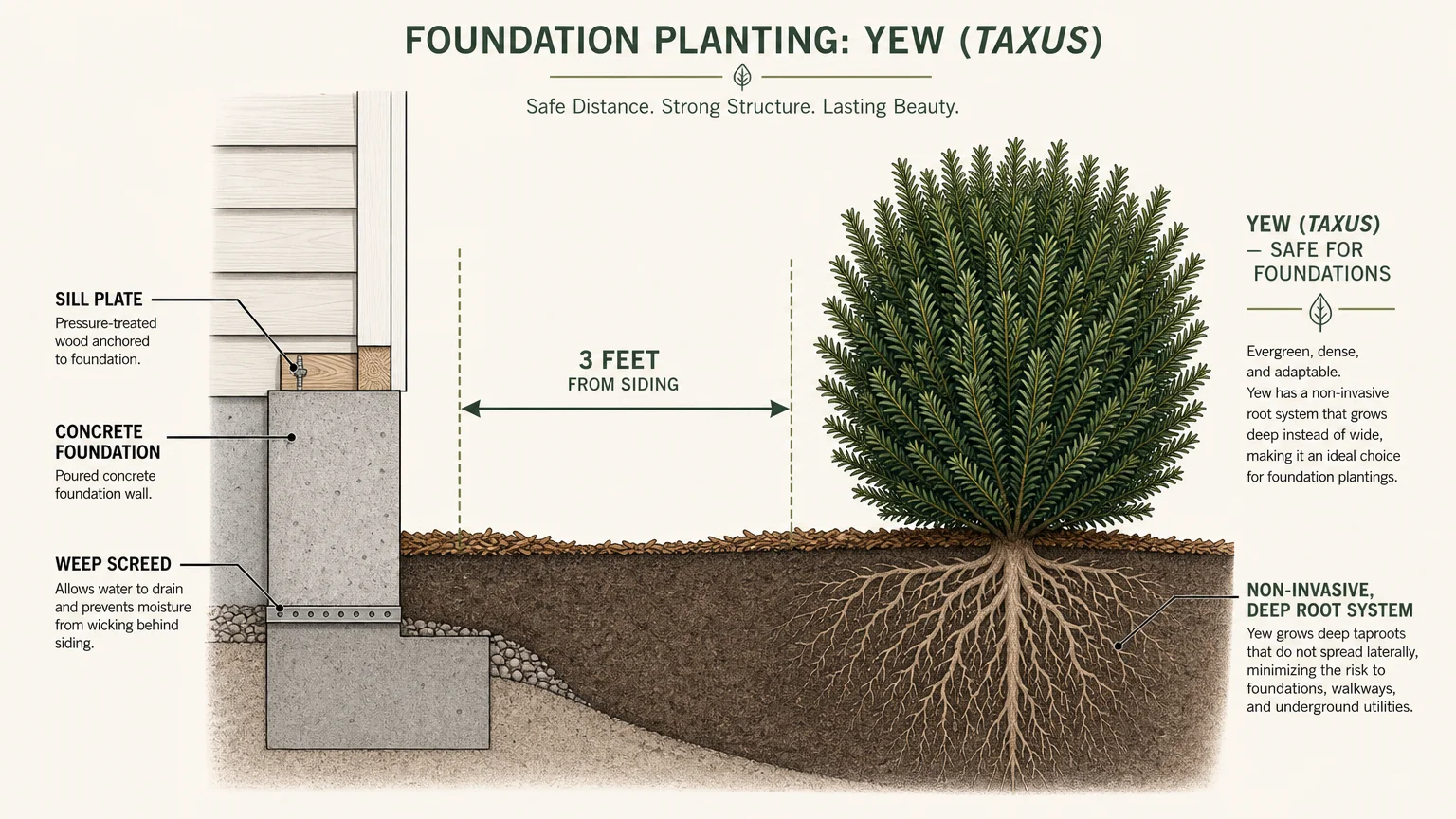
Tip #9: Yew (Taxus)
When you need a bulletproof evergreen that tolerates profound shade and urban pollution, the versatile yew answers the call beautifully. Yews feature soft, dark green needles, and female plants develop bright red, fleshy cones that add a delightful pop of winter color against the snowy landscape. Because they grow relatively slowly and accept aggressive pruning, you can easily train them into precise geometric shapes or allow them to mature into soft, natural mounds. To protect your home’s foundation, select dwarf varieties like ‘Densiformis’ or ‘Emerald Steed’, which remain manageable and will not outgrow their designated space. Yews demand excellent drainage; planting them in heavy, waterlogged clay leads quickly to root failure. By mixing yews with lighter-colored perennials and deciduous shrubs, you establish a dark, sophisticated backdrop that visually pushes brighter plants forward, adding necessary depth to your landscaping ideas.

Tip #10: Japanese Skimmia (Skimmia japonica)
If the north side of your home lacks sunlight, Japanese skimmia offers a dense, evergreen solution that thrives in the shadows. This slow-growing, rounded shrub features thick, leathery leaves that stay reliably green throughout the harshest winters. In spring, skimmia produces clusters of tiny, star-shaped white flowers that carry a remarkably sweet fragrance. If you plant both male and female varieties nearby, the female plants will develop striking crimson berries that persist through the winter months. Reaching three to four feet in height, skimmia rarely requires pruning and naturally maintains a tidy, dome-like shape without your intervention. Plant it in rich, acidic soil amended with plenty of organic matter, and ensure the soil remains moist but never soggy. This elegant, underutilized plant easily transforms a gloomy foundation corner into a refined and polished focal point.
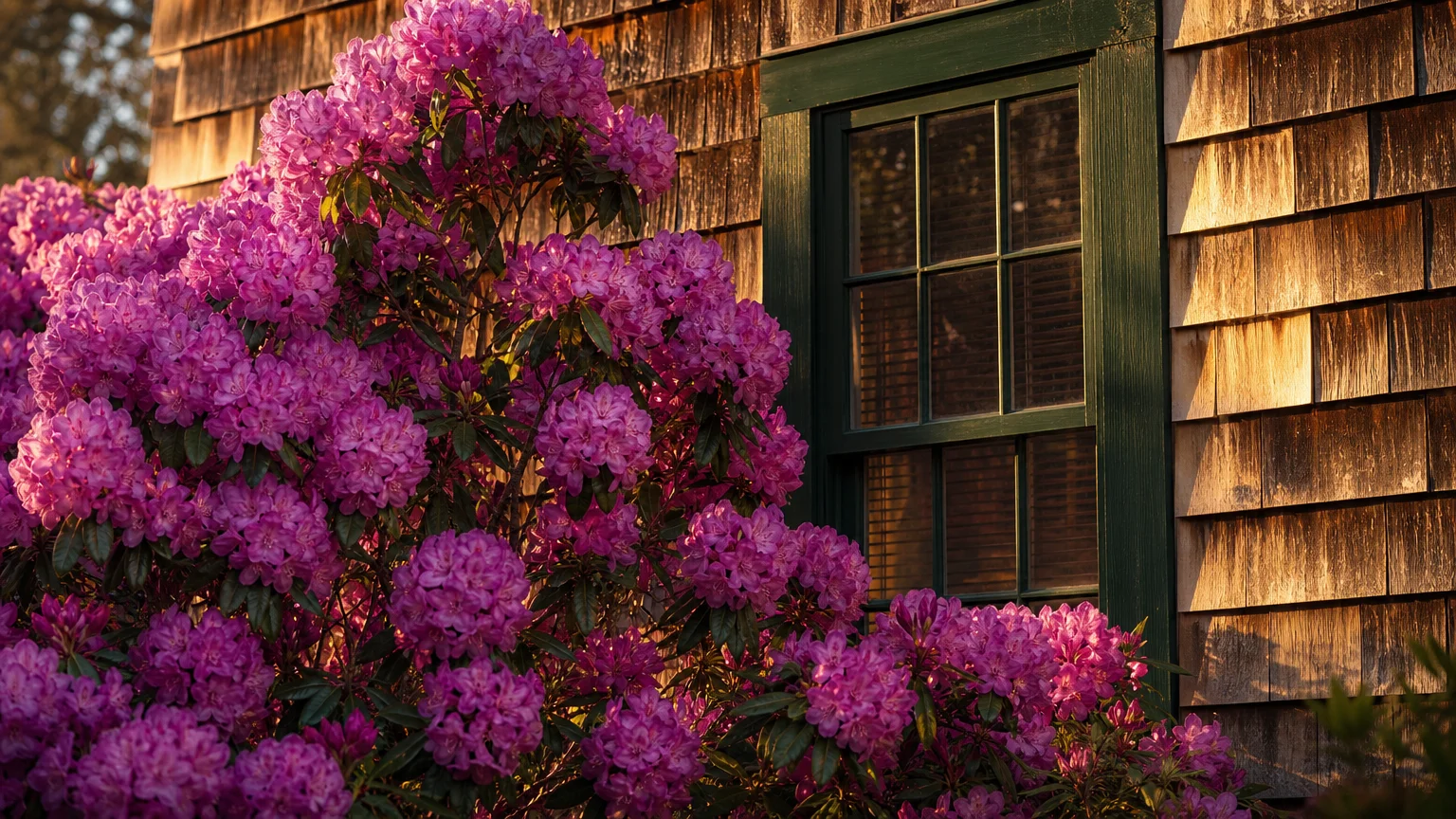
Tip #11: Rhododendron
Rhododendrons bring a lush, woodland aesthetic to foundation borders, coupling thick evergreen foliage with spectacular spring floral displays. These robust shrubs erupt in massive trusses of blossoms—ranging from pristine white and soft pink to vibrant magenta and deep purple. Because they retain their large leaves all year, rhododendrons provide excellent structural weight to your garden even in the depths of winter. They naturally prefer dappled sunlight or morning sun paired with afternoon shade, making them ideal for the eastern or northern sides of your house. Shallow-rooted by nature, rhododendrons require loose, highly acidic soil and a thick layer of pine straw or bark mulch to keep their sensitive roots cool. Space them generously—at least three to four feet from your exterior walls—to ensure air circulates freely and prevents the buildup of mold or powdery mildew.
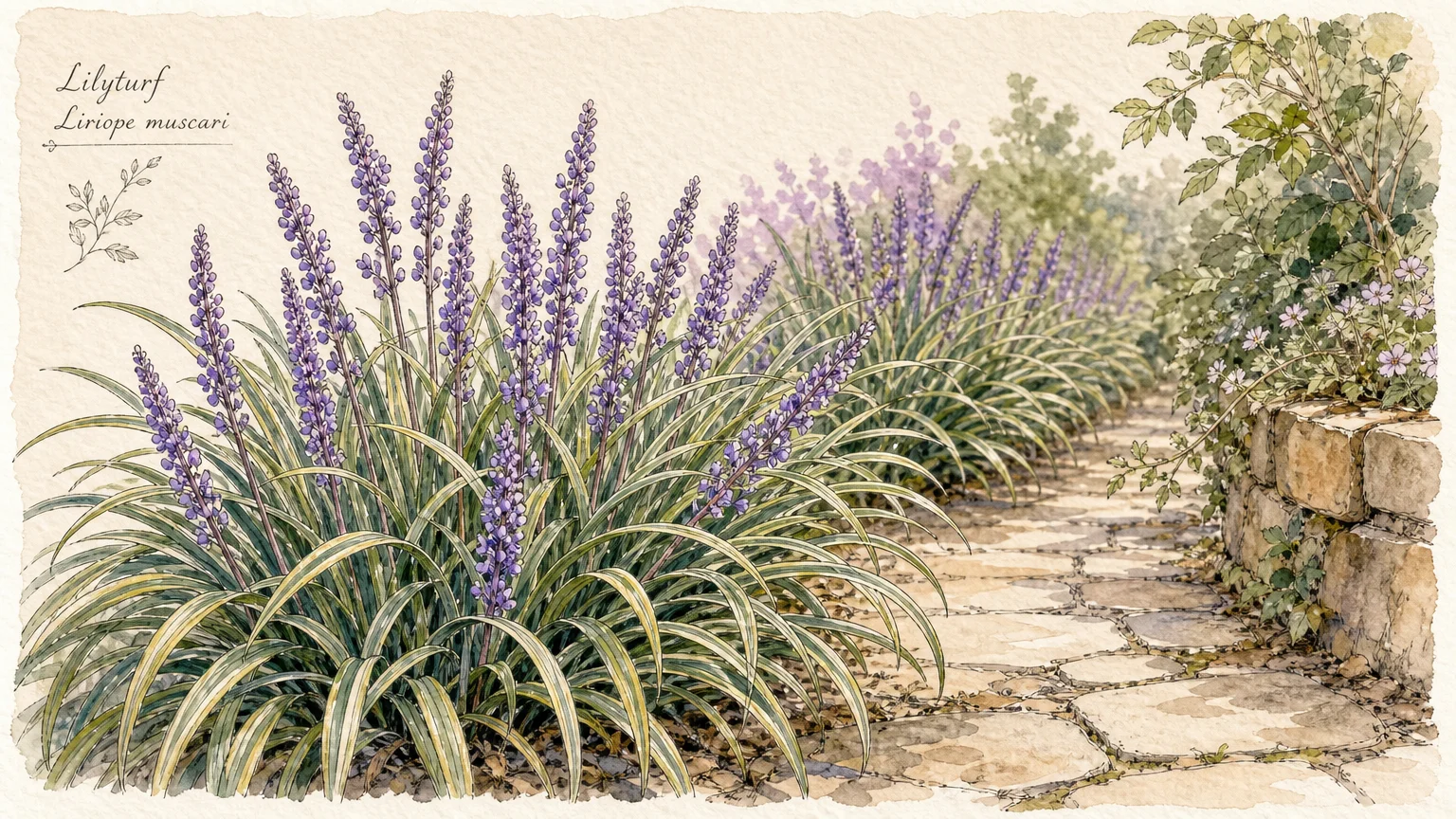
Tip #12: Lilyturf (Liriope muscari)
To seamlessly bridge the gap between your lawn and your taller foundation shrubs, nothing works quite as effectively as lilyturf. Though it resembles an ornamental grass, this resilient perennial actually belongs to the asparagus family and produces dense clumps of arching, evergreen leaves. In late summer, just as many other plants begin to tire, lilyturf sends up striking spikes of purple or white flowers, followed by glossy black berries in the autumn. It acts as an incredibly durable living mulch, choking out weeds while stabilizing the soil around your foundation. Lilyturf adapts to almost any lighting condition—from full sun to deep shade—and thrives despite neglect or brief periods of drought. By planting a continuous ribbon of liriope along the front edge of your beds, you create a manicured, professional finish that ties your entire landscape design together perfectly.
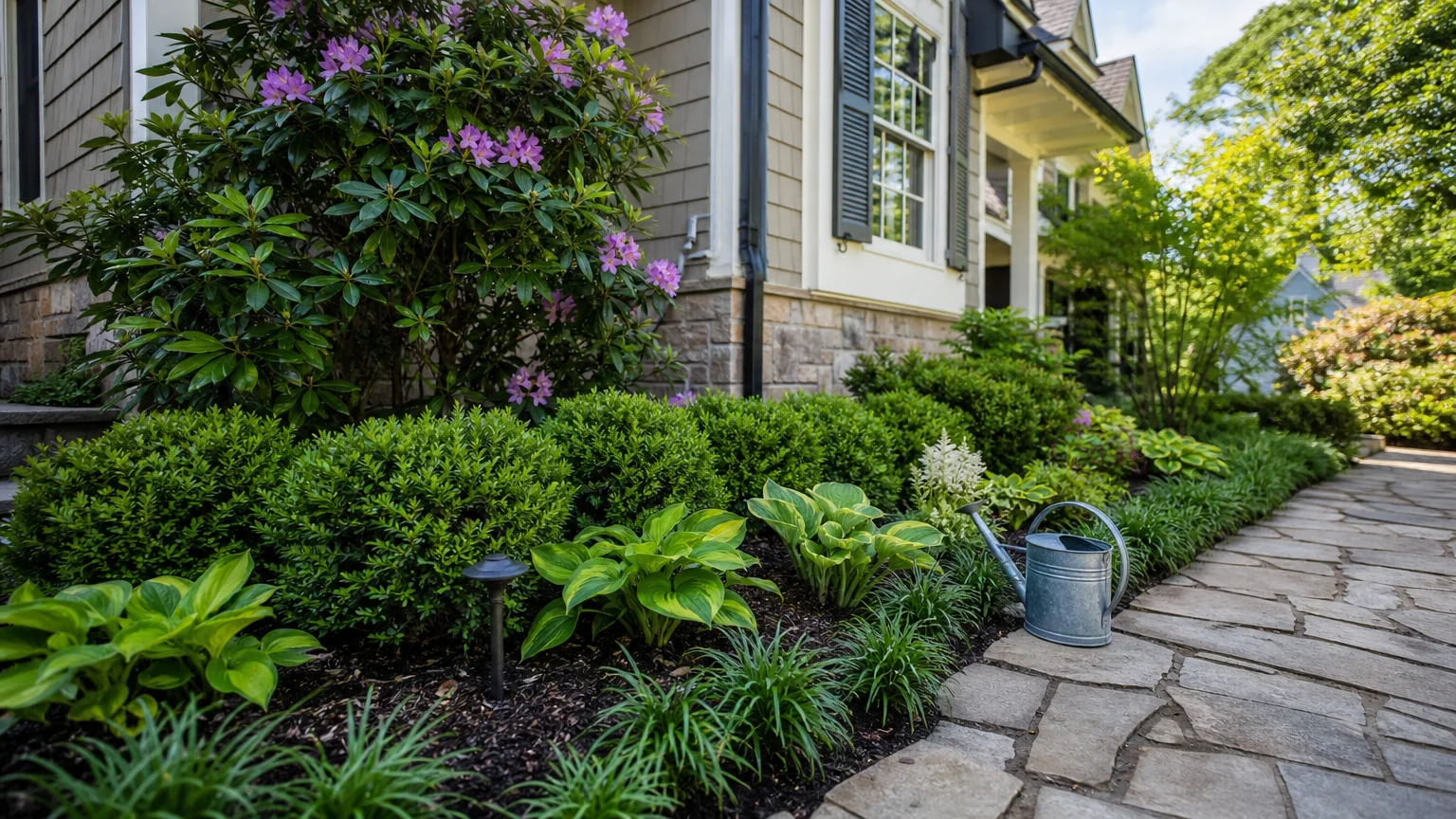
Putting It All Together: Enjoy Your Beautiful Garden
Designing a breathtaking foundation border completely transforms the way you experience and present your home. By thoughtfully combining structured evergreens, vibrant flowering shrubs, and textured perennials, you create a dynamic, multi-layered landscape that captivates the eye year-round. Remember to always prioritize the mature size of your plants; leaving adequate space between your greenery and your exterior walls protects your home from moisture damage and ensures your garden remains healthy. Start small, assess your soil and sunlight conditions accurately, and select resilient varieties that match your unique climate. As these carefully chosen plants establish their roots and begin to flourish, you will watch your front yard landscaping evolve into a welcoming, vibrant masterpiece that requires minimal upkeep and delivers maximum joy.
Frequently Asked Questions
How far from the foundation should I plant shrubs?
Always base your planting distance on the mature spread of the specific shrub. As a general rule, divide the mature width of the plant in half and add at least one foot; this calculates the minimum distance from the center of the plant to your foundation wall. For example, if a shrub grows four feet wide, plant it at least three feet away from the house. This spacing prevents moisture trapping, allows for essential air circulation, and gives you enough room to perform exterior home maintenance without trampling your garden.
Can foundation plants cause structural damage to my house?
Large trees and aggressive shrubs with expansive root systems can potentially damage foundations or interfere with underground utilities. However, the low maintenance shrubs and perennials recommended above feature compact, non-invasive roots that pose no threat to a structurally sound foundation. To further mitigate any risks, avoid planting large shade trees or aggressively spreading species near the perimeter of your home, and always address existing cracks in your foundation walls before installing new garden beds.
What is the best way to water plants close to the house?
Using a soaker hose or a drip irrigation system provides the safest and most efficient watering method for foundation beds. These systems deliver water directly to the root zones, minimizing evaporation and preventing water from repeatedly hitting your home’s siding—a common cause of rot and mildew. Watering deeply and less frequently encourages your plants to develop deep, drought-resistant root systems, ensuring they remain resilient during hot summer months.
Should I use mulch or decorative rock around foundation plants?
Organic mulch, such as shredded bark or pine needles, greatly benefits plants by retaining soil moisture, regulating root temperatures, and adding vital nutrients as it decomposes. Keep organic mulch pulled back a few inches from the actual foundation wall and the base of the plant stems to deter insects and rot. While decorative rock lasts longer and helps control weeds, it can radiate intense heat during the summer, which may scorch delicate plants or dry out the soil too quickly in warmer climates.
For region-specific advice, consult your local University Extension program (find yours via the USDA directory). For plant databases and inspiration, visit the Missouri Botanical Garden or the Royal Horticultural Society.
Disclaimer: This article provides general gardening advice. Always consider your specific climate, soil conditions, and local pests. Follow safety guidelines when using gardening tools and products.