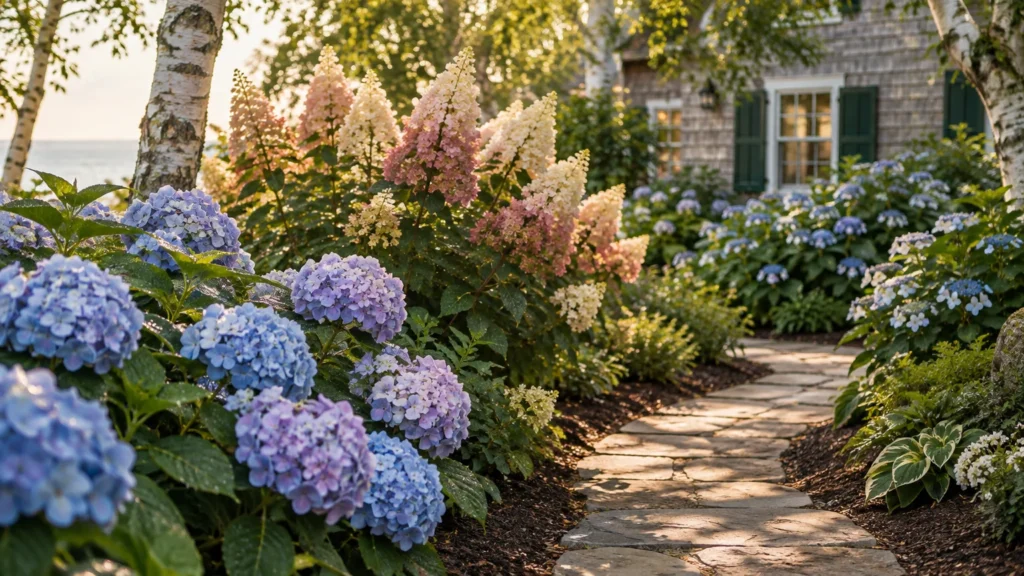
A well-planned walkway softens hard stone pavers and welcomes guests with vibrant color and fragrance. The right garden path plants transform a functional walkway into an inviting, lush corridor that ties your landscape together.
You can line borders with textured foliage or tuck durable greenery directly between stepping stones. Choosing resilient varieties eliminates muddy edges and controls unwanted weeds naturally.
These proven plants for walkways deliver striking beauty and stand up to daily outdoor wear. Explore ten dependable selections that balance effortless charm with exceptional garden performance.
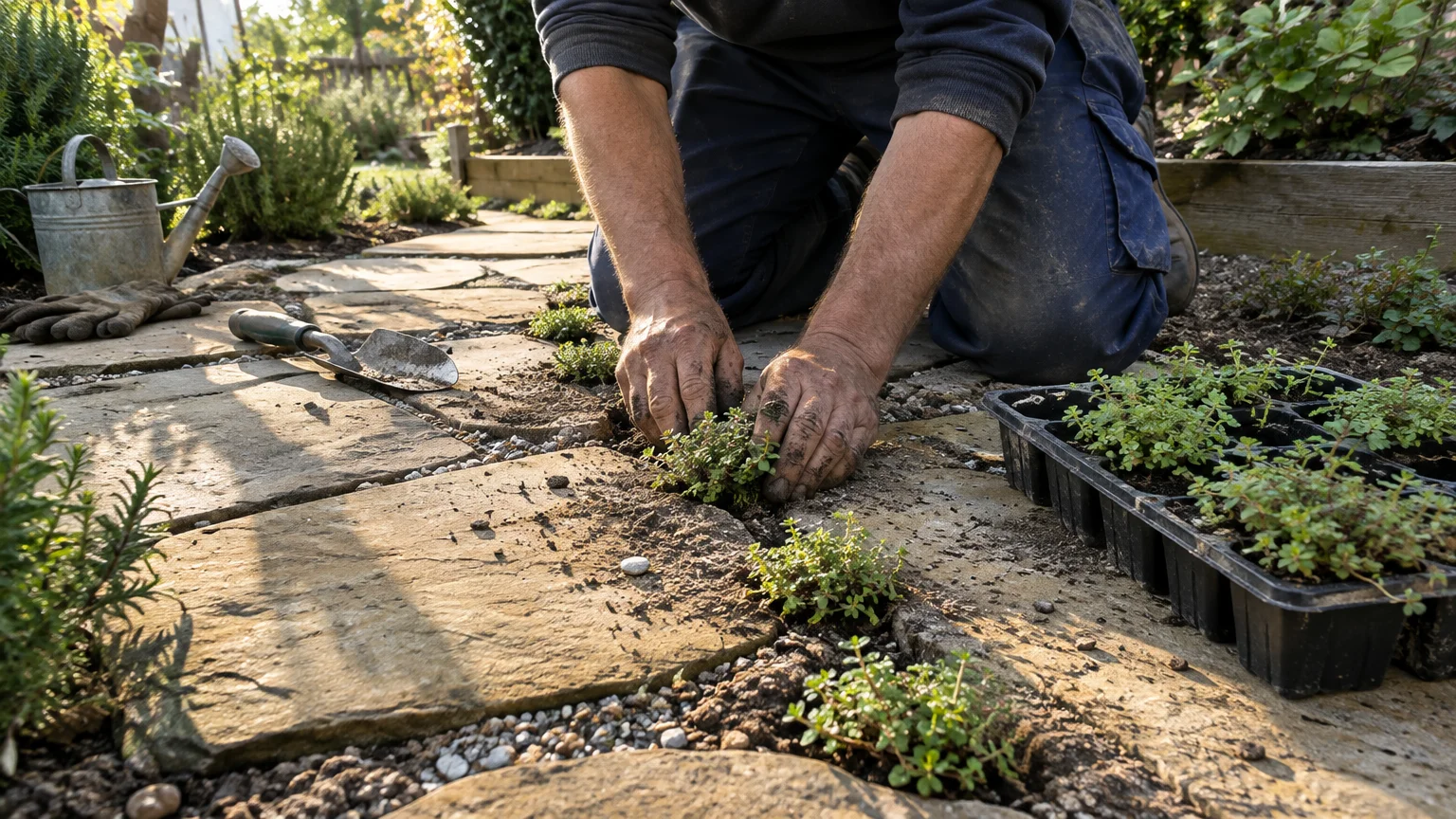
Outdoor Strategy #1: Creeping Thyme
Creeping thyme creates a dense, aromatic carpet between flagstones and along stepping paths. When your feet brush against the foliage, it releases an earthy herbal scent that enlivens your garden stroll.
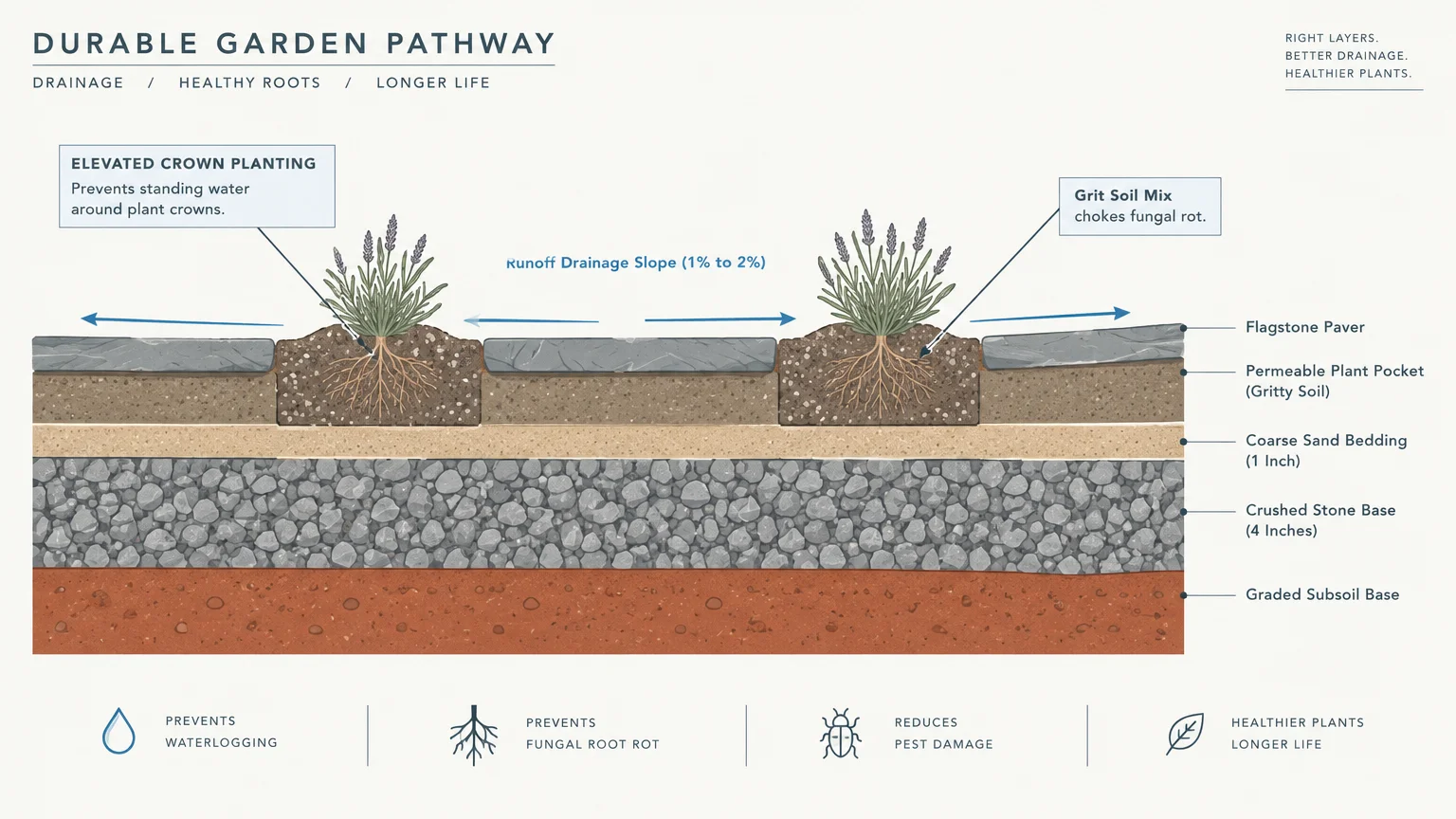
This perennial thrives in USDA Hardiness Zones 4 through 9 and prefers full sun with gritty, well-draining soil. Wet conditions will rot the root system quickly, so plant it on elevated edges or sunny slopes.
In early summer, the tiny green leaves disappear beneath masses of pink, lavender, or purple blossoms. These flowers attract beneficial pollinators, adding ecological value to your yard.
Space plugs roughly six to nine inches apart when installing new flagstone pavers. Within one growing season, the stems knit together tightly, choking out opportunistic weeds along your path.
Creeping thyme withstands moderate foot traffic without tearing or browning. Trim it lightly with hand shears after flowering ceases to maintain a neat, compact profile.
Outdoor Strategy #2: Blue Star Creeper
Blue star creeper provides a sea of pale blue, star-shaped flowers from late spring into autumn. It forms a dense mat barely three inches tall, making it ideal for tight flagstone gaps.
This versatile perennial performs best in USDA Zones 6 through 9 with consistent moisture and partial shade. In northern landscapes, it tolerates full sun if you supply regular irrigation during summer heatwaves.
Its vigorous spreading habit lets it repair itself rapidly after heavy foot traffic. You can walk directly across it without damaging its fibrous root system or delicate blossoms.
Use this ground cover to soften harsh concrete pavers or line winding woodland trails. It suppresses broadleaf weeds effectively by forming an impenetrable green layer across moist soil.
Divide established clumps in early spring using a standard trowel to fill new walkway sections. Water newly planted divisions thoroughly until fresh growth emerges from the crown.
Outdoor Strategy #3: Bugleweed
Bugleweed offers striking, crinkled foliage in deep shades of bronze, chocolate, purple, and variegated cream. It spreads through vigorous runners that blanket uneven ground quickly and prevent soil erosion.
Gardeners in USDA Zones 3 through 10 appreciate its resilience in tricky shaded locations. It handles poor clay soils and dry shade where turfgrass routinely fails to establish.
In mid-spring, upright flower spikes rise four to six inches above the glossy foliage. These intense blue and purple blossoms create vivid visual borders along stone garden paths.
Plant bugleweed along path margins rather than directly in heavy walking tracks. While it handles occasional footsteps, its fleshy leaves bruise under sustained, aggressive traffic.
Edge your pathway yearly with a sharp flat spade to contain spreading runners within your border. This quick maintenance chore keeps your walkway clean and provides inspiration for other garden path ideas.
Outdoor Strategy #4: Dwarf Mondo Grass
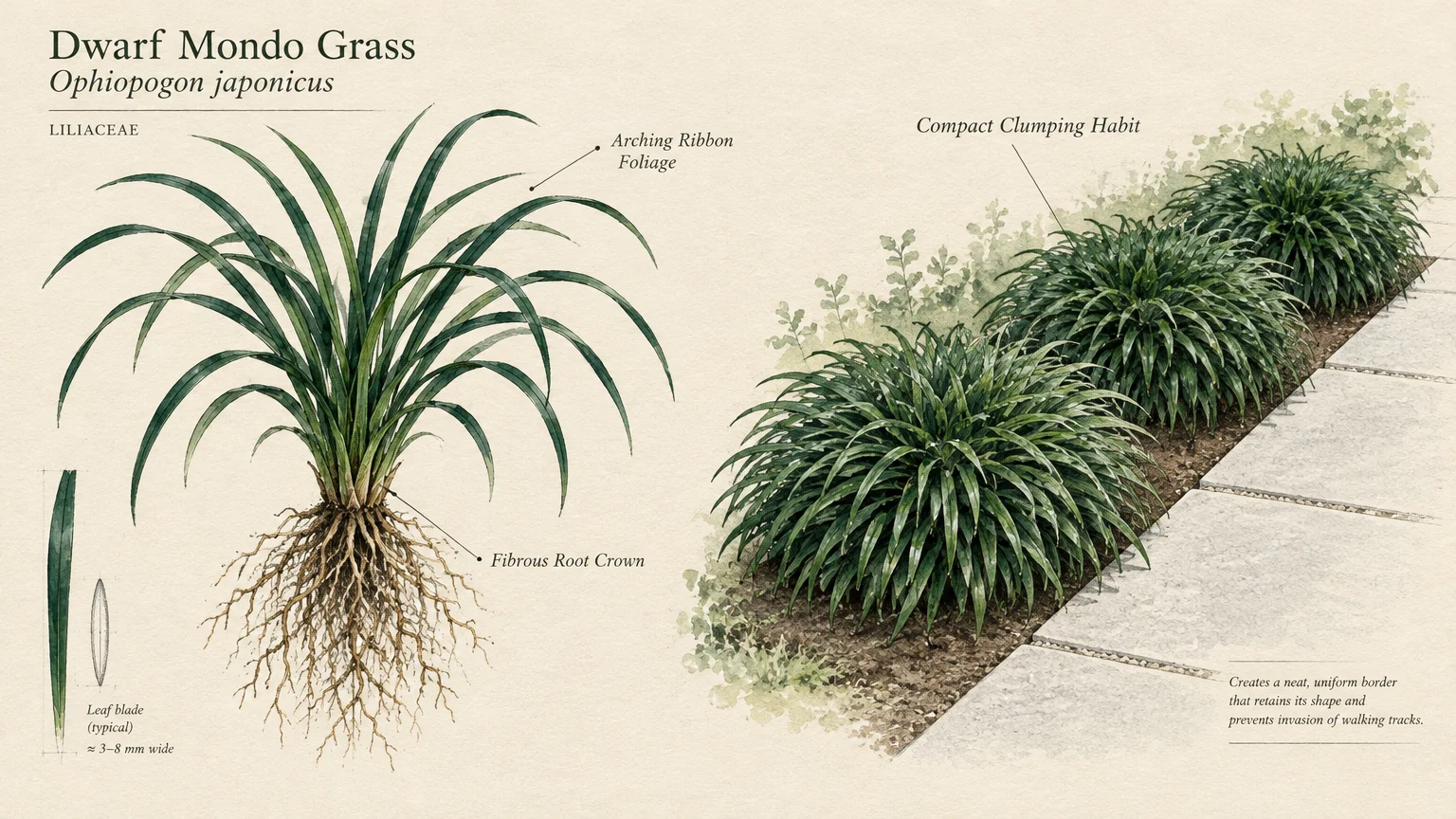
Dwarf mondo grass brings refined architectural elegance to walkway borders and stepping stone gaps. Its dark, ribbon-like blades form clean clumping mounds that stay emerald green year-round.
Hardy in USDA Zones 6 through 11, this evergreen perennial thrives in filtered light and full shade. It tolerates acidic soils, dappled forest light, and competition from large tree roots.
The slow-growing habit of dwarf mondo grass makes it one of the finest garden border plants for formal landscapes. You will never need to mow or shear it to preserve its uniform height.
Plant individual sprigs three to four inches apart to form a seamless, carpeted border. Its deep roots lock sandy and sloping soils securely in place during seasonal downpours.
Pale lilac flowers emerge discreetly in midsummer, followed by bright blue berry-like seeds. These subtle accents reward observant walkers along tranquil shade paths.
Outdoor Strategy #5: Sweet Woodruff
Sweet woodruff produces whorled foliage with delicate, pure white flowers in late spring. As you walk past, bruised leaves release a sweet fragrance reminiscent of fresh-cut hay and vanilla.
This perennial ground cover thrives in USDA Zones 4 through 8 in full shade. It requires rich, organic soil that retains moisture throughout the warmer summer months.
Its spreading root system weaves between tree roots, softening borders under mature deciduous trees. It creates a serene, woodland aesthetic that frames natural flagstone walkways beautifully.
Sweet woodruff tolerates light incidental foot traffic along walkway edges without suffering long-term damage. Keep it out of primary pathways where foot traffic is constant and abrasive.
Mulch around new plantings with leaf compost to support rapid, healthy root development. A two-inch organic blanket protects shallow runners and locks in vital soil moisture.
Outdoor Strategy #6: Creeping Phlox
Creeping phlox explodes into a dense blanket of vivid pastel blossoms every spring. Its needle-like evergreen foliage remains attractive through summer heat and freezing winter conditions.
Suited for USDA Zones 3 through 9, this hardy perennial loves full sun and well-draining soil. It handles rocky ground, sandy loam, and hot southern exposures with minimal complaints.
Plant creeping phlox on retaining wall edges or along raised stone pathways where stems can cascade. The drooping, flowering stems soften rigid masonry lines and add relaxed charm.
Its woody base resists occasional foot brushing and harsh wind exposure along open yard walkways. Shear plants back by half immediately after flowering to stimulate dense, compact branching.
Pair it with spring bulbs like daffodils and grape hyacinths for layered seasonal interest. The evergreen foliage hides fading bulb leaves naturally as summer arrives.
Outdoor Strategy #7: Lady’s Mantle
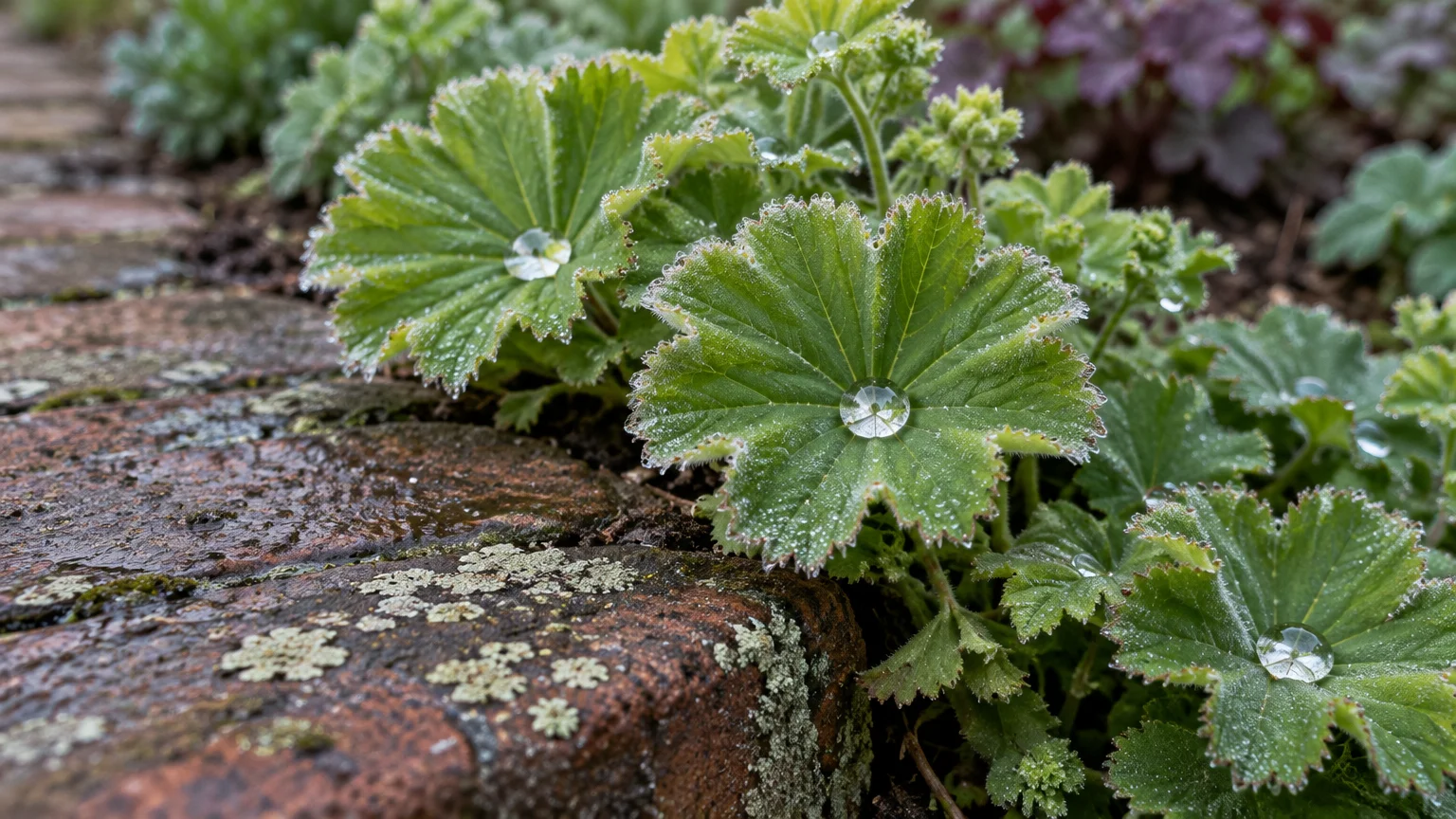
Lady’s mantle features scalloped, velvety chartreuse foliage that catches early morning dew drops. These sparkling water beads rest like liquid gems on the cupped leaf surfaces.
Thriving in USDA Zones 3 through 8, this clumping perennial thrives in sun or partial shade. It prefers rich, moist soils but survives short dry spells once roots fully establish.
Frothy sprays of chartreuse blossoms emerge in early summer, spilling gracefully over path edges. This sprawling border habit blurs hard edges and visually widens narrow garden paths.
Position plants twelve to eighteen inches back from the main walking corridor to allow comfortable movement. This placement prevents large, floppy stems from obstructing pedestrian flow after rain.
Cut back spent blooms and aging leaves in midsummer to trigger a flush of fresh foliage. This simple prune keeps borders looking crisp and rejuvenated through late autumn.
Outdoor Strategy #8: Corsican Mint
Corsican mint forms a diminutive, moss-like carpet of microscopic green leaves hugging the ground. When stepped on, it releases a powerful, refreshing burst of peppermint aroma into the air.
This tiny perennial thrives in USDA Zones 6 through 9 in partial shade. It requires damp, well-draining soil and will wither if allowed to dry out completely during summer.
Tuck Corsican mint into tight crevices between brick walkways, flagstones, or garden steps. It grows barely half an inch tall, never encroaching onto walking surfaces or tripping passersby.
While it handles moderate foot traffic well, excessive abrasion can thin out its dense growth. Pair it with stepping stones so feet land primarily on stone surfaces.
In northern climates with cold winters, treat Corsican mint as a self-seeding annual. It drops tiny seeds reliably each autumn, germinating spontaneously once spring temperatures rise.
Outdoor Strategy #9: Woolly Thyme
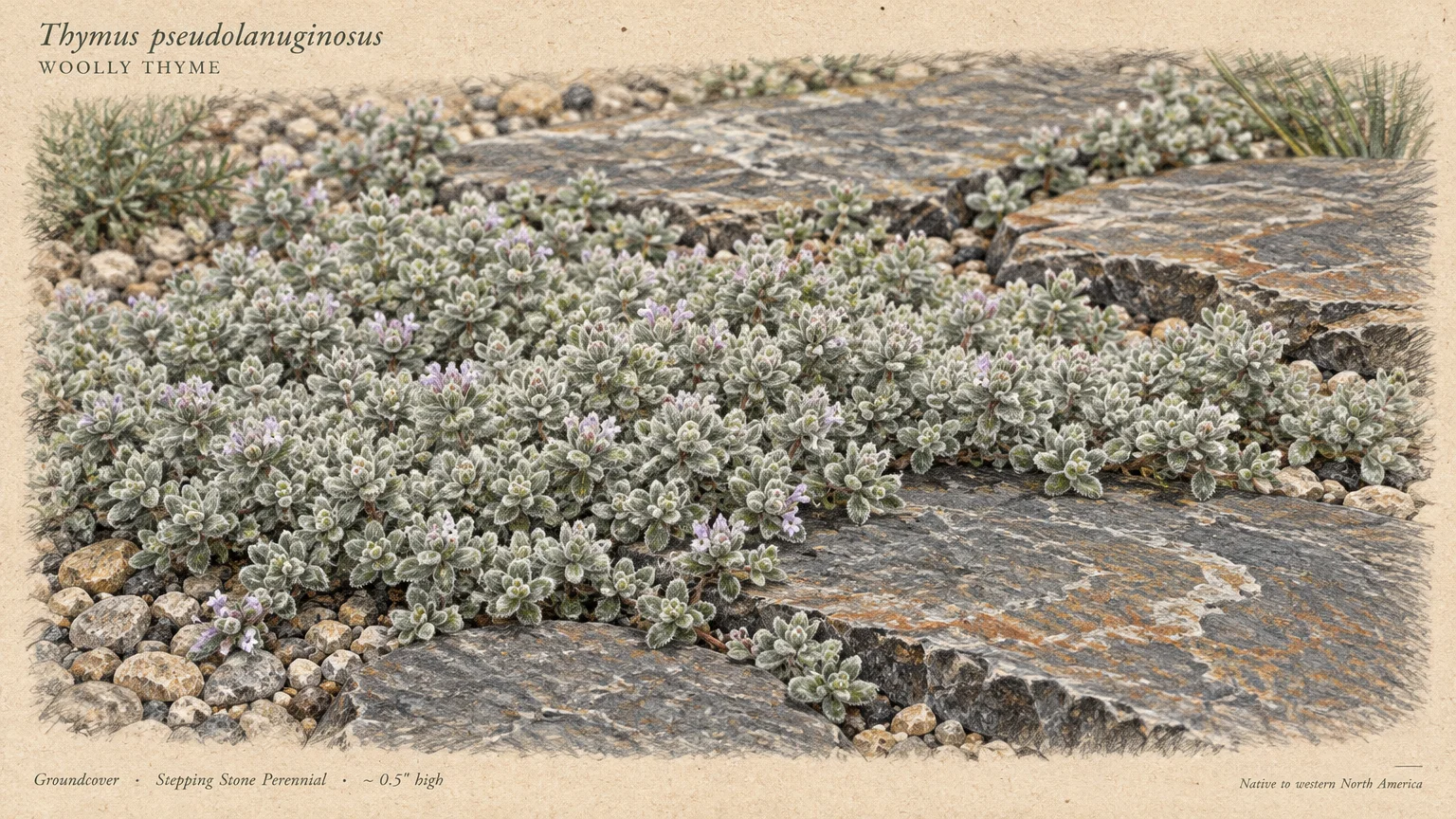
Woolly thyme features soft, silvery-gray leaves covered in tiny, felt-like hairs. This distinct velvety texture introduces tactile variety and soft, muted tones alongside rough stone walkways.
Perfectly suited for USDA Zones 4 through 8, it demands blazing sun and sharp drainage. It struggles in damp, humid conditions, where moisture gets trapped within its dense hairy foliage.
This variety grows flat against the earth, rarely exceeding an inch or two in height. It fills flagstone seams seamlessly, creating a weed-resistant cushion between individual paving stones.
Woolly thyme tolerates regular foot traffic with ease, making it a prime candidate for busy pathways. Its silver hue provides an eye-catching contrast against dark slate or red clay pavers.
Amend heavy clay soils with coarse sand or fine gravel before planting woolly thyme plugs. Sharp drainage guarantees healthy root development and prevents fungal issues during rainy periods.
Outdoor Strategy #10: Golden Creeping Jenny
Golden creeping Jenny features vibrant, coin-shaped chartreuse leaves that instantly illuminate shaded walkways. Its trailing stems creep across the soil surface, forming a luminous, low-growing mat.
It performs exceptionally well across USDA Zones 3 through 9 in damp to moist garden soils. While it thrives in partial shade, more direct sunlight intensifies its electric yellow color.
Use this rapid grower to edge damp garden paths, stream beds, or pond walkways. It spreads quickly by rooting at every stem node that touches bare, moist earth.
Because it spreads aggressively in wet soils, install physical barriers along garden bed borders. Containment prevents it from wandering away from the path into delicate perennial displays.
It tolerates light to moderate foot traffic and recovers quickly if stepped on occasionally. Pair it with dark foliage plants like dwarf mondo grass for dramatic visual impact.
Seasonal Considerations for Your Garden
In spring, inspect your walkway borders for frost heaving and soil erosion. Press dislodged ground cover roots back into the soil and replenish pathway gravel or mulch.
Early spring is also the ideal window to divide clumping path plants like ajuga and mondo grass. Dividing plants every few years keeps walkway borders tidy and provides free specimens for other beds.
During summer, deliver deep, infrequent watering along path borders rather than daily shallow sprinkles. Deep watering encourages roots to burrow downward away from hot paver surfaces.
High summer heat radiates off stone walkways, increasing evaporation rates and stressing delicate plant roots. A light organic mulch layer along path edges protects root zones from extreme heat.
In autumn, clear fallen leaves promptly from creeping ground covers and low pathway plants. Trapped leaf litter blocks sunlight and harbors moisture that invites crown rot during winter months.
Trim back dead flower stalks and overgrown runners before the ground freezes solid. Tucking plants in properly ensures they re-emerge vigorously when warmer spring weather returns.
Apply a light layer of evergreen boughs over tender walkway plants before freezing winter winds arrive. This protective cover buffers plants against freeze-thaw cycles without smothering them.
Avoid using harsh chemical rock salts along paved paths bordered by living plants. Salt runoff damages roots, degrades soil structure, and causes severe foliage burn when spring arrives.
Use coarse sand, fine gravel, or plant-safe deicing products to manage ice on walkways instead. These alternatives maintain traction for pedestrians while safeguarding your plant investments.
Dealing with Outdoor Pests and Weather
Walkway plants face unique environmental stresses, including reflected paver heat, soil compaction, and animal pressure. Selecting resilient, disease-resistant plant varieties minimizes these common maintenance challenges.
Hungry deer and rabbits frequently browse along path borders because walkways offer convenient travel routes. Plants like creeping thyme and sweet woodruff possess strong aromas and textures that wildlife instinctively avoid.
Slugs often congregate beneath the cool, moist foliage of ground covers like ajuga and lady’s mantle. Scatter organic iron phosphate pellets along path margins to control slug populations without harming pets or songbirds.
Heavy foot traffic inevitably causes soil compaction along path edges, suffocating delicate feeder roots. Core aerate adjacent lawn edges and mix coarse compost into planting beds to preserve healthy soil porosity.
Intense rainfall can wash loose soil onto stone pathways, creating slick surfaces and burying small plants. Install sunken edging strips along border perimeters to keep garden soil and mulch firmly anchored.
During prolonged summer droughts, prioritize watering ground covers growing between dark flagstones. Dark stones absorb intense heat, raising root temperatures and depleting available moisture rapidly.
In winter, clear snow with plastic shovels rather than metal tools near delicate border plants. Metal blades can slice dormant crowns, leaving ragged wounds that stunt springtime growth.
Frequently Asked questions
Which garden path plants handle the heaviest foot traffic?
Creeping thyme and blue star creeper tolerate regular foot traffic better than most ground covers. Their flexible stems and fibrous roots recover quickly when stepped on by people and pets.
For high-traffic walkways, position stepping stones so walkers land directly on the stone rather than the plants. This simple layout protects plant crowns from crushing while preserving the lush green look.
How do I stop weeds from overtaking low-growing path plants?
Clear all perennial weeds and roots thoroughly from the soil before planting any walkway ground covers. Laying a clean foundation prevents aggressive weed species from outcompeting young plants.
Space your new plants closely together to accelerate canopy closure along the pathway. A dense mat of healthy foliage blocks sunlight, starving weed seeds before they germinate.
Can I grow ground cover plants in poor or clay soil?
Bugleweed and dwarf mondo grass perform exceptionally well in heavy clay and unimproved soils. Their tenacious root systems break through dense earth where more delicate plants struggle.
If you want to plant thyme in clay, mix coarse grit and compost into the planting hole. Good drainage is essential for sun-loving herbs growing alongside stone walkways.
How wide should my garden path borders be?
Plan border beds at least twelve to eighteen inches wide on each side of your walkway. This width provides adequate space for plants to spread naturally without spilling across the entire path.
For narrower paths, choose tight, upright clumpers like dwarf mondo grass rather than wide-spreading trailers. Selecting the right scale ensures your path remains clear, safe, and comfortable to navigate.
Check your USDA Plant Hardiness Zone at the USDA’s website. For lawn and garden care advice, consult your local University Extension program (listed here).
Find native plant information for your walkway design from the National Wildlife Federation.
Disclaimer: This article provides general outdoor gardening advice. Success can vary greatly based on your specific climate, soil type, and local conditions—always choose plants appropriate for your USDA Hardiness Zone.