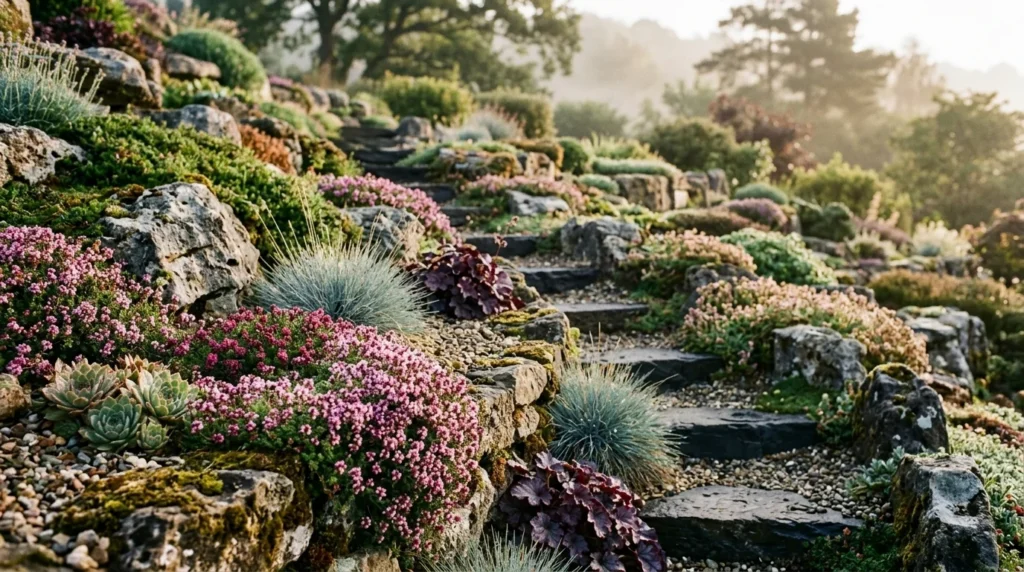
Healthy garden soil balances moisture and oxygen to nurture vigorous root systems. When slow percolation leaves your soil waterlogged, roots suffocate quickly and plant growth grinds to a halt.
Recognizing early signs of poor soil drainage allows you to protect beds before irreversible decay sets in. You can easily diagnose hidden garden drainage problems by observing your turf, foliage, and soil structure.
Here are nine unmistakable signs that your landscape needs better drainage, along with practical solutions to restore balance. Transforming saturated beds into thriving spaces starts with understanding the ground beneath your feet.
Tip #1: Persistent Puddles and Standing Water
Spotting Lingering Surface Pools
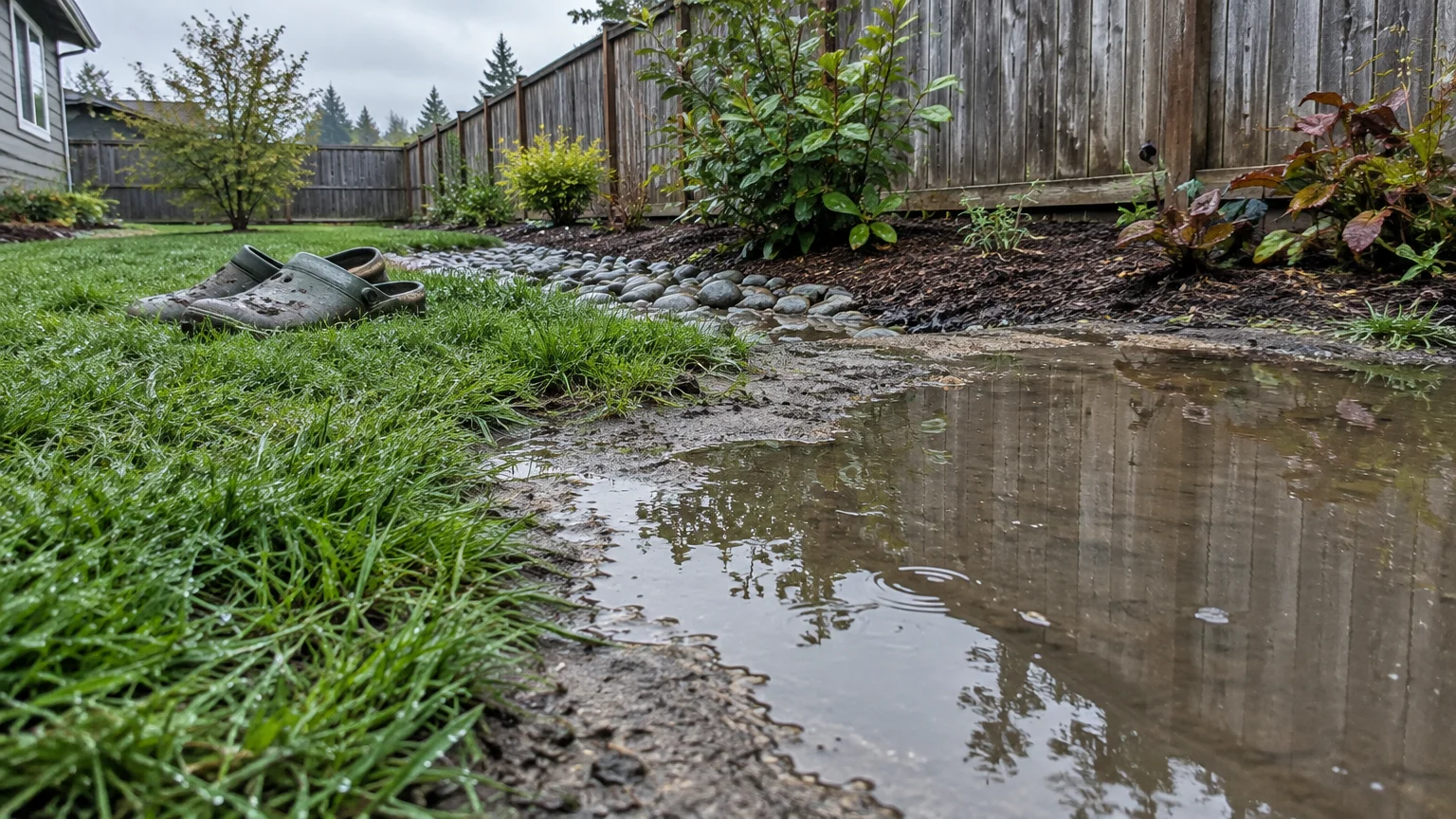
Standing pools of water that linger twenty-four hours after rainfall indicate a severe drainage bottleneck. Healthy loam absorbs typical precipitation within a few short hours.
Heavy clay particles pack tightly together, leaving no microscopic pores for excess moisture to filter downward. Compacted subsoil forces runoff to collect in low spots across your yard.
Why Standing Water Harms Gardens
Surface ponding deprives root zones of critical oxygen; roots drown without adequate aeration. This stagnant environment also invites breeding mosquitoes and encourages damaging soil pathogens.
Stagnant water packs surface soil tighter as silt particles settle into an impenetrable crust. This continuous crust seals the ground, preventing future moisture from filtering down naturally.
Actionable Steps to Clear Puddles
Dig shallow swales lined with smooth river stones to channel excess surface runoff away from low areas. Swales redirect overflow toward designated rain gardens without eroding your landscaped beds.
Topdress low areas with rich organic compost to rebuild open soil structure over time. Organic amendments encourage earthworms to burrow, creating natural subterranean drainage channels through dense dirt.
Tip #2: A Spongy, Squishy Lawn Underfoot
The Saturated Turf Sensation
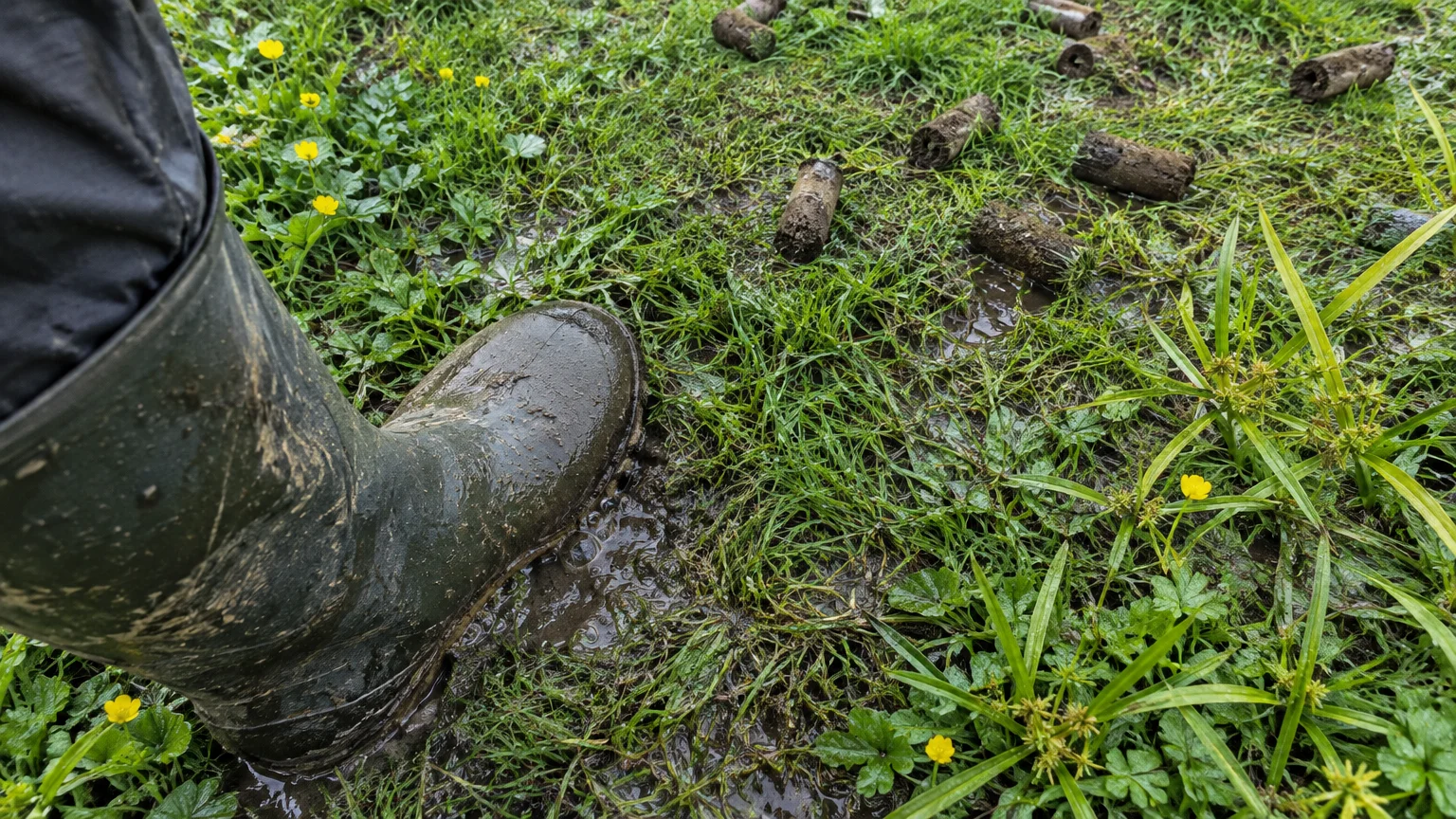
Walking across your lawn should feel firm, resilient, and dry under your shoes. If your turf squishes like a wet sponge days after rain, you face hidden saturation.
Subsurface saturation occurs when topsoil drains slightly, but an impermeable hardpan layer underneath traps water near the surface. The grass blades appear deceptively healthy while the roots struggle below.
How Water Traps Weaken Turf
Turfgrass roots require oxygen to absorb minerals and sustain dense, green growth. Chronic waterlogging causes root death, creating spongy patches that tear away easily under foot traffic.
Persistent dampness also invites invasive weeds like creeping buttercup and yellow nutsedge. These opportunistic weeds outcompete weakened turfgrass species that cannot endure prolonged saturation.
Fixing a Waterlogged Garden Lawn
Fixing a waterlogged garden lawn begins with deep core aeration every autumn. This mechanical process pulls plugs of soil out, opening direct conduits for air and water movement.
Topdress the aerated lawn with an equal blend of coarse builder sand and rich compost. This mixture permanently changes soil texture, maintaining firm ground even after heavy seasonal downpours.
Tip #3: Yellowing Leaves and Stunted Plant Growth
Drowning Foliage Symptoms
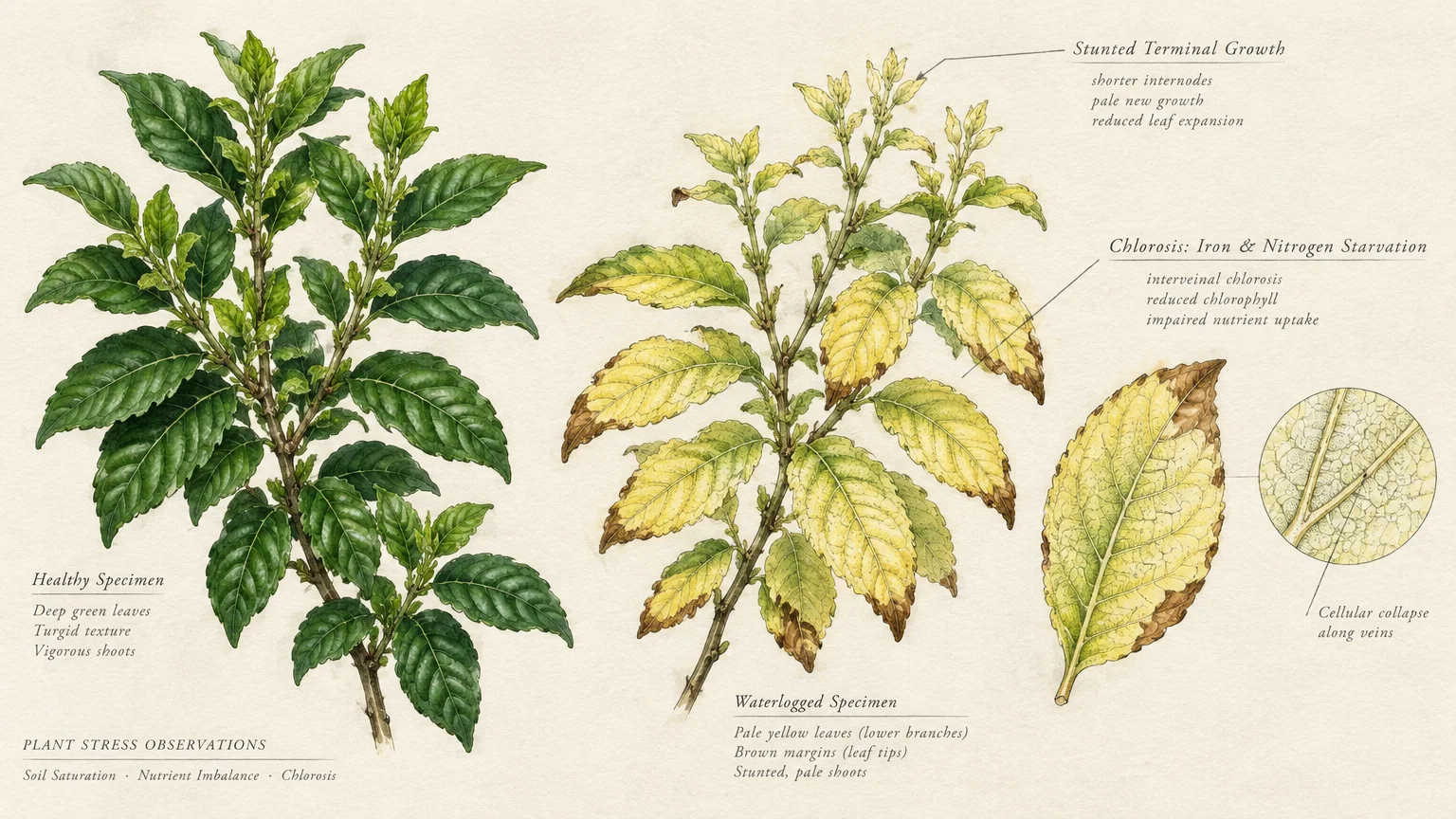
Chlorosis, or the premature yellowing of leaves, often fools gardeners into applying extra fertilizer. In saturated beds, signs of poor soil drainage mimic nutrient deficiencies almost identically.
Saturated earth fills every pore space with water, driving out the air that root systems need. Roots enter survival mode and stop absorbing essential micronutrients like iron and nitrogen.
The Physiological Damage
Yellowing typically starts on older, lower foliage before creeping upward toward new growth. You will notice weak stems, stunted leaf development, and flower buds dropping before they open.
Adding synthetic fertilizer to drowning plants burns compromised root hairs and accelerates decline. Your plants cannot process supplemental nutrients until you restore airflow to the wet root zone.
How to Restore Root Respiration
Check soil moisture eight inches deep with a simple wooden dowel before watering or fertilizing. If the dowel emerges dark and sticky, halt supplemental watering right away.
Lift vulnerable shrubs carefully and replant them on mounds raised eight inches above garden grade. Elevated planting gives active roots room to breathe while the surrounding subsoil drains.
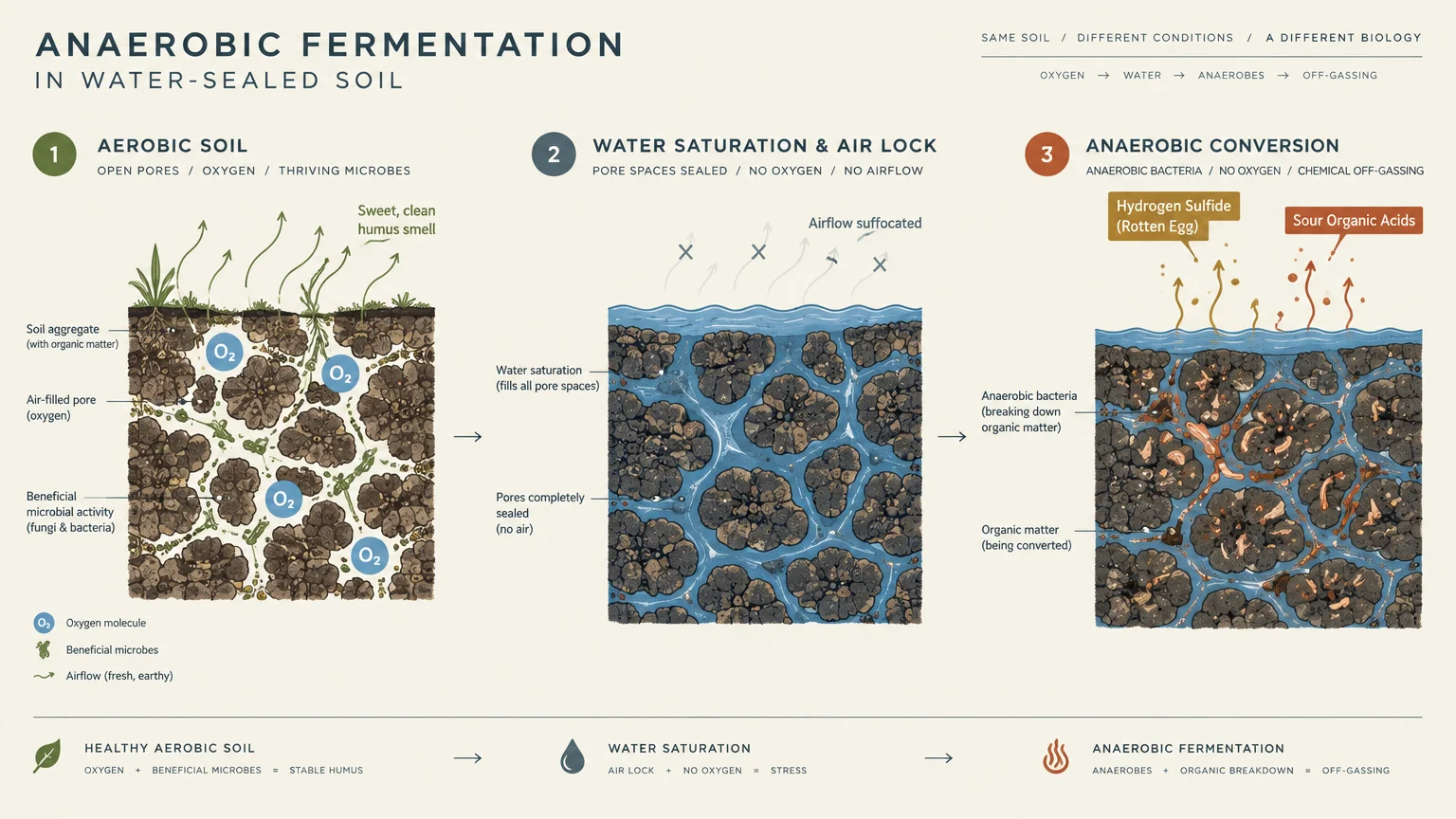
Tip #4: Foul, Sour Odors from the Soil
The Smell of Anaerobic Earth
Healthy garden soil releases a pleasant, earthy scent produced by beneficial aerobic microbes called actinomycetes. When oxygen vanishes, anaerobic bacteria take over and produce foul, rotten-egg smells.
These pungent odors stem from hydrogen sulfide gas, which forms exclusively in stagnant, airless environments. A sour stench proves your soil has transitioned from living earth to an anaerobic marsh.
Why Anaerobic Conditions Harm Roots
Hydrogen sulfide gas and anaerobic byproducts chemically burn delicate feeder roots within days. Helpful earthworms and mycorrhizal fungi flee or die, leaving behind sterile, hostile ground.
Beneficial biological activity halts, preventing organic matter from breaking down into usable plant nutrients. Toxic mineral compounds accumulate instead, altering soil chemistry and poisoning sensitive perennial roots.
Restoring Fresh Aeration
Turn compacted beds gently with a broadfork to introduce fresh air without destroying the soil profile. Avoid using heavy rotary tillers that pulverize soil structure and worsen long-term compaction.
Incorporate mature leaf mold and coarse hardwood biochar to replenish beneficial soil biology. These porous amendments rapidly re-establish oxygen pathways and neutralize foul-smelling subterranean gases.
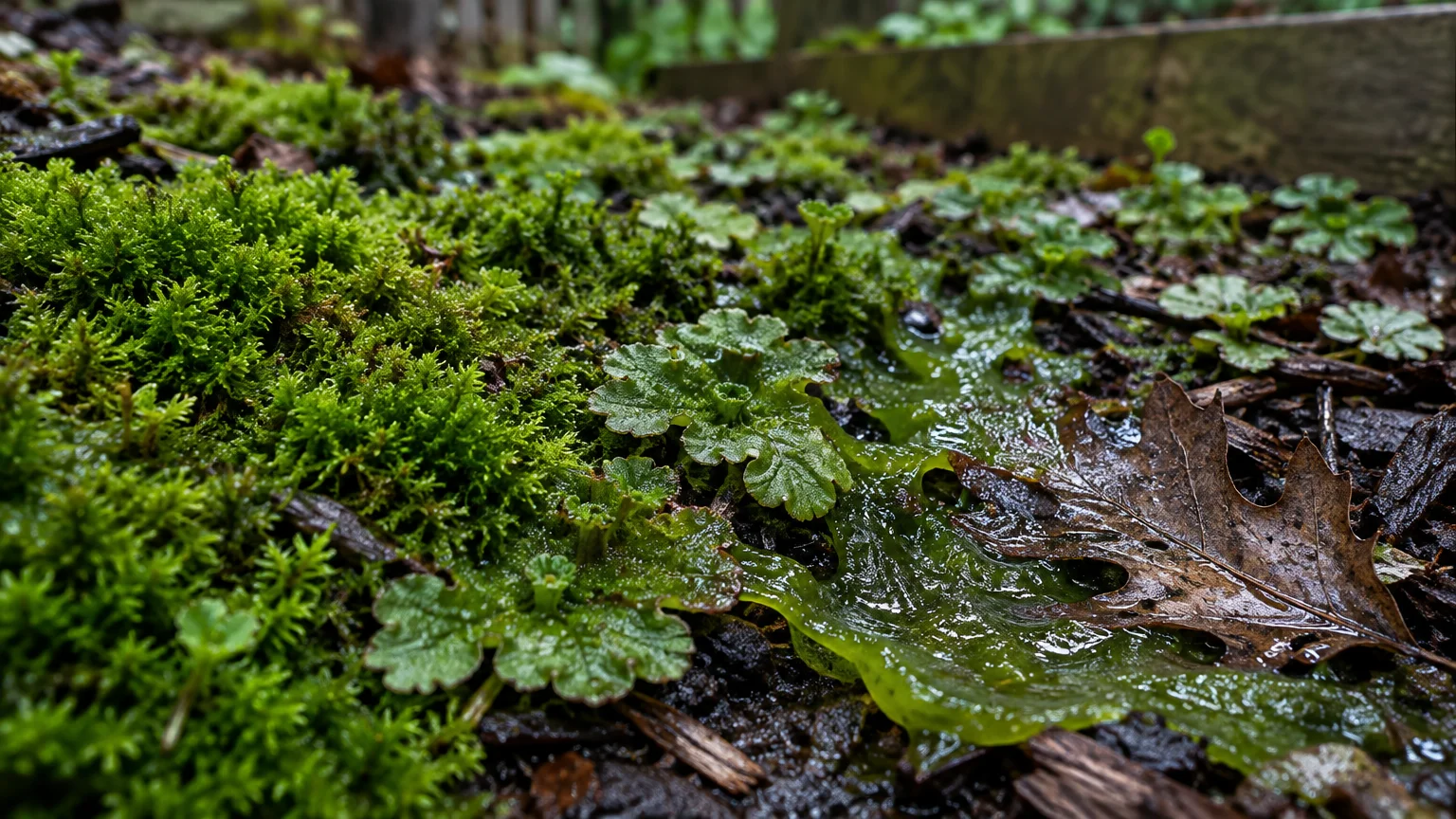
Tip #5: Proliferation of Moss, Algae, and Liverworts
The Green Carpet Invasion
A velvet blanket of emerald moss or slimy green algae across soil beds points directly toward persistent dampness. These primitive plants thrive where higher garden plants struggle to survive.
Mosses and liverworts lack vascular root systems and absorb moisture directly through their green tissue. They colonize perpetually wet, compacted, and shaded soils where traditional perennials thin out.
How Moss Carpets Damage Beds
While moss appears charming in woodland spaces, thick carpets seal the surface from atmospheric oxygen. This dense mat prevents sunlight from warming the ground and chokes out desirable seedlings.
Slick algal crusts dry into an impermeable leathery skin that deflects subsequent rainfall. Water then runs off horizontally across the surface rather than soaking down to plant roots.
How to Improve Garden Drainage in Mossy Zones
Rake away surface moss and cultivate the top two inches of soil to break up the slippery crust. Prune low-hanging tree branches above the damp bed to invite drying sunlight and airflow.
Knowing how to improve garden drainage in these shaded spots often involves blending coarse horticultural grit into your topsoil. Grit improves water infiltration and permanently deters algae from reforming.
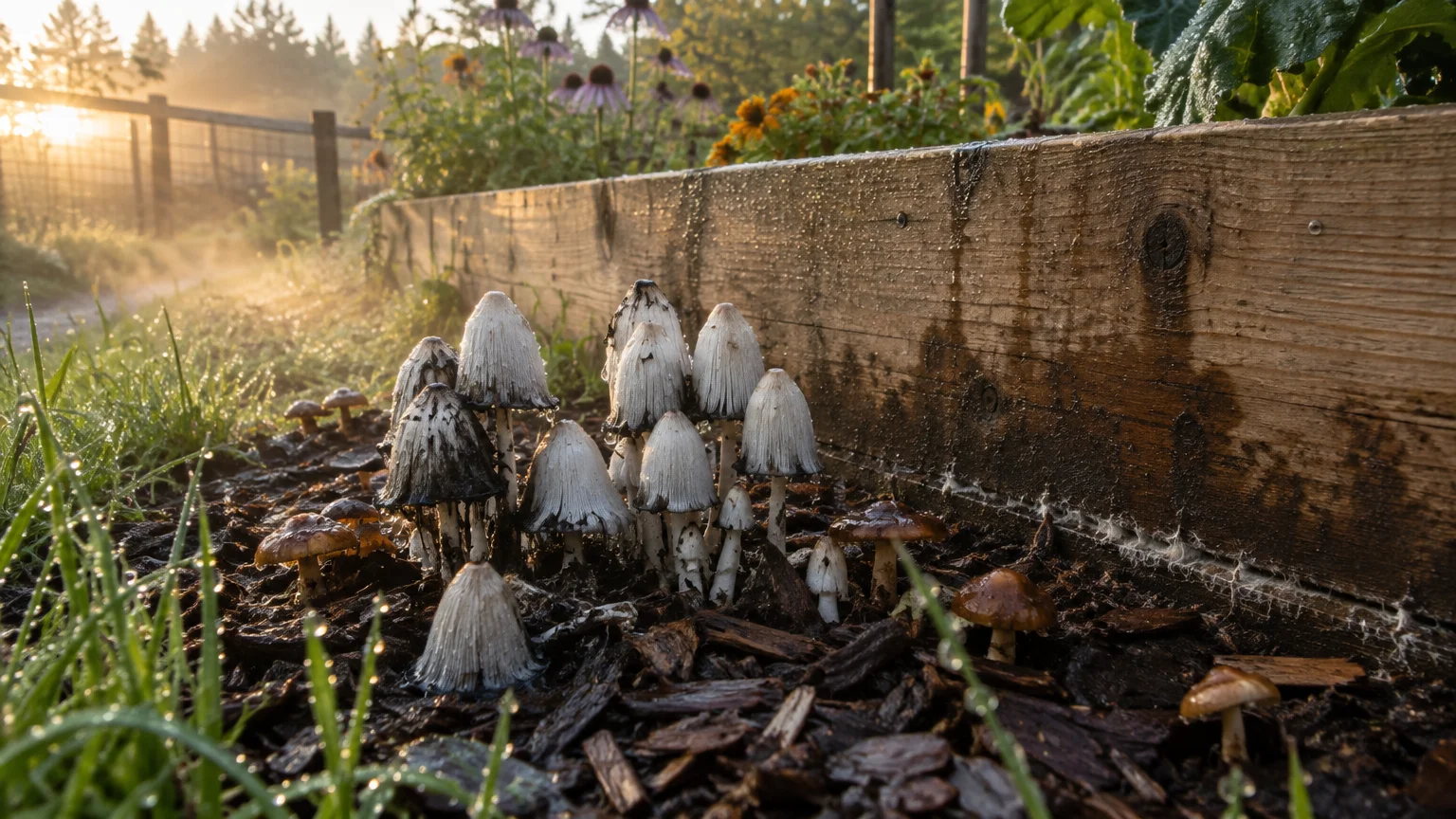
Tip #6: Sudden Mushroom Blooms and Fungal Outbreaks
A Forest of Fungal Caps
Mushrooms popping up overnight might seem harmless, but widespread fungal blooms reveal excessive subterranean moisture. Fungi flourish when wood chips and decaying roots remain continuously soaked.
When mulch never dries between storms, fungal mycelium weaves thick, water-repellent mats beneath the surface. This crust paradoxically leaves deeper roots parched while the top layer stays drenched.
The Hidden Danger of Crown Rot
Persistent dampness allows aggressive soil-borne pathogens like Phytophthora and Pythium to proliferate rapidly. These water molds swim through saturated soil pores to attack vulnerable plant crowns.
Stems at the soil line turn brown, soften, and collapse under the weight of the plant. Once crown rot penetrates woody tissue, saving the affected specimen becomes nearly impossible.
Remediating Over-Mulched Beds
Rake your beds to thin thick mulch layers down to a breathable two-inch depth. Excessive wood mulch traps groundwater and encourages moisture-loving fungal pathogens to flourish.
Pull mulch three inches away from the base of all shrub stems and tree trunks. Exposing root flares to circulating air prevents crown rot and keeps fungal outbreaks under control.
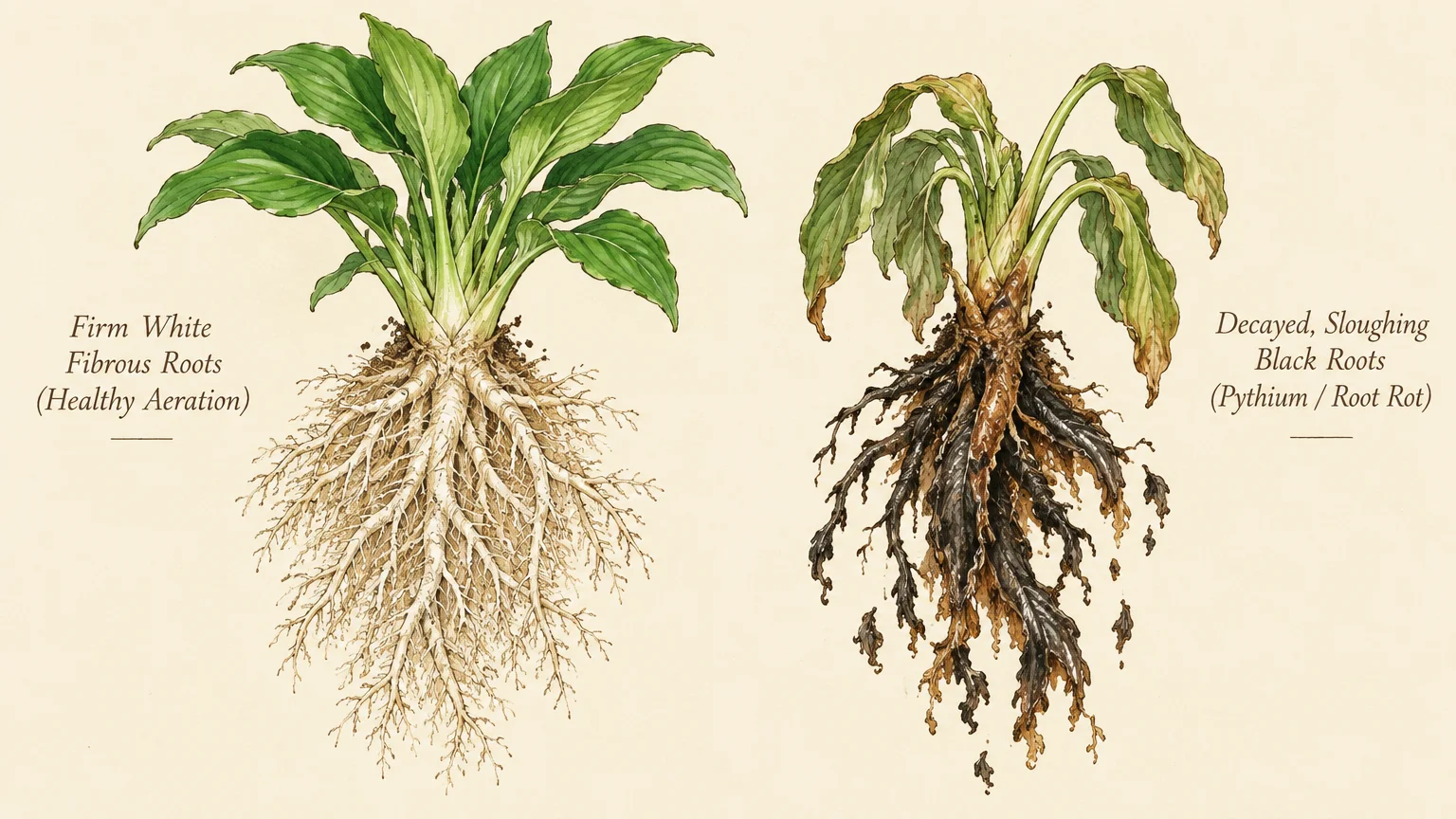
Tip #7: Black, Mushy Roots on Wilting Plants
The Wilting Paradox
Counterintuitively, plants suffering from severe drainage issues in gardening often display classic wilting symptoms. When you excavate the root system, the actual problem reveals itself immediately.
Healthy roots are firm, flexible, and creamy white or light tan inside. Drowned roots appear dark brown or pitch black, feeling slippery and mushy between your fingers.
Why Root Rot Occurs
Root cells must respire to produce the cellular energy needed for water and nutrient uptake. Oxygen-starved roots drown, decay, and become vulnerable to opportunistic fungal pathogens.
The protective outer root sheath sloughs off easily, leaving behind useless, thread-like vascular strands. The top growth wilts because its internal plumbing system has collapsed entirely.
Rescuing Waterlogged Plants
Gently lift affected plants and wash away soggy soil to inspect the damage thoroughly. Prune away all black, rotted root tissue with sterile shears before treating the cuts with sulfur powder.
Replant your salvaged specimen into raised garden beds built with well-aerated compost and perlite. Raised structures guarantee rapid gravitational drainage, protecting roots from future water stagnation.
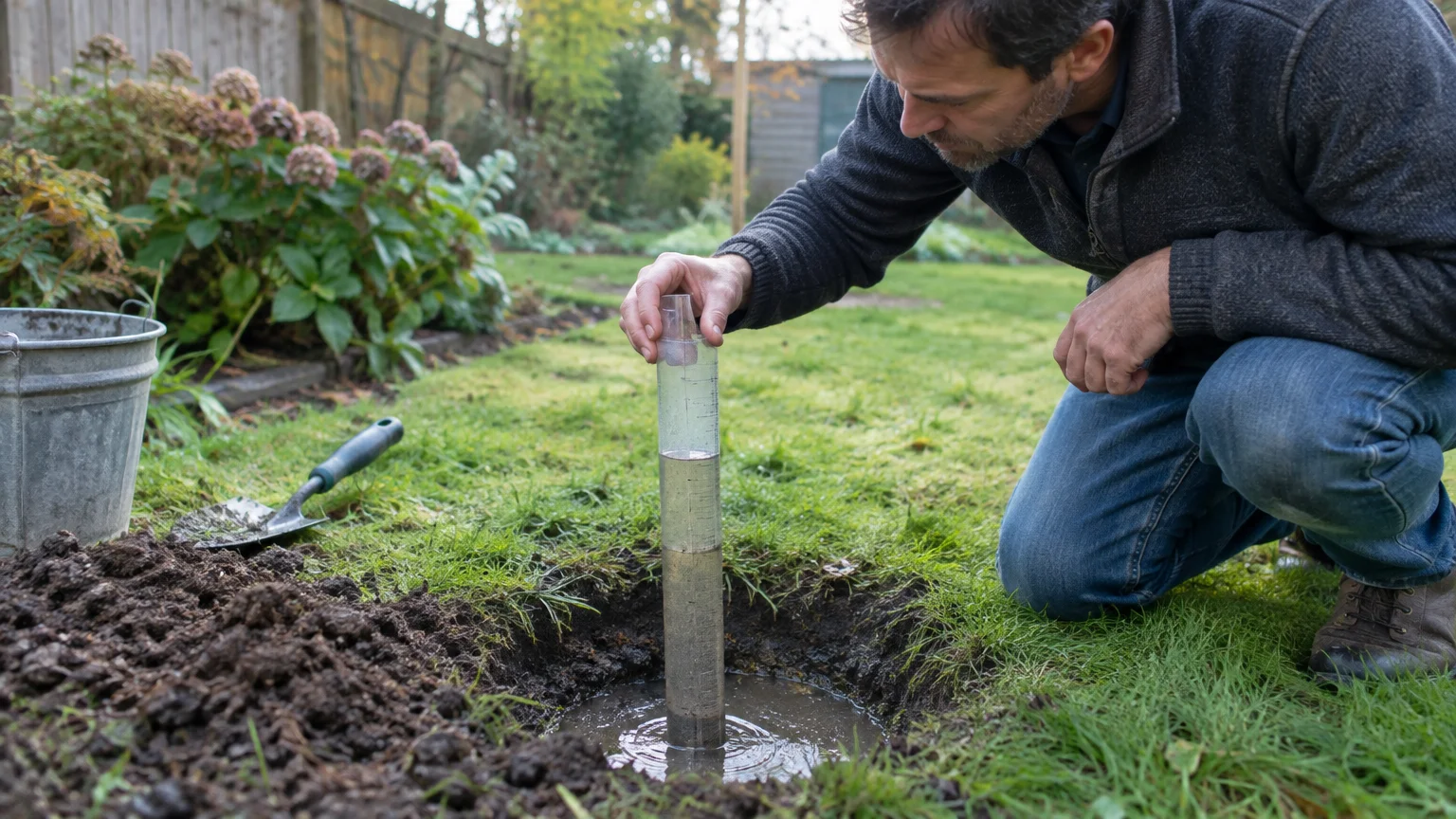
Tip #8: Sluggish Infiltration During a Perc Test
Measuring Soil Infiltration Directly
Conducting a standard soil percolation test provides accurate, objective data about your garden water clearance rate. It removes all guesswork and proves whether your soil drains properly.
Dig a hole twelve inches wide and twelve inches deep in your problem area. Fill the hole completely with water and let it saturate the surrounding soil overnight.
Interpreting the Test Results
Refill the hole the next morning and lay a ruler across the opening to measure drainage hourly. Ideal garden loam drains between one and two inches of standing water every hour.
A drainage rate under one inch per hour confirms severe subsoil compaction or impervious clay layers. Water draining slower than this threshold will inevitably drown standard ornamental plants.
Correcting Subsoil Compaction
Use a manual digging bar or auger to punch drainage shafts through the dense hardpan layer. This punctures the impermeable subterranean shelf that traps excess water above.
Backfill these vertical shafts with coarse pea gravel to funnel water safely below the root zone. Water will flow through the gravel chimneys instead of stagnating around delicate surface roots.
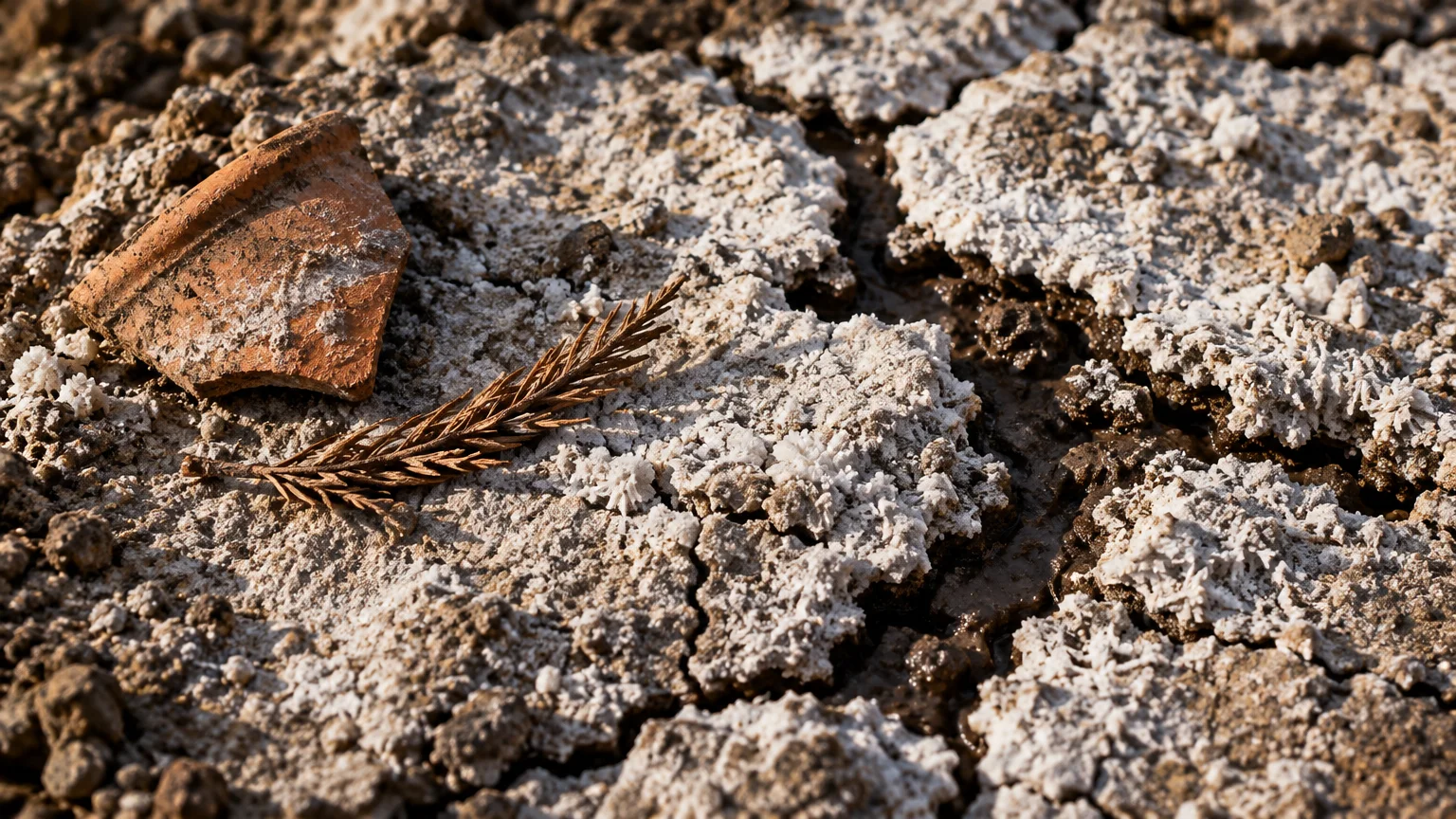
Tip #9: Crusty White Mineral Deposits on the Soil Surface
The Saline Crust Phenomenon
A powdery white crust forming on the surface of your soil points to poor downward water movement. These pale chalky deposits consist of concentrated mineral salts left behind by evaporating moisture.
When soil drains freely, rain flushes dissolved mineral salts deep below the root zone. In poorly draining beds, water stagnates and wicks upward to the surface via capillary action.
How Salt Buildup Damages Roots
As sunlight evaporates moisture from the surface, dissolved sodium, calcium, and fertilizer salts crystallize. High salt concentrations reverse osmosis, drawing moisture out of plant roots and burning root tips.
This crust alters soil pH, inhibits moisture absorption, and causes water to run off horizontally. Plants suffer from chronic salt stress, showing scorched leaf margins and stunted growth.
Clearing Salt Accumulation
Scrape away the crusty white deposit with a trowel and discard it away from your garden beds. This prevents concentrated mineral crystals from dissolving back into the ground during future rains.
Leach the bed deeply with clean rainwater to dissolve and redistribute residual minerals safely. Topdress with mature compost to rebuild porous soil aggregates that facilitate downward salt flushing.
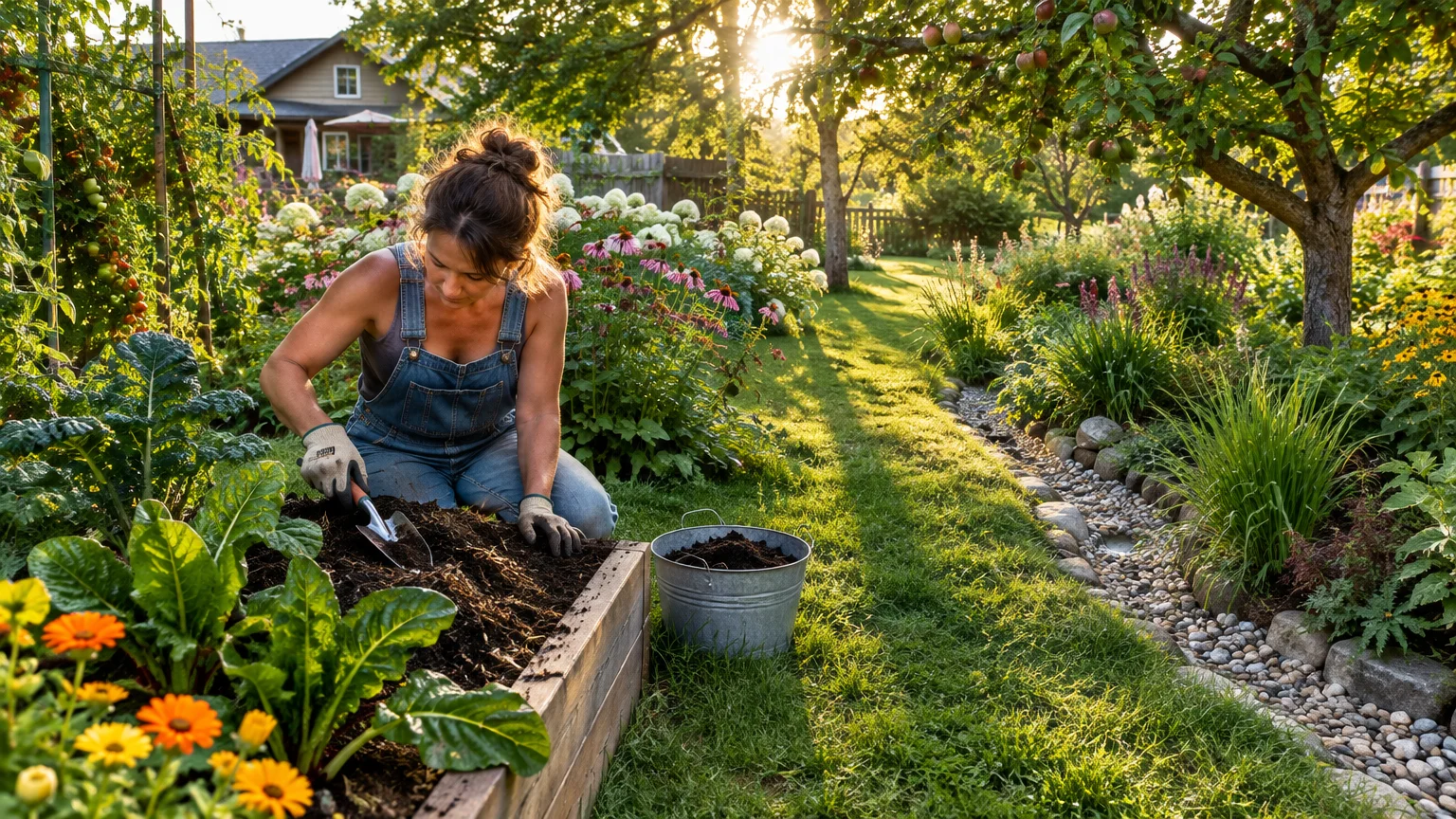
Putting It All Together: Enjoy Your Beautiful Garden
A thriving garden begins below the surface with well-aerated, freely draining soil. Recognizing the subtle symptoms of poor drainage empowers you to take decisive corrective action before plants suffer.
Simple solutions like core aeration, organic topdressing, and installing swales restore equilibrium to wet areas. By working with nature to redirect surplus moisture, you create ideal conditions for robust root growth.
Take time to inspect your beds after storms and monitor how quickly the ground dries out. Your reward will be vibrant blooms, healthy turf, and a resilient garden that flourishes in every season.
Frequently Asked Questions
Can adding sand fix heavy clay drainage problems?
Adding sand to heavy clay soil creates a hard, cement-like texture that makes drainage significantly worse. Sand particles fill the tiny spaces between clay platelets, locking them into an impermeable mass.
Instead, incorporate generous amounts of organic matter such as mature compost, leaf mold, or pine bark. Organic material binds clay particles into crumbly aggregates that naturally open drainage pores.
How deep should a French drain be in a residential yard?
A residential French drain should typically be dug between eighteen and twenty-four inches deep. This depth allows the perforated pipe to intercept subsurface moisture before it saturates plant root zones.
Ensure the trench maintains a downward slope of at least one inch for every ten feet of pipe run. Line the trench with geotextile fabric and washed gravel to keep silt from clogging the system.
Which plants tolerate poorly draining soil the best?
Water-tolerant plants like red osier dogwood, river birch, Louisiana irises, and buttonbush thrive in damp ground. These species have evolved specialized root structures that tolerate low-oxygen soil environments.
If complete drainage remediation is impractical in natural low spots, consider transforming the area into a dedicated rain garden. Native moisture-loving plants will absorb standing runoff while providing habitat for pollinators.
How does mulching too heavily affect soil drainage?
Spreading mulch deeper than three inches creates an impenetrable blanket that prevents excess moisture from evaporating. The soil beneath remains constantly wet, cutting off oxygen diffusion to underlying roots.
Maintain a sensible mulch depth of two to three inches and use coarse, shredded wood rather than fine sawdust. Keep mulch pulled several inches away from plant stems to prevent moisture-induced stem rot.
For region-specific advice, consult your local University Extension program (find yours via the USDA directory). For plant databases and inspiration, visit the Missouri Botanical Garden or the Royal Horticultural Society.
Disclaimer: This article provides general gardening advice. Always consider your specific climate, soil conditions, and local pests; follow safety guidelines when using gardening tools and products.