Transforming your kitchen windowsill into a vibrant, productive herb garden brings fresh flavors directly to your cutting board while filling your home with intoxicating aromas. Growing herbs indoors allows you to harvest organic culinary greens year-round, regardless of the weather outside or the size of your outdoor yard. By matching the right herb species with your windowsill’s light exposure and providing proper container drainage, you can easily cultivate a thriving indoor harvest. Whether you want to snip fresh basil for homemade pasta sauce or pinch tender chives over morning eggs, starting a windowsill herb garden offers an easy, rewarding project that instantly elevates your everyday cooking routine.
Tip #1: Sweet Basil — The Sun-Loving Kitchen Classic
Sweet basil (Ocimum basilicum) ranks high among the best herbs for indoor growing due to its lush green leaves and unmatched culinary versatility. To succeed with basil on a kitchen windowsill, position your pot in a south-facing window where the plant receives at least six to eight hours of direct sunlight daily. Basil craves warmth; keep ambient room temperatures between 65°F and 75°F while shielding the foliage from cold glass panes during winter months.
Plant your basil in a container at least 6 inches in diameter with dedicated drainage holes at the bottom. Use a high-quality, well-draining potting mix blended with 20 percent perlite to prevent root saturation; soggy roots cause yellowing leaves and fungal root rot. Water your basil whenever the top inch of soil feels dry to the touch, pouring water directly at the soil line rather than soaking the delicate leaves.
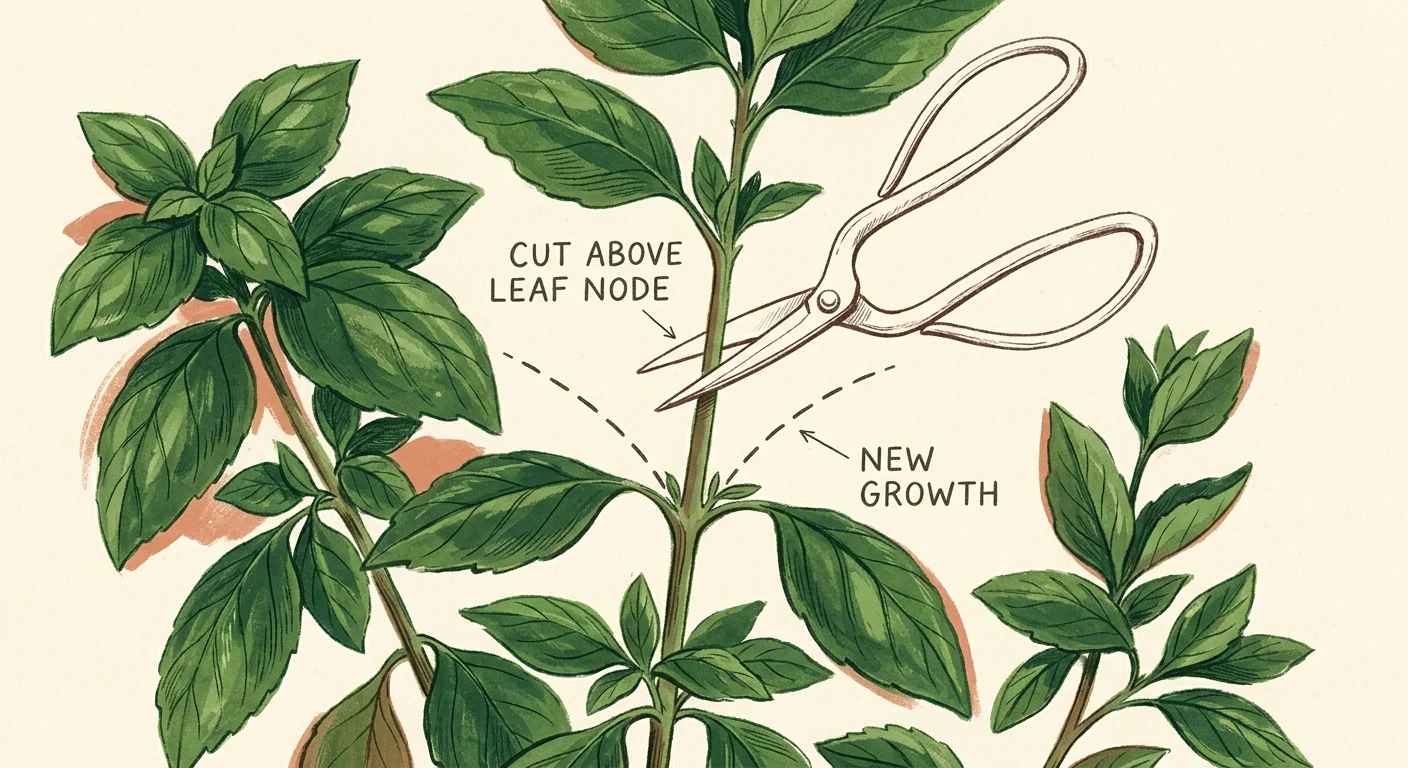
Harvesting basil correctly keeps your plant bushy and productive for months. Never strip individual lower leaves from the stem; instead, snip the main stem just above a pair of leaf nodes using sharp clean shears. This harvesting technique prompts the plant to branch out into two new growing stems, doubling your leaf yield while delaying flower production.
Tip #2: Chives — The Low-Maintenance Indoor Favorite
If you want a virtually indestructible addition to your windowsill herb garden, look no further than chives (Allium schoenoprasum). This cold-tolerant perennial adapts remarkably well to indoor conditions, making it ideal for beginners who want consistent harvests with minimal fuss. Chives require four to six hours of bright light, thriving on east-, west-, or south-facing windowsills.
Select a pot with a depth of 6 inches and fill it with standard organic potting mix mixed with organic compost. Chives prefer consistent moisture, so water your pot whenever the upper half-inch of soil feels dry, but ensure excess water drains away completely. Unlike woody herbs, chives tolerate slightly cooler kitchen temperatures down to 55°F without dropping leaves.
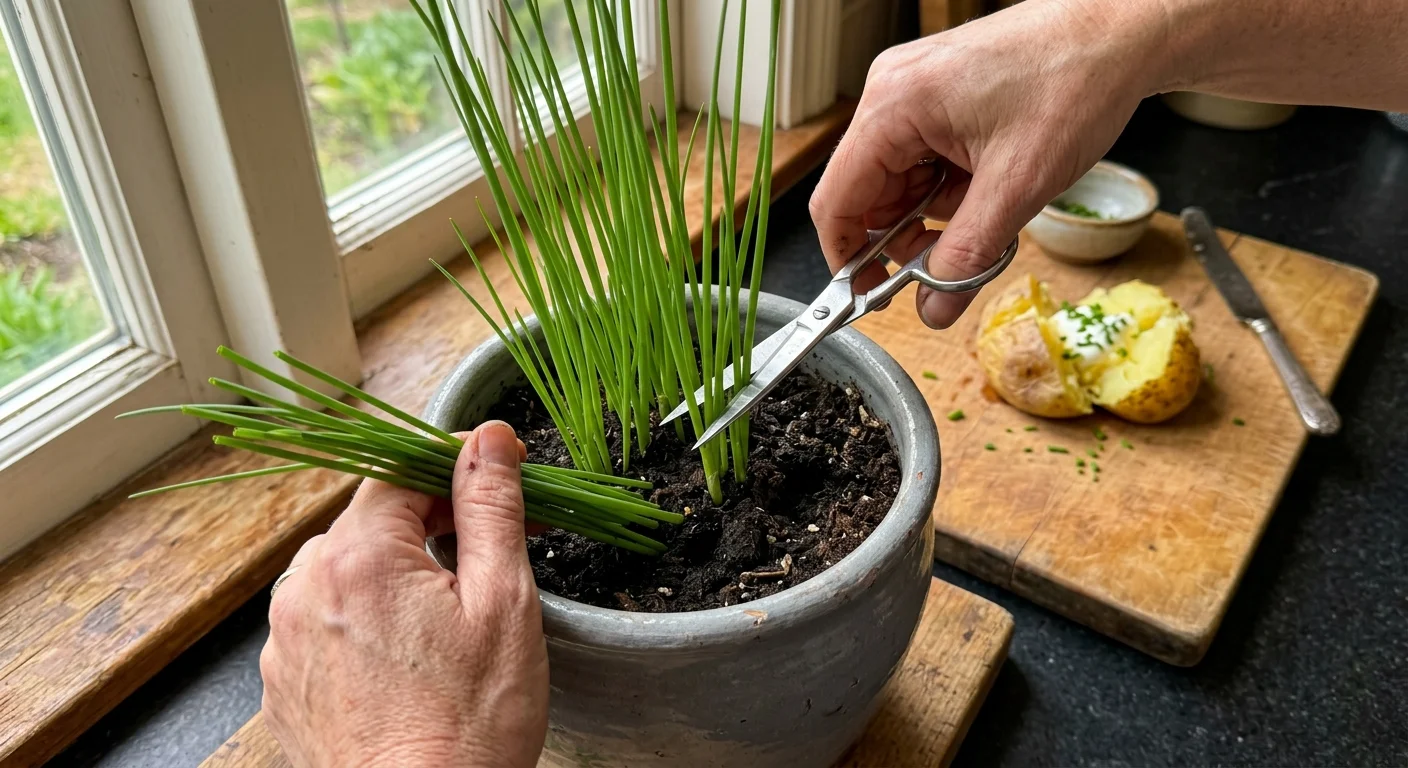
Harvesting chives takes mere seconds and encourages rapid regeneration. Use clean kitchen scissors to snip the hollow green spears about one inch above the soil surface; avoid pulling or tearing the foliage. Within ten to fourteen days, new bright green shoots will regrow to full height, providing a continuous supply of delicate onion-flavored greens for soups, salads, and baked potatoes.
Tip #3: Mint — Fresh Flavor with Rapid Growth
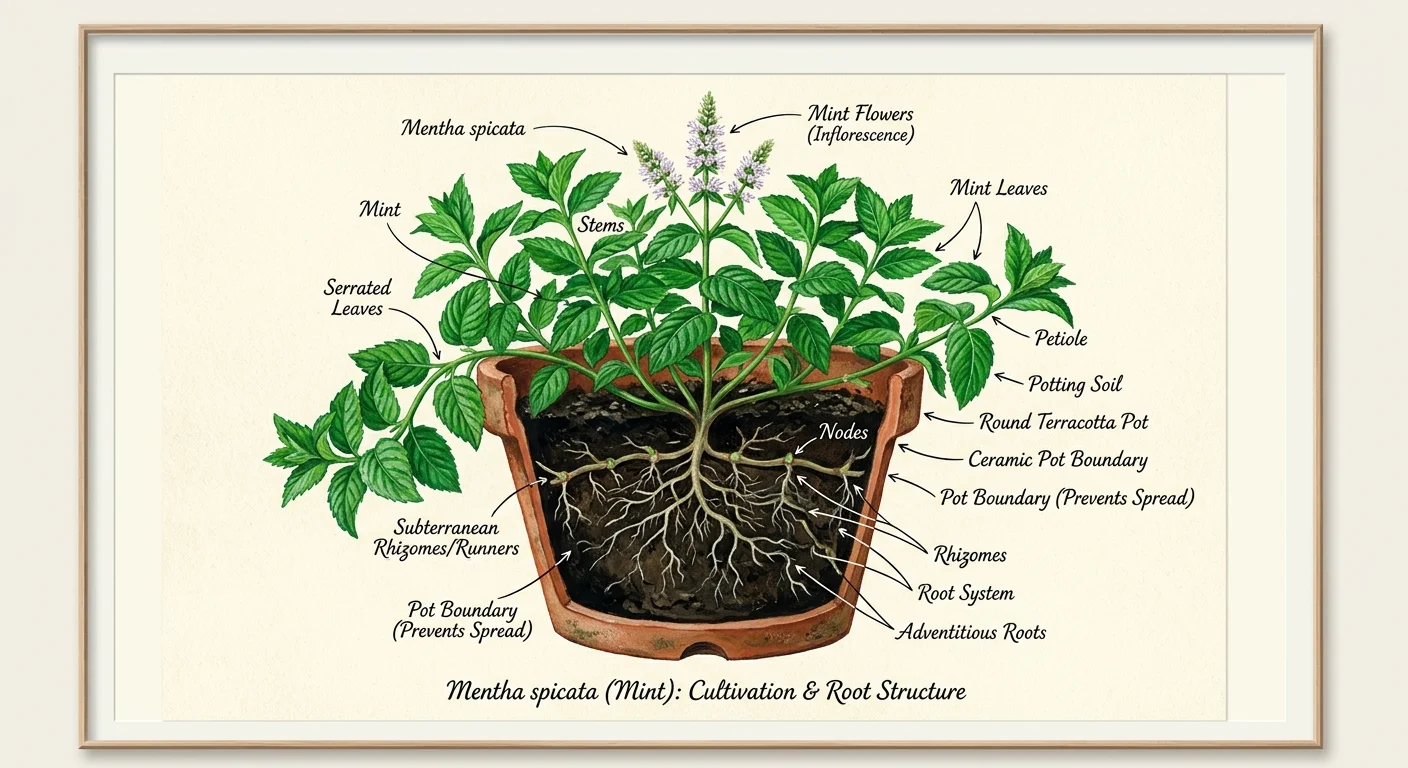
Mint species—such as spearmint (Mentha spicata) and peppermint (Mentha x piperita)—are powerhouses in any kitchen herb garden layout. In outdoor gardens, mint spreads aggressively through subterranean runners, often overwhelming neighboring plants. Growing mint inside a dedicated windowsill container turns this vigorous growth habit into an advantage, confining the plant while providing abundant fresh leaves for beverages, desserts, and Mediterranean dishes.
Mint thrives in three to five hours of direct sunlight or bright indirect light, making it suitable for east-facing windows that receive gentle morning rays. Plant mint in a wide, shallow pot at least 6 to 8 inches across. Maintain evenly moist soil by watering whenever the top layer loses moisture, but avoid standing water in the drainage saucer.
Pinch off the top growth tips regularly to promote a dense, bushy habit rather than long, leggy stems. If your mint plant begins to look sparse after several months, cut the entire plant back to two inches above the soil level; fresh, vibrant stems will emerge within a week to revitalize your indoor herb setup.
Tip #4: Parsley — Nutrient-Dense Greens for Bright Windows
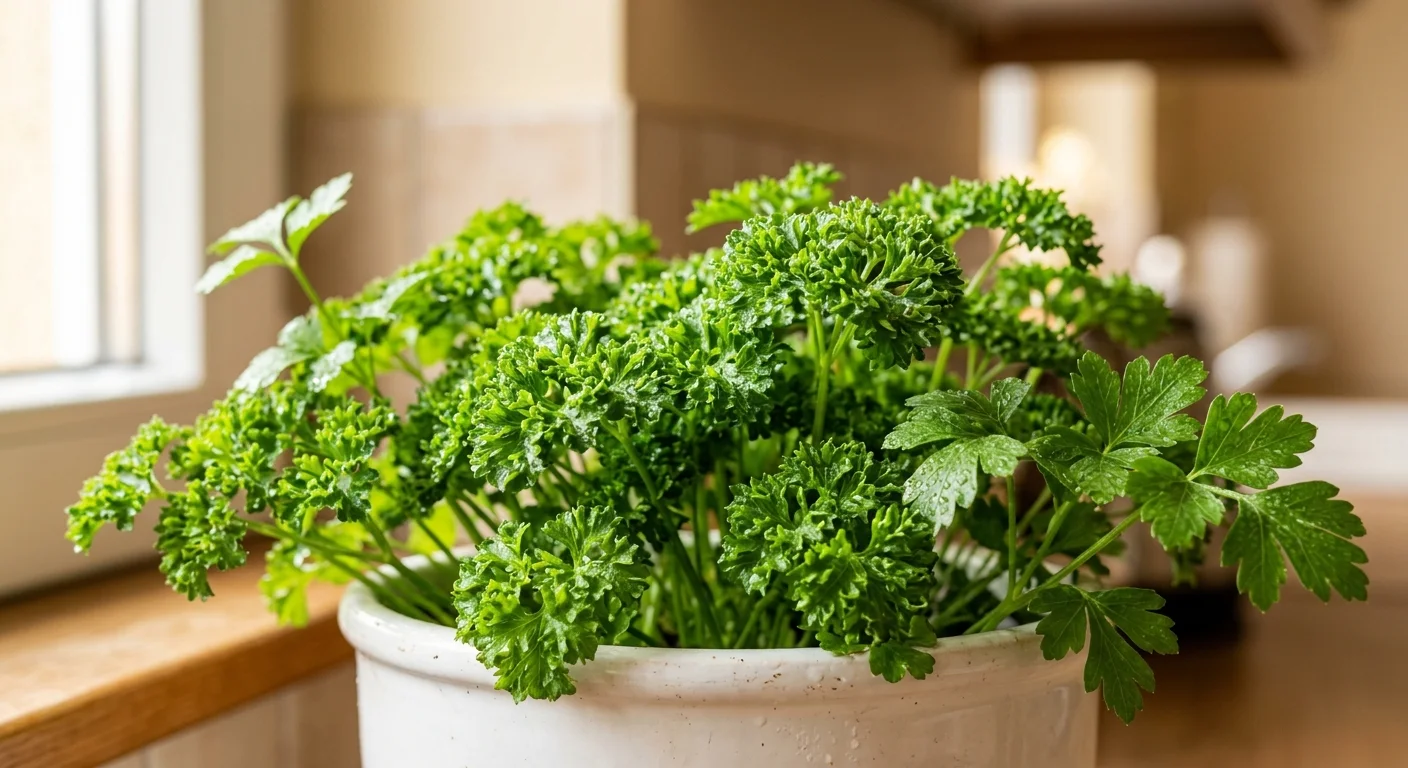
Both flat-leaf Italian parsley and curly parsley (Petroselinum crispum) make stellar additions to indoor herb garden tips and collection plans. Packed with vitamins A, C, and K, parsley provides bright green foliage that adds fresh flavor and color to sauces, stocks, and garnishes. Because parsley develops a deep taproot, choose a deep container measuring at least 7 to 8 inches in depth.
Place your parsley pot on a sunny sill that receives five to six hours of direct sun daily. Parsley grows slightly slower than basil or mint, so purchasing nursery starts or young seedlings saves weeks of waiting compared to growing from seed. Keep the potting medium consistently moist, applying water when the top inch of soil dries out.
Harvest parsley by snipping outer stems near the base of the plant, leaving the central tender stems intact so the plant continues producing new foliage from its core. Regular harvesting prevents leaves from growing tough and bitter while maintaining an attractive, compact shape on your windowsill.
Tip #5: Thyme — Drought-Tolerant Mediterranean Essential
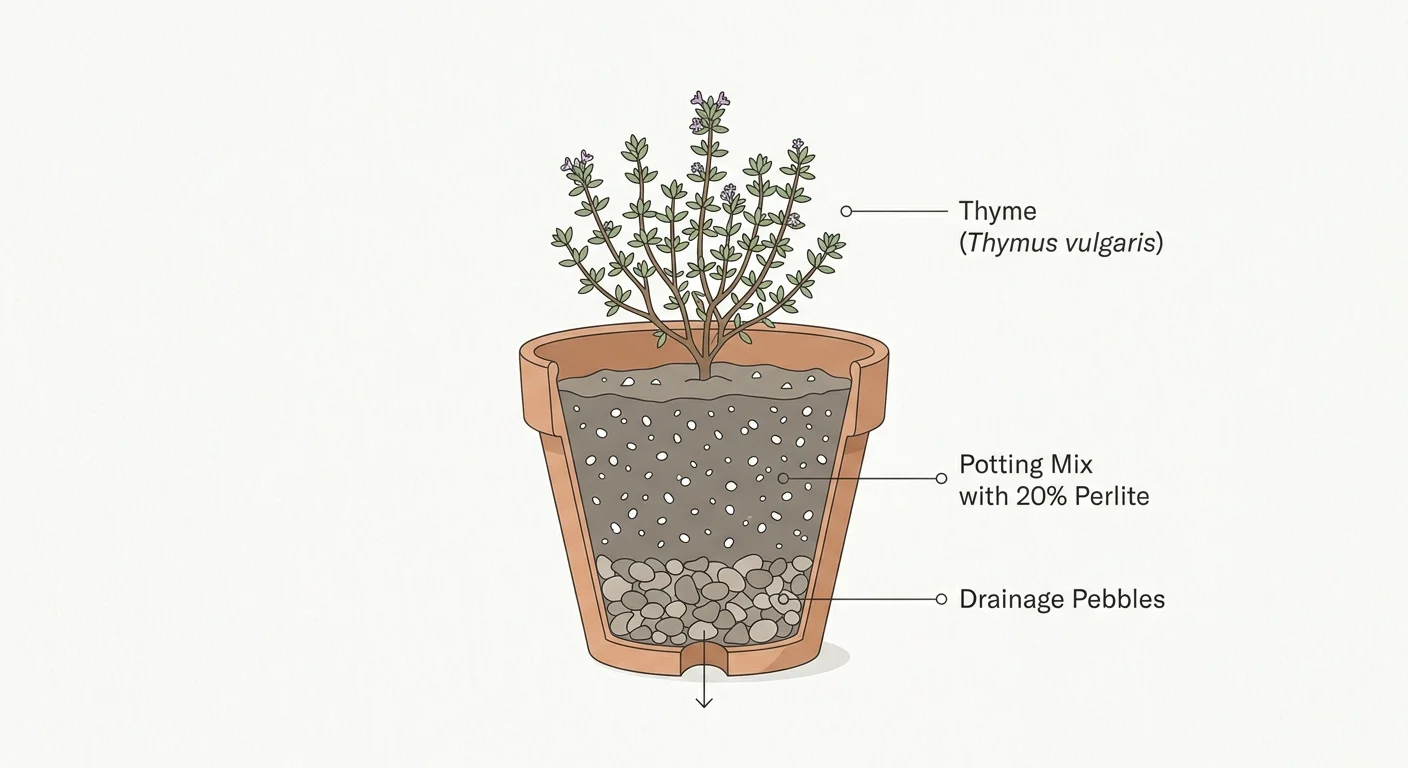
Thyme (Thymus vulgaris) brings rich, earthy aromas and robust flavor to roasted meats, vegetables, and stews. As a Mediterranean native, thyme thrives in warm, dry environments, making it one of the best herbs for indoor growing in sunny locations. It requires a brightly lit south-facing windowsill that provides six to eight hours of direct sun exposure every day.
Root rot caused by overwatering represents the greatest threat to indoor thyme. Plant thyme in unglazed terracotta pots, which allow soil moisture to evaporate through the porous clay walls. Create a gritty potting mixture by combining 70 percent potting soil with 30 percent coarse sand or perlite. Allow the top two inches of soil to dry completely before watering thoroughly.
Prune your thyme plant regularly by snipping tender green stems. Avoid cutting deep into the older, woody base stems, as new growth emerges primarily from soft green wood. Frequent trimming keeps your thyme bushy and prevents stems from becoming leggy or sparse.
Tip #6: Oregano — Robust Flavor That Thrives in Full Sun
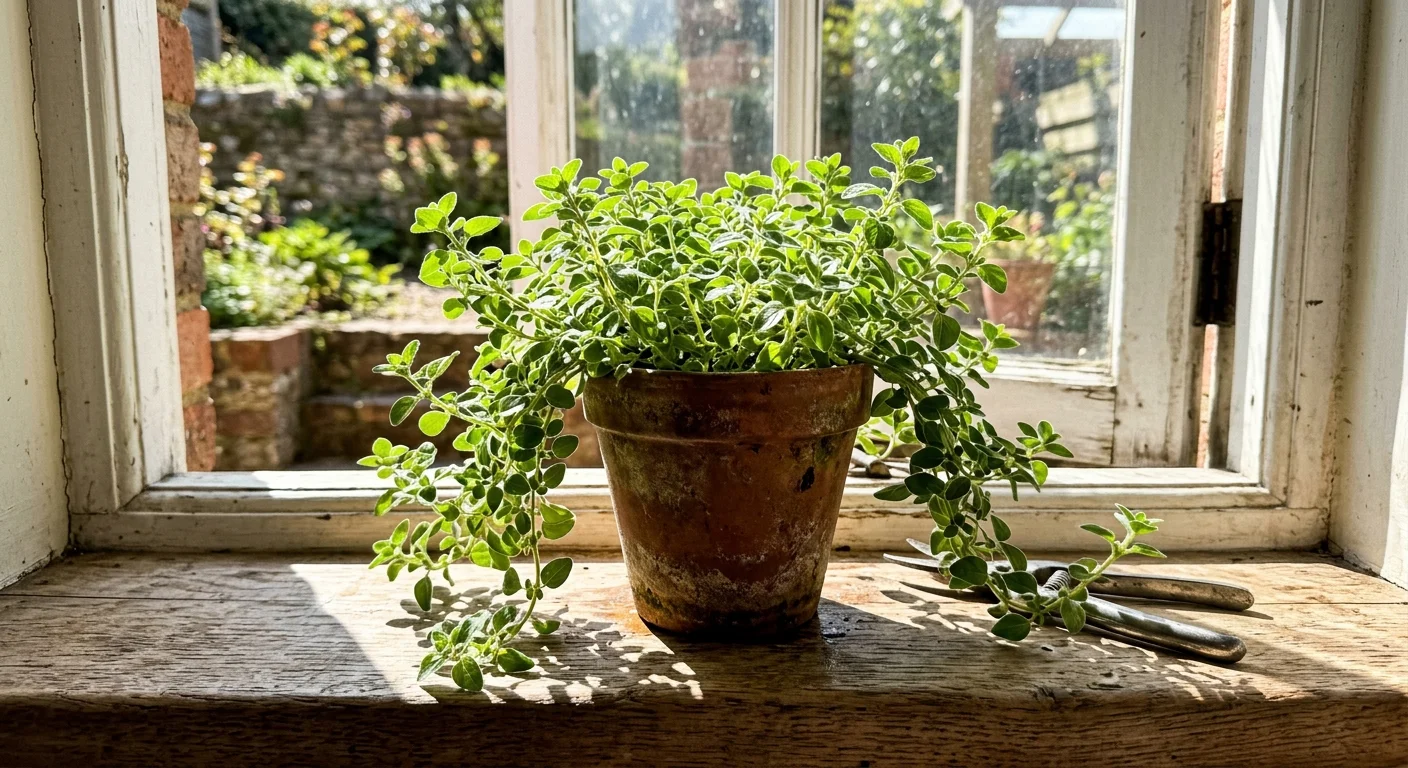
Greek oregano (Origanum vulgare hirtum) delivers intense flavor in small, concentrated leaves, making it a staple for pizza, pasta dishes, and marinades. Like thyme, oregano requires maximum light to develop its signature essential oils; position your pot where it gets six or more hours of full sunlight daily. If your windowsill receives insufficient light, supplement with an adjustable LED grow light placed 6 inches above the canopy.
Oregano thrives in light, well-draining soil with a neutral pH between 6.0 and 7.0. Use a 6-inch pot with ample bottom drainage holes, and let the soil dry out substantially between waterings. Oregano resists dry air exceptionally well, handling typical indoor winter humidity levels without leaf drop or stress.
Harvest oregano by snipping stems right above a leaf node once the plant reaches 4 to 6 inches in height. Pinching off terminal buds encourages lateral branching, creating a thick mat of aromatic foliage. Harvest leaves right before flower buds appear, as this is when essential oil concentration reaches its peak.
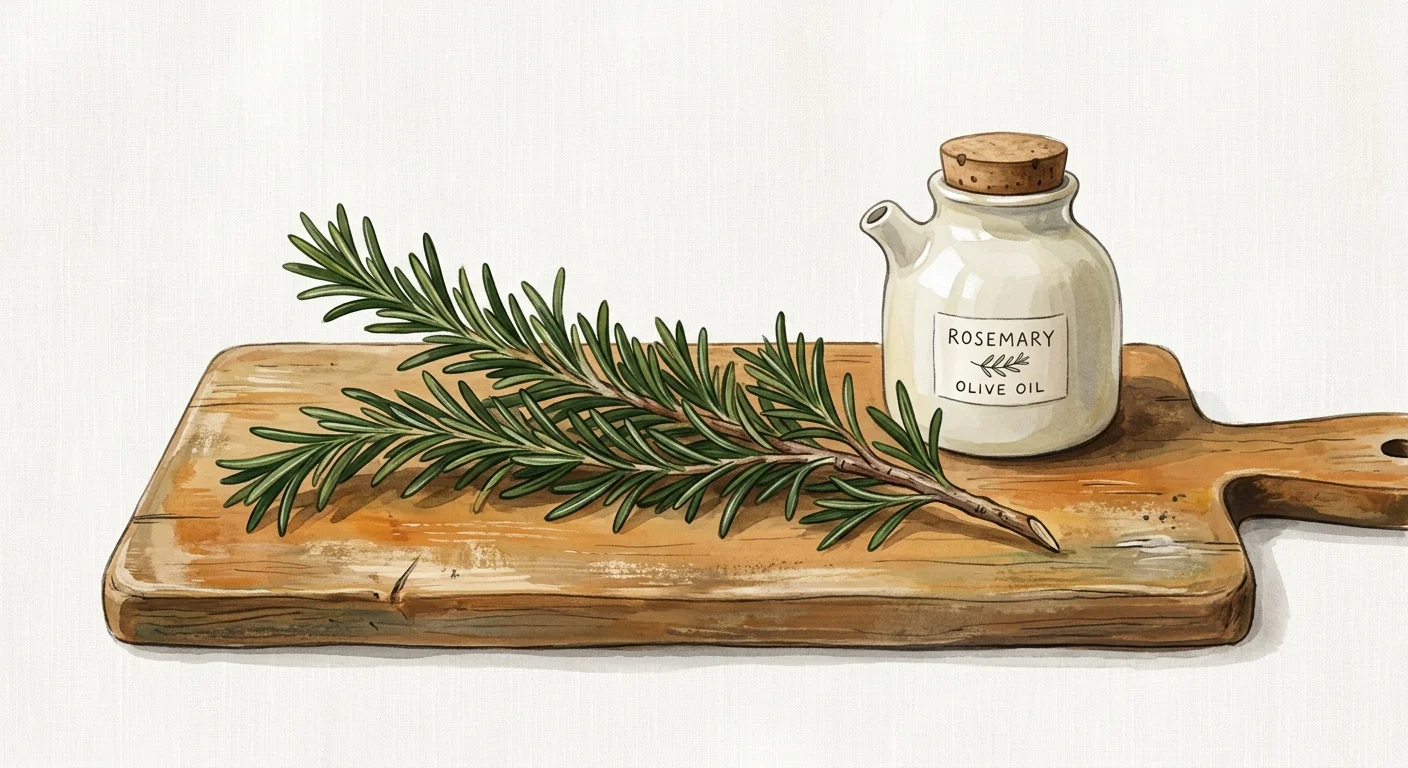
Tip #7: Rosemary — Aromatic Evergreen for Sunny Ledges
Rosemary (Salvia rosmarinus) adds resinous pine aroma and ornamental beauty to your windowsill collection. This woody perennial demands bright light; place it on your sunniest south-facing windowsill where it receives six to eight hours of direct sun daily. If natural light falls short during winter, provide 12 hours under a high-efficiency grow light to keep the leaves vibrant green.
Indoor rosemary requires careful water management. Maintain a delicate balance: never let the root ball dry out completely, yet never leave the pot sitting in standing water. Water when the top inch of soil feels dry, allowing excess moisture to drain into a catch tray that you empty promptly. Provide good air circulation around the pot using a small desk fan to prevent powdery mildew—a common indoor fungal issue.
Harvest rosemary by clipping four-inch sprigs from the top and sides of the plant with sharp pruners. Use fresh leaves immediately or dry them for long-term storage. Pruning also helps shape the plant into a tidy indoor shrub that fits comfortably on narrow kitchen sills.
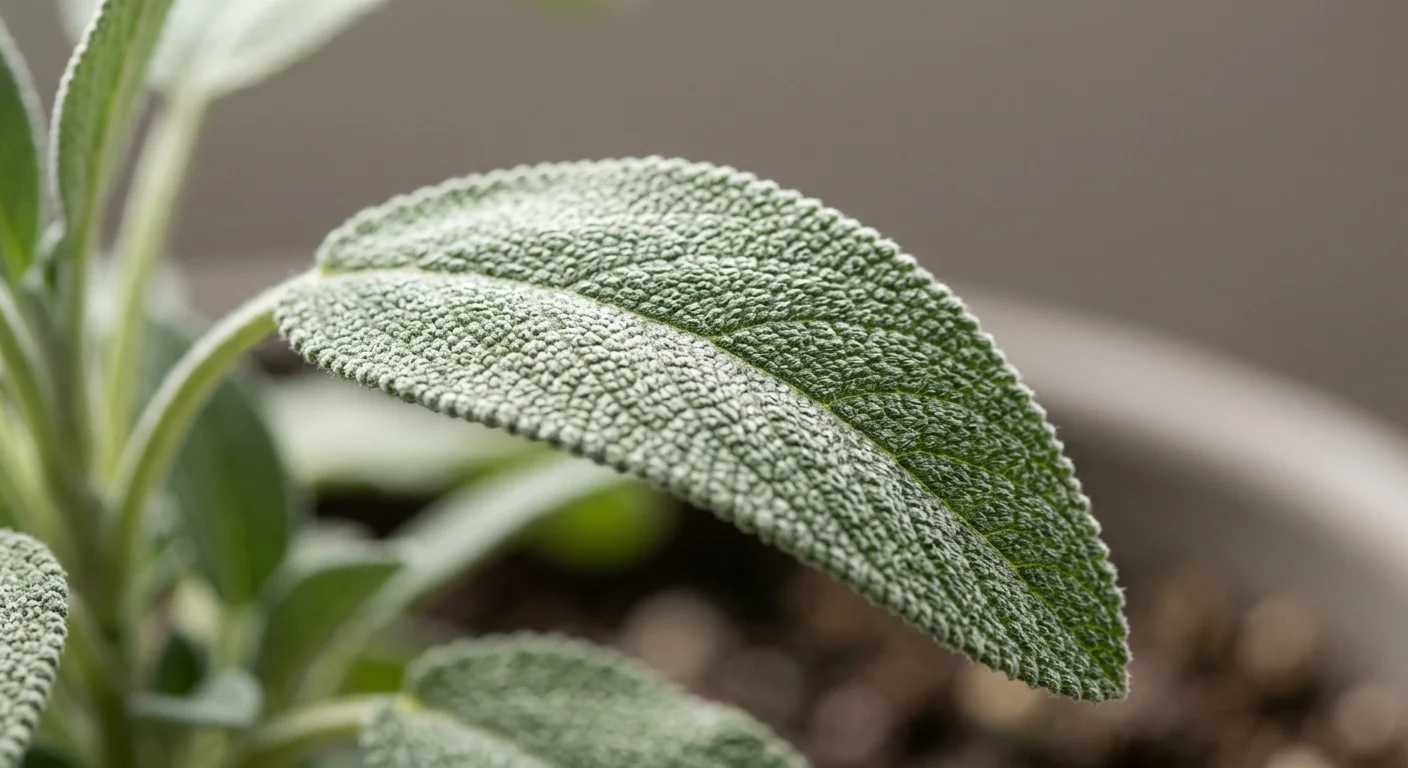
Tip #8: Sage — Soft Foliage with Bold Culinary Character
Sage (Salvia officinalis) features soft, velvety silver-green leaves that offer bold, savory flavor for autumn roasts, stuffing, and compound butters. Growing sage on a kitchen windowsill requires full sun exposure of six hours per day and warm room temperatures between 65°F and 75°F. Sage benefits from being placed in terracotta containers that release trapped soil moisture quickly.
Plant sage in a porous potting blend rich in perlite or coarse grit to guarantee sharp drainage. Water sage thoroughly, then wait until the top two inches of soil dry completely before watering again. High indoor humidity can promote leaf spot, so keep sage plants slightly separated from other pots to ensure good airflow between leaves.
Harvest individual leaves as needed for cooking, or cut young stems back by one-third during spring and summer to encourage new growth. Avoid heavy pruning late in the season so the plant maintains strong energy reserves throughout winter.
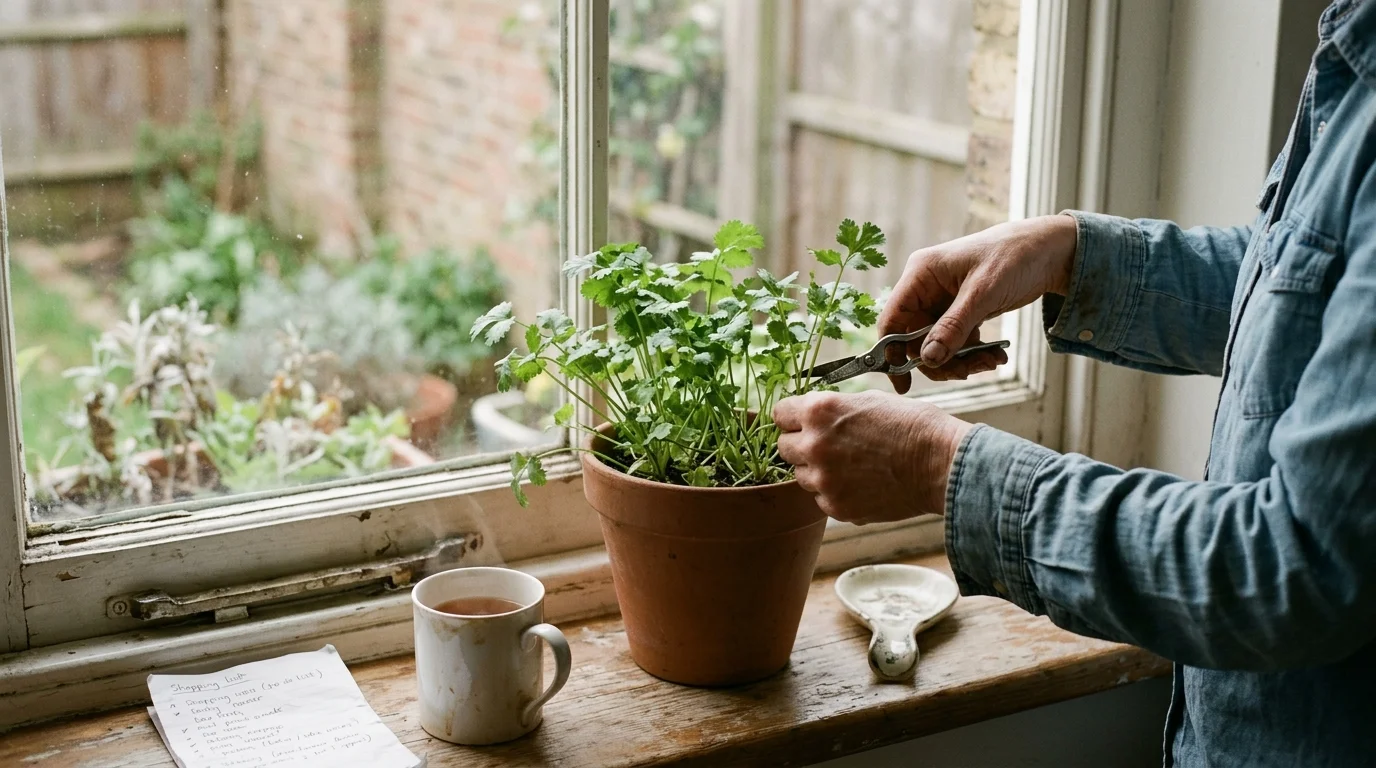
Tip #9: Cilantro — Cool-Season Herb for Quick Harvests
Cilantro (Coriandrum sativum) brings bright, citrusy notes to salsas, tacos, and curries. Unlike Mediterranean herbs, cilantro prefers cooler room temperatures between 60°F and 70°F and bright, direct light for four to six hours daily. Warm indoor temperatures cause cilantro to bolt (produce flowers and seeds quickly), which changes the leaf flavor from crisp to bitter.
Select a pot at least 6 to 8 inches deep to accommodate cilantro’s taproot. Keep the potting soil evenly moist, as drying out triggers premature bolting. If your kitchen gets warm during sunny afternoons, move cilantro slightly back from the glass to prevent heat buildup while maintaining bright lighting.
Harvest cilantro using a cut-and-come-again approach: snip outer stems near the soil line when they reach 5 to 6 inches tall. Because individual cilantro plants have a relatively short lifespan indoors, sow fresh seeds every three to four weeks in small pots to enjoy a continuous, non-stop supply of tender young foliage.
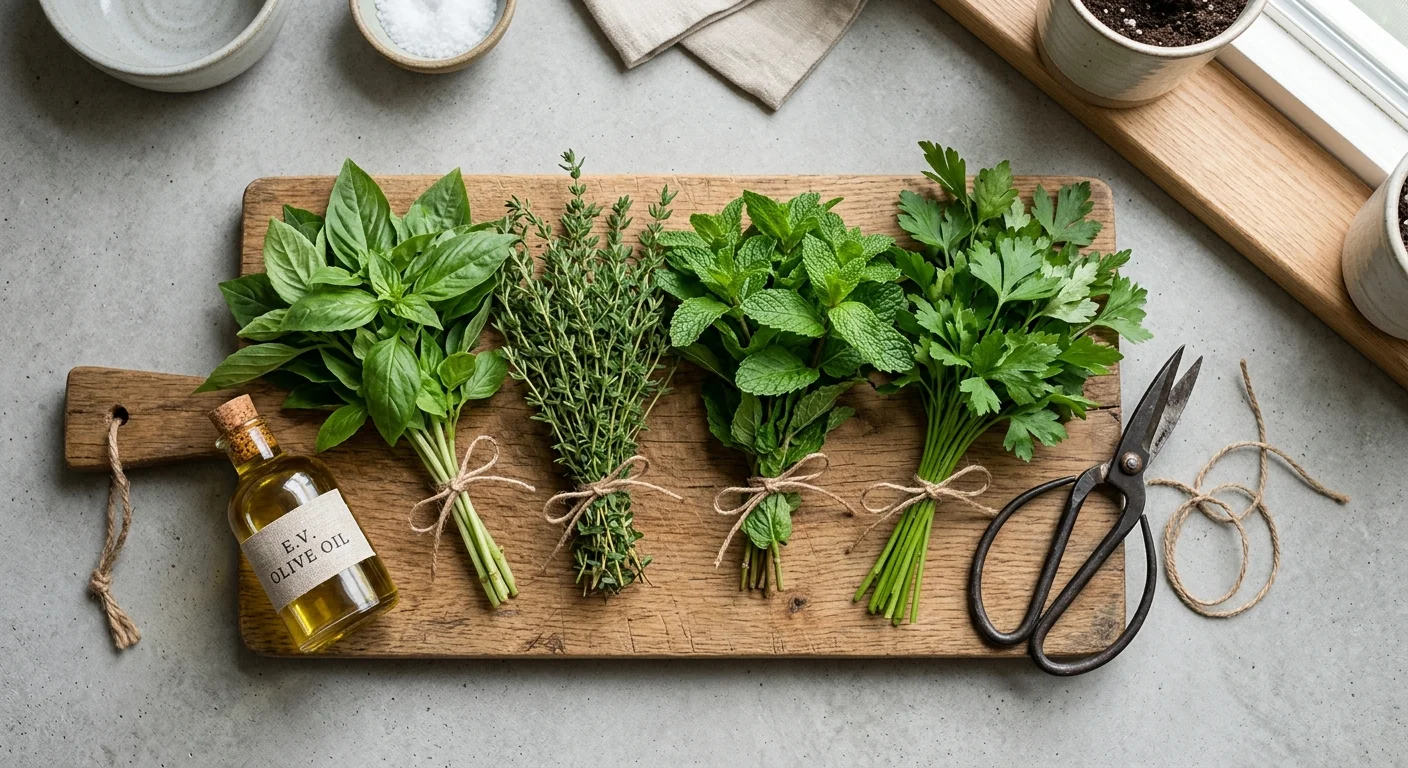
Putting It All Together: Enjoy Your Beautiful Garden
Building a flourishing windowsill herb garden comes down to matching individual plant needs with the light, water, and soil conditions in your kitchen. Group herbs with similar requirements together; for instance, pair drought-tolerant Mediterranean herbs like thyme, oregano, and sage on your sunniest ledge while keeping moisture-loving mint and chives together in bright indirect light.
Invest in quality containers equipped with drainage holes, and always use lightweight potting mixes rather than heavy garden soil. Fertilize your indoor herbs lightly every four to six weeks during active spring and summer growth using an organic liquid kelp or fish emulsion diluted to half strength. Over-fertilizing leads to leggy growth with diluted flavor, so keep feeding minimal.
With daily attention to light levels, proper watering habits, and regular harvesting, your kitchen windowsill will reward you with fresh, organic flavors all year long. Grab a few pots, select your favorite culinary varieties, and enjoy the convenience of picking homegrown herbs right from your kitchen window.
For region-specific advice, consult your local University Extension program (find yours via the USDA directory). For plant databases and inspiration, visit the Missouri Botanical Garden or the Royal Horticultural Society.
Frequently Asked Questions
How much light do windowsill herbs need each day?
Most culinary herbs require at least six hours of direct sunlight daily to grow vigorously and synthesize rich essential oils. South-facing windows offer the brightest light for sun-loving plants like basil, rosemary, and thyme. East- or west-facing windows provide four to six hours of light, which suits herbs like chives, parsley, and mint. If your kitchen lacks bright natural light, install an adjustable LED grow light kept on for 12 to 14 hours daily positioned 4 to 6 inches above your plants.
How do I prevent root rot in windowsill herb pots?
Prevent root rot by using pots with drainage holes and planting in lightweight potting soil mixed with perlite or coarse sand. Avoid letting drainage saucers hold standing water after irrigation; empty saucers 15 minutes after watering. Always check soil moisture with your finger before adding water—only irrigate when the top inch or two of soil feels dry.
Can I grow herbs indoors during the winter months?
Yes, you can grow herbs indoors during winter by making minor adjustments for shorter days and cooler temperatures. Cold drafts from drafty window panes can damage foliage, so pull pots an inch away from glass during freezing weather. Because indoor heating lowers humidity, group pots together or mist surrounding air to maintain moderate moisture levels while reducing watering frequency to match slower plant growth.
Why are my indoor herb plants getting tall and leggy?
Leggy, spindly stems indicate that your herbs are stretching toward an inadequate light source. Move the plants to a brighter windowsill or add a grow light. Additionally, harvest or pinch off top growing tips regularly to encourage lateral branching, which results in bushy, compact growth instead of tall, weak stems.
Disclaimer: This article provides general gardening advice. Always consider your specific climate, soil conditions, and local pests. Follow safety guidelines when using gardening tools and products.