Retirement offers the perfect opportunity to transform your outdoor living spaces into a personal sanctuary while enjoying the proven physical and mental health benefits of daily gardening. You finally possess the unrestricted time to tackle those ambitious garden projects you spent years dreaming about during busy work weeks. Whether you want to cultivate a massive vegetable bounty to reduce grocery bills or design a serene pollinator paradise, dedicating your days to retirement gardening keeps you active, engaged, and deeply connected to nature. From constructing raised beds that save your knees to installing soothing water features, these eight hobby gardening ideas will help you build a vibrant, flourishing landscape perfectly tailored to your new, relaxed lifestyle.
Tip #1: Construct Ergonomic Raised Garden Beds
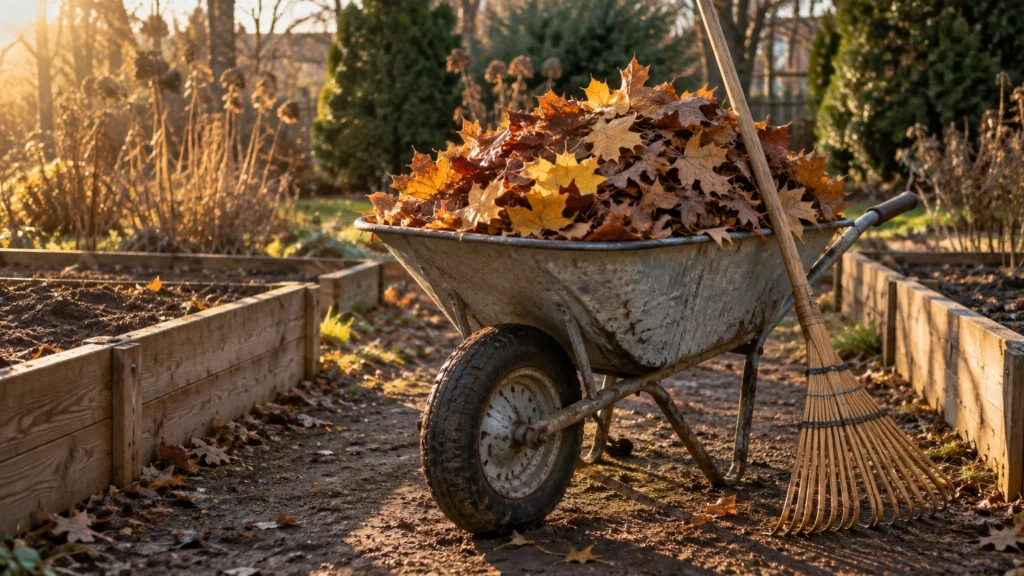
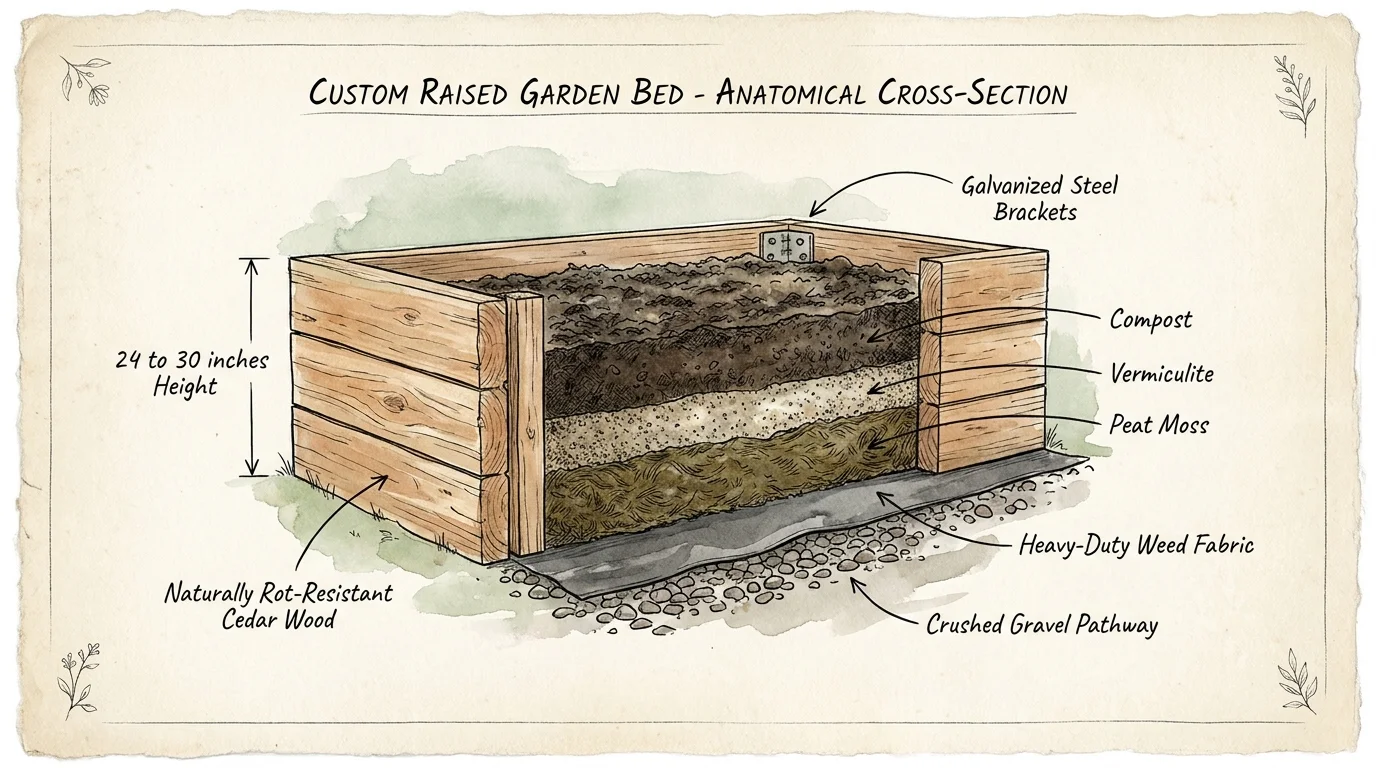
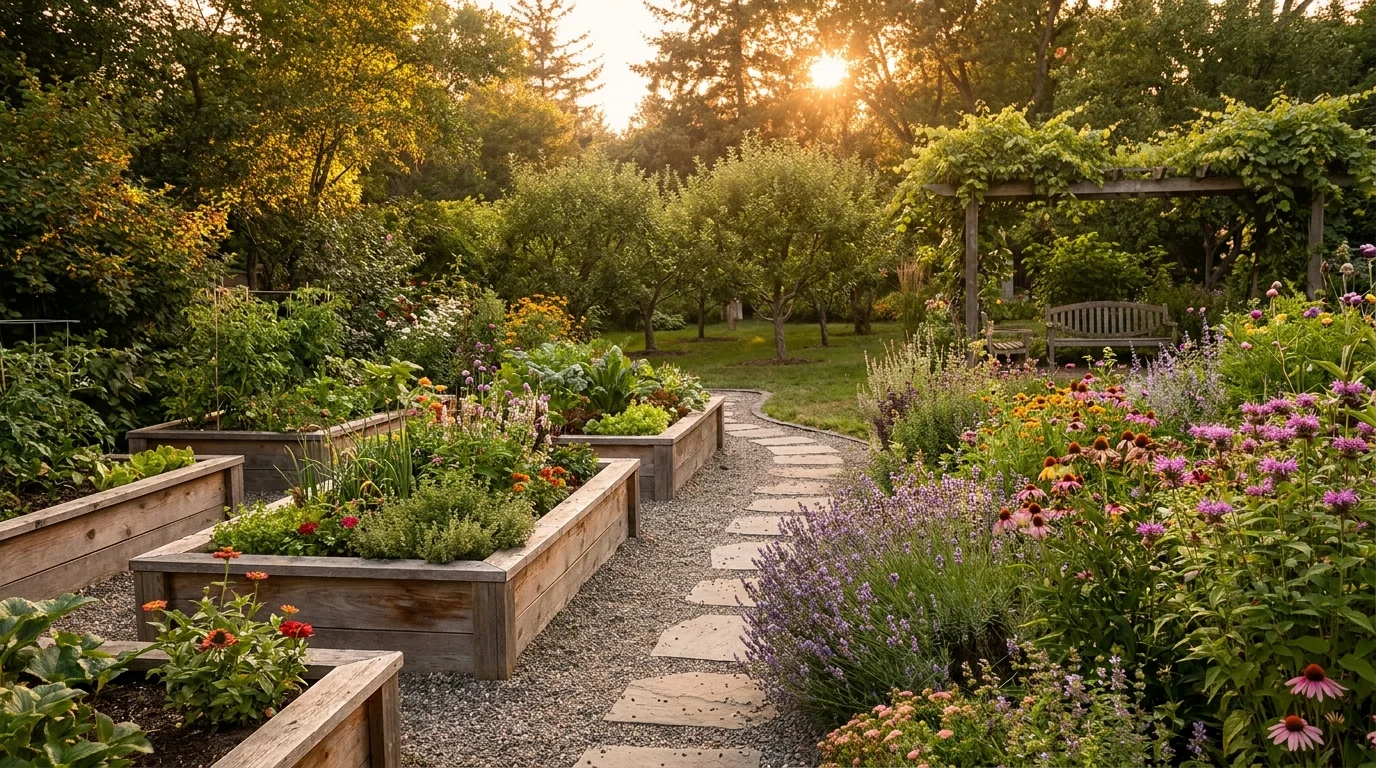
Raised garden beds stand out as the ultimate investment for comfortable, sustainable retirement gardening. When you elevate your planting areas, you eliminate the constant bending and kneeling that frequently leads to lower back pain and joint strain. Research shows that bringing your garden surface to a height of 24 to 30 inches can reduce physical strain on your spine by up to 50 percent, allowing you to spend hours tending your plants comfortably and safely.
Constructing these elevated boxes provides absolute control over your soil quality. You can fill them with a custom blend of rich compost, vermiculite, and peat moss, ensuring optimal drainage and nutrient density from day one. Elevated soil also warms up much faster in the early spring, giving you a valuable two-week head start on planting cool-weather crops like spinach and peas. Select naturally rot-resistant woods like cedar or redwood, which outlast cheaper pine boards and eliminate the need for harsh chemical sealants. Secure the corners with heavy-duty galvanized steel brackets for lasting structural integrity.
For an incredibly practical setup, line the pathways between your new beds with crushed gravel or heavy-duty weed fabric topped with thick wood chips. This approach guarantees clean, mud-free access to your vegetables and flowers even after torrential summer rainstorms. You easily maximize your outdoor living experience while creating a highly productive, accessible gardening environment that you can enjoy for decades.
Tip #2: Design a Dedicated Pollinator Sanctuary
Inviting bees, butterflies, and hummingbirds into your yard breathes vibrant life and movement into your daily routine. Creating a dedicated pollinator sanctuary supports declining local insect populations while guaranteeing outstanding pollination for your neighboring vegetable crops. Studies indicate that yards with diverse native plantings attract up to three times as many beneficial insects as traditional manicured lawns.
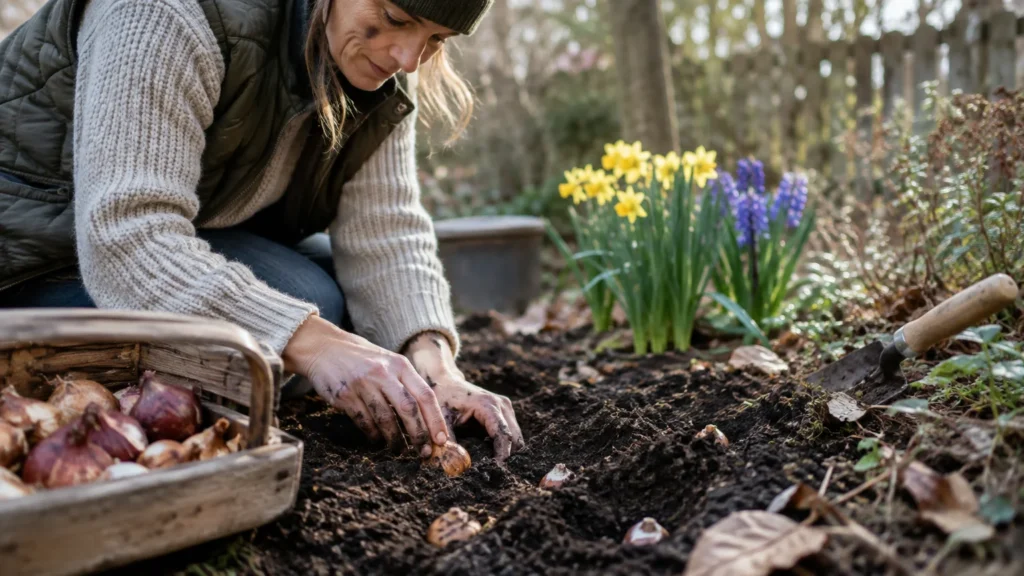
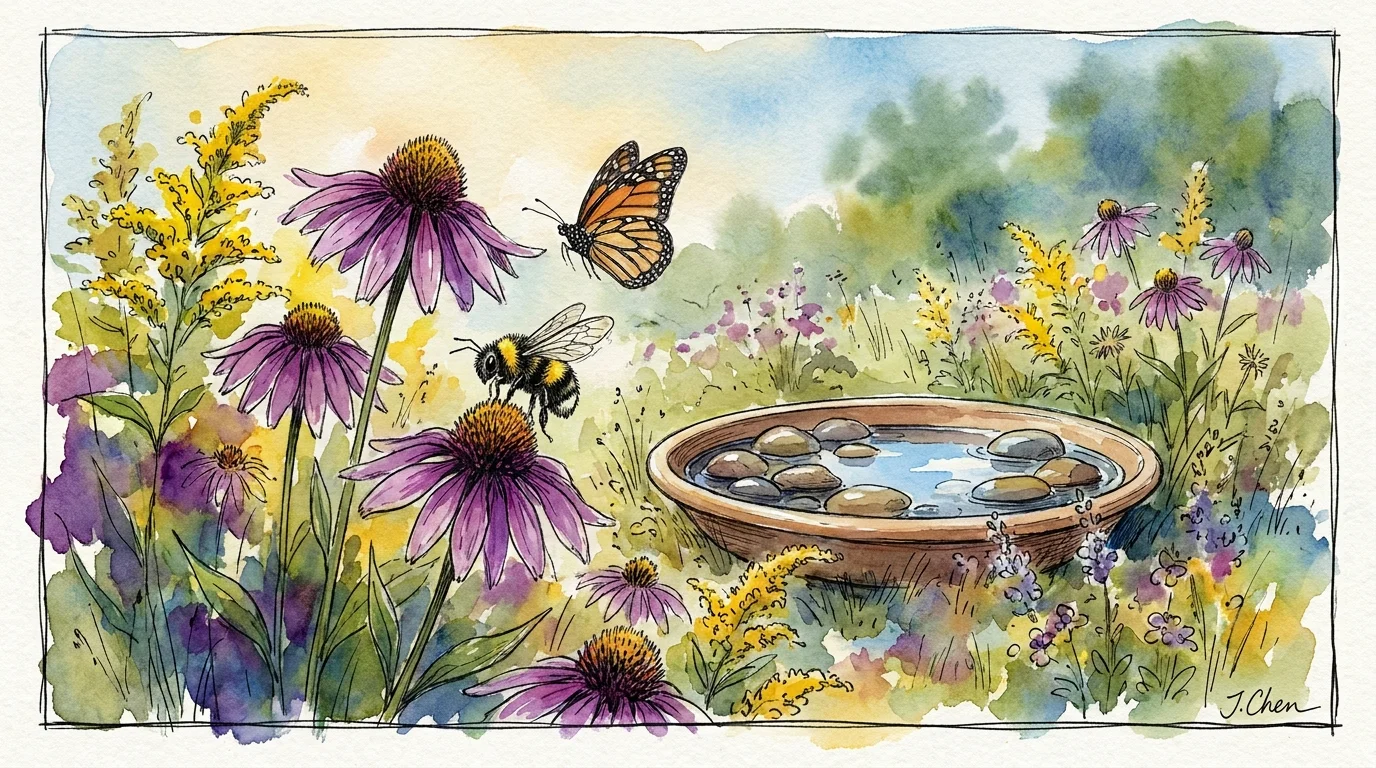
Begin by selecting a sunny location that receives at least six hours of direct daylight. Group native perennials in sweeping clusters rather than planting single, isolated specimens; large swaths of bold color make it much easier for passing pollinators to spot your garden from above. Choose species that offer a succession of continuous blooms across all seasons. Spring-flowering crocus and lungwort provide early nectar, summer coneflowers and bee balm sustain peak insect activity, and late-season goldenrod feeds migrating monarch butterflies in autumn.
Remember to include specific host plants for caterpillars, such as milkweed for monarchs and bronze fennel for swallowtails. Integrate a shallow water source, like a ceramic birdbath filled with smooth river stones, so insects can safely hydrate without drowning. Avoid applying broad-spectrum pesticides entirely, as these chemicals indiscriminately kill the very creatures you want to attract. Watching these vital pollinators thrive brings immense daily satisfaction and transforms your yard into a bustling, eco-friendly haven.
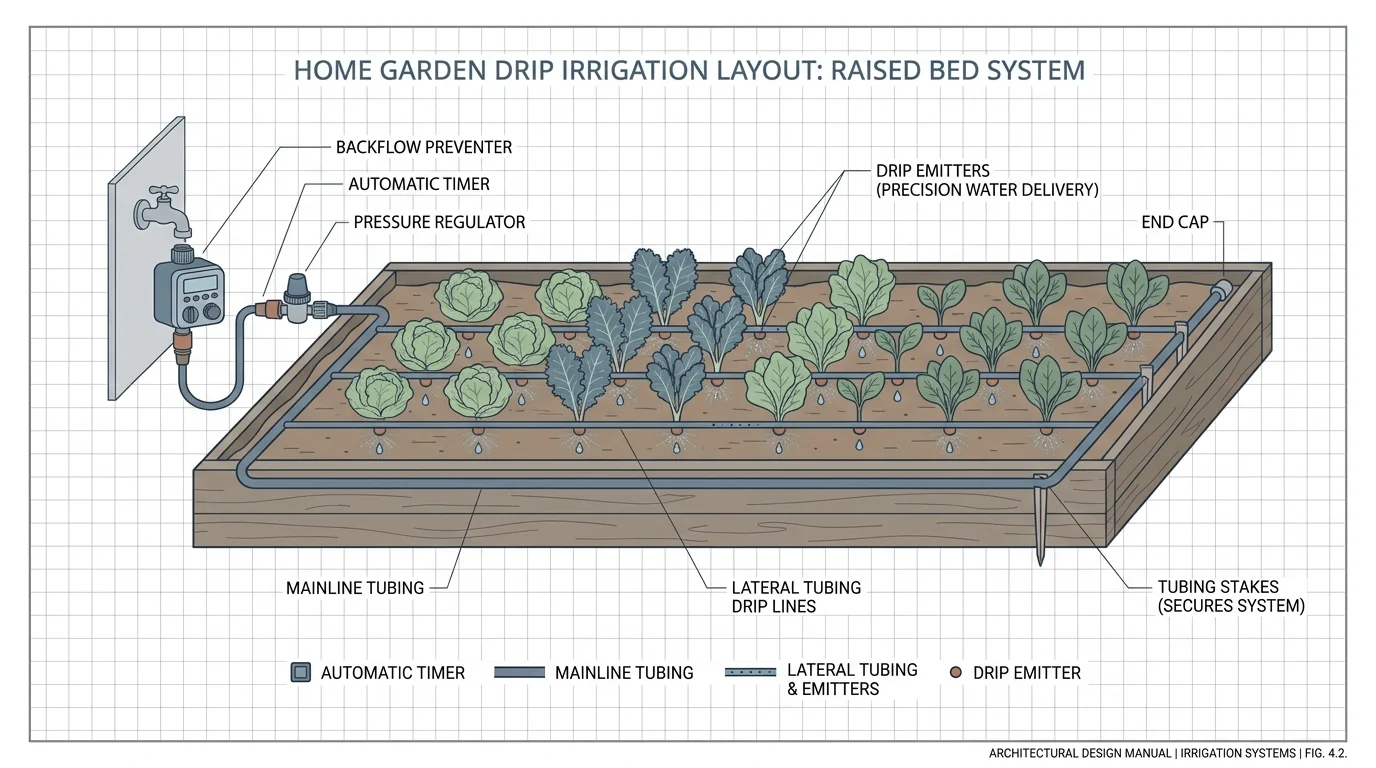
Tip #3: Install an Efficient Drip Irrigation System
Hand-watering every single plant quickly turns from a peaceful morning ritual into a demanding physical chore, especially during sweltering summer heat waves. Installing a drip irrigation system frees up your schedule while dramatically improving the long-term health of your plants. Drip systems deliver water directly to the root zone at a slow, deliberate pace, reducing overall water waste by up to 50 percent compared to traditional overhead sprinklers.
When you keep plant foliage completely dry, you drastically reduce the risk of debilitating fungal diseases like powdery mildew and early blight, which thrive in damp, humid environments. You can easily assemble a custom irrigation layout using flexible polyethylene tubing, barbed emitters, and a few basic hand tools. Lay the main distribution lines along your garden beds, then punch in micro-emitters right at the base of your prized tomatoes, roses, or fruit trees. Include a pressure regulator at the faucet connection to prevent sudden water spikes from blowing out your emitter lines.
Connect the entire network to an automated, battery-operated water timer attached to your outdoor spigot. You can program the smart timer to water your garden during the cool, early morning hours before solar evaporation peaks. Adding a simple rain sensor ensures the system pauses during downpours, further conserving water. This strategic approach ensures your plants receive consistent hydration, even when you decide to take a long, well-deserved vacation.
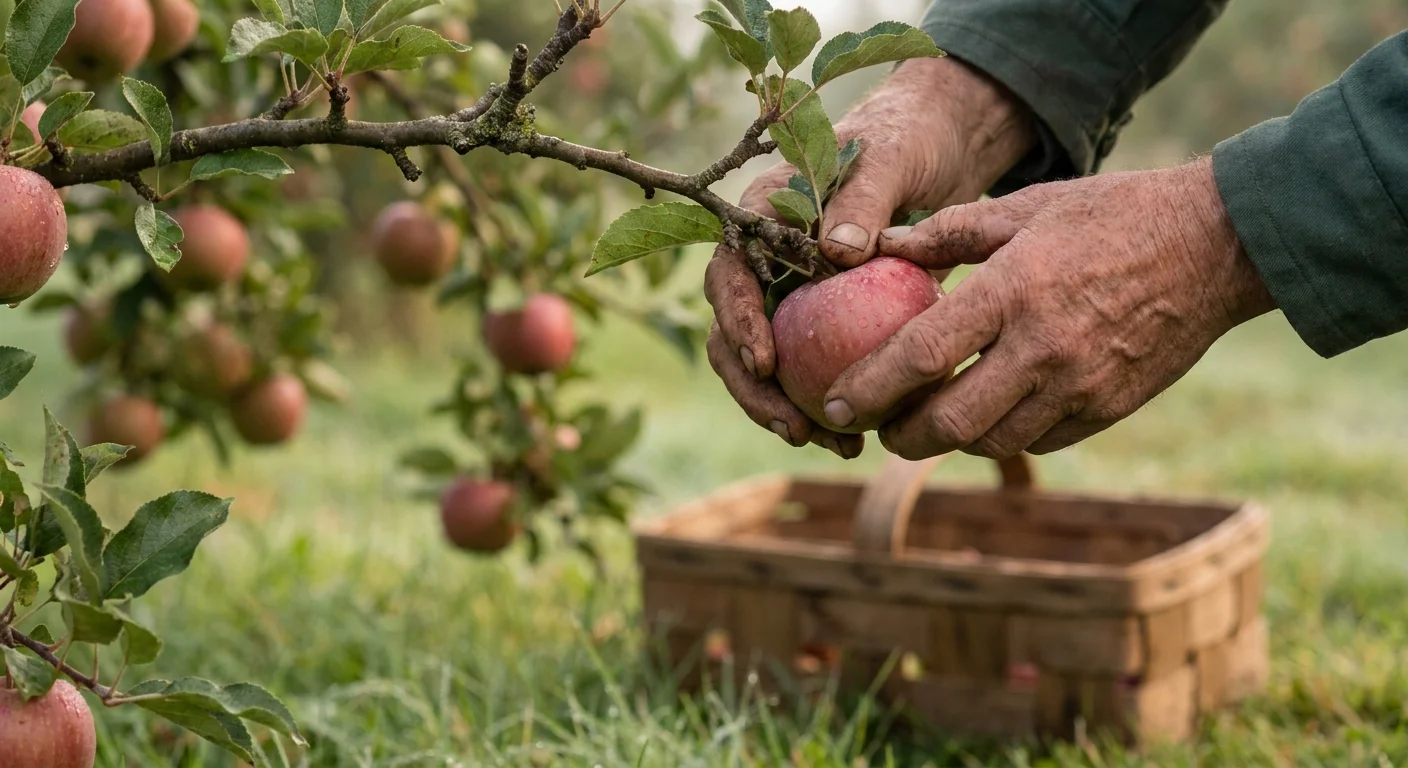
Tip #4: Cultivate a Backyard Orchard
Planting a backyard orchard represents a magnificent long-term investment that rewards you with increasingly abundant harvests year after year. Cultivating fruit trees provides a wonderful sense of accomplishment and ensures a steady supply of organic, chemical-free apples, peaches, or cherries for baking, canning, and sharing with neighbors.
If you have limited space, look for dwarf or semi-dwarf tree varieties. These compact trees typically max out at 8 to 10 feet tall, making them exceptionally easy to prune, cover with bird netting, and harvest without ever needing to climb a dangerous ladder. Plant your bare-root trees in well-draining soil during the early spring and space them adequately to ensure proper air circulation; good airflow naturally prevents the buildup of dangerous fungal pathogens. Keep in mind that many fruit trees require cross-pollination to produce a yield, so plan to plant at least two different compatible varieties of the same fruit.
Establish a seasonal pruning schedule during the dormant winter months to maintain an open, vase-like canopy structure. This deliberate shaping allows vital sunlight to penetrate deep into the lower branches, resulting in sweeter, larger fruit. Incorporate a thick, three-inch layer of organic mulch around the base of each trunk to suppress aggressive weeds and regulate soil moisture. Your hobby gardening efforts will quite literally bear fruit, providing delicious rewards and gorgeous spring blossoms right outside your living room window.
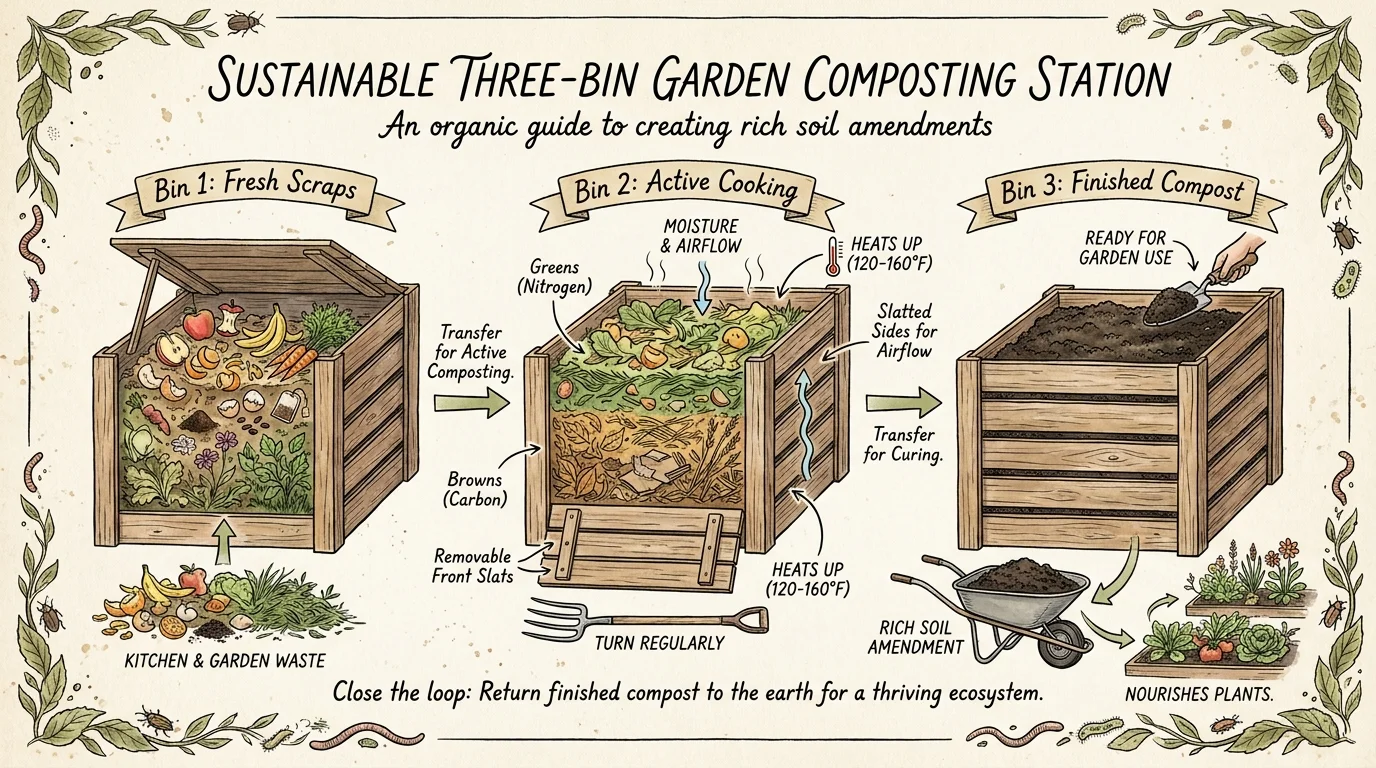
Tip #5: Build a Custom Composting Station
Creating a robust, efficient composting system turns everyday kitchen scraps and yard waste into incredibly valuable fertilizer for your garden beds. Building a customized, three-bin compost station gives you a highly organized method for processing organic matter, ultimately saving you hundreds of dollars annually on commercial plant food and bagged soils.
Use repurposed wooden pallets or heavy-duty wire fencing to construct three side-by-side compartments. The first bin holds fresh daily additions, the second houses actively decomposing material, and the third stores finished, crumbly compost ready for garden application. By managing the biological process in discrete stages, you guarantee a continuous supply of rich, soil-amending nutrients. Maintain a healthy ratio of two parts carbon-rich browns—like dried autumn leaves, shredded cardboard, or straw—to one part nitrogen-rich greens—such as grass clippings, coffee grounds, and raw vegetable peels.
To speed up the decomposition process rapidly, turn the active pile with a long-handled pitchfork every two weeks. This simple aeration introduces crucial oxygen to the beneficial microbes actively breaking down the materials. You can even use a long-stemmed compost thermometer to monitor the internal heat; a well-managed pile will reach temperatures above 130 degrees Fahrenheit, which naturally kills off invasive weed seeds and harmful plant pathogens. Within just a few months, your garden waste transforms into a nutrient-dense humus that vastly improves soil structure.
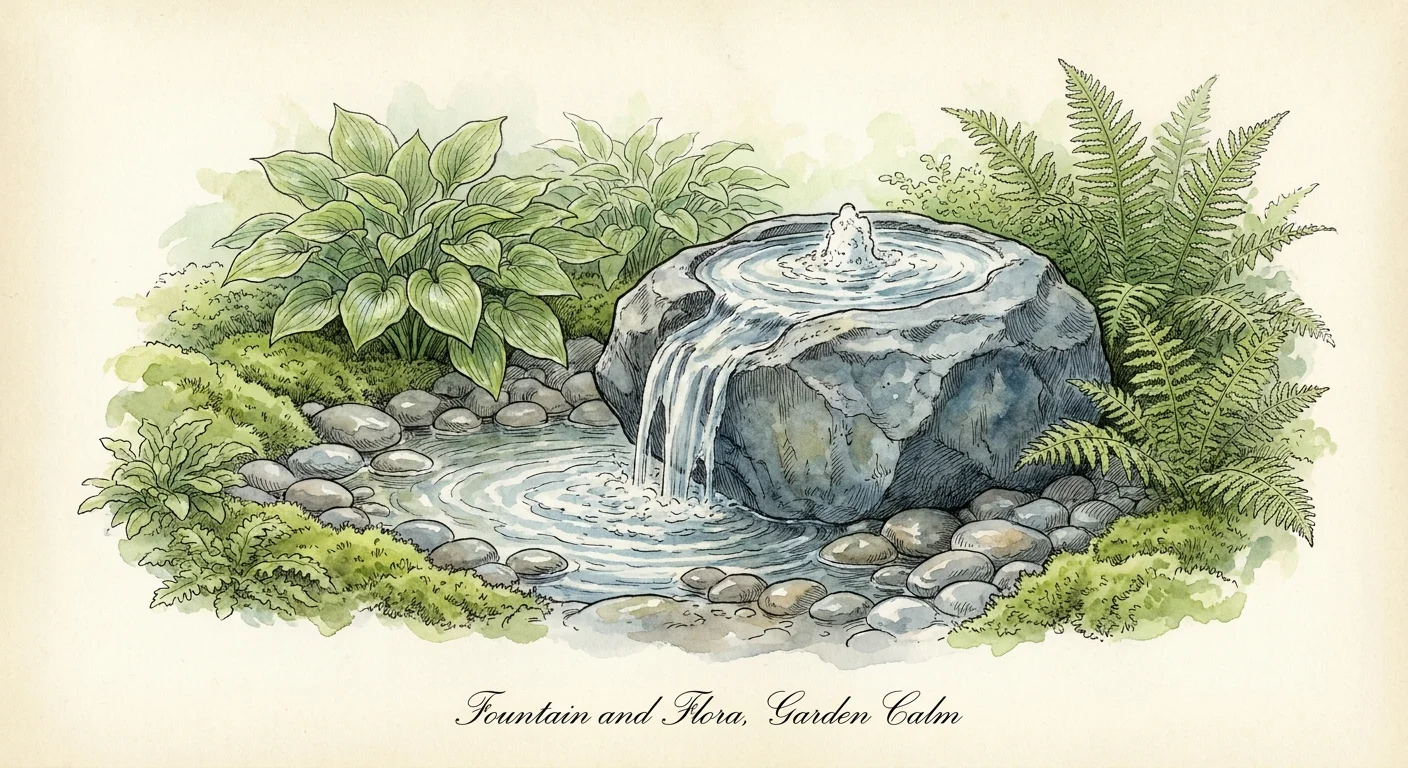
Tip #6: Craft a Serene Water Feature
Introducing the gentle, bubbling sound of moving water immediately elevates your garden from a standard backyard into a tranquil, sensory retreat. Crafting a serene water feature serves as an outstanding retirement project that significantly enhances outdoor living and provides a stunning focal point for daily relaxation. Flowing water naturally drowns out intrusive neighborhood traffic noise and attracts beautiful local wildlife, including songbirds, dragonflies, and frogs.
You do not need an excavator or a massive professional budget to achieve this soothing effect. Start with a sturdy, weather-resistant basin or a pre-formed plastic pond liner dug partially into the earth. Install a reliable submersible magnetic-drive pump to circulate the water; continuous surface movement actively prevents mosquitoes from breeding and keeps the water beautifully clear. Conceal the heavy power cords and pump housing with strategically placed flat stones, natural slate fragments, or trailing groundcover plants like creeping jenny.
Incorporate aquatic vegetation like fragrant water lilies, sweet flag, or dwarf papyrus to filter the water and provide vital oxygen naturally. Adding beneficial pond bacteria treatments monthly will break down organic sludge and keep algae blooms at bay. Placing a small wooden bench or a comfortable pair of Adirondack chairs nearby allows you to enjoy your morning coffee while listening to the soothing cascade. This peaceful addition effortlessly enriches your daily gardening routine.
Tip #7: Master the Art of Seed Starting
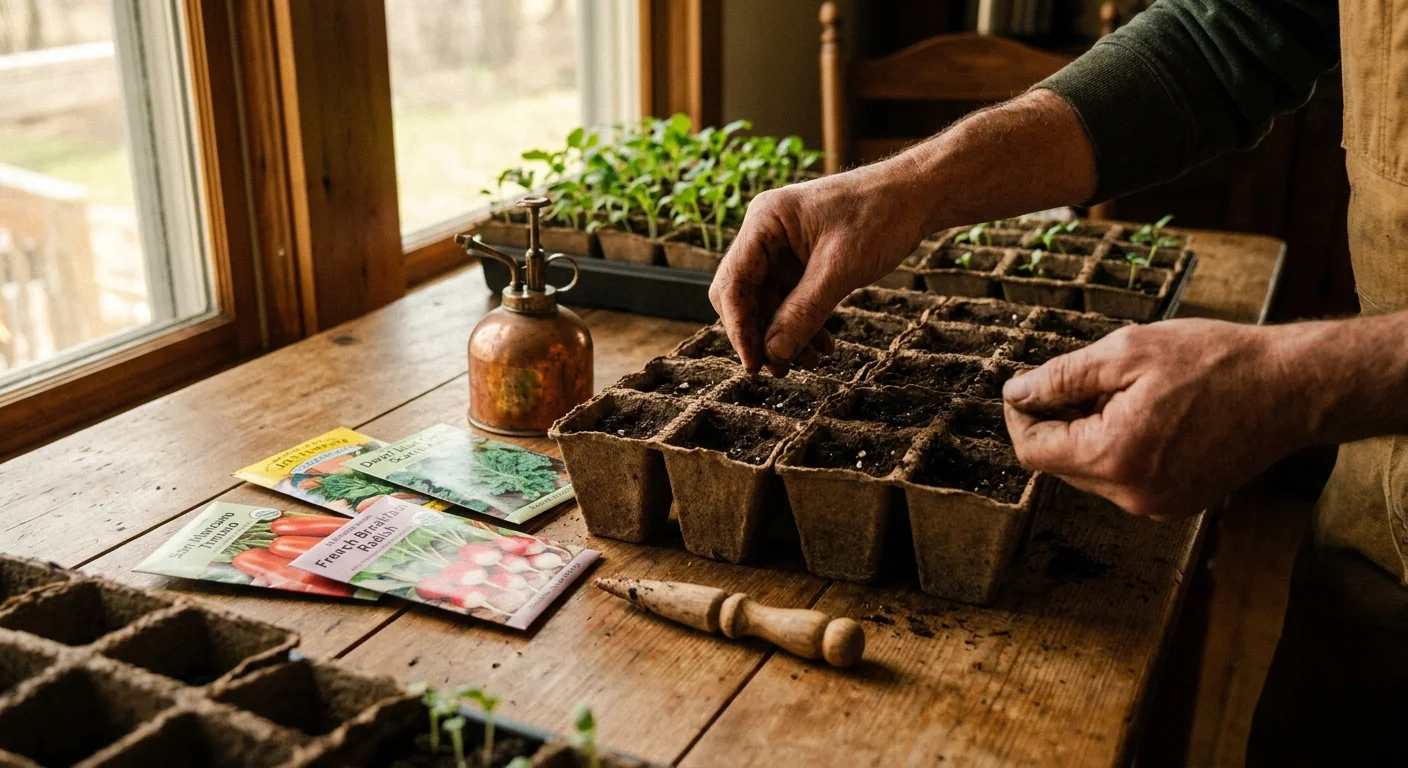
Setting up an indoor seed-starting station unlocks affordable access to hundreds of rare, exotic, and heirloom plant varieties you will never find at local big-box nurseries. Mastering this rewarding skill extends your gardening season into the dark, late winter months, giving you an exciting, hands-on project while the ground outside remains frozen solid.
Transform a spare bedroom, heated garage, or basement corner into your personal propagation nursery using adjustable wire shelving units. Invest in high-quality, full-spectrum LED grow lights, suspending them just two inches above your seed trays to prevent emerging seedlings from growing weak and leggy. Adding a waterproof seedling heat mat underneath the germination trays warms the soil by 10 to 20 degrees above the ambient room temperature. This targeted bottom heat dramatically improves germination rates and speeds up sprouting for heat-loving crops like tomatoes, peppers, and eggplants.
Always use a sterile, soil-less seed starting mix to prevent damping-off disease, a devastating fungal issue that quickly kills fragile sprouts. Set up a small oscillating fan nearby to provide a gentle breeze, which naturally strengthens the plant stems as they grow. Before moving them outside permanently, harden off your young plants by gradually exposing them to outdoor sunlight and wind over a seven-day period. Nurturing your plants entirely from seed to harvest deepens your profound connection to the natural growing cycle.
Tip #8: Create a Shaded Woodland Retreat
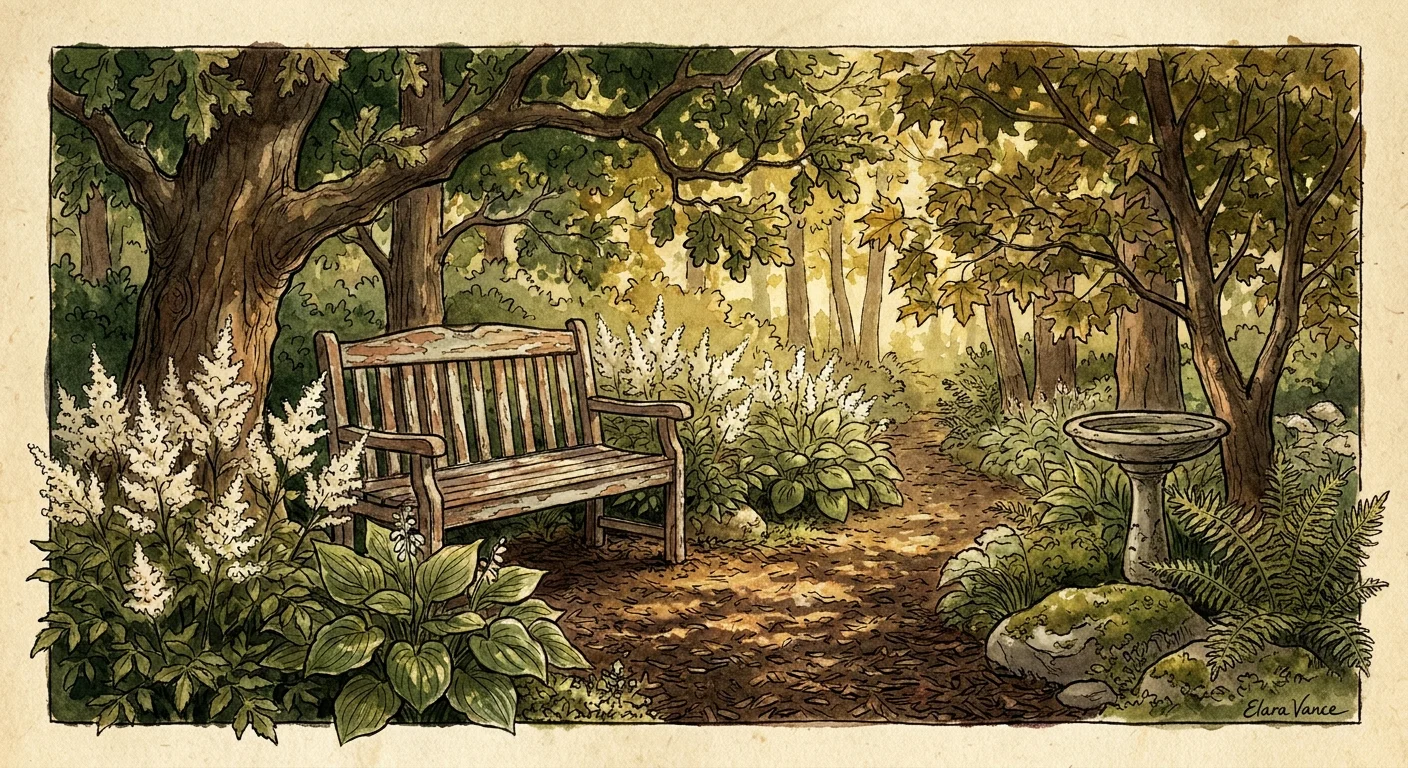
If you have mature shade trees dominating portions of your property, embrace the overarching canopy by creating a lush, textured woodland retreat. Shade gardening offers a remarkably cool, peaceful environment during the sweltering heat of mid-summer, allowing you to enjoy your landscape comfortably at any hour of the day.
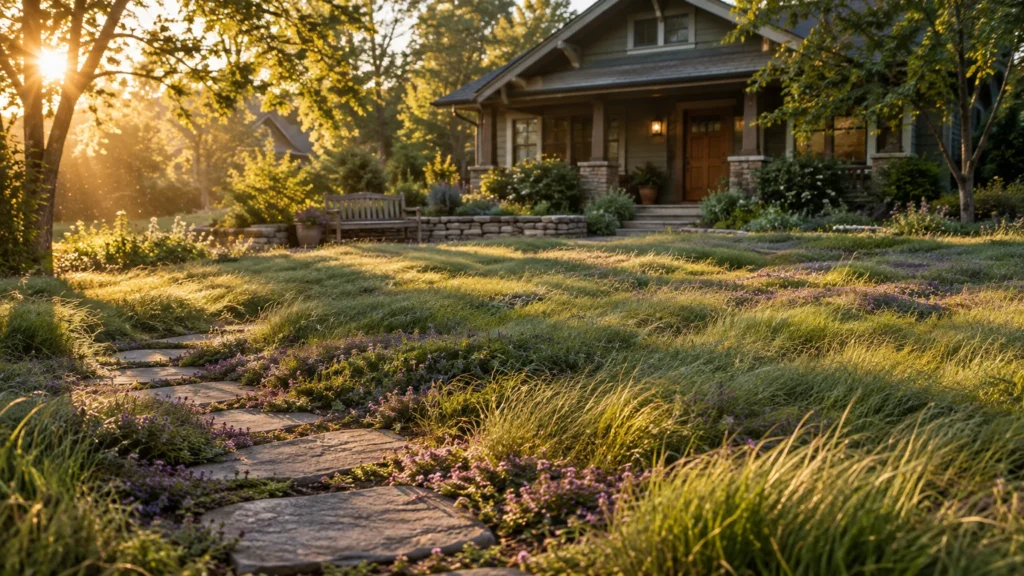
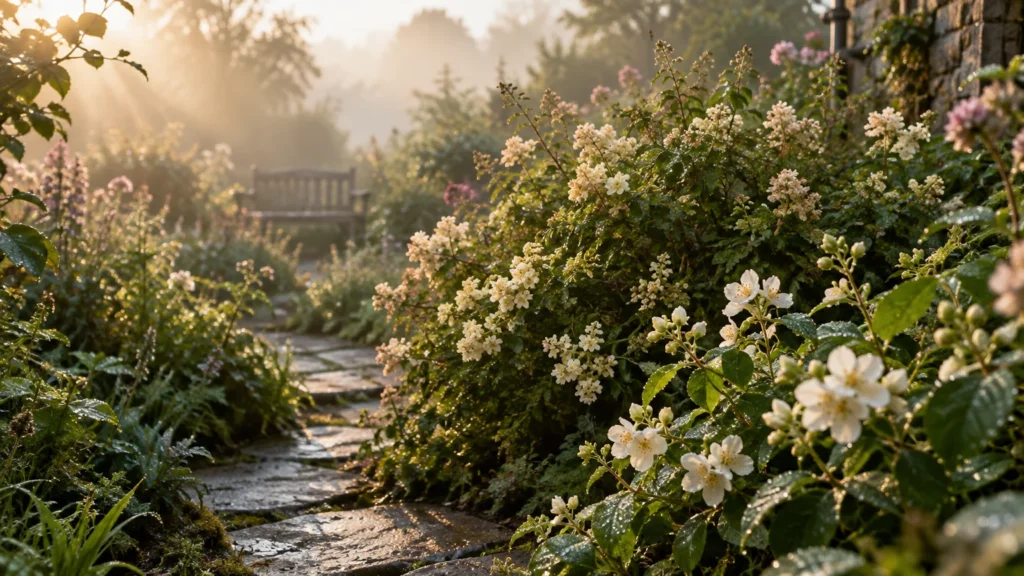
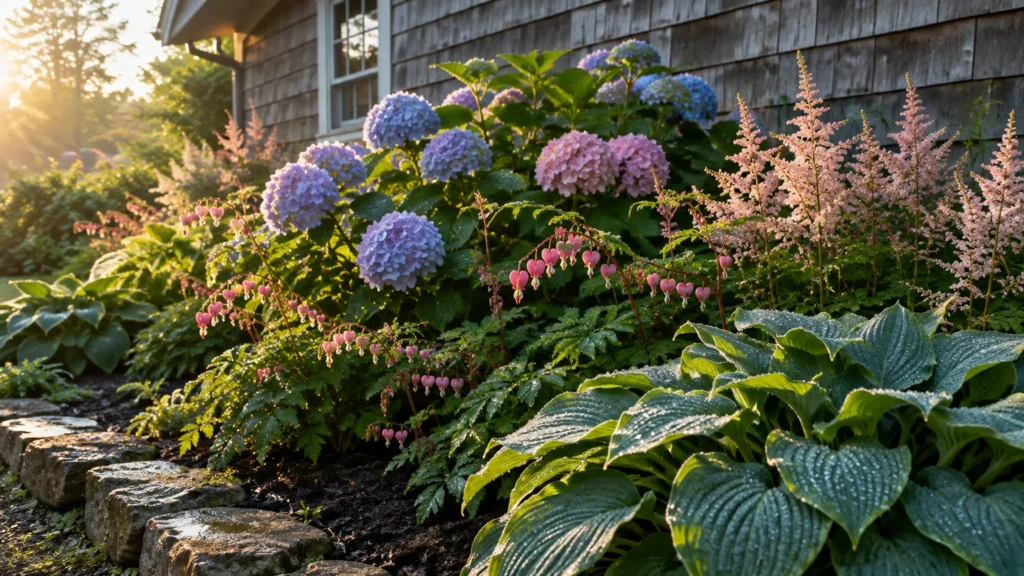
Forego struggling, sun-loving turf grass in these persistently dark corners; instead, cultivate a rich, layered tapestry of shade-tolerant perennials. Rely on the striking, oversized foliage of hostas, the delicate silvery fronds of Japanese painted ferns, and the vibrant, ruffled leaves of coral bells to paint your understory with brilliant contrasting colors. Spring ephemerals like bleeding hearts and delicate snowdrops introduce elegant blooms that beautifully brighten the dappled woodland light before the tree canopy fully leaves out. Amend the native soil heavily with organic leaf mold and compost to accurately mimic the naturally rich, acidic environment of an untouched forest floor.
Design a winding, organic pathway through this shaded haven using natural flagstone stepping stones or locally sourced shredded cedar bark. The meandering journey should physically encourage a slow, wandering pace. Add a comfortable hammock or a secluded reading nook tucked between the tree trunks to fully utilize the space. This transformative project turns notoriously difficult, sun-deprived zones into some of the most enchanting, low-maintenance areas of your entire yard.
Putting It All Together: Enjoy Your Beautiful Garden
Transitioning into retirement presents a beautiful, well-earned opportunity to slow down and shape your outdoor environment exactly how you want it. By embracing these engaging garden projects, you create a dynamic, living space that evolves beautifully alongside your new, relaxed lifestyle. Whether you spend your early mornings harvesting sweet heirloom tomatoes from your ergonomic raised beds or your lazy afternoons listening to the gentle splash of a custom water feature, each unique project intensely enriches your physical and mental well-being.
Remember to pace yourself and deliberately tackle one idea at a time; the true joy of hobby gardening lies in the ongoing, daily process rather than rushing toward an immediate finish line. Allow yourself to experiment with unfamiliar plants, make inevitable mistakes, and slowly learn the unique natural rhythms of your specific landscape. Your newly transformed garden serves as an expanding canvas for personal creativity, sustainable wellness, and profound relaxation. Step outside, pick up your favorite trowel, and start building the vibrant, peaceful outdoor sanctuary you truly deserve.
Frequently Asked Questions
What are the easiest vegetables for beginners to grow in retirement?
Radishes, loose-leaf lettuce, bush beans, and cherry tomatoes consistently rank among the easiest and fastest-growing vegetables for any home gardener. They require minimal daily maintenance, resist many common diseases, and produce incredibly abundant yields in a short timeframe. Start with these highly reliable crops to build your initial confidence before moving on to more demanding, nutrient-heavy plants like cauliflower, celery, or heirloom melons.
How can I protect my garden projects from common local pests without using harsh chemicals?
Implement integrated pest management by actively encouraging beneficial predatory insects, like ladybugs and green lacewings, to naturally hunt destructive aphids and spider mites. Utilize physical garden barriers, such as lightweight floating row covers, to securely shield tender vegetable crops from egg-laying cabbage moths. Planting strong-scented companion flowers like marigolds, nasturtiums, and pungent garlic also actively repels many common nuisance insects.
How much time should I expect to spend maintaining these garden projects weekly?
Your weekly time commitment entirely depends on the total scale of your garden, but a moderately established landscape typically requires three to five hours of active maintenance per week. Installing smart, time-saving upgrades like automated drip irrigation systems and routinely applying thick layers of weed-suppressing organic mulch will significantly reduce your physical chore load and maximize your time spent simply relaxing.
For region-specific advice, consult your local University Extension program (find yours via the USDA directory). For plant databases and inspiration, visit the Missouri Botanical Garden or the Royal Horticultural Society.
Disclaimer: This article provides general gardening advice. Always consider your specific climate, soil conditions, and local pests. Follow safety guidelines when using gardening tools and products.