Transform your outdoor space from a casual yard into a stunning landscape by selecting plants that offer structural integrity, varied textures, and year-round visual interest. Achieving that coveted, high-end curb appeal does not require a massive budget or a full-time landscaping crew; it simply requires strategic plant choices that anchor your garden design. Professional landscape architects rely on a core palette of reliable, high-impact outdoor plants to create cohesive and inspiring environments. By incorporating these foundational species, you establish strong focal points, graceful movement, and elegant framing. Discover the seven essential plants that will effortlessly elevate your garden inspiration and give your home a beautifully polished, professionally designed aesthetic.
Tip #1: Boxwood (Buxus)
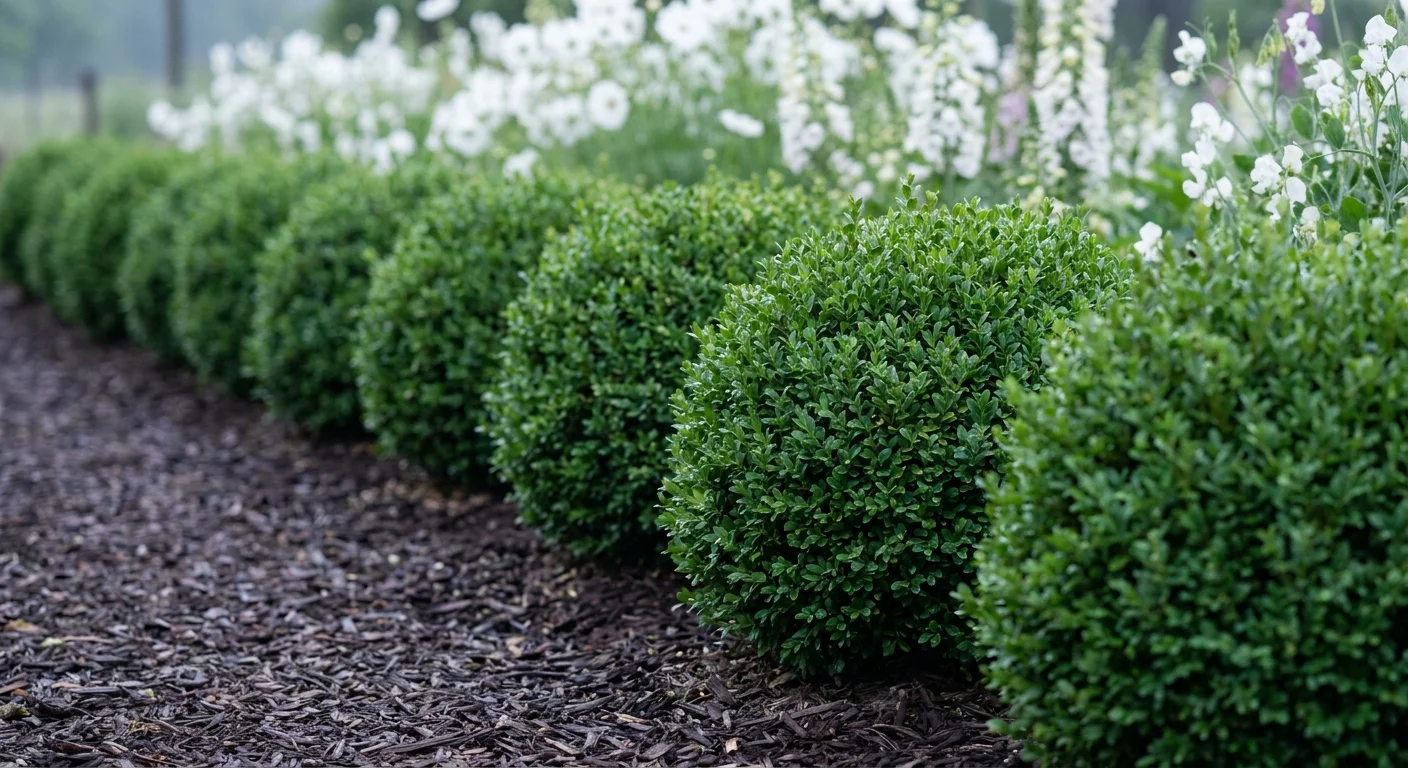
Boxwoods provide the architectural backbone of nearly every professionally designed landscape. These dense, evergreen shrubs offer crisp, geometric lines that instantly elevate the visual authority of your property. By planting boxwoods, you create permanent structure that looks phenomenal even in the dead of winter when deciduous plants lose their leaves.
Landscape designers frequently use boxwoods to frame entryways, define garden borders, and separate different sections within a yard. You can shear them into formal spheres, low continuous hedges, or sharp rectangular blocks to contrast beautifully against looser, more organic perennials. For example, a crisp row of Buxus Green Velvet creates a sophisticated border that keeps messy, sprawling flowers visually contained.
When executing this garden design technique, space your boxwood plants 18 to 24 inches apart from center to center; this spacing ensures they eventually touch and form a solid, impenetrable hedge. Maintain proper airflow around the base to prevent fungal diseases, and prune them in late winter before new growth emerges. Their deep green foliage acts as a luxurious, neutral backdrop, allowing brighter flowers to pop and giving your entire property an immediate boost in curb appeal. By establishing these evergreen boundaries, your garden maintains a tidy, intentional appearance all year long.
Tip #2: Japanese Maple (Acer palmatum)
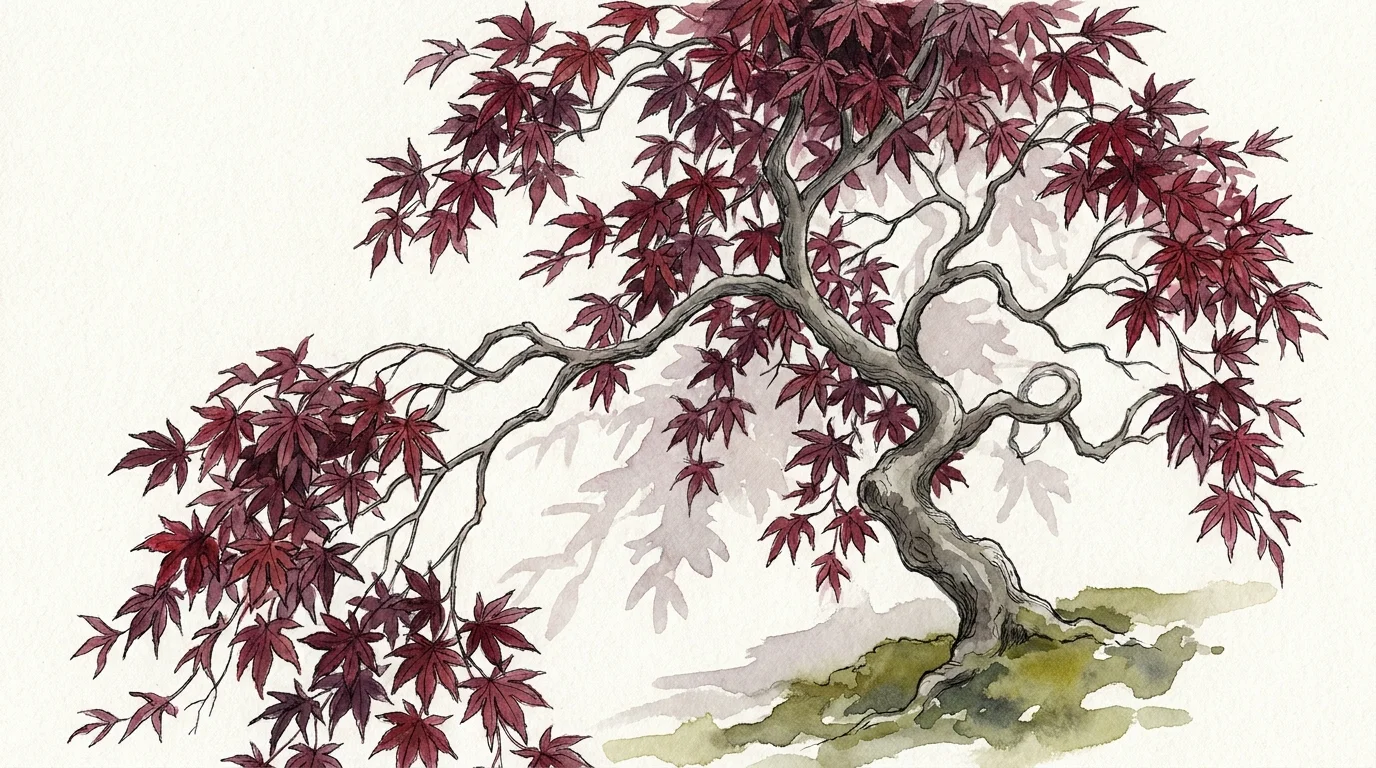
A professional landscape always guides the eye toward a deliberate focal point, and the Japanese Maple excels at capturing attention. With its elegant, sweeping branch structure and deeply lobed leaves, this ornamental tree introduces fine texture and spectacular seasonal color to your garden. Designers favor Japanese Maples because they provide an artistic, sculptural element that looks equally stunning in a minimalist courtyard or a lush woodland border.
Position a Japanese Maple strategically near your front entrance or at the bend of a curving pathway to draw visitors into the space. Cultivars like Bloodgood maintain a rich, burgundy color throughout the summer, while weeping varieties like Crimson Queen offer a cascading silhouette that looks spectacular spilling over a retaining wall or a large boulder. This contrast between the delicate foliage of the maple and the heavy, solid presence of stone is a classic trick used in high-end landscaping ideas.
Give your Japanese Maple a location protected from harsh afternoon winds and intense late-day sun to prevent leaf scorch, especially in warmer climates. They thrive in dappled shade and prefer slightly acidic, well-draining soil. To maximize their impact, underplant your maple with low-growing, shade-tolerant groundcovers that highlight the tree’s striking trunk and lower branches. The resulting vignette creates a powerful moment of garden inspiration that stops guests in their tracks.
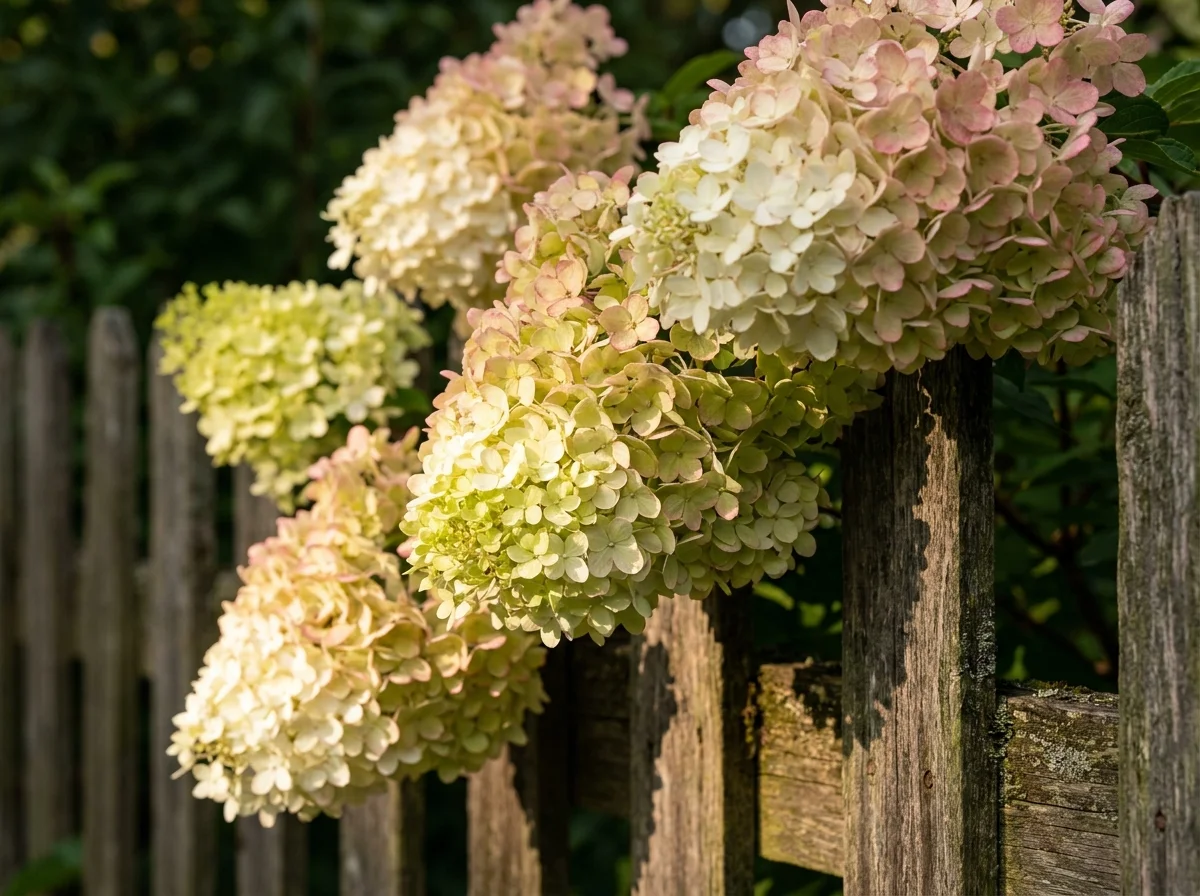
Tip #3: Panicle Hydrangea (Hydrangea paniculata)
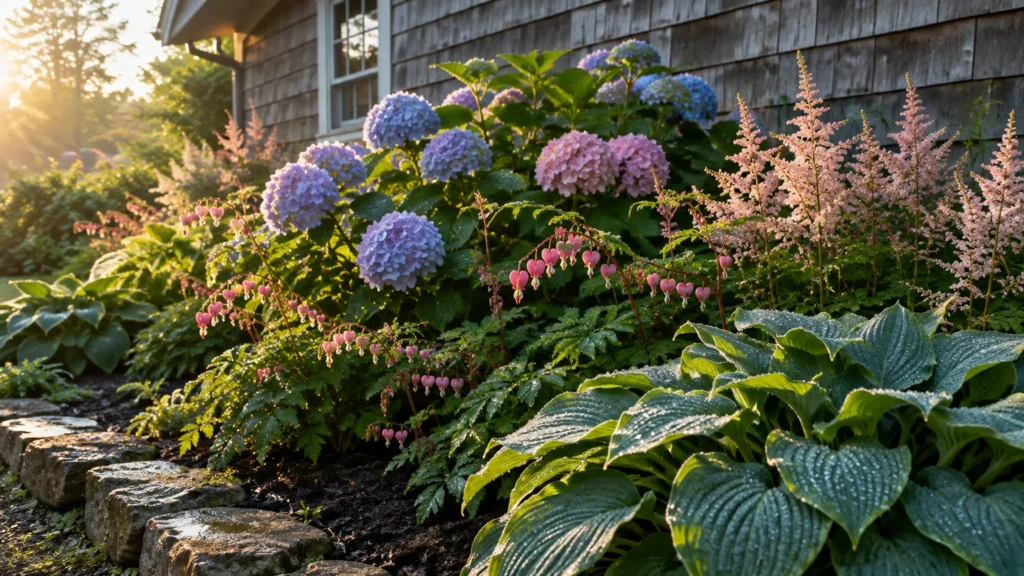
When you want to mimic the abundant, overflowing beauty of estate gardens, Panicle Hydrangeas deliver massive returns. Unlike older hydrangea varieties that often fail to bloom after a harsh winter, the panicle hydrangea blooms entirely on new wood. This trait guarantees a spectacular show of enormous, cone-shaped flower clusters every single summer. Professionals love them because they offer months of reliable color and require surprisingly little maintenance.
Planting a sweeping mass of hydrangeas instantly upgrades your yard’s aesthetic. A continuous row of the Limelight cultivar—which reaches six to eight feet tall and wide—creates a spectacular flowering privacy screen. As the season progresses, their chartreuse blooms transition to creamy white and eventually take on rich, dusty pink and burgundy tones in the fall. If you have limited space, select dwarf cultivars like Bobo or Little Lime, which provide the exact same professional look in a compact three-foot package.
For optimal performance, plant your panicle hydrangeas in full sun to partial shade and provide consistent moisture during their first growing season. Prune them back by about one-third in late winter or early spring to encourage strong, sturdy stems capable of holding up those gigantic summer blooms. Their oversized flowers bring an opulent, generous feel to your outdoor plants, making your entire garden feel lavish and thoughtfully planned.
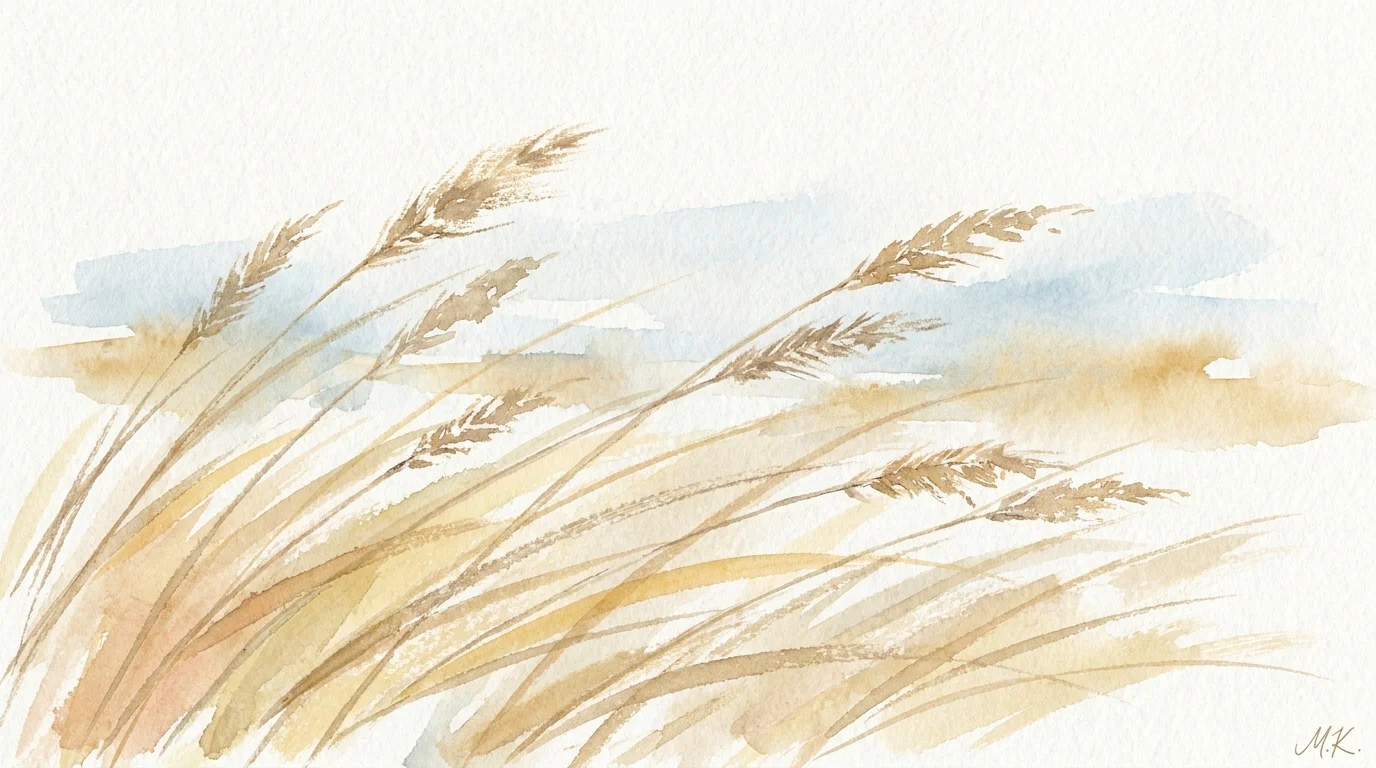
Tip #4: Feather Reed Grass (Calamagrostis x acutiflora)
Movement and sound elevate a good garden into a great one. Ornamental grasses introduce an architectural, kinetic energy that static shrubs simply cannot provide. Karl Foerster Feather Reed Grass stands out as an absolute staple in modern garden design. Its strictly vertical growth habit draws the eye upward, breaking up flat landscapes and adding essential height without casting heavy shade.
Landscapers frequently use upright grasses to create rhythm through repetition. By planting clumps of Karl Foerster grass in odd numbers—groups of three, five, or seven—you establish a cohesive pattern that unifies the entire planting bed. In early summer, this grass sends up tall, wheat-like stalks that sway gracefully in the breeze; these feathery plumes eventually turn a rich golden-tan and persist straight through the winter. The resulting winter interest ensures your garden never looks entirely dormant.
These grasses thrive in full sun and tolerate a wide range of soil conditions, including heavy clay. They grow quickly and require only one major maintenance task: cutting the entire clump down to a few inches above the ground in late winter before the new green shoots emerge. Pairing the rigid, upright lines of feather reed grass with the soft, rounded forms of surrounding shrubs creates the precise textural tension that defines professionally designed outdoor spaces.
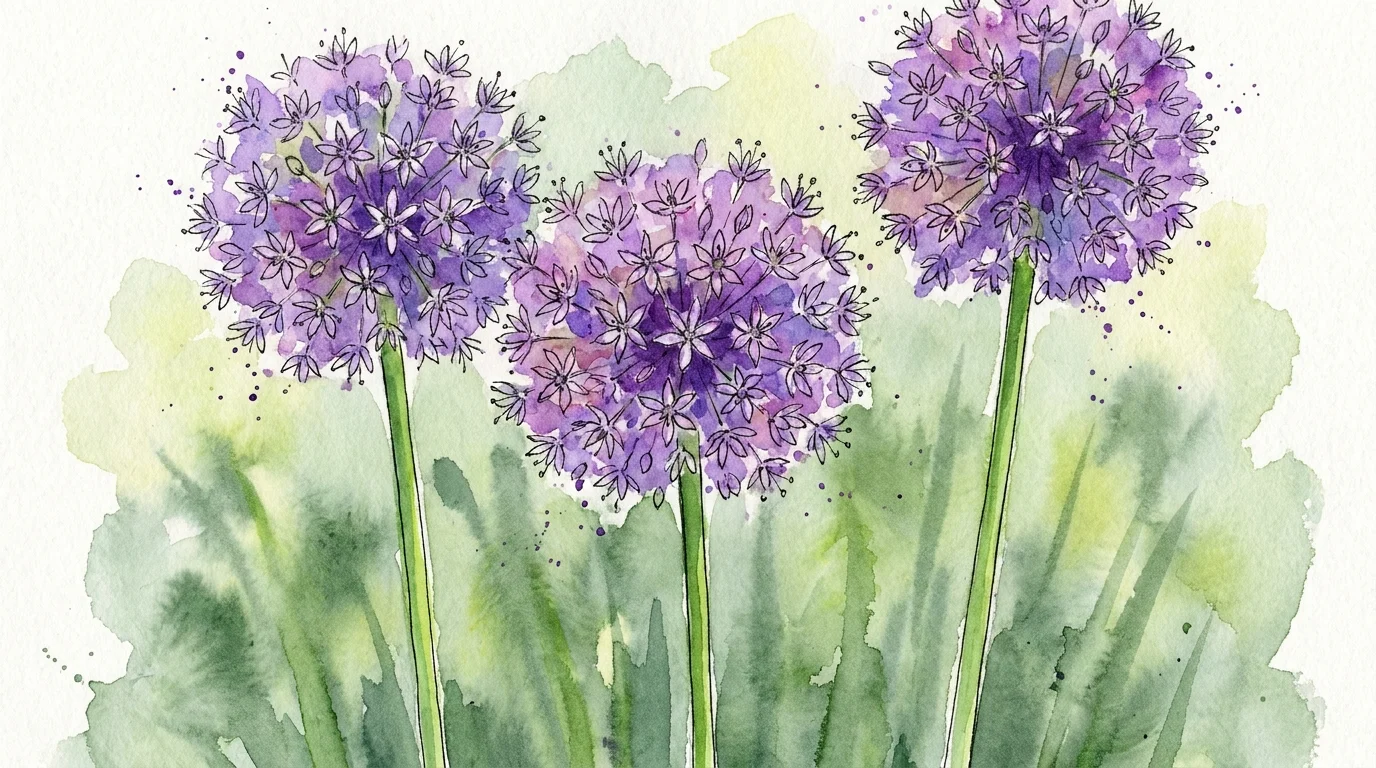
Tip #5: Ornamental Onion (Allium)
Professional designers know that incorporating unexpected geometric shapes adds instant sophistication to a planting bed. Ornamental Onions, or Alliums, provide perfect, spherical flower heads that float above the garden on sturdy, leafless stalks. These whimsical globes bridge the gap between spring bulbs and summer perennials, delivering a burst of structural color just when the garden needs it most.
Planting allium bulbs injects a sense of rhythm and punctuation into your landscape. Varieties like Globemaster produce dense, purple spheres up to ten inches across, while Purple Sensation offers golf-ball-sized blooms in a vibrant violet hue. Scatter these bulbs throughout your borders in clusters of five or more. When they bloom in late spring, they look like colorful lollipops hovering over the developing foliage of your other outdoor plants.
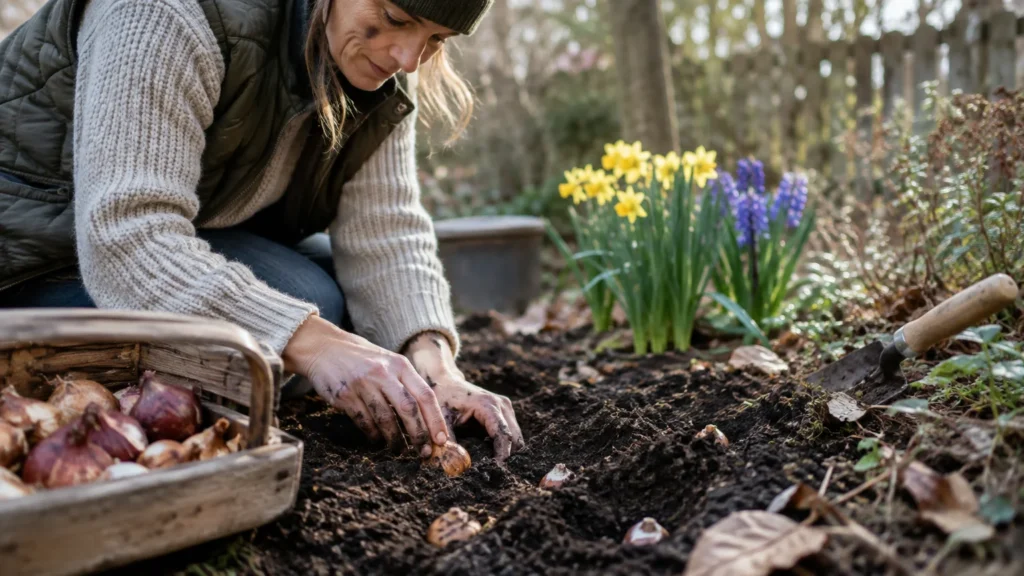
To seamlessly integrate alliums into your garden design, plant the bulbs in the fall, nestled behind low-growing perennials like cranesbill geraniums or lady’s mantle. Allium foliage naturally begins to yellow and die back just as the flowers open; hiding their bases behind bushy companion plants keeps the focus entirely on the spectacular blooms. Furthermore, deer and rodents actively avoid alliums due to their mild scent, making them a highly practical, bulletproof addition to your landscape.
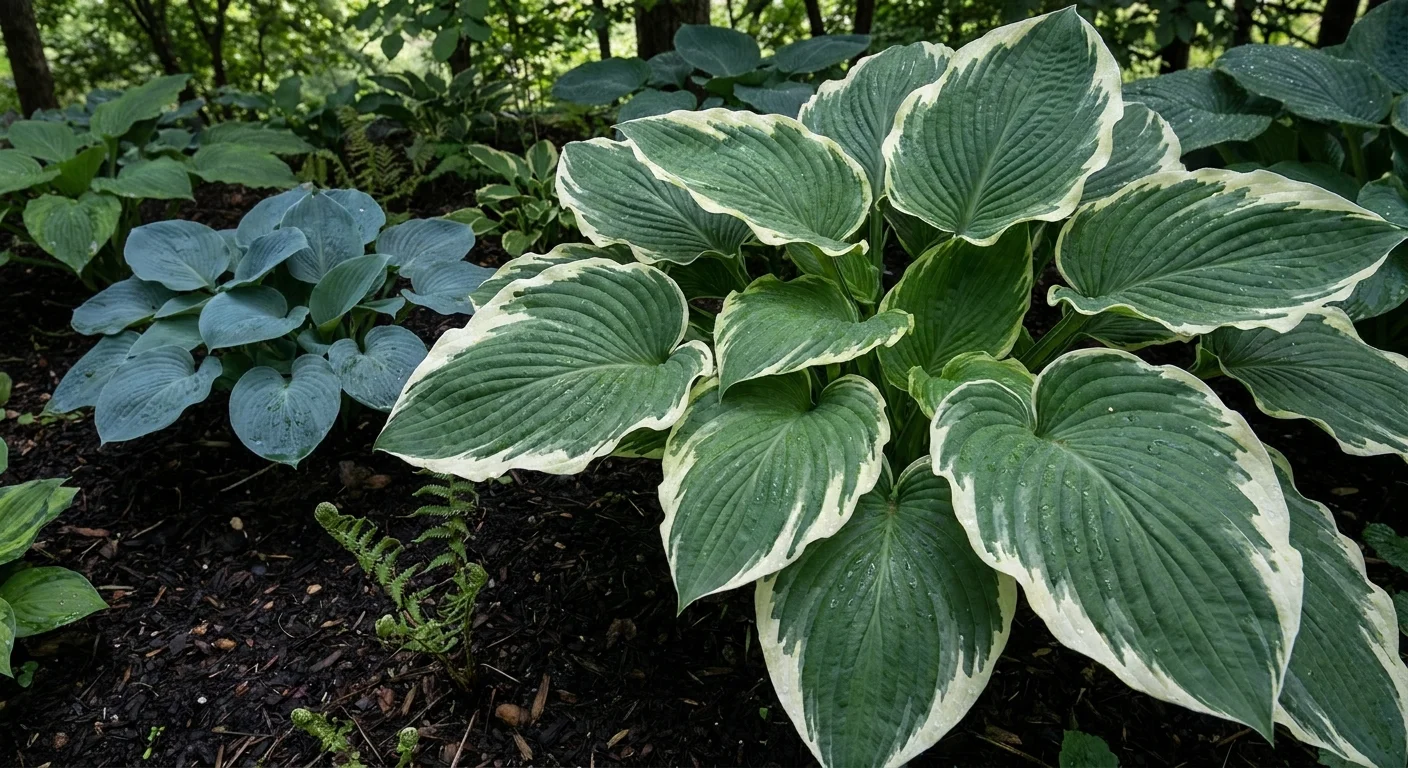
Tip #6: Hostas
Shady areas often challenge home gardeners, but professionals view shade as an opportunity to play with dramatic textures. Hostas serve as the ultimate problem-solver for shaded and partially shaded beds. With their broad, ribbed leaves and lush, mounding growth habits, hostas instantly make a garden feel established, verdant, and deliberately styled.
To achieve a high-end look, avoid planting a chaotic mix of single hostas. Instead, select two or three high-performing cultivars and plant them in sweeping drifts. A large grouping of the giant, chartreuse Sum and Substance creates a brilliant focal point that illuminates dark corners under mature trees. Alternatively, edging a woodland pathway with a crisp, white-margined variety like Patriot clearly defines the walkway and enhances the overall curb appeal of your property.
Hostas thrive in organically rich, well-draining soil and appreciate consistent moisture. While they do produce subtle, lily-like flowers in midsummer, their primary value lies in their magnificent foliage. To keep your hosta beds looking pristine, apply a layer of organic mulch to retain moisture and use environmentally safe bait to protect the leaves from slug damage. Their expansive, overlapping leaves naturally suppress weeds, drastically reducing your maintenance workload while projecting an aura of manicured luxury.
Tip #7: English Lavender (Lavandula angustifolia)
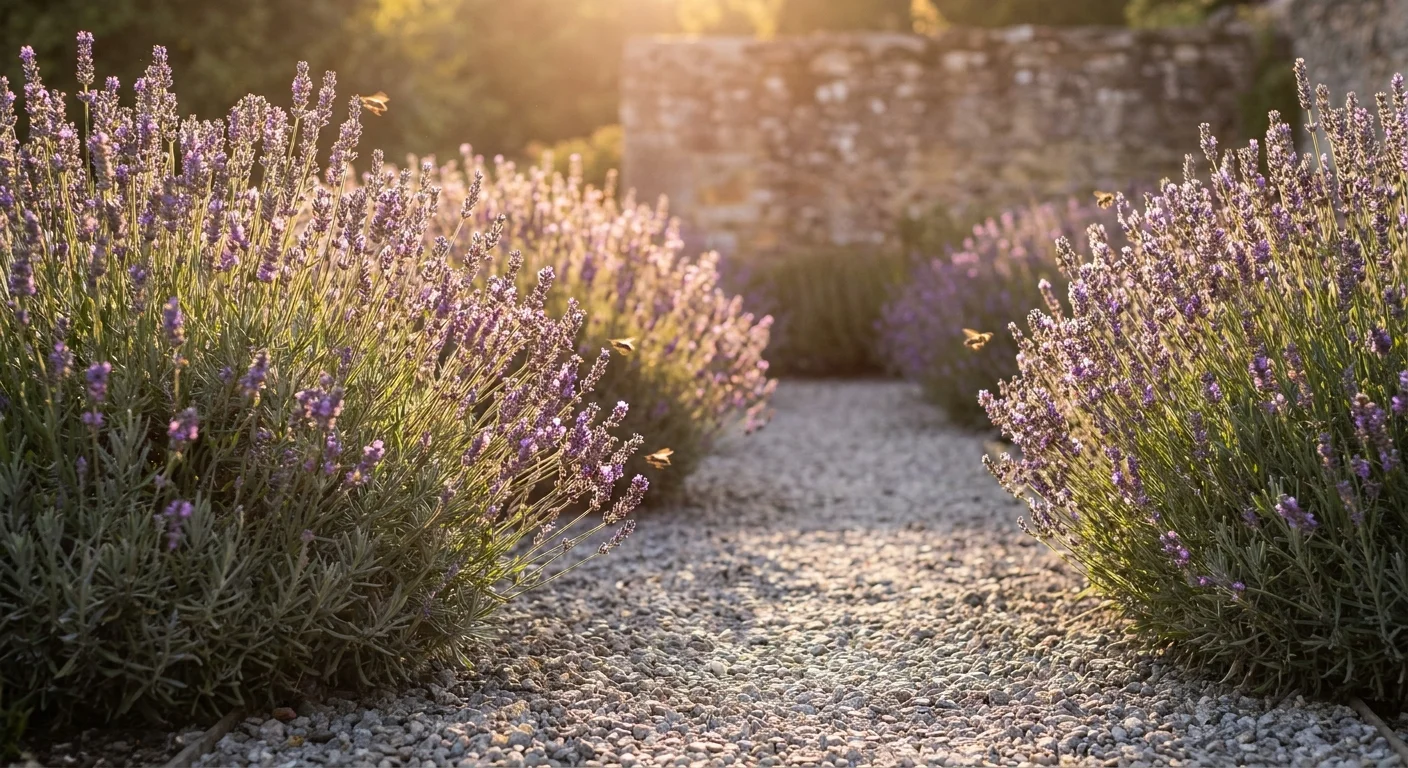
Engaging the senses serves as a hallmark of exceptional landscape architecture. English Lavender brings stunning visual appeal, a legendary fragrance, and an irresistible draw for pollinators. Its silvery-green foliage provides a beautiful, cooling contrast against the dark greens of boxwoods and the bright blossoms of hydrangeas, bringing a touch of Mediterranean elegance to your yard.
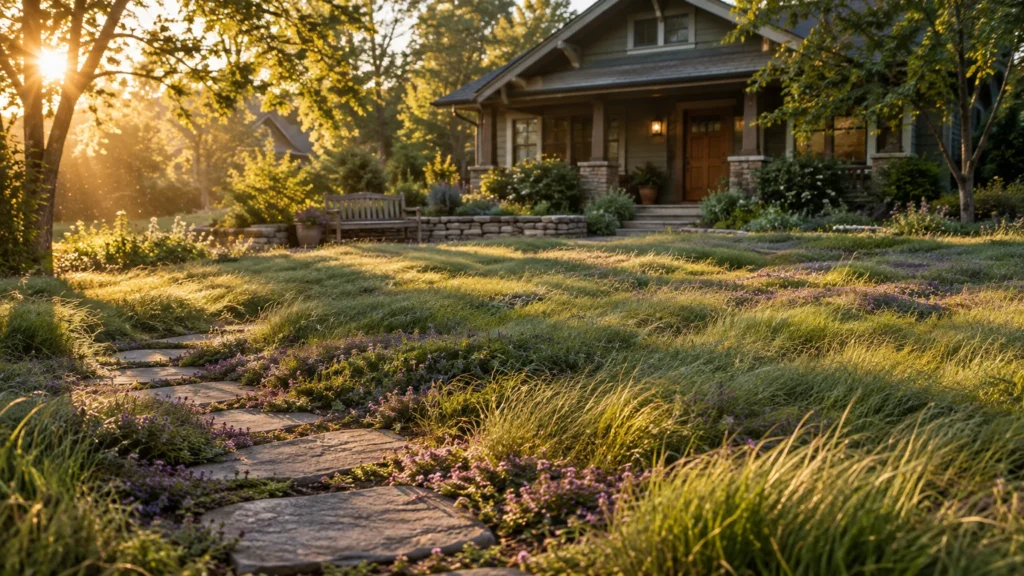
Use lavender to line the edges of your sunniest walkways, patios, or driveway borders. When guests brush past the plants, they release a calming, aromatic oil that makes walking through your garden a memorable experience. Cultivars like Hidcote and Munstead stay relatively compact and produce masses of deep purple flower spikes. A tightly planted row of lavender softens hardscape edges and transitions smoothly between stone surfaces and sprawling lawns.
Success with lavender hinges entirely on excellent drainage. Incorporate coarse sand or small gravel into your planting holes to prevent waterlogged roots, and top-dress the area with pea gravel instead of organic wood mulch to keep moisture away from the plant’s crown. Prune your lavender plants back by one-third immediately after they finish blooming to maintain a tight, mounded shape and prevent the stems from becoming woody and splayed. This disciplined maintenance rewards you with a fragrant, silvery border that radiates professional polish.
Putting It All Together: Enjoy Your Beautiful Garden
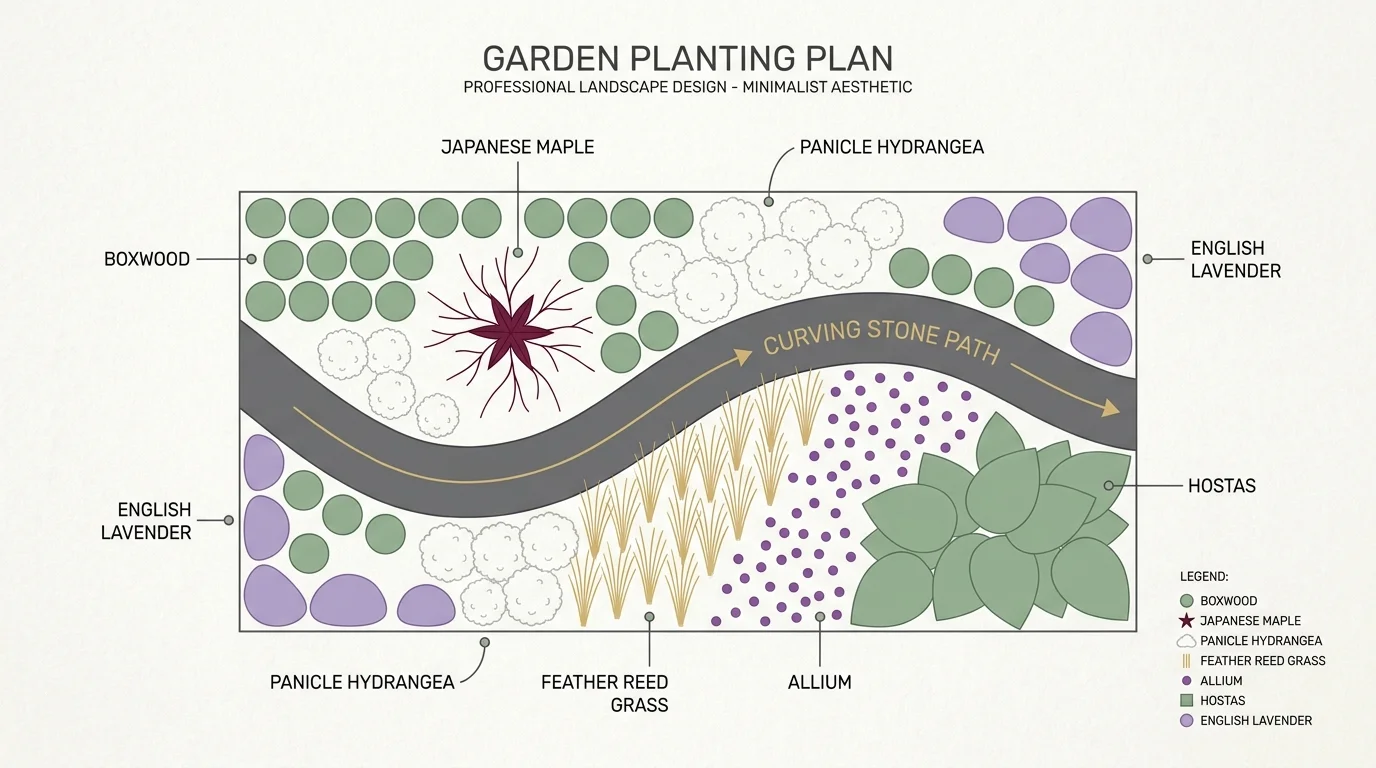
Creating a yard that looks like a masterpiece of garden design comes down to intention and structure. You do not need to plant dozens of different species to achieve high-end curb appeal; in fact, professional landscapers rely heavily on editing their plant choices. By combining the evergreen geometry of boxwoods, the graceful movement of ornamental grasses, and the spectacular focal points provided by Japanese maples and panicle hydrangeas, you establish a balanced, cohesive landscape.
Layer these structural elements with the textural contrast of hostas, the geometric surprise of alliums, and the sensory delight of lavender. Group your plants in generous masses and repeat these groupings throughout the yard to guide the eye smoothly across the space. Focus on building this strong foundation, and watch as your outdoor plants transform an ordinary property into a stunning, professionally styled retreat.
Frequently Asked Questions
How do I arrange these plants for the best visual impact?
Successful garden design relies on purposeful layering. Plant taller species—like your panicle hydrangeas or tall ornamental grasses—at the back of your borders to serve as a backdrop. Place mid-sized shrubs and bold hostas in the center, and use lower-growing plants like lavender or trimmed boxwoods to define the front edge. Always plant in odd-numbered groups of threes, fives, or sevens to create a natural, sweeping look rather than a rigid, artificial grid.
Can I achieve a professional look if I have a small yard?
Absolutely; professional landscaping ideas scale perfectly to small spaces. Focus heavily on dwarf cultivars of the plants listed above, such as Bobo hydrangeas or Munstead lavender. In a smaller garden, maintaining structure becomes even more critical. Prioritize evergreen boxwoods and a single, striking Japanese maple as your focal point to make the space feel curated and intentional rather than cluttered.
What is the most common mistake home gardeners make when designing a bed?
Many gardeners buy one of everything at the nursery, resulting in a chaotic effect that lacks cohesion. Professionals avoid this by using a restricted color palette and repeating the exact same plants throughout the garden. Repetition creates rhythm and unity, tying the entire landscape together into one continuous, harmonious design.
For region-specific advice, consult your local University Extension program (find yours via the USDA directory). For plant databases and inspiration, visit the Missouri Botanical Garden or the Royal Horticultural Society.
Disclaimer: This article provides general gardening advice. Always consider your specific climate, soil conditions, and local pests. Follow safety guidelines when using gardening tools and products.