Planting the right fragrant trees transforms your yard into a sensory oasis that offers stunning spring blooms and incredible perfumes. You can elevate your property value and create a relaxing outdoor retreat by strategically placing these varieties near patios, walkways, or open windows. Choosing the perfect specimen depends on your local climate, soil conditions, and available space. Whether you want a dramatic focal point or a delicate background accent, selecting reliable cultivars ensures long-lasting seasonal enjoyment. Incorporating these specific landscape additions will invite essential pollinators, provide cooling shade, and reward you with an unforgettable natural fragrance year after year.
Tip #1: Southern Magnolia (Magnolia grandiflora)
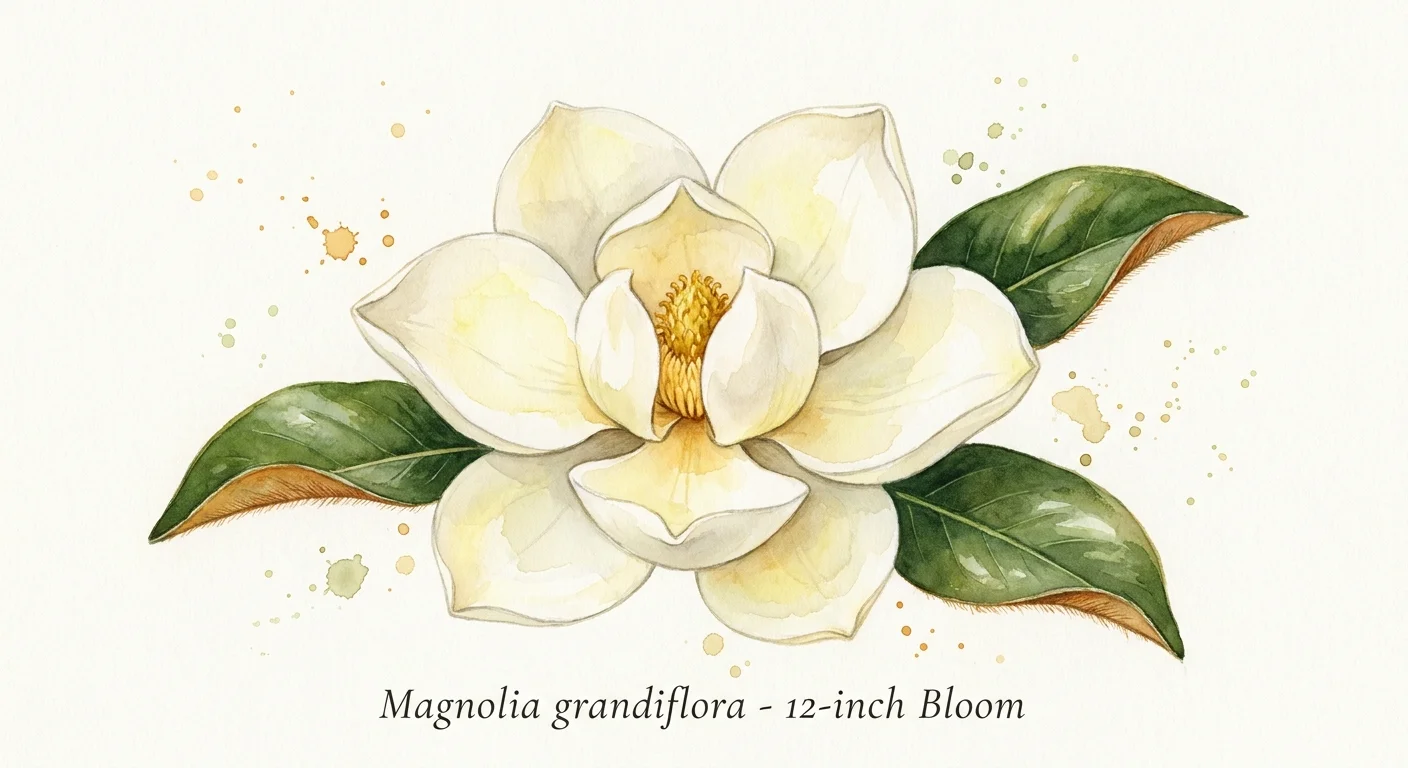
The Southern Magnolia stands as an absolute giant in the world of fragrant flowering trees. When you picture a classic, elegant estate, this tree likely anchors the landscape. It produces massive, creamy-white blossoms that can stretch up to twelve inches across. These pristine flowers emit a heavy, intoxicating perfume reminiscent of fresh lemons mixed with rich vanilla. Beyond the breathtaking spring and summer blooms, this evergreen provides exceptional year-round visual interest through its large, glossy dark green leaves featuring distinctive fuzzy, rust-colored undersides.
You want to include this magnificent specimen in your yard because it creates an unbeatable focal point. A mature Southern Magnolia offers dense, cooling shade and unparalleled privacy. However, you must carefully consider its placement. These massive landscaping trees drop thick leaves and heavy seed pods throughout the year, meaning you should avoid planting them directly over driveways or delicate garden beds where cleanup becomes a daily chore. Instead, give them a dedicated space in an open lawn where their lower branches can drape beautifully all the way to the ground, creating a living wall of greenery.
To successfully grow a Southern Magnolia, plant it in slightly acidic, well-draining soil. They thrive best in hardiness zones 6 through 10 and demand full sun to produce the maximum number of highly scented flowers. If you have a smaller yard, do not let the traditional towering size deter you. You can easily select dwarf cultivars like the popular ‘Little Gem’, which tops out around twenty feet tall but still delivers the exact same legendary fragrance and striking visual impact for your garden.
Tip #2: Sweetbay Magnolia (Magnolia virginiana)
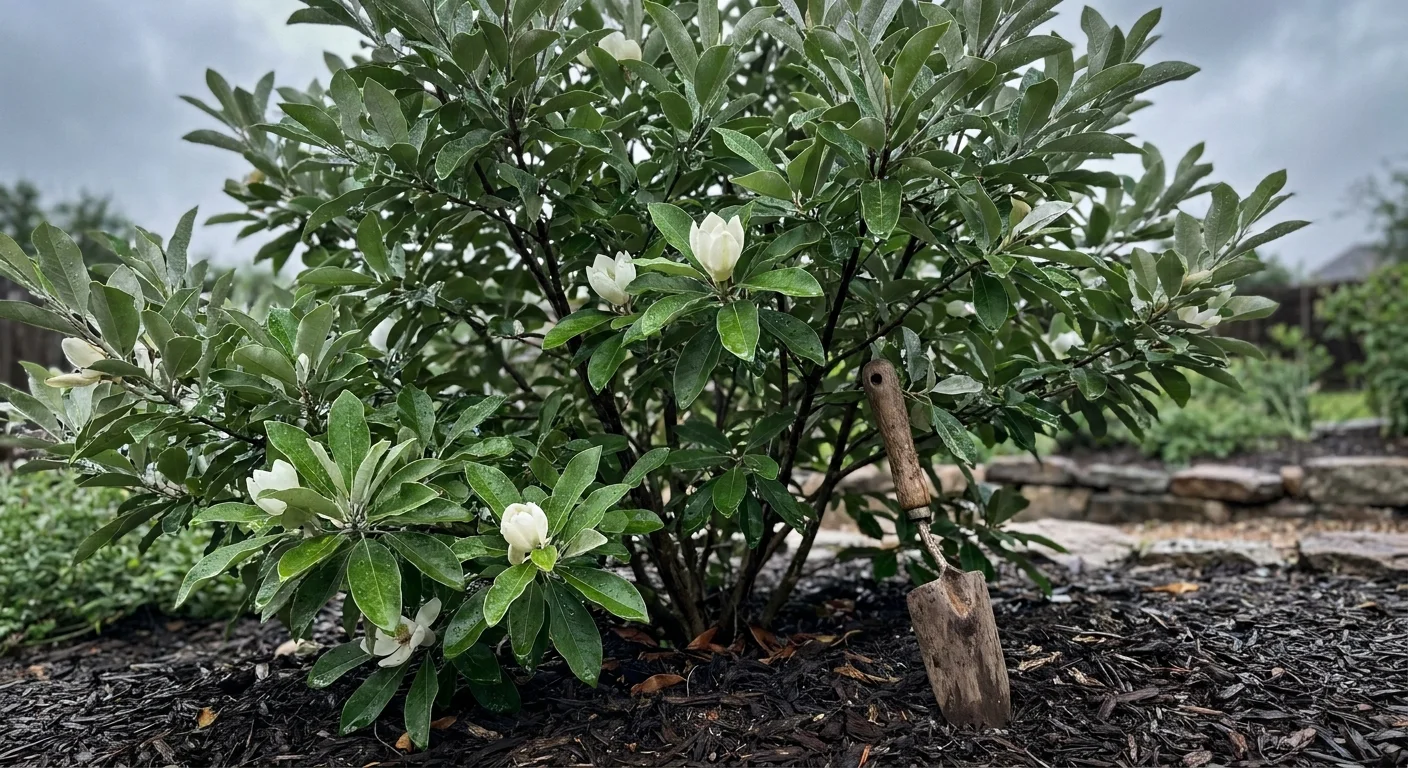
If you love the signature scent of a magnolia but have a challenging landscape, the Sweetbay Magnolia offers the perfect solution. This elegant tree produces delicate, creamy-white, cup-shaped flowers that release a profoundly sweet, lemony-vanilla fragrance. While the blooms are smaller than those of the Southern Magnolia—measuring about two to three inches across—they appear continuously from late spring through mid-summer, providing a long-lasting aromatic experience. The foliage also adds incredible motion to your garden ideas; the bright green leaves feature silvery-white undersides that shimmer beautifully whenever a breeze rolls through your yard.
The primary reason you should choose a Sweetbay Magnolia is its remarkable adaptability to wet, boggy conditions. While most flowering trees suffer from root rot in poorly draining soils, the Sweetbay thrives in moist environments. This makes it an exceptional choice for rain gardens, low-lying areas of your property, or spots near ponds and streams. It typically grows as a multi-stemmed tree, giving it a soft, architectural appearance that softens harsh house foundations or stark fence lines.
Plant your Sweetbay Magnolia in full sun to partial shade. In warmer climates (zones 7 through 10), it behaves as an evergreen, holding its foliage all winter. In cooler climates (zones 5 and 6), it grows as a deciduous tree, dropping its leaves in the fall. Keep the soil consistently moist, especially during the first few years of establishment. Applying a thick layer of organic mulch around the base will help retain moisture and keep the root system cool, ensuring vibrant, healthy growth.
Tip #3: Japanese Tree Lilac (Syringa reticulata)
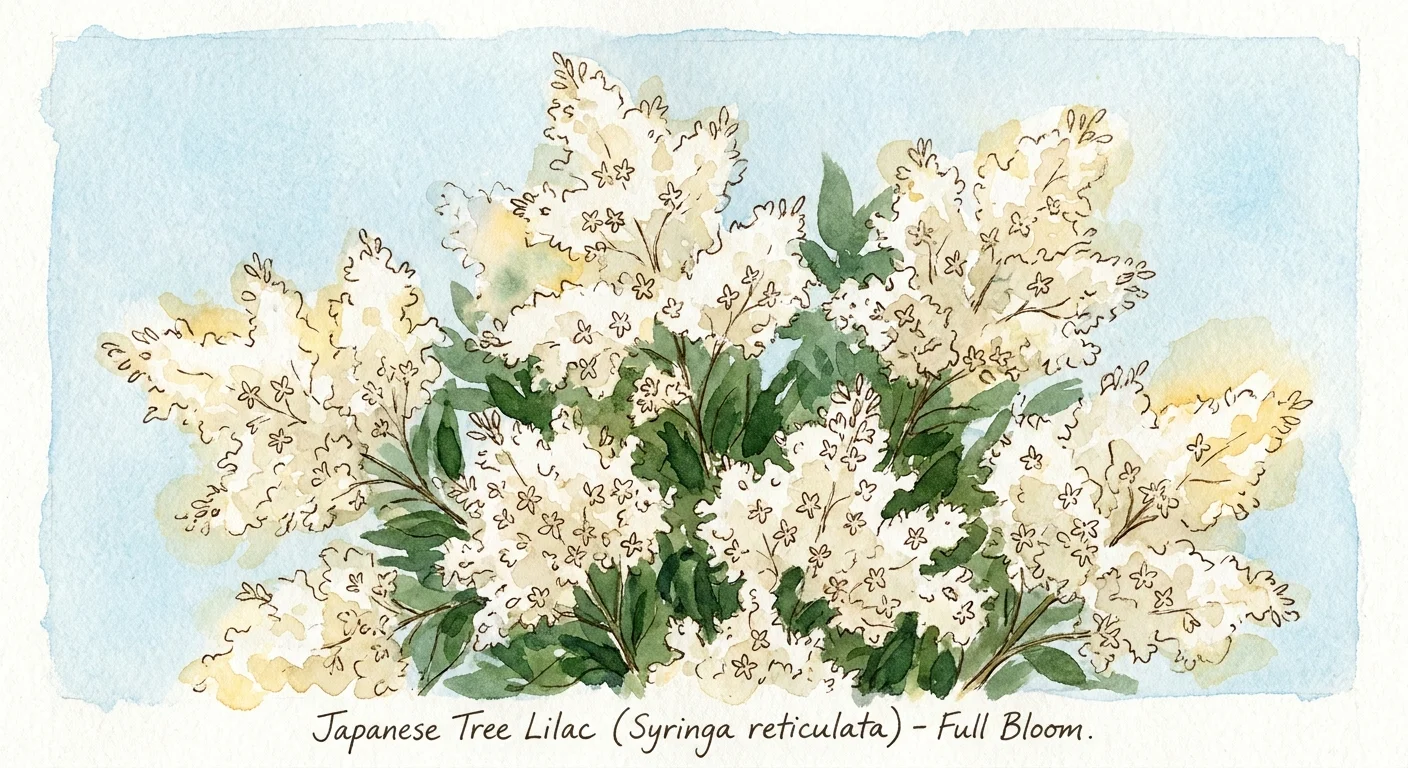
Many home gardeners adore the nostalgic scent of traditional lilac shrubs but struggle to incorporate them into formal garden designs. The Japanese Tree Lilac bridges this gap perfectly. This outstanding specimen grows into a small to medium-sized tree, producing enormous, feathery panicles of creamy-white flowers in early summer. The scent is undeniably sweet and floral, similar to a traditional lilac but slightly more honeyed. Because it blooms a few weeks after standard lilacs finish, planting this tree extends your fragrant spring season right into the threshold of summer.
You will appreciate the Japanese Tree Lilac for its incredible hardiness and low-maintenance nature. It makes a premier street tree because it easily shrugs off urban pollution, compacted soil, and the occasional drought. Unlike many other flowering trees that lose their visual appeal once the petals fall, this lilac variety boasts stunning, cherry-like bark. The dark reddish-brown bark features horizontal lenticels and peels slightly, offering fantastic winter interest when the rest of your yard sits dormant.
Thriving in hardiness zones 3 through 7, the Japanese Tree Lilac requires a spot with full sun exposure to maximize its flower production. Plant it in well-draining soil and water it deeply during its first growing season. You rarely need to prune this tree, as it naturally forms a pleasing oval or rounded crown. If you want a dependable, tough-as-nails ornamental tree that consistently delivers a spectacular sensory display without demanding constant care, the cultivar ‘Ivory Silk’ stands out as an exceptional choice.
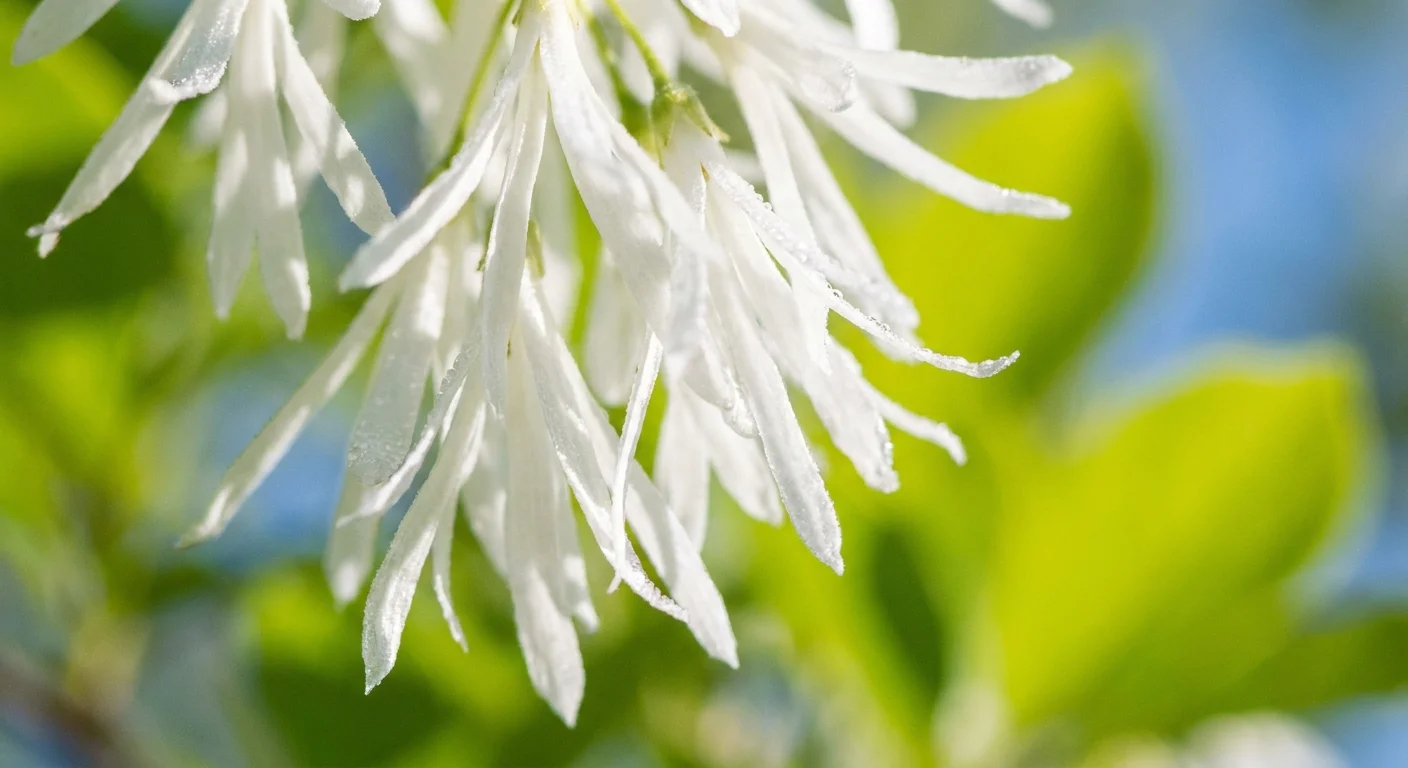
Tip #4: White Fringetree (Chionanthus virginicus)
The White Fringetree remains one of the most underutilized and spectacular native flowering trees available to home gardeners. In late spring, just as the leaves begin to unfurl, the tree erupts into a cloud of delicate, fleecy white flowers. The distinct, thread-like petals hang down in drooping clusters, creating a unique visual texture that looks like soft snow or a white fringe—hence the name. These unique blossoms carry a sweet, slightly spicy fragrance that drifts wonderfully across patios and through open windows on warm spring evenings.
Incorporating a White Fringetree into your landscaping provides exceptional multi-season value. They generally grow slowly, reaching a manageable height of twelve to twenty feet, making them absolutely ideal for smaller yards or planting under power lines. These trees are dioecious, meaning individual trees are either male or female. Male trees generally produce slightly larger, showier flower clusters. However, female trees yield beautiful dark blue, olive-like fruits in the late summer that attract an array of songbirds to your garden.
You can successfully grow the White Fringetree in zones 4 through 9. They adapt to a wide variety of soil types, from sandy loams to heavier clays, provided the drainage is adequate. While they tolerate partial shade beautifully—making them great understory additions beneath larger shade trees—they will produce the thickest foliage and the most abundant fragrant blooms when situated in full sun. This tree requires very little fertilizer and naturally resists most major pests and diseases, keeping your garden maintenance delightfully simple.
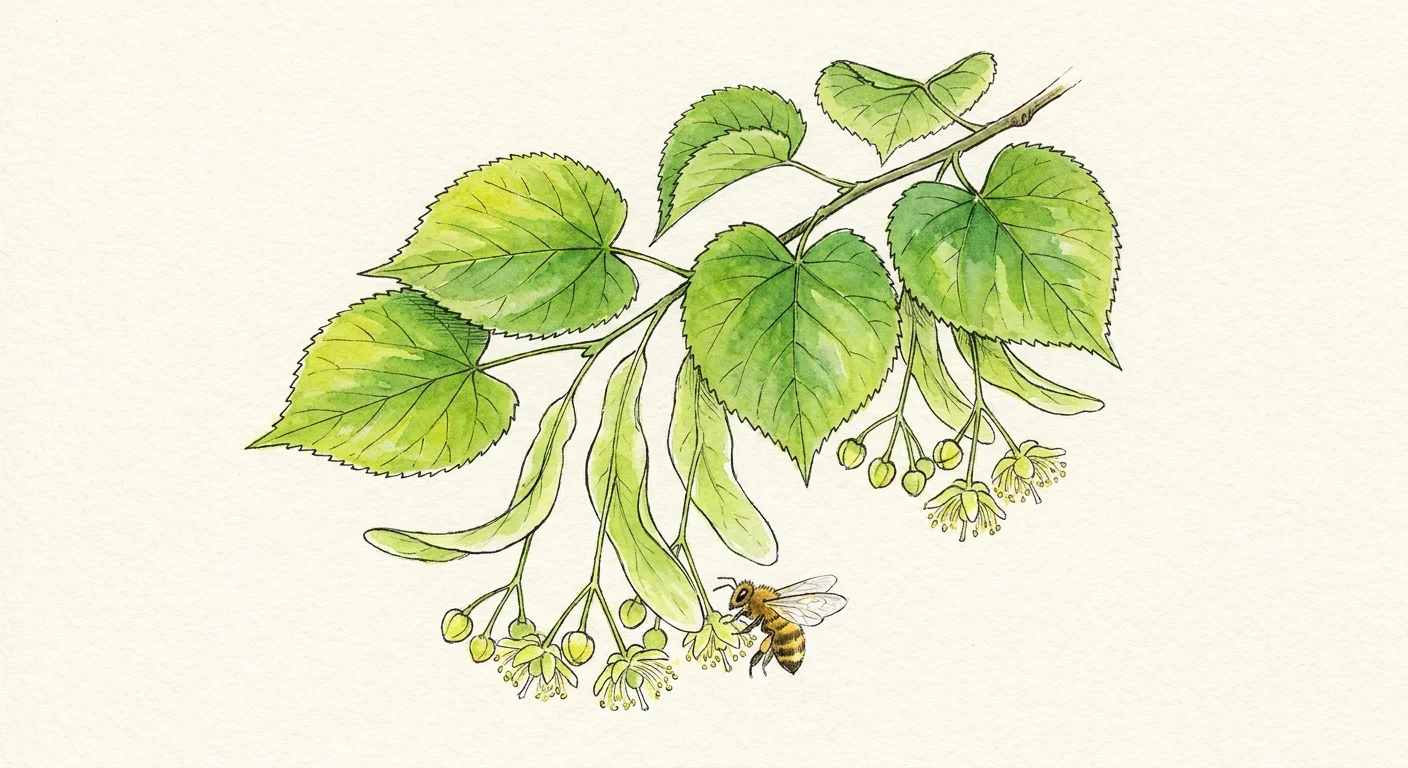
Tip #5: Littleleaf Linden (Tilia cordata)
When you want a substantial shade tree that also functions as a major olfactory attraction, the Littleleaf Linden answers the call perfectly. While the flowers on this tree are small and visually understated—appearing as pale yellow, star-shaped clusters tucked beneath the leaves—their fragrance is absolutely massive. In early to mid-summer, a blooming Linden tree perfumes the entire neighborhood with an intensely sweet, heavy floral scent that is completely intoxicating. Furthermore, these fragrant blooms are a magnet for honeybees and other crucial pollinators.
The Littleleaf Linden offers tremendous structural value as a landscaping tree. It naturally grows into a highly uniform, dense pyramidal shape, providing deep, cooling shade during the hottest months of the year. The heart-shaped leaves add a soft, romantic texture to the yard and turn a lovely shade of clear yellow in the autumn. Because of their predictable shape and tolerance for heavy pruning, you can even pleach Lindens—a technique where branches are woven together to create an elevated, living hedge or privacy screen.
Plant your Littleleaf Linden in deep, fertile, well-draining soil across hardiness zones 3 through 7. Because these trees can eventually reach fifty to seventy feet tall with a spread of forty feet, you must give them plenty of room to expand. Do not plant them too close to your house foundation or underground utility lines. Water young trees deeply and regularly; once established, Lindens exhibit excellent drought tolerance. If you want a dependable shade provider that smells like pure honey in the summer, this tree represents an incredible long-term investment.
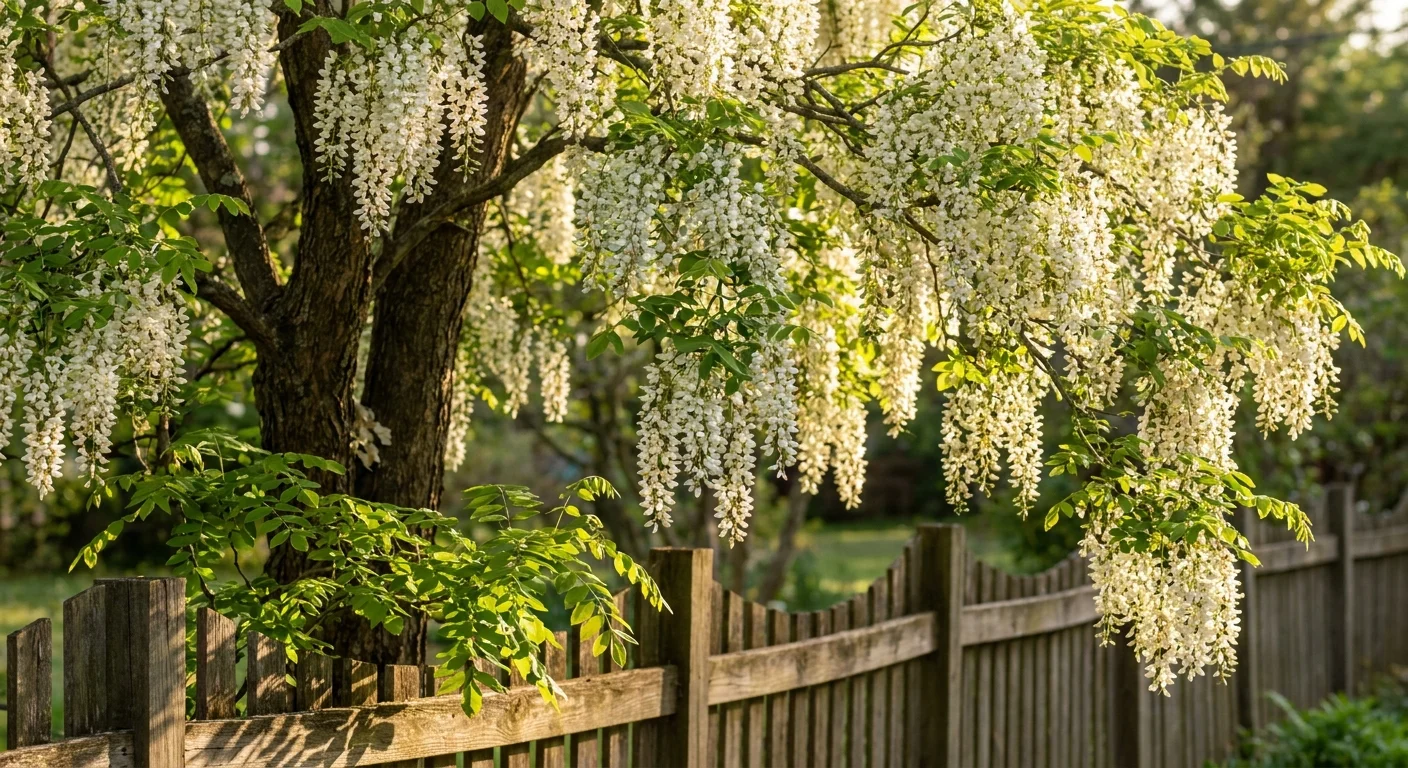
Tip #6: American Yellowwood (Cladrastis kentukea)
For a truly unique and breathtaking landscape feature, look no further than the American Yellowwood. This rare native tree produces magnificent, drooping panicles of white, pea-like flowers that can hang down up to fifteen inches long. Resembling white wisteria cascading from the branches, these stunning floral displays emit a potent, sweet vanilla fragrance that fills the spring air. Although a Yellowwood may not bloom heavily every single year—often alternating between intense displays and lighter ones—the spectacular show it provides is well worth the wait.
The American Yellowwood earns its place among the best ornamental trees because its beauty extends far beyond the blooming period. It features incredibly smooth, slate-gray bark that looks almost like a beech tree, providing striking structural contrast during the winter months. In the fall, the bright green foliage transitions into a brilliant, glowing golden-yellow. Its medium size, typically reaching thirty to fifty feet in height, makes it perfectly scaled for mid-sized residential properties.
To cultivate a healthy Yellowwood, plant it in rich, well-drained soil in zones 4 through 8. It performs beautifully in full sun but can easily tolerate dappled afternoon shade. You must pay special attention to pruning this specific tree; Yellowwoods tend to form narrow crotch angles that can be prone to splitting in heavy winds or ice storms. Prune the tree when it is young to establish a strong central leader. Always execute your pruning in mid-summer, as Yellowwoods will heavily bleed sap if pruned in the spring or winter.
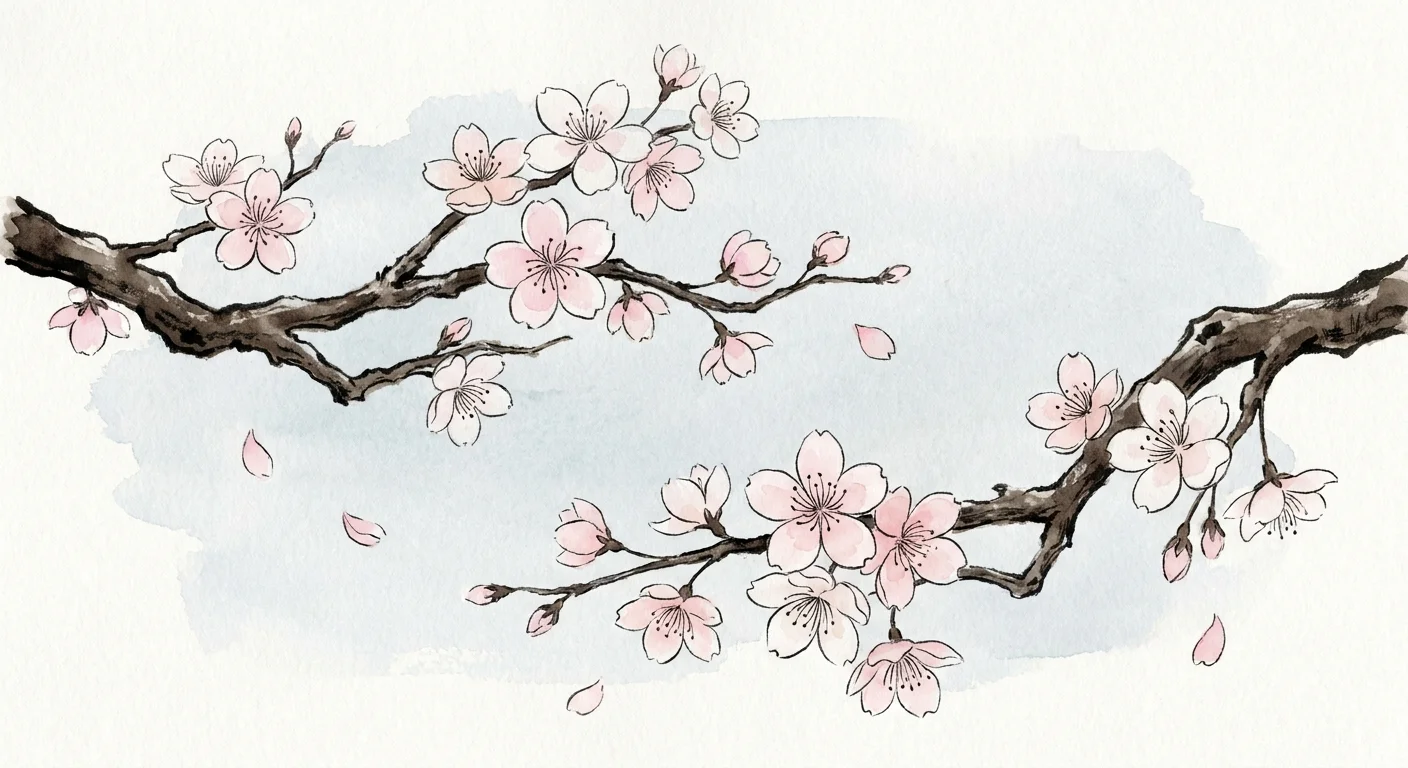
Tip #7: Yoshino Cherry (Prunus x yedoensis)
Nothing signals the arrival of spring quite like the spectacular display of the Yoshino Cherry. Famous for starring in the annual cherry blossom festivals in Washington D.C., this rapid-growing tree completely covers its bare branches in clouds of soft pink to pure white blossoms before the leaves even emerge. While some cherry varieties lack scent entirely, the Yoshino produces a delicate, sweet almond fragrance that invites you to step closer and breathe in the fresh spring air.
Adding a Yoshino Cherry to your garden ideas brings instant architectural grace. The tree features an elegant, spreading, umbrella-like canopy that looks highly sophisticated in both front yards and backyard borders. Because it bursts into bloom so early in the season, it acts as the ultimate cure for winter fatigue. The petals eventually drop in a graceful “spring snow,” carpeting the ground in white and pink, adding a fleeting but magical visual element to your landscaping.
Grow your Yoshino Cherry in hardiness zones 5 through 8, selecting a location that receives full sun to encourage the most prolific blooming. These flowering trees prefer moist, well-drained soils and benefit greatly from an annual application of balanced, slow-release fertilizer in the early spring. Keep in mind that flowering cherries generally have a shorter lifespan compared to oak or maple trees—typically lasting twenty-five to forty years. However, their incredibly fast growth rate and stunning visual impact make them a thoroughly rewarding addition to any garden.
Putting It All Together: Enjoy Your Beautiful Garden
Creating a truly remarkable landscape involves more than just picking a pretty plant; it requires thoughtful layering of scents, textures, and blooming schedules. By selecting a mix of the fragrant flowering trees discussed above, you can intentionally design a garden that remains engaging and aromatic from the very first days of early spring right through the heat of mid-summer. A Yoshino Cherry can kick off the season with its subtle almond notes, followed closely by the spicy sweetness of the White Fringetree, and culminating in the heavy, honeyed perfume of a Littleleaf Linden.
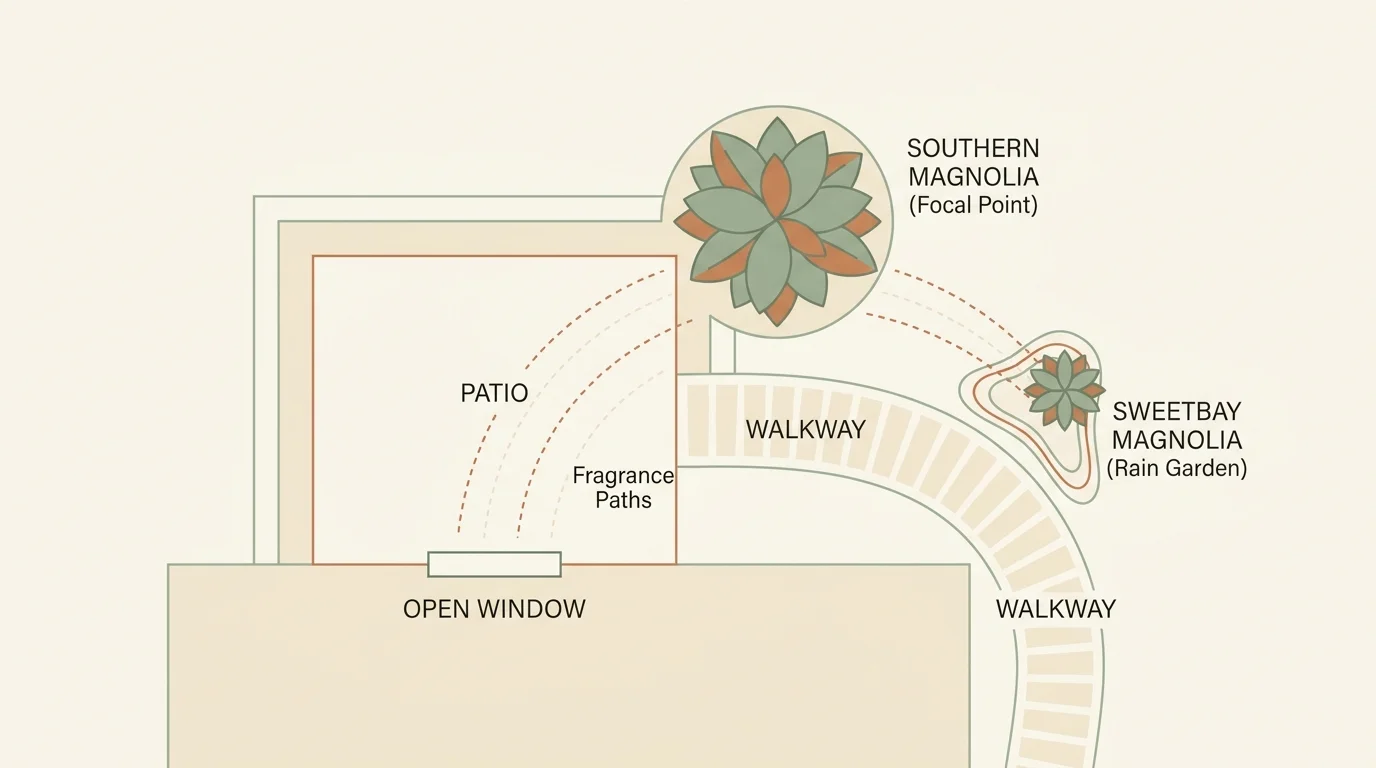
When placing these ornamental trees in your yard, always pay attention to your local microclimates. Observe the prevailing wind patterns around your property. Siting a heavily scented variety like the Southern Magnolia or Japanese Tree Lilac upwind from your patio seating or bedroom windows allows the natural breeze to carry the perfume directly to you, maximizing your enjoyment. Provide each specimen with the adequate space it needs to reach its mature width, and ensure the soil drainage matches the tree’s specific requirements.
Ultimately, investing in these vibrant landscape additions elevates your home’s curb appeal while creating a private sanctuary for you and local wildlife. Take the time to properly water, mulch, and lightly prune your new trees during their crucial first few years of establishment. The minimal effort you put in today will yield decades of breathtaking beauty, vital shade, and captivating fragrances.
Frequently Asked Questions
How close to my house can I plant fragrant flowering trees?
You must carefully consider the mature canopy width and root system of the specific tree. Generally, plant small to medium trees like the White Fringetree or Sweetbay Magnolia at least 10 to 15 feet away from your foundation. For large shade trees like the Littleleaf Linden or Southern Magnolia, ensure you plant them at least 20 to 30 feet away from the house to prevent structural damage and keep overhanging branches off your roof.
How do I maximize the flower production on my ornamental trees?
Light and nutrition are the primary drivers of abundant blooms. Ensure you position your flowering trees in locations that receive full sun—typically defined as six or more hours of direct sunlight per day. Water them deeply during extended dry spells, and apply a high-phosphorus organic fertilizer in early spring just before the buds swell to encourage robust flower development.
When is the ideal time to add these flowering trees to my yard?
Fall is generally the absolute best time to plant new trees. The cooler temperatures reduce transplant shock, and the roots have several months to establish themselves before the intense heat of summer arrives. Early spring serves as an excellent secondary planting window, provided you commit to a strict, deep-watering schedule throughout the tree’s first summer.
Are there fragrant trees suitable for small yards?
Yes. If you have limited space, avoid massive shade providers and focus on compact or dwarf varieties. The White Fringetree naturally stays small, making it an excellent fit. You can also select specific dwarf cultivars, such as the ‘Little Gem’ Southern Magnolia, which provides the exact same visual and fragrant impact without overtaking your limited outdoor area.
For region-specific advice, consult your local University Extension program (find yours via the USDA directory). For plant databases and inspiration, visit the Missouri Botanical Garden or the Royal Horticultural Society.
Disclaimer: This article provides general gardening advice. Always consider your specific climate, soil conditions, and local pests. Follow safety guidelines when using gardening tools and products.