Master the art of the perfect plant watering schedule to transform your wilting indoor greenery into a thriving jungle oasis. You will discover exactly how much moisture your beloved foliage craves, eliminating the guesswork that often leads to root rot or crispy, lifeless leaves. Overwatering remains the number one cause of houseplant mortality, while underwatering stunts growth and diminishes vibrant colors. By understanding the unique origins and biological needs of your indoor plants, you can easily replicate their natural environments right in your living room. From drought-tolerant succulents that thrive on neglect to moisture-loving tropicals demanding consistent hydration, this guide provides the precise watering frequencies required for absolute houseplant success.
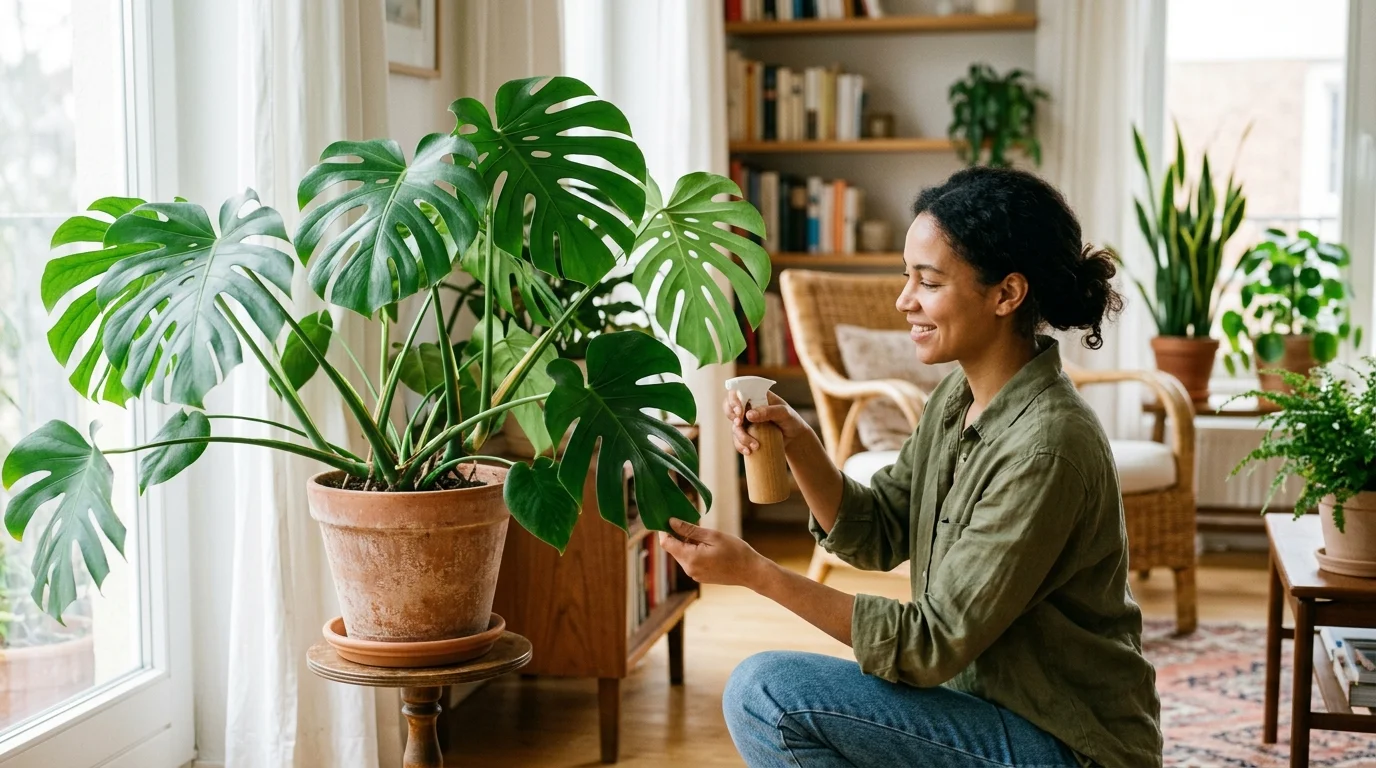
Tip #1: Monstera Deliciosa (Swiss Cheese Plant)
The majestic Monstera deliciosa originates from the dense, tropical rainforests of Central America, where it thrives under massive tree canopies and receives frequent, heavy downpours followed by warm dry spells. Replicating this exact cycle is the key to encouraging those famous fenestrations—the beautiful holes and splits in the leaves. You should thoroughly drench your Monstera every 7 to 14 days during the active spring and summer growing seasons. Once the temperatures drop in late autumn and winter, you can confidently stretch this interval to every 14 to 21 days.
Always verify the moisture level before reaching for your watering can. Push a wooden chopstick or your index finger into the potting mix; if the top two to three inches feel completely dry, it is time to hydrate the plant. When you water, pour slowly and evenly over the soil surface until excess water freely escapes from the drainage holes. Wait ten minutes, then empty the collection saucer to ensure the thick, fleshy roots do not sit in stagnant water, which invites devastating root rot.
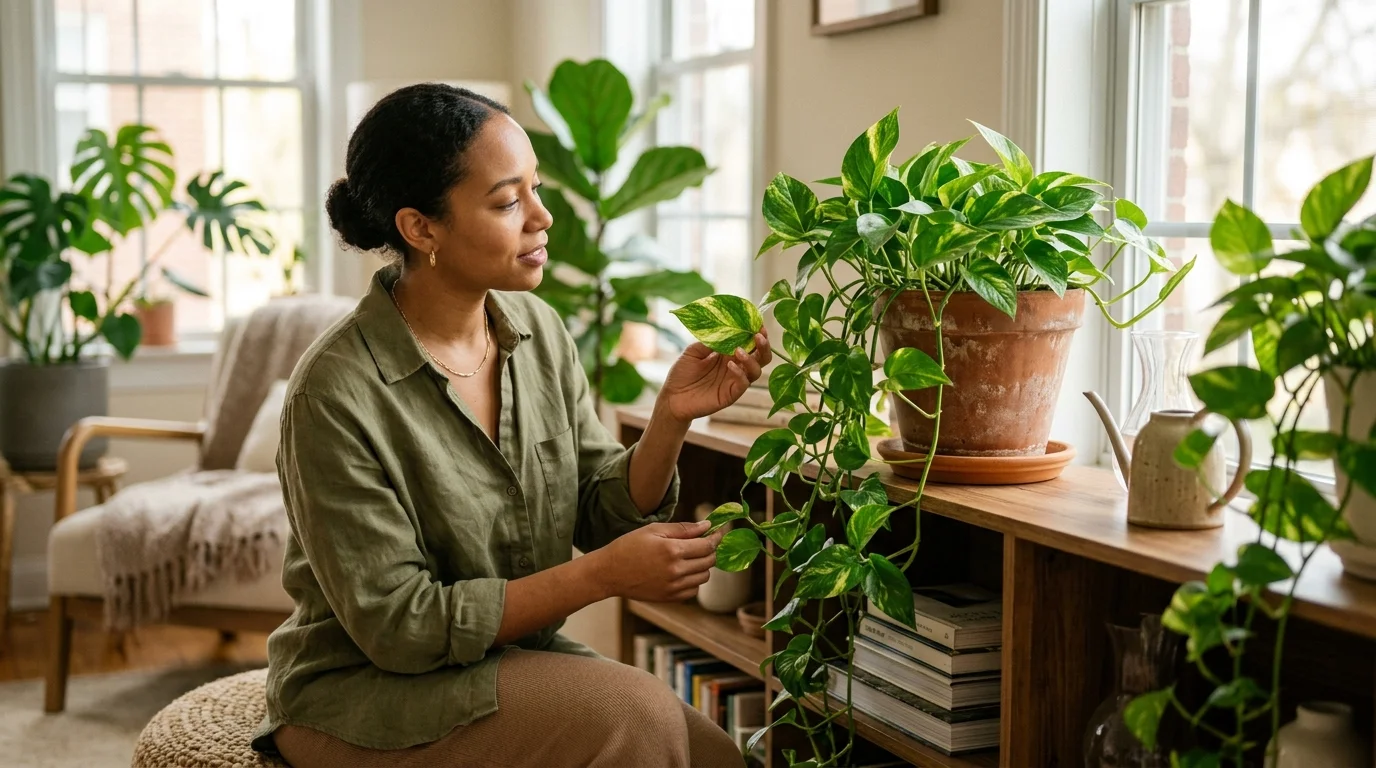
Tip #2: Epipremnum Aureum (Golden Pothos)
Golden Pothos earns its reputation as a virtually indestructible houseplant, largely because it forgives an inconsistent plant watering schedule. Native to the Society Islands in French Polynesia, this trailing vine climbs tree trunks and relies on a robust, adaptable root system. You will achieve the best growth by watering your Pothos every 1 to 2 weeks, allowing the soil to dry out almost completely between hydration sessions.
Your Pothos will actually communicate its thirst to you. When the moisture depletes, the normally rigid, waxy leaves will begin to look slightly limp and lose their glossy sheen. This slight droop serves as your visual cue to act. Give the soil a deep, generous soaking, or try bottom-watering—place the plastic nursery pot in a bowl of room-temperature water for twenty minutes so the soil can absorb moisture through capillary action. This method deeply saturates the root ball while keeping the top layer of soil dry, which naturally deters pesky fungus gnats from laying eggs.
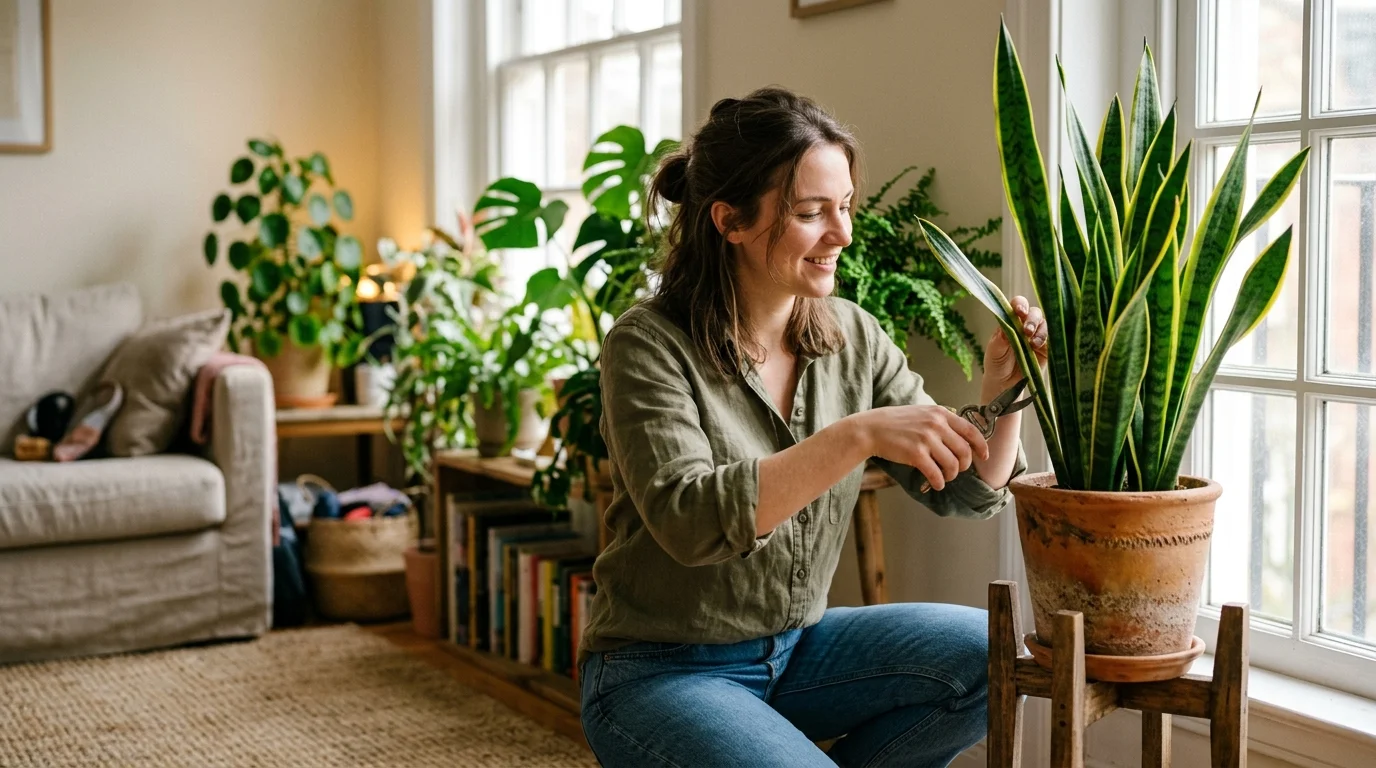
Tip #3: Dracaena Trifasciata (Snake Plant)
Previously classified as Sansevieria, the Snake Plant boasts rigid, sword-like leaves that double as highly efficient water storage tanks. Because it evolved in the arid, rocky terrains of West Africa, this architectural stunner treats water as a precious, scarce resource. You only need to water your Snake Plant every 3 to 4 weeks during the warmer months, and you can easily push that to every 6 to 8 weeks during the dark winter months.
Overwatering kills Snake Plants faster than any pest or disease. If you notice the base of the leaves turning mushy, yellow, or foul-smelling, the soil retains too much moisture. Plant your Dracaena in a highly porous cactus and succulent mix, and use unglazed terra cotta pots—the porous clay breathes, allowing excess soil moisture to evaporate through the walls. When watering, direct the spout of your watering can directly at the soil; pouring water into the center of the leafy rosette will cause crown rot and destroy the plant.
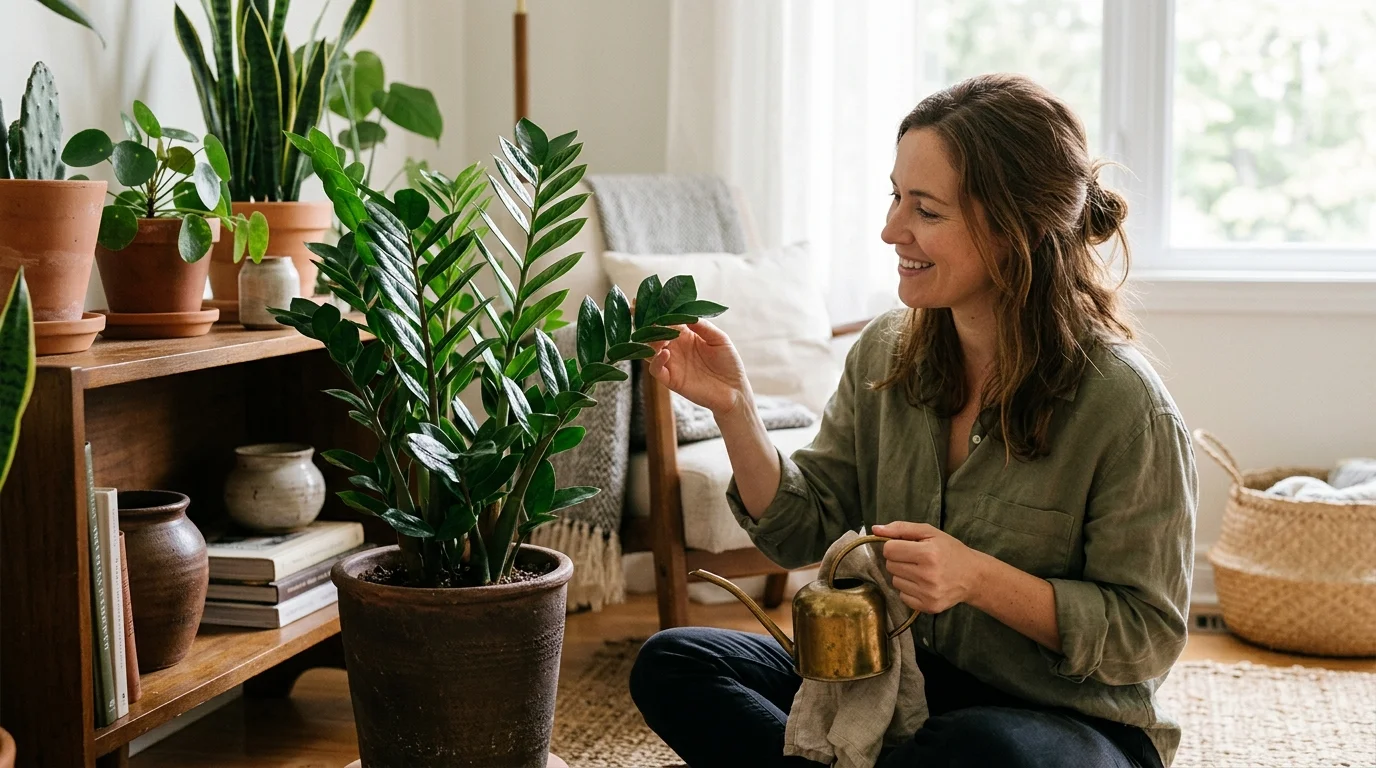
Tip #4: Zamioculcas Zamiifolia (ZZ Plant)
If you want a plant that thrives on absolute neglect, the ZZ Plant is your perfect match. Native to drought-prone regions of Eastern Africa, this resilient beauty stores massive reserves of water in both its thick, fleshy leaf stems and its underground rhizomes—bulbous structures that look remarkably like small potatoes. You should water your ZZ plant only once every 3 to 4 weeks.
The ZZ Plant requires the entire volume of its potting soil to become bone dry before you add another drop of water. Check the weight of the pot; a fully dried-out ZZ Plant will feel incredibly light when you lift it. If you notice the leaflets turning bright yellow and dropping off the stems, you are watering too frequently. Conversely, if the thick stalks begin to look wrinkled or shriveled, the plant is tapping into its emergency reserves and needs a deep soak immediately. When in doubt, always wait another week before watering a ZZ Plant.
Tip #5: Spathiphyllum (Peace Lily)
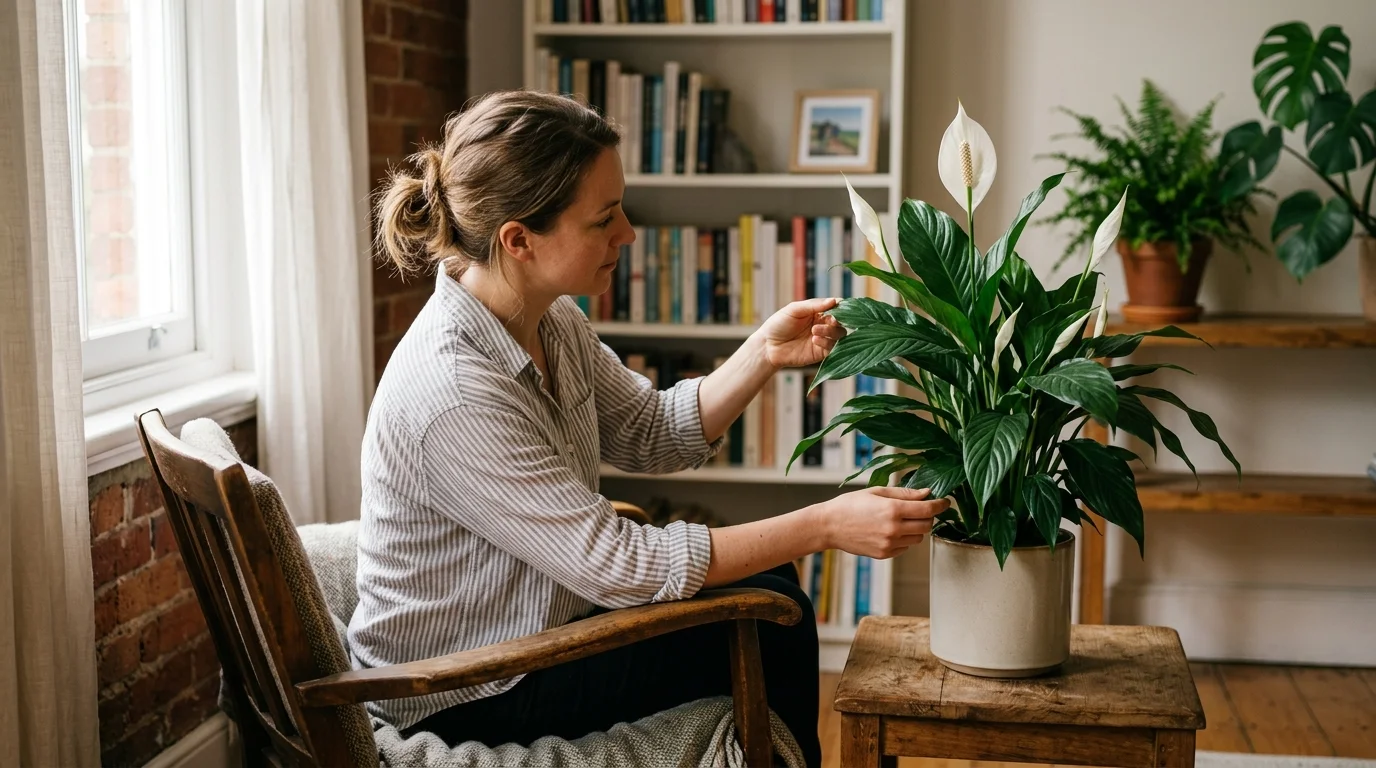
Unlike the drought-loving succulents, the Peace Lily comes from the tropical Americas and prefers consistent, gentle moisture. This classic houseplant is famous for its dramatic communication style. You should generally water your Peace Lily every 7 to 10 days, but the plant will let you know exactly when it needs a drink by throwing a theatrical fainting spell, with all its deep green leaves sagging heavily over the edges of the pot.
Do not wait for a severe wilt before watering, as chronic dehydration damages the delicate root hairs and results in crispy brown leaf tips. Aim to water just as the leaves begin to lose their rigid, upright posture. Peace Lilies are notoriously sensitive to municipal tap water, which often contains chlorine and fluoride. You can protect your plant’s foliage by watering it with distilled water, rainwater, or tap water that you have left sitting in an open container for 24 hours to allow the harsh chemicals to evaporate.
Tip #6: Ficus Lyrata (Fiddle Leaf Fig)
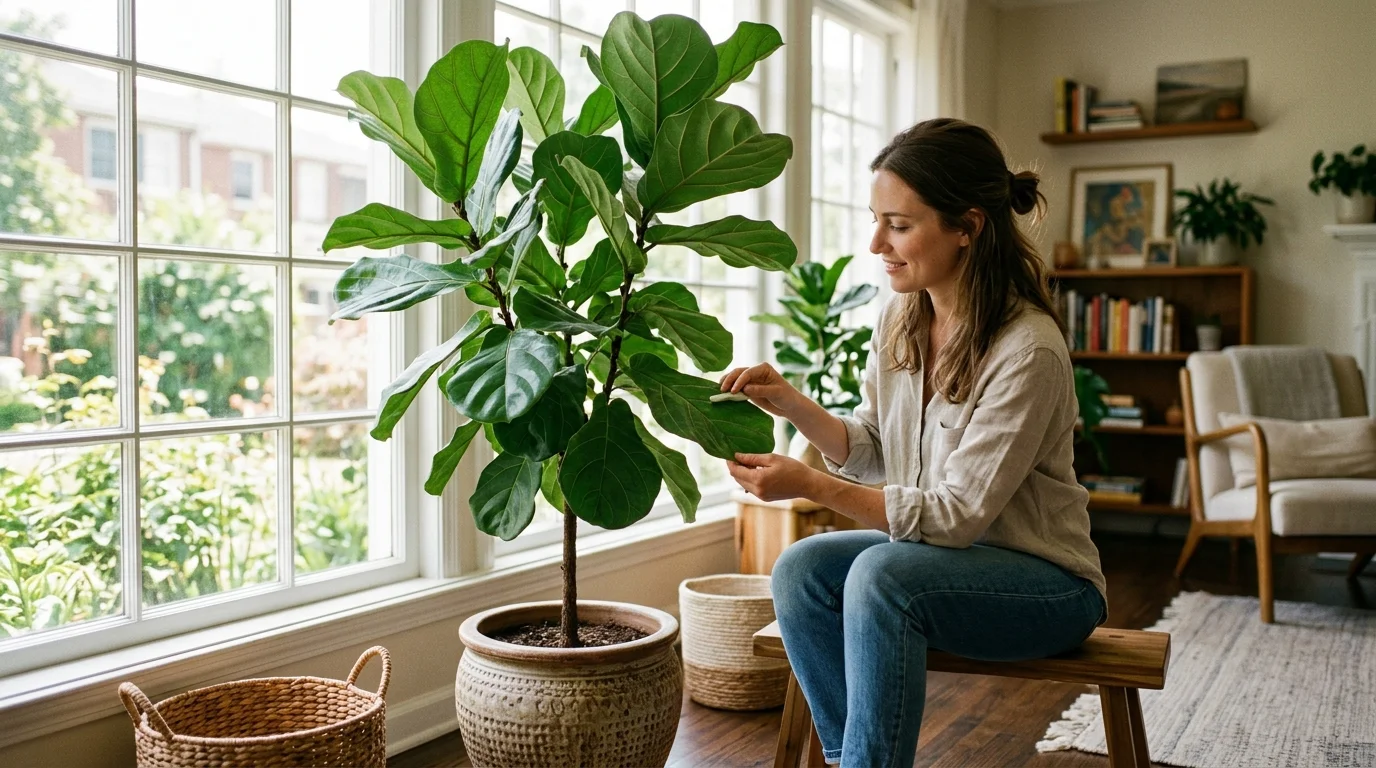
The Fiddle Leaf Fig is a magnificent, tree-like specimen that demands precision. Originating from the lowland tropical rainforests of West Africa, this plant possesses massive, violin-shaped leaves that transpire a significant amount of water into the air daily. You must establish a consistent watering rhythm, typically every 7-10 days, depending on the temperature and sunlight levels in your home.
Fiddle Leaf Figs despise sitting in muddy, soggy soil, but they also panic if their root ball dries out entirely. Wait until the top two inches of the soil feel completely dry. When it is time to water, take the plant to your shower or sink. Slowly pour lukewarm water over the soil until it streams out the bottom. This deep flush ensures the lowest roots receive hydration and flushes out any built-up mineral salts from fertilizers. Inconsistent watering often manifests as edema—unsightly red or brown speckled spots that appear on the newest leaves due to plant cells bursting from sudden moisture intake.
Tip #7: Chlorophytum Comosum (Spider Plant)
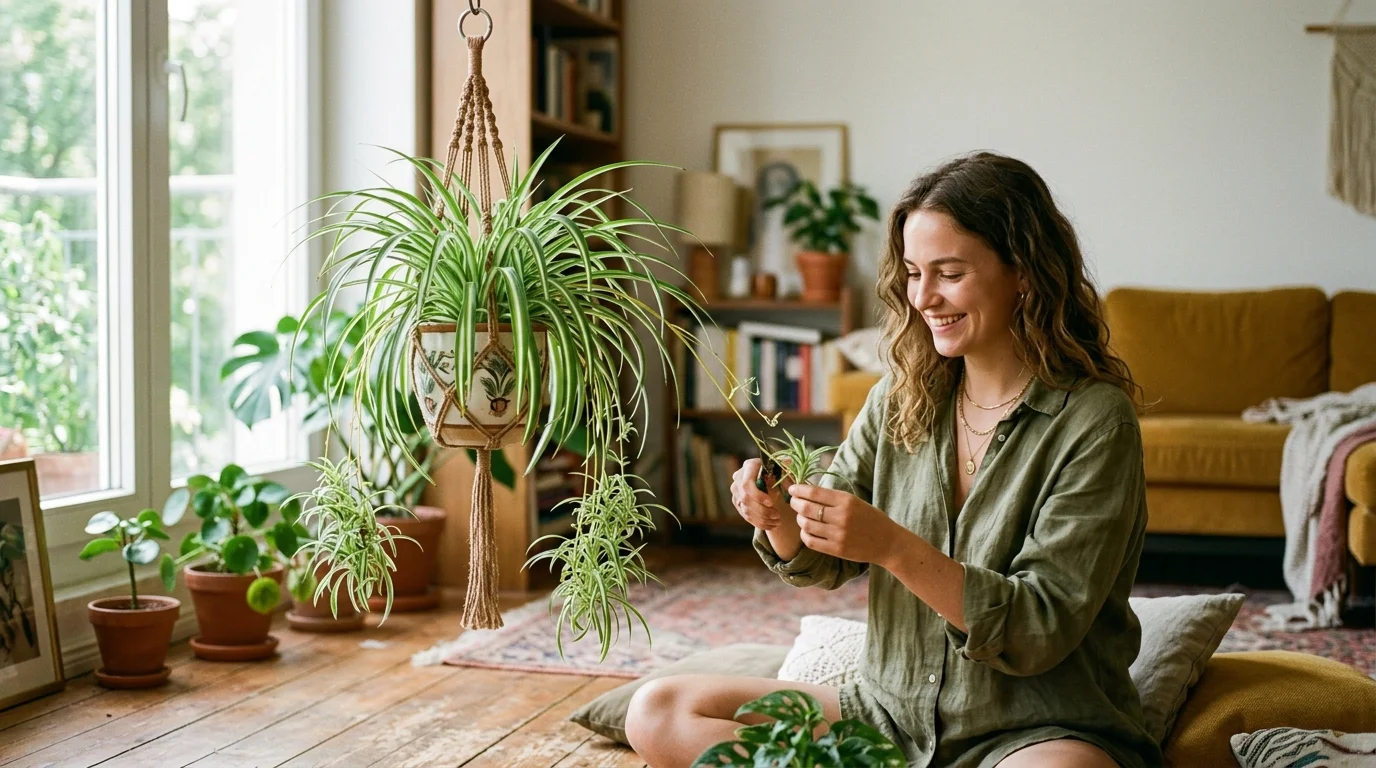
Spider Plants bring a charming, cascading energy to any room, easily producing dozens of small “pups” or offsets that dangle from long stems. Native to tropical and southern Africa, they possess thick, fleshy, tuberous roots designed to survive brief periods of drought. You should plan to water your Spider Plant roughly every 10 to 14 days.
Wait until the top half of the potting soil feels dry to the touch. If the vibrant green leaves begin to pale or look a bit gray and washed out, the plant requires immediate watering. Like the Peace Lily, Spider Plants react poorly to fluoride and heavy minerals in tap water, which quickly causes their pointed leaf tips to turn black or brown. Flush the soil thoroughly with filtered water once a month to wash away excess salts, and ensure the trailing foliage receives excellent air circulation to keep the plant vigorous and healthy.
Tip #8: Calathea (Prayer Plant)
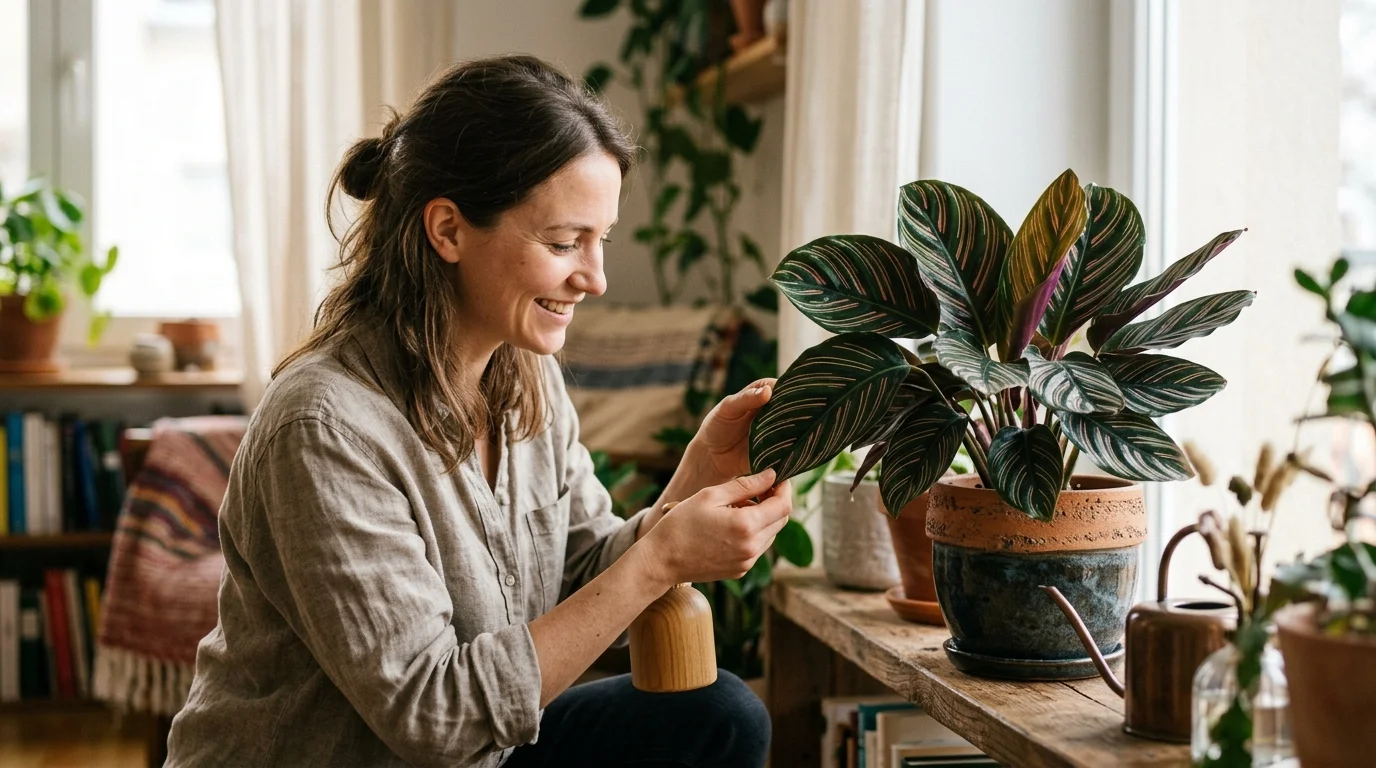
Calatheas are the glamorous divas of the houseplant world. Hailing from the humid, shaded understory of the Brazilian rainforest, they boast stunning, intricately patterned leaves that fold upward at night like hands in prayer. These tropical beauties demand high humidity and consistently moist—but never soggy—soil. You will likely need to water your Calathea every 5 to 7 days.
Do not let a Calathea dry out completely; doing so will cause the leaves to curl inward permanently and develop crispy, brown edges. Check the soil every few days and water as soon as the top inch of the soil barely begins to feel dry. Because their root systems are incredibly fine and delicate, they suffocate easily in heavy, waterlogged dirt. Use a well-aerated potting mix containing plenty of perlite and orchid bark. Always use room-temperature, filtered water, as cold tap water shocks their root system and causes immediate leaf drop.
Tip #9: Pilea Peperomioides (Chinese Money Plant)
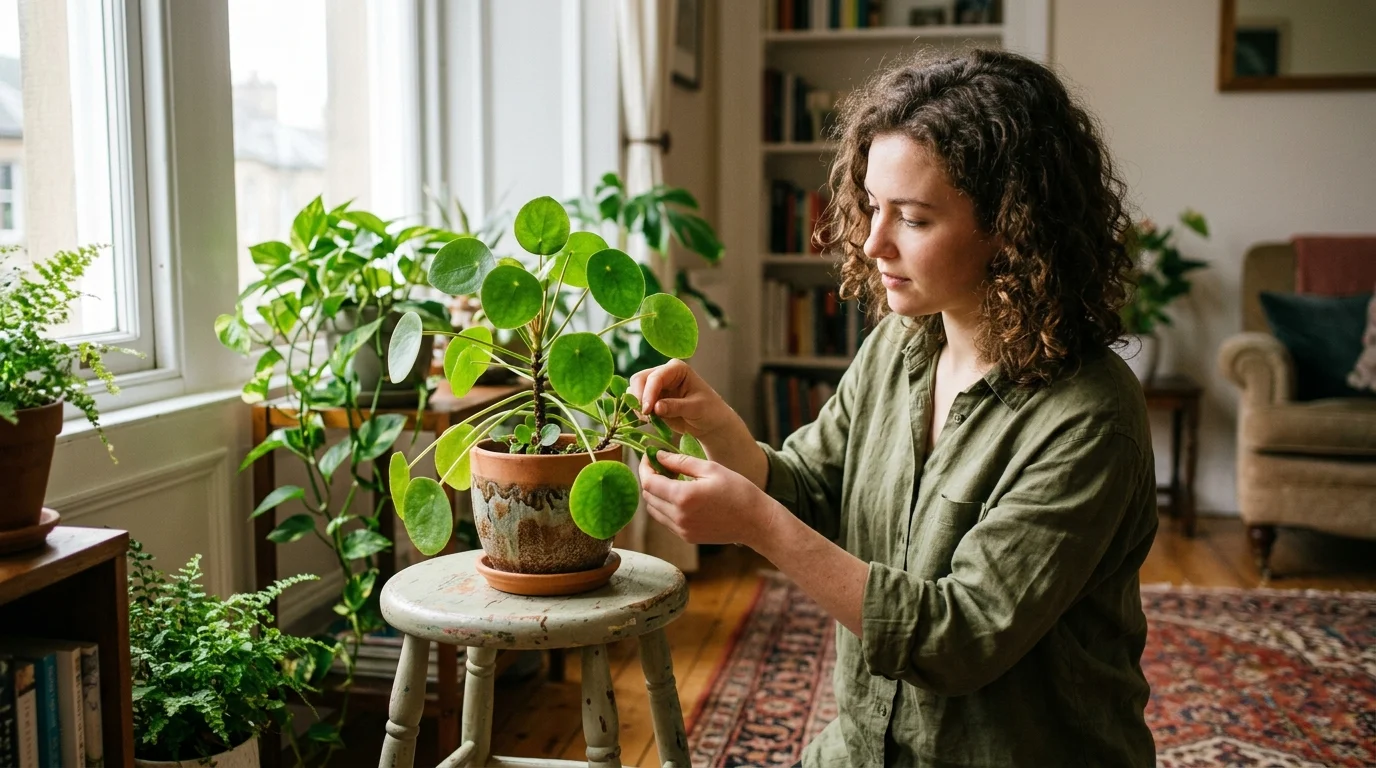
The Chinese Money Plant features perfectly round, coin-shaped leaves attached to delicate stems that bounce happily at the slightest breeze. Originally found in the mountainous Yunnan province of China, this plant behaves somewhat like a semi-succulent. The thick, fleshy leaves store a moderate amount of water, allowing you to water it every 7 to 10 days.
You must allow the top two to three inches of the soil to dry out between waterings. The Pilea uses turgor pressure to keep its round leaves pointing outward; when the plant needs water, the stems will visibly droop, and the flat leaves may start to look slightly cupped or curled inward. Provide a thorough watering until moisture drains completely. Because this plant grows aggressively toward the sun, rotate the pot 90 degrees every time you water it to maintain a perfectly straight, umbrella-like canopy.
Tip #10: Aloe Vera
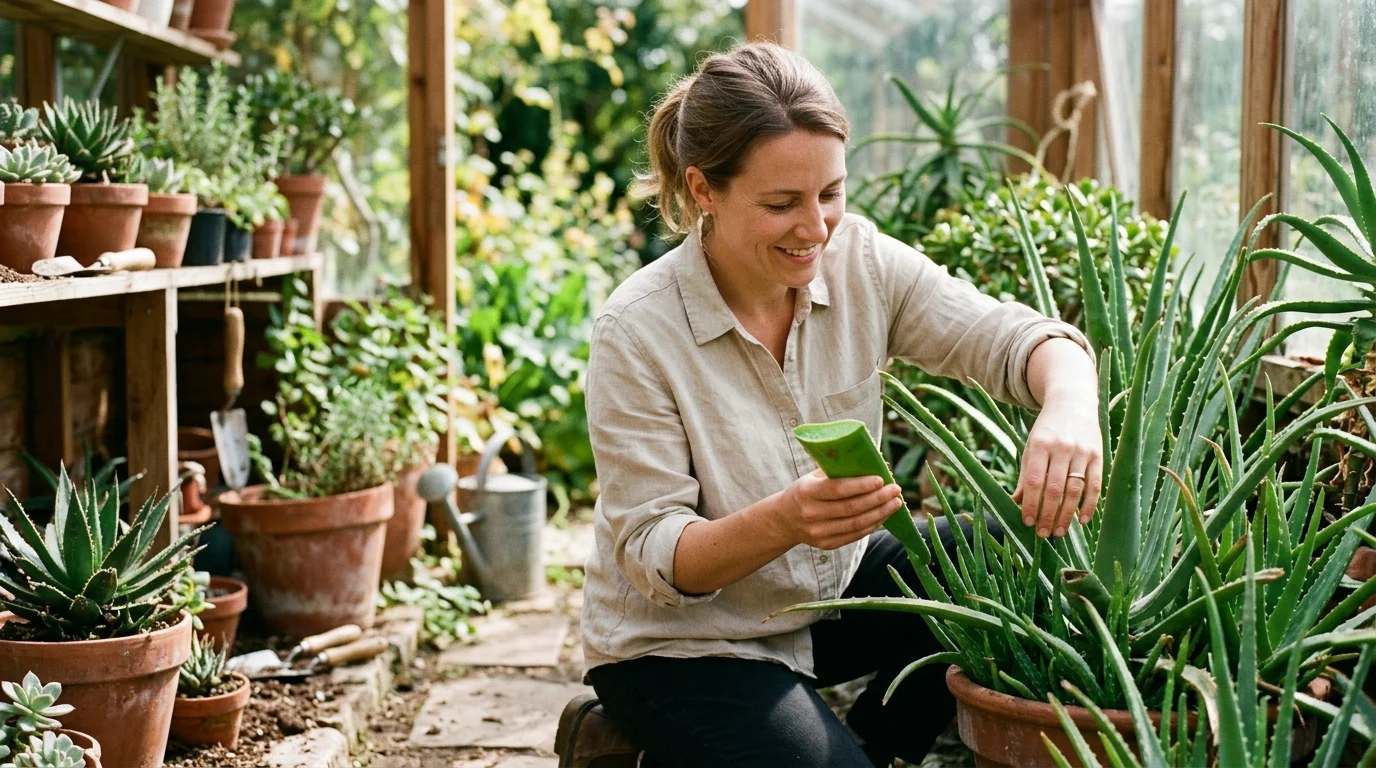
Aloe Vera offers both striking desert aesthetics and soothing medicinal gel, making it a staple in homes worldwide. Adapted to the blazing heat and scarce rainfall of the Arabian Peninsula, this ultimate survivor thrives on a brutal cycle of deep drenching followed by severe drought. You should water your indoor Aloe Vera heavily once every 3 weeks during the summer, stretching that to every 4 to 6 weeks in the winter.
The soil must become completely, undeniably dry all the way to the bottom of the pot before you water it again. Aloe Vera has a shallow, fragile root system that rots exceptionally quickly if trapped in damp soil. When you do water, soak the soil deeply, but keep the water entirely off the fleshy leaves and away from the central rosette where the new leaves emerge. Water trapped in the crown of an Aloe plant will quickly breed bacteria, causing the entire plant to collapse into mush.
Tip #11: Philodendron Hederaceum (Heartleaf Philodendron)
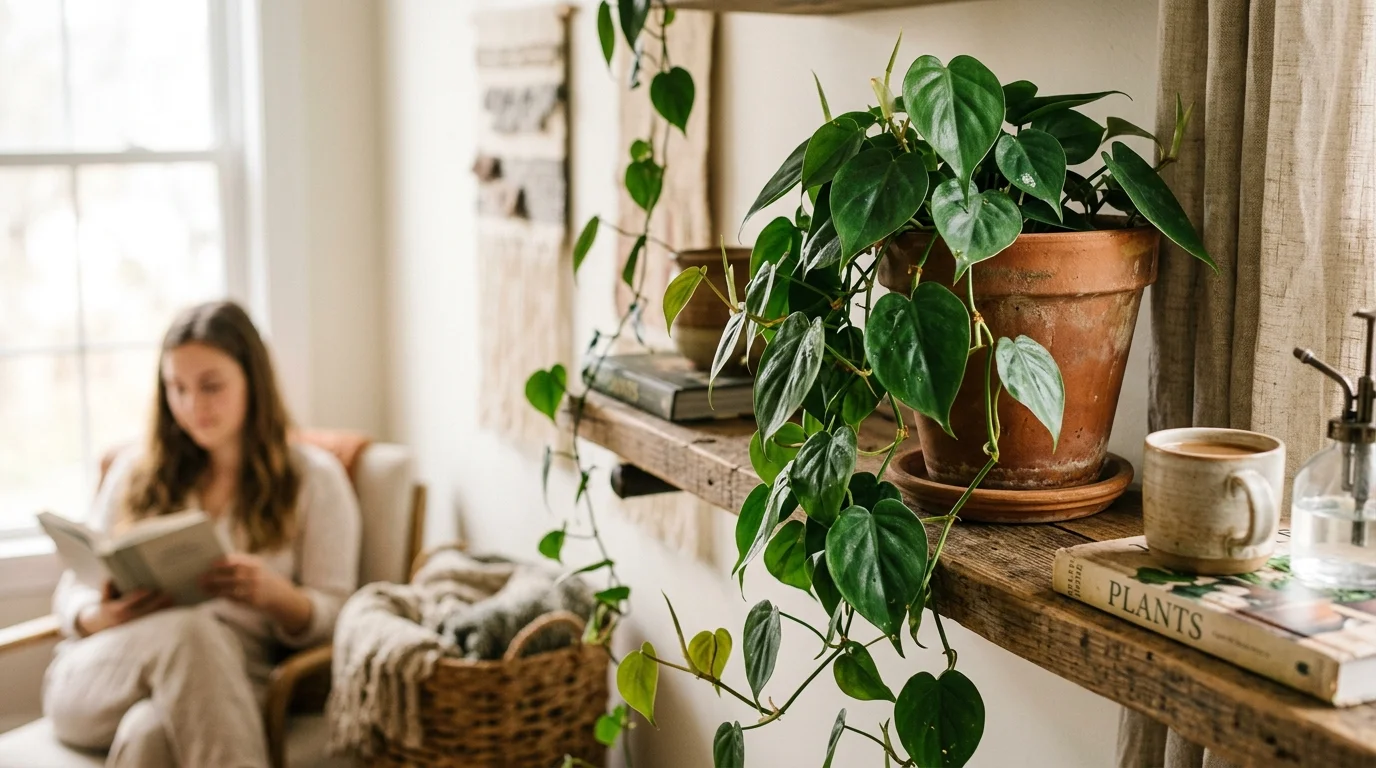
The Heartleaf Philodendron is a vigorous, fast-growing trailing plant native to the Caribbean and Central America. While it looks remarkably similar to the Golden Pothos, the Philodendron features slightly thinner, softer leaves and prefers a slightly more consistently moist environment. Plan to water your Heartleaf Philodendron every 7 to 10 days during the spring and summer months.
Allow the top third of the soil to dry out before watering again. If you notice the oldest leaves near the base of the soil turning bright yellow and dropping off, you are likely overwatering and suffocating the roots. Conversely, if the vines develop dry, brown spots or the tips of the leaves crisp up, you need to increase your watering frequency. Provide this plant with a well-draining soil mix rich in organic matter—like coco coir or peat moss—to hold just the right amount of moisture around its developing root system.
Tip #12: Ficus Elastica (Rubber Plant)
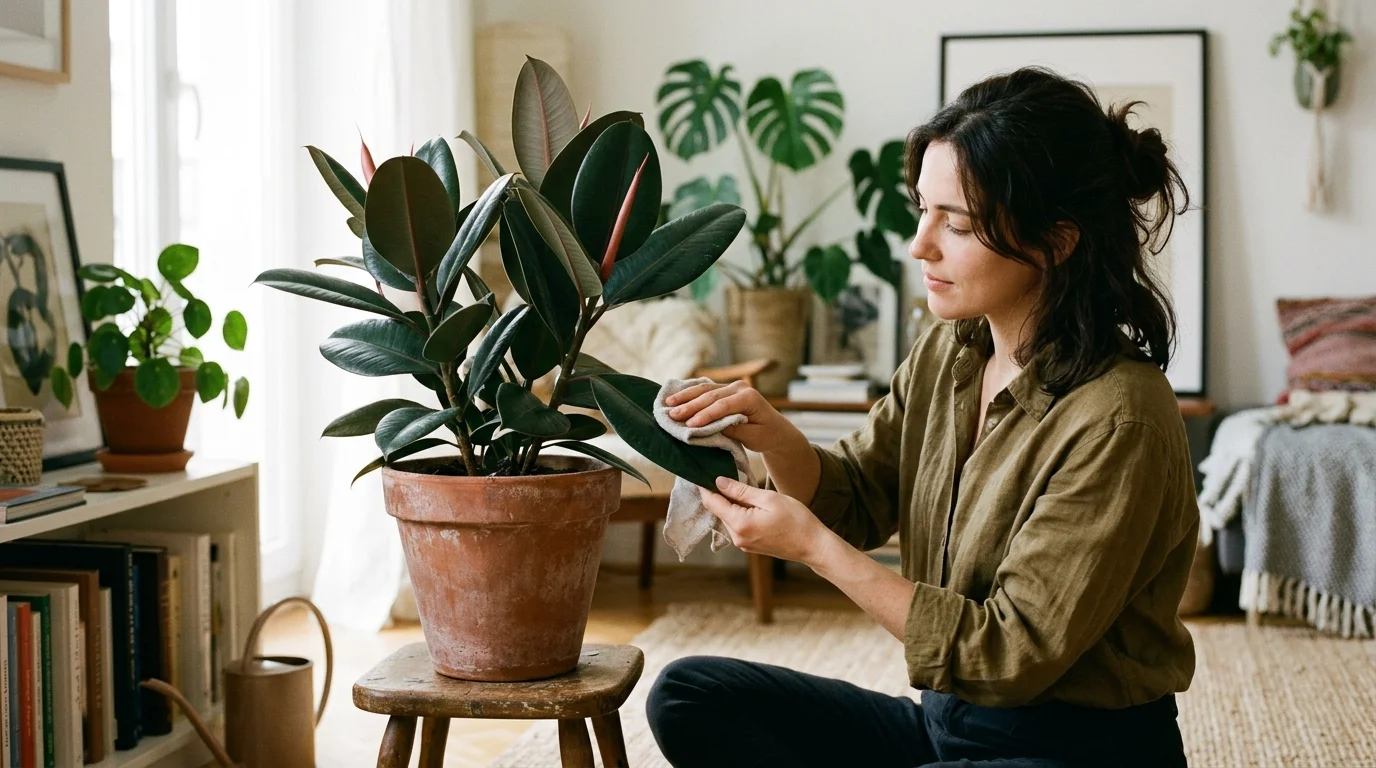
The Rubber Plant stands out with its thick, glossy, burgundy or deep green leaves. Native to Southeast Asia, it grows into a massive canopy tree in the wild, but adapts beautifully to indoor container life. You should water your Rubber Plant every 1 to 2 weeks during its active growing phase, allowing the top half of the soil to completely dry out between sessions.
During the winter dormancy period, the plant’s metabolism slows down significantly, and you should reduce watering to every 3 to 4 weeks. Rubber Plants will quickly drop their gorgeous lower leaves if their feet stay wet. When the soil is ready, water the plant with lukewarm water to prevent shocking the roots. Take a damp microfiber cloth and wipe down those massive leaves once a month; removing the household dust allows the plant to photosynthesize efficiently, turning your careful watering routine into explosive, vibrant new growth.

Putting It All Together: Enjoy Your Beautiful Garden
Achieving houseplant perfection requires you to view watering as an active partnership rather than a rigid calendar chore. You now possess the specific timelines and tactile cues needed to assess exactly when your twelve popular houseplants require hydration. Always remember that environmental variables—such as the changing of the seasons, the humidity levels in your living room, and the material of your pots—will naturally influence how quickly your potting soil dries out.
Trust your observations. Feel the soil, lift the pots to gauge their weight, and closely monitor the posture and color of the foliage. By combining these proven watering frequencies with your own daily observations, you will confidently prevent root rot and conquer dehydration. Step back, take a deep breath, and enjoy the profound peace that comes from cultivating a lush, thriving indoor garden tailored perfectly to your plants’ unique biological needs.
Frequently Asked Questions
Should I water my houseplants on a strict, set schedule?
You should never rely on a rigid calendar schedule to water your indoor plants. Environmental factors—like seasonal temperature drops, indoor heating systems, changing sunlight angles, and ambient humidity—constantly alter how fast soil dries. Instead of watering every Sunday just out of habit, use the timeline as a reminder to check the plant. Always test the soil moisture with your finger or a moisture meter to confirm the plant actually needs hydration before adding water.
What is the best time of day to water indoor plants?
The morning is universally the best time to water your houseplants. Supplying water early in the day equips your plants with the moisture they need to handle the bright afternoon sunlight and maximize photosynthesis. Furthermore, morning watering allows any accidental splashes on the foliage to evaporate completely throughout the day. Water left sitting on leaves overnight in cooler, darker conditions creates the perfect breeding ground for fungal diseases and bacterial leaf spots.
How do I fix a houseplant that has been overwatered?
You must act quickly to save an overwatered plant. First, gently slide the plant out of its pot and inspect the roots. Healthy roots feel firm and look white or tan, while rotted roots are dark brown, mushy, and smell foul. Use sterilized pruning shears to snip away all the rotted sections. Discard the soggy, contaminated dirt and repot the plant in a fresh, dry, well-aerated potting mix. Do not water it for several days to allow the surviving roots to heal and breathe.
Is bottom watering actually better than top watering?
Bottom watering provides excellent benefits, particularly for plants severely susceptible to fungus gnats or those with extremely dense root balls. By letting the plant soak up water from a basin, you ensure the entire root mass gets uniformly saturated without compacting the topsoil. However, you should still top-water your plants at least once a month. Pouring water from the top flushes out the excess mineral salts from fertilizers that naturally accumulate in the soil over time.
For region-specific advice, consult your local University Extension program (find yours via the USDA directory). For plant databases and inspiration, visit the Missouri Botanical Garden or the Royal Horticultural Society.
Disclaimer: This article provides general gardening advice. Always consider your specific climate, soil conditions, and local pests. Follow safety guidelines when using gardening tools and products.