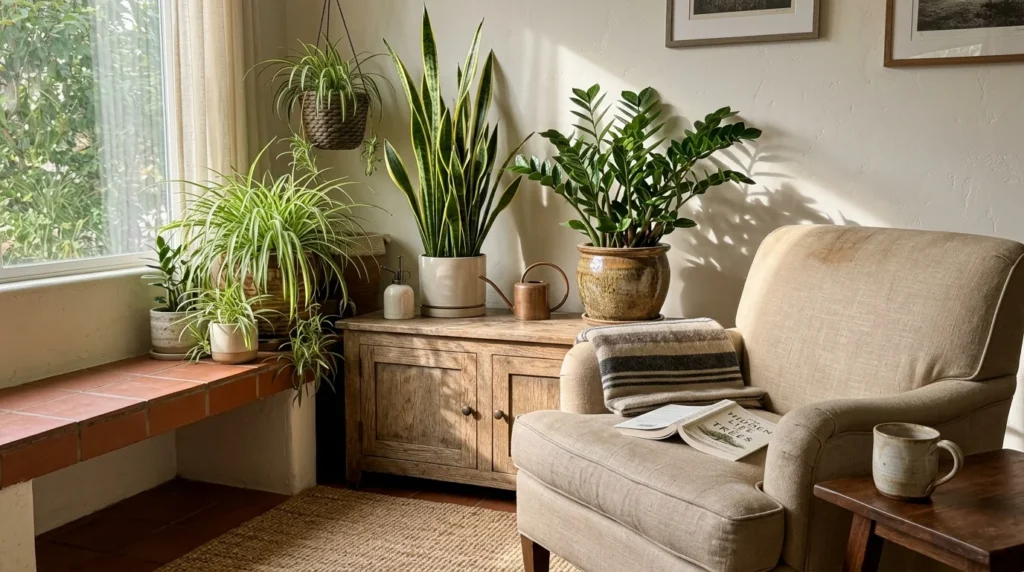
A sunny windowsill provides the ideal microclimate for growing fresh, aromatic culinary herbs right inside your kitchen. You can harvest vibrant greens straight into your skillet without stepping outside.
Container herb gardening transforms narrow window ledges into productive, fragrant displays. With six to eight hours of direct sunlight and free-draining pots, your indoor herbs sunny window setup will flourish.
Choosing the proper plants ensures bountiful yields, robust essential oils, and simple care routines. These twelve easy herbs to grow indoors will quickly turn your sunlit sill into an abundant kitchen garden.
Tip #1: Sweet Basil
Sweet basil reigns supreme as one of the most rewarding herbs for containers. Its tender, bright green foliage releases an intoxicating aroma whenever warm sunlight strikes the leaves.
This sun-worshipping annual demands at least six to eight hours of direct light daily. South-facing windows supply the intense solar energy basil needs to generate lush foliage and sweet essential oils.
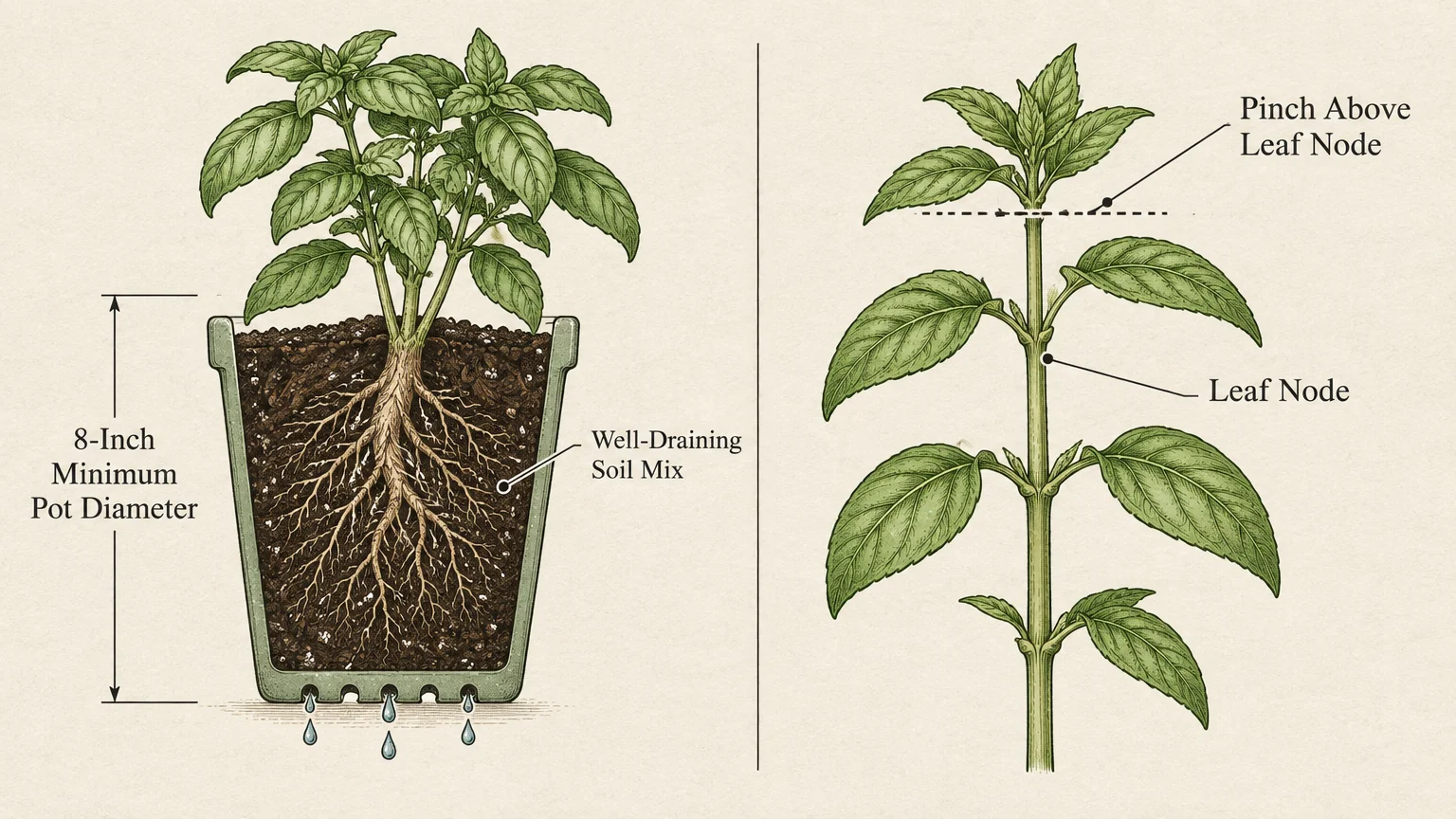
Plant basil in a container that measures at least eight inches across with ample drainage holes. Use a high-quality potting mix enriched with organic compost to fuel its rapid growth rate.
Water your basil thoroughly whenever the top inch of potting soil feels dry to your touch. Always empty the drainage saucer promptly so the roots never sit in stagnant water.
Pinch off the top set of leaves just above a leaf node to encourage bushy branching. Regular harvesting prevents flower buds from forming, which preserves the sweet flavor of the foliage.
Tip #2: Rosemary
Rosemary brings timeless Mediterranean beauty and a crisp pine fragrance to your kitchen windowsill. Its resinous, needle-like foliage thrives in the warm, bright conditions of an unshaded south-facing window.
Unlike thirstier soft-stemmed herbs, rosemary craves heat and demands sharply draining soil. It withstands dry indoor air effortlessly, making it an ideal candidate for sun-drenched rooms.
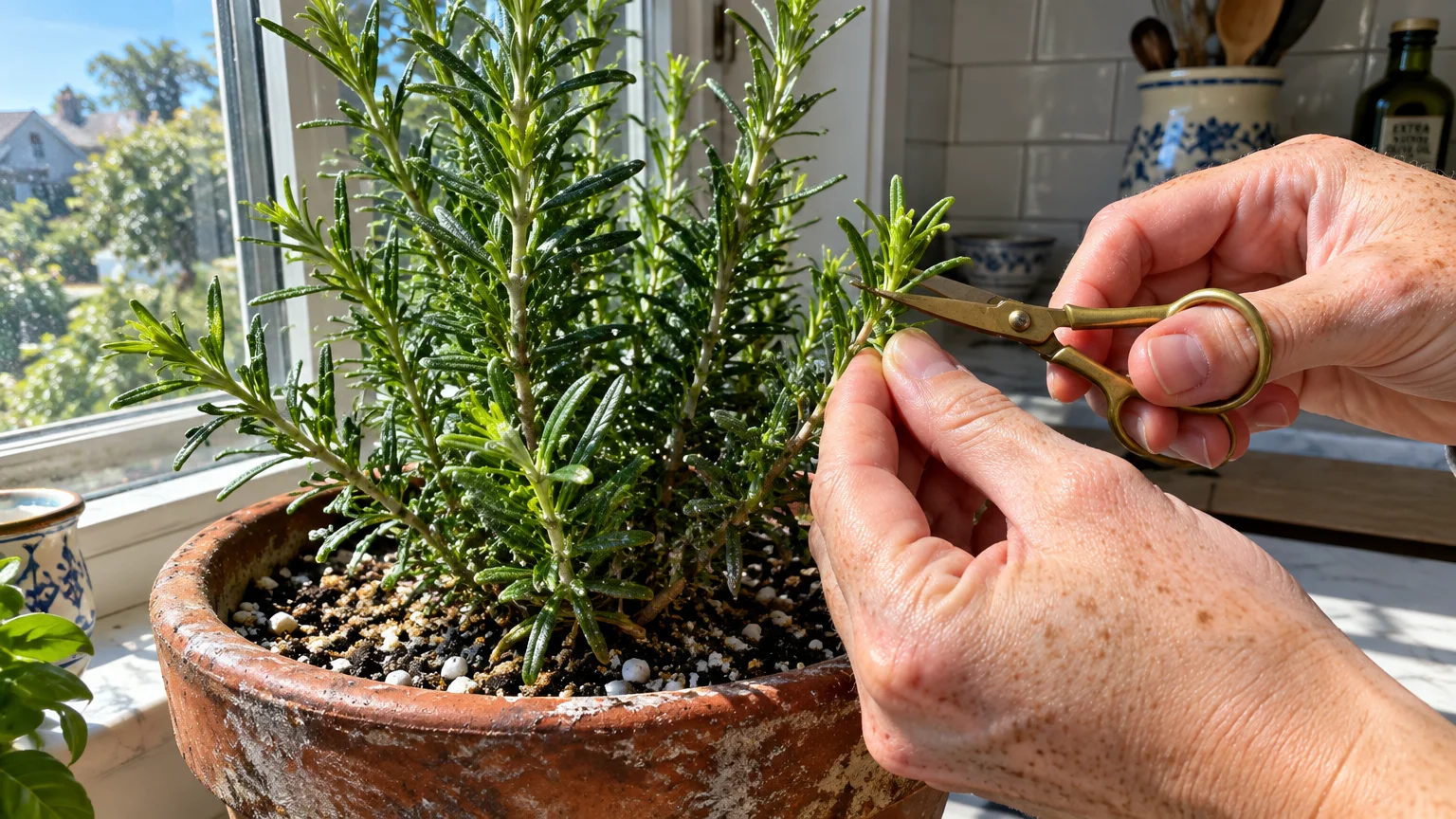
Choose a porous terracotta pot that measures eight to ten inches in diameter. Terracotta allows moisture to evaporate through its walls, keeping the root ball from staying overly wet.
Blend standard potting soil with equal parts coarse perlite or horticultural sand. Allow the top two inches of this gritty mix to dry completely before soaking the pot again.
Snip tender stem tips regularly to encourage dense, bushy growth and prevent woody stems. Fresh rosemary sprigs bring incredible depth to roasted vegetables, focaccia, and savory marinades.
Tip #3: Greek Oregano
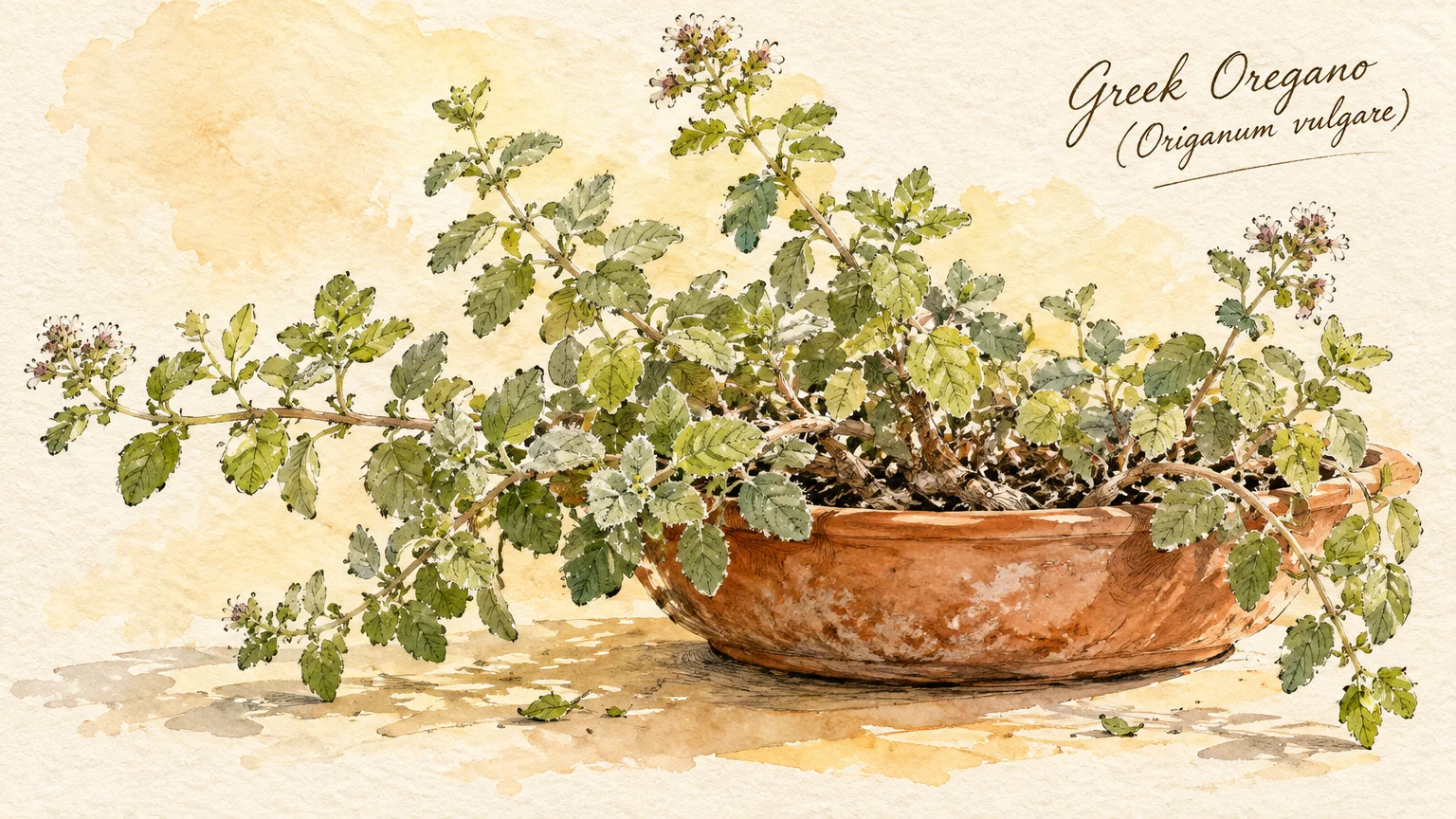
Greek oregano is a reliable champion in any sunny windowsill herb garden. Its small, downy leaves pack an intensely pungent, peppery flavor that enhances countless homemade culinary dishes.
This hardy perennial adores the radiant heat that collects near sunlit windowpanes. It handles intense midday sunlight with ease, developing richer essential oils as light exposure increases.
Select a wide, shallow pot measuring six to eight inches across with functional drainage holes. Oregano develops a spreading root system that thrives in broad containers rather than deep pots.
Use a light potting mix blended with sand to guarantee swift drainage after watering. Water oregano sparingly, letting the soil dry out noticeably between applications to prevent root rot.
Harvest leafy sprigs before flower buds open to capture the most intense flavor. Strip the leaves into rich tomato sauces, roasted meats, and fresh Greek salads.
Tip #4: English Thyme
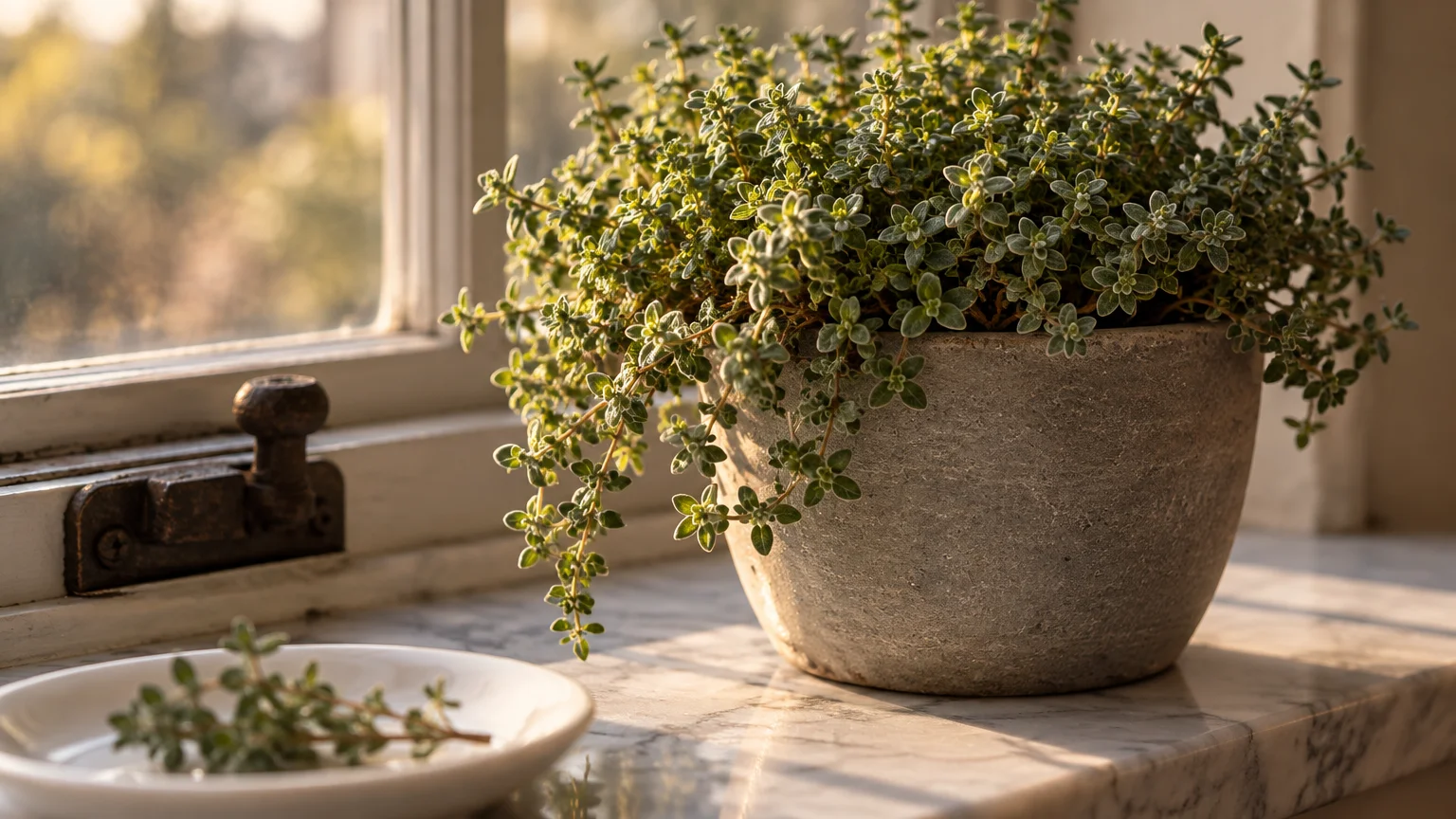
English thyme is a petite, woody perennial that flourishes inside compact containers. Its tiny, rounded leaves emit a warm, herbal perfume whenever you brush against the windowsill.
Thyme stays compact naturally, making it one of the most dependable easy herbs to grow indoors. It loves direct sunlight and tolerates dry indoor air without missing a beat.
A six-inch terracotta pot provides ideal housing for a single mature thyme plant. Clay walls promote aeration around the roots and prevent water from accumulating around the crown.
Plant thyme in lean, well-aerated potting soil mixed with pumice or perlite. Water deeply only when the top half of the potting soil feels completely dry.
Trim soft green stem tips frequently with sharp shears to promote lateral growth. Fresh thyme sprigs infuse broths, roasted poultry, and savory compound butters with refined flavor.
Tip #5: Chives
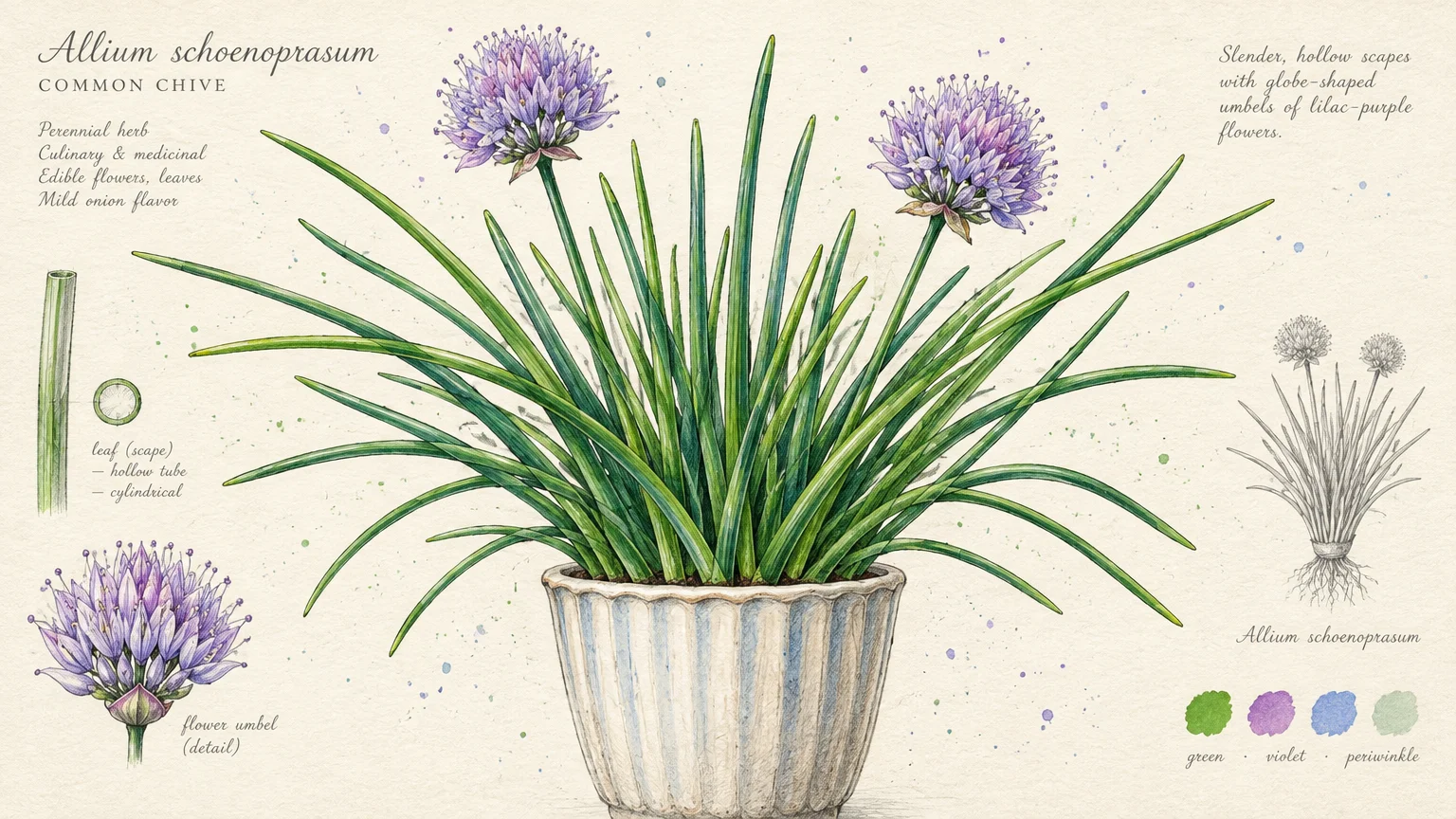
Chives deliver a delicate onion flavor and require remarkably little maintenance indoors. Their upright, emerald-green tubular scapes add delightful vertical height to your indoor windowsill arrangement.
This resilient perennial thrives when exposed to six or more hours of direct sunshine. Ample sunlight keeps the slender blades standing stiff and tall rather than drooping over the pot.
Plant chives in a container at least six to eight inches deep with drainage holes. A fertile potting soil enriched with organic compost provides steady nutrition for vigorous continuous growth.
Keep the soil evenly moist to touch, but avoid letting the pot sit in standing water. Water thoroughly whenever the top half-inch of soil feels dry beneath your fingertip.
Snip outer blades roughly two inches above the soil line using clean kitchen scissors. Cutting near the base encourages the underground bulbs to produce fresh, tender spears rapidly.
Tip #6: Flat-Leaf Parsley
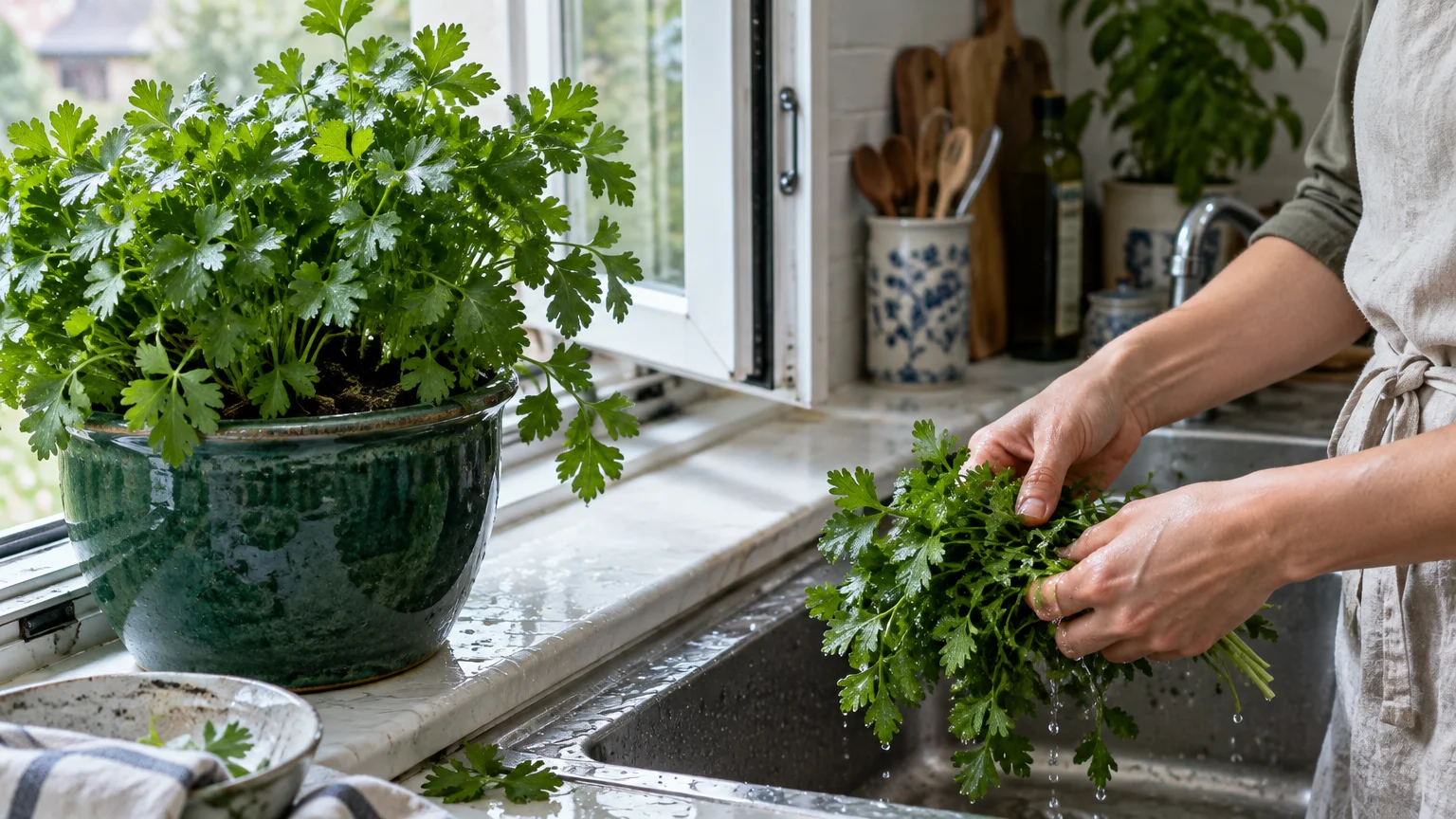
Flat-leaf Italian parsley provides crisp, grassy flavors that elevate nearly every savory meal. Its lush, glossy leaves create a vibrant, decorative display on any bright kitchen windowsill.
Parsley performs best in an indoor herbs sunny window setup where it receives strong, direct light. Plentiful sunshine prevents the stems from stretching toward the light and growing weak.
Because parsley develops a long central taproot, select a pot that measures eight to ten inches deep. Deep containers provide sufficient room for healthy root expansion and moisture retention.
Use a rich, moisture-retentive potting mix with added compost to nourish this hungry biennial. Keep the soil consistently damp, as dry spells cause parsley leaves to yellow prematurely.
Harvest parsley by snipping outer stems near the base, leaving the inner crown intact. This technique allows your plant to generate a steady succession of new leaves all year.
Tip #7: Spearmint
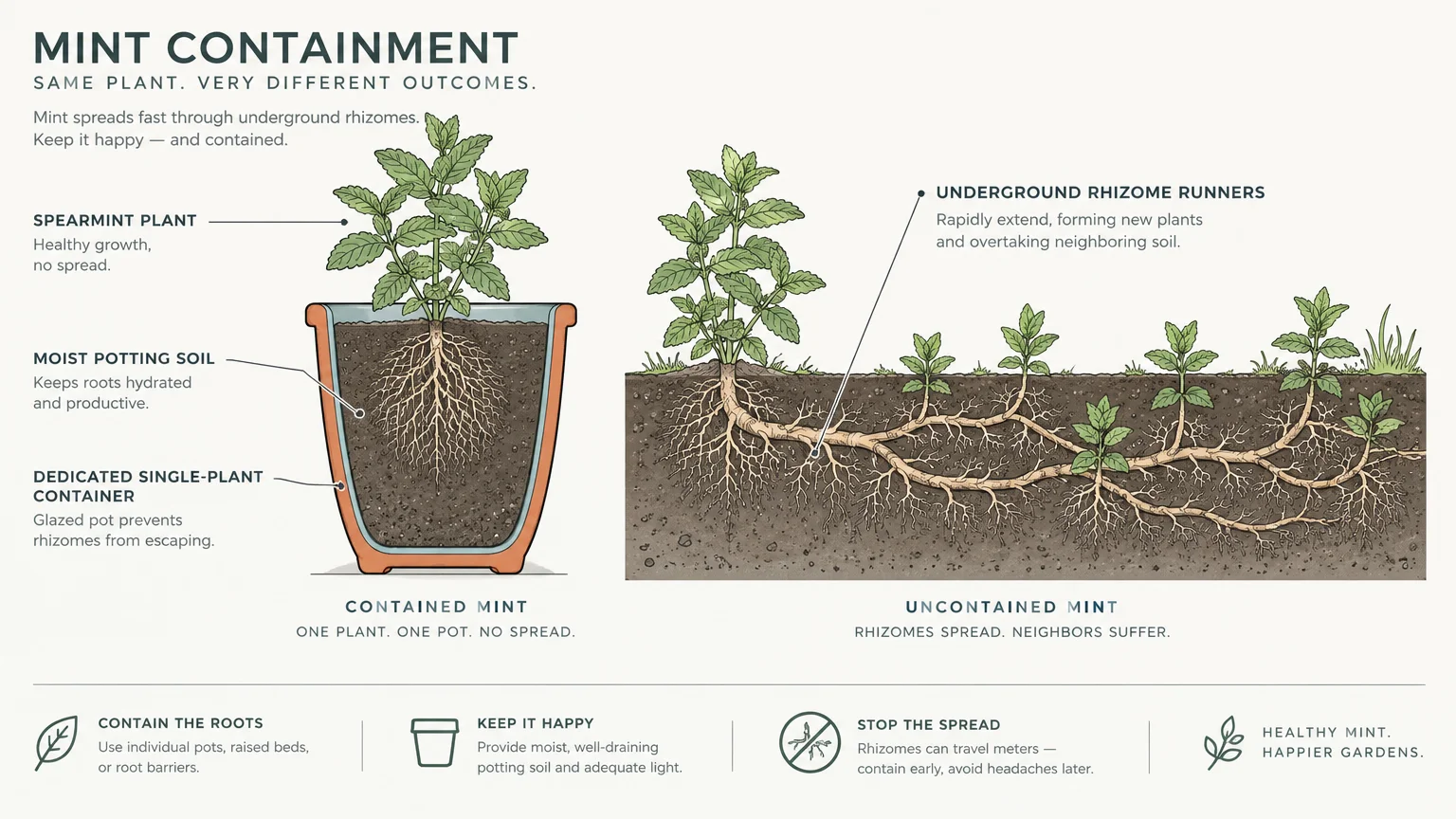
Spearmint brings cool aromatics and vigorous energy to windowsill container gardening. Growing mint in containers is ideal because pots restrict its aggressive underground runners from invading neighboring plants.
A south-facing or west-facing sill delivers the bright energy spearmint needs for rapid foliage production. Strong light intensifies the cooling menthol oils concentrated within every serrated leaf.
Select a broad, eight-inch container equipped with unobstructed bottom drainage holes. A wider pot gives spreading rhizomes room to establish, yielding a fuller, bushier plant.
Fill the container with high-grade potting soil that drains freely while holding moderate moisture. Water your mint whenever the soil surface dries out, keeping the root zone pleasantly damp.
Pinch stem tips back aggressively every few weeks to encourage compact, bushy branching. Muddle freshly harvested sprigs into iced tea, fruit salads, and refreshing evening beverages.
Tip #8: Common Sage
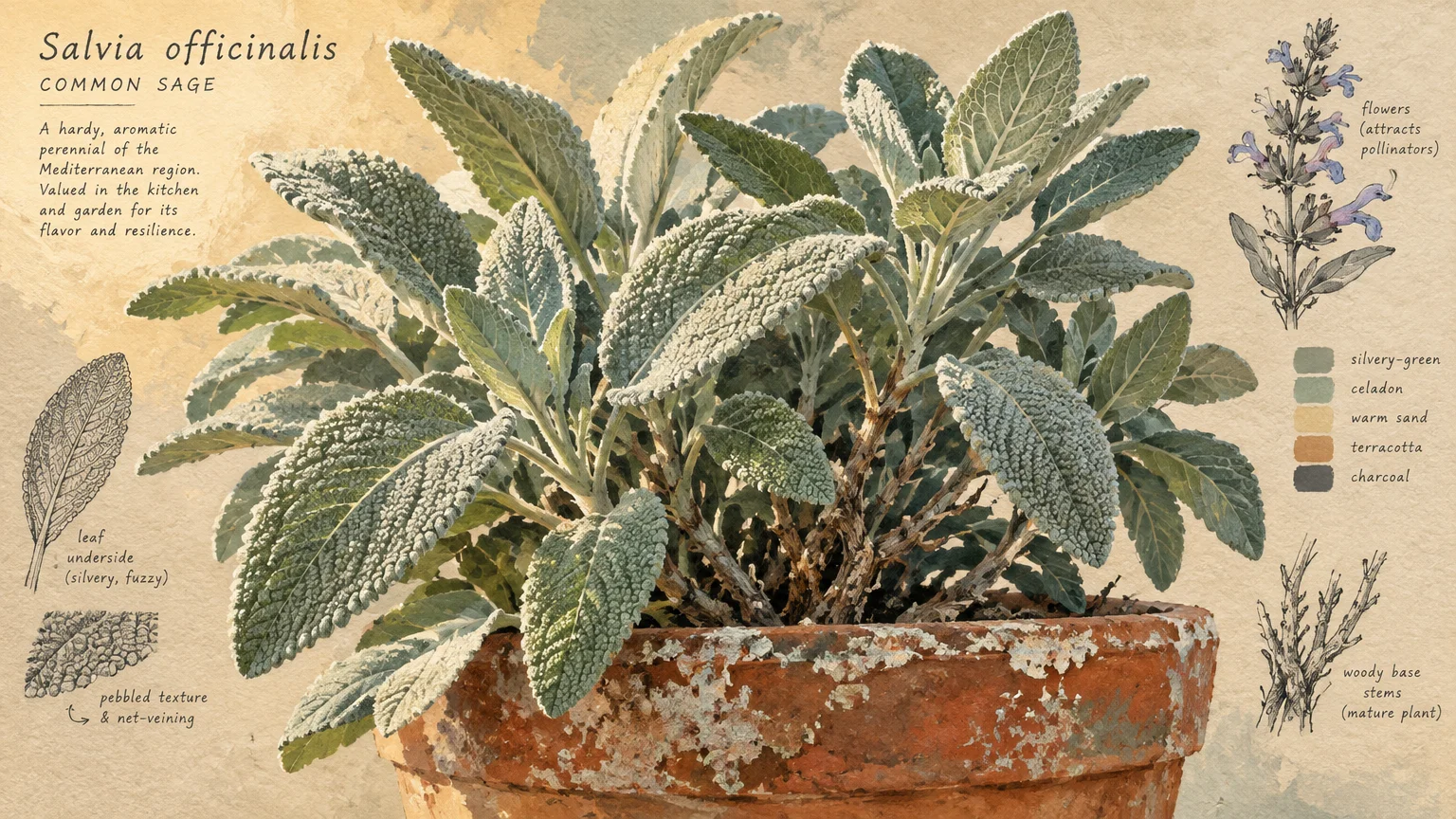
Common sage boasts distinctive, velvety leaves with a soft silvery-green hue and rich, earthy fragrance. It serves as an essential culinary herb for holiday stuffings, roasted squash, and pasta dishes.
Originating in arid Mediterranean regions, sage loves the dry air and warmth of sunny indoor ledges. Full sun exposure prevents powdery mildew and keeps the leaves firm and intensely aromatic.
Plant sage in an eight-inch terracotta container that provides outstanding drainage and breathability. Unglazed clay pulls moisture away from roots, protecting the plant against fungal pathogens.
Use a gritty potting mix composed of regular soil, perlite, and coarse sand. Water thoroughly, then let the top two inches dry completely before watering your container again.
Prune young stems regularly to keep your sage plant shapely and encourage dense new growth. Sauté fresh leaves in brown butter to create a crisp, flavorful garnish for pasta.
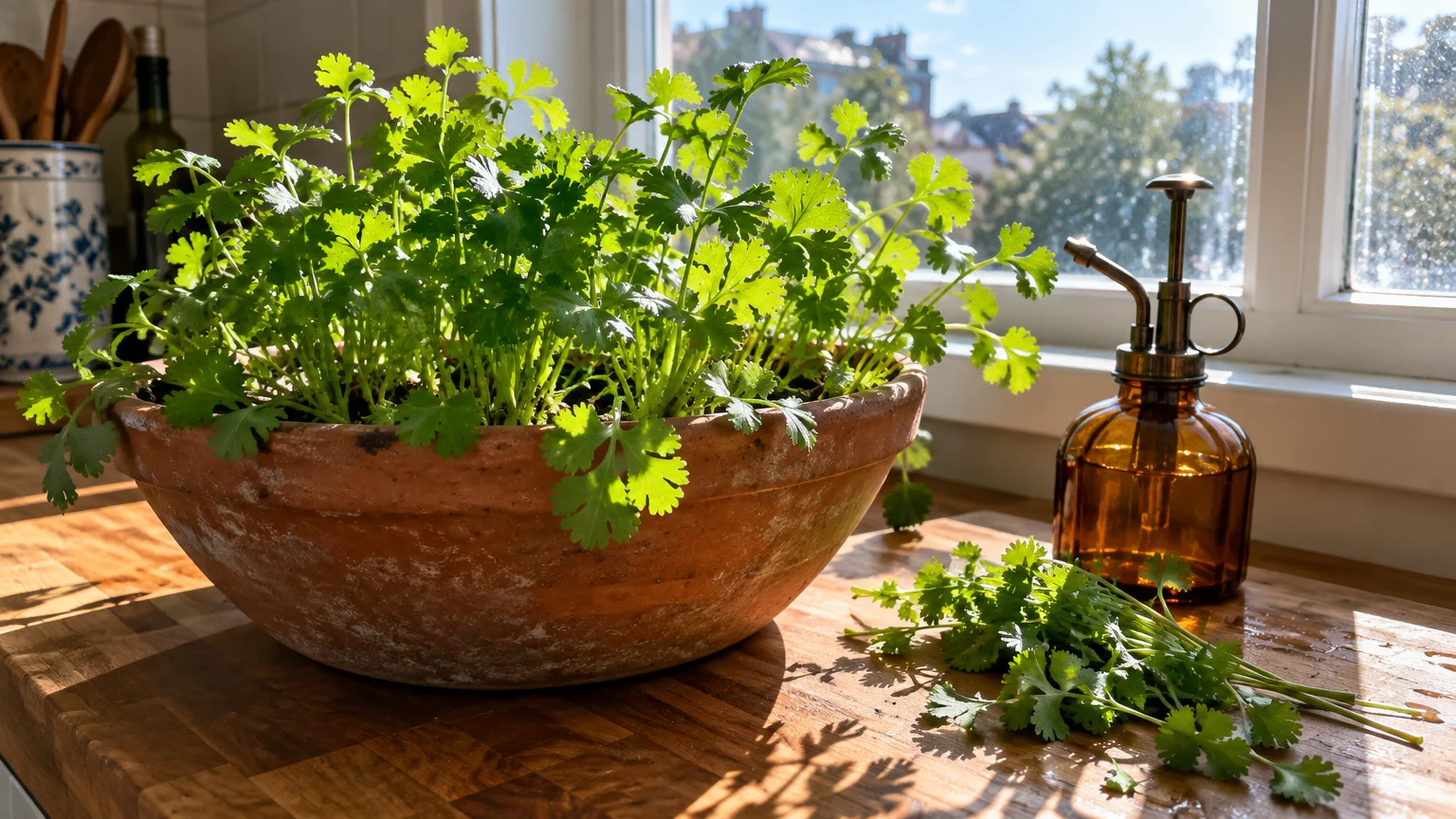
Tip #9: Cilantro
Cilantro delivers a bright, citrusy punch that elevates fresh salsas, guacamole, and vibrant curries. Its delicate, fern-like leaves grow rapidly in sunny indoor spaces during spring and fall.
Indoor cilantro requires at least five to six hours of direct morning sun to grow strong stems. Morning light provides essential energy while avoiding the intense afternoon heat that triggers premature bolting.
Choose a deep eight-inch container to accommodate cilantro’s taproot, ensuring the pot drains freely. Deep pots keep soil temperatures cooler, which helps delay flowering and extends your leafy harvest.
Provide a rich, well-draining potting soil and maintain even moisture throughout the container. Water gently whenever the soil surface dries, never allowing the root zone to dry out completely.
Harvest outer leaves frequently to encourage ongoing foliage production before flower stems emerge. Sow fresh seeds every three weeks to guarantee a continuous supply of fresh cilantro leaves.
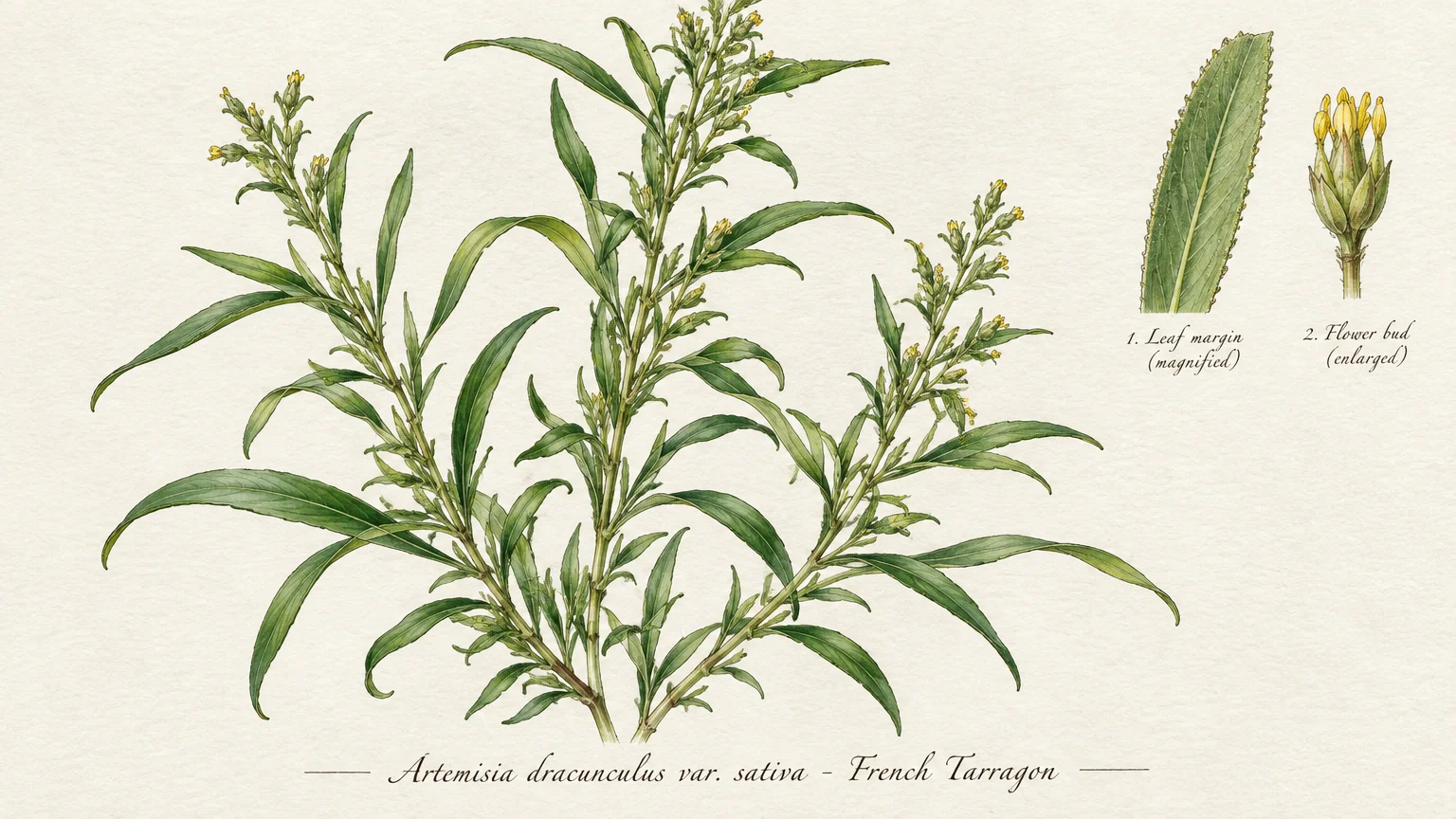
Tip #10: French Tarragon
French tarragon is cherished by gourmet cooks for its refined anise and licorice flavor notes. Its slender, dark green foliage brings an elegant culinary touch to sunny kitchen ledges.
This herb flourishes in the bright, warm microclimate provided by a south-facing windowsill. Strong sunlight activates its natural oils, producing rich, concentrated aromas in every tender leaf.
Always purchase starter plants or rooted cuttings rather than seeds when growing true French tarragon. Seed-grown Russian tarragon produces bitter leaves that lack the sweet licorice complexity of French tarragon.
Plant tarragon in a six-to-eight-inch container using light, fast-draining potting soil amended with perlite. Water only when the top inch of soil feels dry, as tarragon hates waterlogged conditions.
Snip top leaves frequently to season homemade sauces, poultry dishes, and savory herb vinegars. Trimming branch tips prevents leggy growth and encourages compact, bushy habit throughout the season.
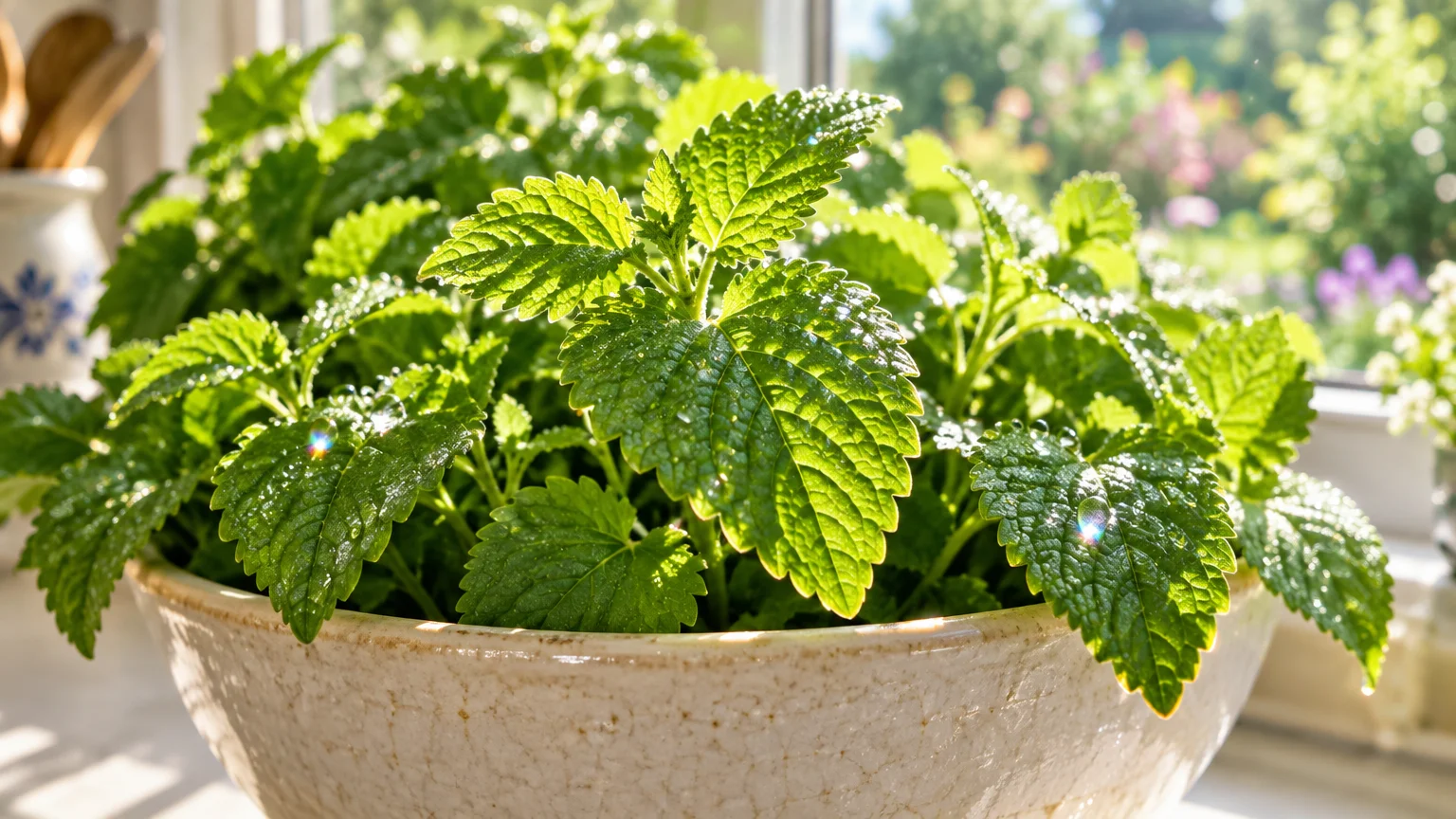
Tip #11: Lemon Balm
Lemon balm emits an intoxicating citrus perfume whenever you gently brush its bright green foliage. Its crinkled leaves add vibrant beauty and refreshing herbal aroma to your windowsill container collection.
This cheerful perennial requires five to six hours of direct sunshine to maintain strong growth indoors. Direct light helps the plant manufacture its soothing, citrus-scented essential oils.
Select a sturdy eight-inch pot with functional drainage holes to house lemon balm’s vigorous roots. A container with good depth allows the root system to expand without becoming prematurely root-bound.
Fill the pot with rich, well-draining potting soil enriched with worm castings or organic compost. Keep the soil evenly moist by watering whenever the surface layer begins to dry out.
Pinch growing tips regularly to keep the plant compact and prevent small flowers from developing. Steep freshly harvested leaves in hot water for a calming, naturally caffeine-free herbal tea.
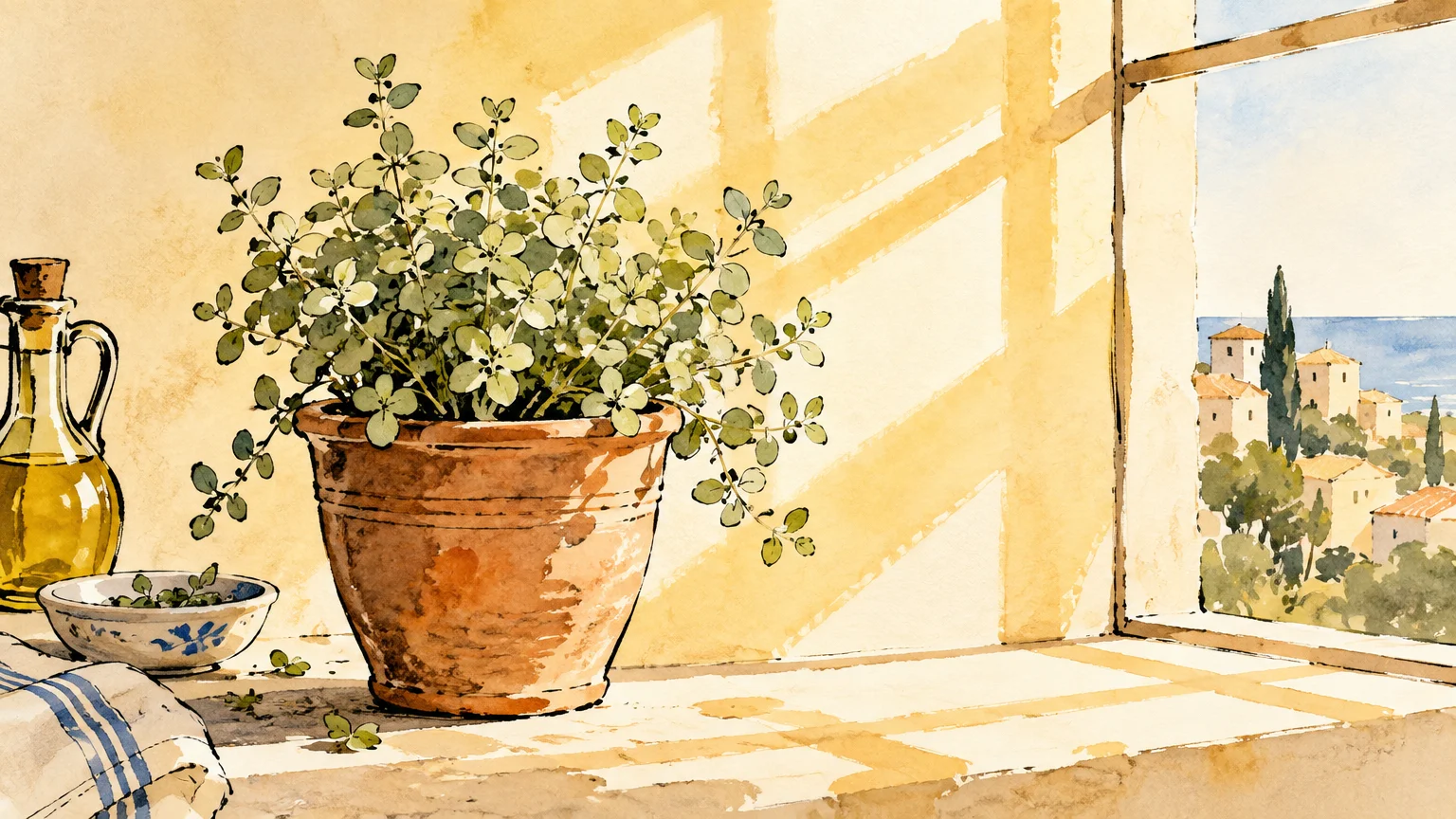
Tip #12: Sweet Marjoram
Sweet marjoram offers a gentler, sweeter profile than common oregano, accented with floral and citrus undertones. Its soft, velvety leaves make it a culinary treasure on sunny kitchen windowsills.
Because sweet marjoram is sensitive to cold drafts, it thrives in warm, sun-drenched indoor settings. A south-facing window gives it the consistent warmth and solar exposure it needs to prosper.
Choose a six-inch terracotta container that drains quickly through bottom drainage holes. Terracotta prevents excess moisture retention, creating the warm, aerated root environment marjoram prefers.
Plant your marjoram in a gritty soil mixture containing perlite, coarse sand, and potting soil. Water sparingly, allowing the potting mix to dry out slightly between thorough watering sessions.
Pinch stem tips regularly to stimulate dense branching and keep the plant full of vitality. Add finely chopped marjoram leaves to vegetable soups, marinades, and delicate vinaigrettes.
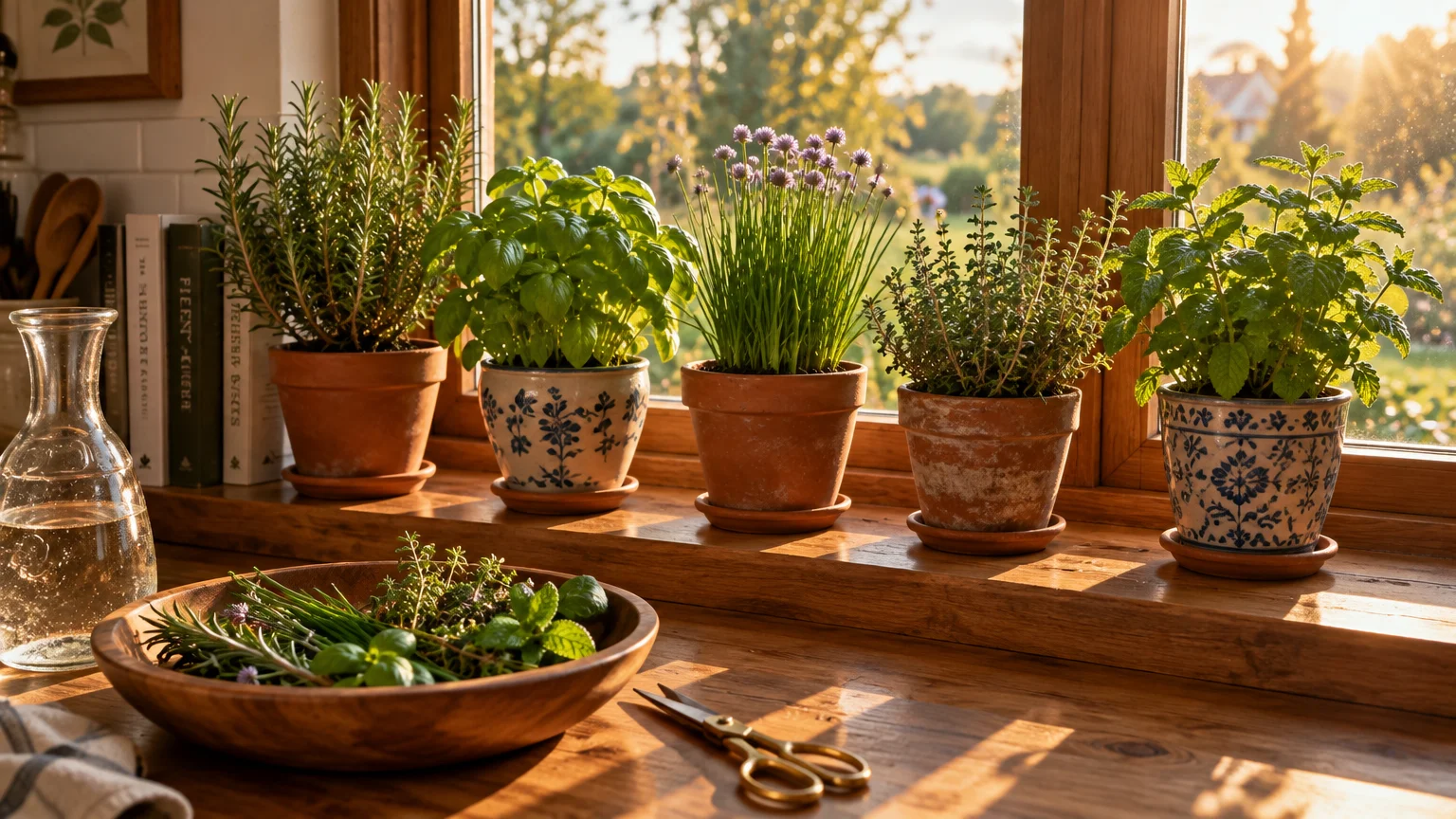
Putting It All Together: Enjoy Your Beautiful Garden
Starting a windowsill herb garden transforms your kitchen into a vibrant, productive sanctuary of fresh flavor. You do not need acres of outdoor space to harvest culinary herbs every single day.
Begin by checking your light exposure to ensure your plants receive at least six hours of sunshine. Group herbs with similar moisture needs together to make daily maintenance simple and effective.
Always select containers with drainage holes and use premium, well-aerated potting soil. Thoughtful watering habits prevent root issues and keep your indoor plants vigorous through every season.
Harvest your plants frequently by snipping outer leaves and pinching growing tips just above leaf nodes. Regular pruning stimulates bushy growth, delays flowering, and maximizes culinary yields.
With reliable containers and ample sunshine, your windowsill will deliver continuous fragrant harvests. Start your indoor herb project today and enjoy farm-fresh taste right from your kitchen ledge.
Frequently Asked Questions
How many hours of direct sunlight do windowsill herbs need daily?
Most culinary herbs require at least six hours of direct sunlight every day to flourish. South-facing windows offer the strongest, most consistent light for sun-loving plants like rosemary and basil.
If your window provides less light, position an inexpensive LED grow light several inches above your containers. Supplementing natural daylight prevents leggy growth and maintains rich essential oil production.
What kind of pots work best for indoor herbs?
Unglazed terracotta containers with drainage holes work best for most indoor herb varieties. Terracotta breathes easily, allowing moisture to evaporate naturally and preventing fatal root rot.
Always place a shallow saucer beneath your container to protect your window sill from water spills. Empty standing drainage water within thirty minutes so soil does not reabsorb surplus moisture.
How often should you fertilize herbs growing in containers?
Feed your container herbs every four to six weeks during active spring and summer growth. Use a balanced, water-soluble organic fertilizer diluted to half of its recommended strength.
Avoid heavy fertilizing, especially for Mediterranean herbs like thyme, rosemary, and oregano. Excessive nitrogen causes rapid vegetative growth but dilutes the aromatic oils that provide rich flavor.
How do you prevent indoor herb plants from becoming leggy?
Herbs become leggy when they stretch toward inadequate light or lack regular harvesting. Rotate your pots ninety degrees twice a week so all sides receive equal sun exposure.
Prune the growing tips regularly with clean shears just above a healthy leaf node. Consistent pinching forces dormant lower buds to sprout, creating compact, bushy plants.
For region-specific advice, consult your local University Extension program (find yours via the USDA directory). For plant databases and inspiration, visit the Missouri Botanical Garden or the Royal Horticultural Society.
Disclaimer: This article provides general gardening advice. Always consider your specific climate, soil conditions, and local pests. Follow safety guidelines when using gardening tools and products.