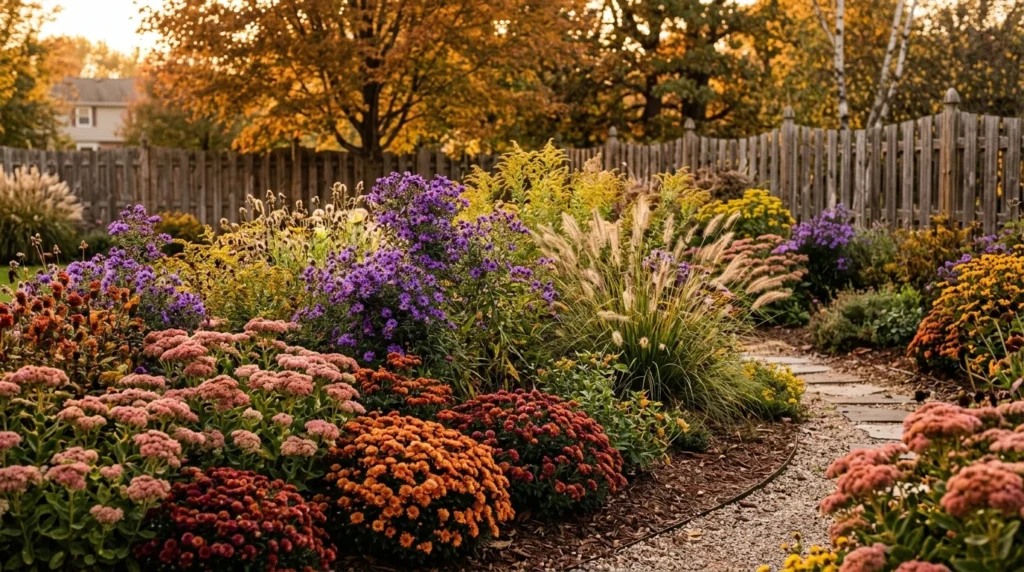
Healthy, thriving plants depend on loose, aerated soil that allows roots, water, and oxygen to move freely beneath the surface. When garden soil becomes dense and compacted, root systems suffocate, water pools on the surface, and essential nutrients remain trapped out of reach. Recognizing early soil compaction signs allows you to restore soil structure before plant health declines significantly. Compaction frequently affects garden beds with high clay content, heavy foot traffic, or excessive mechanical tilling. By identifying specific warning signs—such as stubborn standing water, stunted root development, and an absence of beneficial earthworms—you can take targeted steps toward aerating garden beds and improving heavy clay soil for long-term harvests and vibrant blooms.
Sign #1: Persistent Water Puddling and Poor Drainage
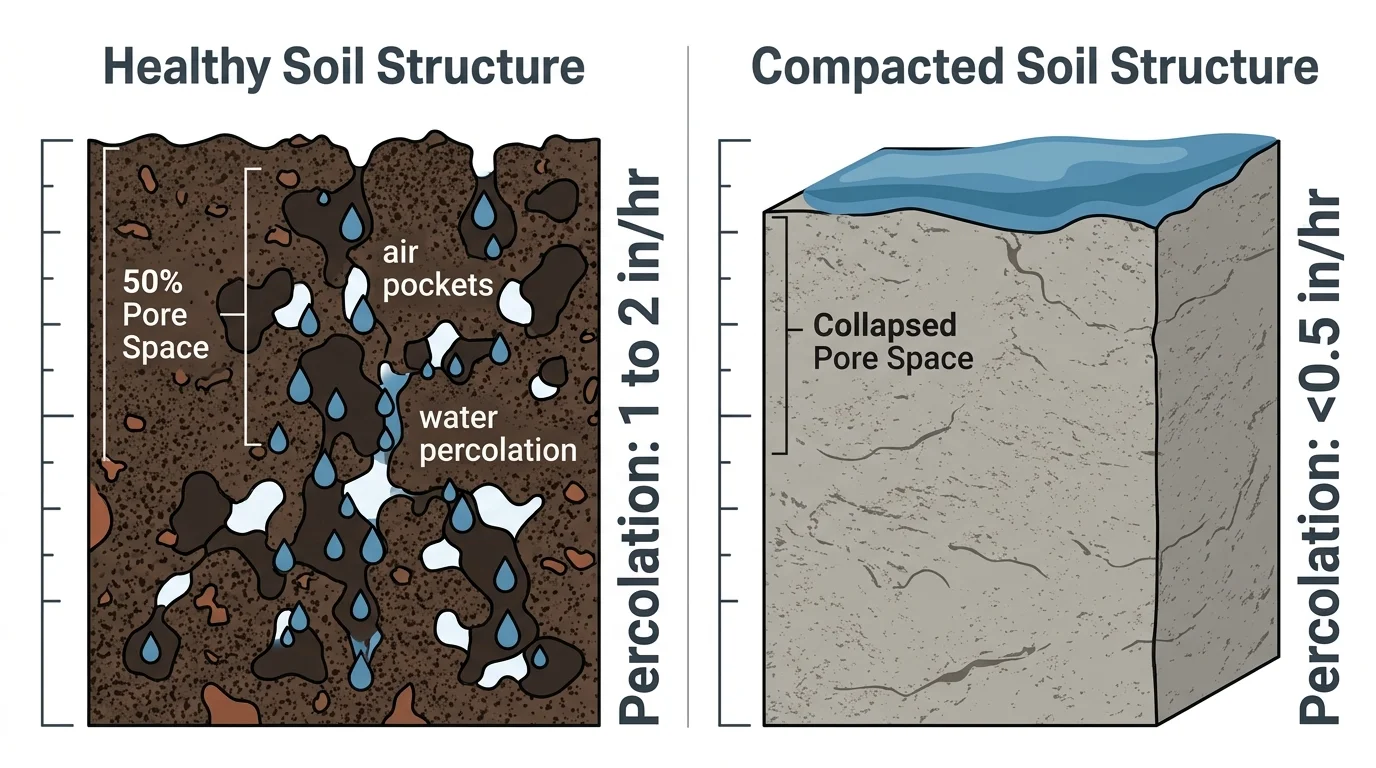
One of the clearest soil compaction signs you will observe in your garden is standing water that lingers long after a rainstorm or hand watering. Ideal garden soil maintains a balanced composition: approximately 50 percent solid particles (minerals and organic matter) and 50 percent pore space. These pore spaces act like a sponge, holding equal parts water and air. When foot traffic, heavy lawn equipment, or intense rain compress the soil, these vital pores collapse. Compacted soil loses its ability to absorb moisture, dropping macro-pore volume from an ideal 20 to 30 percent down to single digits.
When water cannot infiltrate the ground, it pools on the surface or runs off into lower areas. To determine whether slow drainage stems from compaction, perform a simple percolation test. Dig a hole 12 inches deep and 12 inches wide in your garden bed. Fill the hole completely with water and let it drain overnight to saturate the surrounding earth. The next morning, fill the hole with water again and measure how fast the water level drops using a ruler. Healthy, well-aerated soil drains at a rate of 1 to 2 inches per hour. If your hole drains slower than 0.5 inches per hour, severe compaction is obstructing water movement.
Fixing compacted garden soil experiencing poor drainage requires opening up vertical pathways. Avoid walking on wet garden beds, as pressure on saturated soil accelerates aggregate collapse. Instead, apply a 2-inch layer of well-rotted organic compost over the surface. Microorganisms and earthworms will pull this organic material downward, creating natural channels that restore drainage over time without disturbing sensitive soil strata.
Sign #2: Hard, Crusted Soil Surface and Deep Soil Cracking
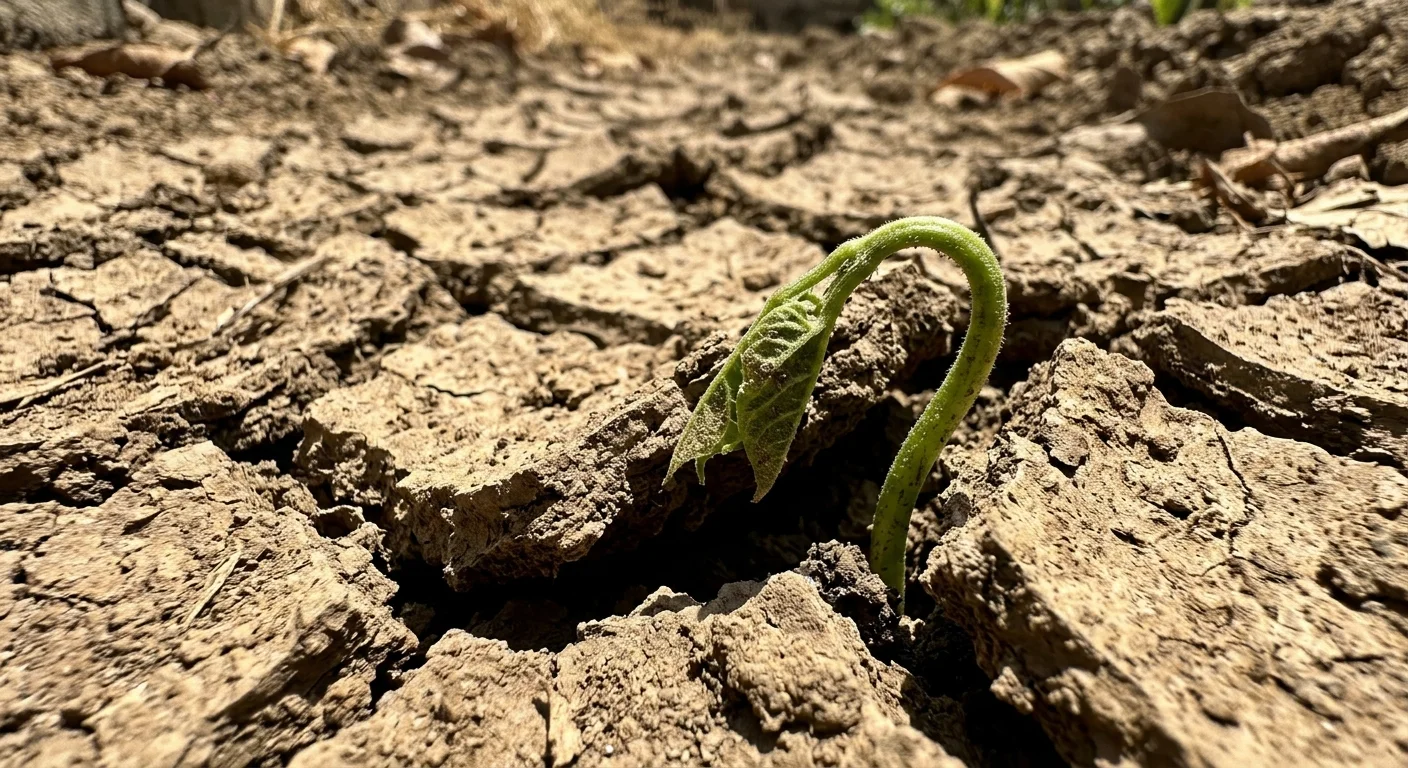
If your garden surface looks like cracked concrete during dry spells, you are dealing with severe surface compaction. Raindrops hitting bare, unprotected soil exert surprising mechanical force; unmulched soil particles dislodge and settle into a tight, dense layer. As sun and wind dry this surface layer, fine clay and silt particles bake into an impenetrable crust. When this crust dries completely, it shrinks and forms deep, wide fissures across your planting beds.
Surface crusting creates a formidable barrier for emerging seedlings. Delicate sprouts of carrots, lettuce, or onions lack the physical energy to push through a rigid soil shell, leading to poor germination rates and patchy crop stands. Furthermore, crusted surfaces prevent atmospheric oxygen from diffusing into the root zone while trapping carbon dioxide underground, effectively stifling subterranean biological activity.
You can verify surface compaction using the simple screwdriver test. Take a standard 6-inch screwdriver and attempt to push it vertically into moist garden soil using moderate hand pressure. In healthy, friable soil, the shaft slides in smoothly up to the handle. If you encounter rigid resistance within the top 2 inches, your soil surface has compacted into a dense barrier. To remedy this issue, top-dress your beds with organic mulches such as arborist wood chips, shredded leaves, or clean straw. Mulch cushions the impact of falling raindrops, retains surface moisture, and breaks down into humus that stabilizes soil structure.
Sign #3: Stunted Plant Growth and Deformed Root Systems
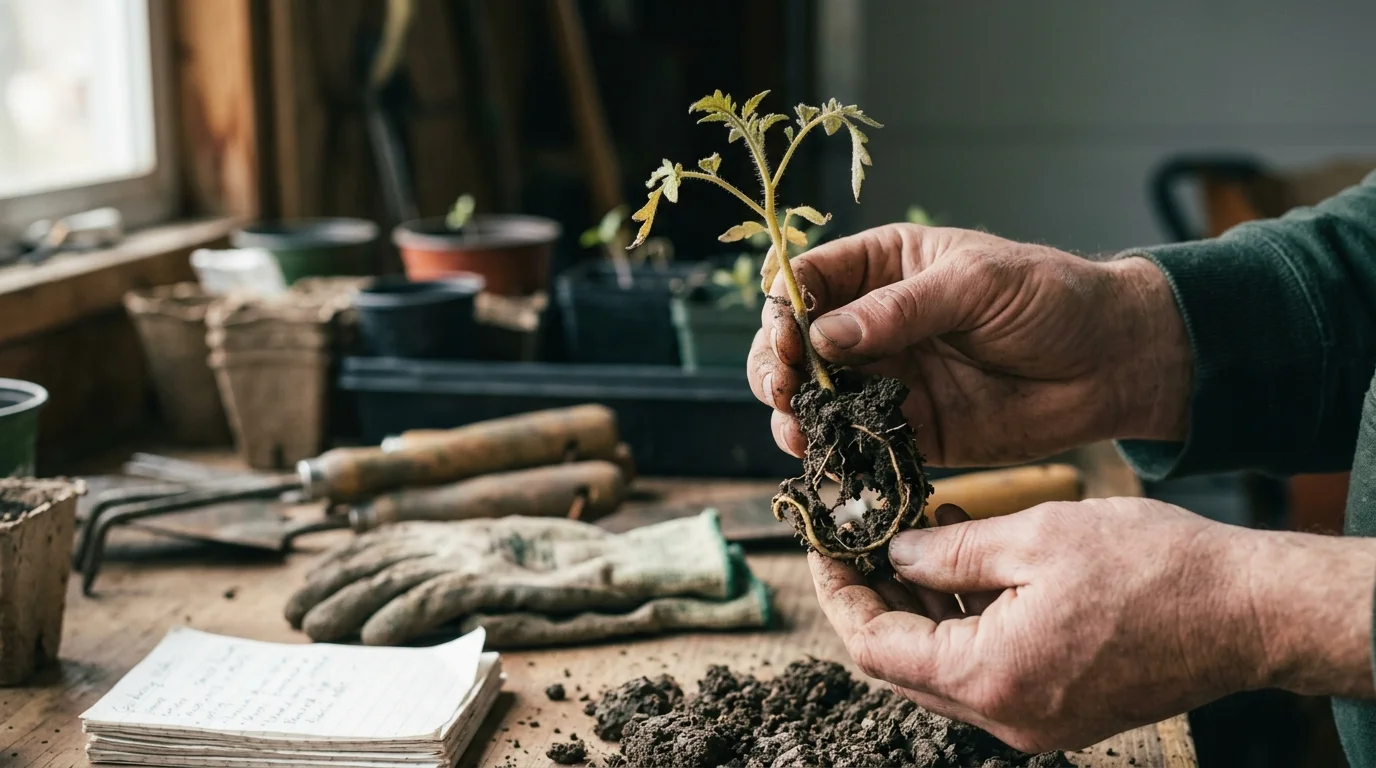
Compacted soil exerts immense mechanical resistance against growing root tips. Soil scientists measure this physical force as penetration resistance in megapascals (MPa). When soil compaction pushes penetration resistance above 2.0 MPa, root elongation drops by up to 80 percent. Plants growing in compacted ground remain abnormally small, display thin stems, and produce meager foliage and yields because their root systems cannot expand to collect nutrients and water.
Examine the physical structure of root systems when pulling up weeds or harvesting root vegetables. In loose, deep soil, taproot crops like carrots, daikons, and parsnips grow straight down into the subsoil. In compacted beds, taproots split into multiple hairy branches, turn sideways at sharp 90-degree angles, or grow short, bulbous, and distorted. Similarly, fibrous root systems of tomatoes, peppers, and corn remain shallow and concentrated near the surface rather than penetrating 18 to 24 inches deep.
Shallow root systems leave your plants extremely vulnerable to drought and heat stress. Because their roots cannot reach deeper moisture reserves, plants in compacted soil wilt rapidly during mid-day sun, even when you water them frequently. If you observe shallow, horizontal root growth, focus on aerating garden beds deep within the profile. Planting deep-rooting cover crops, such as forage radishes or crimson clover, naturally drills through tight hardpans and opens deep root channels for future crops.
Sign #4: Excessive Water Runoff and Topsoil Erosion
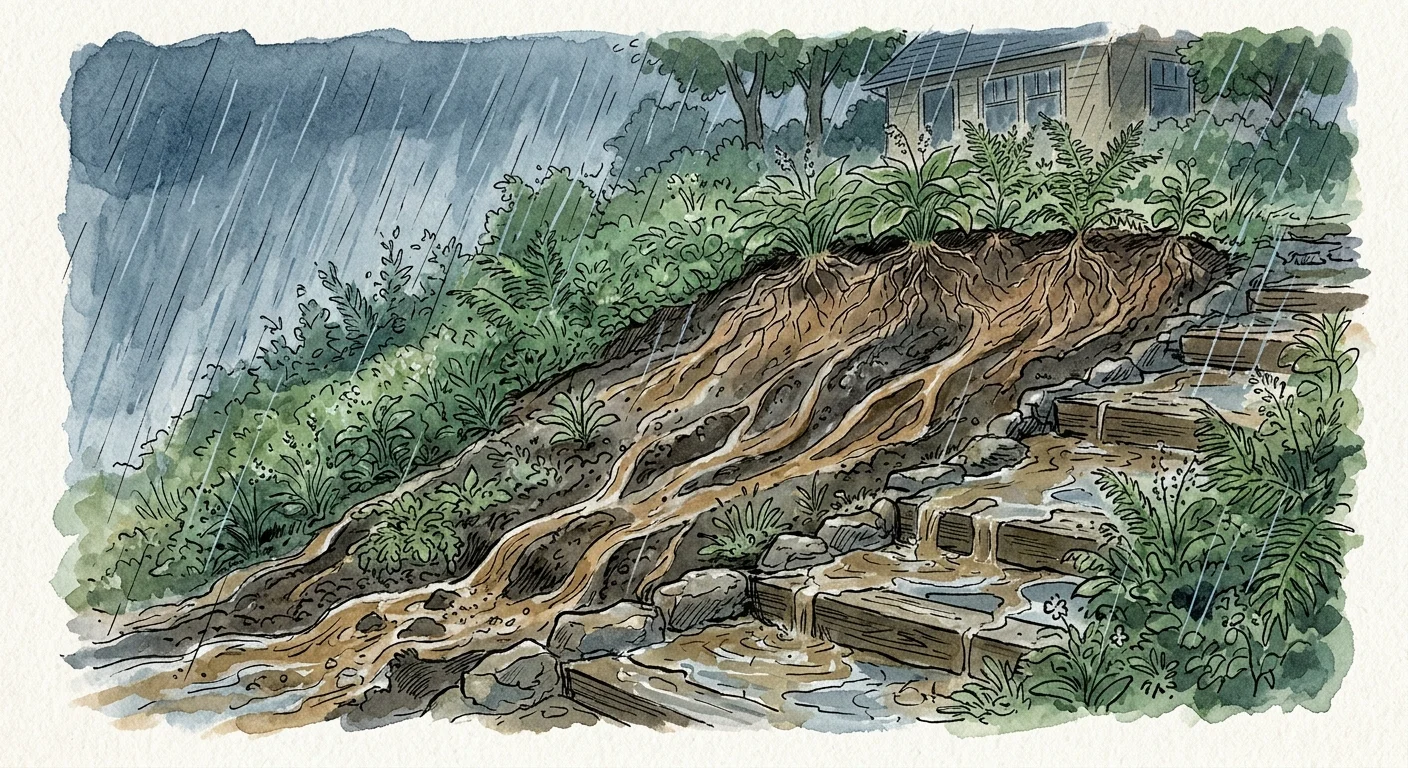
When garden soil loses its porous structure, it can no longer act as an effective reservoir for rainfall or overhead irrigation. Instead of soaking deep into the root zone, excess water rushes across the soil surface, carrying away valuable topsoil, organic matter, and applied fertilizers. If you notice small gullies forming across your garden paths, mud splashing onto lower crop leaves, or exposed plant crowns after moderate rains, your soil is showing critical soil health warning signs.
Topsoil erosion strips away the fertile top layer where beneficial microbes and humus reside. A loss of just one inch of topsoil can reduce crop productivity by up to 10 to 15 percent, as the underlying dense subsoil becomes exposed. Furthermore, surface runoff deprives your garden of moisture, forcing you to irrigate more frequently while wasting significant amounts of water.
To mitigate surface runoff and erosion, immediately stop leaving soil bare. Plant perennial groundcovers or seasonal cover crops on sloped areas to anchor the soil with living roots. In vegetable beds, establish permanent garden pathways made of wood chips or gravel to confine foot traffic to specific zones. This structural separation protects growing beds from weight-bearing compaction while allowing water to infiltrate evenly across the garden landscape.
Sign #5: Complete Absence of Earthworms and Soil Biology
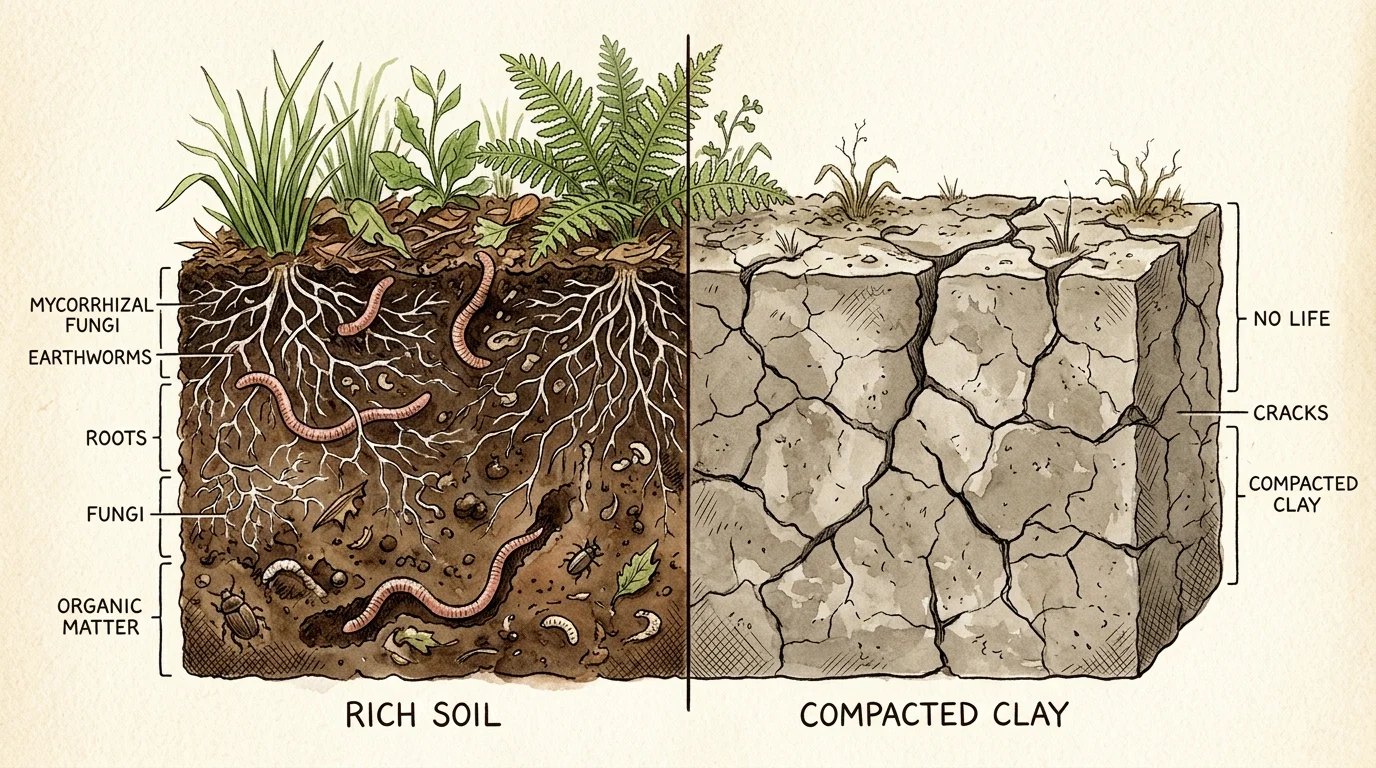
Earthworms are nature’s premier soil aerators and indicators of underground health. A healthy garden square foot contains 10 to 20 active earthworms continuously burrowing, digesting organic debris, and depositing nutrient-rich castings. These biological burrows create macro-pores that increase soil aeration and water infiltration. If you dig into your garden beds and find no earthworms, fungal networks, or beneficial insects, severe compaction has likely rendered the environment uninhabitable.
Compaction squeezes air out of soil pores, reducing soil oxygen concentration from normal levels of 20 percent down to below 5 percent. This depletion creates anaerobic conditions where beneficial aerobic microbes, earthworms, and mycorrhizal fungi cannot survive. Deprived of oxygen, anaerobic bacteria take over, producing a sour, swampy, or rotten-egg odor caused by hydrogen sulfide accumulation.
Perform a quick earthworm census to evaluate your soil’s biological vitality. Moisten a section of your garden bed, dig up a 12-inch by 12-inch block of soil to a depth of 12 inches, and place it on a tarp. Carefully sift through the soil block and count the number of earthworms present. Finding fewer than 3 worms indicates poor soil health and tight compaction. To lure beneficial organisms back, feed the soil top layer with organic matter, humic acid, and liquid compost teas while keeping the soil covered with protective organic mulch.
Sign #6: Severe Mechanical Resistance When Digging or Tilling
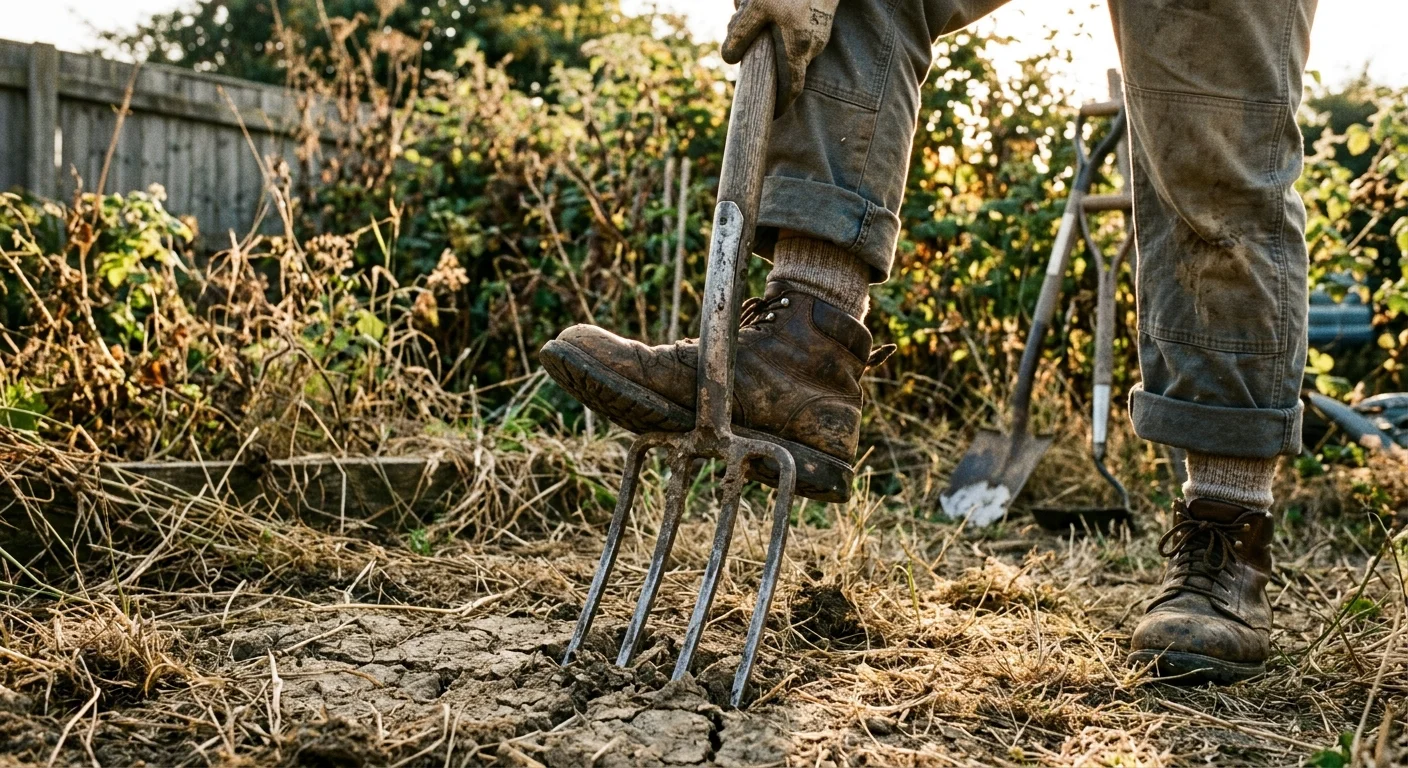
If inserting a spade or garden fork into your flower beds requires full body weight, or if your tools frequently bend when turning soil, severe compaction has locked the mineral particles together. Soil bulk density measures the dry mass of soil divided by its total volume. Ideal garden soils maintain a bulk density between 1.1 and 1.3 grams per cubic centimeter (g/cm³). When bulk density exceeds 1.5 g/cm³ in clay soils or 1.7 g/cm³ in sandy soils, the ground becomes practically rock-hard.
Mechanical compaction often results from working or tilling soil when it is overly wet. Heavy machinery, foot traffic, or rototillers crush wet soil aggregates, forcing water out and packing clay minerals into solid blocks. Rototillers are particularly notorious for creating a dense layer called a “tiller pan” or hardpan directly beneath the spinning blades at a depth of 4 to 6 inches.
When improving heavy clay soil that has turned rock-hard, avoid aggressive mechanical tilling, which destroys remaining soil structure. Instead, use a broadfork (a sturdy, double-handled tool with long vertical tines) during autumn when soil is slightly moist but not saturated. Insert the tines straight down into the soil and gently pull back on the handles to crack and fracture the hardpan without turning the soil layers upside down. Follow broadforking immediately with a generous application of coarse compost and gypsum (calcium sulfate) to help break down tight clay bonds.
Sign #7: Persistent Leaf Yellowing and Nutrient Deficiencies
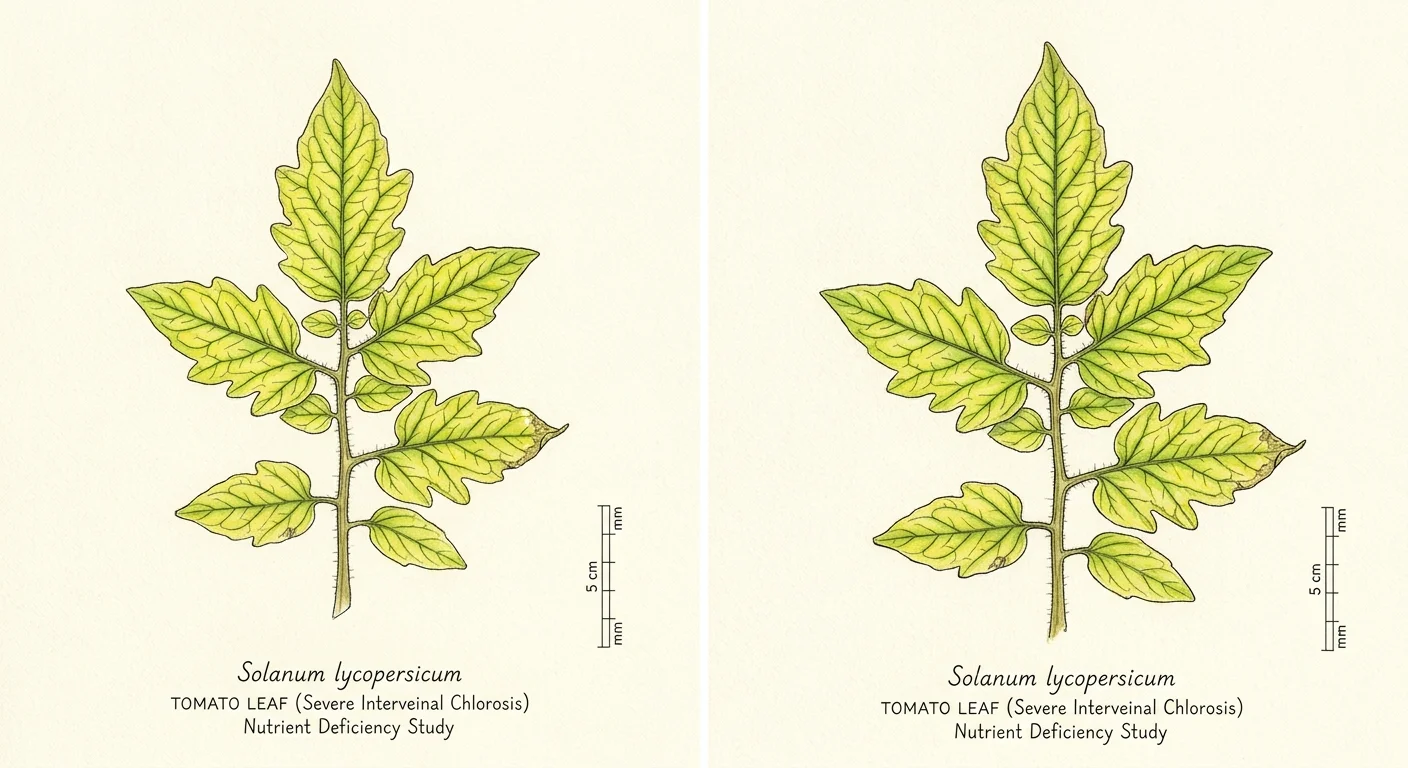
You might fertilize your garden regularly with balanced organic fertilizers, yet your plants still display severe nutrient deficiency symptoms like chlorosis (yellowing between leaf veins), stunted foliage, and premature leaf drop. Compaction creates an invisible barrier to nutrient uptake by suffocating root cells. Plant roots require oxygen to power active transport—the metabolic process that pumps essential minerals like nitrogen, potassium, iron, and phosphorus across root cell membranes.
When oxygen levels drop due to compacted, waterlogged conditions, root cell respiration halts. Lacking energy, root cells cannot absorb nutrients, regardless of fertilizer concentration in the surrounding soil. Furthermore, phosphorus and iron lock up tightly in dense, un-aerated soils, rendering them chemically unavailable to plants. Over-fertilizing compacted soil under these conditions exacerbates the problem by building up harmful electrical conductivity and salt levels in the upper soil profile.
To correct compaction-induced nutrient blockages, stop adding synthetic fertilizers and focus on physical soil rehabilitation. Apply foliar sprays of liquid kelp or compost tea directly onto plant leaves as a temporary measure to supply essential micronutrients while you work on aerating garden beds. Long-term correction involves amending the top layers with composted organic material, applying humic substances, and growing cover crops with aggressive root systems to restore natural air channels.
Putting It All Together: Enjoy Your Beautiful Garden
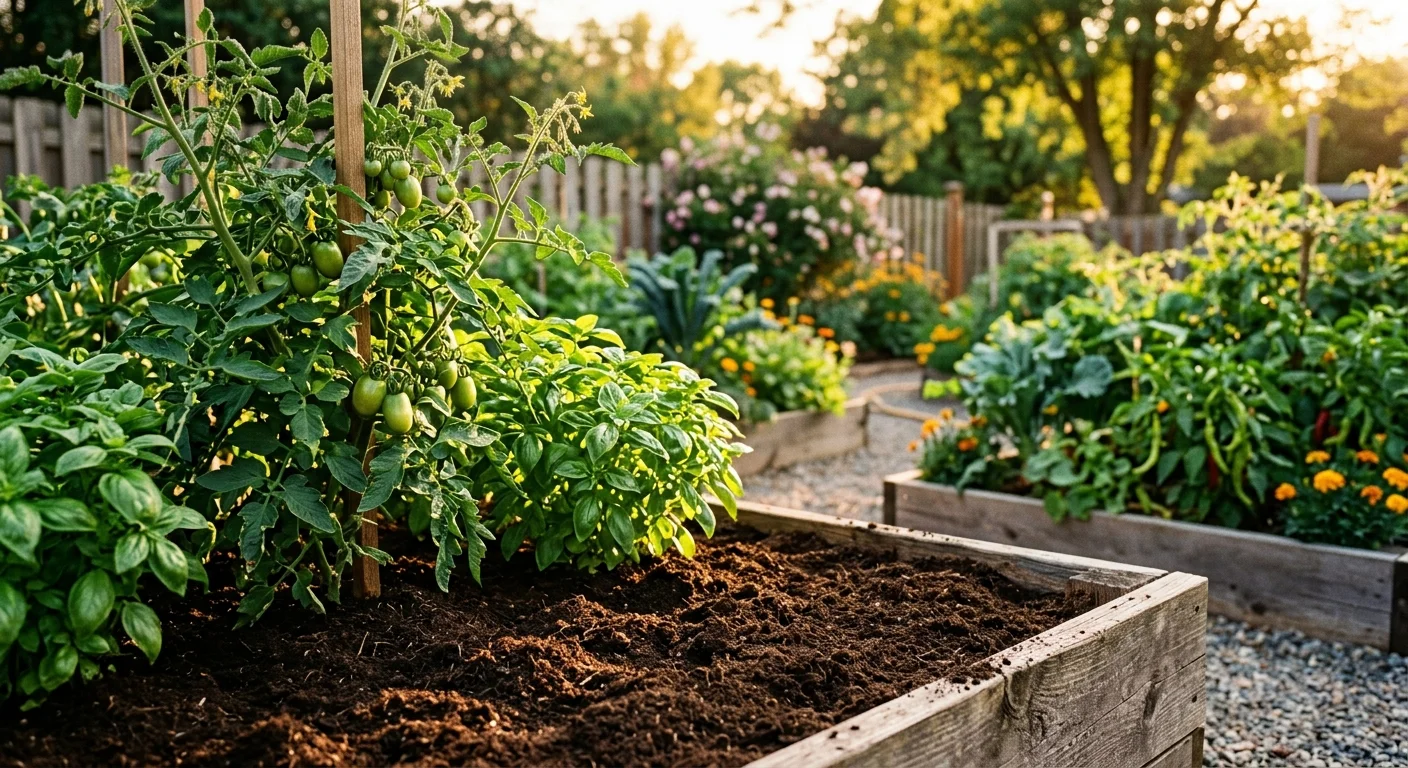
Transforming compacted, hard-as-rock ground into rich, soft, moisture-retentive soil takes time, patience, and consistent care. By watching for key soil compaction signs—such as lingering water puddles, surface crusts, distorted root systems, and missing soil life—you can intervene before crop yields collapse. Focus on non-destructive restoration techniques like broadforking, top-dressing with organic compost, applying generous mulch layers, and planting deep-rooting cover crops. As soil structure improves, root systems will penetrate deeper, earthworms will return, and your garden will flourish with dynamic vigor.
For region-specific advice, consult your local University Extension program (find yours via the USDA directory). For plant databases and inspiration, visit the Missouri Botanical Garden or the Royal Horticultural Society.
Disclaimer: This article provides general gardening advice. Always consider your specific climate, soil conditions, and local pests. Follow safety guidelines when using gardening tools and products.
Frequently Asked Questions
How can I fix compacted garden soil without deep tilling?
You can fix compacted soil without tilling by adopting no-dig gardening practices. Use a broadfork to fracture hardpan layers without flipping the soil, top-dress beds annually with 2 to 3 inches of rich compost, and cover bare soil with organic mulches. Over time, soil organisms and root networks naturally aerate the soil profile.
Can cover crops really break up heavy clay soil compaction?
Yes, specific cover crops act as natural bio-drills. Forage radishes (daikon), tillage radishes, cereal rye, and deep-rooting sweet clover exert tremendous hydraulic root pressure capable of piercing dense clay layers down 10 to 30 inches. As these winter-killed roots decompose in spring, they leave behind vertical channels that improve water infiltration and root growth for subsequent crops.
Should I add sand to heavy clay soil to relieve compaction?
No, never add sand to heavy clay soil to fix compaction. Combining fine clay particles with sand creates a material chemically and physically similar to concrete, making compaction drastically worse. Instead of sand, amend heavy clay soil exclusively with organic matter like compost, leaf mold, well-rotted manure, and expanded shale or gypsum.
How long does it take to loosen severely compacted garden beds?
Restoring severely compacted soil typically takes 1 to 3 seasons of active management. Adding organic top-dressings, avoiding foot traffic on planting beds, and using broadforking or cover crops produces noticeable improvements in soil structure and earthworm populations within 6 to 12 months.