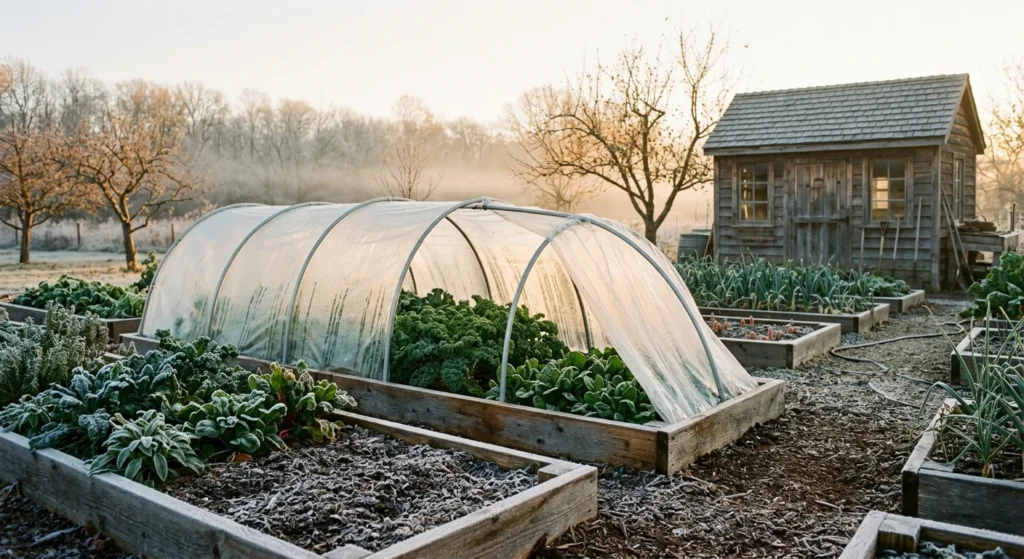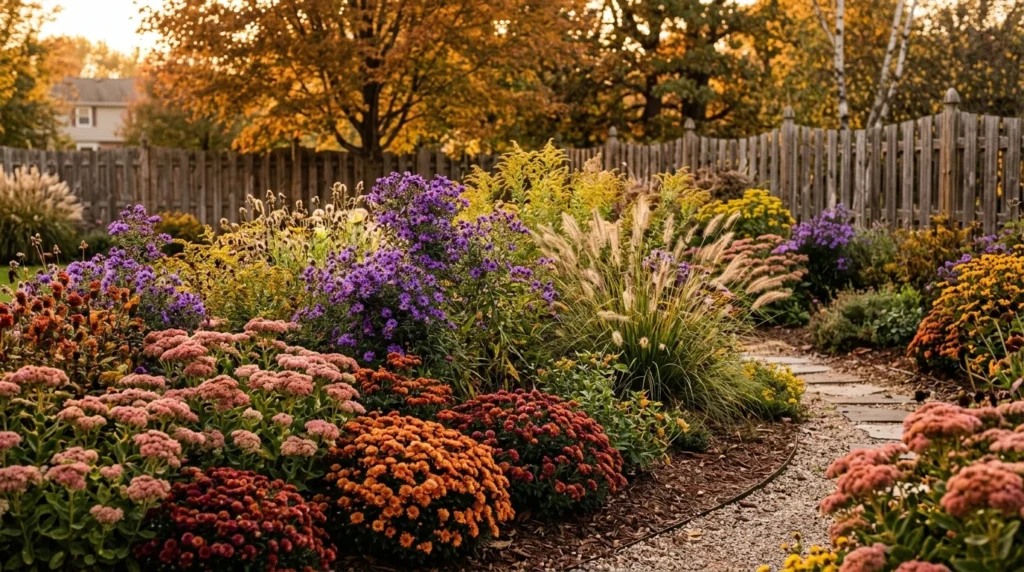
Transforming your landscape into a vibrant, four-season sanctuary does not require endless hours of labor or a master degree in horticulture. By strategically selecting evergreen flowering shrubs and plants with multi-seasonal foliage, you can maintain rich color and structural beauty even during the bleakest winter days. Many homeowners watch their gardens fade into dull shades of grey once autumn ends, but your yard can thrive year-round with the right architectural foundation. In this guide, we explore six exceptional low maintenance landscaping shrubs that offer shifting foliage, winter blooms, vibrant berries, and striking bark to ensure your outdoor space remains captivating through every month of the year.
Tip #1: Japanese Andromeda (Pieris japonica)
Japanese Andromeda stands out as a premier candidate for four season landscaping because it never stops evolving throughout the calendar year. In early spring, this evergreen shrub smothers itself in cascading clusters of urn-shaped white or deep pink flowers that emit a soft, sweet fragrance. Once the flowers fade, bright fiery red or bronze new foliage emerges at the branch tips; this dramatic flush of leaf growth creates a striking visual contrast against the mature, deep green leaves below. As summer turns to autumn, the foliage matures into a lustrous dark green, while delicate, bead-like flower buds form along the stems. These colorful buds persist right through winter, providing visual texture and subtle color when the rest of your garden sleeps.
To get the absolute best performance from your Japanese Andromeda, plant it in a location that receives morning sun and dappled afternoon shade; intense, direct afternoon sunlight can scorch the tender spring foliage. This shrub thrives in acidic, well-draining soil with an ideal pH between 5.0 and 6.0, which matches the soil preferences of azaleas and rhododendrons. You should apply a three-inch layer of organic mulch—such as shredded bark or pine needles—around the base to insulate its shallow root system and retain consistent soil moisture. Japanese Andromeda requires minimal pruning; simply snip off spent flower clusters in late spring to encourage plant vigor. Hardy in USDA Zones 5 through 8, this low maintenance choice grows at a manageable pace, eventually reaching six to eight feet in height and spread.

Tip #2: Chinese Fringe Flower (Loropetalum chinense)
If you want bold, rich foliage color that lasts 365 days a year, Chinese Fringe Flower deserves a prime spot in your yard. Unlike traditional green plants, purple-leaved cultivars of Loropetalum maintain deep plum or dark burgundy foliage from January through December. In early spring, these year round color shrubs erupt with clusters of lightly scented, ribbon-like flowers that resemble witch hazel blossoms. Depending on the specific cultivar you select, these vibrant fringe-like petals range from neon pink to rich magenta, creating a breathtaking visual display against the dark background foliage. Many varieties even produce sporadic bursts of blooms throughout the summer and warm autumn months.
To maximize foliage color intensity and bloom production, position your Loropetalum in full sun to partial shade. While it tolerates partial shade well, full morning sun encourages the deepest purple foliage hues. Loropetalum prefers rich, moist, but well-drained soil with a slightly acidic pH between 5.5 and 6.5. Once established in your garden, this resilient plant demonstrates impressive drought resistance, making it one of the most reliable low maintenance landscaping shrubs available. You can let cultivars like ‘Ever Red’ or ‘Ruby’ grow naturally into graceful six-foot screen hedges; alternatively, select dwarf cultivars like ‘Purple Pixie’ that top out at just one to two feet for colorful ground cover. Prune immediately after the main spring bloom cycle if you wish to shape the plant or control its spread.

Tip #3: Red Osier Dogwood (Cornus sericea)
While evergreen foliage provides essential structure, deciduous shrubs like the Red Osier Dogwood contribute dynamic winter interest through brilliant bark color. During spring and summer, this native North American shrub produces lush green leaves and flat-topped clusters of star-shaped white blossoms that attract native bees and butterflies. Late summer brings clusters of white to pale blue berries that nourish local songbirds. As autumn arrives, the leaves transform into rich tones of orange, purple, and deep red. However, the real show begins in winter after the leaves drop; the bare stems display intense crimson-red bark that illuminates winter landscapes, especially when set against fresh white snow.
To maintain the brightest red stem color season after season, you must understand how this shrub grows. The youngest stems produce the most vibrant red pigment, while older branches gradually turn dull and gray-brown over time. To ensure maximum winter color, practice hard winter pruning; cut back roughly one-third of the oldest, thickest stems to ground level every year in late winter before new spring growth emerges. Red Osier Dogwood thrives in USDA Zones 3 through 8 and tolerates wet, poorly drained soils where other plants struggle. Position it in full sun to partial shade, ensuring it receives at least four to six hours of direct sunlight daily to encourage vivid stem pigmentation.

Tip #4: Sasanqua and Japanese Camellias (Camellia species)
Camellias are the undisputed royalty of winter gardens, bringing magnificent rose-like blossoms to your yard when virtually every other flower has disappeared. These evergreen flowering shrubs feature thick, leathery, dark green leaves that maintain a glossy shine throughout the hottest summers and coldest winters. By combining Camellia sasanqua cultivars (which bloom from mid-autumn into early winter) with Camellia japonica varieties (which bloom from mid-winter through spring), you can enjoy continuous, large-scale flowers for over six months straight. Their blossoms range from pure white and pale shell pink to deep crimson red.
Camellias flourish best in USDA Zones 7 through 9, although newer cold-hardy hybrids like the ‘Winter Series’ can withstand Zone 6 winter conditions. Plant your camellias in a sheltered spot protected from harsh winter winds and intense afternoon sun, which can desiccate the heavy evergreen foliage. Soil quality remains vital; camellias demand moist, acidic soil rich in organic matter (pH 5.5 to 6.5), along with excellent drainage to prevent root rot. Maintain a steady three-inch layer of organic mulch over the root zone, keeping it a few inches away from the trunk base. You will rarely need to prune camellias, but if you wish to shape them, do so immediately after flowering finishes in spring before next year’s flower buds set.

Tip #5: Glossy Abelia (Abelia x grandiflora)
Glossy Abelia offers an extraordinarily long flowering window coupled with foliage that shifts color dramatically across the seasons. From late spring all the way through the first hard frost of autumn, this semi-evergreen shrub generates hundreds of small, bell-shaped white and pale pink flowers that fill your garden with a subtle honey fragrance. Bees, butterflies, and hummingbirds constantly visit these sweet-smelling blooms. As summer transitions into autumn and winter, the bronze-tinged foliage turns from polished emerald green to a rich bronze-purple tone. Even after the blossoms fall, the colorful reddish-copper calyxes—the protective structures at the base of the flowers—remain attached to the stems, creating texture through the cold winter months.
Glossy Abelia is one of the most tough and adaptable low maintenance landscaping shrubs you can grow. It thrives in full sun to partial shade, though full sun produces the most profuse flowering and the most dynamic winter foliage color shifts. Thriving in USDA Zones 6 through 9, Abelia tolerates a wide range of soil types, including heavy clay, as long as drainage remains adequate. Once established, it possesses excellent drought tolerance and resists deer browsing. You can let Abelia arch naturally into a five-to-eight-foot fountain shape, or trim it lightly in early spring to keep it compact. Its versatility makes it an outstanding choice for mixed shrub borders, foundation plantings, or low informal hedges.

Tip #6: Oregon Grape Holly (Mahonia aquifolium)
For tough spots in your yard that require structural beauty and vibrant winter color, Oregon Grape Holly delivers exceptional four season landscaping value. This broadleaf evergreen shrub features architectural, holly-like leaves with sharp, spiny leaflets. In early spring, bright golden-yellow flower clusters burst forth at the branch tips, offering early nectar for emerging pollinators. By mid-summer, these flowers give way to heavy clusters of deep blue-purple, edible berries that resemble small grapes. As cold winter temperatures arrive, the glossy green leaves take on a striking bronzy-purple or deep metallic copper sheen, providing bold texture and color when other plants are dormant.
Oregon Grape Holly excels in shady areas where other colorful shrubs struggle to perform. It thrives in partial shade to full shade and tolerates heavy clay soil, dry shade, and root competition from large mature trees. Thriving in USDA Zones 5 through 9, this resilient native plant reaches four to six feet tall and three to four feet wide. To keep the plant healthy, plant it in moisture-retentive, acidic to neutral soil and protect it from drying winter winds. Pruning demands are minimal; you can cut back leggy stems to ground level after flowering to encourage dense, bushy growth from the base. Its spiny leaves also make it an effective, deer-resistant barrier plant along property lines.

Putting It All Together: Enjoy Your Beautiful Garden
Designing a landscape with year round color shrubs changes the way you experience your outdoor space throughout every month of the year. Instead of viewing winter as a bleak interval between growing seasons, you can look forward to bright red dogwood stems glowing against snow, camellias blooming in December, and the shifting bronze foliage of Abelia and Mahonia. The secret lies in layer management and strategic plant placement. Combine architectural evergreens with early spring bloomers, long-summer flowerers, and dynamic winter-bark shrubs to ensure every corner of your yard has its moment to shine.
Start your garden update by auditing your current yard during the quiet winter months. Take note of areas that look empty or drab during winter and replace tired, high-maintenance plants with multi-seasonal powerhouses like Loropetalum or Pieris. Ensure you test your soil pH and evaluate light levels before planting, and mulch generously to protect root systems through summer heat and winter freezes. With these low maintenance landscaping shrubs in place, your garden will reward you with continuous color, fragrance, and wildlife interest month after month.
Frequently Asked Questions
How do I maintain color in a winter garden in colder growing zones?
In colder regions like USDA Zones 3 through 5, choose ultra-hardy shrubs for winter interest such as Red Osier Dogwood (Cornus sericea), Winterberry Holly (Ilex verticillata), and cold-tolerant conifers. Incorporate shrubs with persistent berries, colorful winter bark, and distinctive branching structures that hold snow beautifully to create visual contrast against white backgrounds.
Which evergreen flowering shrubs attract pollinators to the yard?
Glossy Abelia (Abelia x grandiflora), Oregon Grape Holly (Mahonia aquifolium), and Japanese Andromeda (Pieris japonica) attract numerous bees, butterflies, and hummingbirds. Mahonia blooms very early in spring, providing crucial nectar when few other food sources exist for emerging pollinators.
How often should I prune shrubs for maximum color display?
Pruning timing depends entirely on the specific shrub species and how it produces blooms or colored bark. Prune spring-blooming shrubs like Pieris and Loropetalum immediately after their flowers fade. For winter-bark shrubs like Red Osier Dogwood, perform hard selective pruning in late winter before new growth starts to encourage vivid new stems.
Can year round color shrubs grow successfully in partial shade?
Yes, many vibrant options thrive in partial to full shade without losing visual appeal. Oregon Grape Holly and Japanese Andromeda both prefer shaded or dappled light environments, while Camellias and Loropetalum perform exceptionally well in morning sun paired with afternoon shade.
For region-specific advice, consult your local University Extension program (find yours via the USDA directory). For plant databases and inspiration, visit the Missouri Botanical Garden or the Royal Horticultural Society.
Disclaimer: This article provides general gardening advice. Always consider your specific climate, soil conditions, and local pests. Follow safety guidelines when using gardening tools and products.