
Transform a scorching, sun-drenched yard into a vibrant floral paradise by choosing species naturally adapted to high light and heat. Full sun spaces—areas receiving six or more hours of direct sunlight daily—offer the perfect environment for a spectacular array of resilient blooms and lush foliage. Instead of fighting the harsh midday rays, you can leverage them to cultivate a dynamic landscape filled with brilliant colors and striking textures. Whether you deal with a dry, sandy slope or a humid, open patio, selecting the correct varieties eliminates constant watering and frustrating wilting. Discover exactly which robust specimens will anchor your borders, attract essential pollinators, and deliver season-long visual impact with minimal intervention.
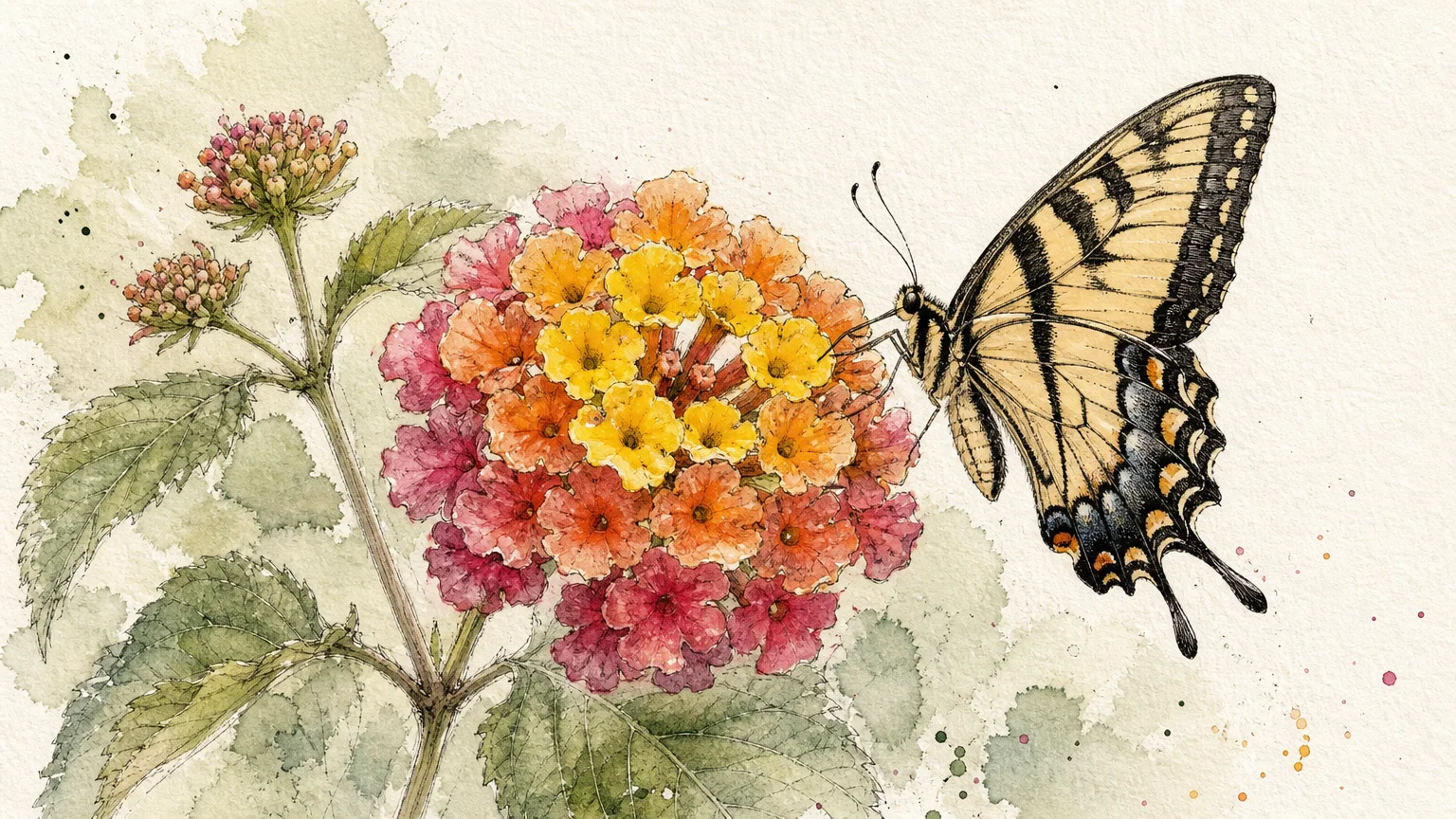
Tip #1: Lantana (Lantana camara)
Lantana represents the pinnacle of summer endurance, providing continuous clusters of tubular flowers that shift in color as they mature. You will often see vibrant mixtures of yellow, orange, red, and pink blooming simultaneously on a single plant. Because Lantana originates from tropical regions, it shrugs off extreme temperatures and intense ultraviolet light that quickly cause other garden flowers to wilt. Once established, the extensive root system requires very little supplemental water to maintain its magnificent display. For robust performance, plant them in well-draining soil and prune them back slightly mid-season to encourage a bushier, denser habit. Gardeners seeking reliable, heat-tolerant plants will find exceptional value in varieties like ‘Miss Huff’, which boasts documented hardiness and exceptional vigor. The rough, aromatic foliage naturally deters browsing deer and rabbits, while the nectar-rich blossoms serve as a powerful magnet for swallowtail butterflies and hummingbirds throughout the hottest months of the year.
[Insert Image Here]
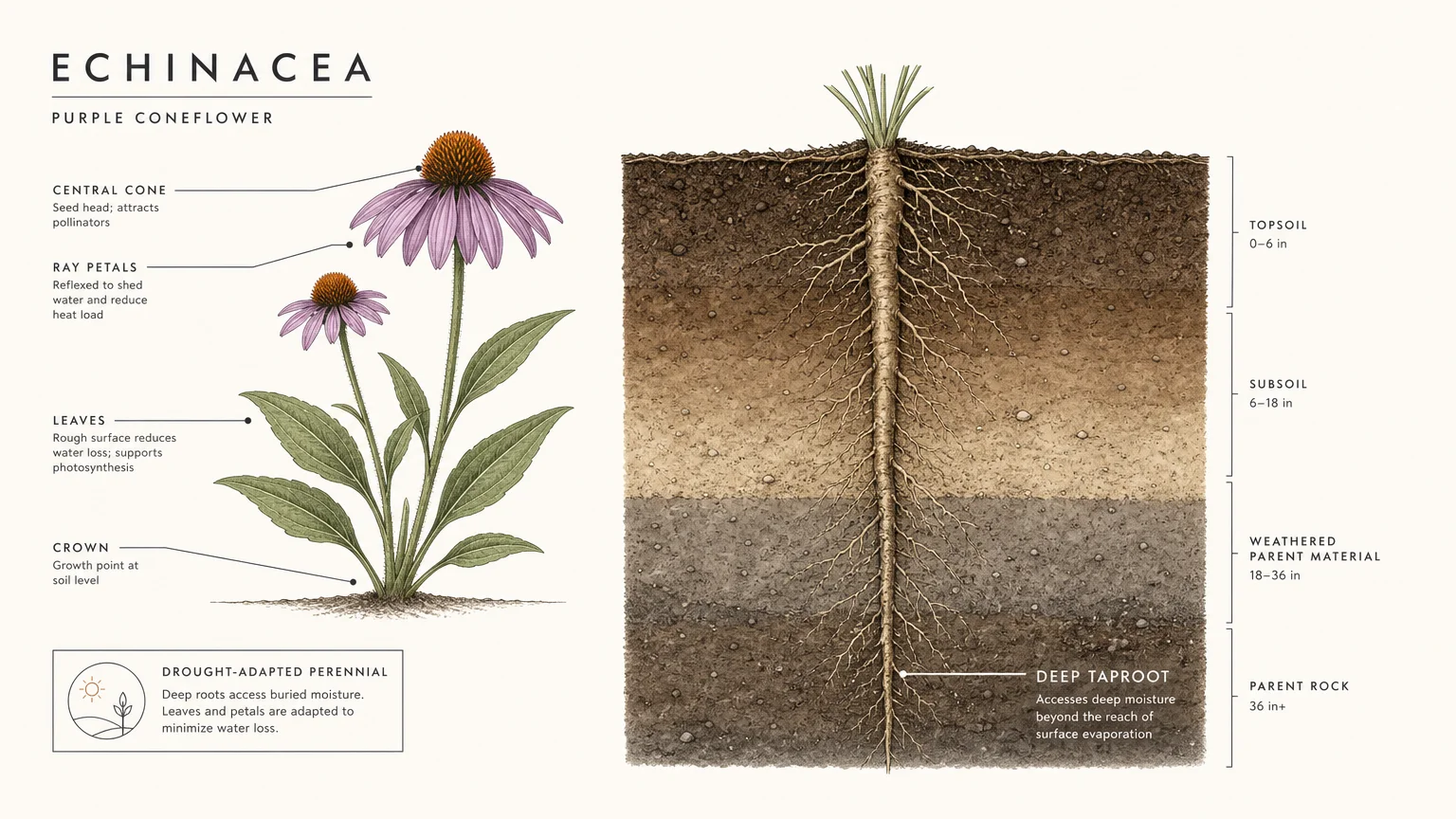
Tip #2: Coneflower (Echinacea)
Echinacea stands as a rugged staple for any sunny landscape, offering iconic daisy-like blooms with prominent, raised central cones. Native to the North American prairies, these robust perennials evolved to handle blazing sunlight and prolonged dry spells with incredible ease. Their deep taproots plunge into the earth to access moisture far below the surface, making them incredibly reliable full sun plants for your foundational borders. You can easily find the classic purple varieties like ‘Magnus’, but modern botanical breeding offers an entire spectrum of colors, including the fiery orange and bright yellow hues of the ‘Cheyenne Spirit’ series. Cultivating coneflowers requires minimal effort; simply plant them in average soil and strictly avoid heavy fertilizers that promote floppy, weak growth. Leaving the dried seed heads intact through the late fall and winter provides essential food for goldfinches and adds beautiful architectural interest to your dormant outdoor gardening space. Deadheading the spent blooms during the summer will rapidly encourage a secondary flush of vibrant color.
[Insert Image Here]
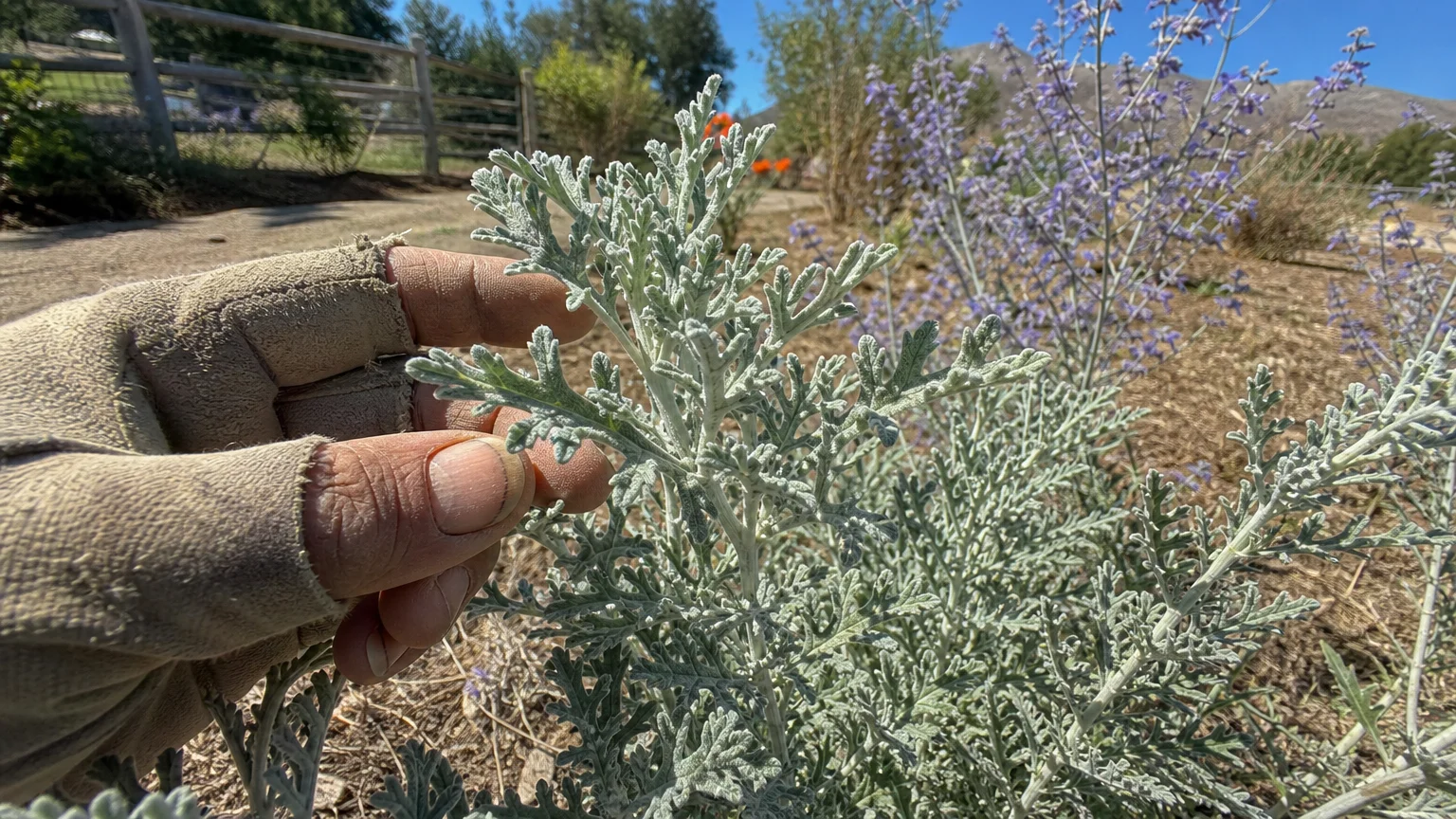
Tip #3: Russian Sage (Perovskia atriplicifolia)
When your garden needs a striking vertical accent that ignores the sweltering heat, Russian Sage delivers magnificent results. This woody perennial features deeply dissected, silvery-gray leaves that physically reflect intense sunlight, reducing the plant’s internal temperature and conserving vital moisture. From mid-summer through early autumn, it produces airy panicles of soft lavender-blue flowers that create a remarkably cool, hazy visual effect in the landscape. Russian Sage thrives in lean, well-draining soils; placing it in rich or overly wet conditions will cause the long stems to sprawl and rot at the crown. You can utilize this drought-resistant specimen as a brilliant textural backdrop for shorter, brightly colored garden flowers. Its aromatic foliage emits a sharp, sage-like scent when brushed against, naturally repelling troublesome garden pests. For the absolute best structural integrity, cut the entire plant back to about six inches above the ground in early spring; this aggressive pruning forces strong, vigorous new growth capable of easily supporting the heavy late-summer blossoms.
[Insert Image Here]
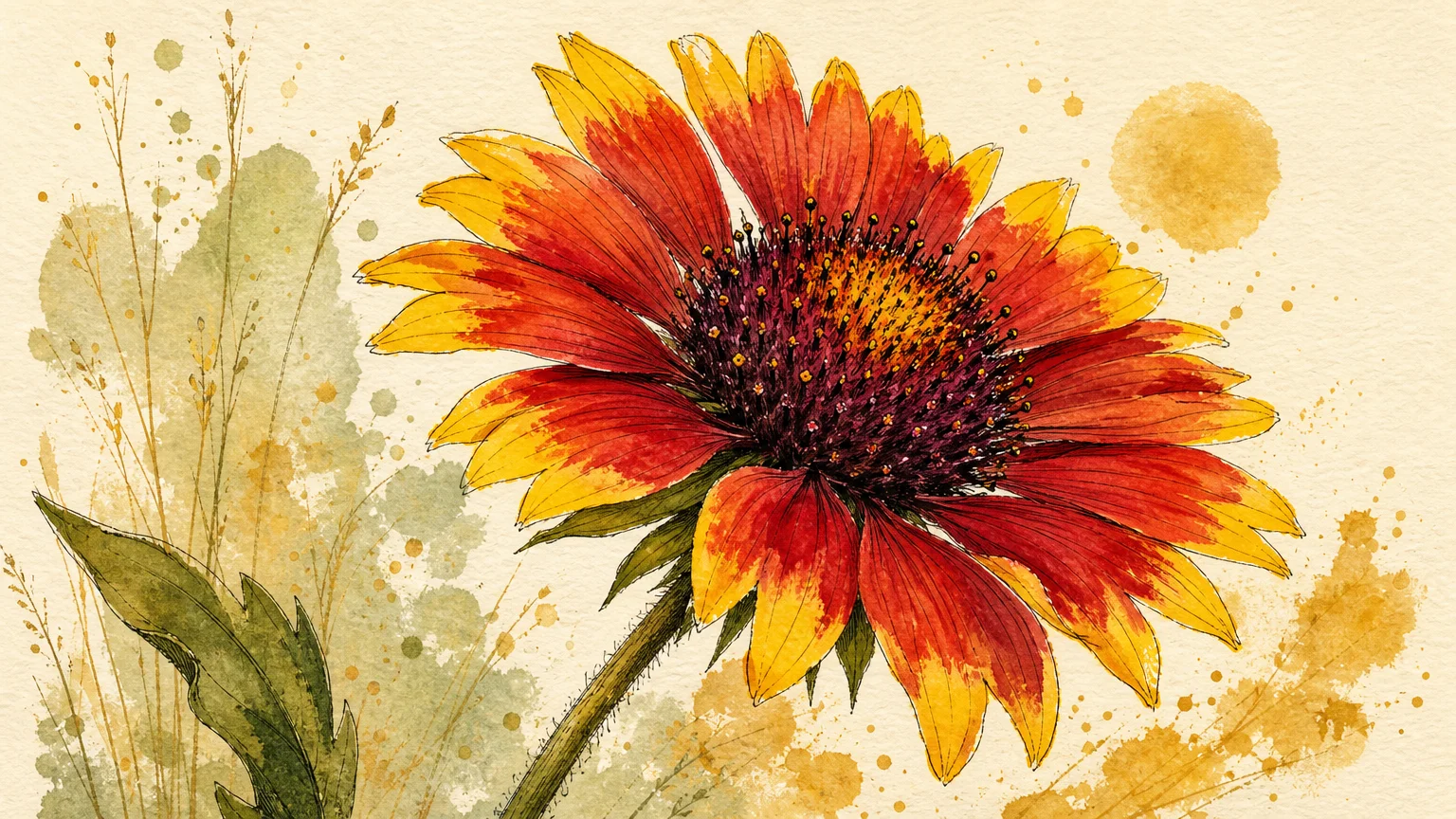
Tip #4: Blanket Flower (Gaillardia)
Gaillardia earns its charming common name by rapidly spreading to form a dense, colorful blanket over dry, sun-baked earth. These incredibly vibrant, daisy-type flowers typically feature brilliant, concentric rings of red, orange, and yellow, mimicking the striking hues of traditional Native American weaving. If you continuously struggle with poor, sandy, or rocky soil where nothing else seems to survive, blanket flowers will flourish and bloom continuously from early summer until the very first hard frost. As premier low-maintenance plants, they actively detest overly fertile environments and heavy, waterlogged clay. You only need to provide excellent drainage and plenty of direct, unfiltered sunlight to achieve success. While they occasionally act as short-lived perennials, they readily self-seed, ensuring a persistent and welcome presence in your yard year after year. Snipping off the faded blooms prevents the plant from exhausting its energy on premature seed production, pushing it to generate even more spectacular flowers to brighten your harshest garden zones.
[Insert Image Here]
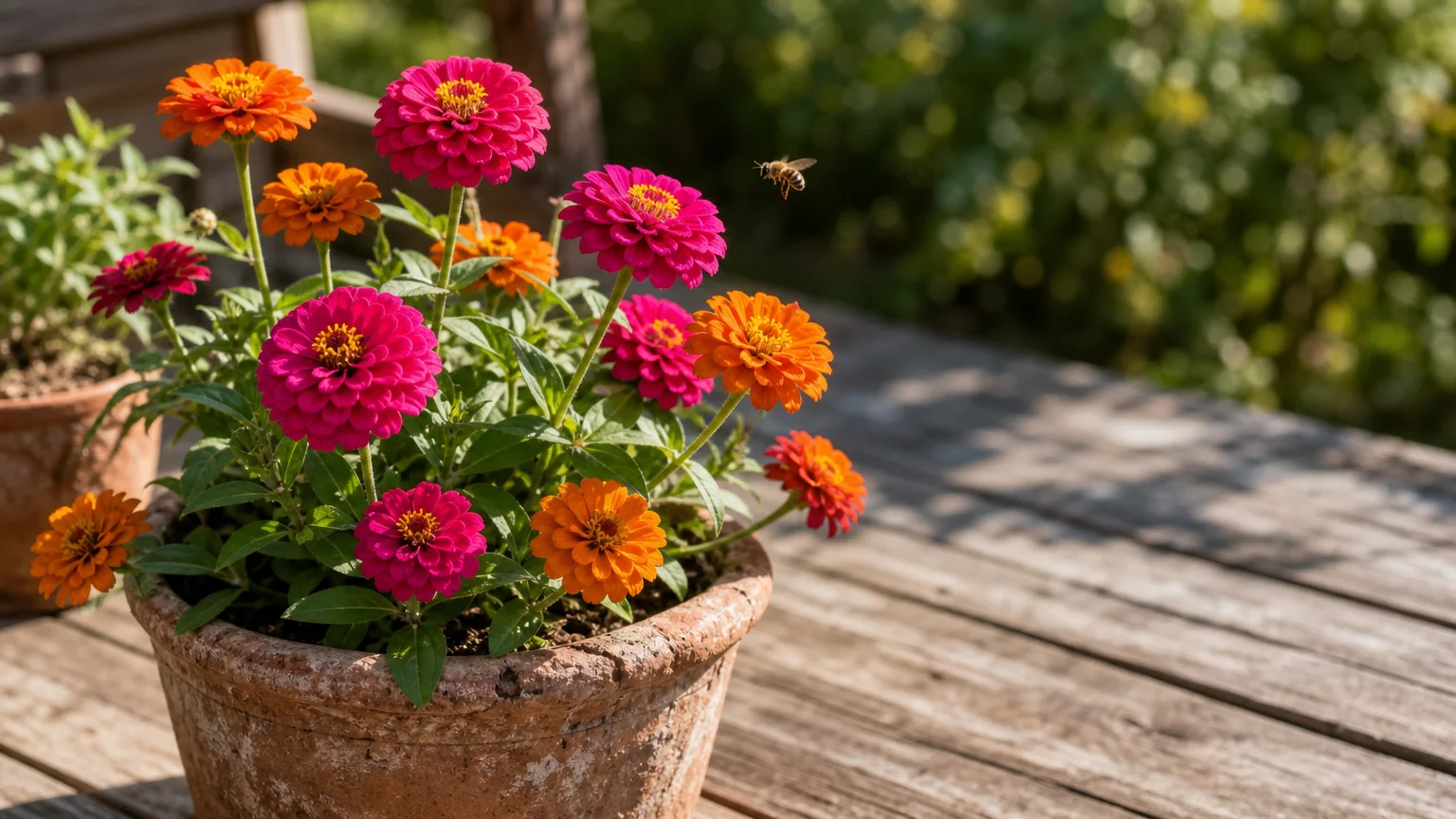
Tip #5: Zinnia (Zinnia elegans)
Zinnias offer one of the highest possible returns on investment for any sun-worshipping home gardener. Grown primarily as fast-acting annuals, they spring from tiny seeds to full, glorious bloom in just a matter of weeks, immediately filling your empty beds with saturated jewel tones. These incredibly heat-tolerant plants absolutely revel in soaring temperatures, utilizing the intense solar energy to rapidly produce sturdy, branching stems capped with fully double, dahlia-like flower heads. To guarantee a stunning display, you must plant zinnias where they receive entirely unobstructed light; shady spots inevitably invite powdery mildew and weak, leggy growth. Providing ample space between individual plants guarantees the proper air circulation necessary to keep their brilliant green foliage perfectly healthy. You can harvest zinnias heavily for spectacular indoor bouquets; cutting the main stems actually signals the plant to branch out and produce an even greater abundance of fresh buds. Look specifically for disease-resistant series like the ‘Profusion’ or ‘Zahara’ lines for completely trouble-free outdoor gardening.
[Insert Image Here]
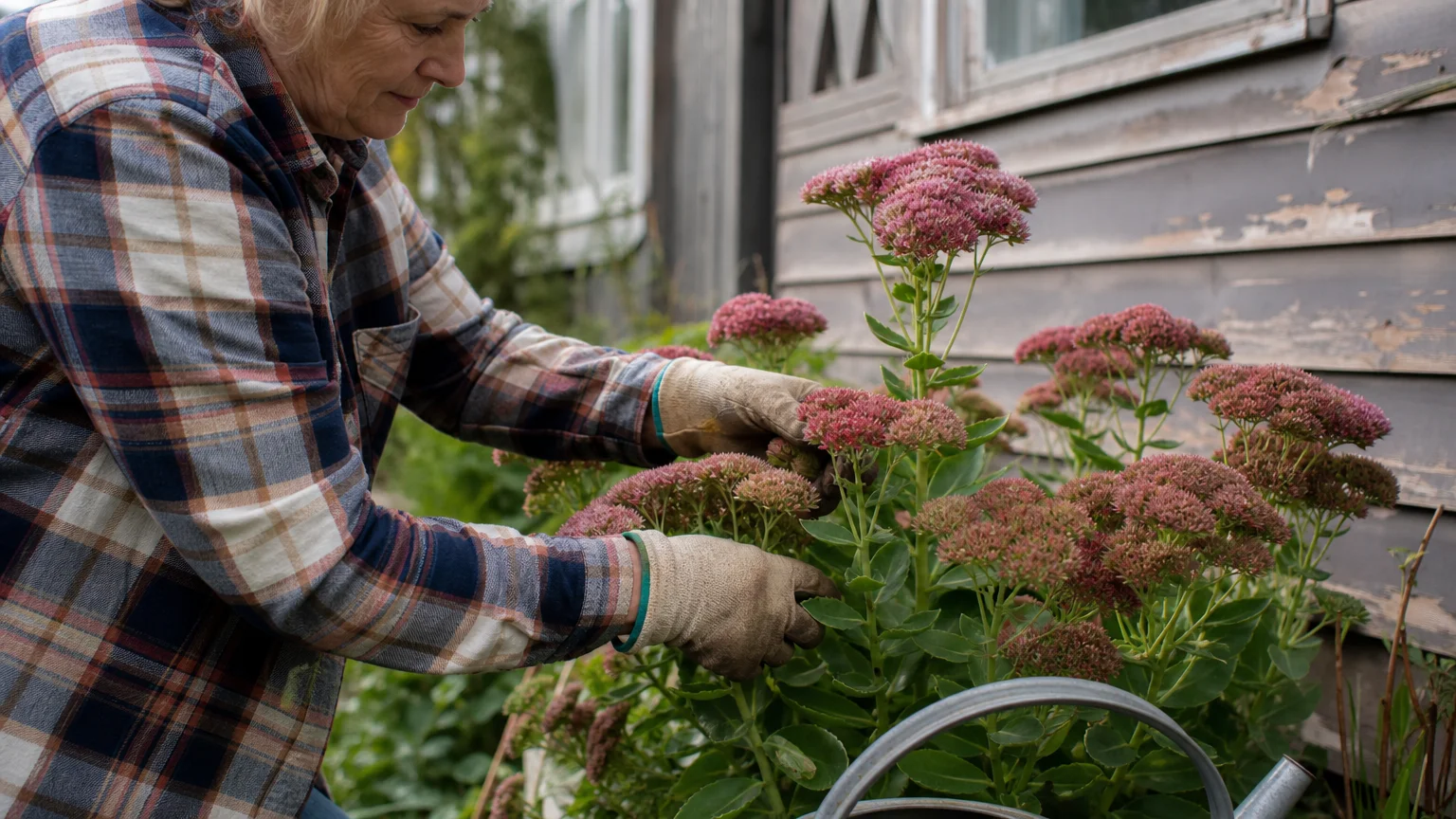
Tip #6: Autumn Joy Sedum (Hylotelephium telephium)
Sedums belong to a vast, fascinating family of succulents uniquely engineered to withstand prolonged drought and relentless sun exposure. The thick, fleshy leaves act as internal botanical reservoirs, hoarding valuable water during rainy periods to sustain the plant through long, punishing dry stretches. ‘Autumn Joy’ stands out as an architectural masterpiece in the perennial border, emerging as neat, cabbage-like rosettes in the early spring before stretching into sturdy upright stems. By late summer, massive broccoli-like flower heads appear, initially displaying a pale green hue that beautifully transitions into bright pink, eventually deepening to a rich, rusty red by late autumn. These reliable full sun plants require almost zero supplemental irrigation once fully established. You must, however, ensure they sit in loose, freely draining soil to strictly prevent root rot. Their late-season nectar supply provides crucial, high-energy nourishment for migrating butterflies, making them an essential component for any ecologically friendly, low-maintenance landscape design.
[Insert Image Here]
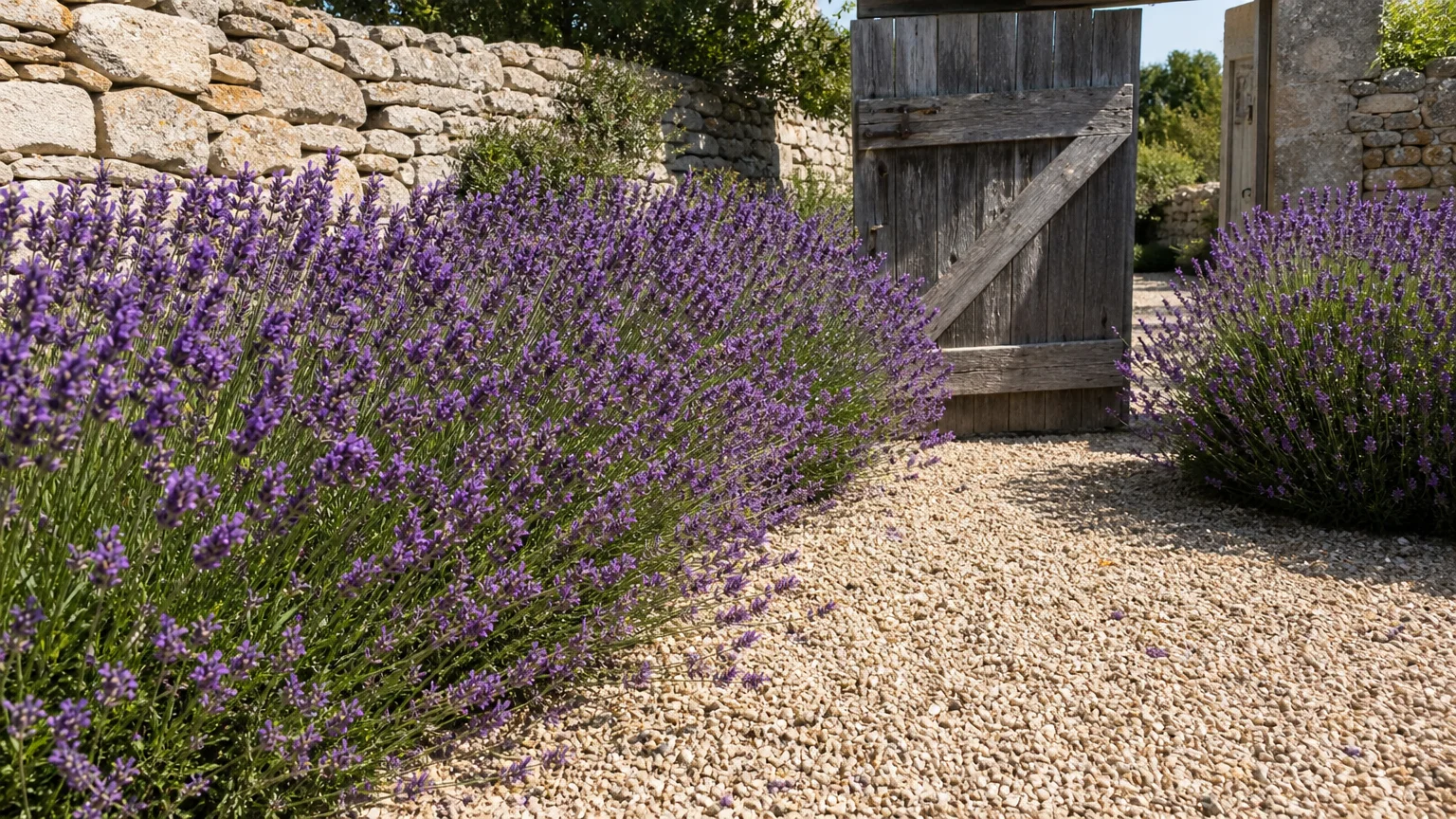
Tip #7: Lavender (Lavandula angustifolia)
Bringing the rustic charm of the Mediterranean right into your own yard requires plants that genuinely love to bake in the afternoon sun. Lavender demands a minimum of eight solid hours of direct light daily to properly concentrate the volatile essential oils that give its foliage and flowers their world-renowned fragrance. English lavender varieties, such as ‘Hidcote’ and ‘Munstead’, offer exceptional cold hardiness alongside their classic culinary and aromatic profiles. The absolute secret to keeping lavender thriving year after year involves strict attention to the soil profile; it must be alkaline, gritty, and exceptionally fast-draining. Adding small pea gravel or coarse builder’s sand to your planting hole prevents the dreaded “wet feet” that notoriously kills more lavender plants than any severe heatwave ever could. After the primary purple spikes fade in mid-summer, you should shear the plant back lightly—taking careful precision not to cut into old, bare woody growth—to maintain a compact shape and encourage a delightful second flush of blooms.
[Insert Image Here]
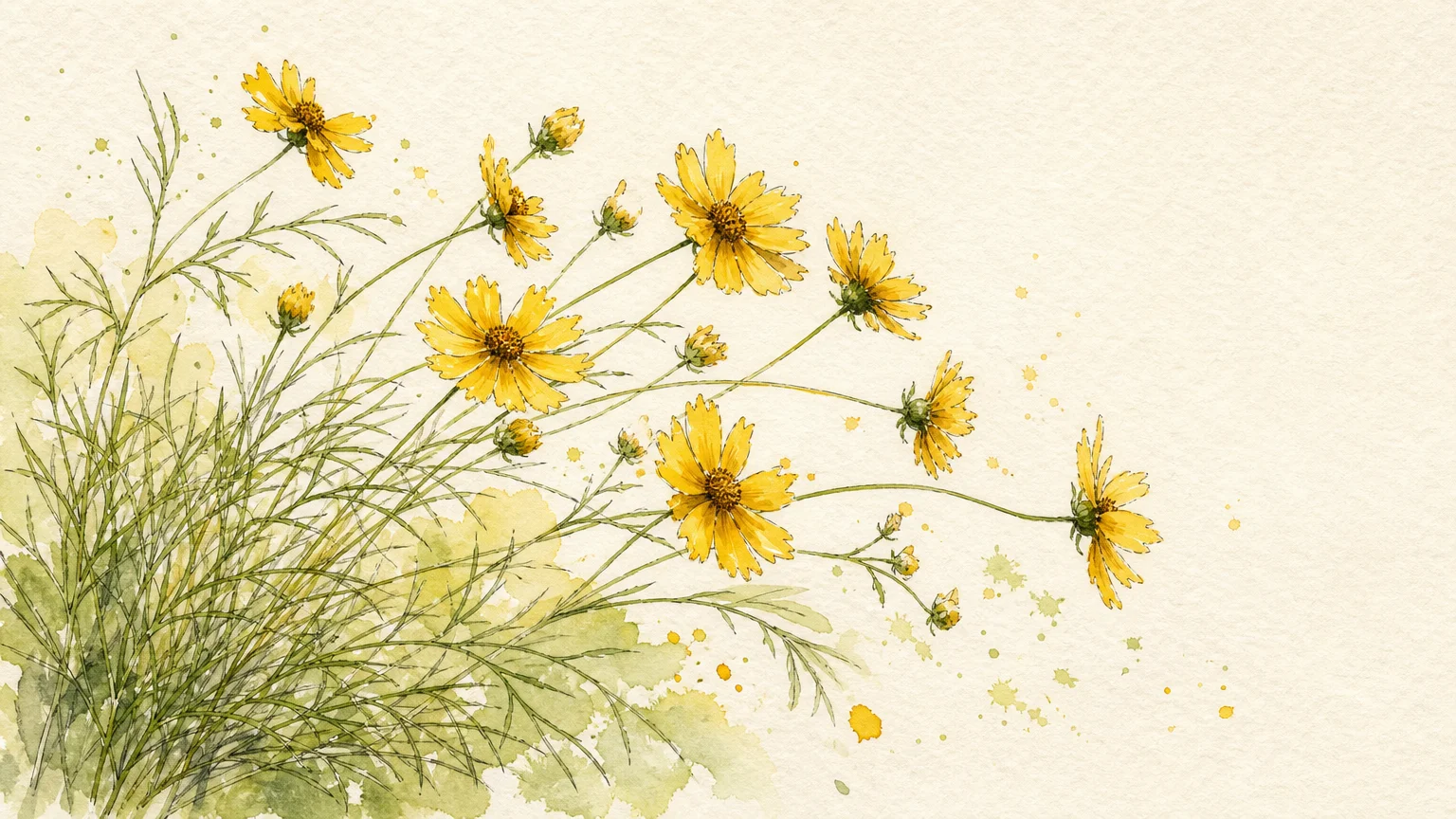
Tip #8: Coreopsis (Coreopsis verticillata)
Often lovingly referred to as tickseed, Coreopsis serves as a cheerful, golden workhorse in the sunny perennial border. Threadleaf varieties feature exceptionally fine, needle-like foliage that creates a soft, highly textured visual foundation even before the flowers decide to make an appearance. When the highly anticipated blooms do arrive, they completely smother the entire plant in hundreds of small, bright yellow, star-shaped blossoms. Because Coreopsis originally evolved in wide-open, sun-drenched environments, it easily qualifies as one of the most resilient heat-tolerant plants available for home cultivation today. You can confidently count on it to aggressively thrive in less-than-ideal soil conditions, gracefully shrugging off both extreme drought and stifling humidity. To maximize the dazzling flowering period, shear the entire plant back by one-third using sharp hedge clippers just as the very first wave of blossoms begins to look tired. This remarkably quick pruning technique instantly rejuvenates the foliage and triggers a massive secondary bloom cycle.
[Insert Image Here]
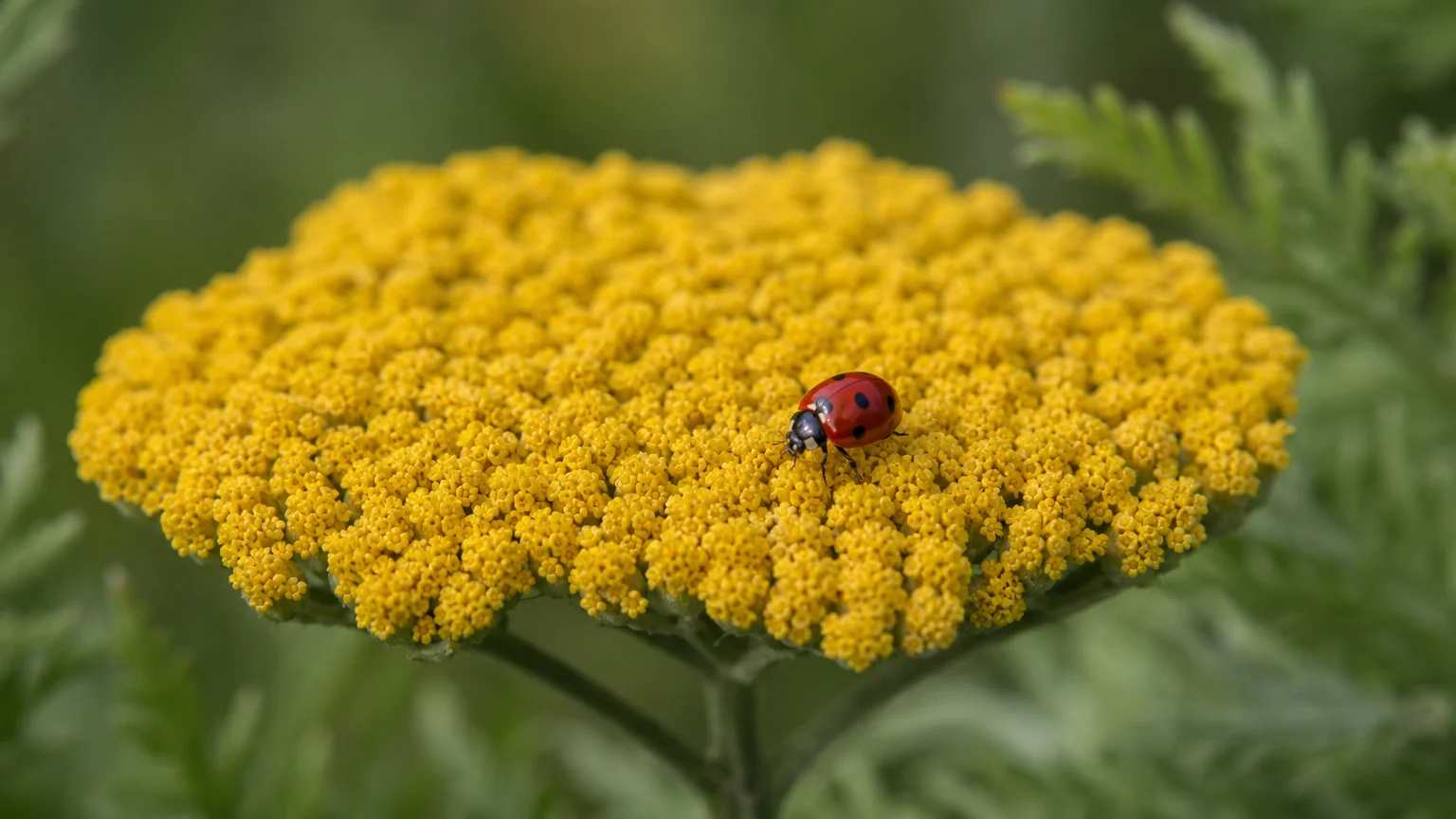
Tip #9: Yarrow (Achillea millefolium)
Yarrow brings both rugged, undeniable durability and distinct architectural form to outdoor spaces dominated by intense, punishing sunlight. The plant steadily produces dense, flattened clusters of tiny flowers that hover beautifully above finely cut, fern-like foliage. These wide floral landing pads provide the absolute perfect resting spot for beneficial insects, including predatory wasps and ladybugs that will naturally manage destructive aphid populations in your yard. Yarrow’s extensive rhizomatous root system allows it to spread rapidly, acting as an excellent, soil-stabilizing ground cover for dry, challenging slopes where turf grass utterly refuses to grow. Modern cultivars drastically expand the traditional yellow and white palette to include stunning, contemporary shades of terracotta, ruby red, and soft peach. As a quintessential example of low-maintenance plants, yarrow actively prefers sheer neglect; overly rich soil combined with excess moisture causes the tall stems to flop over ungracefully. Divide the growing clumps every three years to maintain vigorous health.
[Insert Image Here]
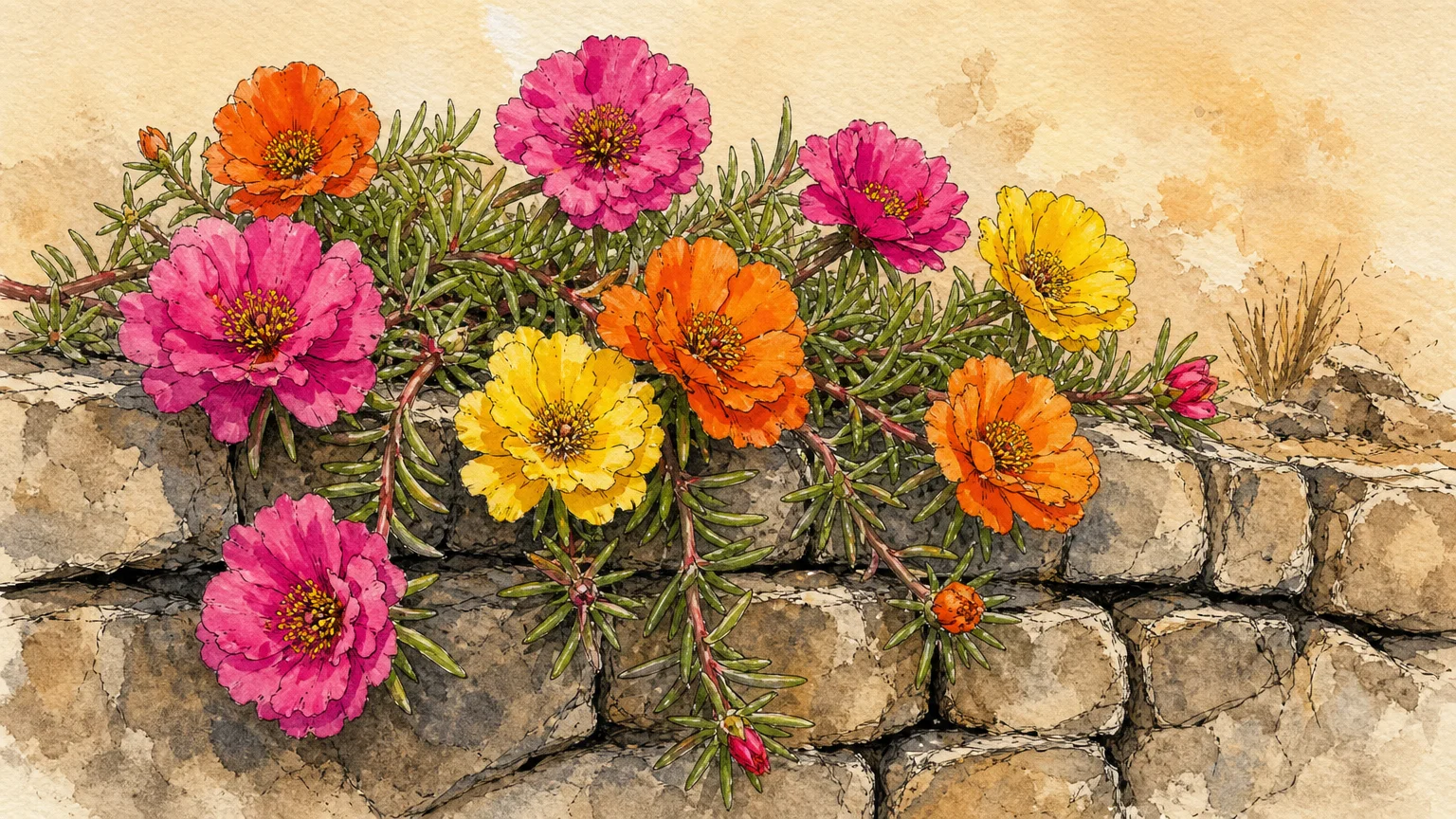
Tip #10: Portulaca (Portulaca grandiflora)
When you unexpectedly encounter a blazing hot concrete driveway edge or a scorching terra cotta pot that bakes relentlessly all afternoon, Portulaca is the perfect, vibrant solution. Also widely known as moss rose, this creeping annual succulent heavily stores water in its cylindrical, fleshy leaves, safely allowing it to comfortably endure micro-climates that would quickly scorch traditional bedding plants. The dazzling, jewel-toned flowers closely resemble miniature roses and possess a truly fascinating survival trait: they open fully only when exposed to bright, direct sunlight, tightly closing during cloudy weather and at night to protect their delicate pollen. You can sow the microscopic seeds directly onto the surface of sandy soil immediately after the final danger of frost has passed, as they absolutely require light to germinate properly. Because of its natural trailing habit, Portulaca looks absolutely spectacular cascading over the rims of hanging baskets or tumbling down rocky retaining walls, providing gorgeous garden flowers all summer.
[Insert Image Here]
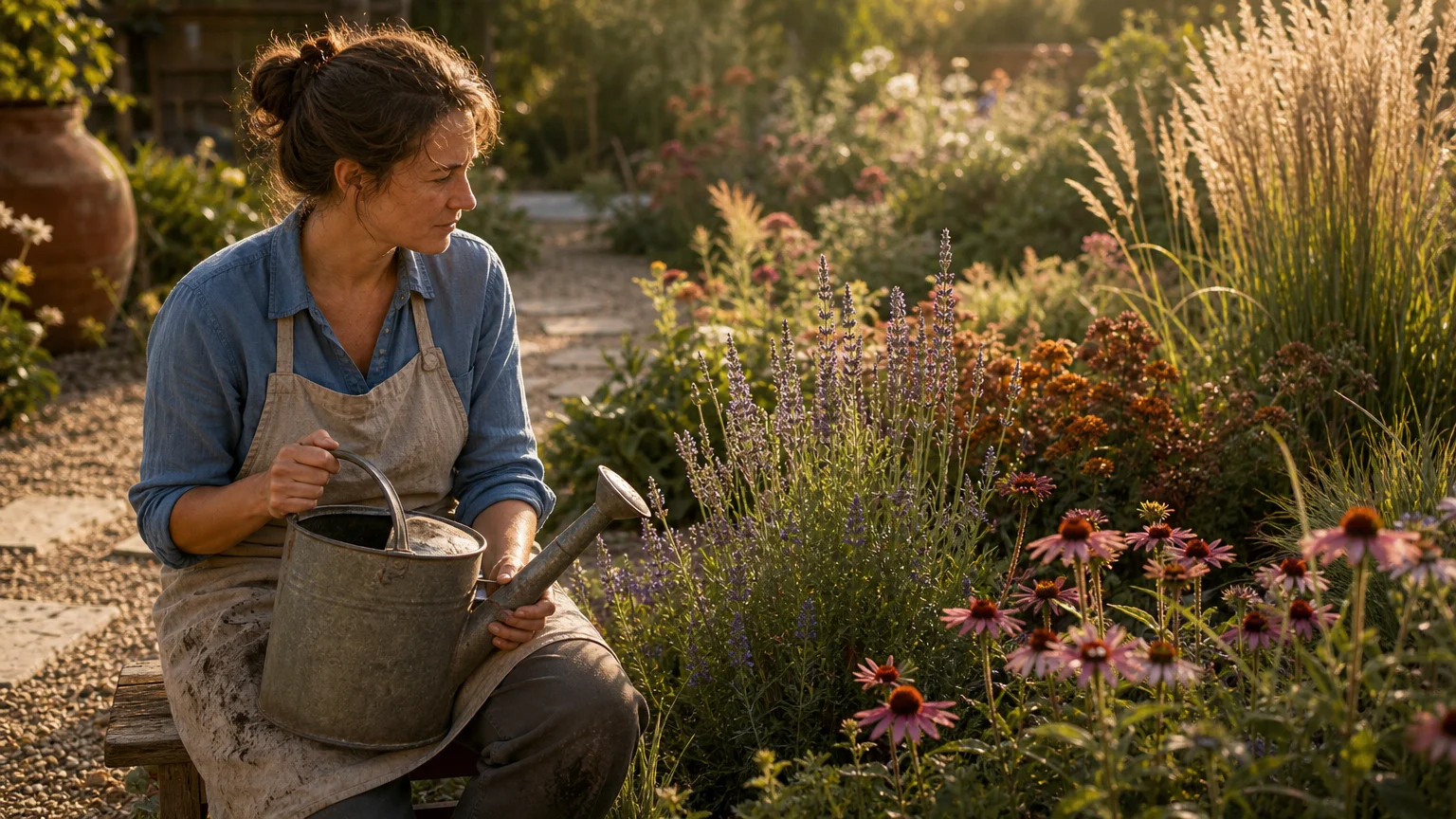
Putting It All Together: Enjoy Your Beautiful Garden
Creating a flourishing landscape in high-heat, high-light areas does not require constant frustration or endless hours wrestling with the garden hose. By intentionally selecting species naturally adapted to these uniquely harsh environments, you seamlessly transform a historically challenging space into an effortless, vibrant outdoor sanctuary. The core secret lies entirely in working alongside nature rather than constantly fighting against it. When you deliberately combine the deep-rooted resilience of coneflowers with the incredible water-hoarding capabilities of sedums and the continuous colorful display of zinnias, you establish a resilient ecosystem built for long-term endurance.
Remember to focus heavily on establishing strong, capable root systems during the crucial first few weeks after planting. Even the toughest drought-resistant specimens need consistent moisture while they actively acclimate to your specific soil profile. Once they permanently settle in, you can easily step back and let their innate natural hardiness take over. Embrace the brilliant summer sunlight, thoughtfully incorporate these incredible botanical selections into your foundational beds, and deeply enjoy the lasting beauty of a resilient, practically self-sustaining floral display.
[Insert Image Here]
Frequently Asked Questions
How much sunlight is considered full sun?
Full sun refers strictly to any planting area that receives at least six to eight hours of direct, completely unobstructed sunlight every single day. The most intense light generally occurs between the hours of 10:00 AM and 4:00 PM. Plants that organically require these specific conditions use this massive amount of solar energy to continually produce brilliant flowers and thick, healthy foliage.
Do full sun plants still need watering?
Yes, especially when they are newly introduced to your garden. Even the most incredibly drought-resistant varieties inherently require regular, deep irrigation during their very first growing season to adequately establish a deep, extensive root system. Once fully mature, you can drastically reduce the watering frequency, providing deep soakings only during extended periods of severe, unusual drought.
Can I grow heat-tolerant plants in containers?
Absolutely. However, you must always remember that soil housed in containers dries out significantly faster than natural soil safely insulated in the ground. Potted plants literally bake from all sides when openly exposed to intense summer rays. You will need to carefully check your decorative containers daily and ensure the pots feature adequate drainage holes to firmly prevent root rot after heavy watering.
Why are the leaves on my sun-loving plants burning?
Leaf scorch almost always happens when a greenhouse-grown plant is rapidly moved directly into harsh outdoor sunlight without a proper transition period. You must properly harden off fresh purchases by gradually exposing them to direct rays over a timeframe of one week. Additionally, severe underwatering can quickly cause the leaf margins of even the toughest species to crisp and turn unpleasantly brown.
For region-specific advice, consult your local University Extension program (find yours via the USDA directory). For plant databases and inspiration, visit the Missouri Botanical Garden or the Royal Horticultural Society.
Disclaimer: This article provides general gardening advice. Always consider your specific climate, soil conditions, and local pests. Follow safety guidelines when using gardening tools and products.
One Response
can lavender, portulaca and zinnias bused in hanging pots?