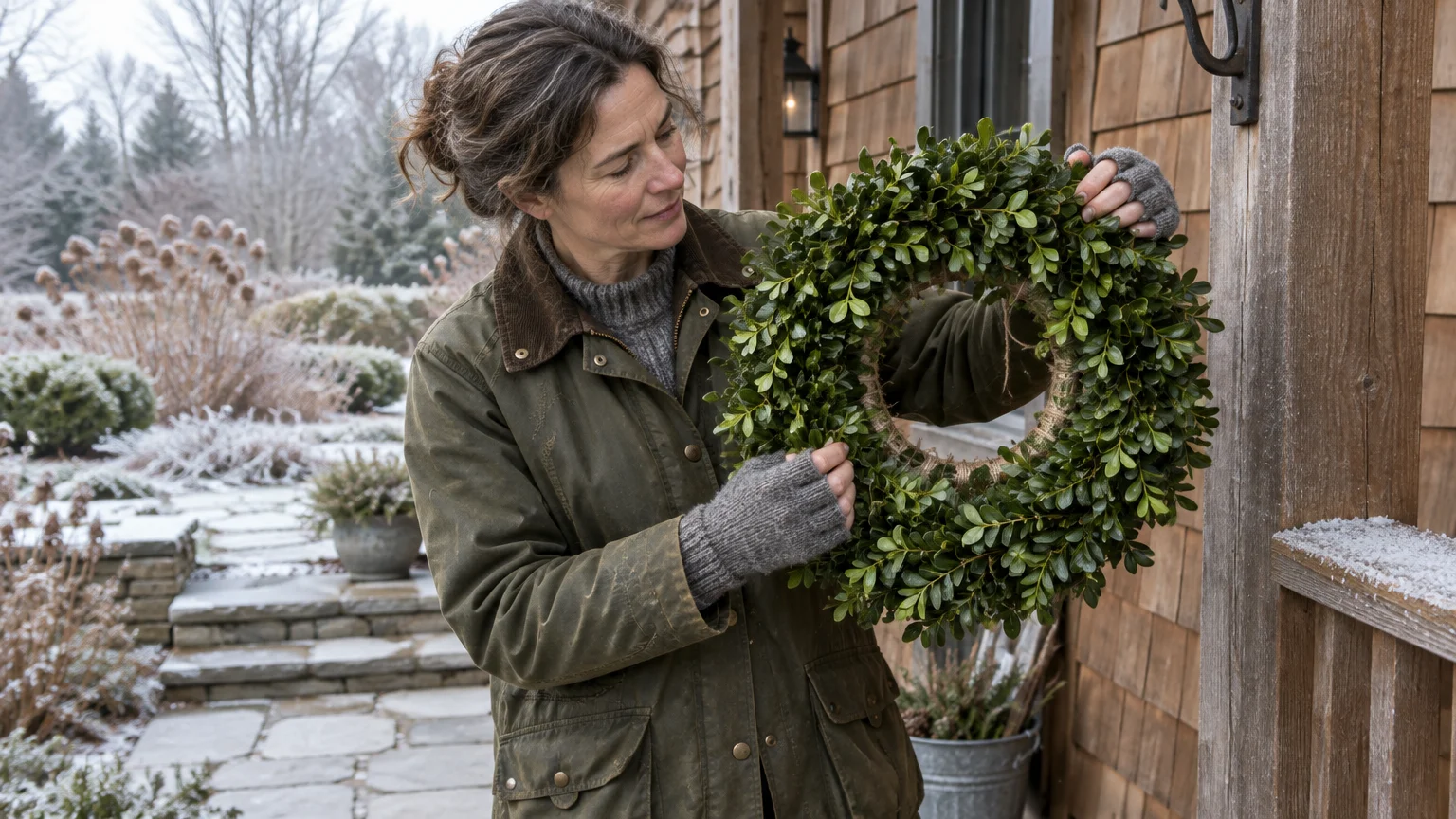
Festive holiday wreaths and garlands can carry a devastating fungal disease known as boxwood blight straight to your doorstep. You can protect boxwood shrubs in your landscape by inspecting purchased greenery for subtle warning signs before hanging it outdoors.
The destructive pathogen, Calonectria pseudonaviculata, travels easily from infected holiday cuttings to healthy landscape shrubs via windblown rain splash. Even a single infected holiday swag hung above an entryway near foundation plantings can ruin decades-old shrubs.
Catching this holiday greenery disease early keeps your garden safe throughout the winter season. Learn what to look for and how to handle festive arrangements to ensure lasting garden biosecurity.
Tip #1: Check Foliage for Dark Circular Leaf Spots
Examine every sprig of cut boxwood under bright light before hanging your decorations outside. Early boxwood blight symptoms appear as tiny, water-soaked lesions across the leaf surface.
These spots soon enlarge into distinct circular brown or tan marks surrounded by dark, purplish-brown borders. Over time, these infected spots merge and cause entire leaves to turn completely brown.
Remember that conifer boughs like pine, fir, and spruce never contract this disease. The pathogen specifically targets plants in the boxwood family, including sweet box and pachysandra.
Tip #2: Look for Black Streaks on Green Stems
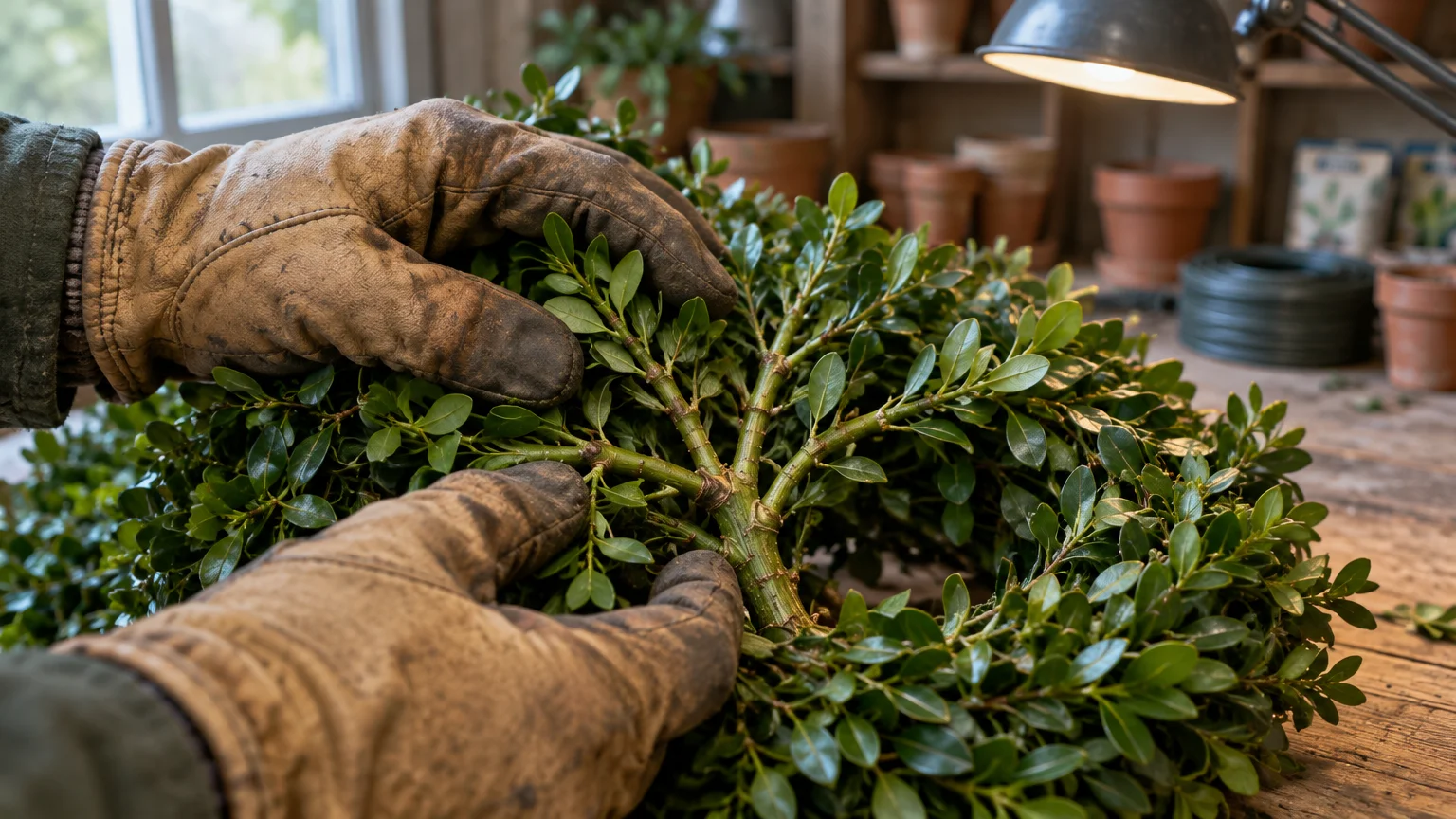
Inspect the green twigs holding the wreath together by gently pulling back the dense leaves. Healthy boxwood stems display a vibrant, uniform green color along their entire length.
Infected cuttings develop narrow, linear black streaks or cankers that run vertically up the stems. These dark lesions indicate an active fungal infection that produces millions of infectious spores.
Stem cankers remain visible even when leaves have dropped away. If you spot these telltale black streaks on cut stems, keep the arrangement far away from your garden.
Tip #3: Watch for Rapid Leaf Drop and White Spores
Healthy holiday cut greens will eventually dry out, but infected boxwood drops green foliage suddenly and dramatically. If your wreath sheds green leaves within days of purchase, suspect fungal infection immediately.
Turn the dropped leaves over to inspect their undersides under good lighting. In humid conditions, the fungus produces tiny, white, fuzzy spore masses along the lower leaf surface.
These sticky spores spread through water splashing rather than light air currents. Rain dripping from an infected wreath onto nearby foundation plantings will quickly transmit the blight.
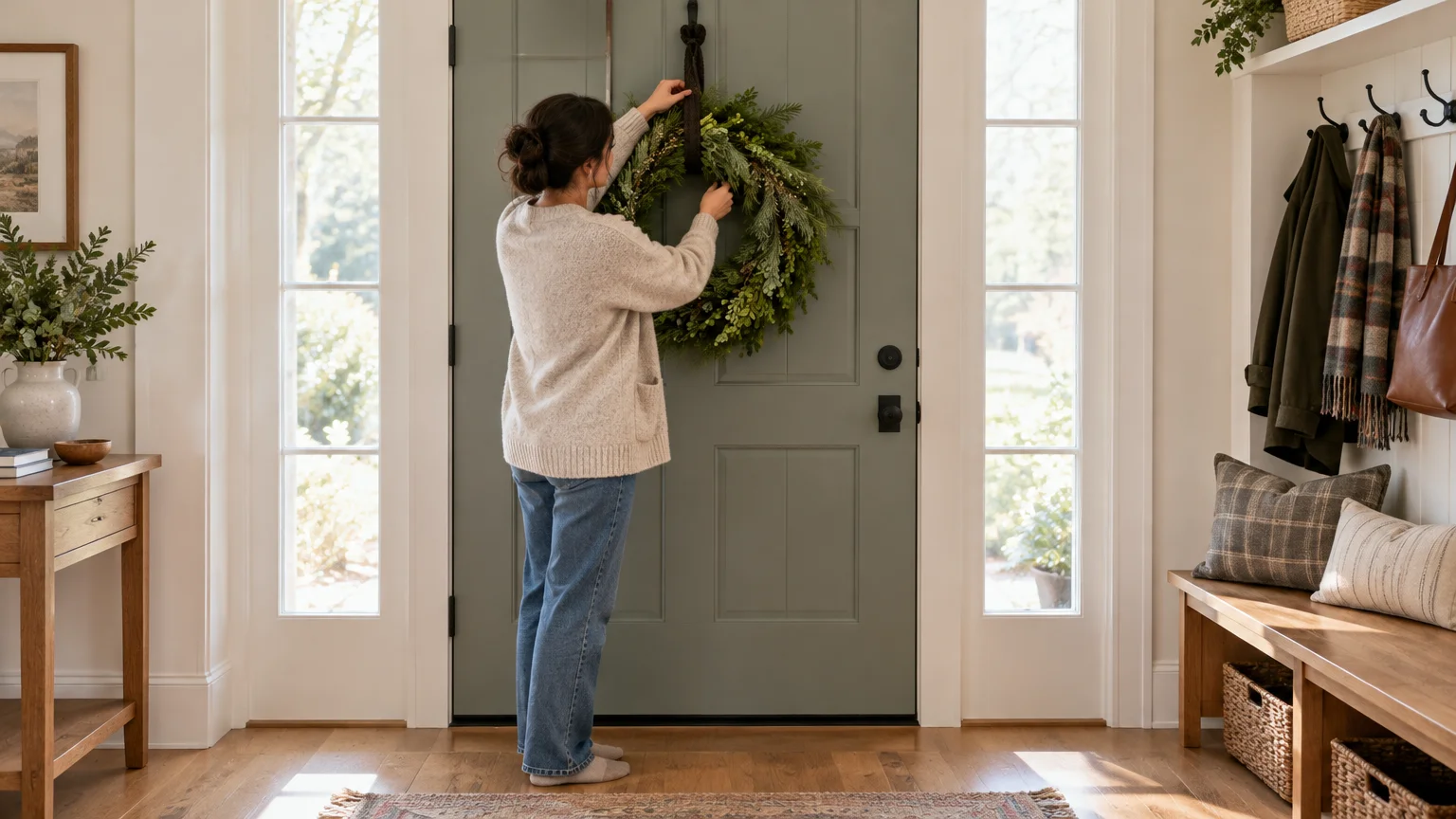
Tip #4: Hang Greenery Away from Landscape Plants
Commercial growers sometimes apply preventative fungicides that temporarily mask symptoms on fresh cuttings. Even apparently clean holiday greenery may carry invisible, dormant fungal spores into your yard.
Maintain safe garden biosecurity by hanging boxwood wreaths indoors or on doors far from living landscape shrubs. Avoid placing cut arrangements near porch steps where runoff flows directly into boxwood borders.
States like Pennsylvania and Tennessee enforce strict exterior quarantines on cut boxwood greenery for this reason. Keeping physical distance between holiday decorations and garden beds prevents accidental winter transmission.
Tip #5: Double-Bag and Discard Greenery in the Trash
Never place holiday boxwood greenery into your compost pile or municipal yard waste bin. The hardy fungal spores survive in organic debris and soil for at least five to six years.
Composting infected material distributes the persistent pathogen directly back into your garden beds. Instead, double-bag all boxwood wreaths and swags inside heavy plastic trash bags and send them to the landfill.
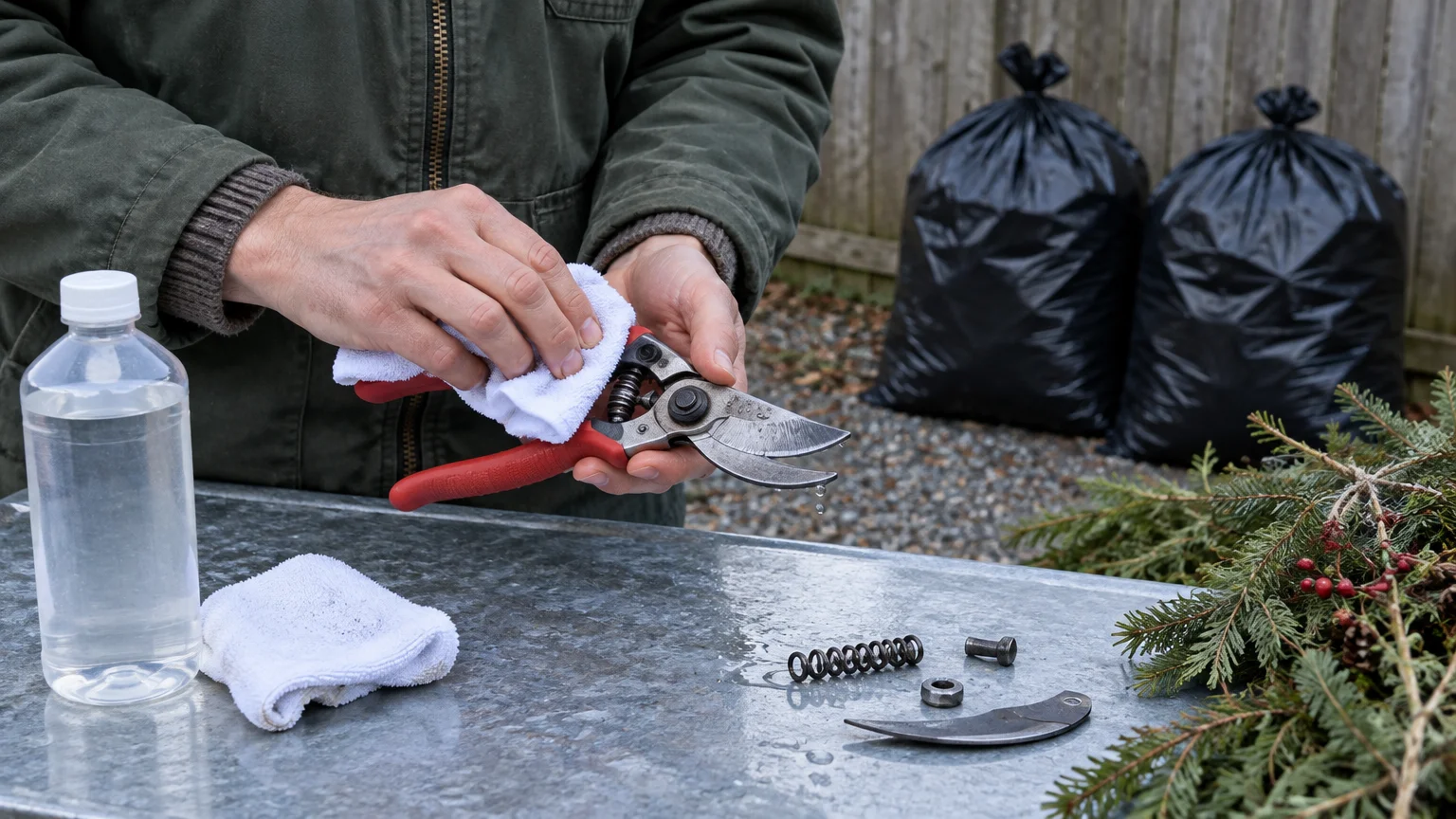
You can also safely burn the debris where local fire ordinances allow; burying it two feet deep offers another safe alternative. Sanitize your pruning shears with seventy percent ethyl alcohol after cutting down old arrangements.
Putting It All Together: Enjoy Your Beautiful Garden
Protecting your landscape boxwoods requires vigilance during the festive winter holidays. A few minutes spent examining store-bought greenery safeguards your treasured hedges for years to come.
Embrace the season with confidence by selecting mixed conifer swags or carefully inspecting your boxwood displays. Proper placement and smart disposal keep your outdoor haven healthy, lush, and disease-free.
For region-specific advice, consult your local University Extension program (find yours via the USDA directory). For plant databases and inspiration, visit the Missouri Botanical Garden or the Royal Horticultural Society.
Disclaimer: This article provides general gardening advice. Always consider your specific climate, soil conditions, and local pests. Follow safety guidelines when using gardening tools and products.
Frequently Asked Questions
Can boxwood blight infect other evergreen holiday greens?
No, boxwood blight only infects plants within the Buxaceae family. Your fir, pine, spruce, cedar, and holly decorations cannot host or spread the fungus to landscape plants.
Can I cure a wreath that shows signs of blight?
No curative treatments exist for plants infected with boxwood blight. Fungicides only provide preventative protection for healthy foliage and cannot rescue infected cuttings or shrubs.
How should I clean tools that touched holiday greenery?
Disinfect pruning shears and work surfaces using seventy percent ethyl alcohol or a ten percent household bleach solution. Thorough cleaning destroys sticky fungal spores and prevents cross-contamination across your garden.
What other plants can catch this disease from holiday greenery?
Sweet box and Japanese or Allegheny pachysandra serve as alternate host plants. Keep holiday boxwood decor away from these shade groundcovers to prevent hidden garden outbreaks.