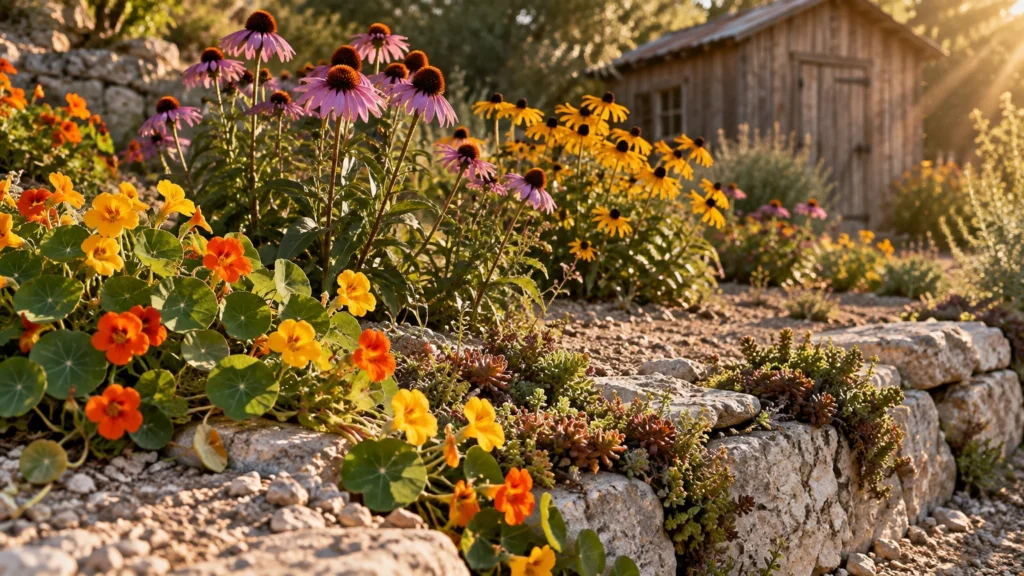
Planting self-seeding flowers lets you create an abundant, dynamic landscape that returns effortlessly every spring. You invest effort once, and these resilient bloomers replenish your beds year after year without extra cost.
These botanical wonders drop viable seeds across open soil, producing sturdy volunteer seedlings that thrive naturally. They fill empty spaces with color, crowd out stubborn weeds, and attract essential pollinators to your yard.
Discover the best reseeding annuals and easy perennial flowers to transform your garden into a self-sustaining haven. With a few thoughtful techniques, you will enjoy endless blossoms with minimal maintenance.
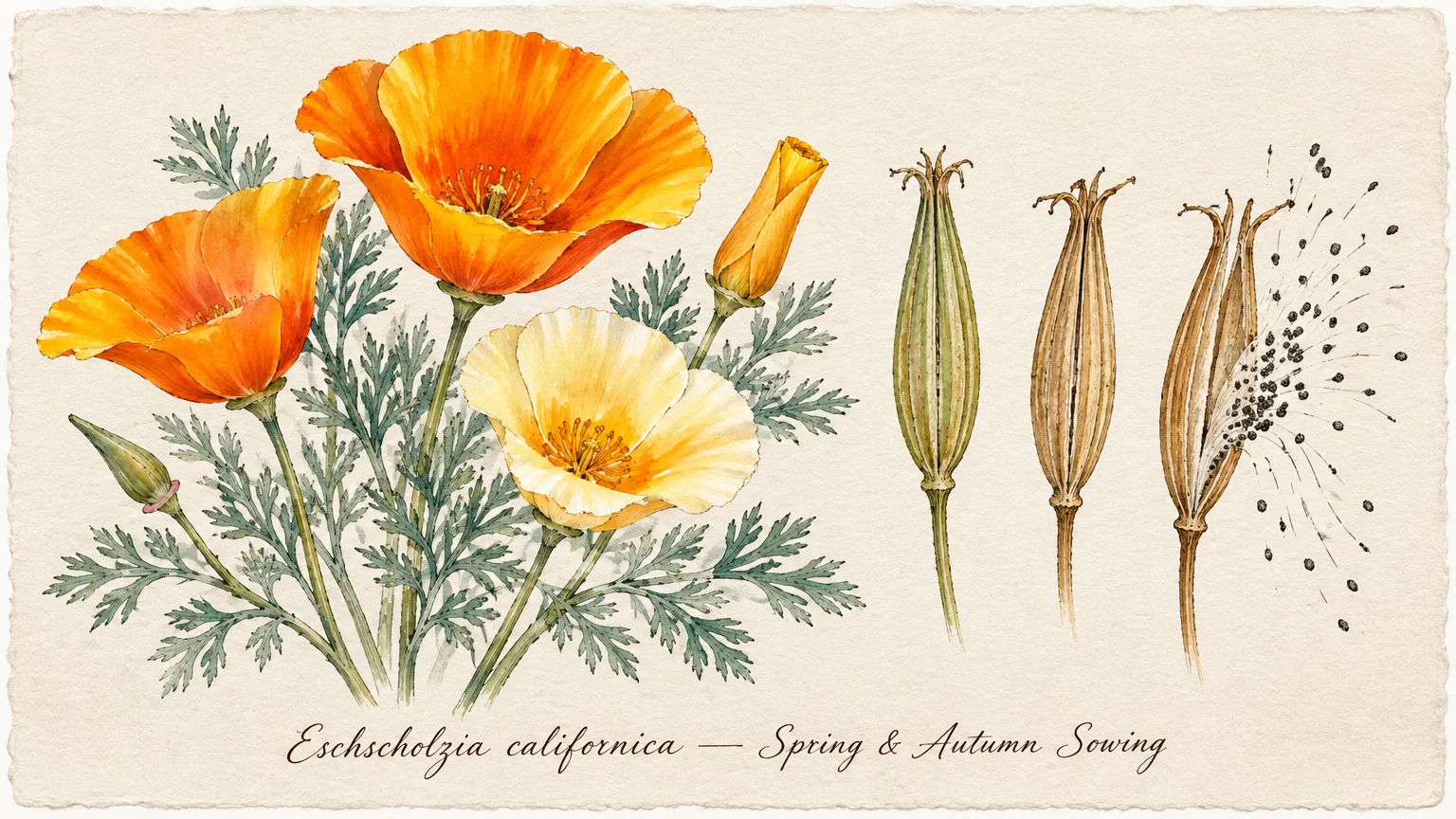
Tip #1: California Poppy (Eschscholzia californica)
California poppies display silky, cup-shaped petals in luminous shades of orange, gold, and cream. Their finely cut, blue-green foliage creates a delicate texture that softens borders and rock gardens.
These tough annuals thrive in poor, sandy soil where other ornamental flowers struggle to survive. They withstand intense heat and severe summer droughts while offering valuable pollen to local bees.
Scatter seeds directly onto exposed soil in early spring or autumn; they dislike root disturbance from transplanting. Press the seeds lightly into the earth without burying them deeply.
As blooms fade, slender seed pods develop and dry into taut, ribbed vessels. Once mature, these pods split open with surprising force, flinging seeds several feet away.
Leave the seed heads intact at the end of the season to ensure a vibrant return. In spring, simply thin crowded seedlings to give each plant adequate room to spread.
California poppies bring effortless warmth to sunny garden spaces. You will admire their cheerful blooms opening with morning sunlight and closing each dusk.
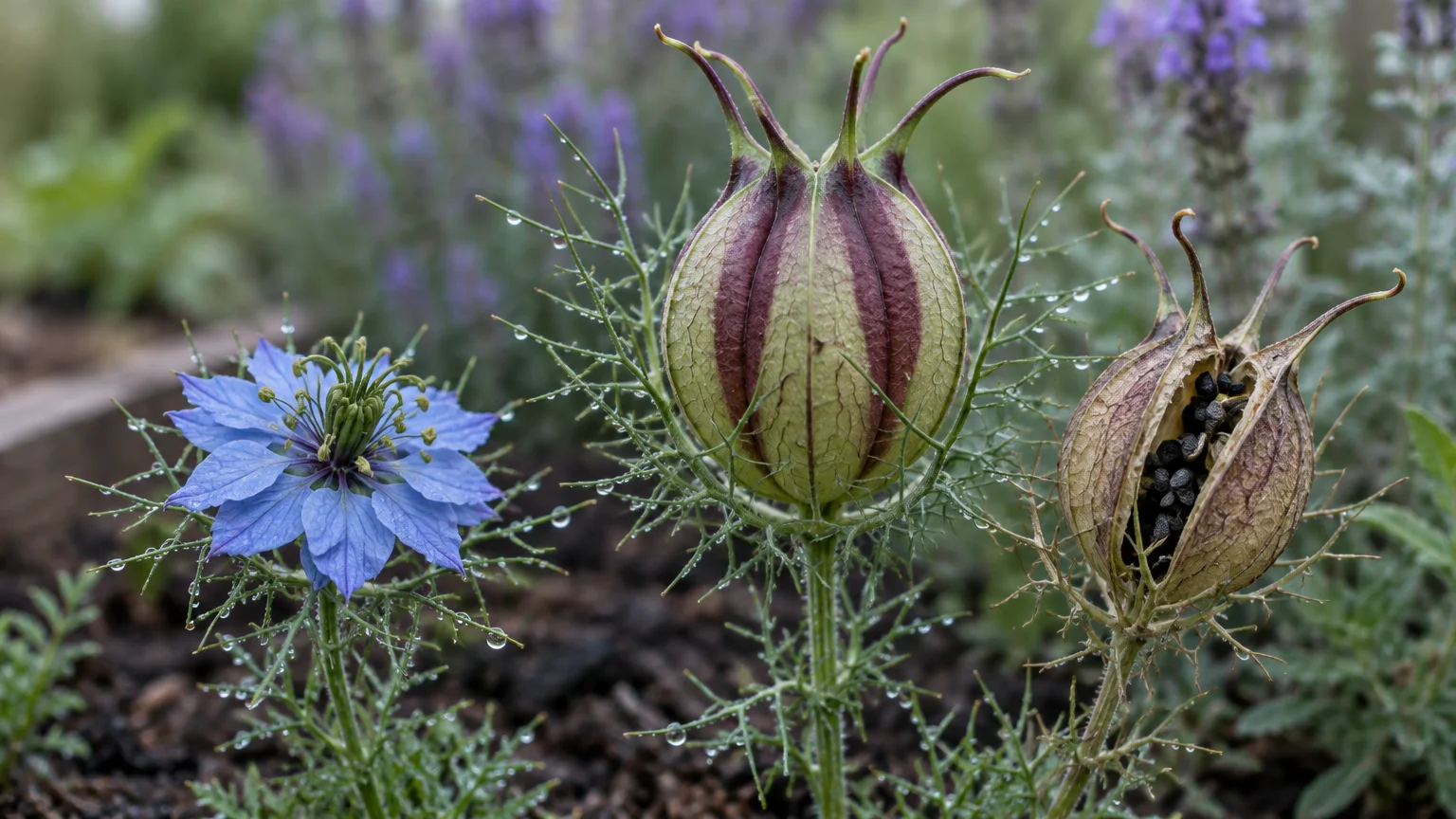
Tip #2: Love-in-a-Mist (Nigella damascena)
Love-in-a-mist charms onlookers with intricate, pastel blossoms nestled within an airy halo of threadlike bracts. You can find varieties featuring sky blue, lavender, rose, and crisp white petals.
Gardeners value nigella for its dual-season appeal, which extends far beyond its initial summer flowering window. After petal drop, the flowers transform into ornate, striped seed capsules that elevate fresh bouquets.
Sow nigella seeds in full sun and well-draining garden beds during early spring. Rake the soil surface lightly to establish good seed-to-soil contact before watering gently.
The swollen, papery seed pods ripen during midsummer, holding dozens of small, charcoal-black seeds inside. When autumn breezes shake the dried pods, seeds scatter across the surrounding earth.
Avoid disturbing the soil surface beneath spent plants in late autumn. Strong winter rains will settle the seeds, prompting early germination when warm spring sunshine arrives.
This cottage garden classic fills empty transition periods between spring bulbs and high-summer perennials. Its graceful habit ensures that neighboring plants never feel crowded or overshadowed.
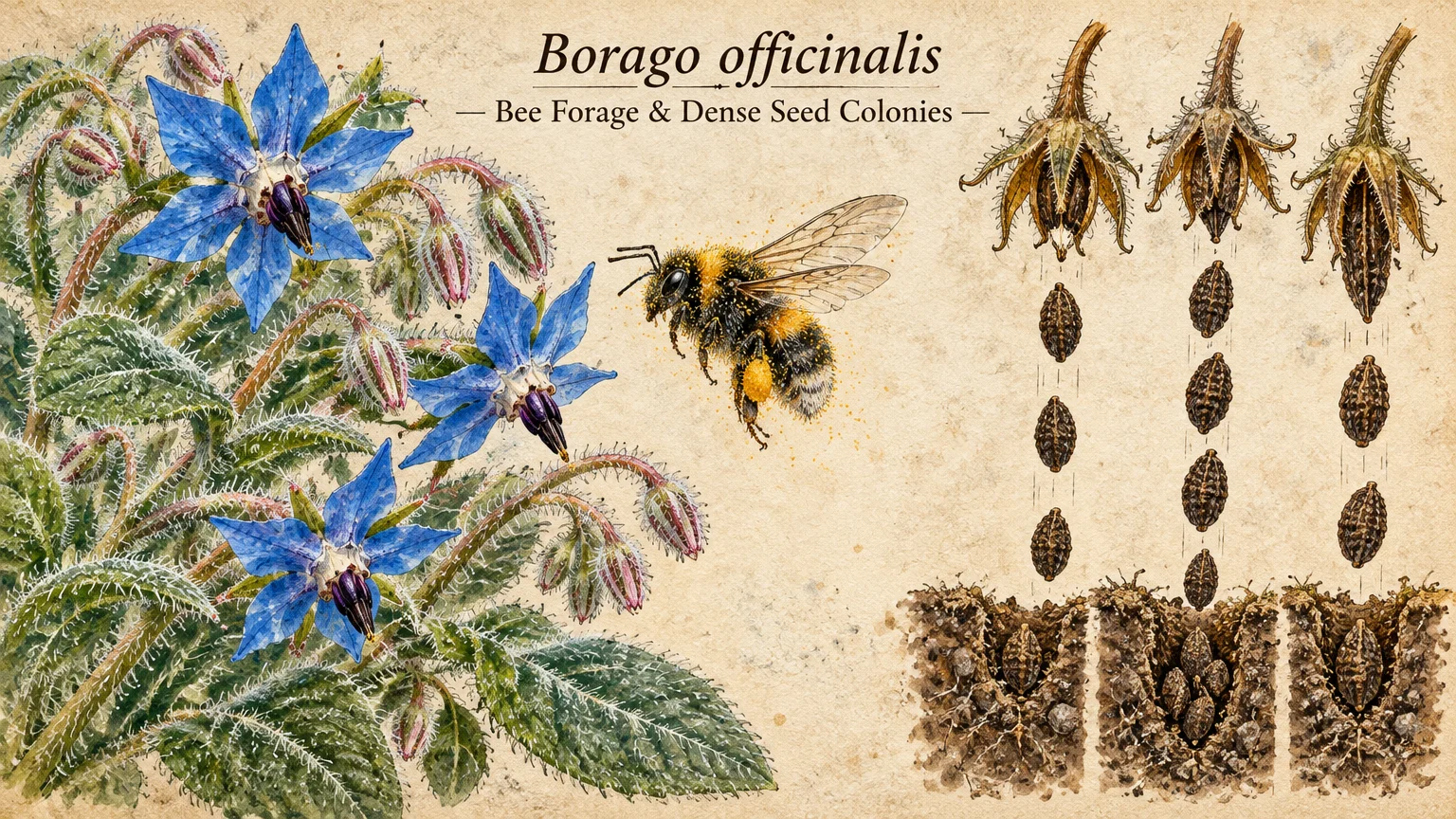
Tip #3: Borage (Borago officinalis)
Borage produces clusters of vibrant, star-shaped sky blue flowers that droop gracefully above bristly green stems. Both the radiant blossoms and young leaves emit a subtle, refreshing scent reminiscent of crisp cucumbers.
This versatile herb acts as an exceptional companion plant by attracting bumblebees and predatory insects. Honeybees flock eagerly to its blossoms, which refill with sweet nectar throughout the daylight hours.
Direct sow borage seeds directly into average, well-draining garden soil after the danger of frost passes. Plant them roughly one-half inch deep, providing moderate moisture until strong roots develop.
Because borage blooms continuously from late spring through autumn, it drops seed steadily all season. Dense clusters of heavy seeds fall straight down, establishing colonies around the parent specimen.
Cultivate borage near vegetable patches where pollination boosts crop yields naturally. If too many volunteers emerge next spring, lift and relocate them while they remain small.
Their edible blossoms make stunning garnishes for summer salads and cold drinks. You will appreciate how reliably this multi-purpose herb reclaims its garden corner each spring.
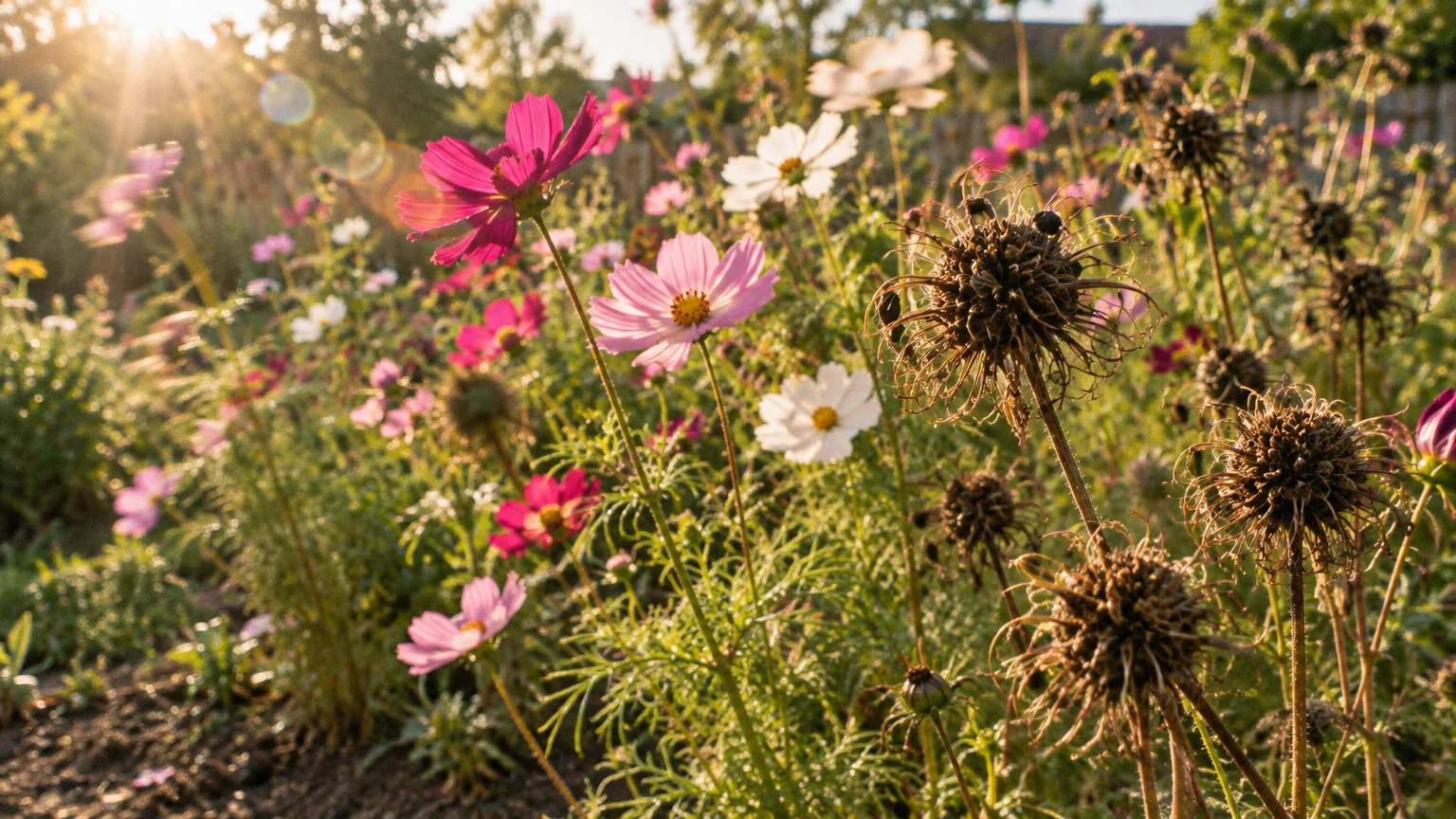
Tip #4: Cosmos (Cosmos bipinnatus)
Cosmos commands attention with broad, daisy-like blossoms swaying atop tall, feathery green foliage. These graceful plants produce non-stop waves of magenta, pink, and white blooms from midsummer until frost.
These sun-loving annuals tolerate low-fertility soils and neglect, making them perfect for low maintenance flowers in borders. In fact, rich soil causes lush leafy growth while reducing the overall number of blooms.
Scatter cosmos seeds across a sunny border after your region experiences its final spring frost. Press them into the warm ground; they require bright light and warm temperatures to sprout.
When flowering subsides in autumn, spiky dark seed heads develop where petals once clustered. The dried seeds drop into the garden bed, overwintering safely under leaves and snow.
Refrain from deadheading the final flush of late-autumn flowers to allow seed development. In spring, thin dense clusters to twelve inches apart for optimal air circulation.
Their airy stems create an informal, billowy texture that blends seamlessly with ornamental grasses. You will enjoy cut vases full of these bright, cheerful blooms for months on end.
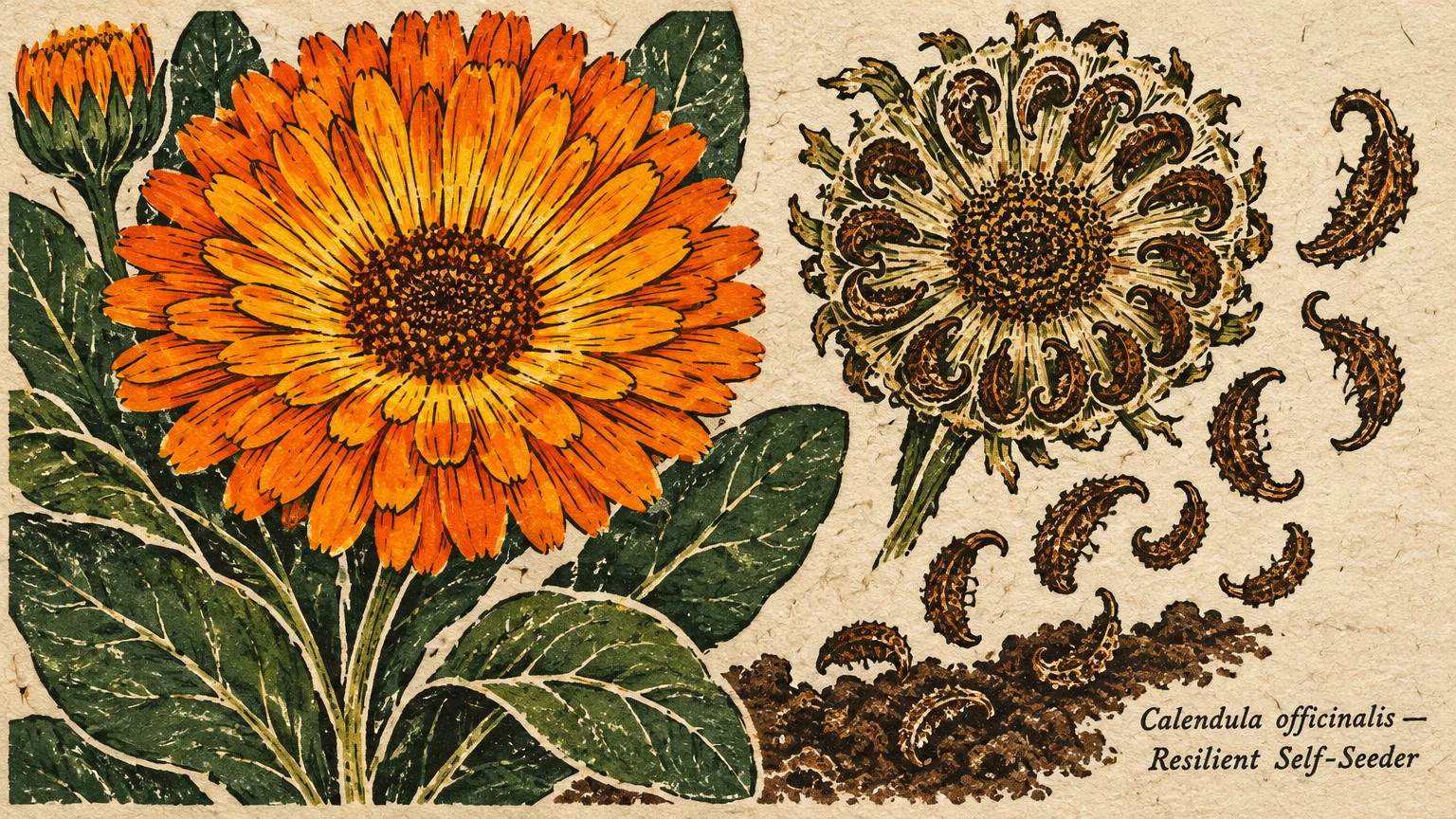
Tip #5: Calendula (Calendula officinalis)
Calendula, often called pot marigold, brightens garden beds with radiant yellow and fiery orange blossoms. Its velvety petals unfurl continuously, offering cheerful color even during cool, overcast weather.
Beyond its striking visual appeal, calendula boasts edible petals and traditional herbal uses. Gardeners also appreciate its remarkable cold tolerance, which keeps plants blooming well past the first light frost.
Plant calendula seeds one-quarter inch deep in rich, well-drained soil during early spring or autumn. Choose an area that receives full sun or light afternoon shade in warm climates.
As flower petals fall away, curved, crescent-shaped seeds form tight circles resembling small green dragons. Once these seeds turn dry and grayish-brown, they fall freely onto the garden bed.
Allow self-sown seeds to settle into the soil before winter sets in. They will germinate readily in early spring, often blooming weeks ahead of indoor-started transplants.
Use calendula to edge vegetable beds or tuck it into cottage garden borders. The cheerful blooms discourage common garden pests while providing an early pollen source for beneficial insects.
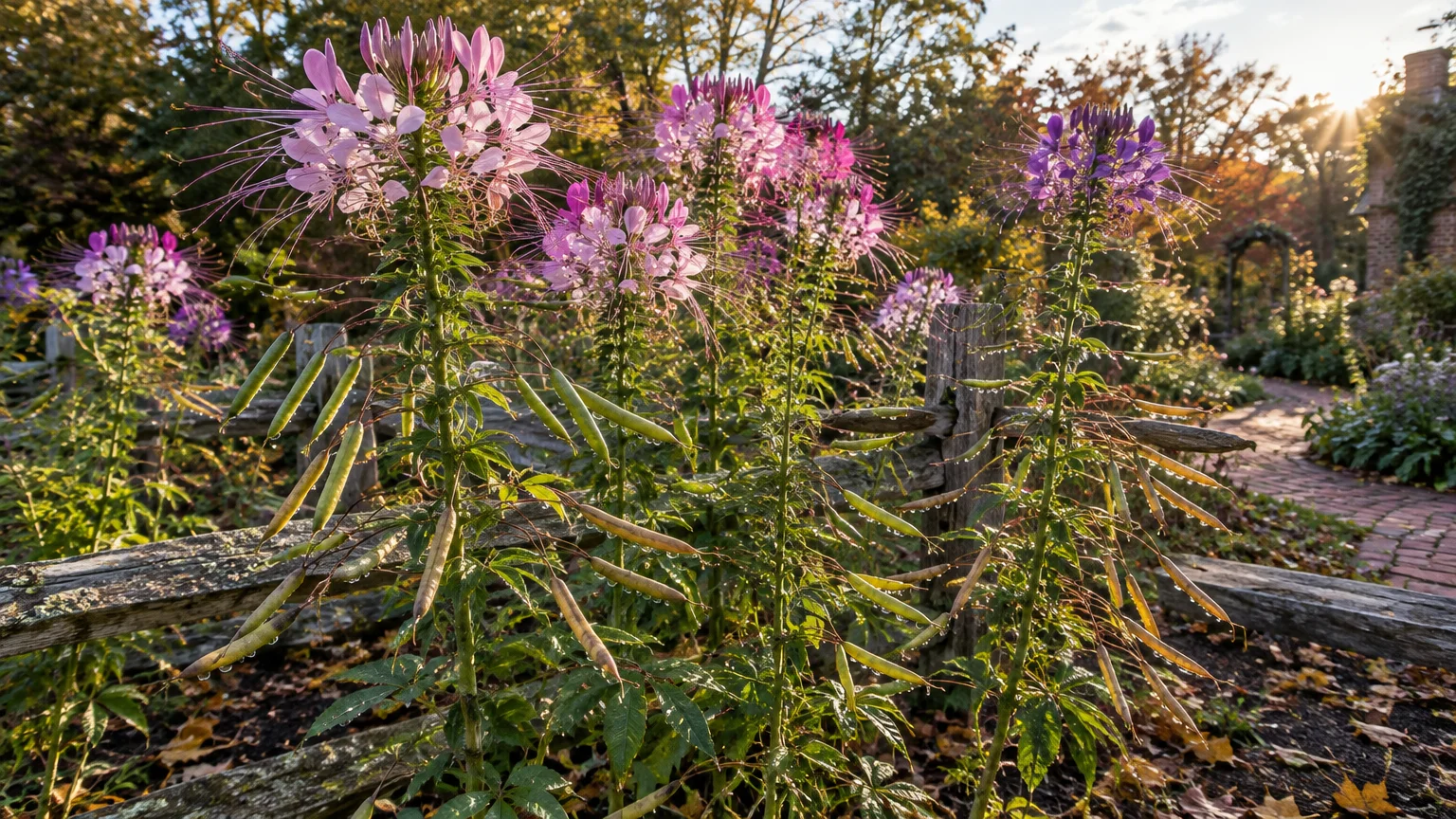
Tip #6: Spider Flower (Cleome hassleriana)
Cleome commands attention with showy, architectural flower clusters featuring long, whiskery stamens that resemble spider legs. These tall annuals display dramatic clouds of pink, violet, and crisp white petals.
Reaching heights of four to five feet, spider flowers provide magnificent structural backdrops for mixed borders. They draw hummingbirds, sphinx moths, and butterflies continuously throughout hot summer afternoons.
Sow cleome seeds in full sun where the plants can receive at least six hours of light. Press seeds lightly onto the soil surface, as exposure to light triggers quick germination.
Slender, elongated seed pods emerge beneath the blooms and project outward on thin, wiry stems. When dry, these pods pop open along their seams, scattering hundreds of hardy seeds.
Cleome volunteers emerge vigorously each spring once the soil warms thoroughly. Simply weed out excess seedlings to maintain balanced proportions within your perennial beds.
Their sturdy stalks rarely require staking, even when summer thunderstorms bring heavy wind and rain. This resilience makes cleome an outstanding choice for effortless, dramatic height in sunny borders.
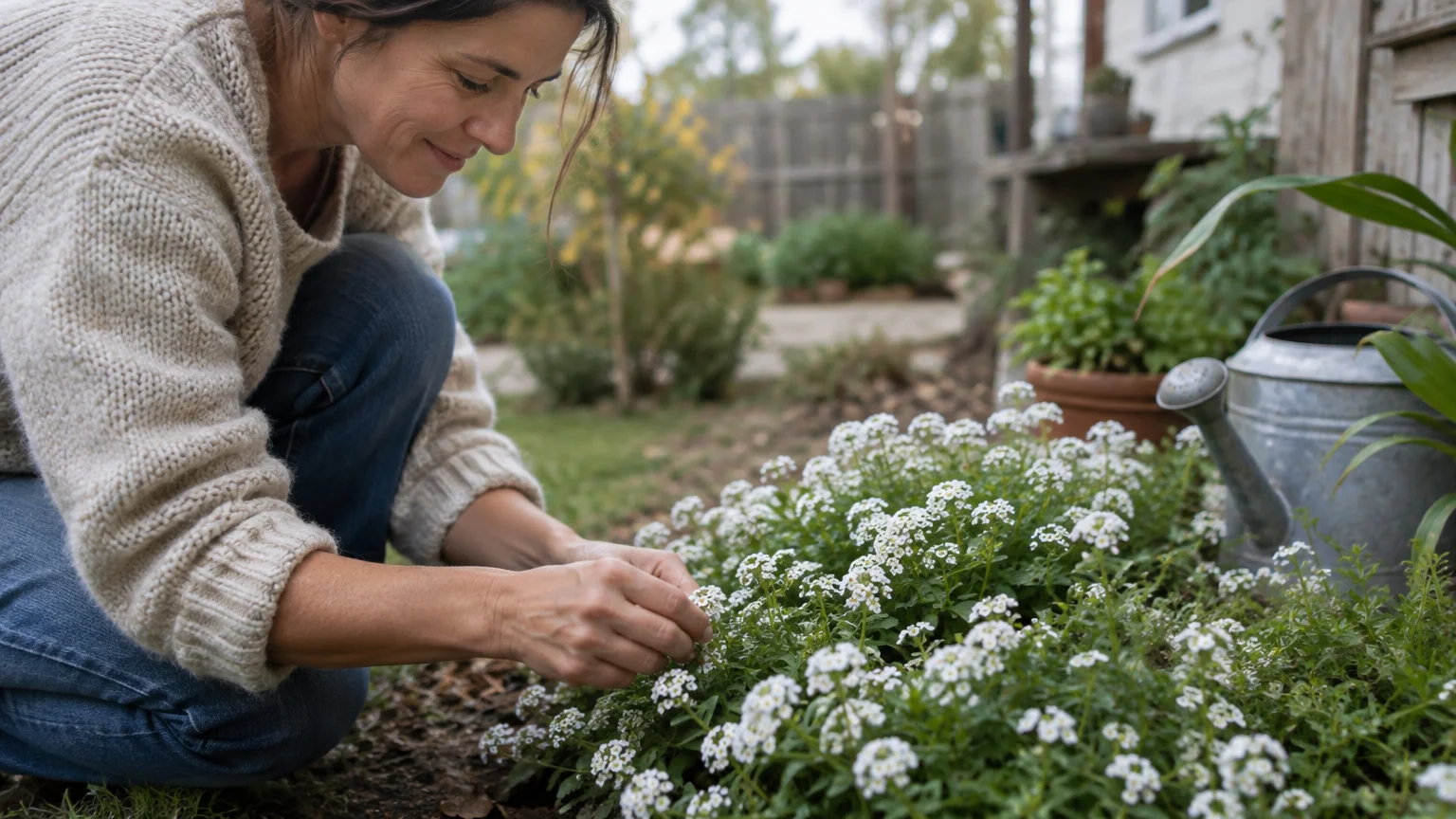
Tip #7: Sweet Alyssum (Lobularia maritima)
Sweet alyssum forms dense, low-growing mats blanketed with tiny, four-petaled flowers that exude a rich honey fragrance. Common varieties feature crisp white, soft pink, lavender, and royal purple blossoms.
This versatile groundcover softens rock walls, spills elegantly over pathway edges, and suppresses invasive weeds. Beneficial hoverflies and parasitic wasps flock to the tiny blooms, providing natural pest control.
Scatter the minuscule seeds over damp, finely tilled soil in spring or autumn. Do not cover the seeds with soil, because they require direct sun exposure to sprout.
Individual plants generate hundreds of tiny seed pods beneath their ongoing flower clusters. As older stems mature, ripe seeds shed continuously onto the surrounding earth.
Trim tired midsummer plants back by one-third to spur a fresh autumn floral display. Let that final autumn growth drop its seed naturally for an early carpet of spring color.
As one of the most reliable flowers that come back every year, sweet alyssum bridges gaps between taller perennials effortlessly. You can rely on its fragrant blossoms to greet you from early spring until late frost.
Tip #8: Purple Coneflower (Echinacea purpurea)
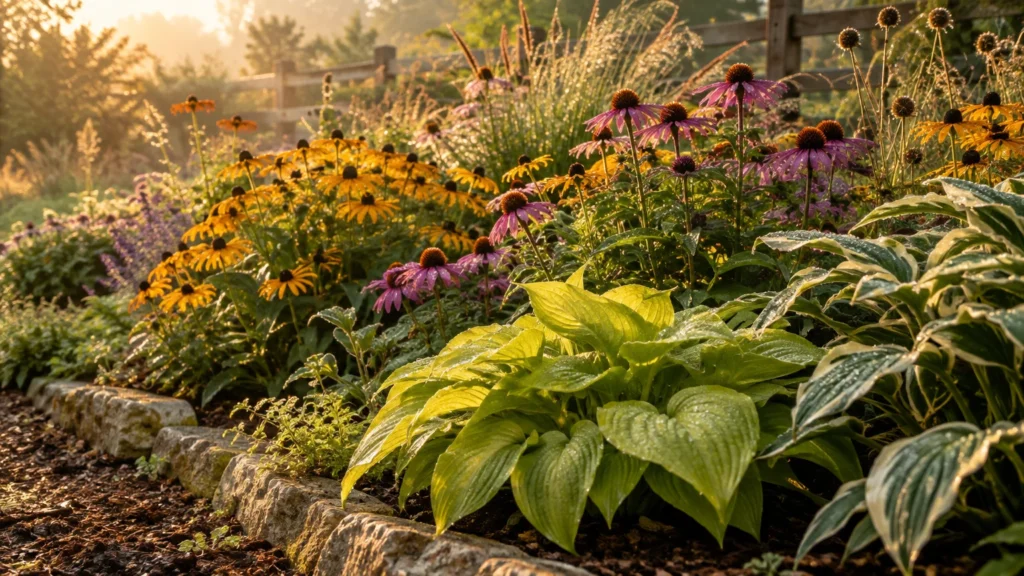
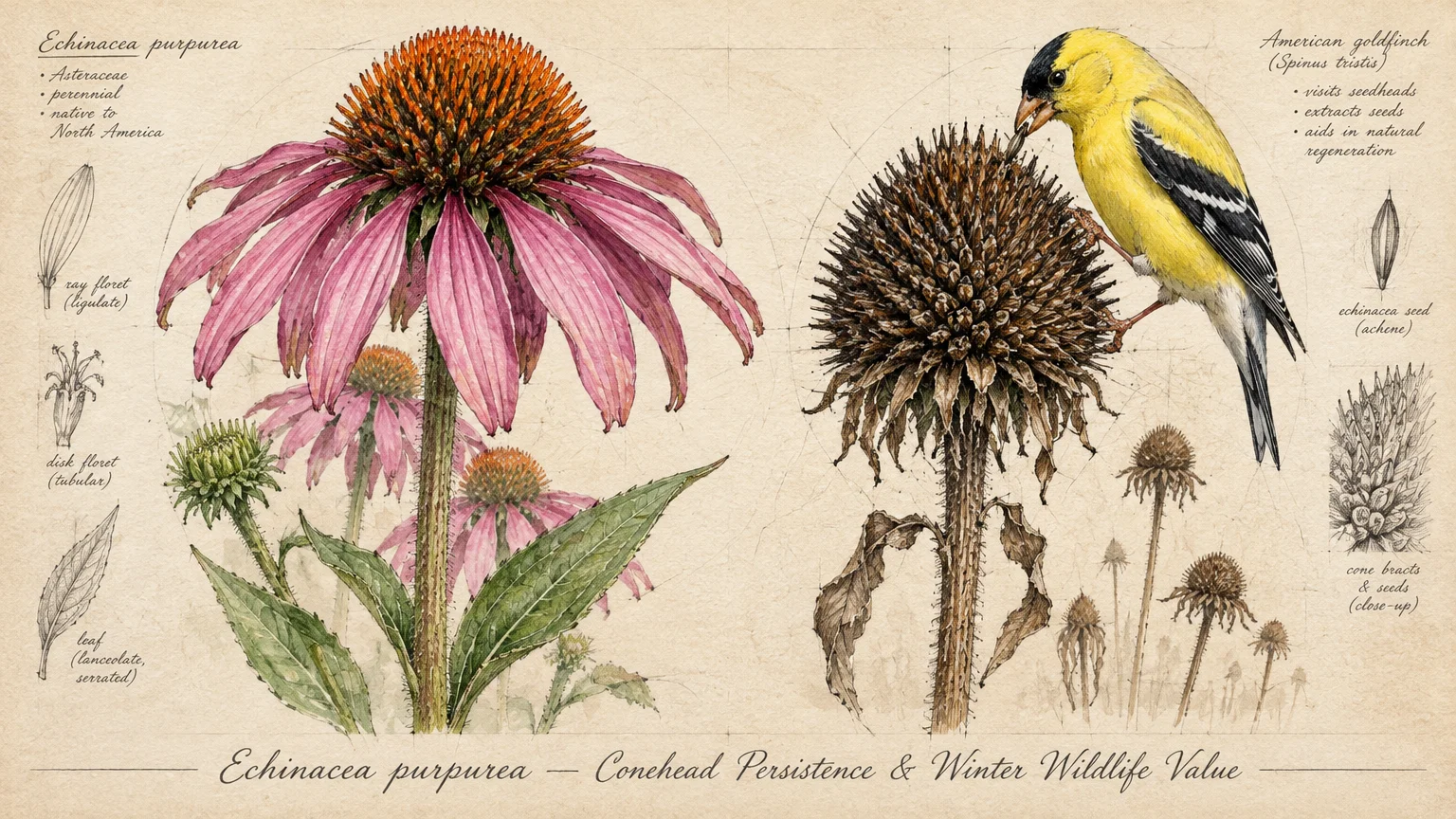
Purple coneflower showcases bold, daisy-like blossoms with reflexed magenta petals surrounding spiky, coppery-orange central cones. Its sturdy, coarse-textured stems give garden beds dependable structural presence throughout the growing season.
This hardy specimen represents the pinnacle of easy perennial flowers that flourish with minimal gardener intervention. Goldfinches and native songbirds visit late into autumn, eagerly plucking seeds from the prickly centers.
Plant coneflower in full sun and well-drained soil, avoiding heavy, waterlogged clay that causes root rot. Direct sow in autumn, or cold-stratify seeds before spring planting to break their natural dormancy.
Central seed heads harden into dark, bristly cones containing hundreds of angular, nutrient-rich seeds. Winter winds, foraging birds, and snow melt gradually dislodge these seeds across bare ground.
Leave cone heads standing throughout the winter months rather than cutting them back in autumn. You will feed local wildlife while encouraging a steady crop of vigorous spring seedlings.
Established clumps expand steadily over time, while volunteer seedlings populate nearby openings in the border. You will enjoy a self-renewing colony that enriches both your garden aesthetic and native fauna.
Tip #9: Larkspur (Consolida ajacis)
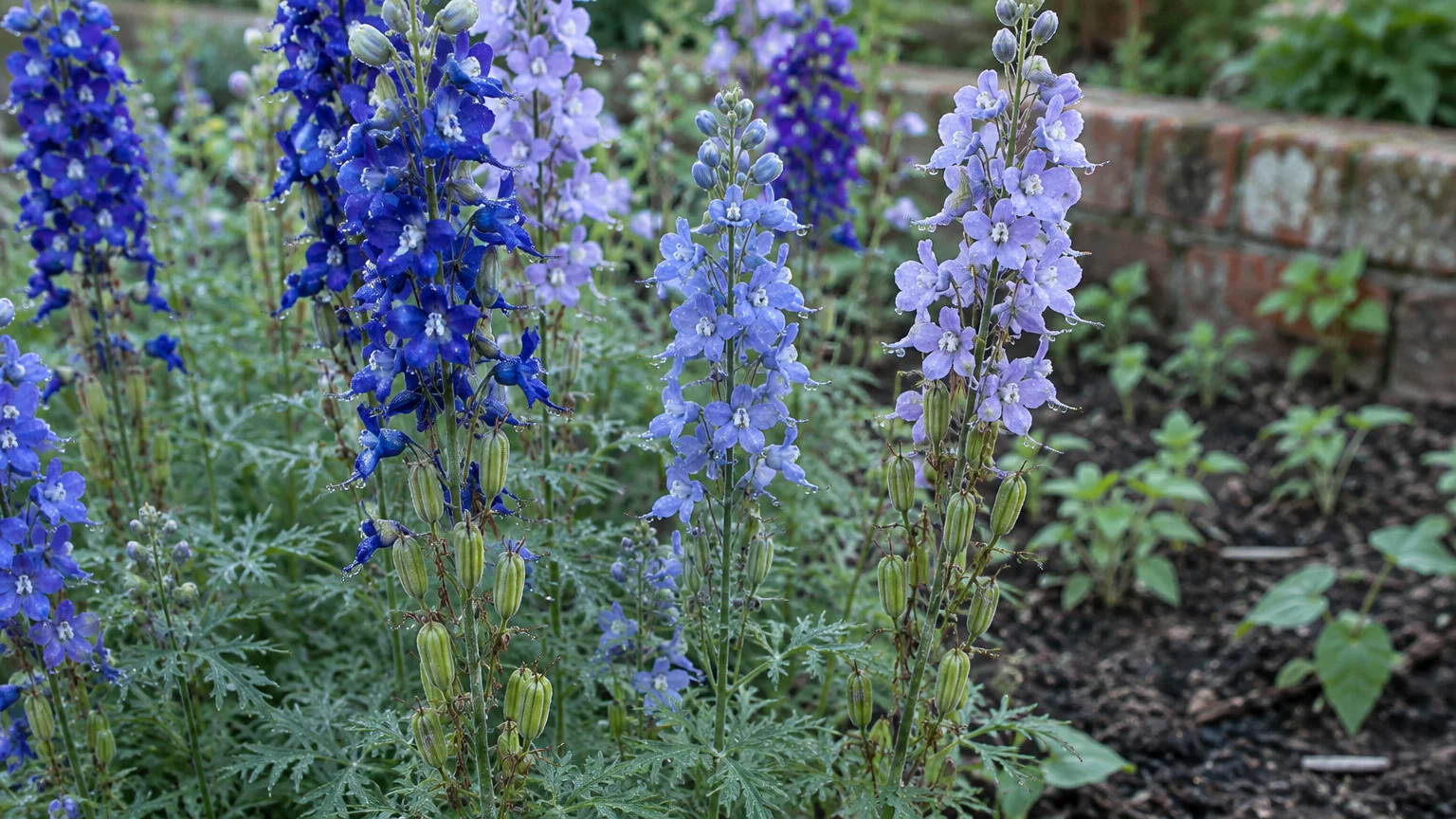
Larkspur enchants with stately flower spires densely packed with romantic blossoms in blue, lilac, rose, and white. Its finely divided, fernlike foliage provides an elegant backdrop for lower-growing cottage garden companions.
As a cool-season annual, larkspur provides spectacular color in late spring before summer heat sets in. It mimics the grandeur of classic delphiniums while demanding far less fuss and staking.
Direct sow seeds outdoors in autumn or early spring, as larkspur thrives in chilly soil. The seeds require cool temperatures and darkness to germinate, so cover them with one-eighth inch of fine soil.
Pointed seed pods form along the upright stems once the colorful blossoms fade away. As summer arrives, the pods dry out, split, and cast seeds onto nearby soil.
Keep autumn garden beds relatively clear of heavy wood mulch where larkspur seeds fall. Exposed, crumbly soil ensures the highest rate of cold-weather germination for next year’s spires.
Because larkspur develops a sensitive taproot, self-sown seedlings establish far better than greenhouse transplants. Allow nature to handle the timing, and you will reap taller, sturdier floral towers every June.
Tip #10: Bachelor’s Button (Centaurea cyanus)
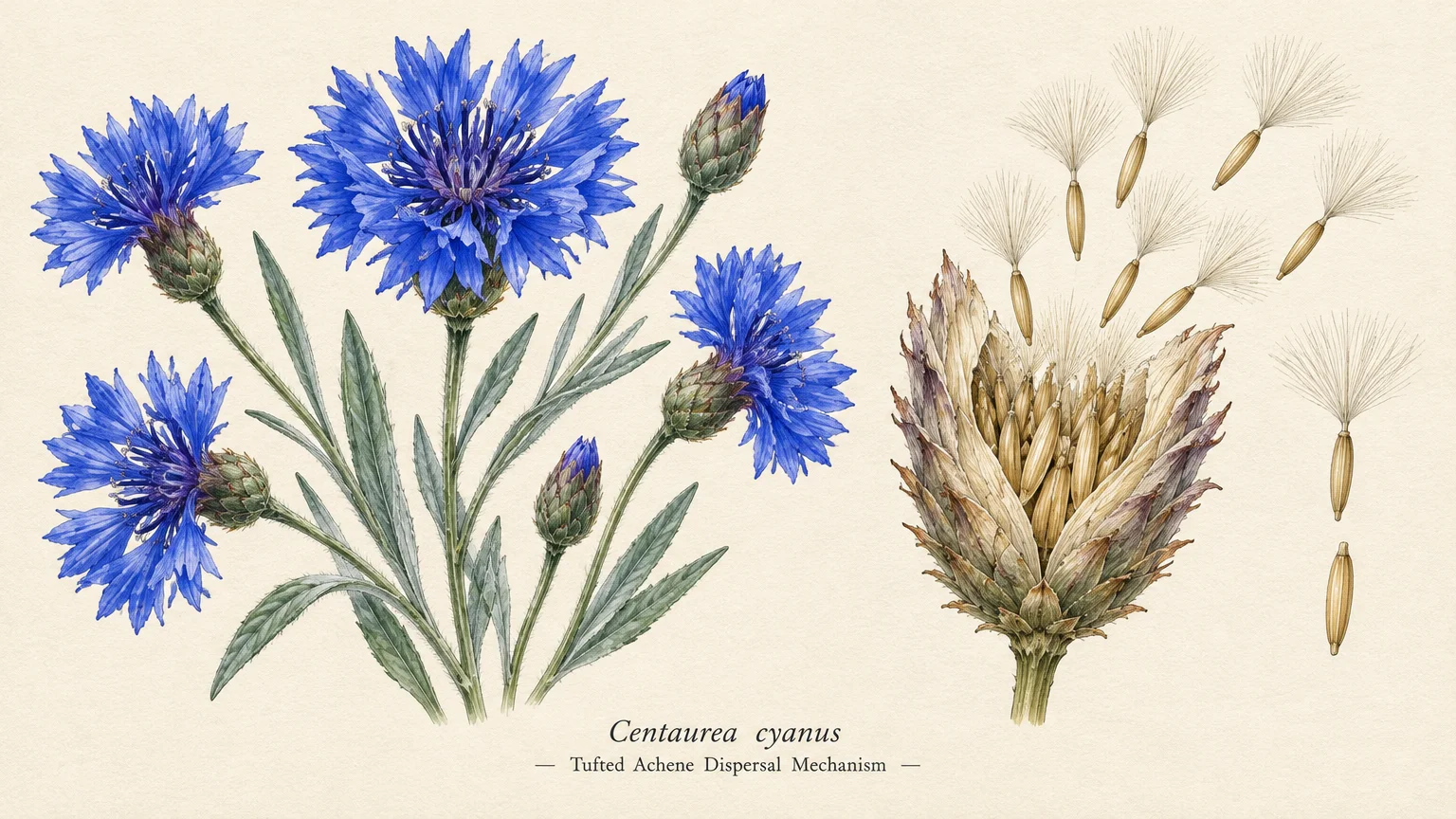
Bachelor’s button, also celebrated as cornflower, features ruffled, fringed blossoms in an electrifying shade of true blue. Breeders also offer selections with rich burgundy, pastel pink, and pure white flower heads.
This resilient annual withstands variable spring weather and thrives in lean soils without supplemental fertilizers. Its nectar-rich flower heads draw bumblebees, native bees, and butterflies into your landscape.
Sow seeds directly into the garden in early spring as soon as you can work the ground. Cover seeds with one-half inch of soil, keeping the bed moist until seedlings emerge.
After pollination, spent blooms develop into fuzzy, tufted seed heads resembling tiny shuttlecocks. Autumn winds blow these seeds across garden beds, where they easily settle into small crevices.
Stop deadheading your cornflower plants by late summer so seeds have time to mature properly. In early spring, look for narrow, gray-green rosettes of leaves and thin them appropriately.
They make wonderful dried flowers and maintain their vivid blue color when hung upside down. Letting them self-seed guarantees an effortless cutting garden full of vibrant petals each year.
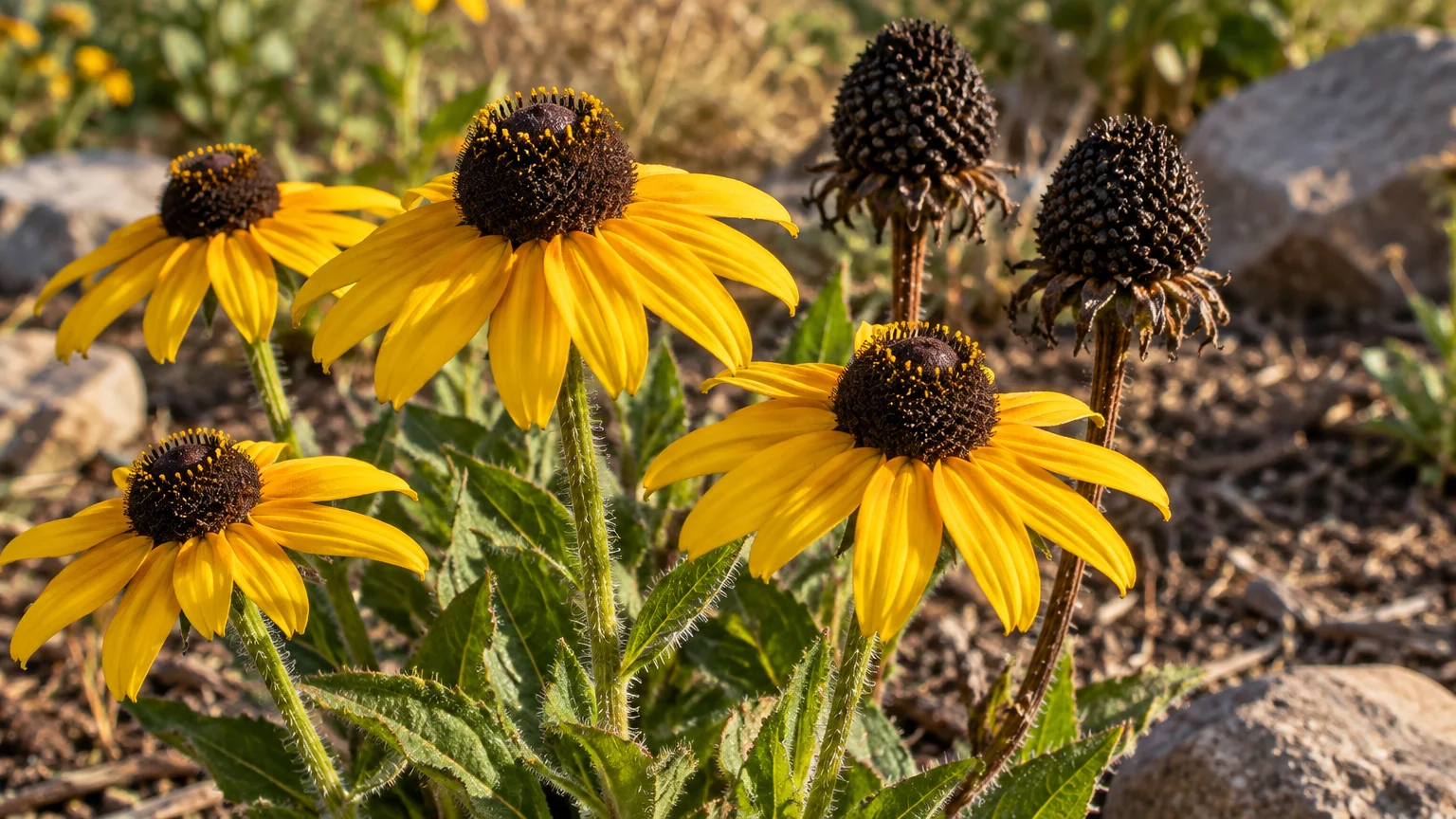
Tip #11: Black-Eyed Susan (Rudbeckia hirta)
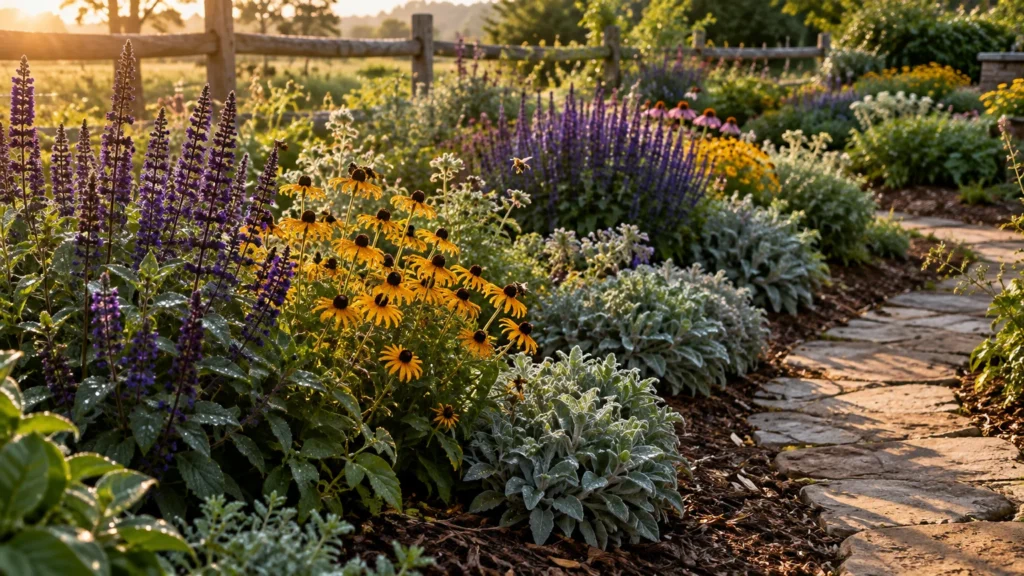
Black-eyed Susan creates an exuberant late-summer spectacle with golden yellow rays framing deep brown, dome-shaped centers. Its bristly foliage and rugged stems lend a wild, natural charm to meadows and borders.
This reliable native bloomer handles intense heat, poor soil, and prolonged dry spells with ease. Its long-lasting flowers provide critical nectar supplies for migrating pollinators preparing for autumn journeys.
Scatter seeds directly onto prepared soil in early spring or autumn, pressing them firmly into the earth. Expose seeds to sunlight and light moisture to trigger prompt, even germination.
The central brown cones pack hundreds of tiny, resilient seeds that mature late in the season. Winter snow and freezing temperatures stratify the fallen seeds, priming them for vigorous spring emergence.
Leave dried flower heads standing through the winter to nourish hungry goldfinches. When spring arrives, transplant volunteer seedlings to fill empty gaps across your sunny garden beds.
Whether treated as short-lived perennials or reseeding annuals, these sunbursts guarantee golden drifts year after year. Their cheerful presence makes them indispensable for low-effort, high-impact landscape designs.
Putting It All Together: Enjoy Your Beautiful Garden
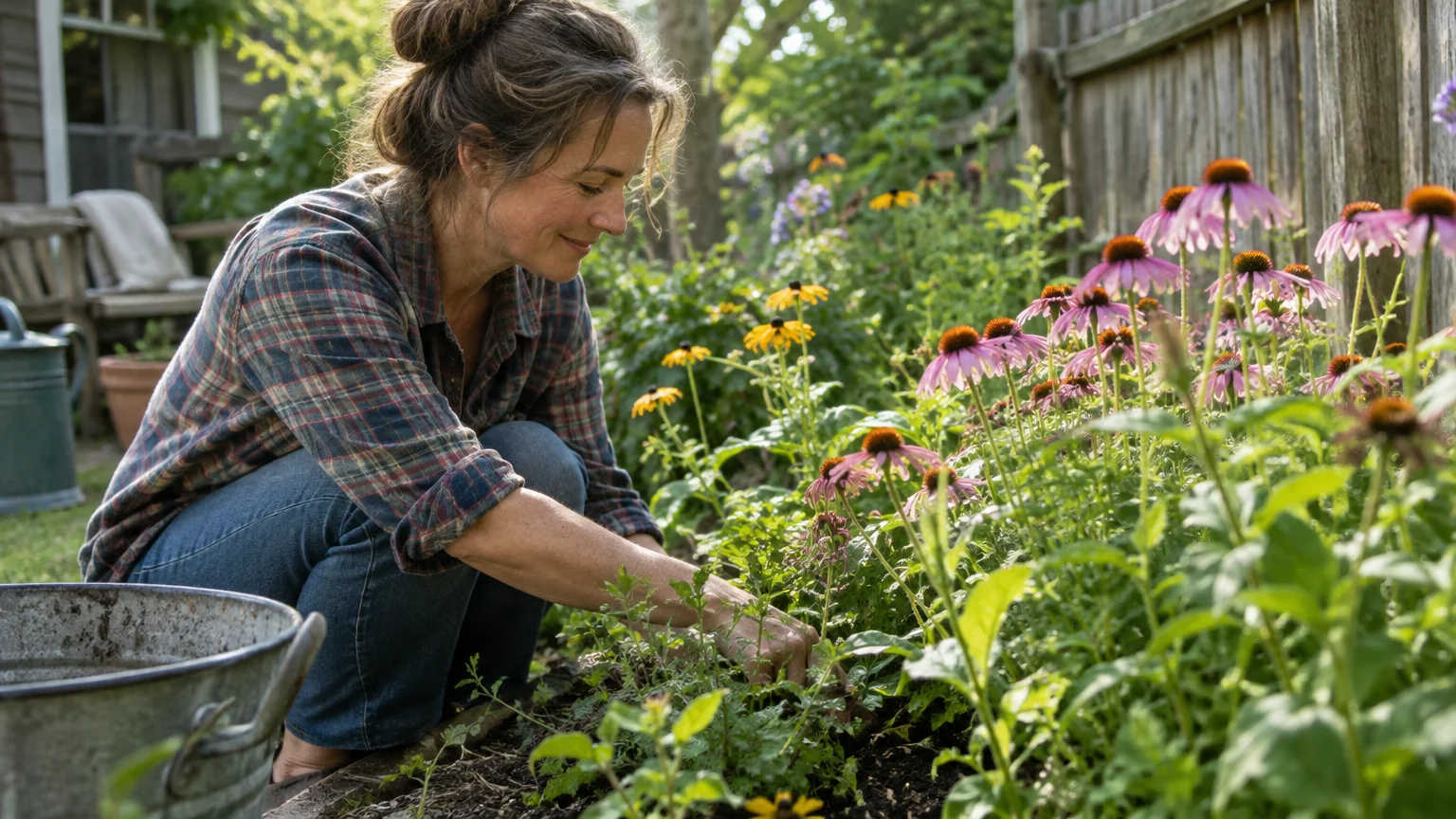
Welcoming self-seeding flowers into your garden transforms routine maintenance into an exciting, creative partnership with nature. Each spring reveals unexpected plant combinations that lend dynamic charm and effortless beauty to your borders.
To maximize success, resist the urge to clear away spent blooms at the end of the season. Leaving faded seed heads intact ensures a steady supply of seeds for next year’s display.
Be mindful of your mulch application around self-seeding areas. Thick layers of wood chips can prevent seeds from contacting the soil and block vital sunlight needed for germination.
Instead, use a light layer of compost or leaf mold that allows seedlings to push through easily. In spring, simply hoe out unwanted sprouts and let favored volunteers flourish.
With these reliable flowers working for you, your landscape will produce breathtaking blooms year after year. Relax, observe the evolving growth, and enjoy your flourishing garden sanctuary.
Frequently Asked Questions
Do self-seeding flowers become invasive in home gardens?
Most self-seeding garden flowers stay well-behaved, though vigorous bloomers can spread quickly if left unchecked. You can easily maintain control by pulling unwanted volunteer seedlings while they are small and tender.
If a plant spreads too aggressively, deadhead a portion of the flowers before seed pods mature. This allows you to enjoy self-sown color without overwhelming your other plants.
How do I tell volunteer seedlings apart from garden weeds?
Identifying tiny seedlings requires careful observation of leaf shape, color, and emerging foliage texture. Familiarize yourself with the mature foliage of the parent plant to recognize miniature versions in early spring.
You can also sow a few test seeds in a small pot for visual reference. Compare your potted reference sprouts against unknown seedlings appearing in your garden beds.
Can I use mulch in a self-seeding flower garden?
Heavy bark mulch prevents self-seeding by creating a thick barrier that stops seeds from reaching the soil. Many small flower seeds require direct soil contact and light penetration to sprout successfully.
Opt for a thin layer of compost, finely shredded leaves, or gravel instead. These lighter top dressings retain essential moisture while allowing emerging volunteers to emerge unimpeded.
When is the best time to thin self-sown seedlings?
Thin your volunteer seedlings once they develop two to four sets of true leaves. At this stage, their roots are established enough to handle transplanting into new garden spots.
Thin on a cool, cloudy day or in late afternoon to minimize transplant stress. Water the remaining plants thoroughly to settle the disturbed soil around their roots.
For region-specific advice, consult your local University Extension program (find yours via the USDA directory). For plant databases and inspiration, visit the Missouri Botanical Garden or the Royal Horticultural Society.
Disclaimer: This article provides general gardening advice. Always consider your specific climate, soil conditions, and local pests; follow safety guidelines when using gardening tools and products.