Transform your vibrant backyard into a serene sanctuary without worrying about unexpected slithering visitors. Simple adjustments to your landscaping routine keep snakes away while helping your favorite flowers and vegetables thrive.
Snakes search for three essential things in your landscape: reliable shelter, abundant moisture, and easy prey like mice and insects. Certain common gardening habits accidentally create the perfect oasis for these cautious reptiles.
You can implement proactive snake prevention yard strategies today to reclaim your outdoor space. Discover how fixing these ten garden mistakes that attract snakes protects your peaceful sanctuary all season long.
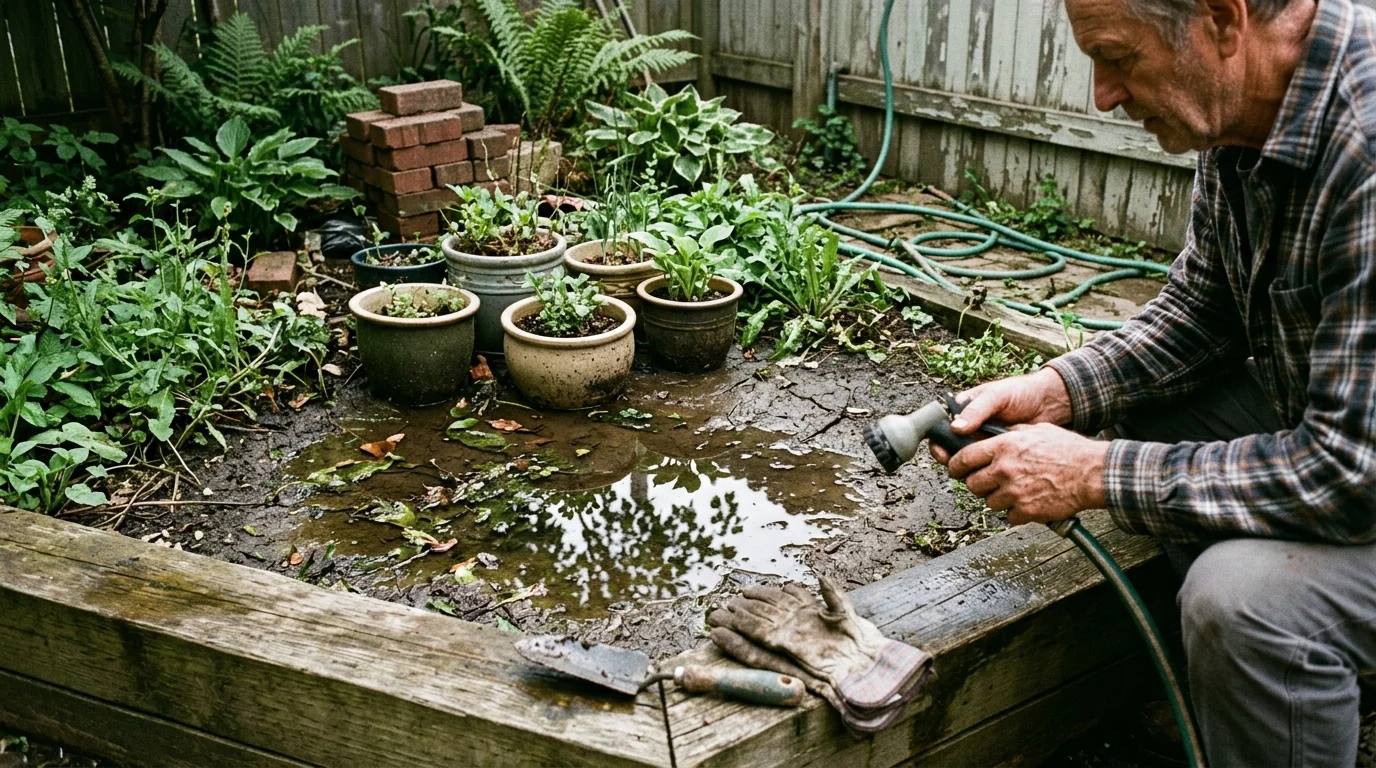
Tip #1: Overwatering and Creating Persistent Standing Water
Snakes require constant hydration to survive, especially during scorching summer afternoons. Puddles and waterlogged soil provide them with an effortless drinking station right outside your back door.
Overwatering your flowerbeds also creates a hospitable environment for moisture-loving pests. Slugs, toads, frogs, and salamanders thrive in damp garden beds, and these creatures serve as prime food for hunting snakes.
Set your automated irrigation timers to run exclusively during early morning hours. This timing allows the morning sun to dry the topsoil before evening arrives, depriving nocturnal predators of cool, damp ground.
Inspect your potted plants and container gardens regularly for saturated saucers. Empty drainage trays immediately after heavy rains, or remove the trays entirely during wet seasons to facilitate rapid drainage.
Elevate heavy outdoor planters on decorative terracotta feet or wooden risers. Raising containers allows air to circulate underneath, preventing moist micro-climates where garter snakes love to curl up.
Grade the soil in low-lying sections of your lawn where irrigation runoff tends to pool. Filling depressions with a blend of topsoil and coarse sand eliminates stagnant puddles and keeps turf dry.
Convert spray sprinklers to targeted drip irrigation lines near your prized perennials. Drip systems deliver water straight to root systems without saturating the surrounding walking paths and mulch beds.
Controlling excess moisture makes your yard instantly inhospitable to both reptiles and their preferred amphibian snacks.
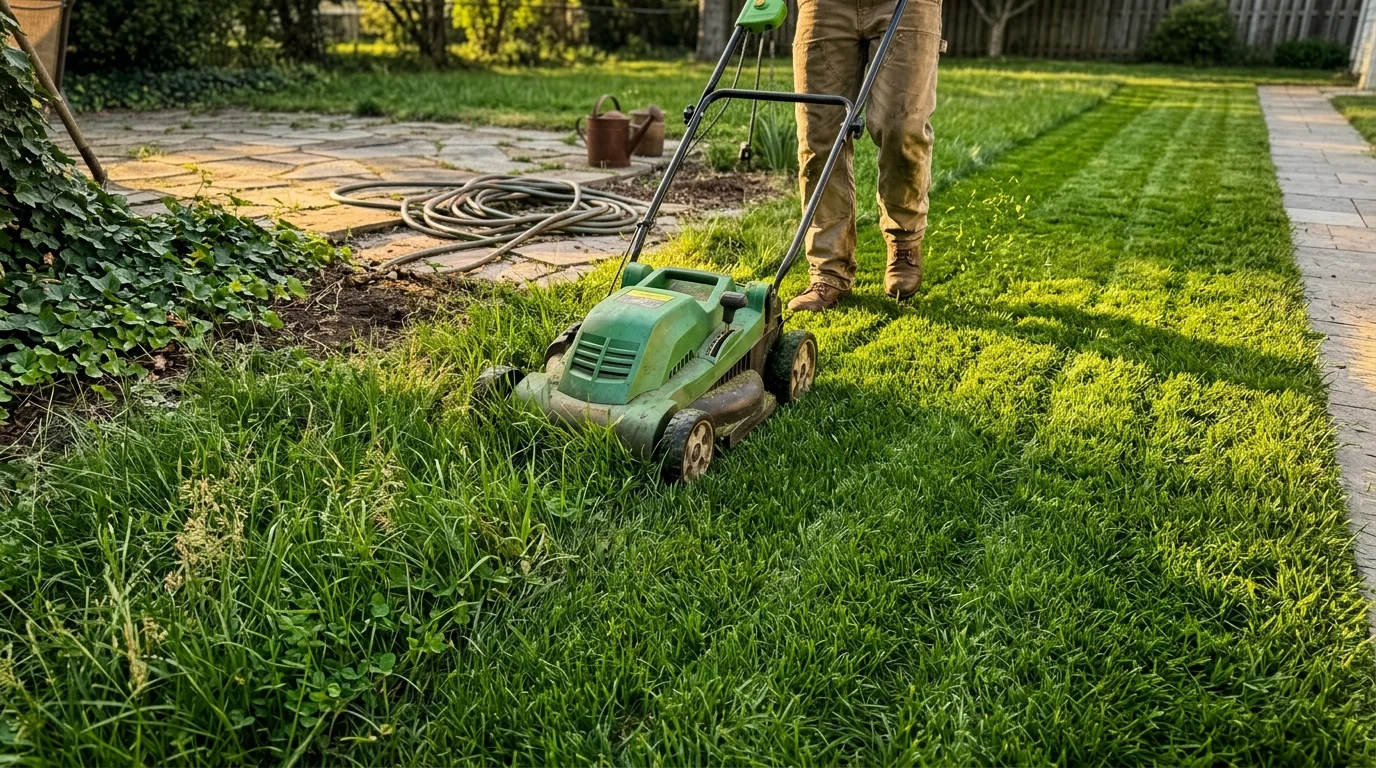
Tip #2: Letting Lawn Grass and Groundcovers Grow Overgrown
Tall turf grass and sprawling groundcovers create a continuous, covered highway across your property. Snakes rely on dense plant cover to travel safely without fear of aerial predators like hawks.
Overgrown greenery also buffers temperature extremes, providing cool shade when midday heat peaks. Cold-blooded reptiles use these dense vegetation blankets to thermoregulate throughout long summer days.
Mow your turf regularly during the peak growing season to keep grass blades under three inches tall. Short grass leaves snakes completely exposed, discouraging them from venturing across your lawn.
Establish a crisp, clear buffer zone between sprawling groundcover beds and high-activity zones. Keep aggressive creepers like English ivy, periwinkle, and pachysandra at least three feet away from walkways.
Trim the perimeter of your lawn with a string trimmer along fence lines and stone borders. Tall weeds along structural edges serve as hidden transit corridors for both rodents and foraging snakes.
Consider replacing dense, thick groundcovers with decorative stone paths or open mulch beds near your house. Wide, open gaps force reptiles to search for cover elsewhere, far away from your patio.
Maintaining manicured turf represents one of the simplest backyard snake deterrents you can implement this weekend.
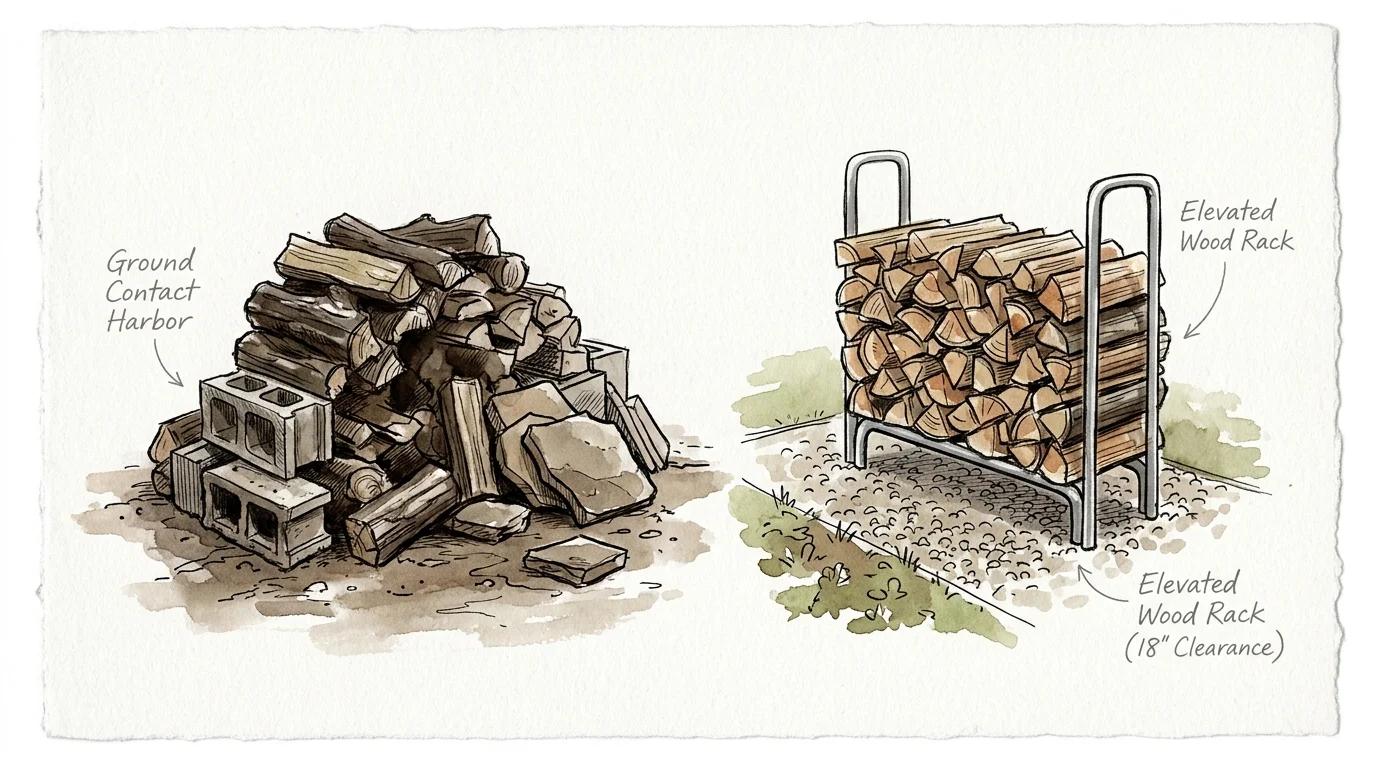
Tip #3: Piling Rock, Stone, and Wood Debris Near Garden Beds
Stacking leftover flagstones, cinder blocks, or firewood directly on bare earth creates ideal reptile real estate. The irregular gaps between stacked materials form dark, cool tunnels that stay protected from the elements.
Mice and chipmunks frequently build nests inside loose rock piles and stacked cordwood. When small rodents take up residence in these shelters, predatory snakes quickly move in to hunt them.
Elevate all firewood stacks at least eighteen inches off the ground using metal racks or concrete piers. Raising the wood allows bright sunlight and airflow underneath, rendering the base completely unsuitable for snake dens.
Relocate wood piles, stone caches, and lumber stacks at least twenty feet away from your foundation and deck. Keeping these materials distant ensures that any wildlife utilizing the shelter remains far from your living areas.
Pack loose gaps in decorative rock gardens with coarse gravel or mortared joint compound. Eliminating subterranean crevices stops reptiles from squeezing between boulders to establish permanent nesting sites.
Dispose of broken terracotta pots, discarded bricks, and surplus landscaping pavers immediately. Do not allow scrap building materials to accumulate behind garden sheds or underneath raised garden beds.
Clearing rock and timber debris deprives reptiles of shelter, prompting them to move on to less exposed territories.
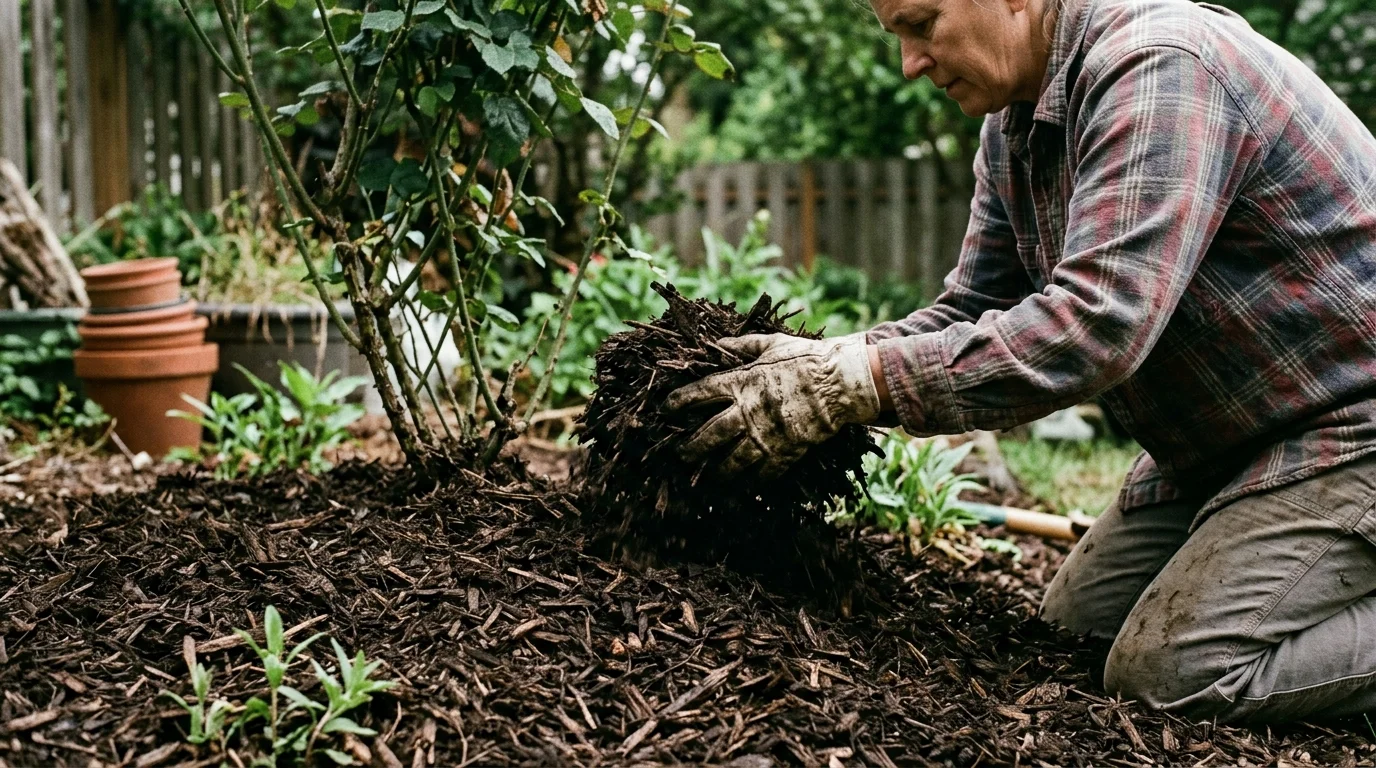
Tip #4: Installing Excessively Thick Layers of Organic Mulch
Mulch insulates soil and retains essential moisture, but applying too much backfires quickly. When organic wood chips or straw exceed three inches in depth, they create an underground haven for burrowing pests.
Field mice, voles, and shrews dig extensive tunnel systems through deep, loose mulch layers. Snakes readily exploit these pre-built runways to hunt rodents while staying entirely hidden from your view.
Deep piles of decomposing mulch also generate gentle, radiant warmth as organic matter breaks down. This humid heat creates a cozy incubator that attracts female snakes searching for safe egg-laying sites.
Limit your mulch application to a uniform layer between two and three inches deep across all ornamental beds. Keep the mulch pulled back several inches from plant crowns and tree trunks to discourage tunneling.
Opt for inorganic groundcovers like crushed granite, river stone, or lava rock near entrances and patios. Reptiles find it difficult to burrow into heavy mineral aggregates, making your immediate seating areas less attractive.
Rake your mulch beds once a month to break up crusts and collapse any hidden rodent burrows. Regular cultivation aerates your soil while disturbing the quiet shelter that shy reptiles prefer.
Proper mulch depth protects plant roots from drought without turning your flower borders into a hidden reptile refuge.
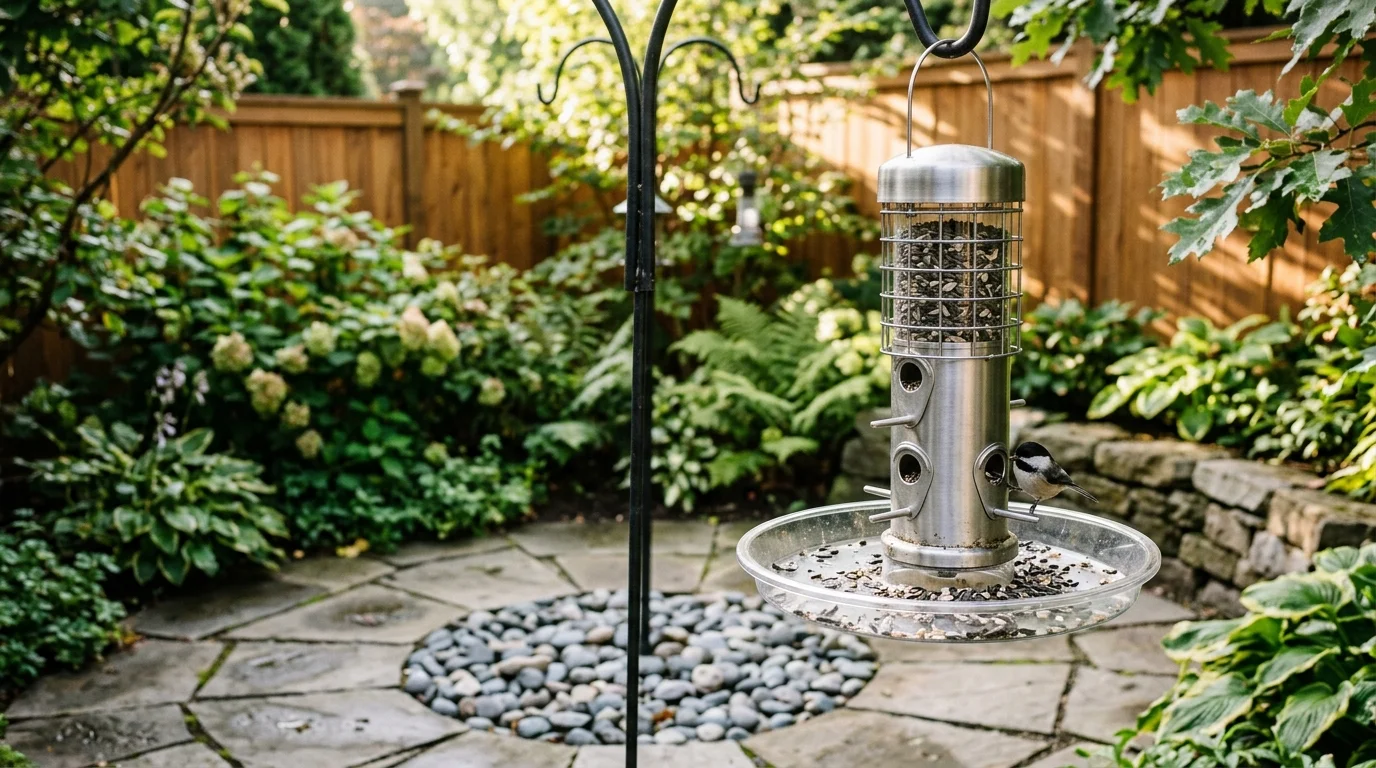
Tip #5: Leaving Open Bird Feeders and Spilled Seed
Watching wild birds visit your garden brings endless joy, but bird feeders carry hidden risks. Dropped seeds, cracked corn, and millet hulls quickly pile up on the turf beneath hanging feeders.
This steady supply of nutritious grain attracts hungry mice, rats, and squirrels from surrounding neighborhoods. Rodents represent the primary dietary staple for rat snakes, king snakes, and venomous pit vipers alike.
Install wide seed-catching trays underneath every hanging feeder to capture loose seeds before they strike the ground. Catch trays keep your turf clean and prevent dense seed mats from forming in your lawn.
Switch to high-quality, no-waste birdseed blends that feature hulled sunflower chips and nut meats. Songbirds consume these clean seeds entirely, leaving virtually no discarded husks to entice foraging nocturnal rodents.
Rake or sweep the area underneath your feeding stations twice a week to remove lingering debris. Bag and discard fallen hulls rather than brushing them into adjacent flowerbeds or shrub borders.
Store your bulk seed sacks inside sturdy galvanized metal trash cans equipped with tight-fitting lids. Rodents easily chew through heavy plastic tubs and paper bags, establishing a reliable food supply in your garage.
Removing rodent attractants cuts off the primary food chain, eliminating the top reason hunting snakes visit your property.
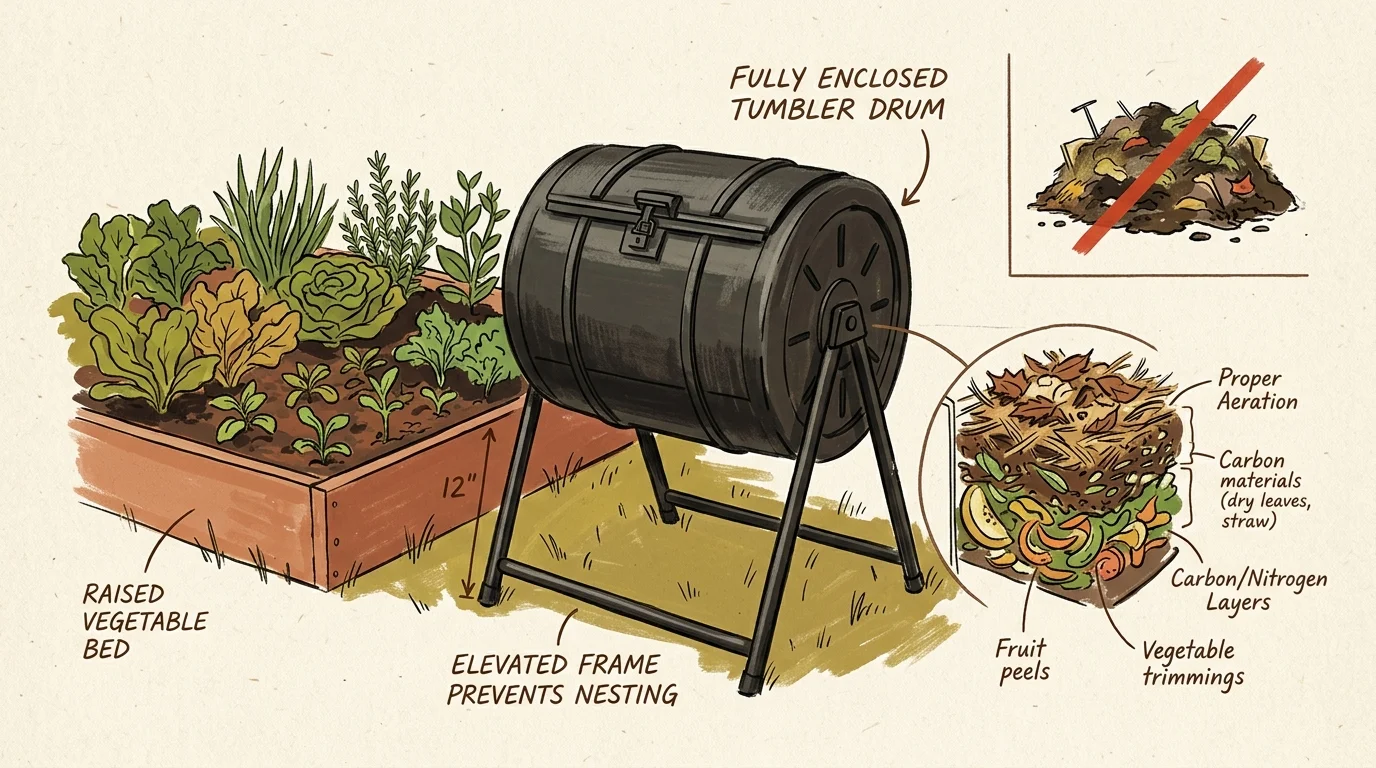
Tip #6: Maintaining Unsealed Compost Piles and Exposed Food Scraps
Home composting creates nutrient-dense organic matter for your soil, but open piles act like magnets for wildlife. Uncovered vegetable peelings, melon rinds, and fruit scraps produce aromas that lure scavenging rodents from afar.
A thriving compost heap also teems with earthworms, grubs, and beetles—irresistible snacks for juvenile garter snakes. The internal thermal heat produced by active microbial decay provides reptiles with warm winter shelter.
Invest in an enclosed, elevated tumbler composter rather than maintaining an open heap on bare dirt. Tumbling bins elevate your organic waste off the ground and keep pests sealed out entirely.
If you prefer a stationary compost bin, line the bottom and interior walls with quarter-inch galvanized hardware cloth. This heavy metal mesh permits beneficial drainage while creating a mechanical barrier against burrowing pests.
Turn your compost pile weekly using a sturdy pitchfork to maintain high temperatures and disrupt resting wildlife. Regular turning ensures thorough aeration, accelerates decomposition, and discourages snakes from laying eggs inside the core.
Always bury fresh kitchen scraps beneath eight inches of dry brown matter, such as shredded leaves or straw. Covering raw food prevents odors from dispersing and eliminates surface temptations for opportunistic foragers.
Properly managing your compost bin yields rich soil amendments while keeping your backyard ecosystem balanced and secure.
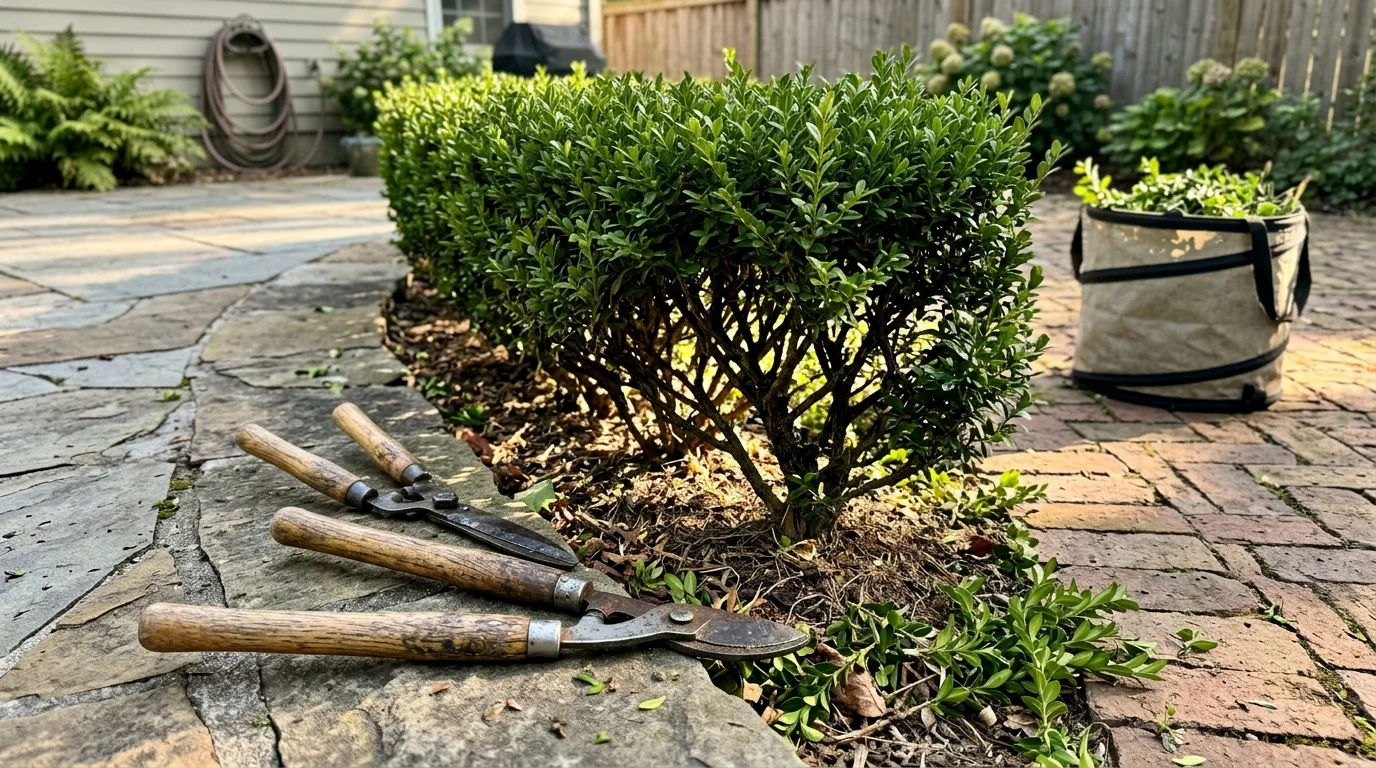
Tip #7: Allowing Dense, Low-Hanging Shrubs and Unpruned Hedges
Ornamental shrubs with branches that sweep the soil line create dark, protected pockets across your landscape. Dense foundation plantings shield snakes from view, giving them comfortable zones to digest their meals.
Low-hanging evergreen boughs also trap fallen leaves, building up layers of damp, undisturbed organic clutter. This insulated environment provides shelter for insects and rodents, turning your foundation beds into an active hunting zone.
Prune the lower branches of broadleaf evergreens, boxwoods, and yews six inches above the soil surface. This landscaping technique, known as skirting, removes ground-level cover and increases visibility around your home.
Rake out dead foliage, fallen twigs, and trapped trash from beneath your shrubs every spring and autumn. Keeping the soil beneath your bushes bare and clean eliminates the shadowed hiding spots reptiles seek.
Trim the perimeter of dense perennial ornamental grasses before they expand into massive, tangled clumps. Divide oversized grass crowns every three years to keep the planting open, airy, and easy to inspect.
Space individual foundation shrubs several feet apart rather than letting them fuse into a single solid wall. Distinct gaps between bushes allow sunlight to reach the ground, deterring shade-seeking snakes from lingering.
Skirting your shrubs elevates your garden aesthetics while removing covert hiding spots right next to your patio.
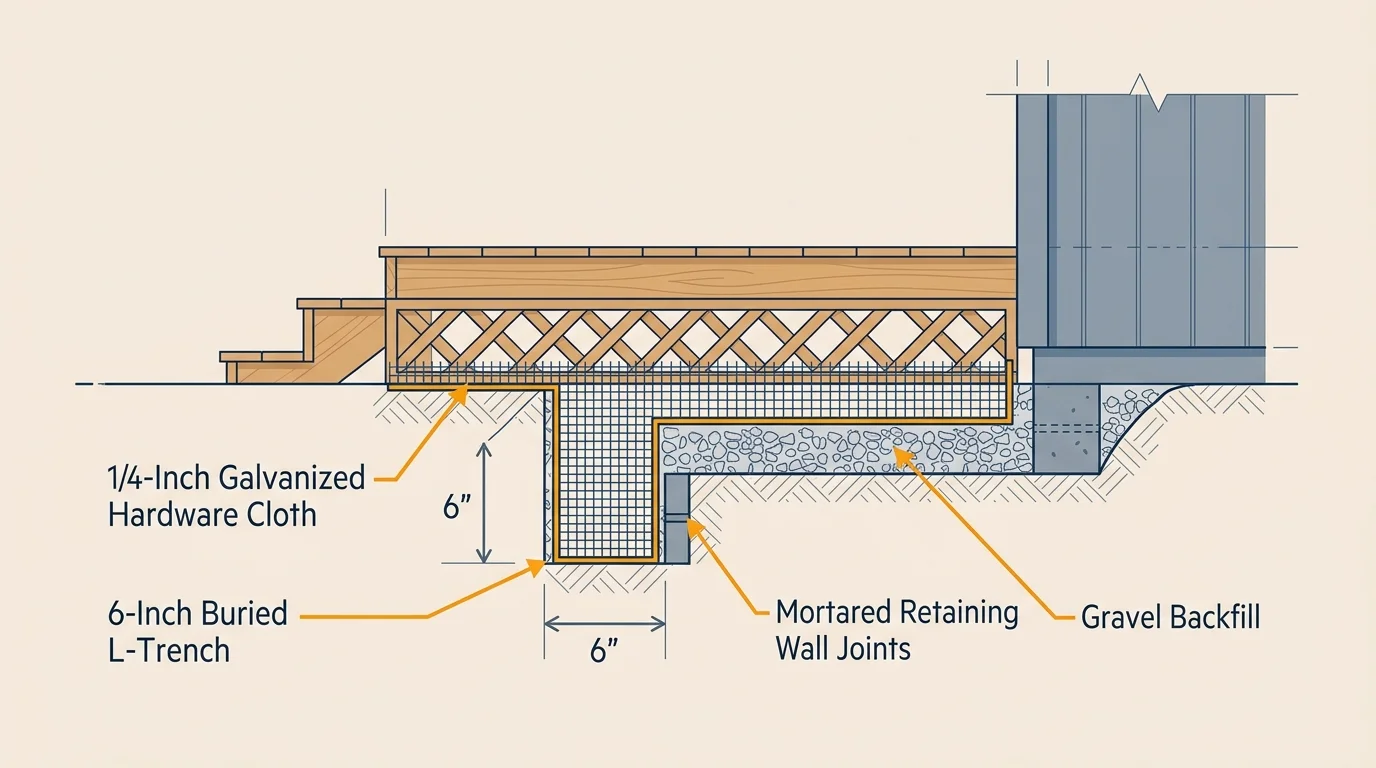
Tip #8: Neglecting Gaps Under Sheds, Decks, and Retaining Walls
The empty space beneath wooden decks, garden sheds, and porches provides undisturbed refuge with stable temperatures. Snakes easily slip through gaps as small as a quarter-inch to escape heat or hibernate through winter.
Cracked concrete walkways and failing mortar in stone retaining walls offer similar subterranean entry points. Small rodents colonize these hollow cavities first, establishing scent trails that hunting reptiles follow underground.
Inspect your home foundation, patio slabs, and outbuildings every spring for newly formed cracks or voids. Seal structural crevices in concrete and stone using expanding polyurethane foam or hydraulic mortar.
Install quarter-inch galvanized hardware cloth around the entire open perimeter of your garden sheds and raised decks. Dig a trench six inches deep, bury the bottom edge of the wire mesh, and attach the top securely to the deck framing.
This L-shaped wire apron prevents snakes and burrowing animals from tunneling underneath your wooden structures. Hardware cloth allows air to ventilate beneath the deck while providing a dependable physical barrier.
Fill hollow spaces behind failing retaining walls with crushed angular gravel rather than loose topsoil. Coarse gravel compacts tightly and drains excess water quickly, leaving no voids for burrowing pests to exploit.
Executing physical barrier installations guarantees effective snake proofing your garden structures throughout every season.
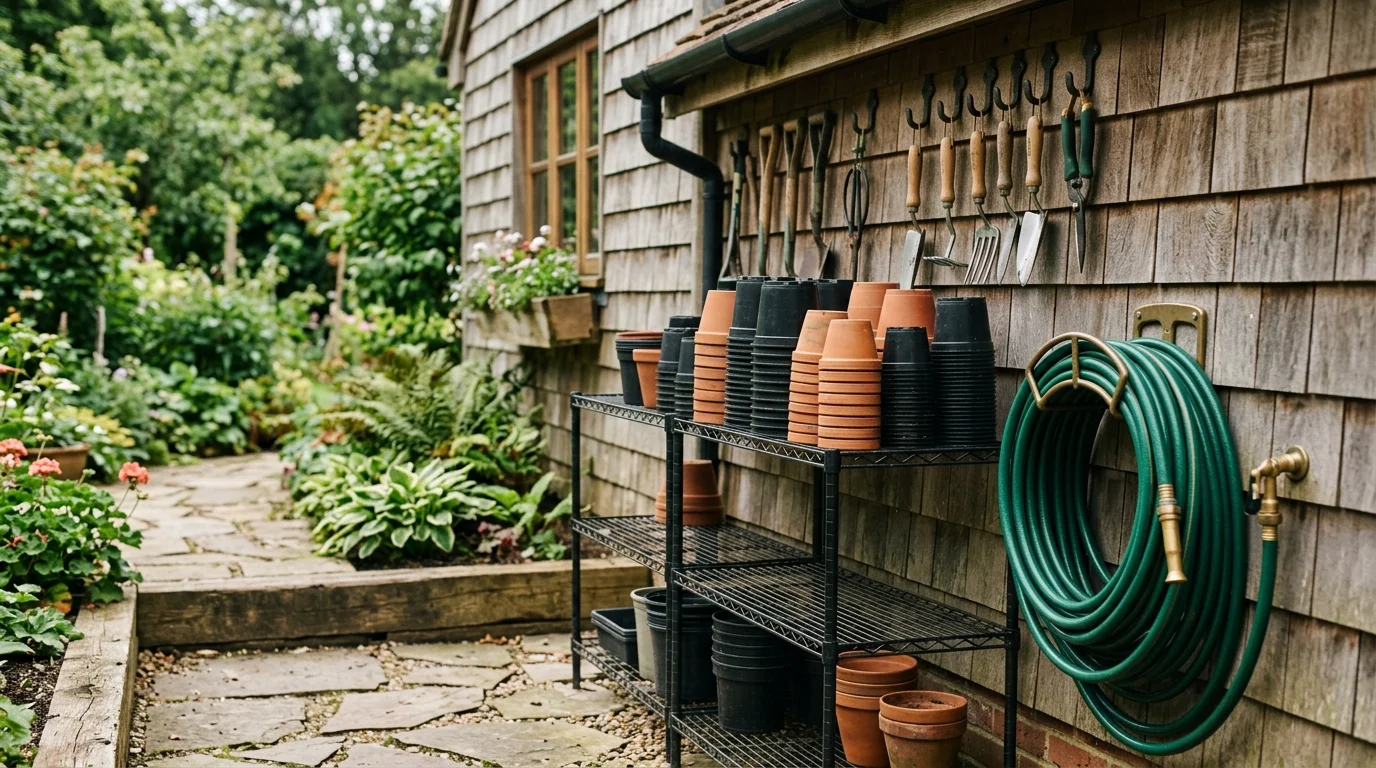
Tip #9: Cluttering Yards with Unused Pots and Garden Equipment
Empty plastic nursery pots, upturned wheelbarrows, coiled garden hoses, and folded tarps provide instant shelter for snakes. These items absorb solar radiation and trap ground warmth, creating tempting resting spots on cool mornings.
Leaving gardening equipment scattered across your lawn also smothers the turf underneath, creating damp, dead patches. Slugs and worms congregate beneath these items, attracting small foraging garter snakes and ringneck snakes.
Organize spare containers by nesting them upside down on elevated potting benches or dedicated shelving units. Never stack planting pots directly on damp soil along the shaded north wall of your garage or garden shed.
Mount sturdy hose reels on exterior walls to keep garden hoses elevated off the turf when not in use. Coiled hoses left in the grass create shaded spirals that offer perfect hiding rings for resting snakes.
Roll up outdoor tarps, landscape fabric, and row covers tightly and store them inside sealed plastic totes. Avoid leaving folded ground cloths lying on open dirt where humidity and warmth accumulate underneath.
Store lawnmowers, wheelbarrows, and heavy tools inside an organized shed rather than parking them against fence lines. Keeping your yard tidy eliminates artificial micro-habitats and makes unexpected reptile encounters far less likely.
A clean, clutter-free yard provides clear sightlines and gives shy wildlife no reason to settle near your living space.
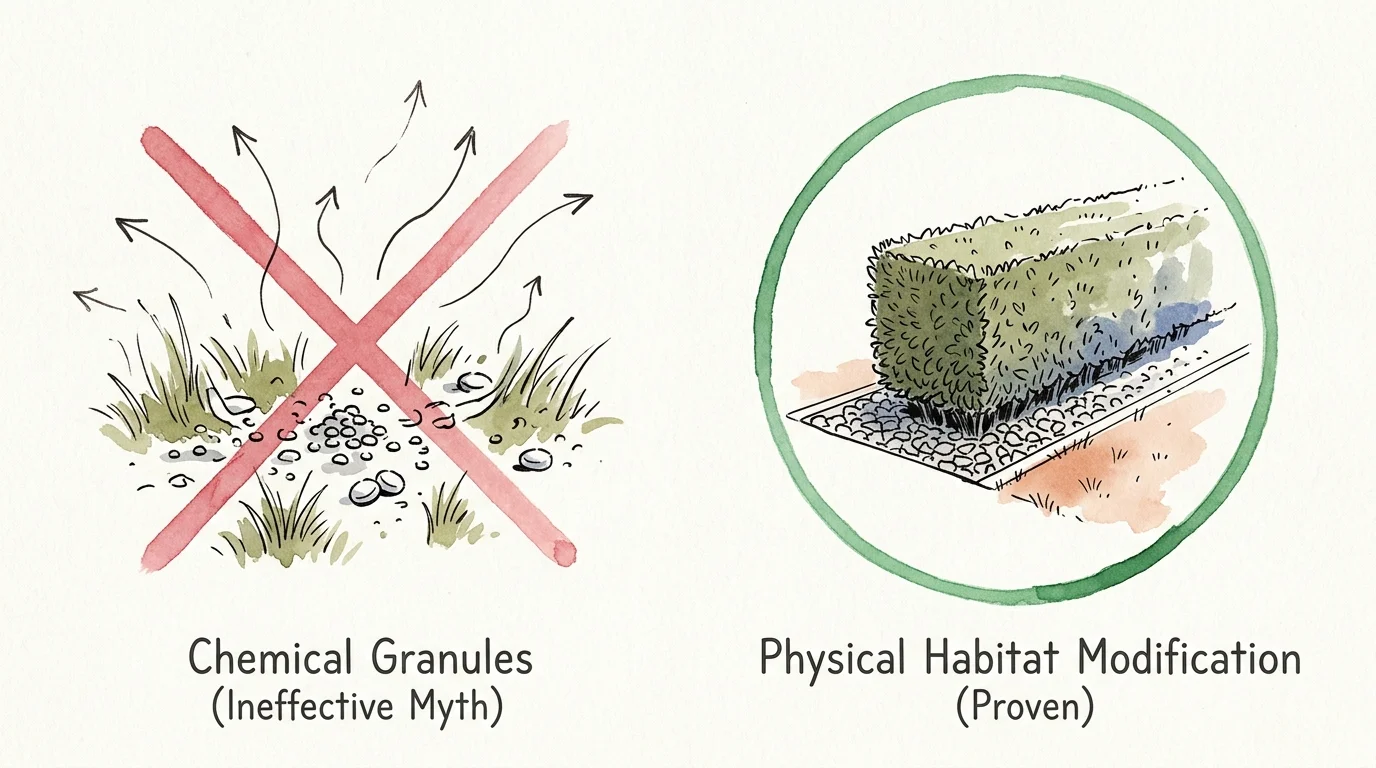
Tip #10: Relying on Ineffective Chemical Repellents Instead of Habitat Modification
Many homeowners invest significant money in store-bought sulfur powders, mothballs, or ultrasonic vibration spikes. Unfortunately, extensive scientific research proves that commercial chemical repellents and sonic stakes fail to deter snakes.
Snakes sample airborne scents using their flicking tongue and Jacobson’s organ, which functions differently than mammalian noses. Unpleasant chemical odors on the soil surface rarely stop a hungry snake from pursuing a rodent.
Scattering toxic mothballs outdoors poses severe risks to beneficial soil microbes, family pets, and curious children. Mothballs contain naphthalene or paradichlorobenzene, which leach into garden soil and contaminate groundwater tables.
Direct your time, energy, and budget toward physical landscape modification and active rodent management instead. Removing shelter, managing water, and pruning foliage produces reliable results that chemical gimmicks cannot match.
Applying proven gardening tips to avoid snakes protects your pocketbook and safeguards the local environment. Pair tidy lawn care with mechanical exclusion mesh to establish a dependable, long-term barrier around your home.
Embrace habitat modification as your primary defense strategy to keep your yard peaceful, productive, and secure. Consistent property maintenance remains the most eco-friendly method to deter unwanted slithering visitors.
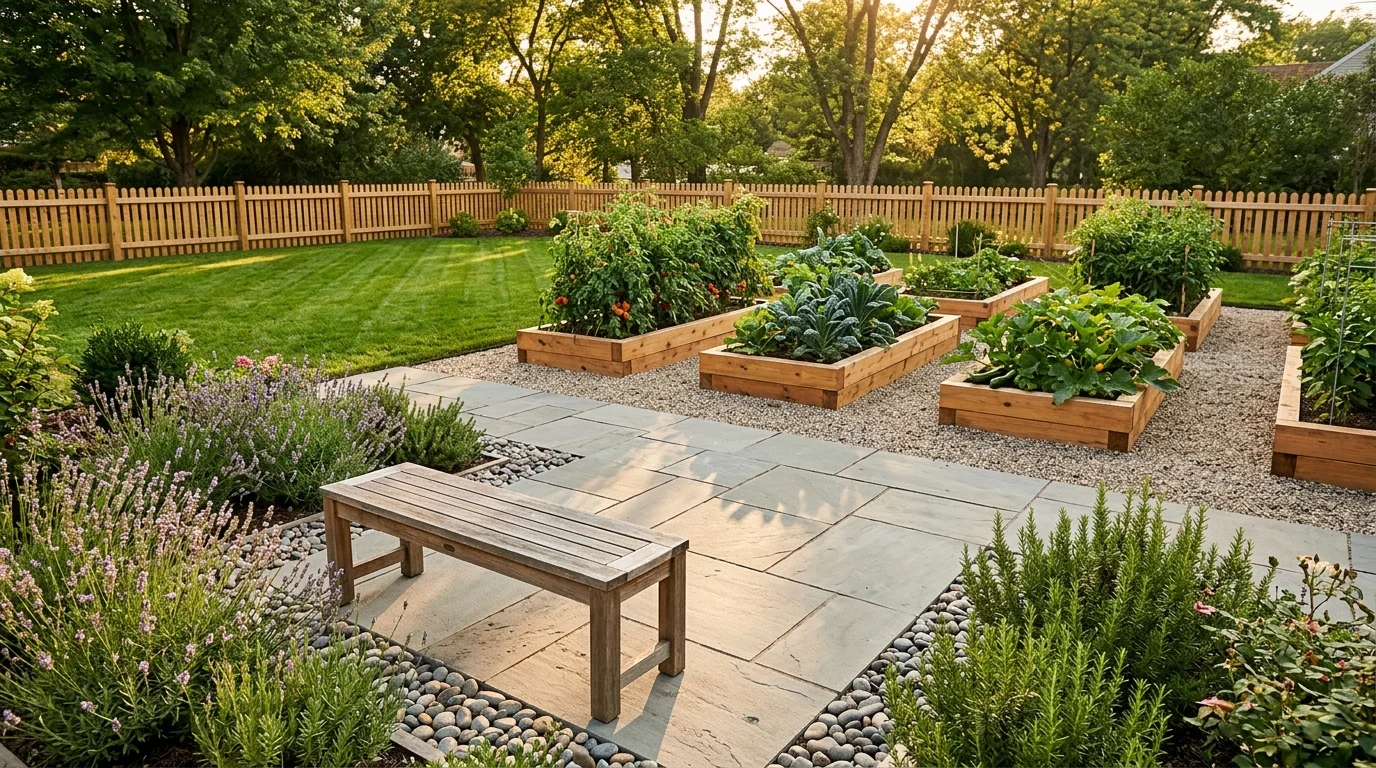
Putting It All Together: Enjoy Your Beautiful Garden
Transforming your landscape into a snake-resistant haven does not require you to sacrifice lush flowers or productive harvests. By eliminating hidden resting spots and controlling rodent food supplies, you make your property naturally unappealing to reptiles.
Remember that snakes perform valuable ecological roles by consuming garden insects and destructive rodents in wild areas. However, keeping them away from your family patio, play structures, and planting beds ensures everyone stays comfortable.
Begin your yard upgrade by choosing two or three simple adjustments to tackle during your next weekend project. Prune low-hanging shrubs, tidy up stacked containers, or adjust your drip irrigation schedule to eliminate pooling water.
Regular maintenance forms your best long-term defense against unwanted outdoor surprises throughout spring, summer, and autumn. Keep your grass mowed, your firewood elevated, and your compost securely enclosed to maintain lasting peace of mind.
Step outside with confidence and immerse yourself in the rewarding sights, textures, and fragrances of your garden sanctuary. You now possess the practical knowledge needed to cultivate a breathtaking outdoor haven that stays secure all year.
Frequently Asked Questions
Do snake repellent plants really work in garden borders?
Plants like marigolds, mother-in-law’s tongue, and lemongrass produce pleasant scents, but scientific evidence of their snake-repelling efficacy remains limited. While they add wonderful texture to borders, always combine them with tidy landscaping habits and rodent control.
What should I do if I encounter a snake while gardening?
Freeze in place and slowly take several steps backward to give the animal ample room to retreat. Most garden snakes are completely harmless and flee quickly when given space; never attempt to capture or harm them.
Can water features like birdbaths and garden ponds attract snakes?
Yes, open water features attract snakes seeking cool hydration or hunting aquatic prey like frogs and small fish. Keep surrounding perimeter foliage clipped short, elevate birdbaths on pedestals, and use small pumps to keep water moving.
Which mulch type is least attractive to snakes?
Coarse river rock, crushed gravel, and sharp lava stone provide the least hospitable bedding for snakes and burrowing rodents. If you prefer organic mulch, maintain a thin two-inch layer of hard cedar bark rather than fluffy straw.
For region-specific advice, consult your local University Extension program (find yours via the USDA directory). For plant databases and inspiration, visit the Missouri Botanical Garden or the Royal Horticultural Society.
Disclaimer: This article provides general gardening advice. Always consider your specific climate, soil conditions, and local pests. Follow safety guidelines when using gardening tools and products.