Putting It All Together: Enjoy Your Beautiful Garden
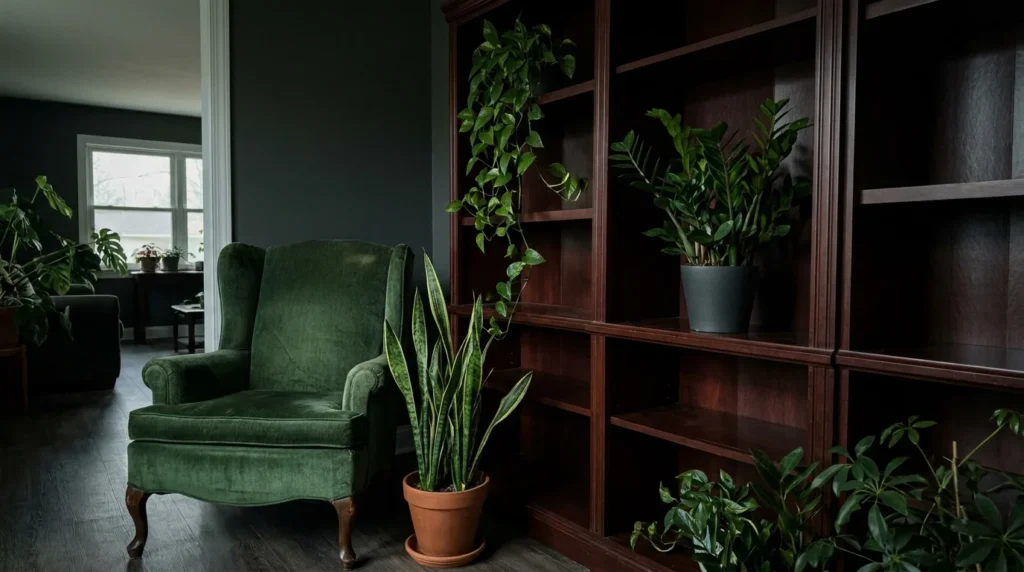
Cultivating a thriving, lush indoor garden does not require a home entirely wrapped in floor-to-ceiling glass. As you have discovered, incredibly resilient plants naturally exist that actively embrace the dark, quiet corners of your living spaces.
The secret to successfully growing these robust species revolves around properly adjusting your care routine. Because shaded plants process less light, they consume significantly less energy and water. By deliberately dialing back your watering schedule and choosing well-draining soil, you empower these botanical wonders to flourish.
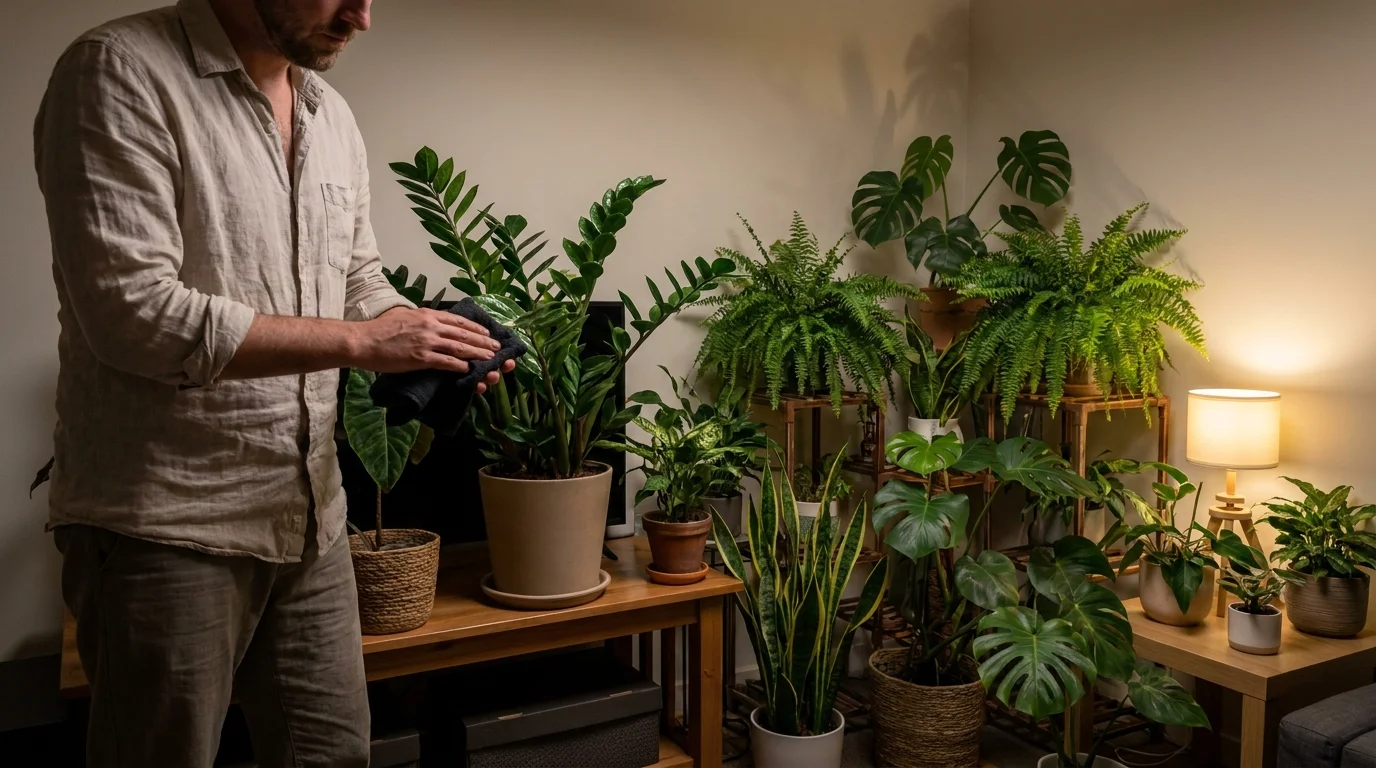
Take a confident look around your home and identify those empty, shadowy corners that desperately need a touch of natural vitality. Whether you choose the architectural brilliance of a Snake Plant, the forgiving trailing vines of a Heartleaf Philodendron, or the dramatic, leafy presence of a Peace Lily, you possess the exact knowledge needed to succeed.
Embrace the rewarding journey of indoor gardening, trust in the deep resilience of these shade-loving plants, and transform your darkest rooms into vibrant, oxygen-rich sanctuaries.
Frequently Asked Questions
How do I know if my low-light plant needs more sunlight?
Even the most shade-tolerant plants occasionally struggle if placed in absolute, pitch-black darkness. If your plant begins producing incredibly small leaves, completely stops growing for several months during the spring and summer, or aggressively stretches its stems in one specific direction, it desperately needs more light. You can easily fix this spindly growth by moving the container just a few feet closer to a window or temporarily providing a low-wattage LED grow light.
Should I regularly fertilize my plants in dark rooms?
You should fertilize your low-light houseplants very sparingly. Because a lack of direct sunlight naturally slows down a plant’s metabolic rate and overall growth, it requires drastically fewer nutrients than a plant sitting in a sunny windowsill. Apply a balanced, water-soluble liquid fertilizer diluted to half-strength just once in the early spring and perhaps once in the mid-summer. Over-fertilizing a shaded plant quickly burns its delicate root system.
How often should I water my indoor plants in low light?
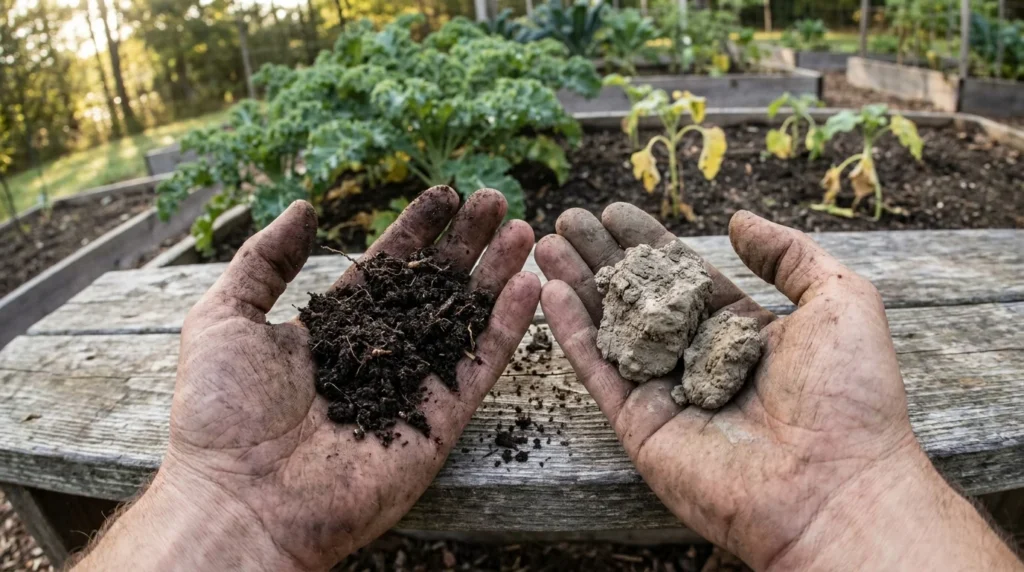
You must completely abandon strict, weekly watering schedules because shaded plants consume moisture incredibly slowly. Always let the soil dictate your watering frequency by physically testing it with your fingers. For deeply shaded, drought-tolerant species like the ZZ Plant or the Snake Plant, wait until the entire pot dries out completely. For tropical understory plants like the Peace Lily or English Ivy, simply wait until the top few inches of the soil feel dry before providing a thorough, deep soaking.
For region-specific advice, consult your local University Extension program (find yours via the USDA directory). For plant databases and inspiration, visit the Missouri Botanical Garden or the Royal Horticultural Society.
Disclaimer: This article provides general gardening advice. Always consider your specific climate, soil conditions, and local pests. Follow safety guidelines when using gardening tools and products.