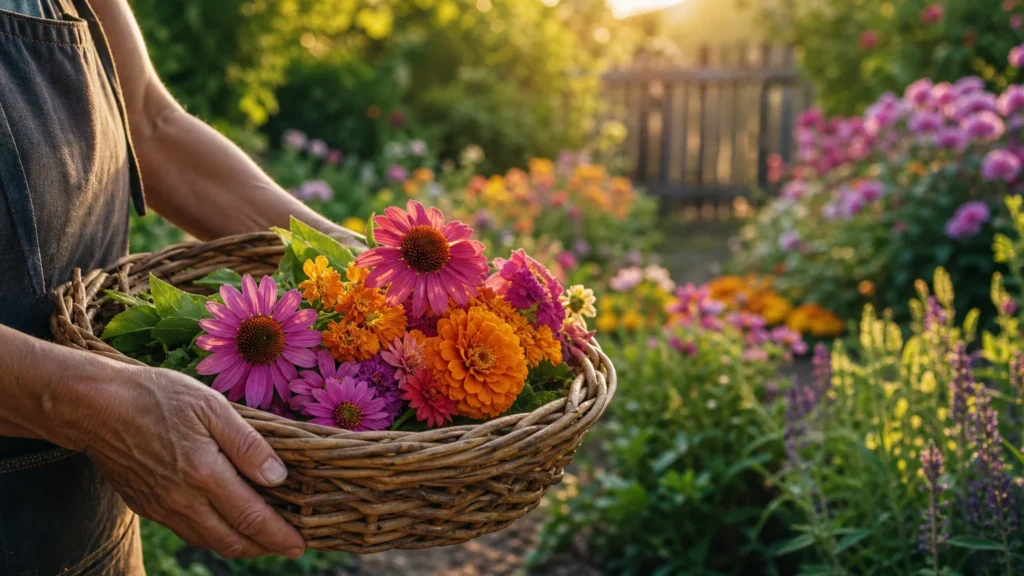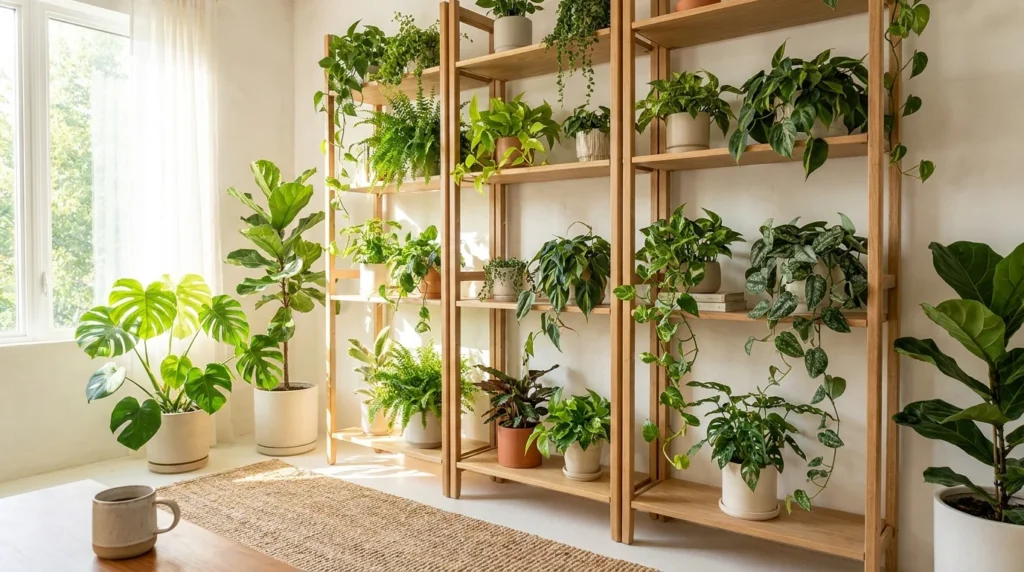
Transform your landscape into a spectacular visual showcase by incorporating plants with large flowers that demand immediate attention. Giant blooms anchor your garden beds, create stunning focal points, and attract a vibrant array of beneficial pollinators like butterflies and hummingbirds. Whether you want to establish dramatic borders or cultivate an impressive container garden, selecting varieties with oversized petals delivers maximum impact with minimal effort. Cultivating these striking ornamental flowers is entirely achievable when you match specific species to your local climate and soil conditions. By choosing the right fast-growing giants and perennial favorites, you instantly elevate your outdoor spaces with breathtaking colors and textures that keep your garden vibrant throughout the entire growing season.
Tip #1: Dinnerplate Dahlias
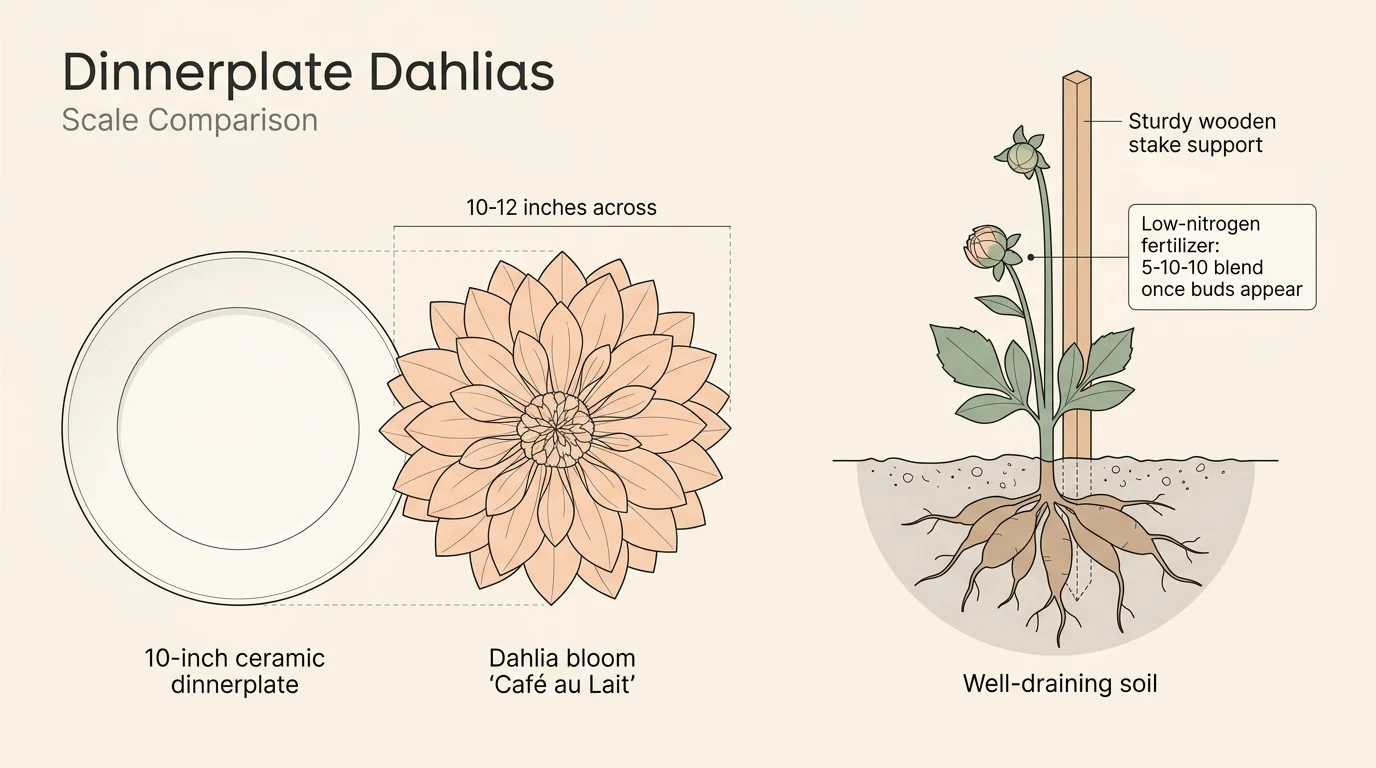
Dinnerplate dahlias deliver exactly what their name promises; these spectacular plants produce massive, fully double flowers that easily measure ten to twelve inches across. Adding these blooming behemoths to your landscape guarantees an unforgettable late-summer display precisely when other garden plants begin to fade under the August sun. Cultivating prized varieties like ‘Emory Paul’ or the soft blush ‘Café au Lait’ requires planting the tuberous roots in well-draining soil after the last spring frost has completely passed. Because these ornamental flowers grow so large and physically heavy, you must provide sturdy wooden stakes or metal structural supports early in the season to prevent the hollow plant stems from snapping in strong winds. Feed your dahlias a low-nitrogen fertilizer—such as a 5-10-10 blend—once buds appear to encourage robust bloom development rather than excessive foliage growth. When you master these straightforward steps, your garden will burst with monumental color until the first autumn frost.
Tip #2: Hardy Hibiscus
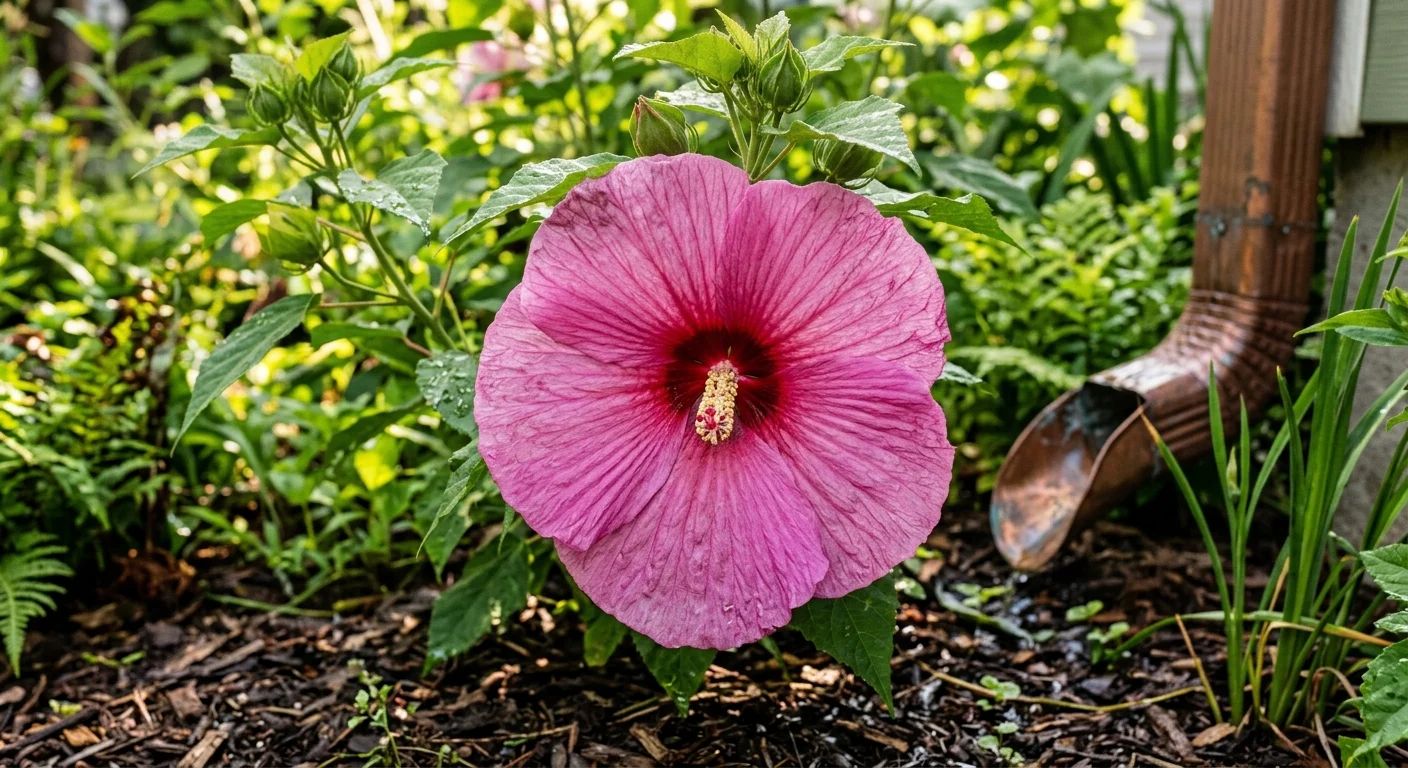
Hardy hibiscus shrubs bring a bold, tropical aesthetic directly to temperate climate zones with their enormous, dinner-plate-sized blossoms. These incredible flowering plants boast wide, delicate papery petals that routinely span eight to ten inches across, often featuring a vividly contrasting central eye. Outstanding varieties such as ‘Berry Awesome’ and ‘Luna Red’ flourish in full sun and thrive naturally in consistently moist, slightly acidic soil environments. Unlike their delicate tropical cousins, hardy hibiscus plants die back entirely to the ground during harsh winters but reliably re-emerge with vigorous new growth in late spring. You should water them deeply during dry spells, as these landscaping ideas rely on consistent soil moisture to produce their largest, most vibrant flowers. Applying a thick, three-inch layer of organic mulch helps retain precious ground moisture and keeps the root zone comfortably cool. Incorporate these dramatic bloomers near downspouts or at the edge of rain gardens for phenomenal late-summer visual impact.
Tip #3: Giant Sunflowers
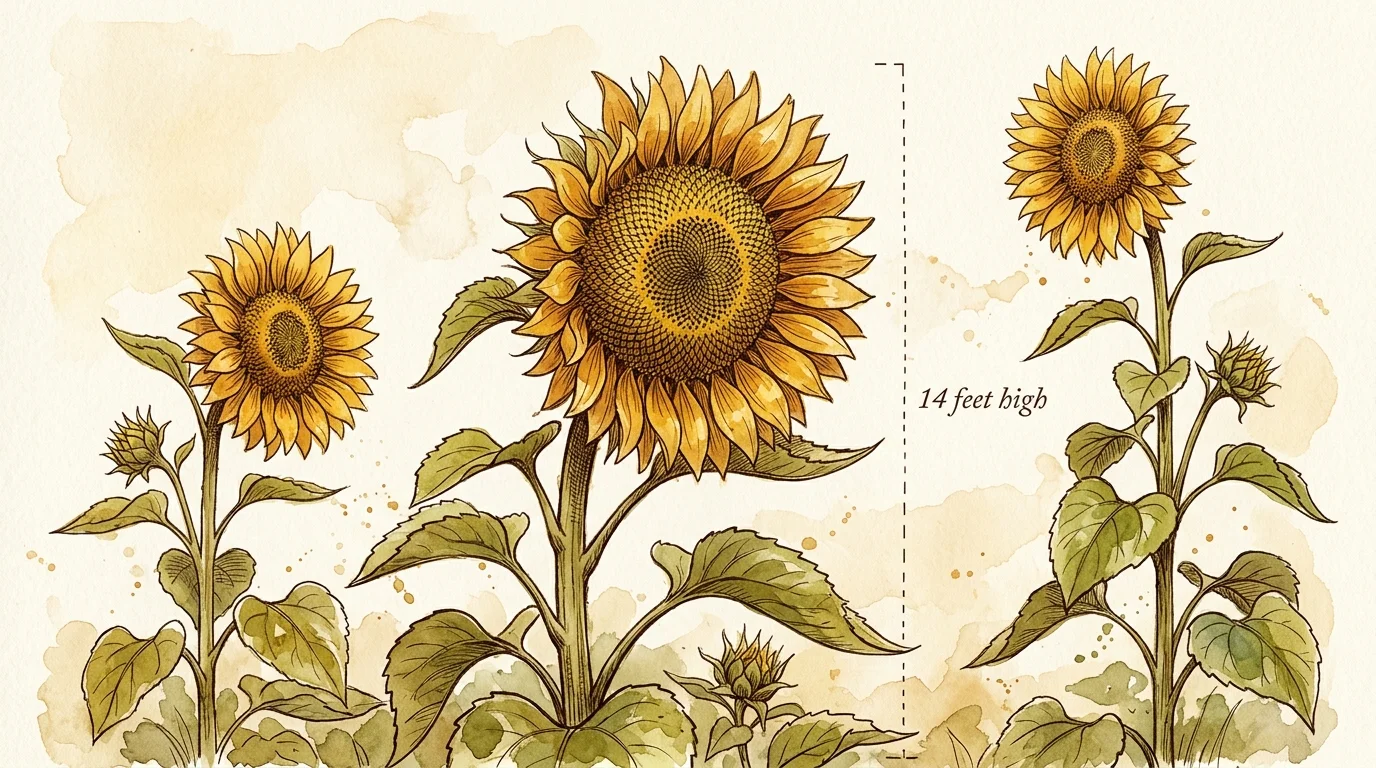
Towering giant sunflowers epitomize summer garden exuberance with their legendary height and massive, golden seed heads. Classic cultivars like ‘Titan’ and ‘Mongolian Giant’ routinely produce spectacular flower faces measuring up to fourteen inches in diameter on sturdy stalks that can soar well over twelve feet high. These cheerful garden plants thrive with total neglect, making them an excellent choice for beginners who want high-impact landscaping ideas without complicated maintenance schedules. You should direct-sow the large seeds exactly where you want them to grow, spacing them about two feet apart in warm, well-draining soil; their deep taproots thoroughly dislike being transplanted. Position your sunflowers in a location that receives at least six to eight hours of unobstructed direct sunlight every single day. Aside from their undeniable aesthetic appeal, these giant flowering plants provide incredible ecological value by feeding local bird populations and sustaining diverse native pollinator species throughout the late summer and early autumn.
Tip #4: Tree Peonies
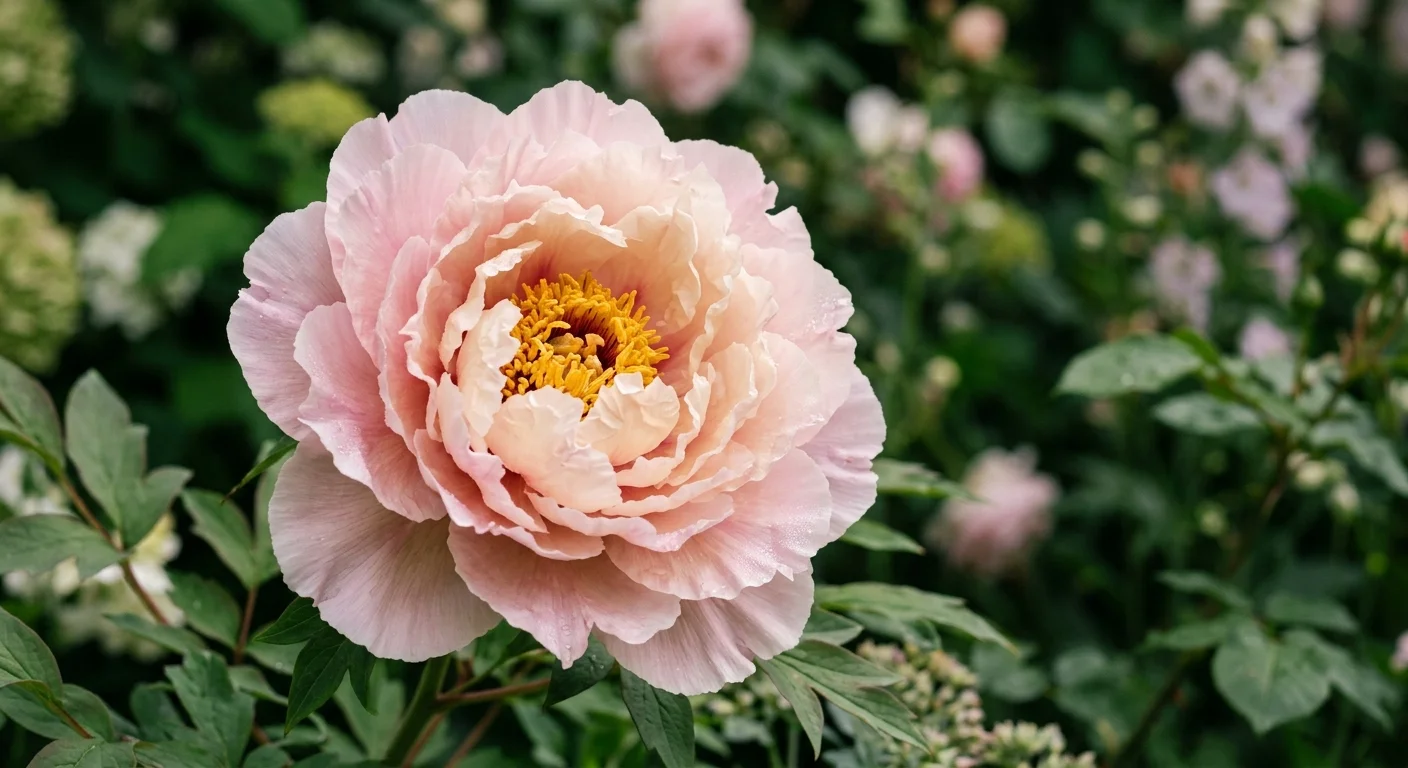
Tree peonies stand apart from standard herbaceous peonies by forming permanent, woody shrub structures that bear impossibly large, silk-like blossoms. During mid-spring, these extraordinary ornamental flowers unfurl gigantic, highly fragrant blooms that frequently measure up to ten inches across. Distinctive varieties like ‘High Noon’ produce luminous yellow petals, while ‘Kinkaku’ features incredible ruffled orange-gold edges that captivate anyone walking past your garden. Because tree peonies can easily live for over fifty years in the right environment, you must choose their permanent planting site carefully from the beginning. Position your young plants in well-draining, highly fertile soil where they will receive gentle morning sunlight but remain firmly protected from harsh, scorching afternoon rays. Deep watering during their active spring growth phase ensures the developing buds reach their absolute maximum potential size. Although they grow relatively slowly during their first few seasons, the awe-inspiring blooms reward your patience with a breathtaking spring garden centerpiece.
Tip #5: Oriental Lilies
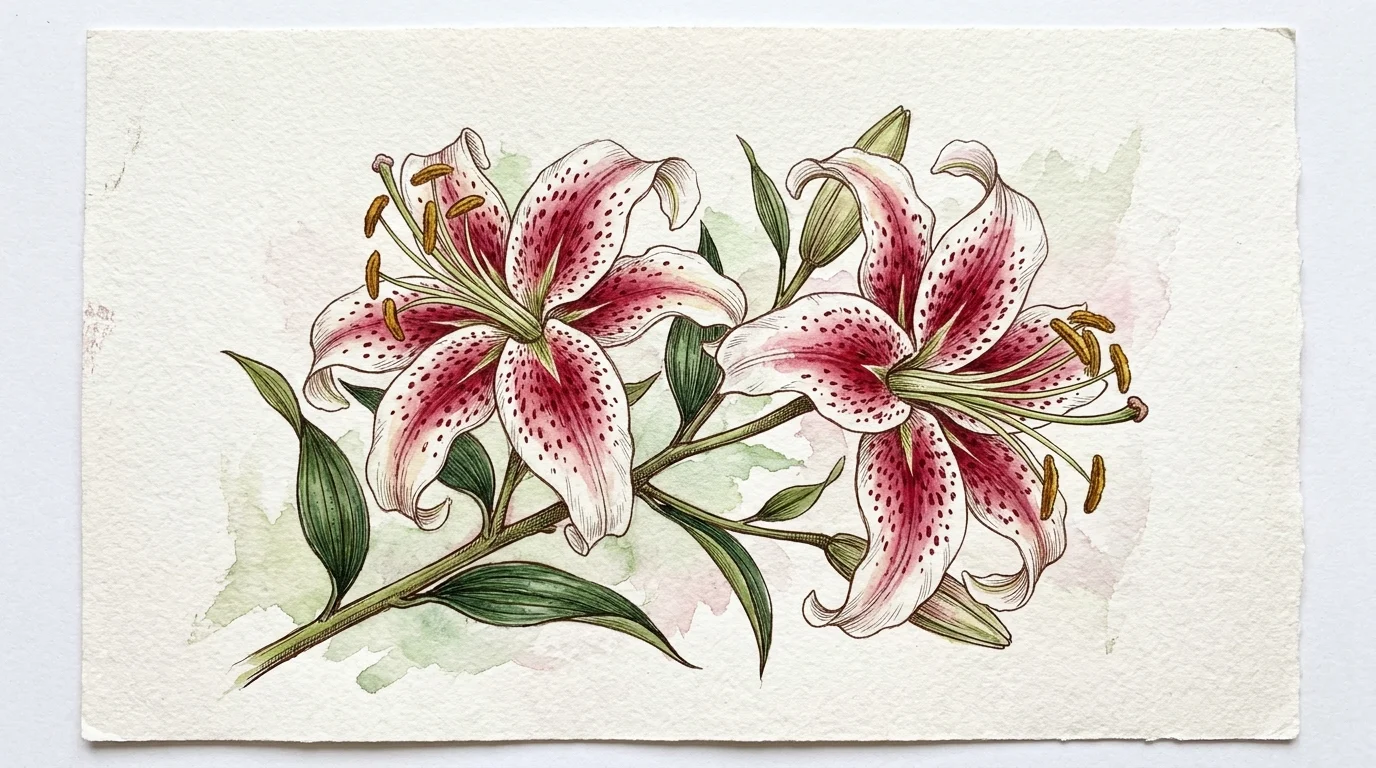
Oriental lilies deliver unparalleled garden drama through their gigantic, star-shaped blossoms and intensely sweet, intoxicating fragrance that perfumes the entire yard. Highly popular cultivars like the crimson ‘Stargazer’ or the pristine white ‘Casa Blanca’ yield magnificent flowers spanning six to eight inches across on sturdy, upright stems. These spectacular flowering plants shine brilliantly as middle-border highlights or striking patio container specimens, performing exceptionally well across USDA Hardiness Zones 4 through 9. For the absolute best results, you should plant their scaly, fleshy bulbs in the late fall or early spring using organically rich, rapidly draining soil. Oriental lilies perform best when their blooming canopy basks in bright full sun while their delicate root systems remain shaded and cool beneath a thick layer of compost or companion groundcover. Applying a slow-release granular bulb fertilizer just as the green spring shoots emerge provides the essential nutrients for these plants with large flowers to reach massive proportions.
Tip #6: Bigleaf Hydrangeas
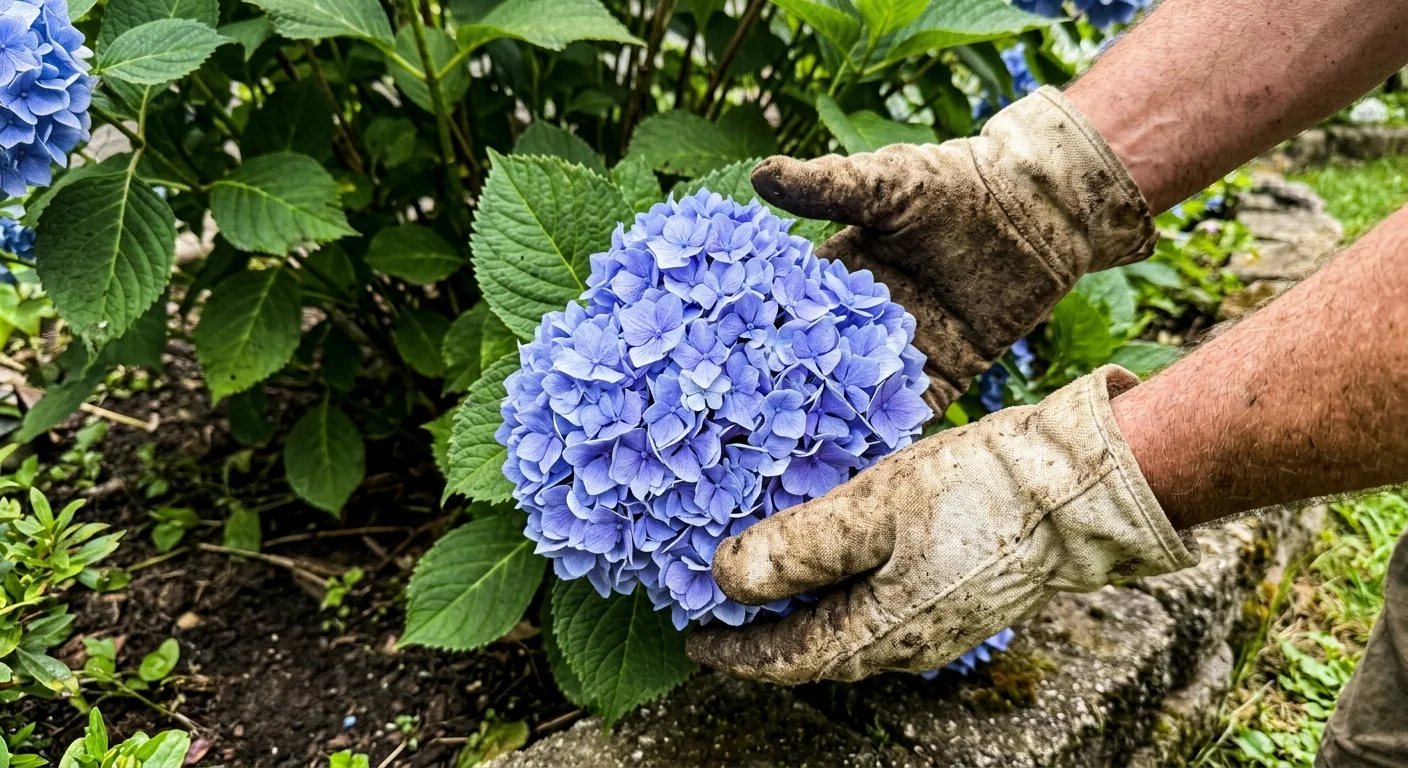
Bigleaf hydrangeas instantly transform ordinary shaded garden corners into lush, romantic retreats with their colossal, globe-shaped flower clusters. The classic mophead varieties produce massive, dense spheres of blooming florets that frequently reach eight to ten inches in overall diameter. The most fascinating aspect of these iconic garden plants is their unique biological ability to change color based entirely on your local soil’s pH levels; acidic soils near pH 5.2 yield striking blue flowers, while alkaline soils promote vivid pinks. You should plant your hydrangeas in highly loamy, moisture-retentive soil that receives gentle morning sun and reliable, protective afternoon shade to prevent their broad green leaves from severely wilting. Regular, deep watering remains absolutely essential during the hottest summer months to physically support the sheer size and immense weight of the blooming heads. Proper placement and consistent moisture guarantee a spectacular summer-long display that provides excellent, long-lasting cut flowers for your indoor dining table arrangements.
Tip #7: Giant Allium
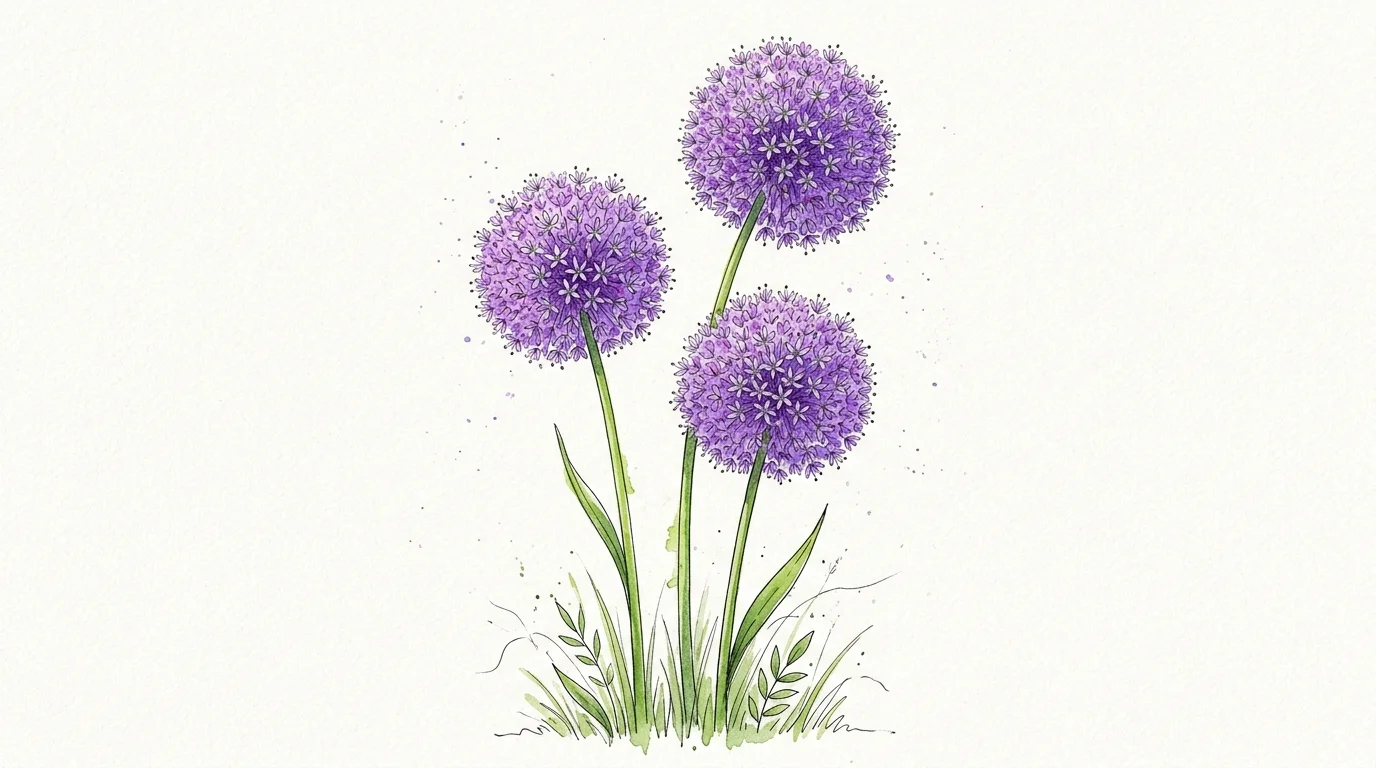
Giant alliums introduce a striking, futuristic architectural element to the late spring garden with their enormous, perfect spheres of tiny star-shaped flowers. Outstanding varieties like ‘Globemaster’ and ‘Gladiator’ thrust magnificent, eight-to-ten-inch bright purple globes high above the fading spring foliage on thick, sturdy leafless stalks. These dramatic plants with large flowers create highly captivating visual focal points when massed tightly together or carefully interspersed among lower-growing perennial foliage. You must plant the sizable, pungent bulbs during the cool autumn months in a sunny spot featuring exceptionally well-draining soil to prevent destructive winter root rot. Because they belong to the common onion family, these brilliant ornamental flowers naturally repel foraging deer and hungry rabbits, saving you the immense frustration of losing your prize blooms overnight. Leaving the dried, structural flower heads standing on their stalks well into the late summer provides enduring textural interest and dramatically extends their practical landscaping value.
Tip #8: Angel’s Trumpet
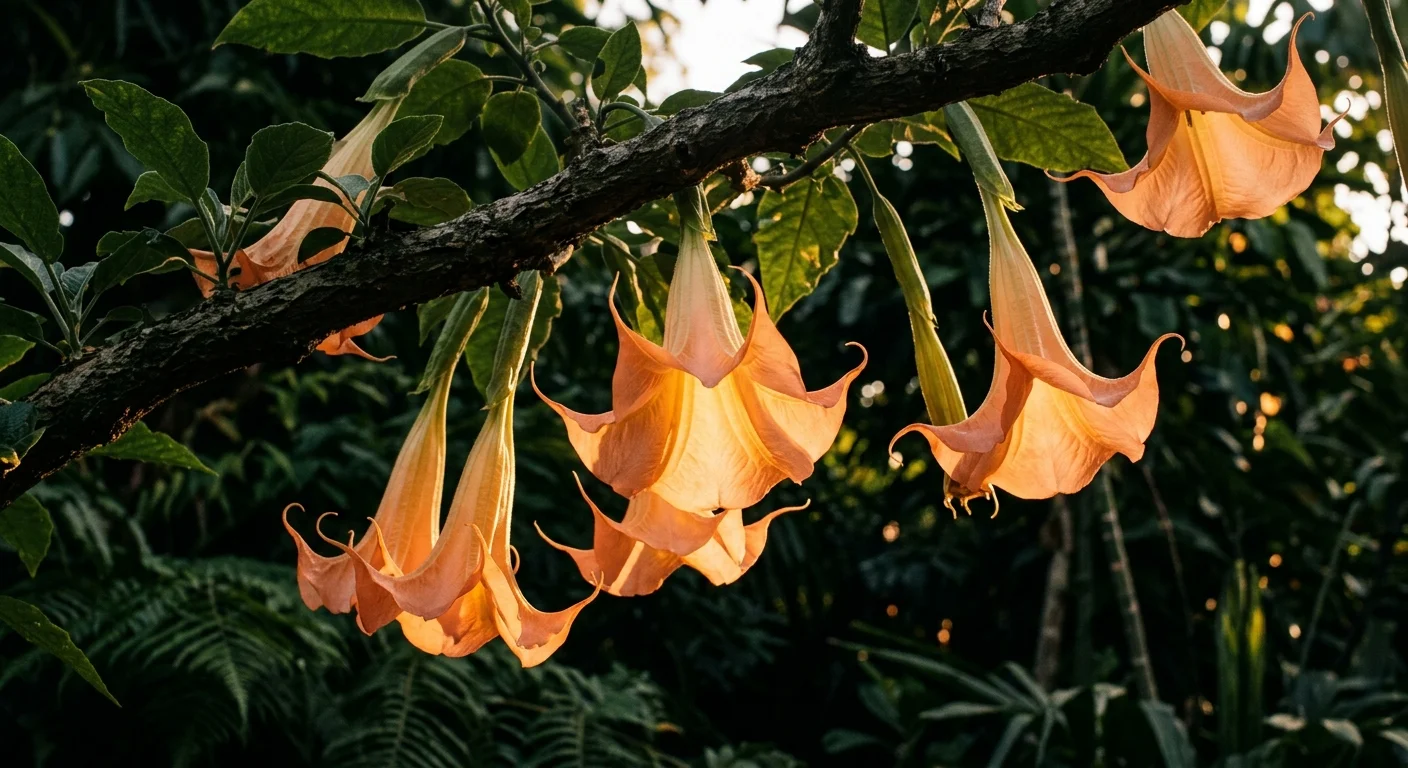
Angel’s trumpet—botanically classified as Brugmansia—produces some of the most extraordinary and immense pendulous blooms found in any modern garden setting. These exotic subtropical plants feature spectacular, downward-facing trumpet flowers that dangle gracefully from the woody branches and easily reach ten to twelve inches in total length. Beyond their sheer physical size, these glorious ornamental flowers emit an intoxicating, incredibly sweet fragrance that heavily permeates the warm evening air. While they flourish freely as permanent outdoor landscape plants in frost-free southern zones, gardeners in cooler northern climates can successfully grow them in large, wheeled containers and simply overwinter them indoors before the first freeze. You must provide these highly aggressive growers with organically rich potting soil, copious amounts of daily water, and regular bi-weekly applications of a high-phosphorus fertilizer to fuel their relentless blooming cycle. Proper feeding and hydration ensure your patio erupts with massive, tropical grandeur from mid-summer until late autumn.
Tip #9: Moonflower
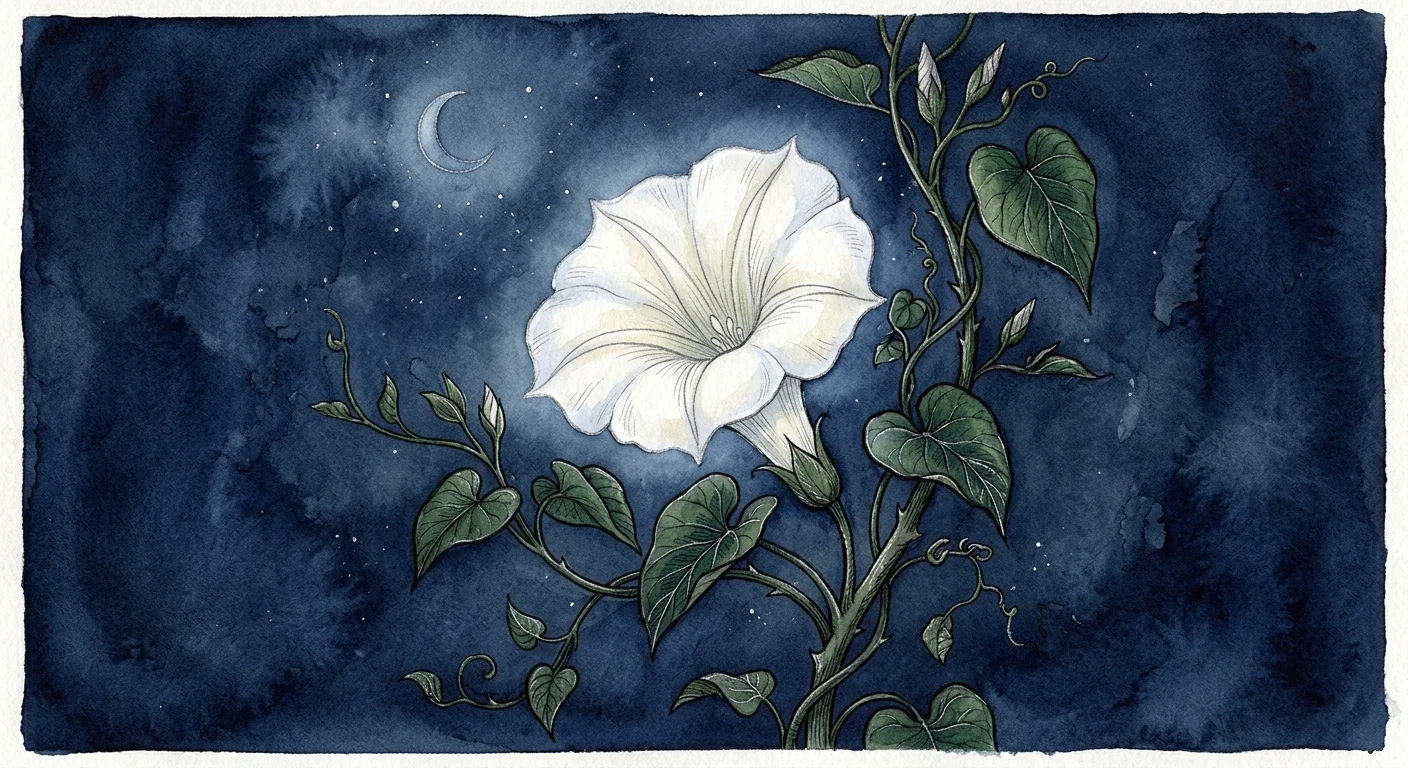
Moonflowers offer a truly magical, nocturnal gardening experience by producing massive, brilliant white blooms that visibly unfold precisely as the sun begins to set. This fast-growing, vigorously twining vine features luminous, mildly fragrant flowers measuring up to six inches across, which naturally attract large, fascinating pollinator species like the spectacular sphinx moth. Because these aggressive climbing vines quickly scramble to astonishing heights of ten to fifteen feet in a single season, you must provide extremely sturdy trellises, wooden arbors, or strong fencing for essential structural support. These heat-loving flowering plants thrive in sultry weather and absolutely require a garden location boasting full sun to absorb the immense energy needed for their spectacular evening floral displays. To achieve the absolute highest germination rates possible, carefully nick the tough outer shell of the large seeds and soak them in warm water overnight before planting them directly into warm, fertile soil.
Tip #10: Sacred Lotus
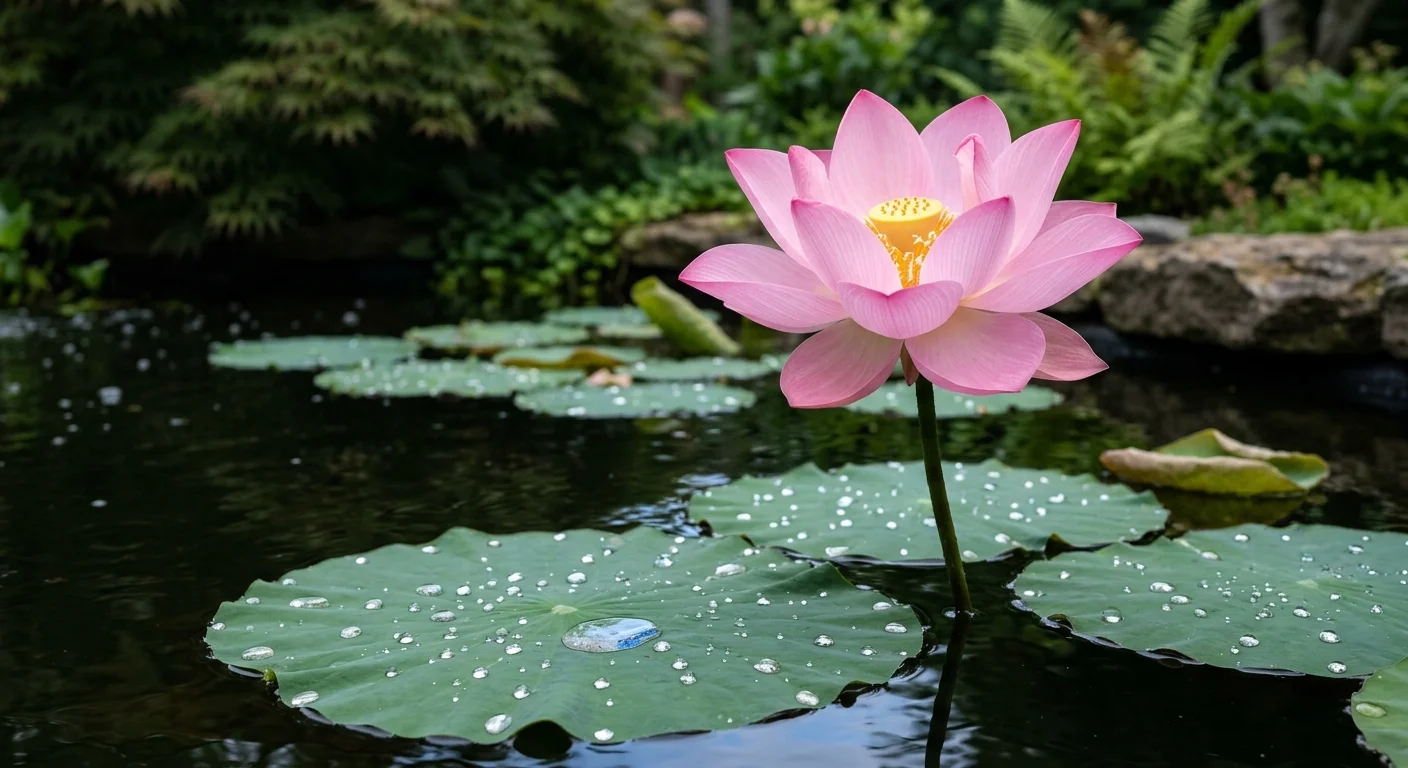
The sacred lotus stands as a breathtaking aquatic centerpiece, consistently boasting some of the most magnificent and historically revered blooms in the entire botanical world. These highly vigorous water plants aggressively push enormous, multi-petaled blossoms measuring up to twelve inches wide high above the surface of the water alongside gigantic, parasol-like green leaves. Cultivating these distinct plants with large flowers is highly achievable for home gardeners; you can grow them effortlessly in sealed patio containers, large galvanized tubs, or dedicated backyard water gardens. You must plant the fragile, banana-shaped tubers strictly horizontally in heavy clay loam and carefully submerge them in shallow water located in a bright, exceedingly full-sun environment. Heavy fertilization utilizing specialized aquatic plant nutrient tablets during the peak hot summer months provides the tremendous biological energy needed to sustain their immense physical growth. The resulting architectural blooms instantly transform any simple water feature into an exotic outdoor sanctuary.
Tip #11: Large-Flowered Clematis
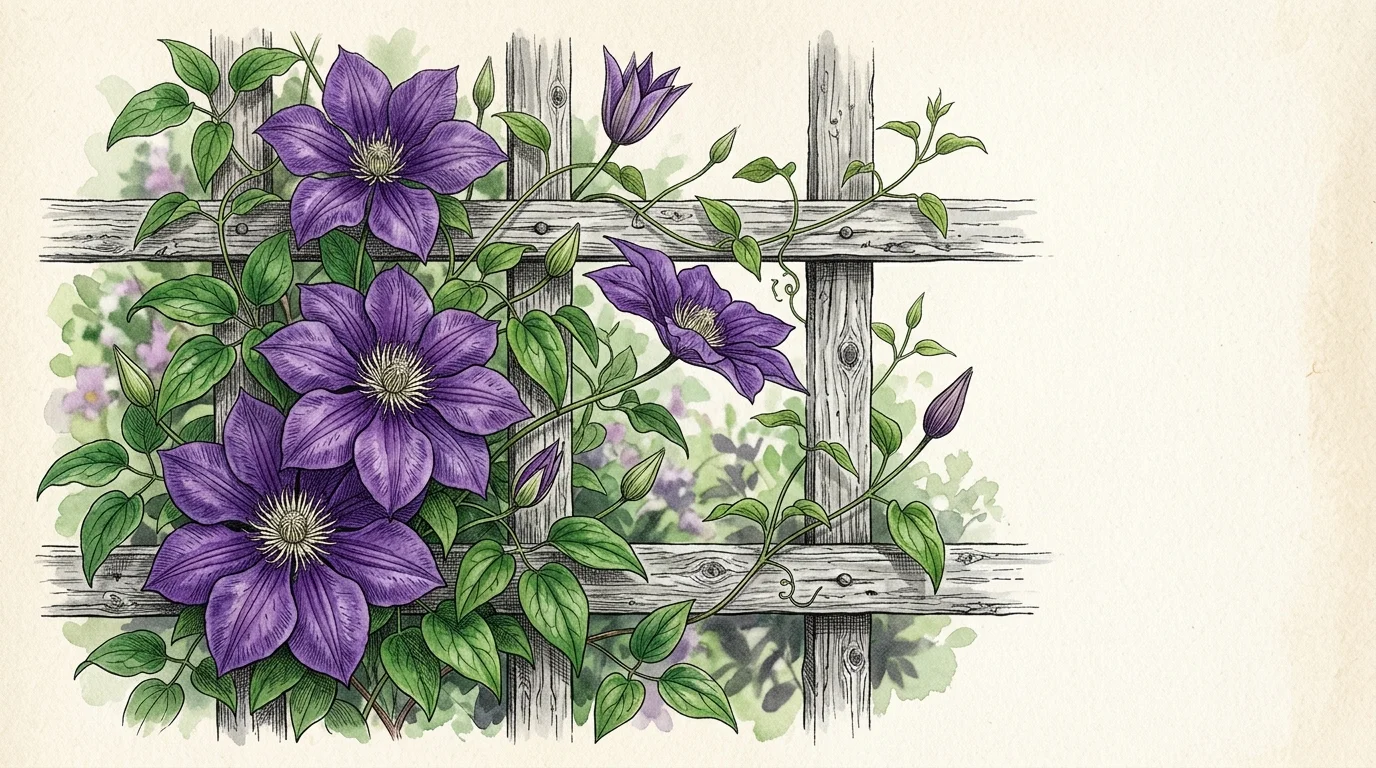
Large-flowered clematis vines brilliantly conquer vertical garden spaces by actively weaving a vibrant tapestry of astonishing, dinner-plate blossoms right at your natural eye level. Exceptional early-summer bloomers like the bi-colored ‘Nelly Moser’ or the pure white ‘Henryi’ produce spectacular, flat star-shaped ornamental flowers that can easily span eight inches straight across. These elegant climbers absolutely require solid structural support from a wooden trellis, metal obelisk, or sturdy neighboring shrub to properly showcase their massive blooms without collapsing. The most crucial secret to cultivating wildly robust clematis is actively keeping their root zone comfortably cool and thoroughly shaded while simultaneously allowing their aggressive climbing stems to stretch eagerly upward into the bright sunshine. You can easily accomplish this ideal growing environment by applying a thick layer of organic wood mulch or carefully planting shallow-rooted groundcovers closely around the base of the vine. Consistent moisture encourages a prolific flush of enormous flowers.
Tip #12: Amaryllis
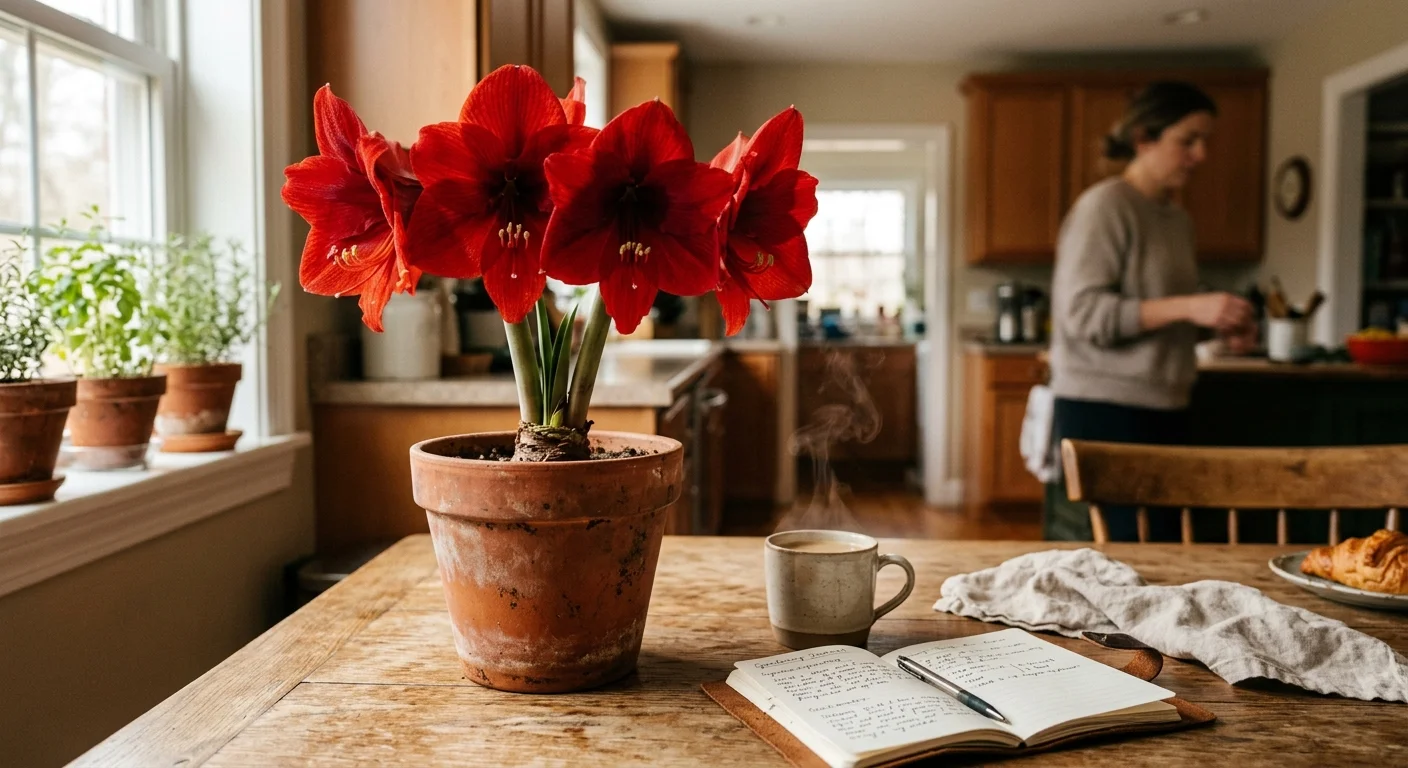
While most home gardeners associate amaryllis strictly with indoor holiday bulb forcing, these phenomenal plants produce truly massive, show-stopping flowers when planted outdoors directly in the ground in warm climate zones or treated as stunning summer patio containers elsewhere. The thick, incredibly sturdy green stalks actively support heavy clusters of magnificent, outward-facing trumpet flowers that individually measure up to eight inches across. Outstanding classic varieties like the deep crimson ‘Red Lion’ or the pink-and-white ‘Apple Blossom’ instantly inject brilliant tropical colors into your ongoing landscaping ideas. To achieve the absolute best blooming results, you must plant the large bulbs in highly porous, rapidly draining soil, intentionally keeping the top third of the bulb exposed entirely above the soil line to prevent devastating crown rot. Provide your outdoor amaryllis with bright, dappled sunlight and consistently allow the top layer of soil to dry slightly between thorough watering sessions.
Putting It All Together: Enjoy Your Beautiful Garden
Transforming your landscape with oversized blooms provides an incredibly rewarding gardening experience that guarantees massive visual impact right outside your door. By strategically mixing towering giant sunflowers, elegantly spreading tree peonies, and highly structural giant alliums, you actively build dynamic, fascinating layers of bright color and varied texture that evolve beautifully throughout the entire growing season. True success with these magnificent plants with large flowers absolutely requires carefully matching the right plant species to your specific local climate, proactively providing adequate physical structural support for their heavy blossoms, and deliberately ensuring consistent soil moisture during their most active growth phases. Embrace the remarkably bold aesthetics of these extraordinary flowering plants to breathe vibrant new life into tired garden beds and lackluster patio containers. As you nurture these phenomenal giants, your outdoor living spaces will naturally flourish into vibrant, head-turning sanctuaries that boldly celebrate the very best of nature’s dramatic beauty.
Frequently Asked Questions
Do plants with large flowers need more fertilizer than standard plants?
Yes; producing massive blooms requires tremendous biological energy, making many of these giant varieties incredibly heavy feeders. You should apply a balanced, slow-release organic fertilizer very early in the spring growing season to establish strong roots and stems. Once the actual flower buds physically begin to form, switching to a high-phosphorus liquid fertilizer effectively encourages maximum flower size and deep, rich color saturation without accidentally promoting excessive, weak vegetative foliage.
How do I protect giant blooms from heavy rain and wind?
Oversized ornamental flowers remain highly susceptible to severe wind damage and frequently snap entirely under the immense weight of heavy summer rain. You must proactively stake tall, heavy varieties like dinnerplate dahlias and giant sunflowers early in the season well before they actually reach their full mature height. Carefully positioning delicate bloomers like tree peonies near sturdy fences, dense hedges, or strong structural walls provides excellent natural windbreaks that protect fragile petals.
Can I grow large-flowered plants in containers?
Absolutely; many spectacular giant bloomers naturally thrive in pots if you specifically provide adequate physical space for their robust root systems to expand. Angel’s trumpet, bigleaf hydrangeas, and large-flowered clematis make truly spectacular container specimens for sunny patios. You must use extremely large, heavy ceramic or resin pots to physically prevent these top-heavy plants from completely tipping over in a breeze, and always ensure the containers feature excellent bottom drainage holes.
Why are my bigleaf hydrangeas not producing large flowers?
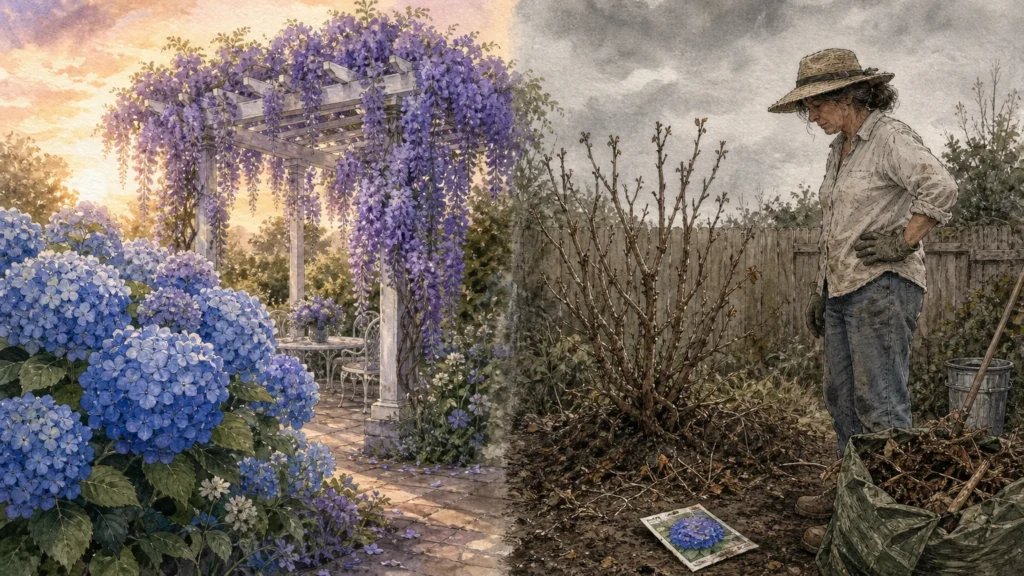
A frustrating lack of impressive, oversized blooms typically results directly from improper pruning techniques or severely insufficient summer watering. Many classic bigleaf hydrangeas bloom entirely on old wood from the previous year, meaning that aggressive spring pruning permanently removes the heavily developing flower buds. Always maintain consistent, deep soil moisture during the hottest summer months, as acute drought stress immediately forces the plant to abort its large flower heads entirely to conserve basic survival energy.
For region-specific advice, consult your local University Extension program (find yours via the USDA directory). For plant databases and inspiration, visit the Missouri Botanical Garden or the Royal Horticultural Society.
Disclaimer: This article provides general gardening advice. Always consider your specific climate, soil conditions, and local pests. Follow safety guidelines when using gardening tools and products.