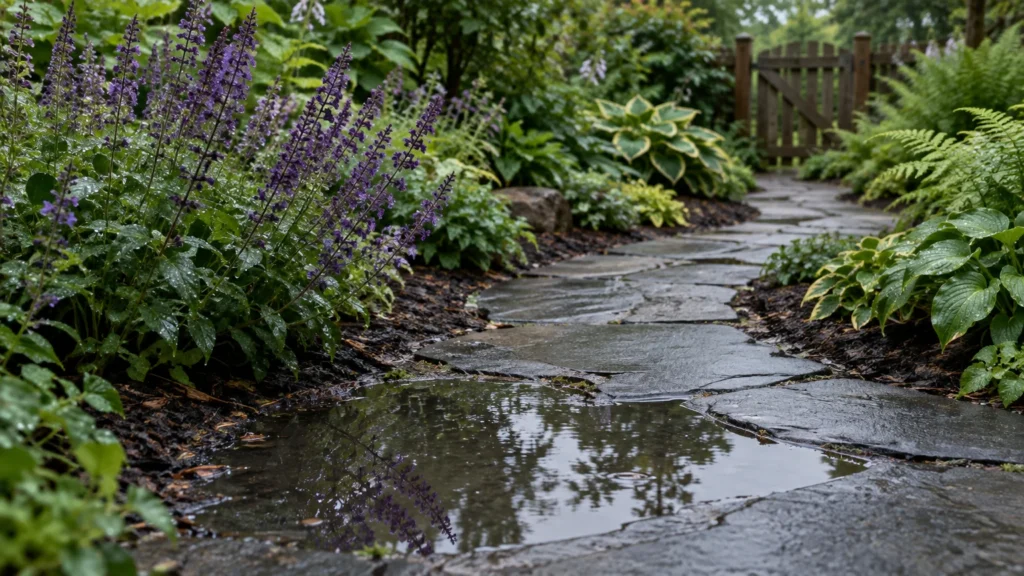
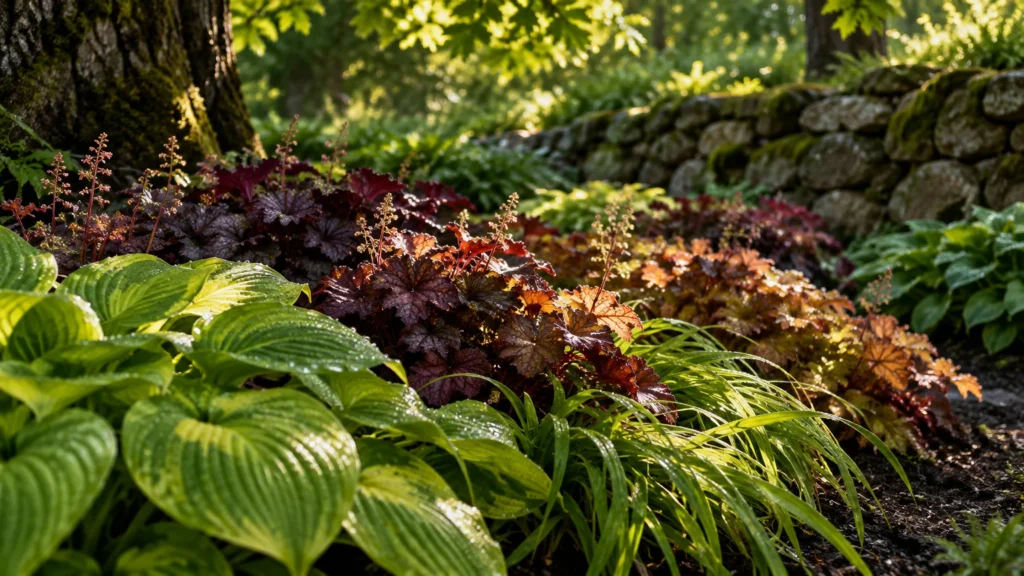
Cooler autumn air provides the ideal climate to tackle outdoor projects without exhausting summer heat. Your soil remains warm enough to support robust root development before freezing temperatures arrive.
Handling these high-impact tasks now sets up your landscape for vibrant spring growth. You will save countless hours of intensive labor next season by taking action today.
From enriching your soil to planting spring blooms, these seasonal projects protect your investment and preserve plant health. Step outside and enjoy the crisp air while transforming your yard.

Tip #1: Planting Spring-Flowering Bulbs
Autumn gardening offers the perfect window for tucking spring-flowering bulbs into the ground. Tulips, daffodils, alliums, and crocuses require a chilling period to break dormancy and develop blossoms.
Wait until evening temperatures settle consistently between 40 and 50 degrees Fahrenheit. Planting too early encourages premature top growth that winter freezes will damage.
Dig planting holes roughly two to three times as deep as the bulb is tall. Position each bulb firmly with its pointed end facing toward the sky.
If you garden in heavy clay, work coarse grit or compost into the planting area. Bulbs demand excellent drainage; saturated winter soil causes them to rot rapidly.
Group bulbs in irregular clusters of seven to nine for a naturalistic, painterly drift of color. Staggering your planting depth slightly also extends the overall bloom duration in early spring.
Water the planting site thoroughly after backfilling to eliminate air pockets around the base. These classic fall garden tasks reward you with a spectacular show of color when winter retreats.
Tip #2: Dividing and Transplanting Overgrown Perennials
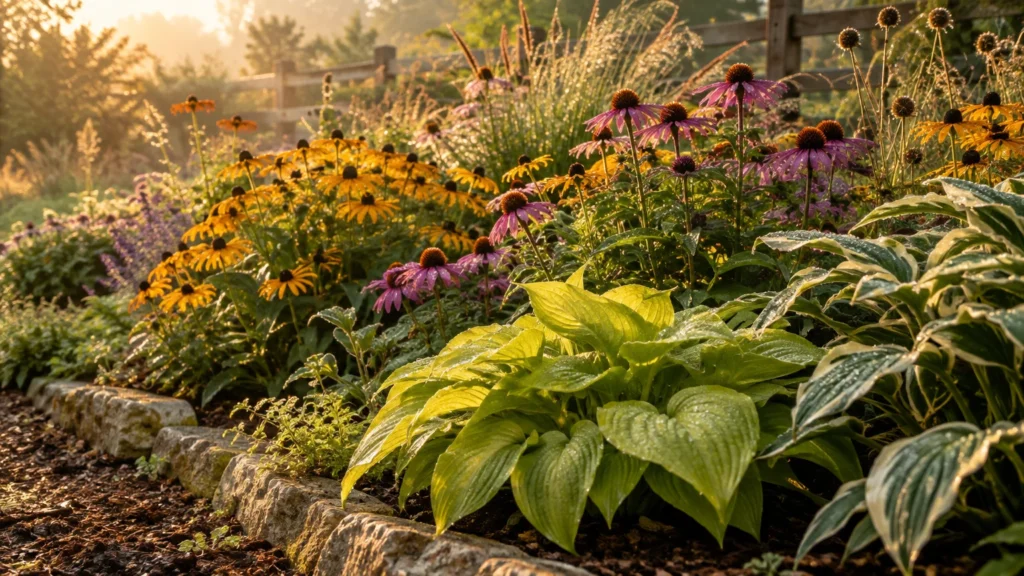
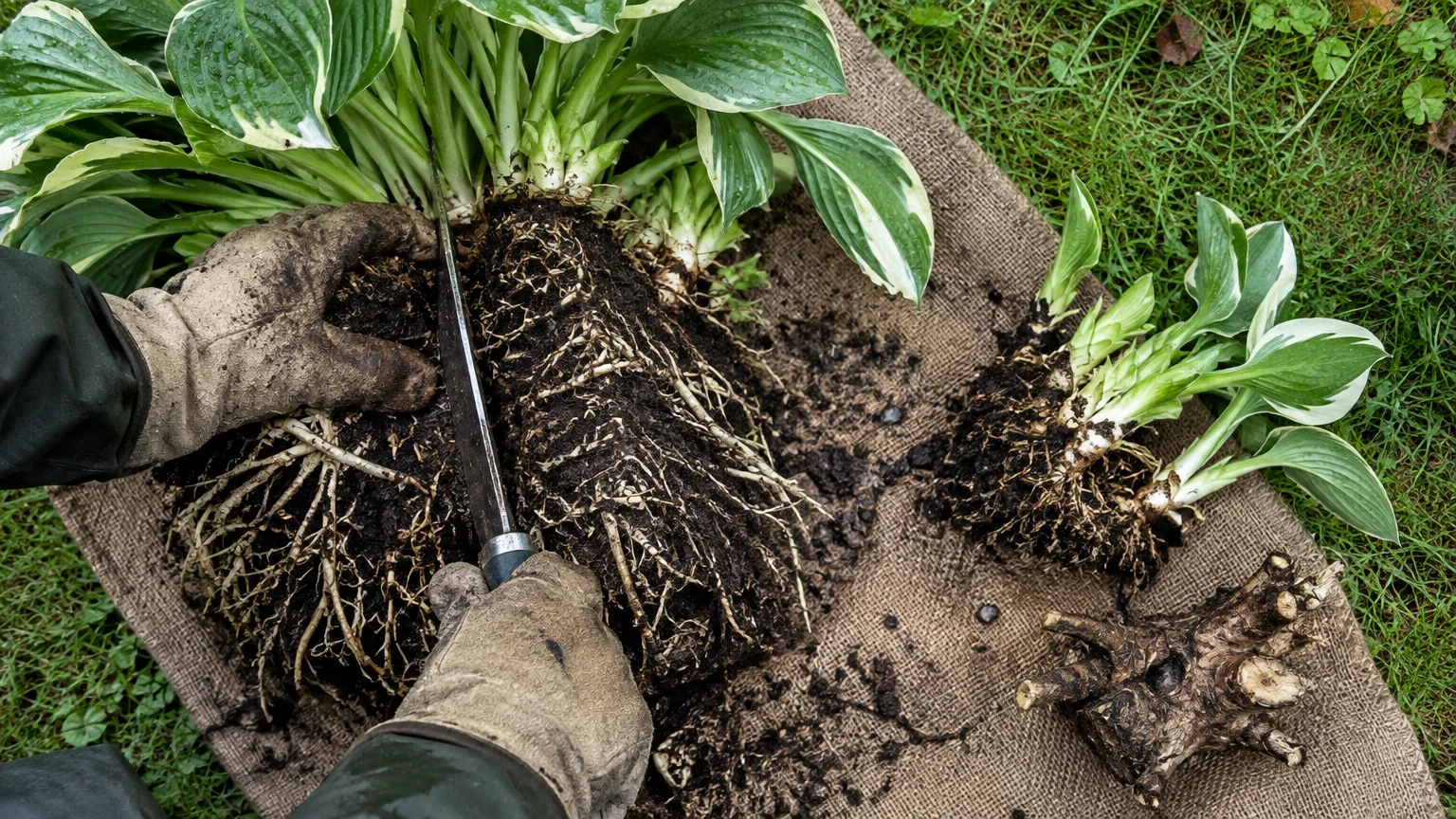
Perennials such as hostas, daylilies, and Siberian irises often become congested after several productive seasons. Cool weather slows leaf transpiration, allowing divided root clumps to establish without moisture stress.
Slice cleanly through the root mass using a sharpened spade or garden knife. Ensure each divided section retains three to five healthy shoots and a generous cluster of vigorous roots.
Prepare the new planting site by loosening the soil and adding organic compost. Set the divided crowns level with the surrounding grade to avoid crown rot.
Discard the woody, dead center of older root crowns and replant only the vibrant outer sections. This selective replanting guarantees vigorous new growth and abundant flowers.
Water new transplants deeply immediately after setting them into the earth. Consistent moisture helps roots anchor firmly before the ground freezes solid.
Complete this division work at least four weeks before your first hard frost. This window ensures roots expand into native soil before true winter dormancy begins.
Tip #3: Aerating and Overseeding Your Lawn
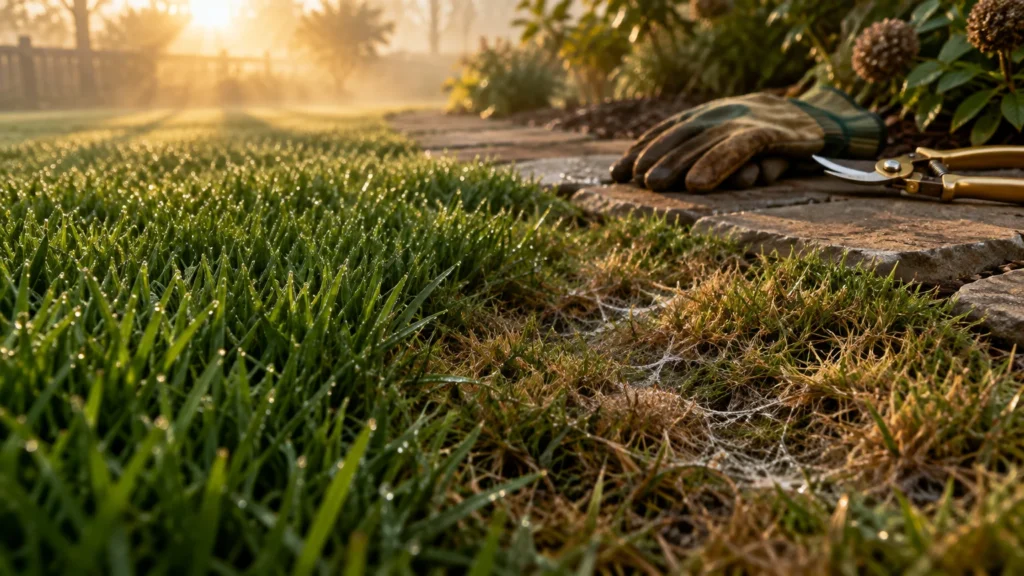
Summer foot traffic, heat, and mowing compact turf soil and starve grass roots of oxygen. Autumn lawn care provides optimal conditions for cool-season turf recovery.
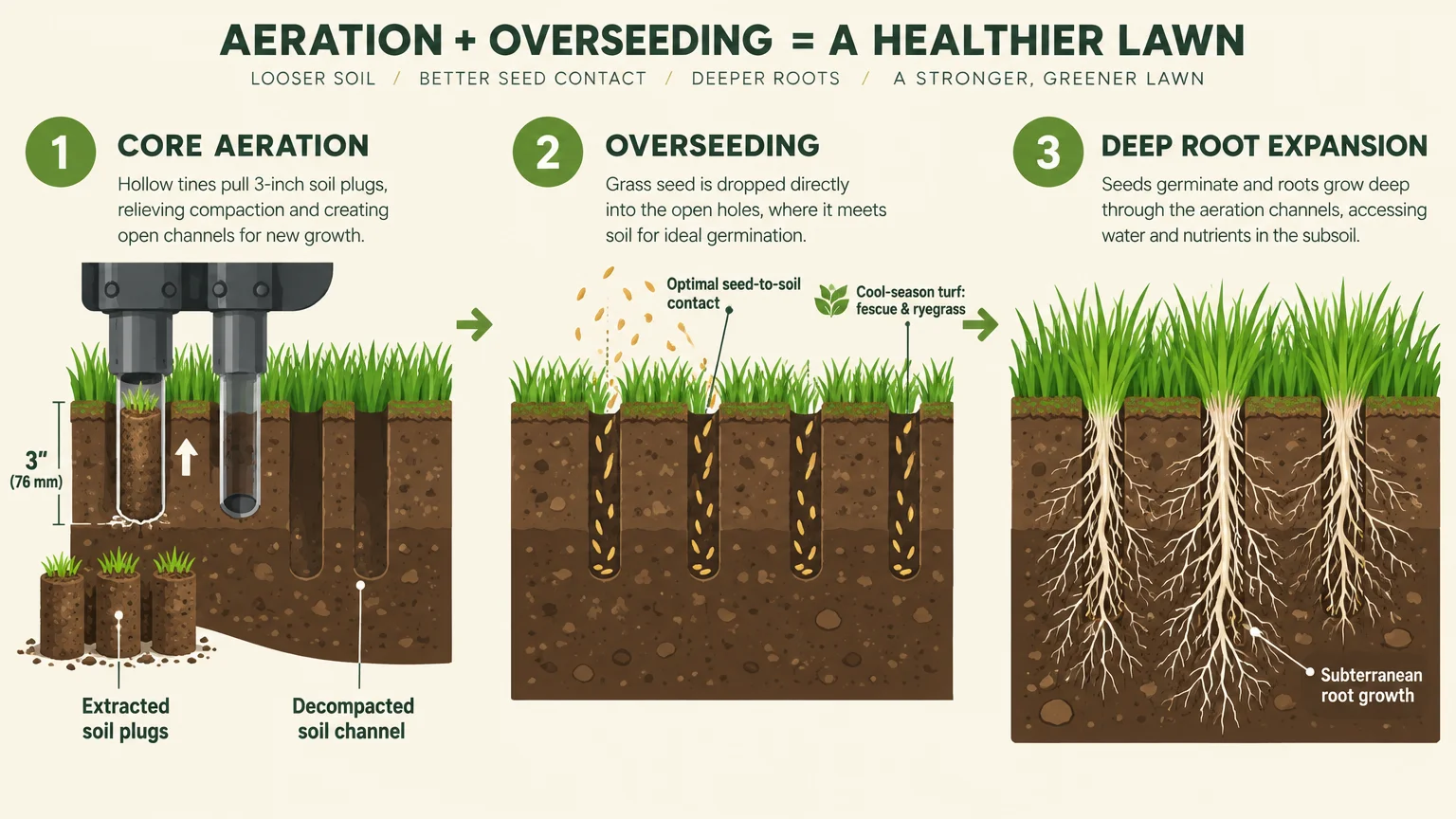
Run a core aerator across the lawn to pull soil plugs from the ground. These open channels allow water, air, and essential nutrients to penetrate deep into the root zone.
Overseed bare and thinning patches with high-quality turf seed immediately after aerating. The open plug holes create ideal seed-to-soil contact for rapid germination.
Cool-season grasses like Kentucky bluegrass, tall fescue, and perennial ryegrass thrive in cooler air temperatures. Meanwhile, warm soil stimulates aggressive subterranean root expansion.
Apply a balanced, slow-release autumn lawn fertilizer immediately after overseeding your turf. The phosphorus promotes robust root development, while nitrogen feeds existing blades without forcing excessive shoot growth.
Keep the seeded lawn consistently moist with light, daily watering until seedlings sprout. Tackling this essential fall yard work prevents spring weed seeds from finding room to sprout.
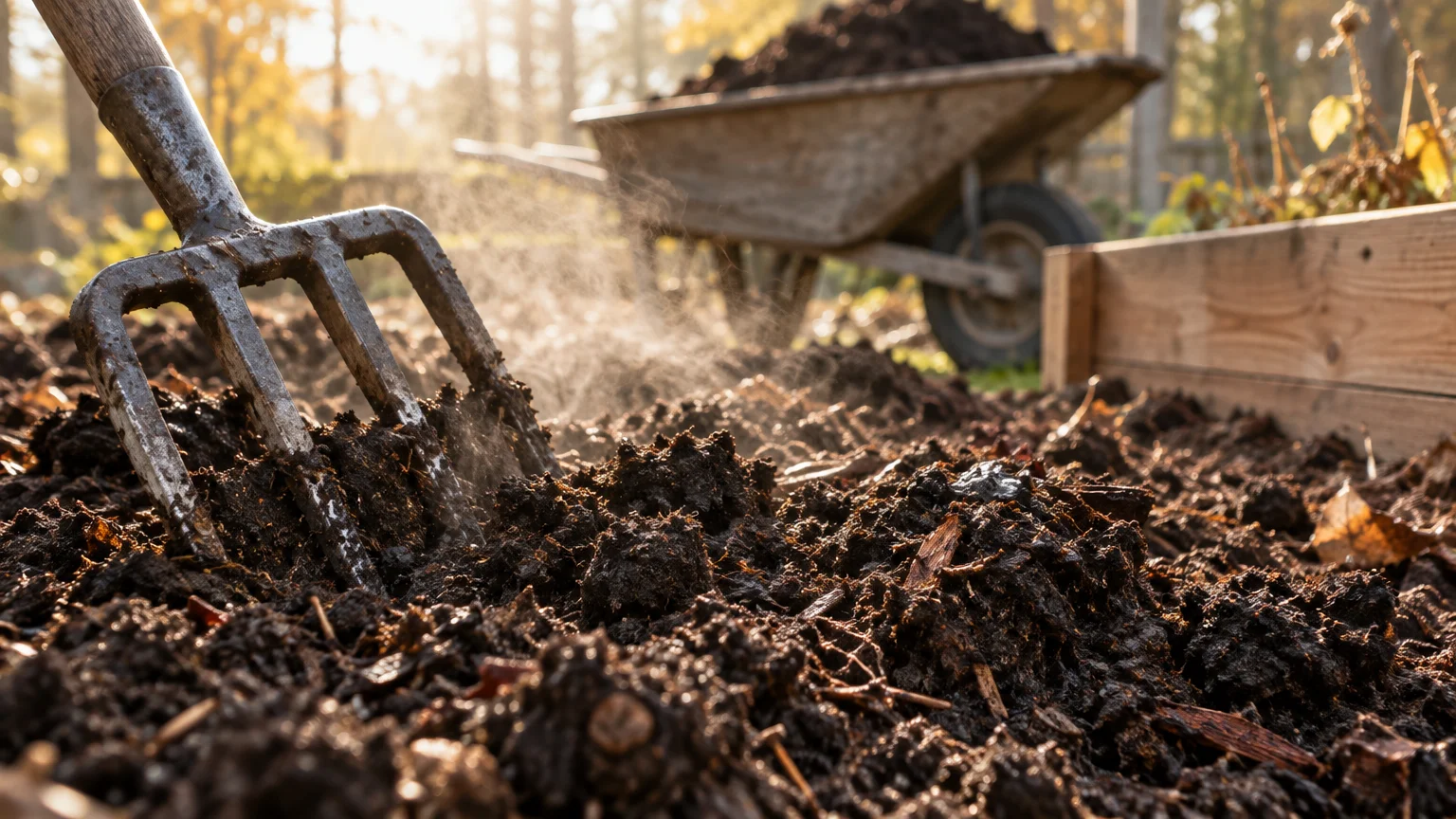
Tip #4: Amending Soil with Organic Matter
Cool weather is the premier season to build rich, fertile soil for future harvests. Amending soil in autumn gives organic inputs ample time to break down before spring planting arrives.
Spread a two-inch layer of finished compost, decomposed manure, or shredded leaves over your beds. Earthworms and beneficial microbes will steadily incorporate this material into the topsoil all winter long.
Avoid vigorous mechanical tilling, which disrupts delicate fungal networks and soil structure. Instead, simply layer the organic matter across the surface as a nourishing sheet mulch.
Shred dry autumn leaves with your lawnmower before spreading them over garden borders. Finely chopped leaf fragments decompose quickly and will not form a matted, water-repellent barrier.
Winter precipitation slowly carries soluble nutrients deep into the root zone. This biological activity produces soft, crumbly loam by the time you plant spring crops.
Adding organic matter now also improves moisture retention in sandy soils and loosens dense clay. Your plants will flourish next year with minimal supplementary fertilizer.
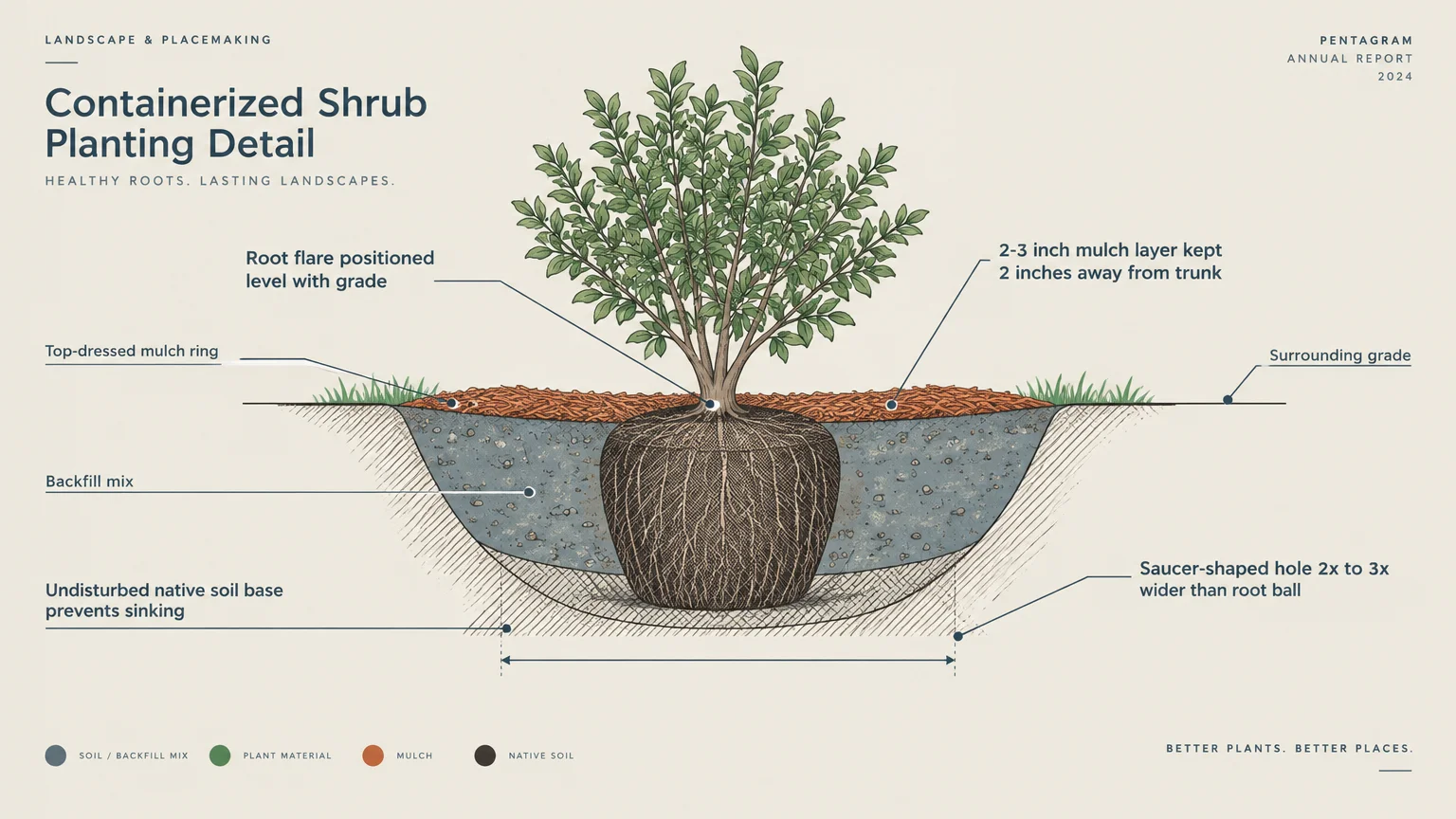
Tip #5: Planting Woody Trees and Shrubs
Autumn is widely considered the ideal season for planting deciduous trees and woody shrubs. Dropping autumn temperatures signal foliage to wind down, while warm soil encourages root establishment.
Because the plants are shedding leaves, they require far less moisture than during summer. This dynamic prevents severe transplant shock and allows plants to conserve energy.
Dig a planting hole twice as wide as the root ball but equally deep. Roughen the smooth sides of the planting hole so expanding roots can easily penetrate native soil.
Set the root flare slightly above grade to avoid suffocating the bark. Backfill with native soil rather than rich potting mixes to encourage wide root dispersal.
Apply a protective tree wrap around the lower trunk of young, thin-barked trees like maples. This simple barrier prevents southwest winter sunscald and stops hungry rabbits from chewing tender bark.
Soak the entire planting zone thoroughly to settle the soil and eliminate air gaps. Newly installed woody plants will emerge next spring with an established root system.
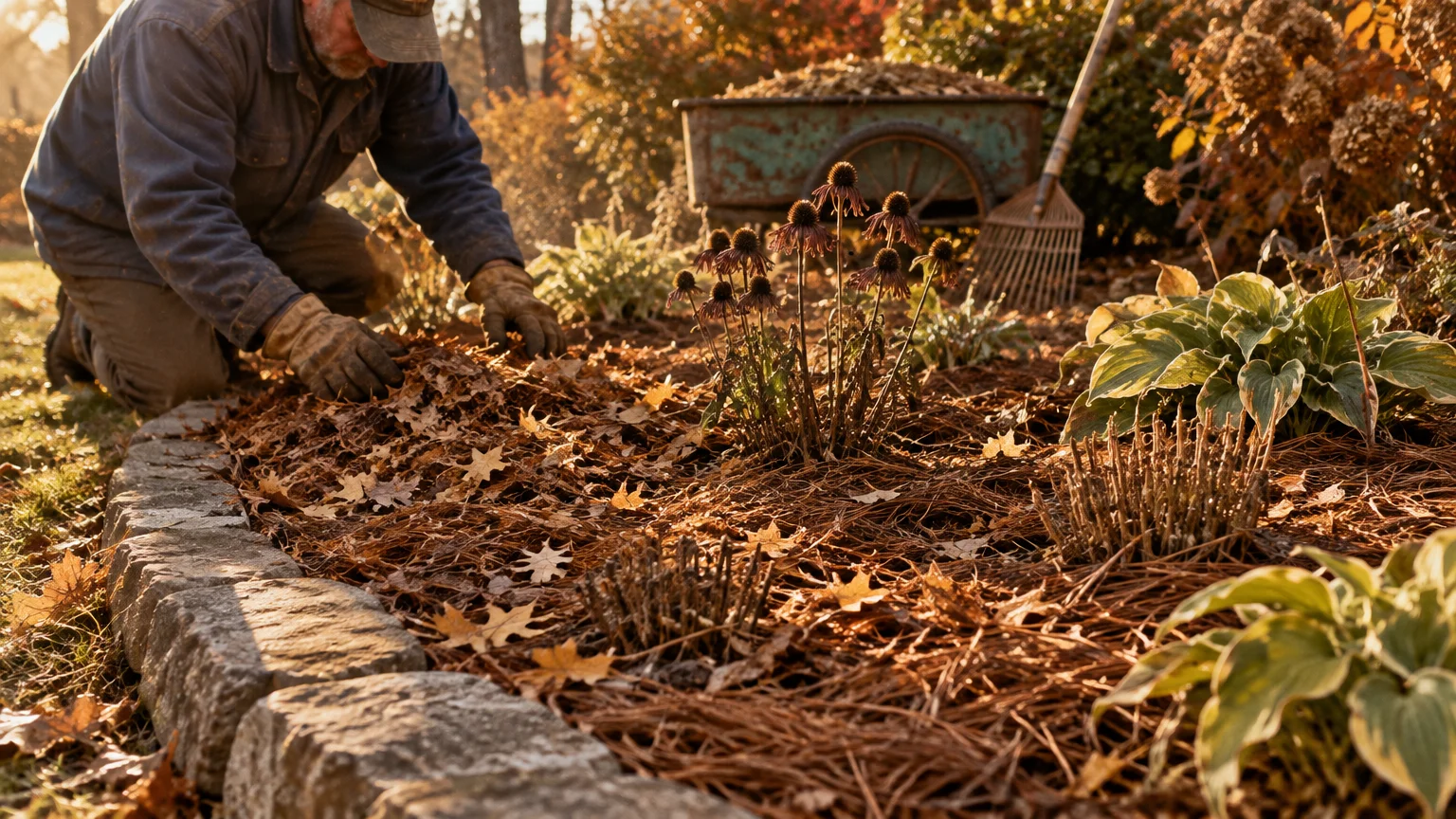
Tip #6: Applying Protective Mulch to Garden Beds
Mulching is one of the most beneficial garden chores cool weather brings to your yard. It acts as an insulating blanket, moderating extreme soil temperature swings throughout winter.
Wait until after the first hard freeze before spreading your winter mulch layer. Mulching too early can trap residual heat and invite burrowing rodents looking for a cozy winter nest.
Apply a clean two- to three-inch layer of shredded bark, pine needles, or straw. This protective blanket prevents soil from repeatedly freezing and thawing, which heaves shallow-rooted perennials from the ground.
Always keep mulch pulled back several inches away from tree trunks and woody crowns. Direct contact between damp mulch and bark encourages rot, fungal diseases, and destructive gnawing pests.
Check existing mulch levels around perennial borders to ensure roots remain adequately covered. Wind and heavy autumn rain often wash light mulch away from exposed plant crowns.
As mulch slowly decomposes, it also contributes valuable organic matter to your underlying soil beds.
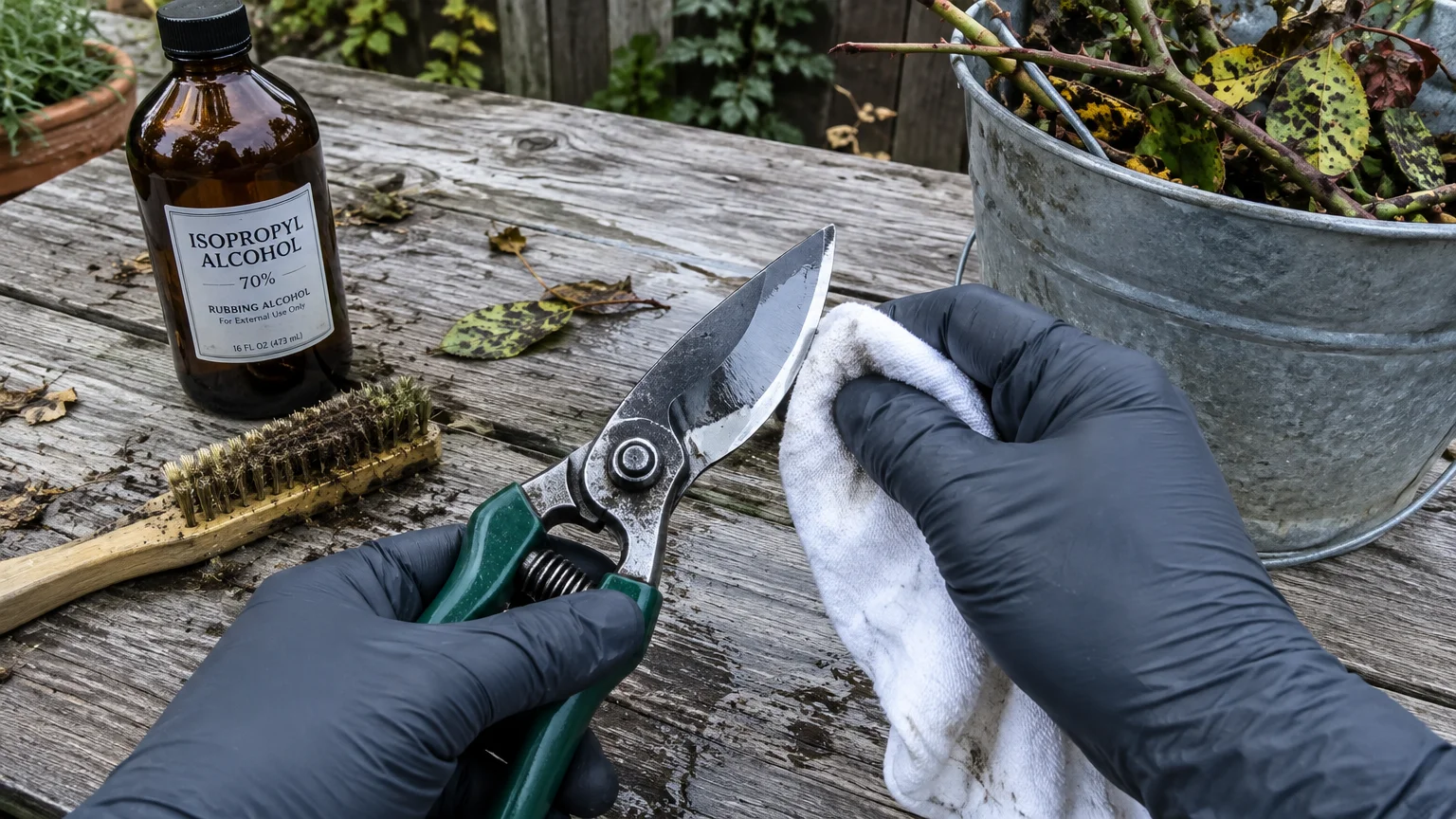
Tip #7: Sanitizing Tools and Clearing Diseased Debris
Effective garden sanitation during cooler months breaks destructive pest and disease cycles. Removing fungal spores and insect eggs now ensures a much healthier start next spring.
Rake up and dispose of blighted tomato vines, powdery mildewed squash foliage, and spotted rose leaves. Never place diseased plant tissue into your home compost pile, where pathogens can survive.
Wipe down hand pruners, loppers, and garden spades with rubbing alcohol or a mild bleach solution. Removing sap and soil prevents cross-contamination across your landscape beds.
Sharpen cutting blades with a whetstone or mill file to produce crisp, clean cuts. Clean edges heal rapidly and reduce tissue damage when pruning woody branches.
Empty and scrub seed trays and terra-cotta containers with a mild soap solution. Clean pots prevent damping-off disease and fungal spore transfer when starting indoor seeds next season.
Rub a light coating of mineral oil onto clean metal surfaces and wooden handles. This simple step prevents rust formation and keeps wooden tools smooth and splinter-free.
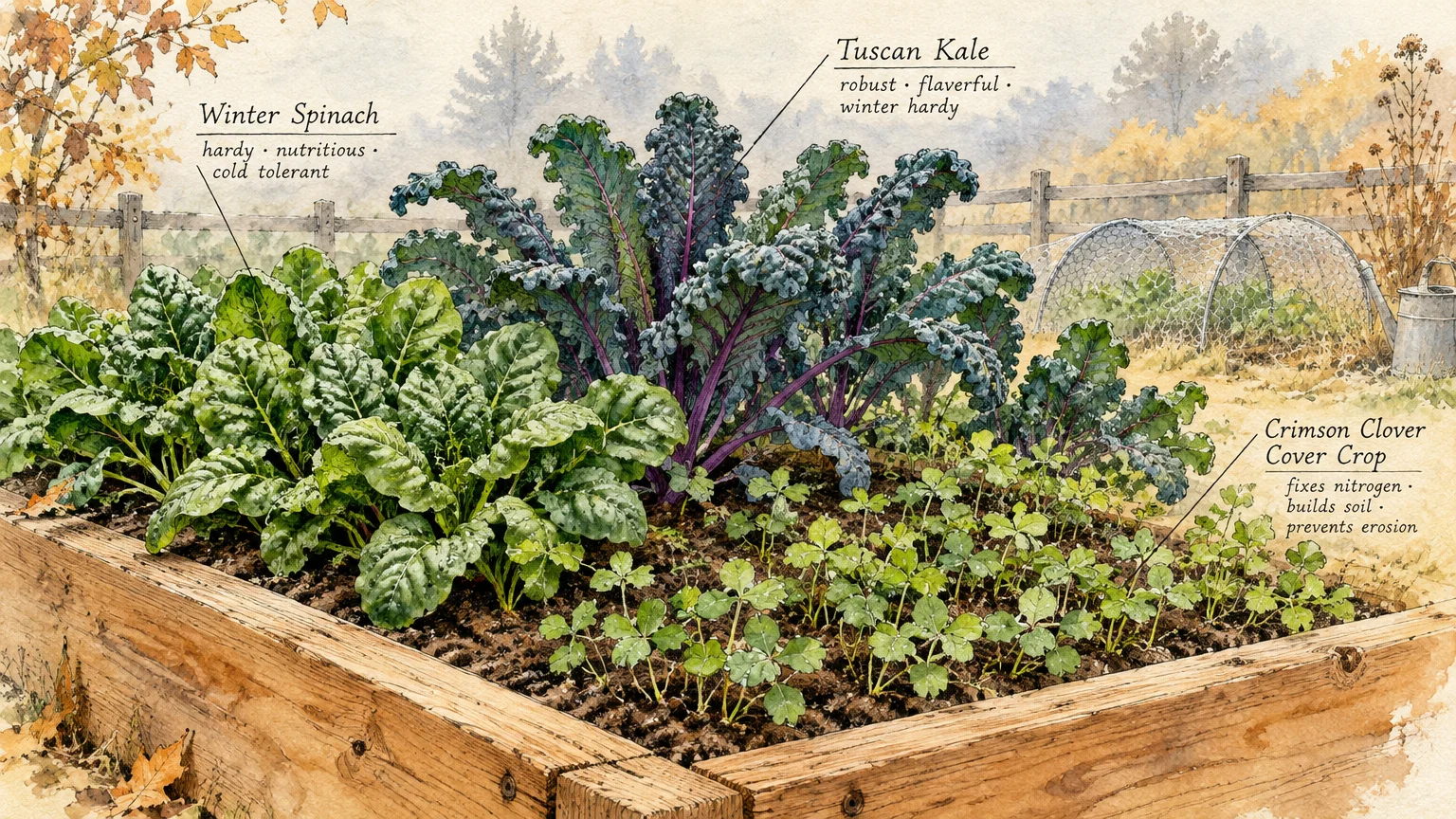
Tip #8: Sowing Cool-Season Edibles and Cover Crops
Your vegetable garden does not need to sit idle once warm summer harvests finish. Cool weather sweetens cold-tolerant greens, turning starches into natural sugars to protect plant cells from frost.
Sow spinach, kale, radishes, and winter lettuce directly into cleared beds during early autumn. These hardy crops thrive in crisp weather and easily withstand light autumn frosts.
Plant individual garlic cloves and shallots several weeks before your ground freezes solid. They will establish firm roots before winter and yield robust heads by midsummer.
Broadcast cover crops like winter rye or crimson clover across empty vegetable plots. Cover crops anchor topsoil against erosion, suppress weeds, and fix atmospheric nitrogen into the soil.
Erect a simple low tunnel or row cover over your salad greens before freezing nights arrive. Spun-bond fabric traps ambient ground warmth and keeps greens crisp and harvestable well into winter.
Mulch your garlic bed with a thick four-inch blanket of clean straw or shredded leaves. This insulating layer preserves soil moisture and prevents frost heaving from dislodging young garlic cloves.
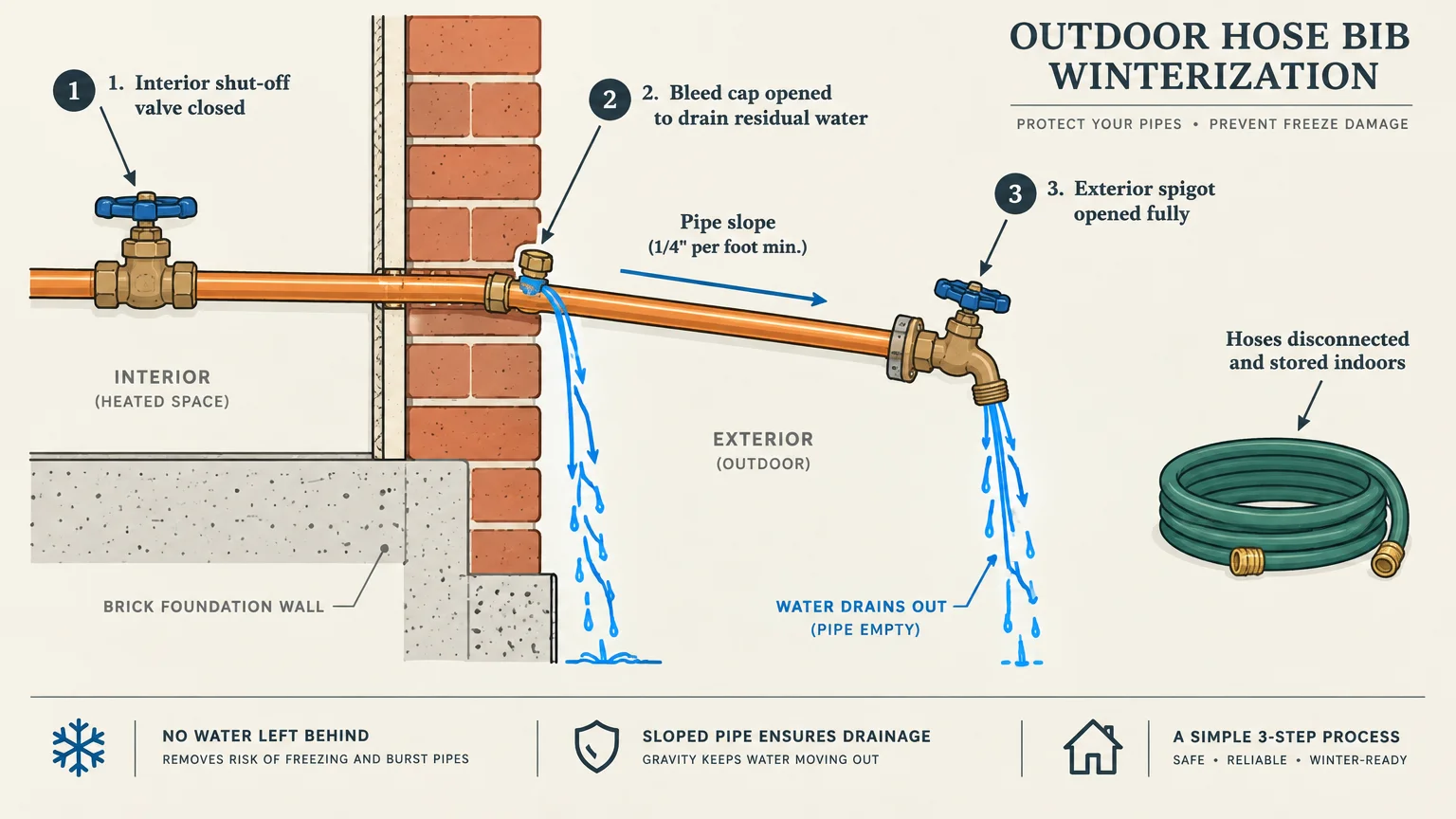
Tip #9: Shutting Down and Winterizing Irrigation Systems
Taking time to prepare garden for winter includes protecting your valuable watering equipment. Water expands when it freezes, exerting immense pressure that can shatter plastic pipes, valves, and metal fittings.
Disconnect all garden hoses from exterior spigots before the first freezing overnight temperatures arrive. Leaving hoses attached traps water inside the spigot pipe, which frequently causes interior wall plumbing to burst.
Drain water from hoses, roll them neatly, and store them inside a protected shed or garage. Prolonged sun and freezing temperatures cause rubber and vinyl hoses to crack prematurely.
Flush and drain drip irrigation lines, removing end caps to let gravity pull trapped moisture out. Store delicate timers and pressure regulators indoors to shield internal electronic components from frost damage.
Drain outdoor birdbaths and decorative fountains completely before freezing water cracks stone basins. Turn decorative basins upside down or bring ceramic water features into an unheated garage.
Blow out in-ground sprinkler zones with compressed air to clear lingering water droplets from buried lines.
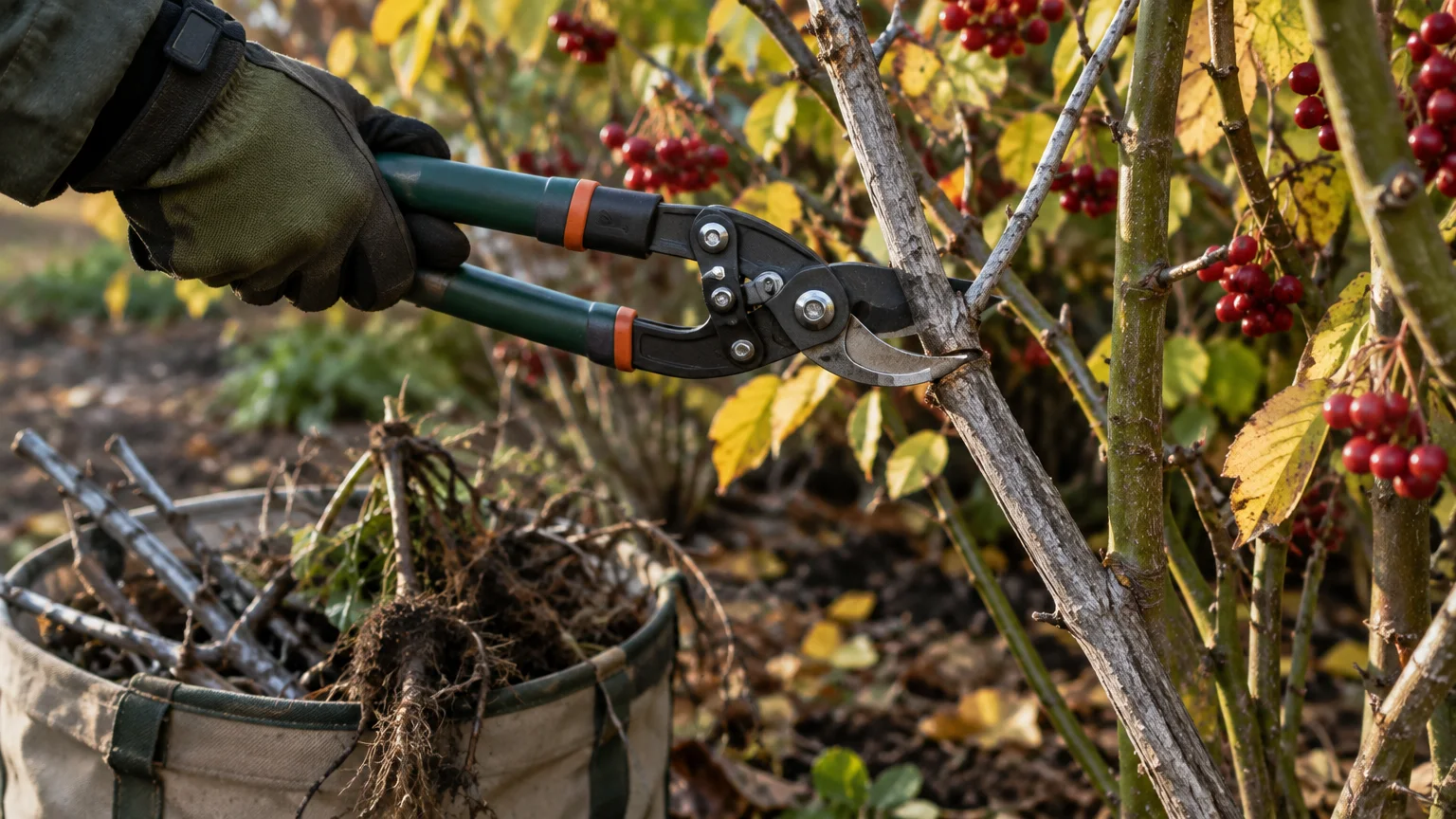
Tip #10: Pruning Deadwood and Removing Invasive Weeds
Cool weather brings bare branches into sharp focus, making structural defects easy to identify. Remove dead, diseased, or hazardous branches before heavy winter snow and ice storm winds snap them.
Make clean cuts just outside the branch bark ridge and collar without leaving long, unsightly stubs. Proper cutting techniques encourage rapid wound closure when growth resumes in spring.
Avoid heavy pruning on spring-flowering shrubs like lilacs, forsythias, and azaleas during autumn. Late pruning removes the swollen flower buds already formed for the upcoming spring display.
Tackle deep-rooted perennial weeds like dandelions, dock, and thistles while autumn soils remain soft and moist. Removing the entire taproot now prevents these persistent weeds from stealing spring nutrients.
Sterilize your pruning blades with isopropyl alcohol between cutting diseased wood and healthy stems. This meticulous hygiene prevents transferring systemic bacterial or fungal infections across your garden shrubs.
Weeding in cool air feels refreshing and substantially diminishes next season’s weed seed bank.
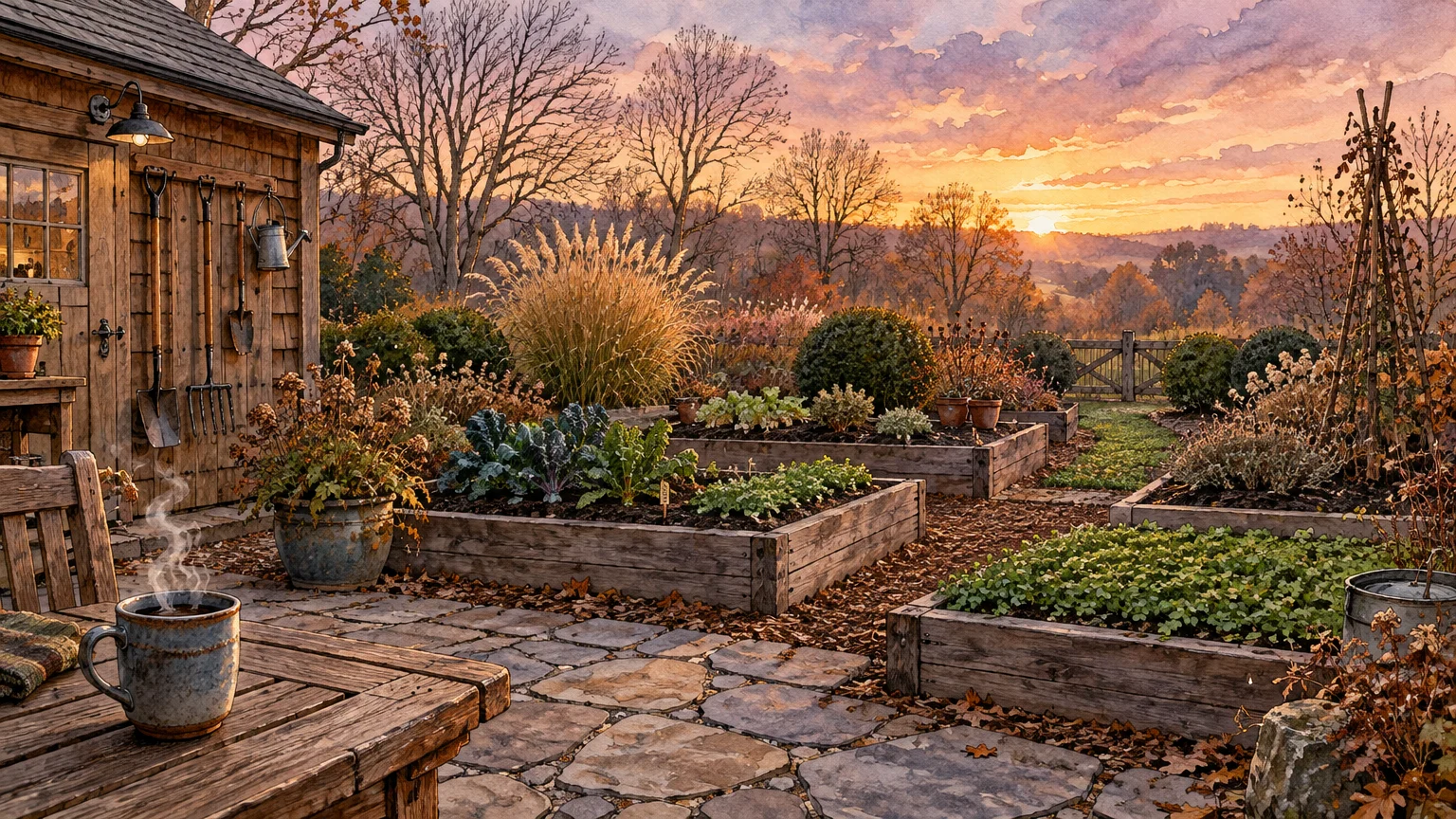
Putting It All Together: Enjoy Your Beautiful Garden
Tackling outdoor tasks in cool weather transforms the way your garden performs year after year. The combination of gentle sunlight, warm soil, and cool breezes creates the ultimate working environment.
By prioritizing soil care, plant division, and winter protection now, you prevent frantic spring catch-up work. Your landscape will wake up resilient, well-fed, and bursting with vigorous new growth.
Take quiet pride in completing these final seasonal projects before winter settles over your yard. Your thoughtful autumn efforts will reward you with lush, stress-free outdoor beauty all year long.
Step outside into the refreshing autumn air and embrace the simple rhythm of seasonal stewardship. Every mindful effort you invest today pays bountiful dividends across the seasons ahead.
For region-specific advice, consult your local University Extension program (find yours via the USDA directory). For plant databases and inspiration, visit the Missouri Botanical Garden or the Royal Horticultural Society.
Disclaimer: This article provides general gardening advice; always consider your local climate, soil conditions, and pests. Remember to follow proper safety guidelines when handling gardening tools and equipment.
Frequently Asked Questions
When is the absolute latest time to plant spring bulbs?
You can plant spring-flowering bulbs as long as you can still push a garden trowel into the dirt. Even in early December, bulbs will establish roots beneath frozen topsoil if buried deeply enough.
If the surface ground is frozen solid, plant bulbs into large containers and shelter them inside an unheated garage.
Should you cut back every perennial plant in autumn?
No, many native perennials provide vital winter seed heads and shelter for beneficial birds and pollinator insects. Leave ornamental grasses, coneflowers, and black-eyed Susans standing until early spring for textural beauty and wildlife habitat.
Only cut back perennials with foliage that turns to mush or harbors foliar diseases, such as hostas and peonies.
How late into the season can you plant trees and shrubs?
You can install container-grown and balled-and-burlapped woody plants until the ground freezes impenetrable. As long as the surrounding soil stays pliable, roots will slowly grow throughout mild winter days.
Be sure to water new woody transplants thoroughly every two weeks during dry autumns until the ground freezes.
What should you do with fallen autumn leaves in flower beds?
Leave a modest layer of chopped leaves on top of your garden beds as natural mulch. Finely shredded leaves insulate dormant roots, feed earthworms, and break down into nutrient-rich humus by spring.
However, rake whole, heavy leaves off your lawn turf to prevent smothering and killing the underlying grass.