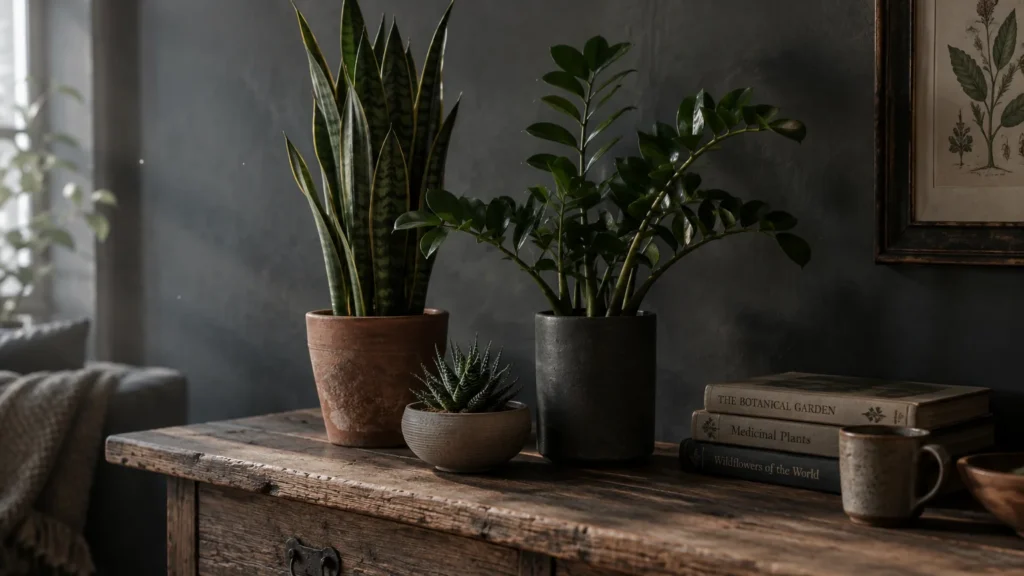
You can harvest fresh, aromatic greens well past the first autumn chill by choosing herbs that survive frost. A light freeze actually sweetens certain varieties, concentrating their essential oils and enriching your seasonal cooking.
Building a resilient winter herb garden protects your culinary supply while keeping garden beds lush and green. Many cold-hardy herbs shrug off temperatures dipping to thirty-two degrees Fahrenheit without missing a beat.
With proper soil preparation and simple sheltering techniques, you will enjoy vigorous plants all season long. Explore these ten exceptional selections to extend your fresh harvests into the colder months.
Tip #1: Thyme
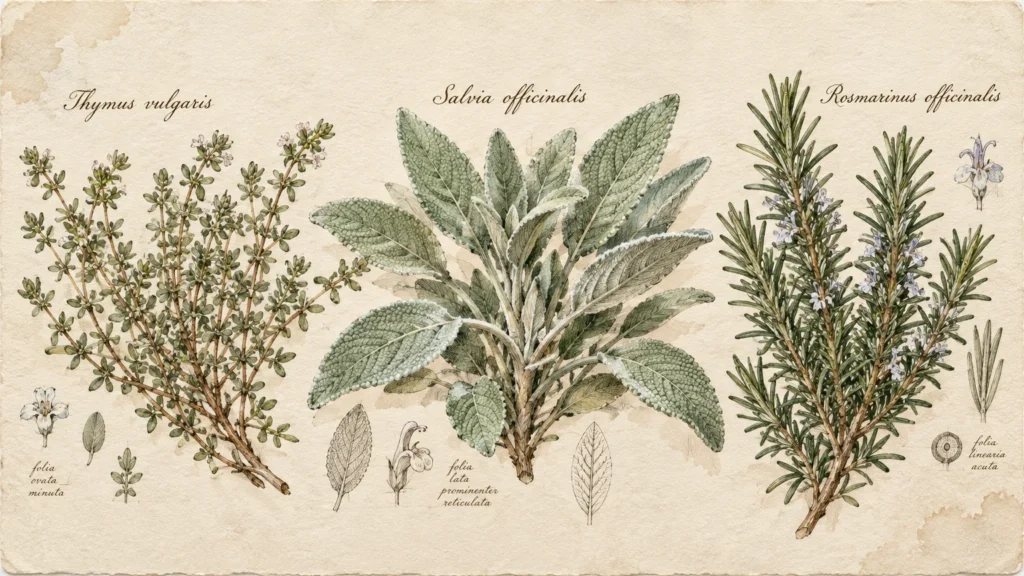
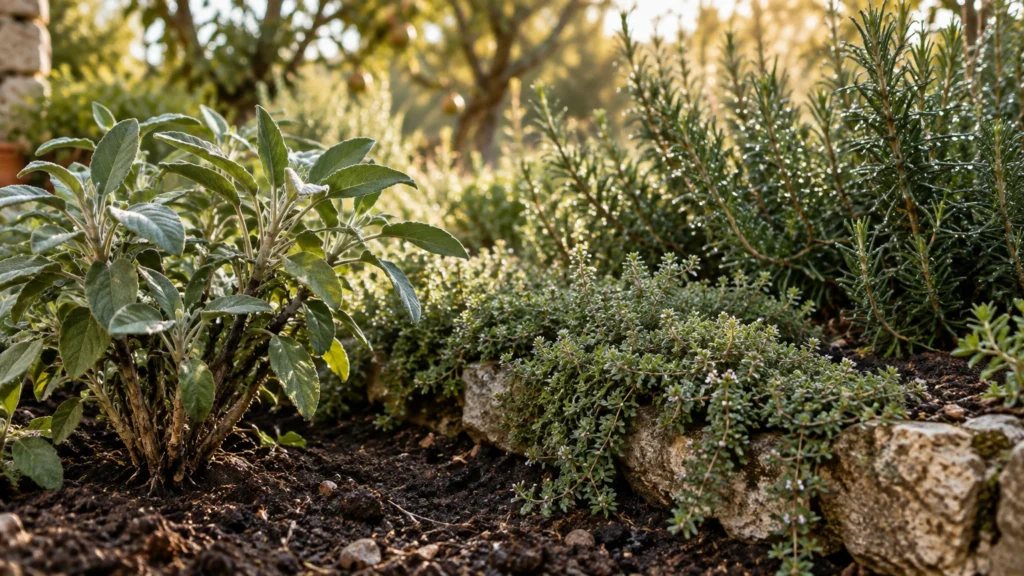
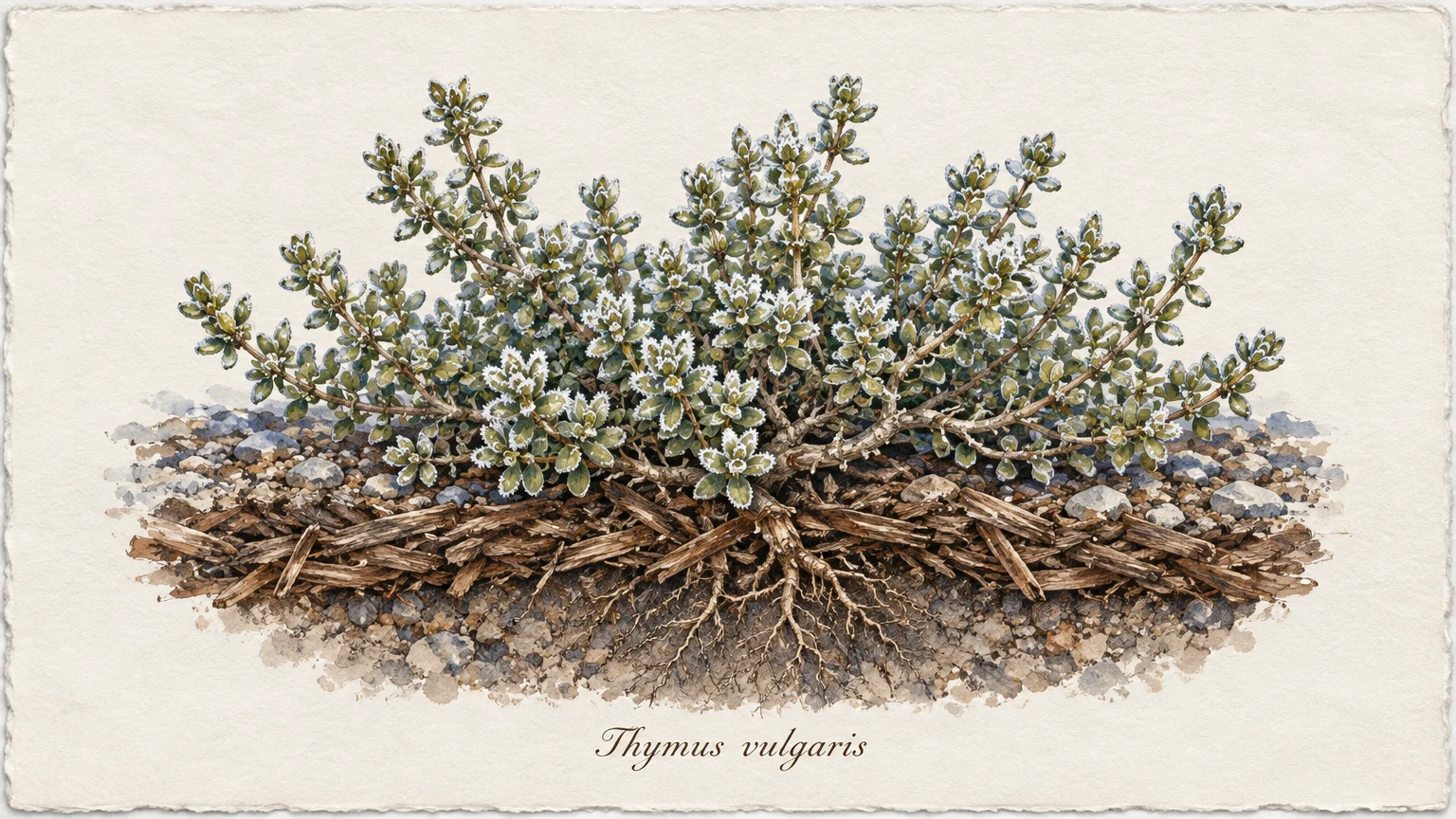
English thyme stands among the most dependable cold-hardy herbs for home growers. Its woody stems and tiny, resinous leaves resist freezing temperatures with remarkable ease.
When autumn temperatures drop near freezing, thyme slows its vertical growth and focuses on root preservation. Light frosts do not damage its foliage; instead, cold weather concentrates its savory essential oils.
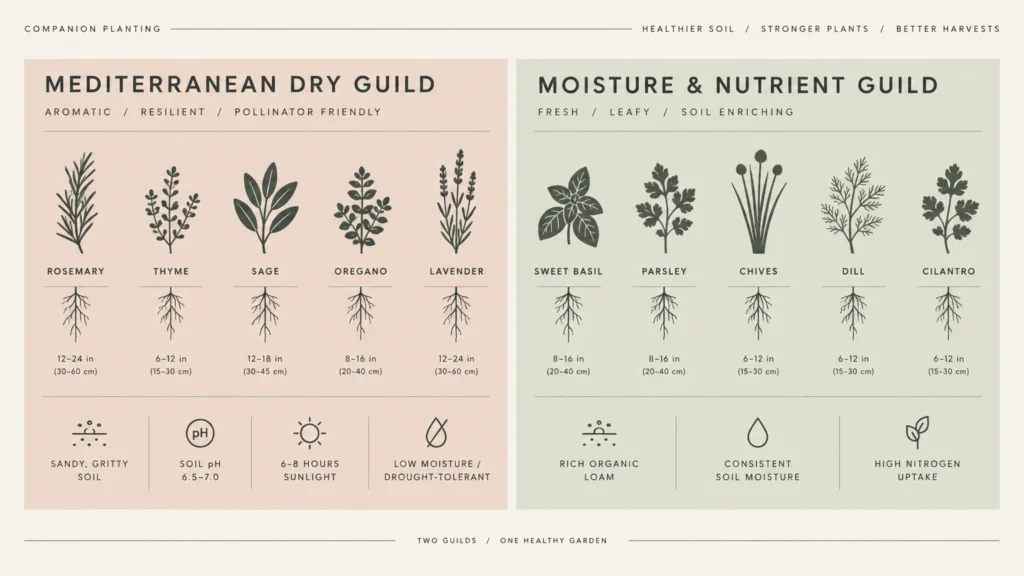
Plant thyme in gritty, well-draining soil located in full sunlight. Standing water combined with cold air can rot the crown, so proper drainage remains essential for winter survival.
Snip sprigs from the top third of the plant whenever you need fresh seasoning. Avoid heavy pruning late in autumn, which encourages tender shoots vulnerable to frost injury.
Spread a two-inch layer of organic mulch around the base of the plant before winter sets in. This insulating blanket keeps root temperatures stable during erratic temperature swings.
Thyme thrives in both raised garden beds and sturdy terra-cotta containers. If you grow it in pots, move them beside a sheltered foundation wall to block biting winds.
Tip #2: Sage
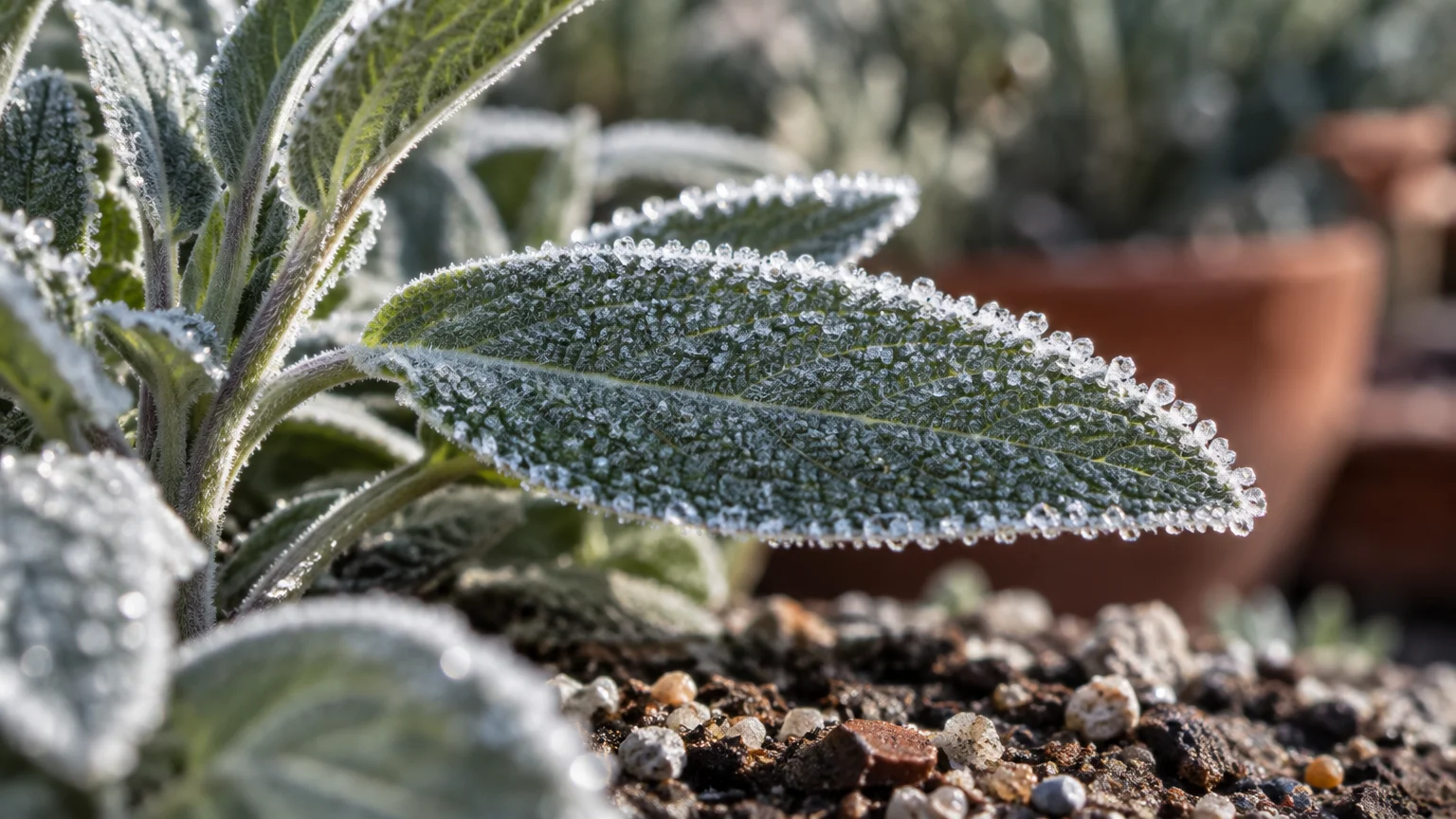
Common garden sage produces thick, velvety leaves that naturally shrug off autumn chills. This robust perennial herb handles light frost effortlessly while retaining its bold, earthy aroma.
The dense layer of fine surface hairs insulates sage leaves against sudden temperature drops. You can harvest fresh leaves directly from under a dusting of frost for your holiday poultry dishes.
Grow sage in lean, coarse soil where sunlight warms the foliage throughout the day. Saturated soil harms sage roots in cold weather far more quickly than frosty air does.
Harvest individual leaves from mature stems rather than cutting entire branches down to the soil line. Leaving woody growth intact preserves structural strength against freezing gusts and heavy, icy precipitation.
Mound straw or shredded leaves around the root zone as cold weather settles across your region. This light cover protects dormant crowns and ensures vigorous new growth when spring returns.
For container plantings, choose wide pots that offer insulation against freezing potting soil. Sage remains an anchor in any cold-hardy herbs collection, offering steady visual interest and culinary value.
Tip #3: Rosemary
Rosemary brings striking needle-like foliage and intense fragrance to the late-season garden. Cold-hardy cultivars tolerate light frosts without flinching, making them true stars among frost-tolerant herbs.
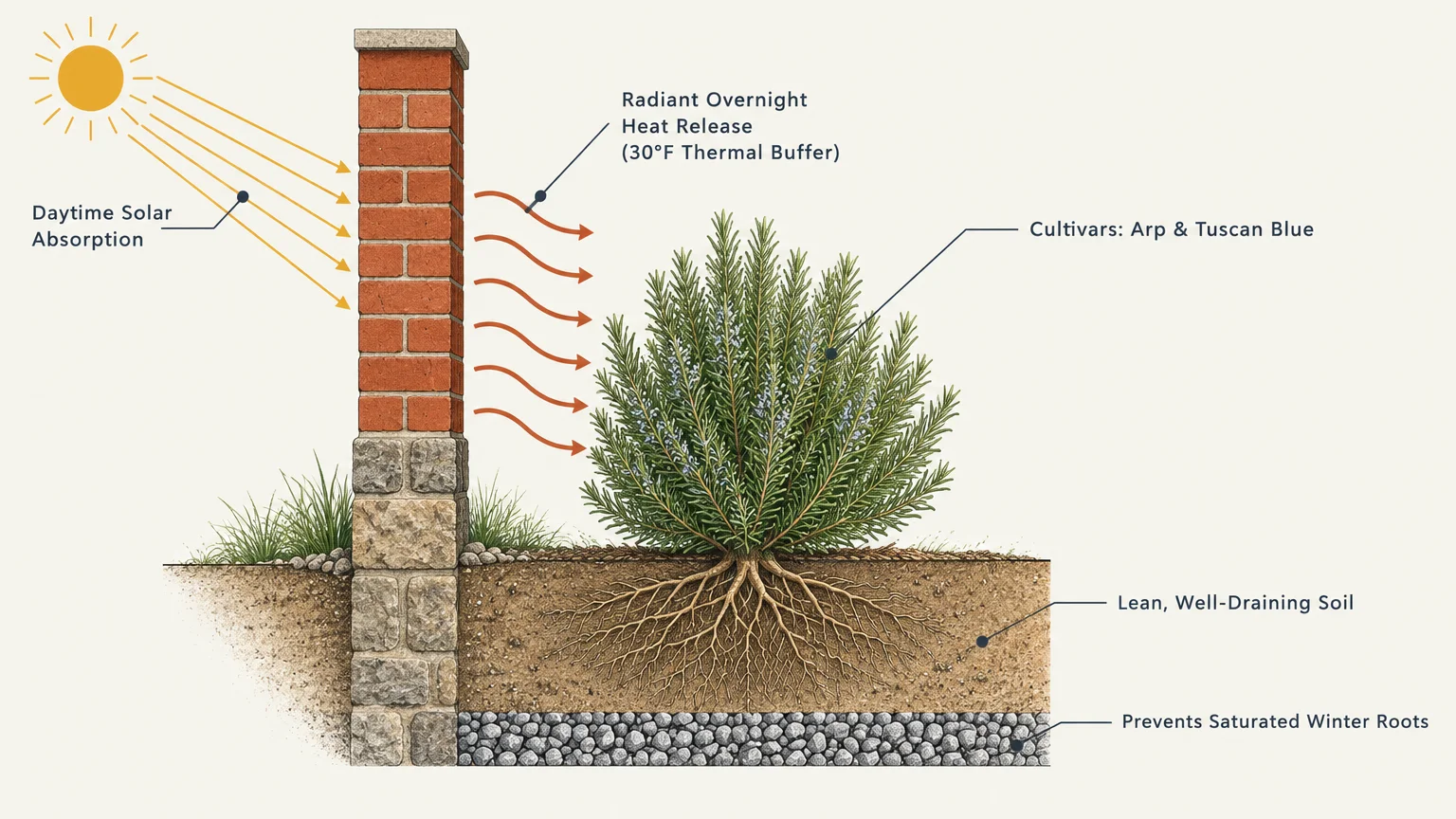
Hardy varieties like Arp and Tuscan Blue survive brief freezing events down toward thirty degrees Fahrenheit. Their tough, leathery needles minimize moisture loss and endure brisk autumn drafts.
Position rosemary against a south-facing stone or brick wall to capture residual radiant warmth. The absorbed daytime heat radiates back out overnight, shielding plants from frosty morning air.
Water rosemary sparingly during autumn months to keep the root ball on the dry side. Excess water trapped in chilly soil invites root rot and weakens the plant’s natural frost defense.
Clip short sprigs for roasting vegetables and baking crusty bread throughout the late season. Refrain from deep pruning until spring, as old growth shields vulnerable lower branches.
If temperatures threaten to dive well below freezing for extended periods, drape breathable frost cloth over your rosemary. This simple barrier locks in ground warmth while letting foliage breathe.
Tip #4: Chives
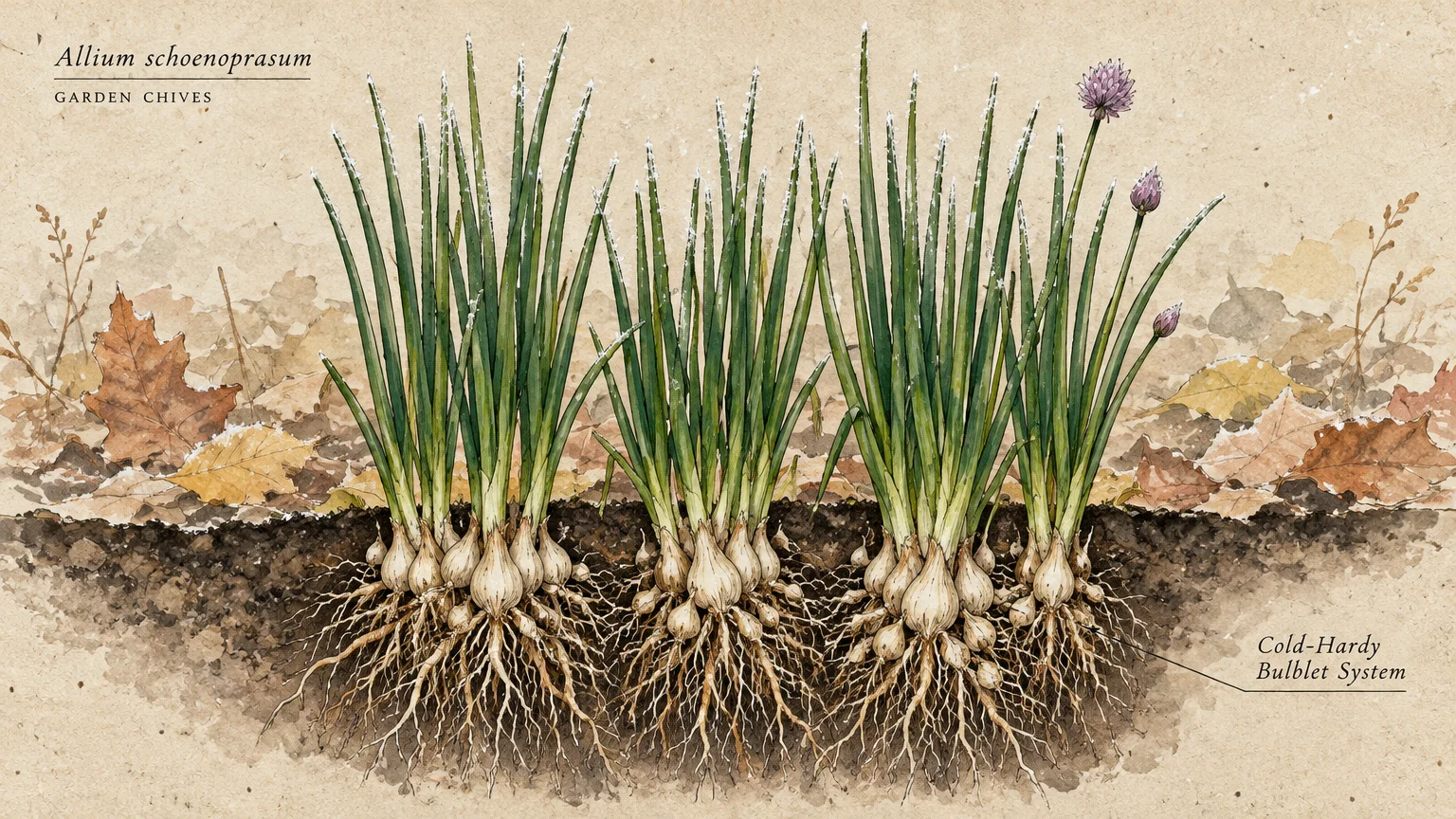
Chives are among the toughest perennial herbs you can grow in a backyard plot. Their slender, hollow green spears stand tall through autumn cold snaps and mild morning frosts.
The underground bulb clusters store abundant carbohydrates, giving chives incredible thermal resilience. Even if upper tips yellow after repeated freezes, the inner core stays remarkably vibrant.
Plant chives in nutrient-rich, moist soil that drains well under direct sun or partial shade. They adapt quickly to varied garden soils and demand very little maintenance from gardeners.
Harvest chives by trimming stems about one inch above the ground line. The sharp, mild onion flavor stays potent throughout the chill, elevating warm soups, potato dishes, and omelets.
Spread a thin blanket of compost over the bed as late autumn arrives. This topdressing nourishes the soil biology and insulates shallow bulbs against rapid soil freeze cycles.
Chives also thrive in window boxes and shallow planters on your deck. You can harvest them well into early winter before they naturally enter their brief seasonal dormancy.
Tip #5: Mint
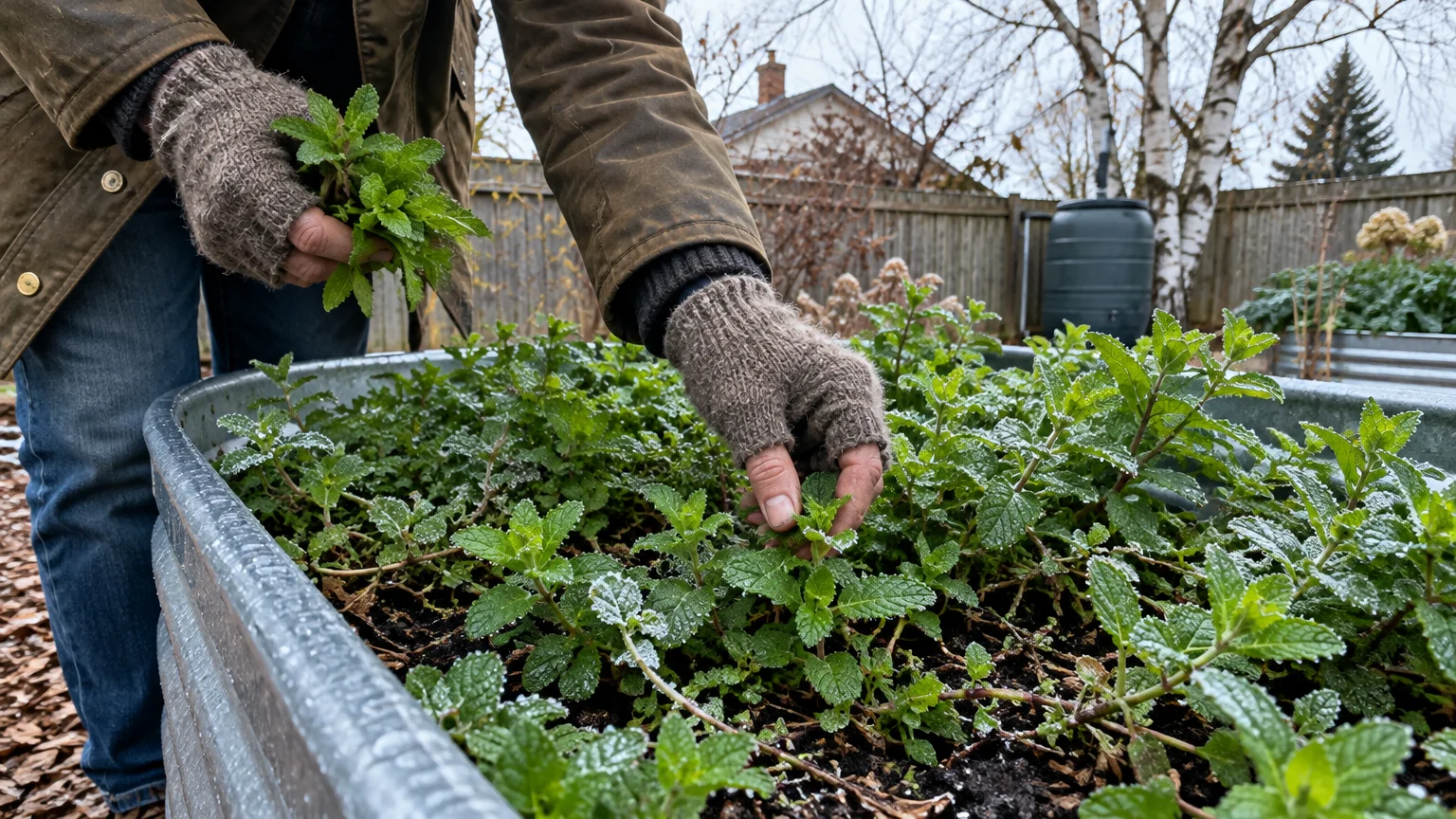
Spearmint and peppermint show tremendous vigor in cool weather, outlasting many delicate garden greens. These durable perennial herbs handle early light freezes without suffering structural foliage collapse.
A light frost can trigger mint to store starches in its extensive underground runner system. As a result, the foliage often produces a concentrated, crisp flavor ideal for autumn teas.
Grow mint in dedicated containers to keep its aggressive root network from overtaking adjacent garden beds. Provide consistent moisture and rich, loamy potting mix for optimal foliage production.
Snip leaves and tender stem tips regularly to encourage dense, bushy growth during crisp autumn weeks. Pinching back emerging buds keeps vegetative growth tender and packed with fragrant menthol oils.
If foliage dies back after severe freezes, do not despair. The vigorous root rhizomes remain completely unharmed beneath the soil and will emerge enthusiastically with early spring warmth.
Tuck potted mint into a sheltered corner near your patio door for convenient harvesting. This placement protects roots from biting winds and makes clipping fresh leaves fast and easy.
Tip #6: Oregano
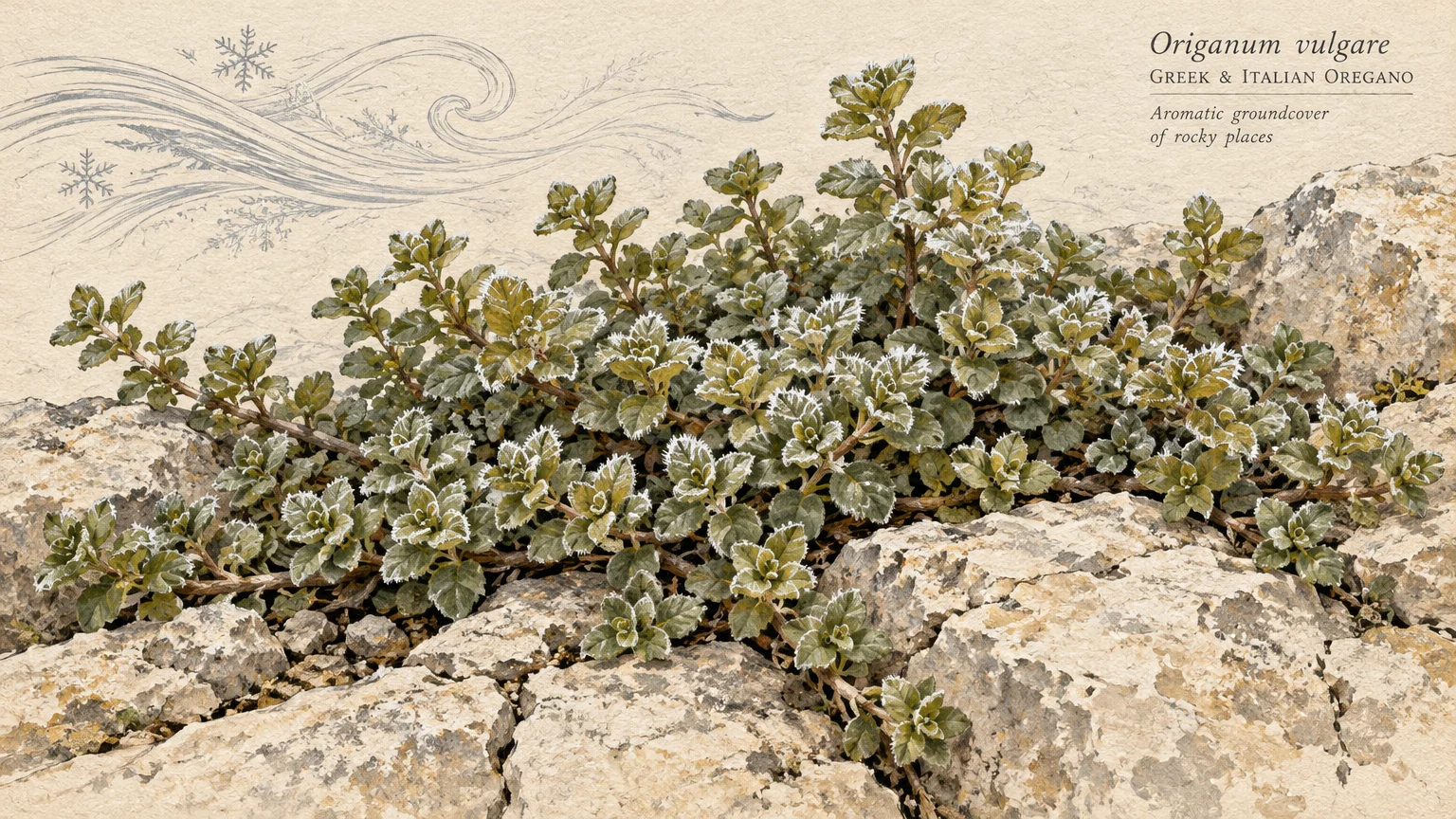
Greek and Italian oregano form low-growing, resilient mats that comfortably withstand early seasonal chills. They qualify as premier frost-tolerant herbs, holding their pungent culinary punch when other greens fade.
The compact, woody growth habit keeps oregano foliage tucked close to the insulating ground. Soil absorbs radiant heat during sunny afternoons, creating a warm microclimate around the lower leaves.
Provide oregano with loose, gravelly soil that allows excess water to drain away rapidly. Saturated roots combined with frost create lethal conditions, whereas dry roots survive bitter cold.
Gather oregano leaves as needed for homemade pizzas, hearty pasta sauces, and warm stews. Light freezes will not dilute the savory thymol and carvacrol compounds that give oregano its kick.
Avoid heavy fertilizer applications as autumn arrives, which stimulates tender, frost-sensitive shoots. Let the plant naturally slow its growth and harden its stems before deep winter settles in.
Scatter a light dusting of pine needles or straw across the mat before heavy freezes hit. This breathable mulch prevents frost heaving without trapping suffocating humidity around the crowns.
Tip #7: Parsley
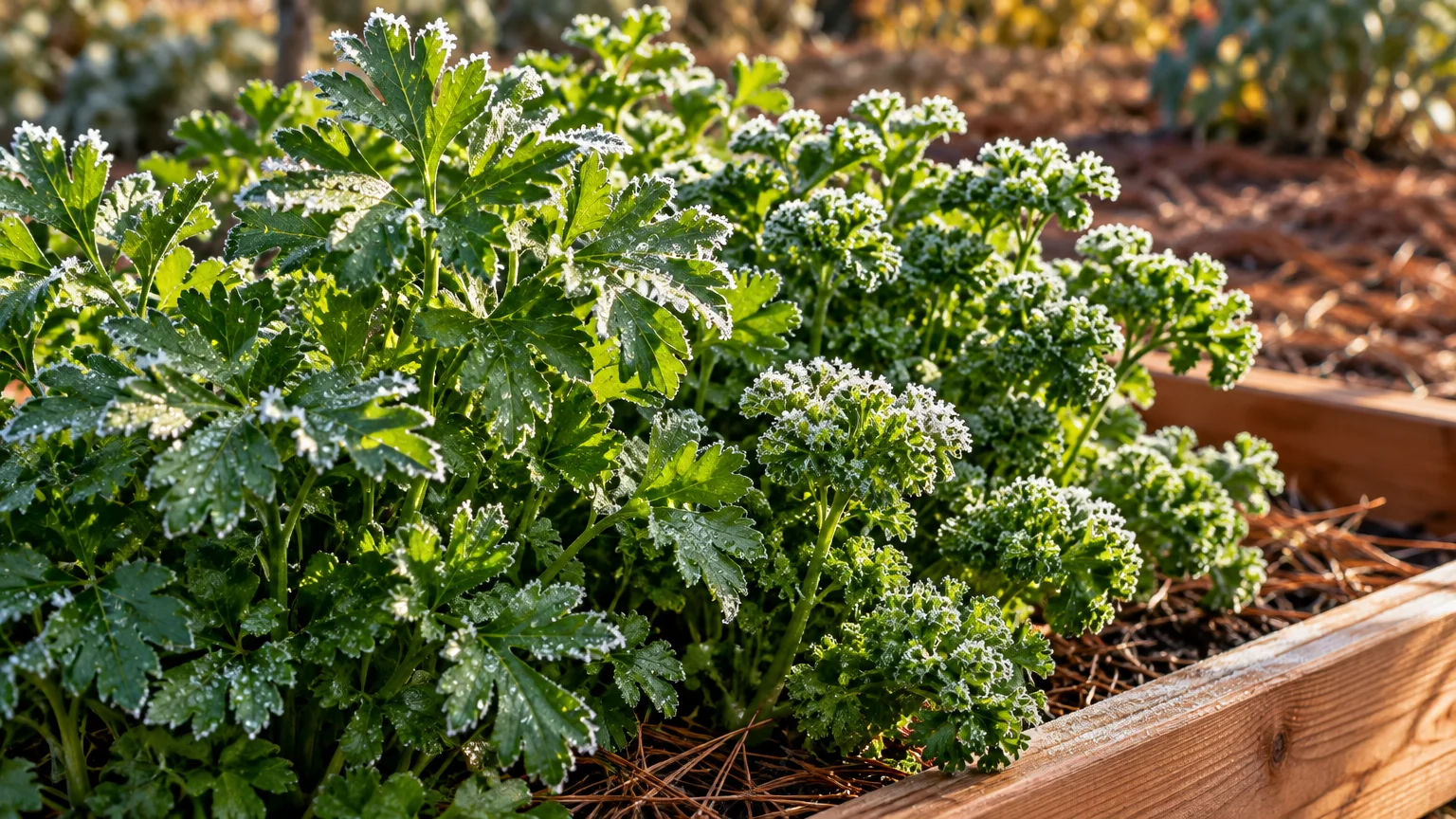
Parsley shines brightly when summer favorites wither under autumn chills. Both flat-leaf Italian and curly varieties are true cold-hardy herbs that survive frost with ease.
Exposure to light freezing temperatures actually transforms starches into sugars within parsley cells. This natural physiological response acts as biological antifreeze while making the leaves taste noticeably sweeter.
Grow parsley in deep, fertile soil enriched with generous amounts of organic compost. Keep the soil consistently moist, as parsley roots perform best when they never dry out completely.
Harvest stems by cutting outer stalks near the base, allowing the central crown to continue producing. You can harvest crisp parsley throughout autumn and well into winter in many growing zones.
Even when covered in a light crust of morning frost, parsley leaves bounce back once daylight warms them. Their cellular walls resist rupturing during brief drops below freezing.
Place a cold frame or simple cloche over your parsley bed to extend harvests through midwinter. This simple protective shield locks in daytime heat and prevents heavy snow accumulation.
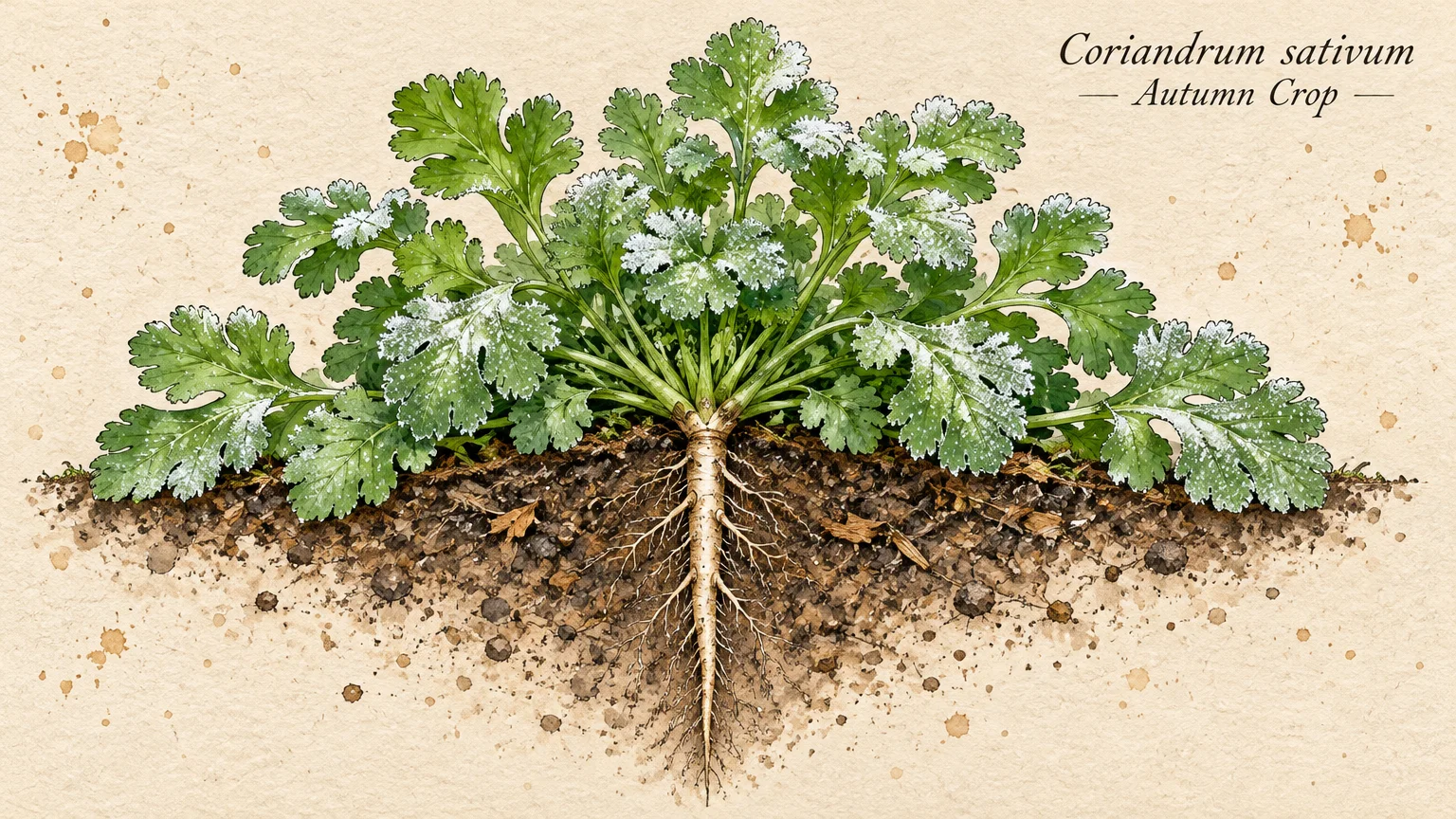
Tip #8: Cilantro
Cilantro is notoriously prone to bolting in summer heat, but it thrives in chilly weather. Autumn provides the ideal growing window for this refreshing herb to produce lush, tender foliage.
Light frosts do not damage cilantro leaves; instead, crisp temperatures prevent premature flowering and seeding. You can maintain a thriving winter herb garden featuring vigorous cilantro plants long past the equinox.
Sow cilantro seeds directly into rich, well-draining garden soil in late summer or early autumn. Direct sowing prevents root disturbance, encouraging deep taproot development that resists cold surface soil.
Clip outer stems regularly to flavor fresh salsas, hearty bean chilis, and warming noodle bowls. Continuous harvesting keeps plants compact and stimulates a steady flush of new, flavorful leaves.
Cilantro easily endures short dips to twenty-eight degrees Fahrenheit without visible foliar damage. Simply ensure the soil stays moderately moist, since dehydrated plants tolerate frost much less effectively.
In colder northern regions, cover cilantro with floating row covers during freezing nights. The fabric raises surrounding temperatures by several degrees, extending your harvest window for many weeks.
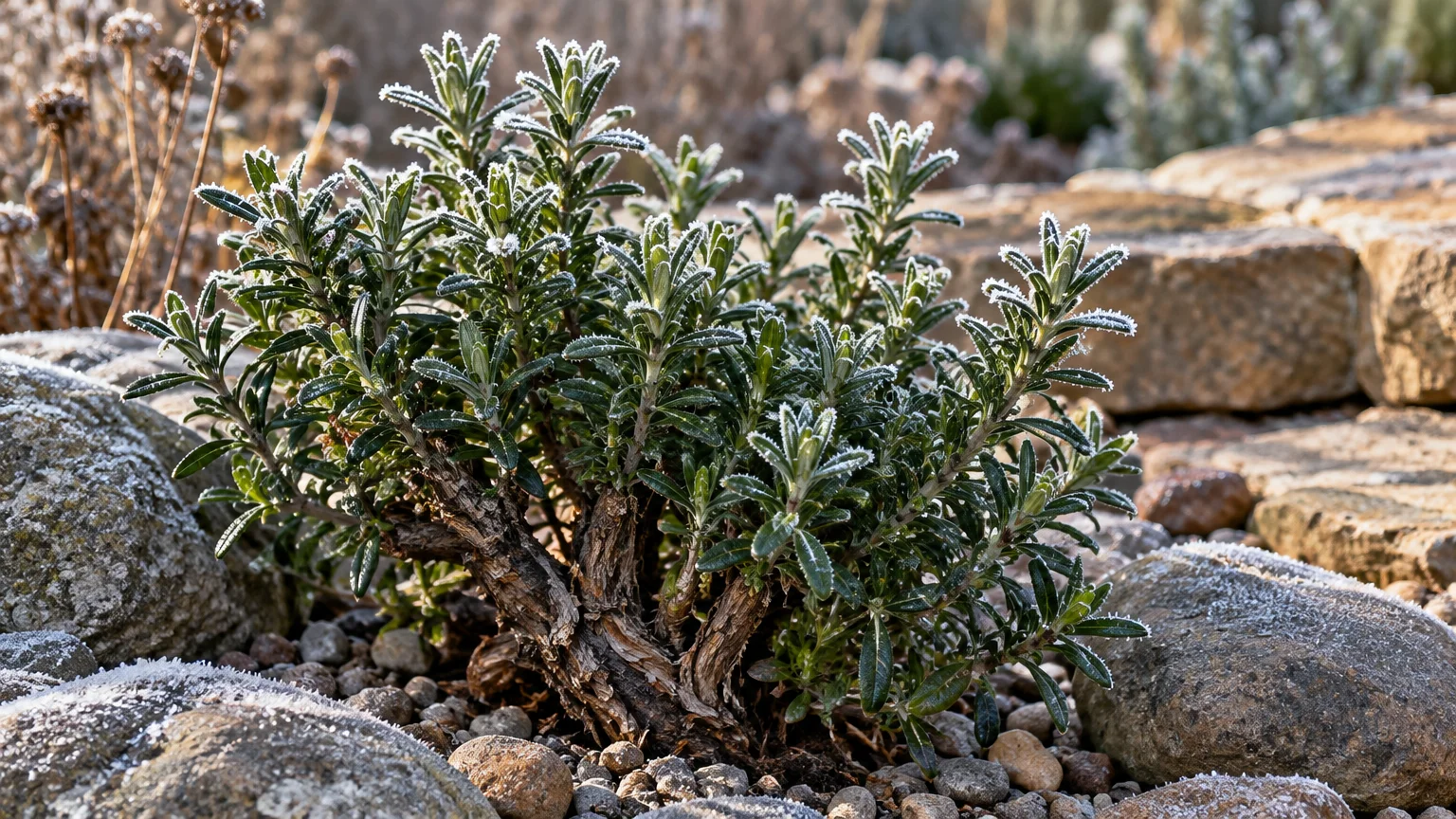
Tip #9: Winter Savory
Winter savory lives up to its name by delivering steady harvests through chilly weather. This semi-evergreen subshrub remains one of the most reliable herbs that survive frost in home gardens.
Its thick, dark green leaves contain high concentrations of aromatic oils that deter frost damage. The pungent, peppery taste provides a delicious seasoning for beans, roasted meats, and vegetable medleys.
Plant winter savory in poor to moderately fertile soil with sharp, uncompromising drainage. It thrives in rock gardens and hillside slopes where water drains freely away from root crowns.
Snip leafy sprigs whenever you need sharp, peppery flavor to brighten your cool-weather cooking. The tough leaves hold their structural integrity and flavor even after repeated morning frosts.
Prune the plant lightly in early spring to prevent woody stems from becoming sprawling and bare. Avoid autumn shearing, as mature stems protect the inner crown against severe temperature fluctuations.
Winter savory pairs beautifully with thyme and sage in raised beds or stone planters. Its tidy, compact growth habit adds structural beauty to your garden landscape all winter long.
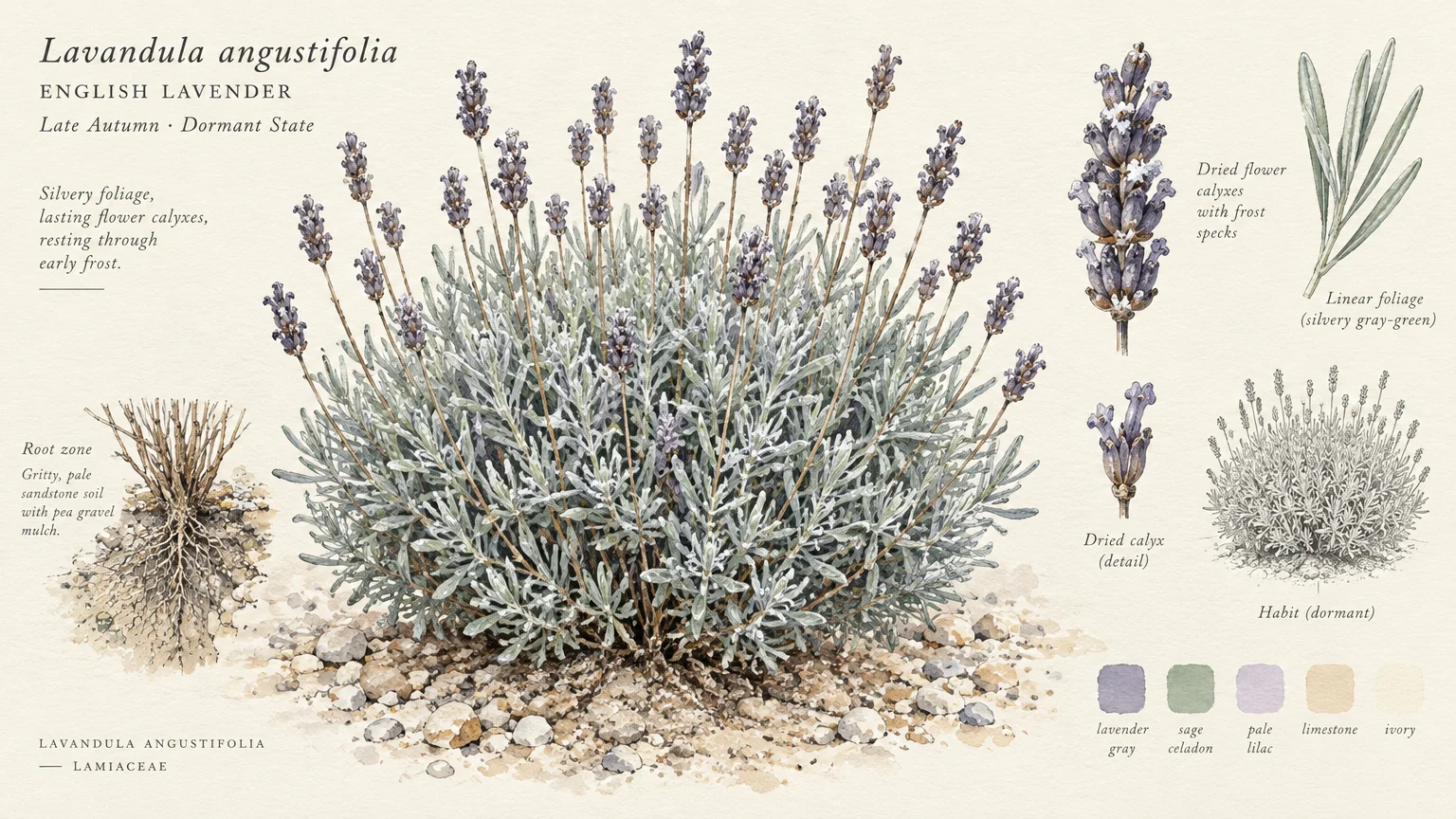
Tip #10: Lavender
English lavender is a remarkably tough perennial herb that easily survives light frosts and cool drafts. Its narrow, silver-gray foliage adds serene color and fragrance to autumn garden borders.
The waxy coating and fine silvery hairs on lavender leaves prevent cellular water loss during frosts. This natural adaptation helps the plant stay healthy when cold winds sweep across garden beds.
Grow English lavender in dry, gravelly, alkaline soil bathed in full daylong sunlight. Excellent drainage is non-negotiable; standing water around cold roots quickly leads to devastating root diseases.
Harvest fragrant leaves and lingering flower spikes for soothing herbal teas, baking, or decorative sachets. The aromatic essential oils remain concentrated within the foliage throughout the cold season.
Do not prune lavender in late autumn because cut stems can suffer severe cold damage. Wait until new green growth emerges in spring before shaping and trimming back the bushes.
Apply a light mulch of pea gravel or crushed granite around the base of each plant. Stone mulch reflects sunlight and keeps root crowns dry during damp, frosty autumn weather.
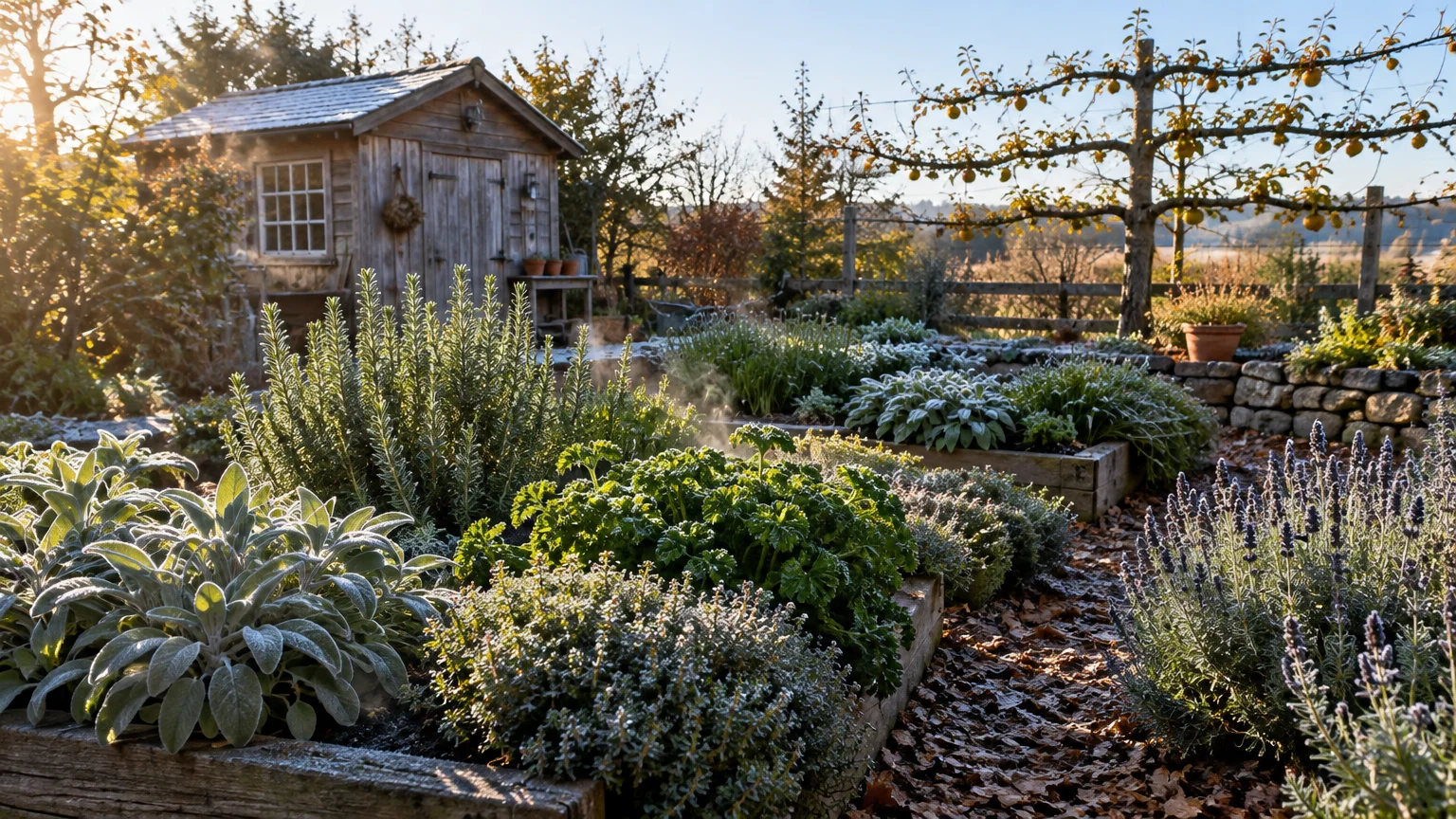
Putting It All Together: Enjoy Your Beautiful Garden
Growing herbs that survive frost allows you to enjoy garden-fresh flavors long after summer ends. By selecting resilient plants, you create a productive landscape that defies early autumn chills.
Success begins with proper site selection, focusing on full sun exposure and exceptional soil drainage. Cold moisture harms roots far more than frosty air, so keep garden beds well-drained.
Add a light layer of organic mulch around root crowns to buffer against sudden temperature drops. Use floating row covers or simple cloches when unexpected hard freezes threaten your beds.
Harvest your herbs during the warmest part of the afternoon when morning frost has fully thawed. Gently clipping outer stems keeps plants healthy and productive throughout the entire cool season.
Step outside and enjoy the crisp air while snipping fresh seasonings for your favorite autumn recipes. Your resilient winter herb garden will reward your efforts with beauty, fragrance, and exceptional culinary flavor.
For region-specific advice, consult your local University Extension program (find yours via the USDA directory). For plant databases and inspiration, visit the Missouri Botanical Garden or the Royal Horticultural Society.
Frequently Asked Questions
What is the difference between a light frost and a hard freeze?
A light frost occurs when temperatures drop between twenty-eight and thirty-two degrees Fahrenheit. Ice crystals form on leaf surfaces, but the plant’s internal cell structure generally remains unharmed.
A hard freeze happens when temperatures plummet below twenty-eight degrees Fahrenheit for four consecutive hours. This severe cold penetrates root zones and can cause severe cellular rupture in tender plants.
Should you wash frost-covered herbs before harvesting them?
Never harvest herbs while they are still stiff and coated with morning frost crystals. Harvesting frozen leaves causes cell walls to crush, leading to blackened, bruised foliage and flavor loss.
Wait until the morning sun thaws the leaves completely before clipping what you need. Once harvested, rinse them gently under cool tap water and pat dry with paper towels.
Can potted cold-hardy herbs stay outside during light frosts?
Yes, most potted cold-hardy herbs tolerate light frosts if the soil remains moderately moist but well-drained. However, container roots experience colder temperatures than plants sheltered in deep garden beds.
Group your pots together against a warm south-facing wall to trap ambient heat during chilly nights. Wrapping containers in burlap or bubble wrap also protects roots from sudden thermal shocks.
Does frost change the taste of garden herbs?
Light frost often improves the flavor profile of herbs like parsley, cilantro, and sage. Cold temperatures trigger plants to convert starches into sugars, which act as a natural antifreeze agent.
Additionally, reduced moisture levels in the foliage concentrate aromatic essential oils and resinous compounds. This natural defense mechanism gives your cool-weather harvests a robust, deeply satisfying culinary flavor.
Disclaimer: This article provides general gardening advice. Always consider your specific climate, soil conditions, and local pests. Follow safety guidelines when using gardening tools and products.