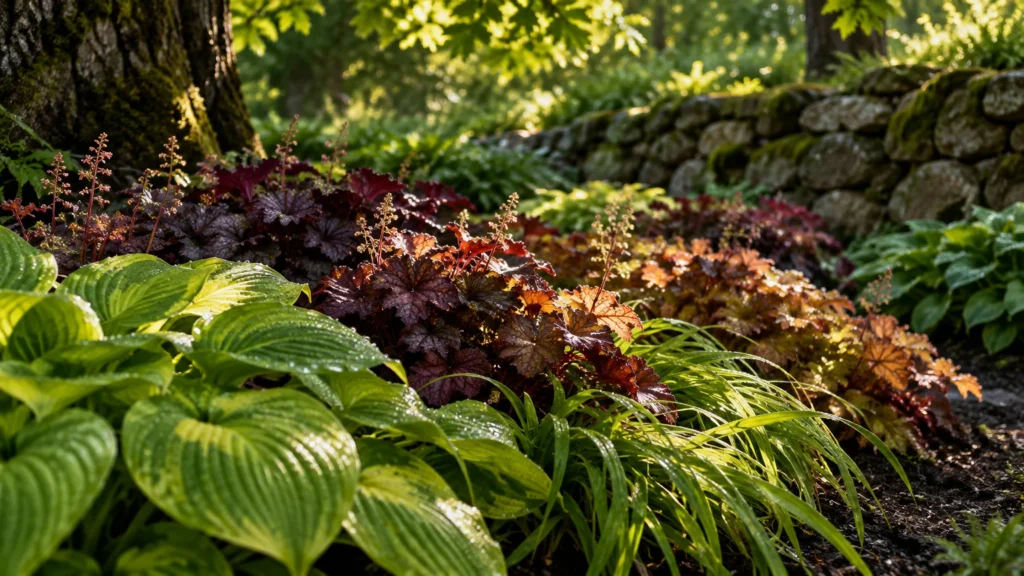
Cold weather transforms your landscape, but vital insect life thrives quietly beneath the frozen mulch. Many overwintering insects shelter directly inside your garden beds, soil, and hollow perennial stems until warm spring weather arrives.
Knowing which garden pests winter brings and which beneficial helpers nestle in your borders gives you a major advantage. You can protect vital pollinators while eliminating destructive bugs before new buds unfurl.
Take control of your backyard ecosystem this season with targeted winter pest control techniques. Here are nine bugs sleeping in your soil and how to handle them.
Tip #1: Ladybugs Sheltering in Fallen Leaves
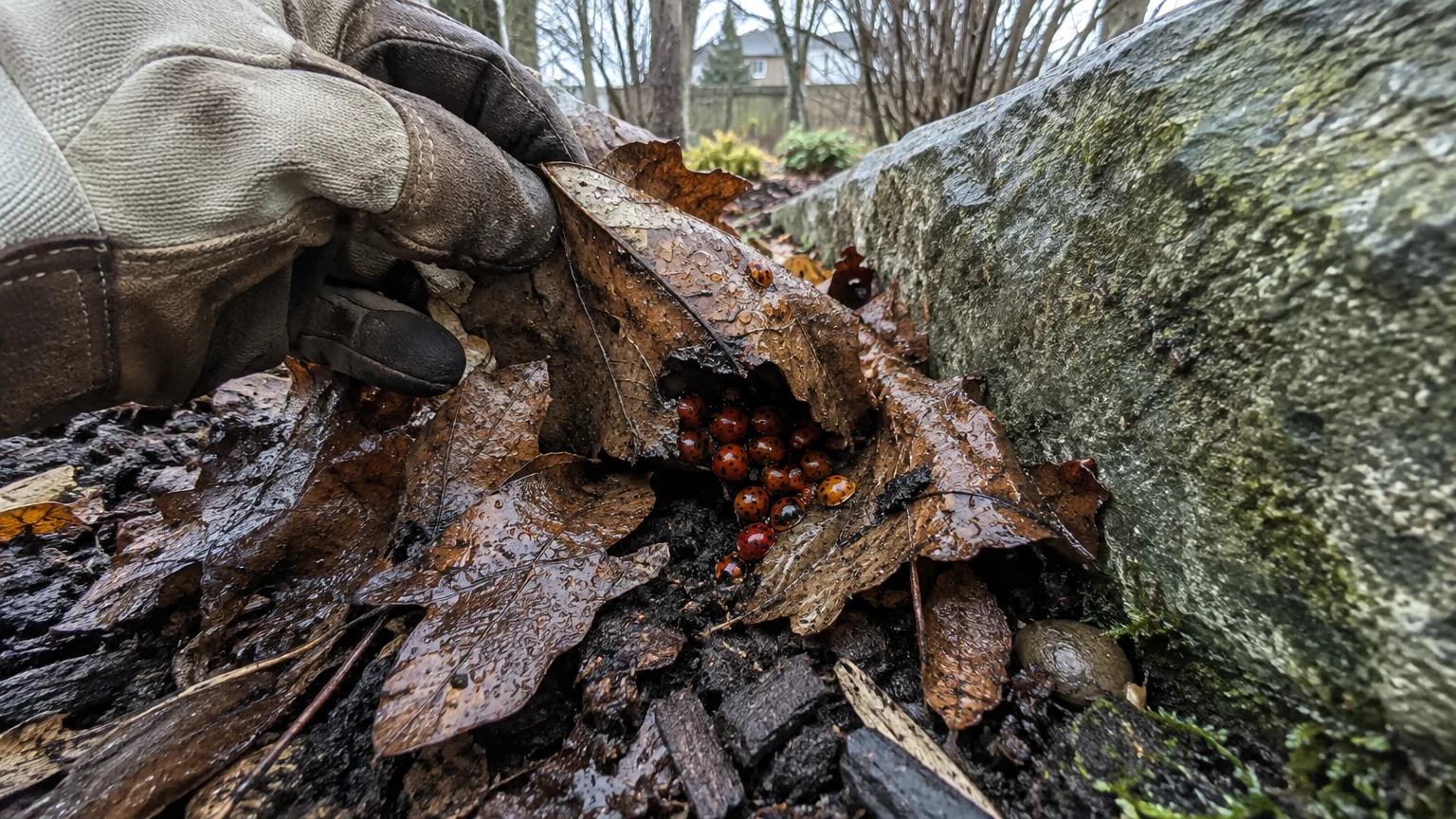
Ladybugs are beloved beneficial insects winter protects right in your flower beds. Adults cluster together under thick blankets of fallen leaves, stone borders, and loose bark.
This gathering behavior helps them conserve moisture and generate shared warmth during bitter frosts. They enter diapause, a biological state of suspended development that slows their metabolism.
When spring temperatures climb, these hungry predators emerge to feast on destructive garden aphids. Preserving them saves you hours of pest control work later in the season.
You can protect these valuable allies by leaving a loose layer of autumn leaves over your garden soil. Avoid stripping every flower bed down to bare dirt in late autumn.
If you must tidy walkways, gently rake leaves directly into shrub borders or compost piles instead. This thoughtful action ensures your ladybug population stays safe and ready for spring action.
Delay your heavy spring cleanup until outdoor temperatures stay consistently above 50 degrees Fahrenheit. Doing so gives ladybugs plenty of time to wake up and scatter naturally into your garden.
A healthy overwintered population will rapidly control emerging soft-bodied pests without chemical sprays. You create an organic defense shield simply by leaving their winter bedding alone.
Tip #2: Japanese Beetles Buried as Grubs
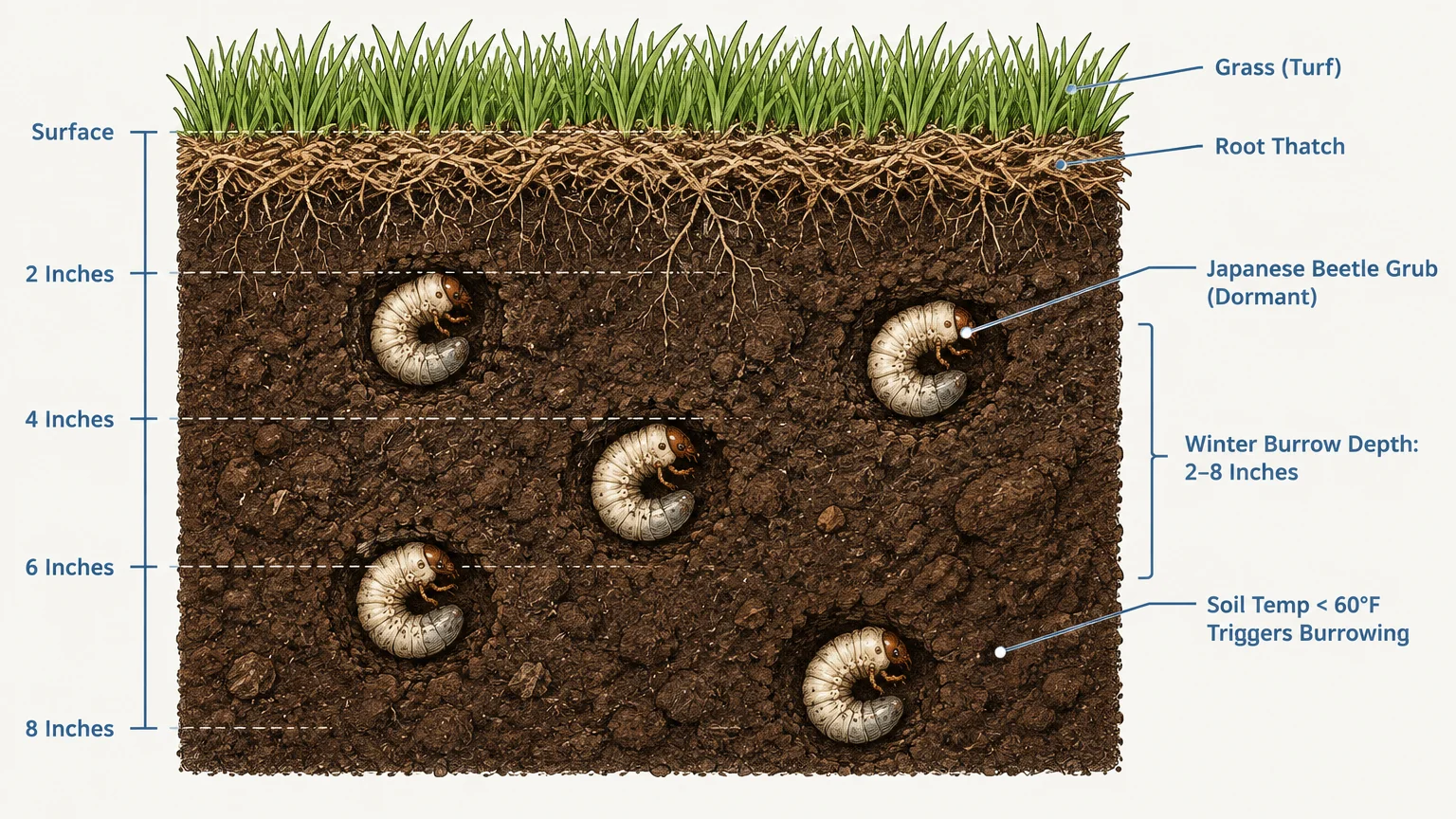
Japanese beetles spend the winter hidden deep within your lawn and garden beds as plump white grubs. These garden pests winter underground to escape sub-freezing soil surface temperatures.
As soil temperatures fall below 60 degrees Fahrenheit, grubs dig down between two and eight inches. They remain dormant in the damp earth until warming springtime soil draws them upward.
Once active, the grubs feed voraciously on grassroots before emerging in early summer to devour ornamental leaves. Managing them during winter prevents severe foliage damage across your roses, beans, and fruit trees.
You can disrupt their winter shelter by lightly tilling empty vegetable beds in late autumn. Turning the soil brings dormant grubs toward the surface where hungry backyard birds eagerly consume them.
Freezing winter air also kills exposed grubs when you overturn their insulating topsoil layer. This simple physical disturbance significantly lowers pest populations without synthetic chemicals.
For established turf, apply beneficial nematodes or milky spore powder before ground freeze. These organic controls target grubs biologically while keeping soil organisms completely safe.
Consistent winter pest control strategies will break the beetle lifecycle and safeguard your summer blooms. Your lawn will stay thicker and your vegetable crops will thrive without root competition.
Tip #3: Praying Mantises Protecting Egg Cases
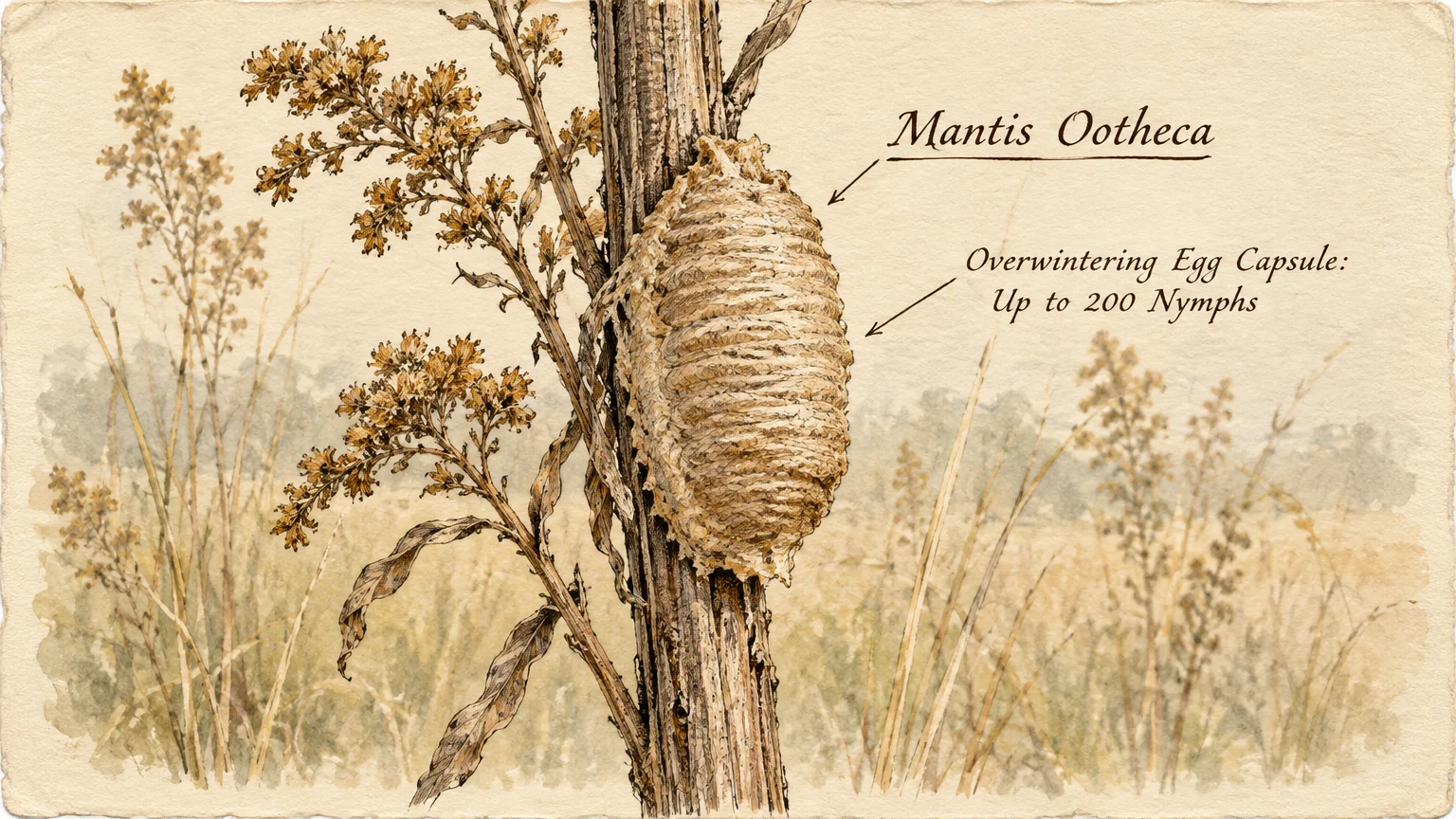
Praying mantises leave behind remarkable, insulated structures known as oothecae before the first autumn freeze. These frothy egg cases harden into durable, waterproof capsules on sturdy twigs and perennial stems.
While adult mantises do not survive cold weather, each egg case shelters up to two hundred future nymphs. They are magnificent beneficial insects winter preserves to patrol your summer landscape.
Mantis nymphs hatch in mid-spring and immediately consume beetles, grasshoppers, moths, and caterpillars. Preserving even a single egg mass provides exceptional biological control across your entire property.
You should carefully inspect woody shrubs, blackberry canes, and ornamental grasses before doing any autumn pruning. Look for tan, papery cases that resemble dried sea sponges clinging to branches.
If you discover an egg case on a branch you must prune, never discard it into yard waste. Secure the trimmed branch upright in an undisturbed shrub or hedge nearby.
Position the casing at least twelve inches off the damp soil to keep it safe from crawling rodents. Your patience will reward you with an army of active garden protectors once warm weather returns.
Protecting these egg cases maintains natural balance in your garden without spending a dime on insecticides. You support apex garden predators that maintain healthy outdoor spaces year after year.
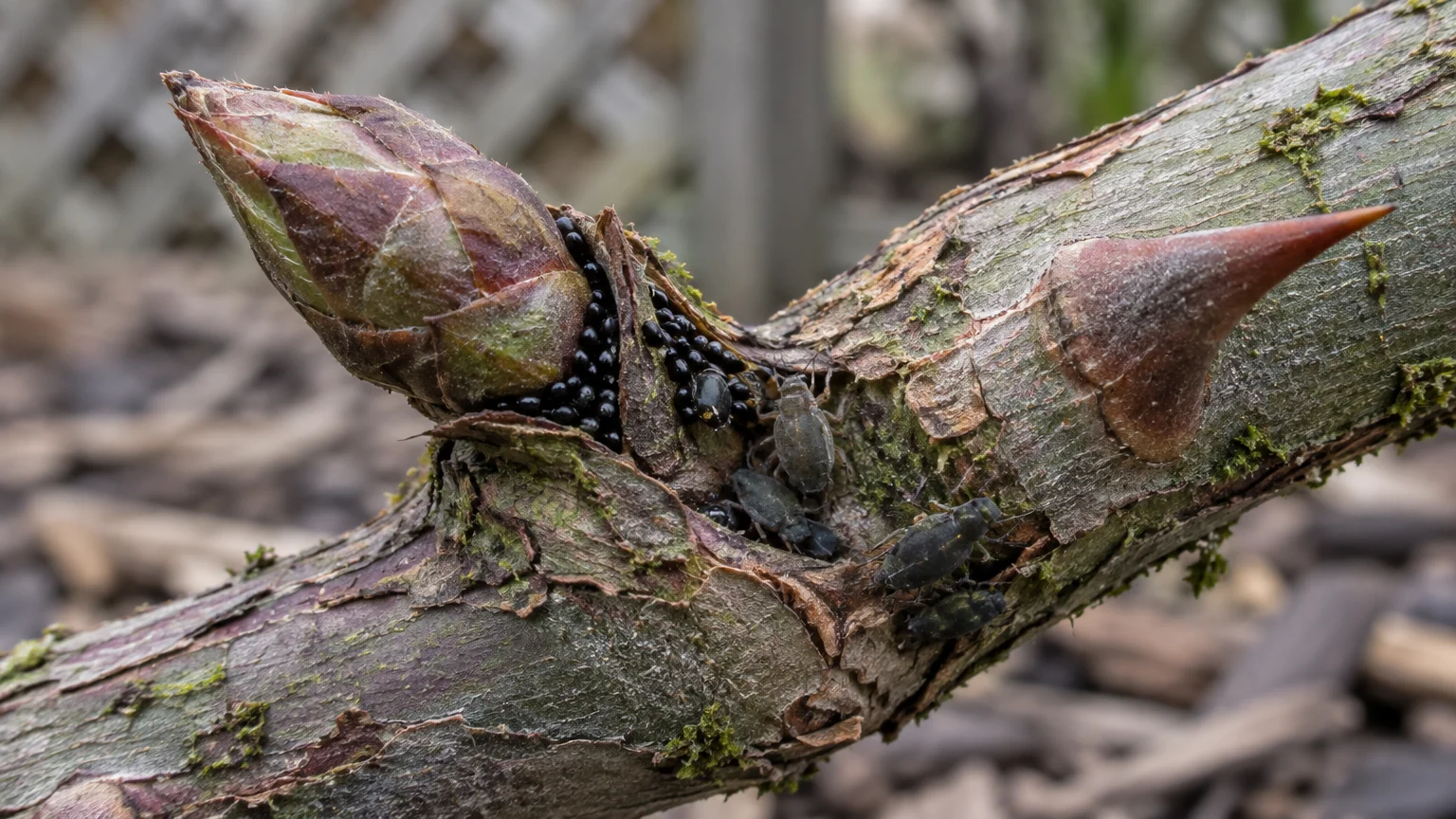
Tip #4: Aphids Hiding on Woody Stems
Aphids are notorious garden pests winter rarely eliminates on its own. These tiny insects survive cold months as hardy, glossy black eggs glued tightly to woody plant bark and bud scales.
Adult females lay these cold-resistant eggs during late autumn specifically to endure sub-zero temperatures. In sheltered microclimates or mild zones, some adult aphids even survive under dense mulch.
As soon as spring sap begins rising, these eggs hatch into prolific colonies of hungry sap-suckers. They weaken tender shoots, curl new leaves, and transmit destructive plant viruses across your garden.
You can halt this early surge by applying an organic dormant horticultural oil during late winter. Spray on a calm, dry day when temperatures remain above 40 degrees Fahrenheit.
The oil coats overwintering eggs and suffocates them before they can hatch into spring populations. Ensure thorough coverage over all branch crevices, trunk forks, and twig junctures.
Pair your winter spraying with careful inspection of rose bushes, fruit trees, and perennial shrubs. Prune out heavily encrusted twigs and dispose of them far away from your compost pile.
Taking action during dormancy prevents explosive pest outbreaks before your garden even wakes up. You save valuable plants from early stress while cutting down on summer maintenance tasks.
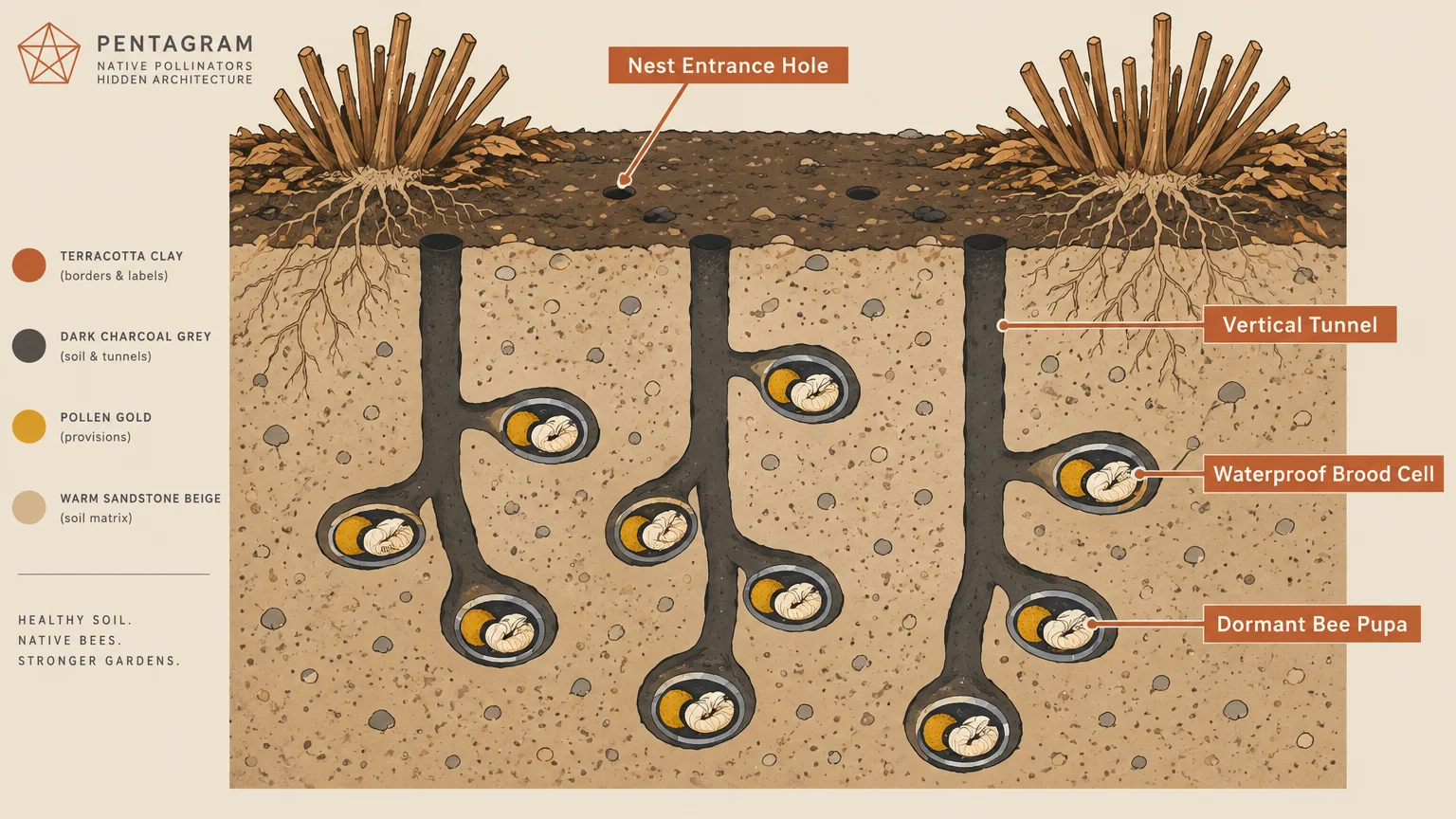
Tip #5: Native Ground-Nesting Bees Under the Soil
Solitary native bees spend winter slumbering deep beneath your garden soil inside tiny earthen tunnels. Over seventy percent of native bee species nest directly in the ground rather than inside hives.
These gentle pollinators overwinter as fully formed adults or pupae tucked safely inside waterproof cell linings. They represent some of the most vital beneficial insects winter harbors in your yard.
Species like squash bees and mining bees emerge early in spring to pollinate fruit blossoms and native wildflowers. Their pollination efficiency often surpasses honeybees, leading to bigger harvests in your vegetable garden.
You can safeguard ground-nesting bees by leaving sunny, undisturbed patches of bare soil around your property borders. Avoid tilling these dedicated conservation areas during late autumn and early spring.
Skip plastic weed barriers and heavy synthetic landscape fabrics across open garden beds. Impermeable barriers trap emerging bees underground and prevent them from digging their way out into the sunshine.
Apply natural, loose wood chips or shredded leaves instead of dense, compacted mulches over these nesting zones. Loose organic matter provides insulation while still allowing bees to dig out freely when temperatures warm.
Protecting native bee tunnels guarantees superior flower and vegetable yields all season long. You will enjoy bumper crops of tomatoes, melons, and berries with no manual hand-pollination required.
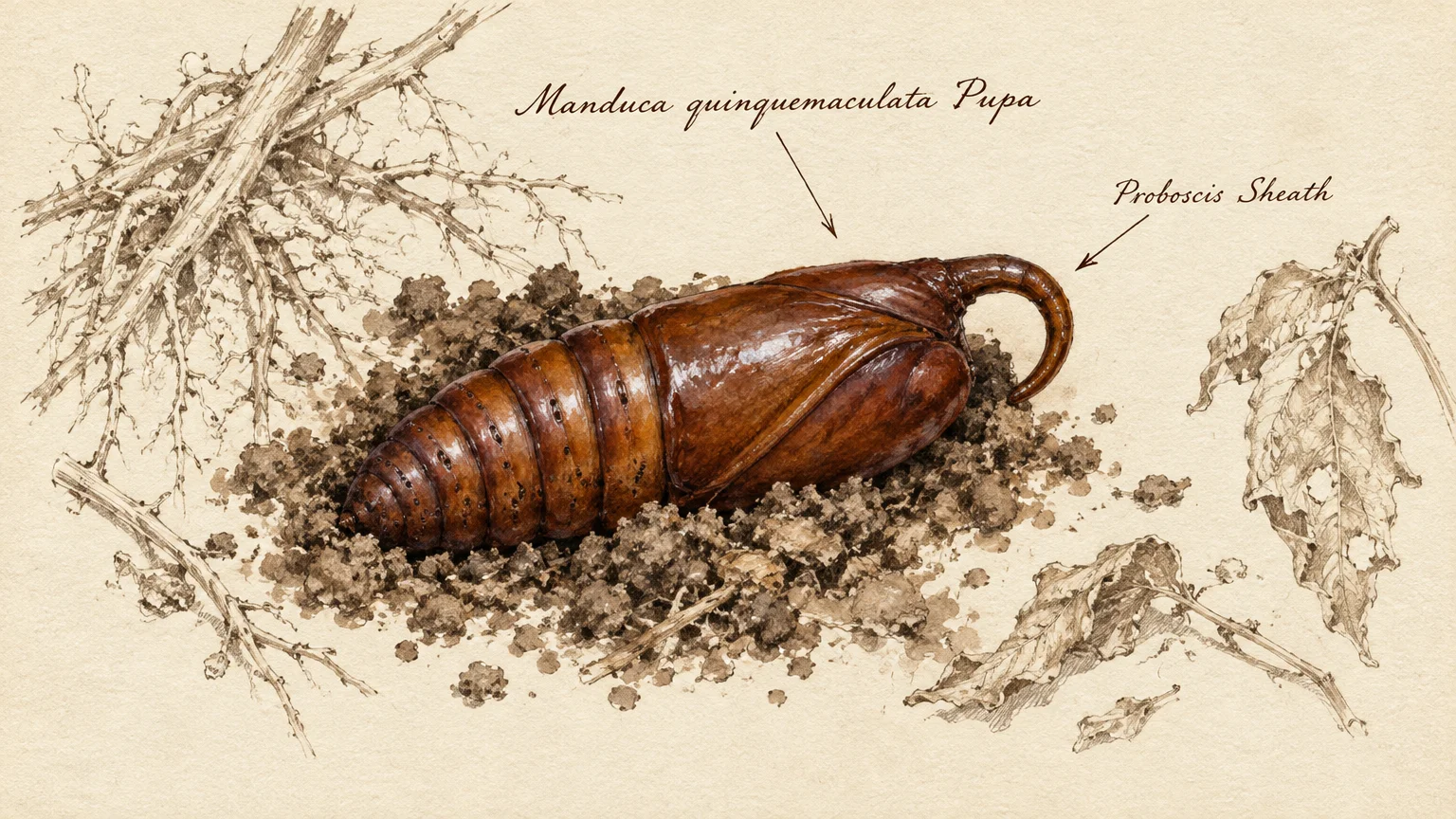
Tip #6: Tomato Hornworms Resting in Pupae
Tomato hornworms transform into large, mahogany-colored pupae that rest four to six inches below the soil surface. These garden pests winter inside protective cases that resemble small jugs with looped handles.
While adult five-spotted hawk moths are fascinating nocturnal flyers, their caterpillar larvae strip tomato foliage overnight. Overwintering pupae guarantee a fresh wave of hungry caterpillars in your vegetable patch every summer.
The hard pupal casing withstands freezing ground moisture and prevents predators from reaching the developing moth inside. If left undisturbed, the moth emerges in late spring to deposit eggs on nightshade crops.
You can eliminate these hidden pests by shallowly cultivating your vegetable garden beds in late autumn. Turn the top six inches of soil thoroughly after clearing away dead tomato and pepper vines.
Tilling breaks the protective earthen chambers and pushes the pupae onto the cold surface. Winter frosts will freeze the exposed pupae, and foraging birds will happily snap them up.
If you raise backyard chickens, let your flock scratch through tilled garden beds before winter sets in. Chickens adore finding these large pupae and will quickly clear your soil of remaining pests.
Interrupting their underground life stage prevents severe defoliation of your precious tomato and pepper plants next July. Your summer garden will produce sweet, pristine fruit without unexpected pest infestations.
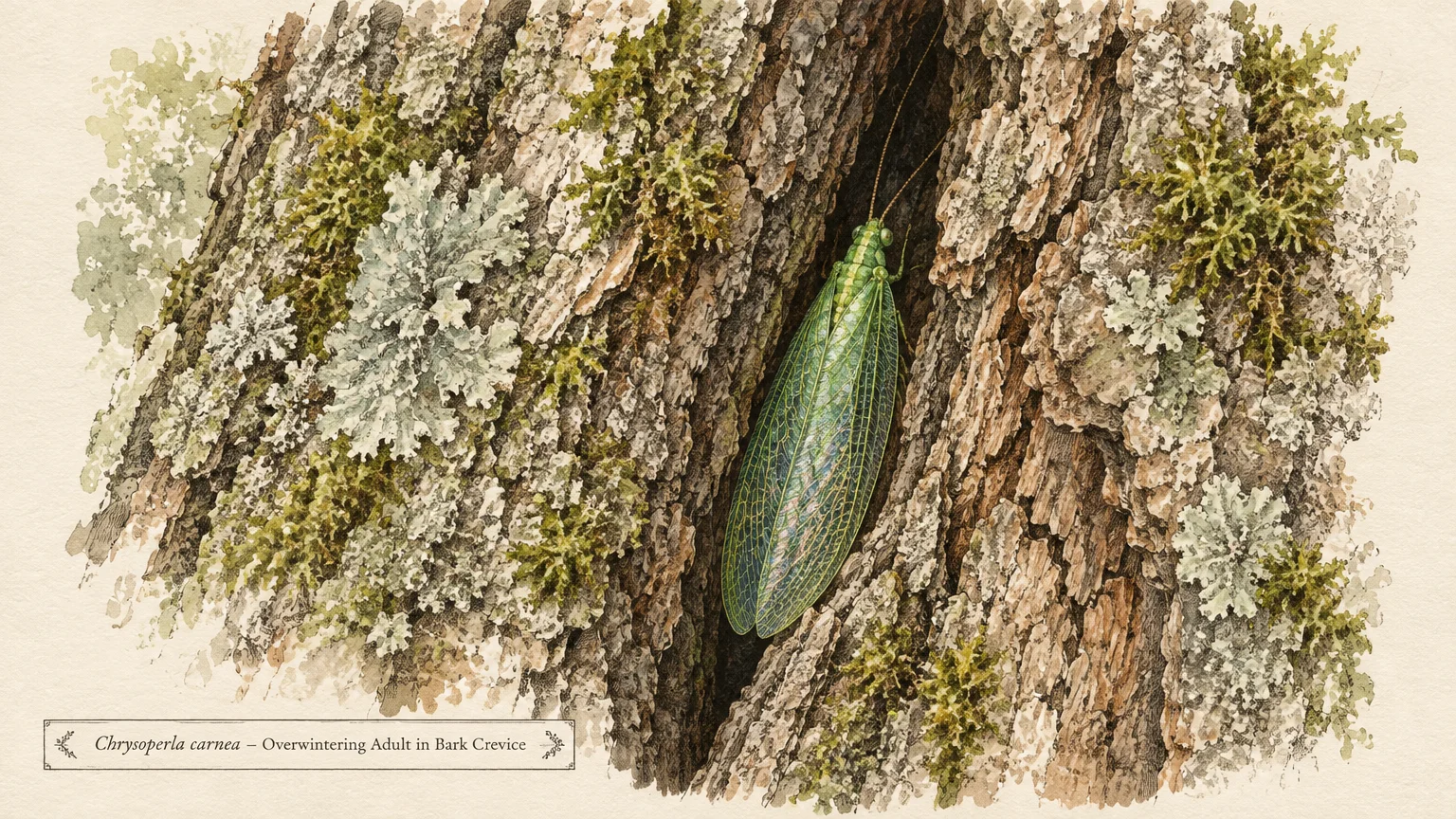
Tip #7: Lacewings Tucked into Bark Crevices
Delicate green lacewings seek out dry, sheltered crevices across your yard to survive the freezing winter months. Adults change color from bright green to dusty brown to camouflage against tree bark and dried leaves.
Some species overwinter as adults, while others spin dense silken cocoons within leaf piles and hollow stems. These fragile-looking insects are among the most hard-working beneficial insects winter protects for you.
Their ferocious larvae, aptly named aphid lions, consume hundreds of garden pests including thrips, spider mites, and whiteflies. Having overwintered lacewings in your garden provides immediate biological defense the moment spring begins.
You can support these gentle allies by leaving hollow perennial stems standing tall throughout the colder months. Plants like coneflowers, elderberry, and Joe Pye weed offer ideal winter shelters inside their sturdy stalks.
Build a simple bug hotel or stack small bundles of bamboo canes under your eaves or garden sheds. Lacewings will crawl inside these dry, protected tubes to escape harsh winter rain and freezing winds.
Avoid spraying broad-spectrum chemicals on garden borders, shrubs, or tree trunks during autumn and winter cleanup. Chemical applications destroy dormant beneficial insects along with pests, upsetting your yard’s natural pest balance.
Welcoming lacewings ensures your ornamental flowers and vegetables receive chemical-free protection all spring. You foster a resilient garden ecosystem that naturally maintains its own balance and vibrant health.
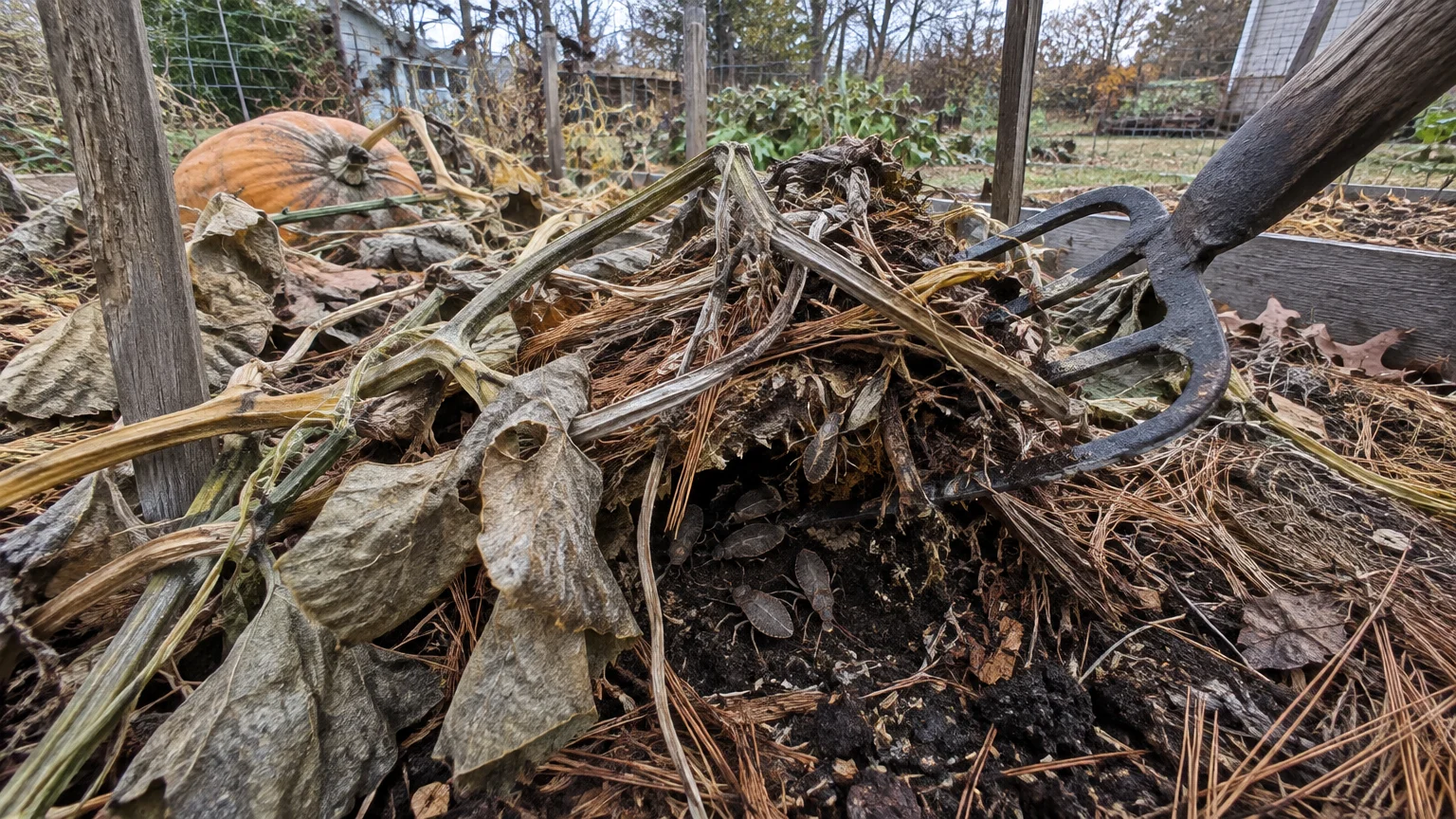
Tip #8: Squash Bugs Concealed in Garden Debris
Squash bugs are notoriously tough garden pests winter cannot easily defeat without your active help. Adult squash bugs crawl into dense piles of dead vines, rotting wood, and thick straw mulch.
Their flat, dark bodies allow them to squeeze into tight crevices where freezing winds cannot reach them. When warm weather returns, they emerge ravenously hungry to suck sap from young squash and pumpkin seedlings.
A heavy squash bug infestation can inject toxic saliva into your plants, causing fatal bacterial wilt and vine collapse. Targeting these overwintering insects in autumn prevents catastrophic losses during the summer growing season.
You should clean up all cucurbit vine residues immediately after your autumn harvest finishes. Bag and discard diseased or infested foliage instead of leaving it to rot on top of your beds.
Remove wooden boards, unused row covers, and plastic pots stored directly on the ground near your garden. Squash bugs view these discarded items as perfect winter chalets and congregate underneath them in droves.
Practice crop rotation by planting your next squash crop far away from last year’s designated bed. This simple strategy forces surviving pests to travel farther, exposing them to hungry birds and natural predators.
Thorough sanitation in late autumn completely eliminates their preferred winter shelters and breaks their annual reproductive cycle. Your summer squash, melons, and pumpkins will grow vigorously without early pest pressures.
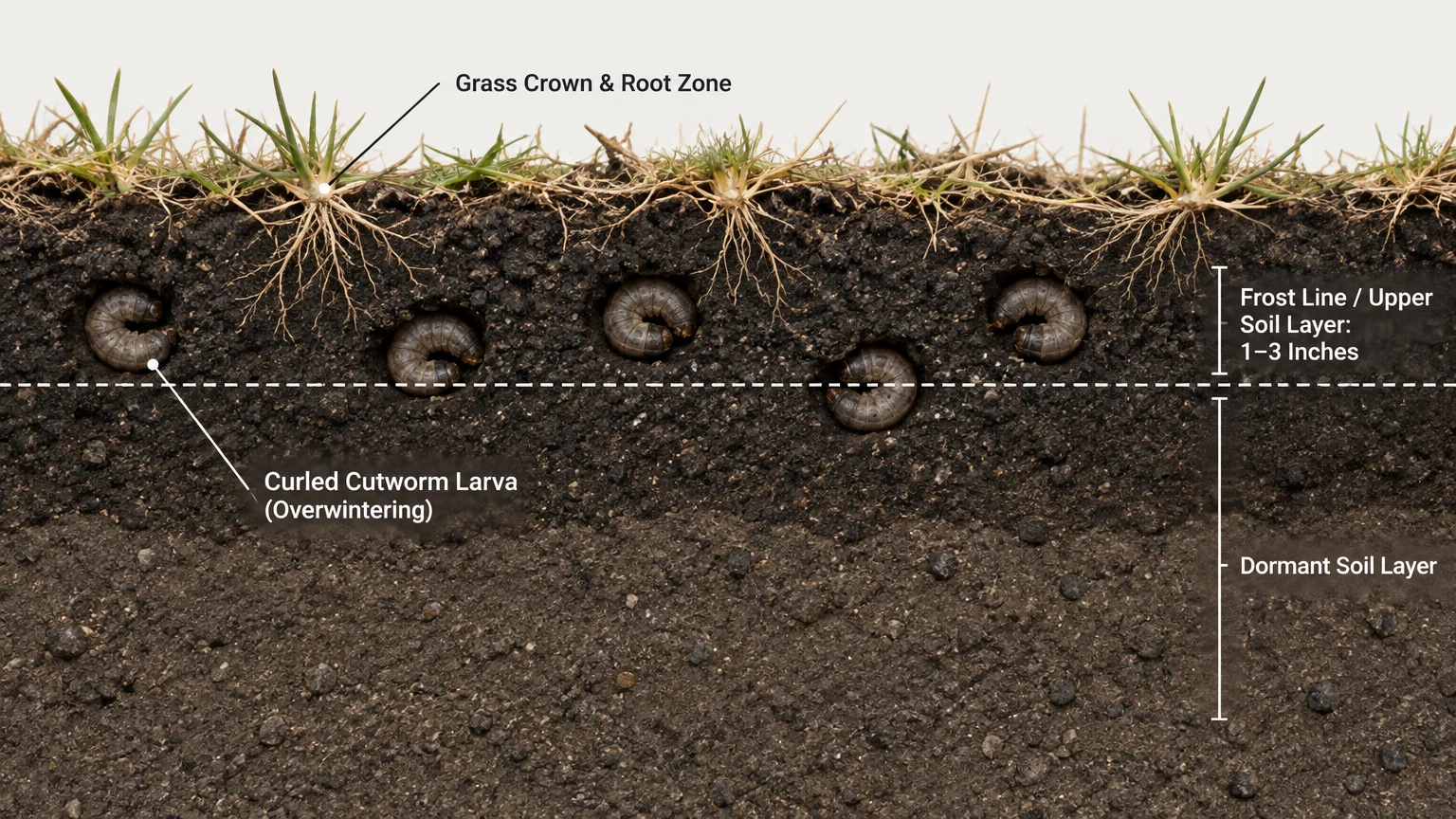
Tip #9: Cutworms Waiting Beneath the Turf
Cutworms spend chilly months curled up as plump, dormant larvae resting in the upper layers of your soil. These destructive garden pests winter quietly beneath thick thatch, dense weeds, and perennial border roots.
They survive freezing temperatures by producing glycerol, a natural biological antifreeze that prevents cell damage. As soon as the soil thaws, they awaken hungry and ready to sever tender young seedling stems.
A single cutworm can slice through dozens of newly planted vegetables right at the soil surface overnight. Identifying and eliminating these bugs that overwinter in garden soils saves your precious spring transplants from destruction.
You can deter cutworms by keeping your garden beds completely free of winter weeds like chickweed and henbit. Weeding deprives dormant larvae of the green ground cover they need to survive early spring thaws.
Till or turn your vegetable beds lightly in late winter to expose dormant larvae to freezing night air. Songbirds will gladly scour freshly turned soil beds to pluck up sluggish cutworms before you plant.
When planting spring seedlings, wrap stems with simple cardboard collars pushed one inch into the soil. This physical barrier blocks any surviving cutworms from chewing through your tender cabbage, tomato, and pepper stems.
Proactive soil cultivation and clean bed management drastically reduce cutworm survival across the cold season. You will watch your delicate spring plantings take root securely without sudden morning wilt or mysterious severed stems.

Putting It All Together: Enjoy Your Beautiful Garden
Managing overwintering insects is all about balance rather than total eradication. By identifying the good bugs from the bad, you can make smarter decisions during autumn and winter cleanup.
Protect beneficial insects winter shelters by leaving small wild patches, standing flower stalks, and natural leaf cover. These natural predators and native pollinators will reward your kindness with free pest control and bountiful harvests.
At the same time, target destructive garden pests winter shelters through timely soil cultivation and clean garden sanitation. Removing spent vegetable vines and tilling empty beds prevents troublesome bugs from multiplying unchecked.
Simple, thoughtful adjustments to your seasonal gardening routine create a resilient, vibrant ecosystem right outside your door. You will spend less money on synthetic chemical sprays and far less time stressing over damaged crops.
Embrace winter as a restful season of renewal for both you and your garden soil. Your careful stewardship today guarantees an explosion of healthy blooms and sweet vegetables when warm spring sunshine returns.
For region-specific advice, consult your local University Extension program (find yours via the USDA directory). For plant databases and inspiration, visit the Missouri Botanical Garden or the Royal Horticultural Society.
Disclaimer: This article provides general gardening advice; always consider your specific climate, soil conditions, and local pests. Follow safety guidelines when using gardening tools and products.
Frequently Asked Questions
Should I completely clean out my garden beds in the fall?
You should avoid stripping every bed completely bare in autumn. Leave perennial flower stalks and leaf mulch in ornamental beds to protect beneficial insects while clearing spent vegetable vines to remove pests.
When is the best time to do spring garden cleanup?
Wait until daytime temperatures consistently stay above 50 degrees Fahrenheit for at least seven consecutive days. This warmth allows dormant ladybugs, lacewings, and native bees to awaken and leave their winter shelters safely.
Does freezing winter weather kill all garden pests?
Freezing weather reduces some pest numbers, but many bugs produce natural antifreeze compounds to survive extreme frost. Practicing targeted winter pest control ensures these hardy pests do not overrun your spring garden.
How do I know if an insect in my winter soil is good or bad?
Generally, plump white grubs, large pupae, and curled caterpillars in vegetable soil are destructive pests. Slender predatory ground beetles, earthworms, and solitary bee tunnels should always be left undisturbed.