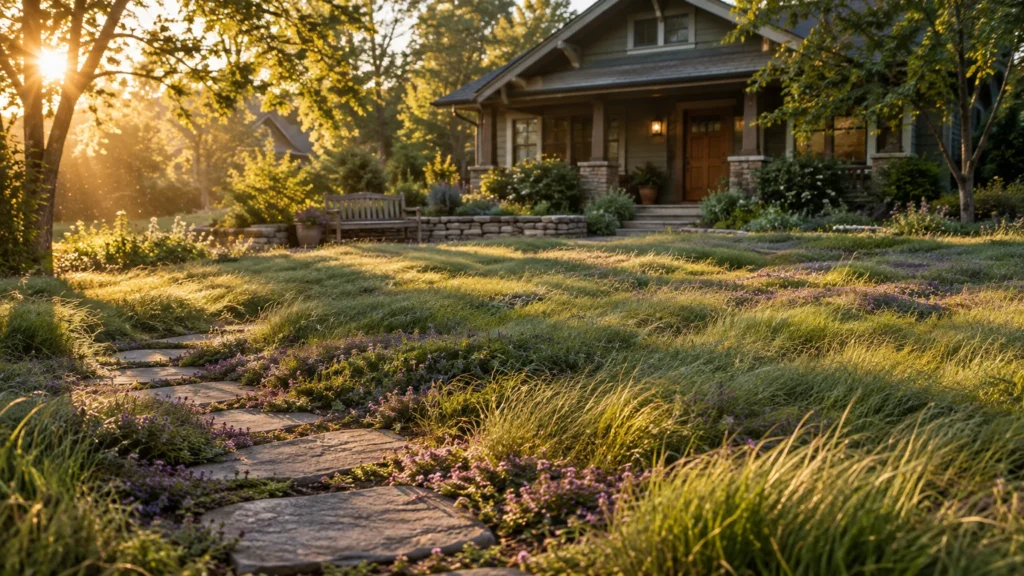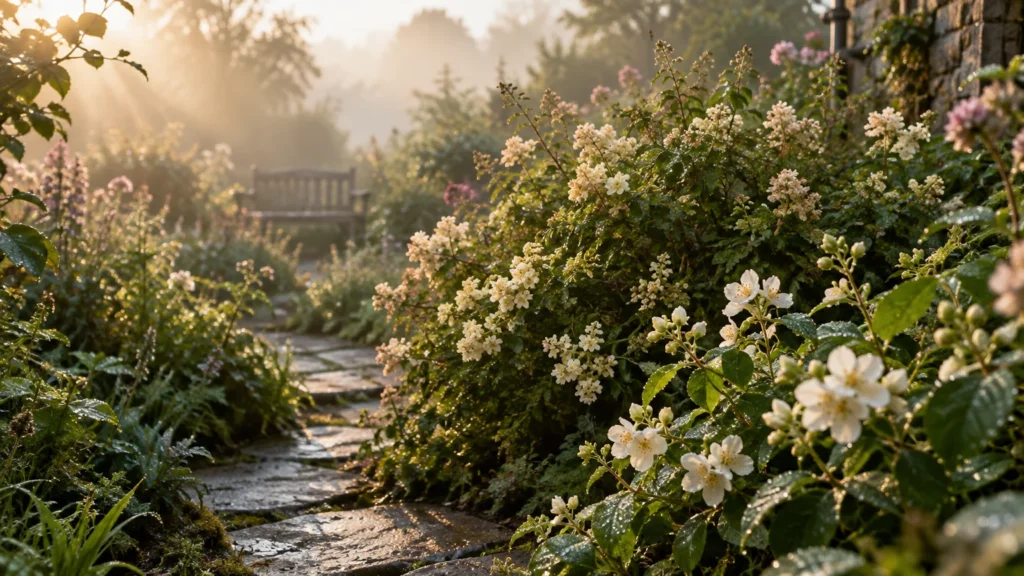
Transform your outdoor space into a fragrant evening retreat by cultivating a moon garden filled with night blooming plants. While many traditional backyard flowers close their petals at dusk, a select group of fragrant plants specifically evolved to release their intoxicating perfumes after sunset to attract nocturnal pollinators like hawk moths. You can enjoy these powerful, sweet scents simply by strategically placing the right varieties near your patio, open windows, or fire pit. Selecting the right night-blooming varieties extends your gardening enjoyment well into the twilight hours; it also adds a magical, sensory dimension to your evening relaxation. Let us explore the best botanical options to elevate your evening landscape design and create an aromatic oasis.
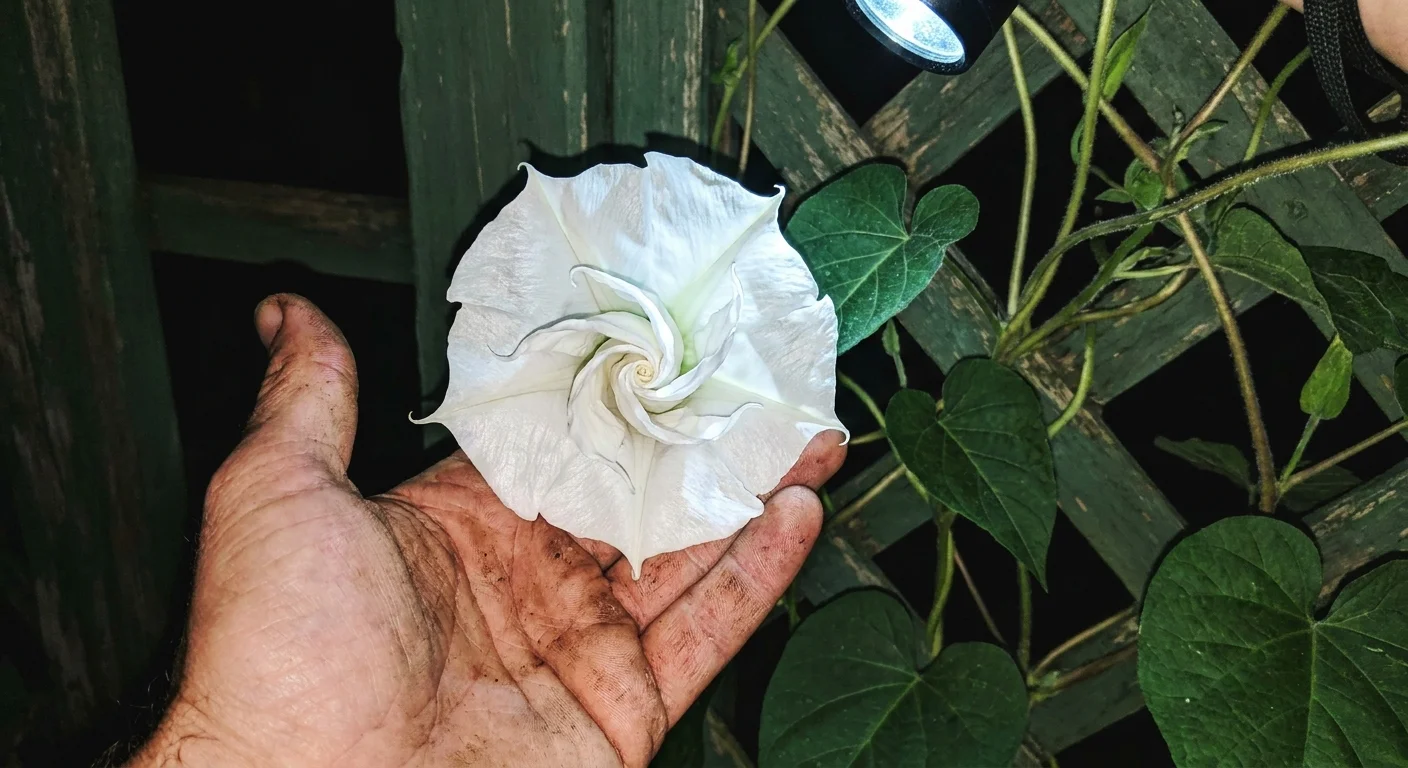
Tip #1: Moonflower (Ipomoea alba)
Moonflowers offer one of the most dramatic spectacles you can introduce to your backyard. As the sun dips below the horizon, you can literally watch the large, cone-shaped buds unfurl into magnificent white blooms up to six inches across; the process happens so rapidly that it appears like time-lapse photography in real life. Once open, the flowers release a rich, clove-like fragrance that lingers in the humid night air. You will find that these vigorous vines grow up to fifteen feet in a single season, making them ideal for covering unsightly fences or climbing up a sturdy pergola near your seating area.
To successfully grow moonflowers, you must provide them with full sun during the day and rich, well-draining soil. Because their seeds possess a remarkably hard outer shell, you need to prepare them before planting to ensure a high germination rate. Simply nick the seed coat with a metal file or rub it against sandpaper, then soak the seeds in warm water for twenty-four hours. This scarification process tells the seed that it is time to wake up and grow. Plant your seeds directly in the ground after all danger of frost has passed. While moonflowers behave as tender perennials in warm southern climates (USDA Zones 9 through 11), northern gardeners treat them as fast-growing annuals that easily put on a spectacular show before the first autumn freeze.
Tip #2: Night-Blooming Jasmine (Cestrum nocturnum)
If you want a fragrance so powerful that it perfumes your entire property, night-blooming jasmine stands unparalleled among fragrant plants. Despite its common name, this tropical shrub actually belongs to the potato family rather than the true jasmine genus. It produces clusters of unassuming, pale greenish-white tubular flowers that remain tightly closed during daylight hours. However, as twilight approaches, these tiny blossoms open to emit a profoundly sweet, intoxicating perfume that can easily drift twenty feet or more on a gentle evening breeze. The scent is often described as a complex blend of honey, vanilla, and tropical fruit.
Cultivating night-blooming jasmine requires warm temperatures and plenty of moisture. If you live in USDA Zones 9 through 11, you can plant this shrub directly in your backyard, where it quickly reaches heights of eight to ten feet. For gardeners in cooler climates, you must grow this tropical beauty in a large, five-gallon container and bring it indoors before the first frost hits. Give your plant partial to full sun during the day and feed it with a balanced liquid fertilizer every two weeks during the active growing season. Regular pruning immediately after a flowering cycle prevents the shrub from becoming leggy and encourages a dense, bushy growth habit. Keep in mind that all parts of the plant are toxic if ingested, so position it carefully if you have curious pets exploring your garden.

Tip #3: Four O’Clocks (Mirabilis jalapa)
Four O’Clocks earn their straightforward name by reliably opening their trumpet-shaped blooms late in the afternoon, generally right around four o’clock. As the daytime temperatures begin to cool, these bushy plants spring to life, filling the air with a delicate, lemony-sweet fragrance that persists throughout the night. One of the most fascinating aspects of growing Four O’Clocks in your backyard is their genetic quirkiness; you will frequently see a single plant producing flowers in multiple distinct colors—including bright magenta, soft pink, vivid yellow, and pristine white. You might even discover individual petals that feature striking splashes or stripes of contrasting hues.
These versatile plants thrive with remarkably little fuss. They grow rapidly from seed and establish a deep tuberous root system that helps them tolerate periods of drought. Simply sow the large, dark seeds directly into average, well-draining soil in a sunny or partially shaded spot. In zones 7 through 10, Four O’Clocks behave as hardy perennials that return faithfully each spring. If you garden in colder regions, you can either treat them as self-sowing annuals or carefully dig up the tubers in the late fall to store them in a cool, dark basement over the winter—much like you would with dahlia bulbs. Their bushy, mounding habit makes them ideal for filling empty gaps in your landscape design or lining a main walkway where you can appreciate their twilight perfume.

Tip #4: Evening Primrose (Oenothera biennis)
Evening primrose offers a rugged, wildflower charm combined with a delightful nocturnal fragrance. Native to North America, this resilient plant produces large, luminous yellow flowers that burst open at dusk, releasing a sweet, slightly fruity aroma that serves as a powerful magnet for impressive night-flying pollinators like the sphinx moth. The pale yellow petals possess a mildly iridescent quality that seems to glow under the moonlight, making them an essential component of any dedicated moon garden. Watching an evening primrose bud unfurl is a rapid, captivating event that takes only a minute or two, providing an interactive experience.
Because it naturally thrives in poor, rocky environments, evening primrose requires practically no pampering to succeed in your backyard. This plant prefers full sun and dry, well-draining soil; overwatering or applying heavy fertilizers will actually cause the plant to flop over and produce fewer flowers. Most varieties operate on a biennial life cycle, meaning they spend their first year growing a low rosette of leaves before sending up tall, flower-bearing spikes in their second year. Once established, they readily self-seed, creating a sustainable, naturalized patch of evening blooms that will perfume your yard for years to come. Their drought tolerance and low-maintenance requirements make them an outstanding candidate for xeriscaping or out-of-the-way garden borders that cannot easily be reached with a garden hose.

Tip #5: Angel’s Trumpet (Brugmansia)
For a truly dramatic focal point in your evening landscape, nothing commands attention quite like the exotic Angel’s Trumpet. This small tree or large shrub produces enormous, pendulous, trumpet-shaped flowers that frequently reach ten to twelve inches in length. While they appear majestic during the day, their true magic reveals itself after dark when the massive blooms begin to emit a heavy, narcotic, lily-like fragrance that saturates the heavy summer air. The flowers bloom in flushes throughout the growing season, dropping gracefully in shades of white, peach, pink, or yellow.
To achieve the most spectacular floral displays, you need to treat your Angel’s Trumpet as a heavy feeder and a thirsty drinker. Plant it in rich, loamy soil and apply a water-soluble, bloom-boosting fertilizer once a week from late spring through late summer. It thrives in full sun but appreciates a bit of dappled afternoon shade in locations with scorching summer heat. In tropical zones, these plants grow into permanent woody shrubs, but northern gardeners must plant them in large containers and overwinter them in a frost-free garage or basement. When cultivating this botanical showstopper, you must exercise caution—every single part of the Angel’s Trumpet contains powerful tropane alkaloids, making it highly toxic if ingested. Position your container strategically away from play areas used by children or household pets.

Tip #6: Night Phlox (Zaluzianskya capensis)
Known affectionately in the horticultural world as “Midnight Candy,” night phlox is a compact, low-growing treasure that deserves a prime location in your fragrant plant collection. Native to South Africa, this delicate little plant produces slender, branching stems covered in small, unassuming buds that look like tiny maroon matchsticks during the heat of the day. As the evening cools down, these tight buds peel open to reveal brilliant white, star-shaped centers that instantly release an incredibly rich scent. The perfume smells like a decadent dessert, blending strong notes of vanilla, toasted almonds, and sweet honey.
Because night phlox rarely grows taller than twelve to eighteen inches, you should position it directly at the front of your garden borders, alongside patio edges, or in shallow decorative pots on your outdoor dining table. This placement ensures the heavy, sweet scent wafts directly upward to your seating level. You can grow night phlox by sowing seeds directly onto the soil surface in early spring; do not cover them deeply, as they require light to germinate properly. They perform best in loose, well-draining soil and actually prefer cooler night temperatures to unleash their strongest scent. Regular deadheading—the process of pinching off faded blooms—encourages the plant to produce a continuous wave of aromatic white stars from mid-summer straight through to the first autumn frost.

Tip #7: Flowering Tobacco (Nicotiana alata)
If you want to add elegant vertical interest to your night-blooming garden, the tall, heritage varieties of flowering tobacco provide an unbeatable combination of height and intoxicating perfume. Make sure you seek out the classic species, Nicotiana alata, rather than the modern, dwarf hybrids sold at many garden centers; while the modern hybrids look tidy, breeders have unfortunately hybridized the wonderful fragrance right out of them. The classic, old-fashioned varieties feature tall, branching stalks that reach three to four feet in height, topped with nodding, star-shaped white blossoms that release a heady, jasmine-like scent as soon as the sun goes down.
Flowering tobacco serves as a tough, reliable annual that adds a wild, cottage-garden aesthetic to the back of your flower beds. The plant features large, slightly fuzzy basal leaves and sticky stems that naturally trap bothersome gnats. You can easily start them from seed indoors six weeks before your last frost, pressing the microscopic seeds gently into the soil surface without burying them. Once transplanted into the backyard, they require moderate watering and a location that receives either full sun or dappled shade. As an added bonus, leaving a few spent flower stalks at the end of the season allows the plant to drop its tiny seeds, rewarding you with dozens of free volunteer seedlings the following spring.

Tip #8: Tuberose (Polianthes tuberosa)
The tuberose produces a scent so legendary and complex that the global perfume industry has relied on its essential oils for centuries. This elegant plant grows from a tough rhizome, sending up a slender, grass-like clump of foliage followed by a tall, striking flower spike adorned with waxy, pristine white blossoms. When these flowers open on warm summer evenings, they project a heavy, creamy floral fragrance with distinct, intoxicating hints of gardenia and coconut. Planting a cluster of tuberose bulbs near your bedroom window or patio swing guarantees a luxurious, sensory experience during the hottest months of the year.
Achieving a successful tuberose bloom requires patience and plenty of heat, as these Mexican natives demand roughly ninety to one hundred twenty days of warm weather to produce their flower spikes. If you garden in zones colder than USDA Zone 8, you must start your bulbs indoors in warm, sunny windows at least a month before your last spring frost. Once outdoor temperatures stabilize, transplant them into a spot with full, baking sun and rich, well-draining soil. Feed them monthly with a high-phosphorus fertilizer to support their energy-intensive flowering process. In northern regions, you will need to dig up the rhizomes in the fall before the ground freezes and store them in a dry, cool location to replant the following year.

Putting It All Together: Enjoy Your Beautiful Garden
Creating a dedicated space for night blooming plants transforms your standard backyard into an enchanting, multi-sensory retreat that comes alive exactly when you have the free time to enjoy it. You do not need to overhaul your entire landscape design to experience the magic of an aromatic evening oasis. Start small by introducing a few large pots of night-blooming jasmine to your patio, or train a vigorous moonflower vine up a trellis near your back door.
As you experiment with these highly fragrant plants, pay close attention to the way the evening breezes move across your property; placing your flowers upwind of your favorite seating areas ensures you capture every sweet, vanilla, and clove-scented note. By mixing low-growing varieties like night phlox with towering specimens like flowering tobacco, you create a layered, visually stunning garden that rewards you with extraordinary perfumes night after night. Embrace the twilight hours, step outside, and let your newly planted evening garden captivate your senses.
Frequently Asked Questions
Do night blooming plants require direct sunlight during the day?
Yes, the vast majority of nocturnal flowers still rely on the sun to perform photosynthesis. They need a full day of bright sunlight to generate the massive amount of energy required to rapidly force open their petals and produce heavy oils by evening. A few varieties can tolerate dappled afternoon shade, but providing six to eight hours of direct daytime sun generally yields the most robust growth and the strongest twilight perfumes.
How can I design a backyard layout to maximize flower fragrances?
To trap and maximize the sweet scents of your flowers, you should utilize the existing architecture of your outdoor space. Plant heavily scented varieties in semi-enclosed areas like courtyards, sunken patios, or cozy corners surrounded by tall fences or dense evergreen hedges. These physical barriers prevent strong evening breezes from instantly blowing the perfume away. Additionally, planting fragrant flowers directly beneath your home’s open windows allows the intoxicating aromas to draft inside during warm summer nights.
Are strongly scented night flowers safe for household pets?
While many fragrant flowers are perfectly harmless, several prominent night-blooming species pose serious toxicity risks to cats and dogs. Angel’s Trumpet and night-blooming jasmine contain potent chemical compounds that are toxic if ingested by curious pets or small children. You should always research the specific toxicity of any new botanical addition and consider planting dangerous varieties in tall, heavy pots or behind sturdy decorative fencing to keep your furry friends completely safe.
What kind of pollinators do night-blooming flowers attract?
By producing pale, glowing white flowers and emitting heavy scents, these plants specifically target nocturnal pollinators that navigate by moonlight and smell. You will frequently see large, fascinating hawkmoths and sphinx moths hovering like hummingbirds near tubular blossoms to drink their nectar. In addition to moths, these fragrant blooms also attract night-flying beetles, certain species of solitary bees that forage late in the day, and occasionally nectar-feeding bats in tropical or desert climates.
For region-specific advice, consult your local University Extension program (find yours via the USDA directory). For plant databases and inspiration, visit the Missouri Botanical Garden or the Royal Horticultural Society.
Disclaimer: This article provides general gardening advice. Always consider your specific climate, soil conditions, and local pests. Follow safety guidelines when using gardening tools and products.