
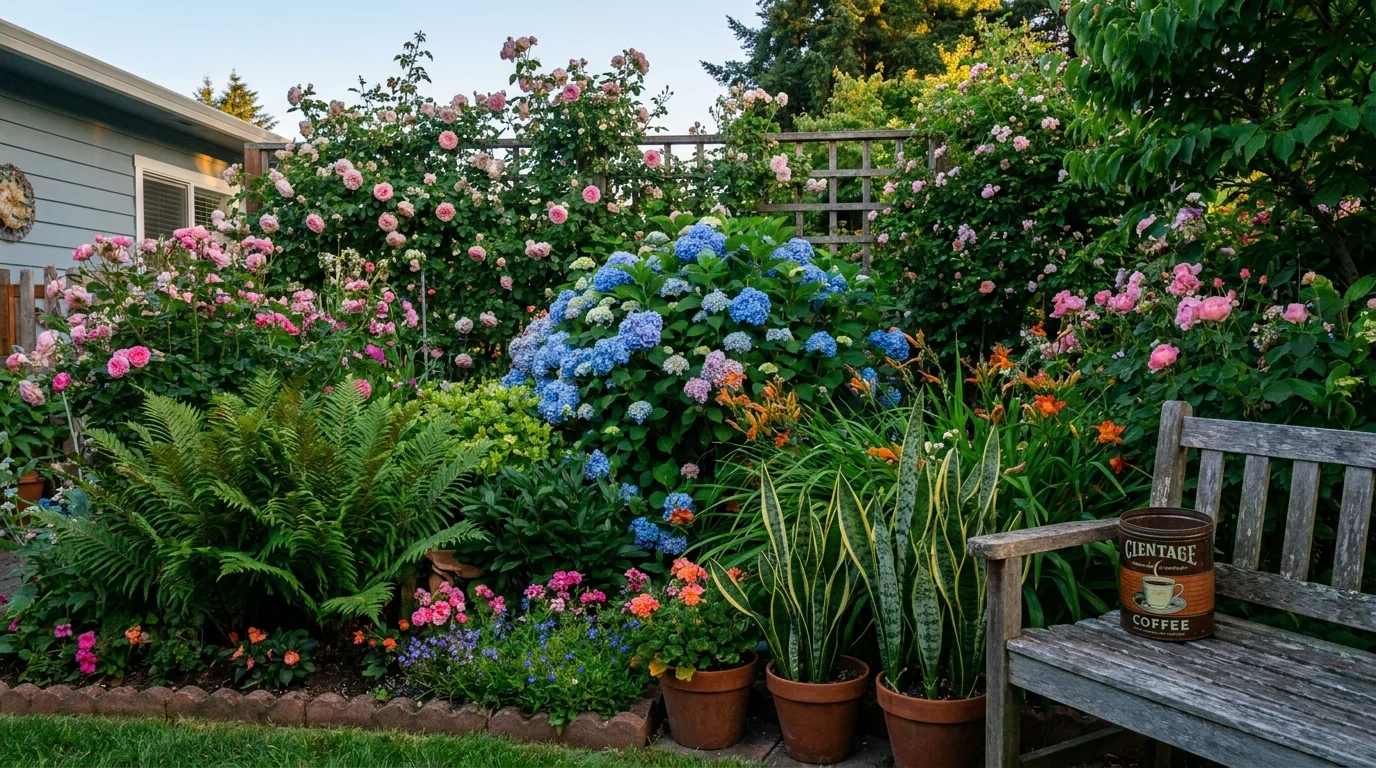
Putting It All Together: Enjoy Your Beautiful Garden
Recycling your morning coffee waste transforms your everyday gardening routine and actively supercharges your plant growth. These highly effective soil enrichment methods save you money on expensive commercial fertilizers while simultaneously building a healthier, more robust soil ecosystem.
You now know exactly which plants benefit the absolute most from this organic boost, from the prized roses blooming in your front yard to the trailing pothos vines brightening up your living room.
Remember to practice moderation when applying any new natural soil amendment. Using thin, even layers and blending the grounds thoroughly into your existing soil actively prevents surface compaction and guarantees optimal nutrient absorption.
Monitor your plants carefully throughout the growing season, testing your soil pH annually to ensure you maintain the perfect growing environment. Grab that leftover coffee filter, head out into the fresh air, and watch your beloved plants thrive like never before.
Frequently Asked Questions
Can I use fresh, unbrewed coffee grounds on my plants?
Fresh, unbrewed grounds contain significantly higher levels of natural acidity and active caffeine than brewed grounds. You should exclusively reserve unbrewed grounds for highly acid-loving plants like blueberries, azaleas, and hydrangeas. Always sprinkle fresh grounds sparingly, as the high caffeine content can temporarily stunt the growth of younger, more sensitive seedlings.
Will coffee grounds attract pests to my garden?
No, used grounds actually actively repel many common garden pests that destroy your crops. The strong, pungent scent naturally deters destructive insects like root maggots, snails, and slugs. Additionally, neighborhood cats strongly dislike the smell and texture of coffee, stopping them from using your freshly tilled garden beds as an outdoor litter box.
How often should I apply coffee grounds to my plants?
Moderation strictly guarantees the best possible growth results. Apply a thin, half-inch layer of grounds outdoors once every three to four months during the active growing season. For your indoor houseplants, limit your liquid applications or dry soil dustings to once every quarter to completely prevent unwanted nutrient buildup.
Can coffee grounds cause mold on houseplant soil?
Yes, damp grounds can quickly develop a harmless white fungal mold if left sitting wet on the soil surface indoors. Always dry your used grounds completely on a baking sheet before adding them to indoor potted plants. Alternatively, brew a diluted compost tea to deliver the rich nutrients without leaving any damp physical residue behind.
For region-specific advice, consult your local University Extension program (find yours via the USDA directory). For plant databases and inspiration, visit the Missouri Botanical Garden or the Royal Horticultural Society.
Disclaimer: This article provides general gardening advice. Always consider your specific climate, soil conditions, and local pests. Follow safety guidelines when using gardening tools and products.
4 Responses
Interesting read on turning waste into soil boost. While the piece stays firmly in gardening tips, it doesn’t touch beauty biz topics. That said, for beauty pros looking to optimize product workflows, I’d link this to how clean, sustainable practices mirror what Suplery helps beauty businesses manage daily. Suplery can streamline inventory, orders, and supplier chats, so salons, spas, and studios stay efficient as they scale. In Suplery we offer a unified dashboard and real-time stocktakes, plus wholesale pricing—perfect for barbershops or skincare clinics ready to level up operations. If you’re aiming for smoother onboarding and faster fulfillment, this is a solid partner to explore.
Thank you for the valuable information about coffee grounds!
Best regards,
Darlene
I’m wondering about mums. What do they like?
What if your tomatoes are already 3 to 4 ft tall and some have tomatoes? SW MO