
Seasonal Considerations for Your Garden
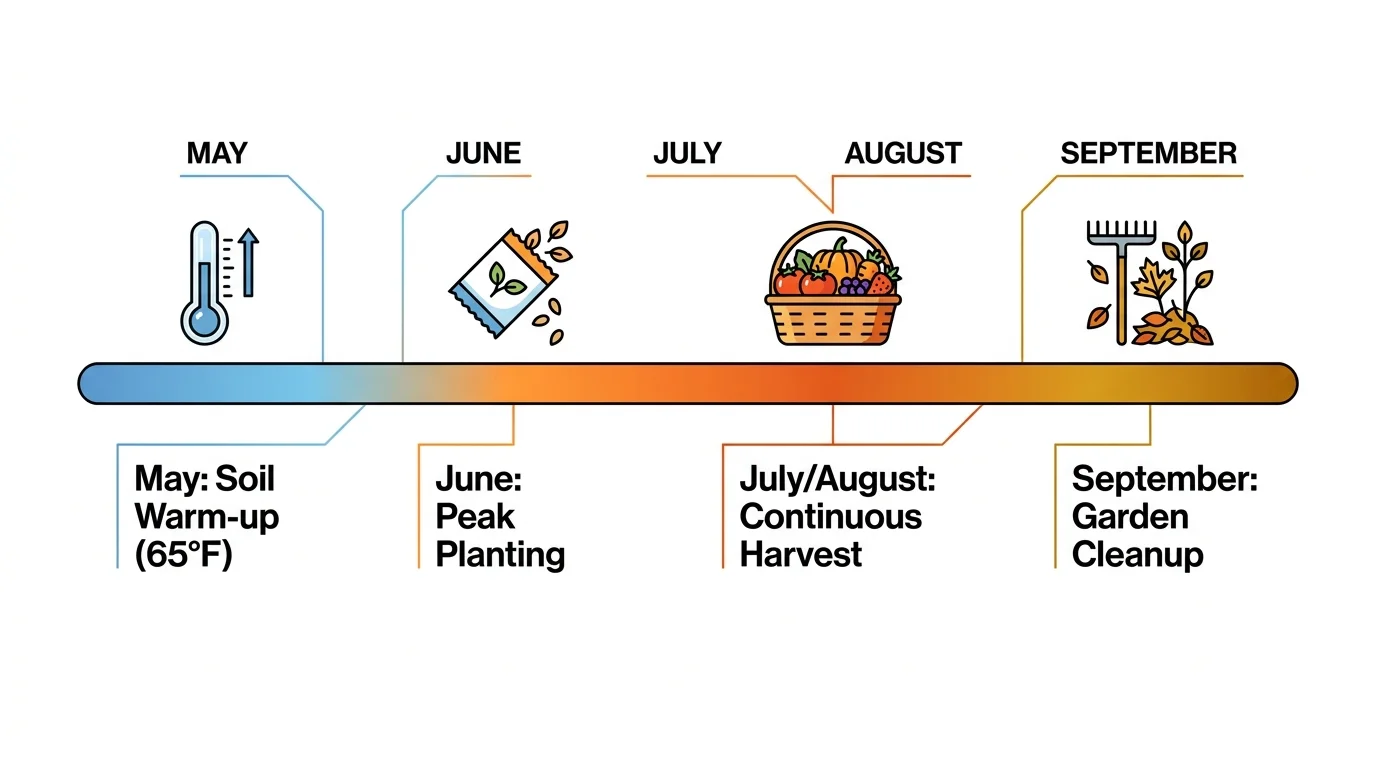
Success in the garden relies heavily on respecting the natural rhythm of the seasons and adjusting your activity levels accordingly. During the spring, your primary focus should be preparing your soil before the oppressive heat sets in. Instead of engaging in back-breaking double-digging, simply spread a three-inch layer of organic compost over the surface of your raised beds. Allow the spring rains and natural soil microbes to pull the nutrients downward; this no-till approach preserves your soil structure and protects your lower back.
As summer arrives, you must prioritize your own health and hydration while managing your outdoor space. The intense midday sun drains energy rapidly and can easily lead to heat exhaustion. You should restrict your active gardening tasks—such as planting, pruning, and harvesting—to the cool, early morning hours before 10 AM, or wait until the late evening when the shadows lengthen. During the hottest part of the day, your only job is to sit in the shade and watch your garden grow.
When the season shifts toward autumn, you can effortlessly transition your garden beds for the winter. As your summer vegetables finish their life cycle, do not struggle to rip massive root balls out of the ground. Instead, use sharp loppers to cut the plants off cleanly at the soil line. Leaving the roots in the ground allows them to decompose naturally over the winter, enriching the soil and keeping it aerated for the following spring. Pacing your seasonal chores ensures your garden remains a source of joy rather than a burden.
One Response
this is great information! Thank you!